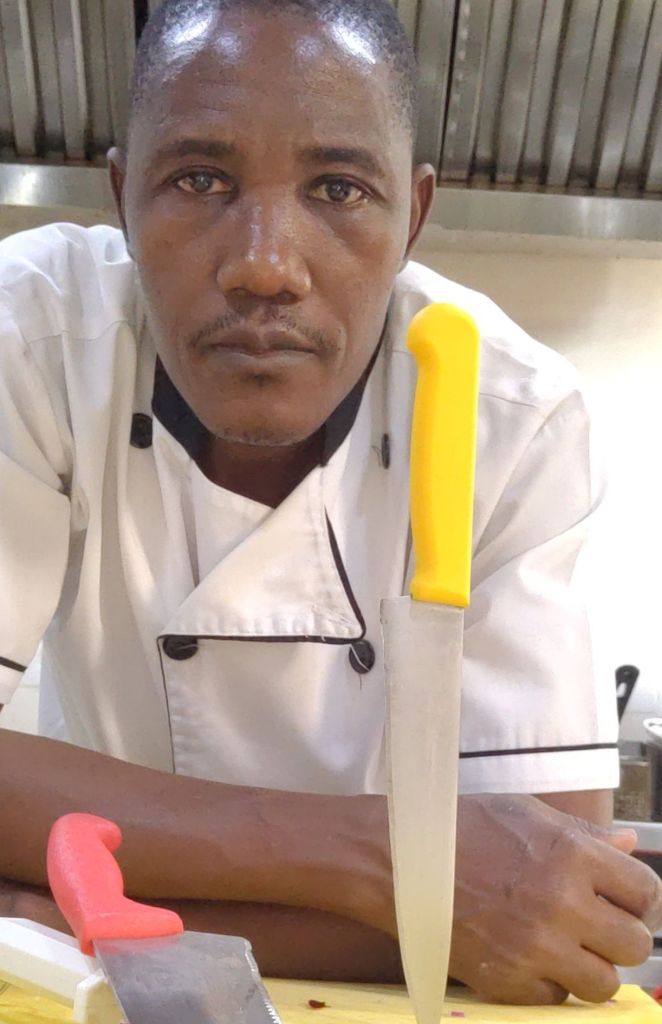
By:chef ssentongo Geoffrey
Head of Kitchen Staff
As a Head Chef, managing a restaurant kitchen involves more than just culinary expertise. Here are some essential tips to help you succeed:
- Set Realistic Goals and Expectations: Define clear objectives for your team. Understand the financial, commercial, and directional aspects of running the kitchen.
- Effective Communication: Regularly communicate with your staff. Provide guidance, address issues, and inspire them to excel.
- Create a Staff Manual: Document kitchen procedures, safety protocols, and standards. This ensures consistency and helps new team members understand expectations.
- Invest in Kitchen Equipment: High-quality tools enhance efficiency and productivity. Regular maintenance is crucial.
- Encourage Creativity: Foster innovation by allowing chefs to experiment with new dishes and flavors. Balance creativity with consistency.
- Focus on Customer Satisfaction: Deliver exceptional dining experiences. Monitor feedback and adapt accordingly.
- Cross-Train Employees: Develop a versatile team. Cross-training ensures flexibility during busy periods or staff shortages.
- Invest in Staff Development: Recognize and reward success. Support their growth and provide opportunities for learning and advancement.
Remember, transitioning from a team member to a leader requires passion, teamwork, clear direction, and fair discipline. You’ve got this!
What are some cost-saving strategies for a restaurant kitchen?
Managing costs in a restaurant kitchen is crucial for profitability. Here are some effective strategies:
- Identify High-Cost, Low-Profit Items: Review your menu and eliminate items that cost a lot to make but don’t sell well. Replace them with popular alternatives.
- Optimize Supply Chain: Work closely with suppliers to negotiate better prices and streamline deliveries. Regularly assess supplier performance and consider bulk purchasing.
- Minimize Food Waste: Monitor customer food waste and avoid letting older ingredients go unused. Implement the FIFO (First In, First Out) method to ensure freshness.
- Streamline Your Menu: Focus on dishes that share common ingredients. A concise menu reduces complexity and waste.
- Use a Food Cost Calculator: Calculate the food cost percentage for each menu item. Aim for a range of 15% to 30% to maximize revenue.
Remember, these strategies can help you save money without compromising quality or customer experience.
What about labor cost management?
Managing labor costs is essential for maintaining a healthy bottom line. Here are some strategies:
- Staff Scheduling Optimization: Create efficient schedules that match labor needs with peak business hours. Use historical data to predict busy times and allocate staff accordingly.
- Cross-Training: Train employees to handle multiple roles. This flexibility helps during staff shortages and reduces the need for excessive hiring.
- Labor Cost Percentage Calculation:
- Calculate the labor cost percentage using this formula:Labor Cost %=Total RevenueTotal Labor Cost×100
- Aim for a labor cost percentage between 20% and 30%.
- Monitor Overtime: Keep overtime hours in check. Overtime pay can significantly impact labor costs.
- Performance Metrics and Incentives: Set performance targets and reward employees who meet or exceed them. This motivates staff and improves productivity.
Remember, effective labor cost management involves balancing quality service with financial sustainability.
How can I improve staff retention?

Improving staff retention is crucial for a successful kitchen. Here are some strategies:
- Positive Work Environment: Foster a supportive, respectful atmosphere. Encourage teamwork and celebrate achievements.
- Competitive Compensation: Ensure fair wages and benefits. Regularly review salaries to stay competitive in the industry.
- Professional Development: Invest in training and skill development. Offer workshops, certifications, and opportunities for growth.
- Recognition and Appreciation: Acknowledge hard work and dedication. Regularly praise and thank your team.
- Work-Life Balance: Promote reasonable working hours and time off. Burnout affects retention.
- Clear Communication: Be transparent about expectations, changes, and feedback. Listen actively to staff concerns.

Remember, happy employees are more likely to stay committed and contribute to your kitchen’s success!.
Employee retention strategies in the restaurant industry.
Employee retention is crucial for a successful restaurant. Here are effective strategies to keep your valuable staff motivated and loyal:
- Understand Your Restaurant Staff: Get to know your team individually. Recognize their strengths, preferences, and aspirations. This understanding helps tailor retention efforts.
- Offer Competitive Compensation:
- Competitive Salaries: Pay should reflect skills, experience, and local cost of living.
- Benefits Packages: Comprehensive health insurance, retirement plans, and paid time off matter to employees.
- Provide Career Opportunities:
- Growth Paths: Create clear career trajectories. Employees appreciate knowing how they can advance within the organization.
- Skill Development: Invest in training and skill-building programs. Encourage continuous learning1.
- Encourage Regular Communication:
- Open Dialogue: Foster an environment where employees feel comfortable sharing feedback, concerns, and ideas.
- Feedback Sessions: Regularly discuss performance, goals, and development.
- Foster a Positive Work Environment:
- Team Spirit: Encourage collaboration and camaraderie among staff.
- Work-Life Balance: Prioritize reasonable working hours and time off.
- Recognition: Celebrate achievements and milestones.
- Show Appreciation to Your Staff:
- Free or Discounted Meals: Boost morale by providing meals to your team.
- Employee of the Month: Recognize outstanding performance.
- Feedback Surveys and Contests: Engage employees actively.

Remember, a happy, supported workforce contributes to better service and overall success! .
Retention Strategies for Front-of-House Staff.
Retaining top front-of-house staff is crucial for a successful restaurant. Here are some effective strategies:
- Career Development Programs: Offer growth opportunities, such as cross-training, workshops, and certifications. Encourage employees to enhance their skills and advance within the organization1.
- Positive Work Environment:
- Team Spirit: Foster collaboration and camaraderie among staff.
- Work-Life Balance: Prioritize reasonable working hours and time off.
- Recognition: Celebrate achievements and milestones2.
- Training Managers to Retain Staff:
- Equip managers with skills to motivate, support, and communicate effectively with front-of-house employees.
- Address concerns promptly and create a supportive atmosphere1.
- Fair Compensation and Benefits:
- Ensure competitive salaries and comprehensive benefits packages.
- Recognize and reward good work to boost morale.
Remember, investing in your front-of-house team pays off in customer satisfaction and overall success! .
How can I prevent customer complaints?

Preventing customer complaints is essential for maintaining a positive dining experience. Here are some strategies:
- Consistent Quality:
- Ensure that food quality, presentation, and taste remain consistent.
- Regularly train kitchen and service staff to meet high standards.
- Effective Communication:
- Clearly communicate menu details, specials, and any changes.
- Listen actively to customer preferences and dietary restrictions.
- Timely Service:
- Minimize wait times for orders, drinks, and bill payments.
- Address delays promptly and apologize if necessary.
- Cleanliness and Hygiene:
- Maintain a clean dining area, restrooms, and kitchen.
- Regularly inspect and sanitize utensils, glassware, and surfaces.
- Handle Mistakes Gracefully:
- If an error occurs, apologize sincerely and rectify it promptly.
- Offer a complimentary item or discount as a goodwill gesture.
Remember, proactive measures can prevent complaints and enhance customer satisfaction! 🍽️😊.
How to Handling Difficult Customers?
Handling difficult customers is a crucial skill in the restaurant industry. Here are some effective strategies:
- Stay Calm and Empathetic:
- Listen actively to their concerns without interrupting.
- Show understanding and empathy, even if the customer is upset.
- Apologize and Take Responsibility:
- Apologize sincerely, regardless of who is at fault.
- Assure the customer that you’ll address the issue promptly.
- Offer Solutions:
- Propose solutions that align with your restaurant’s policies.
- Be flexible and willing to accommodate reasonable requests.
- Involve a Manager if Necessary:
- If the situation escalates, involve a manager or supervisor.
- Ensure the customer feels heard and respected.
- Maintain Professionalism:
- Avoid arguing or becoming defensive.
- Focus on resolving the issue professionally.
Remember, difficult customers can become loyal patrons if handled well!.
What about managing customer expectations during peak hours?
Certainly! Managing customer expectations during peak hours is crucial for a smooth dining experience. Here are some strategies:
- Accurate Wait Time Estimates:
- Train your staff to provide realistic wait time estimates. Overpromising can lead to dissatisfaction.
- Communicate any delays promptly and apologize sincerely.
- Reservation Policies:
- Encourage reservations during busy times. This helps manage expectations and ensures smoother service.
- Clearly state reservation policies (e.g., cancellation fees, grace periods).
- Menu Simplification:
- Offer a streamlined menu during peak hours. Focus on popular dishes to reduce wait times.
- Highlight signature items to guide customer choices.
- Pre-Bussing and Table Turnaround:
- Efficiently clear tables after guests leave. A clean table signals readiness for the next party.
- Train servers to expedite the process without rushing guests.
- Transparent Communication:
- Inform waiting customers about delays and offer alternatives (e.g., bar seating, appetizers).
- Set realistic expectations for food preparation time.
Remember, proactive communication and efficient processes enhance customer satisfaction even during busy periods! 🍽️.
Please give us your comment
http://www.chefsideacafe.food.blog
 HEALTHY MEALS
Leave a comment