Author by : chef ssentongo Geoffrey
30 Essential Culinary Terms Every Cook Should Know, and it’s Explanation
By : Mr Delicious Recipe
Here are 30 essential culinary terms every cook should know, along with their explanations:

- Al Dente: An Italian term meaning “to the tooth,” used to describe pasta or rice that is cooked until it offers a slight resistance when bitten.
- Braise: A cooking method where food is first seared at a high temperature and then finished in a covered pot with liquid at a lower temperature.
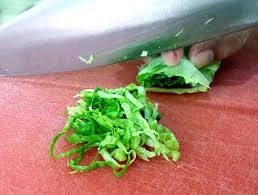
- Chiffonade: A technique for cutting herbs or leafy vegetables into thin, ribbon-like strips.
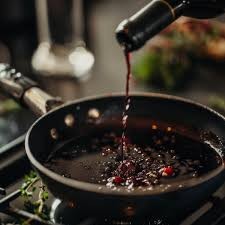
- Deglaze: Adding liquid to a hot pan to dissolve the browned bits of food stuck to the bottom, creating a flavorful base for sauces.
- Emulsify: Combining two liquids that normally don’t mix, such as oil and vinegar, into a stable mixture.
- Fold: Gently incorporating ingredients together without deflating air, often used in baking.
- Julienne: Cutting vegetables into thin, matchstick-like strips.
- Knead: Working dough with your hands to develop gluten, giving it elasticity and strength.
- Macerate: Soaking fruit in liquid (often alcohol or sugar) to soften it and enhance its flavor.
- Mise en Place: A French term meaning “everything in its place,” referring to the setup of ingredients and tools before cooking.
- Poach: Cooking food gently in simmering liquid, typically water, broth, or wine.
- Reduce: Cooking a liquid until it decreases in volume and thickens, intensifying its flavor.
- Roux: A mixture of fat (usually butter) and flour cooked together and used as a thickening agent for sauces and soups.
- Sauté: Cooking food quickly in a small amount of oil or fat over high heat.
- Scald: Heating a liquid, usually milk, to just below boiling point.
- Score: Making shallow cuts in the surface of food to help it cook evenly or absorb flavors.
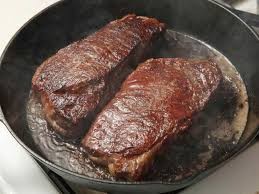
- Sear: Browning the surface of food quickly at a high temperature to develop flavor.
- Simmer: Cooking food gently in liquid at a temperature just below boiling.
- Sweat: Cooking vegetables over low heat in a small amount of fat until they soften and release moisture without browning.
- Temper: Gradually raising the temperature of a cold or room-temperature ingredient by adding a hot ingredient to it slowly.
- Whip: Beating ingredients, such as cream or egg whites, to incorporate air and increase volume.
- Zest: The outer, colored part of citrus peel, used for its aromatic oils.
- Blanch: Briefly boiling food and then plunging it into ice water to stop the cooking process, often used to preserve color and texture.
- Caramelize: Cooking sugar until it turns golden brown and develops a rich flavor.
- Clarify: Removing impurities from a liquid, such as butter or stock, to make it clear.
- Cure: Preserving food by salting, smoking, or drying.
- Dredge: Coating food lightly with flour, breadcrumbs, or another dry ingredient before cooking.
- Flambé: Pouring alcohol over food and igniting it to create a burst of flames.
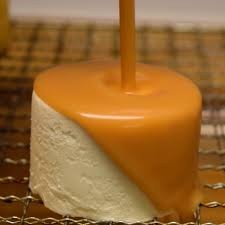
- Glaze: Coating food with a glossy, often sweet or savory, substance.
- Marinate: Soaking food in a seasoned liquid to add flavor and tenderize it.
These terms will help you navigate recipes and cooking techniques with confidence.
What’s the difference between blanching and parboiling
Blanching and parboiling are both useful cooking techniques, but they serve different purposes and involve slightly different processes.
Here’s a breakdown of each:
Blanching:

- Process: Blanching involves briefly boiling food, usually vegetables, and then quickly plunging them into ice water to stop the cooking process.
- Purpose: This technique is used to preserve the color, texture, and nutritional value of vegetables. It also helps to remove the skins from fruits and vegetables and to prepare them for freezing.
- Duration: Typically, blanching lasts for a very short time, usually 1-3 minutes, depending on the vegetable.
Parboiling:
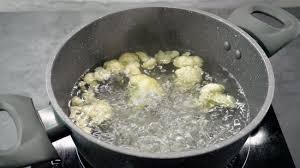
- Process: Parboiling, short for “partial boiling,” involves boiling food until it is partially cooked. Unlike blanching, parboiled food is not immediately cooled in ice water.
- Purpose: This method is used to soften food and reduce the overall cooking time. It is often used for foods that will be cooked further by another method, such as roasting, grilling, or frying.
- Duration: Parboiling takes longer than blanching, usually around 5-10 minutes, depending on the food.
Key Differences:
- Cooling Step: Blanching includes an immediate cooling step in ice water, while parboiling does not.
- Cooking Time: Blanching is a quick process, whereas parboiling takes longer.
- End Goal: Blanching aims to preserve the food’s qualities, while parboiling aims to partially cook the food to reduce the final cooking time.
Both techniques are valuable in the kitchen and can help you achieve different results depending on your cooking needs.
Would you like to know more about any other cooking techniques or terms?
Happy cooking! 🍳
Is there a specific technique or term you’d like to learn more about?
 HEALTHY MEALS
Leave a comment