
Sent by :Mr Delicious
How to Make Cheese at Home Step By Step


Author : chef ssentongo Geoffrey
Explore
Making cheese at home can be a fun and rewarding process!
Here’s a simple step-by-step guide to help you make a basic cheese, like ricotta or paneer:
Ingredients:
- 1 gallon of whole milk (avoid ultra-pasteurized)
- 1/4 cup of white vinegar or lemon juice
- 1 teaspoon of salt (optional)
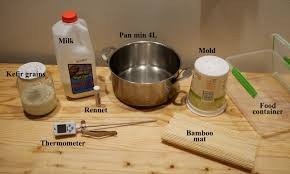
Equipment:
- Large pot
- Thermometer
- Cheesecloth or a clean kitchen towel
- Colander
- Large spoon or ladle
Steps:
- Heat the Milk:
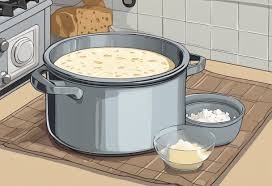
- Pour the milk into a large pot and heat it over medium heat.
- Stir occasionally to prevent the milk from scorching.
- Heat the milk to 85°C (185°F).
- Add Acid:
- Once the milk reaches the desired temperature, remove it from the heat.
- Slowly add the vinegar or lemon juice while gently stirring.
- You should see the milk begin to curdle, forming curds and whey.
- Let it Sit:
- Allow the mixture to sit undisturbed for about 10 minutes.
- This gives the curds time to fully form.
- Strain the Curds:
- Line a colander with cheesecloth or a clean kitchen towel.
- Carefully pour the curds and whey into the colander.
- Let the whey drain away, leaving the curds behind.
- Rinse and Drain:
- If you used vinegar, you might want to rinse the curds with cool water to remove any vinegar taste.
- Gather the cheesecloth and gently squeeze out any excess whey.
- Season and Shape:
- Transfer the curds to a bowl.
- Add salt if desired and mix gently.
- You can shape the cheese into a ball or press it into a mold for a more defined shape.
- Chill and Enjoy:
- Place the cheese in the refrigerator to firm up for a few hours.
- Your homemade cheese is now ready to enjoy!
This basic method can be adapted to make different types of cheese by adjusting the ingredients and steps slightly. For example, mozzarella involves stretching the curds, while cheddar requires pressing and aging123.
What Are Some Other Types of Homemade Cheeses?

There are many types of cheeses you can make at home, each with its own unique flavor and texture.
Here are a few popular options:
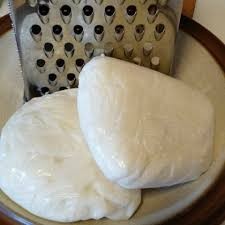
1. Mozzarella
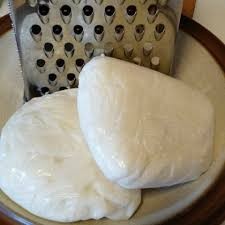
- Ingredients: Whole milk, citric acid, rennet, salt.
- Process: Heat milk, add citric acid and rennet, cut curds, heat and stretch curds.
- Time: About 30 minutes to 1 hour.
2. Ricotta
- Ingredients: Whole milk, vinegar or lemon juice, salt.
- Process: Heat milk, add acid, strain curds.
- Time: About 30 minutes.
3. Paneer
- Ingredients: Whole milk, lemon juice or vinegar.
- Process: Heat milk, add acid, strain and press curds.
- Time: About 1 hour.
4. Feta
- Ingredients: Goat or cow milk, rennet, salt.
- Process: Heat milk, add rennet, cut curds, drain and brine.
- Time: Several days to a few weeks for aging.
5. Queso Fresco
- Ingredients: Whole milk, vinegar or lemon juice, salt.
- Process: Heat milk, add acid, strain curds.
- Time: About 1 hour.
6. Cottage Cheese
- Ingredients: Whole milk, rennet or vinegar, salt.
- Process: Heat milk, add rennet or vinegar, cut curds, cook and drain.
- Time: Several hours.
7. Mascarpone
- Ingredients: Heavy cream, lemon juice.
- Process: Heat cream, add lemon juice, strain.
- Time: About 24 hours.
8. Labneh
- Ingredients: Yogurt, salt.
- Process: Strain yogurt through cheesecloth.
- Time: About 24 hours.
These cheeses range from very simple, like ricotta and paneer, to slightly more complex, like feta and mozzarella123. Each type offers a different taste and texture, making homemade cheese a versatile addition to your culinary repertoire.
Tell me More About The Aging Process for Homemade Cheeses .
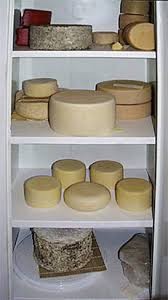
Aging cheese at home is a fascinating process that enhances the flavor and texture of your homemade cheeses.
Here’s a detailed look at how it works:
Key Elements of Cheese Aging
- Temperature:
- Most cheeses age best at temperatures between 50°F and 55°F (10°C to 13°C).
- Lower temperatures slow down the aging process, while higher temperatures can cause over-ripening or spoilage.
- Humidity:
- Ideal humidity levels are around 70-85% for most cheeses.
- Proper humidity prevents the cheese from drying out and supports the growth of beneficial molds and bacteria.
- Air Circulation:
- Good air circulation helps distribute moisture evenly and prevents unwanted mold growth.
- It also helps eliminate excess carbon dioxide produced during aging.
Steps to Age Cheese at Home

- Select a Cheese Recipe:
- Choose a cheese that you want to age, such as cheddar, gouda, or blue cheese.
- Prepare the Cheese:
- Follow the recipe to make the cheese, ensuring it’s ready for aging.
- Create an Aging Environment:
- Set up a controlled space, often referred to as a “cheese cave.” This can be a modified refrigerator, a wine cooler, or a cellar.
- Ensure the environment maintains the right temperature and humidity.
- Monitor and Adjust:
- Regularly check the cheese, adjusting conditions as necessary.
- Flip the cheese periodically to ensure even aging and prevent mold growth.
- Patience and Care:
- Aging times vary: soft cheeses may take a few weeks, while hard cheeses can take months or even years.
- During this time, enzymes and bacteria break down proteins and fats, developing complex flavors and textures12.
Common Issues and Solutions
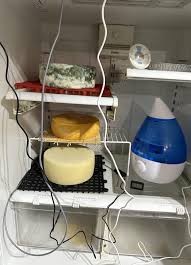
- Mold Growth:
- Some mold is beneficial, but unwanted mold can be wiped off with a cloth dipped in saltwater or vinegar.
- Drying Out:
- If the cheese dries out, increase the humidity or wrap it in wax or cheese paper.
- Cracks:
- Cracks can be minimized by maintaining consistent humidity and temperature.
Benefits of Aging Cheese
- Flavor Development:
- Aging allows the cheese to develop deeper, more complex flavors.
- Texture Changes:
- Hard cheeses become firmer and may develop crunchy crystals, while soft cheeses become creamier.
Aging cheese at home is both an art and a science, requiring attention to detail and patience. The reward is a delicious, unique cheese that reflects your personal touch.

Would you like to try aging a specific type of cheese?
Do you like a detailed recipe for any of these cheeses, or do you have another type in mind?
Drop your comment or question about your favorite cheese
 HEALTHY MEALS
Leave a comment