By : chef ssentongo Geoffrey
Fresh Pasta vs. Dry Pasta: What’s the Difference?
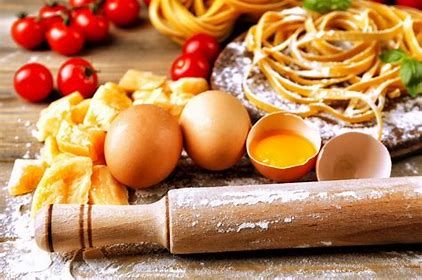
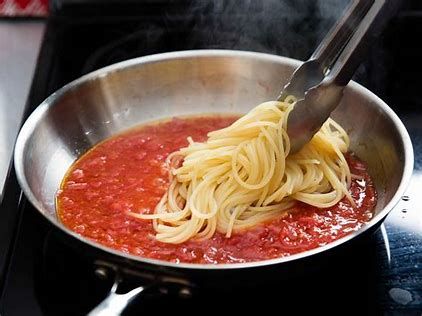
When should you use fresh pasta vs. dry pasta? The answer makes a big difference in the taste and texture of the final dish, but fresh isn’t always better.
Fresh or dry pasta can be used in any recipe, but they have different flavors and textures that will affect the final dish. Here are the major differences between the two to help you decide which to use.
Dry Pasta: Ingredients
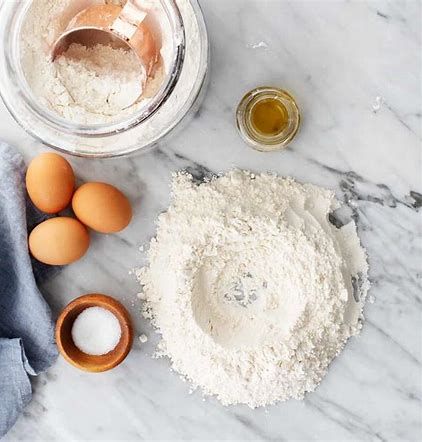
Dry pasta is made with water, semolina (a type of flour made from durum wheat) and sometimes egg. The ingredients are mixed together to create a crumbly dough. The dough is then pressed through an extruder fitted with a die to create the desired pasta shape, forming anything from long noodles to curly macaroni or tube-shaped ziti. Once formed, the pasta is dried for several days until the moisture evaporates, creating a shelf-stable product that’s good for several years.
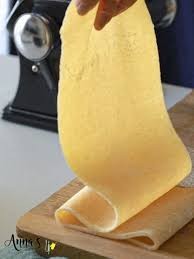
Fresh pasta, on the other hand, is made with eggs and flour, usually a specialty type of flour called “00” flour. It also contains water or olive oil, and sometimes extra ingredients (like pureed spinach or spices like paprika) are added to give the dough a vibrant color. The dough is kneaded and passed through a cutting machine, or it can be hand-cut for rustic-style pasta. Because fresh pasta contains perishable ingredients, it must be cooked immediately or stored in the refrigerator.
Texture

Dry pasta is often cooked al dente, which means “to the tooth” in Italian. That gives dry pasta a tender-firm texture that’s perfectly chewy, and it holds up well to hearty sauces. Of course, if you continue to boil dry pasta past the al dente stage, it will eventually become soft and mushy, so you can choose the desired level of texture based on your preference.
Fresh pasta doesn’t give you any options when it comes to texture.
Fresh Pasta vs. Dry Pasta: What’s the Difference?
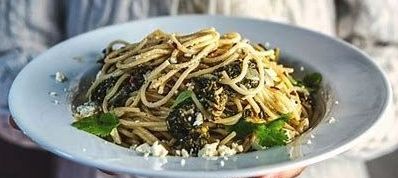
When should you use fresh pasta vs. dry pasta? The answer makes a big difference in the taste and texture of the final dish, but fresh isn’t always better.
Today, you don’t even need to put in the work to enjoy fresh pasta: It’s available in the refrigerated section at most grocery stores. But, despite my love of fresh pasta, I’ve learned it’s not necessarily better than dry pasta. Both are worthy of a restaurant-quality meal—the one you choose depends on the pasta sauce you pair it with.
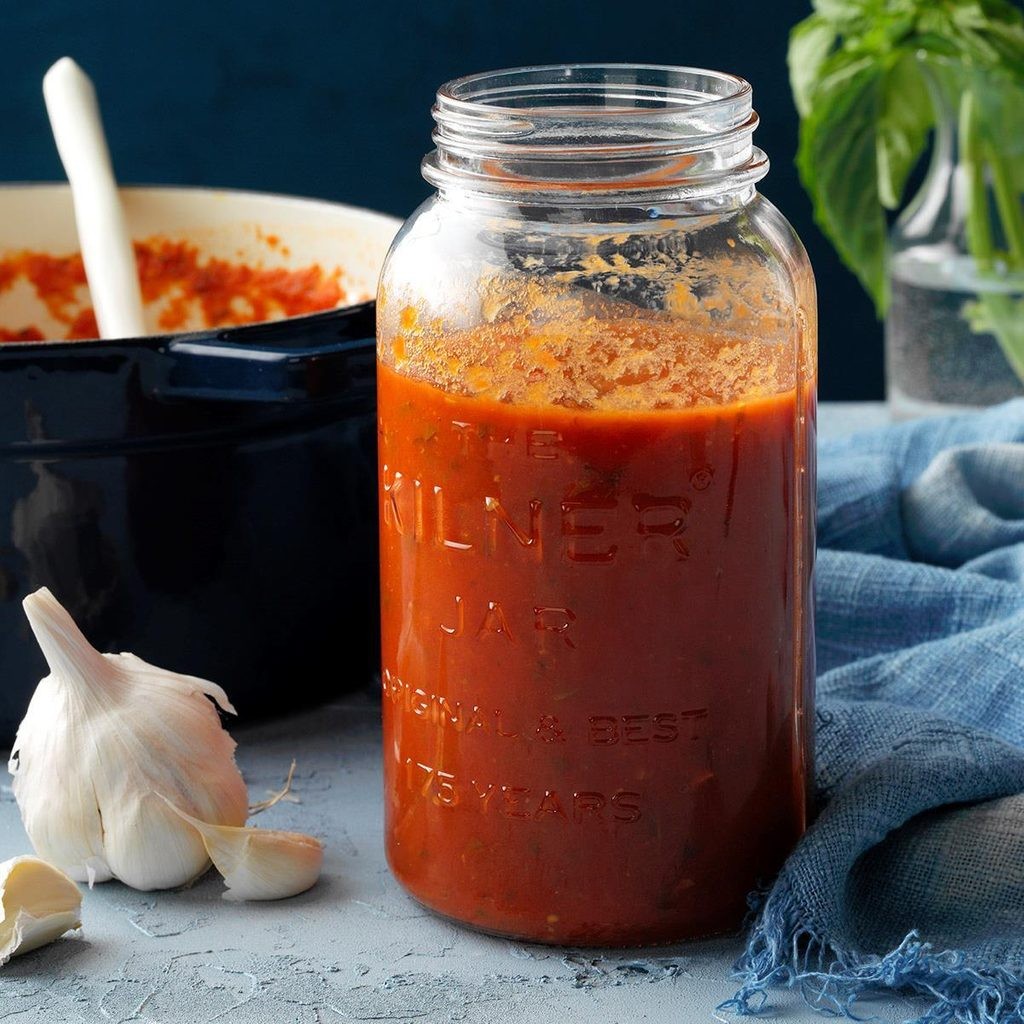
What’s the Difference Between Fresh and Dry Pasta?
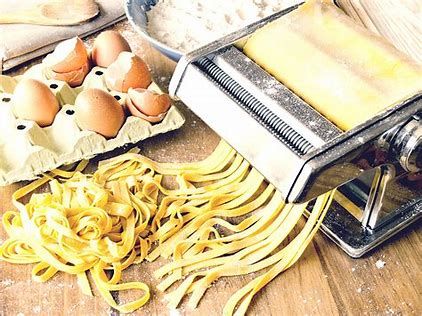
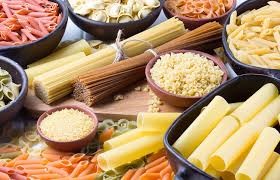
Fresh or dry pasta can be used in any recipe, but they have different flavors and textures that will affect the final dish. Here are the major differences between the two to help you decide which to use.
Fresh Pasta vs. Dry Pasta: Ingredients
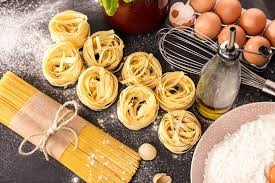
Dry pasta is made with water, semolina (a type of flour made from durum wheat) and sometimes egg. The ingredients are mixed together to create a crumbly dough. The dough is then pressed through an extruder fitted with a die to create the desired pasta shape, forming anything from long noodles to curly macaroni or tube-shaped ziti. Once formed, the pasta is dried for several days until the moisture evaporates, creating a shelf-stable product that’s good for several years.
Fresh pasta, on the other hand, is made with eggs and flour, usually a specialty type of flour called “00” flour. It also contains water or olive oil, and sometimes extra ingredients (like pureed spinach or spices like paprika) are added to give the dough a vibrant color. The dough is kneaded and passed through a cutting machine, or it can be hand-cut for rustic-style pasta. Because fresh pasta contains perishable ingredients, it must be cooked immediately or stored in the refrigerator.
When making fresh pasta, you’ll need to cook about 2 ounces per person. With dried pasta, it’s sometimes easier to use a cup measurer per person. Here’s our chart showing how much pasta per person you should make.
Dry Pasta: Texture
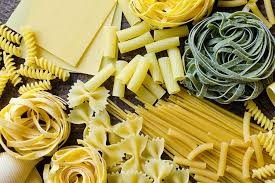
Dry pasta is often cooked al dente, which means “to the tooth” in Italian. That gives dry pasta a tender-firm texture that’s perfectly chewy, and it holds up well to hearty sauces. Of course, if you continue to boil dry pasta past the al dente stage, it will eventually become soft and mushy, so you can choose the desired level of texture based on your preference.
Fresh pasta doesn’t give you any options when it comes to texture. In general, it’s smoother and softer than dried pasta, and it’s not possible to cook it to the al dente stage. Because the pasta isn’t dried through to the center, these noodles cook through in a matter of minutes, creating a uniform finish inside and out. The end result is a soft, springy texture.
Dry Pasta: Cooking Time
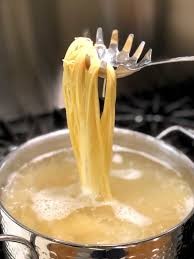
Dry pasta cooking time depends on the size and shape. Most pasta takes 10 to 12 minutes, but thin pasta like angel hair may be done in as little as 8 minutes. Refer to the cooking instructions on the box and taste the pasta about 2 minutes before the timer expires. If it’s tender enough to chew but still contains a bit of a bite, you’ve reached al dente. If it’s too firm for your liking, continue cooking it until it reaches the preferred level of doneness.
Fresh pasta cooks much, much more quickly! Depending on the pasta’s thickness, it may be done in less than 2 minutes. Watch for the noodles to begin floating to the top of the pot. To check for doneness, bite into a noodle and look for a tiny white dot in the center. If you see it, continue cooking until it disappears, testing another noodle every 20 seconds.
When to Use Dry Pasta

It’s best to use dry pasta with rich, hearty sauces, like a pasta puttanesca dish or a thick, meaty ragu. That’s because dry pasta can be cooked al dente, giving the pasta a chewy bite and thick texture that holds up to these hearty sauces. Dry pasta is also ideal for casseroles and soups because it can hold up to the extended cooking time.
When to Use Fresh Pasta
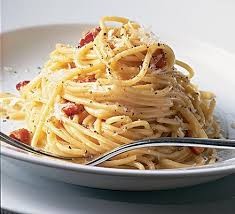
Fresh pasta shines with delicate sauces that accentuate its eggy flavor and chewy texture. Think carbonara, cacio e pepe or pasta tossed with simple sauces like butter, marinara or pesto. Using fresh pasta with a store-bought Alfredo sauce is an excellent way to elevate the canned sauce to something that tastes like it simmered away all day.
When it comes to pasta, there are two main types: fresh pasta and dry pasta. Here’s a breakdown of the differences:
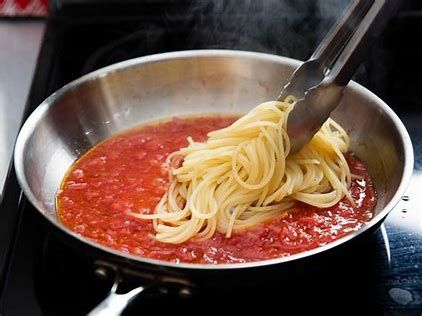
Fresh Pasta
- Made from scratch: Fresh pasta is typically made from scratch using eggs, flour, and water.
- Soft and delicate texture: Fresh pasta has a soft, delicate texture and a more tender bite.
- Short shelf life: Fresh pasta has a short shelf life (usually 1-2 days) and must be stored in the refrigerator.
- More labor-intensive: Fresh pasta requires more labor and time to produce.
- Better with light sauces: Fresh pasta pairs well with light, delicate sauces that won’t overpower its flavor.
Dry Pasta

- Mass-produced: Dry pasta is mass-produced using a machine that extrudes the dough through a die.
- Long shelf life: Dry pasta has a long shelf life (usually 1-2 years) and can be stored at room temperature.
- Firm texture: Dry pasta has a firmer texture and a more robust bite.
- Less labor-intensive: Dry pasta is easier and faster to produce.
- Versatile with sauces: Dry pasta can handle a wide range of sauces, from light to heavy.
When to Choose Each

- Fresh pasta: Opt for fresh pasta when you want a more delicate texture and flavor. It’s ideal for dishes like carbonara, cacio e pepe, or with light, oily sauces.
- Dry pasta: Choose dry pasta when you want a more robust texture and a longer shelf life. It’s perfect for dishes like spaghetti Bolognese, pesto, or with hearty, meat-based sauces.
Ultimately, the choice between fresh and dry pasta comes down to personal preference, the type of dish you’re making, and the texture and flavor you desire.
Please don’t forget to drop your comment and follow.
 HEALTHY MEALS
Leave a comment