By > chef ssentongo Geoffrey
From : Mr Easy Recipes
What Is a Crêpe? History and How to Make Them
What is a Crêpe?
A crêpe (pronounced krep or krape) is a thin, delicate pancake originating from France. Made from a simple batter of flour, eggs, milk, and butter, crêpes can be served sweet (crêpes sucrées) or savory (crêpes salées), depending on the filling.
How Are Crêpes Different from Pancakes?
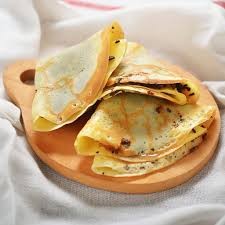

While both crêpes and pancakes are made from similar ingredients, they differ in several ways: Feature Crêpes Pancakes Thickness Very thin Thick & fluffy Leavening No baking powder/soda Uses leavening agents Texture Soft, slightly chewy Light & airy Serving Style Rolled or folded Stacked Fillings Often filled with sweet (Nutella, fruit) or savory (cheese, ham) ingredients Typically topped with syrup, butter, or fruit
A Brief History of Crêpes
Crêpes date back to 13th-century Brittany (France), where they were made using buckwheat flour. They became a staple food due to their affordability and versatility. Today, crêpes are enjoyed worldwide, with variations like:
- Galettes (savory buckwheat crêpes from Brittany)
- Blini (Russian mini crêpes)
- Palatschinken (Austrian/Hungarian crêpes)
How to Make Classic French Crêpes

Ingredients (for ~10 crêpes):
- 1 cup (125g) all-purpose flour
- 2 large eggs
- 1½ cups (360ml) milk
- 2 tbsp (30g) melted butter + extra for cooking
- 1 tbsp sugar (for sweet crêpes) or ½ tsp salt (for savory)
- 1 tsp vanilla extract (optional, for sweet crêpes)
Instructions:
- Mix the batter: Whisk flour, eggs, milk, melted butter, and sugar/salt until smooth. Let rest 30 mins (for best texture).
- Heat the pan: Use a non-stick skillet or crêpe pan over medium heat. Lightly butter it.
- Cook: Pour ~¼ cup batter, swirl to coat the pan. Cook 1-2 mins until edges lift, then flip and cook 30 secs more.
- Serve: Fill with Nutella, jam, cheese, ham, or fresh fruit. Fold or roll and enjoy!
Tips for Perfect Crêpes:
- Batter consistency should be like heavy cream.
- Let the batter rest for a smoother texture.
- Use a thin spatula for easy flipping.
Would you like a specific filling recipe?
How to Make Crêpes
With a simple batter and a few basic techniques, you can create thin, delicate crêpes that rival those served in a French café right from your home kitchen.
- Non-stick crêpe pan or seasoned cast iron pan (or a crepe maker)
- T-spreader (or spatula) for even batter distribution
- Ladle for precise batter portions
- Thin spatula for flipping crêpes
- Whisk or blender for smooth batter preparation
Step-by-Step Instructions for Easy Crepes
Here is a basic recipe for crêpes that yields 4 servings
Tools and Equipment for Making Crêpes
Ingredients
- 250g All Purpose Flour
- 31g Sugar
- 8g Salt
- 188g Eggs
- 500g Whole Milk
- 50g Oil or Clarified Butter
Method
- Sift the flour, sugar, and salt into a bowl.
- Add the eggs and just enough of the milk to make a soft paste with the flour, mix until lump free.
- Slowly add the rest of the milk and oil. The batter should be the consistency of heavy cream. If it is too thick, thin batter with a little water. If it’s lumpy, strain it.
- Let the batter rest for at least 2 hours or overnight.
- Brush a 6-8” non stick pan lightly with oil or butter and heat over medium until hot.
- Remove from the heat and pour in 3-4 tbsp. of batter and quickly swirl the pan to cover the bottom with a thin layer of batter.
- Return to the heat for about 1-1.5 minutes until the bottom is lightly browned.
- Flip crepe and brown on the other side.
Crêpes too thick? Use minimal batter to achieve thin crêpes. Pour a small amount into the pan, swirling quickly for an even spread. If the batter is too thick, add a little milk to thin it out.
Crêpes tearing easily? Try letting the batter rest longer to improve the elasticity. Also ensure the pan is properly greased to prevent sticking.
Crêpes have an uneven texture? To achieve a smoother consistency, try whisking the batter thoroughly to remove any lumps. You can also use a blender to achieve an even mixture.
With practice and keeping these tips in mind, you can turn out consistent crêpes in no time!
Types and Variations of Crêpes

Whether you’re savoring a classic French galette or looking for a more modern twist, there’s a crêpe for every occasion and taste.
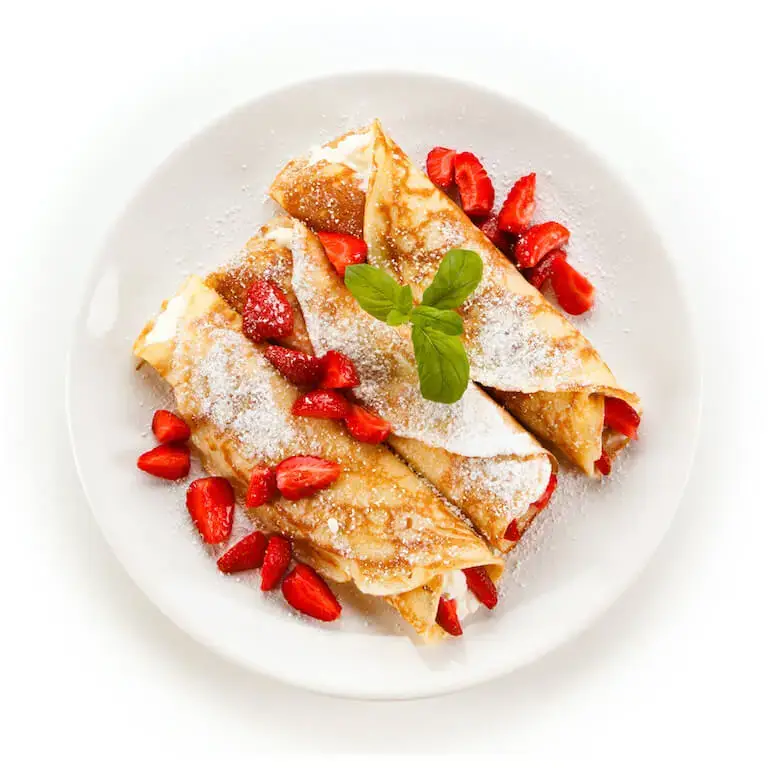
Sweet Crêpes
Sweet crêpes, made with white wheat flour and a touch of sugar, are light, delicate, and perfect for dessert or breakfast.
Classic Fillings:
- Lemon and Sugar: A traditional choice, offering a balance of tart and sweet flavors.
- Nutella and Bananas: A rich, indulgent favorite that’s loved worldwide.
- Fresh Fruit and Cream: Strawberries, raspberries, or blueberries with whipped cream or mascarpone.
Modern Twists:
- Salted Caramel and Pecans: A decadent pairing of sweet and salty with a satisfying crunch.
- Coconut Cream and Mango: A tropical twist with creamy coconut and juicy mango slices.
- Lavender Lemon Curd: Add a floral and tangy element for a sophisticated dessert option.
Savory Crêpes (Galettes)
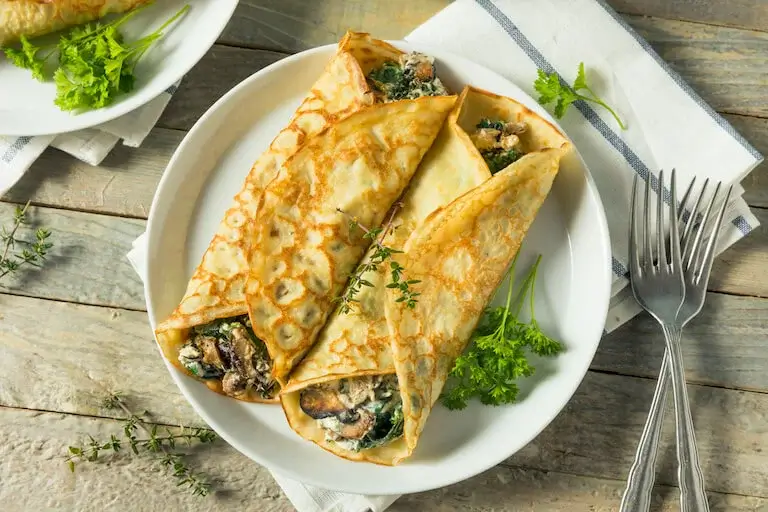
Savory crêpes, traditionally made with buckwheat flour, are earthy, hearty, and naturally gluten-free. They are typically served as a main dish as opposed to a dessert.
Classic Fillings:
- Ham, Cheese, and Egg: The iconic Breton combination, often called La Complète.
- Spinach and Goat Cheese: A vegetarian favorite with a creamy, tangy filling.
- Smoked Salmon and Crème Fraîche: A luxurious option with a touch of dill.
Modern Twists:
- Avocado, Bacon, and Tomato: A fresh take on the BLT, complete with creamy avocado.
- Pulled Pork and Coleslaw: A fusion of classic barbecue and French cuisine.
- Buffalo Chicken and Blue Cheese: A spicy and bold option for fans of zesty combinations.
Can I make vegan crêpes?
Yes, you can make vegan crêpes! Replace eggs with a flaxseed or chia seed egg (1 tablespoon seeds + 2.5 tablespoons water per egg) and use plant-based milk, such as almond or oat milk. Coconut oil or vegan butter works well for greasing the pan.
 HEALTHY MEALS
Leave a comment