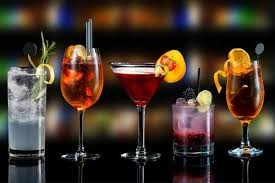
By : chef ssentongo Geoffrey
From : Mr Easy Recipes
WHAT IS A BARTENDER, HIS SKILLS AND TOOLS

A bartender is a professional who prepares, serves, and sometimes creates alcoholic and non-alcoholic beverages in bars, restaurants, nightclubs, and other venues where drinks are sold. They play a crucial role in the customer experience by providing quality service, a welcoming atmosphere, and often a lively social interaction.
Key Skills of a Bartender:
1.Mixology Knowledge: Understanding recipes for a wide variety of cocktails and drinks, including classic and contemporary options.
2.Customer Service: Strong communication skills and the ability to engage with customers effectively. Good bartenders are friendly, approachable, and attentive.
3.Physical Stamina: Bartending can be physically demanding, requiring long hours on your feet and the ability to lift heavy items (like kegs and boxes of supplies).
4.Memory: A good bartender should remember drink preferences of regular customers and be able to recall recipes quickly.
5.Attention to Detail: Precision in measuring ingredients, garnishing drinks, and adhering to recipes to ensure consistency in taste and presentation.
6.Creativity: The ability to invent new cocktails and create visually appealing presentations can enhance the customer experience.
7.Multitasking: The capacity to handle multiple orders simultaneously while maintaining a high level of service.
8.Cash Handling and Math Skills: Being comfortable with processing payments, handling cash, and providing correct change.
9.Knowledge of Alcohol Laws: Understanding local, state, and federal regulations regarding the sale of alcohol and responsible serving practices.
10.Cleanliness and Organization: Maintaining a clean bar area and following health and safety regulations.
Common Tools and Equipment Used by Bartenders:

1.Shaker: Typically a Boston shaker or a cobbler shaker, used for mixing drinks that require shaking.
2.Strainer: Used to separate the liquid from ice or other solids when pouring cocktails.
3.Jigger: A measuring tool that allows bartenders to pour precise amounts of alcohol.
4.Muddler: A tool used to mash herbs and fruits in cocktails, such as mint for a mojito.
5.Bar Spoon: A long-handled spoon used for stirring drinks and building cocktails in the glass.
6.Ice Tools: This includes ice buckets, tongs, and often an ice scoop for serving ice.
7.Blender: Used for making frozen cocktails and smoothies.
8.Garnishing Tools: Includes items like zesters, channel knives, and knife sets for cutting fruits and herbs used as garnishes.
9.Glassware: Various types of glasses for serving different drinks like cocktails, wine, beer, and highballs.
10.Speed Rack: A shelf behind the bar where frequently used spirits and mixers are easily accessible.
11.Tap Handles: For dispensing draft beer.
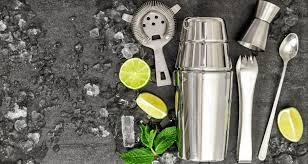
12.Bottle Openers and Corkscrews: Essential tools for opening beer bottles and wine bottles.By combining their skills with the proper tools, bartenders create a variety of beverages and craft an enjoyable experience for their customers.
WHAT IS A BARTENDER MAXIOLOGIST, HIS SKILLS AND TOOLS
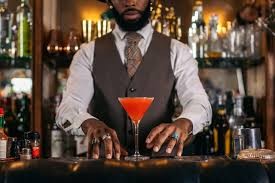
A bartending mixologist is a bartender who specializes in the art and science of mixing drinks. While all bartenders serve drinks and may have some knowledge of mixology, a mixologist goes further by not only mastering beverage preparation but also focusing on the creativity, presentation, and intricacies involved in crafting cocktails. This can include experimenting with flavors, creating unique recipes, and understanding the subtleties of spirits and mixers.Key Skills of a Bartending Mixologist:
1.Advanced Mixology Knowledge: In-depth understanding of cocktail recipes, flavor pairings, and the characteristics of different spirits, liqueurs, and mixers.
2.Creativity: Ability to invent new cocktails and innovate traditional recipes to offer unique and memorable drink experiences.
3.Tasting and Sensory Skills: A developed palate to understand how different ingredients interact and contribute to the overall flavor profile of a drink.
4.Presentation Skills: Knowledge of garnishing, glassware selection, and serving techniques that enhance the visual appeal of cocktails.
5.Customer Engagement: Strong interpersonal skills to educate customers about the cocktails, ingredients, and the inspiration behind their creations.
6.Attention to Detail: Precision in measuring, mixing, and plating drinks, ensuring consistency in quality and taste.
7.Knowledge of Spirits and Ingredients: Comprehensive knowledge of different types of spirits, mixers, bitters, and fresh ingredients; understanding how to balance flavors.
8.Multi-tasking: Ability to manage several orders simultaneously while maintaining high standards of service and quality.
9.Problem-solving Skills: Ability to adapt and improvise when ingredients are unavailable or when customers have unique requests.
10.Cocktail Events and Demonstrations: Skills in presenting cocktails at events or tastings, including providing detailed information about the drinks.
Common Tools and Equipment Used by a Bartending Mixologist:

1.Shaker: A Boston shaker or cobbler shaker, essential for mixing cocktails that require shaking.
2.Strainer: A fine mesh or Hawthorne strainer used to separate chilled liquids from ice or solids during the pouring process.
3.Jigger: A precise measuring tool for pouring exact amounts of spirits and mixers.
4.Muddler: A tool for crushing herbs and fruits to release their flavors.
5.Bar Spoon: A long-handled spoon for stirring cocktails or layering drinks.
6.Blender: Handy for making frozen cocktails or smoothies.
7.Ice Tools: Ice buckets, tongs, and ice molds for crafting specialty ice shapes and providing ice for drinks.
8.Garnish Tools: Zesters, peelers, and knife sets for preparing fresh garnishes, such as citrus twists, herbs, and other decorative elements.
9.Flavor Infusing Tools: Such as infusers or vacuum sealers for creating flavored spirits or syrups.
10.Bitters and Syrups: Knowledge of and access to different types of bitters and syrups for enhancing cocktails.
11.Glassware: A variety of glassware specific to different types of cocktails, including coupe glasses, highball glasses, and specialty glasses.
12.Speed Rack: An organized section for easily accessible and commonly used spirits and mixers.
13.Cocktail Book: Reference manuals for cocktail recipes, techniques, and trends in mixology.By mastering the skills and utilizing the tools of a mixologist, bartenders can craft exceptional and innovative beverages that elevate the overall drinking experience for patrons. This profession often involves a passion for craftsmanship, creativity, and a deep appreciation of flavors.
Here are the 10 advantages and disadvantages of being a bartender versus a mixologist:
Advantages of Being a Bartender:
- Job Security: Bartenders are in high demand, and jobs are often readily available.
- Flexibility: Bartending shifts can be flexible, allowing for part-time or full-time work.
- Social Interaction: Bartenders interact with customers, making it a great job for those who enjoy socializing.
- Tips and Earnings: Bartenders can earn good tips, increasing their overall earnings.
- Opportunities for Advancement: Experienced bartenders can move into management or ownership roles.
- Variety: Bartenders work with different customers, drinks, and situations, keeping the job exciting and varied.
- Opportunities for Creativity: While not as extensive as mixology, bartenders can still experiment with new drinks and recipes.
- Less Pressure: Bartenders may feel less pressure to constantly innovate and create new recipes.
- More Job Opportunities: Bartending jobs are more plentiful than mixology positions.
- Easier Entry: Bartending often requires less training and experience than mixology.
Disadvantages of Being a Bartender:
- Physical Demands: Bartending can be physically demanding, with long hours on your feet.
- High Stress: Bartending can be stressful, especially during peak hours or when dealing with difficult customers.
- Limited Career Growth: While bartenders can advance to management or ownership, career growth may be limited.
- Repetitive Tasks: Bartending involves repetitive tasks, such as pouring drinks and handling cash.
- Late Nights: Bartenders often work late nights, which can disrupt personal and family life.
Advantages of Being a Mixologist:
- Creative Freedom: Mixologists have the freedom to create new and innovative recipes.
- Career Growth: Mixology offers opportunities for career growth, with top mixologists becoming celebrities in their field.
- Higher Earnings: Mixologists can earn higher salaries and consulting fees.
- Respect and Recognition: Mixologists are respected for their expertise and creativity.
- Opportunities for Education: Mixologists can attend workshops, seminars, and competitions to continue learning and growing.
Disadvantages of Being a Mixologist:
- High Pressure: Mixologists face pressure to constantly innovate and create new recipes.
- Limited Job Opportunities: Mixology jobs are less plentiful than bartending positions.
- Higher Expectations: Mixologists are expected to have extensive knowledge and skills.
- Continuous Education: Mixologists must continually update their skills and knowledge to stay current.
- Unpredictable Income: Mixologists may experience unpredictable income, with fluctuating consulting fees and competition prizes.
 HEALTHY MEALS
Leave a comment