The Difference Between Ghee and Butter—and When to Use Each?
By : chef ssentongo Geoffrey
From : Mr Easy Recipes
Ghee and butter are both dairy products, but they have distinct differences in composition, flavor, and cooking applications.
Key Differences
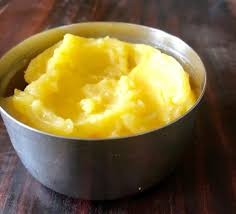
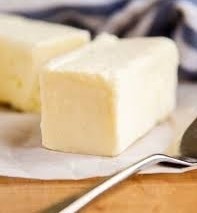
- Composition: Butter contains about 80% butterfat, with the rest being water and milk solids. Ghee, on the other hand, is 100% butterfat because the milk solids and water are removed during the clarification process43dcd9a7-70db-4a1f-b0ae-981daa162054.
- Flavor: Butter has a creamy, slightly sweet taste, while ghee has a rich, nutty, and slightly caramelized flavor due to the browning of milk solids during its preparation43dcd9a7-70db-4a1f-b0ae-981daa162054.
- Lactose Content: Ghee is nearly lactose-free, making it a better option for those with dairy sensitivities43dcd9a7-70db-4a1f-b0ae-981daa162054.
- Smoke Point:
- Ghee has a higher smoke point (around 482°F) compared to butter (around 350°F), making it ideal for high-heat cooking methods like frying, roasting, and sautéing43dcd9a7-70db-4a1f-b0ae-981daa162054.
- Shelf Life: Ghee has a longer shelf life and does not require refrigeration due to its low moisture content43dcd9a7-70db-4a1f-b0ae-981daa162054.
When to Use Each


- Use Butter for baking, spreading on toast, and making creamy sauces.
- Use Ghee for frying, roasting, and adding depth to Indian and Middle Eastern dishes.
Would you like some recipe ideas using ghee or butter? 😊
 HEALTHY MEALS
Leave a comment