By: chef ssentongo
The Ultimate Guide to Starting a Home-Based Catering Business
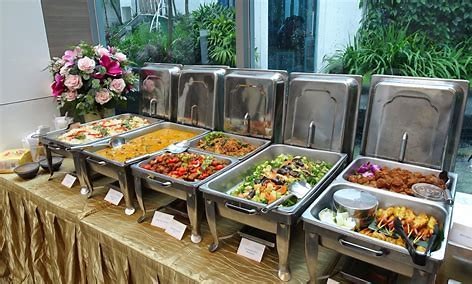
Starting a home-based catering business allows you to turn your passion for cooking into a profitable venture. Whether you dream of serving gourmet meals at weddings, corporate events, or intimate gatherings, this guide covers everything you need to know—from legal requirements to marketing strategies.
1. Is a Home-Based Catering Business Right for You?
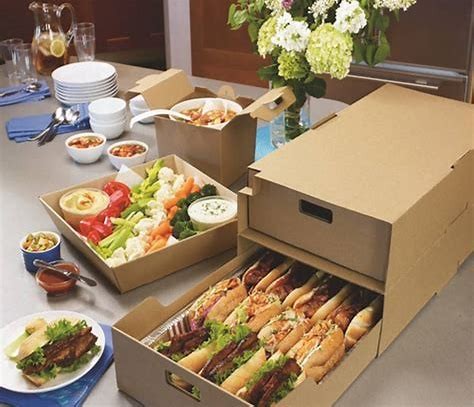

Before diving in, ask yourself:
✔ Do I enjoy cooking in large quantities?
✔ Can I handle the physical demands (long hours, heavy lifting)?
✔ Am I comfortable with sales, marketing, and customer service?
✔ Do I have the space and equipment to run a food business from home?
If yes, let’s get started!
2. Legal Requirements & Licensing
A. Business Registration
- Choose a business structure (Sole Proprietorship, LLC, etc.).
- Register your business name (DBA if needed).
- Obtain an Employer Identification Number (EIN) from the IRS (if hiring employees).
B. Food Safety & Permits
✔ Food Handler’s Permit – Most states require food safety certification (e.g., ServSafe).
✔ Home Kitchen License – Some states allow “cottage food laws” for low-risk foods, but catering often requires a commercial kitchen.
✔ Health Department Inspection – Your home kitchen may need approval.
✔ Liability Insurance – Protects against foodborne illness claims.
Pro Tip: Check with your local health department for specific regulations.
3. Setting Up Your Home Kitchen
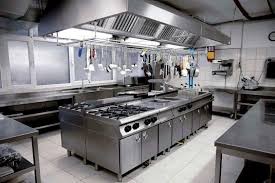
Essential Equipment:
✅ Commercial-grade oven & stovetop
✅ Large refrigerators & freezers
✅ Food processors, mixers, and industrial blenders
✅ Chafing dishes, serving trays, and transport equipment
✅ High-quality knives and utensils
Space-Saving Tip: Rent a commercial kitchen for large events if needed.
4. Crafting Your Menu & Pricing Strategy
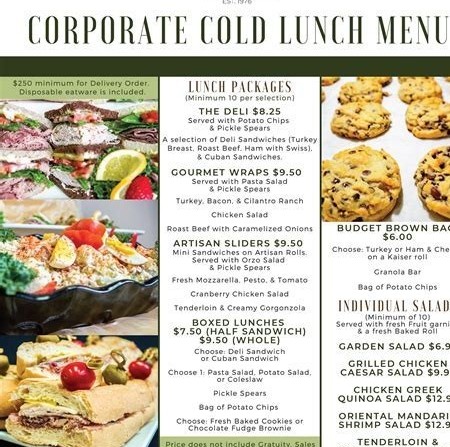
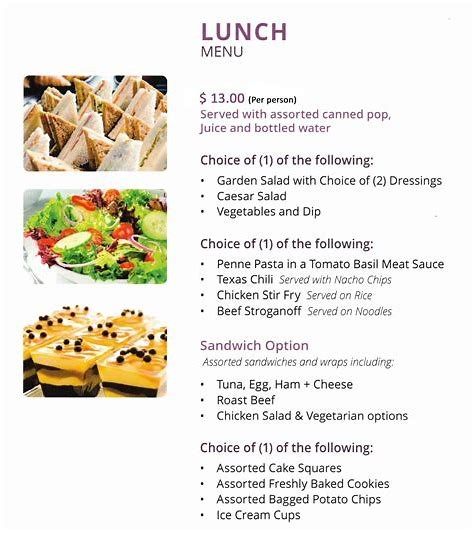
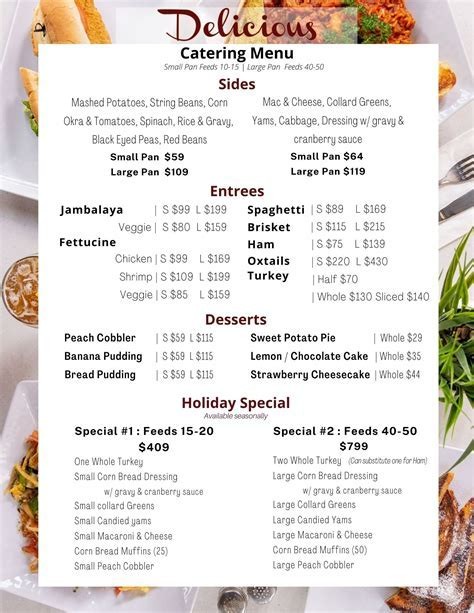
A. Menu Planning
- Start with a niche (e.g., vegan, BBQ, desserts, corporate lunches).
- Offer customizable options (gluten-free, keto, etc.).
- Keep it simple at first—expand as demand grows.
B. Pricing Your Services
- Cost-Based Pricing: Food costs + labor + overhead + profit margin.
- Competitive Pricing: Research local caterers’ rates.
- Packages: Offer tiered pricing (e.g., basic, premium, deluxe).
Example:

- $15–$30 per person for drop-off catering
- $30–$75 per person for full-service events
5. Branding & Marketing Your Business
A. Create a Strong Brand Identity
- Business name & logo
- Professional website (with menu & booking options)
- Social media (Instagram, Facebook, TikTok for food photos)
B. Attract Customers
✔ Word of Mouth – Offer free samples to influencers or local businesses.
✔ Local Listings – Google My Business, Yelp, and wedding directories.
✔ Networking – Partner with event planners, venues, and florists.
✔ Online Ads – Facebook/Instagram ads targeting local events.
6. Managing Operations & Scaling Up
A. Logistics & Delivery
- Invest in reliable transport (coolers, hot boxes).
- Hire part-time staff for large events.
- Use scheduling apps (e.g., Calendly) for bookings.
B. Scaling Your Business
- Expand to a commercial kitchen.
- Offer meal prep services or cooking classes.
- Franchise or sell branded products (sauces, spices).
7. Common Challenges & How to Overcome Them
ChallengeSolutionInconsistent demand Offer subscription meal plans for steady income. High competition Specialize in a unique cuisine or service. Food waste Plan portions carefully or donate excess. Burnout Hire help during peak seasons.
Final Thoughts
A home-based catering business can be rewarding if you plan carefully, follow regulations, and market effectively. Start small, refine your processes, and scale as you gain experience.
Ready to launch? Begin by testing your menu with friends and family, then take the leap!
Starting a home-based catering business requires careful planning, execution, and compliance with local regulations. Here’s a comprehensive guide to help you get started:
Business Planning
- Develop a business plan that outlines your goals, target market, menu offerings, pricing strategy, and marketing tactics. This plan will serve as your roadmap to success ¹.
- Define your niche and target market through localized research to understand what type of cuisine is in demand and what pricing strategy to adopt ².
- Create a comprehensive catering business plan that includes financial projections, marketing strategies, and operational logistics.
Licenses and Permits
- Check with your local health department regarding food handling and safety regulations.
- Obtain necessary licenses, such as a business license, food handler’s permit, and possibly a catering license.
- Ensure you comply with local zoning laws and regulations regarding home-based businesses ³ ⁴.
Menu Development
- Create a menu that is practical, versatile, and profitable. Consider offering signature dishes and options for various dietary needs.
- Develop a pricing strategy that takes into account food costs, labor costs, and market rates in your area ⁵ ⁴.
Marketing and Sales
- Build a website to showcase your menu, services, and testimonials.
- Establish a social media presence to attract clients and promote your business.
- Develop a marketing strategy that outlines how you’ll reach your target audience and attract clients ⁴.
Operations
- Set up a kitchen that adheres to health codes and regulations.
- Invest in multifunctional equipment and designate distinct areas for prep, cooking, and plating/packing.
- Consider renting a commercial kitchen if needed ⁵ ⁶.
Financial Projections
- Estimate your startup costs, including equipment, supplies, and marketing expenses.
- Develop a financial projection plan that outlines expected income and expenses for the first few years ¹ ⁴.
Additional Tips
- Start small and focus on building a reliable portfolio by catering small events.
- Seek symbiotic relationships with local suppliers to secure cost-effective ingredients ².
- Consider getting liability insurance to protect yourself and your business ⁴.
By following these steps and tips, you can establish a successful home-based catering business that showcases your culinary skills and provides a fulfilling career.
🚀 Bonus Tip: Offer a “Tasting Session” to attract clients before booking!
Would you like help with a business plan template or marketing strategies? Let me know!
 HEALTHY MEALS
Leave a comment