
25 Basic Cooking Skills You Should Master
By: chef ssentongo
Here’s an expanded list of 25 fundamental cooking skills every home cook should master to build confidence and versatility in the kitchen:
Knife Skills & Prep
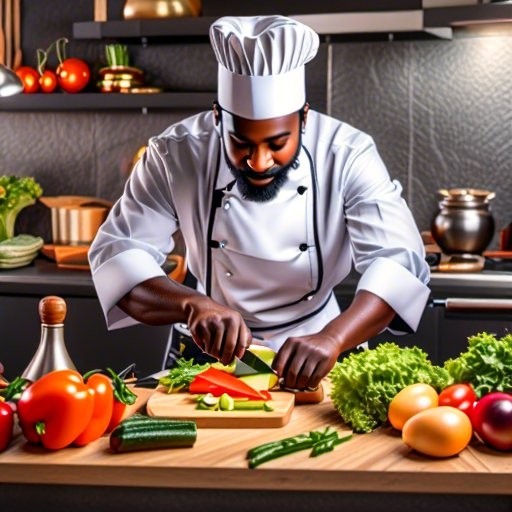
- Knife Handling & Safety – Proper grip, sharpening, and cutting techniques.
- Basic Cuts – Chopping, dicing, mincing, julienne, and chiffonade.
- Peeling & Trimming – Efficiently peeling vegetables, deveining shrimp, trimming fat.
Cooking Techniques
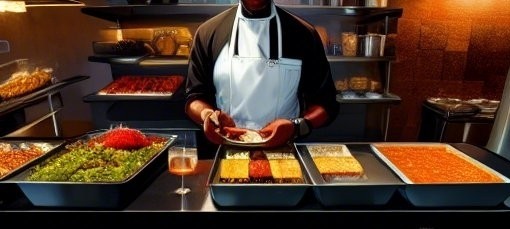
- Sautéing – Cooking quickly in a little oil (e.g., stir-fries, garlic, onions).
- Boiling & Simmering – Pasta, grains, and soups (knowing when to use a rolling boil vs. gentle simmer).
- Roasting – Oven-cooking meats and vegetables for caramelization.
- Grilling – Cooking over direct heat (charcoal, gas, or grill pan).
- Baking – Measuring accurately, understanding oven temperatures.
- Pan-Frying & Deep-Frying – Controlling oil temperature for crispy results.
- Steaming – Retaining nutrients in veggies, fish, and dumplings.
- Braising & Stewing – Slow-cooking tough cuts in liquid (pot roast, curries).
- Broiling – High-heat cooking from above (melting cheese, browning).
- Poaching – Gently cooking eggs, fish, or chicken in liquid.
Staples & Fundamentals

- Making Stock/Broth – Using bones, veggies, and herbs for soups/sauces.
- Cooking Rice Perfectly – Absorption method, pilaf, or risotto.
- Pasta Al Dente – Timing, salting water, and avoiding mushiness.
- Egg Mastery – Scrambled, fried, poached, omelets, and hard/soft-boiled.
- Making Basic Sauces – Béchamel, tomato sauce, gravy, vinaigrette.
- Kneading Dough – For bread, pizza, or pastries.
Flavor & Seasoning
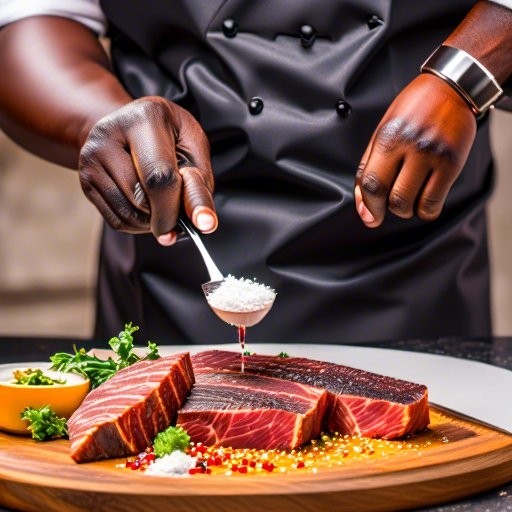
- Balancing Flavors – Salt, acid (lemon/vinegar), sweetness, umami, heat.
- Using Herbs & Spices – When to add fresh vs. dried, toasting spices.
- Deglazing a Pan – Using wine/stock to lift browned bits for sauces.
Safety & Efficiency
- Food Safety – Avoiding cross-contamination, proper storage.
- Mise en Place – Prepping ingredients before cooking for efficiency.
- Multitasking & Timing – Coordinating multiple dishes for a meal.
Why These Skills Matter
Mastering these basics allows you to:
- Cook faster and more efficiently.
- Adapt recipes creatively.
- Reduce kitchen stress and wasted food.
Which skill do you want to tackle first? Need tips on any of them?
15 STREET FOOD BUSINESS IDEAS YOU CAN START , DETAILED GUIDANCE AND EVE WITH LOW-CAPITAL IDEAS

Here are 15 profitable street food business ideas you can start in 2025, including low-capital options, detailed guidance, and key insights from industry trends:
Which idea aligns with your skills and budget? I can help refine your plan!
1. Gourmet Food Truck (Global Fusion Cuisine)
- Concept: Serve elevated street food like Korean BBQ tacos, sushi burritos, or truffle-infused fries.
- Why It Works: Combines convenience with premium flavors, appealing to foodies and social media trends .
- Startup Cost: $20,000–$50,000 (used truck, permits, branding).
- Tip: Focus on a niche (e.g., vegan or regional specialties) to stand out.
2. Dessert Boxes or Themed Sweet Stands
- Concept: Sell Instagram-worthy dessert boxes (cookie dough cups, macarons) or operate a churros/nitro ice cream stall.
- Why It Works: High profit margins; seasonal themes (e.g., pumpkin spice) boost sales .
- Startup Cost: $1,000–$10,000 (home-based or cart setup).
- Tip: Offer customization (toppings bars) for engagement.
3. Healthy Street Food Kiosk
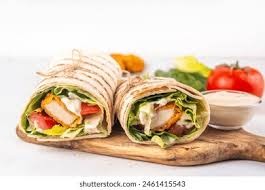
- Concept: Açai bowls, quinoa salads, or grilled chicken wraps for health-conscious customers.
- Why It Works: 65% of Gen Z prioritizes wellness in dining .
- Startup Cost: $5,000–$15,000 (portable stall, blenders).
- Tip: Partner with gyms or offices for recurring orders.
4. Mobile Coffee or Bubble Tea Unit
- Concept: Compact cart selling specialty coffee, matcha lattes, or boba tea.
- Why It Works: Coffee/bubble tea markets will hit $174B and $4.3B by 2030 .
- Startup Cost: $10,000–$30,000 (equipment, licenses).
- Tip: Use eco-friendly cups and loyalty programs.
5. Ethnic Fusion Tacos Stand
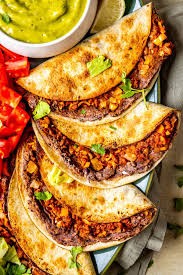
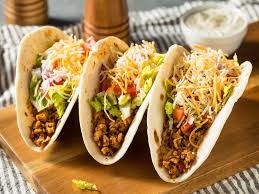
- Concept: Korean BBQ tacos, Mediterranean lamb flatbreads, or vegan jackfruit tacos.
- Why It Works: Appeals to adventurous eaters; low ingredient overlap reduces waste .
- Startup Cost: $5,000–$20,000 (cart, permits).
- Tip: Rotate weekly specials to keep customers intrigued.
6. Loaded Nachos Stand
- Concept: Customizable nachos with pulled pork, mango salsa, or vegan cheese.
- Why It Works: Instagrammable and indulgent; perfect for events .
- Startup Cost: $10,000–$25,000 (portable griddle, ingredients).
- Tip: Use “aroma marketing” to attract crowds.
7. Artisanal Pizza Stand
- Concept: Handmade wood-fired pizzas with local ingredients.
- Why It Works: High demand for authentic, non-chain options .
- Startup Cost: $15,000–$40,000 (portable oven, dough prep station).
- Tip: Offer gluten-free or sourdough bases for niche appeal.
8. Gourmet Hot Dog Stand
- Concept: Premium sausages with toppings like truffle aioli or kimchi.
- Why It Works: Cross-generational appeal; low-cost ingredients .
- Startup Cost: $5,000–$20,000 (cart, local sausage supplier).
- Tip: Feature regional flavors (e.g., bratwurst in German-themed areas).
9. Crepes and Waffles Stand
- Concept: Sweet (Nutella, berries) and savory (ham-cheese) options.
- Why It Works: Versatile for breakfast or dessert; easy to scale .
- Startup Cost: $3,000–$15,000 (griddle, batter mixer).
- Tip: Operate near tourist spots or universities.
10. Customizable Ice Cream Sandwiches
- Concept: Let customers pick cookies, ice cream flavors, and toppings.
- Why It Works: Engages customers; high perceived value .
- Startup Cost: $8,000–$25,000 (freezer, fresh-baked cookies).
- Tip: Pop up at beaches or festivals for peak sales.
Low-Capital Ideas ($1,000–$5,000)
- Shaved Ice Stand: $1,000–$5,000; perfect for summer events .
- Handheld Mini Pies: $2,000–$10,000; savory or sweet options .
- Snack Kiosk: $1,500–$7,000; sell pretzels, popcorn, or nuts .
- Fruit Stand: $500–$3,000; focus on exotic or pre-cut fruit .
- BBQ Stand: $2,000–$8,000; start with a grill and simple menu .
Key Considerations
- Licenses: Register with local health departments (fines up to £1,000 in the UK for non-compliance) .
- Location: High-footfall areas (parks, offices, events) are critical .
- Marketing: Use social media to announce locations/menu drops .
For deeper insights, explore guides like The Complete Guide to Starting Your Own Street Food Business or BossWallah’s Low-Capital Ideas .
 HEALTHY MEALS
Leave a comment