10 COOKING TIPS AND TRICKS
By: chef ssentongo
Absolutely! Here are 10 essential cooking tips and tricks to help you elevate your meals, whether you’re a beginner or a seasoned home chef:
1. Season in Layers
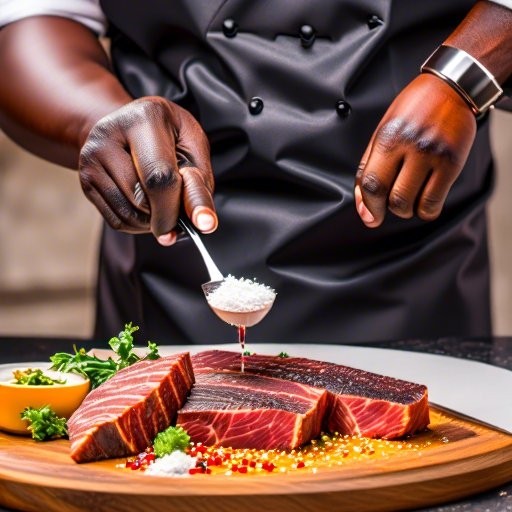
- Salt early (especially meats) to enhance flavor and tenderness.
- Add a pinch of salt to sweets (like cookies) to balance flavors.
2. Preheat Your Pan Properly
- A hot pan ensures a good sear (steaks, chicken, veggies).
- Test heat by sprinkling water—if it sizzles and evaporates quickly, it’s ready.
3. Don’t Crowd the Pan
- Overloading causes steaming instead of browning (key for crispy potatoes, mushrooms, etc.).
4. Rest Your Meat
- Let steaks, roasts, and poultry rest 5–10 minutes before slicing to retain juices.
5. Use a Meat Thermometer
- Perfect doneness every time:
- Rare: 120–125°F (49–52°C)
- Medium-rare: 130–135°F (54–57°C)
- Well-done: 160°F+ (71°C+)
6. Save Pasta Water
- Starchy pasta water helps sauces cling to noodles (add ¼ cup to your sauce).
7. Bloom Spices & Garlic
- Toast dry spices in oil/butter for 30 seconds to unlock flavors before adding liquids.
- Add minced garlic last to avoid burning (it cooks in under 1 minute).
8. Fix Broken Sauces
- Too thin? Simmer to reduce or add a cornstarch slurry.
- Too thick? Stir in broth, cream, or water.
- Split mayo/emulsions? Whisk in 1 tsp hot water.
9. Keep Knives Sharp
- A sharp knife is safer and makes prep faster. Use a honing rod regularly.
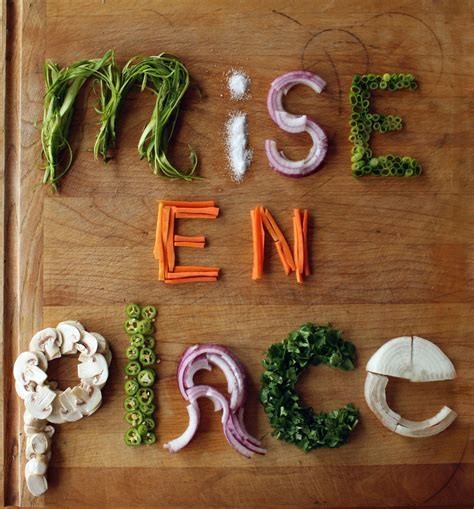
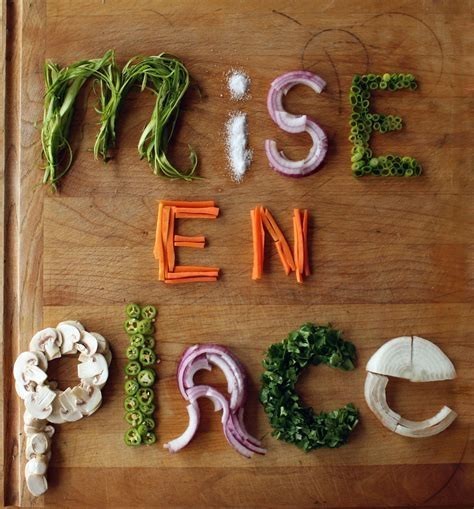
10. Master the “Mise en Place”
- Prep all ingredients before cooking (chopped, measured, etc.) to avoid chaos.
Bonus Pro Tips:
- Revive stale bread by sprinkling water and reheating in the oven for 5 minutes.
- Freeze leftover wine in ice cube trays for sauces.
- Grate cold butter for flaky pie crusts or biscuits.
Want tricks for a specific dish (e.g., scrambled eggs, risotto, etc.)? Ask away! 🍳
* HOW TO CHOOSE YOUR STEAK 5 WAYS
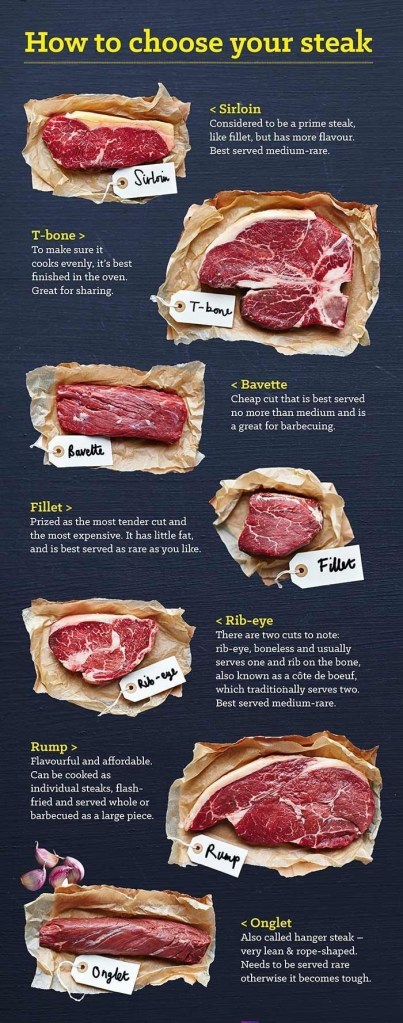
Choosing the perfect steak can make all the difference in your meal. Here are 5 key ways to pick the best steak for your taste and cooking method:
1. Choose the Right Cut
Different cuts offer varying levels of tenderness, flavor, and fat content:
- Tender cuts (best for quick cooking):
- Filet Mignon (buttery, lean, mild flavor)
- Ribeye (rich, marbled, juicy)
- Strip Steak (New York Strip) (balanced tenderness & flavor)
- More flavorful but tougher cuts (great for marinating/slow cooking):
- Sirloin (affordable, leaner)
- Flank/Skirt (bold beefy taste, best sliced thin)
- Hanger (intense flavor, tender if cooked right)
2. Look for Good Marbling
- Marbling (white fat streaks within the meat) = more flavor and juiciness.
- Prime grade has the most marbling (best for grilling).
- Choice grade is a good balance for everyday cooking.
- Select grade is leaner (can be tougher if overcooked).
3. Check the Color & Freshness
- Bright red = fresh.
- Brown or grayish = older (may still be safe but less fresh).
- Avoid excessive liquid in packaging (can mean poor storage).
4. Consider Thickness
- Thick cuts (1.5–2 inches) – Best for searing and achieving a perfect medium-rare (ideal for ribeye, strip, filet).
- Thin cuts (under 1 inch) – Cook fast (good for flank, skirt, or Philly cheesesteak).
5. Match the Cut to Your Cooking Method

- Grilling/Pan-Searing: Ribeye, Strip, Filet, T-Bone
- Sous Vide or Reverse Sear: Thick cuts (like Tomahawk)
- Stir-Fry or Fajitas: Flank, Skirt, or Sirloin (slice thin)
- Slow Cooking: Chuck steak (not traditional but great for stews)
Bonus Tip:
- Dry-aged steaks have deeper flavor but are pricier.
- Wet-aged (most supermarket steaks) are more affordable and still tender.
Would you like recommendations for seasoning or cooking techniques?
 HEALTHY MEALS
Leave a comment