10 TIPS FOR HOME BAKING BUSINESS
By: chef ssentongo
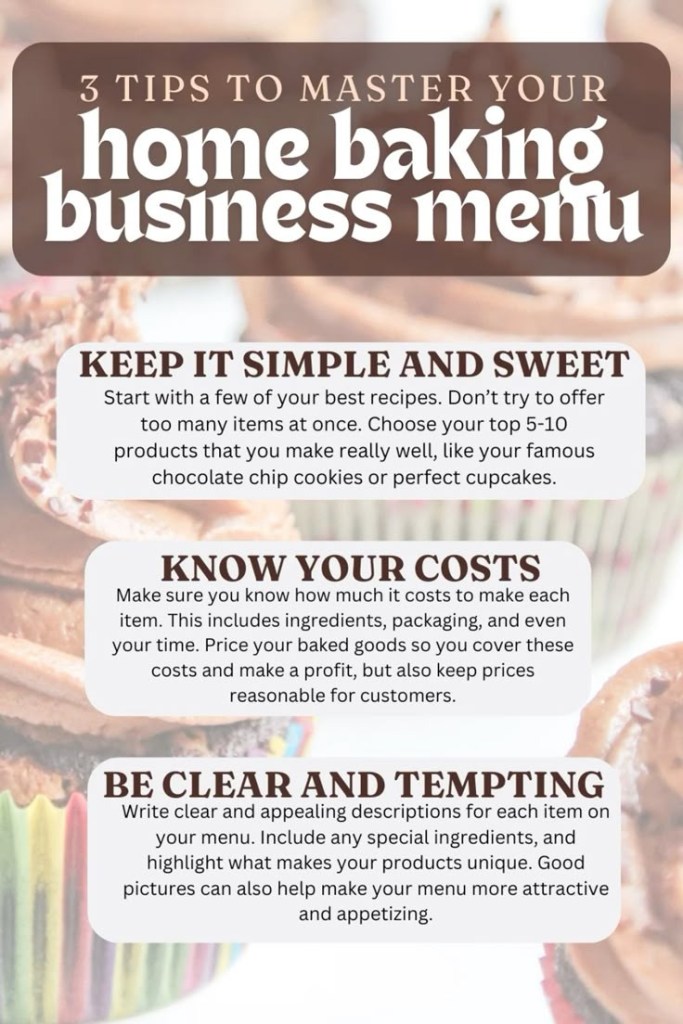
Starting a home baking business can be a rewarding venture, but it requires careful planning and execution. Here are 10 essential tips to help you succeed:
1. Check Legal Requirements
- Register your business and obtain necessary licenses or permits.
- Follow local health department regulations (e.g., home kitchen laws, food handling certifications).
- Get liability insurance to protect your business.
2. Perfect Your Recipes


- Develop a signature product that stands out (e.g., specialty cakes, cookies, or gluten-free treats).
- Ensure consistency in taste, texture, and presentation.
- Keep recipes cost-effective for profitability.
3. Price Your Products Right
- Calculate ingredient costs, labor, packaging, and overhead.
- Research competitors’ pricing but don’t undervalue your work.
- Offer different price points (e.g., budget-friendly and premium options).
4. Build a Strong Brand
- Choose a memorable business name and logo.
- Use professional packaging with your branding.
- Maintain a cohesive theme on social media and marketing materials.
5. Market Effectively
- Use Instagram, Facebook, and TikTok to showcase your products with high-quality photos/videos.
- Offer promotions (e.g., discounts for first-time buyers or referral bonuses).
- Collaborate with local cafes, event planners, or influencers.
6. Offer Excellent Customer Service
- Communicate clearly about orders, delivery times, and customization options.
- Handle complaints gracefully—happy customers lead to repeat business and referrals.
- Ask for reviews and testimonials to build trust.
7. Manage Orders Efficiently
- Use order forms (Google Forms, WhatsApp, or Instagram DMs) to track requests.
- Set clear deadlines for advance orders to avoid last-minute stress.
- Keep inventory stocked to avoid delays.
8. Optimize Delivery & Pickup
- Offer delivery (charge a fee if needed) or choose a pickup location.
- Ensure baked goods are well-packaged to stay fresh during transit.
- Partner with local courier services if needed.
9. Keep Financial Records Organized
- Track expenses (ingredients, packaging, marketing).
- Save receipts for tax purposes.
- Use accounting tools (e.g., Excel, QuickBooks) to monitor profits.
10. Scale Smartly
- Start small, then expand based on demand.
- Consider renting a commercial kitchen if regulations require it.
- Hire help (family, part-time assistants) if orders grow.
Bonus Tip: Stay inspired! Follow baking trends, take online courses, and keep improving your skills.
Would you like help with a specific area, like branding or pricing strategies? 😊
HOW TO BECOME A PERSONAL CHEF

Becoming a personal chef is a great career choice if you love cooking, enjoy working closely with clients, and want flexibility in your schedule. Here’s a step-by-step guide to help you get started:
1. Develop Your Culinary Skills
- Formal Training (Optional but Helpful):
- Attend culinary school or take professional cooking courses.
- Get certified in food safety (e.g., ServSafe in the U.S.).
- Self-Taught Route:
- Master a variety of cuisines (e.g., Italian, Mediterranean, vegan, keto).
- Practice meal planning, portioning, and presentation.
2. Gain Experience
- Work in restaurants, catering, or private households to build skills.
- Offer to cook for friends/family events to create a portfolio.
- Volunteer at local food events to network.
3. Define Your Niche
- Decide what services you’ll offer:
- Meal Prep Services (weekly healthy meals for busy families)
- Private Dinner Parties (in-home chef for special occasions)
- Diet-Specific Cooking (vegan, gluten-free, keto, etc.)
- Corporate Clients (lunch prep for offices)
4. Set Up Your Business Legally
- Register your business (sole proprietorship or LLC).
- Obtain necessary permits (health department, home kitchen laws if applicable).
- Get liability insurance (in case of accidents or food-related issues).
5. Price Your Services
- Common Pricing Models:
- Per Meal ($15–$30 per serving)
- Hourly Rate ($25–$75/hour)
- Flat Fee for Events ($300–$1,000+ per dinner party)
- Factor in food costs, travel, and prep time.
6. Market Your Services
- Create a Professional Brand:
- Business name, logo, and website (include a menu & testimonials).
- Use Social Media:
- Post high-quality food photos on Instagram, Facebook, TikTok.
- Share client testimonials & behind-the-scenes cooking videos.
- Network Locally:
- Partner with fitness trainers, nutritionists, or event planners.
- Offer free samples to potential clients.
7. Find Clients
- Online Platforms: Sign up on Thumbtack, Craigslist, or HireAChef.
- Local Ads: Post in community groups or foodie forums.
- Word of Mouth: Ask happy clients for referrals.
8. Provide Exceptional Service
- Conduct consultations to understand dietary needs/preferences.
- Be punctual, professional, and maintain kitchen cleanliness.
- Offer customizable menus and seasonal specials.
9. Scale Your Business
- Hire assistants if demand grows.
- Offer cooking classes or sell meal plans online.
- Expand to corporate catering or luxury clients.
10. Stay Inspired & Keep Learning
- Follow food trends (e.g., plant-based, global cuisines).
- Take advanced courses (wine pairing, pastry, etc.).
- Get feedback and improve continuously.
Bonus Tips:
✅ Meal Delivery Apps: Partner with services like CookUnity or Magic Kitchen for extra income.
✅ Certifications: Consider becoming a Certified Personal Chef (CPC) for credibility.
Would you like help with crafting a business plan or marketing strategy? 😊
 HEALTHY MEALS
Leave a comment