THE ULTIMATE GUIDE TO STARTING A MEAL PREP BUSINESS, STEP BY STEP
By : chef ssentongo
The Ultimate Guide to Starting a Meal Prep Business: Step-by-Step (2025)

The meal prep industry is booming, with projections showing the global prepared meals market growing from $156.33 billion in 2022 to $248.13 billion by 2029 . Whether you’re a culinary enthusiast looking to turn your passion into profit or an entrepreneur seeking a lucrative food business opportunity, starting a meal prep service can be rewarding. This comprehensive guide walks you through every step to launch and grow a successful meal prep business in today’s competitive market.
Understanding the Meal Prep Business Landscape
What is a Meal Prep Business?
A meal prep business provides customers with pre-prepared meals or meal kits that save them time while offering healthy, convenient food options. These services typically fall into two main categories:
- Ready-to-eat meals: Fully cooked meals that customers simply need to reheat
- Meal kits: Pre-portioned ingredients with cooking instructions for customers to prepare themselves
Why Start a Meal Prep Business?
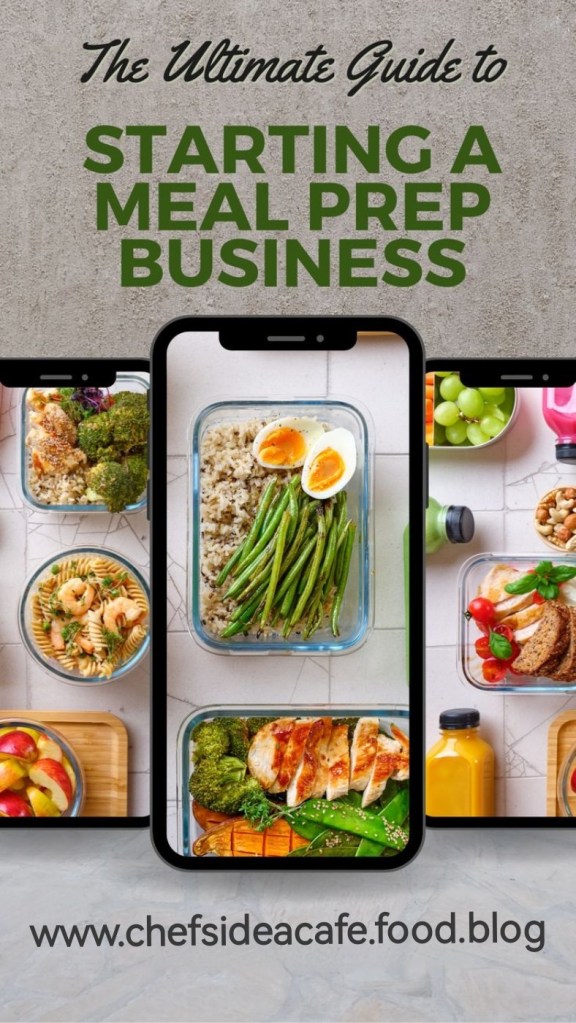
The industry offers several compelling advantages for entrepreneurs:
- Growing demand: Busy lifestyles and increased health consciousness drive market growth
- Flexible business models: Can operate from home, commercial kitchens, or ghost kitchens
- Lower startup costs compared to traditional restaurants
- Recurring revenue potential through subscription models
- Creative fulfillment for culinary professionals
Market Potential and Trends
Current trends shaping the meal prep industry include:
- Protein-rich and specialized diets (keto, paleo, vegan)
- Wellness-focused meals addressing specific health needs
- Kids’ meal options with mix-and-match components
- Premium gourmet offerings for luxury markets
- Sustainability in packaging and sourcing
Step 1: Develop Your Business Concept
Identify Your Niche
Specialization is key in the crowded meal prep market. Consider focusing on:
- Specific dietary needs (gluten-free, diabetic-friendly, etc.)
- Lifestyle diets (keto, paleo, Mediterranean)
- Demographic groups (busy professionals, athletes, seniors)
- Meal types (breakfasts, lunches, dinners, snacks)
Choose Your Business Model
Several operational models exist for meal prep businesses:
- Subscription-based: Weekly or monthly recurring meal deliveries
- Customizable meal plans: Clients select from various options each cycle
- Specialty diet focus: Catering to specific nutritional needs
- Corporate meal prep: Serving businesses for employee meals
- Hybrid models: Combining elements from above
Determine Your Service Structure
Decide how you’ll deliver value to customers:
- Fully prepared meals: Cooked and ready to heat/eat
- Pre-prepped ingredients: Washed, chopped, and portioned for easy cooking
- Cook-and-go workshops: Customers prepare meals under guidance
- Mix of options: Offering different service levels
Step 2: Create a Comprehensive Business Plan
A solid business plan is your roadmap to success. Key components include:
Executive Summary
- Business name and concept
- Mission statement
- Brief description of services
- Summary of financial projections
Business Overview
- Legal structure (LLC, sole proprietorship, etc.)
- Location details
- Ownership information
- Short-term and long-term goals
Market Analysis
- Target customer demographics
- Market size and growth potential
- Competitive analysis
- Industry trends
Services Offered
Detail your meal prep offerings:
- Meal planning services
- Customization options
- Delivery/pickup methods
- Any additional services
Marketing Strategy
- Unique selling proposition (USP)
- Pricing strategy
- Customer acquisition plans
- Retention strategies
Operations Plan
- Staffing needs
- Kitchen workflow
- Equipment requirements
- Technology systems
Financial Plan
- Startup costs
- Revenue projections
- Expense forecasts
- Break-even analysis
Step 3: Legal Setup and Compliance
Choose a Business Structure
Common options include:
- Sole Proprietorship: Simplest but no personal liability protection
- LLC: Offers liability protection with tax flexibility
- Corporation: More complex but better for raising capital
Register Your Business
- File with your state’s Secretary of State
- Obtain an Employer Identification Number (EIN) from the IRS
- Register for state/local taxes
Obtain Necessary Licenses and Permits
Requirements vary by location but typically include:
- Business license
- Food handler’s permit
- Health department permits
- Home kitchen permit (if operating from home)
Insurance Requirements
Essential coverage includes:
- General liability insurance
- Product liability insurance
- Commercial auto insurance (if delivering)
- Workers’ compensation (if hiring employees)
Food Safety Compliance
Implement proper procedures for:
- Safe food handling
- Proper storage temperatures
- Sanitation protocols
- Allergen management
Step 4: Set Up Your Kitchen Operations
Choose Your Kitchen Space
Options include:
- Home kitchen: Lowest cost but limited by cottage food laws
- Commercial kitchen rental: More capacity but higher costs ($500-$1,500/month)
- Ghost kitchen: Shared facility focused on delivery
- Storefront: Highest visibility but most expensive
Essential Equipment
Basic meal prep kitchen needs:
- Commercial refrigeration
- Food processors/blenders
- High-quality cookware
- Portioning tools
- Packaging equipment
Develop Efficient Workflows
Create systems for:
- Ingredient procurement
- Meal preparation
- Quality control
- Packaging
- Delivery logistics
Implement Technology Solutions
Consider software for:
- Order management
- Inventory tracking
- Recipe costing
- Delivery coordination
Step 5: Design Your Menu and Recipes
Menu Development Principles
- Focus on your niche and target audience
- Balance variety with operational efficiency
- Consider nutritional balance
- Account for food costs and profit margins
Recipe Testing and Standardization
- Test all recipes thoroughly
- Create detailed recipe cards
- Calculate exact costs per serving
- Establish portion sizes
Special Dietary Considerations
Common accommodations:
- Allergen-free options
- Vegetarian/vegan
- Low-carb/keto
- Heart-healthy
- Kid-friendly
Seasonal and Rotating Menus
Benefits include:
- Keeps customers engaged
- Takes advantage of seasonal produce
- Allows for continuous improvement
Step 6: Pricing and Packaging Strategy
Cost Calculation
Determine all costs:
- Ingredients
- Labor
- Packaging
- Delivery
- Overhead
Pricing Models
Common approaches:
- Cost-plus pricing
- Competitor-based pricing
- Value-based pricing
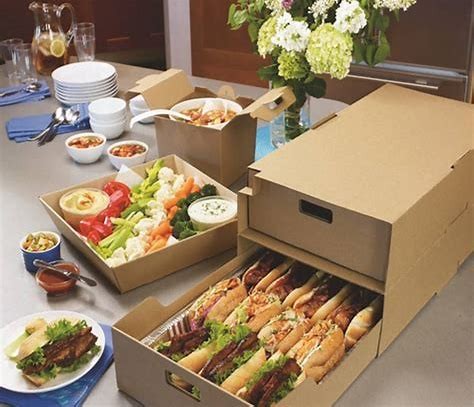
Packaging Solutions
Considerations:
- Food safety
- Environmental impact
- Branding opportunities
- Practicality for customers
Subscription Pricing Options
Recurring revenue models:
- Weekly plans
- Monthly subscriptions
- A la carte options
- Family-sized portions
Step 7: Build Your Brand and Online Presence
Brand Identity Development
- Business name and logo
- Color scheme and visual style
- Brand voice and messaging
Professional Website Essentials
Must-have features:
- Online ordering system
- Menu display
- About page
- Contact information
- Blog/content section
Social Media Strategy
Platforms to consider:
- Instagram (visual content)
- Facebook (community building)
- Pinterest (recipe ideas)
- TikTok (short videos)
Content Marketing Ideas
Engaging content types:
- Behind-the-scenes footage
- Cooking tips
- Customer testimonials
- Nutrition education
Step 8: Sales and Marketing Strategies
Customer Acquisition Tactics
Effective methods:
- Social media advertising
- Local partnerships (gyms, offices)
- Referral programs
- Influencer collaborations
Customer Retention Approaches
Loyalty builders:
- Subscription discounts
- Exclusive offers
- Personalized service
- Excellent customer support
Promotional Strategies
Launch ideas:
- Free samples
- First-time customer discounts
- Limited-time offers
- Gift cards
Community Engagement
Relationship-building activities:
- Cooking classes
- Nutrition workshops
- Local event participation
- Charity partnerships
Step 9: Launch and Deliver Your Service
Soft Launch Approach
Benefits include:
- Work out operational kinks
- Gather initial feedback
- Build local buzz
Delivery Logistics
Options to consider:
- Self-delivery
- Third-party delivery services
- Customer pickup
- Shipping (for non-perishables)
Quality Control Measures
Ensure consistency with:
- Standardized recipes
- Staff training
- Customer feedback systems
- Regular quality checks
Customer Service Excellence
Key aspects:
- Prompt communication
- Problem resolution
- Personal touches
- Continuous improvement
Step 10: Scale and Grow Your Business
When to Scale
Indicators include:
- Consistent demand exceeding capacity
- Positive cash flow
- Established systems and processes
Growth Strategies
Expansion options:
- Add more meal varieties
- Expand delivery areas
- Open additional locations
- Wholesale to retailers
Operational Improvements
Efficiency boosters:
- Kitchen automation
- Better inventory systems
- Route optimization for delivery
- Staff training programs
Financial Management
Key metrics to track:
- Customer acquisition cost
- Lifetime customer value
- Profit margins
- Cash flow
Common Challenges and Solutions
Food Safety Concerns
Mitigation strategies:
- Proper staff training
- Temperature monitoring
- Regular health inspections
- Allergen protocols
Ingredient Sourcing Issues
Solutions:
- Build relationships with multiple suppliers
- Consider local producers
- Buy in bulk when possible
- Have backup options
Delivery Logistics Challenges
Approaches:
- Optimize delivery routes
- Use insulated packaging
- Implement tracking systems
- Set clear delivery windows
Customer Acquisition Costs
Reduction methods:
- Leverage word-of-mouth
- Focus on retention
- Optimize marketing spend
- Offer referral incentives
Financial Considerations
Startup Costs
Typical initial investments:
- Home-based: $1,000-$5,000
- Commercial kitchen: $10,000-$15,000
- Storefront: $50,000+
Ongoing Expenses
Regular costs include:
- Ingredients
- Packaging
- Labor
- Marketing
- Kitchen rental (if applicable)
Funding Options
Potential sources:
- Personal savings
- Small business loans
- Investors
- Crowdfunding
Profit Potential
Factors affecting profitability:
- Pricing strategy
- Operational efficiency
- Customer retention
- Scale of operations
Technology Tools for Meal Prep Businesses
Order Management Systems
Popular options:
- Subbly (for subscriptions)
- GoPrep
- Sprwt
Inventory and Recipe Software
Helpful tools:
- MealTrack
- Aptean
- Everfit
Delivery Coordination
Solutions to consider:
- Metrobi
- Local delivery apps
- Route optimization software
Marketing Automation
Useful platforms:
- Email marketing tools
- Social media schedulers
- CRM systems
Final Tips for Success
- Start small: Test your concept before major investments
- Focus on quality: Consistency builds customer loyalty
- Listen to feedback: Adapt based on customer input
- Monitor finances closely: Profitability requires careful tracking
- Stay adaptable: The food industry evolves quickly
The meal prep industry offers exciting opportunities for food entrepreneurs in 2025. By following this step-by-step guide, conducting thorough research, and staying committed to quality and customer service, you can build a successful and sustainable meal prep business that meets the growing demand for convenient, healthy food options.
Remember that success won’t happen overnight—be prepared to work hard, learn continuously, and adapt as you grow. With passion, planning, and persistence, your meal prep business can thrive in this dynamic industry.
How to Make Meal Prep Work for You: A Practical Guide
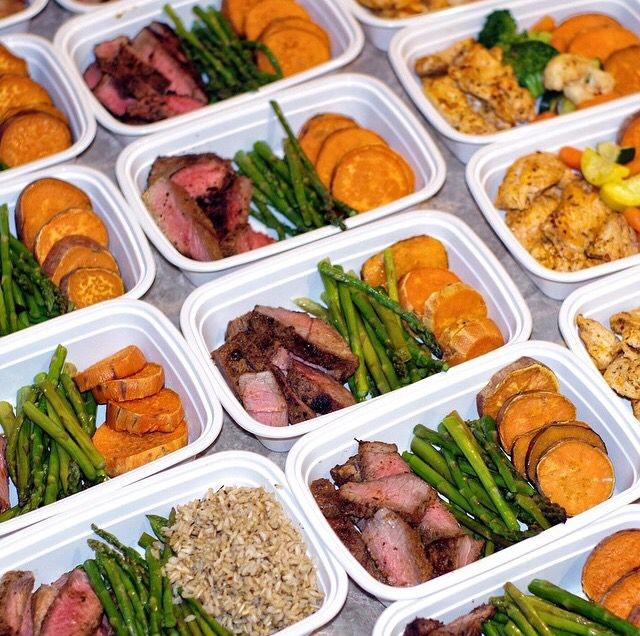
Whether you’re looking to save time, eat healthier, or reduce food waste, meal prepping can be transformative. Here’s how to make it work for your lifestyle:
1. Start With Your “Why”
Identify your primary motivation:
- Weight management
- Time savings during busy weeks
- Budget control
- Dietary restrictions
- Reducing decision fatigue
2. Choose Your Prep Style
Batch Cooking
- Cook complete meals in large quantities
- Best for: Families, consistent eaters
Ingredient Prep
- Wash/chop veggies, marinate proteins
- Best for: Those who enjoy daily cooking
Portion Assembly
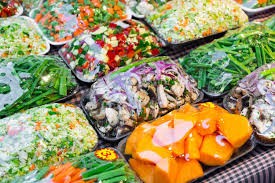
- Create grab-and-go containers
- Best for: Busy professionals
Freezer Meals
- Prepare meals to freeze and reheat later
- Best for: Emergency backups
3. Essential Equipment
Must-haves:
- Quality food storage containers (glass recommended)
- Sharp knives and cutting boards
- Sheet pans and roasting dishes
- Slow cooker or Instant Pot
- Measuring cups and food scale
Nice-to-haves:
- Vacuum sealer
- Mandoline slicer
- Immersion blender
- Meal prep app
4. Smart Planning Strategies
The 3-2-1 Method
- 3 proteins
- 2 complex carbs
- 1-2 cooking methods
= Endless meal combinations
Theme Days
Example structure:
- Monday: Mexican
- Tuesday: Asian
- Wednesday: Mediterranean
- Thursday: Comfort food
- Friday: Leftovers
The Rotation System
Create 4 weekly menus you rotate through to maintain variety without constant planning.
5. Time-Saving Techniques
- Parallel Processing: Roast veggies while proteins cook
- Layered Cooking: Use oven at same temperature for multiple dishes
- Multi-Purpose Ingredients: Cook grains in broth for extra flavor
- Strategic Sequencing: Prep messy items first (like chopping onions)
6. Storage Solutions
Refrigerator Organization
- Top shelf: Ready-to-eat meals
- Middle shelf: Prepped ingredients
- Bottom shelf: Raw proteins
- Drawers: Fruits and vegetables
Freezer Tips
- Label with contents and date
- Portion in meal-sized amounts
- Use the “first in, first out” rule
7. Making It Sustainable
For Beginners
- Start with just 2-3 prepped meals per week
- Prep only one meal type (like lunches)
- Use store-bought shortcuts initially
For Busy People
- Dedicate 2 hours on Sunday
- Involve family members
- Clean as you go
For Picky Eaters
- Prep components rather than full meals
- Create “buffet-style” options
- Include familiar favorites
8. Common Mistakes to Avoid
- Over-ambitious planning
- Not accounting for food fatigue
- Ignoring proper food safety
- Using poor quality containers
- Forgetting to track what works
9. Sample Prep Schedule (2 Hours)
0:00-0:15: Preheat oven, wash produce
0:15-0:30: Chop vegetables
0:30-0:45: Season and roast proteins
0:45-1:15: Cook grains/starches
1:15-1:45: Assemble meals
1:45-2:00: Clean up, store everything
10. Adapting to Dietary Needs
Weight Loss
- Focus on lean proteins and veggies
- Pre-portion snacks
- Use smaller containers
Muscle Building
- Increase protein portions
- Include healthy fats
- Track macros
Special Diets
- Gluten-free: Dedicate prep space
- Vegan: Prep plant proteins first
- Low-FODMAP: Create separate containers
Remember: The best meal prep system is the one you’ll actually use consistently. Start small, celebrate successes, and adjust as you learn what works for your unique needs and preferences. Even partial prep (like just chopping veggies or cooking grains ahead) can save significant time during busy weeks.
 HEALTHY MEALS
Leave a comment