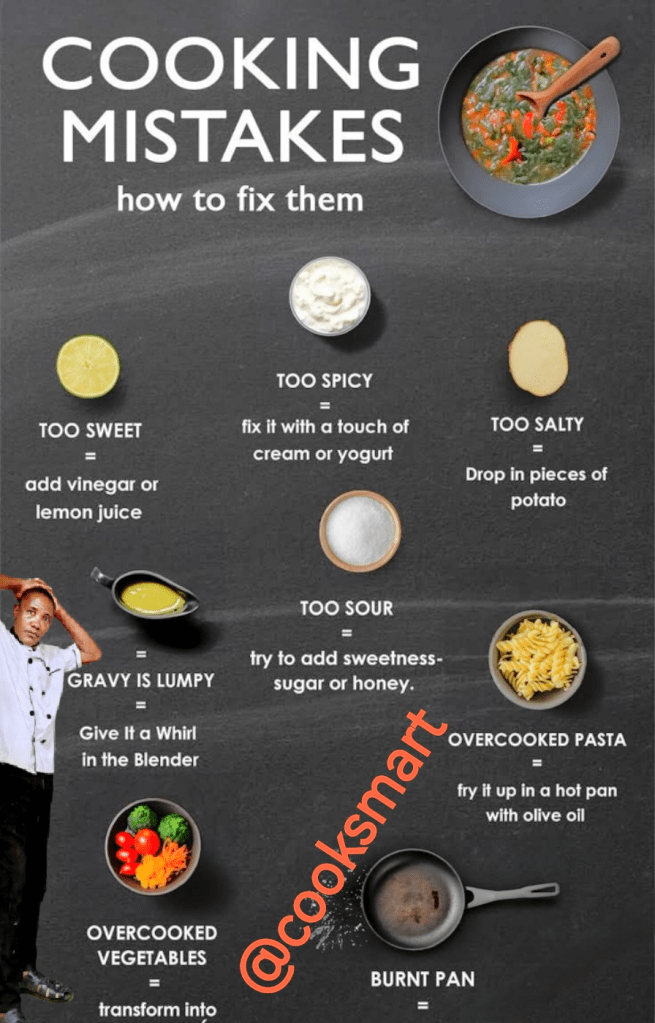
15 COOKING MISTAKES AND HOW TO FIX THEM
By : chef ssentongo
From Get Easy Recipes and Cook Smart
Here are 15 common cooking mistakes and how to fix (or prevent) them:
1. Overcrowding the Pan
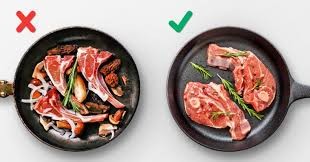
- Problem: Food steams instead of browns.
- Fix: Cook in batches or use a larger pan.
2. Underseasoning Food
- Problem: Bland dishes.
- Fix: Season in layers (while cooking, not just at the end). Taste and adjust.
3. Not Preheating the Pan/Oven
- Problem: Uneven cooking, poor searing.
- Fix: Always preheat pans and ovens before cooking.
4. Overmixing Batter/Dough
- Problem: Tough cakes, muffins, or pancakes.
- Fix: Mix until just combined (some lumps are okay).
5. Cutting Meat Too Soon
- Problem: Juices run out, meat dries.
- Fix: Let meat rest 5–10 mins before slicing.
6. Burning Garlic
- Problem: Bitter, acrid taste.
- Fix: Add garlic late in cooking (or with liquids).
7. Using Dull Knives
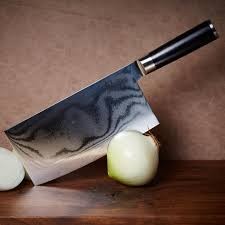
- Problem: Uneven cuts, higher injury risk.
- Fix: Regularly sharpen knives (or use a honing rod).
8. Boiling Instead of Simmering
- Problem: Tough meat, broken sauces.
- Fix: Keep liquids at a gentle bubble (not a rolling boil).
9. Overcooking Pasta
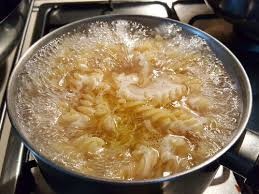
- Problem: Mushy texture.
- Fix: Cook 1 min less than package says (it cooks more in sauce).
10. Not Tasting as You Cook
- Problem: Unbalanced flavors.
- Fix: Taste frequently and adjust seasoning.
11. Ignoring Mise en Place (Prep Work)
- Problem: Stress, burnt food.
- Fix: Chop, measure, and organize ingredients before cooking.
12. Using Cold Eggs in Baking
- Problem: Dense cakes, broken emulsions.
- Fix: Bring eggs to room temperature (or warm in water).
13. Stirring Too Much
- Problem: Food doesn’t brown (e.g., mushrooms, potatoes).
- Fix: Let food sit undisturbed to develop a crust.
14. Not Adjusting for Altitude (Baking)
- Problem: Flat cakes, dry textures.
- Fix: Reduce sugar, increase liquid, or adjust leavening.
15. Substituting Ingredients Incorrectly
- Problem: Failed recipes.
- Fix: Understand substitutions (e.g., yogurt for sour cream, buttermilk for milk + acid).
Bonus Tip: Salvaging Mistakes
- Too salty? Add acid (lemon/vinegar) or bulk (potatoes, unsalted broth).
- Too spicy? Add dairy (cream, yogurt) or sweetness (honey, sugar).
- Overcooked veggies? Blend into soup or mix into a sauce.
Would you like fixes for a specific cooking mishap?
20 CLASSIC VEGETABLE CUTS
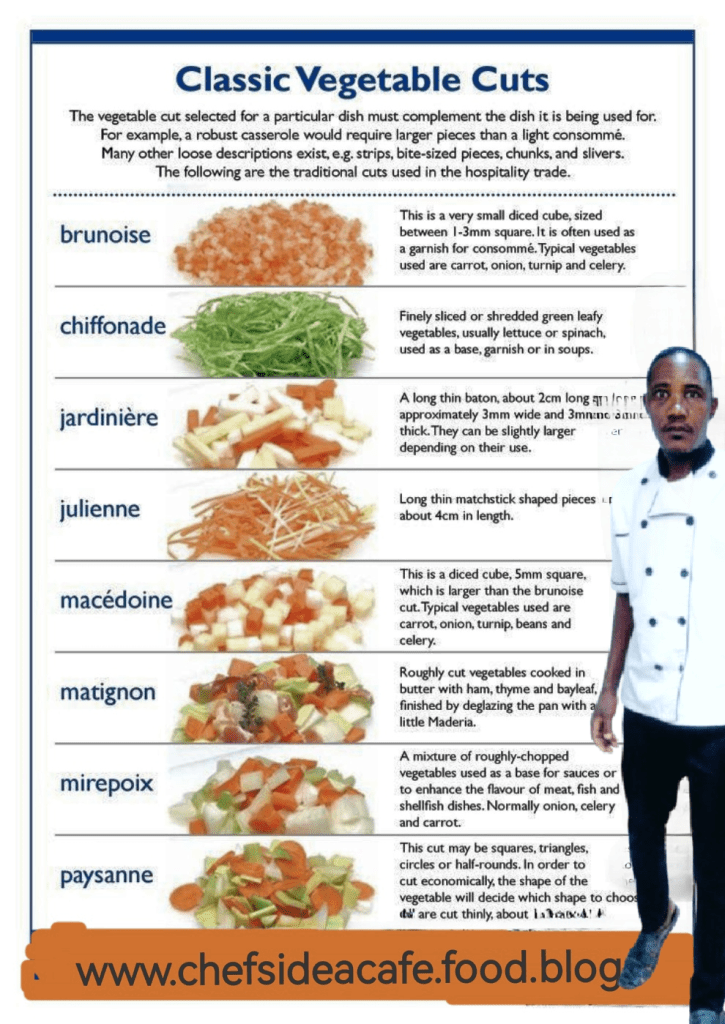
Here are 20 classic vegetable cuts used in professional kitchens, along with brief descriptions:
1. Julienne
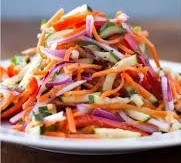
- Thin matchstick strips (≈1–2 mm × 4–6 cm).
- Used for: Carrots, bell peppers, zucchini (e.g., stir-fries, garnishes).
2. Brunoise
- Tiny 1–2 mm cubes (made from julienned vegetables).
- Used for: Soups, sauces, garnishes.
3. Macedoine
- Small 5 mm cubes (larger than brunoise).
- Used for: Salads, stews (e.g., ratatouille).
4. Small Dice (Parmentier)
- 6 mm cubes.
- Used for: Sautéed dishes, hash.
5. Medium Dice
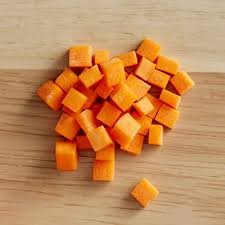
- 1.2 cm cubes.
- Used for: Roasts, braises.
6. Large Dice
- 2 cm cubes.
- Used for: Soups, slow-cooked dishes.
7. Paysanne
- Thin, flat pieces (≈1 mm × 1–2 cm, often round/square).
- Used for: Rustic soups, stews.
8. Chiffonade
- Thin ribbons (stacked leaves rolled & sliced).
- Used for: Herbs (basil), leafy greens.
9. Tourné (Tourner)
- Oblong, seven-sided football shape (≈5 cm long).
- Used for: Aesthetic presentation (e.g., carrots, potatoes).
10. Batonnet
- Thicker matchsticks (≈5 mm × 5–6 cm).
- Used for: Crudités, fries (basis for medium dice).
11. Allumette
- “Matchstick” cut (≈3 mm × 5 cm, like thick julienne).
- Used for: Potatoes (e.g., pommes allumettes).
12. Lozenge (Diamante)
- Diamond-shaped slices.
- Used for: Carrots, zucchini (decorative).
13. Rondelle
- Round or oval slices (from cylindrical veggies).
- Used for: Carrots, zucchini, cucumbers.
14. Bias Cut (Oblique)
- Diagonal slices (increases surface area).
- Used for: Stir-fries, Asian dishes.
15. Roll Cut (Oblique Cut for Long Veggies)
- Angled, uneven pieces (roll vegetable while cutting).
- Used for: Carrots, parsnips (e.g., stir-fries).
16. Mirepoix
- Roughly chopped mix (onion, carrot, celery in 2:1:1 ratio).
- Used for: Stocks, soups, sauces.
17. Concassé
- Peeled, seeded, and finely chopped tomatoes.
- Used for: Sauces, salsas.
18. Parisienne
- Small spheres (using a melon baller).
- Used for: Decorative (e.g., potatoes, melon).
19. Émincer
- Very thin slices (≈1–2 mm, often for onions).
- Used for: Garnishes, salads.
20. Jardinière
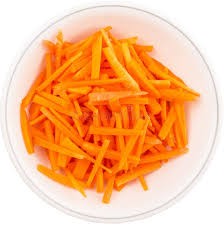
- Short, thick batons (≈3 mm × 4 cm).
- Used for: Stews, side dishes.
These cuts ensure uniformity in cooking and presentation. Would you like details on specific techniques?

 HEALTHY MEALS
Leave a comment