By: chef ssentongo
The Ultimate Guide to Starting a Home-Based Catering Business: Advantages and Disadvantages
Starting a home-based catering business can be an exciting and profitable venture for food enthusiasts. However, like any business, it comes with its own set of advantages and challenges. Here’s a breakdown to help you decide if this path is right for you.
Advantages of a Home-Based Catering Business
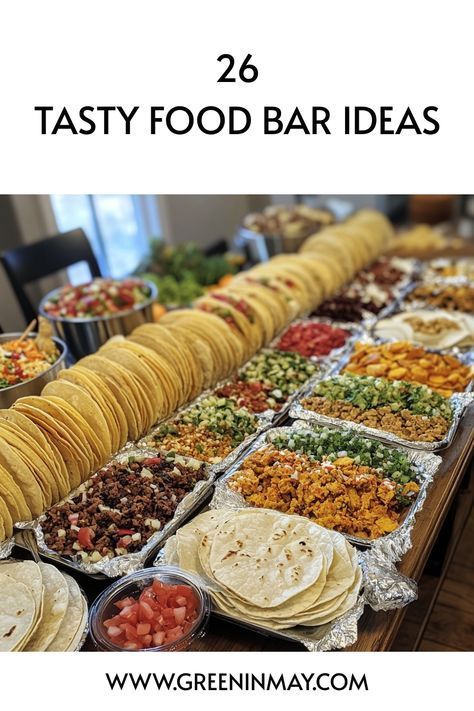
1. Low Startup Costs
- No need to rent a commercial kitchen (depending on local laws).
- Use existing home appliances and equipment.
- Lower overhead compared to a restaurant or catering facility.
2. Flexibility & Work-Life Balance
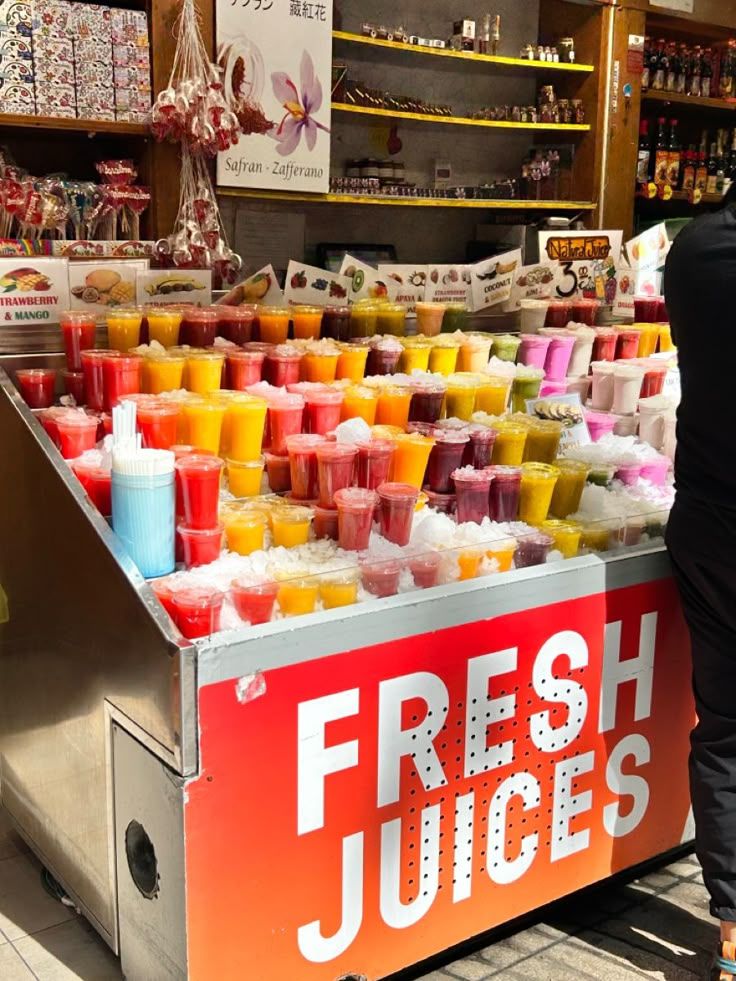
- Set your own hours and choose clients/events.
- Work part-time or full-time based on demand.
- Spend more time at home while running the business.
3. Creative Freedom
- Design unique menus based on your culinary strengths.
- Experiment with different cuisines and presentation styles.
- Personalize services for clients (e.g., dietary restrictions, themed events).
4. High Profit Potential

- Catering margins can be higher than restaurants (especially for premium events).
- Opportunity for upselling (e.g., desserts, beverages, décor).
- Repeat clients and referrals can lead to steady income.
5. Scalability
- Start small (family gatherings, small parties) and expand to larger events.
- Option to transition into a commercial kitchen or food truck later.
Disadvantages of a Home-Based Catering Business
1. Legal & Licensing Challenges
- Health department regulations may require permits or inspections.
- Some areas prohibit home-based food businesses.
- Liability insurance is necessary to protect against foodborne illnesses.
2. Limited Space & Equipment
- Home kitchens may lack industrial-grade appliances.
- Storage space for bulk ingredients can be an issue.
- Large events may require renting additional equipment.
3. Inconsistent Income
- Business may be seasonal (weddings, holidays, etc.).
- Requires marketing efforts to maintain a steady client base.
- Unpredictable demand can lead to financial instability.
4. Time-Consuming & Physically Demanding

- Meal prep, delivery, and setup can be exhausting.
- Long hours during peak seasons (weekends, evenings).
- Balancing cooking, admin work, and customer service is challenging.
5. Competition & Marketing Pressure
- Competing with established caterers and restaurants.
- Need strong branding, social media presence, and word-of-mouth referrals.
- Pricing must be competitive while maintaining profitability.
Final Thoughts
A home-based catering business is a great option for passionate cooks who want to turn their skills into income. However, success depends on proper planning, compliance with laws, and effective marketing.
Would you like tips on how to overcome these challenges and grow your catering business? Let me know how I can help! 🚀🍽️
 HEALTHY MEALS
Leave a comment