By: chef ssentongo
30 Side Hustles Great Cooks and Chefs Can Start for Extra Cash
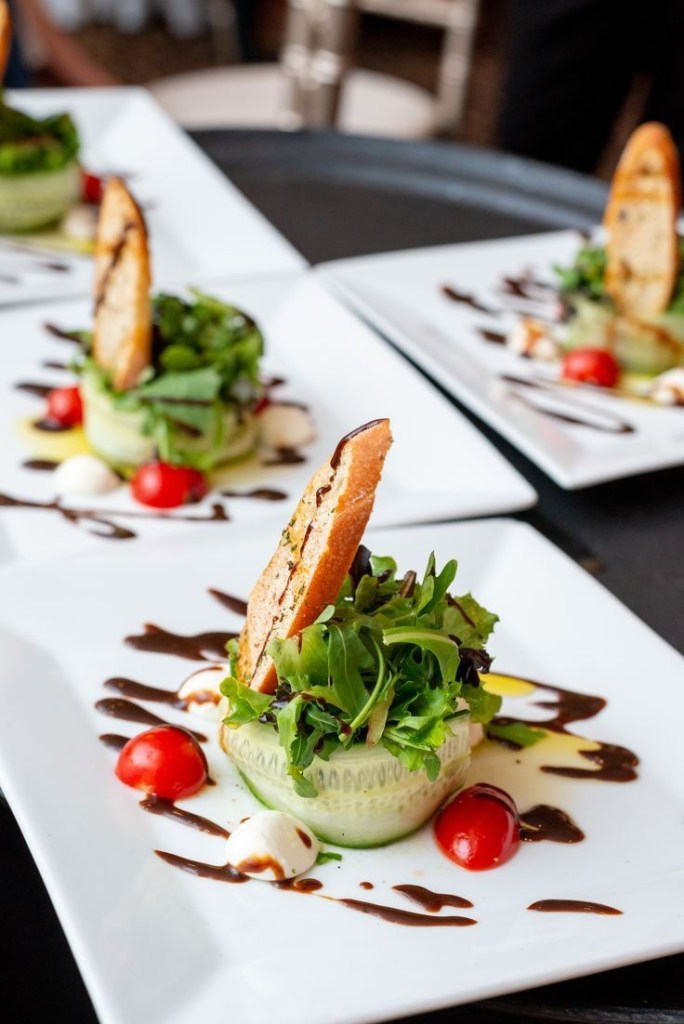
Here’s a curated list of 30 side hustles for cooks and chefs to earn extra income, combining culinary skills with entrepreneurial opportunities. These ideas are sourced from industry experts, gig economy platforms, and successful food entrepreneurs .
1. Sell Food Products
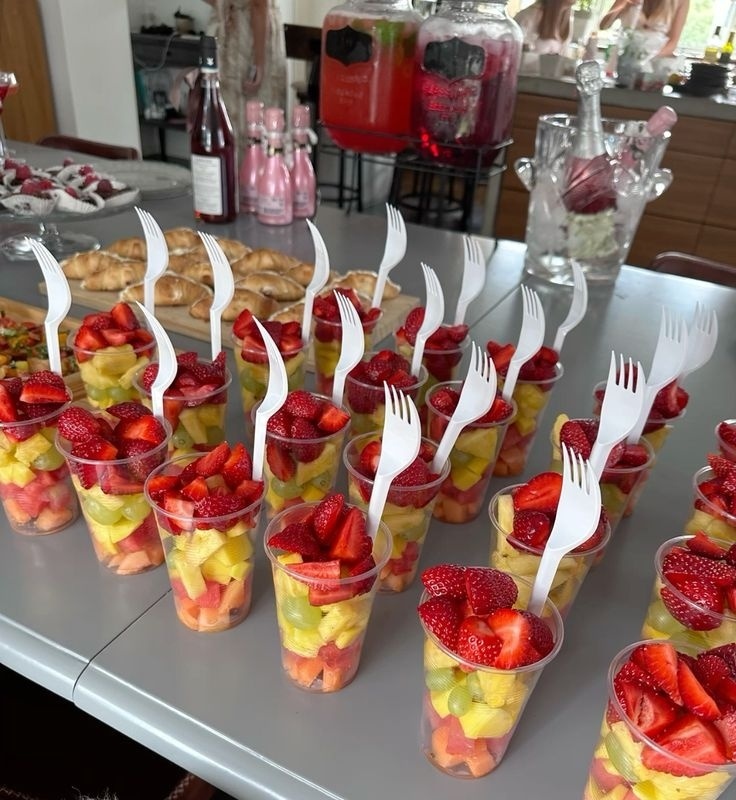
- What: Homemade jams, sauces, baked goods, or spice blends.
- Where: Farmers’ markets, Etsy, or local grocery stores.
- Tip: Check local health regulations for home kitchens .
2. Private Chef Services
- What: Cook personalized meals for families or events.
- Earnings: $25–$40/hour. Use platforms like Miummium or HireAChef .
3. Meal Prep Delivery
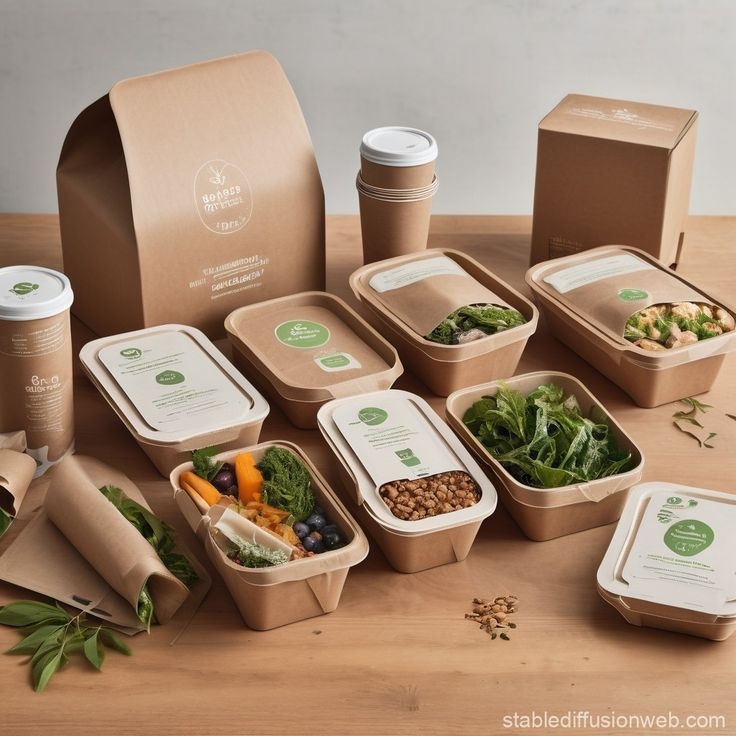
- What: Prepare weekly meals for busy clients (e.g., keto, vegan).
- Profit: $20–$40/hour. Market at gyms or via Instagram .
4. Catering for Events
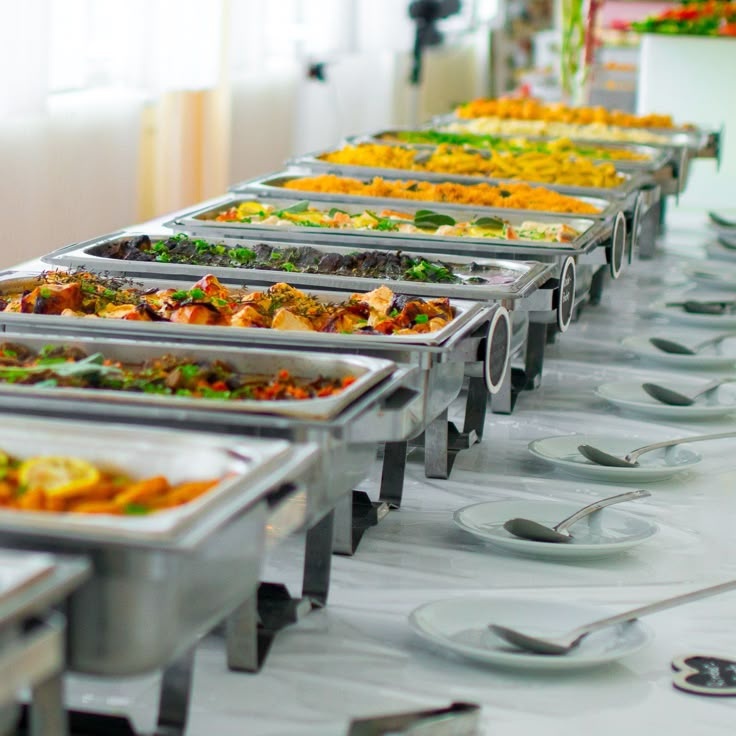
- What: Small weddings, corporate lunches, or dinner parties.
- Scale: Start with drop-off service; expand to full-service .
5. Food Truck or Pop-Up
- What: Mobile or temporary dining with a focused menu.
- Cost: $50K–$100K startup (truck) or lower for pop-ups .
6. Virtual Cooking Classes
- What: Teach techniques via Zoom or YouTube.
- Platforms: Udemy, Skillshare, or self-hosted .
7. Food Blogging/YouTube
- What: Share recipes or reviews. Monetize via ads, sponsorships, or cookbooks.
- Earnings: $1K–$10K/month with 10K+ followers .
8. Farmers’ Market Vendor
- What: Sell artisanal bread, pickles, or ready-to-eat items.
- Profit: $10K–$30K/year part-time .
9. E-Cookbook Author
- What: Self-publish niche recipe books (e.g., gluten-free, air fryer).
- Platforms: Amazon KDP or Shopify for direct sales .
10. Food Photography
- What: Shoot dishes for restaurants or bloggers.
- Gear: Start with a smartphone and natural light .
11. Food Styling
- What: Plate dishes for photoshoots or ads.
- Clients: Magazines, brands, or social media influencers .
12. Recipe Developer
- What: Create recipes for brands, blogs, or meal kits.
- Earnings: $50–$200/recipe .
13. Specialty Coffee Cart
- What: Sell cold brew or espresso at events.
- Cost: $2K–$10K startup .
14. Home-Based Bakery
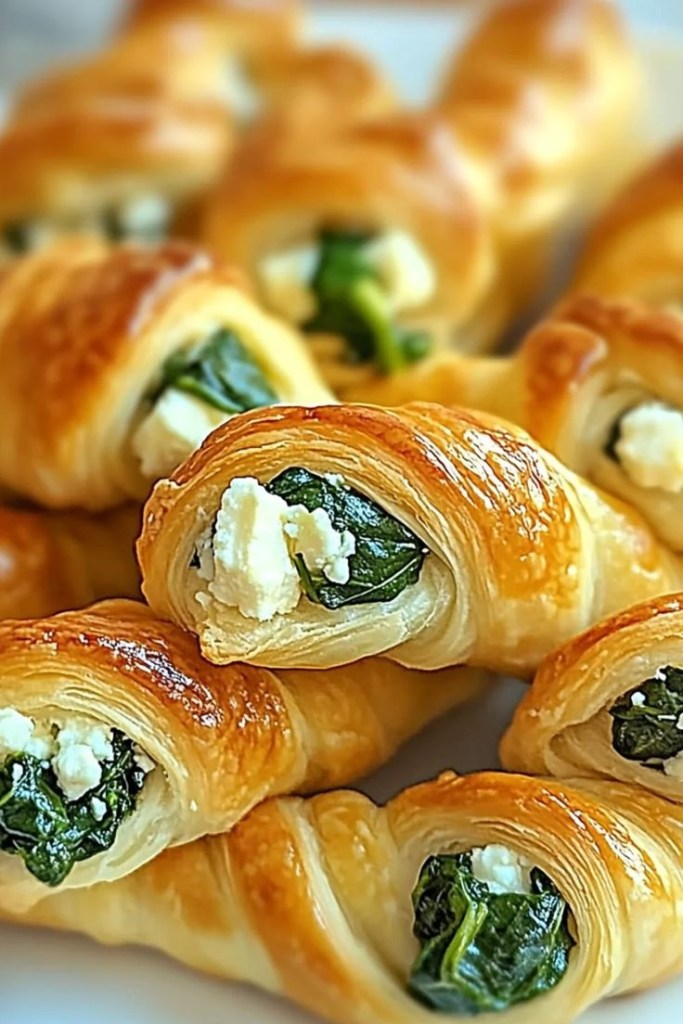
- What: Sell cakes, cookies, or bread.
- Legal: Verify cottage food laws in your state .
15. Food Subscription Boxes
- What: Curate themed boxes (e.g., global snacks, baking kits).
- Platform: Cratejoy or Shopify .
16. Food Critic
- What: Review restaurants for blogs or local media.
- Start: Build a portfolio with unpaid reviews .
17. Culinary Tour Guide
- What: Host food tours in your city (virtual or in-person).
- Revenue: $50–$100/person .
18. Food Truck Consultant
- What: Advise new owners on menus, permits, or branding.
- Fee: $50–$150/hour .
19. Fermented Foods Business
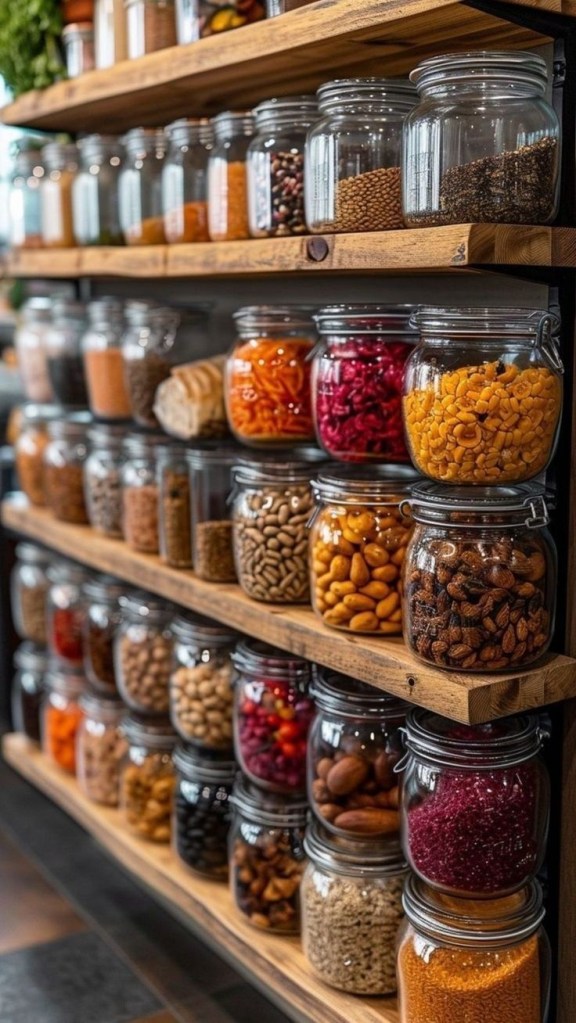
- What: Sell kombucha, kimchi, or sourdough starters.
- Market: Health stores or online .
20. Food Podcast
- What: Discuss industry trends or interview chefs.
- Monetize: Sponsorships or Patreon .
21. Temporary Line Cook
- What: Fill shifts at understaffed restaurants via apps like Qwick .
22. Food-Themed Merch
- What: Sell aprons, knives, or recipe-themed art on Etsy .
23. Ice Cream Cart
- What: Seasonal hustle with unique flavors (vegan options sell well!) .
24. Food Safety Auditor
- What: Inspect kitchens remotely for compliance.
- Certification: Needed (e.g., ServSafe) .
25. Cookbook Editor
- What: Proofread or test recipes for authors .
26. Food Waste Consultant
- What: Help restaurants reduce waste and save costs .
27. Virtual Meal Planner
- What: Design weekly menus for clients.
- Tools: Use Canva or Google Docs .
28. Food Truck Franchise
- What: License a proven concept (e.g., tacos, BBQ).
- Example: The Dumpling Lady (started as a truck, now a brick-and-mortar) .
29. Food Influencer
- What: Partner with brands (e.g., cookware, groceries).
- Platforms: Instagram, TikTok .
30. Airbnb Experience Host
- What: Offer cooking classes or dinner parties in your home .
Key Takeaways
- Low-Cost Startups: Home bakeries, blogging, or farmers’ markets .
- High Earnings: Private cheffing, catering, or food trucks .
- Trending: Virtual classes, meal kits, and sustainability-focused hustles .
For deeper dives, explore Escoffier’s culinary entrepreneurship guide or Shopify’s food business tips . Let me know if you’d like help tailoring a hustle to your skills!
20 Advanced Cooking Techniques for Every Chef
20 Advanced Cooking Techniques Every Chef Should Master
These skills will elevate your dishes from good to extraordinary, whether you’re a professional chef or a serious home cook.
1. Sous Vide Precision Cooking
- What: Cook vacuum-sealed food in a temperature-controlled water bath for perfect doneness.
- Use: Steaks (129°F/54°C for medium-rare), eggs (167°F/75°C for custard-like yolks).
- Pro Tip: Finish with a sear for texture.
2. Spherification (Molecular Gastronomy)
- What: Turn liquids into caviar-like spheres using sodium alginate + calcium chloride.
- Use: Cocktail “pearls,” balsamic vinegar bursts.
3. Dry-Aging Meat
- What: Hang beef in a controlled environment (34°F/1°C, 75% humidity) for 30+ days.
- Result: Concentrated flavor, tender texture.
- DIY: Use a mini fridge with a salt block and fan.
4. Fermentation Mastery
- What: Harness microbes to transform ingredients (kimchi, sourdough, koji).
- Key: Control salt levels (2–5% by weight) and temperature.
5. Emulsification Without Stabilizers
- What: Bind oil and water into stable sauces (mayonnaise, hollandaise).
- Trick: Add oil slowly while whisking vigorously.
6. Confit (Slow-Cooked in Fat)
- What: Submerge proteins (duck, garlic) in fat and cook low and slow.
- Temp: 180–200°F (82–93°C) for tender, flavorful results.
7. Dehydration for Texture
- What: Remove moisture to intensify flavors (fruit leathers, mushroom powder).
- Tools: Dehydrator or oven at 140°F/60°C.
8. Reverse Searing
- What: Slow-roast steak first, then sear for a perfect crust.
- Best for: Thick cuts like ribeye.
9. Smoking (Hot vs. Cold)
- Hot Smoke: 225°F/107°C for BBQ.
- Cold Smoke: Below 85°F/29°C for salmon or cheese.
10. Gelification (Agar, Gelatin, Pectin)
- What: Create edible gels (panna cotta, fruit gels).
- Pro Tip: Agar sets at room temp; gelatin needs chilling.
11. Butterflying & Stuffing Proteins
- What: Debone and flatten chicken, fish, or lamb for even cooking.
- Use: Roulades, stuffed breasts.
12. Consommé Clarification
- What: Use egg whites to trap impurities, creating crystal-clear broth.
- Key: Gentle simmering; avoid stirring.
13. Lamination (Layered Doughs)
- What: Fold butter into dough (croissants, puff pastry).
- Trick: Chill between folds to prevent melting.
14. Flash Pickling
- What: Quick-pickle veggies in hot brine (30 mins to 2 hours).
- Use: Topping for tacos, sandwiches.
15. Infusions (Oil, Alcohol, Vinegar)
- What: Steep herbs, spices, or fruit in liquids.
- Example: Chili oil, vanilla bourbon.
16. Pressure Cooking for Depth
- What: Extract rich flavors in minutes (bone broth, stews).
- Tool: Instant Pot or stovetop pressure cooker.
17. Curing & Charcuterie
- What: Preserve meats with salt, sugar, and spices (pancetta, gravlax).
- Safety: Use curing salt (Prague Powder #1) for botulism prevention.
18. Sugar Work (Caramel, Blown Sugar)
- What: Cook sugar to precise temps for decorations.
- Stages: Thread (230°F/110°C) → Hard crack (300°F/149°C).
19. Sous Vide Egg Yolks (63°C/145°F)
- What: Silky, custard-like yolks for ramen or salads.
- Time: 45–60 minutes.
20. Butchery & Fabrication
- What: Break down whole animals (fish, poultry, lamb) to save costs.
- Skill: Learn seam butchery to minimize waste.
Pro Tips for Mastery
- Practice one technique at a time—start with sous vide or confit.
- Document results: Note temps, times, and ratios.
- Invest in tools: Immersion circulator, smoking gun, precision scale.
These techniques open doors to Michelin-star creativity or next-level home cooking. Which one will you try first? 🍳
 HEALTHY MEALS
Leave a comment