How Long to Grill Meat 10 ways and temperature
By: chef ssentongo
Grilling meat to perfection depends on the type, cut, thickness, and desired doneness. Below are 10 popular meats with recommended grilling times and temperatures (using direct heat unless specified). Always use a meat thermometer for accuracy.
1. Hamburgers (½-inch thick, 4 oz patties)
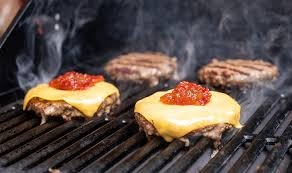
- Temp: Medium-high (375–400°F / 190–205°C)
- Time:
- Medium-rare: 3–4 min per side (130–135°F internal)
- Medium: 4–5 min per side (140–145°F)
- Well-done: 5–6 min per side (160°F+)
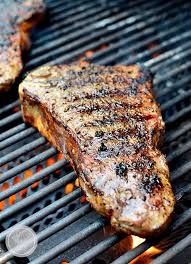
2. Steak (1-inch thick, Ribeye or NY Strip)
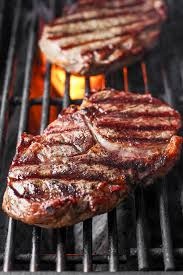
- Temp: High (450–500°F / 230–260°C)
- Time:
- Rare: 3–4 min per side (120–125°F)
- Medium-rare: 4–5 min per side (130–135°F)
- Medium: 5–6 min per side (140–145°F)
3. Chicken Breast (Boneless, Skinless)

- Temp: Medium (350–375°F / 175–190°C)
- Time: 6–8 min per side (165°F internal)
4. Pork Chops (1-inch thick)
- Temp: Medium (350–375°F / 175–190°C)
- Time: 4–5 min per side (145°F internal)
5. Hot Dogs (Standard)
- Temp: Medium (350°F / 175°C)
- Time: 3–5 min, rolling occasionally
6. Lamb Chops (1-inch thick)
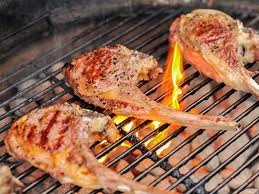
- Temp: High (400–450°F / 205–230°C)
- Time: 3–4 min per side (130°F for medium-rare, 145°F for medium)
7. Salmon Fillets (Skin-on, 1-inch thick)
- Temp: Medium (375°F / 190°C)
- Time: 4–5 min per side (145°F internal)
8. Bratwurst (Raw, not pre-cooked)
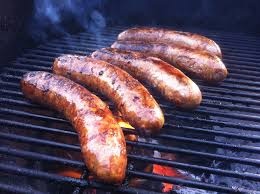
- Temp: Medium-low (300–325°F / 150–165°C)
- Time: 15–20 min, turning often (160°F internal)
9. Baby Back Ribs
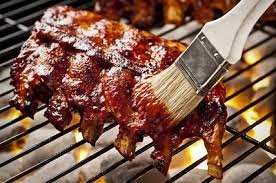
- Temp: Low & slow (225–250°F / 110–120°C)
- Time: 3–4 hours (indirect heat) until tender
10. Skewered Shrimp (Large, peeled)
- Temp: High (400–450°F / 205–230°C)
- Time: 2–3 min per side (opaque, 120–145°F)
Pro Tips:
- Rest meat 5–10 min after grilling (except seafood).
- Adjust times for thickness (e.g., a 2-inch steak needs longer).
- Use a two-zone fire (sear over high heat, finish over indirect).
Would you like recommendations for marinades or wood smoke pairings?
How to Buy Meat
Buying meat can seem overwhelming if you’re not sure what to look for. Here’s a simple guide to help you choose the best quality meat for your needs:
1. Choose the Right Store
- Butcher Shops: Often have higher-quality, fresher cuts and knowledgeable staff.
- Supermarkets: Convenient, but check for freshness and sourcing.
- Farmers’ Markets: Great for locally sourced, organic, or grass-fed options.
2. Check the Meat’s Appearance
- Color:
- Beef should be bright red (darker if vacuum-sealed).
- Pork should be pinkish-red.
- Chicken should be pink (not gray or yellow).
- Marbling (fat streaks): More marbling usually means better flavor and tenderness (especially for beef).
- Avoid: Discoloration, dry spots, or excessive liquid in the package.
3. Smell the Meat
- Fresh meat should have a mild, clean smell.
- Avoid: Strong, sour, or ammonia-like odors.
4. Check the Packaging
- No tears or leaks.
- Look for a sell-by or use-by date (buy the freshest available).
- If buying pre-packaged, ensure it’s properly sealed.
5. Understand Labels
- Grass-Fed vs. Grain-Fed: Grass-fed is leaner and has a different flavor; grain-fed is often more tender.
- Organic: No antibiotics/hormones, fed organic feed.
- Free-Range/Pasture-Raised: Animals had outdoor access (better for chicken/eggs).
- Grade (Beef):
- Prime (highest quality, most marbling, best for steaks).
- Choice (good balance of quality and price).
- Select (leaner, less tender).
6. Choose the Right Cut for Your Cooking Method
- Tender Cuts (steaks, chops, tenderloin): Best for grilling, pan-searing.
- Tougher Cuts (chuck, brisket, shoulder): Ideal for slow cooking (braising, stewing).
- Ground Meat: Versatile for burgers, meatballs, sauces.
7. Ask the Butcher for Help
- They can recommend cuts, trim fat, or even grind fresh meat for you.
- Ask about aging (dry-aged beef has more flavor).
8. Storage Tips
- Refrigerate immediately and use within a few days.
- Freeze if not using soon (wrap tightly to avoid freezer burn).
9. Consider Sustainability & Ethics
- Look for certified humane, organic, or local farms if animal welfare/environment matters to you.
Would you like recommendations for specific types of meat (beef, chicken, pork, lamb, etc.)?
 HEALTHY MEALS
Leave a comment