Calculating Menu Items Cost 9 Steps
By: chef ssentongo
Calculating the cost of menu items is essential for pricing, profitability, and inventory management. Here’s a 9-step process to accurately determine your menu item costs:
1. List All Ingredients
- Break down every component of the dish (including garnishes, sauces, and sides).
- Example: A burger includes bun, patty, cheese, lettuce, tomato, condiments, etc.
2. Determine Purchase Price

- Record the cost of each ingredient as purchased (e.g., a 10-pound bag of potatoes for $5).
3. Convert to Edible Portion Cost (EP Cost)
- Account for waste (peels, trimming, bones).
- Example: A 10-lb chicken may yield only 7 lbs after deboning.
- Formula:
EP Cost = Purchase Price / Yield Percentage (e.g., $10 / 70% yield = $14.29 usable cost)
4. Calculate Cost per Unit
- Convert bulk pricing to smaller units (per ounce, gram, slice, etc.).
- Example: A $5, 10-lb bag of potatoes costs $0.50 per pound or $0.03 per ounce.
5. Measure Ingredient Quantities per Dish
- Weigh/measure exact amounts used in each recipe.
- Example: Burger uses 6 oz of beef, 1 oz of cheese, 0.5 oz of ketchup.
6. Multiply Quantity by Unit Cost
- Example:
- 6 oz beef at $0.50/oz = $3.00
- 1 oz cheese at $0.20/oz = $0.20
- 0.5 oz ketchup at $0.10/oz = $0.05
7. Sum Total Ingredient Costs

- Add all component costs for one serving.
- Example: $3 (beef) + $0.20 (cheese) + $0.05 (ketchup) + … = $4.25 total cost.
8. Factor in Indirect Costs (Optional but Recommended)
- Include overhead like labor, utilities, and packaging if desired.
- Example: Add 10% overhead ($4.25 × 1.10 = $4.68).
9. Set Menu Price Using Food Cost Percentage
- Divide total cost by your target food cost % (typically 20–35%).
- Formula:
Menu Price = Total Cost / Target Food Cost % (e.g., $4.68 / 30% = $15.60)
Pro Tips:
- Update costs regularly (prices fluctuate!).
- Use a spreadsheet or restaurant management software (e.g., Excel, Restaurant365).
- Track waste and adjust portions to optimize profitability.
By following these steps, you’ll ensure accurate pricing and maintain healthy profit margins. Would you like a free template to calculate this automatically?
How to Write a Restaurant Profitable Menu
Creating a profitable restaurant menu requires strategic pricing, psychology, and cost control. Here’s a step-by-step guide to designing a menu that maximizes revenue while keeping customers happy.
1. Analyze Food Costs & Profit Margins
- Calculate the cost of each dish (ingredients, labor, overhead).
- Aim for a target food cost percentage (typically 25-35% for full-service restaurants, 20-25% for fast casual).
- Use this formula to set prices:
Menu Price = Ingredient Cost / Target Food Cost % (Example: $3 food cost ÷ 30% = $10 menu price)
2. Categorize Menu Items by Profitability & Popularity
- Use the “Menu Engineering Matrix” to classify dishes: High Profit Low Profit Popular Stars ⭐ (Promote!) Plow Horses 🐴 (Reprice/Reconfigure) Unpopular Puzzles ❓ (Reposition) Dogs 🐶 (Remove)
- Focus on “Stars” (high-profit, high-demand items).
3. Use Strategic Menu Layout & Design
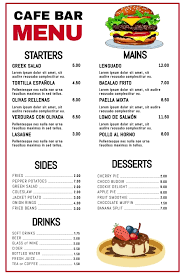
- Eye-Tracking Tips:
- Customers scan menus in a “Z-pattern” (top-left → top-right → middle → bottom-left → bottom-right).
- Place high-profit items in the top-right corner (where eyes linger).
- Highlight Profit Makers:
- Use boxes, icons, or bold text to draw attention to high-margin dishes.
- Avoid Dollar Signs ($) (psychologically makes customers spend less).
4. Implement Psychological Pricing Tactics
- Charm Pricing: End prices with .95 or .99 ($12.99 feels cheaper than $13).
- Decoy Pricing: Add a high-priced item to make others seem reasonable (e.g., a $50 steak makes the $35 option look like a deal).
- Bundle Deals: Pair high-margin items with low-cost sides (e.g., $18 burger + fries + drink).
5. Optimize Descriptions to Increase Perceived Value
- Use sensory words (e.g., “slow-roasted,” “handcrafted,” “farm-fresh”).
- Example:
- ❌ “Grilled Chicken”
- ✅ “Herb-Marinated Grilled Chicken with Garlic Infusion”
6. Limit Choices to Reduce Decision Fatigue
- 7-10 items per category (appetizers, mains, desserts) is ideal.
- Too many options overwhelm customers and increase kitchen costs.
7. Adjust Portion Sizes Strategically
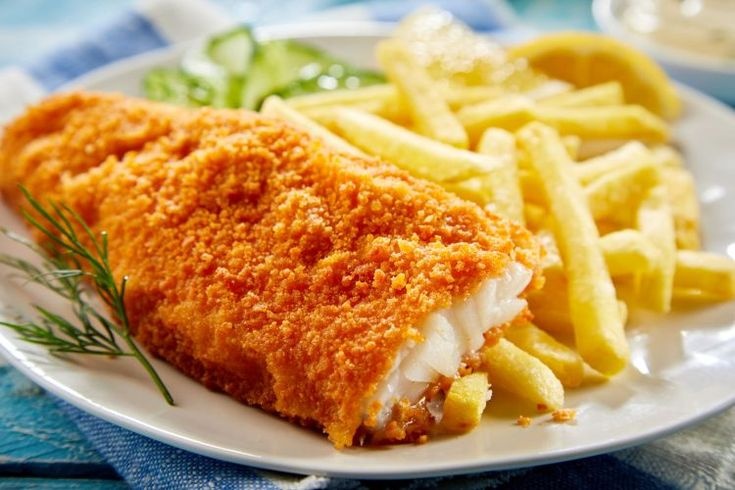
- Reduce portions slightly on high-cost items (e.g., steak) to maintain margins.
- Increase portions on low-cost, high-markup items (e.g., pasta, fries).
8. Test & Update the Menu Regularly
- Seasonal Menus: Rotate dishes to keep costs low (use in-season ingredients).
- A/B Testing: Try different layouts/prices to see what sells best.
- Remove Underperformers: Replace “Dogs” (low-profit, low-sales items).
9. Train Staff to Upsell High-Margin Items
- Encourage servers to recommend:
- Specials (often high-margin).
- Add-ons (e.g., “Would you like truffle fries for $2 more?”).
- Premium drinks (alcohol, specialty coffees).
Bonus: Use a Menu Engineering Template
Track profitability with a simple spreadsheet: ItemCostPriceFood Cost %PopularityCategory Burger $3.00 $12.00 25% High Star ⭐ Salad $2.50 $8.00 31% Low Plow Horse 🐴
Final Tip:
A profitable menu balances customer appeal and cost control. Regularly review sales data, adjust pricing, and keep testing for the best results.
Would you like a free menu engineering template to analyze your dishes? 🚀
 HEALTHY MEALS
Leave a comment