How To Start A Meal Prep Business From Home In 14 Easy Steps
By : chef ssentongo
Starting a meal prep business from home is a great way to turn your passion for cooking into a profitable venture. Here’s a step-by-step guide to launching your business in 14 easy steps:
1. Research Your Market
✅ Identify your target audience (busy professionals, fitness enthusiasts, families, etc.).
✅ Study competitors—check pricing, menus, and delivery options.
✅ Decide on a niche (keto, vegan, gluten-free, kid-friendly, etc.).
2. Create a Business Plan
📌 Define your business model (subscription, one-time orders, bulk meals).
📌 Set financial goals (startup costs, pricing, profit margins).
📌 Plan logistics (ingredient sourcing, packaging, delivery).
3. Check Legal & Licensing Requirements
🔹 Register your business (LLC or sole proprietorship).
🔹 Obtain a home kitchen permit or cottage food license (varies by state/country).
🔹 Get liability insurance (protects against food-related issues).
4. Design Your Menu
🍽️ Start with 5–10 signature dishes (easy to scale & store).
🍽️ Offer customizable options (protein swaps, spice levels).
🍽️ Ensure meals are nutritious, tasty, and visually appealing.
5. Price Your Meals Competitively
💰 Calculate food costs, labor, and packaging.
💰 Compare competitor prices—aim for 15–30% profit margins.
💰 Offer meal plans (discounts for weekly/monthly subscriptions).
6. Set Up Your Home Kitchen
🔪 Ensure it meets health department standards (clean, organized, pest-free).
🔪 Invest in bulk storage, meal prep containers, and labeling tools.
🔪 Get quality appliances (industrial fridge, vacuum sealer, etc.).
7. Source Ingredients Efficiently
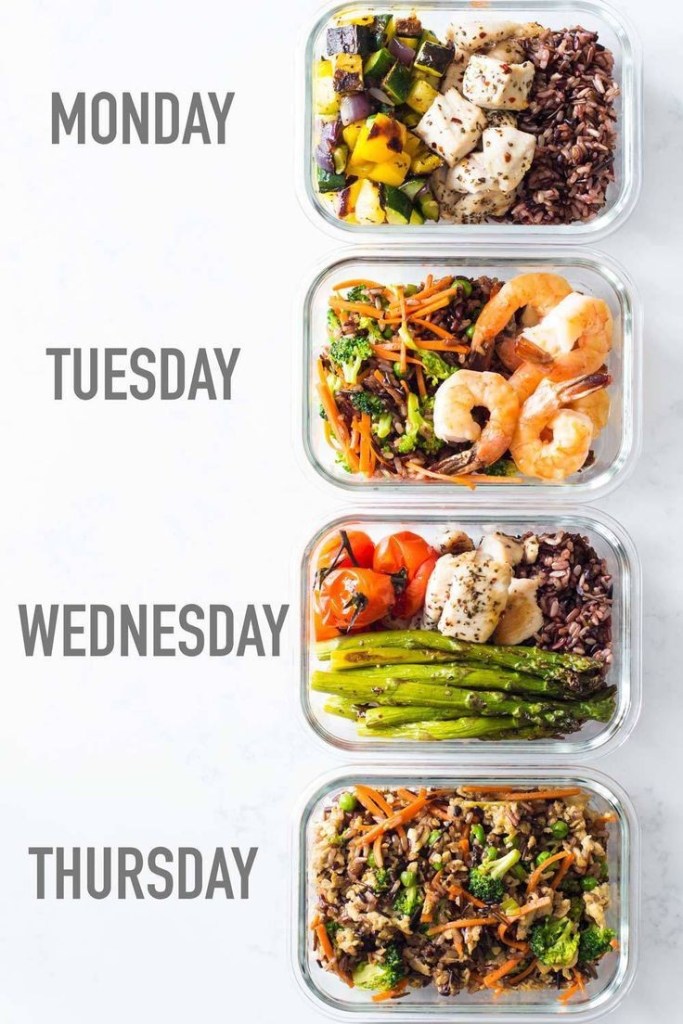
🛒 Buy in bulk from wholesale suppliers (Costco, Restaurant Depot).
🛒 Partner with local farms for fresh produce.
🛒 Optimize inventory to reduce waste.
8. Brand Your Business
🎨 Choose a memorable name & logo (Canva, Fiverr for design help).
🎨 Create a website & social media profiles (Instagram, Facebook).
🎨 Develop a brand voice (casual, professional, fitness-focused, etc.).
9. Package Meals Professionally
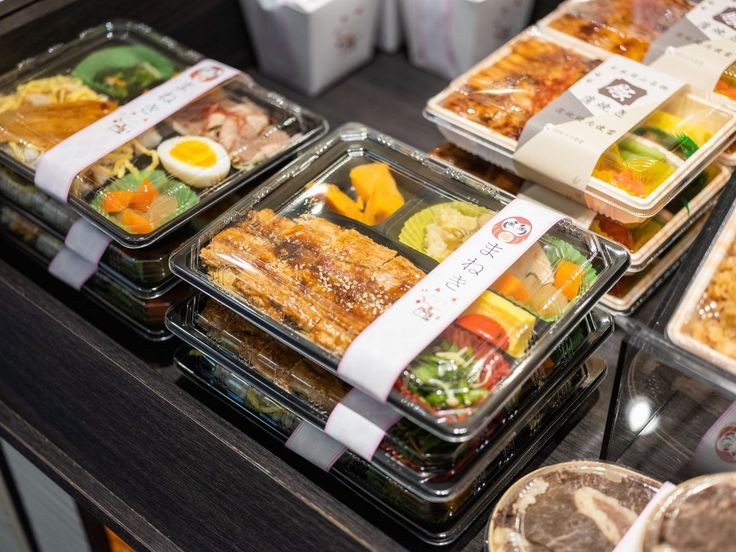
📦 Use microwave-safe, leak-proof containers (Eco-friendly options sell better).
📦 Label meals clearly (ingredients, calories, reheating instructions).
📦 Add branding (stickers, thank-you notes).
10. Set Up Delivery/Pickup Options
🚗 Offer local delivery (use your car or a delivery service like Uber Eats).
🚗 Provide curbside pickup (schedule time slots).
🚗 Consider shipping (for shelf-stable or frozen meals).
11. Market Your Business
📣 Use social media marketing (post meal pics, behind-the-scenes content).
📣 Run Facebook/Instagram ads targeting local customers.
📣 Offer discounts for referrals & first-time buyers.
12. Launch with a Soft Opening
🎉 Start with friends & family for feedback.
🎉 Offer free samples to local influencers/gyms.
🎉 Adjust based on customer reviews.
13. Scale Up Gradually
📈 Track best-selling meals and focus on those.
📈 Expand menu based on demand.
📈 Hire help (cooks, delivery drivers) if needed.
14. Stay Compliant & Keep Improving
📋 Renew licenses & permits annually.
📋 Collect customer feedback & adapt.
📋 Test new recipes to keep the menu fresh.
Bonus Tips for Success
🔥 Subscription models = steady income.
🔥 Meal customization = happier customers.
🔥 Holiday/seasonal specials = boost sales.
With low startup costs and high demand, a home-based meal prep business can grow quickly! Would you like help with meal planning templates or marketing strategies? 😊
Is Starting A Meal Prep Business Profitable?
Yes, starting a meal prep business can be highly profitable, but success depends on factors like market demand, operational efficiency, and niche selection. Here’s a detailed breakdown of profitability based on industry data and real-world examples:
1. High Revenue Potential
- The average revenue for meal prep businesses is $2.22M/year, with some earning up to $3.6M/year (e.g., Eat Clean LLC) .
- Smaller startups like Healthy Chew ($720K/year) and MealPro ($600K/year) prove scalability even with modest beginnings .
- The global meal prep market is projected to grow at 9.2% CAGR, reaching $12.89B by 2033 .
2. Strong Profit Margins
- Typical gross margins range from 15% to 35%, higher than traditional restaurants (3–5%) .
- Subscription models (e.g., weekly meal plans) ensure recurring revenue and reduce waste through predictable demand .
- Bulk purchasing and batch cooking lower ingredient costs, boosting margins .
3. Low Startup Costs
- Can launch from home with as little as $500 (e.g., Healthy Chew) .
- Major costs include kitchen equipment ($3K–$12K) and licensing, but avoid real estate expenses if home-based .
- Ghost kitchens or shared commissary spaces further cut overhead .
4. Growing Demand Drivers
- Busy lifestyles: 60% of consumers prioritize convenience over cooking .
- Health trends: Demand for keto, vegan, and fitness-focused meals is surging .
- Post-pandemic shifts: More people prefer home-delivered meals over dining out .
5. Challenges to Consider
- Competition: The space is crowded; differentiation (e.g., niche diets, premium packaging) is key .
- Logistics: Delivery and freshness maintenance can be complex .
- Customer retention: Subscription churn requires constant marketing .
Key Takeaways
✅ Profitability is achievable with 35% margins and scalable models.
✅ Start small: Home-based operations minimize risk.
✅ Focus on niches: Fitness, allergies, or gourmet meals stand out.
✅ Leverage trends: Plant-based, sustainable packaging, and AI-driven meal plans .
For inspiration, explore successful case studies like MealPro or Healthy Chew . Ready to dive deeper into marketing strategies or legal steps? Let me know!
 HEALTHY MEALS
Leave a comment