By: chef ssentongo Geoffrey
10 Simple Magic of Mise En Place
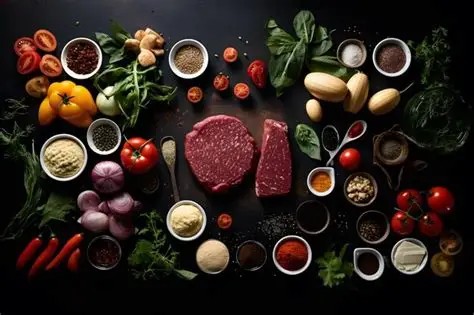
Here’s a concise yet insightful guide to the 10 Simple Magic of Mise En Place, a French culinary philosophy that transforms chaotic cooking into a seamless, enjoyable experience. Derived from professional kitchens and adapted for home cooks, these principles emphasize preparation, organization, and efficiency .
1. Read the Recipe Thoroughly
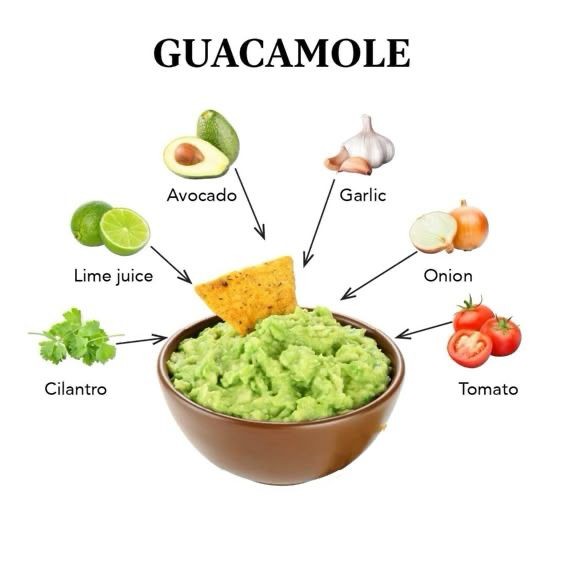
Before touching a knife or pan, read the entire recipe to understand steps, ingredients, and tools needed. This prevents mid-cooking surprises like missing spices or unplanned prep work .
2. Clean and Declutter Your Workspace
Start with a spotless countertop and empty sink. A clutter-free space reduces stress and cross-contamination risks, mirroring the discipline of professional chefs .
3. Gather All Tools and Ingredients
Collect every utensil, pot, and ingredient upfront. No more frantic searches for measuring cups or forgotten garlic—everything is “in its place” .
4. Prep Ingredients Before Cooking

Chop, measure, and portion ingredients ahead of time. For example, pre-dice onions and portion spices into small bowls. This mirrors the efficiency of street food vendors who assemble dishes swiftly .
5. Organize by Order of Use
Arrange prepped ingredients in the sequence they’ll be used (e.g., onions before garlic). Group items added together (like dry spices) to streamline cooking .
6. Clean As You Go
Wash tools or wipe surfaces between tasks. A tidy workspace maintains focus and reduces post-meal cleanup—a hallmark of professional kitchens .
7. Use Containers Strategically
Store prepped ingredients in labeled containers or bowls. This extends shelf life (e.g., roasted veggies last weeks) and speeds up future meals .
8. Optimize Time Management
Leverage downtime (e.g., while onions caramelize) to prep other ingredients. This balances efficiency with relaxation—pour that glass of wine! .
9. Adapt for Meal Prep
Apply mise en place to weekly cooking: Batch-roast vegetables, marinate proteins, or pre-make sauces. This turns weeknight dinners into quick assemblies .
10. Embrace the Mindset Beyond Cooking
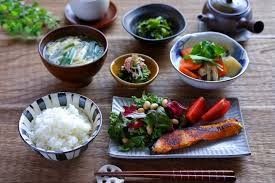
Mise en place is a life philosophy—planning and organization reduce stress in any task, from grocery shopping to hosting dinner parties .
Why It Matters
- Efficiency: Cuts active cooking time by 50% .
- Consistency: Ensures dishes taste the same every time .
- Creativity: Frees mental space to experiment with flavors .
For deeper dives, explore guides like The Ultimate 2024 Guide to Mise En Place or Chef Ranveer Brar’s street-food-inspired take . Happy (organized) cooking!
17 Cooking Methods For Home Chefs Step by Step Guides
Here’s a comprehensive step-by-step guide to 17 essential cooking methods for home chefs, curated from expert sources. Each method includes key techniques, tools, and tips to master them effectively.
1. Boiling
How to: Submerge food in water or broth at 212°F (100°C) until cooked. Ideal for pasta, eggs, and hardy vegetables.
Tip: Avoid overcooking delicate veggies to preserve nutrients .

2. Steaming
How to: Place food in a steamer basket over boiling water. Cover and cook until tender (e.g., fish, dumplings).
Tip: Retains color and nutrients better than boiling .
3. Poaching
How to: Gently simmer food (160–180°F) in liquid (water, broth, or wine) for delicate items like eggs or salmon.
Tip: Keep the liquid just below boiling to avoid toughness .
4. Simmering
How to: Cook food in liquid at 180–200°F (gentle bubbles). Perfect for soups and stews.
Tip: Low heat prevents ingredients from breaking apart .
5. Braising
How to: Sear meat first, then slow-cook in a covered pot with liquid (e.g., wine/stock) at low heat.
Tip: Ideal for tough cuts like short ribs .
6. Stewing
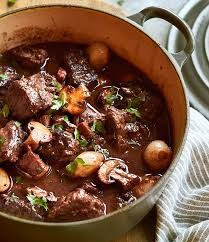
How to: Similar to braising but with smaller food pieces fully submerged in liquid. Cook slowly for tender results.
Tip: Use heavy pots for even heat .
7. Roasting
How to: Cook food (meats, veggies) in an oven at 300–450°F with dry heat.
Tip: Use a rack to allow air circulation for even browning .
8. Baking
How to: Use dry heat in an oven for bread, cakes, or casseroles.
Tip: Measure ingredients precisely for consistent results .
9. Grilling
How to: Cook over direct heat (charcoal/gas) for smoky flavors. Flip food occasionally.
Tip: Oil the grill grates to prevent sticking .
10. Broiling
How to: Place food under high heat in the oven (top-down) for quick browning (e.g., melting cheese).
Tip: Monitor closely to avoid burning .
11. Frying
- Deep-frying: Submerge food in hot oil (350–375°F) until crispy.
- Pan-frying: Use a shallow layer of oil.
Tip: Pat food dry to reduce splattering .
12. Sautéing

How to: Cook small pieces in a little oil over medium-high heat, stirring frequently.
Tip: Don’t overcrowd the pan .
13. Stir-Frying
How to: High-heat cooking in a wok with minimal oil. Constantly stir ingredients.
Tip: Prep all ingredients beforehand for speed .
14. Griddling
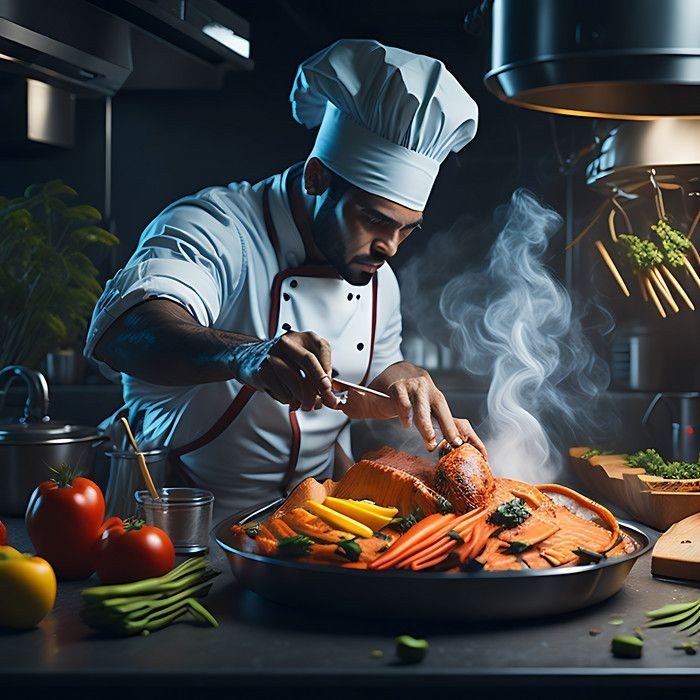
How to: Cook on a flat surface (e.g., pancakes) with minimal oil.
Tip: Preheat the griddle for even cooking .
15. Sous Vide
How to: Vacuum-seal food and cook in a temperature-controlled water bath.
Tip: Ensures precise doneness (e.g., steak at 130°F) .
16. Smoking
How to: Slow-cook food with wood smoke (e.g., ribs, salmon) at low temps (160–225°F).
Tip: Soak wood chips for longer smoke .
17. Blanching
How to: Briefly boil veggies, then plunge into ice water to stop cooking.
Tip: Preserves color and texture for freezing .
Pro Tips for Success
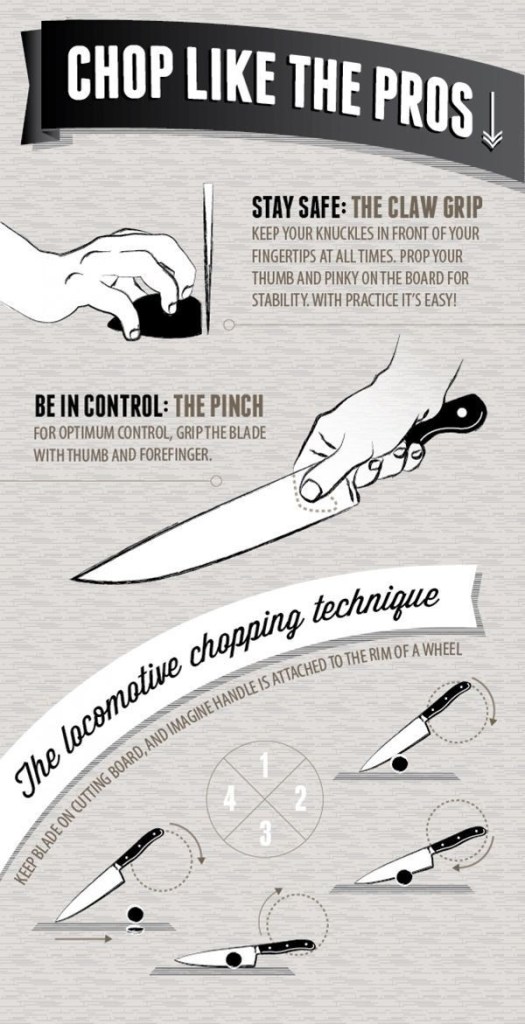
- Knife Skills: Master chopping (e.g., julienne, brunoise) for even cooking .
- Mise en Place: Prep ingredients before cooking to avoid chaos .
- Seasoning: Salt in layers during cooking for deeper flavor .
For visual guides or advanced techniques, explore resources like Le Creuset’s Ultimate Guide or ChefVision’s Methods . Happy cooking!
MORNING ITALIAN BREAKFAST : EXPLORE Typical Italian Breakfast Ideas 7
Italian breakfasts, or “colazione,” are typically light and sweet, often paired with a coffee or cappuccino. Here are 7 typical Italian breakfast ideas to inspire your morning routine:
1. Cornetto e Cappuccino

The quintessential Italian breakfast: a flaky cornetto (similar to a croissant) paired with a frothy cappuccino.
How to Enjoy:
- Order a plain or filled cornetto (with jam, custard, or Nutella) at a café.
- Dip it into your cappuccino for the perfect start to your day.
2. Fette Biscottate con Marmellata
Crisp rusks topped with sweet jam, a simple and satisfying breakfast.
How to Enjoy:
- Spread butter or ricotta on the rusks.
- Add a layer of your favorite jam (apricot, strawberry, or orange).
- Pair with a cup of tea or coffee.
3. Yogurt con Frutta e Miele
A light and healthy option, perfect for warmer mornings.
How to Enjoy:
- Choose plain or Greek yogurt.
- Top with fresh fruit (berries, banana, or peach) and a drizzle of honey.
- Add granola or nuts for extra crunch.
4. Pane e Nutella

A quick and indulgent breakfast loved by kids and adults alike.
How to Enjoy:
- Toast a slice of crusty bread or soft white bread.
- Spread a generous layer of Nutella.
- Pair with a glass of milk or a caffè latte.
5. Brioche con Gelato
A summer favorite, especially in southern Italy, where gelato is enjoyed even for breakfast.
How to Enjoy:
- Slice a brioche roll in half.
- Add a scoop of your favorite gelato (pistachio, hazelnut, or vanilla).
- Eat it like a sandwich for a sweet and creamy treat.
6. Tramezzino
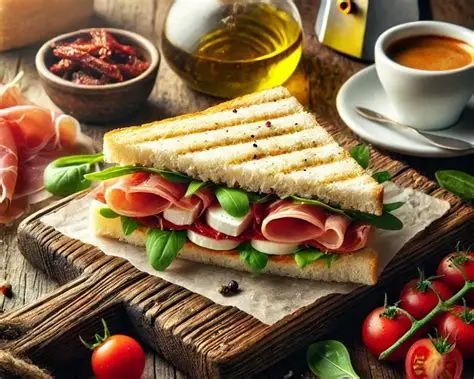
A soft, crustless sandwich filled with savory ingredients, often enjoyed as a mid-morning snack.
How to Enjoy:
- Use soft white bread and spread a thin layer of mayonnaise.
- Add fillings like ham and cheese, tuna and olives, or egg and tomato.
- Cut into triangles and enjoy with an espresso.
7. Biscotti e Vin Santo
A traditional Tuscan pairing of almond cookies and sweet dessert wine.
How to Enjoy:
- Dip almond biscotti into a small glass of Vin Santo.
- Perfect for a leisurely weekend breakfast or brunch.
Bonus: Italian Breakfast Drinks
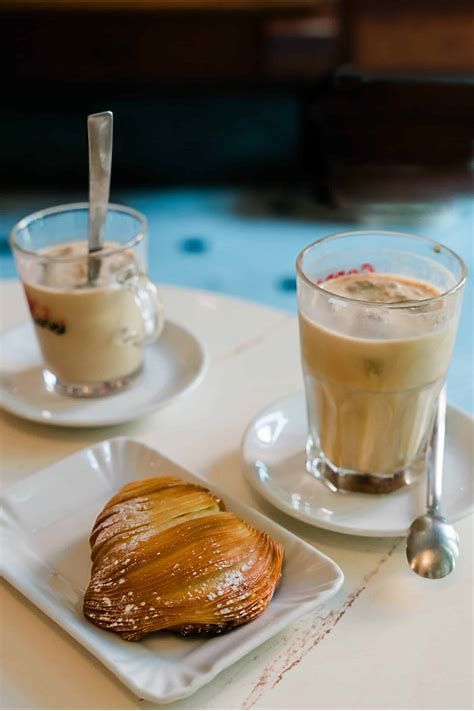
- Cappuccino: Frothy milk and espresso, enjoyed only in the morning.
- Caffè Latte: Espresso with steamed milk, milder than a cappuccino.
- Espresso: A quick shot of coffee, often enjoyed after breakfast.
- Spremuta d’Arancia: Freshly squeezed orange juice, a refreshing addition.
Italian breakfasts are all about simplicity and indulgence. Whether you prefer sweet pastries, fresh fruit, or savory bites, these ideas will bring a taste of Italy to your morning routine. Buona colazione! 🍴
 HEALTHY MEALS
Leave a comment