20 BENEFITS OF PORK MEAT AND ITEMS CONTAINS PORK AND HOW TO AVOID IT
By : chef ssentongo
Here are 20 benefits of pork meat, highlighting its nutritional value, versatility, and culinary advantages, while also acknowledging important considerations:
🥩 Nutritional Powerhouse
- High-Quality Protein: Complete protein source (all 9 essential amino acids) for muscle repair, immune function, and satiety.
- Rich in B Vitamins (Especially Thiamine – B1): Outperforms most other meats in thiamine, crucial for energy metabolism and nerve function.
- Excellent Source of Selenium: Vital antioxidant supporting thyroid health and protecting cells from damage.
- Significant Zinc Content: Boosts immune function, wound healing, and DNA synthesis.
- Abundant Phosphorus: Essential for strong bones, teeth, and cellular energy (ATP).
- Iron (Heme Iron): Provides highly absorbable iron, preventing anemia and supporting oxygen transport.
- Vitamin B6 (Pyridoxine): Important for brain development, mood regulation, and protein metabolism.
- Niacin (Vitamin B3): Supports energy production, skin health, and nervous system function.
- Vitamin B12 (Cobalamin): Essential for red blood cell formation, neurological function, and DNA synthesis.
- Source of Healthy Fats (in Moderation): Lean cuts are low in saturated fat. Pork fat (lard) is heat-stable and contains monounsaturated fats (similar to olive oil).
🍳 Practical & Culinary Benefits
- Versatility: Adaptable to countless cuisines and cooking methods (roasting, grilling, braising, stir-frying, curing).
- Flavor Carrier: Absorbs marinades, spices, and herbs exceptionally well, offering diverse taste profiles.
- Affordability (Often): Generally less expensive than beef or lamb, providing good nutritional value per dollar.
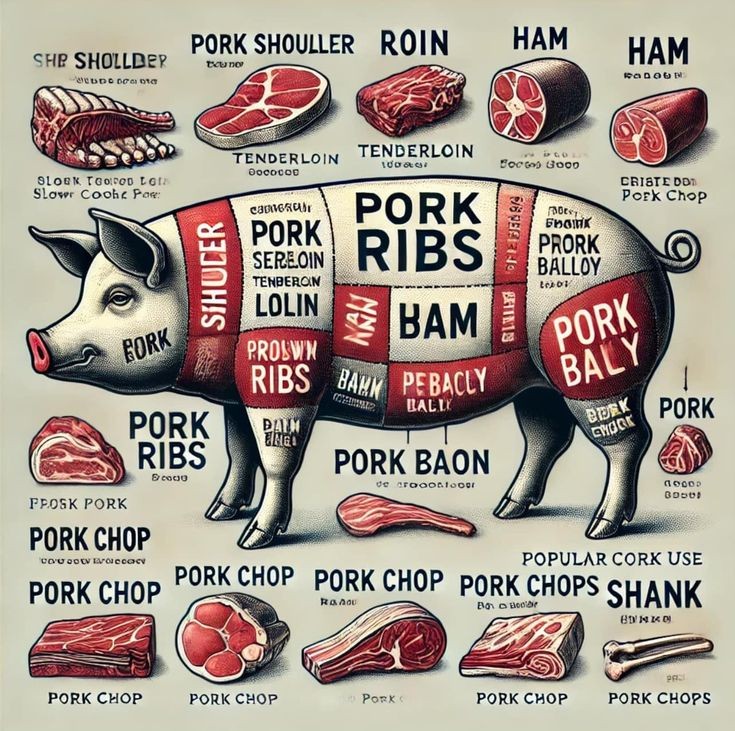
- Wide Cut Variety: Offers options for every need – tenderloin (leanest), chops, shoulder (for slow cooking), belly (for bacon), ham, etc.
- Source of Collagen/Gelatin (in Cuts like Shoulder/Hock): Breaks down during slow cooking, adding richness, mouthfeel, and gut health benefits.
- Satiety: High protein and fat content promotes fullness, aiding appetite control.
- Supports Global Food Traditions: Integral to iconic dishes worldwide (e.g., char siu, carnitas, schnitzel, tonkatsu, prosciutto).
- Nutrient Bioavailability: Minerals like iron and zinc from meat are more easily absorbed than from plant sources.
- Convenience: Many cuts cook relatively quickly (e.g., chops, tenderloin medallions). Ground pork is versatile for sauces, dumplings, etc.
- Culinary Creativity: Inspires diverse preparations – from simple grilled chops to elaborate charcuterie.
⚠️ Important Considerations
- Choose Wisely: Opt for lean cuts (loin, tenderloin, leg) most often. Limit processed pork (bacon, sausage, ham) due to high sodium, nitrates, and saturated fat.
- Moderation is Key: Balance pork intake with other protein sources (poultry, fish, legumes) and plenty of vegetables/fruits.
- Cooking Safety: Cook pork to a safe internal temperature (145°F / 63°C for whole cuts, followed by a 3-minute rest; 160°F / 71°C for ground pork) to eliminate parasites like trichinella (rare in modern regulated pork).
- Source Matters: Pasture-raised/pastured pork often has a better omega-3 to omega-6 fatty acid profile and higher nutrient density than conventionally raised pork.
- Saturated Fat Content: Fatty cuts (belly, ribs) are high in saturated fat. Enjoy occasionally, not daily.
- Religious/Cultural Restrictions: Avoided in some religions (e.g., Islam, Judaism) and by vegetarians/vegans.
Enjoy pork as part of a balanced diet, focusing on lean cuts and mindful preparation!
# * WHICH ITEMS CONTAINS PORK PRODUCTS
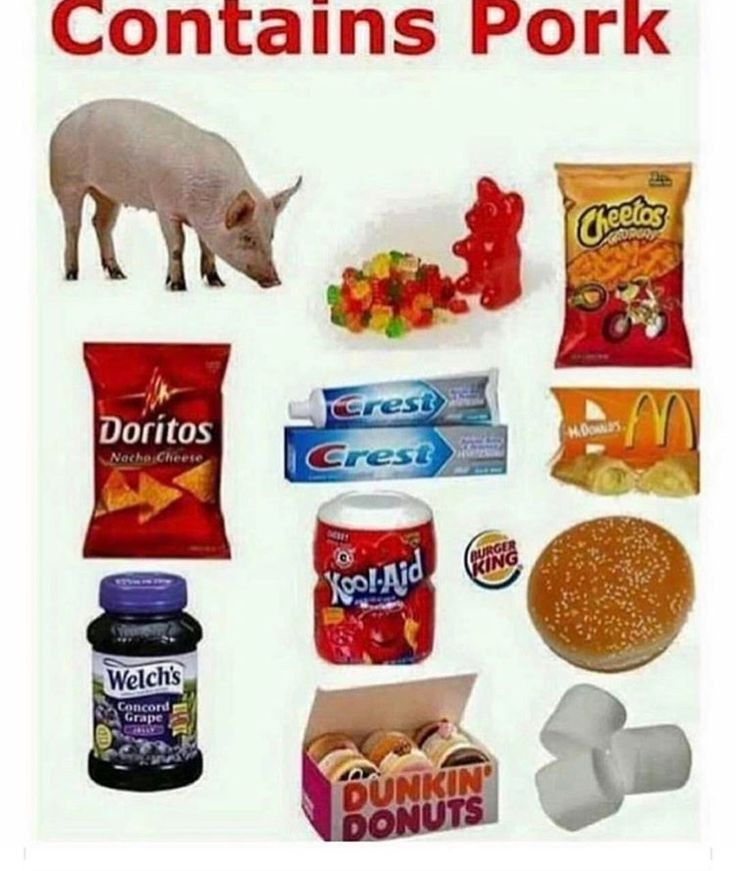
If you’re looking to avoid or minimize pork products, here’s a breakdown of common food categories ranked from LEAST likely to contain pork to MOST likely, along with specific ingredients to watch for:
✅ Very Unlikely to Contain Pork (Generally Safe):
- Fresh Whole Fruits & Vegetables
No pork risk unless coated with gelatin-based wax (rare). - Plain Grains & Legumes (rice, oats, quinoa, lentils, dried beans)
Check flavored/instant mixes for pork-based broths or fats. - Plain Dairy Products (milk, plain yogurt, butter, cheese)
Avoid cheeses with “rennet” (some uses pork enzymes) – opt for microbial/vegetarian rennet. - 100% Plant-Based Oils (olive, canola, sunflower, coconut oil)
Avoid lard or “animal shortening.” - Eggs
Naturally pork-free. - Plain Nuts & Seeds
Check flavored/roasted varieties for pork-derived seasonings.
⚠️ Low Risk but Requires Label-Checking:
- Bread & Baked Goods
Avoid those made with lard (traditional pies, tortillas, biscuits) or dough conditioners containing pork-derived enzymes. Opt for vegetable shortening. - Candy & Sweets
Avoid gelatin (from pork skin/bones) in gummies, marshmallows, jelly desserts. Watch for confectioner’s glaze (shellac) sometimes processed with pork-derived alcohol. - Breakfast Cereals
Generally safe, but check vitamin fortification sources (some Vitamin D3 is pork-derived lanolin). - Plant-Based Meat Alternatives (tofu, tempeh, seitan*)
**Seitan is wheat gluten, but pre-made sauces/seasonings may contain pork. Check labels.
❗ Moderate to High Risk (Pork Derivatives Common):
- Soups, Sauces & Gravies
Often use pork-based broths/stocks, lard, or fat for flavor (e.g., “natural flavors”). - Snack Foods (chips, crackers, flavored nuts)
May contain pork-derived seasonings, lard (in fried snacks), or gelatin coatings. - Pre-Packaged Meals & Frozen Dinners
High risk of hidden pork broths, fats, or flavorings in sauces/seasonings. - Processed Cheese & Cheese Products
May use pork-derived lipase (enzyme) for flavor development. - Gelatin Desserts & Yogurts
Most gelatin (Jell-O, gummies) is porcine (pork) unless specified as bovine (beef) or plant-based (agar, pectin). - Vitamins & Supplements
Gelatin capsules (pork common), Vitamin D3 (often from lanolin processed with pork enzymes), some amino acids.
🚫 Very High Risk (Explicitly Contain Pork):
- Processed Meats (bacon, ham, sausage, pepperoni, salami, hot dogs, pâté)
- Lard & Pork Fat
- Gelatin (unless labeled bovine/plant-based)
- Many Asian Sauces & Dishes
Fish sauce (some brands add pork), oyster sauce (may contain pork), char siu, ramen (pork broth common), dumplings. - Traditional Latin Foods
Tortillas (often made with lard), tamales, refried beans (often contain lard), chicharrones. - European Cured Meats & Pâtés
Prosciutto, pancetta, speck, terrines.
🔍 Key Pork-Derived Ingredients to AVOID:

- Lard / Pork Fat
- Gelatin (unless specified as bovine, fish, or plant-based)
- Pork Broth / Stock / Bacon Bits
- Ham / Bacon / Pancetta / Prosciutto
- Sausage / Pepperoni / Salami
- Rennet (in some cheeses – can be pork-derived)
- Lipase (enzyme in some cheeses)
- “Natural Flavors” (can be meat-derived, including pork)
- Stearic Acid (sometimes pork-derived, used in foods/candies)
- Mono & Diglycerides (can be animal-derived)
🛡️ Best Strategies for Avoidance:
- Read Labels Meticulously: Scan for explicit pork ingredients and derivatives (listed above).
- Look for Certifications:
- Halal (Islamic dietary law – prohibits pork)
- Kosher (Jewish dietary law – prohibits pork, “OU” symbol usually means beef gelatin)
- Vegetarian/Vegan labels (ensure no animal derivatives).
- Ask About Broths & Fats: In restaurants/soups, ask if broths, beans, or fried foods use pork stock or lard.
- Choose Plant-Based Alternatives: Opt for vegetable shortening, plant-based gelatin (agar, pectin), vegetable broths.
- Be Wary of “Natural Flavors”: Contact manufacturers if unsure of the source.
Least likely to contain pork: Stick to whole, unprocessed plant foods (fruits, veggies, grains, legumes, nuts, seeds) and plain dairy/eggs while carefully checking labels on everything else, especially processed items, baked goods, sauces, and snacks. When in doubt, certified Halal/Kosher/Vegetarian products offer the safest bet.
 HEALTHY MEALS
Leave a comment