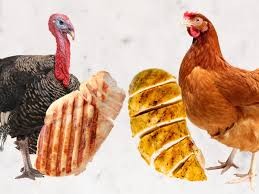
WHAT’S THE DIFFERENCE BETWEEN CHICKEN AND TURKEY?
Recipe by : chef ssentongo
Of course! This is a great question. While they are both poultry and can be used in similar ways, chicken and turkey have distinct differences.
Here’s a breakdown of the key differences between chicken and turkey:
At a Glance
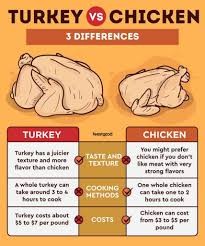
Feature Chicken Turkey
Size Smaller (3-8 lbs common) Much larger (12-30+ lbs common)
Availability Whole, parts, ground (very common) Whole (seasonal), parts, ground (less common)
Cost Generally less expensive Generally more expensive
Taste Milder, versatile flavor Richer, slightly gamier, more robust flavor
Texture Tender, can dry out if overcooked Can be drier; breast meat is less forgiving
Cooking Time Shorter cooking time Significantly longer cooking time
Fat Content Higher fat content (especially dark meat) Leaner, especially the breast meat
Cultural Role Everyday meal, global cuisine Centerpiece for holidays (Thanksgiving, Christmas)
Detailed Differences
- Size & Appearance
This is the most obvious difference.
· Chicken: A standard broiler chicken typically weighs between 3 to 8 pounds. Their parts (breasts, thighs, wings) are sold in smaller, more manageable sizes.
· Turkey: Turkeys are significantly larger. A whole turkey can easily weigh between 12 to 30 pounds or more. Even a single turkey breast is much larger than a whole chicken breast.
- Flavor & Texture
· Chicken: Has a very mild, versatile flavor that easily takes on herbs, spices, and marinades. The texture is generally tender, though the white meat (breast) can become dry and stringy if overcooked.
· Turkey: Has a richer, deeper, and slightly gamier flavor. Many people describe it as more “savory.” The texture is different:
· Turkey Breast: Is extremely lean, making it very prone to drying out. It requires careful cooking (often brining) to stay moist.
· Turkey Legs/Thighs: Have tougher connective tissue and require long, slow cooking (like braising) to become tender.
- Nutrition (per 100g of cooked breast meat)
· Chicken Breast: Slightly higher in calories and fat, which contributes to its moistness.
· Calories: ~165
· Protein: ~31g
· Fat: ~3.6g
· Turkey Breast: Is one of the leanest meats you can eat.
· Calories: ~135
· Protein: ~30g
· Fat: ~0.7g
Note: The dark meat of both birds is higher in fat and calories than the white meat.
- Cultural Significance & Use
· Chicken: The workhorse of everyday meals worldwide. It’s incredibly versatile—used in everything from quick weeknight stir-fries and grilled breasts to fried chicken and curries. Its parts are readily available year-round.
· Turkey: Primarily associated with holidays and large gatherings, especially Thanksgiving and Christmas in North America. Because of its large size, it’s less practical for a daily family meal. However, ground turkey and turkey bacon/sausage are popular lean alternatives available year-round.
- Cooking Methods
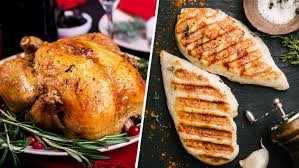
· Chicken: Extremely adaptable. Can be roasted, grilled, fried, sautéed, boiled (for soup), baked, and more. Cooking times are relatively short.
· Turkey: Due to its size and lean nature, it often requires special techniques.
· Brining (soaking in a saltwater solution) is highly recommended to add moisture and flavor.
· Spatchcocking (removing the backbone and flattening it) is popular for more even and faster roasting.
· Basting is common to try to keep the surface moist.
· Cooking a whole turkey is a major event that can take several hours.
Can You Substitute One for the Other?
Yes, but with caveats.
· Ground: Ground turkey and ground chicken are excellent substitutes for each other in recipes like meatballs, burgers, tacos, and chili. Just note that ground turkey (especially 99% lean) can be drier, so you might need to add a binder like egg or breadcrumbs.
· Parts: A turkey breast can be roasted like a chicken breast, but you must be much more careful not to overcook it. Turkey thighs can be used in place of chicken thighs in a stew, but may need a slightly longer cooking time to become tender.
· Whole Bird: Swapping a whole chicken for a whole turkey (or vice versa) is not practical due to the massive difference in size and cooking time.
Summary: The Main Takeaway
Think of chicken as the versatile, everyday staple and turkey as the leaner, larger, holiday centerpiece with a richer flavor.
You grab a pack of chicken thighs for a Tuesday night dinner. You spend a day preparing and roasting a massive turkey to feed a crowd for a special celebration.
COUNTRY FRIED STEAK RECIPE
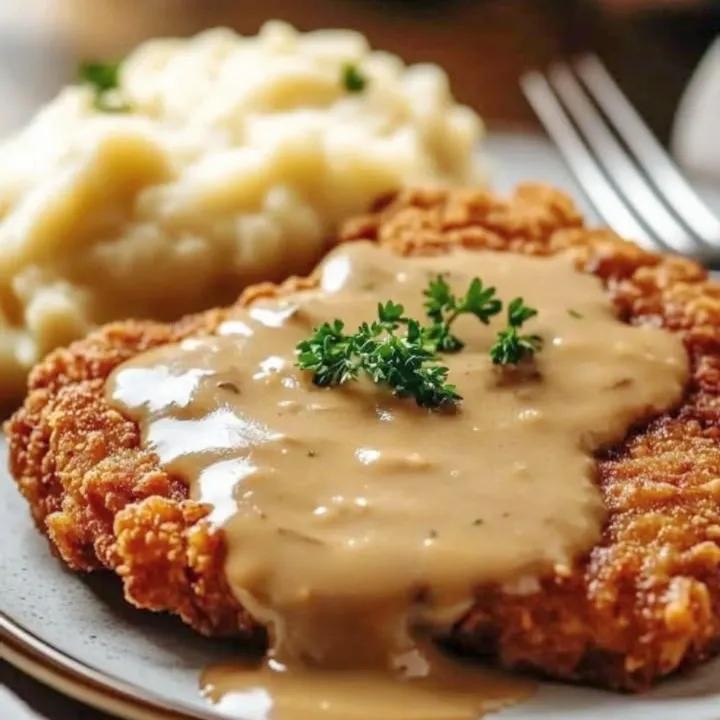
Certainly! Here is a detailed recipe for Country Fried Steak, drawing from the various sources provided. The key to a great country fried steak lies in the tenderized cut of beef, a well-seasoned coating, and a flavorful gravy. Below, I’ve synthesized the best techniques and tips from the search results to create a comprehensive recipe.
🥩 Classic Country Fried Steak Recipe
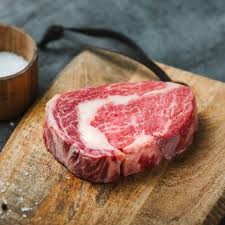
Introduction
Country Fried Steak is a beloved Southern comfort food dish featuring tenderized steak coated in a seasoned flour mixture, pan-fried to golden perfection, and often served with a rich gravy. Despite its name, it contains no chicken—it’s called “chicken fried” because the breading and frying method resemble that of fried chicken . This recipe combines insights from multiple sources to ensure a crispy, flavorful result every time.
Ingredients
For the Steak:
· 1½ to 2 lbs cube steak (tenderized round steak), pounded thin if needed .
· 1 cup all-purpose flour .
· 1 teaspoon seasoned salt (e.g., Lawry’s) .
· 1 teaspoon black pepper, freshly ground .
· ½ teaspoon paprika .
· ½ teaspoon garlic powder .
· ½ teaspoon onion powder .
· 2 large eggs .
· ½ cup buttermilk (or whole milk) .
· 1-2 teaspoons hot sauce (e.g., TABASCO®), optional .
· 1 cup vegetable oil (or canola oil) for frying .
For the Gravy:

· 4 tablespoons pan drippings (or reserved oil from frying) .
· 4 tablespoons all-purpose flour .
· 2-3 cups whole milk (or a mix of milk and cream for richness) .
· Salt and pepper to taste .
· Optional: ½ cup chicken or beef stock for added depth .
Instructions
- Prepare the Steak:
· Pat the cube steaks dry with paper towels to remove excess moisture. This helps the coating adhere better .
· Season both sides of the steaks with salt and pepper .
- Set Up Breading Stations:
· In a shallow bowl, whisk together the flour, seasoned salt, black pepper, paprika, garlic powder, and onion powder .
· In another bowl, beat the eggs, buttermilk, and hot sauce (if using) until combined .
- Bread the Steaks:
· Dredge each steak in the seasoned flour mixture, shaking off excess.
· Dip into the egg mixture, allowing excess to drip off.
· Dredge again in the flour mixture, pressing firmly to ensure a thick, even coating .
· Place breaded steaks on a plate or rack and let them rest for 10 minutes. This helps the coating set and adhere during frying .
- Fry the Steaks:
· Heat oil in a large, heavy-bottomed skillet (cast iron is ideal) over medium heat. The oil should be about ¼ to ½ inch deep .
· Test the oil by sprinkling a pinch of flour into it. If it sizzles immediately, the oil is ready (ideal temperature: 320-350°F) .
· Fry the steaks in batches (2-3 at a time) to avoid overcrowding. Cook for 3-5 minutes per side, until golden brown and crispy. Flip only once to prevent the coating from falling off .
· Transfer cooked steaks to a paper towel-lined plate or a wire rack. To keep them warm and crispy, place them in a preheated oven at 200-250°F while you make the gravy .
- Make the Gravy:
· Pour off most of the oil from the skillet, leaving about 4 tablespoons of drippings (including the browned bits for flavor) .
· Whisk in the flour and cook over medium heat for 2-3 minutes, until the mixture turns golden brown. This step eliminates the raw flour taste and builds flavor .
· Gradually whisk in the milk (and stock, if using) until smooth. Bring to a simmer, stirring constantly, until the gravy thickens (5-7 minutes) .
· Season with salt and pepper to taste. For a peppery gravy, add extra black pepper .
- Serve:
· Serve the steaks hot, smothered with gravy.
· Traditional sides include mashed potatoes, green beans, biscuits, or cornbread .
Tips for Success
· Use properly tenderized steak: Ask your butcher to cube the steak only once to avoid it falling apart during cooking .
· Avoid soggy coating: Ensure the oil is hot enough before adding the steaks, and do not overcrowd the pan .
· Gravy consistency: If the gravy is too thick, add more milk; if too thin, simmer longer or add a slurry of flour and water .
· Storage: Store leftovers in an airtight container in the refrigerator for up to 3 days. Reheat in the oven at 350°F for best crispiness .
FAQ
What’s the difference between country fried steak and chicken fried steak?
· The terms are often used interchangeably, but some regional differences exist:
· Country fried steak is typically served with brown gravy (made with beef stock) and may sometimes be pan-fried without a full breading .
· Chicken fried steak is usually breaded similarly to fried chicken and served with white milk-based gravy .
Can I use a different cut of meat?
· Cube steak (tenderized round steak) is traditional, but you can use top round, sirloin, or flank steak pounded thin .
Why did my breading fall off?
· This can happen if the oil is not hot enough or if the steaks are not patted dry before breading .
Nutritional Information (per serving, based on 4 servings):
· Calories: ~500-600 kcal
· Protein: 35-40g
· Fat: 25-30g
· Carbohydrates: 30-35g .
For more details, refer to the original sources . Enjoy your homemade country fried steak!
CABBAGE AND CHICKEN STIR FRY RECIPE
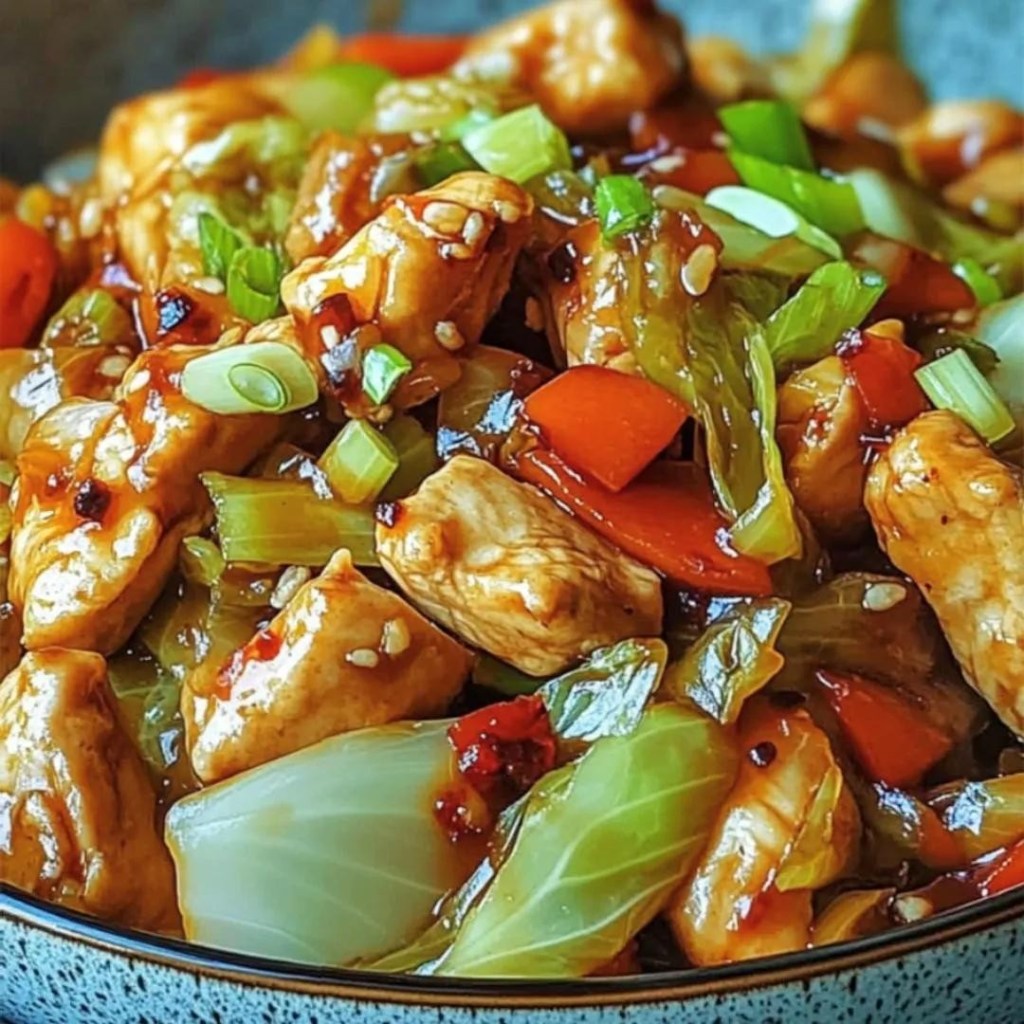
Of course! Here is a delicious and easy recipe for Cabbage and Chicken Stir Fry, inspired by the principles of good cooking and classic stir-fry techniques.
This recipe is quick, healthy, packed with flavor, and uses simple ingredients.
🍳 Cabbage and Chicken Stir Fry Recipe
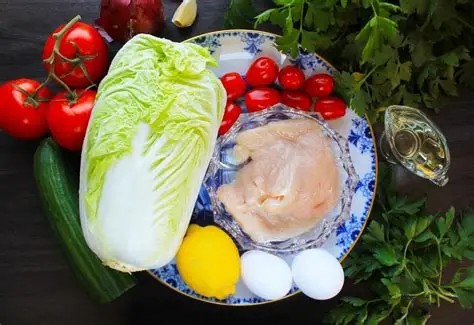
Introduction
This Cabbage and Chicken Stir Fry is a perfect weeknight meal. It’s incredibly fast to make, budget-friendly, and packed with crisp-tender vegetables and juicy chicken in a savory sauce. It’s a complete meal in one pan, but it also pairs wonderfully with rice or noodles.
Prep Time: 15 minutes Cook Time:10 minutes Total Time:25 minutes Servings:4
Ingredients
For the Stir-Fry:
· 1 lb (450g) boneless, skinless chicken breasts or thighs, cut into thin, bite-sized strips
· 1 small head of green cabbage (about 6-8 cups), cored and thinly sliced/shredded
· 1 large carrot, julienned or grated
· 1 medium bell pepper (any color), thinly sliced
· 3 cloves garlic, minced
· 1 tbsp fresh ginger, grated
· 3 green onions, sliced (white and green parts separated)
· 2-3 tbsp cooking oil (like avocado, canola, or vegetable oil)
· 1 tbsp sesame seeds (for garnish, optional)
For the Sauce:
· ⅓ cup low-sodium soy sauce (or tamari for gluten-free)
· 2 tbsp rice vinegar
· 1 tbsp honey or brown sugar
· 1 tbsp sesame oil
· 1 tsp sriracha or chili garlic sauce (optional, for heat)
· 2 tbsp water or chicken broth
· 1 tsp cornstarch**
**The cornstarch is crucial for thickening the sauce so it clings to the chicken and cabbage.
Instructions
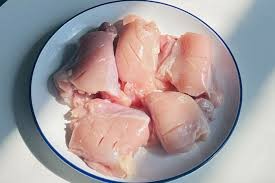
- Prepare the Ingredients:
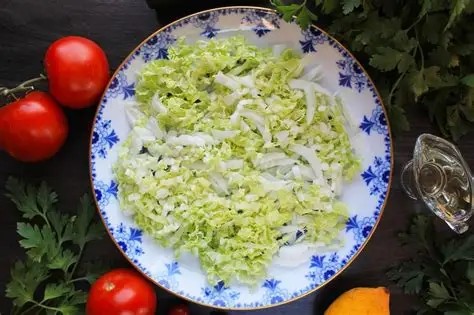
· Thinly slice the cabbage, bell pepper, and carrot. Mince the garlic, grate the ginger, and slice the green onions, keeping the white and green parts separate.
· Cut the chicken into uniform, thin strips to ensure even cooking.
· In a small bowl, whisk together all the sauce ingredients (soy sauce, rice vinegar, honey, sesame oil, sriracha, water, and cornstarch) until the honey and cornstarch are fully dissolved. Set aside.
- Cook the Chicken:
· Heat 1 tablespoon of oil in a large wok or skillet over medium-high heat.
· Add the chicken strips in a single layer and season with a pinch of salt and pepper. Cook for 3-4 minutes, stirring occasionally, until cooked through and no longer pink.
· Remove the chicken from the skillet and set it aside on a clean plate.
- Stir-Fry the Aromatics and Vegetables:
· Add another tablespoon of oil to the hot skillet.
· Add the white parts of the green onions, garlic, and ginger. Stir-fry for 30 seconds until fragrant.
· Add the harder vegetables first: the carrot and bell pepper. Stir-fry for 1-2 minutes.
· Add the shredded cabbage. It will seem like a massive amount at first, but it will wilt down significantly. Toss everything together to coat in the oil.
- Combine and Simmer:
· Pour the prepared sauce over the vegetables. Stir well to combine.
· Return the cooked chicken to the skillet, along with any accumulated juices. Toss everything together until the chicken and vegetables are evenly coated in the sauce.
· Bring the sauce to a simmer and let it cook for 1-2 minutes, until the sauce has thickened and the cabbage is wilted but still has a slight crunch (it should be tender-crisp).
- Serve:
· Remove from heat. Taste and adjust seasoning if needed (e.g., more soy sauce for saltiness, a pinch of sugar for balance, or more sriracha for heat).
· Garnish with the green parts of the green onions and sesame seeds.
· Serve immediately over steamed rice, cauliflower rice, or noodles.
Tips for Success
· Prep Everything First: Stir-fries cook very quickly. Have all your ingredients chopped, measured, and within arm’s reach before you turn on the heat (this is called mise en place).
· Don’t Crowd the Pan: Cooking the chicken in a single layer ensures it browns instead of steaming. If your skillet is small, cook it in two batches.
· High Heat is Key: A hot skillet is essential for getting a good sear on the chicken and for stir-frying the vegetables quickly so they stay crisp.
· Customize Your Veggies: This recipe is flexible! Feel free to add other vegetables like broccoli florets, snap peas, mushrooms, or sliced onions. Just add harder veggies first and quicker-cooking ones (like snow peas) at the end.
Dietary Note
This recipe is naturally gluten-free if you use tamari instead of soy sauce.
Enjoy your quick, healthy, and flavorful meal
 HEALTHY MEALS
Leave a comment