SPAGHETTI BOLOGNESE AUTHENTIC ITALIAN RECIPE
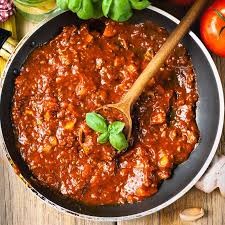
Recipe by : chef ssentongo
Here is a detailed, authentic Italian recipe for Spaghetti Bolognese.
First, a crucial note on authenticity: what the world knows as “Spaghetti Bolognese” is called Ragù alla Bolognese in its home city of Bologna. It is a rich, slow-cooked meat sauce, traditionally served with tagliatelle or other fresh, flat pasta—not spaghetti—as the thick sauce clings better to their rough surface. Spaghetti is more common in central and southern Italy.
However, the recipe below provides the authentic sauce (ragù) method, with a note on serving pasta.
Ragù alla Bolognese (Authentic Bolognese Sauce)
This recipe follows the official guidelines set by the Accademia Italiana della Cucina and deposited with the Bologna Chamber of Commerce. The key is patience; a good ragù cooks low and slow for several hours.
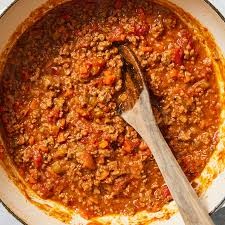
Ingredients (Serves 4-6)
Quantity Ingredient Notes
300 g Ground Beef (or veal) Use a coarse grind. A mix of beef & pork is also traditional.
150 g Pancetta (or good-quality bacon), finely diced For a rich, savory base fat.
1 Large Onion, finely diced
1 Large Carrot, finely diced Soffritto – the flavor base. Dice very finely.
1 stalk Celery, finely diced
200 ml Dry White Wine
400 g Tomato Passata or Pelati (crushed tomatoes) Avoid pre-seasoned tomato sauce.
200 ml Whole Milk Essential – it tenderizes the meat and cuts acidity.
200 ml Broth (beef or vegetable) or water As needed for cooking.
2 Tbsp Tomato Paste (Concentrato)
Extra Virgin Olive Oil
Sea Salt and Black Pepper to taste
A pinch Freshly Grated Nutmeg
Instructions
- Prepare the Soffritto: In a heavy-bottomed Dutch oven or large pot, heat a drizzle of olive oil over medium-low heat. Add the finely diced pancetta and cook gently until it has rendered its fat and is golden.
- Sauté Vegetables: Add the finely diced onion, carrot, and celery to the pot. Cook slowly for about 10-15 minutes, stirring frequently, until the vegetables are soft, sweet, and translucent. Do not let them brown.
- Brown the Meat: Increase the heat to medium-high and add the ground meat. Break it up with a wooden spoon and cook until it has lost its raw red color and any liquid has evaporated. It should “sizzle” in the fat.
- Deglaze with Wine: Pour in the white wine. Stir well, scraping up any browned bits from the bottom of the pot. Let the wine simmer vigorously until it has completely evaporated and the alcohol smell has cooked off.
- Add Tomato & Simmer: Stir in the tomato paste and cook for one minute. Then add the tomato passata (or crushed pelati). Season with a good pinch of salt and pepper. Bring to a very gentle simmer.
- The Slow Cook: Once simmering, reduce the heat to the absolute lowest setting. Partially cover with a lid. Let the sauce cook for at least 3 to 4 hours, stirring occasionally. The sauce should barely bubble.
- Add the Milk: After the first hour of cooking, add the whole milk and a pinch of nutmeg. This step is non-negotiable in an authentic ragù. It mellows the acidity and makes the meat incredibly tender.
- Add Broth: As the sauce cooks, if it looks like it’s becoming too dry and threatening to stick to the bottom, add a small ladleful of broth or water. The final consistency should be thick and creamy, not watery or stew-like.
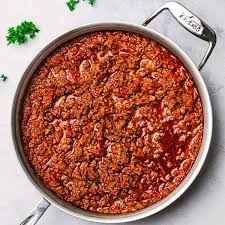
- Taste and Adjust: After 3-4 hours, the sauce will be a deep brick-red color and the fat will have separated slightly. Taste and adjust seasoning with salt and pepper. It is now ready.

To Serve Authentically

- The Pasta: While the traditional pasta for this sauce is fresh tagliatelle or pappardelle, it is also excellent with rigatoni or fettuccine. If you use spaghetti, choose a high-quality, bronze-die extruded brand with a rough surface for the sauce to cling to.
- Cook the Pasta: Cook your chosen pasta in a large pot of well-salted boiling water until al dente.
- Combine: Never just pour the sauce over naked pasta on a plate. The authentic method is to drain the pasta a minute before it’s al dente and finish cooking it in a skillet with a generous amount of the ragù and a splash of the pasta water. This allows the pasta to absorb the sauce’s flavor and the starch from the water helps it emulsify and cling perfectly.
- Plate: Serve immediately in warm bowls with a final twist of black pepper. Authentic Ragù alla Bolognese is NEVER served with Parmesan cheese. The traditional cheese is Parmigiano-Reggiano, freshly grated over the top at the table.
Key Secrets to Authenticity

· Low and Slow: Rushing the cooking process is the number one mistake. The long, gentle simmer is what develops the deep, complex, sweet flavor.
· No Herbs: A true Bolognese does not contain garlic, oregano, thyme, or basil in the sauce. These would overpower the delicate meat flavor. (A basil leaf can be used as a garnish on the finished plate).
· The Milk: This is the secret ingredient that balances the acidity of the tomato and wine and gives the meat a luxurious tenderness.
· Texture: The sauce should be thick with meat, not a thin, tomato-heavy soup. The soffritto should be diced so finely it almost melts away.
Enjoy your journey into authentic Italian cooking
CINNAMON ROLLS RECIPE

Here is a detailed, classic recipe for soft, gooey, and irresistible homemade cinnamon rolls with a cream cheese glaze.
This recipe breaks down the process into clear steps, perfect for both beginners and experienced bakers.
Ultimate Soft Homemade Cinnamon Rolls
This recipe yields 12 generous cinnamon rolls. The key to soft rolls is not over-baking them.
Ingredients
For the Dough:
· 1 cup (240ml) warm whole milk (about 110°F / 43°C)
· 2 ½ teaspoons (one ¼-oz / 7g packet) instant or active dry yeast
· ½ cup (100g) granulated sugar
· ⅓ cup (75g) unsalted butter, melted (and slightly cooled)
· 2 large eggs, at room temperature
· 1 teaspoon salt
· 4 – 4 ½ cups (500-560g) all-purpose flour, plus more for dusting
For the Filling:
· ¾ cup (150g) packed brown sugar (light or dark)
· 2 tablespoons ground cinnamon
· ⅓ cup (75g) unsalted butter, very soft (almost melted)
For the Cream Cheese Frosting:
· 4 oz (113g) full-fat block cream cheese, softened to room temperature
· ¼ cup (60g) unsalted butter, softened to room temperature
· 1 ½ cups (180g) confectioners’ sugar
· ½ teaspoon vanilla extract
· A pinch of salt
Instructions
Step 1: Make the Dough
- Activate Yeast: In the bowl of a stand mixer fitted with a dough hook, whisk the warm milk, yeast, and a pinch of the sugar together. Let it sit for 5-10 minutes until foamy. (If using instant yeast, you can skip this step and add it directly with the flour).
- Combine Wet Ingredients: Add the remaining sugar, melted butter, eggs, and salt. Whisk until combined.
- Add Flour: Gradually add 4 cups of flour, mixing on low speed until a dough begins to form.
- Knead: Increase speed to medium and knead for 3-4 minutes. If the dough sticks excessively to the sides of the bowl, add the remaining ½ cup of flour, a few tablespoons at a time, until it pulls away from the sides. The dough should be soft and slightly tacky, but not sticky.
- First Rise: Shape the dough into a ball, place it in a greased bowl, and turn it over to coat. Cover with plastic wrap or a clean kitchen towel and let it rise in a warm, draft-free place for 1.5 – 2 hours, or until doubled in size.
Step 2: Assemble the Rolls
- Prepare Pan: Grease a 9×13 inch baking dish or pan with butter.
- Roll Out Dough: Punch the risen dough down. Turn it out onto a lightly floured surface and, using a rolling pin, roll it into a large rectangle, about 16×12 inches.
- Add Filling: Spread the very soft butter evenly over the entire surface of the dough. In a small bowl, mix the brown sugar and cinnamon. Sprinkle this mixture evenly over the butter, leaving a small border at the far edge.
- Roll Up Tightly: Starting from the long side closest to you, tightly roll the dough into a log. Pinch the seam to seal it. Place the log seam-side down.
- Cut: Using a sharp knife, dental floss, or thread, cut the log into 12 even rolls (about 1.5 inches thick each). Pro Tip: For clean cuts, use unflavored dental floss. Slide it under the roll, cross the ends over the top, and pull.
- Second Rise: Place the rolls cut-side up in the prepared baking pan. Cover and let them rise again for 30-45 minutes, until puffy. Meanwhile, preheat your oven to 350°F (175°C).
Step 3: Bake & Frost
- Bake: Bake the rolls for 20-25 minutes, or until they are golden brown on top. Be careful not to over-bake! The center of the pan will look a little soft; this is fine.
- Make Frosting: While the rolls bake, beat the softened cream cheese and butter together with a hand mixer or stand mixer until smooth. Add the confectioners’ sugar, vanilla, and salt, and beat until creamy.
- Frost: Let the rolls cool in the pan for about 10 minutes before slathering the warm frosting over the top. The warmth from the rolls will melt the frosting into every nook and cranny.
Pro Tips for Success

· Yeast: Ensure your milk is warm, not hot. Hot milk will kill the yeast. It should feel warm to the touch.
· Rising Spot: To create a warm environment for rising, place the covered bowl in an oven that is turned off with the light on.
· Make-Ahead: You can prepare the rolls the night before. After placing the cut rolls in the pan, cover them tightly and refrigerate overnight. The next morning, let them sit at room temperature for 1 hour before baking.
· Gooey Bottom: For an extra gooey bottom, you can sprinkle ¼ cup of brown sugar and 2 tablespoons of heavy cream over the bottom of the pan before adding the rolls.
· Storage: Store leftover frosted rolls in an airtight container at room temperature for up to 2 days or in the refrigerator for up to 5 days. Reheat briefly in the microwave for the best experience.
Enjoy your delicious, homemade cinnamon rolls
HOW TO MAKE DIANE SAUCE RECIPE STEP-BY-STEP GUIDE

Certainly! Here is a step-by-step guide to making classic Diane Sauce, a rich and creamy pan sauce perfect for elevating steaks and other dishes:
🥘 Diane Sauce Recipe: Step-by-Step Guide
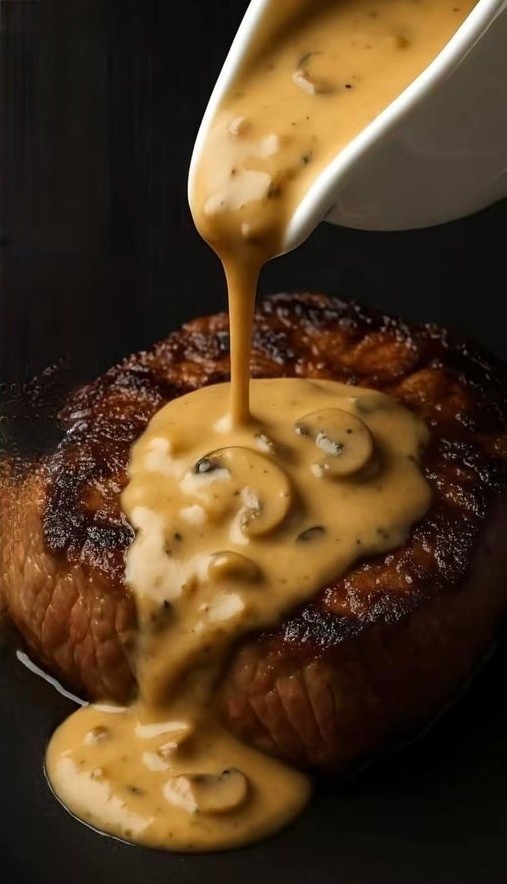
Diane sauce is a luxurious, creamy pan sauce with a depth of flavor from cognac (or brandy), mustard, and Worcestershire sauce. Traditionally served with steak, it can also enhance poultry, pork, or vegetables . Below is a detailed guide to making this classic sauce.
🧂 Ingredients
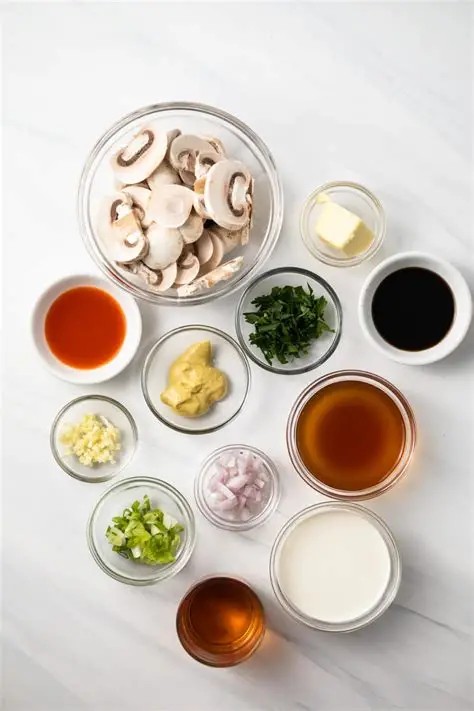
Yield: Enough for 2-4 servings
Quantity Ingredient Notes
1 tbsp Unsalted butter Or use drippings from cooked steak .
1 Small shallot, finely chopped Substitute with white onion if needed .
1-2 Garlic cloves, minced Freshly minced preferred .
100g Mushrooms, thinly sliced Button or baby bella; optional but classic .
¼ cup Cognac or brandy Substitute with extra beef stock or Worcestershire sauce for alcohol-free .
½ cup Beef stock Use quality stock for best flavor .
1 tbsp Worcestershire sauce Essential for umami depth .
1-2 tsp Dijon mustard Adds tanginess .
½ cup Heavy cream (double cream) For richness; avoid lighter substitutes .
Salt and black pepper To taste.
Fresh parsley, chopped For garnish.
Optional Hot sauce (e.g., Tabasco) For a hint of heat .
👨🍳 Step-by-Step Instructions
- Prepare the Pan (Optional Steak Cooking):
If serving with steak, cook your steak first in a large skillet. Remove the steak to rest, leaving the drippings in the pan. If making the sauce alone, melt butter over medium heat . - Sauté Aromatics:
Add shallot and garlic to the pan. Cook for 1-2 minutes until fragrant and softened. If using mushrooms, add them now and sauté for 3-5 minutes until golden brown . - Deglaze with Cognac:
Pour in cognac (or brandy). For a flambé effect (optional), carefully ignite the alcohol if using a gas stove. Otherwise, simmer for 1-2 minutes until mostly evaporated . - Add Liquids and Seasonings:
Stir in beef stock, Worcestershire sauce, and Dijon mustard. Bring to a simmer and let it reduce slightly, about 2-3 minutes . - Incorporate Cream:
Reduce heat to low. Stir in heavy cream and any juices from the resting steak. Simmer gently for 3-5 minutes until the sauce thickens to a consistency that coats the back of a spoon . - Season and Garnish:
Taste and adjust seasoning with salt, pepper, or a dash of hot sauce. Stir in fresh parsley . - Serve Immediately:
Pour the sauce over rested steak, poultry, pork, or vegetables. Enjoy right away for best flavor .
💡 Pro Tips for Success
· Alcohol-Free Version: Omit cognac and add an extra tablespoon of Worcestershire sauce or beef stock .
· Thickening Sauce: If too thin, create a slurry with 1 tbsp cornstarch and 3 tbsp cold water. Gradually stir into the simmering sauce until desired thickness .
· Mushrooms: Traditional Diane sauce sometimes omits mushrooms, but they add earthy flavor. Feel free to skip if preferred .
· Make-Ahead: Sauce is best fresh but can be refrigerated for up to 3 days. Reheat gently to avoid curdling .
🍽️ Serving Suggestions
· Classic: Serve over steak (filet mignon or strip steak) .
· Other Ideas: Try with burgers, pork chops, chicken, or roasted vegetables .
· Sides: Pair with mashed potatoes, sautéed greens, or a simple salad to complement the rich sauce .
📜 Historical Note
Diane sauce is named after Diana, the Roman goddess of the hunt. Early versions included cream, truffles, and pepper, often served with venison. Its modern form evolved in the 20th century, becoming a steakhouse classic .
This sauce transforms a simple meal into a gourmet experience. For visual guidance, refer to video tutorials mentioned in the sources . Enjoy your culinary creation!
 HEALTHY MEALS
Leave a comment