What Is the Difference Between Olive Oil and Extra Virgin Olive Oil?
By: chef ssentongo
Of course! This is an excellent question, as the difference is significant and affects both flavor and health.
In the simplest terms, think of it like this:
· Extra Virgin Olive Oil is freshly squeezed fruit juice.
· Olive Oil (often labeled as “pure,” “regular,” or “light”) is refined vegetable oil.
Here’s a detailed breakdown of the differences.
At a Glance: Key Differences
Feature Extra Virgin Olive Oil (EVOO) Olive Oil (Regular/Pure/Light)
Processing Cold-pressed, not refined. Refined using heat and/or chemicals.
Acidity Level ≤ 0.8% (Low acidity) Higher (no legal limit, but refined away).
Flavor Distinct, complex; can be fruity, peppery, bitter. Neutral, mild, or buttery.
Color Golden green to dark green. Pale yellow to light gold.
Best For Finishing, dressings, dipping, low-heat cooking. All-purpose cooking, baking, frying.
Nutrients High in natural antioxidants and polyphenols. Fewer nutrients due to refining.
Price More expensive. Less expensive.
Detailed Explanation
- Extra Virgin Olive Oil (EVOO): The Highest Grade
How it’s made: EVOO is made purely by mechanically crushing olives without the use of heat or chemicals—a process called “cold-pressing” (or cold extraction). This first press preserves all the natural flavors, aromas, and healthful compounds from the fruit.
Key Characteristics:
· Unrefined: It is not treated with heat or chemicals, so it retains its natural state.
· Strict Standards: To be labeled “extra virgin,” the oil must pass both a chemical test (for low acidity) and a sensory test by a panel of experts to ensure it has no flavor defects.
· Flavor & Aroma: This is where EVOO shines. Its flavor profile can vary dramatically based on the olive variety, region, and harvest time. You might taste notes of grass, green apple, pepper, or artichoke. It should have a pleasant bitterness and a peppery “kick” in the back of your throat, which is a sign of fresh, high-quality antioxidants.
· Health Benefits: EVOO is renowned for its health benefits. It’s packed with polyphenols and antioxidants, which have anti-inflammatory properties and are linked to heart health.
· Best Uses: Because its delicate flavors and nutrients are damaged by high heat, it’s best used raw or for low to medium-heat cooking. Use it for:
· Salad dressings and vinaigrettes
· Drizzling over finished dishes (soups, pasta, grilled meat/fish)
· Dipping with bread
· Making marinades
- Olive Oil (Regular, Pure, or Light)
How it’s made: This category is a blend. It typically consists of two components:
- Refined Olive Oil: This is oil that is extracted from olives using heat and/or chemical solvents. This process strips away the strong flavors, aromas, and many of the nutrients, but it also removes impurities and defects. The result is a neutral, stable oil with a higher smoke point.
- A small amount of EVOO: A bit of virgin or extra virgin oil is blended back in to give it some color and a hint of olive flavor.
Key Characteristics:
· Refined & Blended: The refining process is the key differentiator.
· Flavor & Aroma: Very mild, buttery, or neutral. It lacks the distinctive fruity or peppery notes of EVOO. “Light” olive oil refers to its light flavor and color, not its calorie or fat content (all olive oils have the same calories).
· Health Benefits: While it is still a healthy fat (monounsaturated fat), the refining process significantly reduces the levels of antioxidants and polyphenols found in EVOO.
· Best Uses: Its neutral flavor and higher smoke point make it ideal for cooking at higher heats. Use it for:
· Sautéing and stir-frying
· Baking (where you don’t want a strong olive flavor)
· Pan-frying
· General-purpose kitchen oil
Quick Guide: Which One Should You Use?
· For FLAVOR: Choose Extra Virgin Olive Oil. It’s an ingredient that actively contributes to the taste of your dish.
· For HIGH-HEAT COOKING: Choose Regular Olive Oil. It can handle the heat without burning or breaking down as quickly.
· For HEALTH: Choose Extra Virgin Olive Oil. It retains the maximum amount of natural antioxidants and anti-inflammatory compounds.
· For YOUR WALLET: Use Extra Virgin Olive Oil for finishing and special dishes, and Regular Olive Oil for everyday, high-heat cooking.
In summary, EVOO is a high-quality, flavorful, and health-promoting “finishing” oil, while regular olive oil is a versatile, neutral-tasting “cooking” oil. It’s a good idea to have both in your kitchen for different purposes.
What’s the Best Olive Oil You Can Buy? Our Test Kitchen Knows
What Is the Best Oil to Fry Fish?
Olive Oil Cake
Can You Use Olive Oil Instead of Vegetable Oil?
Confused About Cooking Oils? Bookmark This Guide.
What’s the Difference Between Miracle Whip and Mayonnaise?
What’s the Difference Between Spearmint and Peppermint?
What Makes Kerrygold Butter Different?
This Is the Real Difference Between Refined and Unrefined Coconut Oil
The Best Olives You Can Buy
Does Olive Oil Go Bad?
Olive Oil Dip
Why Is Olive Oil So Expensive Right Now?
What’s the Difference Between Iceberg Lettuce and Romaine?
How to Find Real Olive Oil (And Skip the Fake Stuff)
Spiced Olives
Olive Oil Ice Cream
Beef and Olive Spread
Olive Bread
HomeHealth & WellnessHealthy Eating
What Is the Difference Between Olive Oil and Extra Virgin Olive Oil?
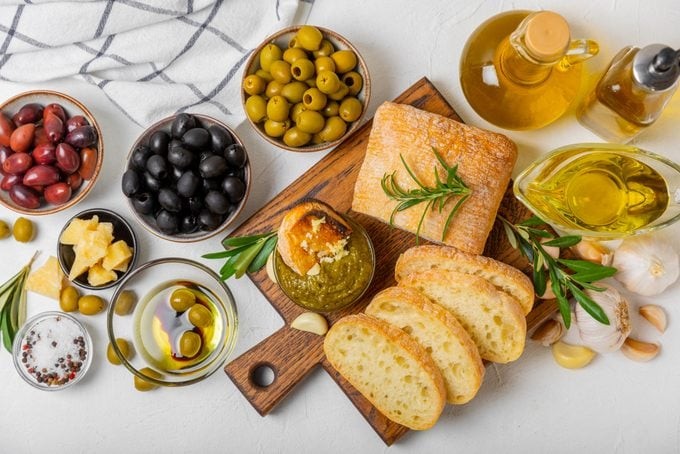
When do you use olive oil vs. extra virgin olive oil? We’ll share the differences in taste and various uses in cooking.
Staring at all the olive oil options at the grocery store gets intimidating. Unlike vegetable oil or canola oil, there seem to be so many brands of olive oil. Then there are the various types: cold-pressed, virgin, extra virgin, refined and extra light.
Which one should you choose?
This golden oil purportedly helps prevent many major diseases and is credited with a variety of health benefits, but much of that can depend on the type of olive oil you buy. Let’s go over the basics of olive oil vs. extra virgin olive oil, and learn when it’s best to choose one over the other.
Advertisement
Also, check here the types of olives all devotees must try in their lives.
What is olive oil?
Olive oil is produced by crushing the ripened fruit of the olive tree. Olive trees as we know them date back thousands of years, and historians believe that humans have been making and consuming olive oil for more than 6,000 years. Some fossils suggest that relatives of the olive tree were around millions of years ago. The olive tree is native to Asia Minor but eventually spread across the entire Mediterranean basin. Most of the world’s olive oil is still produced in those regions.
Advertisement
The oil is liquid at room temperature, but solidifies when cold. Olive oil is a crucial component of the super-healthy Mediterranean diet and is one of the primary cooking fats in Greece, Spain and Italy, among other places.
Regular olive oil, which can’t be labelled “virgin” or “extra virgin,” is more refined—aka less flavorful—than virgin oil, and may have been heated during production. It is considered to be a lower grade of olive oil. It can be made using olives that had defects in flavor, but because it is refined, those flavor notes will not be noticeable in the finished product.
Advertisement
What does olive oil taste like?
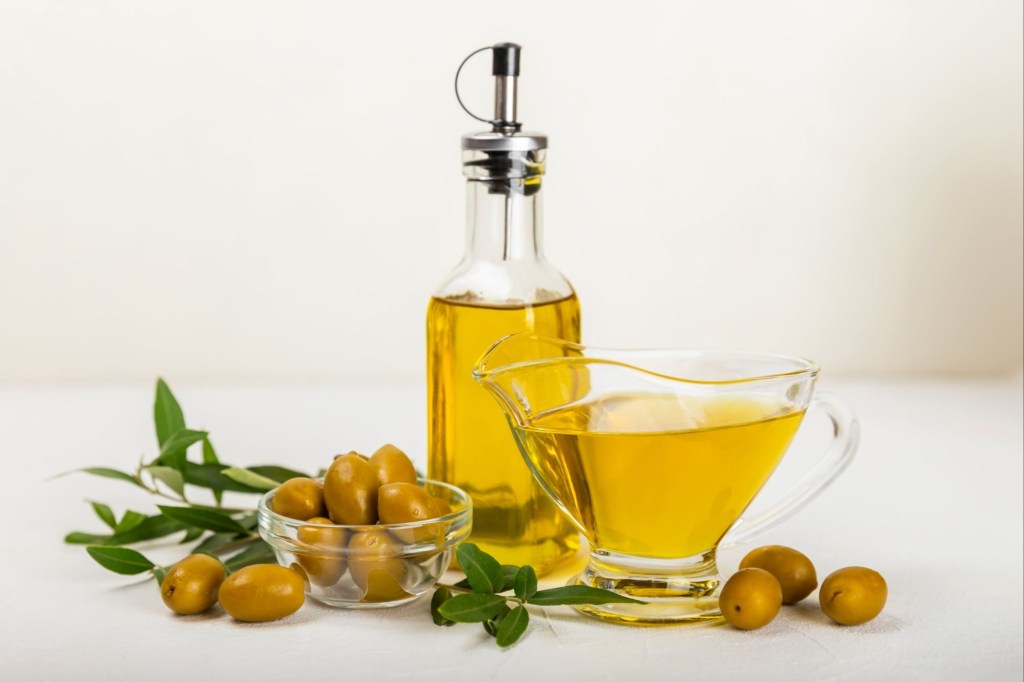
Regular olive oil will have some of the characteristics of the olives from which it was made, but because of the way the oil is produced, the flavor will generally be comparatively smooth and mild. As the oil is heated and refined, the compounds that give olive oil its unique and interesting flavors are removed.
Advertisement
How do you use olive oil?
Non-virgin olive oil can be great as a cooking oil. It can be used to saute vegetables or in marinades for meats (although virgin oils are great for those tasks too).
There is debate about whether olive oil should ever be used for frying as it has a lower smoke point than peanut oil, canola oil, corn oil and other oils prized for use in super hot applications. A refined olive oil will likely have a higher smoke point than one that is unrefined and will definitely have a higher smoke point than an oil that is unfiltered. To settle any confusion, we have a guide on cooking oils that discusses all sorts of uses and applications.
Advertisement
What is extra virgin olive oil?
The main difference between olive oil and extra virgin olive oil lies in how they are processed, which directly affects their flavor, quality, and best uses in the kitchen. Extra virgin olive oil is the highest quality, unrefined oil, while regular olive oil is a refined blend.
For a quick overview, here is a comparison of their key characteristics:
Feature Extra Virgin Olive Oil (EVOO) Regular Olive Oil
Processing Method Cold-pressed mechanically; no heat or chemicals Refined using heat and/or chemicals; often blended with some EVOO
Acidity Level 0.8% or lower Higher than 0.8% (defects are refined away)
Flavor & Aroma Complex, fruity, grassy, peppery; robust aroma Mild, neutral, or buttery; much less pronounced flavor
Color Golden green to dark green Pale yellow to light gold
Best Uses Finishing: Salad dressings, dipping bread, drizzling over finished dishes Cooking: Sautéing, frying, baking, and other high-heat applications
Smoke Point Ranges from 350°F to 415°F (175°C to 210°C) Generally higher than EVOO due to refining
🛒 How to Choose and Use Olive Oil
· Look for a Harvest Date: For the freshest and most flavorful EVOO, check the label for a harvest date rather than just a “best-by” date. Olive oil is a perishable product, and its quality is best within a year of harvest.
· Choose by Purpose: Keep both types in your kitchen. Use regular olive oil for everyday cooking, frying, and baking where you don’t want a strong olive flavor. Save your extra virgin olive oil for applications where its flavor can shine, like in dressings, dips, or as a finishing drizzle.
· Substituting in Recipes: You can usually substitute extra virgin olive oil for regular olive oil or other oils (like vegetable oil) in a 1:1 ratio. Just be aware that EVOO will impart its distinct flavor to the dish, which works wonderfully in things like chocolate cake but might not be desired in every recipe.
I hope this helps clear up the confusion. Knowing these differences will not only enhance your cooking but also ensure you’re getting the most value and flavor from your olive oil.
 HEALTHY MEALS
Leave a comment