By:chef ssentongo Geoffrey
Here’s a traditional Italian breakfast recipe, Cappuccino e Cornetto (Cappuccino and Croissant), along with other Italian breakfast ideas:



Cappuccino e Cornetto
Ingredients:
- 1 cornetto (Italian croissant)
- 1 cappuccino (espresso, steamed milk, and foam)
Step-by-Step Guide:

- Start by preparing the cappuccino:
- Pull a shot of espresso.
- Steam milk until frothy.
- Combine espresso and steamed milk.
- Top with foam.
- Serve the cappuccino with a cornetto.
Other Italian Breakfast Ideas:


- Colazione Italiana (Italian Breakfast):
- Caffè latte (coffee and steamed milk)
- Cornetto or brioche
- Fresh fruit
- Crostini con Marmellata (Toast with Jam):
- Toasted bread
- Homemade jam or preserves
- Optional: prosciutto or cheese
- Frittata (Italian Omelette):
- Whisked eggs
- Vegetables (e.g., bell peppers, onions)
- Cheese (e.g., parmesan, mozzarella)
- Pasticcini (Italian Pastries):
- Sfogliatelle (shell-shaped pastry)
- Cannoli (fried pastry with ricotta filling)
- Bombolone (filled doughnut)
Regional Italian Breakfast Specialties:

- North: Brioche con marmellata e caffè (brioche with jam and coffee)
- Central: Cornetto con cioccolato (croissant with chocolate)
- South: Frittata con prosciutto e formaggio (omelette with prosciutto and cheese)
Tips:
- Use high-quality ingredients, like freshly baked cornetti.
- Enjoy your breakfast in a relaxed atmosphere, like a café or outdoor patio.
- Experiment with different Italian regions’ specialties.
Nutrition Information (per serving):

- Cappuccino e Cornetto:
- Calories: 250-300
- Fat: 10-12g
- Carbohydrates: 30-40g
- Protein: 5-7g
Here’s an authentic Italian Fettuccine Alfredo recipe:
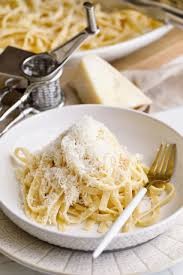
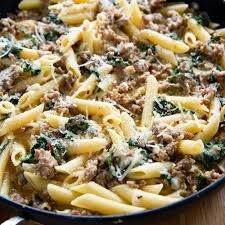
Ingredients:
- 12 oz (340g) fettuccine pasta
- 6 tablespoons (84g) unsalted butter
- 6 tablespoons (90g) grated Parmigiano-Reggiano cheese
- 3 cloves garlic, minced
- 1/2 cup (120ml) heavy cream
- Salt and black pepper, to taste
- Fresh parsley, chopped (optional)
Step-by-Step Guide:
Preparation (10 minutes)
- Bring a large pot of salted water to a boil.
- Cook fettuccine pasta al dente, reserve 1 cup pasta water.
- In a saucepan, melt butter over medium heat.
- Add garlic and cook 1-2 minutes, until fragrant.
Alfredo Sauce (5 minutes)
- Remove saucepan from heat.
- Add Parmigiano-Reggiano cheese, stir until melted.
- Add heavy cream, stir until smooth.
- Season with salt and black pepper.
Combine Pasta and Sauce (2 minutes)

- Drain fettuccine, add to saucepan with Alfredo sauce.
- Toss pasta in sauce, adding reserved pasta water if needed.
- Serve immediately, garnished with chopped parsley.
Traditional Tips:
- Use high-quality Parmigiano-Reggiano cheese.
- Don’t overcook fettuccine.
- Add sauce ingredients off heat to prevent separation.
- Use reserved pasta water to achieve creamy consistency.
Variations:
- Add cooked chicken, shrimp, or mushrooms.
- Substitute other cheeses (e.g., Grana Padano, Asiago).
- Add a pinch of nutmeg or black truffle.
Authenticity Notes:
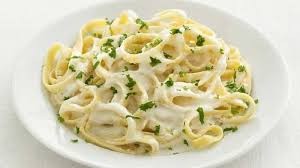
- Alfredo sauce originated in Rome, Italy.
- Traditional recipe uses only butter, Parmigiano-Reggiano, and pasta water.
- Heavy cream is a modern addition, optional.
Nutrition Information (per serving):
- Calories: 540
- Fat: 36g
- Saturated Fat: 22g
- Cholesterol: 80mg
- Sodium: 350mg
- Carbohydrates: 40g
- Protein: 20g
Enjoy your authentic Italian Fettuccine Alfredo
Here’s a delicious slow-cooker beef recipe:
Slow-Cooker Beef Stew
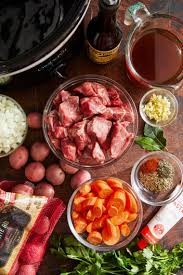
Ingredients:
- 2 pounds beef stew meat (chuck or round)
- 1 onion, chopped
- 3 cloves garlic, minced
- 2 carrots, peeled and chopped
- 2 potatoes, peeled and chopped
- 1 cup beef broth
- 1 cup red wine (optional)
- 1 tablespoon tomato paste
- 1 teaspoon dried thyme
- 1/2 teaspoon salt
- 1/4 teaspoon black pepper
- 2 bay leaves
Step-by-Step Instructions:
Preparation (15 minutes)
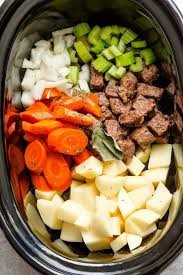
- Chop onion, garlic, carrots, and potatoes.
- Season beef with salt, pepper, and thyme.
Slow Cooker (8-10 hours)
- Add chopped onion to the slow cooker.
- Add beef to the slow cooker.
- Add garlic, carrots, and potatoes on top of beef.
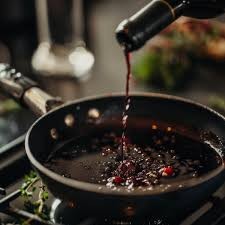
- In a separate bowl, whisk together beef broth, red wine (if using), and tomato paste.
- Pour broth mixture over beef and vegetables.
- Add bay leaves.
- Cover slow cooker and cook on low for 8-10 hours.
Finishing Touches (15 minutes)
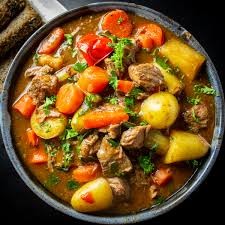
- Remove bay leaves.
- Stir stew and adjust seasoning.
- Serve hot, garnished with fresh herbs (optional).
Variations:
- Add other vegetables (e.g., bell peppers, mushrooms, celery).
- Use different types of beef (e.g., short ribs, brisket).
- Add a pinch of cumin or paprika for extra flavor.
- Serve with crusty bread or over mashed potatoes.
Tips:
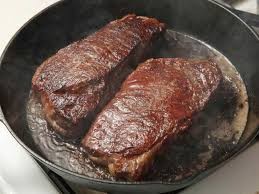
- Brown beef in a skillet before adding to slow cooker for extra flavor.
- Use a slow cooker liner for easy cleanup.
- Cook on high for 4-6 hours if preferred.
Enjoy your delicious slow-cooker beef stew!
Other Slow-Cooker Beef Recipes:
- Beef Tacos: Add taco seasoning, diced tomatoes, and tortillas.
- Beef and Mushroom Gravy: Add sliced mushrooms and serve over egg noodles.
- Beef and Vegetable Soup: Add diced vegetables and noodles.
Would you like more slow-cooker beef recipes or any variations, ask questions ?


 HEALTHY MEALS