Tag: #BBQ #recipe #food #homemade #mreasyrecipes #nigeria #foodie

  • Home > Easy Recipes > Dishes >Cooking Ideas

    By : chef ssentongo Geoffrey

    From : Mr Easy Recipes

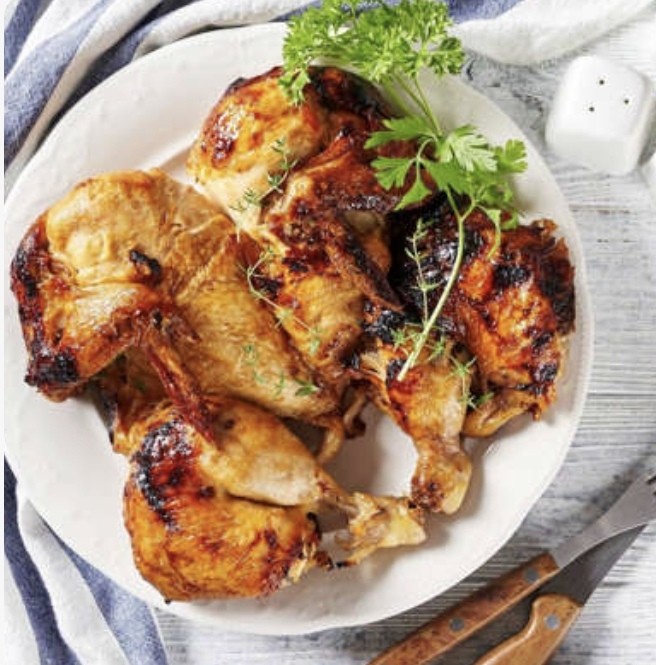
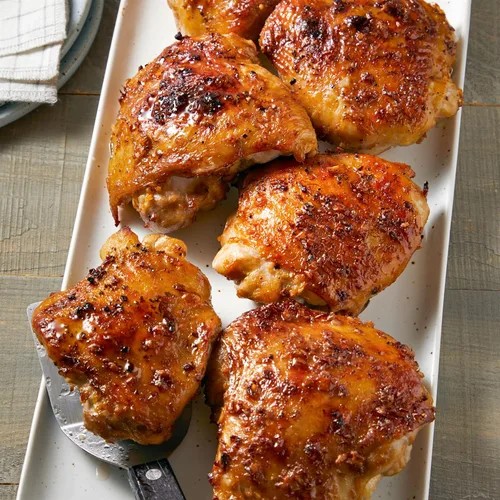
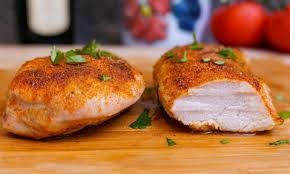
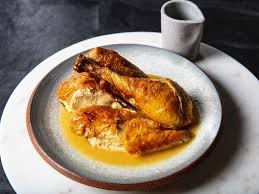
    30 Ways You’ve Been Cooking Chicken WRONG All This Time – Step-by-Step Guide
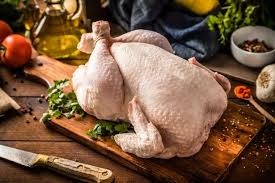
    Chicken is a versatile and popular protein, but many home cooks make mistakes that lead to dry, bland, or unsafe dishes. Here’s a step-by-step guide to fixing the most common chicken-cooking errors.


    1. Not Patting Chicken Dry Before Cooking
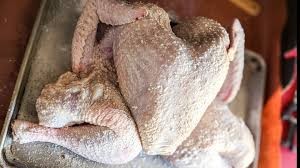
    Why? Moisture prevents proper browning.
    Fix: Pat chicken dry with paper towels before seasoning.

    2. Skipping the Brine

    Why? Brining keeps chicken juicy.
    Fix: Soak chicken in saltwater (1/4 cup salt + 4 cups water) for 30 min–2 hours.

    3. Overcrowding the Pan
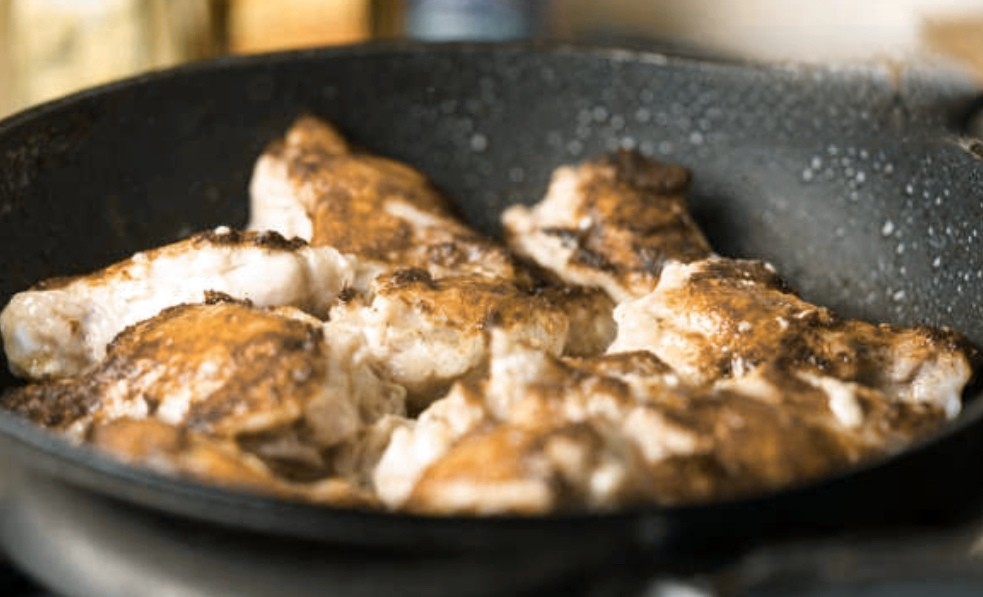
    Why? Steaming instead of searing.
    Fix: Cook in batches or use a larger pan.

    4. Cooking Cold Chicken Straight from the Fridge

    Why? Uneven cooking.
    Fix: Let chicken sit at room temp for 15–30 minutes before cooking.

    5. Not Seasoning Under the Skin

    Why? Flavor stays on the surface.
    Fix: Lift skin and rub seasoning directly on the meat.

    6. Using Only Boneless, Skinless Breasts
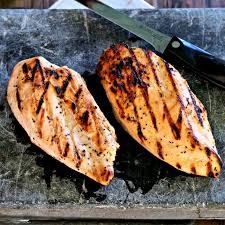
    Why? They dry out easily.
    Fix: Try thighs, drumsticks, or bone-in cuts for more flavor.

    7. Not Using a Meat Thermometer

    Why? Overcooking leads to dryness.
    Fix: Cook to 165°F (74°C) at the thickest part.

    8. Cutting Chicken Too Soon After Cooking

    Why? Juices escape, leaving meat dry.
    Fix: Let it rest for 5–10 minutes before slicing.

    9. Flipping Chicken Too Often

    Why? Prevents a good sear.
    Fix: Let it cook undisturbed for a few minutes per side.

    10. Not Preheating the Pan/Oven

    Why? Uneven cooking.
    Fix: Always preheat before adding chicken.

    11. Cooking at Too High Heat

    Why? Burns outside, raw inside.
    Fix: Medium heat for pan-frying, 375°F (190°C) for baking.

    12. Not Scoring Thick Cuts

    Why? Uneven cooking.
    Fix: Make shallow cuts in thicker parts for even doneness.

    13. Using Non-Stick Pan for Searing
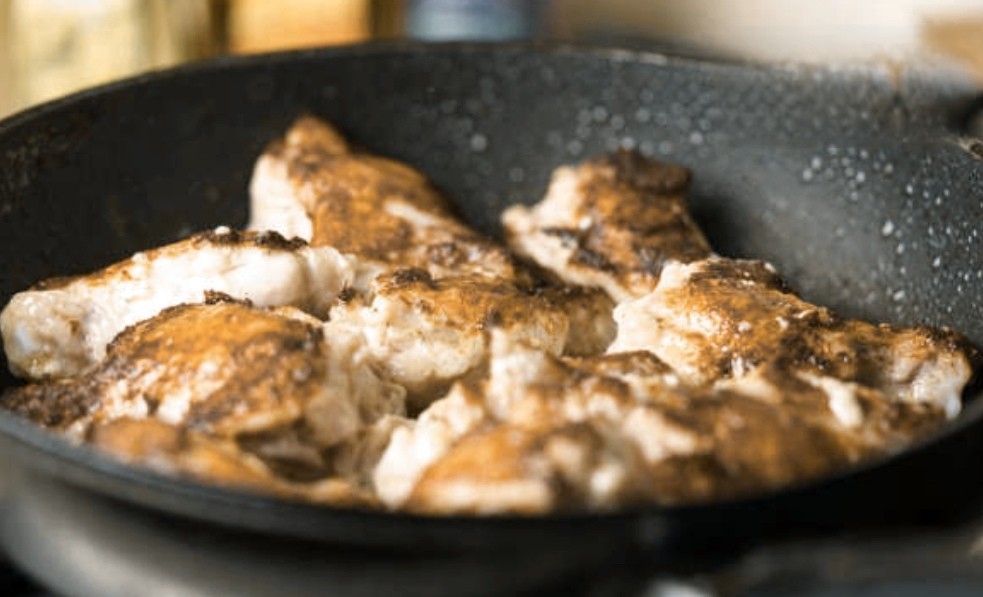
    Why? Doesn’t develop a good crust.
    Fix: Use cast iron or stainless steel.

    14. Ignoring Marinade Times
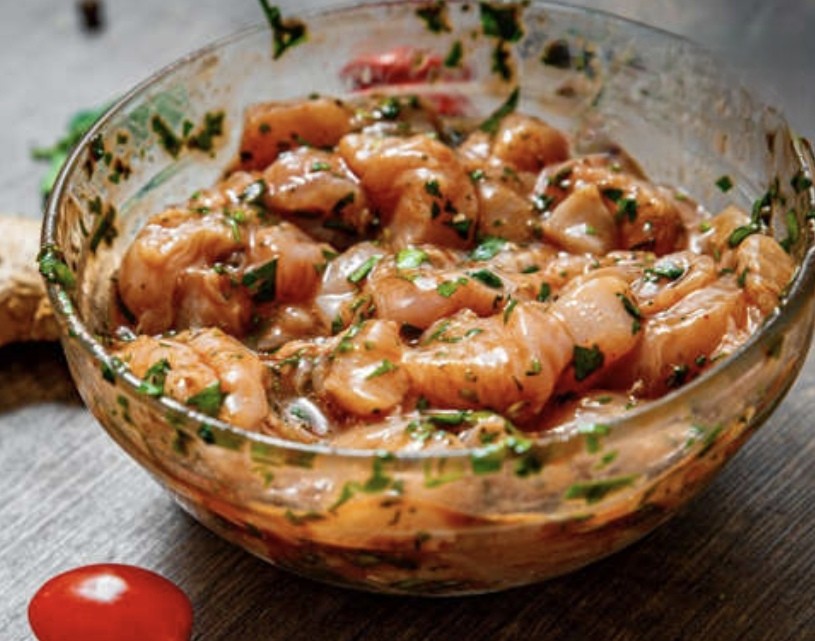
    Why? Too short = no flavor; too long = mushy meat.
    Fix: Marinate breasts 30 min–2 hrs, thighs 2–12 hrs.

    15. Boiling Chicken for Shredding

    Why? Dilutes flavor.
    Fix: Bake or simmer in broth instead.

    16. Not Using a Wire Rack for Baking
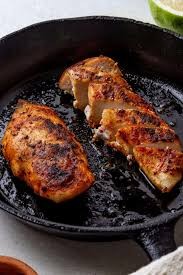
    Why? Bottom gets soggy.
    Fix: Place chicken on a wire rack over a baking sheet.

    17. Over-Breading Chicken

    Why? Coating falls off.
    Fix: Flour → egg → breadcrumbs, then let sit 5 min before frying.

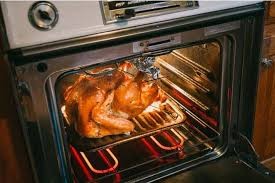
    18. Not Spatchcocking a Whole Chicken

    Why? Takes longer to cook.
    Fix: Remove backbone and flatten for even roasting.

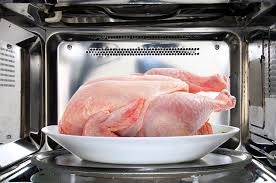
    19. Cooking Frozen Chicken Without Thawing

    Why? Uneven cooking.
    Fix: Thaw in fridge overnight or use cold water method.

    20. Not Using Enough Oil
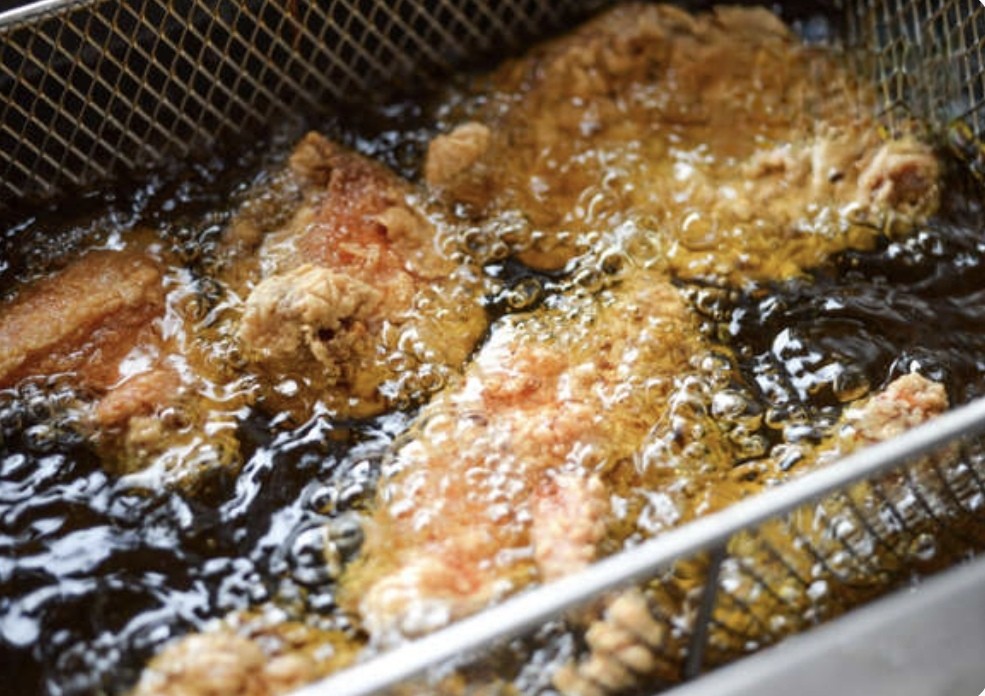
    Why? Sticking and uneven browning.
    Fix: Use enough oil to coat the pan.

    21. Only Using Salt & Pepper
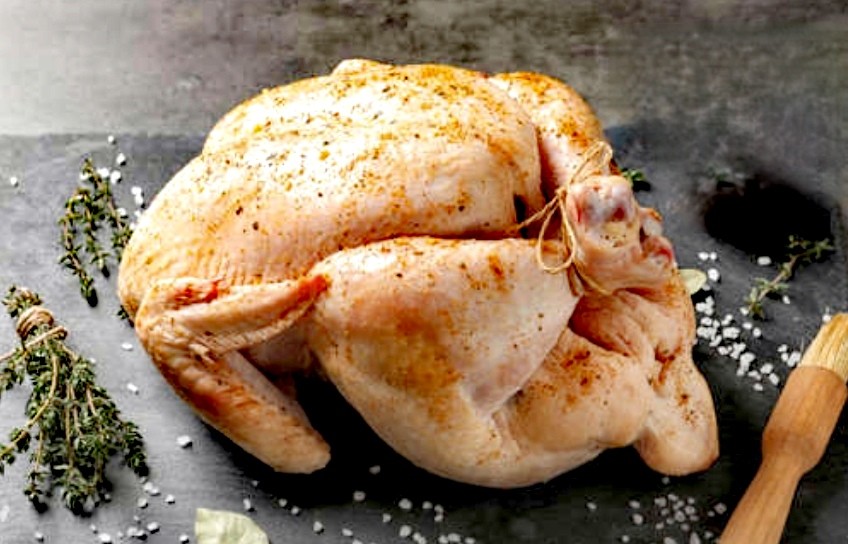
    Why? Bland flavor.
    Fix: Experiment with spices (paprika, garlic powder, cumin, etc.).

    22. Not Glazing at the Right Time

    Why? Sauce burns.
    Fix: Add glaze in the last 10–15 minutes of cooking.

    23. Not Trimming Excess Fat/Skin

    Why? Chewy or greasy texture.
    Fix: Trim excess fat before cooking.

    24. Reusing Marinade as Sauce
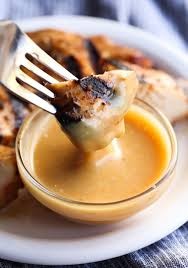
    Why? Risk of bacteria.
    Fix: Boil marinade for 5+ minutes if reusing.

    25. Not Using Buttermilk for Fried Chicken

    Why? Less tender.
    Fix: Soak chicken in buttermilk before breading.

    26. Not Tenting with Foil While Resting

    Why? Heat escapes.
    Fix: Cover loosely with foil to retain warmth.

    27. Cooking Chicken Straight from the Package
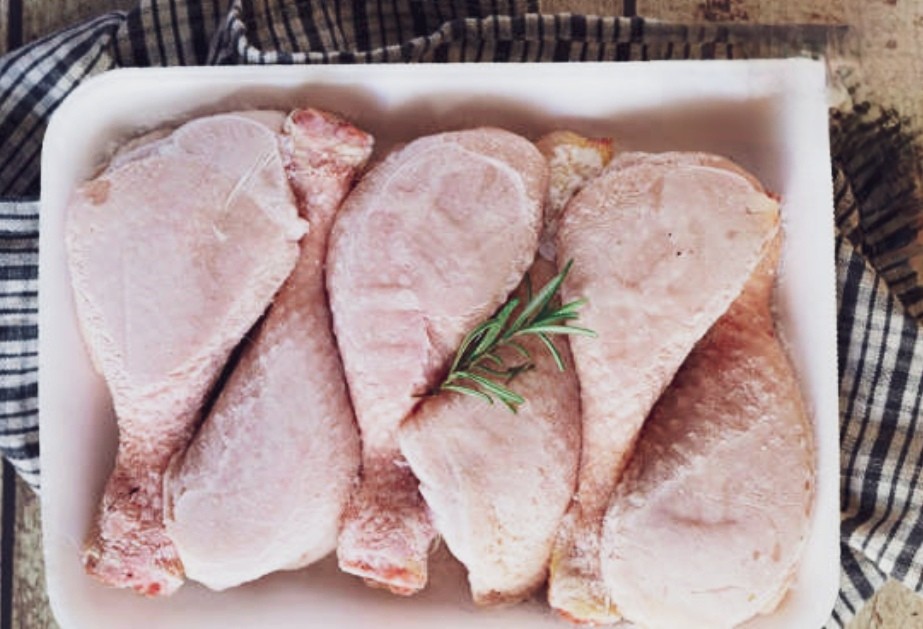
    Why? Excess moisture.
    Fix: Rinse, pat dry, and season properly.

    28. Not Using a Press for Even Cooking

    Why? Uneven thickness.
    Fix: Pound breasts to even thickness.

    29. Not Adding Acid for Tenderness

    Why? Tough meat.
    Fix: Use lemon juice, vinegar, or yogurt in marinades.

    30. Not Saving Bones for Stock
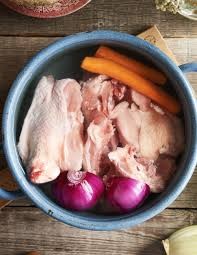
    Why? Wasted flavor.
    Fix: Simmer bones with veggies for homemade stock.


    Final Tips:

    Always check internal temp (165°F).
    Rest before cutting.
    Experiment with flavors & techniques.

    By fixing these mistakes, your chicken dishes will be juicier, more flavorful, and perfectly cooked every time! 🍗🔥

    Would you like a recipe breakdown for any of these methods?
  • Home > Easy Recipes > Dishes >Cooking Ideas

    By: chef ssentongo Geoffrey

    What Is The Term Broil Mean In Cooking

    In cooking, the term broil refers to a method of cooking food using high, direct heat, typically from above. This technique is commonly used in ovens that have a broil setting. When you broil food, it is exposed to intense heat, which quickly cooks the surface, creating a browned or crispy exterior while keeping the inside moist.

    Broiling is similar to grilling, but instead of the heat coming from below (as with a grill), the heat comes from above. It is often used for cooking thinner cuts of meat, fish, or vegetables, and is ideal for achieving a caramelized or charred finish.

    Key tips for broiling:

    • Preheat the broiler before placing food in the oven.
    • Use a broiler pan or a baking sheet lined with foil to catch drippings.
    • Keep a close eye on the food, as broiling can cause it to cook (or burn) very quickly.
    • Adjust the oven rack to the recommended distance from the broiler element (usually 3-6 inches, depending on the recipe).

    http://www.facebook.com/mreasyrecipes

  • Home > Easy Recipes > Dishes > Cooking Ideas > Roast

    By: chef ssentongo Geoffrey

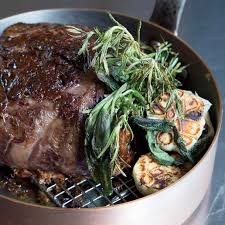
    Roast Beef and Gravy

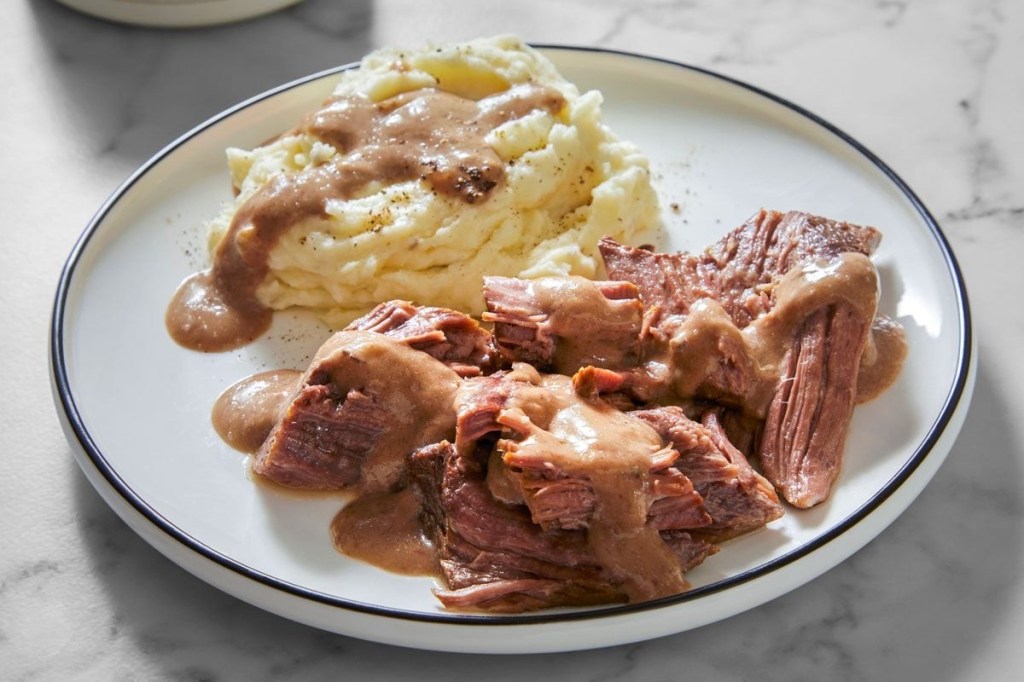
    This easy roast beef and gravy recipe requires only four simple ingredients and a slow cooker. It’s classic comfort food that begs for mashed potatoes and soft dinner rolls.

    A classic Roast Beef with Gravy recipe! Here’s a step-by-step guide to making this mouthwatering dish:

    Ingredients:
    For the Roast Beef:

    • 3-4 pound beef roast (prime rib, top round, or rump roast)
    • 2 tbsp olive oil
    • 1 tsp salt
    • 1 tsp black pepper
    • 1 tsp dried thyme
    • 1 tsp dried rosemary
    • 2 cloves garlic, minced

    For the Gravy:

    • 2 cups beef broth
    • 1 cup red wine (optional)
    • 2 tbsp all-purpose flour
    • 2 tbsp butter

    Instructions:
    Step 1: Preheat and Prep Roast (15 minutes)

    1. Preheat oven to 325°F (160°C).
    2. Rinse the beef roast and pat it dry with paper towels.
    3. Season the roast with salt, black pepper, thyme, rosemary, and garlic.

    Step 2: Sear the Roast (10 minutes)

    1. Heat olive oil in a large Dutch oven or oven-safe skillet over high heat.
    2. Sear the roast on all sides until browned, about 2-3 minutes per side.

    Step 3: Roast the Beef (2-3 hours)

    1. Transfer the Dutch oven or skillet to the preheated oven.
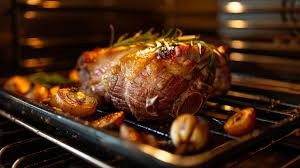
    2. Roast the beef for 2-3 hours, or until it reaches your desired level of doneness.
    3. Use a meat thermometer to check for internal temperatures:
      • Rare: 130-135°F (54-57°C)
      • Medium-rare: 135-140°F (57-60°C)
      • Medium: 140-145°F (60-63°C)
      • Medium-well: 145-150°F (63-66°C)
      • Well-done: 150-155°F (66-68°C)

    Step 4: Make the Gravy (15 minutes)

    1. Remove the roast from the oven and transfer it to a cutting board.
    2. Pour the beef broth and red wine (if using) into the Dutch oven or skillet.
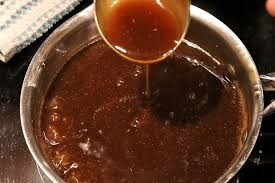
    3. Bring the liquid to a boil over high heat, scraping up any browned bits from the bottom.
    4. Reduce heat to medium and simmer for 5-7 minutes or until the gravy thickens.
    5. Stir in the flour and butter to thicken the gravy further.

    Step 5: Slice and Serve (10 minutes)

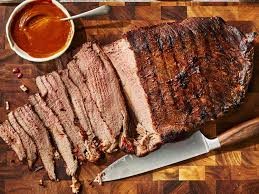
    1. Slice the roast beef against the grain.
    2. Serve with the warm gravy spooned over the top.

    Tips and Variations:

    • Use a meat thermometer to ensure the roast reaches a safe internal temperature.
    • Let the roast rest for 15-20 minutes before slicing to allow the juices to redistribute.
    • For a richer gravy, use more beef broth or add a little bit of beef bouillon.
    • Experiment with different herbs and spices, such as bay leaves or paprika, to add more flavor to the roast and gravy.

    Enjoy your perfectly cooked Roast Beef with Gravy!

  • Was Being A Chef A Good Career Choice For Me?

    By : chef ssentongo Geoffrey

    To Answer the first question and Today’s question

    Trying to decide if a chef career is right for you is not easy, especially with all the misinformation out there. Here I share my personal view using my years of experience as a chef to answer the ultimate question, is being a chef a good career?

    My experience as a chef taught me that being a chef is a good career for those that love to cook, enjoy meeting new people, are happy to work long hours and want the potential to work anywhere in the world.

    Those who are looking for a career that is well paid or with lots of traditional job benefits may be better suited pursuing other career paths.

    In this post I attempt to answer whether being a chef is a good career or not, with a fair and unbiased view, looking at all the factors a person would look at when considering any new career.

    I could just give my overall option, but I am confident that many readers would like a more detailed breakdown so they can make their own decision! I wrote an article regarding why I want to leave this industry to another after many years which will make a great accompaniment to this article.

    Do Chefs Have High Job Satisfaction?

    In my experience, being a chef has high levels of job satisfaction. Those that choose a career in catering do so because they have a love of food and cooking. Our role as chefs allows us to spend each and every day doing what we love.

    Do Chefs Have Good Career Progression

    In my experience working in many kitchens, chefs are some of the most career focused people I know. The good news is that with hard work the career progression opportunities are unlimited for chefs.

    The way a kitchen is set up to run, with it’s clear rank structure, makes it easy for all chefs to see the career ladder that they are able to climb.

    As chefs move around jobs relatively frequently there are constantly new chef de partie and sous chef positions opening up for the new chefs to move into.

    Do Chefs Get On Well With Other Chefs?

    In my experience, most chefs get on very well with other chefs. In all the kitchens I have worked in, the camaraderie and team ethos is excellent. There are so many opportunities to make lifelong friends within the catering industry.

    Chefs are notorious for spending their days off together and getting up to fun activities in their split shifts.

    The work atmosphere in the kitchen itself is usually great as well. There is a shared vision where everyone has to truly work together as a team. This makes for a sometimes stressful, but more often than not, fun place to be – The banter among chefs is always great.

    Do Chefs Receive Good Training?

    In my experience as a chef, the training we receives is very much dependent on the places that we work, or where someone goes to culinary school. Being a chef has such a wide range of job roles that the training can vary greatly depending upon where you work.

    For example, a person who works in a chain pub/restaurant may qualify as a chef but their training is clearly not going to be as good as a chef that has trained at the best restaurants around the world. (The difference between a chef and a cook)

    An individual chef has a huge amount of control over where their career takes them.

    As with most careers, location plays a large part in a chef’s ability to train to the standard that they would like. In order to find the best jobs and receive the best training a chef may have to travel quite far from home.

    One negative of the training which I think is worth mentioning is the fact that being great chef is not really transferable outside of the hospitality industry. Other career experiences and qualifications can be used in many different industries.

    For example, if a person trained as a lawyer and gained a law degree they can use this in multiple fields, as lots of employers recognise the value of this qualification. Chefs are a lot more pigeon holed into the hospitality sector.

    However, The ability to carve out your own training path makes me believe that being a chef is a good career and should win the final point.

    Being a chef is a great career with lots of positive points that are hard to find in any other industry.

    The buzz of the kitchen and endless progression opportunities really are unparalleled . That being said, the trade-off for all these great factors is the unsociable and long hours that are the norm in the industry.

    Now all that’s left to doo is discover how to become a chef!

    How Chefs Make Cooking So Much More Fun

    Cooking is an incredibly divisive activity. Some people love spending their time in the kitchen, whilst others find it a monotonous chore. You may feel that in order to become a chef you must find…

    How Chefs Get Rated

    The path of how chefs get rated can be an extremely difficult road to navigate. Unfortunately, here is no one standardised system. Instead, we rely on several different factors for rating.

    Having spent around 15 years working as a qualified chef in high end restaurants, my mission is to use this experience to help others as they begin their career in catering!

    Thanks for reading this article and I’m looking forward to read your comments

    http://www.facebook.com/mreasyrecipes

    http://www.chefsideacafe.food.blog

  • Home > Easy Recipes > Dishes > cooking Ideas

    By : chef ssentongo Geoffrey

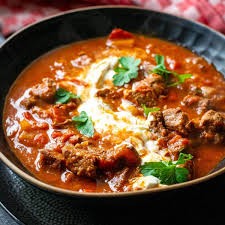
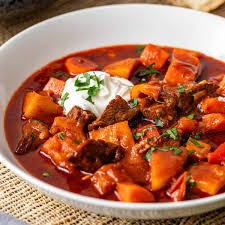
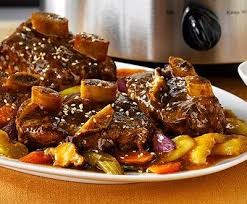
    How to Make Hungarian Beef Goulash?

    Here’s a traditional Hungarian Beef Goulash recipe that’s hearty, flavorful, and easy to make:

    Ingredients:

    • 2 pounds beef, cut into bite-sized pieces (shank, short ribs, or chuck)
    • 2 tablespoons vegetable oil
    • 1 large onion, chopped
    • 3 cloves garlic, minced
    • 2 medium carrots, peeled and chopped
    • 2 stalks celery, chopped
    • 1 large can (28 oz) crushed tomatoes
    • 2 cups beef broth
    • 1 teaspoon paprika
    • 1 teaspoon caraway seeds
    • Salt and black pepper, to taste
    • 2 tablespoons chopped fresh parsley
    • Sour cream, for serving (optional)
    • Bread or noodles, for serving (optional)

    Instructions:

    1. Heat oil in a large pot: Heat the oil in a large Dutch oven or pot over medium-high heat.
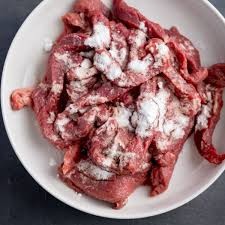
    2. Brown the beef: Add the beef to the pot and cook until browned on all sides, about 5 minutes. Remove the beef from the pot and set it aside.
    3. Soften the onions: Reduce the heat to medium and add the chopped onion to the pot. Cook until the onion is softened and translucent, about 5 minutes.
    4. Add the garlic, carrots, and celery: Add the minced garlic, chopped carrots, and chopped celery to the pot. Cook for 2-3 minutes, until the vegetables are slightly tender.
    5. Add the paprika and caraway seeds: Stir in the paprika and caraway seeds. Cook for 1 minute, until fragrant.
    6. Add the crushed tomatoes and beef broth: Add the crushed tomatoes and beef broth to the pot. Stir to combine, then add the browned beef back to the pot.
    7. Simmer the goulash: Bring the goulash to a boil, then reduce the heat to low and simmer, covered, for 1 1/2 to 2 hours, or until the beef is tender.
    8. Season and serve: Season the goulash with salt and black pepper to taste. Serve hot, garnished with chopped fresh parsley. Offer sour cream, bread, or noodles on the side, if desired.

    Tips and Variations:

    • Use a slow cooker: Brown the beef and cook the vegetables in a skillet, then transfer everything to a slow cooker and cook on low for 6-8 hours.
    • Add other vegetables: Consider adding other vegetables, such as potatoes, bell peppers, or mushrooms, to the goulash.
    • Use different types of beef: While shank, short ribs, or chuck are traditional choices for goulash, you can also use other tougher cuts of beef, such as brisket or round.
    • Serve with egg noodles: In Hungary, goulash is often served with egg noodles (called “csipetke”). Try serving the goulash with egg noodles for a traditional touch.

    Nutrition Information (approximate):
    Per serving:

    • Calories: 500-600
    • Protein: 35-40g
    • Fat: 25-30g
    • Saturated fat: 8-10g
    • Cholesterol: 60-70mg
    • Carbohydrates: 30-35g
    • Fiber: 5-6g
    • Sugar: 5-6g
    • Sodium: 800-1000mg.

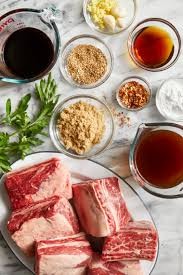
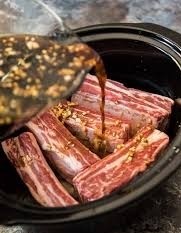
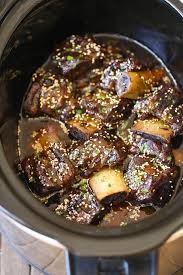
    How to Make Slow-Cooker Asian Short Ribs?

    Here’s a recipe for Slow-Cooker Asian Short Ribs that’s tender, flavorful, and easy to make:

    Ingredients:

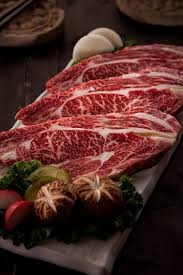
    • 4 pounds beef short ribs
    • 1/4 cup soy sauce
    • 1/4 cup Chinese rice wine (or dry sherry)
    • 2 tablespoons brown sugar
    • 2 tablespoons Gochujang (Korean chili paste)
    • 2 tablespoons grated fresh ginger
    • 2 cloves garlic, minced
    • 1 tablespoon sesame oil
    • 1/4 cup beef broth
    • 1/4 cup water
    • 1 tablespoon cornstarch
    • 1/4 cup chopped green onions, for garnish
    • Sesame seeds, for garnish

    Instructions:

    1. Season the short ribs: Sprinkle the short ribs with salt and black pepper.
    2. Sear the short ribs: Heat 2 tablespoons of sesame oil in a large skillet over medium-high heat. Sear the short ribs until browned on all sides, about 5 minutes per side. Remove the short ribs from the skillet and set them aside.
    3. Soften the aromatics: In the same skillet, add the grated ginger and minced garlic. Cook until the aromatics are softened, about 1 minute.
    4. Add the sauce ingredients: Add the soy sauce, Chinese rice wine, brown sugar, Gochujang, and beef broth to the skillet. Stir to combine and bring the mixture to a boil.
    5. Transfer to the slow cooker: Transfer the short ribs and sauce mixture to a 6-quart slow cooker.
    6. Cook low and slow: Cook the short ribs on low for 8-10 hours or on high for 4-6 hours.
    7. Thicken the sauce: In a small bowl, whisk together the cornstarch and water. Stir the cornstarch mixture into the sauce and continue to cook for an additional 30 minutes.
    8. Garnish and serve: Garnish the short ribs with chopped green onions and sesame seeds. Serve the short ribs with steamed rice or noodles.

    Tips and Variations:

    • Use a slow cooker with a sauté function to brown the short ribs and cook the aromatics.
    • Add sliced carrots, bell peppers, or mushrooms to the slow cooker for added flavor and nutrition.
    • Substitute beef broth with chicken or vegetable broth for a lighter flavor.
    • Serve the short ribs with kimchi or pickled ginger for an added burst of flavor.

    Nutrition Information (approximate):
    Per serving:

    • Calories: 500-600
    • Protein: 35-40g
    • Fat: 30-35g
    • Saturated fat: 10-12g
    • Cholesterol: 60-70mg
    • Carbohydrates: 20-25g
    • Fiber: 2-3g
    • Sugar: 10-12g
    • Sodium: 800-1000mg

    If you’ve liked this recipes comment and share to your friends

    Please your free to ask questions and you’ll be answered thanks.

    http://www.chefsideacafe.food.blog

    http://www.facebook.com/mreasyrecipes

Design a site like this with WordPress.com
Get started