Tag: #mreasyrecipe #mrkitchen #foodies&spice@Silver

  • Home > Easy Recipes > Dishes > Cooking Ideas

    The Difference Between Ghee and Butter—and When to Use Each?
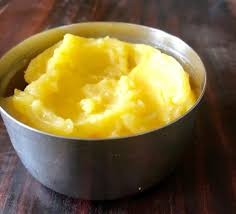
    Ghee
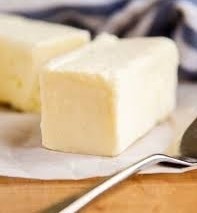
    Butter

    By : chef ssentongo Geoffrey

    From : Mr Easy Recipes

    Ghee and butter are both dairy products, but they have distinct differences in composition, flavor, and cooking applications.

    Key Differences

    • Composition: Butter contains about 80% butterfat, with the rest being water and milk solids. Ghee, on the other hand, is 100% butterfat because the milk solids and water are removed during the clarification process43dcd9a7-70db-4a1f-b0ae-981daa162054.
    • Flavor: Butter has a creamy, slightly sweet taste, while ghee has a rich, nutty, and slightly caramelized flavor due to the browning of milk solids during its preparation43dcd9a7-70db-4a1f-b0ae-981daa162054.
    • Lactose Content: Ghee is nearly lactose-free, making it a better option for those with dairy sensitivities43dcd9a7-70db-4a1f-b0ae-981daa162054.
    • Smoke Point:
    • Ghee has a higher smoke point (around 482°F) compared to butter (around 350°F), making it ideal for high-heat cooking methods like frying, roasting, and sautéing43dcd9a7-70db-4a1f-b0ae-981daa162054.
    • Shelf Life: Ghee has a longer shelf life and does not require refrigeration due to its low moisture content43dcd9a7-70db-4a1f-b0ae-981daa162054.

    When to Use Each

    Ghee
    Butter
    • Use Butter for baking, spreading on toast, and making creamy sauces.
    • Use Ghee for frying, roasting, and adding depth to Indian and Middle Eastern dishes.

    Would you like some recipe ideas using ghee or butter? 😊

  • Is Being a Chef a Good Career Choice?

    By:chef ssentongo Geoffrey

    Being a chef can be a rewarding and creative career choice for those who are passionate about cooking and the culinary arts. Here are some pros and cons to consider:

    Pros:

    1. Creative expression: As a chef, you have the freedom to create new dishes and menus, allowing you to express your creativity.
    2. Variety: Every day is different in the kitchen, with new challenges and opportunities to learn.
    3. Job satisfaction: Seeing customers enjoy your food can be incredibly fulfilling.
    4. Career advancement: With experience, you can move up to executive chef, restaurant owner, or even food critic.
    5. Flexibility: Chefs can work in various settings, from fine dining restaurants to catering companies, food trucks, or even as personal chefs.

    Cons:

    1. Physical demands: Working in a kitchen can be physically demanding, with long hours on your feet, high temperatures, and heavy lifting.
    2. High pressure: Kitchens can be fast-paced and stressful, especially during peak hours or when dealing with difficult customers.
    3. Long hours: Chefs often work long, irregular hours, including evenings, weekends, and holidays.
    4. Low starting pay: Entry-level positions in kitchens may pay minimum wage or slightly higher.
    5. Continuous learning: The culinary industry is constantly evolving, so chefs must stay up-to-date with new trends, techniques, and ingredients.

    To succeed as a chef, consider the following:

    1. Gain experience: Intern or volunteer in kitchens to build your skills and network.
    2. Formal education: Consider attending culinary school to learn fundamental techniques and gain credibility.
    3. Develop your skills: Focus on developing your cooking techniques, menu planning, and kitchen management skills.
    4. Stay organized: Practice time management, multitasking, and attention to detail.
    5. Be adaptable: Be prepared to adjust to changing menus, ingredients, and kitchen environments.

    Ultimately, being a chef can be a rewarding career choice for those who are passionate about cooking, creative, and willing to put in the hard work.

    http://www.facebook.com/mreasyrecipes

Design a site like this with WordPress.com
Get started