Restaurant and hotel marketing are two types of marketing strategies that aim to attract and retain customers in the hospitality industry. They have some advantages and disadvantages, depending on the goals, budget, and resources of the business.
Some of the advantages of restaurant and hotel marketing are:
It can help create a strong brand image and reputation for the business, which can increase customer loyalty and word-of-mouth referrals.
It can help differentiate the business from the competition by highlighting its unique selling proposition, such as its location, atmosphere, menu, or services.
It can help increase the visibility and awareness of the business among potential customers, especially through online channels such as social media, websites, and online reviews.
It can help boost sales and revenue by attracting more customers, increasing the average spending per customer, and encouraging repeat visits and referrals.
Some of the disadvantages of restaurant and hotel marketing are:
It can be costly and time-consuming, especially if the business has to invest in advertising, promotions, staff training, and equipment.
It can be risky and uncertain, as the business may not be able to predict the return on investment or the customer response to the marketing efforts.
It can be affected by external factors, such as economic downturns, weather conditions, consumer preferences, and competition, which can reduce the demand for the business or make it less attractive.
It can be challenging to measure and evaluate the effectiveness of the marketing strategies, as the business may not have clear and reliable metrics or feedback mechanisms.
Restaurant and hotel marketing are two types of marketing strategies that aim to attract and retain customers in the hospitality industry. They have some advantages and disadvantages, depending on the goals, budget, and resources of the business.
Some of the advantages of restaurant and hotel marketing are:
It can help create a strong brand image and reputation for the business, which can increase customer loyalty and word-of-mouth referrals.
It can help differentiate the business from the competition by highlighting its unique selling proposition, such as its location, atmosphere, menu, or services.
It can help increase the visibility and awareness of the business among potential customers, especially through online channels such as social media, websites, and online reviews.
It can help boost sales and revenue by attracting more customers, increasing the average spending per customer, and encouraging repeat visits and referrals.
Some of the disadvantages of restaurant and hotel marketing are:
It can be costly and time-consuming, especially if the business has to invest in advertising, promotions, staff training, and equipment.
It can be risky and uncertain, as the business may not be able to predict the return on investment or the customer response to the marketing efforts.
It can be affected by external factors, such as economic downturns, weather conditions, consumer preferences, and competition, which can reduce the demand for the business or make it less attractive.
It can be challenging to measure and evaluate the effectiveness of the marketing strategies, as the business may not have clear and reliable metrics or feedback mechanisms.
Restaurant and hotel marketing are two types of marketing strategies that aim to attract and retain customers in the hospitality industry. They have some advantages and disadvantages, depending on the goals, budget, and resources of the business.
Some of the advantages of restaurant and hotel marketing are:
It can help create a strong brand image and reputation for the business, which can increase customer loyalty and word-of-mouth referrals.
It can help differentiate the business from the competition by highlighting its unique selling proposition, such as its location, atmosphere, menu, or services.
It can help increase the visibility and awareness of the business among potential customers, especially through online channels such as social media, websites, and online reviews.
It can help boost sales and revenue by attracting more customers, increasing the average spending per customer, and encouraging repeat visits and referrals.
Some of the disadvantages of restaurant and hotel marketing are:
It can be costly and time-consuming, especially if the business has to invest in advertising, promotions, staff training, and equipment.
It can be risky and uncertain, as the business may not be able to predict the return on investment or the customer response to the marketing efforts.
It can be affected by external factors, such as economic downturns, weather conditions, consumer preferences, and competition, which can reduce the demand for the business or make it less attractive.
It can be challenging to measure and evaluate the effectiveness of the marketing strategies, as the business may not have clear and reliable metrics or feedback mechanisms.
Please, I always share this kind of article to those who maybe interested in the same ideas for their business.
So keep visiting my website or Facebook page for more information.
Whether you’ve recently graduated from culinary arts or you’re just getting started currently arts, the new year is the ideal time to designate culinary goals and set them into action.
Establishing culinary goals can help you stay focused during your studies or while searching for your first job in the food or hospitality industries.
Let’s get started with some simple questions:
* What do you want to cook?
* How high up the kitchen hierarchy do you want to climb?
* What matters to you the most as you serve your guests?
Now let’s Explore a bit Deeper…
Consider your Core Values
Taking the time to identify and understand your personal values and beliefs is just as important as the time you may spend honing-Your skills in the classroom or kitchen. The competitive skills you can use in all sorts of culinary environments: Restaurants, food trucks, hotels, convention centers, and institutions… Some even become personal or private chefs.
It’s important to realize that everyone might come to the table with different culinary goals. Some want to make their mark as culinary pioneers and run their own restaurants. Others desire to maintain a more stable income in a Monday to Friday job that provides the freedom. Just make sure to identify your individual path by the time you graduate.
Keep in mind that your culinary goals and aspirations may evolve over time as your knowledge, circumstances, or opportunities change. Be open to that change.
Make your Culinary Goals Detailed
I want to work in a five-star restaurant, isn’t a culinary goal, but it might be the makings of one.
What kind of restaurant do you want to work in, and where? Be specific about the style of cuisine, the location, and how long you intend to take in order to achieve that goal. Be sure your culinary goals are realistic. It might be effective to set the bar high for your career achievement.
Experience Life Beyond the Kitchen
Don’t limit yourself to the kitchen when you’re building your foundation of knowledge. This is particularly important if you aspire to become an Executive chef someday. Cooking skills are a must, of course, but it might be wise to also earn a food entrepreneurship certificate too.
Continuously challenge yourself
Dr. Edwin Locke wrote in 1968 that addressed the concepts of motivation and incentives, and how they inspire action and growth. The greatest motivator; it was the work itself that drove people to succeed.
How does this relate to setting your goals?
It might entice you to squash your fears to set lofty goals for yourself.
Challenging yourself with an everyday task you haven’t perfected yet gives you something to chase, even if that pursuit is simply refining a skill that might save you time and energy. You might reap greater rewards in your daily work life and grow.
Other Factors to Consider when Setting Culinary Goals
When we constantly strive to achieve big dreams, this usually bolsters our personal and professional development. However, it’s just as pivotal to remain realistic and consider other factors that might come into action.
* Stress
When you set those lofty career goals, you might put in extra time, grit, and effort to hit those major milestones. Naturally, you might feel a bit of stress creep in, but don’t fret, it’s part of the process.
* Luck
Don’t listen to people who say, “How great that you landed your dream job” as though you just stumbled into it. Instead, remember the words of Roman Philosopher seneca: “Luck is where opportunity and preparedness meet.” it’s vital to acknowledge how hard you worked to earn the break.
* Timing
Don’t apologize for your success. If you’ve put in the hard work at culinary school,or kitchen then really hustled to secure an amazing opportunity right out of the gate, take pride in that achievement.
* Complaining
It’s perfectly okay to complain about your “ Dream job” some days. It might be the toughest job you’ve had! You may feel pure excitement about working in your dream kitchen.
* Happiness
For all the stress, less-than-encouraging feedback, and hard days you might experience you may realize you’re happier than ever when accomplishing your culinary goals.
* Establish your Culinary Goals From today
Would you like to find out if a career in the culinary arts might be your “ Dream job”?
Contact us today, to get one step closer to accomplish your culinary goals.
7 Mistakes Restaurants make That DOOM THEM to Fail..
Faiure:
Year, it’s pretty common in the restaurant business.
We all know the damaging stats at 60% of restaurants fail their first year and 40% fail after 2 years. But you’ve survived and maybe even thrived. And you want to keep it that way.
So how do you avoid the pitfalls the vast majority of restaurants make that doom them to fail?
Well, I’ve got you covered.
After talking with many of restaurant owners and managers plus my 15 years of experience in restaurant business about successful and unsuccessful restaurants, I’ve put them together the 7 common mistakes that lead to restaurant failure. Avoid these at all costs.
1- Poor location and lack of Marketing
We all know it, a good location is everything when it comes to a successful restaurant. The closer you are to consistent and heavy foot traffic, the easier it will be for business to come your way.
Certainly, if you’re guaranteed foot traffic at breakfast, lunch and dinner, success is just about the execution of the menu and guest experience. But if you’re not, business can be much tougher.
If there’s one thing that exacerbate a a poor location, it’s a lack of Marketing.
Marketing your restaurant creates a loyal following, customers who will come back and spend their money with you time and time again.
Here’s the type of marketing we’re talking about.
* family night, Date night, Big game and favorite karaoke night these keep people coming back every day.
* A rewards program for the regulars you have no choice.
* An active social media site where you post often and engage with followers.
2 – You Don’t Manage The Financial Side Of The Business
OK, so you make the best food in town you’ve been on the mouth of everyone in the town but is the fame alone going to bring in dollar bills other once the launch party has faded? I don’t think so.
Sure, having a delicious meal is important for a restaurant.
But it’s not going to carry you… Culinary genius doesn’t pay the bills… You’re looking to serve financial delight too.
A restaurant who don’t understand that a restaurant is more than a place that serves great food.. That it’s a business with financial needs… are doomed to fail. There’s no way around it… you have to run your restaurant as a business.
Why is this so important?
You need to pay rent, you need to pay your employees, and for your food costs.
This means it’s imperative you understand your food costs, price your mene properly and calculate your prime cost regularly.
3 – You’re Slow to Address Lazy or Incompetent Management
It’s no coincidence thriving restaurants run like a well-oiled machine.
From front-of – house to back-of-house…Owners, Chefs, Servers, Managers they all act as a support system for each other.
And they all understand the importance their roles play in keeping the restaurant functioning and profitable… Whether it’s a kitchen chef taking inventory or a bartender making sure they don’t overpour.
Don’t have this type of culture at your restaurant?
Signs of poor managers include:
* They don’t dedicate time to training and retraining stuff.
* There are constant problems with shift scheduling you’re often understaffed or over.
* They have poor communication skills, ignoring staff feedback and interaction.
* They mishandle or avoid guest complaints.
* Thy have no interest in the business side of running the restaurant including important operational tasks.
Managers who display these characteristics can hurt your restaurant.
4 – You Don’t Listen to Customers Or Pay Attention to Online Reviews
A huge mistake in the hospitality industry is… Well, not showing hospitality.
This means listening to customers feedback and restaurant who don’t do this are destined to fail.
Reviews give you the opportunity to create positive PR for your restaurant. You can use a bad review to your advantage by making the situation right with a discount or freebie… and possibly earn a good review in return.
Will one customers opinion change how you run your restaurant, train your staff, or plan your menu? Probably not.
5 – Not Taking Hiring And Staffing Seriously Enough
Hiring is hard.
This is especially true for residents… You can’t offer staff a high wage or consistent hours.
That being said, hiring hard-working, committed staff at your restaurant isn’t impossible… In fact, the most successful restaurants do it all the time. And they take time and effort to do it so they don’t have to worry about the guest experience… They can count on it always being exactly what they want it to be.
6 – Quality Isn’t Job
The devil is in the details, and the details are all about maintaining quality.
It’s simple : Restaurants who prioritize quality will thrive. Restaurants who don’t… Will suffers.
What do we mean exactly when we say quality?
It means anything that turns customers away and makes them not want to come back.
* Slow service
* Along wait for delivery
* Marginally unique dishes, both in variety and taste
* An apathetic guest experience
These may seem like no big deal… Tiny issues that wouldn’t cause your restaurant doors to shut.
You may think they’re nothing to get worked up about… but your customers don’t feel the same way.
7 – Not paying Attention to A Changing Business Climate
Brace yourself… I am going to use the M word. Yes, I am taking about Millennials.
They’re the generation that’s influencing culture and business right now… Including restaurants.
Millennials are dictating new restaurant norms, changing how the industry does business.
A mistake-free way to stay on Track
I wont argue with you…. Managing a restaurant is no walk in the park.
There’s a lot that can go wrong, and avoiding common mistakes can seem like a tall order.
That’s where Chefs Ideas comes in. It helps you avoid some of these common mistakes, providing operational efficiency, freeing up time, allowing you to manage your business and helping you track and reduce food spend.
That’s exactly what the Chefs Ideas is designed to help you do. Even better.
And profitable restaurants don’t fail.
So look at the list above. Make sure you’re avoiding these common pitfalls. They are the surest way to fail.
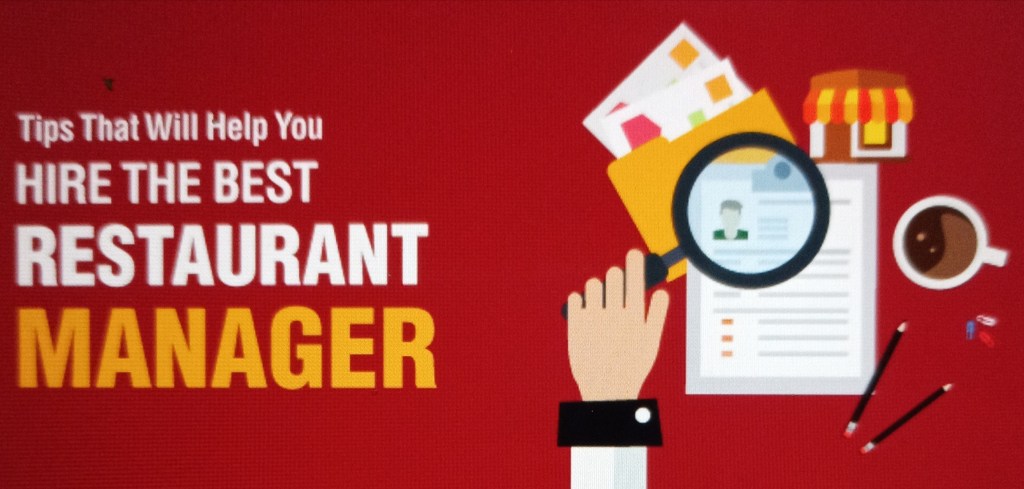
TIPS THAT WILL HELP YOU HIRE THE BEST RESTAURANT MANAGER
A Manager of your restaurant must in all circumstances possess several professional as well as interpersonal skills to supervise the restaurant operations.
You must remember that it is your restaurant manager who will be handling your entire restaurant operations in your absence. And if you have a chain of restaurants, then you can hardly be physically present at each outlet all the time, and at times like these questions like how to recruit restaurant managers? Cross your mind. And why not?
Here is the qualities to look for..
* Great communication skills
* Prompt Decision-making Ability
* Patient Enough to Handle all situations
* Must be a Multitasker
* Must-Know the Art of Team Management
* Should Know the Tricks of Conflict Resolution
How to Recruit a Restaurant manager…
Once you know what the basic prerequisites that you must look for in a restaurant manager are, your next big thing will be to look for the best ones available for the position.
Apart from this, while interviewing the candidates for the position of the restaurant manager, always keep a set of questions that you would be asking handy.
* look for relevant experience at a restaurant similar to that of yours. Ask what their daily duties and deliverables were.
* Ask the to give an example in which they handled a difficult situation with customers at a previous job.
* Give them a situational crisis at a restaurant and ask them how they would resolve it.
* Since the role of a restaurant manager, I tails working in a high-pressure environment, clearly state the job description, expectations, and working hours.
Here is a handy list of duties that you should include the job description.
Hiring a chef or Server for your restaurant is as important as helping a manager for your restaurant. Hence, sculpt these tips in your mind while you are out there looking for a restaurant manager, and be sure that you dig the best out for your restaurant!
What to read Next?
How to Deliver Exceptional Restaurant Service to Increase Repeat customers?
The best part it’s free.
So visit our website and read more about restaurant owner, common mistakes and many more.
Home —Restaurant owners —kitchen — Customer Care —Customer Service
Author :chef ssentongo Geoffrey
The Differences Between Customer Care and Customer Service
At its core, your business exists to take care of your customers. Whether you do that by providing a solution to their problems or a way of fulfilling their needs, your relationship with your customers is at the heart of your business. But there are many ways to build, maintain, and strengthen these relationships.
One of the most powerful is customer care.
Customer care goes beyond other elements of the customer experience, such as Customer service and Customer relations. It’s a more intimate, expensive way of thinking and caring about your customers’ needs and wants. And if you’re able to provide an excellent customer care experience, your customers will be happy, loyal, and profitable for years to come.
But what exactly is customer care all about?
How does it stand out from the rest of your customer experience?
And how can you create an exemplary customer care program?
All that and more for your business to make stand.
What is Customer Care?
Customer care is a facet of your overall Customer experience program. It is how people are treated when they interact with your restaurant or company and brand and it includes every experience they have, from the pre-purchase steps to buying products to after they become a customer and and beyond. Customer care fosters an emotional connection between your customers and your restaurant and deepens and strengthens your relationship over the long term.
What Customer Care can Look Like…
There are many ways of providing customer care, but they all come back to creating the same feeling in your customers that your restaurant or company is looking out for them and has their back.
– Measuring Customer Care
It’s much harder to measure than things like customer loyalty or customer success. Most customer care interactions are unique and happen on 1:1 basis so capturing trends across a broad customer base isn’t possible.
Loyalty and success happen as a byproduct of caring for your customers, and it’s not possible to pursue them as goals on their own. You need to create experiences and a customer journey that delights and satisfies customers and loyalty and success will come from those efforts.
How to do Customer care the Right Way….
Since customer care is a deeply personal experience, you can’t just create a checklist of what your employees should do to provide it. It’s not just another box to check on the road to creating a great customer journey. And it’s difficult to standardize since the needs of each customer vary so much.
You need to train your employees in the most important customer care skills. Examples include Active Listening, Problem-solving, Empathy, Independent judgment. It’s not not about providing them with a service list of steps to take but instead giving them the skills to take care of these unique customer care experiences when they arise.
But your management also has a large role to play in the customer care department.
CUSTOMER CARE VS. CUSTOMER SERVICE
Customer care and customer service might just seem like different terms to describe the same thing-taking care of customers when they need you. But they’re actually quite separate concepts, though they do work together to create your overall Customer experience.
What is the difference between customer care and customer service?
In customer care, you’re building a personal and emotional connection with the people who interact with your business.
But customer service, you’re providing assistance or advice to to customers who need help. Customer care isn’t as easy to qualify as customer service, and it’s more personalized.
While they are different, both customer care and customer service increases customer satisfaction. They just do it in different ways.
Customer Service
Customer service is an important part of your customer experience strategy just because it’s not the same as customer care doesn’t mean it’s not vital. It’s how your customer gets support with their most basic needs and issues, like instructions for their service needed or product by conveniencing.
Can your business resolve simple issues quickly and efficiently for the vast majority of your customers?
Customer Care
But customer care is about more than just a moment in time when a customer needs a little help and a quick response back to a question. It’s forming an emotional connection with your customers and helping them for the sake of improving your metrics or increase loyalty.
Your Customer Experience
As part of your overall Customer experience strategy, most of your customer who experience a problem or issue will need the help of your customer service team.
But as part of your customer experience, you’ll also encounter a few customers along the way who need a different kind of help.
Customer care Best Practices
Since it is such a personalized and customer experience, it can be hard to understand exactly what great customer care looks like through broad explanations alone.
Business invest in their customer care programs because caring for your customers isn’t just a pleasant idea – it’s also good business sense.
Customer Convenience
Owning a restaurant offers you plenty of freedom, but it also comes with regular hassles. When it comes time for regular service or maintenance, these additional services to the dealer and time spent can add stress to your already busy day.
Personalized Customer Interactions
One of the core tenets of customer care is that people don’t like to be treated like interchangeable parts in your customer service, they expect personalized, customized services where it’s possible.
Unique Customer Care
Ever turn on your restaurant work endlessly through without options no service in, and struggle to make a decision on what to do right? This is a common modern dilemma.
Key Takeaways
Improving and refining the way you care for your customers when they have an urgent or out-of-the-box needs can be challenging, but it also can have a huge impact on the loyalty and satisfaction of those customers.

































 HEALTHY MEALS