Sure! Here’s a step-by-step recipe for making Steak Diane with a delicious Diane sauce:
Ingredients:
For the Steak:
4 rib-eye steaks (about 200-225g/7-8oz each)
Olive oil
Sea salt and freshly ground black pepper
For the Diane Sauce:
2 banana shallots, finely diced
180g/6¼oz button mushrooms, sliced
2 garlic cloves, grated
Knob of unsalted butter
160ml/5½fl oz good brandy or cognac
2 tbsp Worcestershire sauce
2 tsp Dijon mustard
300ml/½ pint double cream
60g/2¼oz fresh flat-leaf parsley, finely chopped
Instructions:
Prepare the Steaks:
Allow the steaks to reach room temperature.
Rub them with a little olive oil and season with sea salt and freshly ground black pepper.
Heat a non-stick frying pan over high heat until it starts to smoke.
Add a splash of oil followed by the steaks and sear them for around 3 minutes on each side for a medium-rare finish.
Remove the steaks from the pan and let them rest on a rack in a warm place.
Make the Diane Sauce:
In the same pan, fry the shallots in a little more oil on medium heat until they start to soften.
Add the mushrooms and cook for 2 minutes before adding the garlic and butter.
Once the mushrooms are soft and slightly golden, add the brandy or cognac and carefully set it alight by tilting the pan towards the flame on a gas hob (or use a match). Caution: Keep your face and hair away from the flames and do not leave unattended.
Once the flames have died down, add the Worcestershire sauce followed by the mustard.
Cook the sauce for 90 seconds and then stir in the double cream.
Reduce on medium-high heat until slightly thickened, about 2-3 minutes.
Stir in the parsley, taste the sauce, and season with salt and pepper.
Steak Diane is a classic dish with an interesting history that dates back to the early 20th century. Here are some key points about its origins and evolution:
Origins:
Invented in the 1930s: Steak Diane is believed to have been created in London during the 1930s.
Steak Diane remains a beloved dish for its combination of tender beef and a rich, flavorful sauce. Its history reflects a blend of culinary traditions and the glamour of mid-20th-century dining.
Is there anything else you’d like to know about this dish or any other culinary history?
Enjoy your cooking!
Do you have any other recipes you’d like to try or any specific cooking tips you need?
Here’s a simple and delicious recipe for cooking frozen chicken in the oven:
Baked Frozen Chicken Breasts
Ingredients:
4 frozen chicken breasts
2 tablespoons olive oil
1 teaspoon garlic powder
1 teaspoon paprika
1 teaspoon dried thyme
Salt and pepper to taste
Lemon wedges (optional)
Instructions:
Preheat the Oven: Preheat your oven to 350°F (175°C).
Prepare the Chicken: Place the frozen chicken breasts on a baking sheet lined with parchment paper or aluminum foil.
Season the Chicken: Brush the chicken breasts with olive oil. Sprinkle garlic powder, paprika, dried thyme, salt, and pepper evenly over both sides of the chicken.
Bake: Place the baking sheet in the preheated oven. Bake for 30-45 minutes, depending on the size of the chicken breasts. Use a meat thermometer to check the internal temperature; it should reach 165°F (74°C) to ensure the chicken is fully cooked.
Rest and Serve: Let the chicken rest for 5-10 minutes before serving. This helps the juices redistribute, making the chicken more tender. Serve with lemon wedges if desired.
Would you like more sauce ideas or perhaps a side dish recommendation to go with your chicken?
Would you like more recipes or tips on cooking other frozen foods?
Cooking these items straight from the freezer can save time and help you manage your kitchen more efficiently. Do you have any specific recipes in mind that you’d like to try with these ingredients?
12 mistakes people make when they are cooking food
By :chef ssentongo
Here are 12 common mistakes people often make when cooking, along with tips on how to avoid them:
Not Reading the Recipe Thoroughly: Skipping steps or missing ingredients can lead to mistakes. Always read the entire recipe before starting.
Using the Wrong Pan Size: Using a pan that’s too small or too large can affect cooking times and results. Stick to the recommended pan size.p
Overcrowding the Pan: This can cause food to steam rather than sear, leading to uneven cooking. Cook in batches if necessary.
Not Preheating the Pan: Adding food to a cold pan can result in sticking and uneven cooking. Always preheat your pan.
Using Dull Knives: Dull knives are not only dangerous but also make cutting less efficient. Keep your knives sharp.
Overcooking or Undercooking Meat: Use a meat thermometer to ensure meat is cooked to the right temperature.
Not Letting Meat Rest: Cutting into meat right after cooking can cause juices to run out, making it dry. Let meat rest for a few minutes before slicing.
Improper Seasoning: Seasoning at the wrong time or not enough can lead to bland dishes. Taste as you go and adjust seasoning accordingly.
Ignoring the Importance of Mise en Place: Having all ingredients prepped and ready before cooking can make the process smoother and more enjoyable.
Using the Wrong Oil: Different oils have different smoke points. Use oils appropriate for the cooking method (e.g., olive oil for sautéing, vegetable oil for frying).
Not Tasting as You Cook: Regularly tasting your food helps you adjust seasoning and flavors as needed.
Overcooking Vegetables: Overcooked vegetables can become mushy and lose nutrients. Cook them until just tender
What’s the best way to cook rice?
Cooking rice perfectly can be a bit tricky, but with the right method, you can achieve fluffy, delicious rice every time. Here are some steps to help you cook rice perfectly:
Basic Stovetop Method
Rinse the Rice: Place the rice in a fine-mesh strainer and rinse under cold water until the water runs clear. This removes excess starch and prevents the rice from becoming sticky.
Measure the Water: Use a 1:2 ratio of rice to water for most types of white rice. For example, 1 cup of rice to 2 cups of water. For brown rice, use a 1:2.5 ratio.
Boil the Water: In a medium saucepan, bring the water to a boil. Add a pinch of salt for flavor.
Add the Rice: Once the water is boiling, add the rinsed rice. Stir once to separate the grains.
Simmer: Reduce the heat to low, cover the saucepan with a tight-fitting lid, and let it simmer. For white rice, cook for about 18 minutes. For brown rice, cook for about 40 minutes.
Rest: Remove the saucepan from the heat and let it sit, covered, for 5-10 minutes. This allows the rice to finish steaming and absorb any remaining water.
Fluff: Use a fork to fluff the rice gently before serving.
Tips for Perfect Rice
Use the Right Pot: A heavy-bottomed pot with a tight-fitting lid works best to prevent steam from escaping.
Don’t Peek: Avoid lifting the lid while the rice is cooking. This lets the steam escape and can affect the cooking process.
Adjust Water for Different Rice Types: Different types of rice require different amounts of water and cooking times.
Would you like tips on cooking a specific type of rice or any particular dish that includes rice?
Avoiding these common mistakes can help improve your cooking skills and make your dishes more delicious! Do you have any specific dishes you’re working on?
Here’s a step-by-step guide to making delicious baked Parmesan Chicken Nuggets:
Ingredients:
3 boneless, skinless chicken breasts
1 teaspoon kosher salt, divided
1 teaspoon black pepper, divided
½ cup buttermilk
1 cup panko breadcrumbs
½ cup grated Parmesan cheese
1 teaspoon Italian herb blend (optional)
1 cup all-purpose flour
2 eggs, lightly beaten
½ cup melted butter
Instructions:
Preheat the Oven:
Preheat your oven to 400°F (200°C).
Line a baking sheet with foil and lightly spray it with nonstick cooking spray. Place a wire rack on top of the baking sheet and spray it lightly as well.
Prepare the Chicken:
Pat the chicken breasts dry with paper towels.
Cut the chicken into 1½-inch pieces.
Season the chicken pieces with ½ teaspoon of salt and ½ teaspoon of black pepper.
Place the chicken pieces in a bowl and pour the buttermilk over them. Mix to coat all the pieces and set aside.
Prepare the Coating:
In a shallow dish, combine the panko breadcrumbs, Parmesan cheese, and Italian herb blend (if using).
Place the flour in another shallow dish.
In a third shallow dish, combine the melted butter and beaten eggs.
Coat the Chicken:
Strain the chicken pieces from the buttermilk.
Dredge each piece of chicken in the flour, shaking off any excess.
Dip the floured chicken pieces into the butter and egg mixture.
Finally, coat the chicken pieces in the breadcrumb mixture, pressing lightly to adhere.
Bake the Nuggets:
Place the coated chicken pieces on the prepared wire rack.
Bake in the preheated oven for about 20-25 minutes, or until the chicken is cooked through and the coating is golden and crispy.
Serve:
Serve the baked Parmesan chicken nuggets with your favorite dipping sauces like marinara, ranch, or honey mustard.
Enjoy your homemade, crispy, and flavorful Parmesan Chicken Nuggets! 🍗🧀
I’d like to try another chicken recipe. Any suggestions?
Explore
How about trying Chicken Shawarma?
It’s a flavorful and aromatic dish that’s quite popular in Middle Eastern cuisine. Here’s a step-by-step guide to making it at home:
Ingredients:
2 lbs boneless, skinless chicken thighs
4 cloves garlic, minced
1 teaspoon ground cumin
1 teaspoon ground paprika
1 teaspoon ground turmeric
1 teaspoon ground cinnamon
1 teaspoon ground coriander
1 teaspoon ground black pepper
1 teaspoon salt
¼ teaspoon cayenne pepper (optional)
2 tablespoons olive oil
Juice of 1 lemon
1 cup plain Greek yogurt
1 tablespoon white vinegar
Instructions:
Marinate the Chicken:
In a large bowl, combine the minced garlic, cumin, paprika, turmeric, cinnamon, coriander, black pepper, salt, cayenne pepper (if using), olive oil, lemon juice, Greek yogurt, and white vinegar.
Add the chicken thighs to the bowl and mix well to coat the chicken evenly with the marinade.
Cover the bowl and refrigerate for at least 1 hour, preferably overnight for the best flavor.
Preheat the Oven:
Preheat your oven to 425°F (220°C).
Line a baking sheet with foil and place a wire rack on top.
Bake the Chicken:
Arrange the marinated chicken thighs on the wire rack.
Bake in the preheated oven for 25-30 minutes, or until the chicken is cooked through and slightly charred on the edges.
Serve:
Slice the chicken into thin strips.
Serve the chicken shawarma in warm pita bread or flatbreads with your favorite toppings such as sliced cucumbers, tomatoes, red onions, and a drizzle of tahini sauce or garlic sauce.
Enjoy your homemade Chicken Shawarma! It’s perfect for a delicious and satisfying meal. 🍗🌯
If you have any other recipes you’d like to try or need more cooking tips, feel free to ask!
How to make miso Carbonara Italian – Japanese udon fusion cuisine
Sent by :Mr Delicious
Creating a Miso Carbonara with Udon noodles is a delightful fusion of Italian and Japanese cuisines.
Here’s a step-by-step recipe for you to try:
Ingredients:
Udon Noodles: 4 sheets (available at most Asian markets)
Bacon: 4 strips, chopped into 1/4″ slices
Garlic: 1 tbsp, minced
Eggs: 2 whole eggs and 2 egg yolks
Miso Paste: 2 tbsp (white miso is recommended for a lighter flavor)
Parmigiano-Reggiano: 1 cup, grated
Salt & Pepper: to taste
Optional Garnishes: Togarashi seasoning, sliced nori strips
Instructions:
Prepare the Egg Sauce:
In a medium bowl, whisk together the eggs, egg yolks, miso paste, and grated Parmigiano-Reggiano until smooth. Set aside.
Cook the Udon Noodles:
Bring a large pot of water to a boil. Cook the udon noodles for about 1 minute. Reserve 1/2 cup of the udon water and then drain the noodles.
Cook the Bacon and Garlic:
In a large skillet over medium heat, cook the chopped bacon until crispy. Add the minced garlic and cook for another minute until fragrant.
Combine Everything:
Reduce the heat to low. Add the cooked udon noodles to the skillet with the bacon and garlic. Pour in the reserved udon water and mix well.
Slowly add the egg sauce mixture, stirring continuously to prevent the eggs from scrambling. Continue to stir until the sauce becomes creamy and coats the noodles evenly.
Season and Serve:
Season with salt and pepper to taste. Garnish with togarashi seasoning and sliced nori strips if desired.
Tips:
Togarashi Seasoning
Miso Paste: White miso is lighter and less pungent, making it a good choice for this dish. However, if you prefer a stronger miso flavor, you can use a darker miso.
Togarashi Seasoning: This Japanese spice blend adds a nice kick. If you don’t have it, you can substitute with Korean red chili flakes or cayenne pepper.
Enjoy your delicious Miso Carbonara Udon! 🍜
What other fusion dishes can I try?
Explore
Fusion cuisine offers endless possibilities by blending flavors and techniques from different culinary traditions. Here are some exciting fusion dishes you might enjoy:
1. Sushi Burritos
A combination of sushi and burritos, these are large sushi rolls filled with traditional sushi ingredients like fish, rice, and vegetables, wrapped in a seaweed sheet.
2. Korean Tacos
Tacos filled with Korean BBQ beef (bulgogi), kimchi, and topped with a spicy gochujang sauce.
3. Ramen Burgers
A burger where the buns are made from ramen noodles, filled with a juicy beef patty, and topped with traditional burger toppings.
4. Tandoori Chicken Pizza
Pizza topped with tandoori chicken, red onions, cilantro, and a drizzle of yogurt sauce.
5. Mexican Sushi Rolls
Sushi rolls filled with ingredients like avocado, jalapeños, and spicy tuna, often topped with a spicy mayo or chipotle sauce.
10. Mediterranean-Style Dal
6. Peking Duck Tacos
Soft tortillas filled with crispy Peking duck, hoisin sauce, and fresh cucumber and scallions.
7. Kimchi Quesadillas
Quesadillas stuffed with cheese and kimchi, offering a spicy and tangy twist.
8. Pho Ramen
A blend of Vietnamese pho and Japanese ramen, combining the rich broth of pho with ramen noodles and toppings.
9. Churro Ice Cream Sandwiches
Churros shaped into sandwich buns, filled with ice cream for a delightful dessert.
10. Indian-Spiced Shepherd’s Pie
Traditional shepherd’s pie with a twist, using Indian spices and ingredients like garam masala and lentils.
11. Thai Curry Pasta
Pasta dishes made with Thai curry sauces, combining the creamy and spicy flavors of Thai cuisine with Italian pasta.
12. Banh Mi Hot Dogs
Hot dogs topped with pickled vegetables, cilantro, and a drizzle of sriracha mayo, inspired by the Vietnamese banh mi sandwich.
How about Mediterranean-Indian fusion?
Mediterranean-Indian fusion cuisine is a fantastic way to blend the rich, aromatic flavors of Indian spices with the fresh, vibrant ingredients of Mediterranean cooking. Here are some exciting fusion dishes you can try:
1. Roasted Pepper & Feta Curry
Description: A delightful combination of sweet roasted peppers, lentils, and Indian spices, topped with crispy feta cheese.
Description: Marinated tandoori chicken wrapped in pita bread, topped with fresh vegetables, and drizzled with a tangy yogurt sauce.
3. Chickpea and Spinach Falafel with Raita
Description: Traditional falafel made with chickpeas and spinach, served with a cooling Indian raita (yogurt sauce) instead of the usual tahini.
4. Paneer Stuffed Grape Leaves
Description: Grape leaves stuffed with a mixture of paneer, rice, and Indian spices, then steamed and served with a lemony yogurt dip.
5. Mediterranean Samosas
Description: Samosas filled with a mixture of feta cheese, olives, sun-dried tomatoes, and herbs, served with a mint chutney.
6. Masala Hummus
Description: Classic hummus blended with Indian spices like cumin, coriander, and garam masala, served with naan bread or pita chips.
7. Spiced Lamb Kofta with Tzatziki
Description: Lamb kofta kebabs seasoned with Indian spices, served with a refreshing tzatziki sauce.
8. Curry Roasted Vegetables with Couscous
Description: A mix of Mediterranean vegetables like zucchini, bell peppers, and eggplant roasted with curry spices, served over fluffy couscous.
9. Biryani Stuffed Peppers
Description: Bell peppers stuffed with a flavorful biryani rice mixture, baked until tender, and served with a side of tzatziki.
Description: A hearty lentil stew made with Mediterranean vegetables like tomatoes, spinach, and olives, spiced with Indian flavors.
These dishes combine the best of both worlds, offering a unique and delicious dining experience. If you need recipes or more ideas, feel free to ask! 🍛🍅🫒
These dishes are just the beginning! Fusion cuisine is all about creativity and experimentation, so feel free to mix and match your favorite flavors and ingredients. If you need recipes or more ideas, just let me know! 🍣🌮🍜
That’s a great question! I admire many professions, but one that stands out to me is chefs. Their ability to transform simple ingredients into extraordinary dishes is truly remarkable. Chefs combine creativity, precision, and passion to create culinary experiences that bring joy to people. They also work incredibly hard, often under intense pressure, to ensure every meal is perfect.
Given your interest in cooking and recipes, do you have a favorite chef or a particular cuisine you admire?
To me as chef i like to Explore all the cuisines around the world, and i admire all the chefs No specific one, but I appreciate their dedication and work.
No specific chef, but I appreciate their dedication.
Absolutely, the dedication and hard work chefs put into their craft is truly inspiring. They often work long hours, constantly innovate, and strive for perfection in every dish they create. It’s a profession that requires not just skill, but also a deep passion for food and a commitment to providing memorable dining experiences.
Since you enjoy cooking, is there a particular dish or cuisine you’re currently interested in exploring or perfecting? Maybe I can help with a recipe or some tips!
Visit our website or Facebook pages in the name of mr Delicious
Here’s a step-by-step guide to making a delicious lamb shanks stew:
Ingredients:
4 lamb shanks
2 tablespoons olive oil
1 large onion, chopped
2 carrots, chopped
2 celery stalks, chopped
4 cloves garlic, minced
2 tablespoons tomato paste
1 cup red wine
3 cups beef or chicken stock
1 can (14.5 oz) diced tomatoes
2 sprigs fresh rosemary
2 sprigs fresh thyme
2 bay leaves
Salt and pepper to taste
Instructions:
Prepare the Lamb Shanks:
Season the lamb shanks with salt and pepper.
Heat the olive oil in a large, heavy-bottomed pot or Dutch oven over medium-high heat.
Brown the lamb shanks on all sides, about 4-5 minutes per side. Remove and set aside.
Sauté the Vegetables:
In the same pot, add the chopped onion, carrots, and celery. Sauté until the vegetables are softened, about 5-7 minutes.
Add the minced garlic and cook for another minute.
Add Tomato Paste and Wine:
Stir in the tomato paste and cook for 2 minutes.
Pour in the red wine, scraping up any browned bits from the bottom of the pot. Let it simmer for 5 minutes to reduce slightly.
Combine Ingredients:
Return the lamb shanks to the pot.
Add the beef or chicken stock, diced tomatoes, rosemary, thyme, and bay leaves.
Bring the mixture to a boil, then reduce the heat to low.
Simmer the Stew:
Cover the pot and let it simmer for about 2 to 2.5 hours, or until the lamb shanks are tender and the meat is falling off the bone. Turn the shanks occasionally to ensure even cooking.
Final Seasoning:
Remove the rosemary, thyme, and bay leaves.
Taste the stew and adjust the seasoning with salt and pepper as needed.
Serve:
Serve the lamb shanks stew hot, garnished with fresh parsley if desired. It pairs well with mashed potatoes, rice, or crusty bread.
You Can use a slow cooker for this recipe
Absolutely, you can use a slow cooker to make lamb shanks stew!
Here’s how you can adapt the recipe for a slow cooker:
Ingredients:
4 lamb shanks
2 tablespoons olive oil
1 large onion, chopped
2 carrots, chopped
2 celery stalks, chopped
4 cloves garlic, minced
2 tablespoons tomato paste
1 cup red wine
3 cups beef or chicken stock
1 can (14.5 oz) diced tomatoes
2 sprigs fresh rosemary
2 sprigs fresh thyme
2 bay leaves
Salt and pepper to taste
Instructions:
Prepare the Lamb Shanks:
Season the lamb shanks with salt and pepper.
Heat the olive oil in a large skillet over medium-high heat.
Brown the lamb shanks on all sides, about 4-5 minutes per side. Remove and set aside.
Sauté the Vegetables:
In the same skillet, add the chopped onion, carrots, and celery. Sauté until the vegetables are softened, about 5-7 minutes.
Add the minced garlic and cook for another minute.
Add Tomato Paste and Wine:
Stir in the tomato paste and cook for 2 minutes.
Pour in the red wine, scraping up any browned bits from the bottom of the skillet. Let it simmer for 5 minutes to reduce slightly.
Transfer to Slow Cooker:
Transfer the browned lamb shanks and sautéed vegetables to the slow cooker.
Add the beef or chicken stock, diced tomatoes, rosemary, thyme, and bay leaves.
Cook in Slow Cooker:
Cover and cook on low for 7-8 hours or on high for 4-5 hours, or until the lamb shanks are tender and the meat is falling off the bone.
Final Seasoning:
Remove the rosemary, thyme, and bay leaves.
Taste the stew and adjust the seasoning with salt and pepper as needed.
Serve:
Serve the lamb shanks stew hot, garnished with fresh parsley if desired. It pairs well with mashed potatoes, rice, or crusty bread.
Using a slow cooker can make the process even more convenient, allowing the flavors to meld beautifully over time.
Enjoy your delicious lamb shanks stew! If you have any other questions or need more tips, feel free to ask.
How to make Spaghetti tomato with black olives sauce
Here’s a simple and delicious recipe for Spaghetti with Tomato and Black Olive Sauce:
Ingredients:
400g spaghetti
2 tablespoons olive oil
1 onion, finely chopped
3 garlic cloves, minced
800g canned tomatoes, chopped
100g pitted black olives, sliced
1 teaspoon dried oregano
Salt and pepper to taste
Fresh basil leaves, for garnish
Grated Parmesan cheese, for serving (optional)
Instructions:
Cook the Spaghetti: Bring a large pot of salted water to a boil. Add the spaghetti and cook according to the package instructions until al dente. Drain and set aside.
Prepare the Sauce:
Heat the olive oil in a large pan over medium heat.
Add the chopped onion and cook until softened, about 5 minutes.
Add the minced garlic and cook for another minute until fragrant.
Add Tomatoes and Olives:
Stir in the chopped tomatoes and bring to a simmer.
Add the sliced black olives and oregano. Season with salt and pepper.
Let the sauce simmer for about 15-20 minutes, stirring occasionally, until it thickens slightly.
Combine Pasta and Sauce:
Add the cooked spaghetti to the sauce and toss to coat evenly.
Cook for an additional 2-3 minutes to allow the flavors to meld together.
Serve:
Divide the spaghetti among serving plates.
Garnish with fresh basil leaves and grated Parmesan cheese, if desired.
Enjoy your delicious Spaghetti with Tomato and Black Olive Sauce!
What other herbs can I use?
You can definitely experiment with different herbs to add more depth and flavor to your Spaghetti with Tomato and Black Olive Sauce. Here are some great options:
Basil: Fresh basil adds a sweet, aromatic flavor that pairs wonderfully with tomatoes.
Thyme: Adds a subtle earthiness and works well in tomato-based sauces.
Rosemary: Provides a strong, pine-like flavor that can enhance the richness of the sauce.
Parsley: Fresh parsley adds a bright, slightly peppery taste.
Bay Leaves: Add a couple of bay leaves while simmering the sauce for a subtle, savory depth.
Marjoram: Similar to oregano but milder, it adds a sweet, citrusy note.
Tarragon: Offers a unique, slightly licorice-like flavor that can add an interesting twist.
Feel free to mix and match these herbs to find your perfect combination!
Tarragon Parsley Marjoram
Would you like any tips on variations or additional ingredients to enhance this dish?
Visit our website or Facebook page for more recipes
Cioppino is a hearty Italian-American seafood stew that originated in San Francisco. It was created by Italian immigrants who adapted their traditional fish stews to include the abundant seafood available on the Pacific coast. The stew typically features a rich tomato and wine broth, filled with a variety of seafood.
Ingredients for Cioppino
Here are the common ingredients you’ll need to make cioppino:
Hungarian Goulash is a traditional Hungarian soup or stew made with beef, vegetables, and a generous amount of paprika. It’s known for its rich, hearty flavor and vibrant red color, thanks to the paprika. This dish has its roots in the 9th century and was originally prepared by Hungarian shepherds.
Here’s a step-by-step guide to making authentic Hungarian Goulash:
Ingredients:
2 tablespoons lard or oil
2 large onions, finely chopped
2 cloves garlic, minced
1 tablespoon caraway seeds
2 tablespoons sweet Hungarian paprika
1 teaspoon black pepper
2 bay leaves
2 pounds beef chuck, cut into 1-inch cubes
2 large tomatoes, chopped
2 bell peppers, chopped
4 cups beef broth
2 large carrots, sliced
2 parsnips, sliced
2 potatoes, diced
Salt to taste
Fresh parsley, chopped (for garnish)
Instructions:
Heat the lard or oil in a large pot or Dutch oven over medium heat. Add the onions and cook until they are soft and translucent, about 8 minutes.
Add the garlic, caraway seeds, black pepper, and bay leaves. Cook for another 2 minutes, stirring frequently.
Remove the pot from the heat and stir in the paprika. Be careful not to burn the paprika as it can become bitter.
Add the beef cubes to the pot and stir until they are well coated with the paprika mixture. Return the pot to medium heat and cook until the beef starts to brown.
Add the tomatoes and bell peppers. Pour in the beef broth, ensuring the meat and vegetables are covered by about an inch of liquid. If needed, add more broth or water.
Bring the mixture to a boil, then reduce the heat to low. Cover the pot and let it simmer for about 1.5 hours, or until the beef is tender.
Add the carrots, parsnips, and potatoes. If necessary, add more hot water to ensure the vegetables are covered. Season with salt to taste.
Continue to simmer for another 30 minutes, or until the vegetables are tender.
Taste and adjust the seasoning if needed. Remove the bay leaves before serving.
Garnish with fresh parsley and serve hot, preferably with a slice of crusty bread.
What are some variations of Goulash?
Goulash has many variations across different cultures and regions.
Here are some popular ones:
1. American Goulash
This version is quite different from the Hungarian original. It’s a one-pot dish made with ground beef, tomatoes, and elbow macaroni.
For those who prefer a meatless option, vegetarian goulash can be made with a variety of vegetables like bell peppers, tomatoes, carrots, and potatoes.
Example of a Business Strategy that Affects Markup Percentage in Restaurant :
One effective business strategy that can significantly affect the markup percentage in a restaurant is menu engineering. This involves analyzing the profitability and popularity of each menu item and making strategic adjustments to maximize overall profits. Here’s how it works:
Menu Engineering Steps
Categorize Menu Items:
Stars: High profitability and high popularity.
Plowhorses: Low profitability but high popularity.
Puzzles: High profitability but low popularity.
Dogs: Low profitability and low popularity.
Adjust Pricing:
Increase prices on Stars slightly to boost profits without affecting sales.
Reevaluate the pricing of Plowhorses to improve their profitability, possibly by reducing portion sizes or using less expensive ingredients.
Promote Puzzles more aggressively to increase their popularity.
Consider removing Dogs from the menu or replacing them with more profitable items.
Revise Menu Layout:
Place high-margin items in prominent positions on the menu to draw more attention.
Use visual cues like boxes or icons to highlight Stars and Puzzles.
Optimize Ingredient Use:
Standardize recipes to ensure consistent portion sizes and reduce waste.
Negotiate better prices with suppliers for bulk purchases of high-use ingredients.
Impact on Markup Percentage
By strategically adjusting the menu based on these categories, a restaurant can increase the markup on high-demand items while managing costs more effectively.
Seasonal Menus: Introduce seasonal dishes that use ingredients at their peak freshness and lower cost, which can also attract customers looking for something new.
2. Control Food Costs
Portion Control: Ensure consistent portion sizes to reduce waste and control costs.
By implementing these strategies, you can improve your restaurant’s profitability and ensure long-term success. Is there a specific area you’d like to dive deeper into?
By implementing these strategies, you can enhance your restaurant’s online presence and attract more customers. Is there a specific area you’d like to explore further?
Begin with a clear brand strategy before diving into design.
A well-defined strategy ensures consistency and purpose.
Lack of Differentiation:
Failing to set your brand apart from competitors leads to a generic image.
Identify your unique selling points and emphasize them.
Inconsistent Branding:
Maintain consistency across all touchpoints—logo, messaging, and visuals.
Inconsistency confuses customers and weakens brand recall.
Straying Too Far From the Origin:
Evolving is essential, but drastic shifts can alienate loyal customers.
Balance innovation with staying true to your brand’s essence.
Ignoring Proper Logo Usage:
Ensure your logo is used correctly in all contexts.
Misusing logos can dilute brand recognition.
Remember, effective branding requires thoughtful planning and a deep understanding of your company’s identity. Avoid these pitfalls to build a strong, memorable brand!
How can I create a brand style guide?
Explore
Creating a brand style guide is essential for maintaining consistency and ensuring that your brand’s identity remains cohesive across various platforms. Let’s dive into the steps to create an effective brand style guide:
Define Your Brand Identity:
Before creating the style guide, understand your brand’s mission, values, and target audience.
Craft a mission statement that encapsulates your brand’s purpose.
Develop Buyer Personas:
Create buyer personas—fictional representations of your ideal customers.
Understand their demographics, challenges, and preferences.
Elements of a Brand Style Guide:
Logos: Include full logos, secondary logos, and icons.
Color Palette: Define primary and secondary colors.
Typography: Specify font styles, sizes, and spacing.
Imagery: Set guidelines for photos, illustrations, and artwork.
Voice and Tone: Describe how your brand uses language and conveys emotion.
Design Your Brand Logo:
Create a memorable brand logo.
Establish guidelines for its placement and usage.
Choose a Brand Color Palette:
Select colors that resonate with your brand’s personality.
Define primary and secondary colors.
Select Brand Fonts:
Choose fonts that reflect your unique identity.
Specify font styles for headings, body text, and other elements.
Branded Iconography:
Pick icons that represent your niche or industry.
Ensure consistency in style and usage.
Photography Style Guidelines:
Define the visual style for photos.
Provide a library of brand-approved images.
Web-Specific Elements:
Include web-specific elements like illustrations, animations, and stickers.
Create Shareable Guidelines:
Compile all brand elements into a shareable format.
Include instructions for usage.
Don’t forget to weave your brand story throughout the guide.
Remember, a brand style guide ensures that everyone in your team communicates your brand consistently. It’s the glue that holds your brand identity together!
For more branding ideas, you can ask we will answer you.
Here’s a step-by-step guide to making Chicken Tzatziki:
Ingredients:
For the Chicken:
2 boneless, skinless chicken breasts
2 tablespoons olive oil
1 lemon (juice and zest)
2 cloves garlic (minced)
1 teaspoon dried oregano
1 teaspoon dried thyme
Salt and pepper to taste
For the Tzatziki Sauce:
1 cup Greek yogurt
1 cucumber (grated and excess water squeezed out)
2 cloves garlic (minced)
1 tablespoon fresh dill (chopped)
1 tablespoon lemon juice
Salt and pepper to taste
Instructions:
Step 1: Marinate the Chicken
Prepare the Marinade: In a bowl, mix olive oil, lemon juice, lemon zest, minced garlic, oregano, thyme, salt, and pepper.
Marinate the Chicken: Place the chicken breasts in a ziplock bag or a shallow dish. Pour the marinade over the chicken, ensuring it’s well-coated. Seal the bag or cover the dish and refrigerate for at least 30 minutes, preferably 2 hours.
Step 2: Cook the Chicken
Preheat the Grill or Pan: If using a grill, preheat it to medium-high heat. If using a pan, heat it over medium-high heat.
Grill or Pan-Fry the Chicken: Remove the chicken from the marinade and cook for about 6-7 minutes on each side, or until the internal temperature reaches 165°F (75°C). Let the chicken rest for a few minutes before slicing.
Step 3: Make the Tzatziki Sauce
Prepare the Cucumber: Grate the cucumber and squeeze out the excess water using a clean cloth or paper towel.
Mix the Ingredients: In a bowl, combine the Greek yogurt, grated cucumber, minced garlic, chopped dill, lemon juice, salt, and pepper. Mix well.
Step 4: Serve
Slice the Chicken: Slice the cooked chicken breasts into strips.
Assemble: Serve the chicken with a generous dollop of tzatziki sauce. You can also serve it with pita bread, fresh vegetables, or a salad for a complete meal.
What other dishes can I make with tzatziki?
Explore
Tzatziki is a versatile sauce that pairs well with a variety of dishes. Here are some ideas to get you started:
1. Gyros
Description: Traditional Greek wraps with meat (usually lamb, chicken, or pork), tomatoes, onions, and tzatziki sauce, all wrapped in pita bread.
Tip: Try making homemade gyros with marinated meat and fresh veggies for an authentic taste.
2. Souvlaki
Description: Greek skewers with grilled meat (chicken, pork, or lamb) served with pita bread and tzatziki.
Tip: Marinate the meat in olive oil, lemon juice, garlic, and herbs for extra flavor.
3. Falafel Wraps
Description: Middle Eastern wraps with crispy falafel, fresh vegetables, and tzatziki sauce.
Tip: Add some pickled vegetables for a tangy contrast.
4. Greek Salad
Description: A refreshing salad with cucumbers, tomatoes, red onions, olives, and feta cheese, topped with tzatziki.
Tip: Serve it as a side dish or a light main course.
5. Grilled Vegetables
Description: A mix of grilled vegetables like zucchini, bell peppers, and eggplant, served with tzatziki.
Tip: Drizzle some olive oil and sprinkle herbs before grilling for added flavor.
6. Burgers
Description: Use tzatziki as a topping for burgers instead of the usual condiments.
Tip: Try it with lamb burgers for a Mediterranean twist.
7. Baked Potatoes
Description: Replace sour cream with tzatziki on baked potatoes.
Tip: Add some chopped chives or dill for extra freshness.
8. Pizza
Description: Use tzatziki as a dip for pizza or drizzle it over a Greek-style pizza with toppings like olives, feta, and spinach.
Tip: Make a homemade pizza dough for the best results.
9. Meatballs
Description: Serve Greek meatballs (keftedes) with tzatziki for dipping.
Tip: Add some fresh herbs like mint or parsley to the meatball mixture.
10. Fish Tacos
Description: Use tzatziki as a sauce for fish tacos.
Tip: Pair it with grilled or fried fish, shredded cabbage, and a squeeze of lime.
These are just a few ideas to get you started. Tzatziki’s creamy, tangy flavor can enhance many dishes, so feel free to get creative in the kitchen! If you need recipes or more detailed instructions for any of these dishes, just let me know. 😊
Keep an eye on this metric to optimize your restaurant’s profitability!
What are some other operational costs to consider?
Beyond labor costs, there are several other operational expenses to consider when managing a restaurant. Here are some key ones:
Food Costs: These include the cost of ingredients, food storage, and spoilage. Regularly review supplier contracts and negotiate better prices. Implement portion control and minimize waste to optimize food costs.
Rent and Utilities: Rent or lease payments for the restaurant space, as well as utility bills (electricity, water, gas), are significant expenses. Consider energy-efficient appliances and monitor usage to reduce costs.
Marketing and Advertising: Promoting your restaurant through advertising, social media, and events requires a budget. Allocate funds for marketing campaigns and track their effectiveness.
Insurance: Restaurant insurance covers liability, property damage, workers’ compensation, and other risks. Shop around for competitive rates and ensure adequate coverage.
Equipment Maintenance and Repairs: Regular maintenance of kitchen equipment, HVAC systems, and other machinery is essential. Budget for unexpected repairs as well.
Inventory and Supplies: Track inventory levels to prevent overstocking or shortages. Efficient inventory management reduces waste and ensures freshness.
Licenses and Permits: Obtain necessary licenses (health, alcohol, business) and renew them as required. Factor in associated fees.
Credit Card Processing Fees: If you accept credit cards, be aware of transaction fees charged by payment processors.
Cleaning and Pest Control: Regular cleaning services and pest control are essential for maintaining hygiene and compliance.
Training and Development: Invest in staff training, certifications, and professional development to enhance skills and service quality.
Remember to create a detailed budget that accounts for all these costs to run a successful and profitable restaurant!.
Please follow us on Facebook page or WordPress website
Finish roasting: Remove the foil and increase the oven temperature to 200°C (390°F). Roast for an additional 20-30 minutes to get a nice, crispy exterior.
Rest and serve: Let the meat rest for about 10 minutes before carving. Serve with your favorite sides, like roasted vegetables or potatoes.
Enjoy your roasted goat meat! Do you have any specific sides or flavors you like to pair with roasted meats?
What are some alternative seasonings for goat meat?
There are many wonderful seasonings you can use to enhance the flavor of goat meat. Here are a few alternatives:
Mediterranean Style:
Lemon zest and juice: Adds a fresh, tangy flavor.
Oregano and basil: Classic Mediterranean herbs that pair well with goat.
Olive oil and garlic: A simple yet flavorful combination.
Indian Style:
Yogurt and turmeric: Tenderizes the meat and adds a beautiful color.
Garam masala: A blend of spices including cumin, coriander, and cardamom.
Ginger and garlic paste: Adds depth and warmth to the dish.
Caribbean Style:
Allspice and thyme: Common in Caribbean cooking, these spices add a unique flavor.
Scotch bonnet peppers: For a spicy kick.
Coconut milk: Adds richness and a slight sweetness.
Middle Eastern Style:
Cumin and coriander: Earthy and aromatic spices.
Sumac: Adds a tangy, lemony flavor.
Mint and parsley: Fresh herbs that brighten the dish.
African Style:
Berbere spice: A blend of chili peppers, garlic, ginger, basil, and fenugreek.
Paprika and cayenne: For a smoky and spicy flavor.
Peanut butter: Adds a rich, nutty taste.
Feel free to mix and match these seasonings to create your own unique flavor profile! Do you have a particular cuisine or flavor profile in mind that you’d like to explore further?
Steaks are most commonly made from beef, but they can also come from other animals like bison, buffalo, camel, goat, horse, kangaroo, sheep, ostrich, pigs, turkey, and deer.
There are various types of steak cuts, each with its own unique flavor and texture. Some popular cuts include:
Ribeye: Known for its rich flavor and marbling.
Sirloin: A leaner cut with a balance of flavor and tenderness.
Filet Mignon: Extremely tender and lean.
T-bone: Combines the flavors of the tenderloin and the strip steak.
Please do for me a little favour to ask your question, like and comment to grow this website or page
Do you have a favorite type of steak or a preferred way to cook it?
What’s the best way to cook a steak?
Cooking the perfect steak involves a few key steps to ensure it’s juicy, flavorful, and cooked to your liking. Here are some tips to help you achieve that:
Choose the Right Cut: Popular cuts include ribeye, sirloin, filet mignon, and T-bone. Each has its own unique flavor and texture.
Bring to Room Temperature: Take the steak out of the fridge about 30 minutes before cooking. This helps it cook more evenly.
Season Generously: Season both sides with salt and pepper. You can also add other spices or herbs to your liking.
Preheat Your Pan: Use a heavy-based frying pan or griddle and heat it until it’s very hot. This helps to sear the steak and lock in the juices.
Do you have a preferred cut or a specific way you like to season your steak?
What’s the best way to season a steak?
Seasoning a steak well can elevate its flavor significantly. Here are some tips to help you get the best results:
Basic Seasoning:
Salt: Use coarse salt like kosher or sea salt. Salt helps to enhance the natural flavors of the meat.
Pepper: Freshly ground black pepper adds a nice kick and complements the steak’s flavor.
Timing:
Before Cooking: Season the steak generously with salt and pepper at least 30 minutes before cooking. This allows the salt to penetrate the meat, enhancing its flavor and tenderness.
Just Before Cooking: If you prefer, you can season the steak just before it hits the pan or grill. This method works well too, especially if you’re short on time.
Additional Seasonings:
Garlic Powder: Adds a subtle, savory flavor.
Onion Powder: Enhances the umami taste.
Paprika: Adds a mild sweetness and a bit of color.
Herbs: Fresh or dried herbs like thyme, rosemary, or oregano can add a fragrant touch.
Marinades:
If you prefer a more complex flavor, you can marinate the steak for a few hours or overnight. Common marinade ingredients include olive oil, soy sauce, Worcestershire sauce, garlic, and herbs.
Finishing Touches:
Butter Basting: During the last minute of cooking, add a pat of butter to the pan along with some crushed garlic cloves and fresh herbs. Spoon the melted butter over the steak for added richness.
Resting: After cooking, let the steak rest for a few minutes. This allows the juices to redistribute, making the steak more flavorful and tender.
Do you have any favorite herbs or spices you like to use when seasoning your steak?
Here’s a step-by-step guide to making Chicken Aloha at home:
Ingredients:
6 boneless, skinless chicken breast halves (about 4 ounces each)
1 bottle (14 ounces) ketchup
1 can (10 3/4 ounces) condensed tomato soup, undiluted
1 medium green pepper, coarsely chopped
1/3 cup cider vinegar
1/4 cup packed brown sugar
1 teaspoon ground mustard
1 can (8 ounces) pineapple chunks, undrained
Hot cooked rice (for serving)
Instructions:
Preheat the Oven: Preheat your oven to 375°F (190°C).
Prepare the Baking Dish: Grease a 13×9-inch baking dish.
Arrange the Chicken: Place the chicken breasts in a single layer in the prepared baking dish.
Mix the Sauce: In a small bowl, combine the ketchup, tomato soup, green pepper, cider vinegar, brown sugar, and ground mustard. Stir in the undrained pineapple chunks.
Pour the Sauce: Pour the sauce mixture evenly over the chicken breasts.
Bake: Bake the chicken, uncovered, in the preheated oven for 25-35 minutes, or until the chicken reaches an internal temperature of 165°F (74°C).
Serve: Serve the Chicken Aloha over hot cooked rice.
Would you like any tips on variations or side dishes to go with this recipe?
What are some traditional Hawaiian ingredients?
Hawaiian cuisine is known for its unique blend of flavors, influenced by the diverse cultures that have settled in the islands. Here are some traditional Hawaiian ingredients that are commonly used:
Fruits:
Pineapple: A symbol of Hawaii, used in both savory and sweet dishes.
Coconut: Used in various forms, including coconut milk, coconut water, and shredded coconut.
Banana: Often used in desserts and snacks.
Mango: A popular fruit in salads, desserts, and beverages.
Papaya: Commonly eaten fresh or used in salads and smoothies.
Vegetables and Starches:
Taro: The root is used to make poi, a traditional Hawaiian staple.
Sweet Potato: Known locally as ‘uala, used in many traditional dishes.
Breadfruit: A starchy fruit that can be baked, boiled, or fried.
Seaweed: Various types, such as limu, are used in salads and as garnishes.
Proteins:
Pork: Especially in dishes like Kalua pig, which is traditionally cooked in an underground oven called an imu.
Chicken: Used in many dishes, including Huli Huli chicken and Chicken Long Rice.
Fish: Fresh fish like ahi (tuna), mahi-mahi, and snapper are staples in Hawaiian cuisine.
Spam: A popular ingredient in local dishes like Spam musubi.
Other Ingredients:
Macadamia Nuts: Used in both savory and sweet dishes.
Hawaiian Salt: Also known as alaea salt, used for seasoning and preserving.
Ginger and Turmeric: Commonly used for their flavor and health benefits.
Sugar Cane: Used in various forms, including as a sweetener and in beverages.
Would you like to explore any specific Hawaiian recipes or dishes using these ingredients?
Sent by you:
Tell me more about the origin of Chicken Aloha.
Sent by Copilot:
Chicken Aloha is a dish that reflects the fusion of flavors and culinary traditions found in Hawaii. While the exact origin of Chicken Aloha isn’t well-documented, it is inspired by the broader Hawaiian cuisine, which is a melting pot of influences from Polynesian, Asian, and American cultures.
Culinary Fusion: Over time, Hawaiian cuisine evolved to incorporate ingredients and cooking techniques from various cultures. The use of pineapple, for instance, is a nod to the tropical fruits abundant in Hawaii, while the sweet and tangy sauce reflects Asian culinary influences.
Chicken Aloha:
Chicken Aloha typically features chicken cooked with a sweet and tangy sauce made from ingredients like pineapple, brown sugar, and vinegar. This combination of flavors is characteristic of Hawaiian cuisine, which often balances sweet, savory, and tangy elements.
Would you like to know more about other Hawaiian dishes or perhaps some tips on how to enhance the flavors in Chicken Aloha?
If you like our recipes follow us on our Facebook page mr delicious recipes
Sure, here’s a step-by-step recipe for making Mongolian Chicken:
Ingredients:
1 ¼ pounds boneless, skinless chicken breast (thinly sliced)
¼ cup cornstarch (divided use, +2 teaspoons)
3 tablespoons vegetable oil
1 ½ teaspoons minced garlic
1 teaspoon minced ginger
1 teaspoon toasted sesame oil
½ cup low sodium soy sauce
⅓ cup water
½ cup dark brown sugar
½ cup green onions (cut into 1-inch pieces)
Salt and pepper to taste
Instructions:
Prepare the Chicken:
Thinly slice the chicken breast.
In a bowl, toss the chicken slices with ¼ cup of cornstarch until they are evenly coated.
Cook the Chicken:
Heat 3 tablespoons of vegetable oil in a large pan or wok over medium-high heat.
Add the chicken slices in a single layer and cook until they are golden brown and crispy on the edges. This should take about 3-4 minutes per side. Remove the chicken from the pan and set aside.
Make the Sauce:
In the same pan, add the minced garlic and ginger. Sauté for about 30 seconds until fragrant.
Add the soy sauce, water, brown sugar, and sesame oil. Stir to combine and bring the mixture to a simmer.
Thicken the Sauce:
In a small bowl, mix 2 teaspoons of cornstarch with 2 tablespoons of water to create a slurry.
Slowly pour the slurry into the simmering sauce, stirring constantly until the sauce thickens.
Combine and Serve:
Return the cooked chicken to the pan and toss to coat it evenly with the sauce.
Add the green onions and cook for another 1-2 minutes until they are slightly tender.
Season with salt and pepper to taste.
Serve:
Serve the Mongolian Chicken over steamed rice or noodles. Enjoy!
This dish is perfect for a quick and flavorful meal.
I’d like more vegetarian recipes!
Great! Here are a few vegetarian recipes that you might enjoy:
1. Vegetarian Chili
Ingredients:
2 tablespoons olive oil
1 onion, chopped
2 cloves garlic, minced
1 bell pepper, chopped
2 carrots, chopped
1 zucchini, chopped
1 can black beans, drained and rinsed
1 can kidney beans, drained and rinsed
1 can diced tomatoes
1 cup vegetable broth
2 tablespoons chili powder
1 teaspoon cumin
Salt and pepper to taste
Instructions:
Heat the olive oil in a large pot over medium heat. Add the onion and garlic, and sauté until softened.
Add the bell pepper, carrots, and zucchini. Cook for about 5 minutes until the vegetables are tender.
Stir in the black beans, kidney beans, diced tomatoes, and vegetable broth.
Add the chili powder, cumin, salt, and pepper. Bring to a boil, then reduce heat and simmer for 20-30 minutes.
Serve hot, garnished with your favorite toppings like avocado, cheese, or sour cream.
2. Stuffed Bell Peppers
Ingredients:
4 bell peppers
1 cup cooked quinoa
1 can black beans, drained and rinsed
1 cup corn kernels
1 cup diced tomatoes
1 teaspoon cumin
1 teaspoon chili powder
Salt and pepper to taste
1 cup shredded cheese (optional)
Instructions:
Preheat your oven to 375°F (190°C).
Cut the tops off the bell peppers and remove the seeds.
In a large bowl, mix the cooked quinoa, black beans, corn, diced tomatoes, cumin, chili powder, salt, and pepper.
Stuff the bell peppers with the quinoa mixture and place them in a baking dish.
If using, sprinkle the shredded cheese on top of the stuffed peppers.
Cover the dish with foil and bake for 30 minutes. Remove the foil and bake for an additional 10 minutes until the peppers are tender and the cheese is melted.
These recipes are not only delicious but also packed with nutrients. Enjoy experimenting with them in your kitchen!
3. Vegetarian Stir-Fry
Ingredients:
2 tablespoons vegetable oil
1 onion, sliced
2 cloves garlic, minced
1 bell pepper, sliced
1 cup broccoli florets
1 cup snap peas
1 carrot, sliced
1 cup mushrooms, sliced
2 tablespoons soy sauce
1 tablespoon hoisin sauce
1 teaspoon sesame oil
Cooked rice or noodles for serving
Instructions:
Heat the vegetable oil in a large pan or wok over medium-high heat.
Add the onion and garlic, and sauté for 2-3 minutes until fragrant.
Add the bell pepper, broccoli, snap peas, carrot, and mushrooms. Stir-fry for about 5-7 minutes until the vegetables are tender-crisp.
Stir in the soy sauce, hoisin sauce, and sesame oil. Cook for another 2 minutes until everything is well coated.
Serve the stir-fry over cooked rice or noodles.
I’d like a dessert recipe!
Sent by Copilot:
Explore
Sure! Here’s a delicious and easy dessert recipe for Chocolate Lava Cake:
Ingredients:
1/2 cup unsalted butter (plus extra for greasing)
4 ounces bittersweet chocolate (chopped)
2 eggs
2 egg yolks
1/4 cup granulated sugar
1/8 teaspoon salt
2 tablespoons all-purpose flour
Powdered sugar (for dusting)
Vanilla ice cream (optional, for serving)
Instructions:
Preheat the Oven:
Preheat your oven to 425°F (220°C). Grease four 6-ounce ramekins with butter and place them on a baking sheet.
Melt the Chocolate and Butter:
In a microwave-safe bowl, combine the chopped chocolate and butter. Microwave in 30-second intervals, stirring after each, until the mixture is smooth and fully melted. Let it cool slightly.
Prepare the Batter:
In a separate bowl, whisk together the eggs, egg yolks, granulated sugar, and salt until thick and pale.
Gradually add the melted chocolate mixture to the egg mixture, stirring constantly.
Sift the flour over the batter and gently fold it in until just combined.
Fill the Ramekins:
Divide the batter evenly among the prepared ramekins.
Bake:
Bake for 12-14 minutes, or until the edges are set but the centers are still soft. The tops should be puffed and slightly cracked.
Serve:
Let the cakes cool in the ramekins for 1 minute. Then, run a knife around the edges to loosen and invert each cake onto a plate.
Dust with powdered sugar and serve immediately with a scoop of vanilla ice cream, if desired.
Enjoy your rich and gooey Chocolate Lava Cakes! If you have any other preferences or need more recipes, feel free to let me know.
Mix the brine ingredients in a large bowl until the salt and seasoning are fully dissolved.
Submerge the chicken pieces in the brine and refrigerate for at least 2 hours. This step ensures the chicken stays moist and flavorful.
Preparing the Seasoning:
Combine all the seasoning ingredients in a large sealable container or a Ziploc bag.
Shake the container vigorously for about 30 seconds to ensure all ingredients are well mixed.
Marinating the Chicken:
Remove the chicken from the brine, rinse, and blot dry with paper towels.
Baste each piece of chicken evenly with canola oil.
Sprinkle the prepared seasoning mixture evenly over the chicken pieces. Let the chicken rest for 20 minutes to absorb the flavors.
Grilling the Chicken:
For Boneless Chicken:
Preheat your indoor grill to medium-high heat.
Grill the chicken until seared on one side, then turn over and repeat until the chicken is cooked through and juices run clear.
For Bone-In Chicken:
Preheat your indoor grill to medium-high heat.
Grill the chicken until seared on one side, then turn over and repeat until seared but not fully cooked.
Transfer the chicken to a baking pan with a rack.
Bake in a preheated oven at 350°F (175°C) for 20 minutes, turn the chicken over, and bake for another 20 minutes.
Serving:
Let the chicken rest for a few minutes before serving to allow the juices to redistribute.
Serve with your favorite sides like coleslaw, green beans, or corn.
Enjoy your delicious grilled Kentucky chicken! If you have any specific preferences or need further tips, feel free to ask. Happy cooking! 🍗
Tips to make the skin extra crispy?
Absolutely, Here are some tips to make the skin on your grilled Kentucky chicken extra crispy:
Dry the Chicken Thoroughly:
After brining, make sure to pat the chicken dry with paper towels. Moisture on the skin can prevent it from getting crispy.
Use Baking Powder:
Mix a small amount of baking powder (not baking soda) into your seasoning mix. Baking powder helps to draw moisture out of the skin, making it crispier.
Air Dry in the Fridge:
After seasoning, let the chicken air dry in the fridge for a few hours or overnight. This helps to dry out the skin further.
High Heat:
Start grilling the chicken on high heat to sear the skin quickly. This initial high heat helps to render the fat and crisp up the skin.
Indirect Heat:
After searing, move the chicken to a cooler part of the grill to cook through without burning the skin. This method ensures the skin stays crispy while the meat cooks evenly.
Oil the Grill Grates:
Make sure your grill grates are well-oiled to prevent sticking and tearing of the skin.
Avoid Overcrowding:
Give each piece of chicken enough space on the grill. Overcrowding can cause steaming, which prevents the skin from getting crispy.
Finish in the Oven:
If you’re using bone-in chicken, after grilling, finish cooking in a preheated oven at 400°F (200°C) for a few minutes to ensure the skin is extra crispy.
Rest Before Serving:
Let the chicken rest for a few minutes after grilling. This allows the juices to redistribute and the skin to stay crispy.
By following these tips, you should achieve beautifully crispy skin on your grilled Kentucky chicken. Enjoy your cooking! 🍗🔥
If you have any other questions or need more tips, feel free to ask!
What’s the best way to season grilled chicken?
Seasoning grilled chicken can really elevate its flavor and make it a standout dish. Here are some tips and popular seasoning ideas to help you achieve delicious results:
Tips for Seasoning Grilled Chicken:
Start with a Good Base:
Salt and Pepper: Always start with a base of salt and pepper. Salt enhances the natural flavors of the chicken, while pepper adds a bit of heat.
Dry Rubs: Combine your favorite spices and herbs to create a dry rub. Apply it generously to the chicken and let it sit for at least 30 minutes before grilling.
Marinades: Marinate the chicken in a mixture of oil, acid (like lemon juice or vinegar), and seasonings for at least 1 hour or overnight for deeper flavor penetration.
Let it Rest:
After applying the seasoning, let the chicken rest at room temperature for about 30 minutes before grilling. This helps the flavors to meld and the chicken to cook more evenly.
Popular Seasoning Ideas:
Classic BBQ:
Ingredients: Brown sugar, smoked paprika, onion powder, garlic powder, salt, and pepper.
Experiment with Herbs: Fresh herbs like rosemary, thyme, and parsley can add a burst of flavor.
Balance Flavors: Combine sweet, salty, spicy, and tangy elements for a well-rounded taste.
Proper Cooking: Ensure the chicken is cooked to an internal temperature of 165°F (74°C) for safety.
By following these tips and experimenting with different seasonings, you can create a variety of delicious grilled chicken dishes. Enjoy your cooking, with chef Geoffrey! 🍗🔥
If you have any specific preferences or need more detailed recipes, feel free to ask! Or Email us on Facebook page or WordPress.
An Iced Americano is a refreshing coffee drink made with espresso, chilled water, and ice. Here’s how you can make it at home:
Ingredients:
Espresso: You can use any roast (dark, medium, or light/blonde) as long as you brew it as espresso. Blonde espresso beans work well, but dark roast is traditional.
Water: Use cold filtered water for better flavor.
Ice: Preferably made from filtered water to prevent dilution.
Instructions:
Prepare two shots (60ml) of espresso using an espresso machine or a Moka pot.
While the espresso is pouring, fill a tall glass with ice cubes.
Making a hearty Irish beef stew is a delightful culinary adventure. Here’s a step-by-step guide to create a comforting bowl of goodness:
Brown the Beef:
Heat 1 tablespoon of vegetable oil in a large saucepan over high heat.
Cut 1 kg (about 2.2 lbs) of braising steak into 2.5 cm (1 inch) chunks.
Brown the beef in batches, ensuring the pan isn’t too full. Set aside on a plate.
Sauté the Vegetables:
While the beef is frying, peel and chop:
2 onions
4 large carrots
3 celery stalks
In the same saucepan, heat the remaining oil and sauté the onion, celery, and carrot for 4–5 minutes until softened. Scrape any flavorful bits from the pan.
Combine Beef and Vegetables:
Mix the browned beef with the sautéed vegetables.
Take the pan off the heat and transfer the meat and veggies to a large ovenproof dish.
Add Stock and Potatoes:
Pour 1 liter (1¾ pints) of beef stock (made from stock cubes) over the meat and vegetables.
Peel and slice 900g (about 2 lbs) of potatoes into ½ cm (¼ inch) thick slices.
Arrange the potato slices over the top of the beef.
Finishing Touches:
Dot 25g (1 oz) of unsalted butter over the potatoes.
Cover the dish tightly with foil.
Bake at 200°C (180°C Fan/Gas 6) for 1 hour.
Remove the foil and bake for an additional 15 minutes until the potatoes are crisp and golden-brown.
Serve:
Ladle the stew into deep bowls and enjoy the rich flavors of this classic Irish dish!
Remember, the secret ingredient is patience—the oven will work its magic! If you prefer a slow cooker version, I can provide that too!
Guinness Beef Stew
Here’s a delightful Guinness Beef Stew recipe that will warm your heart and impress your guests.
Ingredients:
2 tbsp vegetable oil
1 kg (2.2 lbs) braising steak, cut into 2.5 cm (1 in) chunks
2 onions
3 celery stalks
4 large carrots
1 liter (1¾ pints) beef stock (from stock cubes)
900g (2 lbs) potatoes
25g (1 oz) unsalted butter
Sea salt and freshly ground black pepper
Instructions:
Preheat the oven to 200°C (180°C Fan/Gas 6).
Brown the beef in batches in a large saucepan with 1 tablespoon of oil. Set aside on a plate.
In the same saucepan, sauté the chopped onions, celery, and carrots for 4–5 minutes until softened. Scrape any flavorful bits from the pan.
Mix the browned beef with the sautéed vegetables and transfer to a large ovenproof dish.
Pour the beef stock over the meat and veggies.
Peel and slice the potatoes into ½ cm (¼ in) thick slices. Arrange them over the top of the beef.
Dot the butter over the potatoes, then cover tightly with foil.
Bake for 1 hour, remove the foil, and bake for an additional 15 minutes until the potatoes are crisp and golden-brown.
Serve in deep bowls and savor the rich flavors!
Remember, the secret ingredient is patience—the oven will work its magic! If you prefer a slow cooker version, I can provide that too!
Enjoy your hearty stew!
I’doLoveThe Slow CookerVersion !
Here’s a cozy slow cooker version of Guinness Beef Stew that will fill your home with delightful aromas.
Ingredients:
2 tbsp vegetable oil
1 kg (2.2 lbs) braising steak, cut into 2.5 cm (1 in) chunks
2 onions, chopped
3 celery stalks, sliced
4 large carrots, peeled and sliced
1 liter (1¾ pints) beef stock (from stock cubes)
900g (2 lbs) potatoes, peeled and cubed
25g (1 oz) unsalted butter
Salt and pepper, to taste
Instructions:
Heat the vegetable oil in a large skillet over medium-high heat. Brown the beef chunks in batches until nicely seared. Transfer the beef to your slow cooker.
In the same skillet, sauté the chopped onions, celery, and carrots for about 5 minutes until softened. Add them to the slow cooker.
Pour the beef stock over the vegetables and beef.
Add the cubed potatoes to the slow cooker.
Season with salt and pepper.
Cover the slow cooker and cook on low for 7–8 hours or until the beef is tender and the flavors meld together.
Just before serving, dot the top with unsalted butter for extra richness.
Ladle into bowls and enjoy this hearty Irish stew!
Remember, the slow cooker does all the work while you relax!
If you have any other requests or need more recipes, feel free to ask!
Click in the link below to get more recipes or just follow our page on Facebook < mr delicious recipe >
This Italian margarita recipe is a fun twist on everyone’s favorite tequila-based cocktail.
Dreaming of an Italian summer? Toast to your travel goals, and raise a glass filled to the brim with a refreshing Italian margarita. Made with fresh squeezed lime juice, Triple Sec and your favorite brand of tequila, this recipe gives the classic margarita an Italian remix by adding a splash of amaretto.
Amaretto’s subtle notes of almond and cherry balance out the tang of the lime juice, similar to an amaretto sour. This drink will make you feel like you’re lounging the day away under the Tuscan sun or along the pristine Amalfi Coast.
Despite its name and excellent ability to pair with your favorite Italian recipes, the Italian margarita is not Italian and does not come from Italy (so don’t book your flight just yet). In fact, this unique cocktail is believed to have been created by California mixologists looking for fresh new ways to shake up the traditional fresh lime margarita recipe.
Ingredients for an Italian Margarita
Tequila: The best tequila for a margarita is your favorite tequila. Blanco tequila is most common for an Italian margarita, but reposado tequila is also a great option.
Triple Sec: Most margaritas are made with this orange-flavored liqueur. You can always go a bit more top-shelf with higher-end orange liqueurs like Cointreau or Grand Mariner (here’s everything you need to know between Cointreau vs. Triple Sec vs. Grand Marnier). Italy is Europe’s second-top producer of oranges (Spain is first), so it’s no surprise that orange is a common flavor in Italian cooking, baking and mixology.
Lime juice: The ingredient that gives this cocktail the same signature tartness of a classic margarita. Always opt for freshly squeezed lime juice, when possible, for the best taste.
Amaretto: Amaretto is an Italian liqueur with almond and cherry flavor. It’s popular in Italian baking, cocktails, and confections. Here’s a homemade amaretto recipe if you want to get super DIY about it. And if you end up with any left over, try these other amaretto cocktails.
Cherries: Fresh or maraschino cherries are the perfect garnish for this sweet, tangy cocktail. The deeply hued Luxardo cherries work here, too.
Salt: Rimming a margarita glass with salt counters the bitterness in the drink while pulling forward the sweeter notes. You can, of course, skip the salt if you prefer.
Directions
Step 1: Prepare your glass
Moisten the rim of one cocktail glass with a lime wedge. If desired, sprinkle salt on a plate, then dip the rim in salt. Fill the glass with ice, and set aside.
In an empty cocktail shaker, combine the tequila, Triple Sec, lime juice, and amaretto. Fill the shaker with ice, and cover. Shake until frost forms on the outside of the shaker, 15 to 20 seconds. Strain into the prepared glass. Garnish with a lime wedge and cherries. Cheers!
Editor’s Tip: If you don’t own a cocktail shaker, perhaps it’s time to invest. Don’t miss our guide to cocktail shakers for your home bar.
Italian Margarita Variations
Add orange: In some versions of this drink, a splash of freshly squeezed orange juice is added to the cocktail. If you love oranges, feel free to experiment.
Garnish with basil: Make this recipe extra Italian by garnishing with a few fresh basil leaves. The fragrance and flavor of basil complements the other flavors in this cocktail beautifully. Or try one of these other cocktail garnish ideas.
Try with limoncello: If you prefer the taste of lemon over orange, you could swap the Triple Sec for an equal amount of limoncello. It’s, a popular lemon-flavored Italian liqueur that would be perfect in this easy Italian margarita recipe.
Can you make an Italian margarita ahead of time?
Yes! You can make a pitcher of Italian margaritas ahead of time, just as you would make a pitcher of margaritas or sangria. To make a big batch in advance, use this guide on how to make a pitcher of margaritas.
Italian Margarita Tips
Can I make a blended Italian margarita?
Sure! Make a blended version of this easy cocktail, just as you would make any blended frozen margarita. Simply rim the glass as directed with salt, then combine all of the ingredients in a high-powered blender. Puree until smooth, then pour into your glass. Garnish as desired, and sip away!
Can I make a nonalcoholic Italian margarita?
Absolutely! If you want to make a virgin Italian margarita, simply omit the tequila from the recipe. Then, swap the Triple Sec out for freshly squeezed orange juice, and opt for an equal amount of a nonalcoholic amaretto substitute (like Lyre’s Non-Alcoholic Amaretti). A teaspoon of almond extract may also be used, but know that most are made with alcohol, so use this option at your own discretion.
Moisten rim of 1 cocktail glass with lime wedge. If desired, sprinkle salt on a plate; dip rim in salt. Fill glass with ice.In an empty cocktail shaker, combine tequila, Triple Sec, lime juice and amaretto. Fill with ice; cover and shake until frost forms on the outside of the shaker, 15-20 seconds. Strain into prepared glass. Garnish with lime wedge and, if desired, cherries.
Vodka: This is the base of the drink, so you want to use a high-quality vodka for a delicious final product.
Sugar: The mix of brown sugar and cane sugar provides the sweetness to balance out the vodka for a smooth finish.
Almond extract: Almond is a key flavor in amaretto. A little goes a long way.
Directions
Step 1: Make sugar syrup
In a small saucepan, bring cane sugar, brown sugar and water to a boil. Reduce heat and allow to simmer, uncovered, for 10 minutes. Cool liquid completely.
Step 2: Mix ingredients and store
Once cooled, transfer sugar syrup to a 1-quart glass jar. Add remaining ingredients—vodka, almond extract and vanilla extract—and shake well. Cover with a lid and let stand in a dark place for one to three days to allow flavors to blend.
When it’s ready, pour it into glass bottles and label them with the date. Seal tightly and store in a cool, dry place for up to two months.
Amaretto Recipe Variations
Change vanillas: Use the vanilla bean instead of vanilla extract for a slightly different flavor.
Add spice: Flavor the amaretto with some whole cloves or star anise for a more herbaceous final product.
How to Store Amaretto
For the best quality and longest storage, store your amaretto in a cool, dark place. It doesn’t need to be stored in the fridge, making it a great centerpiece on a bar cart.
This homemade amaretto recipe lasts for up to two months when stored properly. Make sure to store it somewhere cool and dark for the longest lasting results.
In a small saucepan bring sugar, water and brown sugar to a boil. Reduce heat; simmer, uncovered, for 10 minutes. Cool completely. Transfer to a 1-qt. glass jar. Add remaining ingredients; shake well. Cover and let stand for 1-3 days to allow flavors to blend.
Upgrade a classic lime margarita with this watermelon margarita recipe. The pretty, pink drink uses a sugared rim and blended watermelon to give the drink a sweet twist.
Hear us out. The watermelon margarita is the drink of summer. We know, we know, there are tons of tropical rum cocktails and Mexican drinks that transport you to the vacation mindset, but the watermelon marg is a sweet, frozen delight that’s hard to match. It’s not quite tart like a paloma, and it’s just a bit, well, more than a classic margarita with lime. Make a whole pitcher, and enjoy the pretty pink drink while you’re grilling skirt steak tacos and Mexican street corn.
Ingredients for a Watermelon Margarita
Watermelon: Be sure to buy seedless watermelon for this recipe so you don’t have to spit out the seeds after each sip. You’ll need 8 cups of 1-inch cubes, so half of a large watermelon should be enough. Use any leftovers to cut into wedges for a cocktail garnish!
Tequila: It wouldn’t be a marg without the tequila. Our watermelon margarita recipe is a fruit-forward cocktail, so opt for blanco tequila over the more golden añejo tequilas. Here are some of the best tequilas for margaritas.
Triple Sec: You’ll see orange liqueur in most margarita recipes, and this one is no different. We offer some suggestions for swaps below if you don’t have a bottle on your bar cart.
Lime juice: Still in line with a classic margarita, acidic lime juice balances the sweetness in our watermelon margarita recipe. Keep things fresh by squeezing the lime juice by hand instead of using the bottled store-bought juice.
Directions
Step 1: Rim the glasses
Cut one lime into 12 wedges to reserve for garnishes. Cut the other lime into slices to moisten the rim of the cocktail glasses. Pour sugar into a dish, and dip the lime-moistened rims in the sugar.
Step 2: Blend the ingredients
Place half the watermelon (4 cups) in a blender, and process it until the cubes are pureed. It should yield about 3 cups of pureed watermelon.
Add half of the ice, tequila, Triple Sec and lime juice. If desired, add sugar to taste. Cover and process until blended.
Step 3: Serve
Serve the watermelon margaritas in rimmed glasses, and garnish with lime wedges. Once the blender is emptied, blend the other half of the ingredients, and serve.
Recipe Variations
Put it on the rocks: Because watermelon can’t be juiced like a citrus, this cocktail will have a bit of texture to it from the blended flesh of the watermelon. If you prefer drinks with a smoother pour, blend the watermelon on its own, then pass it through a fine mesh strainer or cheesecloth. Then, pour the strained juice into a cocktail shaker with ice and the rest of the ingredients, and shake until chilled, about 20 seconds.
Use a salt rim: The sugar rim keeps things sweet, but if you like a sprinkle of salt on your fresh watermelon slices, use a salt rim on watermelon margaritas for the same effect.
Give it an herbal twist: Watermelon and basil pair so well together. Gently muddle a few fresh basil leaves in the bottom of the glass to release the oils, then pour the watermelon margarita over the leaves. Or make a basil-infused simple syrup to swap for the sugar. Use about 3 ounces, or more or less depending on the level of sweetness you prefer.
Can you store watermelon margaritas?
If you haven’t made the frozen version, yes. An on-the-rocks margarita will last in an airtight container in the fridge for up to three days, as long as there are no ice cubes in the glass or pitcher. We don’t recommend storing the frozen version of this drink because it will taste watered down.
Watermelon Margarita Tips
How do you make this a skinny watermelon margarita?
To cut the calories or refined sugars in this margarita, there are a couple changes you can make. Use fresh-squeezed, no-sugar-added orange juice instead of the orange liqueur, and skip the optional added sugar in the drink.
What can I use if I don’t have Triple Sec?
Triple Sec is an orange liqueur that can be replaced with any other brand of orange liqueur. Cointreau and Grand Marnier would be the next best swaps—just note that the different liqueurs vary in flavor, which will make the margarita take on sweeter or warmer tastes.
Cut 1 lime into 12 wedges; reserve for garnishes. If desired, coat the rim of each glass with sugar: Cut remaining lime into wedges. Using these wedges, moisten the rims of 12 margarita or cocktail glasses. Sprinkle sugar on a plate; hold each glass upside down and dip rim into sugar. Discard remaining sugar.
Place half the watermelon in a blender; cover and process until pureed (this should yield 3 cups). Add half each of the following: ice cubes, tequila, triple sec and lime juice. If desired, add sugar to taste. Cover and process until blended.
Serve in prepared glasses. Repeat with remaining ingredients. Garnish with reserved lime wedges.
Cocktail lore tells us Ted Pizio, a bartender at Confetti Bar in Florida, created this iconic cocktail. Back in the mid-’80s, peach schnapps had recently been introduced to the market. Ted took up the challenge to sell as much of the liqueur as possible, creating a cocktail that combined peach schnapps with vodka, orange, cranberry and pineapple juice.
As for the grown up name?
Anticipating its popularity with spring breakers, Pizio christened it after the two reasons he believed tourists flocked to the area. Some cocktail historians note there are recipes of this very drink in cocktail books from the early 1980s, made by combining two other iconic drinks from the decade: the fuzzy navel and the Cape Codder.
Sex on the Beach Ingredients
Peach schnapps: This peach-flavored liqueur adds a sweet, bright fruit flavor. Use peach puree or peach juice for a fresher, more modern take.
Orange juice: Go freshly squeezed or reach for a carton of your favorite orange juice.
Pineapple juice: Adding pineapple juice brings a vibrant, refreshing tropical twist.
Vodka: No need for anything fancy here. Any good quality vodka brand works: You won’t really taste it over the fruit juice and schnapps, so no need to use top-shelf.
Cranberry juice: The cranberry juice float gives this cocktail its sunset-esque look and provides a refreshing tartness to counterpoint the schnapps, orange juice and pineapple.
Garnishes: Top your sex on the beach drink with a maraschino cherry and orange wedge for added color and vacation vibes.
Directions
Step 1: Build the cocktail
Fill a highball or Collins glass with ice. Pour in peach schnapps, orange juice, pineapple juice and vodka. Stir well to combine. Top with cranberry juice and garnish.
Sex on the Beach Variations
Make it frozen: Blend the ingredients with 1 cup of crushed ice for an effortless slushy take on the ’80s cocktail classic.
Add coconut: Boost the tropical flavors by adding coconut liqueur, coconut rum or coconut-flavored vodka to the recipe.
Use melon liqueur: Swap the peach schnapps for a melon liqueur like Midori.
Can you make sex on the beach cocktails ahead of time?
Mix up a pitcher of sex on the beach up to three days in advance or up to one day if using fresh fruit juices. Avoid pre-batching drinks with ice so you don’t have to worry about diluting the cocktail.
Sex on the Beach Tips
What’s the best glass to serve a sex on the beach?
As a long drink, the sex on the beach is served in a Collins or highball glass. Other types of cocktail glasses you can use are hurricane glasses (ideal for leaning into the tropical appeal) and Mason jars.
What can you serve with a sex on the beach?
Thanks to its fun, fruity profile, the sex on the beach is excellent with all things seafood: Shrimp cocktail, grilled tilapia and South Seas mango halibut.
Crab recipes like crab cakes, crab dip and crab rangoons are fabulous washed down with a sex on the beach thanks to crab meat’s subtle natural sweetness. Chicken is stellar, too, especially recipes with zesty bold marinades like jerk chicken or five-spice chicken wings. For another non-seafood option, you can’t go wrong with pulled pork sliders.
Fill Collins glass with ice. Top with peach schnapps, orange juice, pineapple juice and vodka. Stir to combine; top with cranberry juice. Garnish with orange wedge and maraschino cherry.
If your mouth isn’t watering yet imagining soft, perfectly toasted, wood-fired flatbread coated with aromatic olive oil and Za’atar paste, maybe it will be from reading about these dishes that showcase the herb blend.
Check out these options for using Za’atar in your kitchen to take a visit to the fragrant markets and roadside stands of the Arab deserts.
Za’atar Roasted Chicken
Herby roasted chicken can be delicious any night of the week. Preparing chicken with a focus on Za’atar and other Middle Eastern flavors, like almonds, paprika, and lemon, can delight anyone at your table. Here’s how to make it.
Ingredients
Marinade
2 lemons, juiced
2/3 cup olive oil
1 Tbsp ground sumac
1 Tbsp cinnamon
1 tsp paprika
7 large cloves garlic
1 medium red onion, sliced
1/2 large lemon, sliced
Chicken
4 skin-on chicken breasts
Salt and pepper
3 Tbsp Za’atar spice blend, divided
2 Tbsp slivered almonds
1 Tbsp toasted pine nuts
1/2 cup chopped parsley
Instructions
Combine the marinade ingredients in a bowl.
Place chicken in a baking dish and pour marinade over the chicken, working it under the skin.
Place in the refrigerator for 4 hours.
Preheat the oven to 400°F.
Sprinkle the chicken with more sumac and paprika and 1 tbsp Za’atar. Work some Za’atar under the chicken skin. Reserve 1 tbsp of Za’atar for later.
Bake chicken for 30-35 minutes, ensuring it reaches a safe internal temperature..
Sprinkle chicken with the remaining Za’atar, sumac, nuts, and chopped parsley and enjoy.
Serve with a side of rice pilaf and roasted eggplants and peppers.
Za’atar Flatbread (Lebanese Manakish)
For people who grew up in the Middle East, flatbread with Za’atar is a cherished comfort food. Fortunately, it’s easy to make and enjoy at home!
Ingredients
1 cup warm water (~110°F)
1 Tbsp sugar
7 grams active dry yeast
3 cups all-purpose flour
1 tsp salt
1/3 cup plain yogurt or neutral cooking oil
1/2 cup Za’atar spice blend
1/2 cup Olive oil
Instructions
Whisk the yeast into the sugar and cup of warm water. Allow to stand for 5-10 minutes until the yeast wakes up and develops a foamy “head”.
While you wait, combine the flour and salt in a large stainless bowl.
Add the yogurt (or optional oil) and the yeast mixture to the flour bowl and mix into a shaggy dough.
Knead the dough by hand for about 10 minutes until the dough becomes elastic. If it’s too wet, add a tablespoon of flour at a time until it loses its stickiness. If it’s too dry, add water by single tablespoons until it develops a soft, springy texture.
Form the dough into a ball, coat lightly with oil, and return it back to the bowl. Cover with plastic wrap or a clean towel and let rise for one hour. The dough should double in size.
This finished dough is ready to make into Manakish.
To Make Manakish
Preheat oven to the highest temperature, usually around 500°F, and preheat an upside down sheet pan or pizza stone.
Divide the dough into roughly five equal pieces.
Roll dough out to approximately 1/4 inch (1-2 cm) thickness. Make depressions in the dough with your fingers.
Mix the Za’atar and olive oil in a small bowl. Spread onto the rolled-out bread dough.
Transfer the dough onto the pre-heated sheet pan or pizza stone and bake for 5-7 minutes, until golden brown on the edges.
Serve alone or as a side with a meal.
Bring World Flavors Like Za’atar into Your Kitchen
If you’re an aspiring culinarian, exploring the flavors of world kitchens can be one of the greatest joys in life. Even more exciting is when chefs blend the traditions, textures, and savory delights of several cultures in fusion cuisine.
If you’ve always dreamed of being a food-creative chef, why not explore how to use all the ingredients.
If you’re interested in exploring how to use the ingredients in your kitchen follow us on Facebook page Mr delicious recipe or use our link below
Some say To-May-To, others say To-Mah-To, and there’s room in our hearts for both. But if you call a tomato a vegetable, you might get some rotten ones thrown at you. “But wait!” you’ll surely exclaim. “People put tomatoes in salad, I take them off my burgers because I hate vegetables.” Well, it pains us to break the truth to you; those tomatoes are fruits! And it doesn’t just stop there. Dozens of foods commonly considered vegetables are actually fruits, bananas are actually berries, and the moon is made of cheese! Okay, we made that last one up, but this is all confusing enough to demand some levity.
Do you really know the difference between a fruit and a vegetable? It turns out that the definitions aren’t as clear as any of us might think. Read on to join us in a fact-finding mission, where we’ll get down to the bottom of this botanical blasphemy.
Fruits vs. Vegetables: What Makes a Fruit a Fruit and a Vegetable a Vegetable?
At first glance, this question might prompt you to respond, ‘Of course I know what a fruit is, compared to a vegetable.’ But it might surprise you to learn that how we often think of fruits and vegetables isn’t exactly how they are truly defined.
The confusion comes down to this: the technical, scientific definition of fruits and vegetables doesn’t match up with how those terms are commonly used.
What Is a Fruit?
A fruit is technically an edible plant part made from a flower that ripens from a plant’s ovary. This certainly includes what we commonly think of as fruits, like cherries, apples, and grapes. But confusingly, many foods that we think of as vegetables are also technically fruits. For example, zucchini, cucumbers, tomatoes, and bell peppers are botanically fruits. And believe it or not, green beans, peas, and even grains such as corn, wheat, and rice are also fruits! Even some nuts, such as walnuts and cashews are technically considered fruits because they grow with a fleshy fruit around the seed that becomes the edible nut.
Even though we think of peppers, cucumbers, tomatoes, and eggplants as vegetables, technically, they are fruits.
What Is a Vegetable, Then?
On the other hand, vegetables are defined as edible plant foods that come from all other types of plant parts, such as stems, roots, tubers, or leaves. Familiar examples include lettuce, carrots, celery, spinach, beets, potatoes, and onions.
Lettuce is a vegetable, as the leaves are the edible part.
The edible parts of potatoes and yams are “tubers,” meaning that they are fleshy, starchy roots, while onions, garlic, and leeks are technically “modified stems”. Cruciferous vegetables, like broccoli and cauliflower, are modified flower structures. Celery and rhubarb are edible stems, and greens like basil, kale, collards, and chard are simply the leaves of the plant.
Even the Avocado!
That’s right! The all-powerful avocado is not actually a vegetable. In fact, it’s considered a large berry with a single seed!! Sorry, but the next time you spend $12 on some avocado toast, you won’t even be able to comfort yourself by saying you’re getting a serving of vegetables.
So Should You Start Calling Your Zucchini “Fruit”?
Now that you know about these definitions, should you start calling the foods that you’ve thought of all your life as vegetables “fruit”? Not really. Even though these are the technical definitions of fruits and vegetables, colloquially, most people refer to sweet, fleshy plant foods as fruits and savory plant foods as vegetables.
Botanists developed this system of classification based on the scientific characteristics of plants so that it could accurately apply to any plant on Earth. But as is often the case, lay people have their own ways of describing the world. All the people eating and cooking with fruits and vegetables tend to use a more qualitative approach.
The Supreme Court Weighs In
In Nix vs. Hedden, a fruit importer claimed that tomatoes were technically a fruit, so they weren’t required to pay a tariff that the Port Authority of New York usually levied on vegetables. The Supreme Court determined that though tomatoes were botanically a fruit, in common usage they were considered vegetables, and the tariff had to be paid.
From now on, in this article, we’ll refer to fruits and vegetables by their commonly recognized categories: fruits as sweet, fleshy foods, and vegetables as something you would likely include in a savory dish.
Do Fruits vs. Vegetables Have Different Nutrition Profiles?
All plant foods contain some combination of natural sugars and complex carbohydrates, fiber, vitamins, and minerals, as well as small amounts of proteins and fats. Brightly colored fruits and vegetables also contain potent phytonutrients, which are unique compounds that may provide disease-fighting qualities. For example, increased consumption of lycopenes in tomatoes may decrease blood lipids, blood pressure, and inflammation.
Brightly colored fruits and vegetables, like blueberries, have plant phytonutrients that may help prevent health problems.
That said, there are some general differences between fruit and vegetable nutrition.
Fruits in general contain more water, a higher sugar content, and relatively high amounts of soluble fiber. This makes them helpful digestive aids for many people. They are also often high in vitamin C, and the minerals potassium, calcium, phosphorus, and magnesium.
Vegetables, on the other hand, can be fibrous and starchy, and they are often green. Dark leafy greens in particular are high in iron, calcium, phosphorus, copper, zinc, and vitamins C, K, E, and B complex.
Dark leafy greens like lettuce, kale, spinach, and chard are full of vitamins and minerals, as well as bitter compounds that support health.
Many vegetables, especially dark, leafy greens such as dandelion greens and chard, contain plant chemicals with a bitter taste, such as flavonoids, terpenes, and glucosinolates. These bitter compounds can support digestion by increasing the flow of digestive juices and partially account for some of the health benefits of vegetables.
Maintaining Nutrition in Fruits and Vegetables During Preparation
It’s important to note that fruit and vegetable preparation can change the nutritional content significantly. For example, potatoes are high in potassium and fiber. But most of that mineral lives in the potato skin, so if you peel your potatoes, you’re missing out on them. If you boil vegetables like broccoli or green beans, you extract some of the nutrients into the cooking water, but steaming preserves most of them.
In general, the less cooked and processed your produce, the higher the concentration and quality of the nutrition. A good guideline is to only cook your fruits or vegetables as much as is absolutely necessary to get your desired texture or doneness. If possible, leave the skins intact.
Vegetables and Fruits in the Culinary World
Chefs everywhere incorporate fresh and preserved fruits and vegetables into their culinary creations. Are veggies always savory and fruits always sweet?
Fruits are of course used as dessert stars for crisps, pies, and cake fillings. But sweet fruits can also be incorporated into savory dishes to add interest and texture, as when a chef adds whole fresh berries to a spinach salad or tangy dressing. Or how about the combination of a sweet fig spread with brie and crackers on a charcuterie board? Sometimes the acidic splash of tart sweetness from fruit can elevate the salty and fatty flavors of more savory food to another level.
Mixing savory foods like cheese and salami with a dash of fruit can bring your dishes to another level.
And what about the opposite? Is fruit the only produce that’s welcome in desserts, or can vegetables play a role? It’s a little less common, but it’s still done.
Consider something like a yam pie, served at Thanksgiving dinner. Carrot cake or zucchini bread is a classic example of vegetables being served with and enhancing a dessert. Or what about sweet potato cookies?
In these examples, the more commonly savory vegetable is hidden within but creates new flavor profiles or textures to enhance your dining experience. There’s no limit on how to combine foods, only your creativity and desired flavor palette.
Study How to Use Fruits and Vegetables at Culinary School
Sometimes, what elevates the ordinary to the extraordinary is a higher level of training. No matter whether you keep them separate or mix them up in a creative blend of sweet and savory, fruits and vegetables are star players in most types of cuisine.
Avoiding common mistakes in the kitchen can significantly improve efficiency and the quality of your dishes. Here are some key mistakes to watch out for:
Given your extensive experience, you might already be aware of these, but it’s always good to have a reminder. Are there any specific areas or techniques you’re looking to improve in your kitchen operations?
Some Common Baking Mistakes
Baking can be a rewarding but precise process. Here are some common mistakes to avoid:
Argentinian Beef Stew, also known as Carbonada Criolla, is a delightful dish with a unique blend of flavors. It’s slow-cooked to perfection, bringing out the best in organic produce and tender beef morsels.
Here’s a recipe you can try:
Argentinian Beef Stew (Carbonada Criolla)
Ingredients:
1/3 cup olive oil
1 large onion, chopped
1 green pepper, chopped
2 cloves garlic, minced
1 1/2 pounds stewing beef, cut into 1-inch pieces
1 (14.5-ounce) can stewed tomatoes
2 cups beef broth
3 sweet potatoes, peeled and cubed
2 white potatoes, peeled and cubed
2 tablespoons sugar
1 large winter squash, peeled and cubed
1 cup (7 ounces) dried apricots, roughly chopped
Kosher salt and freshly ground black pepper, to taste
1 cup frozen corn
Instructions:
In a large pot, heat the olive oil and sauté the onions, green pepper, and garlic until golden and soft (about 10 minutes).
Add the stewing beef and cook on medium-high heat, turning to brown all sides.
Stir in the stewed tomatoes, beef broth, sweet potatoes, white potatoes, sugar, winter squash, raisins, and dried apricots. Lower the heat to a simmer.
Cover and simmer over low heat for 1 hour.
Taste for seasoning and adjust with salt and pepper. If the stew seems too thick, add more beef broth.
Continue cooking for about 30 minutes longer, until the beef is tender.
Finally, stir in the frozen corn and simmer for an additional 5 to 10 minutes.
Recipe Variation Ideas:
Use red or yellow peppers instead of green for added color and flavor.
Add other vegetables like cut green beans.
Fresh corn cut straight off the cob can replace frozen corn.
Consider adding raisins along with the dried apricots.
Certainly! Argentinian Beef Stew, also known as Carbonada Criolla, is a delightful dish with a unique blend of flavors. It’s slow-cooked to perfection, bringing out the best in organic produce and tender beef morsels. Here’s a recipe you can try:
Storage and Freezing:
Let the stew cool down before refrigerating or freezing it.
Store in an airtight container in the refrigerator for up to four days.
Freeze in freezer-safe zip bags or containers for up to three months, leaving 1/2-inch headspace for expansion.
Enjoy your hearty Argentinian Beef Stew! It pairs wonderfully with cornbread and a green salad. 🍲🥖🥗
For more details, you can find the recipe here. Let me know if you need any further assistance! 😊
Argentinian Beef Stew (Carbonada Criolla)
Ingredients:
1/3 cup olive oil
1 large onion, chopped
1 green pepper, chopped
2 cloves garlic, minced
1 1/2 pounds stewing beef, cut into 1-inch pieces
1 (14.5-ounce) can stewed tomatoes
2 cups beef broth
3 sweet potatoes, peeled and cubed
2 white potatoes, peeled and cubed
2 tablespoons sugar
1 large winter squash, peeled and cubed
1 cup (7 ounces) dried apricots, roughly chopped
Kosher salt and freshly ground black pepper, to taste
1 cup frozen corn
Instructions:
In a large pot, heat the olive oil and sauté the onions, green pepper, and garlic until golden and soft (about 10 minutes).
Add the stewing beef and cook on medium-high heat, turning to brown all sides.
Stir in the stewed tomatoes, beef broth, sweet potatoes, white potatoes, sugar, winter squash, raisins, and dried apricots. Lower the heat to a simmer.
Cover and simmer over low heat for 1 hour.
Taste for seasoning and adjust with salt and pepper. If the stew seems too thick, add more beef broth.
Continue cooking for about 30 minutes longer, until the beef is tender.
Finally, stir in the frozen corn and simmer for an additional 5 to 10 minutes.
For more details, you can find the recipe here. Let me know if you need any further assistance!
Recipe Variation Ideas:
Enjoy your hearty Argentinian Beef Stew! It pairs wonderfully with cornbread and a green salad. 🍲🥖🥗
Use red or yellow peppers instead of green for added color and flavor.
Add other vegetables like cut green beans.
Fresh corn cut straight off the cob can replace frozen corn.
Consider adding raisins along with the dried apricots.
Storage and Freezing:
Let the stew cool down before refrigerating or freezing it.
Store in an airtight container in the refrigerator for up to four days.
Freeze in freezer-safe zip bags or containers for up to three months, leaving 1/2-inch headspace for expansion.
Certainly! Cooking a perfect ribeye steak is all about achieving a beautiful sear on the outside while keeping the inside juicy and tender. Here are a couple of methods you can try:
Pan-Seared Ribeye Steak:
Ingredients:
Ribeye steak
Flaky sea salt
Freshly ground black pepper
Butter (about 1 3/4 oz)
2 sprigs of thyme
1 garlic clove (bashed with the skin left on)
Steps:
Remove the steak from the fridge at least half an hour before cooking to allow it to come to room temperature.
Season the steak generously with salt and pepper on both sides.
Heat a large cast-iron pan on the stove over medium-high heat.
Add the steak and cook for 2 minutes per side to brown.
Place the pan in the oven and roast for 11-14 minutes (adjust time based on desired doneness).
Immediately remove the steak from the pan and let it rest.
The reverse sear method is a fantastic technique for cooking steaks, especially thicker cuts like ribeye. Here’s how it works:
What is Reverse Searing?
Unlike the traditional searing method (where you sear the steak first and then finish it in the oven), reverse searing flips the order.
In reverse searing:
You start by slow-cooking the steak in the oven at a low temperature until it reaches the desired internal temperature.
Then, you finish it off with a quick sear in a hot pan or on the grill to develop a flavorful crust.
Steps for Reverse Searing:
Ingredients:
Ribeye steak
Salt and pepper
Olive oil or butter
Method:
Season the Steak: Season the ribeye generously with salt and pepper.
Low and Slow in the Oven:
Preheat your oven to around 250°F (120°C).
Place the seasoned steak on a wire rack over a baking sheet (to allow air circulation).
Slow-cook the steak until it reaches an internal temperature of about 10°F (5.5°C) below your desired doneness. Use a meat thermometer to check.
For medium-rare, aim for an internal temperature of 125°F (52°C).
Rest the Steak:
Remove the steak from the oven and let it rest for about 10 minutes. This allows the juices to redistribute.
Sear It Hot:
Heat a cast-iron skillet or grill over high heat.
Add a bit of olive oil or butter to the pan.
Sear the steak for about 1-2 minutes per side until you achieve a beautiful crust.
Serve and Enjoy:
Let the steak rest for a few more minutes before slicing.
Serve it up and savor the juicy, perfectly cooked ribeye!
Why Reverse Sear?
Even Cooking: Reverse searing ensures even cooking throughout the steak.
Better Control: You have better control over the internal temperature, resulting in a consistent doneness.
Crispy Crust: The final sear gives you that mouthwatering crust without overcooking the center.
Tell me more about sous-vide cooking.
Explore
Certainly! Sous vide (French for “under vacuum”) is a cooking technique where food is vacuum-sealed in bags and slowly cooked in a precisely regulated water bath. Here’s how it works:
Precision Cooking:
You seal the food (such as steak, chicken, vegetables, or eggs) in a bag.
Then, you immerse the bag in a water bath set to a specific temperature using an immersion circulator.
The circulator maintains that exact temperature, ensuring even cooking.
No Overcooking:
Unlike traditional methods, sous vide eliminates the risk of overcooking.
The water temperature equals the food’s temperature—no hotter.
Perfectly cooked results every time!
Patience Required:
It takes longer (about an hour for a steak), but the outcome is worth it.
Imagine a flawlessly cooked ribeye with no guesswork! 🥩🔥
Certainly! Dry-aging steaks is a fascinating process that enhances flavor and tenderness. Here’s what you need to know:
What Is Dry-Aging?
Dry-aging involves aging beef in controlled conditions (temperature, humidity, and airspeed) to improve its quality.
Whole sub-primals (large cuts with bones and fat caps) are aged uncovered for weeks or months.
Enzymes break down fibers, resulting in tender, flavorful meat.
Home Dry-Aging:
Professionals use sub-primals, but individual steaks at home don’t benefit much.
Blind taste tests showed no improvement within the first week of individual steak aging.
However, whole sub-primals can be aged successfully at home.
The Process:
Start with prime-grade beef (bone-in, fat-cap-intact).
Age it in various ways (temperature, humidity, and time) to find what works best.
Remember, patience and controlled conditions are key to achieving that perfect dry-aged steak! 😊
Give it a try, and bon appétit!
Give it a try, and you’ll be amazed at the results!
Remember, ribeye steaks are best cooked to at least medium-rare to allow the fat to render down and flavor the meat. Enjoy your perfectly cooked ribeye!
Effective Communication: Regularly communicate with your staff. Provide guidance, address issues, and inspire them to excel.
Create a Staff Manual: Document kitchen procedures, safety protocols, and standards. This ensures consistency and helps new team members understand expectations.
Invest in Kitchen Equipment: High-quality tools enhance efficiency and productivity. Regular maintenance is crucial.
Encourage Creativity: Foster innovation by allowing chefs to experiment with new dishes and flavors. Balance creativity with consistency.
Focus on Customer Satisfaction: Deliver exceptional dining experiences. Monitor feedback and adapt accordingly.
Cross-Train Employees: Develop a versatile team. Cross-training ensures flexibility during busy periods or staff shortages.
Invest in Staff Development: Recognize and reward success. Support their growth and provide opportunities for learning and advancement.
Remember, transitioning from a team member to a leader requires passion, teamwork, clear direction, and fair discipline. You’ve got this!
What are some cost-saving strategies for a restaurant kitchen?
Managing costs in a restaurant kitchen is crucial for profitability. Here are some effective strategies:
Identify High-Cost, Low-Profit Items: Review your menu and eliminate items that cost a lot to make but don’t sell well. Replace them with popular alternatives.
Remember, these strategies can help you save money without compromising quality or customer experience.
What about labor cost management?
Managing labor costs is essential for maintaining a healthy bottom line. Here are some strategies:
Staff Scheduling Optimization: Create efficient schedules that match labor needs with peak business hours. Use historical data to predict busy times and allocate staff accordingly.
Cross-Training: Train employees to handle multiple roles. This flexibility helps during staff shortages and reduces the need for excessive hiring.
Labor Cost Percentage Calculation:
Calculate the labor cost percentage using this formula:Labor Cost %=Total RevenueTotal Labor Cost×100
Aim for a labor cost percentage between 20% and 30%.
Monitor Overtime: Keep overtime hours in check. Overtime pay can significantly impact labor costs.
Performance Metrics and Incentives: Set performance targets and reward employees who meet or exceed them. This motivates staff and improves productivity.
Remember, effective labor cost management involves balancing quality service with financial sustainability.
How can I improve staff retention?
Improving staff retention is crucial for a successful kitchen. Here are some strategies:
Positive Work Environment: Foster a supportive, respectful atmosphere. Encourage teamwork and celebrate achievements.
Competitive Compensation: Ensure fair wages and benefits. Regularly review salaries to stay competitive in the industry.
Professional Development: Invest in training and skill development. Offer workshops, certifications, and opportunities for growth.
Recognition and Appreciation: Acknowledge hard work and dedication. Regularly praise and thank your team.
Work-Life Balance: Promote reasonable working hours and time off. Burnout affects retention.
Clear Communication: Be transparent about expectations, changes, and feedback. Listen actively to staff concerns.
Remember, happy employees are more likely to stay committed and contribute to your kitchen’s success!.
Employee retention strategies in the restaurant industry.
Employee retention is crucial for a successful restaurant. Here are effective strategies to keep your valuable staff motivated and loyal:
Understand Your Restaurant Staff: Get to know your team individually. Recognize their strengths, preferences, and aspirations. This understanding helps tailor retention efforts.
Offer Competitive Compensation:
Competitive Salaries: Pay should reflect skills, experience, and local cost of living.
½ cup Mexican crema (or substitute Mexican sour cream, crème fraîche, or vegan sour cream)
1 lime
Tortillas (for serving)
Instructions:
Preheat your oven’s broiler.
Place the poblano peppers on a baking sheet and broil, turning occasionally, until the skin is charred and blistered (about 10 minutes). Remove from the oven and let them cool.
Once cooled, peel off the charred skin, remove the seeds, and slice the peppers into thin strips.
In a skillet, heat the olive oil over medium heat. Add the sliced onion and chopped garlic. Sauté until the onion is softened and slightly caramelized.
Add the sliced poblano peppers, corn, jalapeño, oregano, cumin, ground coriander, salt, and pepper. Cook for a few minutes until the flavors meld.
Warm the tortillas (you can use corn or flour tortillas) in a dry skillet or microwave.
Assemble the tacos: Spread a spoonful of Mexican crema on each tortilla, add the poblano-corn mixture, and squeeze fresh lime juice over the top.
Serve your Rajas Tacos warm and enjoy the deliciousness! 🌮
Rajas Tacos have an interesting history! 🌮 These flavorful tacos originate from Mexico and are beloved for their simplicity and rich taste. Let me share some insights:
What Are Rajas Tacos?
The word “rajas” in Spanish means “strips,” and that’s precisely what these tacos are all about.
Traditionally, Rajas Tacos feature strips of roasted poblano peppers and onions.
You can also find variations with zucchini, zucchini blossoms, or mushrooms (especially during cooler months).
The filling is often made creamy with Mexican Crema (similar to sour cream) or cheese.
Our Discovery:
We stumbled upon Rajas Tacos at La Super Rica in Santa Barbara (a favorite spot of Julia Child).
But it was during a trip to San Miguel Allende that we fell in love with them at a local taco stand.
Despite dining at fancy restaurants, these humble tacos stole the show!
How to Make Rajas Tacos:
Grill the Poblanos and Corn:
Grill whole corn cobs and poblano peppers until lightly charred and tender.
Steam the blistered poblanos in a bag, then peel, deseed, and slice them into strips.
Cut the kernels off the corn.
Sauté the Onion and Flavorful Additions:
Sauté white or yellow onion in olive oil until caramelized.
Add garlic, jalapeño, and fresh oregano.
Combine Everything:
Add the corn and poblanos to the skillet.
Season with salt, pepper, and spices.
Stir in Mexican crema (or a vegan alternative).
Squeeze in lime juice.
Warm Tortillas:
Grill or warm your tortillas.
Assemble:
Spread a little crema on each tortilla.
Fill with the rajas mixture.
Top with cilantro and more lime juice.
Enjoy these delightful Rajas Tacos—the perfect blend of simplicity and flavor! 🌶️👌 If you’d like more recipes, feel free to ask! 😊
Feel free to drop your comment, like, share and follow
Feel free to customize these recipes with your favorite toppings and enjoy your homemade Mexican pizza! 🍕🌮
What other toppings can I add?
Here are some additional toppings you can consider for your Mexican pizza:
Black Olives: Sliced black olives add a briny flavor and a pop of color.
Bell Peppers: Diced bell peppers (red, green, or yellow) provide a fresh crunch.
Avocado: Sliced avocado or guacamole adds creaminess.
Cilantro: Fresh cilantro leaves give a vibrant taste.
Red Onion: Thinly sliced red onion adds a mild onion flavor.
Sour Cream: A dollop of sour cream complements the spiciness.
Pickled Jalapeños: For an extra kick of heat.
Feel free to mix and match these toppings to create your perfect Mexican pizza! 🌶️🥑
What’s the best cheese for Mexican pizza?
For a delicious Mexican pizza, consider using a blend of Monterey Jack and Cheddar cheeses. The combination provides a creamy texture and a rich, tangy flavor that pairs well with the other toppings. 🧀🍕
Cheddar cheese
Queso Fresco: A crumbly, mild cheese that adds a subtle creaminess.
Pepper Jack: If you like some heat, Pepper Jack with jalapeños is a great choice.
Oaxaca Cheese: Similar to mozzarella, it melts beautifully and has a rich flavor.
Cotija: A salty, crumbly cheese that works well as a topping after baking.
Certainly
While Monterey Jack and Cheddar are popular choices, you can get creative with other cheeses too. Here are some options:
Feel free to experiment and find your favorite combination! 🧀🍕
Do you have any tips for making homemade pizza dough?
Certainly!
Making homemade pizza dough is a delightful process, and here are some essential tips to help you create a perfect crust:
Eggplant Parmigiana (also known as Parmigiana di Melanzane) is a classic Italian dish that’s rich, comforting, and bursting with flavor. Here’s a step-by-step guide to making it:
Prep the Eggplant:
Thinly slice the eggplant (aubergine) and place the slices in a colander.
Lightly salt the slices and let them sit for an hour. This draws out excess moisture and prevents the dish from becoming watery during baking.
Make the Tomato Sauce:
Finely chop an onion and sauté it in olive oil until translucent.
Add tomato passata (pureed tomatoes) and torn basil leaves.
Season with salt and pepper, then simmer for 10-15 minutes. Set aside.
Fry the Eggplant:
Rinse the eggplant slices under cold water to remove the salt.
Pat them dry with a kitchen towel.
Lightly dust the slices with flour and shake off any excess.
Fry them in sunflower oil for a few seconds on each side until golden. Drain.
Layer the Dish:
In a baking dish, start layering:
Tomato sauce
Thinly sliced mozzarella cheese
Grated Parmesan cheese
Fried eggplant rounds
Repeat the layers until you’ve used up all the ingredients.
Bake:
Top with remaining Parmesan cheese.
Bake at 180°C (350°F) for 40-60 minutes, until the eggplant is soft and the top is golden.
Serve:
Let it rest for a few minutes, then serve topped with fresh basil.
is a delightful rectangular pizza that hails from Milan, Italy. It’s neither Neapolitan nor Roman but has its own unique character. Here’s how you can make it at home:
Ingredients (for 4-6 people):
For the Biga (Pre-fermentation):
11 oz (310 g) flour
½ cup (120 ml) water (at 40°F or 4°C)
A pinch of beer yeast
For the Dough:
1 lb 7 oz (650 g) flour
½ cup (120 ml) water (at 40°F or 4°C)
2 ½ tbsp salt
Extra virgin olive oil
Milanese-Style Seasoning:
Pannerone di Lodi (Slow Food Presidium)
Fiordilatte mozzarella
Battened bacon
Garda PDO extra-virgin olive oil (Avanzi)
Method:
Prepare the Biga:
Dissolve the yeast in water and roughly knead it.
Cover with film and let it rest in a cool place for 16-24 hours. The biga will double in volume and then collapse.
Make the Dough:
Sift the flour into a bowl and knead, adding 1 ½ cups of water.
Incorporate the leavened biga.
Dissolve the salt in the remaining water and add it to the dough.
Let the dough rest for about ten minutes under an upside-down container.
Make some reinforcement folds, then cover with cling film (with a few holes for oxygen).
Rest the dough for 2-3 hours at room temperature.
Shape and Rest:
Divide the dough into pieces of the desired size.
Let them rest in a bowl in the refrigerator for 12-15 hours.
Remove them 3 hours before spreading.
Spread the Dough:
Place the leavened dough in a baking pan.
Drizzle olive oil over the dough.
Spread it evenly with your fingertips, being gentle not to crush the cavities too much.
Let the dough rest for at least one hour in the baking tin, covering it with film.
Bake:
Preheat your oven to 480°F (250°C).
Bake the pizza for about 20-25 minutes or until golden and crispy.
Enjoy!
Slice it into squares and savor the Milanese goodness.
Remember, this pizza is all about simplicity, quality ingredients, and that unmistakable Milanese touch! Buon appetito!
Can you do it? Yes. Is it simple? Yes, and no. Is it something you can do easily without a dedicated setup? Hell no.
How To Dry Age Steak At Home:
There’s lots of questions surrounding dry aging in the home setting, and I’m gonna answer all of them here for you. On a weekly basis, particularly leading up to the Holiday prime rib season, I was getting emails from folks who weren’t even exactly sure what dry aging was, asking if they should do it to their roasts. The potential threat of ruined meat and upset stomachs was both high and alarming, so instead of saying “no, don’t do it!”, I instead decided to write this guide. I enlisted the help of Diana Clark, a meat scientist at Certified Beef®, to ensure that this guide was more than just a personal opinion on how it should be done. The do’s and don’ts within are all based on professional scientific recommendations. Also thank you to Texas Beef Council and Dr Davey Griffin from Texas A&M for extra assistance in answering the hard questions.
Dry aging is an expensive process, both in equipment required and meat investment cost. It’s not something you can do (correctly) with a bag or plastic box, and you need to be prepared to cut away a fair chunk of the final product you worked so hard to create. Now, if you’re still on board after reading all that, here’s what you need to know:
What Is Dry Aging?
Dry aging is a post mortem treatment for beef designed primarily to intensify flavor, with a secondary benefit of promoting tenderness. The flavor development is shaped by both a reduction in moisture which correlates to a concentration of flavor, and the cultivation of ‘good’ mold and bacteria to lend a funky, nutty profile to the meat. In short – dry aging makes beef taste really, really good.
CAVEAT: dry aging does not appeal to everyone. There are some folks who prefer regular beef, and who find the intense and nutty flavors of dry aging too much for their palate. The assumption here is, if you’ve arrived at this article interested enough in creating a set up at home, that you enjoy aged beef. If you haven’t yet tried it, I thoroughly recommend getting in touch with a local purveyor (be it butcher or restaurant) and tasting dry aged beef before you embark on this journey.
What Kind Of Steak Can You Dry Age at Home?
This is pretty important. You SHOULD NOT age individually cut steaks . Technically speaking you CAN age individually cut steaks, but it’s a colossal waste, and you’re foolish for undertaking it. Your meat will shrink vastly in size as it loses water through the aging process. When you combine the amount of rind trimming that needs to occur along with the smaller size, you’ll be left with barely a sliver of a steak.
What you SHOULD be dry aging are subprimals – or larger whole muscles. For example, a strip loin shell (bone in), or a 107/109 rib (basically a giant slab of bone in ribeye). It doesn’t matter whether it is grain or grass fed – that’s just a case of personal preference. You want to look for meat that is on the bone, not because it tastes better, but because you can cut the bone away during trimming and not lose any meat. If you keep reading, I’ll explain why you cut the bone away, rather than cook the meat on the bone.
The quality of the meat also matters. You need to use meat with a minimum degree of marbling, Choice grade or higher, and steer clear from overly-lean cuts (like the Round). Lean or lower grade meat does not develop any significant intensification of flavor, because the marbling is slight. Fat equals flavor, and so the absence of fat means you’re lacking the taste foundation which you need to build on.
Feel free to do some experimenting with other cuts, like beef ribs, as long as you remember you WILL need to trim any rind off. For example, dry aging may not be suitable for a brisket, where the flat may already be too thin to cut away and sacrifice any further. In their own experiments, CAB also noticed that dry aged brisket did not absorb any smoke flavor, and thus determined that dry aging briskets for BBQ was a pointless exercise.
It is perhaps stating the obvious, but since this is an attempt at a complete guide: all dry aging should occur with unwrapped/unbagged meat, where the cuts are placed ‘naked’ into the fridge. Leaving meat in a vacuum bag is wet aging. To learn more about the difference between Wet and Dry Aging, read this article.
How Long Should You Age Meat For?
Here’s where the art of dry aging becomes a rabbit hole… Let’s chat for a moment about tenderness. Yes, dry aging can help tenderness, but it’s mainly undertaken to intensify flavor. After about 28 days of aging, the meat is about as tender as its going to become. Technically speaking, for you sticklers, it has the capacity to continue to tenderize, but it’s practically negligible beyond this point. What you are looking at now is intensity of flavor, and nutty notes from the mold and controlled decomposition (yeah, it’s not the most pleasant way of putting it, but that’s literally what dry aging is!).
Short answer – the length of time you leave meat to age depends on numerous factors. What cut are you using? What kind of mold do you have in your fridge? Is it more intense than other strains? How much of that mold is in there? And most importantly: what is your personal preference?
Generally, it takes at least 30 days before you can start to taste any signature dry aged flavors. My personal preference is for something between 60-80 days. That may change as I get to know my own set up better (in terms of the intensity of the flavoring). After a certain point, dry aged steak turns from a delight to a delicacy. Meaning – the more funky it gets, the fewer people it will appeal to. Kind of like a light blue cheese versus a gorgonzola. One is much mustier than the other, and some palates find that too overwhelming.
You also have to consider the loss versus gain. The more you leave the meat to age, the thicker and tougher the rind will be, ergo the more you will need to cut away. There comes a point at which the benefit of flavor intensification is negated by the sheer loss of product and shrinkage.
The message here is: don’t be a hero. You’re not cool because you left a tenderloin in your fridge for 365 days so you can boast to your facebook friends that you’re eating year old steak. Slow your roll. Try less before you try more.
The Dry Aging Set Up:
THE FRIDGE: You’ll need a dedicated fridge for your dry aging. When I say dedicated, I mean it. Do not store any overflow items requiring refrigeration in here- no beer, no birthday cakes, no freshly harvested deer quarters. You’re trying to create and maintain an ideal microclimate for your beef to get funky. Protect your atmosphere! Further, sharing the space with other items may lead to cross contamination of flavor profiles which manifest in the fat.
I chose the 8.6 cubic feet Edgestar model, because it’s large enough for me to have a “starter” piece, plus 2-3 additional pieces aging at one time. It seemed to me that any smaller model would not allow me enough space to have a reasonable selection actively aging. And if you’re going to spend the money, then give yourself the extra space. Also take note to make sure the interior widths aren’t too narrow – the pieces of meat you’ll be aging are wide and will need extra room for air flow around the edges. Conversely, a fridge that is too large (if you’re only aging 1-2 pieces at a time) may have more trouble with humidity levels. You’ll notice this unit also has wire shelves – you’ll need these (as opposed to solid glass shelves) to make sure airflow is sufficient.
Finally, the unit I chose also has a glass door – which isn’t necessary, but is preferable for two reasons. 1) it allows you to check progress without opening the door. 2) it looks cool AF. This fridge is slightly cheaper than the Edgestar but still has a glass door. Obviously there are even more budget options, but here are some things to watch out for. You may need to pay extra $ to swap out glass shelves; if it has a built in freezer that detracts from overall usable area, and if it has a veggie crisper drawer you may also lose some space where otherwise the fan could have gone.
Be sure to disinfect your fridge before you use it for the first time – I used a water/bleach mixture to wipe down all internal surfaces.
THE AIRFLOW: Airflow is a crucial component to your dry aging set up. The good news is, ensuring you have adequate circulation is easy, and cheap. Just add a standalone fan. I chose this one – it was cheap, the perfect size for my fridge and offers 360 swivel of the fan head.
I actually placed my fan on a sheet pan to catch any meat drips (for easy cleaning), and angled the fan to face straight up towards the shelves. The cord will come straight out of the front of the fridge, just make sure it’s sitting as flat as possible against the seal.
THE HUMIDITY: 75-85% is the humidity range recommended by Certified Angus Beef®, which was within the parameters of humidity levels as cited in Dry Aging of Beef Executive Summary, produced for the National Cattlemen’s Beef Association by Dr Jeff Savell of Texas A&M.
It’s important to keep your humidity levels in this optimal zone. Too much humidity can lead to spoilage, with bacteria growth producing nasty odors and also spoiled flavor. If humidity is too low, excess product shrinkage will occur, and drying too quickly can compromise the integrity of the muscle structure, creating gaps and air pockets.
For many locations in the United States, humidity will not be an issue, as a level around 80% will be easy to maintain. For example, in the winter, you would simply ensure that your fridge is stocked to capacity, so the water within the fresh (also called green) product would contribute to humidity. If you do live in an area where you will be dealing with extremely dry or moist air, you will need a humidity control on your fridge. Although not cheap, the simplest solution is to look for a wine fridge that has this feature.
If you’re just flirting above the 85% mark, an easy solution to control humidity is to install a giant salt block somewhere in your fridge. This will help lower humidity, can act as a air purifier and assist with controlling unwanted or “bad” bacteria.
THE TEMPERATURE: Your refrigerator needs to be set to below 40f and above 29f. I have mine set to 37f, just to account for any potential inaccuracies in the built in thermostat. The sweet spot is 36-39f. Although my fridge has a temperature display, it’s a great idea to invest in a stand alone thermometer which will monitor the temp. Anything above 40f will lead to faster spoilage and oxidization… aka rancidity. I’m sure you are aware that rancid meat is not a good thing. I’d rather pay an insurance premium of $15 for this Thermoworks unit (that you simply leave in the fridge) than lose expensive meat or get sick from it being held at incorrect temperatures. If you’re looking for something to display both temperature and humidity, consider this model.My home dry aging set up.
Get Your Dry Aging Fridge Knocked Up
When I discovered the concept of dry age fridge inoculation, it kind of blew my mind. I had never considered it before, yet it was so obvious! Much like a sourdough needs a starter, or salami requires introduced mold cultures, your dry aging fridge will benefit from being inoculated by an already dried piece of meat.
In short – introducing the “right” mold to the fridge gets you off to a flying start, and makes sure the correct bacterias are present from the get go. The Certified Beef cut dry age locker in Ohio got their “starter” piece from DeBragga meats, New York’s Butcher® (who, fun fact, were one of the original purveyors in New York’s Meatpacking District). And my fridge was started off by a 70 day old strip shell from the CAB facility, with DeBragga provenance. It’s kinda cool to trace it back that far. So ideally, you want to start off your fridge by smearing the interior with the already-aged meats (that haven’t yet been trimmed) from a facility that has a good program already set up. This may require you to trace down some online options or try to negotiate with your local dry age purveyor.
So, what happens if you can’t get your hands on a piece of dry aged meat and you don’t inoculate? Well, nothing bad. You can still start your own fridge off, but the microclimate will just take far longer to develop. So, your meat will be tender and slightly more intensified, but will lack the funkiness of a mature dry aging facility.
Mold Is Good…Depending On The Color.
Mold in dry aging is like terroir. In winemaking, terroir refers to the hyperlocal environmental conditions that form the unique flavor and aroma profiles in the wines. So each region, sometimes down to the different vineyard plots, has its own unique terroir.
The mold in your fridge will be influenced by what is locally present in the atmosphere where you live. For example – even though CAB in Ohio got their starter meat from New Jersey, it will have evolved over time to account for the local bacteria that can be found there. Not to mention the bacteria on the various humans handling the meat and opening the door. My fridge will be another evolution of that mold again, with a Texas twist being added into the Ohio hybrid. This is also the reason you want to make sure not to put any additional items in your dry aging fridge, and to keep the door closed as much as possible.
When it comes to good versus bad molds, meat scientist Diana Clark states “I am comfortable with any colored mold as long as it’s not black”. Black mold is bad, folks. If the meat in your fridge develops this mold, you’ll likely wanna stop any further aging, disinfect the fridge and start again. Conversely, Walter Apfelbaum of Detroit’s Prime & Proper, a butcher who has been involved with intensive dry aging programs for over 25 years, maintains that proper dry aged beef should be completely devoid of mold. He states: “I’ve had primals aged with mold and the meat always taste like mold not beef”. Thus suggesting, whether to mold or not mold is up to personal preference. Me? I’m in camp mold. I like getting funky.
Proper Preparation & Cooking Of Dry Aged Meat:
Your set up is a huge part of the dry age process, but so is knowing how to treat the product when it’s ready to eat. There are important two factors you need to consider when approaching the preparation and cooking stage: palatibility and food safety.
PALATABILITY basically refers to how enjoyable it is to eat, both in terms of flavor and texture. Assuming all your aging parameters were correct and there’s no spoilage, the only hindrance to perfect palatability is going to be the rind, or hard outer shell that forms during aging. The rind does not soften during the cooking process and so needs to be removed. Don’t be stingy with your trimming here – there’s no point in aging steak only to have a poor eating experience by leaving rind on there.
When trimming back your rind, you may notice that there are parts of the muscle itself that have turned a brown shade. In most cases, this is nothing but oxidization of the myoglobin, a harmless color change. As long as you feel the darker areas and they seem to be the same consistency (and not firm or “rindy”) they will be fine to eat, despite not being appealing in color. There’s always a chance that the discoloration is not simply part of the myoglobin cycle, but a more concerning issue like meat that was close to an air pocket or seam which held mold. You should be able to make a judgement call here using smell and touch, but if in doubt, trim it away. Food poisoning is not fun, FYI.
FOOD SAFETY is another factor to consider. When you sear a steak, the surface area comes into contact with high heat which kills of any bacteria. The middle of the steak is safe to keep rare, as it’s sterile, and has never been exposed to said bacteria. So it’s really only the outside that needs the heat treatment.
So this is where the bone comes into play. Given it’s shape and rigidity, not all of it will come into direct contact with the heat source. Further, it’s highly unlikely that the heat is going to reach the porous and hollow bone interior and heat it to a safe temp of at least 165f. Basically, the bone is going to remain a fairground for bacteria and mold. If you want to serve your steak with the bone, cut the bone away, cook your steak as normal, throw the bone into a super hot oven to roast (which will make it taste better when gnawed anyway) and serve together.
AND SO TO SUMMARIZE…
The Do’s and Don’ts of Dry Aging At Home:
DO NOT use a non-dedicated fridge. A very esteemed writer in the meat world (who I personally admire) wrote about his dry aging experiment where he used the office fridge as a test lab. GASP! Do you have ANY idea how many times a day that thing is opened and closed? Not to mention the variety of questionably-sealed food it houses! Put it this way – I would refuse to eat a piece of meat that had been aged under those circumstances. Domestic fridges are often warmer than the recommended safe temperature of 40f, due to inaccurate thermostats and the door being frequently opened. Other items stored in the fridge can also taint the flavor of your meat.
DO know the difference between funky and foul. You’ll have to use a bit of common sense here, but you’re going to need to understand the difference in smell between a heavily dry aged steak, and a steak that has gone rancid. One will be weird, but not unpleasant, like blue cheese. Perhaps not unanimously liked by everyone, but still pleasant. The other will make you recoil in disgust. Do not eat the latter.
DO NOT use the dedicated dry aging fridge as storage for any other items aside from meats you specifically mean to age. As stated above, you’re creating a delicate environment of delicious molds. Plus, any other items can lead to cross contamination of flavor profiles into the fat.
DO use whole muscles like subprimals that can be trimmed back from all the rind.
DO NOT season your meat prior to aging, or wash/rinse it after aging. Save the salt until it’s time to cook each individual steak.
Jess Pryles is a full fledged Hardcore Carnivore. She’s a live fire cook, author, meat specialist and Meat Science grad student. She’s also a respected authority on Texas style barbecue. Australian born and raised, she now lives in Texas.
Certainly! Here are a couple of videos featuring chicken stew recipes that you might enjoy:
African Chicken Stew:
This flavorful dish combines chicken, tomatoes, herbs, and spices. Here’s how to make it:
Cut up a whole chicken and season it with garlic, ginger, basil, parsley, celery, onion, white pepper, salt, and maggi cubes.
Boil the chicken until done and reserve the stock.
Blend the remaining tomatoes and onion together.
Heat oil in a large pot and sauté the remaining onion.
Add the blended tomatoes and cook until they shrink and start sticking to the pot.
Add tomato paste and cook for a few more minutes.
Broil the chicken in the oven to get some color and crispiness.
Add the reserved green seasoning, curry powder, maggi cube, and chicken stock to the tomato sauce and simmer.
Finally, add the chicken and let it simmer with the sauce until the flavors marry. Serve with mushed matoke
Delicious Chicken Stew:
In this tutorial, a pre-rotisserie chicken is used to create a comforting stew with a butter and flour roux, vegetables, and seasonings. Here are the steps:
Melt half a stick of butter in a large pot and add flour to make a roux.
Add chopped onion, celery, carrot, and garlic to the roux and cook for a few minutes.
Pour in chicken broth and add diced potatoes and corn. Simmer until the potatoes are tender.
Shred the pre-rotisserie chicken and add it to the stew along with salt, pepper, and Creole seasoning.
Serve with food of your choice
Feel free to explore these recipes and enjoy cooking your own delicious chicken stew!
VEGETABLE STEW
Explore
Here’s a simple step-by-step guide to making a delicious vegetable stew:
Sauté Vegetables:
Heat olive or rapeseed oil in a large, lidded, heavy-based pan over medium heat.
Add chopped onion and cook gently, stirring occasionally, for 5-10 minutes until softened.
Add Flavorful Ingredients:
Stir in minced garlic cloves, smoked paprika, ground cumin, dried thyme, carrots, celery sticks, red and yellow peppers.
Cook for 5 minutes, allowing the flavors to meld.
Simmer and Combine:
Tip in canned tomatoes, vegetable stock, courgettes (zucchini), and fresh thyme sprigs.
Give it a good stir, cover, and simmer for 20-25 minutes until the vegetables are tender.
Final Touches:
Remove the thyme sprigs and discard.
Stir in cooked lentils and bring back to a simmer for 5 minutes until warmed through.
Serve:
Enjoy your hearty vegetable stew with wild and white basmati rice, mashed potatoes, or quinoa.
Remember, this stew is even better if made the day before to allow the flavors to develop.
If you like this recipes comment and share to your friends, to help us grow this website.
Essential Tips for Freezing Steak Without Losing Quality and how to make five cuts of steaks step by step with sauces and ingredients to make it flavourful
Let’s dive into both topics:
T-bone steak Beef Tenderloin steak
Freezing Steak Without Losing Quality:
To freeze steak without compromising quality, follow these steps:
Wrap the Steak:
Remove the steak from its original packaging and wrap it well. Use at least two layers, such as plastic wrap followed by aluminum foil or parchment paper inside a freezer bag. Press out as much air as possible to prevent freezer burn.
Label and Date: Clearly label the package with the contents and the date to keep track of it in the freezer.
Storage Location: Store the wrapped steak on the bottom shelf of the freezer, which is the coldest part.
Freezing Duration: For the best quality, use the steak within six months. It can be safely frozen for up to a year, but longer storage may increase the risk of freezer burn.
Defrosting: Defrost steak slowly in the refrigerator overnight or up to a full day. Pat it dry and let it rest uncovered for better texture and browning.
Egyptian cuisine is a delightful fusion of Mediterranean, North African, and Middle Eastern flavors. Here are some must-try dishes:
Foul Mudammas/Medames and Taameya (Fava Beans Stew and Falafel):
Foul Medames: Slow-cooked fava beans stew, often served for breakfast. It can be whole beans or mashed, topped with cumin, lemon, oil, pepper, salt, parsley, onion, and butter.
A popular street food made with boiled lentils, rice, macaroni, chickpeas, and crispy fried onions. It’s drizzled with a special Egyptian red sauce and often served with vinegar and hot sauce. Alexandrians add grilled liver for a twist
Hamam Mahshi (Stuffed Pigeons):
A unique dish where pigeons are boiled, stuffed with spicy rice or grits, onions, and tomato sauce, then deep-fried or baked
Feel free to explore these flavorful Egyptian dishes and savor their rich history! 🇪🇬🍽️
Chicken Tetrazzini is a creamy pasta dish with mushrooms and chicken. Here’s a simple recipe you can follow:
Ingredients:
8 ounces of spaghetti
2 cups of cooked, chopped chicken
1/4 cup of butter
1/4 cup of all-purpose flour
1/2 teaspoon of salt
1/4 teaspoon of white pepper
1 cup of chicken broth
1 cup of heavy cream
1/2 cup of grated Parmesan cheese
1/4 cup of sherry wine (optional)
2 cups of sliced mushrooms
Instructions:
Preheat your oven to 350°F (175°C).
Cook the spaghetti according to package instructions, drain and set aside.
In a large saucepan, melt the butter over medium heat. Add the mushrooms and sauté until tender.
Stir in the flour, salt, and pepper; cook until bubbly.
Gradually add the chicken broth and heavy cream, stirring constantly until the sauce thickens.
Add the Parmesan cheese and sherry wine if using, and stir until the cheese melts.
Combine the sauce with the cooked spaghetti and chicken in a greased baking dish.
Bake uncovered for about 30 minutes or until bubbly.
Enjoy your Chicken Tetrazzini!
To make a vegetarian version of Chicken Tetrazzini, you can replace the chicken with a plant-based protein or more vegetables. Here’s how you can adjust the recipe:
Ingredients:
8 ounces of spaghetti
2 cups of your choice of plant-based protein (like tofu, tempeh, or seitan), or additional mushrooms or other vegetables such as zucchini or bell peppers
1/4 cup of butter or a plant-based alternative
1/4 cup of all-purpose flour
1/2 teaspoon of salt
1/4 teaspoon of white pepper
1 cup of vegetable broth
1 cup of heavy cream or a plant-based cream alternative
1/2 cup of grated Parmesan cheese or a vegan cheese alternative
1/4 cup of sherry wine (optional)
2 cups of sliced mushrooms
Instructions: Follow the same steps as the original recipe, substituting chicken broth with vegetable broth and chicken with your chosen vegetarian option. If you’re using tofu, tempeh, or seitan, consider sautéing it with the mushrooms for added flavor.
Would you like any specific suggestions for plant-based proteins or other vegetarian ingredients?
Would you like any tips on variations or additional garnishing for this dish?
Here’s a detailed recipe for BBQ chicken with homemade sauce that you might enjoy,
BBQ Sauce Ingredients:
1 cup ketchup (refined sugar-free, if needed)
½ cup coconut sugar (can sub brown sugar)
½ cup apple cider vinegar
2 teaspoons EACH: Dijon mustard, Worcestershire sauce, and sriracha
1 teaspoon EACH: garlic powder, onion powder, and chili powder
6 drops liquid smoke
Chicken Ingredients:
4 chicken breasts, skinless, boneless
1 tsp salt
1 tsp smoked paprika
½ tsp garlic powder
Instructions:
Prepare the BBQ Sauce: Whisk together the ketchup, coconut sugar, apple cider vinegar, Dijon mustard, Worcestershire sauce, sriracha, garlic powder, onion powder, chili powder, and liquid smoke in a small pot over medium-high heat. Bring the mixture to a boil, then reduce the heat to medium-low and simmer for 10 minutes, stirring occasionally. Remove from the heat and allow the BBQ sauce to cool.
Season the Chicken: Combine the salt, smoked paprika, and garlic powder in a small bowl. Generously season the chicken breasts with this spice mixture on both sides.
Grill the Chicken: Preheat your grill or griddle pan. Cook the chicken, basting with the BBQ sauce continuously until the chicken is sticky, glossy, and cooked through. This should take about 5-6 minutes per side, depending on the size of the chicken breasts.
Rest and Serve: Remove the chicken from the grill and let it rest for at least 5 minutes before slicing. This step is crucial as it allows the juices to redistribute, resulting in succulent chicken.
Enjoy your BBQ chicken with a side of your choice, like a fresh salad or roasted vegetables!
BBQ TILAPIA
Explore
BBQ Tilapia is a delightful dish that’s both flavorful and easy to prepare. Here’s a recipe that combines the mild taste of tilapia with a savory BBQ sauce:
Ingredients for the BBQ Sauce:
¾ cup ketchup
3 tablespoons mustard
½ cup oil
½ cup apple cider vinegar
A pinch of garlic salt
3 tablespoons Worcestershire sauce
2 teaspoons paprika
¼ cup lemon juice
1 teaspoon pepper
3 tablespoons brown sugar
¾ cup water
½ cup finely chopped onions
2 cups fresh or canned peaches, pureed
For the Tilapia:
4 (7 oz) tilapia fillets
Olive oil
Salt to taste
Smoked paprika, garlic powder, onion powder, and celery seed for seasoning
Season the Tilapia: Pat the tilapia dry with a clean towel. Rub it with olive oil and sprinkle with kosher salt. Mix the smoked paprika, garlic powder, onion powder, and celery seed in a small bowl, then pat it onto the fish.
Grill the Tilapia: Preheat your grill to medium-high heat (375 to 450°F). Grill the tilapia skin side down for 3 to 4 minutes until grill marks appear and it releases from the grates. Flip and cook another 3 to 4 minutes, depending on the thickness, until flaky and the internal temperature reaches 130°F.
Serve: Remove the tilapia from the grill, allow it to rest for a few minutes, then serve with a generous spoonful of the peach BBQ sauce on top. Finish with a squeeze of fresh lime juice.
Enjoy your BBQ Tilapia with a side of grilled vegetables or a fresh salad for a complete meal!
Given your culinary background, you might appreciate the balance of sweet and tangy flavors with a hint of smokiness in this dishes . Enjoy your cooking !
Please, don’t forget to follow, comment and share.
Here’s a delicious recipe for Slow-Cooker Burgundy Beef:
Ingredients:
1 kg (2 lb 4 oz) braising beef (such as shin, cheek, brisket, or stewing or chuck steak), cut into 4–5 cm (1½–2 in) chunks
250 g (9 oz) shallots, peeled and larger ones halved
5 garlic cloves, 4 halved, 1 crushed
200 g (7 oz) bacon lardons or smoked streaky bacon, sliced into strips
4–5 large carrots, peeled and each cut into 3–4 chunks
About 6 fresh thyme sprigs
3 tbsp plain flour
3 tbsp tomato purée
1 beef stock pot or stock cube, crumbled
375 ml (13 fl oz) cooking red wine
15 g (½ oz) butter
125 g (4½ oz) button mushrooms, larger ones halved or all thickly sliced if preferred
Salt and freshly ground black pepper
1 tbsp cornflour (optional)
Freshly steamed green vegetables and creamy mashed potato, to serve
Method:
Turn the slow cooker to the High setting to heat up.
Add the beef to the slow cooker with the shallots, halved garlic cloves, bacon, carrot, and thyme sprigs.
Mash together the flour, tomato purée, and stock pot or cube in a large bowl, then gradually stir in 300 ml (10 fl oz) water. Stir into the beef and vegetables with the red wine.
Cover and cook on Low for 7–8 hours or High for about 5 hours, depending on the cut used.
When the casserole is almost ready, heat the butter in a frying pan and fry the mushrooms until golden brown and softened. Stir in the crushed garlic and cook for 1–2 minutes. Stir the mushroom mixture into the slow cooker.
If you want the sauce to be a little thicker, mix a splash of the sauce from the slow cooker with the cornflour to create a smooth paste in the mushroom frying pan. Gradually stir in another ladleful of the sauce and cook, stirring over medium heat, until it thickens dramatically. Stir this back into the slow cooker.
Taste and season with salt and pepper.
Serve the bourguignon with green vegetables and creamy mashed potatoes.
Enjoy your Slow-Cooker Burgundy Beef!
Beef Burgundy Crispy grilled Asian chicken salad You can make it in your own favourite ingredients or style
Explore
Here’s a recipe for a delicious Crispy Asian Chicken Salad:
Ingredients:
For the Salad:
2 boneless, skinless chicken breasts
1/2 cup bread crumbs
2 tablespoons sesame seeds
1 tablespoon vegetable oil
4 cups mixed salad greens
1 red bell pepper, thinly sliced
1 carrot, julienned
1 cup mushrooms, sliced
1/2 red onion, thinly sliced
1/4 cup sliced almonds
For the Dressing:
1/4 cup soy sauce
2 tablespoons rice vinegar
1 tablespoon sesame oil
1 tablespoon honey
1 garlic clove, minced
1 teaspoon grated fresh ginger
Method:
Prepare the Chicken:
In a shallow bowl, combine the bread crumbs and sesame seeds.
Dip the chicken breasts into the mixture, ensuring they are well-coated.
Heat the vegetable oil in a large nonstick skillet over medium heat.
Cook the chicken for 5-6 minutes on each side, or until no longer pink in the center.
Remove the chicken from the skillet and let it rest for a few minutes before slicing it into thin strips.
Prepare the Salad:
Divide the salad greens between two plates.
Top with red bell pepper, carrot, mushrooms, and red onion.
Place the sliced chicken on top of the salad.
Prepare the Dressing:
In a small bowl, whisk together the soy sauce, rice vinegar, sesame oil, honey, minced garlic, and grated ginger until well combined.
Assemble the Salad:
Drizzle the dressing over the salad.
Sprinkle with sliced almonds.
Enjoy your Crispy Asian Chicken Salad!
Please us grow this website, comment and share to your friends thanks.
Serve the Foyot Sauce immediately, drizzled over your desired dish for an added touch of richness and flavor.
HOLLANDAISE SAUCE
Explore
To make a classic Hollandaise sauce, you’ll need to create an emulsion of egg yolks, melted butter, and lemon juice. Here’s a step-by-step guide:
Ingredients:
3 large egg yolks
1 teaspoon of cold water
1 teaspoon of fresh lemon juice
A pinch of salt
A pinch of cayenne pepper (optional)
1/2 cup (113 grams) of unsalted butter
Preparation:
In a heatproof bowl, whisk together the egg yolks, cold water, lemon juice, salt, and cayenne pepper until smooth.
Cut the butter into small pieces and melt it in a saucepan over low heat. Be careful not to let it brown.
Cooking:
Place the bowl with the egg yolk mixture over a pot of simmering water (double boiler). The water should not touch the bottom of the bowl.
Gradually whisk the melted butter into the egg mixture, a little at a time, until the sauce begins to thicken and double in volume.
Continue whisking vigorously to prevent the eggs from scrambling and to achieve a smooth, creamy consistency.
Finishing:
Once the sauce has thickened to your liking, remove it from the heat.
Taste and adjust the seasoning, adding more lemon juice, salt, or cayenne pepper if needed.
If the sauce is too thick, you can whisk in a few drops of warm water to reach the desired consistency.
Serving:
Serve the Hollandaise sauce immediately, or keep it warm for a short period by placing the bowl in a pan of lukewarm water.
Hollandaise sauce is a delicate preparation that requires attention to temperature and constant whisking. It’s a wonderful accompaniment to vegetables, eggs, and fish, adding a rich and buttery flavor to any dish. Enjoy your cooking!
When making Hollandaise sauce, there are several common mistakes that can affect the outcome. Here are some to watch out for:
Potjiekos (pronounced as “poi-key-kos”) is a traditional South African stew that’s cooked in a round, cast iron, three-legged pot known as a potjie. The name itself translates to “small pot food.” This flavorful dish is often prepared outdoors over open embers, making it a social pastime where guests engage in fireside conversation while the potjie simmers for several hours. Here’s how you can make your own delicious potjiekos:
Ingredients:
Beef (chunks or stewing meat)
Onions
Mushrooms
Chili
Garlic
Carrots
Potatoes
Other vegetables of your choice (e.g., beans, sweetcorn)
Beef stock
Mixed herbs
Red wine (optional)
Instructions:
Layer the Components:
Add the chopped vegetables (onions, mushrooms, carrots, potatoes, etc.) to the pot.
Layer the beef on top of the vegetables, ensuring it’s properly packed.
Add Flavor:
Whisk together the remaining ingredients (except the cream) with 250ml of hot water.
Pour this mixture into the pot over the beef and vegetables.
Cooking Process:
Close the lid of the pot.
Simmer the potjiekos for about 25 minutes without stirring.
The meat and vegetables will cook together, creating a rich and flavorful stew.
Final Touch:
Remove the potjie from the heat.
Add fried onions or peppers for extra flavor.
Stir in some cream to finish the dish.
Serving:
Serve your potjiekos with rice, samp, or another favorite side.
Remember, there are countless variations of potjiekos, so feel free to experiment with different meats, vegetables, and seasonings. Enjoy this hearty South African dish! 🇿🇦123.
Certainly! Here are two delicious Italian chicken chardonnay recipes you can try:
Chardonnay Chicken (Quick Stovetop Version):
Ingredients:
Chicken breasts (sliced in half horizontally)
Salt and pepper
Olive oil
Butter
Shallot (finely minced)
Garlic
Chardonnay (half a bottle)
Chicken stock
Lemon juice
Dijon mustard
Heavy cream or creme fraiche
Instructions:
Season the chicken breasts with salt and pepper.
Sear the chicken in a skillet with olive oil and butter until golden on both sides.
Remove the chicken and set it aside.
In the same skillet, sauté minced shallot and garlic.
Locro, the traditional Argentinian stew, is a hearty and flavorful dish that warms the soul. It’s often associated with national holidays and celebrations, especially on May 25th, which commemorates the Argentine revolution. Let’s dive into the recipe for this comforting meal:
Traditional Argentinian Locro Recipe
Ingredients:
1 cup dried white corn (hominy-style corn)
1 cup dried soybeans (or porotos de soja)
1 cup semolina wheat
4 cups meat (choose from skirt steak, ossobuco, pork belly, or pork ribs)
2 chorizo colorados (can be replaced with regular chorizo or smoked pancetta)
1/2 calabaza (or a 16-ounce piece of pumpkin or acorn squash)
2 cups potatoes, cubed
2 cups carrots, cubed
2 scallions (or 2 leeks)
1/2 bunch celery (about 3 stalks)
1 tablespoon smoked paprika (adjust to taste)
1 tablespoon dried oregano (adjust to taste)
2 teaspoons salt (adjust to taste)
Instructions:
Soak the Beans and Grains:
Soak the dried white corn (hominy) and soybeans in water for at least 12 hours or overnight. Drain them before using.
Prepare the Meat:
In a large pot, boil the meat (skirt steak, ossobuco, pork belly, or pork ribs) in water until tender. This will take about 2 hours (or 1 hour in a pressure cooker). You can also use a combination of different meats for added flavor.
Sauté the Chorizo:
In a separate pan, sauté or brown the chorizo colorados (or regular chorizo or smoked pancetta). Once done, cut them into small pieces.
Chop the Vegetables:
Chop all the vegetables (potatoes, carrots, scallions, celery) into small pieces.
Combine Ingredients:
Add all the ingredients (soaked corn, soaked soybeans, semolina wheat, cooked meat, sautéed chorizo, chopped vegetables) to a large caserola (or pan) over medium-low heat.
Season and Simmer:
Season with smoked paprika, dried oregano, and salt. Stir well.
Let the locro simmer on medium-low heat, stirring occasionally, until all the flavors meld together and the vegetables are tender.
Serve Hot:
Serve the locro piping hot in bowls.
Consider serving it with some crusty bread on the side.
Variations:
Locro has countless variations, and each cook adds their personal touch. Some versions include tripe, while others omit it. Feel free to experiment with different meats and vegetables based on what you have available.
Enjoy your homemade Argentinian locro! It’s a dish that brings warmth and tradition to the table. 🍲🇦🇷
ARGENTINIAN TRADITIONAL BEEF STEW
It’s served traditional
Argentinian Beef Stew, also known as Carbonada Criolla, is a delightful dish with a unique blend of flavors. It’s slow-cooked to perfection, bringing out the best in organic produce and tender beef morsels.
Here’s a recipe you can try:
Argentinian Beef Stew (Carbonada Criolla)
Ingredients:
1/3 cup olive oil
1 large onion, chopped
1 green pepper, chopped
2 cloves garlic, minced
1 1/2 pounds stewing beef, cut into 1-inch pieces
1 (14.5-ounce) can stewed tomatoes
2 cups beef broth
3 sweet potatoes, peeled and cubed
2 white potatoes, peeled and cubed
2 tablespoons sugar
1 large winter squash, peeled and cubed
1 cup (7 ounces) dried apricots, roughly chopped
Kosher salt and freshly ground black pepper, to taste
1 cup frozen corn
Instructions:
In a large pot, heat the olive oil and sauté the onions, green pepper, and garlic until golden and soft (about 10 minutes).
Add the stewing beef and cook on medium-high heat, turning to brown all sides.
Stir in the stewed tomatoes, beef broth, sweet potatoes, white potatoes, sugar, winter squash, raisins, and dried apricots. Lower the heat to a simmer.
Cover and simmer over low heat for 1 hour.
Taste for seasoning and adjust with salt and pepper. If the stew seems too thick, add more beef broth.
Continue cooking for about 30 minutes longer, until the beef is tender.
Finally, stir in the frozen corn and simmer for an additional 5 to 10 minutes.
Recipe Variation Ideas:
Use red or yellow peppers instead of green for added color and flavor.
Add other vegetables like cut green beans.
Fresh corn cut straight off the cob can replace frozen corn.
Consider adding raisins along with the dried apricots.
Storage and Freezing:
Let the stew cool down before refrigerating or freezing it.
Store in an airtight container in the refrigerator for up to four days.
Freeze in freezer-safe zip bags or containers for up to three months, leaving 1/2-inch headspace for expansion.
Enjoy your hearty Argentinian Beef Stew! It pairs wonderfully with cornbread and a green salad. 🍲🥖🥗
For more details, you can find the recipe here. Let me know if you need any further assistance!
Certainly! To outperform your competitors and enhance your restaurant’s profitability, consider implementing the following strategies:
Understand Your Competitors:
Gain a deep understanding of your competitors. Analyze their tactics, strengths, and weaknesses. Identify opportunities to gain a competitive edge.
Analyze Competitor Strategies:
Research your competitors’ marketing and sales approaches.
Understand their target audience, pricing models, and promotional activities.
Identify gaps in the market that you can leverage.
Differentiate Your Product or Service:
Offer something unique that sets you apart.
Define your Unique Selling Proposition (USP).
Add value to your product or service to attract more customers.
Enhance Customer Experience:
Superior customer experience is a powerful tool.
Go above and beyond in interactions with customers.
Personalize interactions and provide exceptional service.
Value-Added Features:
Identify additional features or benefits to offer.
Enhance the overall customer experience.
Psychological Pricing:
Use pricing tactics that appeal to customer psychology:
Charm Pricing: End prices with 9 (e.g., $9.99).
Tiered Pricing: Offer different portion sizes.
Bundle Deals: Combine items for a discounted price.
Stay Updated with Trends:
Keep an eye on industry trends and shifts.
Adapt your menu offerings accordingly.
Remember, a well-crafted menu not only covers costs but also entices customers. Strive for value rather than just competing on price. Bon appétit! 🍽️👨🍳👩🍳
How Can You Create A Memorable Dining Experience for your Customers?
Crafting a memorable dining experience goes beyond serving delicious food. Here are some practical tips to captivate your guests and keep them coming back for more:
Set the Stage with an Inviting Ambiance:
Visual appeal matters: Pay attention to lighting, decor, and music. Create an atmosphere that aligns with your concept and target audience.
Whether cozy or vibrant, ensure your restaurant feels like home to your guests.
Craft a Stellar Menu:
Your menu is the heart of your restaurant. Curate diverse dishes catering to different tastes and dietary preferences.
Highlight signature dishes with enticing language that evokes cravings and builds anticipation.
Prioritize Outstanding Customer Service:
Train staff to be friendly, attentive, and knowledgeable.
Personalized service makes customers feel valued and creates a connection beyond the food.
Embrace Technology for Efficiency:
Use online reservations and ordering systems to minimize wait times.
Implement mobile payment options for seamless transactions.
Highlight Ethical Food Practices:
Promote organic produce, sustainable seafood, or artisanal products.
Deliver exceptional flavors while supporting ethical practices.
Make a Grand Entrance:
Greet and seat customers promptly.
Ensure appropriate music volume for conversation.
Decorate for the Season:
Create a festive, welcoming environment.
Seasonal decor adds charm and warmth.
Offer Menu Options for Everyone:
Cater to various palates and dietary needs.
Experiment with fusion cuisine or modern twists on traditional dishes.
Remember, a memorable dining experience combines great food, ambiance, and exceptional service.
What are some creative ways to surprise diners during their meal?
Here are some creative ways to surprise diners during their meal, making their dining experience truly memorable:
Arcade Games:
Set up classic arcade games like pinball machines, PAC-MAN, or Tetris in your restaurant.
Instead of a regular dessert menu, surprise diners with a chef’s selection of mini desserts.
Include unique flavors, textures, and presentation.
Tableside Cooking or Flambé:
Prepare a dish right at the table in front of diners.
Flambé desserts (like crêpes Suzette) create a dramatic effect and engage guests.
Live Music or Entertainment:
Arrange for live musicians, singers, or even magicians to perform during dinner.
Jazz bands, acoustic guitarists, or violinists can enhance the ambiance.
Hidden Messages or Riddles:
Slip a personalized note or riddle under each diner’s plate.
It adds an element of surprise and intrigue.
Themed Evenings:
Host themed nights like “Throwback Thursday” with retro music and dishes.
Celebrate holidays, seasons, or cultural events with special menus.
Remember, the key is to create an experience that goes beyond the food. Surprise and delight your diners, and they’ll cherish the memories they make at your restaurant!
What are some unique ways to engage diners during special occasions or celebrations?
Certainly! When it comes to special occasions or celebrations, creating memorable experiences for diners is essential. Here are some unique and delightful ways to engage your guests during these moments:
Themed Dinners:
Host themed evenings based on cuisines, eras, or cultural celebrations.
Examples: Retro ’80s Night, Mediterranean Feast, or Mexican Fiesta.
Cook the lo mein noodles according to the package instructions. Drain and set aside.
Marinate the Beef:
In a bowl, marinate the sliced beef with soy sauce, oyster sauce, and a pinch of salt. Let it sit for 15 minutes.
Stir-Fry the Beef:
Heat 1 tablespoon of vegetable oil in a wok or large skillet over high heat.
Add the marinated beef and stir-fry for 2-3 minutes until browned. Remove from the wok and set aside.
Stir-Fry the Vegetables:
In the same wok, add another tablespoon of oil.
Add minced garlic, sliced onion, bell peppers, broccoli, and mushrooms.
Stir-fry for 3-4 minutes until the vegetables are slightly tender.
Combine Everything:
Add the cooked noodles and browned beef back to the wok.
Drizzle with soy sauce, oyster sauce, dark soy sauce (if using), sesame oil, salt, and white pepper.
Toss everything together until well combined and heated through.
Serve:
Garnish with chopped green onions.
Serve hot and enjoy your homemade Beef Lo Mein!
Remember, you can customize this recipe by adding other vegetables like snow peas, carrots, or baby corn. Feel free to experiment and make it your own! 🍜🥦🥩
For visual inspiration, you can also check out these recipes:
Certainly! Spaghetti alla Puttanesca is a classic Italian pasta dish with a rich and flavorful sauce. Despite its name, which translates to “prostitute’s spaghetti,” this dish is beloved both in Italy and abroad.
Let’s dive into the authentic recipe and create a delicious plate of Puttanesca!
Authentic Spaghetti alla Puttanesca Recipe
Ingredients:
Pasta: Use a good-quality Italian branded pasta, traditionally spaghetti, but you can also use other long pasta types like linguine.
Extra Virgin Olive Oil: Choose a high-quality extra virgin olive oil for richness.
Garlic: Thinly slice or chop the garlic to infuse the oil with flavor.
Anchovy Fillets: These add depth and umami. Rinse off excess salt if using salted anchovies; if using oil-packed, drain them well.
Peperoncino Flakes or Fresh Peperoncino: Adjust the heat to your liking.
Capers: These briny little gems contribute to the sauce’s character.
Black Olives: Use pitted Kalamata olives or other brine-cured olives.
Canned Crushed Tomatoes: A key ingredient for the sauce.
Fresh Parsley: Chopped for garnish.
Instructions:
Cook the Pasta:
Bring a large pot of salted water to a boil. Add the pasta and cook until al dente. Reserve a ladleful of pasta water before draining.
Prepare the Sauce:
Heat extra virgin olive oil in a pan over medium heat.
Add thinly sliced garlic and anchovy fillets. Cook until the garlic is fragrant and the anchovies dissolve (about 5 minutes).
Stir in capers, black olives, and a bit of chopped parsley.
Add the Tomatoes:
Pour in the canned crushed tomatoes and bring the sauce to a gentle simmer.
Combine with Pasta:
Add the drained spaghetti to the sauce. Toss everything together, coating the pasta evenly.
If needed, add a splash of the reserved pasta water to loosen the sauce.
Serve:
Serve immediately, garnished with more chopped parsley.
Notes:
Parmigiano Cheese: Italians don’t usually use cheese on seafood pasta dishes, so skip the Parmigiano if you make it with anchovies.
No Basil: Traditional Puttanesca doesn’t include basil.
Enjoy your flavorful Spaghetti alla Puttanesca! Buon appetito! 🍝🌿🇮🇹
For visual inspiration, you can also check out these recipes on the Facebook page below :
Spaghetti Alfredo is a delightful Italian pasta dish known for its creamy and indulgent sauce. It’s a comfort food favorite that’s surprisingly easy to prepare.
Let’s dive into a few variations of this classic recipe:
Traditional Alfredo Pasta:
This authentic recipe uses only four ingredients: fettuccine, Parmesan cheese, butter, and freshly ground black pepper.
Here’s how to make it:
Boil fettuccine in salted water until al dente.
In a separate pan, melt half the butter and whisk it with 1/4 cup of Parmesan cheese and 1/2 to 1 ladle of hot reserved pasta water (about 3-5 tablespoons). This creates a creamy base.
Add the drained cooked pasta, another 1/2 to 1 ladle of hot pasta water (or more if needed), the remaining butter, and more Parmesan cheese. Gently toss everything together on low heat for about 1 minute.
Serve immediately, sprinkled with additional Parmesan cheese and black pepper. The simplicity of this dish allows the flavors to shine! 🍝🧀
One-pan creamy Tuscan chicken is a delightful dish that combines juicy chicken with a rich, flavorful sauce featuring sun-dried tomatoes, spinach, and Parmesan cheese. It’s a weeknight winner because it’s ready in about 30 minutes and only requires one pot.
Here’s a simple recipe you can try:
One-Pan Creamy Tuscan Chicken Recipe
Ingredients:
1.5 lbs boneless, skinless chicken breasts (cut into bite-sized pieces)
2 tbsp olive oil
1 medium onion (finely chopped)
3 cloves garlic (minced)
1 cup chicken broth
1 cup heavy cream
1/2 cup grated Parmesan cheese
1 cup sun-dried tomatoes (drained and chopped)
2 cups fresh baby spinach
Salt and pepper, to taste
Fresh basil (optional, for garnish)
Instructions:
Enjoy this comforting and flavorful dish! If you have any other requests or need further assistance, feel free to ask! 😊
Makhni Chicken Gravy (murgh makhani or Butter Chicken
Makhni chicken gravy, also known as Murgh Makhani or Butter Chicken, is a rich and flavorful Indian curry. It’s made with a creamy tomato-based sauce, tender chicken, and aromatic spices.
Here are a couple of recipes you can try:
Murgh Makhani Recipe (Chicken Makhani Gravy):
This recipe combines tomatoes and cashew nuts blended into a puree, mixed with stir-fried chicken. It’s a delightful dish that pairs well with naan or rice.
Ingredients:
4 tablespoons beaten yogurt
Salt to taste
¼ teaspoon turmeric powder
½ teaspoon red chili powder
1 teaspoon ginger-garlic paste
2 teaspoons oil (for marinating chicken)
500 grams boneless chicken pieces
2 tablespoons oil (for stir-frying the marinated chicken)
Instructions:
Marinate the chicken with yogurt, salt, turmeric, red chili powder, ginger-garlic paste, and oil. Let it sit for 30 minutes.
Stir-fry the marinated chicken until cooked.
Blend tomatoes and cashews into a puree.
Heat oil in a pan, add the puree, and cook until the oil separates.
Add the cooked chicken and simmer for a few minutes.
Serve hot with naan or rice.
Full recipe
Makhani Gravy – Hotel Style:
This version of the gravy is perfect for recreating restaurant-style butter chicken.
Ingredients:
28 ounces canned tomatoes (without any other flavors)
2 teaspoons chili powder (adjust for desired spiciness)
1 teaspoon kosher salt (or 2/3 teaspoon table salt)
Spices: tej patta (Indian bay leaf), black cardamom, peppercorns, cassia stick
Garlic-ginger paste, green chili, neutral oil
Whole cashews, heavy cream, butter
Instructions:
Prepare the tomato base by pressure cooking quartered tomatoes with spices.
Blend and strain the tomato mixture.
Heat butter, add garlic-ginger paste, and sauté.
Add the tomato puree, cashews, and cream. Simmer until thickened.
Finish with butter and serve with your choice of protein.
Basic Makhani Gravy:
This versatile gravy forms the base for various dishes like paneer makhani, chicken makhani, and more.
Ingredients:
Tomatoes, onion, garlic, ginger, green chili, cashew nuts, cloves, oil, butter, cumin seeds, spices, cream, sugar, and tomato ketchup.
Instructions:
Blend tomatoes, onion, garlic, ginger, green chili, and cashews.
Sauté cumin seeds, add spices, and the tomato-onion-cashew paste.
Simmer until thickened, then add cream and sugar.
Use this gravy as a base for various dishes.
Feel free to choose the recipe that suits your taste, and enjoy your homemade Makhni chicken gravy!
TANGY SPARE RIBS
Tangy spare ribs are a delightful treat that combines tender meat with a sweet and tangy flavor.
Here are a few different recipes you can try:
Sweet and Tangy Spareribs:
Preheat your oven to 350°F (175°C).
Heat ¼ cup of bacon drippings in a large skillet over medium heat.
Brown 3 pounds of pork spareribs on each side for about 5 minutes.
Season the ribs with garlic salt and black pepper.
In a medium bowl, mix together ¼ cup prepared mustard, ¼ cup light molasses, ¼ cup soy sauce, 3 tablespoons vinegar, 2 tablespoons Worcestershire sauce, and 2 teaspoons hot pepper sauce.
Place the browned ribs in a large baking dish and cover them with the mustard sauce mixture.
Chicken Kiev is a classic dish that features crumbed and fried chicken stuffed with melting garlic butter. The combination of crispy breadcrumbs and oozing butter makes it a delightful treat.
Here’s how you can make Chicken Kiev:
Ingredients:
Garlic Butter Stuffing:
8 tablespoons unsalted butter (softened)
1 teaspoon dried parsley
1 teaspoon dried tarragon
1 teaspoon kosher salt (plus extra for seasoning the chicken)
¼ teaspoon freshly ground black pepper (plus extra for seasoning the chicken)
Crumbed Chicken:
4 skinless chicken breast halves
2 cups Japanese panko breadcrumbs (plus ¼ cup for filling)
Flour and egg (for binding)
Instructions:
Prepare the Garlic Butter:
Mix the softened butter with salt, minced garlic, finely chopped parsley, and dried tarragon until smooth.
Spread the butter mixture onto parchment or baking paper, shaping it into a 10 x 6 cm (4 x 2.3 inches) rectangle. It doesn’t need to be perfect; roughly is fine.
Refrigerate the butter until firm, then cut it lengthwise into 2 pieces.
Stuff the Chicken Kiev:
Place a chicken breast between two freezer bags (or use “Go Between” freeze film).
Pound the chicken using a meat mallet (or rolling pin) until it is about 0.5 cm (0.2 inches) thick.
Lay the chicken presentation side down so that side stays neat and flat.
Place one piece of the garlic butter on the chicken and roll it up tightly.
Seal the edges by folding them in.
Repeat with the remaining chicken breasts.
Coat and Crumb the Chicken:
Coat each stuffed chicken breast in flour, then dip it into beaten eggs, and finally coat it with panko breadcrumbs.
Chill the breaded chicken until firm.
Fry and Bake:
Heat vegetable oil in a frying pan over medium heat.
Fry the chicken Kiev until golden brown on all sides.
Season with salt and a pinch of cayenne pepper.
Transfer the fried chicken to a baking dish and bake in a preheated oven until you can hear the butter start to sizzle.
Serve:
Slice the Chicken Kiev and serve it with your favorite sides.
For a true Kiev experience, deep frying is recommended. However, if you prefer a no-fry option, you can follow a breadcrumb toasting method similar to the one used in this Chicken Tenders recipe. Enjoy your delicious Chicken Kiev!
Optional: Heavy whipping cream and minced fresh parsley
Instructions:
In a stockpot, cook the Italian sausage, onion, and red pepper over medium heat for 9-11 minutes or until the sausage is no longer pink and the onion is tender, breaking up the sausage into crumbles.
Add the minced garlic and cook for an additional 1 minute.
Remove the sausage mixture with a slotted spoon and set it aside; discard the drippings.
Add the butternut squash, 1-1/2 cups of corn, water, and chicken base to the same pot; bring to a boil. Reduce the heat and simmer, covered, for 15-20 minutes or until the squash is tender.
Remove the soup from heat and allow it to cool slightly. Process the soup in batches in a blender until smooth. Return it to the pot.
Add the great northern beans, fire-roasted diced tomatoes (undrained), salt, pepper, the reserved sausage mixture, and the remaining corn. Heat through.
If desired, drizzle each serving with heavy whipping cream and sprinkle with minced fresh parsley.
Can you freeze Hearty Butternut Squash Soup? Yes! You can freeze the cooled soup in freezer containers. To use, partially thaw it in the refrigerator overnight, then heat it through in a saucepan, stirring occasionally and adding a little water if necessary.
Nutrition Facts (per 1-1/2 cups):
Calories: 327
Fat: 13g (saturated fat: 4g)
Cholesterol: 29mg
Sodium: 937mg
Carbohydrate: 44g (sugars: 8g, fiber: 11g)
Protein: 13g
Enjoy your delicious and comforting butternut squash soup! 🍲 If you’d like more recipes, feel free to explore other variations like this.
CLASSIC, BEST BEEF STEW
Here are a few classic beef stew recipes that you can try:
Classic, Hearty Beef Stew:
This rich and satisfying beef stew is packed with tender beef, lots of vegetables, and fragrant herbs. It’s perfect for cold weather! Here’s how to make it:
Season 2 pounds of boneless beef round steak, cut into 1-inch cubes, with salt and pepper.
Toss the beef with 1/4 cup all-purpose flour and 1 tablespoon smoked paprika until evenly coated.
Heat 1 tablespoon canola oil in a Dutch oven over medium-high heat. Working in batches, sear the beef in the hot oil until well-browned (about 10-11 minutes per batch). Transfer the beef to a plate and leave the drippings in the pot.
Add 3 cups chopped onion to the drippings; season with salt and pepper. Cook and stir until the onion begins to caramelize (about 10 minutes).
Stir in 6 cloves minced garlic until fragrant (about 30 seconds).
Add 4 tablespoons tomato paste and cook until it turns brown and begins to caramelize and stick to the bottom of the pan.
Pour in 2 cups dry red wine and bring to a boil while scraping the browned bits off the bottom of the pan with a wooden spoon. Cook until the wine is almost evaporated (about 3 minutes).
Add 1 tablespoon dried thyme, 1 tablespoon dried rosemary, 1 tablespoon herbes de Provence, and 3 bay leaves.
Stir in 2 cups beef broth and 1 tablespoon Worcestershire sauce; bring to a boil.
Return the beef to the pot, then remove from heat and cover with the lid.
Braise the stew in the preheated oven at 350°F (175°C) until the beef is almost tender (about 1 hour 30 minutes).
Remove from the oven, add 3 cups chopped carrots, 3 cups cubed Yukon Gold potatoes, and more beef broth if needed. Cover the pot and return to the oven to braise until the beef and vegetables are tender (about 30 minutes more).
Discard the bay leaves and stir in 1 cup fresh peas, 1 1/2 teaspoons chopped fresh rosemary, and 1 teaspoon chopped fresh thyme. Serve hot!
Slow Cooker Beef Stew:
Place beef, potatoes, carrots, onion, and garlic into a 6-qt slow cooker.
Stir in beef broth, tomato paste, Worcestershire sauce, thyme, rosemary, paprika, caraway seeds, and bay leaves until well combined; season with salt and pepper.
Cover and cook on low heat for 7-8 hours or high heat for 3-4 hours. Easy and delicious! 😋
Classic Beef Stew (Oven-Baked):
Brown beef in batches in oil in an oven-safe Dutch oven; drain.
Return all meat to the pan and add onions, tomatoes, broth, tapioca, garlic, parsley, salt, pepper, and bay leaf.
Bring to a boil, then cover and bake at 350°F (177°C) for 1 hour.
Stir in carrots, potatoes, and celery, and bake, covered, for 1 hour longer or until meat and vegetables are tender.
A classic and comforting choice!
Classic Beef Stew (Stovetop):
Season the beef, then brown it in a Dutch oven or heavy-bottom pot.
Add onions, celery, carrots, and garlic.
Next, add umami with tomato paste, and all of your spices.
Add the beef and stock, and simmer for about an hour and a half.
Warm, hearty, and perfect for chilly nights!
Best Ever Beef Stew:
This cozy beef stew features tender beef, carrots, mushrooms, and potatoes.
Cook it for 1 hour and 10 minutes, and you’ll have a comforting meal for those chilly evenings!
Feel free to choose the recipe that suits your taste and cooking style.
HAVEST SALAD WITH CHERRY VINAIGRETTE
Here are two delicious recipes for salads with cherry vinaigrette that you can try:
Havest salad with cherry vinaigrette
Harvest Salad with Cherry Vinaigrette:
This salad combines mixed greens, fresh beets, apples, carrots, tomatoes, chickpeas, walnuts, and bacon, all drizzled with a delightful cherry vinaigrette. It’s both satisfying and gorgeous to serve for special occasions.
Ingredients:
3 medium fresh beets (about 1 pound)
5 ounces spring mix salad greens
2 medium apples, thinly sliced
1 medium carrot, shredded
1/2 cup grape tomatoes, halved
1/2 cup yellow grape tomatoes or pear tomatoes, halved
1/2 cup chickpeas, rinsed and drained
1/2 cup coarsely chopped walnuts, toasted
4 thick-sliced bacon strips, cooked and crumbled
Cherry Vinaigrette:
1/2 cup tart cherry preserves
3 tablespoons olive oil
2 tablespoons red wine vinegar
2 teaspoons Dijon mustard
1 garlic clove, minced
1/4 teaspoon salt
1/8 teaspoon pepper
Instructions:
Preheat the oven to 400°F. Scrub the beets, trim the tops to 1 inch, and wrap them in foil. Bake for 50-60 minutes or until tender. Cool completely, peel, and cut into 1/2-inch pieces.
In a large bowl, combine the salad greens, apples, carrot, tomatoes, chickpeas, walnuts, bacon, and cooled beets.
In a small bowl, whisk together the cherry vinaigrette ingredients until blended.
Serve the salad with the cherry vinaigrette drizzled over the top.
Nutrition Facts (per 1 cup salad with about 1 tablespoon vinaigrette):
Calories: 181
Fat: 10g (saturated fat: 2g)
Cholesterol: 4mg
Sodium: 229mg
Carbohydrate: 21g (sugars: 15g, fiber: 3g)
Protein: 4g
You can find the full recipe on mr delicious recipe pages.
Balsamic Cherry Vinaigrette:
If you’re looking for a simpler dressing, try this balsamic cherry vinaigrette. It’s made with fresh pitted cherries, avocado oil (or another neutral-flavored oil), white balsamic vinegar (or substitute apple cider vinegar), and a pinch of sea salt. Just blend these ingredients together, and you’ll have a burst of fruity freshness to elevate your summer salads.
Ingredients:
1 cup fresh pitted cherries (packed)
1/3 cup avocado oil (or another neutral-flavored oil)
3 tablespoons white balsamic (or sub apple cider vinegar)
A pinch of sea salt
Instructions:
Put the ingredients into your blender and blend on high until smooth.
Keeps well for 5-6 days in your fridge.
Each tablespoon of this vinaigrette contains approximately 48 calories.
You can find the full recipe on The Endless Meal’s website
Feel free to choose the one that appeals to your taste buds, and enjoy your flavorful salads!
ITAIAN MEAT BALL
Italian meatballs are a classic comfort food that can be enjoyed in various ways.
Meat balls
Classic Italian Meatballs:
These soft and tender meatballs are made with ground beef, egg, bread crumbs, Parmesan cheese, minced garlic, chopped parsley, salt, and pepper. They are cooked in a flavorful tomato sauce and can be served as a main dish or over a bowl of al dente pasta. Don’t forget to sprinkle some Parmesan cheese on top!
Ingredients:
1 pound ground beef (80% lean)
1 egg
1/2 cup bread crumbs
1/4 cup grated Parmesan cheese
2 cloves minced garlic
2 tablespoons chopped parsley
Salt and pepper, to taste
Olive oil
Tomato puree/passata or canned peeled tomatoes
Fresh basil and oregano
Water
Instructions:
In a large bowl, mix together the ground beef, egg, bread crumbs, Parmesan cheese, minced garlic, chopped parsley, salt, and pepper.
Slowly add milk until you have a soft, compact mixture.
Form the mixture into small balls.
In a large pan, add olive oil, garlic, tomato puree/passata or peeled tomatoes, salt, fresh basil, oregano, and water. Mix to combine.
Add the meatballs and gently mix to coat them in the sauce.
Cover the pan and cook for about 20 minutes, then uncover and continue cooking for another 15 minutes or until the meatballs are cooked through and the sauce has thickened.
Serve as desired!
Italian Meatballs with Grated Onion:
These extra soft and juicy meatballs are made with grated onion (no need to sauté onion separately). They are served with a rich tomato sauce made in the same pan for extra flavor.
Ingredients:
1 pound ground beef
1/2 cup bread crumbs
1/2 cup grated onion
1 egg
Salt and pepper, to taste
Olive oil
Tomato sauce
Instructions:
Mix together the ground beef, bread crumbs, grated onion, egg, salt, and pepper.
Form the mixture into meatballs.
In the same pan, make a rich tomato sauce using the meatball drippings.
Add the meatballs to the sauce and simmer until cooked through.
Serve with your favorite pasta or as desired!
You can find the full recipe
Here are a couple of delicious Italian meatball recipes for you to try:
Enjoy your flavorful Italian meatballs!
Feel free to ask your question, in the comment section.
Hummus is a delightful Middle Eastern dip made from chickpeas, tahini, garlic, and citrus. It’s creamy, satisfying, and packed with plant-based protein.
Here are a few different ways to make delicious hummus:
Classic Hummus Recipe:
Ingredients:
3 cups cooked chickpeas (canned or cooked from scratch)
1-2 cloves of garlic (finely minced)
⅓ cup tahini (rich, nutty sesame paste)
Juice from 1 lemon
Pinch of kosher salt
Extra virgin olive oil (for serving)
Garnish: Sumac or ground cumin, fresh parsley, and cooked chickpeas
Instructions:
Cook the Chickpeas: If using canned chickpeas, give them a brief 20-minute simmer in water to soften them. If cooking from scratch, soak dried chickpeas overnight and then simmer them until tender.
Blend: In a food processor, combine the cooked chickpeas, minced garlic, tahini, lemon juice, and a pinch of salt. Blend until smooth.
Adjust Consistency: If you’d like a smoother texture, add 1-2 tablespoons of the reserved chickpea liquid and blend again.
1 (15-ounce) can of chickpeas (or 1 ½ cups cooked chickpeas)
¼ cup fresh lemon juice (from 1 large lemon)
¼ cup well-stirred tahini
1 small garlic clove (minced)
2 tablespoons extra-virgin olive oil
½ teaspoon ground cumin
Salt to taste
Aquafaba (chickpea liquid) or water (if needed for consistency)
Ground paprika or sumac (for garnish)
Instructions:
Blend: Combine all ingredients in a food processor and blend until smooth.
Adjust Consistency: Add aquafaba or water if you want a smoother texture.
Remember, hummus is incredibly versatile! Enjoy it with warm pita bread, fresh veggies, or even as a sandwich spread. Feel free to get creative and adjust the flavors to your liking.
* Baba Ganoush
Baba ganoush is a delightful Middle Eastern dip made from roasted eggplant, tahini, garlic, and citrus. It’s creamy, smoky, and perfect for dipping pita bread or veggies.
Baba ganoush
Here’s a step-by-step guide on how to make authentic baba ganoush:
Ingredients:
2 smaller eggplants (Italian eggplant or the smallest globe eggplant you can find work best; they have fewer seeds and tender flesh)
1 to 2 fresh garlic cloves (depending on your preference for garlic flavor)
Juice of 1 lemon (adjust to taste)
¼ cup tahini paste (made from toasted sesame seeds)
Optional: Greek yogurt (for creaminess and color enhancement)
Salt and pepper (to taste)
Extra virgin olive oil (for drizzling)
Garnish: Toasted pine nuts and chopped fresh parsley
Cook the Eggplant:
Grill the eggplant whole over an open flame (medium-high heat) or bake it in the oven.
If grilling, turn the eggplant occasionally with tongs until it’s fully charred on the outside and the flesh has softened (about 15 to 20 minutes).
Peel and Mash:
Once the eggplant is cooked, let it cool slightly, then peel off the charred skin.
Mash the eggplant flesh using a fork or food processor.
Mix the Ingredients:
In a bowl, combine the mashed eggplant, tahini, minced garlic, lemon juice, and optional Greek yogurt.
Season with salt and pepper. Adjust the lemon juice and garlic to your liking.
Blend or Mash Further:
Use a food processor or continue mashing by hand until you achieve a smooth consistency.
If using Greek yogurt, it will enhance creaminess and color.
Serve and Garnish:
Transfer the baba ganoush to a serving bowl.
Drizzle with extra virgin olive oil and sprinkle with toasted pine nuts and chopped parsley.
Enjoy!:
Serve with warm pita bread, fresh veggies, or as part of a mezze platter.
Remember, baba ganoush is all about balance—smoky, creamy, and tangy:
* Creamy whipped Feta Dip
Whipped feta dip is a delightful and versatile appetizer that combines the rich flavors of feta cheese with creamy Greek yogurt.
Here’s a simple recipe for making creamy whipped feta:
Creamy Whipped Feta Dip Recipe
Whipped Feta Dip
Ingredients:
Feta Cheese: Use a block of good-quality feta that has been refrigerated in brine. Avoid pre-crumbled feta, as it tends to be too salty and dry.
Greek Yogurt: Whole milk Greek yogurt provides extra smoothness and creaminess to the dip. Use plain, unflavored Greek yogurt.
Lemon Zest: The zest of one lemon adds brightness and flavor.
Extra Virgin Olive Oil: Adds richness and enhances the silky texture. Use a robust extra virgin olive oil with a peppery finish.
Herbs & Spices (Optional): Get creative and add fresh herbs like mint, parsley, or dill. You can also incorporate Aleppo pepper or other spices.
Nuts (Optional): Toasted pine nuts or crushed pistachios add crunch and flavor.
Traditional Greek Melitzanosalata (Roasted Eggplant Dip):
Ingredients:
2 large eggplants
1 clove of garlic (minced)
1/2 red onion (finely chopped)
Juice of 1 lemon
1/2 cup extra virgin olive oil
Salt and freshly ground pepper
3 tablespoons fresh parsley (chopped)
Instructions:
Roast the Eggplant:
Place the whole eggplants directly over an open flame (gas burner or grill) until they are charred on all sides and very soft. Alternatively, you can broil them in the oven.
Drain and Peel:
Let the roasted eggplants cool slightly, then peel off the charred skin.
Place the eggplant flesh in a colander over a bowl to drain any excess water.
Mix the Ingredients:
In a bowl, combine the drained eggplant, minced garlic, finely chopped red onion, lemon juice, and extra virgin olive oil.
Season with salt and pepper to taste.
Chill and Serve:
Refrigerate the melitzanosalata for about 30 minutes to allow the flavors to meld.
Garnish with chopped parsley before serving.
Serve:
Enjoy with pita bread.
Oven-Baked
Melitzanosalata:
Ingredients:
2 large eggplants
2 cloves of garlic (minced)
1 cup Greek yogurt
1/4 cup extra virgin olive oil
Salt and pepper
Instructions:
Preheat the Oven:
Preheat your oven to 480°F (250°C).
Bake the Eggplant:
Cut the eggplants in half lengthwise.
Place them on a baking sheet, cut side down.
Bake for about 40 minutes or until the eggplant is tender.
Cool and Mix:
Remove the eggplants from the oven and let them cool.
Scoop out the flesh and mix it with minced garlic, Greek yogurt, and extra virgin olive oil.
Season with salt and pepper.
Serve:
Instructions:
Whip the Feta:
Start by crumbling the feta cheese and placing it in a food processor.
Add Greek yogurt, lemon juice, minced garlic, salt, and pepper to the feta.
Blend until smooth and creamy.
Incorporate Fresh Herbs:
Add chopped fresh herbs (such as parsley and dill) to the whipped feta.
Pulse a few times until the herbs are evenly distributed.
Serve:
Transfer the creamy whipped feta to a serving dish.
Drizzle with extra virgin olive oil.
Optionally, sprinkle with Aleppo pepper or other spices.
Serve with pita bread, baguette, or fresh veggies for dipping.
Enjoy this delightful dip at your next gathering or as a tasty snack!
For more detailed recipes, you can check out these sources:
@Mr delicious recipes: Mediterranean loved dish.
Feel free to customize the flavors and enjoy!
* Melitzanosalota
Melitzanosalata, also known as Greek Eggplant Dip, is a flavorful and rustic dish made with roasted eggplant, garlic, parsley, lemon juice, and extra virgin olive oil. It’s a delightful appetizer that pairs perfectly with warm pita bread or crusty bread.
Here are two different methods for making this delicious dip:
Cert
Melitzanosalata, also known as Greek Eggplant Dip, is a flavorful and rustic dish made with roasted eggplant, garlic, parsley, lemon juice, and extra virgin olive oil. It’s a delightful appetizer that pairs perfectly with warm pita bread or crusty bread. Here are two different methods for making this delicious dip:
Traditional Greek Melitzanosalata (Roasted Eggplant Dip):
Ingredients:
2 large eggplants
1 clove of garlic (minced)
1/2 red onion (finely chopped)
Juice of 1 lemon
1/2 cup extra virgin olive oil
Salt and freshly ground pepper
3 tablespoons fresh parsley (chopped)
Instructions:
Roast the Eggplant:
Place the whole eggplants directly over an open flame (gas burner or grill) until they are charred on all sides and very soft. Alternatively, you can broil them in the oven.
Drain and Peel:
Let the roasted eggplants cool slightly, then peel off the charred skin.
Place the eggplant flesh in a colander over a bowl to drain any excess water.
Mix the Ingredients:
In a bowl, combine the drained eggplant, minced garlic, finely chopped red onion, lemon juice, and extra virgin olive oil.
Season with salt and pepper to taste.
Chill and Serve:
Refrigerate the melitzanosalata for about 30 minutes to allow the flavors to meld.
Garnish with chopped parsley before serving.
Serve:
Oven-Baked Melitzanosalata:
Ingredients:
2 large eggplants
2 cloves of garlic (minced)
1 cup Greek yogurt
1/4 cup extra virgin olive oil
Salt and pepper
Instructions:
Preheat the Oven:
Preheat your oven to 480°F (250°C).
Bake the Eggplant:
Cut the eggplants in half lengthwise.
Place them on a baking sheet, cut side down.
Bake for about 40 minutes or until the eggplant is tender.
Cool and Mix:
Remove the eggplants from the oven and let them cool.
Scoop out the flesh and mix it with minced garlic, Greek yogurt, and extra virgin olive oil.
Season with salt and pepper.
Serve:
Feel free to choose the method that suits you best, and enjoy this classic Greek dip!
Please if you’ve liked this recipes comment and share, to help me grow this website and page
Certainly! Crispy and creamy doughnuts are a delightful treat that can be made at home. Here are a couple of recipes for you to choose from:
Krispy Kreme Copycat Doughnuts:
These doughnuts are light, airy, and covered in a rich glaze. Unlike cake doughnuts, these are raised doughnuts made with yeast. Here’s how you can make them:
Dissolve 2 1/4 teaspoons of active dry yeast in 1/4 cup warm water.
Add 1/4 cup granulated sugar, 1/2 teaspoon salt, 2 tablespoons softened butter, 1 egg, 1 egg yolk, 1 teaspoon vanilla extract, and 2 cups all-purpose flour to the yeast mixture.
Knead until a soft dough forms.
Transfer the dough to a bowl, cover, and let it rise for 2 hours.
Refrigerate the dough overnight.
Roll out the dough, cut out doughnut shapes, and let them rest for 1 hour.
Heat vegetable shortening in a deep-fryer or large skillet to 375°F (191°C).
Fry the doughnuts in batches for 1 minute on each side.
Remove from the oil and place them on a wire rack to cool.
Enjoy your homemade Krispy Kreme-style doughnuts!
Classic Glazed Doughnuts:
These doughnuts are warm, soft, and crispy. Here’s a simple recipe:
Mix 1 cup warm milk, 1/4 cup granulated sugar, and 2 1/4 teaspoons active dry yeast. Let it sit for 5 minutes.
Add 1/4 cup melted butter, 1 beaten egg, 1/2 teaspoon salt, and 3 1/2 cups all-purpose flour to the yeast mixture.
Knead until a smooth dough forms.
Cover and let the dough rise for 1 hour.
Roll out the dough and cut out doughnut shapes.
Heat oil in a deep-fryer or large heavy skillet to 350°F (175°C).
Fry the doughnuts on each side until golden brown.
Remove from the oil and drain on a wire rack.
Glaze with a mixture of powdered sugar, vanilla extract, and a little milk.
Enjoy your homemade glazed doughnuts!
Feel free to choose the recipe that appeals to you the most, and enjoy your freshly made doughnuts!
Please, share and comment to help me grow this website and page
Let’s explore the fascinating world of tomatoes. 🍅
Cherry Tomatoes: These are sweet, small tomatoes that grow in clusters. They’re easy to cultivate, disease-resistant, and great for home gardens. Use them in salads or roast them for intense flavor.
Standard Globe Tomatoes: Also known as salad tomatoes, these are the classic tomatoes. They measure 2 to 3 inches (5 to 7 cm) in width and have a tart, acidic taste. Slice them for raw consumption, cook them into sauces (though they may need more time to evaporate their juices), or stuff them with breadcrumbs.
Beefsteak Tomatoes: These hefty tomatoes have a meaty texture. Their large size makes them perfect for caprese sandwiches, mushroom burgers, or layering with mozzarella and basil (hello, caprese!).
Roma Tomatoes: Also called paste tomatoes, Romas are ideal for making sauces due to their low moisture content. They’re elongated and have a rich flavor.
Now, let’s dive into some tomato-related knowledge:
Hybrid vs. Heirloom Tomatoes:
Hybrid tomatoes result from crossbreeding different varieties. They’re often bred for higher yields or resistance to pests.
Heirloom tomatoes, on the other hand, are locally grown and sold. They aren’t bred for long shelf lives or transportation, which means they often come in fun, funky colors and shapes.
Determinate vs. Indeterminate Tomatoes:
If you’re into gardening, this classification matters:
Determinate tomato plants are compact and bush-like. They bear fruit all at once and then die.
Indeterminate tomato plants grow as vines and can bear fruit for a longer period, stopping only when you cut them or the weather turns cold.
For more tomato inspiration, check out this guide that delves into the differences between various tomato types, their sweetness levels, and delicious recipes! 🌱🍅
LET’S EXPLORE 10 DIFFERENT TYPES OF TOMATOES AND
How‘s You Can Use Them In Your Cooking adventures :
Cherry Tomatoes:
Caprese Skewers: Thread cherry tomatoes, fresh basil leaves, and mozzarella balls onto toothpicks. Drizzle with olive oil and balsamic glaze.
Pasta Salad: Toss halved cherry tomatoes with cooked pasta, olives, feta cheese, and a zesty vinaigrette.
Standard Globe Tomatoes:
Classic Tomato Sauce: Simmer diced tomatoes with garlic, onions, and herbs for a versatile pasta sauce.
BLT Sandwich: Layer thick slices of tomato with crispy bacon, lettuce, and mayo on toasted bread.
Beefsteak Tomatoes:
Tomato Slices: Simply slice and season with salt, pepper, and a drizzle of olive oil. Serve as a side dish.
Stuffed Beefsteaks: Hollow out the centers and stuff with a mixture of breadcrumbs, herbs, and cheese. Bake until tender.
Roma Tomatoes:
Bruschetta: Dice Roma tomatoes, mix with minced garlic, fresh basil, and olive oil. Spoon onto toasted baguette slices.
Tomato Confit: Slow-roast Roma tomatoes with olive oil, garlic, and herbs until caramelized. Use as a topping for grilled meats or pasta.
Heirloom Tomatoes:
Heirloom Tomato Salad: Slice colorful heirlooms and arrange them with fresh mozzarella, basil, and a drizzle of balsamic reduction.
Open-Faced Sandwich: Layer thick slices of heirloom tomatoes on crusty bread with avocado, arugula, and goat cheese.
Green Tomatoes:
Fried Green Tomatoes: Dip slices in buttermilk, coat with cornmeal, and fry until crispy. Serve with a tangy dipping sauce.
Green Tomato Chutney: Simmer green tomatoes with onions, ginger, and spices for a flavorful condiment.
Yellow Pear Tomatoes:
Tomato Tarts: Arrange yellow pear tomatoes on puff pastry squares, sprinkle with cheese, and bake until golden.
Tomato Jam: Cook down yellow pear tomatoes with sugar, vinegar, and spices. Spread on toast or serve with cheese.
San Marzano Tomatoes:
Pizza Sauce: Crush San Marzano tomatoes and season with salt, pepper, and oregano. Spread on pizza dough.
Tomato Risotto: Use San Marzano tomatoes to flavor a creamy risotto.
Grape Tomatoes:
Greek Salad: Combine grape tomatoes with cucumber, red onion, olives, and feta cheese. Dress with lemon vinaigrette.
Roasted Grape Tomatoes: Toss with olive oil, garlic, and herbs. Roast until caramelized and serve over pasta.
Campari Tomatoes:
Tomato Bruschetta: Dice Campari tomatoes and mix with garlic, basil, and olive oil. Pile onto toasted baguette slices.
Tomato Salsa: Chop Campari tomatoes, red onion, jalapeño, and cilantro. Add lime juice and salt for a zesty salsa.
Remember, the best way to enjoy tomatoes is when they’re in season and bursting with flavor! 🍅 For more inspiration, check out these delicious tomato recipes.
Here’s a step-by-step guide on how to make delicious Lasagna Roll Ups:
Soften the Lasagna Noodles:
Place the lasagna noodles in very hot water to soften them.
Prepare the Cheese Filling:
In a mixing bowl, combine the following ingredients:
24 oz cottage cheese
8 oz cream cheese (softened)
1 egg
1/4 cup grated parmesan cheese
1 cup shredded Monterey Jack cheese
1 tsp dried basil
1 tsp dried parsley
Mix everything together until well combined. Set aside.
Create the Sauce:
Pour the spaghetti sauce into a separate bowl.
Fill the empty sauce jar with 1 1/2 cups of water.
Cover the jar with a lid and shake it to extract any remaining sauce.
Whisk the water and sauce together until smooth.
Assemble the Roll-Ups:
When the lasagna noodles are soft enough to handle, spread about 2 tbsp of the cheese filling over each noodle.
Roll up the noodles tightly.
Arrange in Baking Dishes:
Place 8 roll-ups into each baking dish (you can use two 10″ by 8-inch disposable foil pans).
Evenly divide the sauce between the two pans.
Sprinkle the remaining parmesan and Monterey Jack cheeses on top.
Securely cover the pans with aluminum foil if you plan to freeze them.
Baking Instructions:
To bake immediately:
Preheat the oven to 375°F (190°C).
Bake the covered roll-ups until heated thoroughly (about 35 minutes).
Remove the aluminum foil and lightly broil the top.
To bake frozen roll-ups:
Thaw them thoroughly.
Bake covered for 35-45 minutes.
Remove the aluminum foil and lightly broil the top.
Enjoy your homemade lasagna roll-ups!
They’re perfect for make-ahead dinners
How To Make Beef Ragu (Bolognese)
Here’s a step-by-step guide on how to make a delicious Bolognese Sauce (also known as Ragu alla Bolognese):
Authentic Bolognese Sauce Recipe
Fresh ground beef (minced meat)
This authentic Italian recipe takes time, but it’s incredibly worth it. The slow cooking process results in a rich and flavorful sauce that pairs perfectly with fresh egg Tagliatelle or Pappardelle pasta.
Ingredients:
1 small carrot, finely chopped
1 celery stalk, finely chopped
1 small onion, finely chopped
300g (10 oz) ground beef
150g (5 oz) minced pancetta or ground pork
300g (1 ¼ cup) tomato passata or crushed peeled tomatoes
100ml (½ cup) dry white wine
300ml (1 ½ cups) meat broth
Salt and pepper, to taste
1-2 bay leaves
A splash of milk (optional)
Instructions:
Chop the Vegetables:
Finely chop the carrot, celery, and onion. They should be small but not pulpy.
Sauté the Vegetables:
In a medium to large pot, heat olive oil over low heat.
Add the chopped vegetables and cook until the onion is transparent.
Add the Meat:
Increase the heat to medium and add the ground beef and minced pancetta or ground pork.
Stir and break up the meat as it cooks and browns.
Deglaze with Wine:
Raise the heat to high and add the white wine.
Cook until the wine has evaporated.
Add Tomatoes and Seasonings:
Lower the heat to medium and add the tomato passata (or crushed peeled tomatoes).
Season with salt, pepper, and bay leaves.
Bring the sauce to a boil, then gradually lower the heat to the lowest level.
Cover the pot and stir occasionally.
Let the sauce cook slowly for about three hours. Do not boil, or it will burn.
Final Touch:
During the last 15-20 minutes of cooking, raise the heat slightly and cook on a slow boil, stirring often.
Remove the bay leaf.
If desired, add a splash of milk to the sauce and heat thoroughly for a couple of minutes.
Serve:
Serve your Bolognese sauce over freshly cooked pasta (Tagliatelle or Pappardelle) with a sprinkle of Parmesan cheese.
Enjoy your homemade Bolognese sauce! It’s a labor of love, but the depth of flavor is unmatched. Buon appetito!
* How To Make Italian Beef Osso Bucco
Explore
Osso Buco is a classic Italian dish originating in Milan. The name “osso buco” (in Milanese dialect “Oss Buss”) literally means “bone with a hole,” referring to the marrow hole in the center of the cross-cut veal shank used in this dish.
9 The Osso Buco recipe, although it requires a long cooking time, is not difficult to make. What makes it truly special is its tenderness and unique flavor.
Here’s how to make a delicious Osso Buco using beef shanks:
Osso Bucco (beef on bone)
Ingredients:
4 veal osso buco (cross-cut veal shanks with marrow in the bone), 1 to 1 ½ inches thick (3 to 4 cm high)
1 medium onion
50 g (½ stick) unsalted butter
50 g (⅓ cup) all-purpose flour
100 ml (½ cup) dry white wine
600 ml (2 cups) meat broth
1 tablespoon tomato paste
2 tablespoons extra virgin olive oil
A pinch of fine salt
Freshly ground black pepper
Gremolata (Sauce):
A bunch of parsley
Zest of ½ lemon
1 garlic clove
Instructions:
Prepare the Veal Shanks:
Cut the white connective tissue surrounding the shank in a few places using kitchen shears. This prevents the meat from curling during cooking.
Flour the veal shanks on both sides and set aside.
Sauté the Onion:
In a large pan, melt the butter and add the olive oil.
Add the finely chopped onion and cook over low heat for 3 minutes until transparent.
Brown the Veal Shanks:
Add the floured veal shanks to the pan.
Brown them on both sides until golden.
Add Flavor and Liquid:
Pour in the dry white wine to deglaze the pan.
Stir in the meat broth and tomato paste.
Season with salt and pepper.
Slow Cooking:
Cover the pan with a lid and cook the shanks in a preheated oven at 300°F (150°C) for 4-5 hours.
Alternatively, simmer on the stovetop over low heat for 2-3 hours.
Prepare the Gremolata:
Finely chop parsley, garlic, and lemon zest together.
Sprinkle the gremolata over the dish before serving. It adds a bright and aromatic flavor.
Serve:
Osso Buco is typically served with risotto alla Milanese, polenta, or mashed potatoes to soak up the delicious sauce.
Enjoy the tender beef shanks with the rich flavors of the sauce!
Remember, the marrow from the bone is considered a delicacy and is usually eaten with the tender meat.
Buon appetito!
Please, if you like our recipes follow, comment and share to help us grow our website and page on Facebook, X, and t
Here’s a simple and delicious Honey Dijon Chicken Salad recipe that you can whip up in no time:
Honey Dijon Chicken Salad Recipe
Ingredients:
2 cups cooked and shredded chicken
1 stalk celery, diced fine
1 cup mayonnaise
2 tbsp honey
2 tbsp Dijon mustard
3/4 cup dried cranberries
Hearty rolls or croissants for serving
Instructions:
Place the cooked chicken, diced celery, and dried cranberries in a large mixing bowl.
Add in the mayonnaise, Dijon mustard, and honey.
Mix all the ingredients well until they are thoroughly incorporated.
Cover the bowl with plastic wrap and chill it in the refrigerator for about 2 hours.
Serve the chicken salad on rolls or croissants.
Pro Tips:
Use a stand mixer to shred the cooked chicken easily. After shredding the chicken, add the rest of the ingredients to the stand mixer and let it do the work for you!
For special occasions like bridal showers or baby showers, serve this chicken salad on croissants for an elegant touch.
Enjoy your delightful Honey Dijon Chicken Salad!
HOW TO MAKE GREEK SALAD AT HOME TWO WAYS
Explore
Here are two simple and refreshing Greek salad recipes for you to choose from:
1. Traditional Greek Salad (Horiatiki)
Ingredients:
1 medium red onion, thinly sliced into half moons
4 medium juicy tomatoes, sliced into bite-sized pieces or wedges
1 English cucumber, partially peeled to make a striped pattern and sliced into half moons
1 green bell pepper, cored and sliced into rings
A handful of pitted Kalamata olives
1 ½ teaspoons dried oregano
Kosher salt (to taste)
¼ cup extra virgin olive oil
2 tablespoons red wine vinegar
1 (7-ounce) block of Greek feta cheese (in brine), torn into slabs
Instructions:
Soak the thinly sliced red onion in water.
In a large bowl, combine the sliced tomatoes, cucumber, bell pepper, and olives.
Sprinkle with dried oregano and season with kosher salt.
Drizzle the salad with extra virgin olive oil and red wine vinegar.
Top with torn slabs of Greek feta cheese.
Serve as a quick and easy first course or side salad. Enjoy!
2. Chunky Greek Salad
Ingredients:
½ small red onion, thinly sliced
2 large ripe tomatoes, roughly chopped
½ cucumber, deseeded and roughly chopped
100 grams reduced-fat feta cheese, drained and cut into cubes
50 grams black olives (preferably Kalamata olives), pitted and drained (in brine, not oil)
A small handful of fresh mint leaves
½ teaspoon dried oregano
2 teaspoons extra virgin olive oil
2 teaspoons fresh lemon juice
Sea salt and freshly ground black pepper (to taste)
2 wholemeal pita breads (warmed)
Instructions:
Combine the thinly sliced red onion, chopped tomatoes, cucumber, feta cheese, black olives, and mint leaves in a bowl.
Sprinkle with dried oregano and season with sea salt and black pepper.
Drizzle with extra virgin olive oil and fresh lemon juice.
Serve alongside warmed wholemeal pita breads.
Enjoy this high protein dish
Feel free to choose the recipe that suits your taste buds!
BEEF SALAD
Here are two delicious beef salad recipes for you to choose from:
1. Thai Beef Salad (Yum Nua)
Ingredients:
7 to 8 oz (200 – 250g) good quality steak (sirloin or rib-eye)
2 cups mixed lettuce leaves
10 cherry tomatoes, halved
1 small red onion, very finely sliced
1/2 cucumber, optional (deseeded and cut into slices)
1/4 cup fresh coriander leaves (cilantro), lightly packed
1/4 cup fresh mint leaves, lightly packed
1/4 cup roasted unsalted peanuts, finely chopped
Dressing:
1/2 teaspoon Thai chili (or bird’s eye chili, deseeded and finely minced)
1/4 teaspoon garlic (finely minced, about 1/2 small clove)
Season the steak well with salt and cook it to your liking (medium-rare is recommended).
While the steak rests, prepare the dressing:
Grind the coriander stems, chili, and garlic in a mortar and pestle to form a paste.
Mix in the sugar, fish sauce, lime juice, and oil.
Slice the steak into thin strips while it’s still hot.
In a large bowl, combine the lettuce, cherry tomatoes, red onion, cucumber (if using), coriander leaves, mint leaves, and peanuts.
Add the sliced steak to the dressing and mix well.
Toss the salad ingredients with enough dressing to coat.
Serve your zingy and flavorful Thai Beef Salad!
2. Best Steak Salad with Creamy Balsamic Vinaigrette
Ingredients:
10 oz grilling steak (boneless prime rib)
Salt and pepper
1 teaspoon avocado oil
4 oz arugula
1 cup cherry tomatoes, cut in half
1/2 English cucumber, diced
1/2 avocado, sliced
1/4 cup thinly sliced red onions
Creamy Balsamic Vinaigrette:
1/2 tablespoon grainy mustard
1/2 tablespoon Dijon mustard
2 tablespoons olive oil
1 pinch salt and pepper
1 tablespoon balsamic vinegar
Instructions:
Season the steak well with salt and pepper.
Heat a pan until smoking hot and sear the steak until medium-rare.
Let the steak rest.
In a large bowl, combine arugula, cherry tomatoes, cucumber, avocado, and red onions.
Whisk together the dressing ingredients (mustards, olive oil, salt, pepper, and balsamic vinegar).
Pour the dressing over the salad and toss to coat.
Thinly slice the steak against the grain and add it to the salad.
Enjoy this juicy and flavorful steak salad!
Feel free to choose the recipe that tempts your taste buds!
ITALIAN CLASSIC PANZANELLA SALAD TWO WAYS
Explore
Panzanella is a delightful Italian bread and tomato salad that celebrates the flavors of summer. Bursting with ripe tomatoes, fresh herbs, and chunks of toasted bread, it’s a simple yet satisfying dish. Here are a few variations of this classic salad:
1. Tuscan Tomato and Bread Panzanella
Ingredients:
Hearty Italian bread (such as ciabatta), torn into chunks
Ripe tomatoes, cut into wedges or chunks
Red onion, thinly sliced
Cucumber, peeled and sliced
Fresh basil leaves, torn
Mozzarella cheese, torn into pieces (optional)
Extra virgin olive oil
Red wine vinegar
Salt and pepper
Instructions:
Tear the Italian bread into chunks and allow it to sit uncovered for a few hours or overnight to dry and harden.
Toss the bread with some extra virgin olive oil and toast it in the oven until crisp in some parts but still chewy.
In a large bowl, combine the tomatoes, red onion, cucumber, torn basil leaves, and optional mozzarella.
Add the toasted bread cubes to the bowl.
Drizzle with more extra virgin olive oil and a splash of red wine vinegar.
Season with salt and pepper.
Toss everything together gently.
Let the flavors meld for a few minutes before serving.
Enjoy this rustic and flavorful Tuscan panzanella!
2. Classic Panzanella with Tomatoes and Basil
Ingredients:
Day-old country bread, torn into chunks
Ripe tomatoes, roughly chopped
Cucumber, peeled and diced
Red onion, thinly sliced
Garlic, finely chopped
Fresh basil leaves
Extra virgin olive oil
Red wine vinegar
Salt
Instructions:
Place the torn bread in a salad bowl.
Add the tomatoes, cucumber, red onion, and finely chopped garlic.
Sprinkle with salt.
Drizzle with good-quality extra virgin olive oil and red wine vinegar.
Toss everything together with your hands until well combined.
Add the basil leaves and mix again.
Let the juice soak into the bread cubes.
Serve and savor the flavors of Italy!
Feel free to choose the version that speaks to your taste buds! Buon appetito!
Here’s a step-by-step guide on how to make Kentucky Grilled Chicken:
Marinade Preparation:
In a bowl or shallow dish, combine the following ingredients:
1 cup cider vinegar
1/2 cup canola oil
5 teaspoons Worcestershire sauce
4 teaspoons hot pepper sauce
2 teaspoons salt
Pour 1 cup of this marinade into a separate bowl.
Add bone-in chicken breast halves (10 ounces each) to the marinade and turn to coat.
Cover and refrigerate for at least 4 hours.
Cover and refrigerate the remaining marinade for basting.
Grilling Process:
Drain and discard the marinade from the chicken.
Prepare your grill for indirect heat, using a drip pan.
Place the chicken breasts, bone side down, on an oiled grill rack.
Grill, covered, over indirect medium heat until a thermometer reads 170°F (about 20 minutes on each side).
Baste the chicken occasionally with the reserved marinade.
Serving:
Transfer the grilled chicken to a platter and serve.
Enjoy your flavorful Kentucky Grilled Chicken!
HOW TO MAKE KFC FRIED CHICKEN AT HOME
Explore
KFC’s Original Recipe Fried Chicken is legendary for its crispy coating and flavorful blend of 11 herbs and spices. While the exact secret recipe remains elusive, I can guide you through a copycat version that captures the essence of KFC’s iconic chicken. Let’s get cooking! 🍗
Ingredients for KFC Coating:
3 pounds (1.4 kg) chicken, cut into 10 pieces (2 wings, 2 legs, 2 thighs, and 4 breast pieces)
1 cup (240 mL) buttermilk
1 large egg
2 cups (200 g) all-purpose flour
2 quarts (1.9 L) vegetable oil for frying
The Secret to KFC Chicken Lies in the Spices:
Blend the following spices in a food processor until they’re uniformly sized:
2/3 tablespoon kosher salt
1/2 tablespoon dried thyme
1/2 tablespoon dried basil
1/3 tablespoon dried oregano
1 tablespoon celery salt
1 tablespoon ground black pepper
1 tablespoon dried mustard
3 to 4 tablespoons paprika
2 tablespoons garlic salt
1 tablespoon ground ginger
3 tablespoons ground white pepper
(Optional) 2 teaspoons Accent Seasoning (MSG) for authentic flavor
Whisk the spice blend into the flour. Combine the seasoned flour in a large dish where you’ll later place your chicken pieces.
Beat the egg and buttermilk in a separate bowl. Make sure the bowl is deep enough to submerge all your chicken pieces.
Marinating and Breading the Chicken:
Cut the chicken into 10 pieces as specified above.
Dip each chicken piece into the egg-buttermilk mixture, ensuring it’s well-coated.
Dredge the chicken in the seasoned flour, pressing the coating onto the chicken to adhere.
Frying Process:
Heat vegetable oil in a deep fryer, Dutch oven, or pressure fryer. The ideal temperature is around 350°F (175°C).
Fry the chicken in batches, ensuring not to overcrowd the pan. Cook until golden brown and crispy, about 12-15 minutes for each batch. The internal temperature should reach 165°F (74°C).
Drain the fried chicken on paper towels to remove excess oil.
Serving:
Transfer your homemade KFC fried chicken to a platter and serve it piping hot!
Remember, the real KFC magic lies in the pressure frying technique, but this copycat version will still give you a taste of that finger-lickin’ goodness. Enjoy!
KFC BAKED CHICKEN
CERTAINLY!
If you prefer a healthiercooking method, baking the chicken is a great alternative to frying. Here’s how you can make KFC-style chicken using the oven:
Oven-Baked KFC-Style Chicken Recipe
Ingredients:
3 pounds (1.4 kg) chicken pieces (wings, legs, thighs, and breasts)
1 cup (240 mL) buttermilk
1 large egg
2 cups (200 g) all-purpose flour
Cooking spray or vegetable oil for greasing
Instructions:
Marinate the Chicken:
In a bowl, mix the buttermilk and egg.
Add the chicken pieces to the mixture, ensuring they are well-coated.
Cover and refrigerate for at least 4 hours (or overnight).
Preheat the Oven:
Preheat your oven to 375°F (190°C).
Prepare the Coating:
In a separate bowl, combine the seasoned flour (the spice blend from the previous recipe).
Remove the chicken from the buttermilk mixture and let any excess liquid drip off.
Dredge each piece in the seasoned flour, pressing the coating onto the chicken.
Bake the Chicken:
Place the coated chicken pieces on a greased baking sheet or wire rack set over a baking sheet.
Lightly spray the chicken with cooking spray or brush with a little vegetable oil to promote browning.
Bake for approximately 45-50 minutes, turning halfway through, until the chicken is golden brown and crispy.
The internal temperature should reach 165°F (74°C).
Serve Hot:
Let the chicken rest for a few minutes before serving.
Enjoy your oven-baked KFC-style chicken! It won’t be exactly the same as deep-fried KFC, but it’ll still be delicious and healthier.
VEGGETELIANS
How to Make Vegetable Cutlate at Home
Certainly!
Vegetable cutlets are delightful, crispy patties made with a medley of vegetables, herbs, and spices. They make for a perfect tea-time snack or appetizer. Let’s dive into the recipe:
Veg Cutlet Recipe (Vegetable Cutlet)
Ingredients:
2 cups potatoes (peeled and cubed to 3/4 inch, approximately 2 large potatoes)
1/2 cup green peas (frozen or fresh)
1 cup carrot (diced, about 1 large carrot)
1/2 cup French beans (chopped, 6 to 8 beans)
3 tablespoons coriander leaves (finely chopped)
1/2 teaspoon salt (adjust to taste)
3/4 teaspoon grated ginger (or ginger paste)
2 green chilies (finely chopped; skip for kids)
3/4 teaspoon garam masala
6 tablespoons bread crumbs (or 1/2 cup thick poha powdered or roasted besan; see notes)
4 tablespoons oil (or as needed)
2 tablespoons besan (gram flour) for binding
1/2 cup bread crumbs (or powdered poha for the crust)
Instructions:
Preparation:
Rinse and finely chop 8 French beans, 1 large carrot (cut into 1/2-inch pieces), and 2 medium potatoes (cut into 3/4-inch cubes).
You can also use cauliflower and beets if desired.
Steam the Vegetables:
Add the chopped vegetables (potatoes, French beans, carrots, and green peas) to a steamer basket.
Pour 1 1/2 cups of water into your cooker or steamer.
Place a rack or trivet, and then position the steam basket in the steamer.
Cook the Vegetables:
Steam the vegetables until they are tender but not mushy.
Remove them from the steamer and let them cool slightly.
Mash and Season:
Mash the steamed vegetables using a fork or potato masher.
Add grated ginger, finely chopped green chilies (if using), chopped coriander leaves, garam masala, salt, and 6 tablespoons of bread crumbs (or powdered poha).
Mix everything well to form a cohesive mixture.
Shape the Cutlets:
Divide the mixture into equal portions and shape them into round or oval patties.
Roll each cutlet in additional bread crumbs (or powdered poha) to coat them evenly.
Pan-Fry the Cutlets:
Heat oil in a pan over medium heat.
Place the cutlets in the pan and cook until they turn golden brown and crispy on both sides.
Remove them onto a paper towel to absorb any excess oil.
Serve Hot:
Serve the vegetable cutlets hot with green chutney, mint chutney, or any dip of your choice.
Enjoy these flavorful and healthy vegetable cutlets! They’re perfect for tea.
Certainly! Here’s a delicious recipe for Balsamic Chicken and Mushrooms that’s easy to prepare and bursting with flavor. You’ll love the rich, tangy taste of the balsamic sauce paired with tender chicken and earthy mushrooms. Let’s get cooking! 🍽️
Balsamic Chicken and Mushrooms Recipe
Ingredients:
4 boneless, skinless chicken thighs
4 tablespoons balsamic vinegar
1.5 tablespoons soy sauce
1 tablespoon brown sugar
2 cloves garlic, minced
1/4 teaspoon dried thyme
Salt and pepper, to taste
Fresh thyme for garnish
Instructions:
Prepare the Sauce:
In a small bowl, stir together 4 tablespoons balsamic vinegar, 1.5 tablespoons soy sauce, 1 tablespoon brown sugar, 2 cloves minced garlic, and 1/4 teaspoon dried thyme. Set the sauce aside.
Season the Chicken:
Season four boneless, skinless chicken thighs with a pinch of salt and pepper on both sides.
Sear the Chicken:
Heat a large skillet over medium heat.
Add a little oil or butter to the skillet.
Brown the chicken thighs on both sides until they’re nicely seared and cooked through. Remove them from the skillet and set aside.
Make the Pan Sauce:
In the same skillet, add the prepared balsamic sauce.
Stir to dissolve any browned bits (fond) left from searing the chicken.
Let the sauce simmer and reduce by half.
Finish the Dish:
Add a pat of butter to the sauce and stir until melted. This will thicken the sauce and add richness.
Return the chicken thighs to the skillet, coating them with the balsamic sauce.
Add sliced mushrooms (I recommend using baby bellas or white button mushrooms).
Simmer everything together for a few more minutes until the mushrooms are tender and the flavors meld.
Serve:
Garnish with fresh thyme.
Serve your Balsamic Chicken and Mushrooms with your favorite sides. I recommend Garlic Herb Mashed Potatoes and steamed green beans.
Enjoy this flavorful and comforting dish! The buttery balsamic sauce pairs beautifully with the chicken and mushrooms. Bon appétit! 🍗🍄
Coq au Vin is a classic French chicken stew that’s rich, flavorful, and perfect for a special occasion. Here’s a recipe to create this delightful dish:
Coq au Vin Recipe
Ingredients:
1½ tbsp olive oil
3 rashers (100g) dry-cured, smoked back bacon, fat trimmed, chopped
12 small shallots, peeled
2 free-range chicken legs (460g), skin removed
4 free-range chicken thighs with bone and skin (650g), skin removed
3 thyme sprigs, 2 rosemary sprigs, and 2 bay leaves (to make a bouquet garni)
Small handful of chopped flat-leaf parsley (for garnish)
Instructions:
Sear the Bacon and Shallots:
Heat 1 tbsp olive oil in a large, heavy-based saucepan or flameproof dish.
Add the chopped smoked back bacon and fry until crisp. Remove and drain on kitchen paper.
Add the peeled shallots to the pan and fry, stirring or shaking the pan often, for 5-8 minutes until well browned all over. Remove and set aside with the bacon.
Prepare the Chicken:
Take the chicken legs, chicken thighs, and boneless chicken breasts (all with skin removed) and pat them dry with kitchen paper.
Brown the Chicken:
Pour ½ tbsp olive oil into the pan.
Fry half of the chicken pieces, turning regularly, for 5-8 minutes until well browned. Remove, then repeat with the remaining chicken. Set aside.
Deglaze the Pan:
Scatter in the finely chopped garlic cloves and fry briefly.
Pour in 3 tbsp brandy or Cognac, stirring the bottom of the pan to deglaze. The alcohol should sizzle and start to evaporate.
Create the Sauce:
Return the chicken legs and thighs to the pan along with any juices.
Pour in a little of the red wine, stirring the bottom of the pan again.
Stir in the rest of the wine, good-quality chicken stock, and tomato purée.
Add the thyme sprigs, rosemary sprigs, and bay leaves to make a bouquet garni.
Season with pepper and a pinch of salt.
Return the bacon and shallots to the pan.
Simmer and Cook:
Cover and lower the heat to a gentle simmer.
Add the chicken breasts and cook for 50 minutes to 1 hour.
Sauté the Mushrooms:
Just before serving, heat 1½ tbsp olive oil in a large non-stick frying pan.
Add the chestnut mushrooms (halved if large) and fry over high heat for a few minutes until golden. Remove and keep warm.
Serve:
Lift the chicken, shallots, and bacon from the pan and transfer to a warmed serving dish.
Remove the bouquet garni.
Garnish with chopped flat-leaf parsley.
Enjoy your Coq au Vin with crusty bread, mashed potatoes, or buttered noodles. The rich wine sauce and tender chicken make this dish truly special! 🍷🍗
ItaIan Minestrone Suop
Explore
Minestrone soup is a classic Italian dish that’s hearty, flavorful, and perfect for chilly days. It’s a vegetable-based soup with beans and pasta, and it’s incredibly versatile. Here’s a simple recipe to make your own delicious Italian Minestrone Soup:
Vegetarian Minestrone Soup Recipe
Ingredients:
1.5 tbsp olive oil
1 large onion, chopped
2 carrots, peeled and diced
2 celery stalks, chopped
3 cloves garlic, minced
1 tsp dried rosemary
1 can (14 oz) kidney beans, drained and rinsed
1 can (14 oz) diced tomatoes
4 cups vegetable broth
1 cup elbow pasta (or any small pasta)
Salt and pepper, to taste
Fresh parsley, chopped (for garnish)
Instructions:
Sauté the Aromatics:
Heat 1.5 tbsp olive oil in a large pot over medium heat.
Add the chopped onion, diced carrots, chopped celery, and minced garlic.
Sauté until the vegetables begin to soften (about 5 minutes).
Add the Beans and Tomatoes:
Stir in the diced tomatoes and drained kidney beans.
Pour in the vegetable broth and add the dried rosemary.
Season with salt and pepper.
Simmer and Cook:
Bring the soup to a simmer.
Add the elbow pasta and cook uncovered, stirring occasionally, until the pasta is tender (about 10 minutes).
Serve:
Ladle the hot minestrone soup into bowls.
Garnish with freshly chopped parsley.
Optionally, sprinkle with some grated Parmesan cheese.
Enjoy your comforting bowl of Italian Minestrone Soup! Feel free to customize it by adding other seasonal vegetables or using different types of beans. Buon appetito! 🍲🇮🇹
You can also get us on Facebook page, TikTok, X and Tumbur
Here are some key Differences between Branding and Marketing
Definition and Focus:
Branding establishes a unique identity for your company. It encompasses visual assets (like logos) and brand guidelines, defining your brand’s personality and values.
Marketing, on the other hand, is about communicating with your target audiences through various channels (digital or traditional) to promote products, services, or messages.
Brand vs. Message:
Branding includes information about what your brand stands for—the essence of your company.
Marketing messages can include brand messaging, but they also cover product-specific details, promotions, and company announcements.
Timeframe and Lifecycle:
Both branding and marketing are ongoing efforts.
Branding is a long-term investment—it’s forever.
Marketing strategies can change over time.
Ownership and Audience:
Branding: Your brand belongs to your consumers. It’s how they perceive you.
Marketing: You own your marketing efforts—it’s how you reach out to your audience.
Strategy:
Similarity: Both aim to elevate your company’s reputation.
Difference: Brand strategy establishes your unique identity, while marketing strategy determines communication methods.
Content and Channels:
Branding focuses on consistent visual identity and brand voice.
Marketing uses various channels (digital, print, etc.) to convey messages.
Purpose:
Branding: Builds trust and loyalty among customers.
Marketing: Cultivates customers and drives sales.
Depth of Information:
Branding dives into core values and personality.
Marketing covers a broader range, including product details.
Permanence:
Branding endures—it’s the foundation.
Marketing is transient—it adapts to trends and campaigns.
Relationship:
Branding is like a long-lasting friendship.
Marketing is the active conversation you have with friends.
Remember, while branding and marketing are distinct, they work together to create a holistic customer experience.
Now, Let’s Delve Into Some Successful Branding Examples:
Apple: Known for simplicity and gorgeous design, Apple has created a loyal fan base that remains locked into their ecosystem.
Microsoft: Rather than selling computers, they licensed Windows to other manufacturers, leveraging their power.
Google: Focused on building a superior search engine, Google dominates online searches.
Disney: Targeting youngsters, Disney’s branding efforts lead kids to beg their parents for magical experiences.
Za’atar is a Middle Eastern spice blend that combines wild thyme, sesame seeds, and other flavorful ingredients. Here’s a simple and delicious za’atar roasted chicken breast recipe:
Ingredients:
4 boneless, skinless chicken breasts
2 tablespoons za’atar spice
Juice and zest of 1 lemon
Salt and pepper to taste
Olive oil
Sumac (optional)
Instructions:
In a mixing bowl, combine the marinade ingredients (za’atar, lemon juice, zest, salt, and pepper).
Place the chicken in a deep dish, sprinkle with salt and pepper, and cover with the marinade.
Work some of the marinade underneath the chicken skin for better flavor.
Refrigerate for at least 4 hours or overnight.
Preheat the oven to 400°F.
Transfer the chicken and marinade to a baking dish or cast iron skillet.
Sprinkle with sumac and paprika.
Roast in the oven for about 35 minutes.
Let the chicken rest for 5 minutes before serving.
Sprinkle with more sumac and za’atar.
Serve your za’atar chicken with Israeli couscous salad or roasted Greek potatoes for a delightful meal! Enjoy!
Please don’t forget to follow, share and comment or get us on Facebook by Mr delicious recipe
Certainly! When it comes to deep frying, there are some common mistakes that almost everyone makes. Let’s dive into these pitfalls and learn how to avoid them:
Frying at Too High a Temperature:
To achieve perfectly crispy fried chicken or other goodies, ensure your oil temperature is between 325°F and 390°F. Going higher can lead to quick cooking, resulting in dry or burnt food. So, find that sweet spot for golden deliciousness1.
Avoid oils like avocado and olive—they have low smoke points and can be pricey. Opt for peanut or canola oils, which have high smoke points and neutral flavors. Here’s a handy guide on which oils to use1.
Certainly! French sauces are an essential part of French cuisine, adding depth and flavor to various dishes. Let’s explore five basic French sauces, along with their recipes and directions:
Béchamel Sauce:
Ingredients:
2 tablespoons butter
2 tablespoons all-purpose flour
1 cup milk
Salt and pepper to taste
Directions:
Melt the butter over low heat.
Stir in the flour with a wooden spoon and cook for two minutes.
Gradually add the milk, whisking to create a smooth consistency.
Cook on medium heat until thickened and nearly boiling.
Certainly! Starting as a dishwasher can be a stepping stone toward becoming a chef. Here are 10 advantages of beginning your culinary journey in the dish pit:
Kitchen Dynamics: Working as a dishwasher exposes you to the fast-paced environment of a professional kitchen. You’ll witness how the entire team collaborates and functions together.
Health and Safety Knowledge: Dishwashers become familiar with health and safety regulations, which is crucial in any culinary setting.
Appreciation for Culinary Arts: By observing chefs and cooks, you’ll gain a deeper appreciation for the artistry behind food preparation.
Mise en Place Understanding: You’ll learn the importance of proper mise en place (everything in its place) and how it impacts kitchen efficiency.
Inventory Management: Dishwashers handle expensive inventory (like plates, utensils, and glassware), teaching them to care for these items meticulously.
Clean Canvas: A clean kitchen is essential for chefs to create beautiful dishes. Dishwashers contribute to this canvas.
Organization Skills: Keeping the dish area organized and efficient translates to better overall kitchen organization.
Basic Food Prep: During downtime, dishwashers can assist with basic food prep tasks like peeling, chopping, and washing vegetables.
Observation Opportunities: Dishwashers observe the entire kitchen team, learning from their techniques and practices.
Recognition by Chefs: Chefs notice hardworking dishwashers who go the extra mile. This commitment can lead to future opportunities.
Now, let’s explore some world-renowned chefs who started their culinary journey as dishwashers:
Remember, the restaurant industry is multifaceted, dynamic, and full of passionate professionals who contribute to delightful dining experiences! 🍽️👩🍳
HOW DO I GET BECOME A SUCCESSFUL CHEF?
Explore
Becoming a successful chef involves a blend of culinary skills, leadership, and business acumen. Here are some essential steps to guide you on your journey:
Remember, becoming a successful chef involves passion, dedication, and continuous growth. Keep honing your craft, stay curious, and embrace both the art and science of cooking! 🍽️
WHAT ARE SOME COMMON MISTAKES MADE BY CHEFS?
Certainly! Professional chefs have seen it all, and they often cringe at some common mistakes made by home cooks. Here are a few culinary blunders to avoid:
Chefs appreciate simplicity too. Outside of work, we often prefer straightforward home-cooked meals we grew up with – like spicy lentils or spaghetti casserole. Not every dish needs to be Michelin-star-worthy1.
Certainly! Here’s a 7-day diabetes-friendly meal plan that provides balanced nutrition while helping manage blood sugar levels. Remember to consult with a healthcare professional or a registered dietitian to tailor this plan to your specific needs:
Day 1: Monday
Breakfast:
Scrambled eggs with spinach and tomatoes
Whole-grain toast
A small apple
Lunch:
Grilled chicken salad with mixed greens, cucumber, and avocado
Olive oil and vinegar dressing
Dinner:
Baked salmon tilapia with roasted asparagus
Quinoa
Steamed broccoli
Snack:
Greek yogurt with berries
Day 2: Tuesday
Breakfast:
Overnight oats with almond milk, chia seeds, and sliced almonds
Lunch:
Turkey and vegetable wrap (use whole-grain tortilla)
Carrot sticks
Dinner:
Lentil soup
Grilled zucchini
Brown rice
Snack:
Cottage cheese with cucumber slices
Day 3: Wednesday
Breakfast:
Smoothie (spinach, banana, unsweetened almond milk, and protein powder)
Lunch:
Quinoa salad with chickpeas, bell peppers, and feta cheese
Dinner:
Baked chicken breast
Cauliflower rice
Steamed green beans
Snack:
Raw almonds
Day 4: Thursday
Breakfast:
Avocado toast (whole-grain bread)
Lunch:
Tuna salad (use Greek yogurt instead of mayo)
Sliced cucumber
Dinner:
Stir-fried tofu with bell peppers and broccoli
Brown rice noodles
Snack:
Baby carrots with hummus
Day 5: Friday
Breakfast:
Omelette with mushrooms, onions, and feta cheese
Lunch:
Black bean and corn salad
Whole-grain pita bread
Dinner:
Grilled shrimp
Quinoa pilaf
Roasted Brussels sprouts
Snack:
Sugar-free gelatin
Day 6: Saturday
Breakfast:
Greek yogurt parfait with berries and walnuts
Lunch:
Caprese salad (tomato, mozzarella, basil, and balsamic glaze)
Whole-grain crackers
Dinner:
Baked white fish (such as cod or tilapia)
Steamed asparagus
Wild rice
Snack:
Sliced bell peppers with guacamole
Day 7: Sunday
Breakfast:
Chia seed pudding with sliced strawberries
Lunch:
Spinach and feta stuffed chicken breast
Quinoa salad with lemon vinaigrette
Dinner:
Vegetable stir-fry (use tofu or lean beef)
Cauliflower fried rice
Steamed snap peas
Snack:
Unsweetened applesauce
Remember to monitor portion sizes, spread meals throughout the day, and stay hydrated. Adjust the plan based on your individual needs and preferences.
Certainly! When managing diabetes, it’s essential to be mindful of the foods you consume. Here are some types of foods and drinks to limit or avoid:
Foods High in Added Sugars:
Baked goods (cakes, cookies, and pies)
Sugary cereals
Sweetened beverages (sodas, energy drinks, and fruit juices)
Choose whole fruits with a low to medium glycemic index (GI).
Healthy Fats:
Olive oil
Avocado
Unsweetened Drinks:
Water
Tea or coffee (without added sugar)
Flavored, unsweetened sparkling waters
Remember that maintaining a balanced diet, monitoring portion sizes, and staying physically active are crucial for managing blood glucose levels and overall health. Always consult with your healthcare team for personalized guidance.
Certainly! Let’s dive into the delightful world of Italian-inspired dishes. I’ll provide you with recipes for Chicken and Mushroom Alfredo with Tagliatelle, Zesty Cream Chicken with Spaghetti, and Mushroom Puff Pastry Bites. Bon appétit!
Chicken and Mushroom Alfredo with Tagliatelle
This indulgent pasta dish combines tender chicken, sautéed mushrooms, and a creamy garlic Parmesan Alfredo sauce. Here’s how to make it:
Ingredients:
2 boneless, skinless chicken breasts
8 oz (225 g) tagliatelle pasta
8 oz (225 g) baby Bella or Crimini mushrooms, sliced
2 cloves of garlic, minced
1 cup (240 ml) heavy cream
1/2 cup (120 g) grated Parmesan cheese
2 tablespoons butter
Fresh parsley, chopped
Salt and pepper, to taste
Instructions:
Brine the Chicken (optional):
In a solution of 4 cups of water, 1/4 cup of sea salt (or kosher salt), and 1 teaspoon of baking soda, brine the chicken breasts for 30 minutes. This step adds moisture and flavor to the meat.
Brown the Chicken:
In a large skillet, brown the chicken in oil over medium heat. Remove and set aside.
Sauté the Mushrooms:
In the same skillet, melt the butter and add the sliced mushrooms. Cook until caramelized (about 10-12 minutes).
Add Garlic and Cream:
Stir in the minced garlic, then pour in the heavy cream. Mix well.
Combine Chicken and Sauce:
Add the chicken back to the mushroom cream sauce.
Cook the Pasta:
Cook the tagliatelle pasta according to package instructions. Drain.
Toss It All Together:
Add the cooked pasta to the skillet with the parsley. Toss everything together until well coated.
Serve and Enjoy!:
Top with shredded Parmesan cheese and serve alongside some homemade garlic bread.
Restaurant and hotel marketing are two types of marketing strategies that aim to attract and retain customers in the hospitality industry. They have some advantages and disadvantages, depending on the goals, budget, and resources of the business.
Some of the advantages of restaurant and hotel marketing are:
It can help create a strong brand image and reputation for the business, which can increase customer loyalty and word-of-mouth referrals.
It can help differentiate the business from the competition by highlighting its unique selling proposition, such as its location, atmosphere, menu, or services.
It can help increase the visibility and awareness of the business among potential customers, especially through online channels such as social media, websites, and online reviews.
It can help boost sales and revenue by attracting more customers, increasing the average spending per customer, and encouraging repeat visits and referrals.
Some of the disadvantages of restaurant and hotel marketing are:
It can be costly and time-consuming, especially if the business has to invest in advertising, promotions, staff training, and equipment.
It can be risky and uncertain, as the business may not be able to predict the return on investment or the customer response to the marketing efforts.
It can be affected by external factors, such as economic downturns, weather conditions, consumer preferences, and competition, which can reduce the demand for the business or make it less attractive.
It can be challenging to measure and evaluate the effectiveness of the marketing strategies, as the business may not have clear and reliable metrics or feedback mechanisms.
Restaurant and hotel marketing are two types of marketing strategies that aim to attract and retain customers in the hospitality industry. They have some advantages and disadvantages, depending on the goals, budget, and resources of the business.
Some of the advantages of restaurant and hotel marketing are:
It can help create a strong brand image and reputation for the business, which can increase customer loyalty and word-of-mouth referrals.
It can help differentiate the business from the competition by highlighting its unique selling proposition, such as its location, atmosphere, menu, or services.
It can help increase the visibility and awareness of the business among potential customers, especially through online channels such as social media, websites, and online reviews.
It can help boost sales and revenue by attracting more customers, increasing the average spending per customer, and encouraging repeat visits and referrals.
Some of the disadvantages of restaurant and hotel marketing are:
It can be costly and time-consuming, especially if the business has to invest in advertising, promotions, staff training, and equipment.
It can be risky and uncertain, as the business may not be able to predict the return on investment or the customer response to the marketing efforts.
It can be affected by external factors, such as economic downturns, weather conditions, consumer preferences, and competition, which can reduce the demand for the business or make it less attractive.
It can be challenging to measure and evaluate the effectiveness of the marketing strategies, as the business may not have clear and reliable metrics or feedback mechanisms.
Restaurant and hotel marketing are two types of marketing strategies that aim to attract and retain customers in the hospitality industry. They have some advantages and disadvantages, depending on the goals, budget, and resources of the business.
Some of the advantages of restaurant and hotel marketing are:
It can help create a strong brand image and reputation for the business, which can increase customer loyalty and word-of-mouth referrals.
It can help differentiate the business from the competition by highlighting its unique selling proposition, such as its location, atmosphere, menu, or services.
It can help increase the visibility and awareness of the business among potential customers, especially through online channels such as social media, websites, and online reviews.
It can help boost sales and revenue by attracting more customers, increasing the average spending per customer, and encouraging repeat visits and referrals.
Some of the disadvantages of restaurant and hotel marketing are:
It can be costly and time-consuming, especially if the business has to invest in advertising, promotions, staff training, and equipment.
It can be risky and uncertain, as the business may not be able to predict the return on investment or the customer response to the marketing efforts.
It can be affected by external factors, such as economic downturns, weather conditions, consumer preferences, and competition, which can reduce the demand for the business or make it less attractive.
It can be challenging to measure and evaluate the effectiveness of the marketing strategies, as the business may not have clear and reliable metrics or feedback mechanisms.
Please, I always share this kind of article to those who maybe interested in the same ideas for their business.
So keep visiting my website or Facebook page for more information.
Here are 10 Good Requirements for Customer Care Services:
Prompt response times: Customers expect quick and efficient responses to their inquiries or issues.
Knowledgeable and well-trained staff: Customer care representatives should be well-informed about the products or services offered.
Personalized service: Tailoring interactions to the specific needs and preferences of each customer.
Multichannel support: Providing support through various channels such as phone, email, chat, and social media.
Proactive communication: Keeping customers informed about any updates or changes that may affect them.
Empathy and understanding: Showing empathy and understanding towards customers’ concerns and frustrations.
Resolution-focused: Working towards resolving customer issues in a timely and effective manner.
Feedback collection: Gathering feedback from customers to continuously improve services.
Continuous training and development: Providing ongoing training and development opportunities for customer care staff.
Data-driven decision-making: Using data and analytics to identify trends and improve customer care processes.
To Improve Customer Care Services, Restaurant Can Consider Implementing The Following Strategies:
Invest in technology: Implementing customer relationship management (CRM) systems and other tools to streamline customer interactions.
Conduct regular training: Providing ongoing training to customer care staff to enhance their skills and knowledge.
Monitor and analyze customer feedback: Collecting and analyzing customer feedback to identify areas for improvement.
Implement self-service options: Offering self-service options such as FAQs, knowledge bases, and chatbots to empower customers to find solutions on their own.
Foster a customer-centric culture: Encouraging a customer-centric mindset throughout the organization to prioritize customer satisfaction.
Measure performance: Setting key performance indicators (KPIs) to track the effectiveness of customer care services and make data-driven decisions.
Empower employees: Giving customer care representatives the autonomy to make decisions and resolve issues independently.
Provide incentives: Rewarding and recognizing employees for delivering exceptional customer care.
Collaborate across departments: Encouraging collaboration between customer care, sales, marketing, and other departments to provide a seamless customer experience.
Stay updated on industry trends: Keeping abreast of industry trends and best practices to continuously improve customer care services.
If you liked this article please, share, comment and like.
How to Make Caprese Stuffed Chicken and Saltimbocca chicken?
To make Caprese stuffed chicken, you will need the following ingredients:
CAPRESE STUFFED CHICKEN
Caprese stuffed chicken
4 boneless, skinless chicken breasts
Salt and pepper
1 tablespoon olive oil
1 cup cherry tomatoes, halved
8 oz fresh mozzarella cheese, sliced
1/4 cup fresh basil leaves
Balsamic glaze (optional)
Instructions:
Preheat your oven to 375°F (190°C).
Cut a pocket into each chicken breast, being careful not to cut all the way through.
Season the chicken breasts with salt and pepper.
Stuff each chicken breast with cherry tomatoes, mozzarella cheese, and basil leaves.
Heat olive oil in an oven-safe skillet over medium-high heat.
Sear the chicken breasts for 2-3 minutes on each side until browned.
Transfer the skillet to the preheated oven and bake for 20-25 minutes or until the chicken is cooked through.
Drizzle with balsamic glaze before serving, if desired.
To make Chicken Saltimbocca, you will need the following ingredients:
SALTIMBOCCA CHICKEN
Saltimbocca chicken
4 boneless, skinless chicken breasts
Salt and pepper
8 slices prosciutto
8 fresh sage leaves
1/4 cup all-purpose flour
2 tablespoons olive oil
1/2 cup chicken broth
1/4 cup white wine
2 tablespoons butter
Instructions:
Season the chicken breasts with salt and pepper.
Place 2 slices of prosciutto and 2 sage leaves on each chicken breast.
Secure with toothpicks.
Dredge the chicken breasts in flour, shaking off any excess.
Heat olive oil in a large skillet over medium-high heat.
Sear the chicken breasts for 3-4 minutes on each side until browned.
Remove the chicken from the skillet and set aside.
Deglaze the skillet with chicken broth and white wine, scraping up any browned bits.
Return the chicken to the skillet and simmer for 5-7 minutes or until the chicken is cooked through.
Stir in butter until melted and serve the chicken with the pan sauce.
Enjoy your delicious Caprese stuffed chicken and Chicken Saltimbocca!
I always share easy recipes which you can make at home anytime. Find us on Facebook page Mr delicious recipe or visit our website below http://www.chefsideacafe.food.blog
Sure, I can help with that! When it comes to running a profitable kitchen and planning for a buffet of 50 people, there are a few key factors to consider. Here are some tips:
1. Menu Planning: Start by planning a menu that is both appealing and cost-effective. Consider offering a variety of dishes that cater to different tastes and dietary restrictions. Focus on using fresh, seasonal ingredients that are locally available to keep costs down.
2. Cost Calculation: Calculate the cost of the ingredients for each dish on your menu. Consider the portion sizes and the number of portions needed for 50 people. This will help you determine the total cost of the food for the buffet.
3. Pricing Strategy: Once you have calculated the cost of the food, determine a pricing strategy that will ensure profitability. Consider factors such as the perceived value of the menu items, the market rates in your area, and the pricing of your competition.
4. Labor and Overhead Costs: Factor in the cost of labor, overhead, and any additional expenses such as rental equipment, tableware, and decorations. These costs should be considered when setting the pricing for your buffet.
5. Buffet Setup: Plan the layout of the buffet to ensure smooth flow and easy access for all guests. Consider the presentation of the dishes, the use of attractive serving platters, and appropriate signage for each item.
6. Marketing and Promotion: Promote your buffet through various channels such as social media, email marketing, and local advertising. Consider offering early bird discounts or special promotions to attract more guests.
By carefully planning your menu, calculating costs, and implementing an effective pricing strategy, you can ensure that your buffet for 50 people is not only profitable but also a delightful culinary experience for your guests
Please keep visiting our website for more articles like this on
Hello, this is chef ssentongo Geoffrey . I can help you with your question. 😊
To become a chef, you need to develop your cooking skills, train to be a chef, and work your way up to the role of chef. Here are 14 steps that can guide you on your culinary journey:
Practice cooking at home to build your skills. Try different recipes and cuisines, and experiment with your own creations.
Cook for other people to get feedback on your cooking. Ask them what they liked or didn’t like about your dishes, and use their opinions to improve your skills.
Watch other chefs to learn their techniques. You can watch cooking shows, online tutorials, or observe chefs in person. Learn from their methods and styles.
Get a restaurant job to gain experience in the kitchen. You can start as a dishwasher, prep cook, or line cook, and learn how the restaurant operates.
Pursue formal education to learn the basics of culinary arts. You can enroll in a culinary school, a community college, or an online course. You will learn about food safety, nutrition, knife skills, cooking methods, and more.
Choose a specialty or cuisine that you want to focus on. You can specialize in a type of food, such as pastry, seafood, or vegan, or a type of cuisine, such as French, Italian, or Japanese.
Find a mentor or a role model who can teach you more about your specialty or cuisine. You can work under a chef who has the skills and experience you want to learn, or follow a chef who inspires you online or in books.
Network with other chefs and professionals in the industry. You can join culinary associations, attend events, or participate in online forums. You will make connections, learn new trends, and find opportunities.
Create a portfolio of your work to showcase your skills and style. You can take photos of your dishes, write recipes, or record videos of your cooking. You can use your portfolio to apply for jobs, attract customers, or promote yourself online.
Update your resume and cover letter to highlight your achievements and qualifications. You can include your education, work experience, awards, certifications, and references. You can also mention your specialty, cuisine, and personal style.
Apply for chef positions that match your goals and interests. You can look for jobs in restaurants, hotels, catering companies, or other food-related businesses. You can also start your own business, such as a food truck, a pop-up, or a catering service.
Prepare for the interview and the cooking test. You can research the employer, the position, and the expectations. You can also practice your cooking skills, plan your menu, and gather your ingredients and equipment.
Impress the employer with your personality, professionalism, and passion. You can dress appropriately, arrive on time, and be polite and confident. You can also show your enthusiasm, creativity, and knowledge about food and cooking.
Negotiate your salary and benefits based on your skills and experience. You can research the average pay for chefs in your area, and consider your education, work history, and specialty. You can also ask about the working hours, the responsibilities, and the opportunities for growth.
I hope this helps you on your way to becoming a chef. Good luck! 🍀
If you want to see a cartoon image of how to become a chef, I can try to create that for you. Just type “yes” if you are interested
How to Make English Meat Pie and Mediterranean meat pie
Here are the recipes & defrences on how they make it.
general recipe for both English meat pie and Mediterranean meat pie.
English Meat Pie:
Ingredients: – 1-2 pounds of ground beef or lamb – 1 onion, chopped – 2-3 cloves of garlic, minced – 2-3 large carrots, diced – 2-3 stalks of celery, diced – 2-3 tablespoons of all-purpose flour – 1 cup beef or vegetable broth – Salt and pepper to taste – 2-3 tablespoons of Worcestershire sauce – Store-bought or homemade pie crust
Instructions: 1. In a large skillet, brown the ground meat over medium heat. Remove the excess fat and set aside. 2. In the same skillet, sauté the onions and garlic until they are soft and translucent. 3. Add the carrots and celery to the skillet and cook until they begin to soften. 4. Sprinkle the flour over the vegetable mixture and cook for a couple of minutes to remove the raw flour taste. 5. Slowly pour in the broth, stirring constantly to avoid lumps. Cook until the mixture thickens to a gravy-like consistency. 6. Add the browned meat back into the skillet and stir everything together. Season with salt, pepper, and Worcestershire sauce to taste. 7. Preheat your oven to 375°F (190°C). 8. Line a pie dish with the bottom pie crust. Pour the meat mixture into the dish and cover it with the remaining pie crust. 9. Crimp the edges of the pie crust and cut a few slits in the top crust to vent steam. 10. Bake the pie in the preheated oven for 30-40 minutes or until the crust is golden brown and the filling is bubbling.
Mediterranean Meat Pie (Lahmacun): Ingredients: – 1 pound ground lamb or beef – 1 large onion, finely chopped – 2-3 cloves of garlic, minced – 1-2 tomatoes, finely chopped – 1/2 cup chopped fresh parsley – 1 tablespoon tomato paste – 1 teaspoon ground cumin – 1 teaspoon ground paprika – Salt and pepper to taste – Store-bought or homemade pizza dough – Olive oil for brushing
Instructions: 1. Preheat your oven to 500°F (260°C). 2. In a large bowl, mix together the ground meat, onion, garlic, tomatoes, parsley, tomato paste, cumin, paprika, salt, and pepper until well combined. 3. Divide the pizza dough into small balls and roll them out into thin rounds on a floured surface. 4. Spread a thin layer of the meat mixture over each round of dough, leaving a small border around the edges. 5. Place the prepared meat pies on a baking sheet lined with parchment paper. 6. Brush the edges of the dough with olive oil. 7. Bake the pies in the preheated oven for 8-10 minutes or until the edges are golden brown and the meat topping is cooked through.
These are simplified versions of traditional recipes, so feel free to adjust the ingredients and seasoning to your preference. Enjoy your meat pies!
I always teach you recipes and how to make it here.
Please give me a Comment and follow & I’ll be thankful to.
Visit our website below for more details like this.
prioritize mental health and well-being in several ways, including:
1. Managing stress: Being a chef can be a high-stress job, so finding ways to manage and reduce stress is essential. This could include practicing mindfulness, taking regular breaks, and setting realistic expectations.
2. Creating work-life balance: Encouraging chefs to have a healthy work-life balance can help prevent burnout and support their mental well-being. This could involve providing flexible scheduling, promoting time off, and fostering a supportive work environment.
3. Providing mental health resources: Offering access to mental health resources such as counseling or support groups can give chefs the help they need to manage stress, anxiety, and other mental health challenges.
4. Encouraging healthy habits: Promoting healthy habits such as regular exercise, proper nutrition, and adequate sleep can support overall well-being.
5. Open communication: Creating a culture of open communication where chefs feel comfortable discussing mental health issues and seeking support can play a significant role in prioritizing their well-being.
By implementing these strategies, a chef can help to prioritize mental health and well-being among their team members.
I always post recipes and ideas here for you. If you follow and comment, I will be thankful.
Please keep visiting this website for more articles like this.
Two classic dishes, restaurant style, Beef Bourguignon and Beef Stroganoff.
HOW TO COOK BEEF BOURGUIGNOU, AND BEEF STROGANOFF
with that!
Here are basic recipes for Beef Bourguignon and Beef Stroganoff.
Beef Bourguignon Beef Stroganoff
# BEEF BOURGUIGNOU :
Ingredients:
– 2 pounds beef chuck, cut into 1-inch cubes – 4 slices bacon, chopped – 2 tablespoons olive oil – 2 onions, chopped – 2 carrots, chopped – 2 cloves garlic, minced – 1/4 cup all-purpose flour – 1 bottle (750ml) red wine, such as Burgundy – 2 cups beef broth – 1 tablespoon tomato paste – 1 teaspoon thyme – 2 bay leaves – Salt and pepper to taste – 1 pound mushrooms, quartered – Chopped parsley for garnish
Instructions:
1. Preheat oven to 350°F (175°C). 2. In a large Dutch oven, cook the bacon over medium heat until crisp. Remove bacon and set aside. 3. Add olive oil to the Dutch oven and brown the beef in batches. Remove beef and set aside. 4. Add onions, carrots, and garlic to the Dutch oven and cook until softened. 5. Sprinkle flour over the vegetables and cook for 1-2 minutes. 6. Stir in the wine, beef broth, tomato paste, thyme, bay leaves, and the cooked beef and bacon. 7. Cover and bake in the preheated oven for 2-3 hours, or until the meat is tender. 8. In a separate skillet, sauté the mushrooms in butter until browned. Add the mushrooms to the beef mixture and cook for an additional 15 minutes. 9. Garnish with chopped parsley before serving.
# BEEF STROGANOFF :
Ingredients:
– 1 pound beef sirloin, thinly sliced – 2 tablespoons butter – 1 onion, chopped – 2 cloves garlic, minced – 8 ounces mushrooms, sliced – 1 tablespoon all-purpose flour – 1 cup beef broth – 1 tablespoon Dijon mustard – 1 tablespoon Worcestershire sauce – 1 cup sour cream – Salt and pepper to taste – Cooked egg noodles or rice for serving – Chopped parsley for garnish
Instructions:
1. In a large skillet, melt the butter over medium-high heat. Add the beef and cook until browned. Remove beef from skillet and set aside. 2. Add onions and garlic to the skillet and cook until softened. 3. Add mushrooms to the skillet and cook until browned and tender. 4. Sprinkle flour over the vegetables and cook for 1-2 minutes. 5. Gradually add beef broth, Dijon mustard, and Worcestershire sauce, stirring to combine. 6. Bring to a simmer and then reduce heat to low. Return the beef to the skillet and cook for a few more minutes. 7. Remove the skillet from the heat and stir in the sour cream until well combined. Season with salt and pepper to taste. 8. Serve over cooked egg noodles or rice, and garnish with chopped parsley.
I hope you find these recipes helpful! Enjoy your cooking!
This website provide to you a fascinating recipe.
Keep visiting so that you cann’t miss any recipe you need in your daily cooking.
Compliment are a sure thing when I fix these fabulous grilled salmon fillet. A tasty marinade pumps up the flavor and keeps them moist and tender.
Ingredients
* 1/4 cup brown sugar
* 1/4 cup light soy sauce
* 3 tablespoons red wine vinegar
* 1 tablespoon lemon juice
* 3 tablespoons fresh pineapple juice
* 3 garlic clovers
* 1 teaspoon ginger
* 1 teaspoon pepper
*1/4 teaspoon hot pepper sauce
* 2 Pc salmon = 200g each
Directions
> I a bowl combine the first 9 ingredients. Add salmon and turn to coat;cover and set it are side for 15 minutes.
> Drain fillets, discarding marinade. Place salmon on oiled grill rack. Grill, covered, over medium heat or broil 4 in. from the heat until fish is done.
I like to use little red dress brand merlot in this chicken recipe to bring out the flavor of the berries.
Ingredients
* 1 cup fresh strawberries, halved
* 1 cup fresh raspberries
* 2 tablespoons sugar
* 1 cup merlot or red grape juice
* 3 chicken breast halves
* 1/2 teaspoon salt
Thinly chopped fresh basil
Directions
> I a small saucepot, combine the strawberries., raspberries, merlot and sugar. Bring to a boil. Reduce heat; simmer, uncovered, for 25 minutes or until thickened, stirring occasionally.
> meanwhile, moisten a pepper towel with cooking oil; using long-handled tongs, lightly coat the grill rack. Sprinkle chicken with salt and pepper. Grill chicken, covered, over medium heat for 4-7 minutes on each side or until it’s done. Serve with berry sauce; garnish with basil.
PRESSURE-COOKER ITALIAN SOUP
I like to make large burtch of meatballs to have on hand for Quick-fix meals. Meatballs can be used in so many different ways when I’m in a pinch for time.
Ingredients
* 1 tablespoon olive oil
*1 tablespoon butter
* 4 medium carrots, chopped
* 1 medium onion, chopped
* 1 celery rib, chopped
* 10 meatballs
* 3 cups chicken stock
* 1 can condensed cream of mushroom soup, undiluted
* 1/2 cup uncooked ditalini or other pasta
* 1/2 teaspoon dried oregano
* 1/4 teaspoon pepper
* 2 burnch fresh spinach, chopped
Directions
> select saute setting on a 6-qt. electrical pressure cooker. Adjust for medium heat; add oil and butter. When hot, add carrots, celery and onion; cook and stir until crisp-tender, 4-6 minutes. Press cancel. Stir in stock, meatballs, condensed soup, ditalini, oregano and pepper.
> lock lid; close pressure-release valve. Adjust to pressure to naturally release. Stir in spinach until wilted.
GRILLED STEAK BRUSCHETTA SALAD
You’ll want to fire up the grill just to make this impressive entree..
Ingredients
* 500g tenderloin steak
* 1 teaspoon salt
* 1/4 teaspoon pepper
* 5 slices Italian bread (1/2 inch thick)
* 2 burnch fresh arugula or baby spinach
* 3/4 cup bruschetta topping or vegetable salad of your choice
* crumbled blue cheese, optional
* 3/4 cup blue cheese salad dressing
Directions
> Sprinkle steaks with salt and pepper. Grill, covered, over medium heat for 5-7 minutes on each side or until meat reaches desired doneness. Remove let it stand for 4 minutes.
> Toast bread, for 1-2 minutes on each side; place on salad plates.. Thinly slice steak; arrange over toast bread. Mix with arugula and bruschetta topping; sprinkle with cheese. Drizzle with dressing.
Taking restaurant kitchen inventory is an important process that helps the restaurant to keep track of the food and supplies it has on hand. This process involves counting and recording the quantities of all food, beverages, and supplies in the kitchen and storage areas.
Here are the steps to take restaurant kitchen inventory:
Schedule a time: Choose a time when the kitchen is not busy to conduct the inventory. This might be early in the morning before the kitchen opens or late at night after it closes.
Gather supplies: Have a clipboard, pen, and inventory sheet ready. You might also want to have a scale on hand for weighing items.
Organize the inventory areas: Make sure all food, beverages, and supplies are organized and easily accessible for counting.
Count and record: Start at one end of the kitchen and work your way through, counting and recording the quantities of each item. Be sure to note any expiration dates and the condition of the items.
Calculate totals: Once the inventory is complete, total up the quantities and record them on the inventory sheet.
Taking kitchen inventory helps the restaurant business in several ways:
Control costs: By keeping track of inventory, the restaurant can avoid over-ordering and waste, leading to better cost control.
Prevent shortages: Knowing what is on hand helps prevent shortages and allows the restaurant to plan and order supplies accordingly.
Identify trends: Regular inventory helps track usage and identify any patterns or trends in the kitchen.
Improve ordering: With accurate inventory data, the restaurant can make more informed decisions when ordering supplies and food, preventing excess or shortages.
In conclusion, taking restaurant kitchen inventory is an important process that helps the restaurant business in managing costs, preventing shortages, and making informed ordering decisions. It is vital for maintaining efficiency and profitability in the kitchen.
To grill the perfect steak and make a delicious pepper sauce,
Here’s what you can do:
For the steak: 1. Start by choosing a high-quality cut of steak, such as ribeye, strip steak, or filet mignon. Let the steak come to room temperature before grilling. 2. Season the steak generously with salt and pepper on both sides. You can also add other seasoning, such as garlic powder, paprika, or rosemary, depending on your preference. 3. Preheat your grill to high heat (around 450-500°F). 4. Place the steak on the grill and cook for about 4-5 minutes on each side for medium-rare, or adjust the time according to your desired level of doneness. 5. Use a meat thermometer to ensure the steak reaches your preferred internal temperature (around 130-135°F for medium-rare). 6. Once cooked, transfer the steak to a plate and let it rest for a few minutes before slicing and serving.
For the pepper sauce: 1. In a saucepan, melt some butter over medium heat. 2. Add finely chopped shallots and cook until they are soft and translucent. 3. Pour in some beef stock and bring it to a simmer. Let it cook for a few minutes to reduce and concentrate the flavor. 4. Add a generous amount of freshly cracked black pepper to the sauce. You can also add a pinch of salt to taste. 5. Stir in some heavy cream and let the sauce simmer until it thickens to your desired consistency. 6. Adjust the seasoning if needed and remove the sauce from the heat.
Once the pepper sauce is ready, you can drizzle it over your grilled steak for a delicious and flavorful combination. Enjoy your meal!
Here are the same tasty and flavorful, quick easy to cook recipes you can make at home
Chicken Tikka masala And Goat Biryani..
Sure, I’d be happy to provide you with the recipes for Indian chicken tikka masala and goat biryani. Both of these dishes are popular in Indian cuisine and are known for their rich and aromatic flavors.
Indian Chicken Tikka Masala Recipe:
Ingredients for Chicken Tikka:
1.5 lbs (700g) boneless, skinless chicken thighs or breasts, cut into bite-sized pieces
1 cup plain yogurt
3 cloves garlic, minced
1 tbsp grated ginger
1 tbsp ground cumin
1 tbsp ground coriander
1 tsp ground turmeric
1 tsp paprika
1 tsp garam masala
1/2 tsp cayenne pepper (adjust to taste)
Salt to taste
2 tbsp vegetable oil
Ingredients for Masala Sauce:
2 tbsp vegetable oil
1 large onion, finely chopped
4 cloves garlic, minced
1 tbsp grated ginger
1 tbsp ground cumin
1 tbsp ground coriander
1 tsp turmeric
1 tsp paprika
1 tsp garam masala
1/2 tsp cayenne pepper (adjust to taste)
1 can (14 oz) crushed tomatoes
1 cup heavy cream
Salt to taste
Fresh cilantro for garnish
Directions:
In a large bowl, combine the yogurt, minced garlic, grated ginger, cumin, coriander, turmeric, paprika, garam masala, cayenne pepper, and salt. Add the chicken pieces to the bowl and coat them with the marinade. Cover and refrigerate for at least 1 hour, or overnight for best results.
Preheat the grill to medium-high heat. Thread the marinated chicken pieces onto skewers and grill for about 5-7 minutes on each side, or until fully cooked and slightly charred. Alternatively, you can cook the chicken in a preheated oven at 400°F (200°C) for about 20-25 minutes, turning once.
In a large skillet, heat 2 tablespoons of vegetable oil over medium heat. Add the chopped onion and cook until soft and translucent. Stir in the minced garlic and grated ginger, cooking for an additional 1-2 minutes.
Add the ground cumin, coriander, turmeric, paprika, garam masala, and cayenne pepper to the skillet. Cook the spices for 1-2 minutes, stirring constantly.
Pour in the crushed tomatoes and simmer the sauce for about 10 minutes, stirring occasionally.
Stir in the heavy cream and season the sauce with salt to taste. Add the grilled chicken tikka pieces to the sauce, stirring gently to coat them with the masala sauce. Simmer for an additional 10 minutes.
Garnish with fresh cilantro and serve the chicken tikka masala hot with steamed rice or naan bread.
GOAT BIRYANI RECIPE
recipe for making goat biryani:
Ingredients: – 2 cups basmati rice – 1 kg goat meat, cut into pieces – 1 cup plain yogurt – 2 onions, thinly sliced – 4 tomatoes, finely chopped – 4-5 green chilies, slit – 2 tablespoons ginger-garlic paste – Whole spices (cinnamon, cardamom, cloves, bay leaves) – 1/2 teaspoon turmeric powder – 1 teaspoon red chili powder – 1 teaspoon biryani masala – 1/2 cup chopped cilantro (coriander) leaves – 1/2 cup chopped mint leaves – 4 cups water – 1/4 cup ghee or oil – Salt to taste
For the marinade: – 1 cup plain yogurt – 2 tablespoons ginger-garlic paste – 1 teaspoon red chili powder – 1 teaspoon turmeric powder – 1 teaspoon garam masala
Instructions: 1. Wash the basmati rice thoroughly and soak it in water for 30 minutes. Drain and set aside.
2. In a large bowl, mix the goat meat with the marinade ingredients – yogurt, ginger-garlic paste, red chili powder, turmeric powder, and garam masala. Marinate for at least 1 hour.
3. In a large pot, heat the ghee or oil over medium heat. Add the sliced onions and sauté until they turn golden brown.
4. Add the whole spices and sauté for a minute until aromatic. Then, add the ginger-garlic paste and green chilies. Sauté for a couple of minutes.
5. Add the marinated goat meat and cook until it is browned and the moisture evaporates.
6. Add the chopped tomatoes, biryani masala, turmeric powder, and salt. Cook until the tomatoes are soft and the oil separates.
7. Add the chopped cilantro and mint leaves, then spread the marinated goat meat evenly in the pot.
8. In a separate pot, bring 4 cups of water to a boil. Add the soaked and drained rice to the boiling water. Cook until the rice is 70% cooked. Drain the rice and layer it over the goat meat in the pot.
9. Cover the pot with a tight-fitting lid and cook on low heat for 20-25 minutes, allowing the biryani to steam. You can also place a tava (griddle) under the pot to diffuse the heat and prevent burning.
10. Once the biryani is done, gently fluff the rice with a fork, and serve hot with raita (yogurt-based dip) and salad.
Enjoy your delicious goat biryani and chicken tikka masala!
Try this to make recipes by yourself at home and your feedback.
Please we need your comment to grow this website.
You can find us on Facebook page or website below, for more articles like this
In the culinary world, the term “stagiaire” refers to an unpaid intern or apprentice, typically in a professional kitchen. Stagiaires are individuals who are either enrolled in culinary school or seeking to gain practical experience in a professional kitchen environment. The term originates from the French word “stage,” which means “training” or “apprenticeship.”
Advantages of being a stagiaire in the culinary industry include:
Hands-on Experience: Stagiaires have the opportunity to work alongside experienced chefs and kitchen staff, gaining practical, real-world experience in a professional kitchen environment.
Skill Development: Stagiaires can learn and develop culinary skills, techniques, and industry best practices by observing and working under the guidance of seasoned professionals.
Networking: Working as a stagiaire allows individuals to build relationships with industry professionals, potentially opening doors to future employment opportunities or mentorship.
Exposure to Different Culinary Styles: Stagiaires may have the chance to work in various types of kitchens, such as fine dining, casual dining, or specialized cuisine, providing exposure to different culinary styles and approaches.
The main difference between a stagiaire and an apprenticeship or externship in the culinary industry lies in the nature and structure of the training:
Apprenticeship: An apprenticeship in the culinary industry typically involves a formal, paid training program that combines on-the-job training with classroom instruction. Apprenticeships are often longer in duration and are designed to provide comprehensive training in various aspects of the culinary arts, leading to a recognized certification or qualification.
Externship: An externship is a structured, supervised work experience that is typically a required component of a culinary education program. It allows students to gain practical experience in a professional kitchen setting as part of their academic curriculum. Externships are often shorter in duration compared to apprenticeships and may or may not be paid, depending on the program and the specific arrangement with the host kitchen.
In summary, while stagiaires, apprentices, and externs all involve hands-on training in the culinary industry, the specific terms refer to different types of training programs, each with its own structure, duration, and objectives.
I find this article helpful comment and share to your friends so that they can find more articles like this on my website or on Facebook page below.
I would suggest chefs out there trying out the following activities and hobbies related to creating recipes and improving kitchen skills:
Recipe Swap: Connect with friends, family, or online cooking communities to exchange and try out new recipes from different cultures and cuisines. You can even organize a virtual cooking party to share your experiences.
Food Photography: Experiment with food styling and improve your food photography skills. Try capturing and showcasing your culinary creations in an artistic and visually appealing way.
Recipe Development: Challenge yourself to create new recipes by experimenting with different flavors, textures, and ingredients. You can start by modifying existing recipes or even invent entirely new dishes from scratch.
Cooking Classes: Enroll in virtual or in-person cooking classes to learn new techniques and expand your culinary knowledge. You can explore a variety of cuisines, such as French, Italian, Asian, or vegan cooking, depending on your interests.
Homemade Preserves: Learn the art of making homemade preserves, such as jams, pickles, or chutneys. Experiment with different fruits, vegetables, and spices to create unique and personalized flavor combinations.
Culinary Storytelling: Combine your love for cooking with storytelling by creating a blog or social media platform where you can share your recipes, cooking experiences, and the stories behind them. Incorporate writing, photography, and videography to make it more engaging.
Kitchen Science Experiments: Explore the scientific aspects of cooking by engaging in kitchen experiments. You can experiment with emulsions, fermentation, molecular gastronomy, or even make your own cheese or yogurt.
Monthly Cooking Challenges: Participate in cooking challenges or set monthly themes for yourself to motivate continuous culinary exploration. For example, you can challenge yourself to bake a new type of bread every week or cook a dish from a different country each month.
Cookbook Club: Start a cookbook club with friends or join existing ones. Each month, select a cookbook or a specific theme, and everyone can prepare a recipe from it. Share your experiences and thoughts on the recipes, ingredients, and techniques used.
Kitchen Garden: If you have a yard or even a small balcony, consider starting a kitchen garden. Grow your own herbs, vegetables, or fruits. It will not only provide you with fresh ingredients but also be a rewarding and relaxing activity.
Remember, kitchen skills and recipe creation can be enjoyed and practiced anywhere, encouraging your creativity and culinary expertise to soar.
Define the concept: Entrepreneurs should start by defining the concept for their restaurant. This includes deciding on the type of cuisine, the target market, and the overall atmosphere of the restaurant.
Research the market: It’s crucial to conduct thorough market research to identify the demand for specific types of food in a certain area, as well as the competition that may already exist.
Create a business plan: Developing a comprehensive business plan is essential for success in the restaurant industry. This plan should outline the restaurant’s concept, target market, marketing strategy, financial projections, and operational plan.
Secure funding: Entrepreneurs must determine how much funding they will need to start their restaurant and then seek out sources of capital, such as loans, investors, or personal savings.
Choose the right location: Selecting the right location can have a significant impact on the success of a restaurant. Consider factors such as foot traffic, visibility, and proximity to competitors.
Obtain necessary permits and licenses: Ensure that all necessary permits and licenses, such as health permits and liquor licenses, are obtained before opening the restaurant.
Hire and train staff: Finding the right staff and providing them with proper training is crucial for providing excellent customer service and running a successful restaurant.
Develop a marketing strategy: Entrepreneurs should develop a marketing strategy to generate buzz and attract customers to their restaurant. This might include social media marketing, partnerships with local businesses, and hosting events.
Focus on quality and consistency: Providing high-quality food and service and maintaining consistency is key to building a loyal customer base.
Stay adaptable: The restaurant industry is ever-changing, so it’s important for entrepreneurs to stay adaptable and be open to making adjustments to their business model based on customer feedback and market trends.
By following these steps and staying open to learning from both successes and failures, entrepreneurs can increase their chances of building a successful restaurant business.
For more articles like this visit our website below
Starting a hotel business involves several key steps:
Market research and business plan: Conduct thorough market research to identify the demand for hotels in a specific location and to understand the competition. Develop a comprehensive business plan that outlines the hotel’s concept, target market, marketing strategy, financial projections, and operational plan.
Legal and regulatory requirements: Identify and comply with all legal and regulatory requirements for starting a hotel business, including obtaining necessary permits, licenses, and certifications.
Location and property acquisition: Choose a strategic location for the hotel and acquire or lease a property that aligns with the concept and target market. Consider factors such as proximity to tourist attractions, transportation hubs, and amenities.
Design and construction: Design the hotel layout, including the number and type of rooms, common areas, and amenities. Whether renovating an existing property or building from scratch, ensure the design meets safety, accessibility, and comfort standards.
Financing and budgeting: Secure funding through bank loans, investors, or personal capital and develop a detailed budget for construction, furnishing, and initial operating expenses.
Hiring and training: Recruit and hire a skilled team, including management, administrative staff, housekeeping, maintenance, and food and beverage staff. Provide thorough training to ensure high-quality service and operations.
Marketing and branding: Develop a strong brand identity, including a name, logo, and visual identity, as well as a marketing strategy to promote the hotel and attract guests.
Technology and operations: Implement a hotel management system for reservations, check-ins, check-outs, and guest services, as well as systems for accounting, inventory, and security.
Quality and guest experience: Emphasize the quality of services, guest experience, and customer satisfaction to build a positive reputation and attract repeat business.
Ongoing management and adaptation: Monitor the hotel’s performance, gather guest feedback, and adapt operations and services to meet evolving market demands and customer preferences.
By following these steps and staying committed to providing exceptional hospitality, entrepreneurs can successfully launch and operate a hotel business.
Please, if you’ve like this ideas follow, comment and share or visit our website below for more information
Roasting a Christmas tacky recipe can be a fun and festive way to celebrate the holiday season. Here’s a simple and delicious recipe for roasting a tacky Christmas dish:
You must prepare tacky gravy
Ingredients:
1 pound of ground beef
1 cup of diced onions
1 cup of diced bell peppers
1 cup of diced tomatoes
1 cup of canned corn kernels
1 cup of canned black beans
1 packet of taco seasoning
1 cup of shredded cheddar cheese
1 cup of crushed tortilla chips
1/2 cup of sour cream
Sliced jalapenos, for garnish
Instructions:
Preheat your oven to 375°F (190°C).
In a large skillet, cook the ground beef over medium heat until browned. Add the diced onions and bell peppers, and cook until softened.
Stir in the diced tomatoes, corn kernels, black beans, and taco seasoning. Cook for an additional 5 minutes, stirring occasionally.
Transfer the beef and vegetable mixture to a baking dish. Sprinkle the shredded cheddar cheese on top, followed by the crushed tortilla chips.
Bake in the preheated oven for 15-20 minutes, or until the cheese is melted and bubbly.
Remove from the oven and top with dollops of sour cream and sliced jalapenos.
Serve hot and enjoy your tacky Christmas roasted dish!
This tacky Christmas recipe is sure to be a hit at any holiday gathering. It’s delicious, easy to make, and perfect for sharing with friends and family. Happy roasting!
An apprenticeship in the culinary industry is a type of formalized training program that combines on-the-job learning with classroom instruction. It provides individuals with the opportunity to learn and develop their culinary skills, while also gaining valuable work experience in a professional kitchen setting.
Advantages of apprenticeships in the culinary industry include:
Hands-on Experience: Apprentices have the opportunity to work directly in a kitchen environment, gaining practical skills and knowledge under the guidance of experienced chefs.
Culinary Education: Apprenticeships often include structured classroom instruction which can supplement and enhance a trainee’s practical experience.
Mentorship: Apprentices typically work closely with experienced chefs who can provide guidance, mentorship, and feedback, helping them refine their culinary techniques and develop their own cooking style.
Career Advancement: Completing an apprenticeship program can increase the likelihood of securing job opportunities in the culinary industry, as it demonstrates both practical experience and formal training.
Networking: Apprenticeships often provide opportunities to make connections with industry professionals, colleagues, and potential employers, which can be valuable for future career prospects.
Industry Recognition: Graduating from a recognized apprenticeship program can enhance an individual’s professional credibility within the culinary industry and may also lead to certifications or credentials that can be beneficial for career advancement.
Overall, apprenticeships offer a structured and practical approach to learning and skill development, making them an effective pathway for individuals seeking to build a career in the culinary industry.
Here are the way you can operate a bar & restaurant:
Operating a bar and restaurant successfully involves a combination of careful planning, efficient management, and exceptional customer service. Here are some steps to help you get started:
Develop a business plan: Outline your concept, target market, menu, pricing strategy, marketing plans, and financial projections. Consider factors like location, competition, and legal requirements.
Secure funding: Determine your startup costs and explore funding options such as personal savings, loans, or partnerships. Create a budget that covers all expenses, including licenses, permits, rent, staff wages, inventory, utilities, and marketing.
Find a suitable location: Look for a location that aligns with your target customer base and has high foot traffic. Ensure the space is well-equipped and complies with health and safety standards.
Obtain necessary permits and licenses: Check with local authorities to obtain permits for serving alcohol, operating a food establishment, and playing music. Comply with health, safety, and sanitation regulations.
Hire and train staff: Recruit reliable, experienced, and friendly personnel such as bartenders, servers, chefs, and kitchen staff. Provide thorough training on your menu, service standards, food handling, and customer interactions.
Create a compelling menu: Develop a diverse menu with high-quality dishes and beverages that cater to your target market. Consider dietary preferences, seasonal ingredients, and local specialties. Price items competitively to ensure profitability.
Manage inventory and suppliers: Establish relationships with trusted suppliers for regular deliveries of fresh ingredients and drinks. Implement inventory management systems to track and control stock levels. Minimize waste and spoilage through efficient ordering and storage practices.
Market your establishment: Develop a marketing strategy to attract customers. Utilize social media, online platforms, local advertising, and partnerships with complementary businesses. Offer promotions, special events, and loyalty programs to encourage repeat visits.
Prioritize customer service: Train your staff to provide exceptional customer service. Encourage a friendly and welcoming atmosphere, prompt service, and attentiveness to customer needs. Respond to customer feedback and address any issues promptly.
Monitor financial performance: Regularly review your financial statements, including revenue, expenses, and profits. Analyze sales data, trends, and customer feedback to make informed business decisions. Adjust your strategies as required to maximize profitability.
Remember, operating a bar and restaurant requires continuous improvement, adaptability, and staying up to date with industry trends.
If you read this article and find useful follow, like, comment and share.
Please, we need your comment so that we can keep posting, thanks see you again.
I posted this delicious chicken recipe a year ago but still have some confusion, this recipe usually made when you have party or any occasions not for marriage issues.
Here is a simple recipe for chicken marry me:
Ingredients:
4 boneless, skinless chicken breasts
2 tablespoons olive oil
Salt and pepper to taste
4 cloves garlic, minced
1 cup cherry tomatoes, halved
1/2 cup balsamic vinegar
1/4 cup honey
Fresh basil leaves for garnish
Instructions:
Season the chicken breasts with salt and pepper on both sides.
In a large skillet, heat the olive oil over medium-high heat. Add the chicken breasts and cook for 6-7 minutes on each side, or until golden brown and cooked through. Remove the chicken from the skillet and set aside.
In the same skillet, add the minced garlic and cherry tomatoes. Cook for 2-3 minutes, or until the tomatoes begin to soften.
Add the balsamic vinegar and honey to the skillet. Stir to combine and bring the mixture to a simmer.
Return the chicken breasts to the skillet and spoon the balsamic glaze over the top. Cook for an additional 2-3 minutes, or until the glaze has thickened.
Serve the chicken marry me with a garnish of fresh basil leaves and enjoy!
This chicken marry me recipe is a delicious and simple dish that is perfect for a special occasion or a weeknight meal. Enjoy!
Please, like, follow, comment and share or visit our website below
made from the leanest beef, kitfo is similar to French steak tartar. The meat is minced and warmed in a pan with a little butter, the spice blend mitmita.
Ethiopian food is distinctive and delicious, befitting a remarkable country with a cultural heritage that stands out from the rest of Africa. Ather African country’s took time to take their traditional food father.
The cuisine of Ethiopia is becoming better known, it still remains remarkable in the whole world cuisine. Eating Ethiopian food means eating traditionally assumptions you having dinnertime with your family or friends everytime.
Eating Ethiopian food get ready to get messy fingers whether in the restaurant or at home, no cutlery. The majority of Ethiopia food is injera, a giant gray spongy pancake-like bread, served with multicolored mounds of spicy stews, vegetable curries and cubees of raw meat.
The mode of eating is highly communal, with everyone gathering around a large circular metal tray of injera heavily laden with food as hands go back and forth scooping up strips of injera torn from the edges.
Like Indians, the Ethiopians aren’t shy of adding spices. One of the most common accompaniments is berbere. Beyond the endless dishes, it’s essential to try Ethiopian coffee after a meal.
Here are the essential dishes to try:
SHEKLA TIBS:
sliced beef or lamb, pan-fried in butter, garlic and onion, tibs is one of the most popular dishes among Ethiopians. It comes in a variety of forms, varying in type, size or shape of the cuts of meat used, and can range from dry to mild.
Historically, tibs was served to pay a compliment or show respect to someone. Tody it’s still viewed as a special dish, hence its popularity for commemorating special events and holidays.
BEYAINATU:
the name of ethiopia,s most popular vegetarian dish translates as a bit of every type of vegetables, because Ethiopians strong tradition of religious fasting and abstaining from meat on Wednesday and Fridays.
TERE SIGA:
Not for the faint-hearted, one of Ethiopia most popular delicacies is cubes of raw red meat. Two people typically order half a kilo of TERE siga to share, which is eaten with injera or bread.
DORO WOT :
WOT is Ethiopians version of curry, and the ubiquitous companion of injera. While beef and goat are often used with wot, chicken-Doro in Amharic-reigns as the wot champion.
DORO WOT is made with chicken drumsticks and wings cooked and served in a hot sauce of butter, onion, Chile, cardamom and berbere. In the midst of stew.
ENKULAL FIRFIR:
while basically just scrambled eggs, which might not sound that exciting, Ethiopians ENKULAL firfir is not to be missed at breakfast. Cooked with nitre kibe Ethiopian spiced butter it is further enhanced with a combination of green and red peppers, chili, tomatoes and onions, all of which is scooped up with fresh tasty bread rolls, or injera.
SHIRO:
A lightly spiced chickpea or bean puree, Shiro is particularly favored by Ethiopians on fasting days. One of the most unassuming dishes you’ll encounter, it can appear as not much more than slop. Don’t be deceived, it’s very tasty.
ASA:
Eating fish Asa in Ethiopia is quite an experience. Typically, a fish such as Nile perch is fried and served entirely whole, the gaping mouth of jagged little teeth looking like your plate. As ever, it’s eaten by hand with either bread or injera.
SPRISS:
Dotted all over Addis Ababa are juice houses often not much more than a shack-serving spriss, delicious juice mixes made from the likes of avocado, guava, papaya, mango, pineapple and orange.
PASTA BEU INJERA:
Italys historical involvement in Ethiopia means that if you need a break from endless injera or if your stomach is feeling tender and you need to play it safe help is at hand in the form of pasta beu atkilt, pasta with vegetables, being readily available all over the country.
That’s the little bet of Ethiopian food history, wight for the next full article about Ethiopian cuisine.
Don’t forget to comment and share, that’s way we will grow this website. Www.chefsideacafe.food.blog
How is so important to the customer service experience!…
Buffet Ala carte
Food plating and food presentation refer to the way that food is arranged and displayed on a dish. This can include the arrangement of the food on the plate, the use of garnishes and other decorative elements, and the overall visual appeal of the dish.
The advantages of food plating and food presentation to customer service include:
Enhancing the overall dining experience: A well-presented dish can create a positive first impression and enhance the overall dining experience for the customer.
Encouraging appetite: A visually appealing dish can stimulate the customer’s appetite and increase their enjoyment of the meal.
Reflecting the quality of the food: The way that food is plated and presented can reflect the quality and care that has gone into preparing the dish, giving the customer confidence in the restaurant or establishment.
Creating a memorable experience: A beautifully presented dish can create a lasting impression and contribute to a memorable dining experience for the customer.
In conclusion, food plating and presentation play an important role in customer service by enhancing the overall dining experience, stimulating the appetite, reflecting the quality of the food, and creating a memorable dining experience for the customer.
Thank loving our website and Facebook pages.
Please, if you’ve read and find this our posts useful Comment or share to your friends that will make our website grow.
The operation of a bar, club, and pub generally involves creating a welcoming and entertaining atmosphere for patrons. Here is a general breakdown of their operations and service:
Concept and Theme: Establishing a specific concept or theme creates a unique identity for the establishment, attracting a specific target audience.
Bar Area: This is the central space where patrons can gather to socialize and enjoy drinks. It usually includes a well-stocked bar, comfortable seating, and sometimes a dance floor.
Staffing: Hiring and training skilled staff is crucial for smooth operations. Common roles include bartenders, servers, security personnel, DJs, and sometimes live performers.
Beverages: Offering a wide variety of alcoholic and non-alcoholic beverages is a key aspect. This includes beer, wine, spirits, cocktails, mocktails, and soft drinks. Bars usually maintain a drink menu or offer specials.
Food Service: While pubs and clubs may focus more on drinks, many establishments also provide food options. This can be a full-fledged restaurant or a limited menu offering snacks and appetizers.
Entertainment: Providing entertainment is vital for attracting patrons. This may involve live music, DJs, karaoke, theme nights, trivia, stand-up comedy, or even sporting events displayed on screens.
Promotions and Marketing: Promoting events and specials through various channels is essential. This may include social media, advertising, partnerships, and loyalty programs.
Security and Safety: Ensuring the safety of patrons is a top priority. Employing security personnel and enforcing age restrictions and responsible alcohol service regulations are crucial.
Customer Service: Providing excellent customer service is vital for guest satisfaction. This encompasses being attentive, friendly, prompt, and ensuring a positive experience overall.
Licensing and Legal Compliance: Complying with local regulations, obtaining necessary licenses, and adhering to alcohol serving laws is fundamental for operations. This includes verifying the legal drinking age and responsible service practices.
Financial Management: Effective financial management is critical. It involves proper inventory control, managing expenses, pricing strategies, and cash handling procedures.
Maintaining Ambiance: Creating a desirable atmosphere is key. Factors like lighting, music selection, interior design, and cleanliness contribute to the overall experience.
It is important to note that the specific operation and services can vary depending on the establishment type, local regulations, and the target audience being catered to.
The main difference between a fast food restaurant and a takeaway restaurant lies in how they serve customers and the dining experience they offer:
Fast food service style
Service Style: In a fast food restaurant, customers typically place their orders at a counter or through a drive-thru window and receive their food immediately. They have the option to eat at the premises or take it away. On the other hand, a takeaway restaurant primarily focuses on providing food for takeaway only. Customers place their orders and usually wait for them to be prepared before leaving with their food.
Seating and Ambiance: Fast food restaurants usually have indoor seating areas where customers can dine-in. They are designed for quick meals and often have a casual and informal ambiance. Takeaway restaurants, however, may have minimal or no seating arrangements as their primary focus is on providing food for customers who want to take it away.
Menu Options: Fast food restaurants often have extensive menus offering a range of options, including burgers, fries, chicken, salads, and more. They usually provide combo meals or value deals for convenience. Takeaway restaurants may have a more specialized menu that focuses on a particular cuisine or type of food, such as Chinese, pizza, or sushi.
Waiting Time: In a fast food restaurant, the food is typically prepared quickly for immediate consumption. Customers may have to wait for a few minutes while their order is being prepared. In a takeaway restaurant, the waiting time can be longer as the food is made to order, ensuring its freshness.
Advantages of Fast Food Restaurants:
Fast food restaurant with extensive menu options
Quick service and convenience, ideal for people on the go.
Extensive menu options catering to various tastes and preferences.
Indoor seating provides a place to dine-in and socialize.
Drive-thru facilities allow customers to stay in their vehicles.
Advantages of Takeaway Restaurants:
Focus on freshly prepared food made to order.
Convenient for customers who prefer to eat at home or at another location.
Potential for lower overhead costs as there is no need for extensive seating areas.
Appeals to customers seeking specific types of cuisine or specialty items.
It’s important to note that some establishments may combine elements of both fast food and takeaway, offering a combination of dine-in, drive-thru, and takeaway services to cater to a wider range of customers.
A business operator refers to an individual or entity that runs, manages, or operates a business organization. They are responsible for overseeing the day-to-day operations and decision-making processes to ensure the business’s success. A business operator can be an entrepreneur who starts their own business or a manager who is employed by an organization to run its operations. Some key responsibilities of a business operator include:
Strategic Planning: Developing and implementing business strategies, setting goals, and creating plans to achieve them.
Financial Management: Managing the financial aspects of the business, including budgeting, forecasting, cash flow management, and financial reporting.
Operations Management: Overseeing the activities and processes involved in delivering the products or services of the business.
Human Resource Management: Recruiting, training, and managing the employees of the organization, handling performance evaluations, and ensuring workforce satisfaction.
Marketing and Sales: Developing marketing strategies, identifying target markets, promoting the business, and driving sales.
Customer Relationship Management: Maintaining positive relationships with customers, handling customer complaints, and ensuring customer satisfaction.
Risk Management: Identifying and managing potential risks, implementing safety measures, and developing contingency plans.
Compliance and Legal Matters: Ensuring the business operates in accordance with relevant laws, regulations, and industry standards.
Business operators play a crucial role in the success and growth of a business by effectively managing various aspects of the organization’s operations.
Assess the reason for closure: Determine the reasons why the bar and restaurant were previously closed. Was it due to financial difficulties, poor management, or other factors? Understanding the root cause will help you address and avoid repeating the same mistakes.
Conduct market research: Evaluate the local market to ensure there is sufficient demand for a bar and restaurant in the area. Identify any gaps or opportunities that were not fully explored in the past.
Refine the concept: Consider rebranding or revamping the image of the bar and restaurant. Assess the target audience and their preferences, and tailor the concept, menu, and ambiance accordingly. Create a unique selling proposition to differentiate your establishment from competitors.
Develop a solid business plan: Outline a detailed business plan that outlines your goals, objectives, target market, marketing strategies, financial projections, and operational plans. This will serve as a roadmap for your reopening and help secure funding if needed.
Focus on staff recruitment and training: Determine the necessary staffing levels, including chefs, bartenders, waitstaff, and management. Hire experienced and skilled personnel and provide comprehensive training programs to ensure excellent customer service and operational efficiency.
Refresh the space: If possible, renovate and redecorate the bar and restaurant to give it a fresh and updated look. Consider investing in new furniture, lighting, and decor that align with the new concept.
Strengthen marketing efforts: Develop a robust marketing and advertising strategy to build anticipation and attract customers. Utilize social media platforms, local advertising channels, and community outreach to create buzz and generate awareness.
Review and optimize the menu: Evaluate the previous menu and make any necessary improvements based on customer feedback and current food and beverage trends. Offer a well-curated selection of dishes and drinks that appeal to your target market.
Build relationships with suppliers: Identify reliable and quality suppliers for your food and beverage needs. Establish good relationships with vendors to ensure timely deliveries and favorable pricing.
Foster customer loyalty: Offer incentives, such as loyalty programs or special promotions, to encourage repeat business. Focus on delivering exceptional customer experiences to build a loyal customer base.
Implement effective cost management strategies: Monitor and control costs by implementing efficient inventory management systems, negotiating favorable contracts with suppliers, and optimizing staffing levels based on demand.
Seek feedback and adapt: Continuously gather feedback from customers through surveys, comment cards, or online reviews, and use this information to make necessary adjustments and improvements.
Plan a soft opening: Before the grand reopening, consider hosting a soft opening event for friends, family, and local influencers. This will allow you to fine-tune operations and make any last-minute adjustments while generating positive word-of-mouth.
Monitor and analyze performance: Regularly review key performance indicators, such as revenue, customer satisfaction scores, and online reviews, to track progress and identify areas for further improvement.
Stay resilient and adaptable: Be prepared for challenges and setbacks. Stay flexible, learn from your experiences, and continuously adapt to the evolving needs and preferences of your customers.
Overall, a successful reopening of a bar and restaurant requires thorough planning, strategic marketing, attention to detail, and a commitment to delivering exceptional experiences to your guests.
Please, if you’ve read and find this article helpful comment, follow and share to your friends it will help us to grow this website.
Here are the defferences between investor and intrepreneur :
An investor and an intrapreneur are two distinct roles within the business world.
Investor: An investor refers to an individual or entity that allocates capital (money) with the expectation of receiving a return on investment. Here are some key aspects of an investor:
Investment: Investors provide financial resources to businesses or projects in exchange for ownership stakes or future profits.
Risk-Taking: Investors assume a certain level of risk based on the potential returns and rewards associated with their investments.
Capital Allocation: Investors allocate their funds across various asset classes like stocks, bonds, real estate, startups, etc.
Focus on External Opportunities: Investors usually look for opportunities outside their own organization to invest their capital.
Returns: Investors aim to generate financial returns on their invested capital.
Intrapreneur: An intrapreneur refers to an employee within a company or organization who behaves like an entrepreneur. They exhibit entrepreneurial qualities within the organization itself. Here are some key aspects of an intrapreneur:
Innovation and Creativity: Intrapreneurs work within an existing organization but exhibit an entrepreneurial mindset to identify and solve problems, innovate, and introduce new products or services.
Risk-Taking: Like entrepreneurs, intrapreneurs take calculated risks within the confines of their organization to drive growth, introduce new initiatives, and enhance profitability.
Organizational Context: Unlike external entrepreneurs, intrapreneurs operate within established organizations, leveraging existing resources, infrastructure, and support systems.
Focus on Internal Opportunities: Intrapreneurs identify and exploit opportunities within their own organization, bridging the gap between entrepreneurship and larger corporations.
Rewards and Success: Intrapreneurs are often rewarded through recognition, promotions, performance-related incentives, or shares of any financial success generated through their initiatives.
While investors provide capital from outside the company and expect financial returns, intrapreneurs work within an organization to innovate and drive growth, utilizing existing resources to create value for their employers.
Please, if you like this article, comment, follow and share
Why do you want to work as a waitress/waiter/bartender?
As a waitress/waiter/bartender, I enjoy interacting with people and providing excellent customer service. I thrive in fast-paced environments and enjoy the teamwork and social aspect of the job.
How do you handle difficult customers?
I believe in remaining calm and composed in any situation, especially when dealing with difficult customers. I would actively listen to their concerns, empathize with their dissatisfaction, and work towards finding a satisfactory solution.
How do you prioritize tasks during busy shifts?
During busy shifts, it’s important to stay organized and prioritize tasks efficiently. I would prioritize taking orders and serving food/drinks promptly, while also ensuring that customers have a pleasant dining experience. I would delegate tasks to other team members if necessary, to ensure smooth operation.
How would you handle a situation where a customer is unsatisfied with their meal or drink?
If a customer is unsatisfied with their meal or drink, I would apologize sincerely and ask them how I can make it right. I would promptly inform the kitchen or bartender about the issue, and if needed, offer a replacement or alternative options. My goal would always be to ensure the customer leaves satisfied.
How do you ensure cleanliness and hygiene while working?
I understand the importance of maintaining clean and sanitary workspaces. I would consistently follow proper hygiene practices, such as washing my hands regularly, using gloves when necessary, and adhering to all food safety regulations. I would also clean and sanitize my work area throughout my shift to uphold cleanliness standards.
How would you handle multiple orders coming in at the same time?
When multiple orders come in simultaneously, I would remain calm and focused. I would ensure I understand each customer’s order clearly, repeat it back to them, and prioritize the time-sensitive requests. I would also communicate with the kitchen or bar staff to ensure they are aware of the orders and maintain effective teamwork.
Have you ever encountered a difficult colleague? How did you handle it?
In any work environment, there may be conflicts or challenges with colleagues. I am a firm believer in open and respectful communication. If I encounter a difficult colleague, I would approach the situation calmly, communicate my concerns or grievances, and aim to find a resolution or compromise that benefits the team and maintains a positive working environment.
How do you handle busy or stressful shifts?
I thrive in fast-paced and high-pressure environments. During busy or stressful shifts, I remain focused and organized by prioritizing tasks efficiently. I stay calm and composed, communicate effectively with the team, and find ways to support and assist my colleagues whenever possible. I believe a positive attitude and teamwork are essential during these times.
How would you handle a situation where a customer is intoxicated and wants to order more alcohol?
As a responsible server/bartender, I would adhere to the legal drinking age and regulations. If a customer appears to be intoxicated and insists on ordering more alcohol, I would politely explain that I cannot serve them any more drinks due to their current state, ensuring their safety and abiding by the law. I would offer non-alcoholic alternatives or suggest they take a break and have water or a meal instead.
How do you handle cash transactions and ensure accuracy?
I have strong math skills and attention to detail, which are crucial when handling cash transactions. I would ensure accurate cash transactions by carefully counting and verifying the amount received and providing the correct change promptly. I would also double-check the bill before processing the transaction to avoid any errors.
Please read carefully this interview questions and answers before going to attend interview.
If you’ve found this article helpful comment and share to your friends it will us to grow this website.
Ribeye Steak with Garlic Butter: Generously season a ribeye steak with salt and pepper. Grill over medium-high heat to your desired doneness. In the last few minutes of cooking, melt garlic butter over the top of the steak.
T-bone Steak with Chimichurri Sauce: Season a T-bone steak with salt and pepper. Grill over high heat for about 4-5 minutes per side for medium-rare. Serve with a homemade chimichurri sauce made from fresh herbs, garlic, olive oil, and red wine vinegar.
Filet Mignon with Blue Cheese Butter: Season filet mignon steaks with salt and pepper. Grill over high heat for about 4-5 minutes per side for medium-rare. Let them rest for a few minutes, then top with a pat of blue cheese butter.
Strip Steak with Balsamic Glaze: Season strip steaks with salt and pepper. Grill over high heat for about 4-5 minutes per side for medium-rare. Meanwhile, reduce balsamic vinegar in a saucepan until thickened. Drizzle the glaze over the steak before serving.
Flank Steak Tacos: Marinate flank steaks in a mixture of lime juice, soy sauce, garlic, and spices for at least 30 minutes. Grill over high heat for about 4-5 minutes per side for medium-rare. Let it rest, then slice thinly and serve in tortillas with your favorite taco toppings.
Porterhouse Steak with Herb Butter: Season a porterhouse steak with salt, pepper, and your favorite steak seasoning. Grill over medium-high heat for about 5-6 minutes per side for medium-rare. Top with a pat of herb butter made with fresh herbs, garlic, and butter.
Skirt Steak Fajitas: Marinate skirt steak in a mixture of lime juice, soy sauce, garlic, chili powder, and cumin for at least 30 minutes. Grill over high heat for about 2-3 minutes per side. Thinly slice and serve with sautéed peppers and onions in tortillas.
Hanger Steak with Red Wine Sauce: Season hanger steaks with salt and pepper. Grill over high heat for about 3-4 minutes per side for medium-rare. Let them rest, then serve with a red wine reduction sauce made from red wine, shallots, and beef broth.
Flat Iron Steak with Chipotle Butter: Season flat iron steaks with salt, pepper, and your favorite steak rub. Grill over high heat for about 3-4 minutes per side for medium-rare. Top with a chipotle butter made from softened butter and chopped chipotle peppers.
Top Sirloin Steak with Cilantro Lime Marinade: Marinate top sirloin steaks in a mixture of lime juice, cilantro, garlic, and olive oil for at least 1 hour. Grill over medium-high heat for about 4-5 minutes per side for medium-rare.
Tomahawk Steak with Bourbon Glaze: Season a tomahawk steak with salt, pepper, and your favorite steak rub. Grill over high heat for about 5-6 minutes per side for medium-rare. In the last few minutes of cooking, brush with a bourbon glaze made from bourbon, brown sugar, and soy sauce.
Prime Ribeye Steak with Peppercorn Sauce: Season prime ribeye steaks with salt and crushed black peppercorns. Grill over high heat for about 4-5 minutes per side for medium-rare. Serve with a creamy peppercorn sauce made from cream, crushed peppercorns, and Dijon mustard.
If you’ve found this article helpful comment and share to your friends
Author :chef ssentongo Geoffrey from “MR-DELICIOUS RECIPE”
To make Italian Lasagna at home, follow these steps:
Ingredients:
9 lasagna noodles
1 pound ground beef (or Italian sausage)
1 onion, finely chopped
3 cloves garlic, minced
1 can (14 ounces) crushed tomatoes
1 can (6 ounces) tomato paste
2 cups marinara sauce
1 teaspoon dried basil
1 teaspoon dried oregano
1/2 teaspoon salt
1/4 teaspoon black pepper
2 cups ricotta cheese
1 egg
2 cups mozzarella cheese, shredded
1/2 cup Parmesan cheese, grated
Fresh basil leaves for garnish (optional)
Instructions:
Preheat your oven to 375°F (190°C).
Cook the lasagna noodles according to package instructions. Drain and set aside.
In a large skillet or pan, cook the ground beef (or Italian sausage) over medium heat until browned. Drain any excess fat.
Add chopped onion and minced garlic to the skillet and cook until the onion is translucent.
Stir in the crushed tomatoes, tomato paste, marinara sauce, dried basil, dried oregano, salt, and black pepper. Let the sauce simmer for about 15-20 minutes, allowing the flavors to blend together.
In a separate bowl, mix the ricotta cheese and egg until well combined.
In a baking dish, spread a thin layer of the meat sauce on the bottom.
Place three lasagna noodles on top of the sauce.
Spread half of the ricotta cheese mixture over the noodles.
Sprinkle a layer of shredded mozzarella and grated Parmesan cheese.
Repeat the layers, starting with the meat sauce, then noodles, ricotta cheese mixture, and cheese.
For the final layer, top with the remaining meat sauce and a generous amount of shredded mozzarella and grated Parmesan cheese.
Cover the baking dish with foil and bake in the preheated oven for 25 minutes.
Remove the foil and bake for an additional 10-15 minutes until the cheese on top turns golden brown and bubbly.
Let the lasagna cool for a few minutes before serving.
Optional: Garnish with fresh basil leaves.
Cut into squares or rectangular servings and enjoy your homemade Italian Lasagna!
Note: You can add variations to your lasagna by adding sautéed vegetables like mushrooms, spinach, or bell peppers. Additionally, you can layer in cooked and drained spinach or use a combination of different cheeses for added flavor.
Enjoy your homemade food by you and your family.
Please, drop your comment, like and share to your friends it will keep us post more recipes like this. Thanks meet you here tomorrow.
To make Indian Butter Chicken, also known as Chicken Makhani, follow these steps:
Ingredients:
500 grams boneless chicken, cut into bite-sized pieces
1 cup plain yogurt
2 tablespoons lemon juice
3 cloves garlic, minced
1 tablespoon ginger, grated
1 teaspoon ground cumin
1 teaspoon ground coriander
1 teaspoon turmeric powder
1 teaspoon garam masala
1 teaspoon red chili powder (adjust to your taste)
Salt to taste
4 tablespoons butter
1 tablespoon oil
1 large onion, finely chopped
2 large tomatoes, pureed
1 cup heavy cream
2 tablespoons dried fenugreek leaves (optional, but recommended for authentic flavor)
Fresh cilantro leaves for garnish
Instructions:
In a bowl, combine yogurt, lemon juice, minced garlic, grated ginger, ground cumin, ground coriander, turmeric powder, garam masala, red chili powder, and salt. Mix well.
Add the chicken pieces to the marinade and coat them thoroughly. Let the chicken marinate for at least 1 hour, but preferably overnight in the refrigerator.
In a large skillet or pan, heat the butter and oil over medium heat.
Add the chopped onions and sauté until they turn golden brown.
Add the marinated chicken to the pan and cook until it is browned on all sides. This will take about 8-10 minutes.
Once the chicken is cooked, add the pureed tomatoes to the pan and mix well. Cook for an additional 5 minutes.
Reduce the heat to low and stir in the heavy cream. Simmer for another 10 minutes, stirring occasionally.
Optionally, crush the dried fenugreek leaves with your hands and add them to the pan. This herb adds a unique flavor but can be omitted if unavailable.
Adjust the salt and spices according to your taste.
Let the Butter Chicken simmer for another 5-10 minutes until it thickens slightly.
Garnish with fresh cilantro leaves.
Serve hot with rice or naan bread.
Enjoy your homemade Indian Butter Chicken!
Please, like, comment and share to your friends, so that we can grow this website.
There are a few factors that contribute to the success of a restaurant:
High-quality food: Providing delicious and well-prepared dishes is essential. The taste, presentation, and consistency of the food are crucial in attracting and retaining customers.
Excellent service: Superior customer service is vital for a successful restaurant. Friendly and attentive staff members who go above and beyond to satisfy customers can leave a lasting impression and build a loyal customer base.
Ambiance and atmosphere: The restaurant’s ambiance, decor, and cleanliness create a pleasant dining experience. An inviting atmosphere that aligns with the cuisine and target audience can make customers feel comfortable and enhance their overall enjoyment.
Consistent branding and marketing: Effective marketing strategies, both online and offline, promote the restaurant and attract new customers. Consistent branding, including logos, color schemes, and a strong online presence, helps build recognition and credibility.
Location and accessibility: The restaurant’s location should be easily accessible and in a convenient area to maximize foot traffic and potential customer base. Visibility, parking availability, and proximity to residential areas or tourist attractions can all contribute to success.
Competitive pricing: Ensuring that prices reflect the value provided by the food, service, and ambiance is crucial. The pricing strategy should consider factors such as ingredient costs, overhead expenses, competitors’ prices, and target audience.
Regarding “how to use it wok” specifically, it seems like you’re referring to a specific type of cooking equipment called a wok. To utilize a wok effectively, follow these steps:
Season the wok: Before using a new wok, it’s important to season it to create a non-stick surface. Wash the wok thoroughly, dry it completely, and then heat it over high heat. Add a small amount of oil and swirl it around the wok’s surface, allowing it to coat the entire area. Repeat this process a few times until the wok develops a dark patina.
Heat management: Woks are designed to cook food quickly at high temperatures. Preheat the wok over high heat before adding any ingredients. It’s essential to maintain the heat by constantly stirring or tossing the ingredients to avoid burns or sticking.
Proper stirring and tossing technique: Use a spatula or other suitable utensils to stir and toss the food, ensuring even cooking. Keep the ingredients in constant motion and flip or toss them by shaking the wok vigorously but safely.
Cooking order: When using a wok, it’s common to cook ingredients in a specific order based on their cooking time. Start with ingredients that require longer cooking periods, such as meat or hard vegetables. Add quicker-cooking items towards the end to prevent overcooking.
Sauce distribution: Woks are ideal for stir-frying, so make sure to distribute sauces evenly by pouring them around the edges of the wok. This way, the sauces will coat the ingredients without excessively steaming them.
Remember, using a wok takes practice and experimentation to become proficient. Keep practicing, following recipes, and adjusting cooking times, techniques, and heat levels to achieve the desired results.
Opening a coffee shop requires careful planning and execution. Here is a step-by-step guide to help you get started:
Define your concept: Determine the type of coffee shop you want to open, such as a specialty coffee shop, a café, or a drive-thru. Consider your target customers, their preferences, and your unique selling proposition.
Create a business plan: Outline your mission, vision, and goals for the coffee shop. Include details about your target market, competition, pricing strategy, marketing plan, and financial projections. This plan will serve as a roadmap for your business.
Secure funding: Determine the amount of money you need to open your coffee shop and explore funding options. This can include personal savings, loans from banks or investors, or crowdfunding.
Find a location: Look for a suitable location with good foot traffic, preferably in an area frequented by your target market. Consider factors like rent, accessibility, parking availability, and nearby competition.
Obtain necessary permits and licenses: Research the legal requirements to open a coffee shop in your area, including business licenses, health permits, and food handling certifications. Comply with health and safety regulations.
Set up the space: Design the interior of your coffee shop to create an inviting atmosphere. Consider the layout, decor, furniture, and seating capacity. Purchase the necessary equipment, such as espresso machines, grinders, and brewing equipment.
Source quality suppliers: Find reliable suppliers for coffee beans, dairy products, pastries, and any other products you plan to offer. Ensure you have a consistent supply of high-quality ingredients.
Hire and train staff: Recruit experienced baristas and other staff members who align with your coffee shop’s vision and values. Provide comprehensive training on coffee preparation, customer service, and food safety.
Create a menu: Develop a menu that showcases your coffee offerings and complements them with pastries, sandwiches, or other food items. Consider different brewing methods, specialty drinks, and seasonal offerings.
Market your coffee shop: Develop a marketing strategy to create awareness and attract customers. Utilize social media, create a website, and collaborate with local influencers, if appropriate. Consider offering loyalty programs or hosting events to engage with your community.
Open for business: Announce your opening date and invite friends, family, and the local community to visit your coffee shop. Pay attention to customer feedback, continuously improve your offerings, and adapt your business strategies as needed.
Remember, opening a coffee shop requires dedication, hard work, and attention to detail. Be prepared to face challenges and adapt, ensuring you provide a unique and memorable coffee experience to your customers.
Mise en place, a French term meaning “putting in place” or “everything in its place,” refers to the preparation and organization of ingredients, tools, and equipment before cooking. It involves washing, chopping, measuring, and arranging all the necessary elements required for a dish.
Mise en place is crucial for chefs for several reasons:
Efficiency: By having everything organized and ready to use, chefs can work more efficiently and save time during the cooking process. This reduces the chance of rushing or making mistakes.
Accuracy: Mise en place ensures that the correct quantities of ingredients are readily available. This allows chefs to follow recipes precisely and maintain consistency in taste and presentation.
Enhances Focus: Having everything in order helps chefs concentrate on the cooking process itself, rather than searching for ingredients or tools. It promotes a calm and methodical approach to cooking, leading to better-quality dishes.
Safety: Properly organizing ingredients and tools reduces the risk of accidents in the kitchen. Chefs can avoid injuries caused by hurrying or searching for items while working with hot surfaces or sharp utensils.
Creativity: Mise en place provides chefs with a clear overview of all the ingredients at their disposal. This allows them to experiment, add or substitute elements during the cooking process, fostering creativity and improvisation in the kitchen.
Overall, mise en place is indispensable to professional chefs as it supports their ability to work efficiently, accurately, and safely while maintaining a high level of culinary skill and creativity.
If you’re looking for ideas on restaurant operations menu for our page or visit our website below
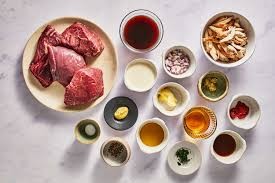
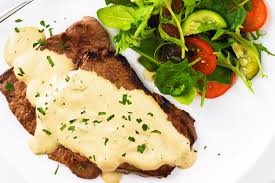

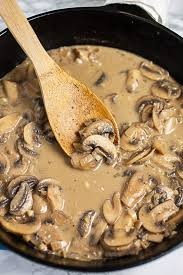
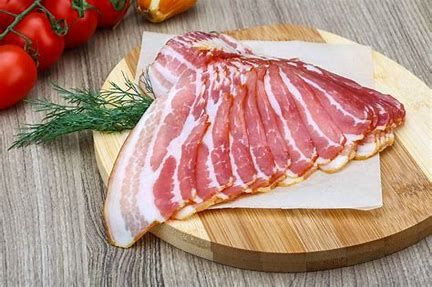





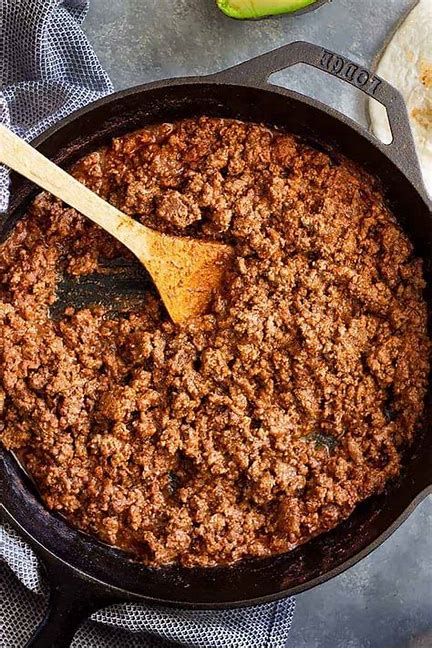



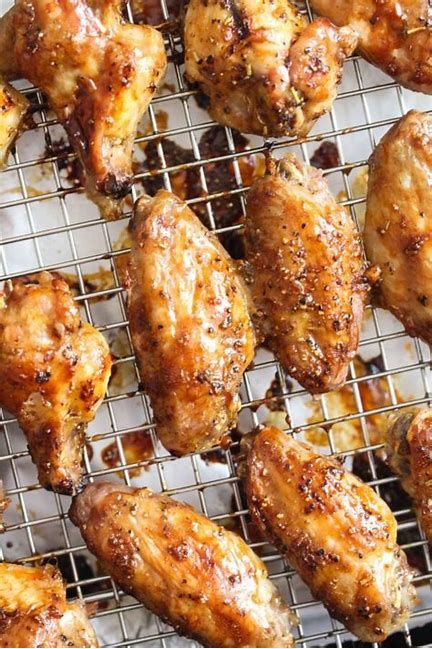

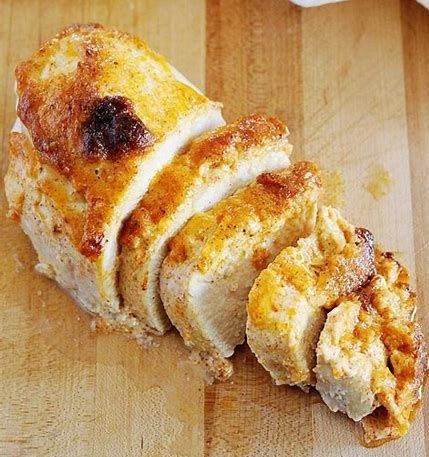
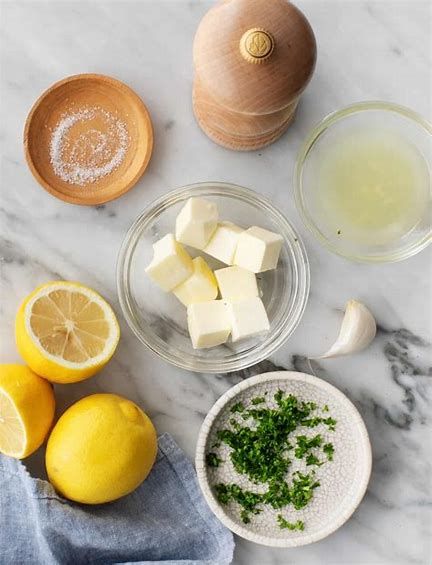

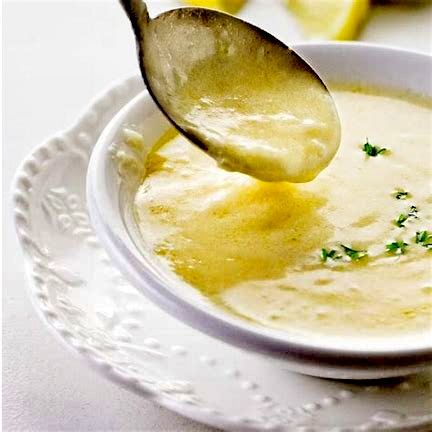


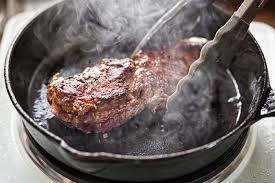

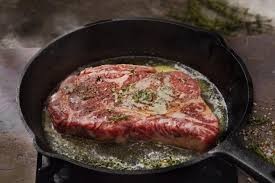
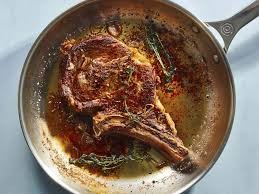


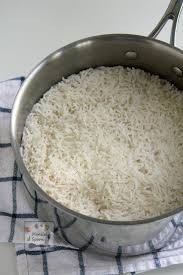
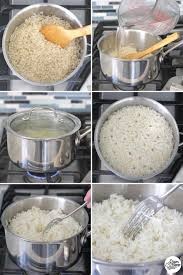


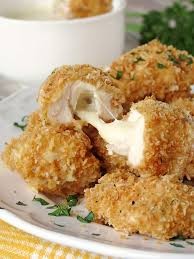

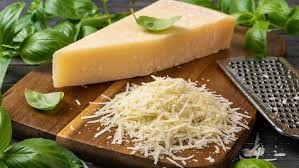
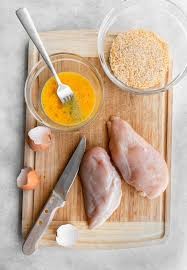


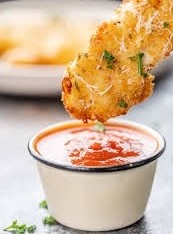



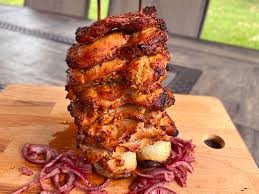


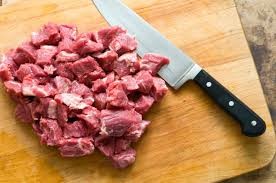
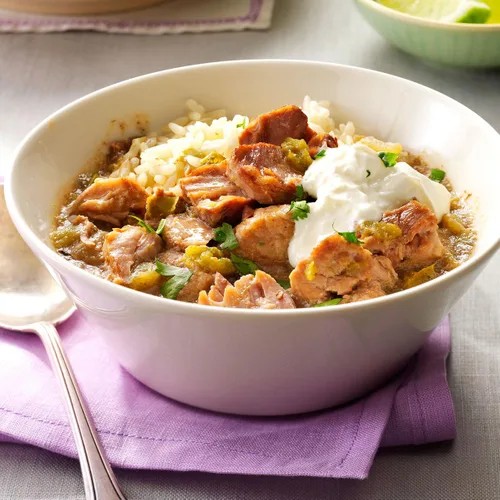
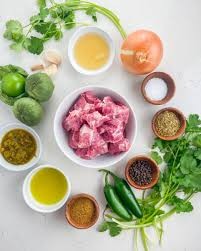

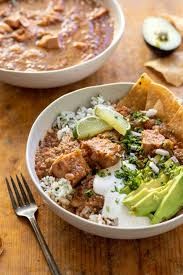

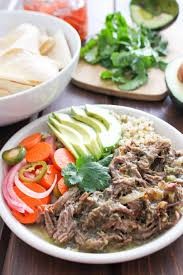
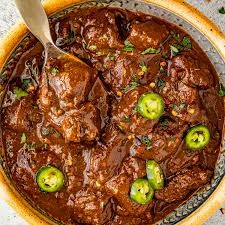

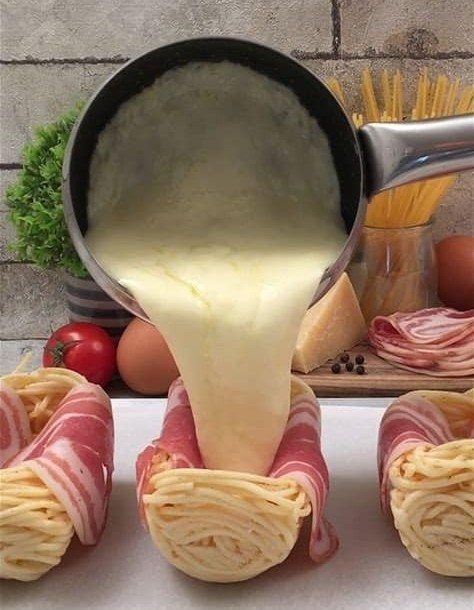

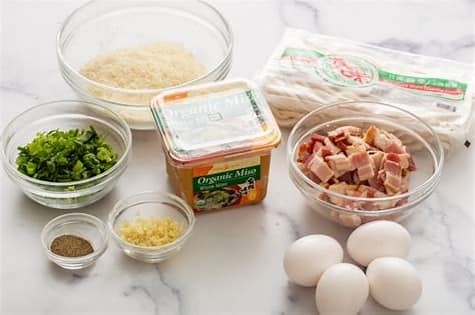


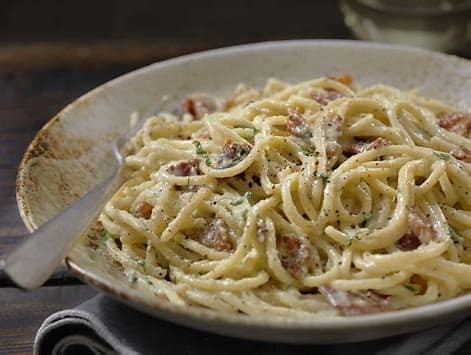










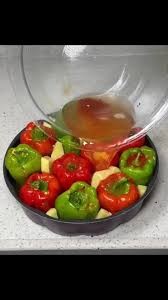




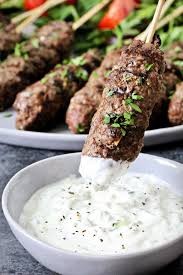

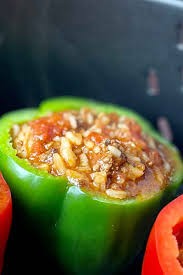

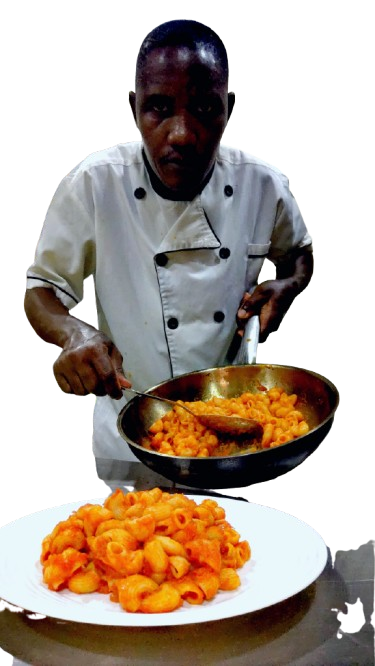
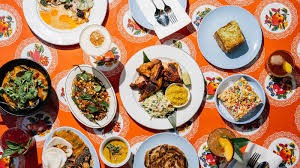

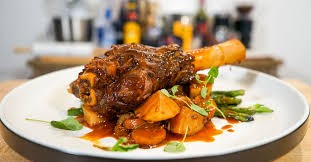
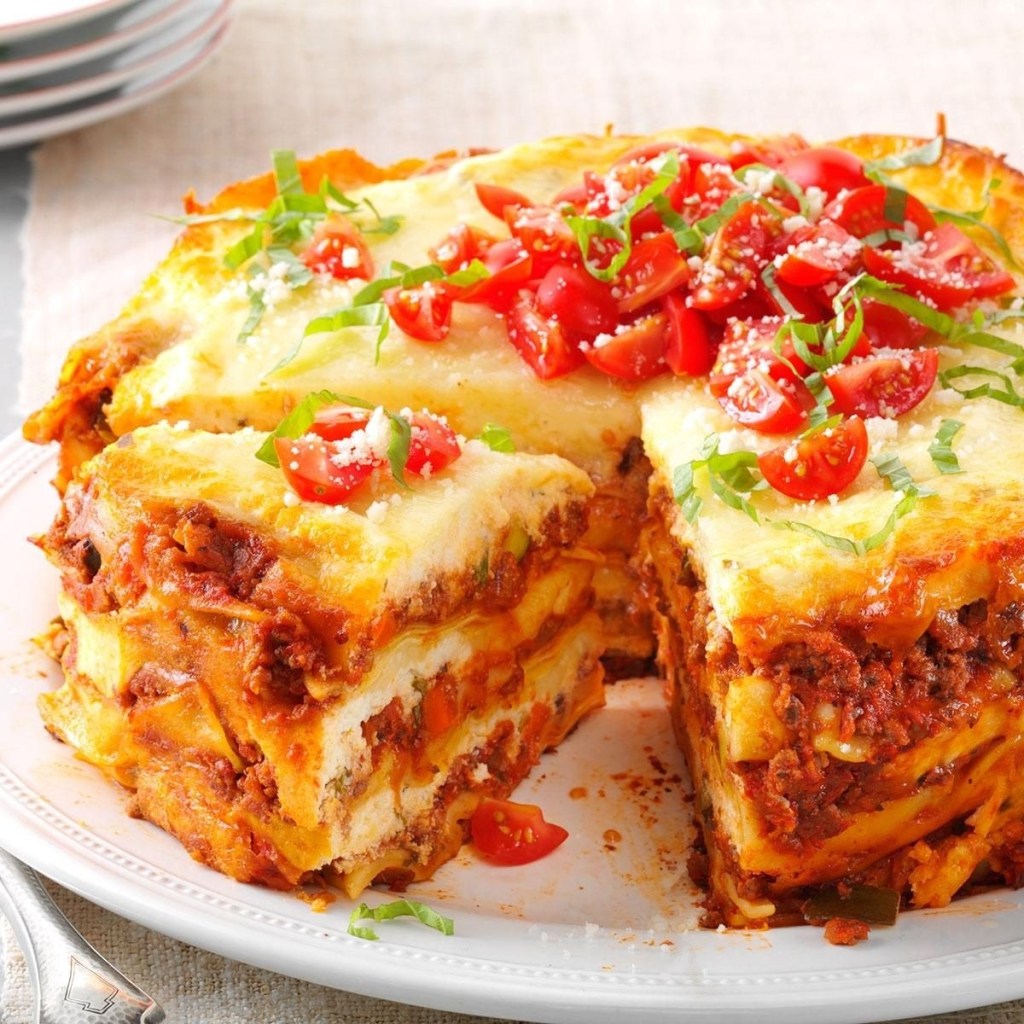
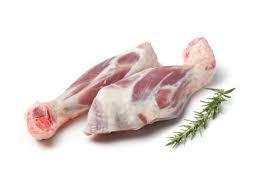

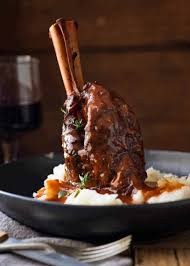
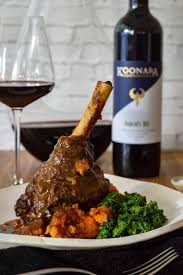
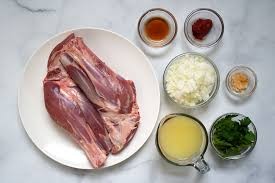
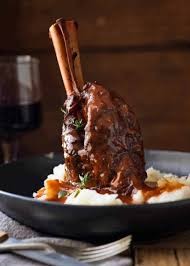


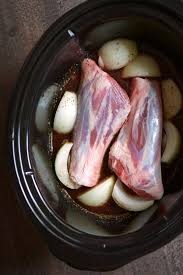
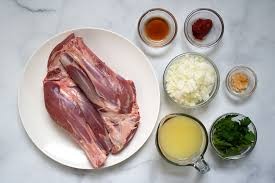
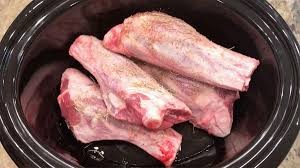

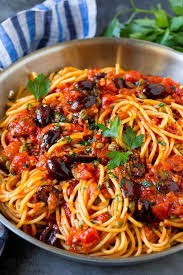


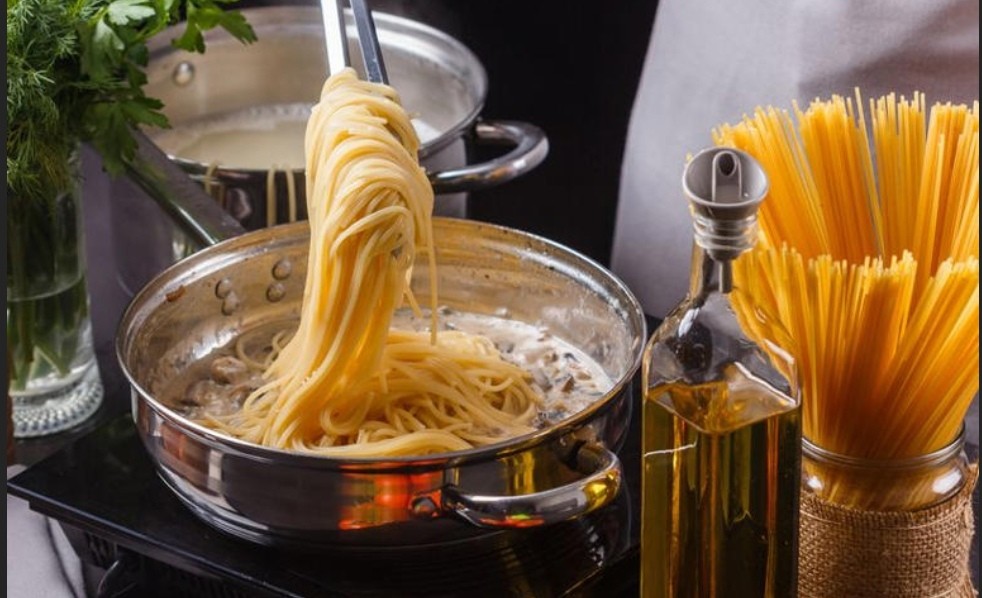

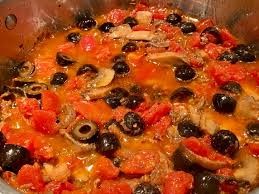

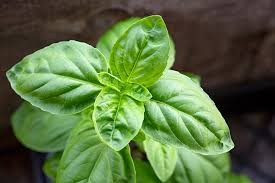

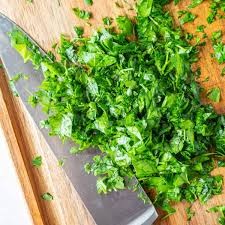

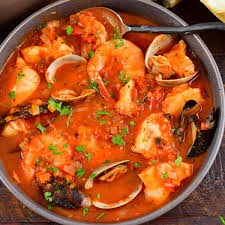
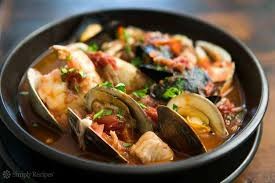



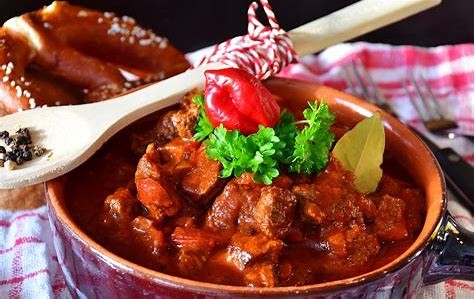
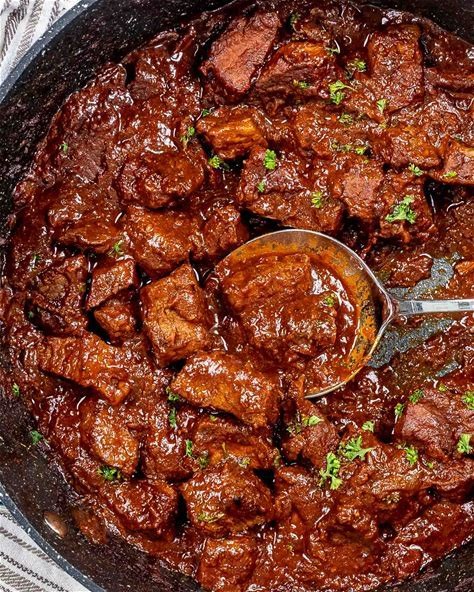
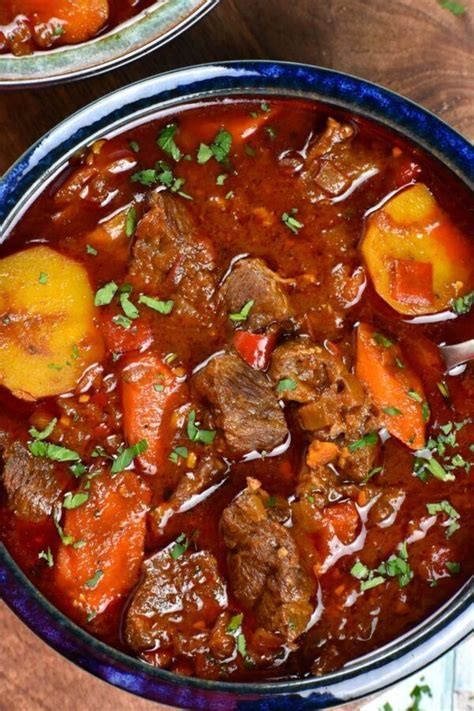
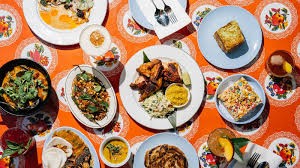


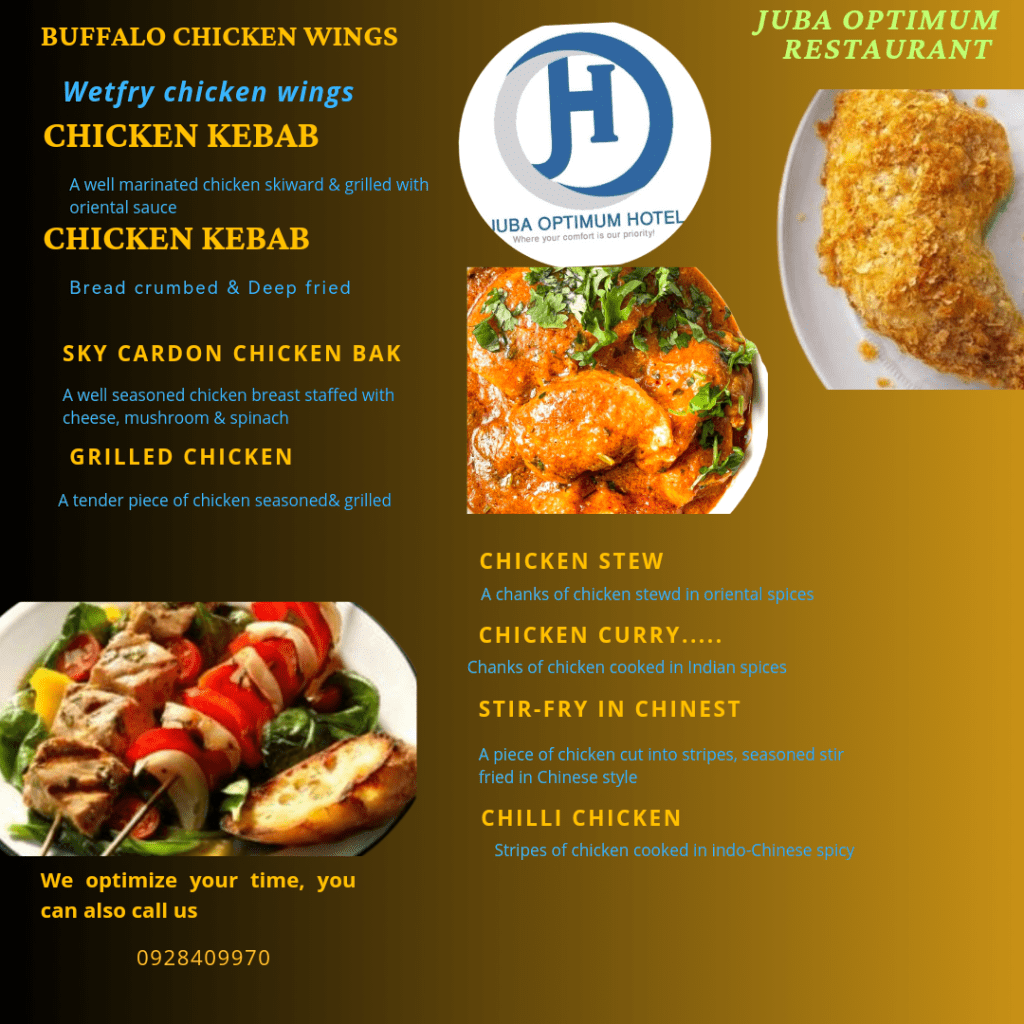
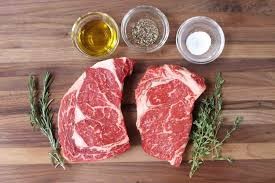







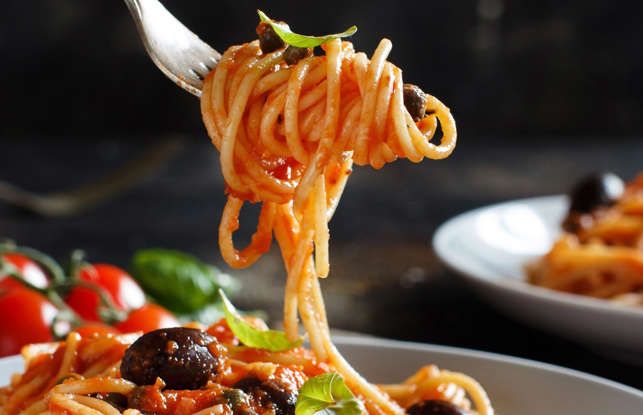


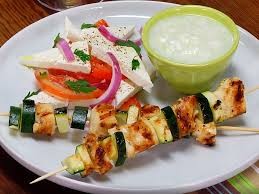
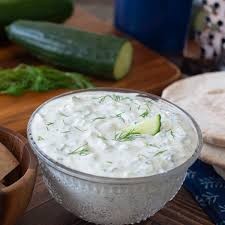

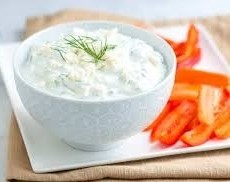
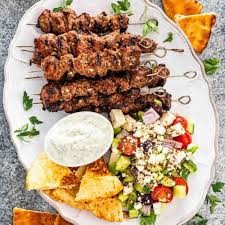
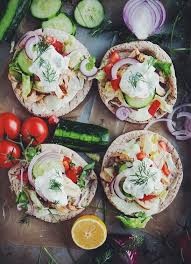

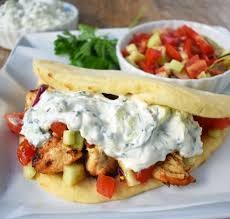
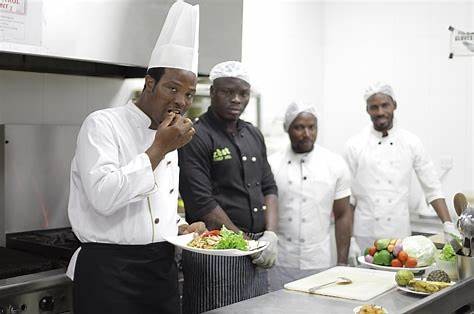
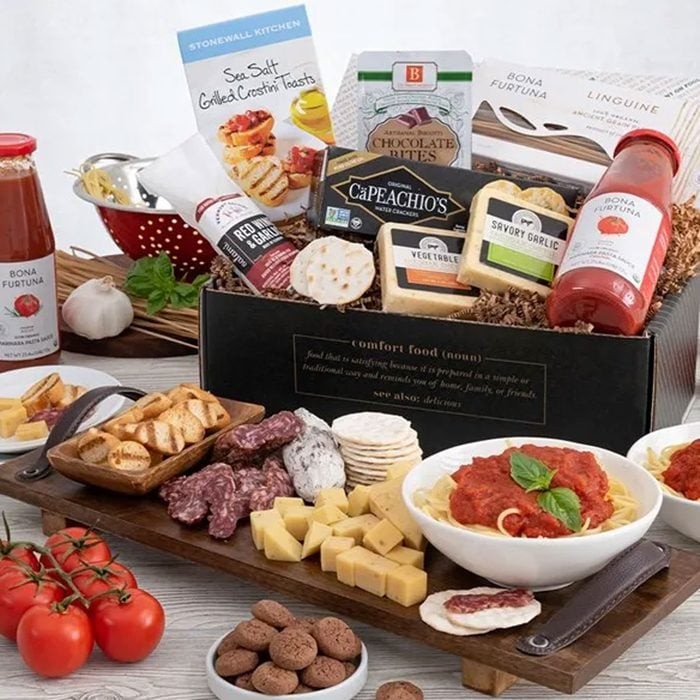

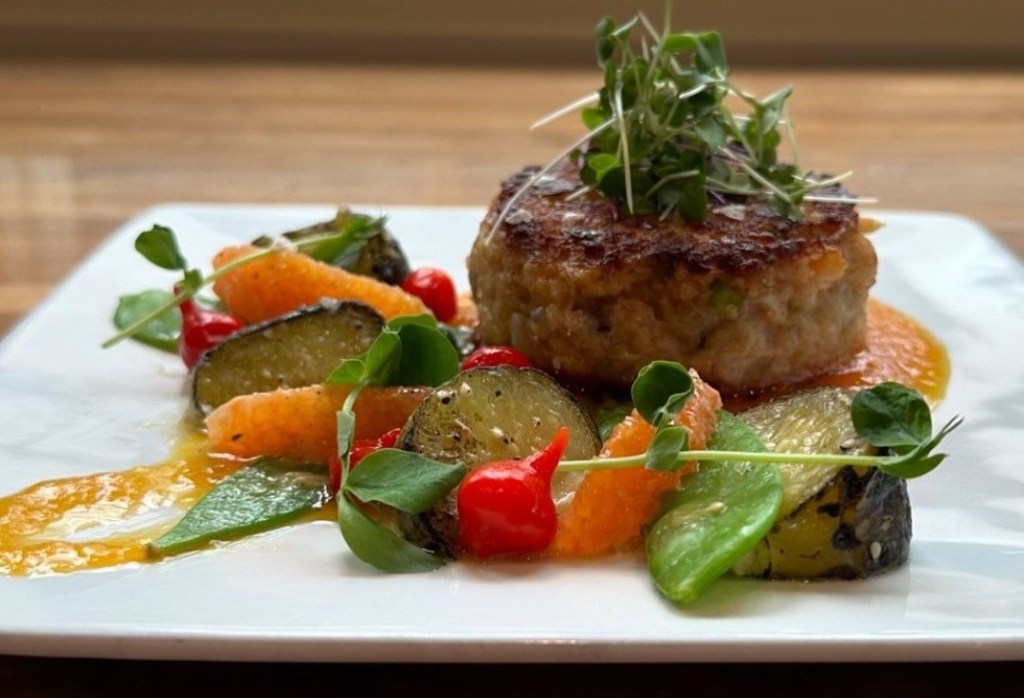


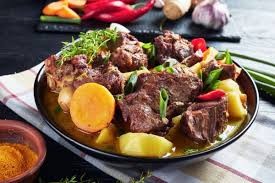
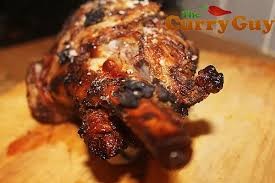

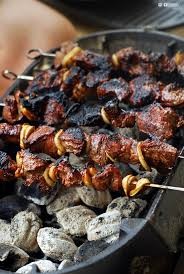
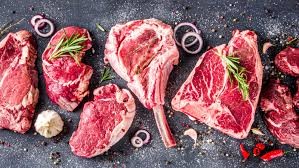
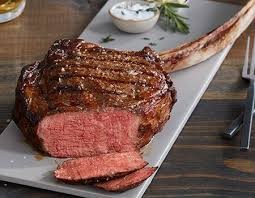
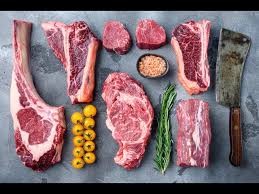
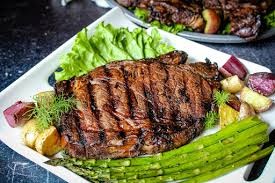
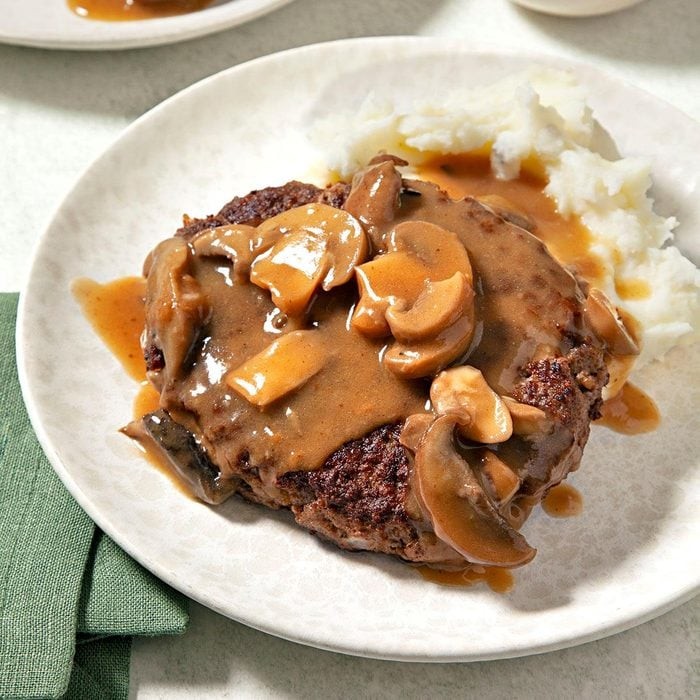
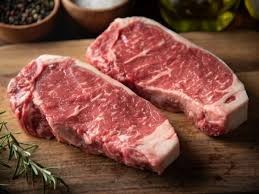
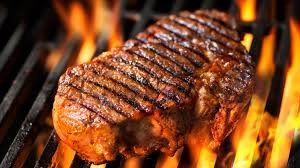
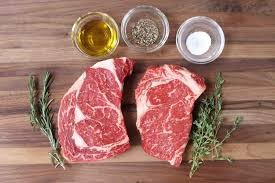
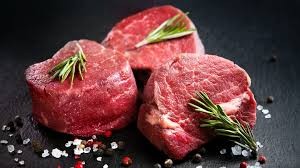
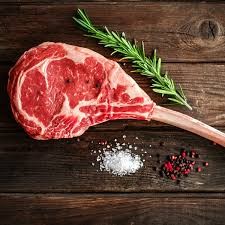








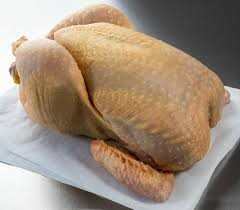

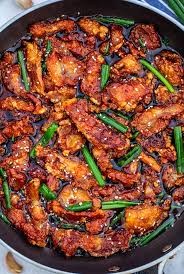



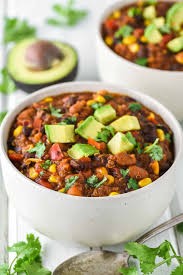
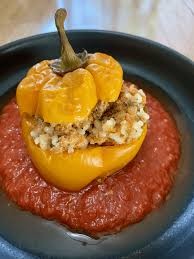


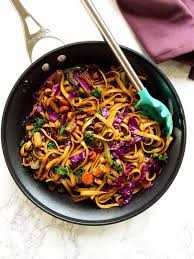

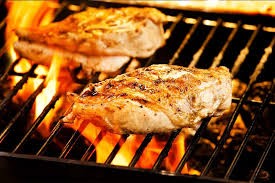
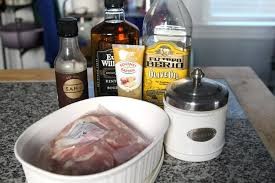
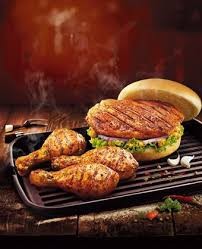
















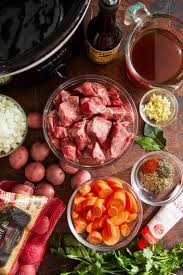
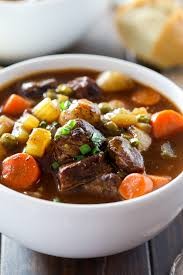
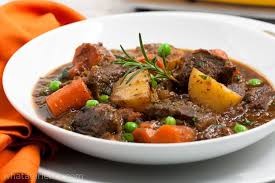
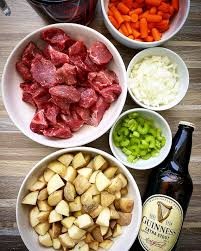


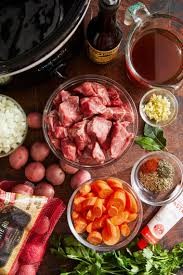
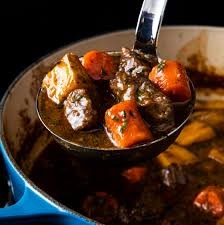










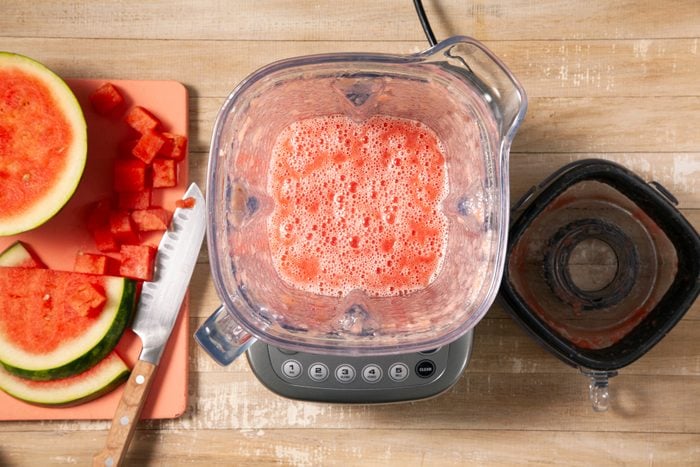
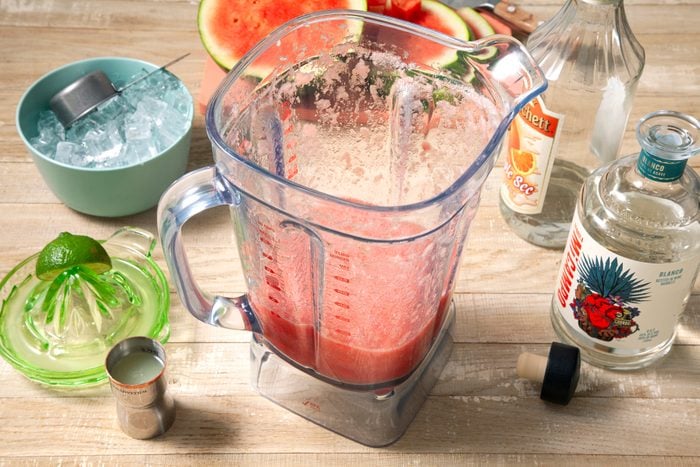





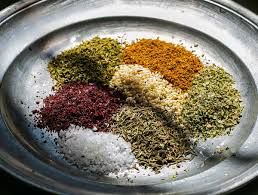
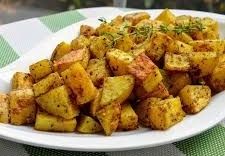
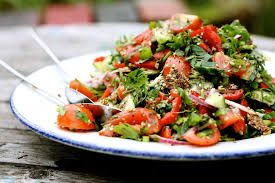
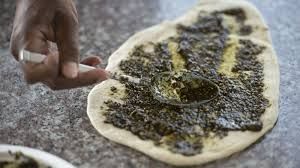


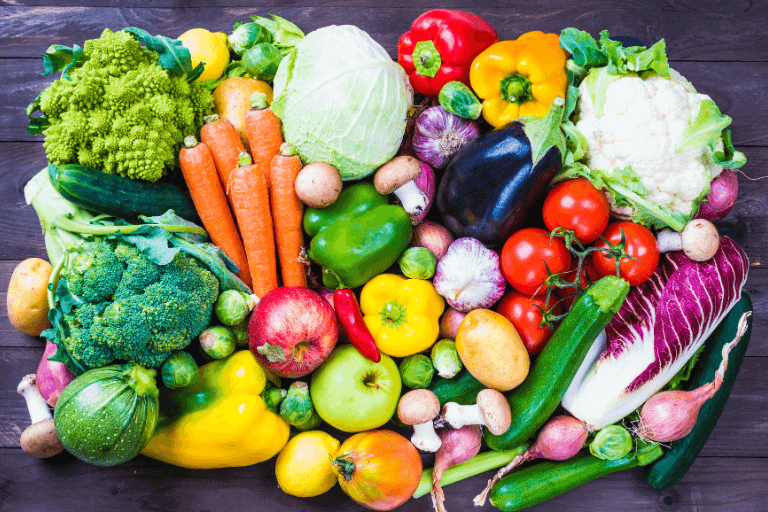
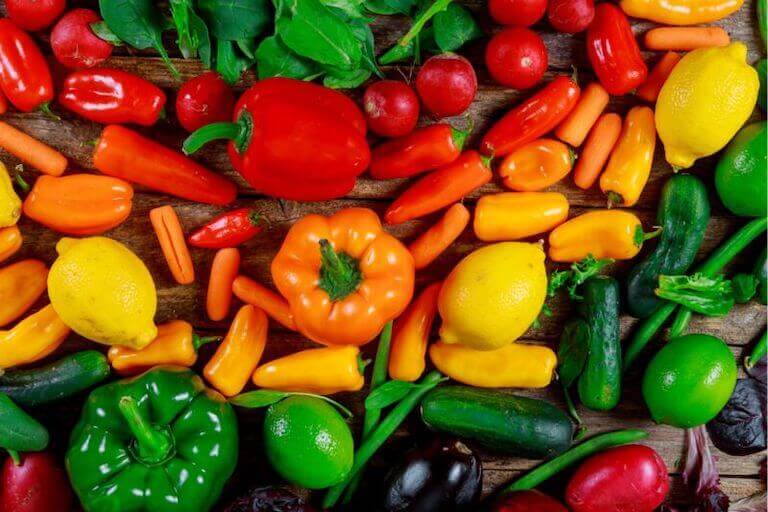
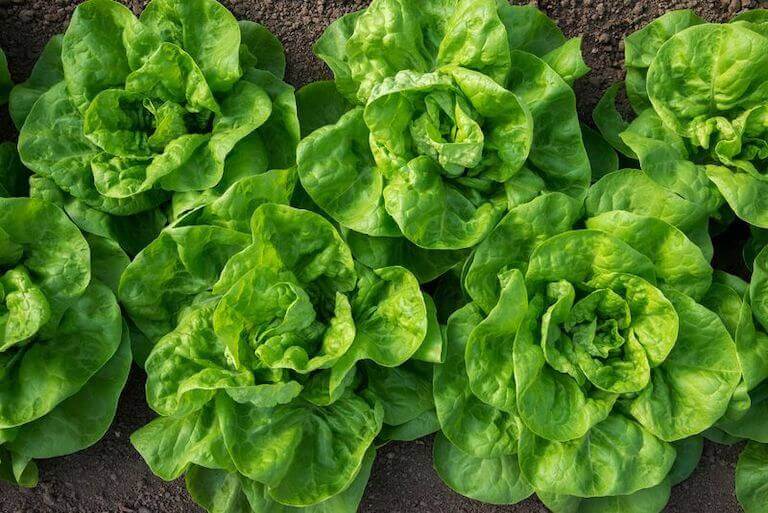

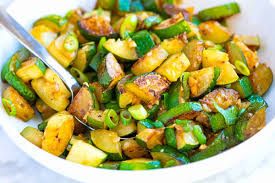


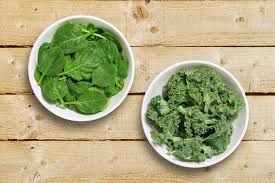


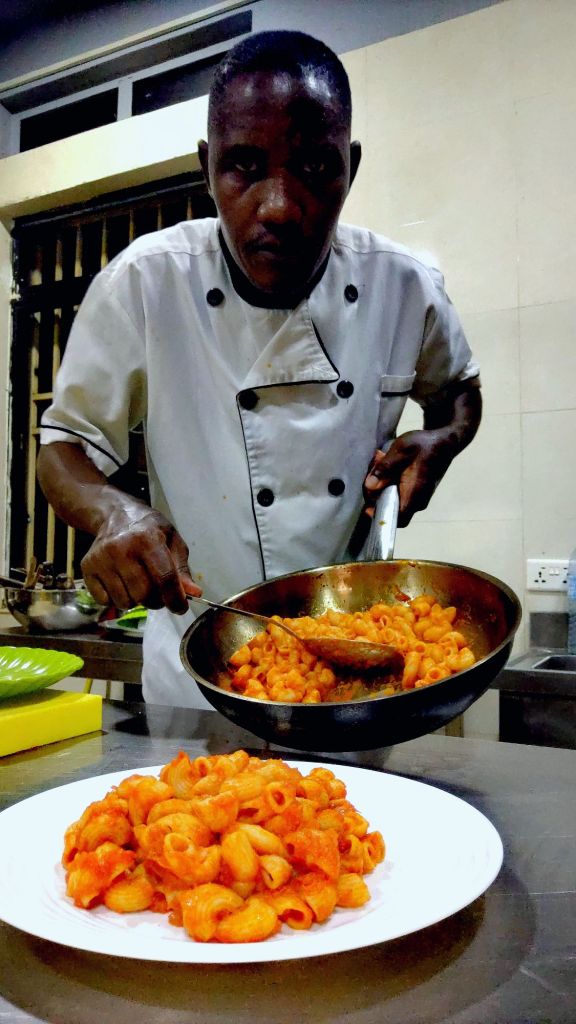

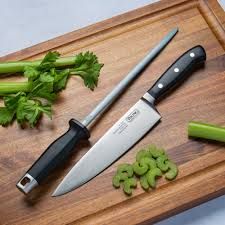
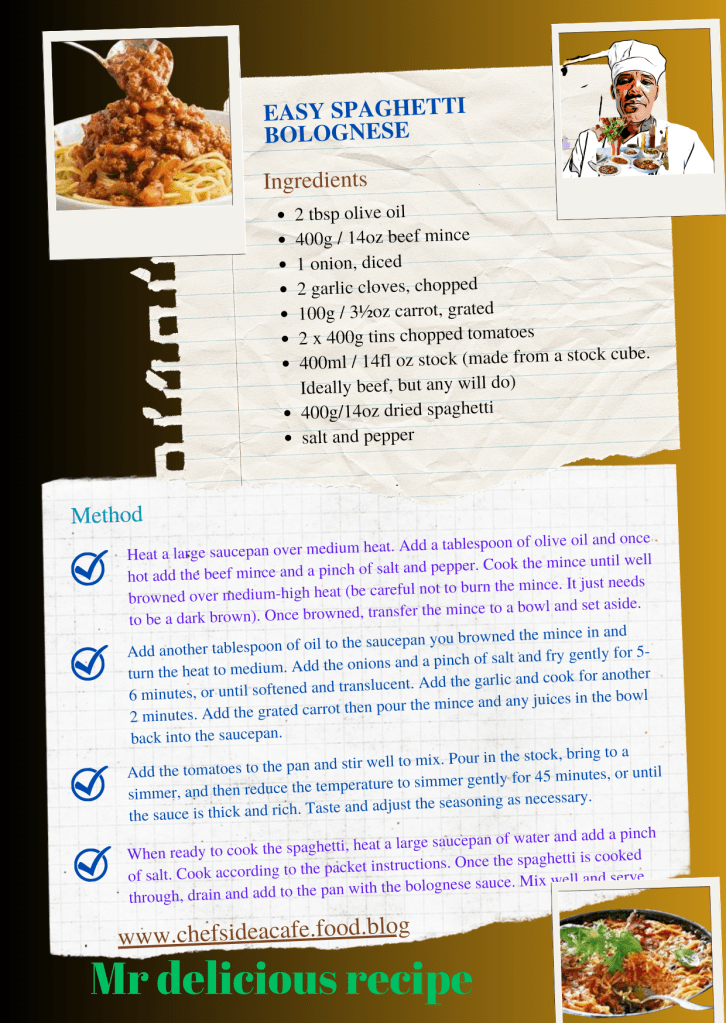
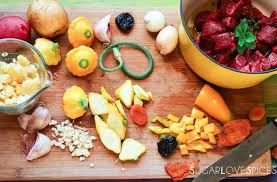

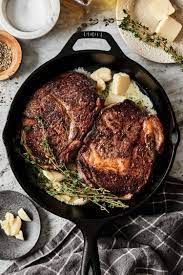
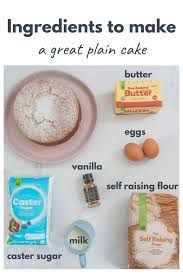



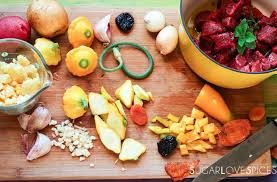


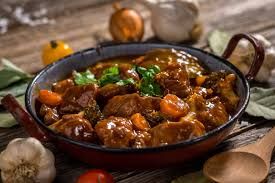
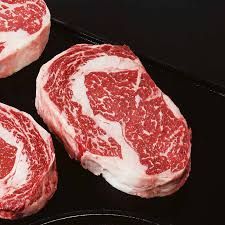
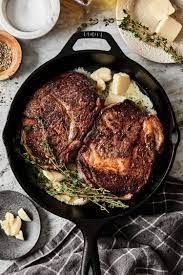
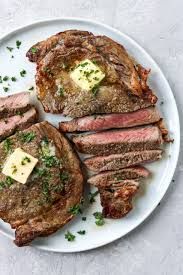
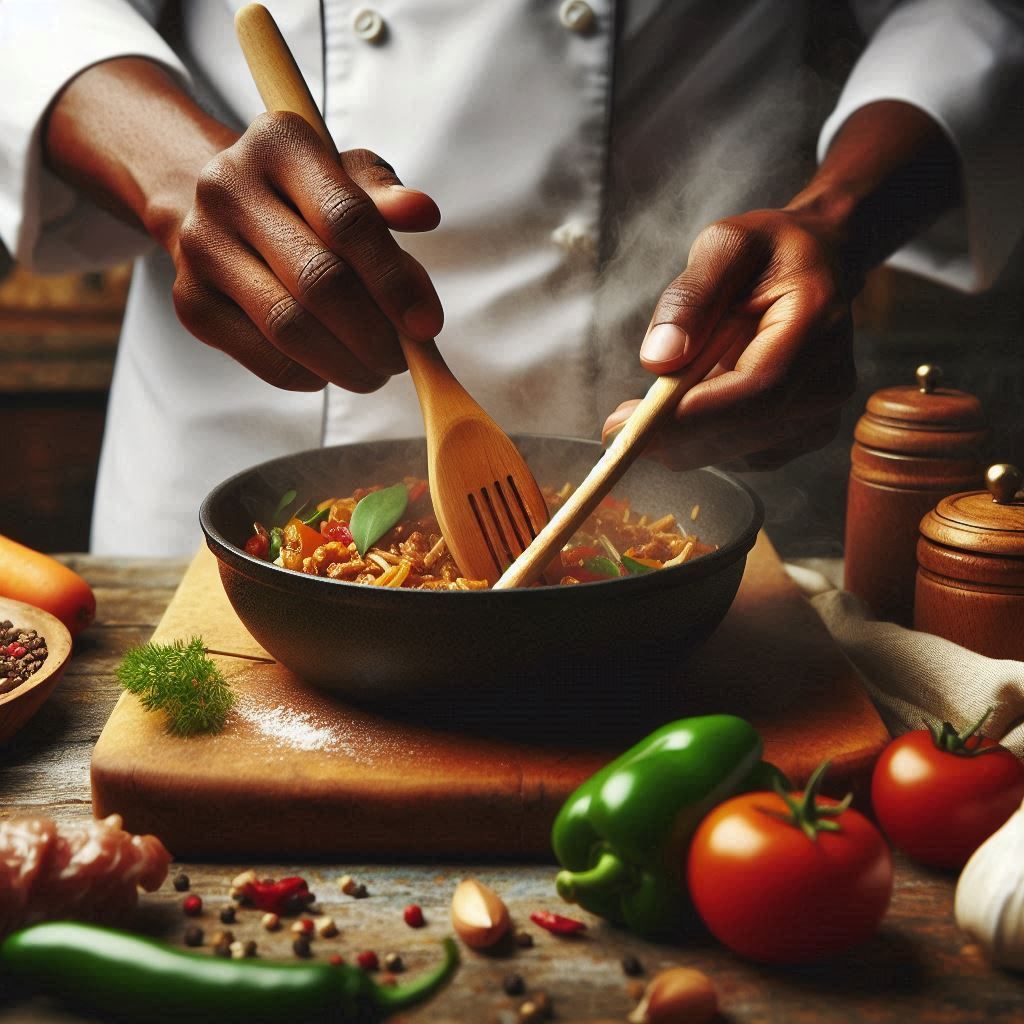





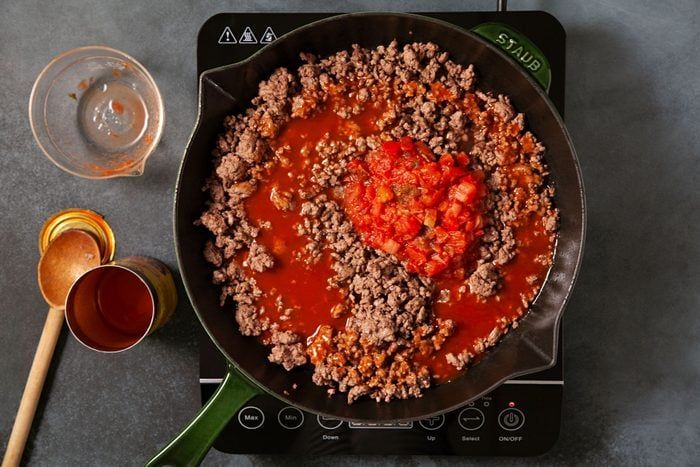
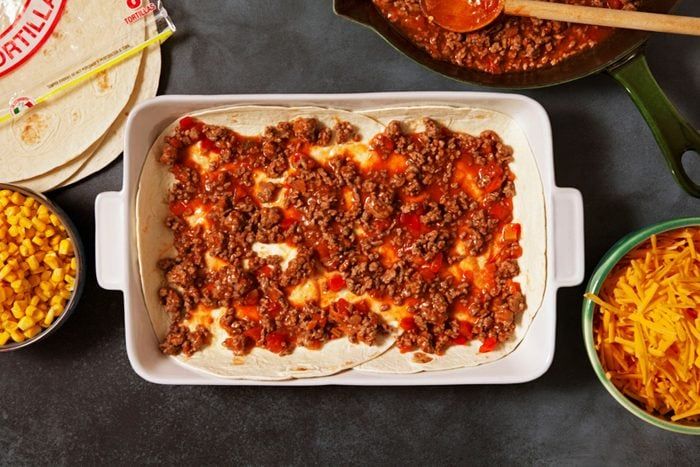

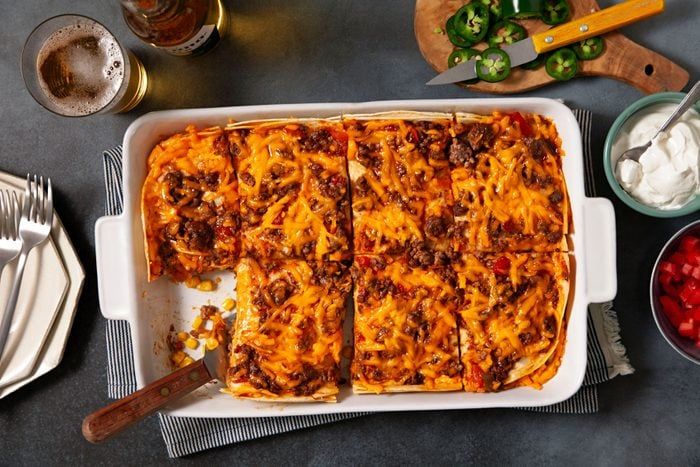

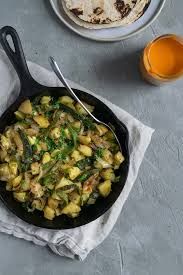
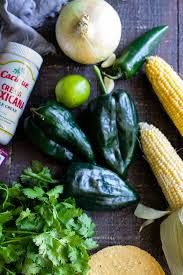
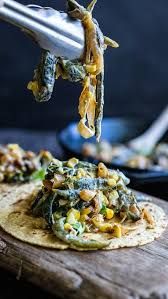

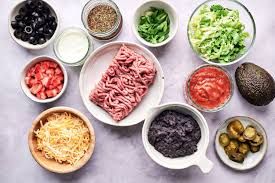


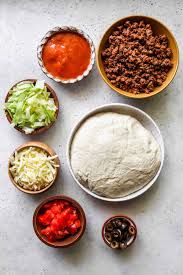

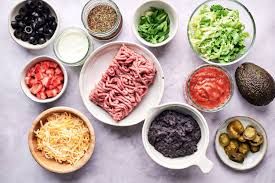

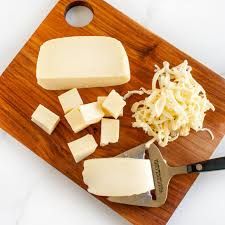
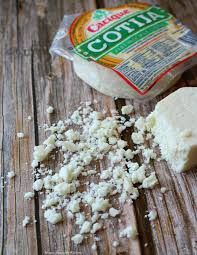





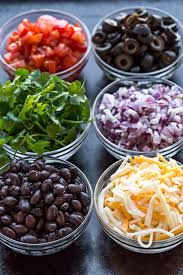
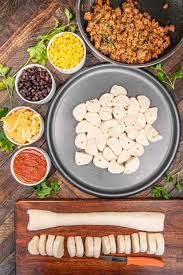

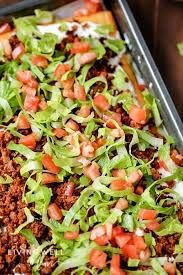
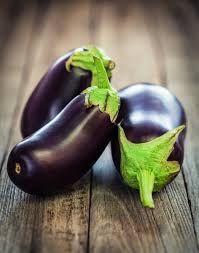







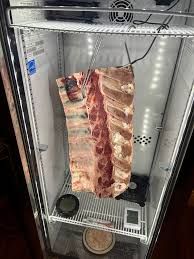
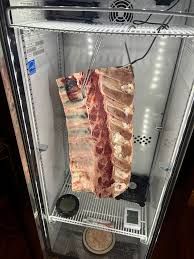
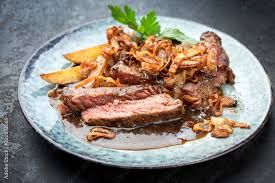
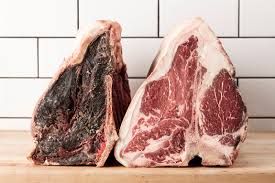
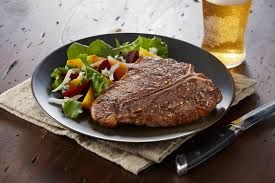
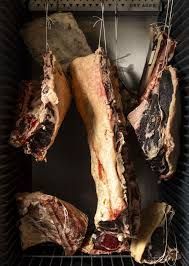
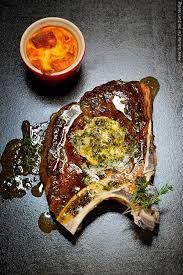
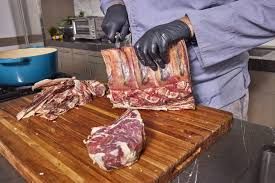


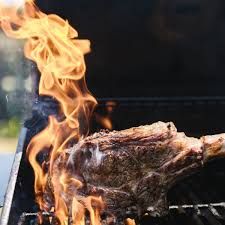


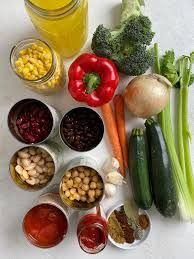
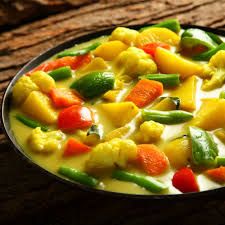

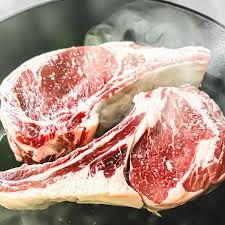
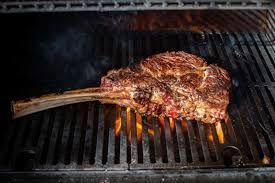
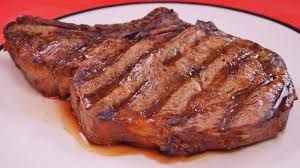

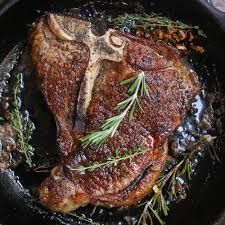
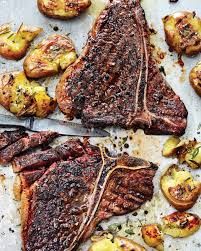
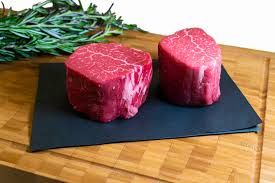
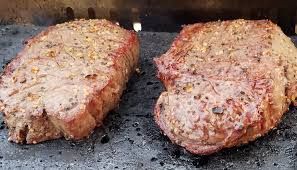
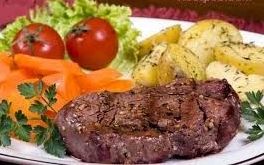

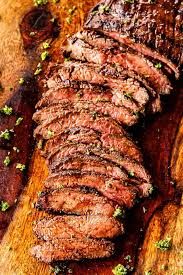
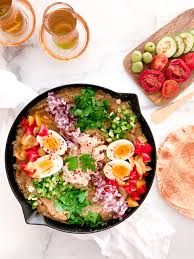


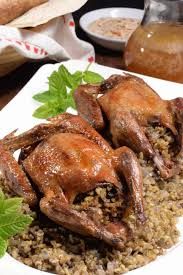

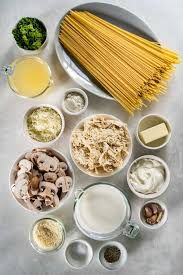
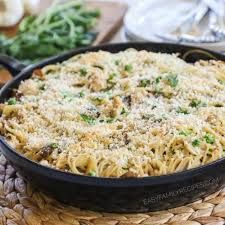

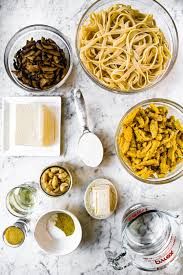
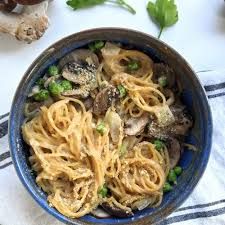
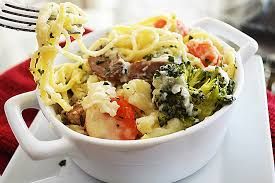
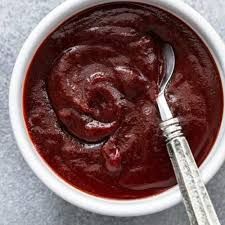
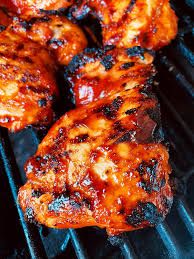


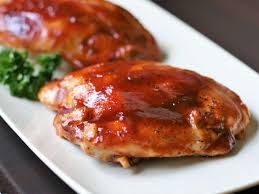

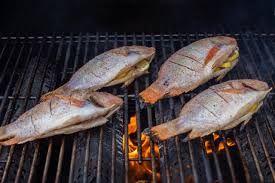
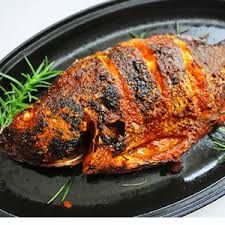




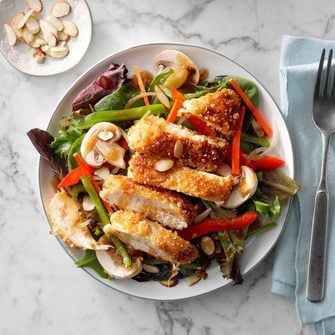
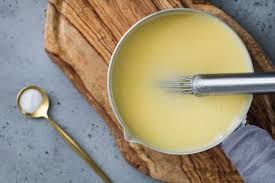
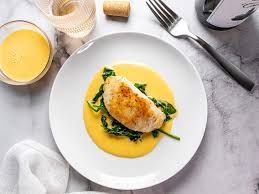
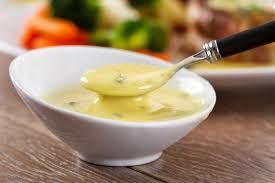

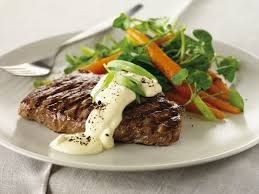
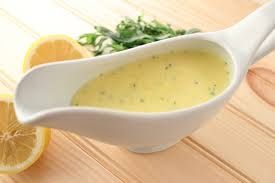
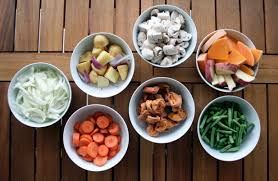
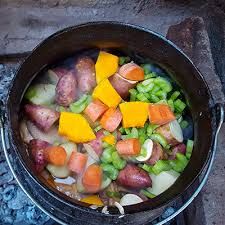
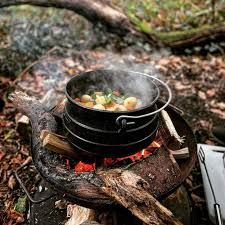
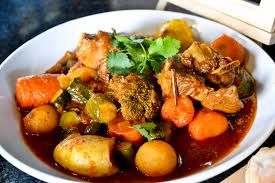

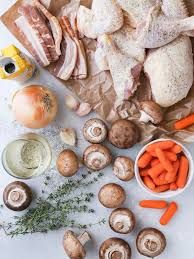
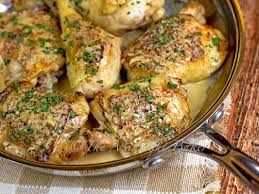
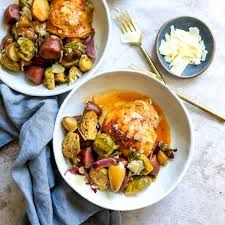
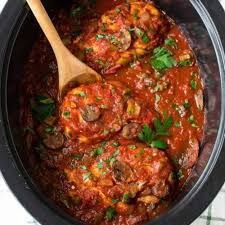



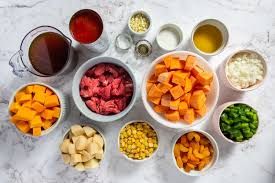


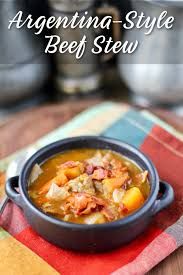



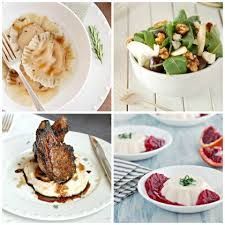
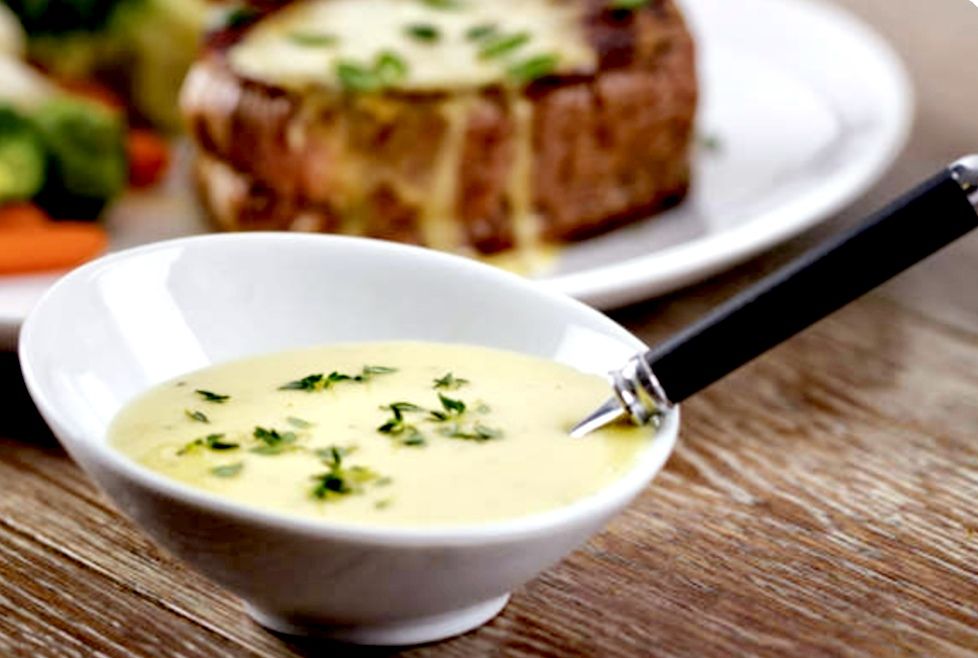
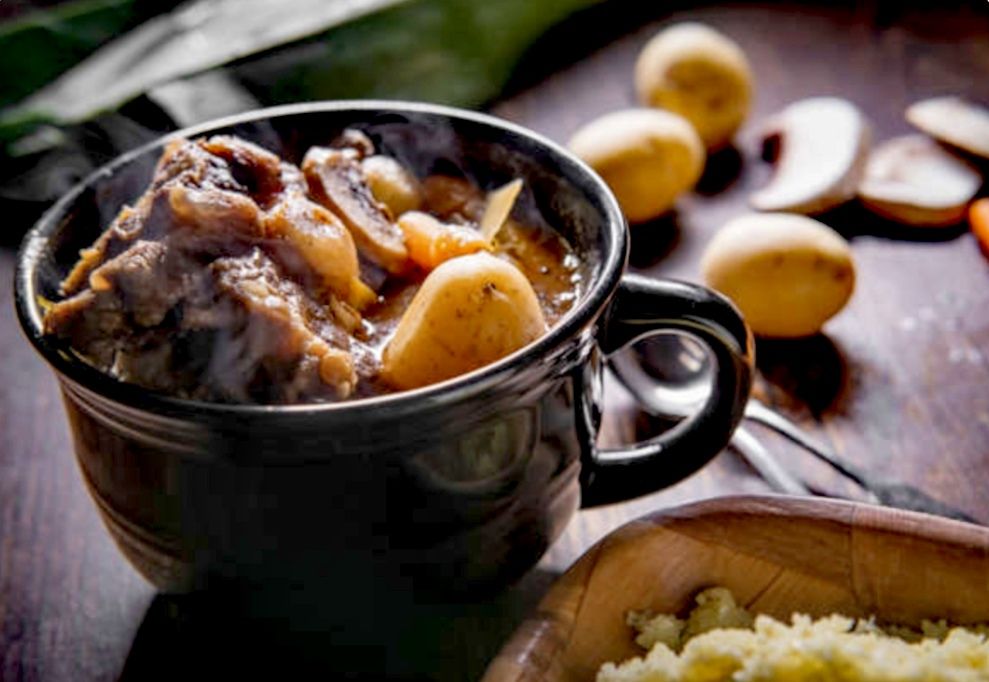


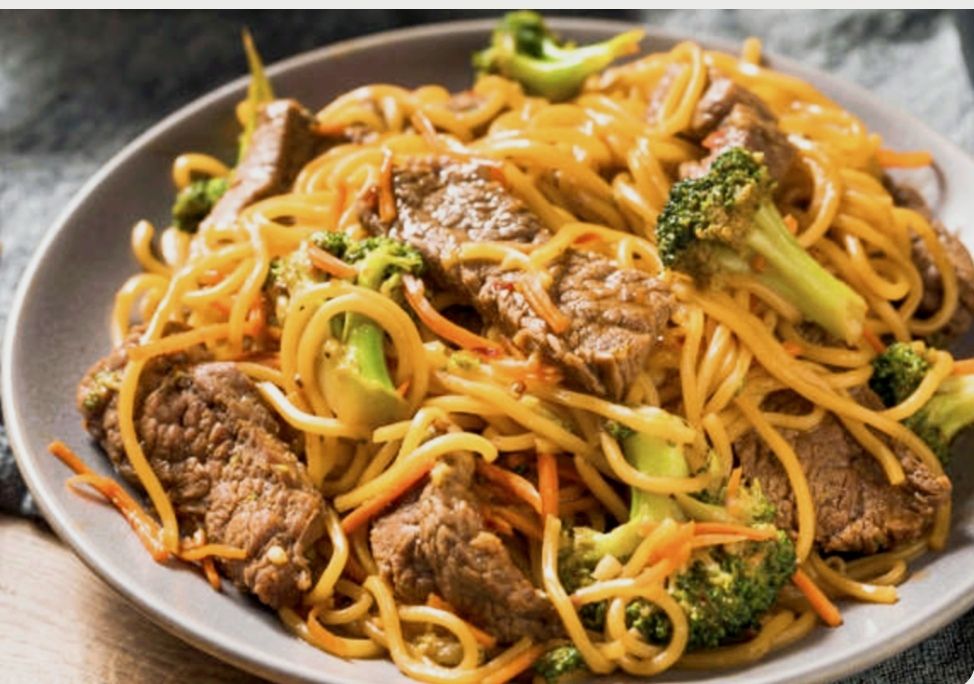



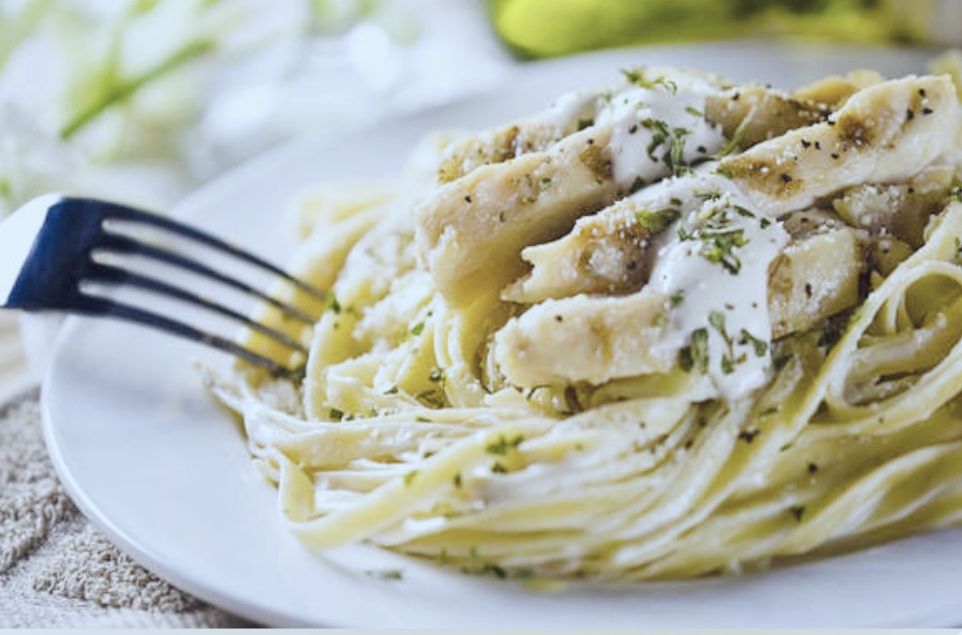
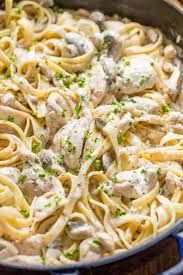

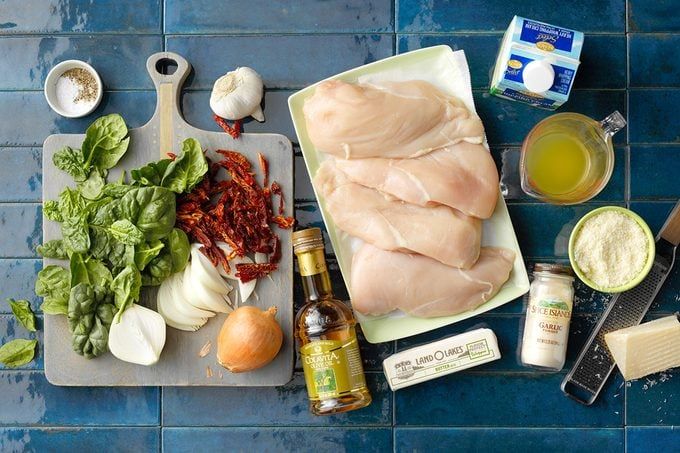


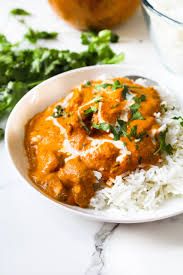

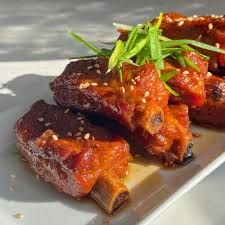
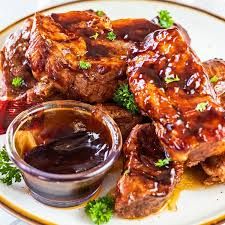
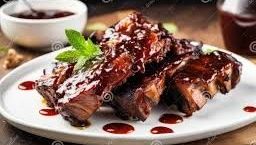
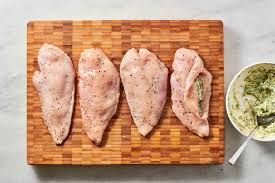



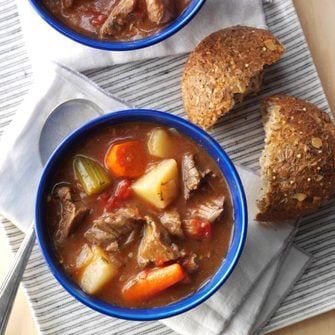
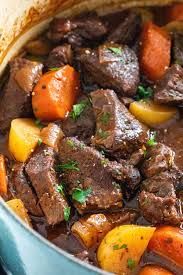
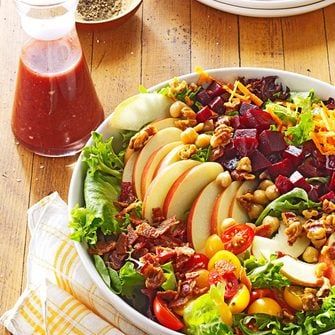
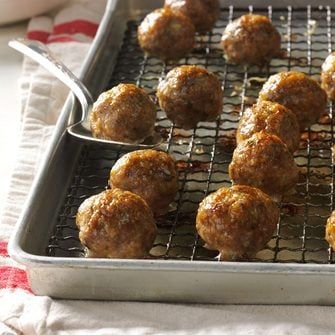
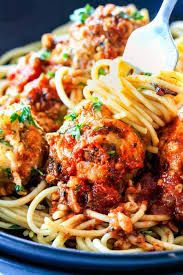
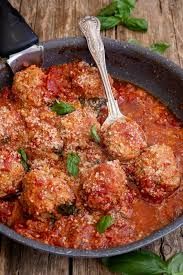
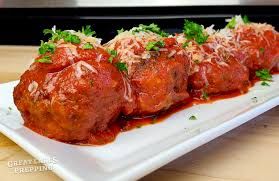
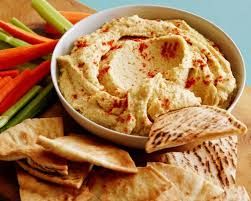
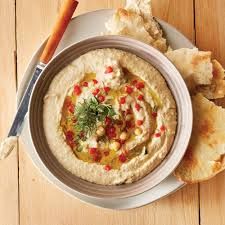
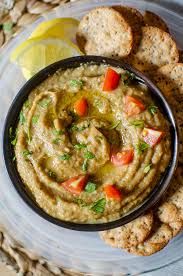
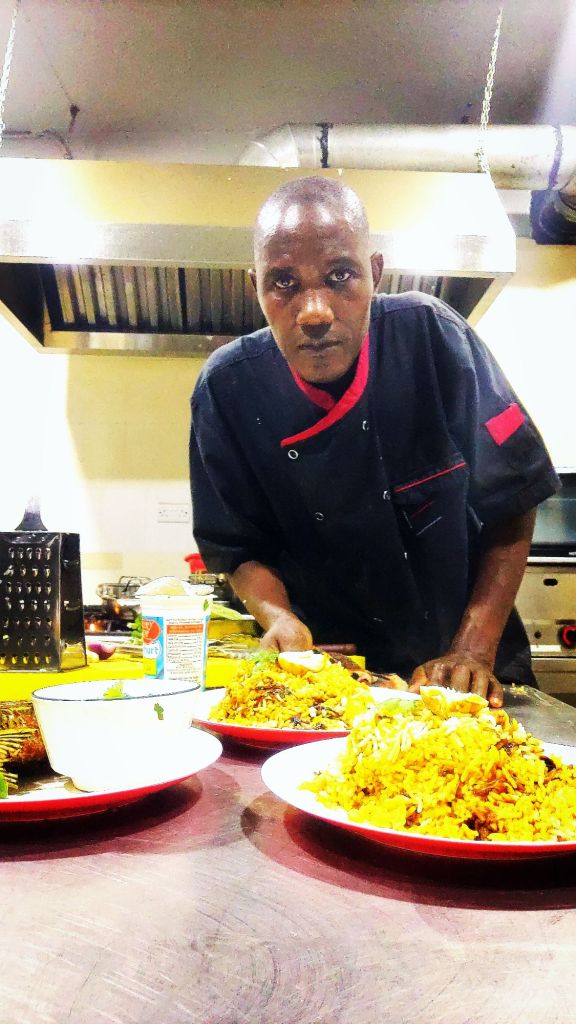

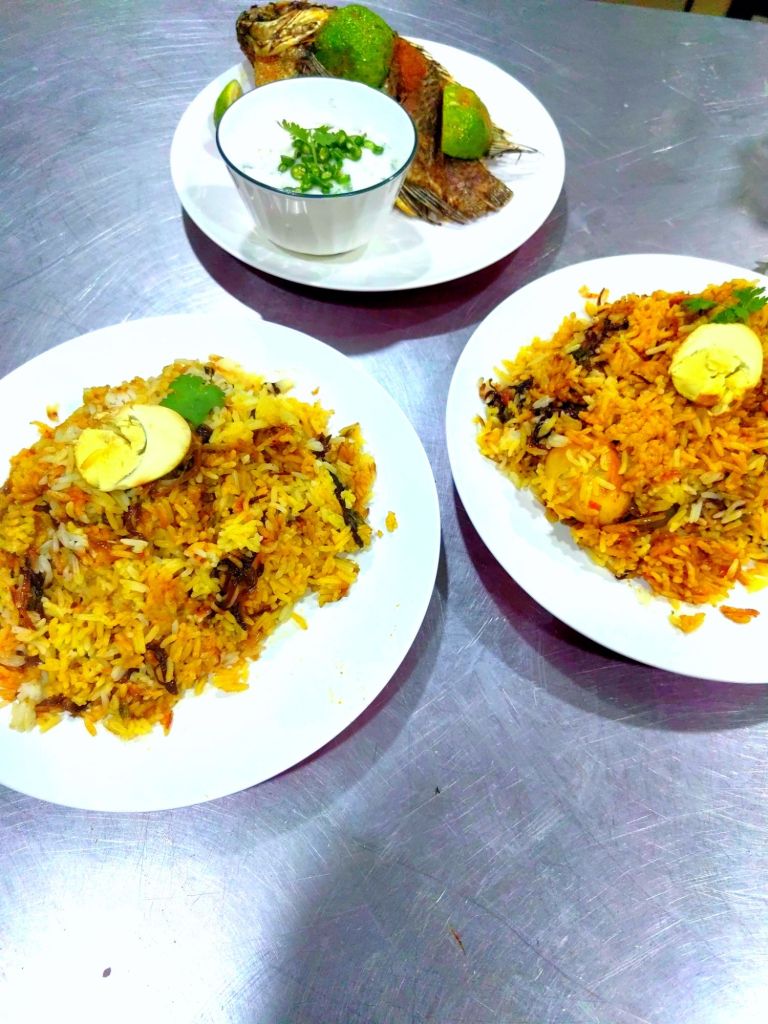
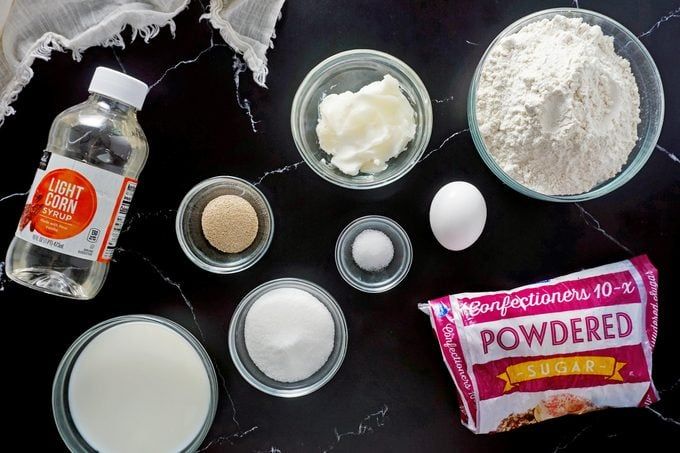

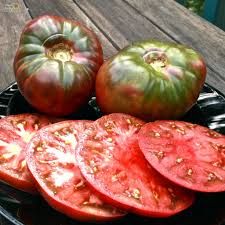


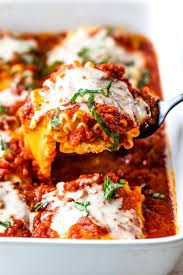
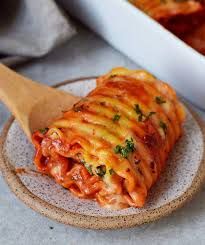

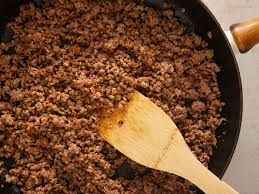
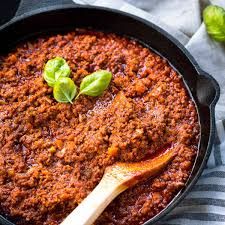
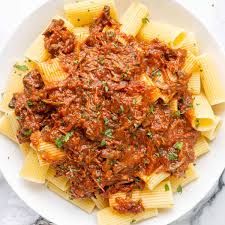
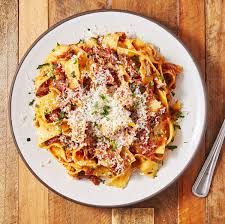
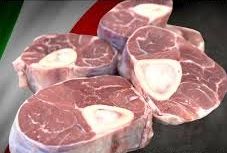
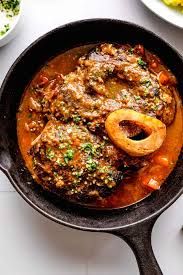
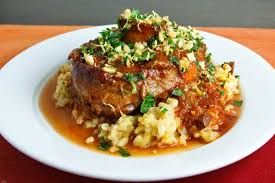
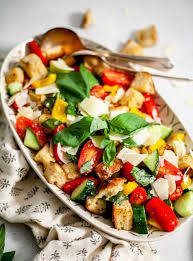
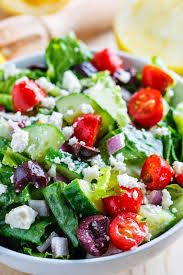
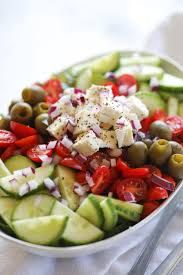
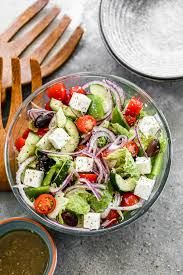
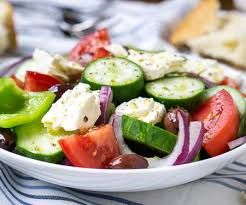


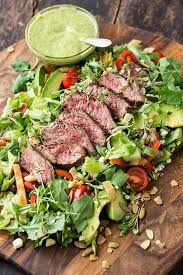



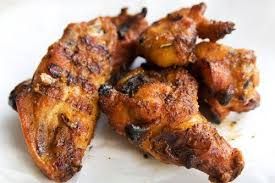
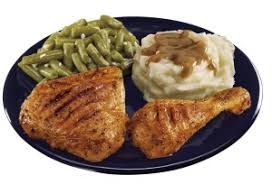
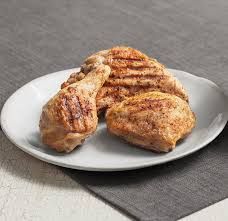


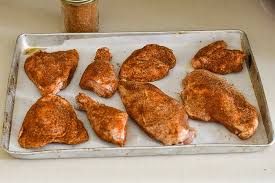

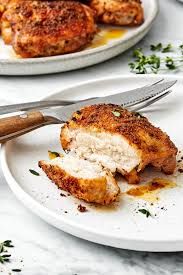




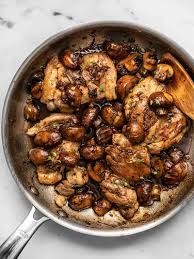
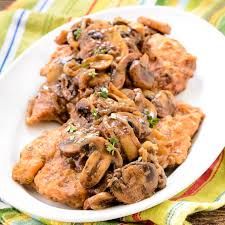

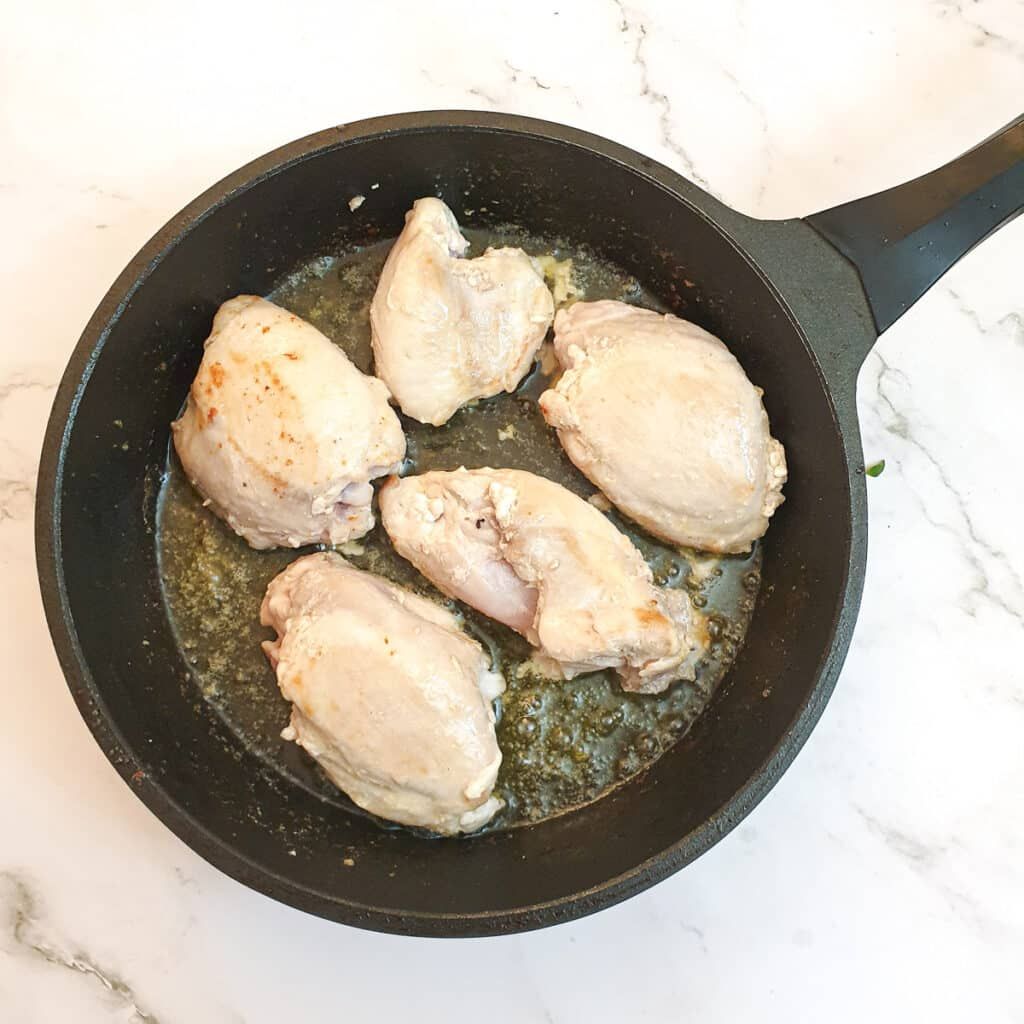
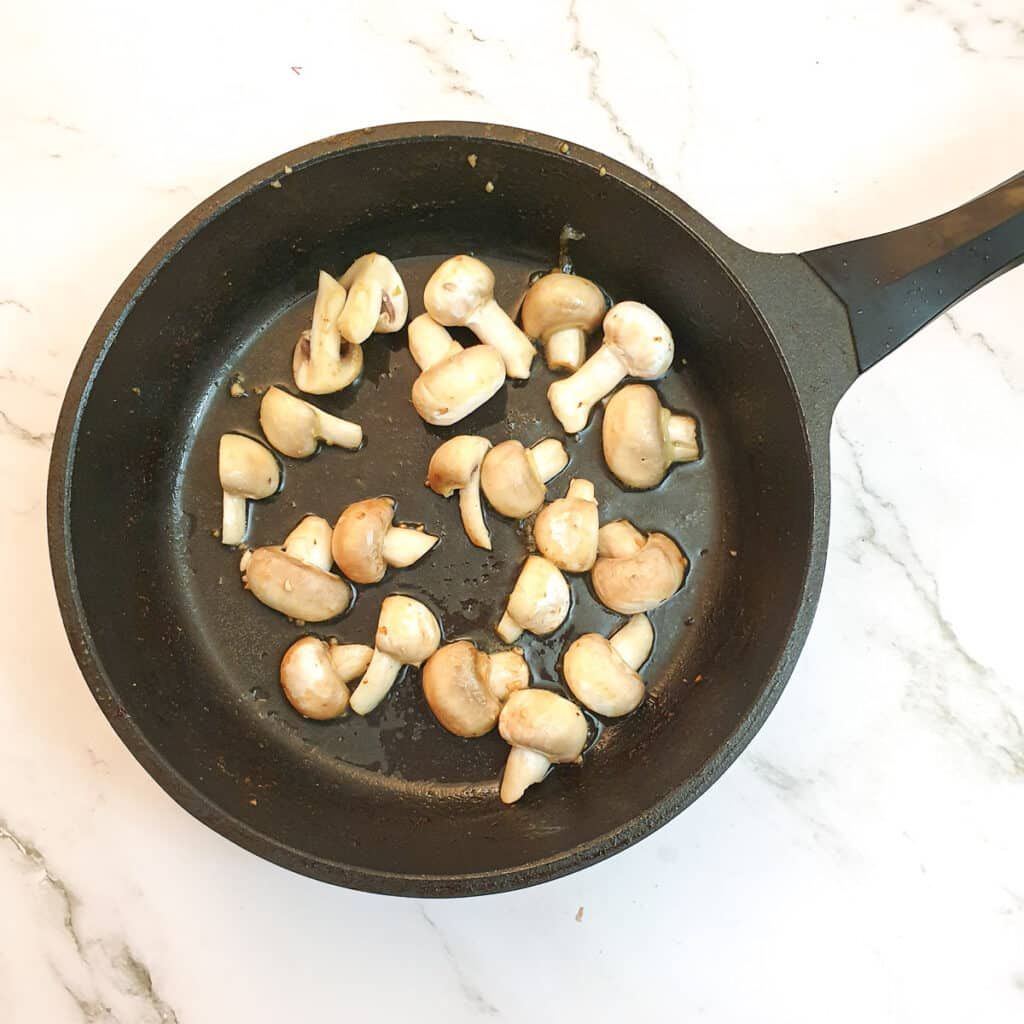
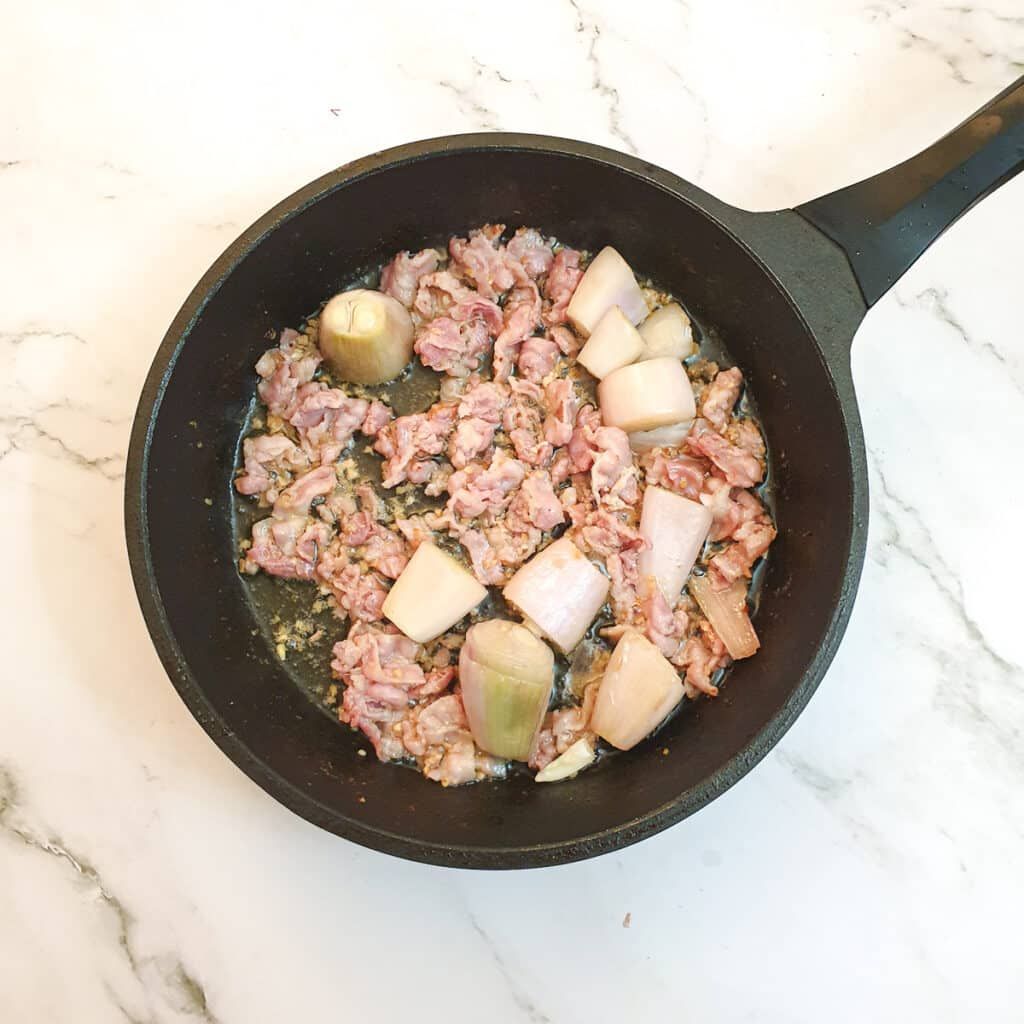
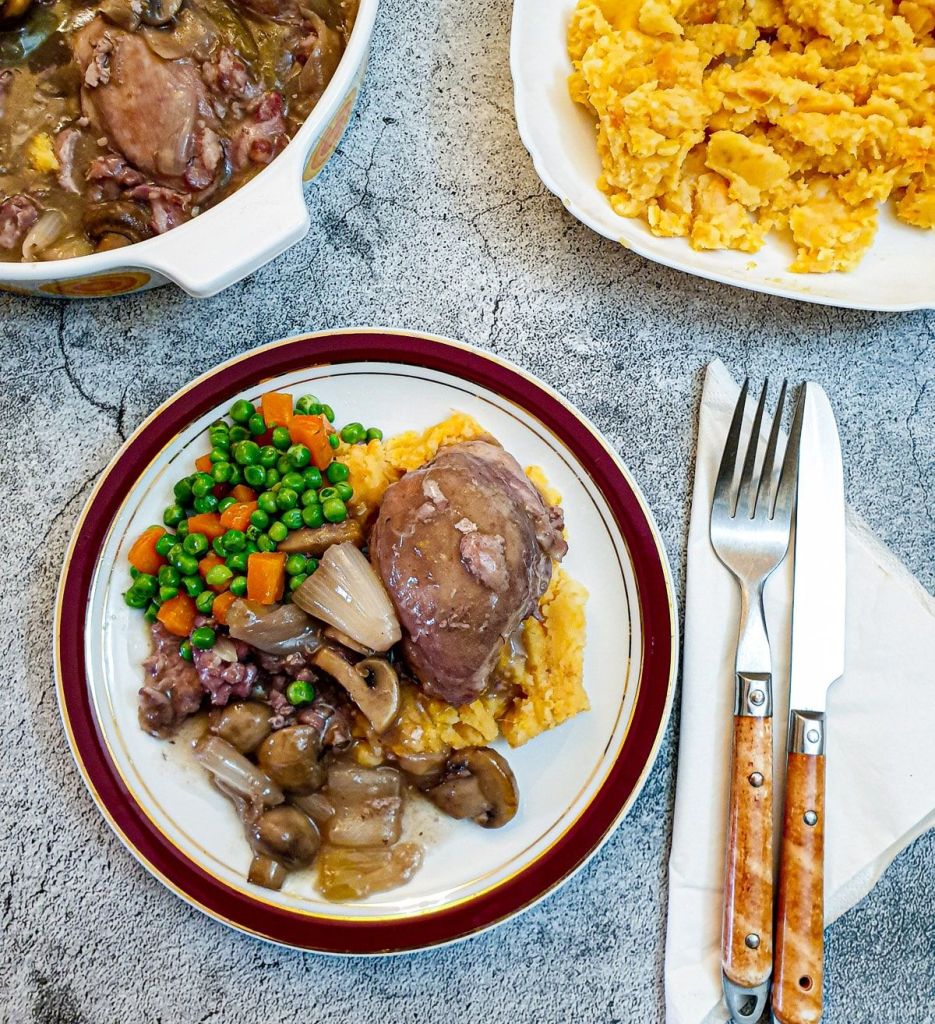

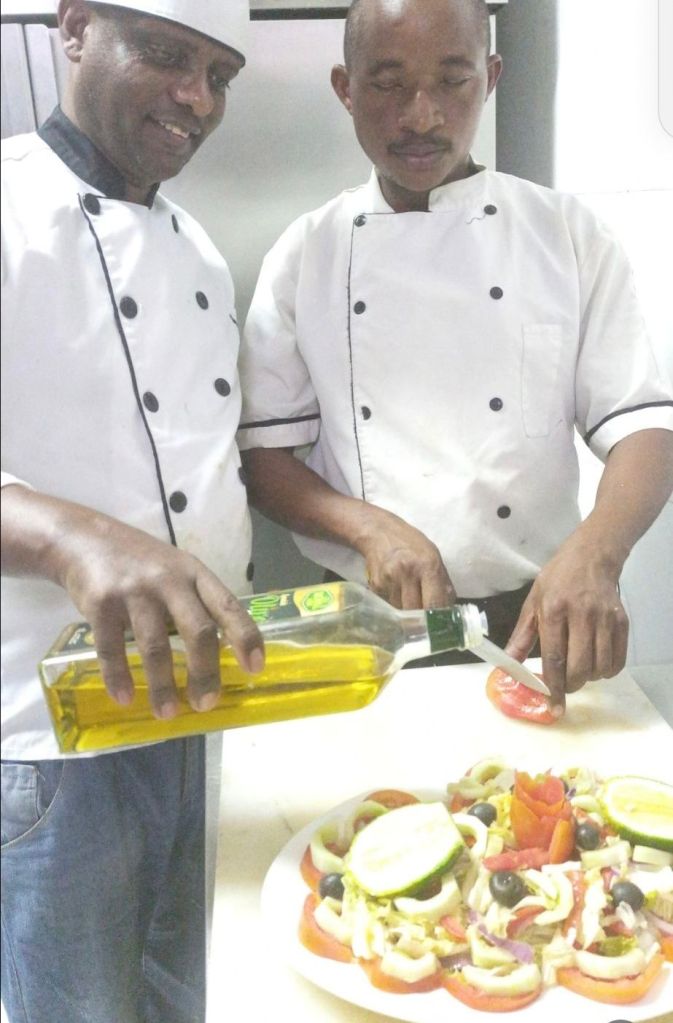








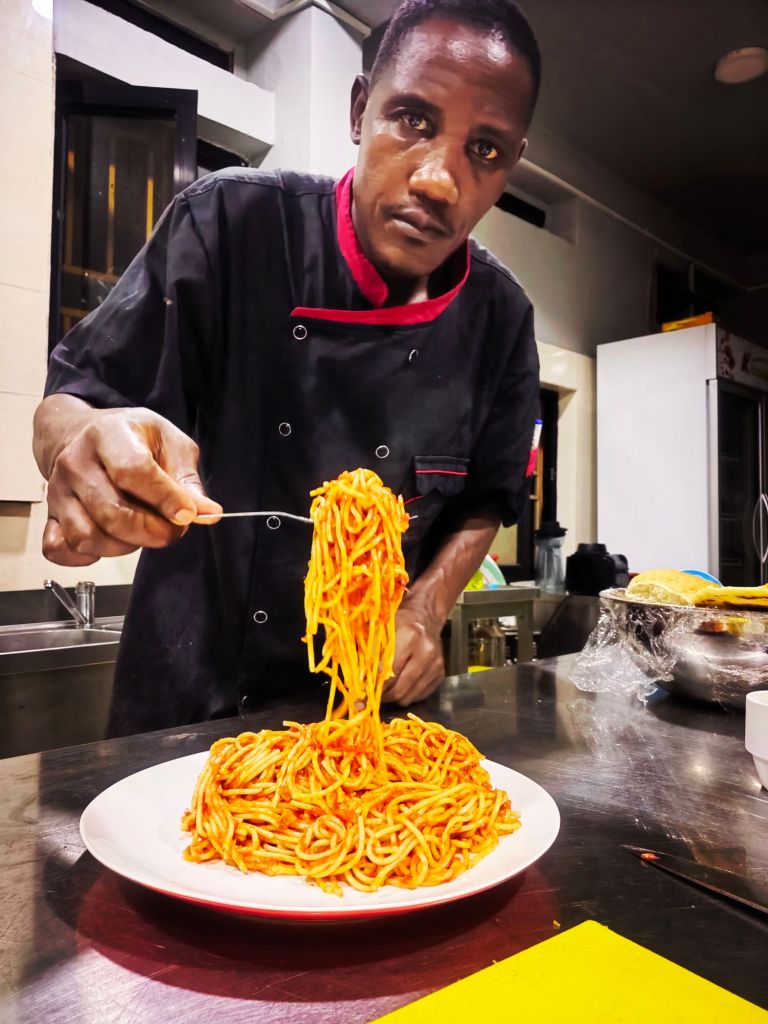



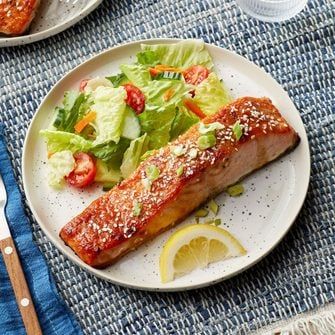
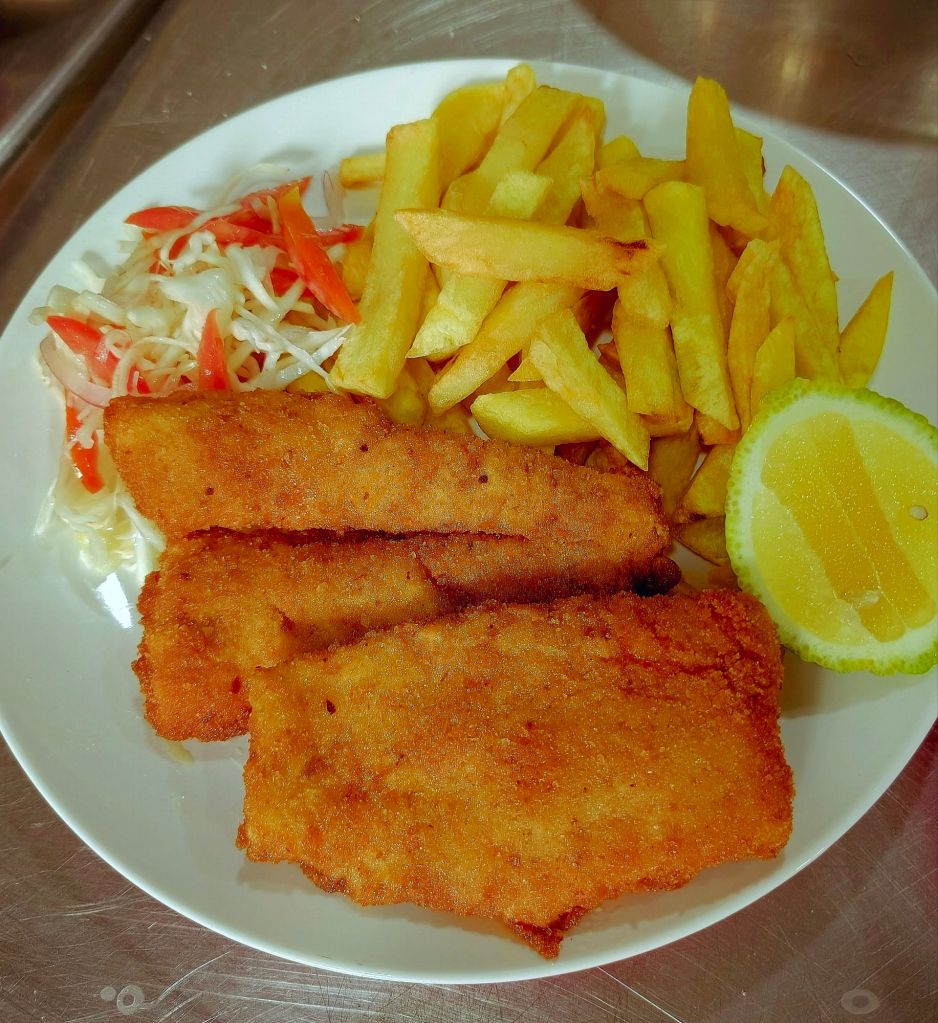




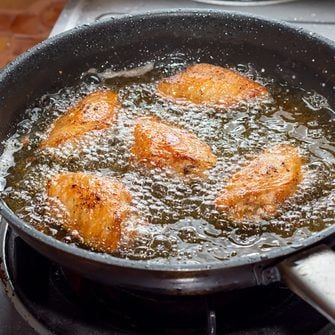


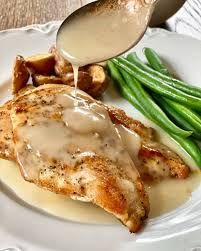












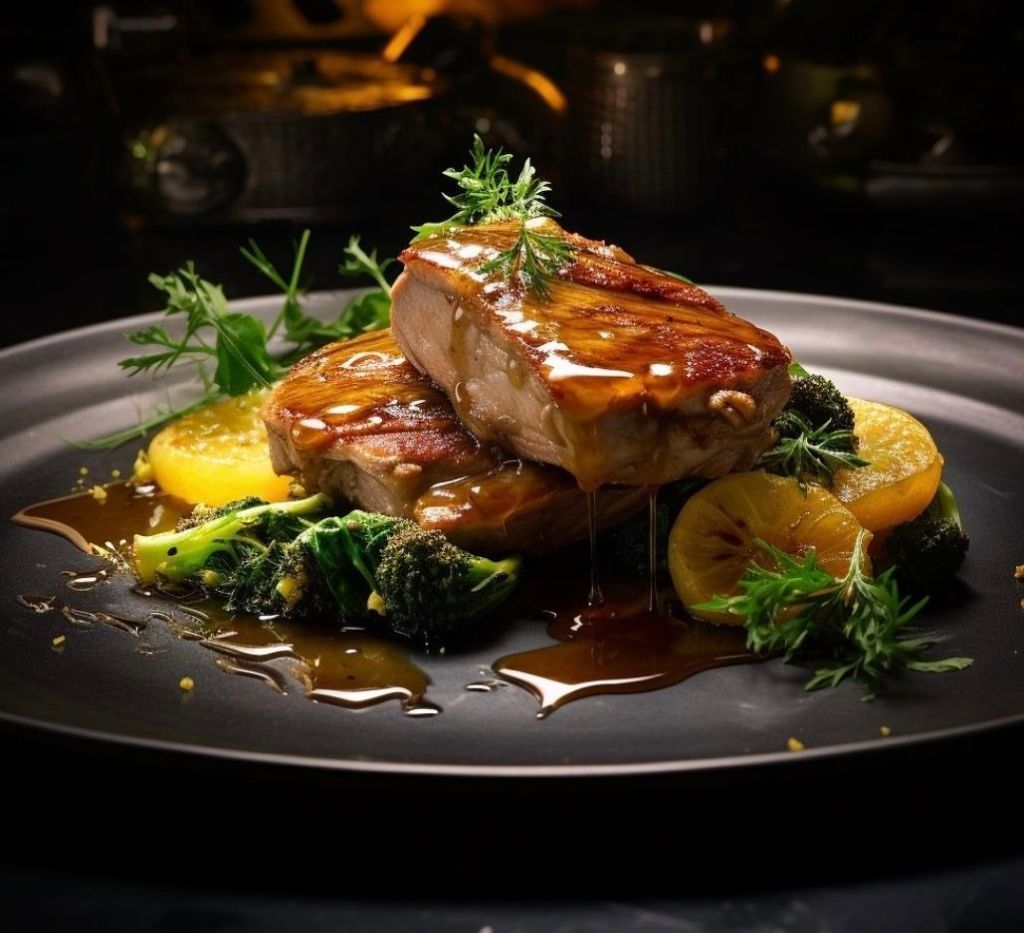


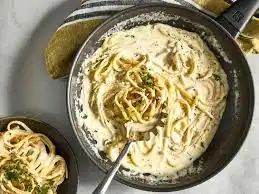

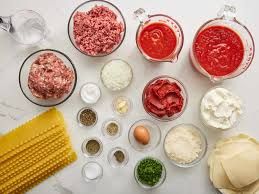
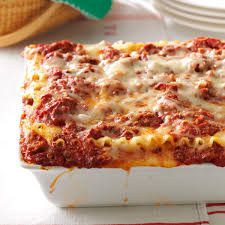


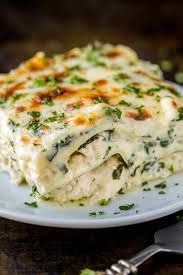



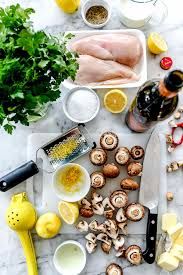
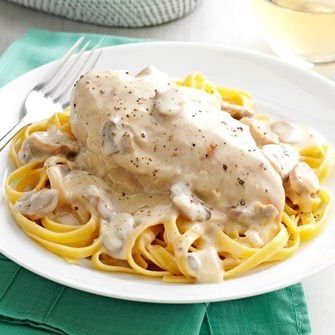




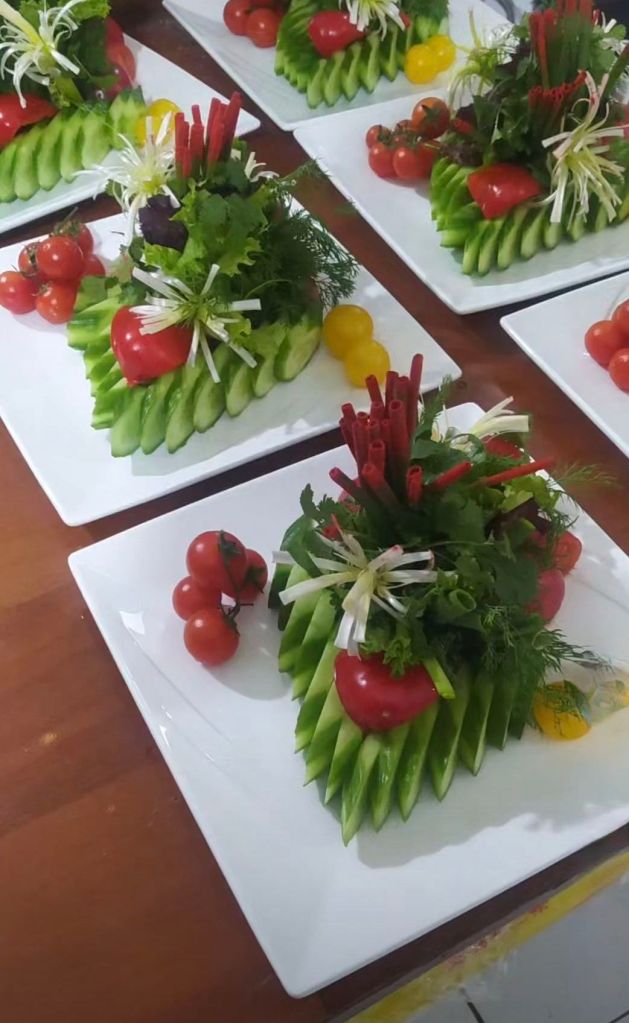


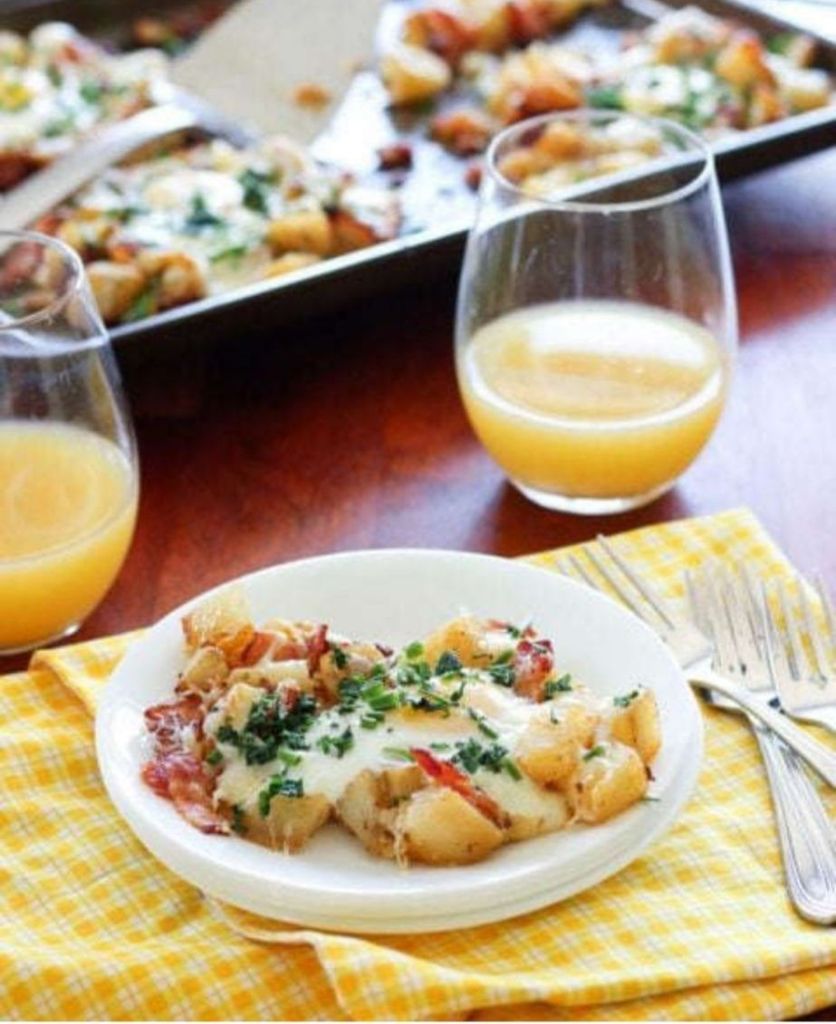



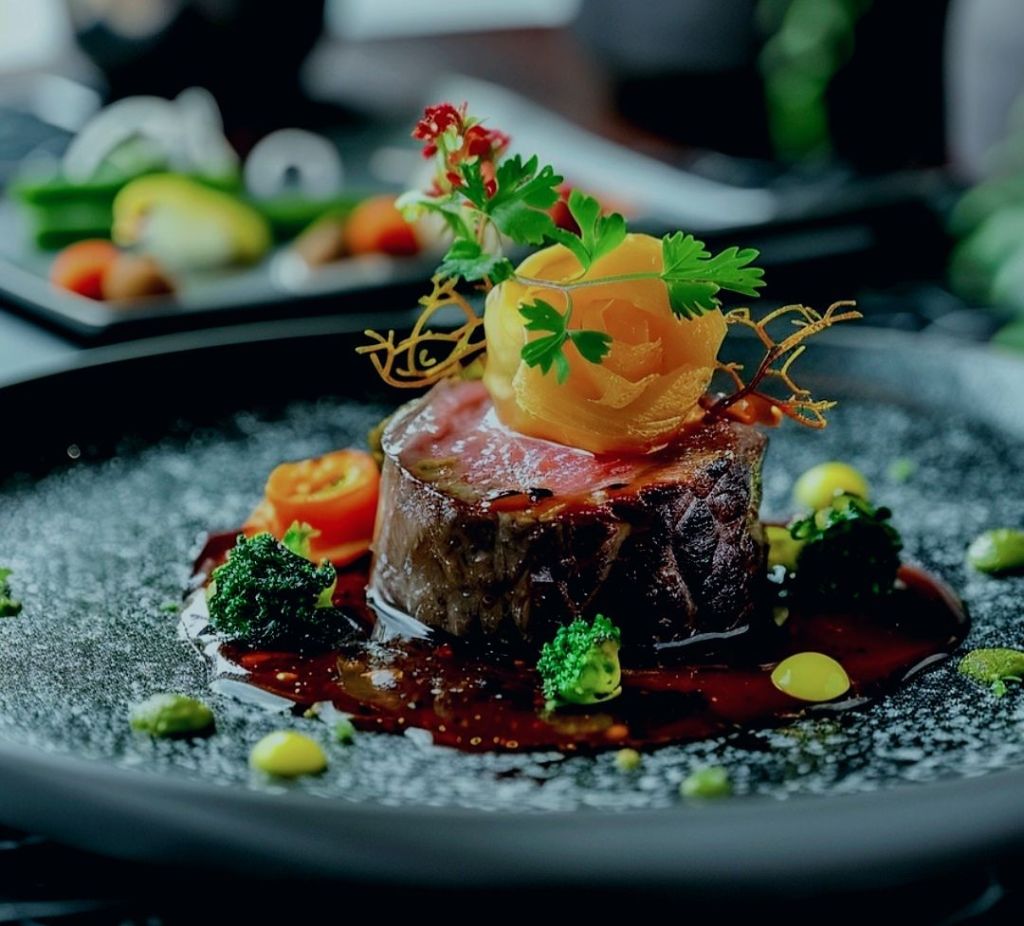
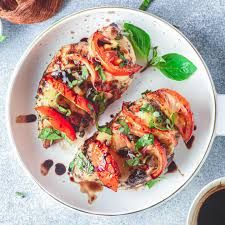
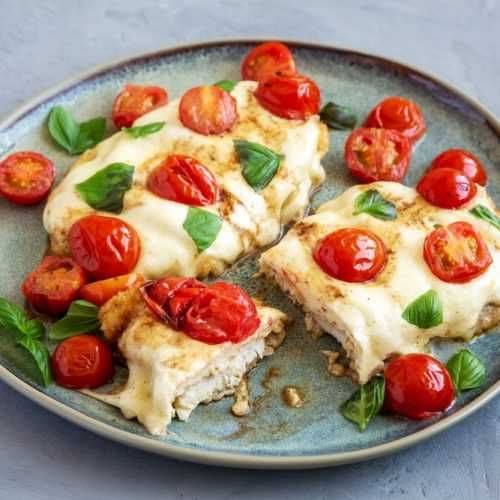


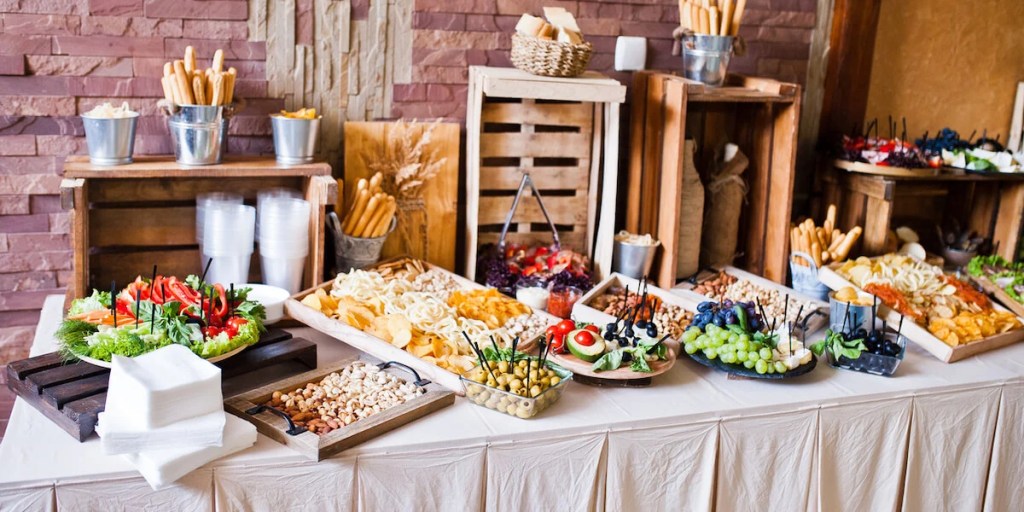
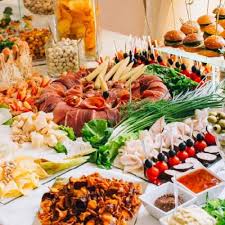







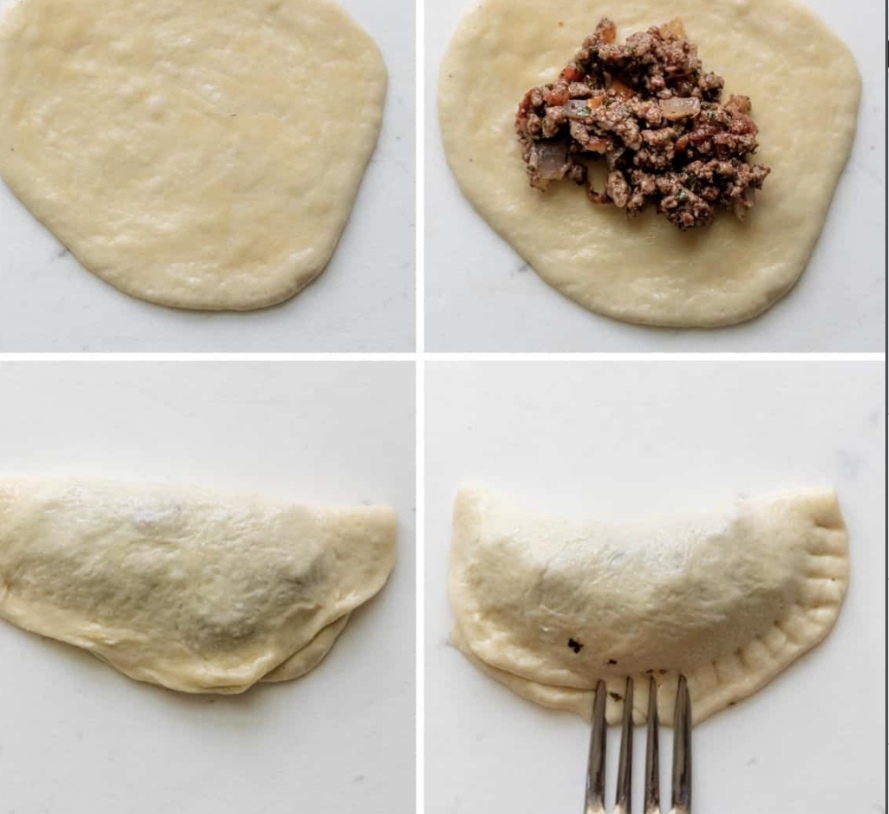



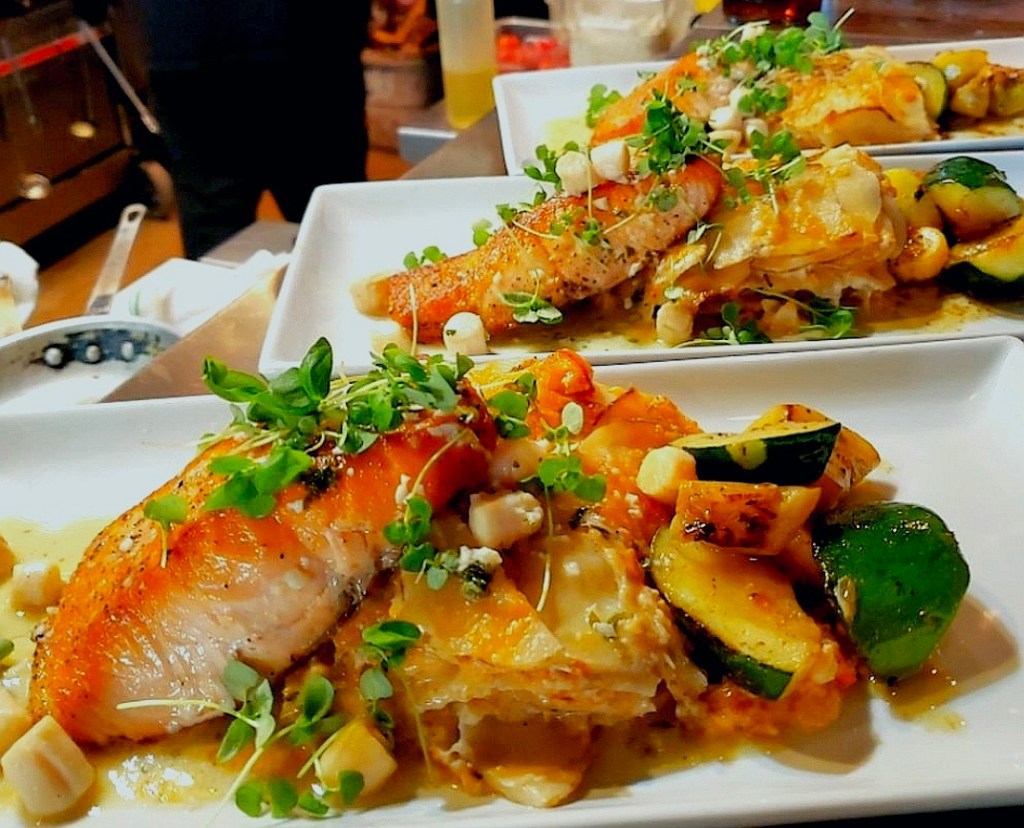
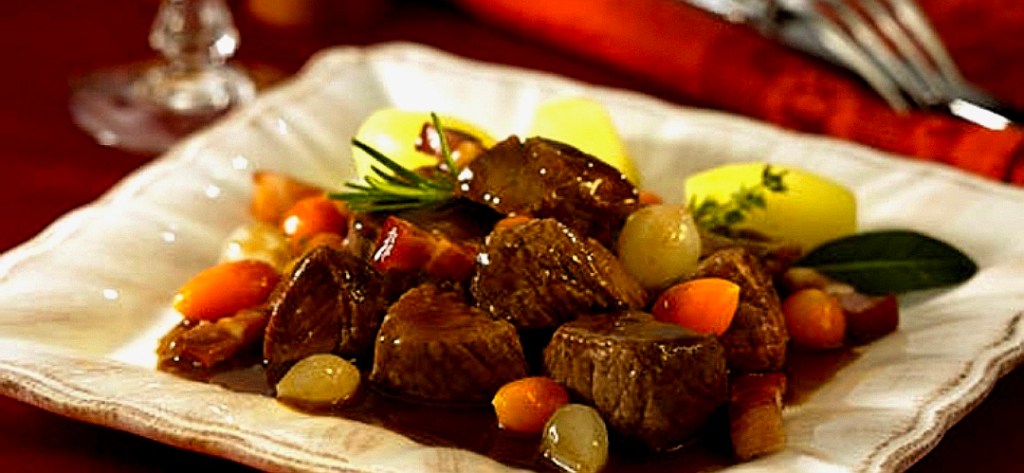
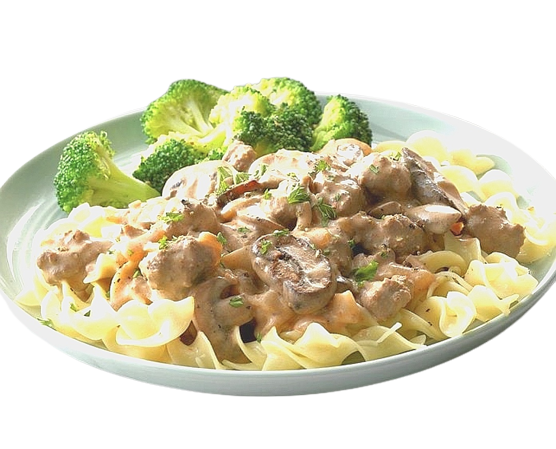
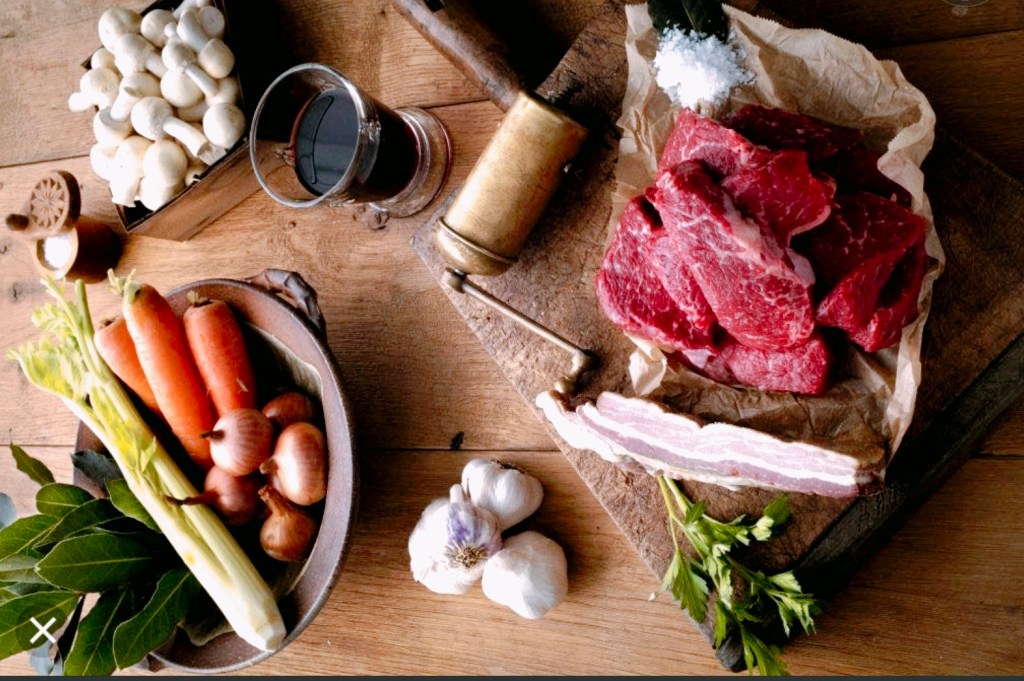
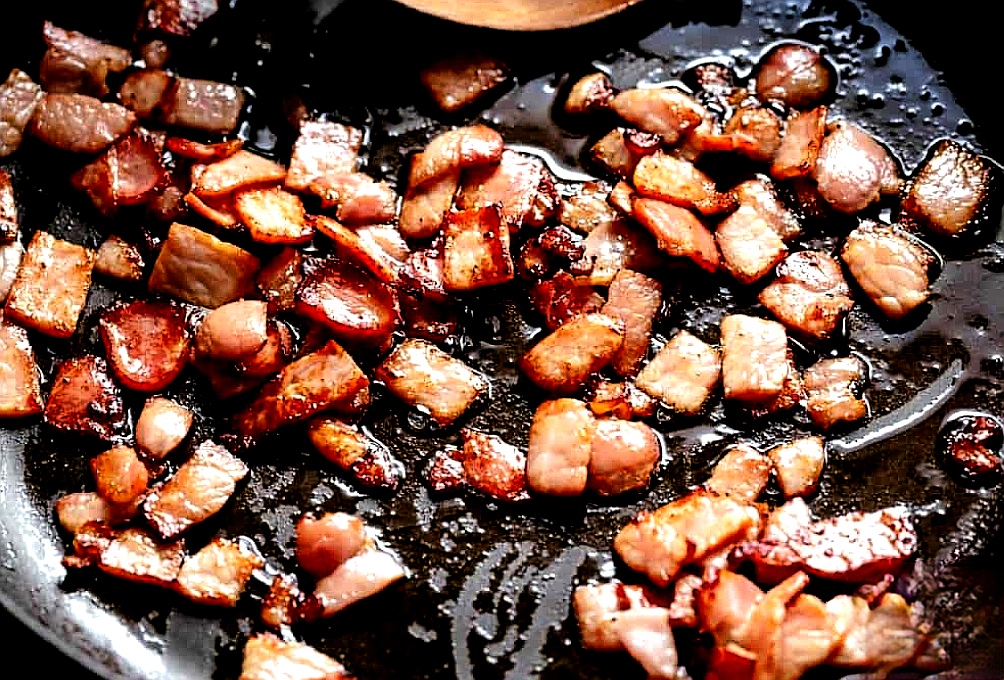
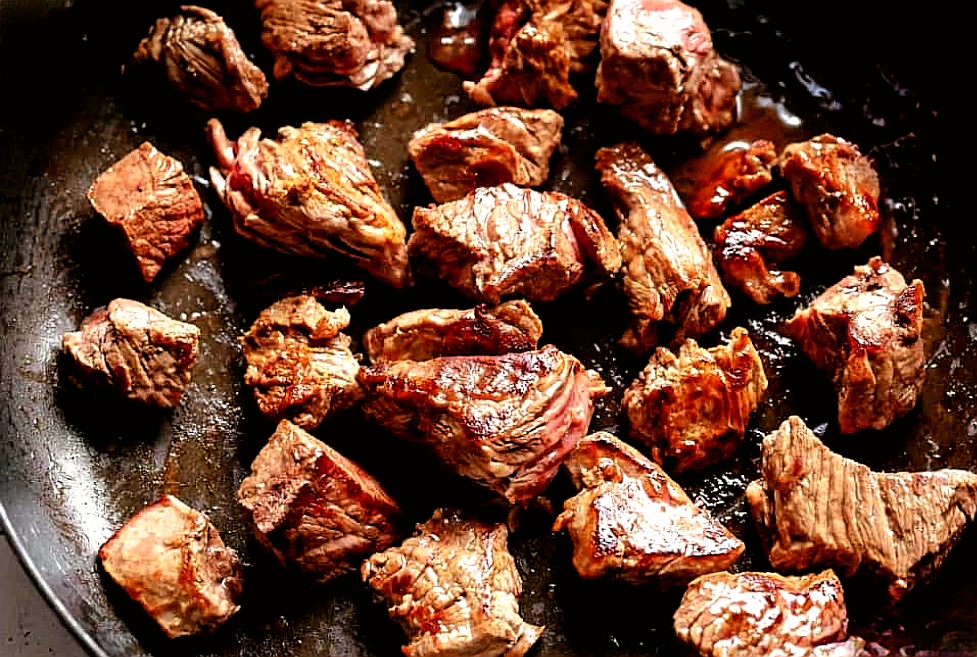
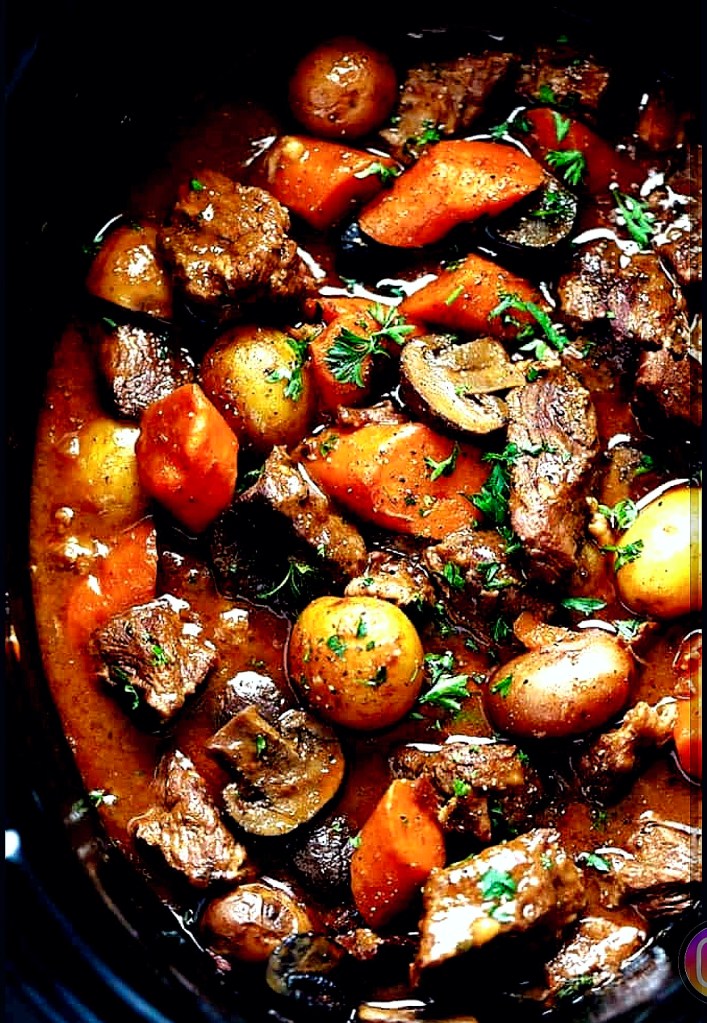
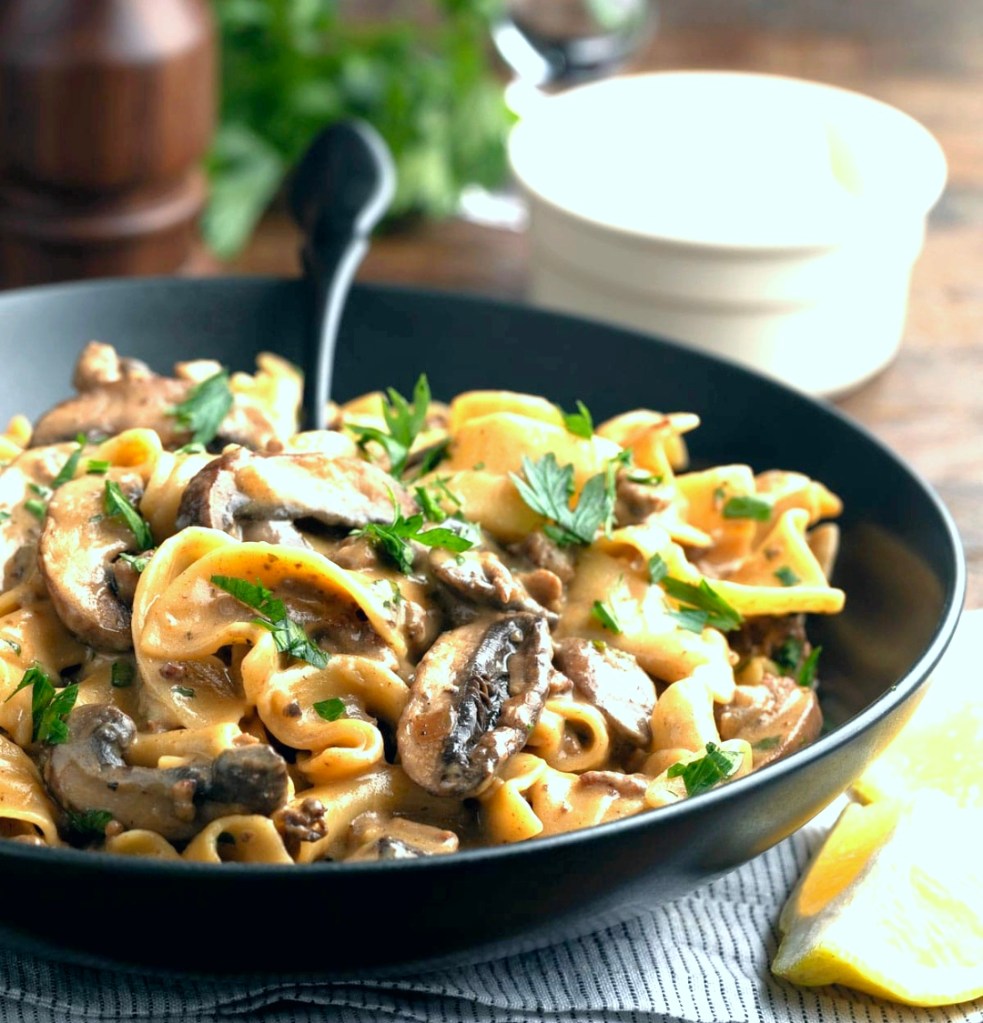
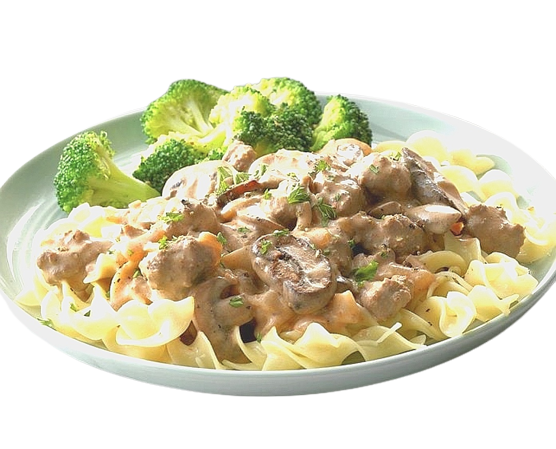

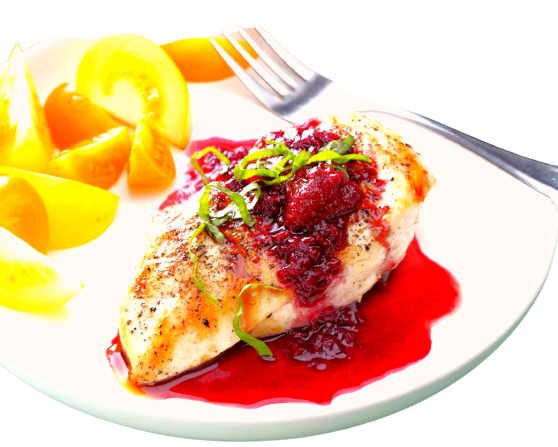


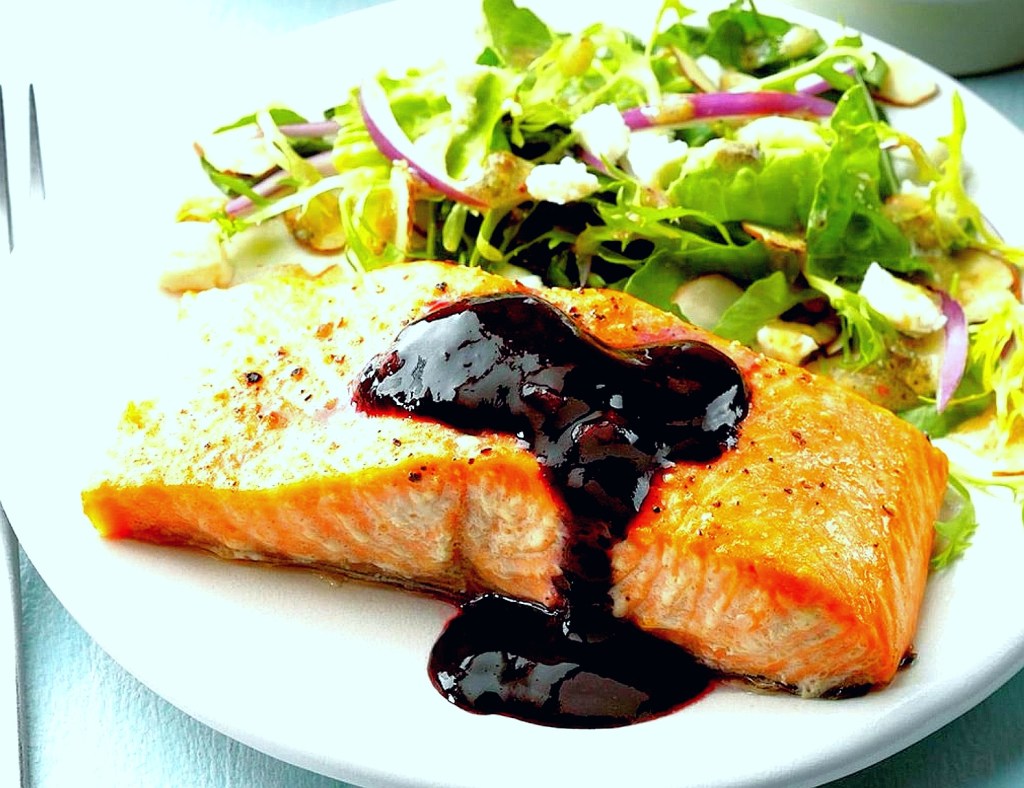
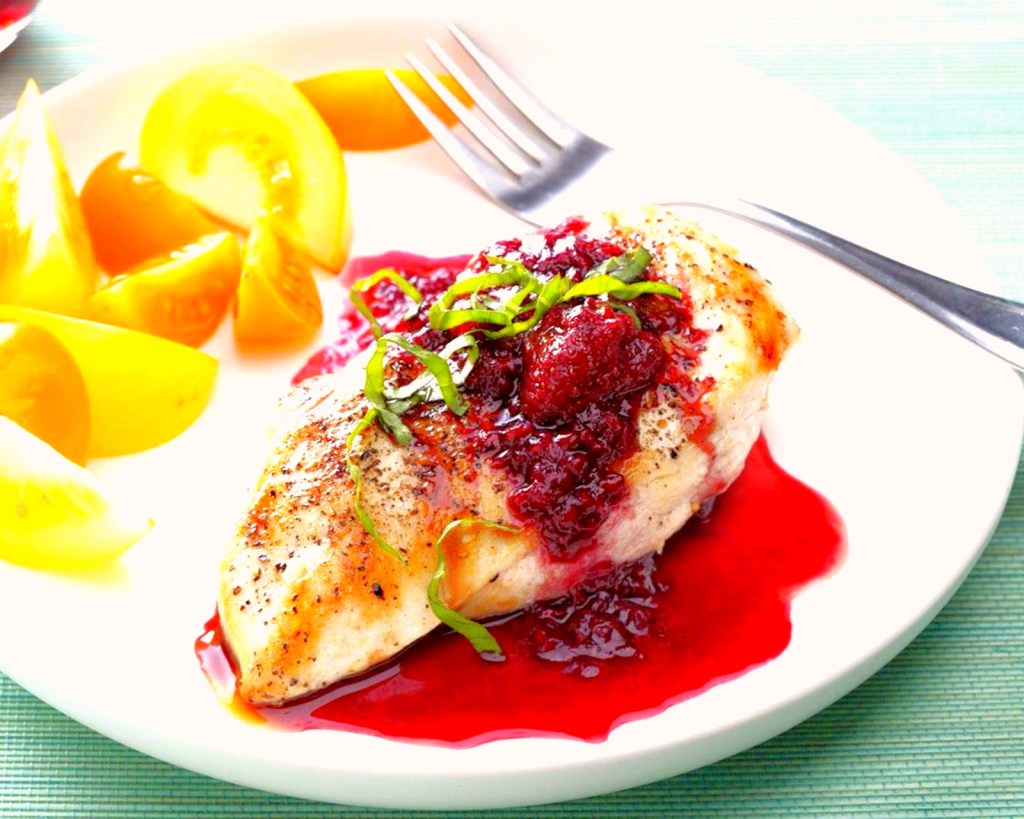
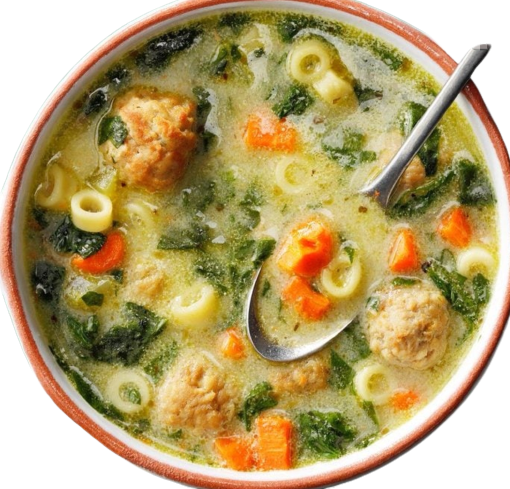
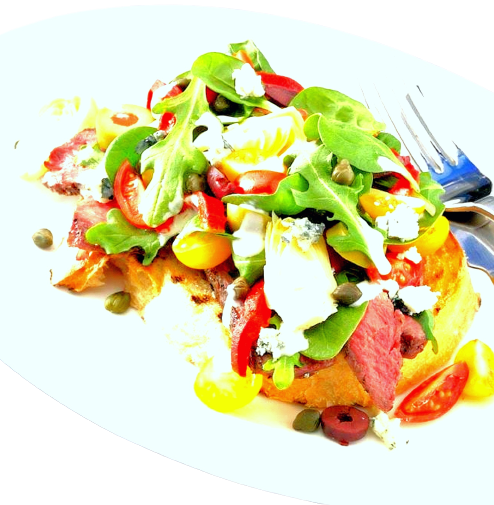
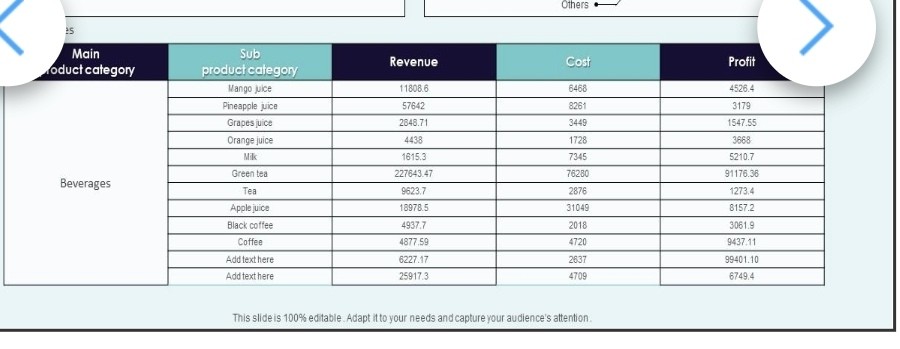



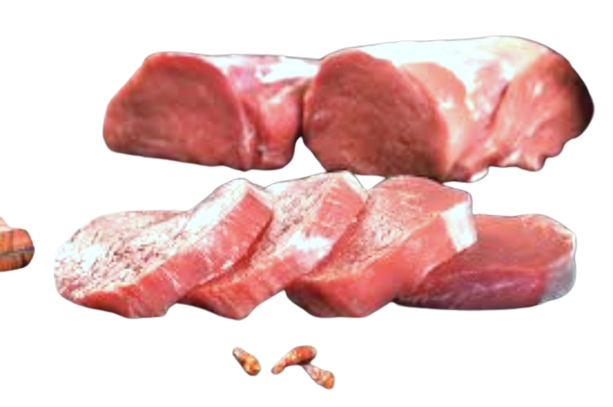
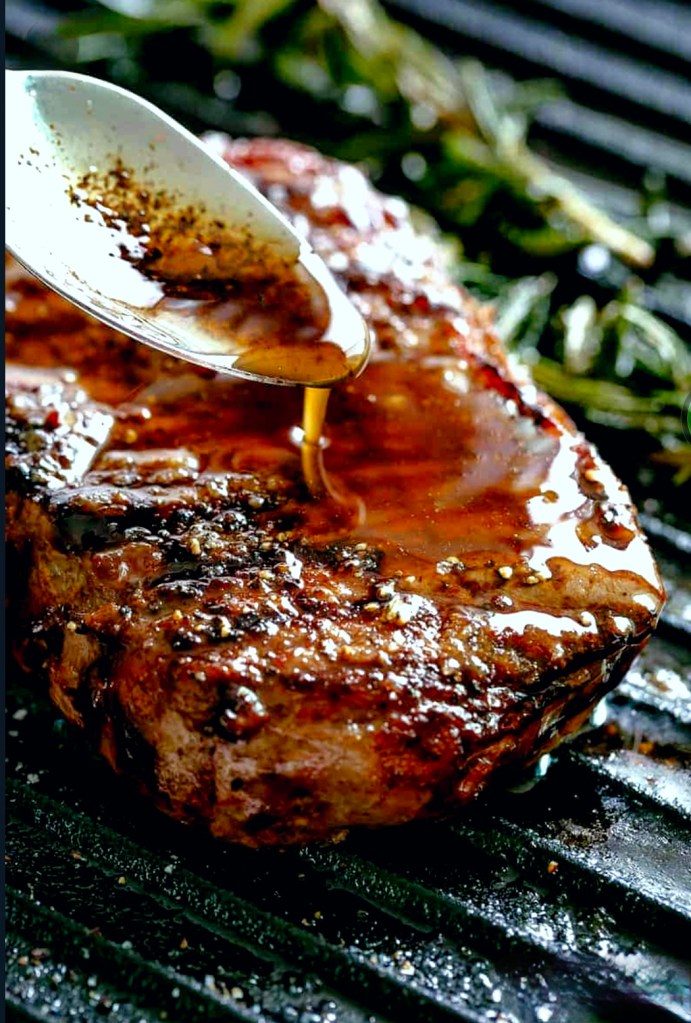
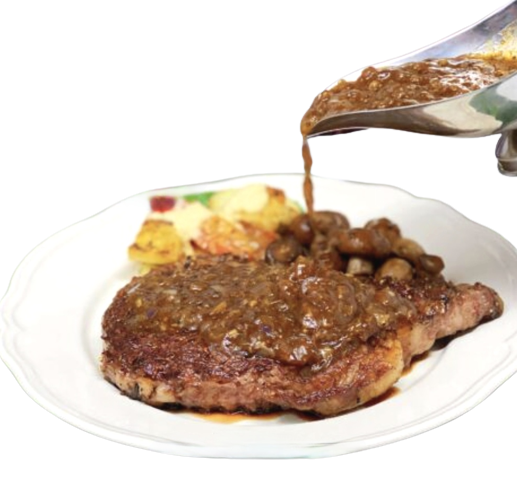
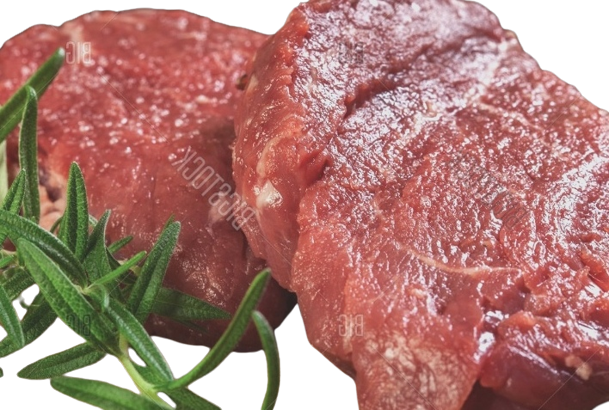
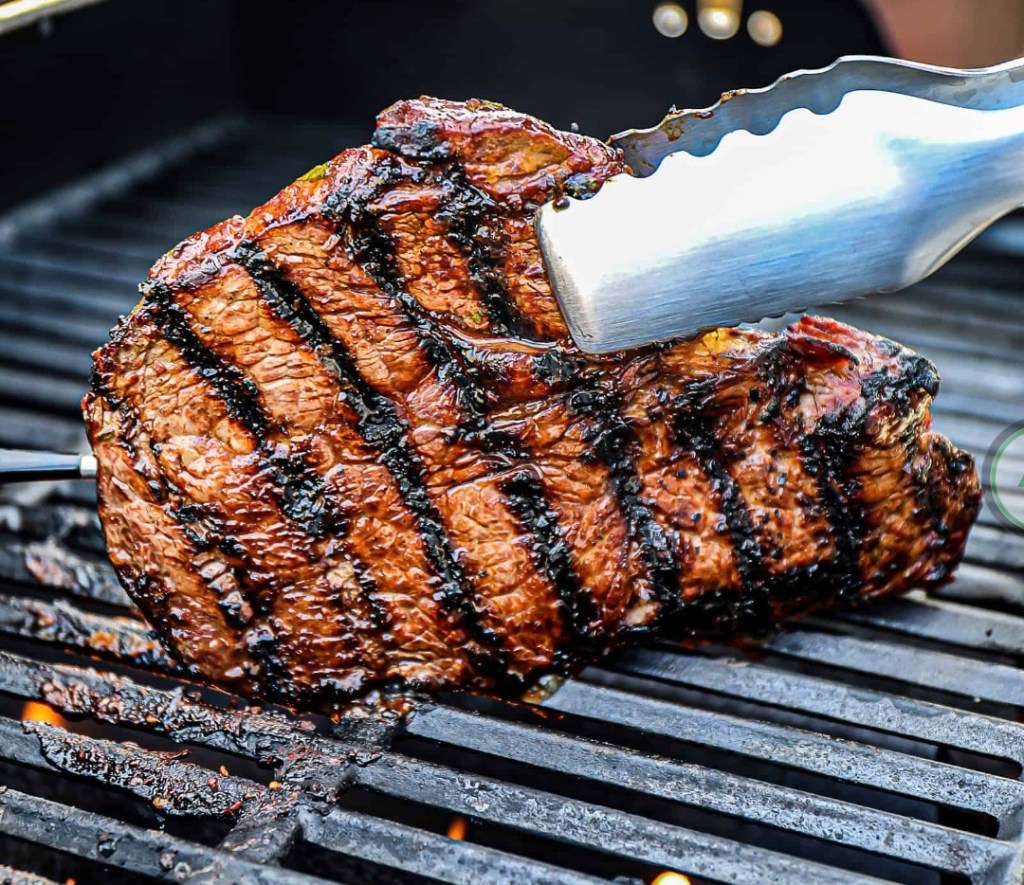
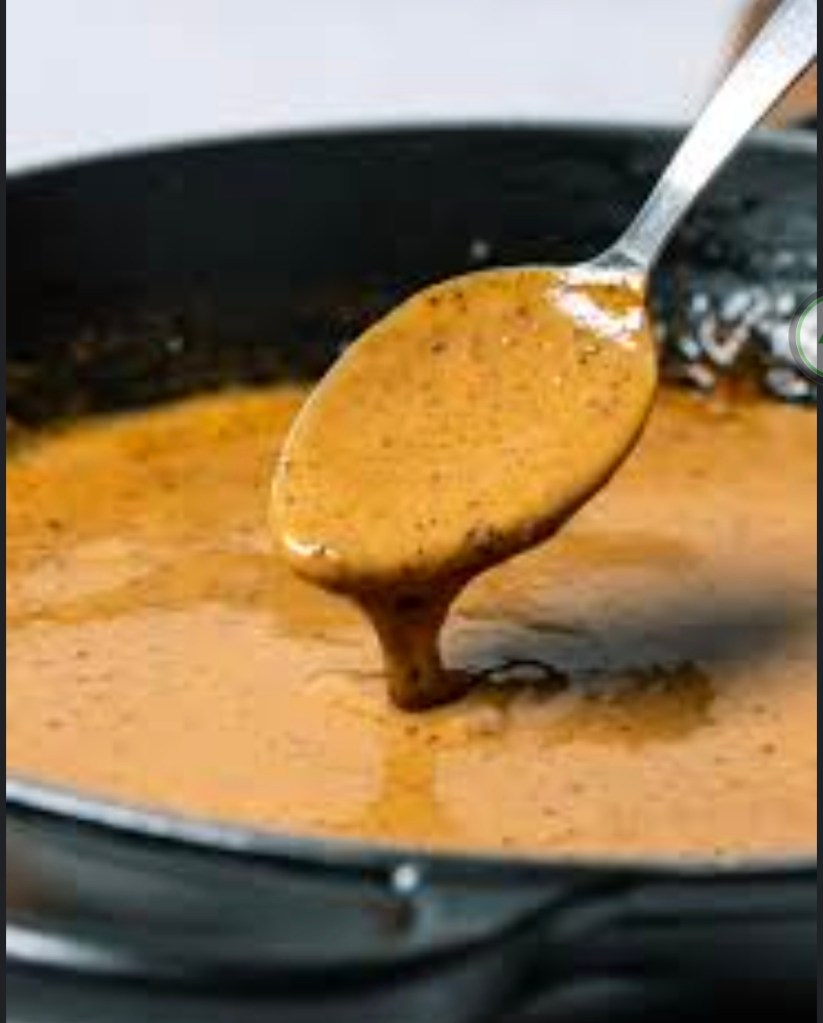
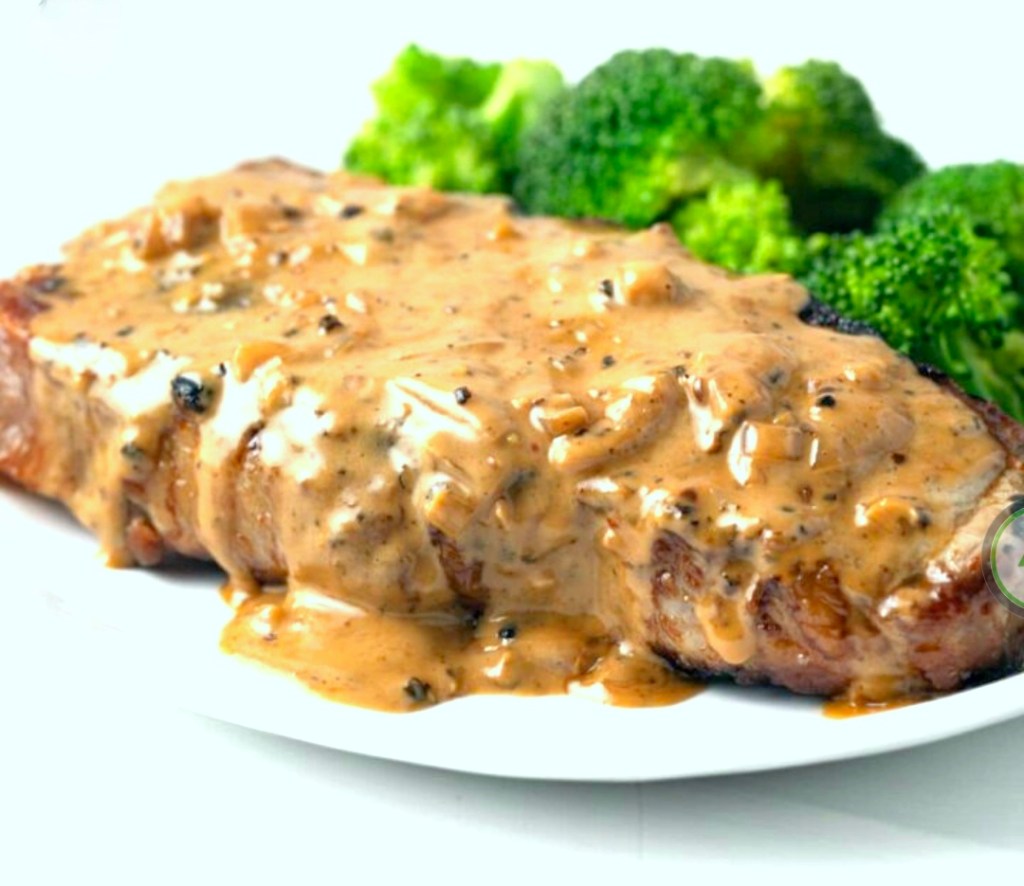
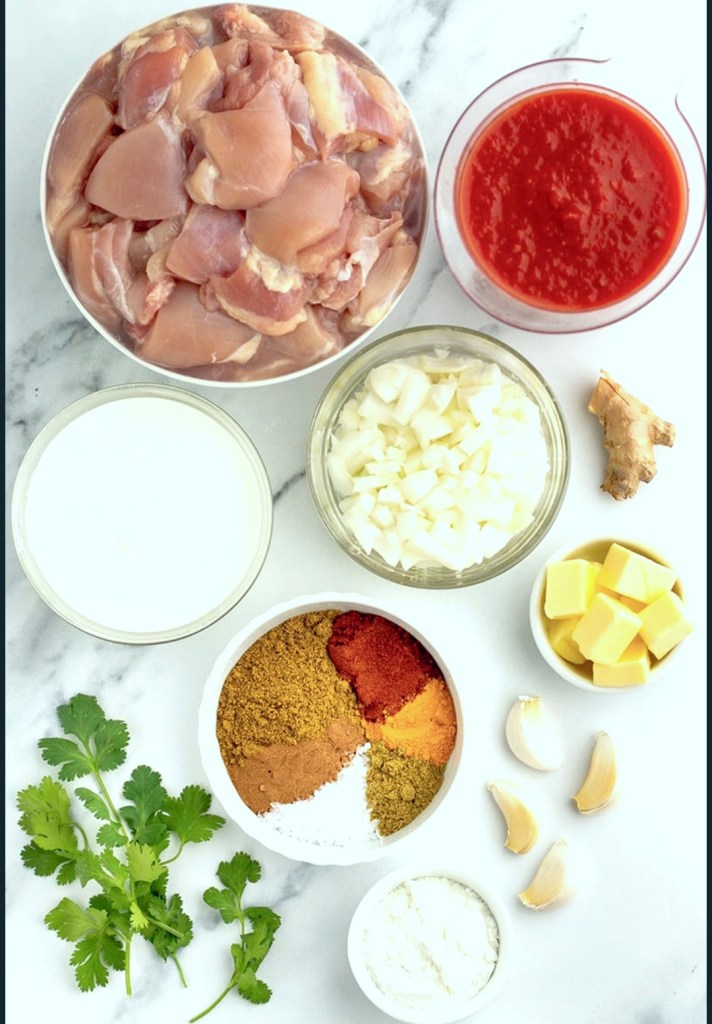
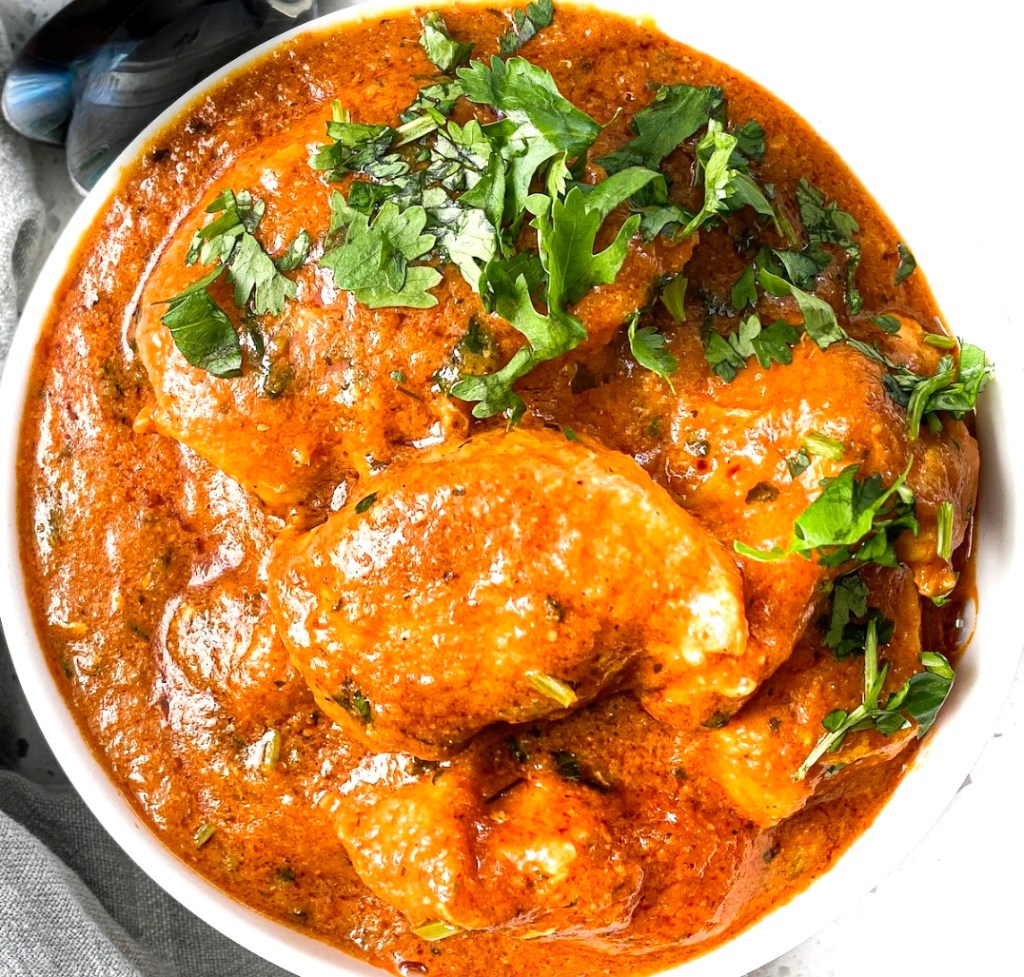


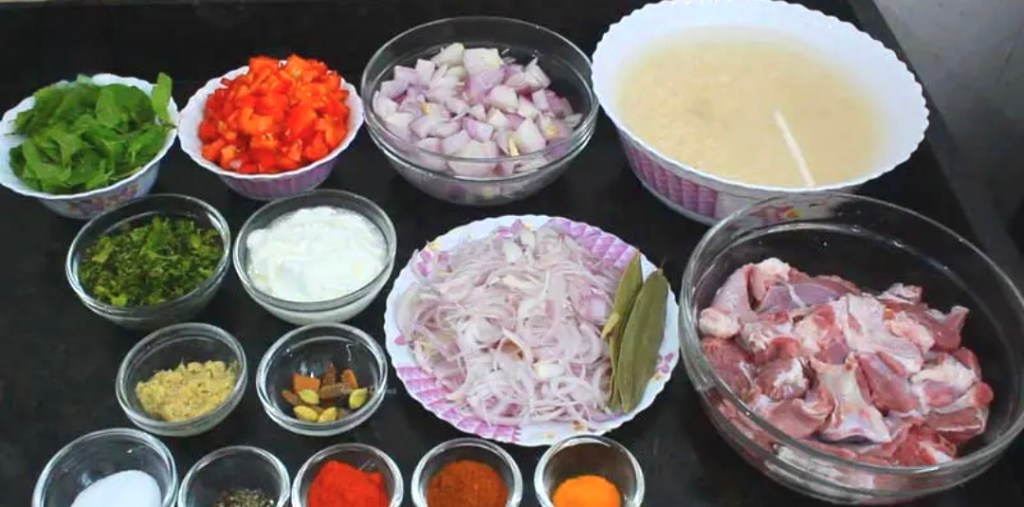
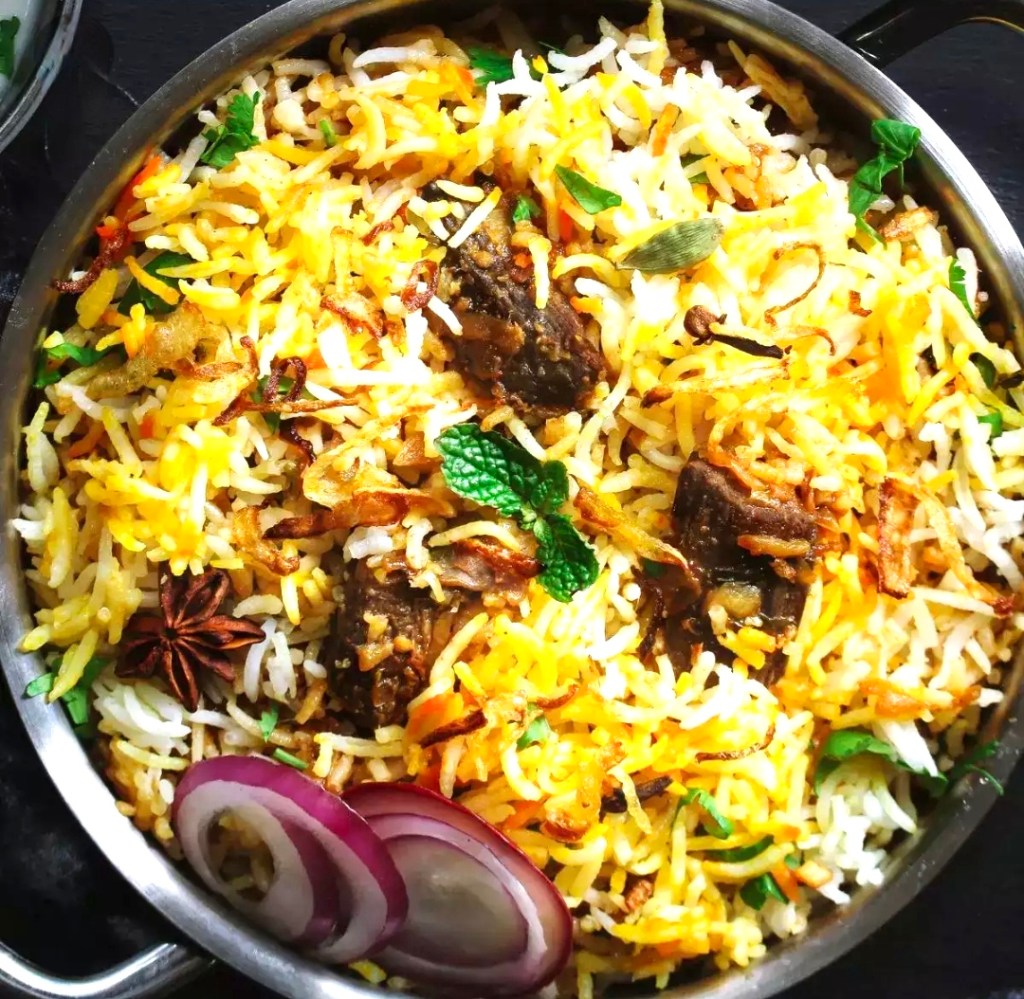
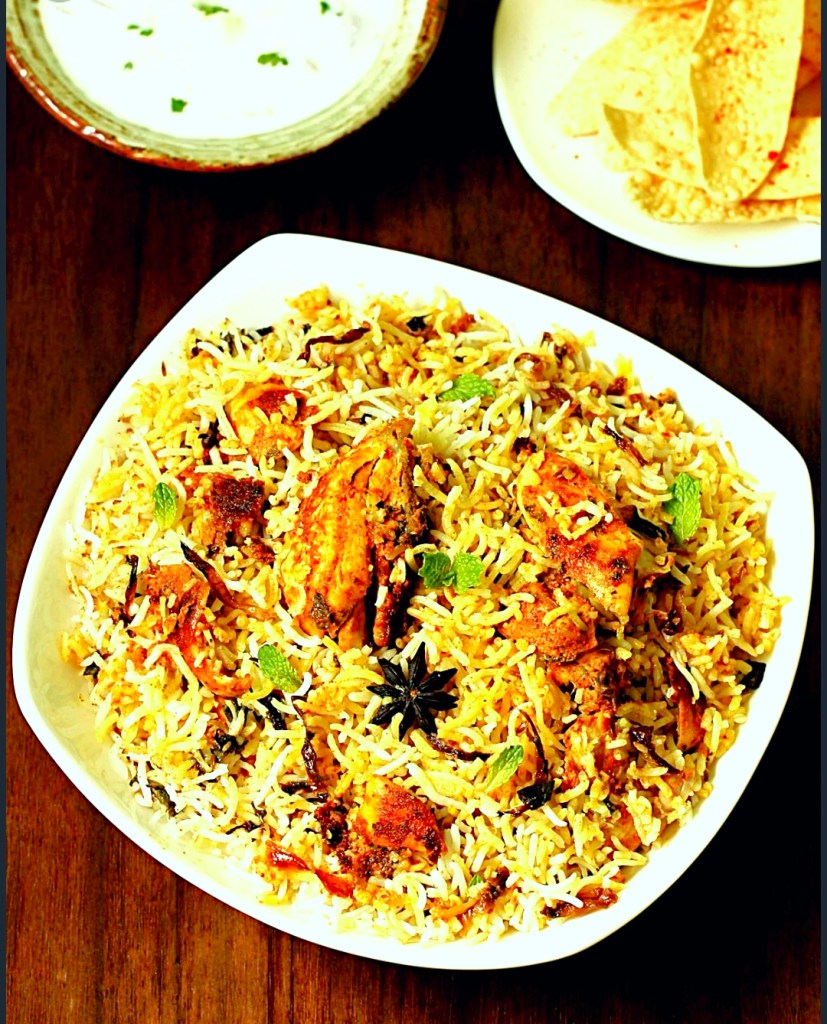
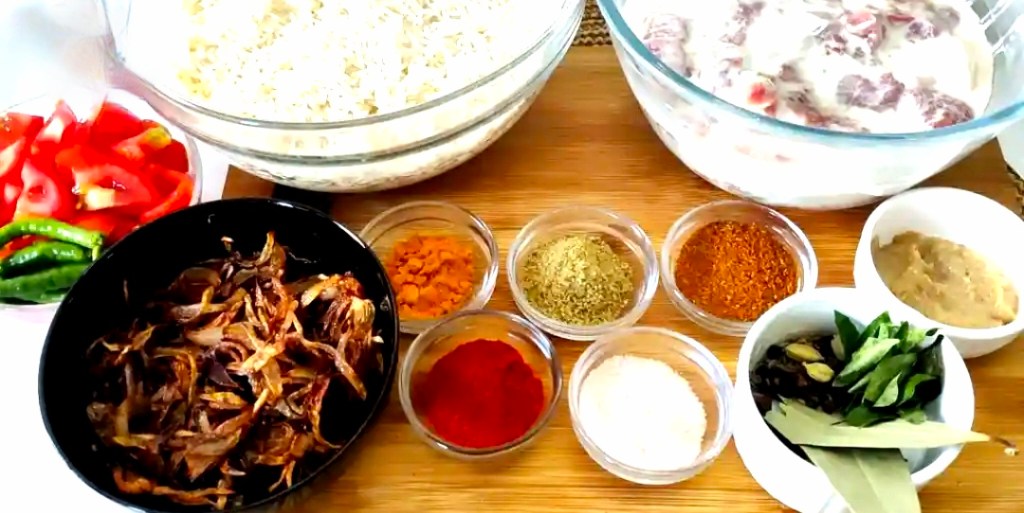

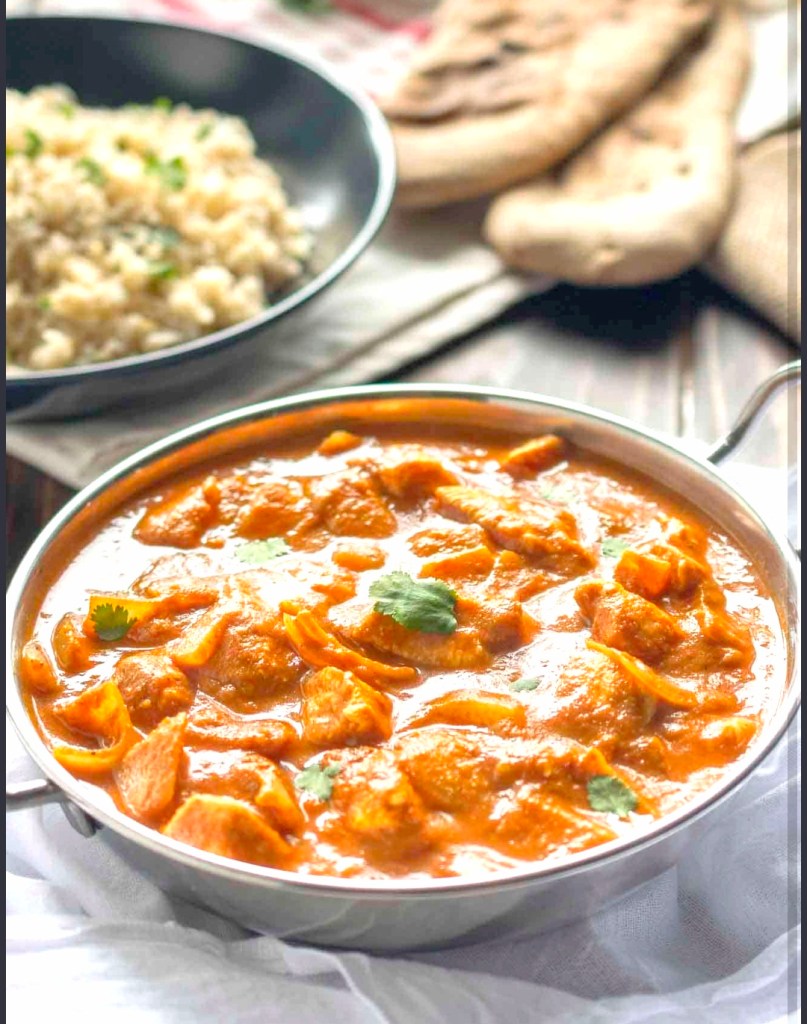

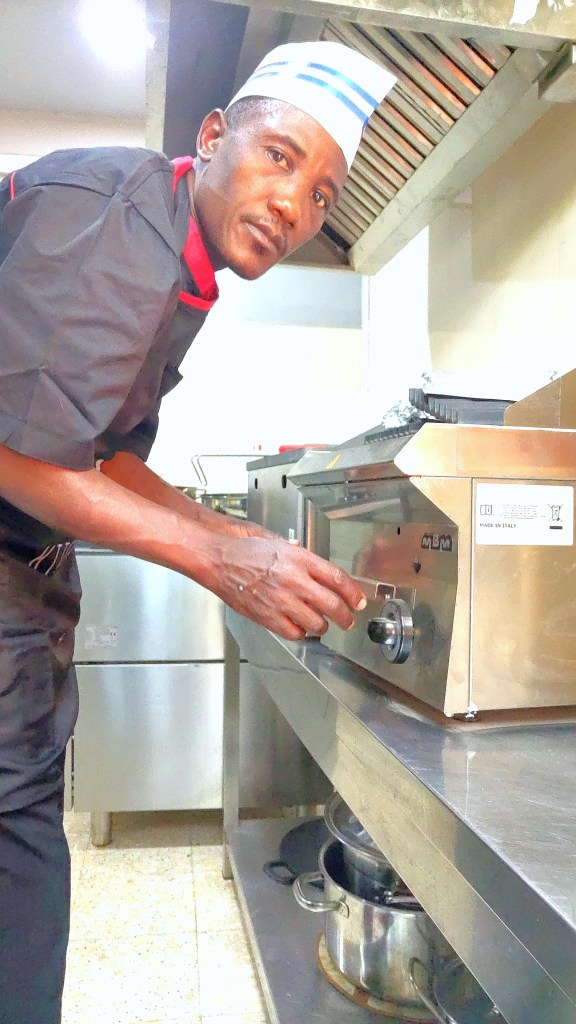
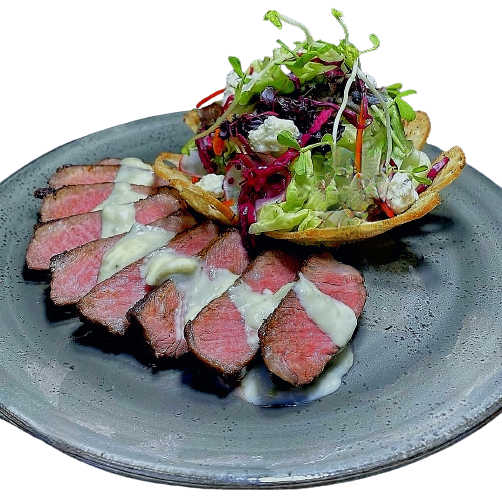





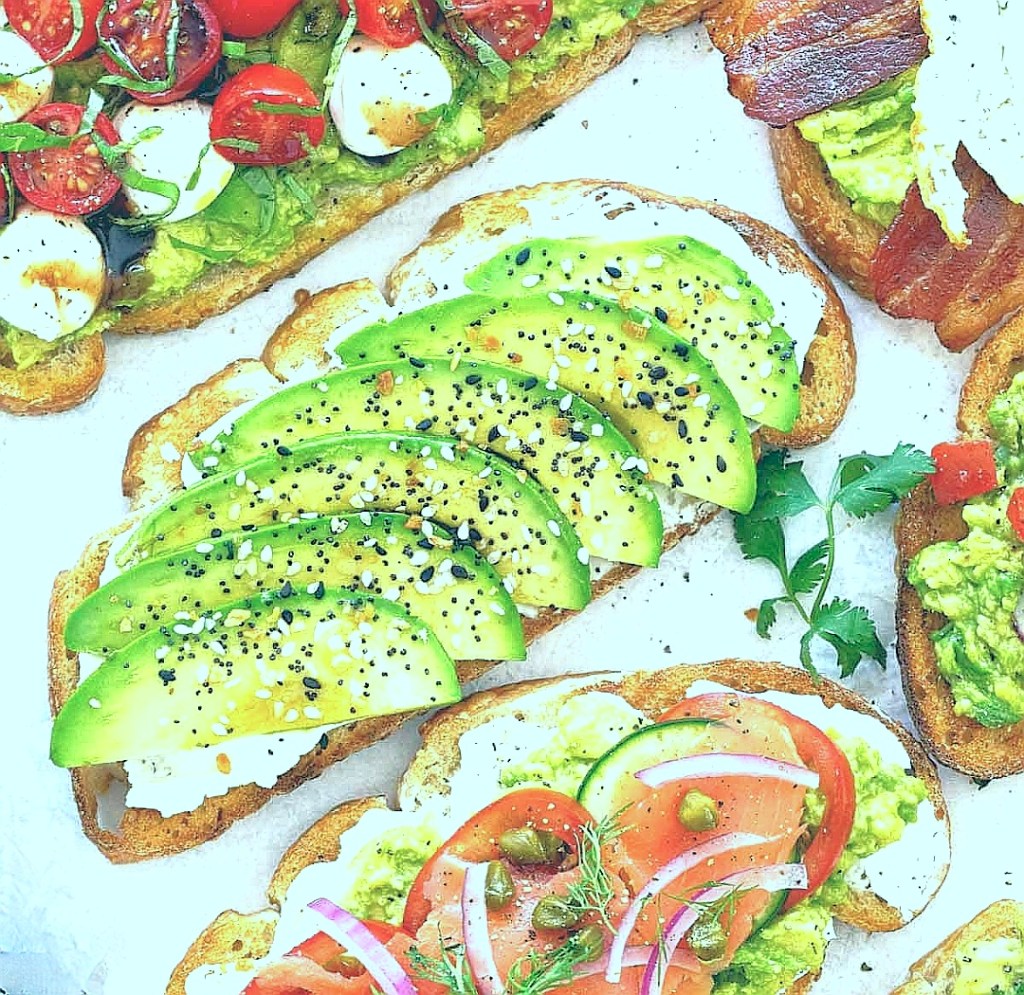











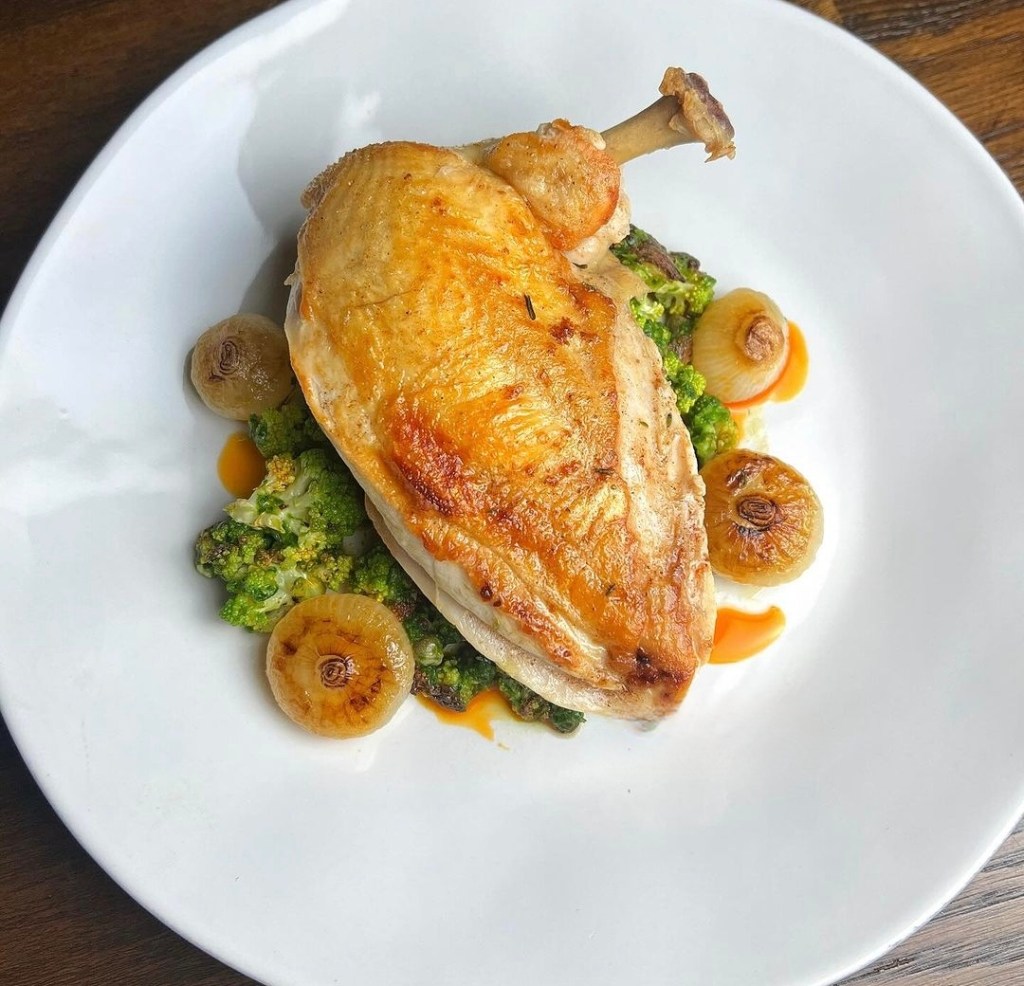





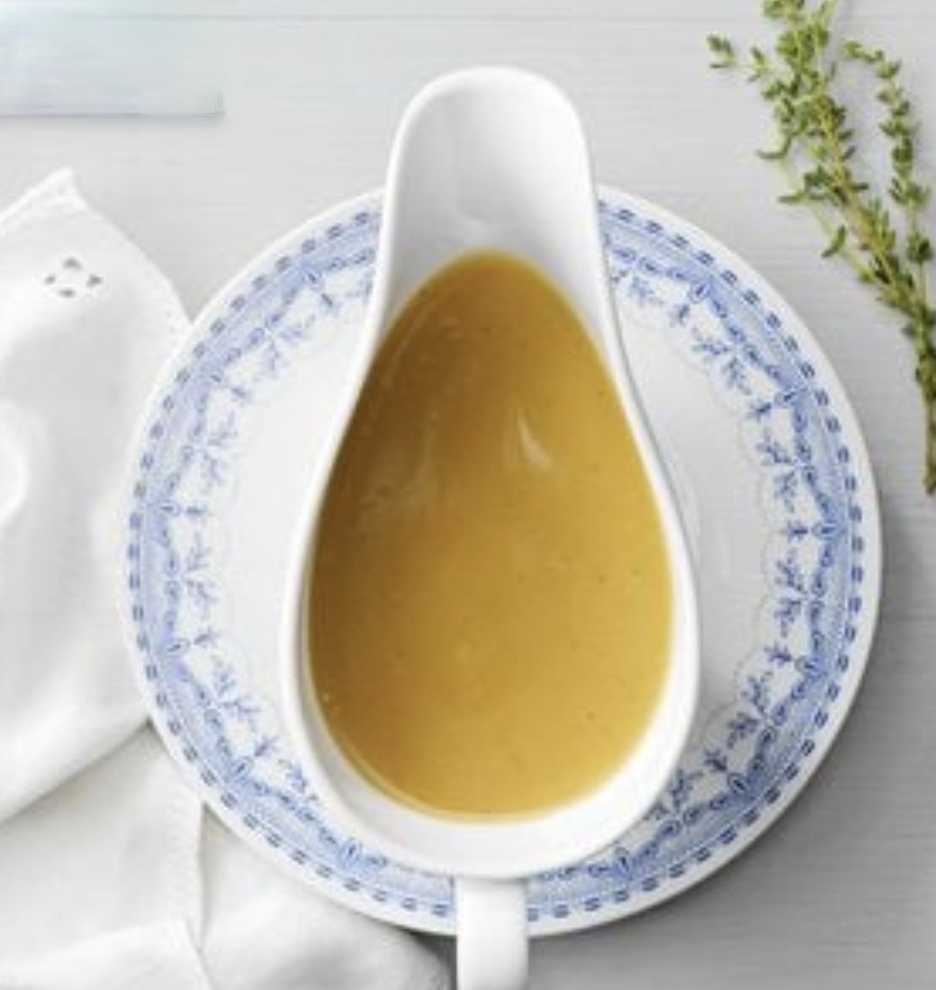









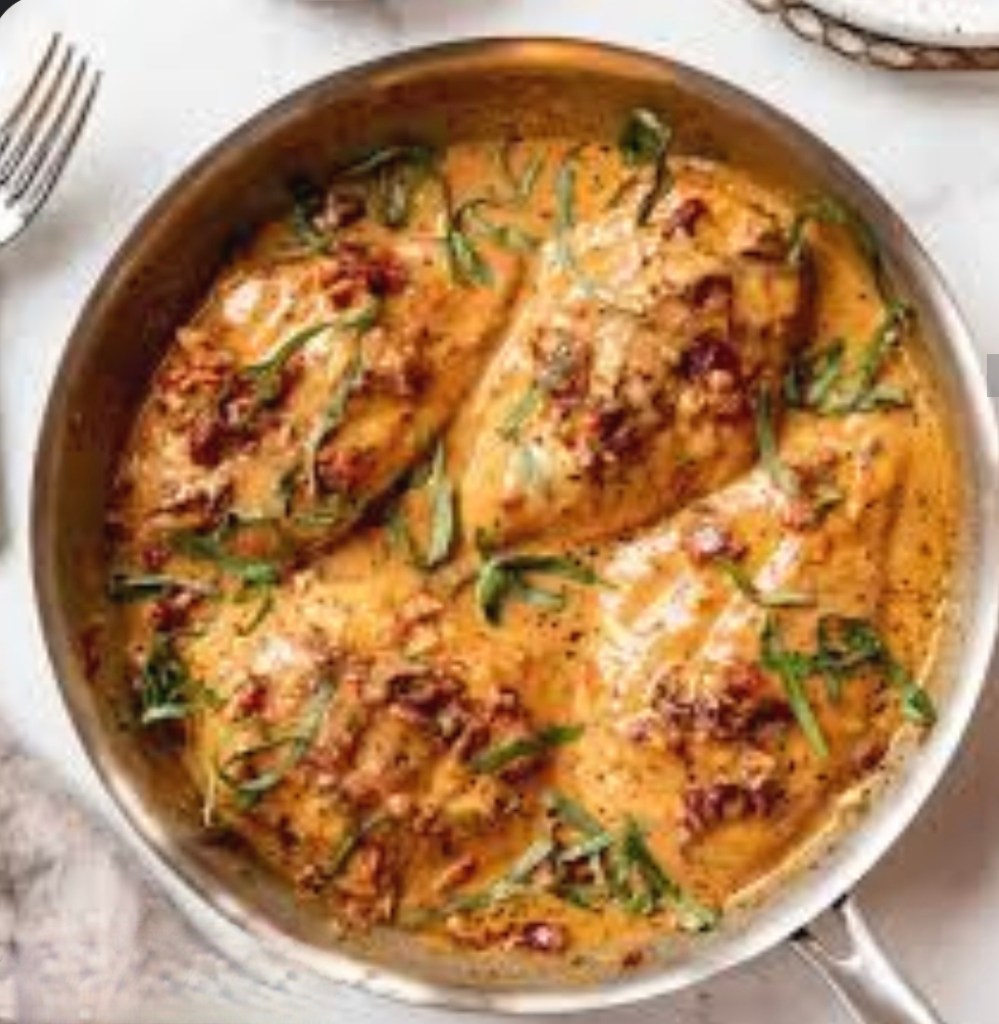
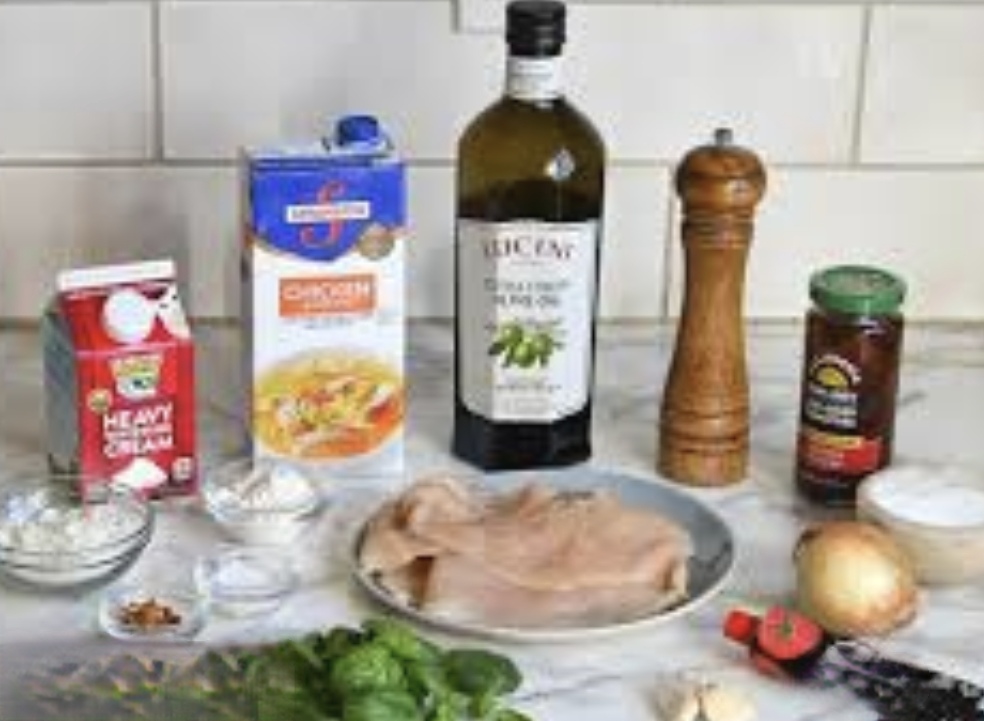
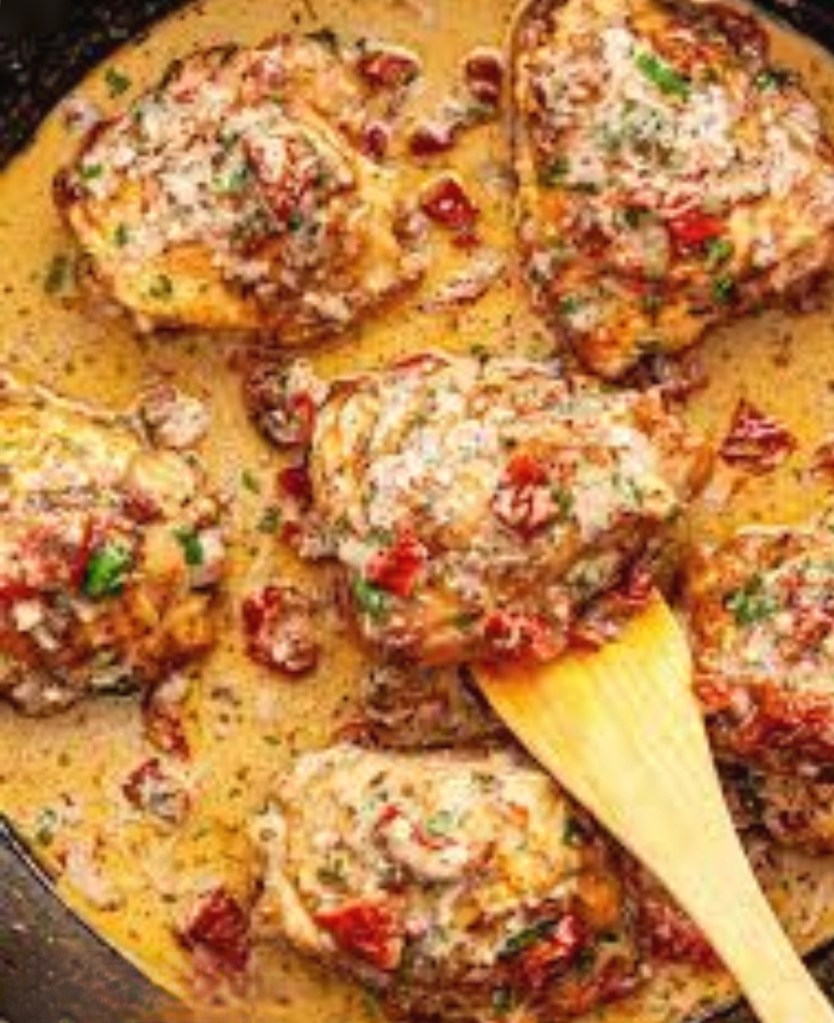
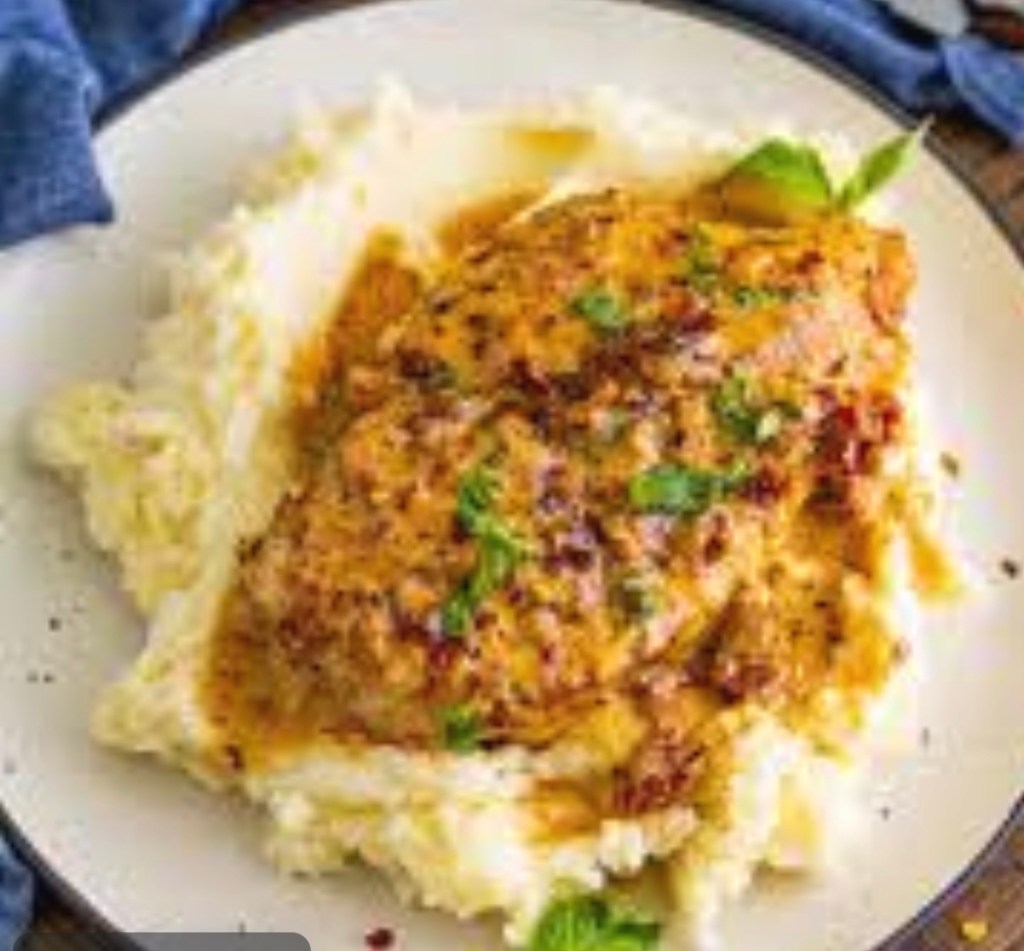

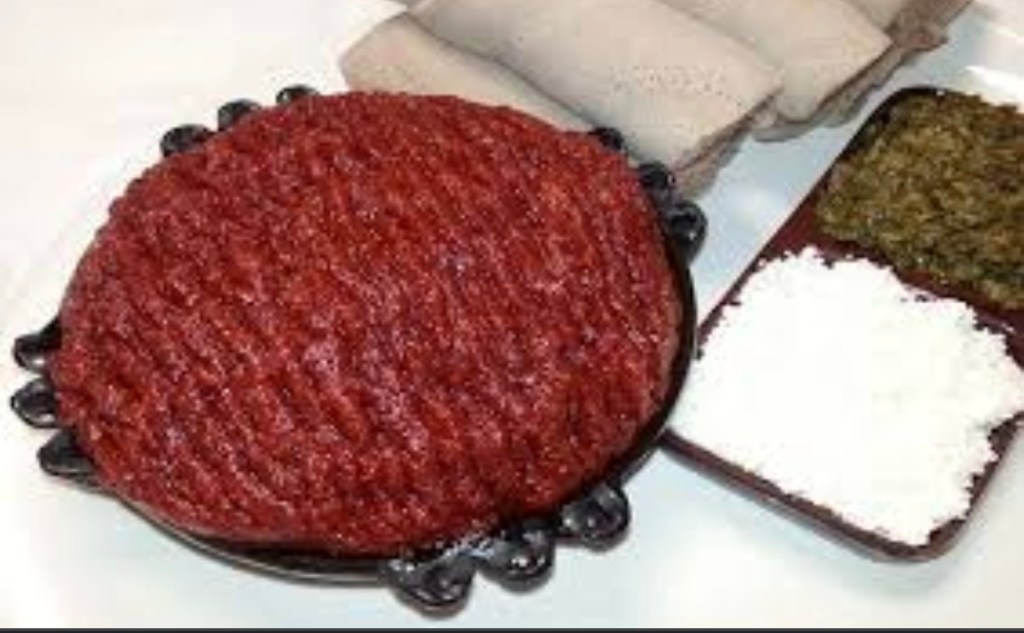
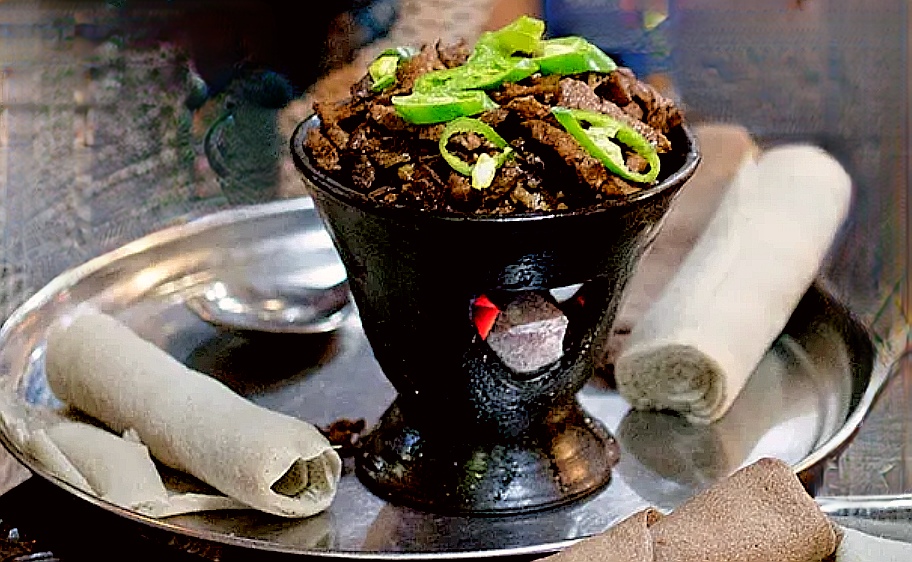
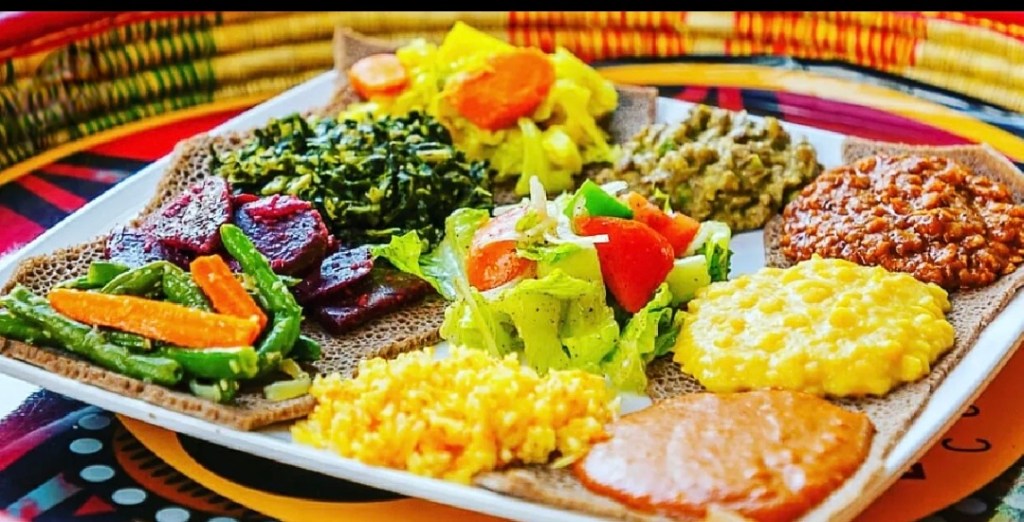
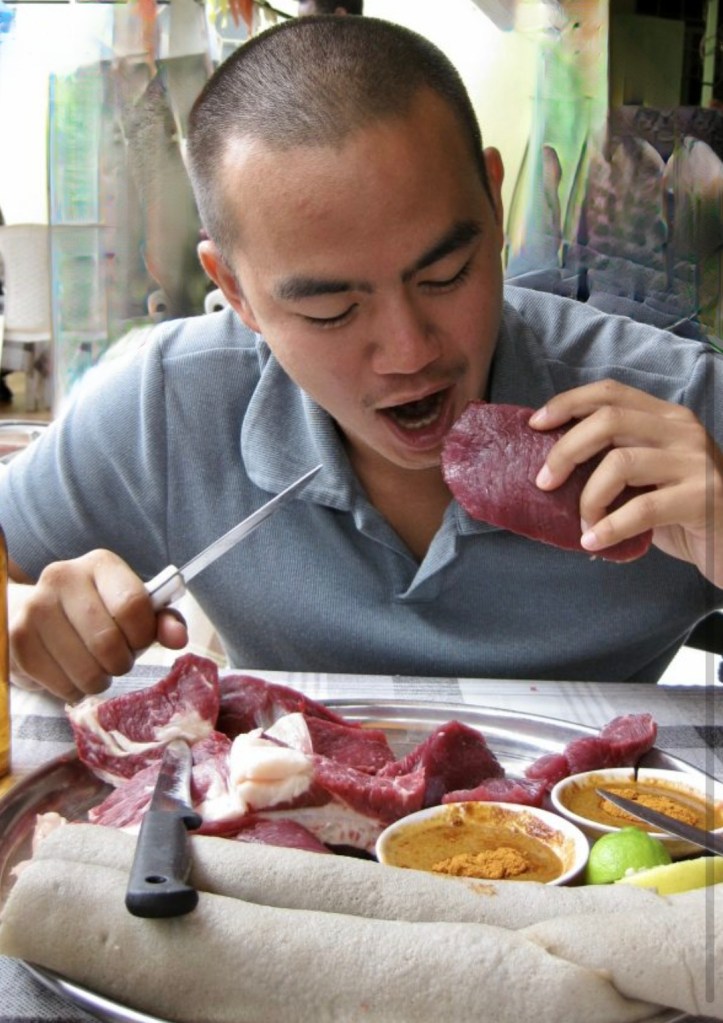

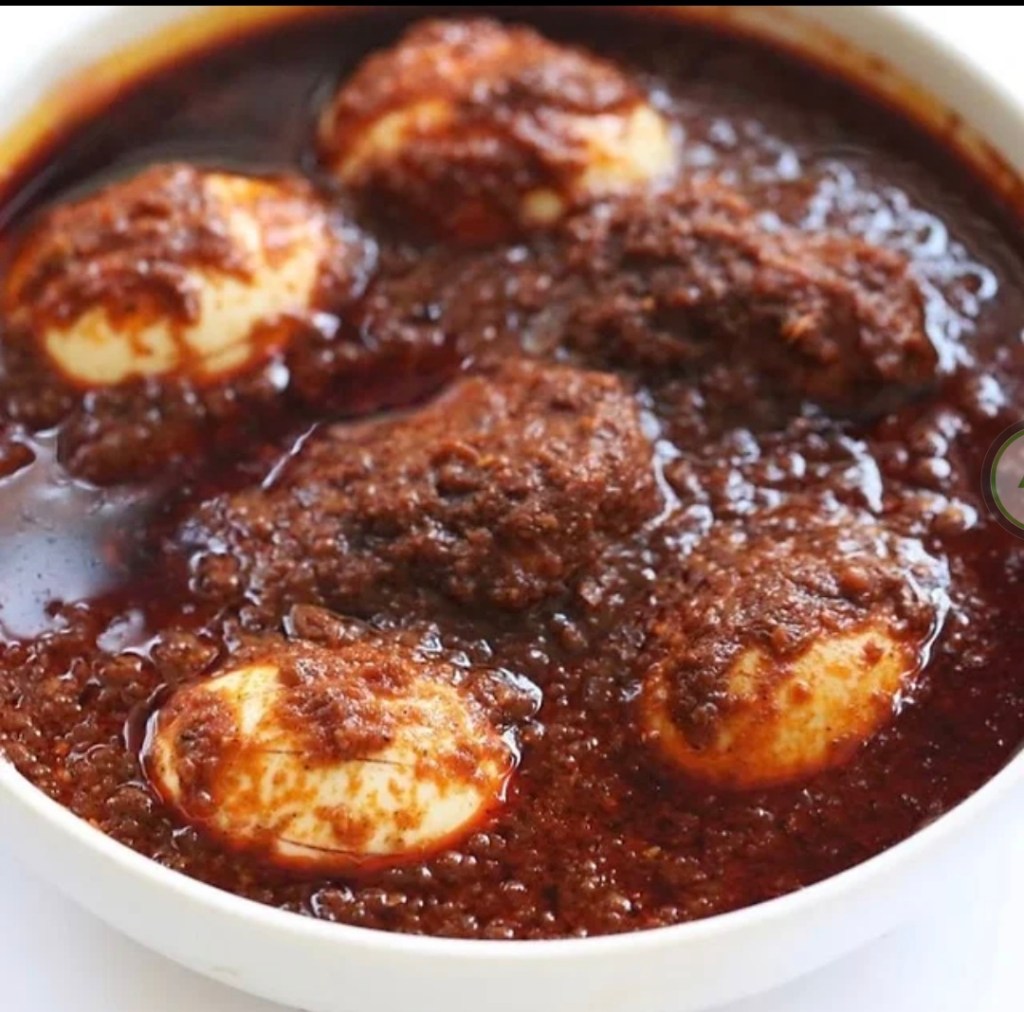



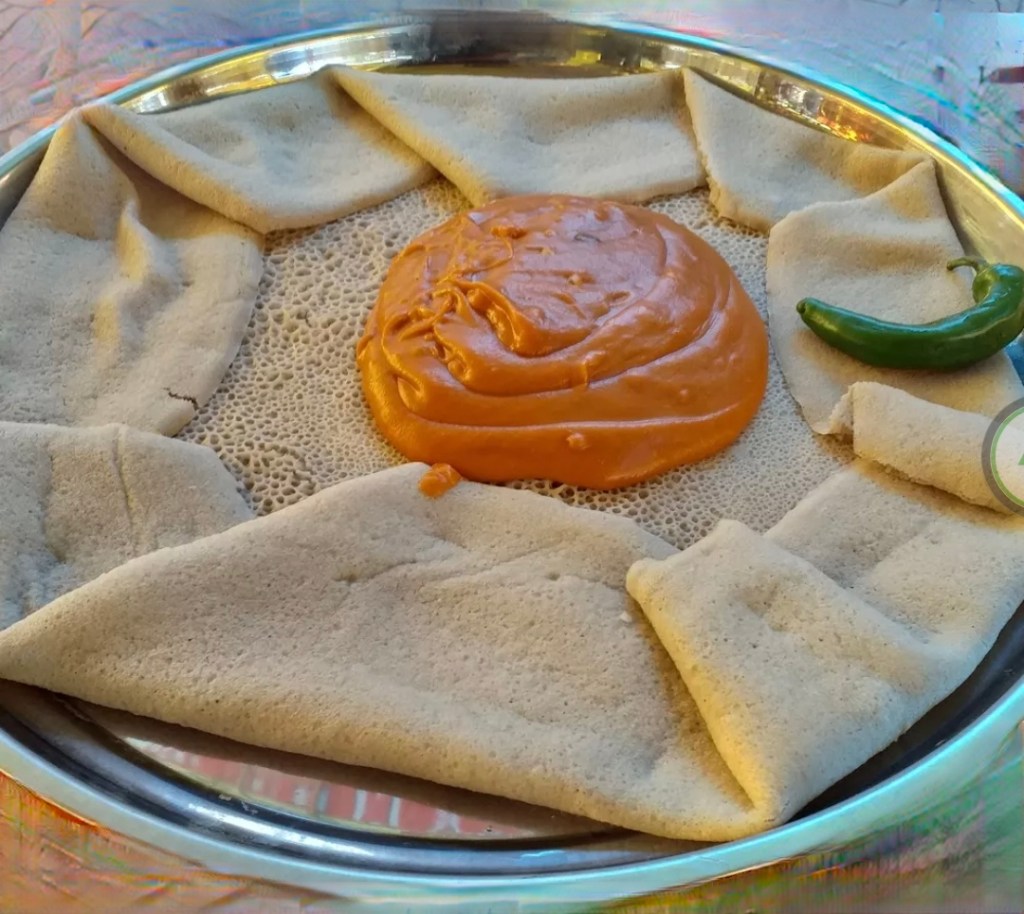
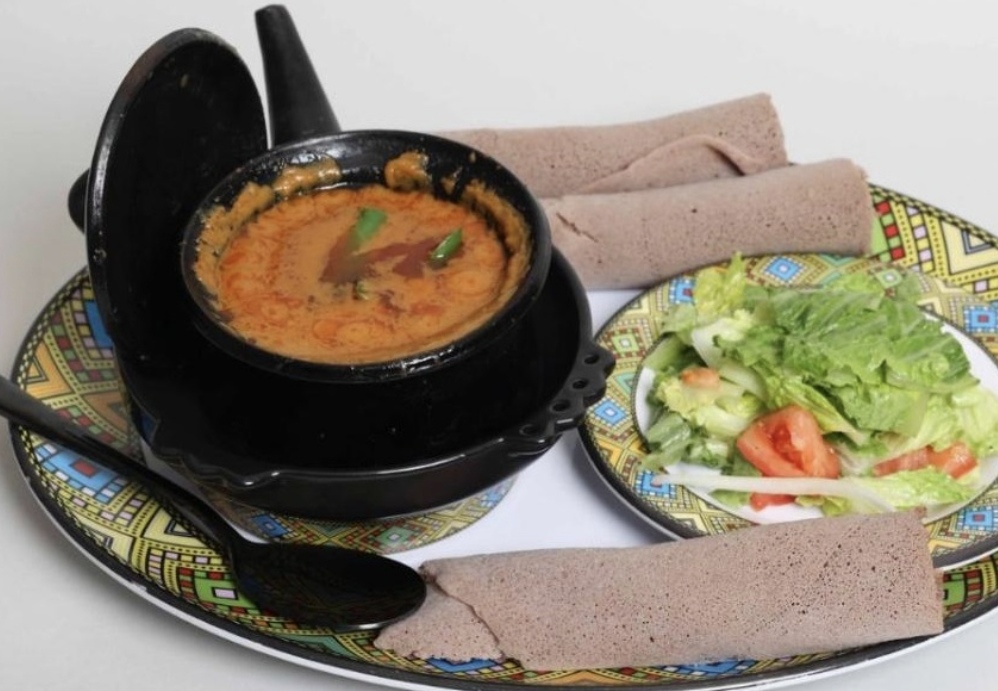
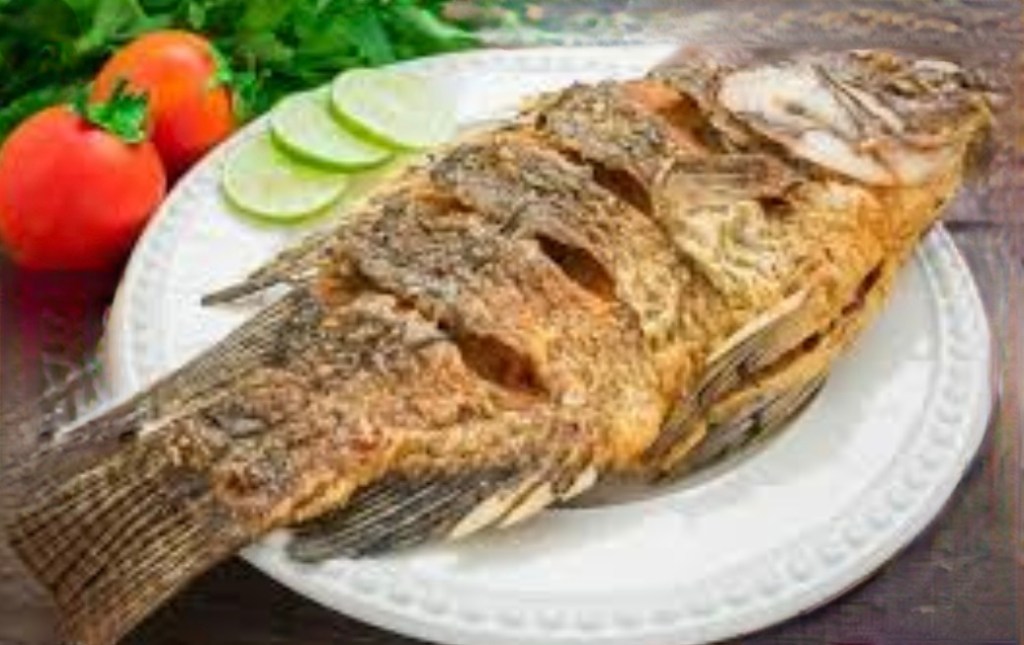
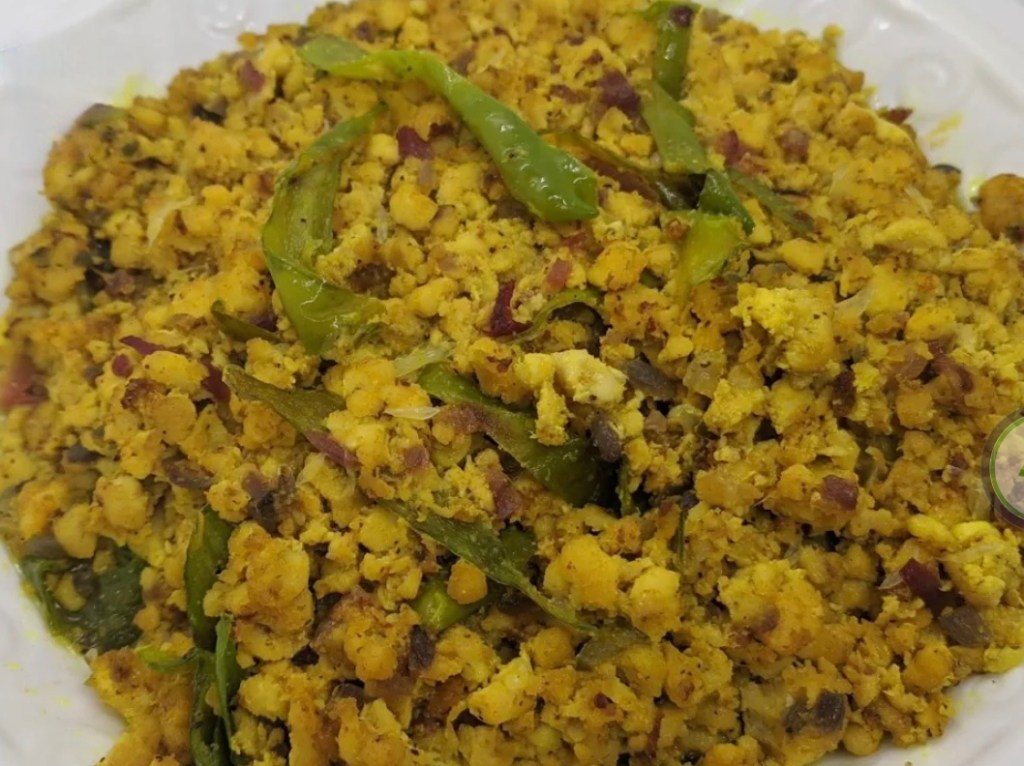
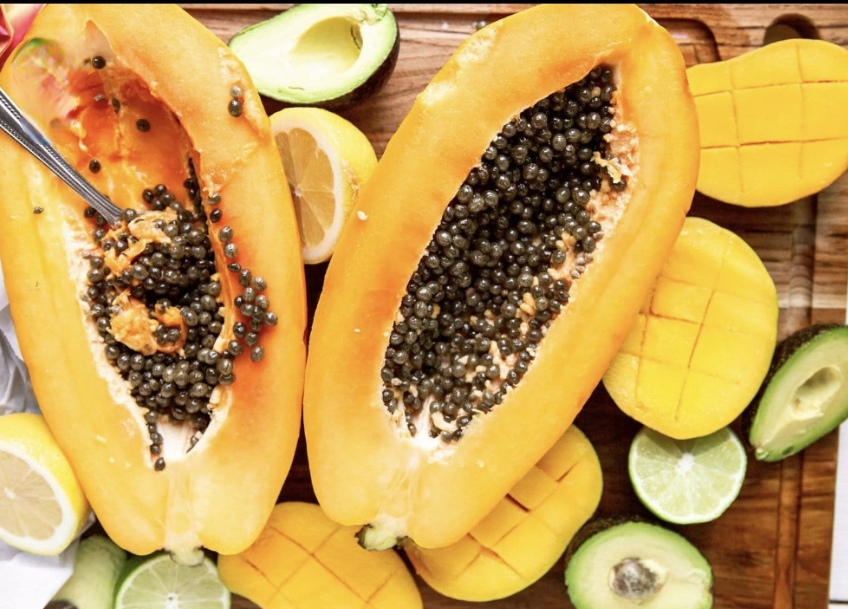
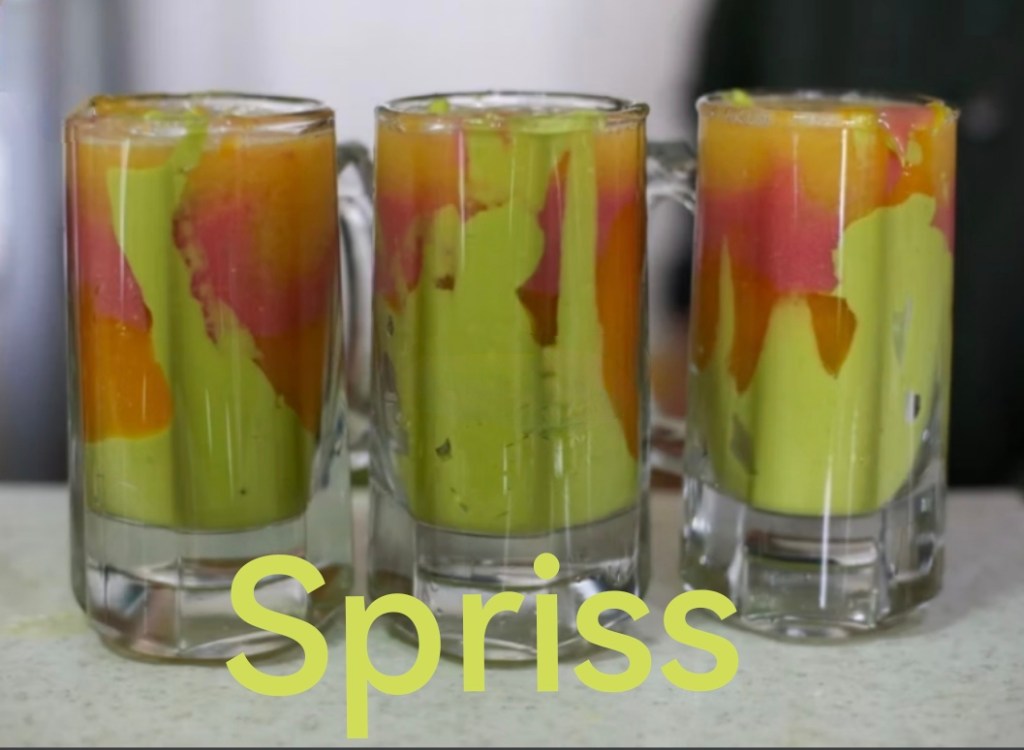
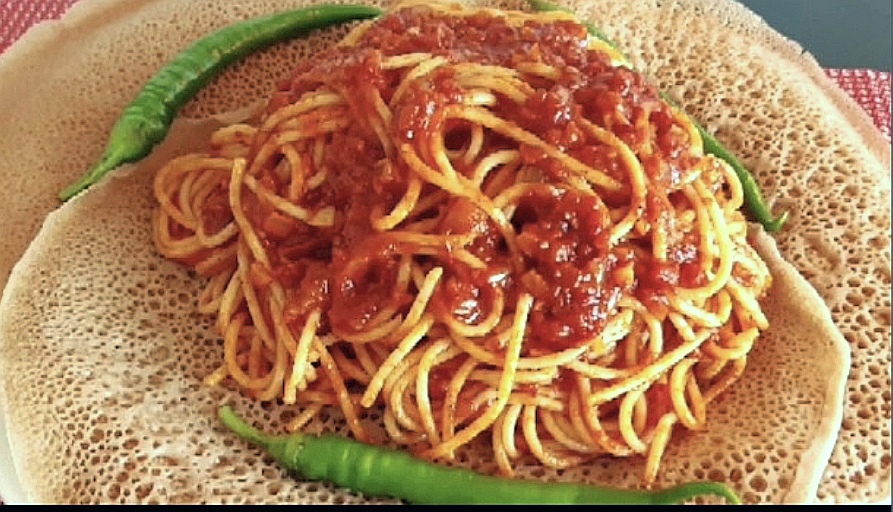


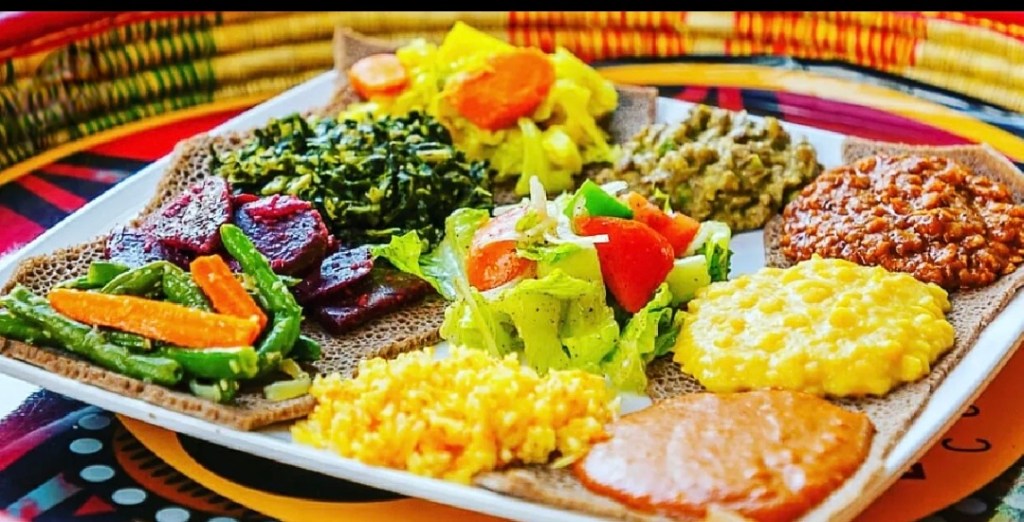
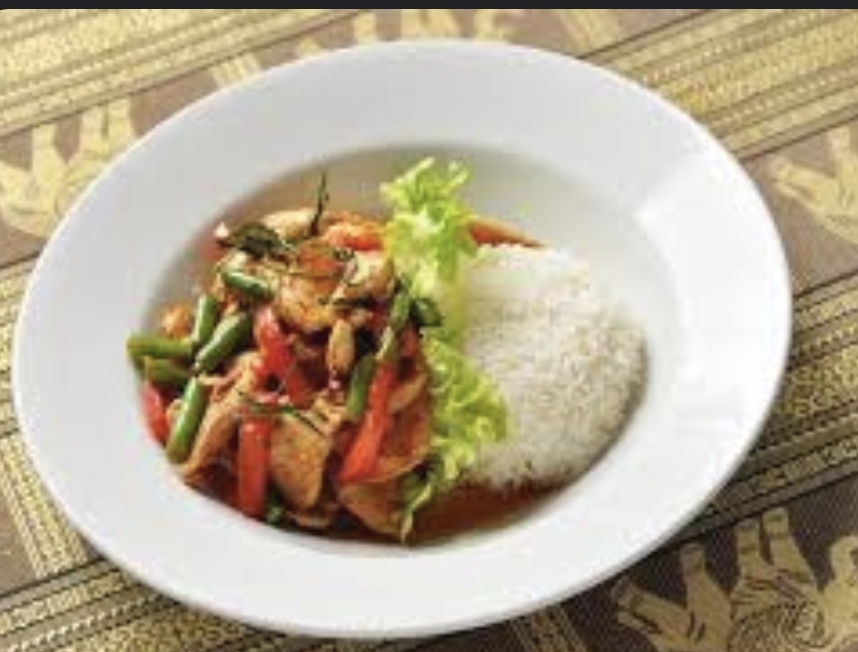


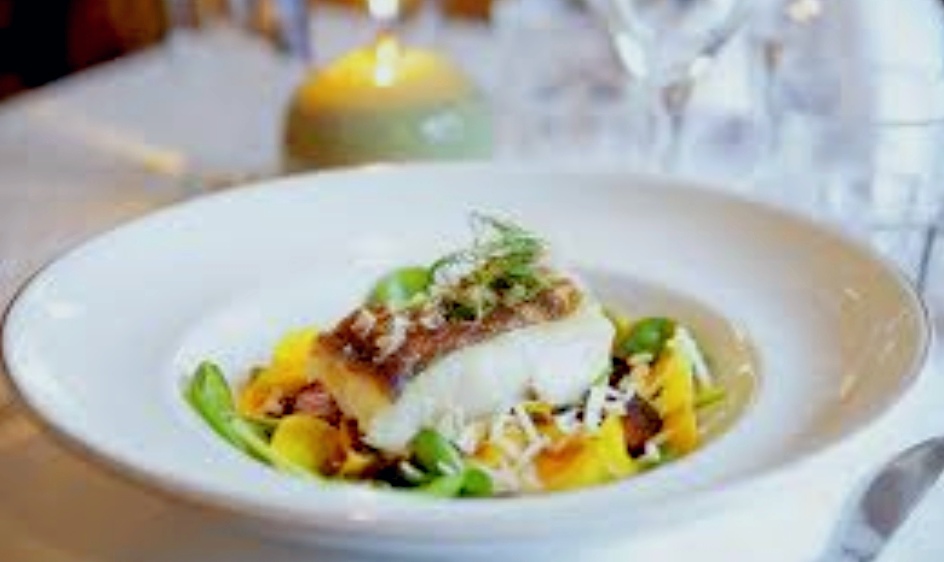
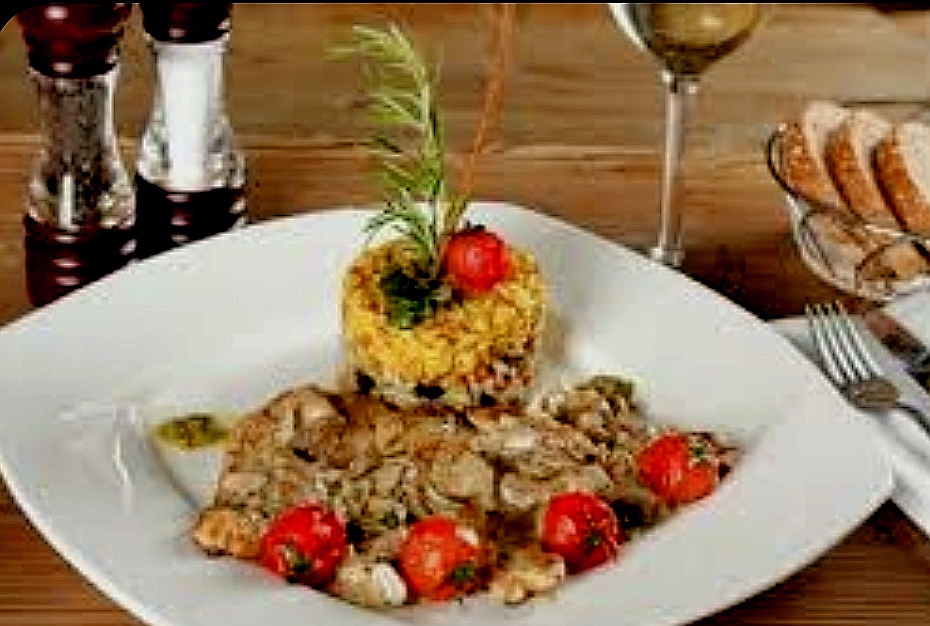










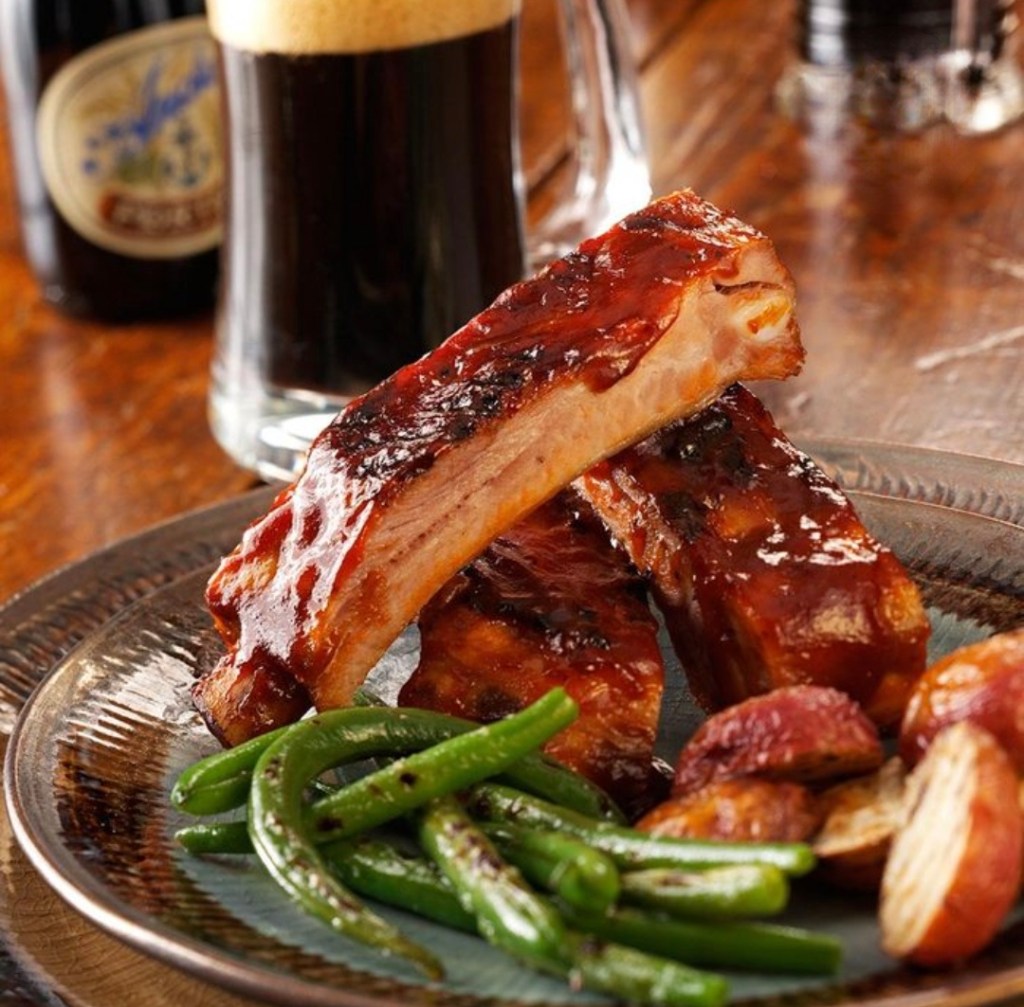


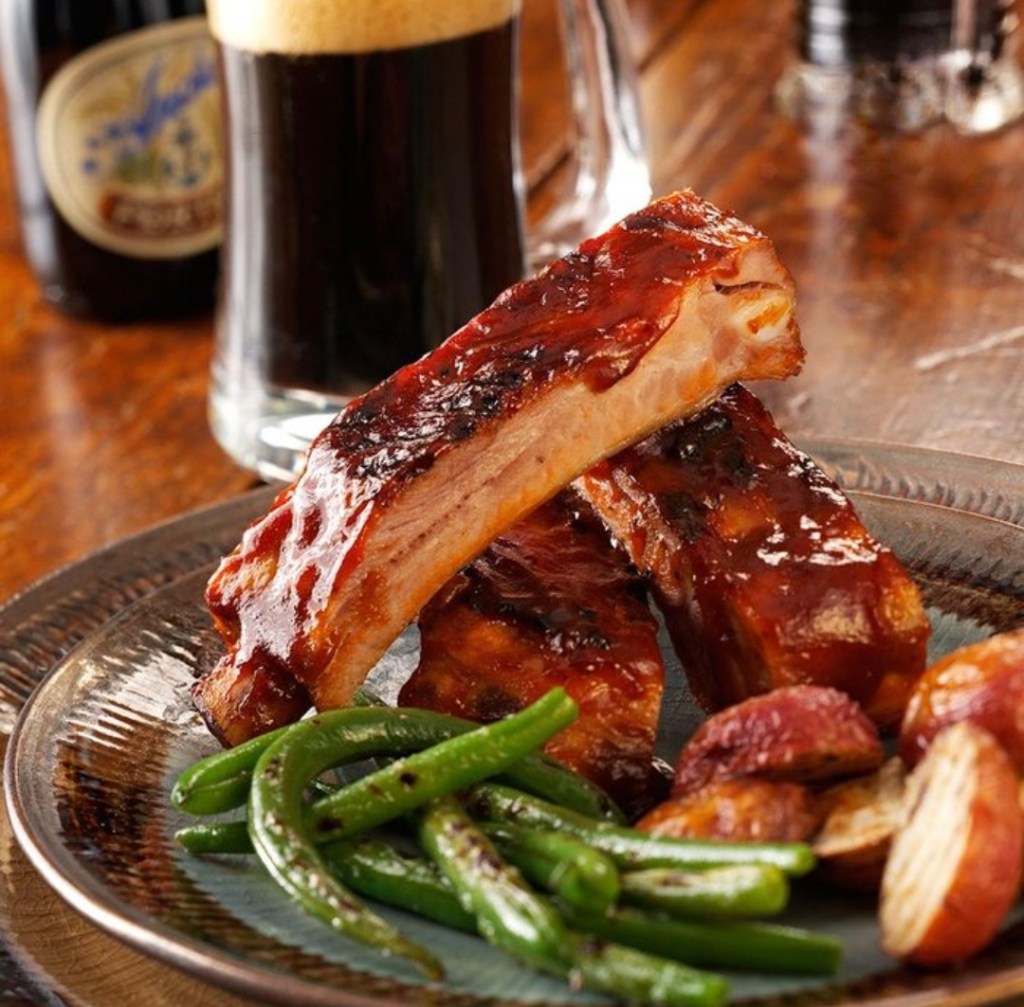

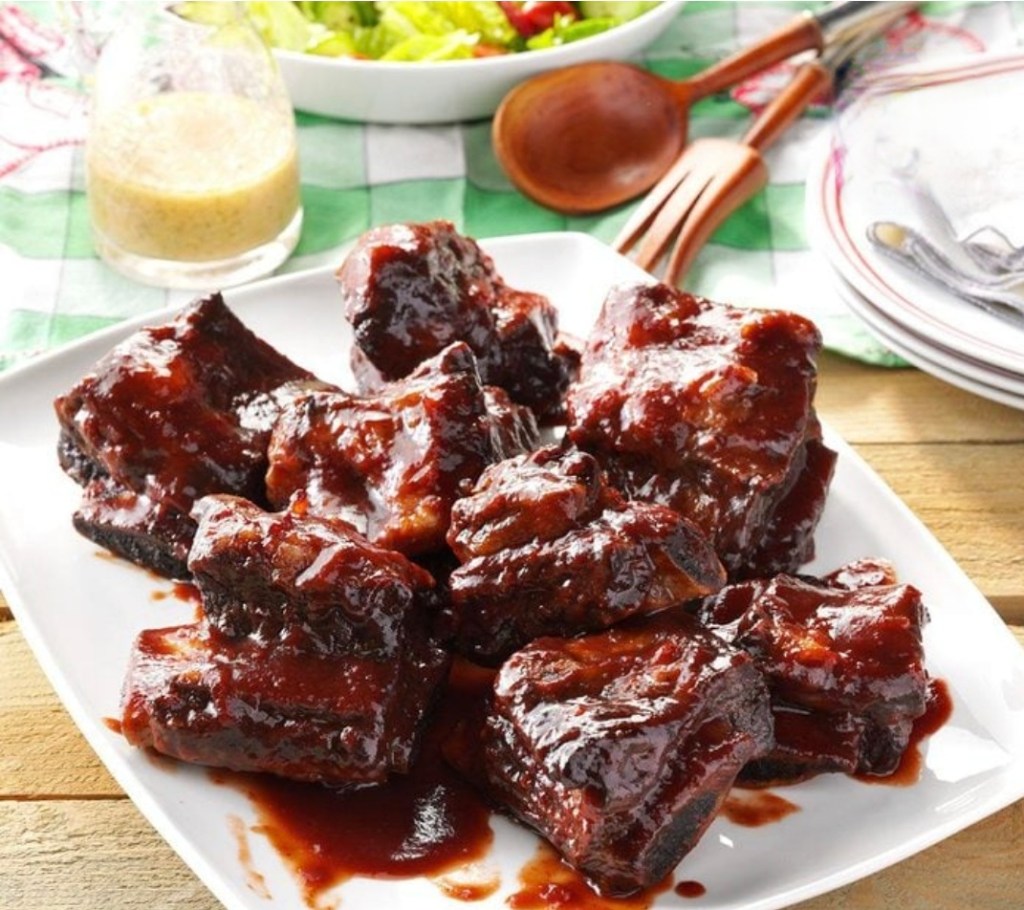

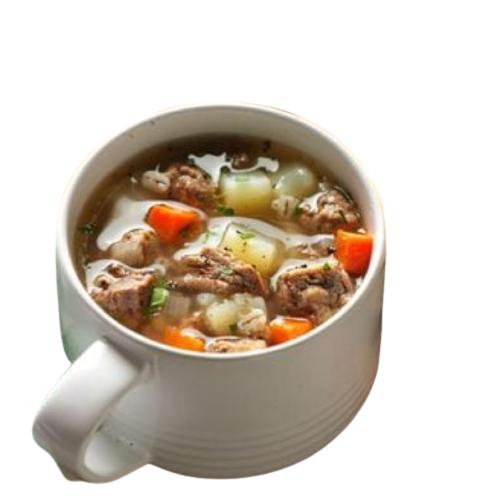






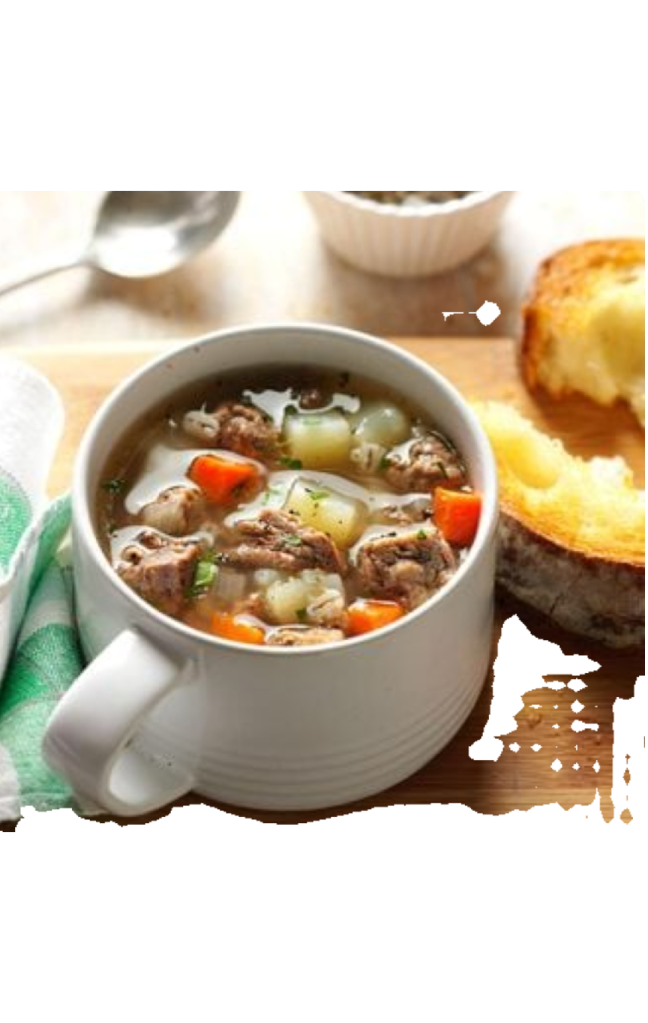



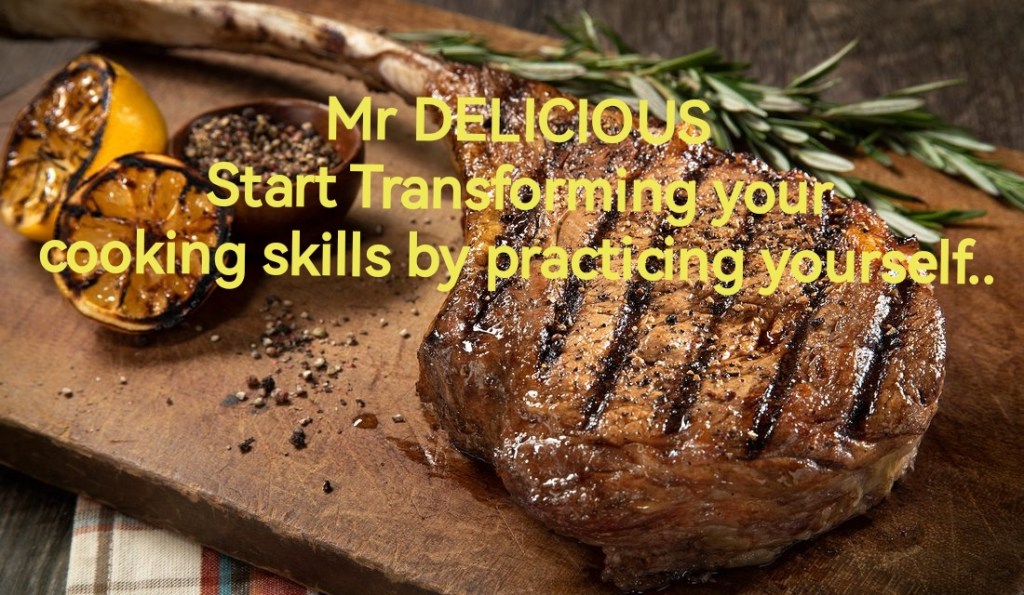

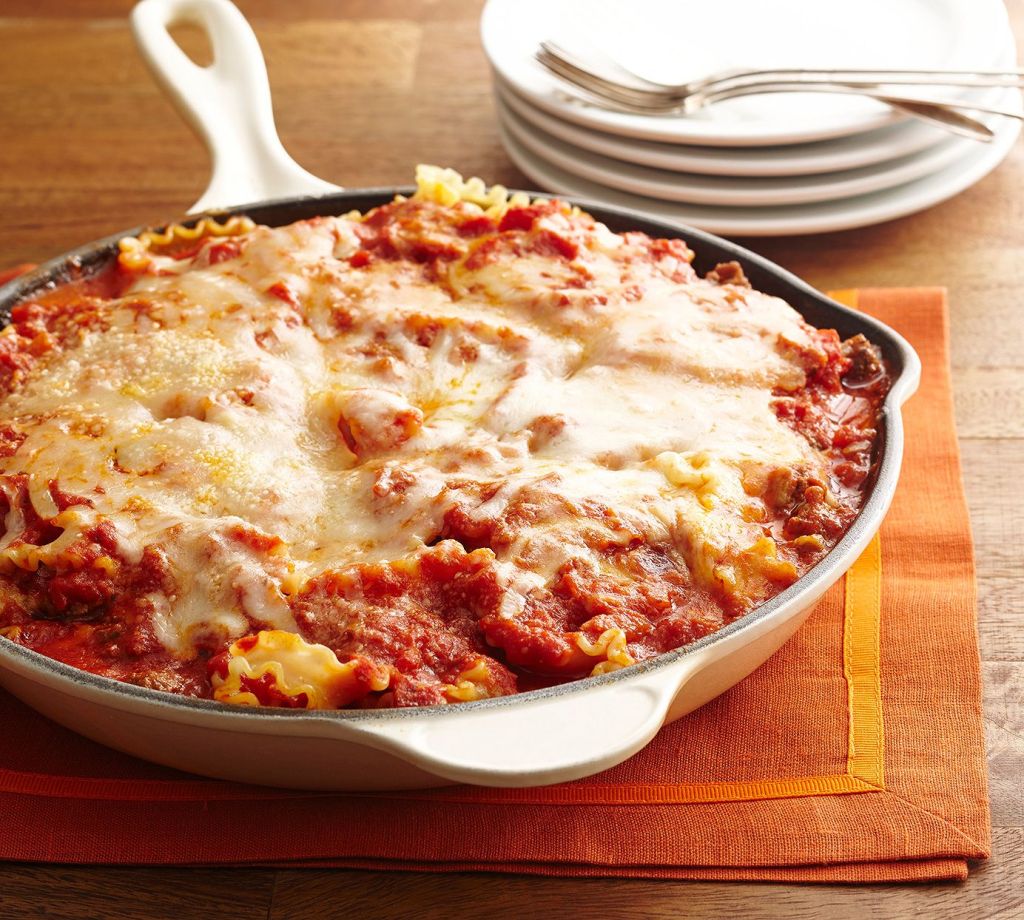
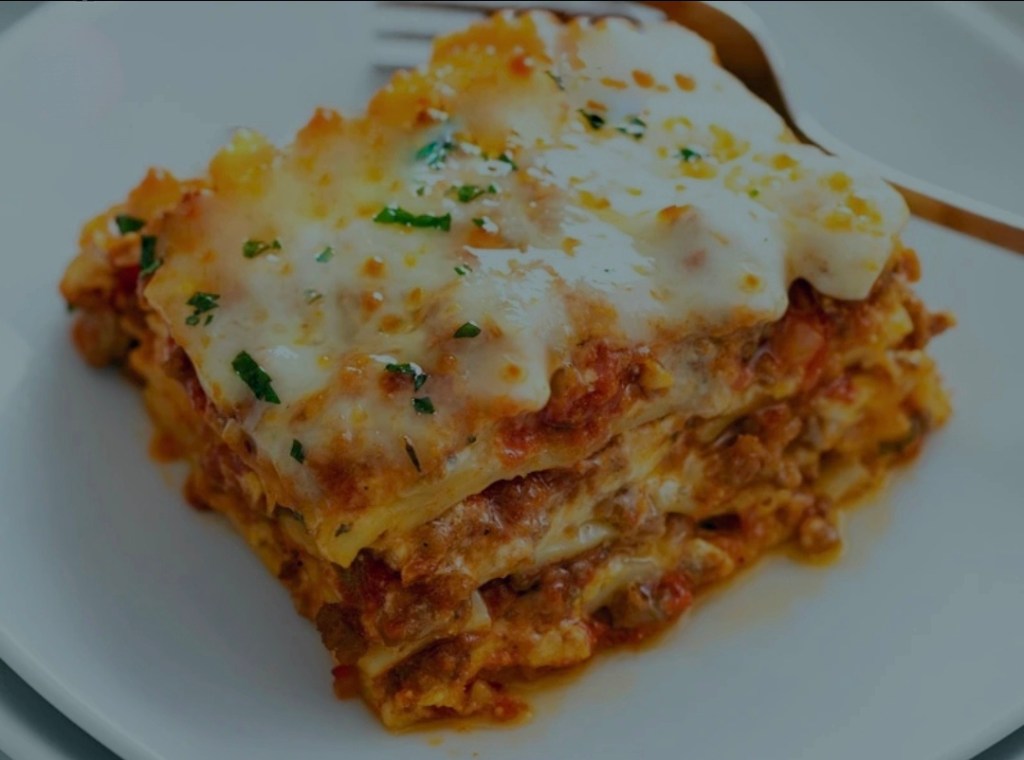
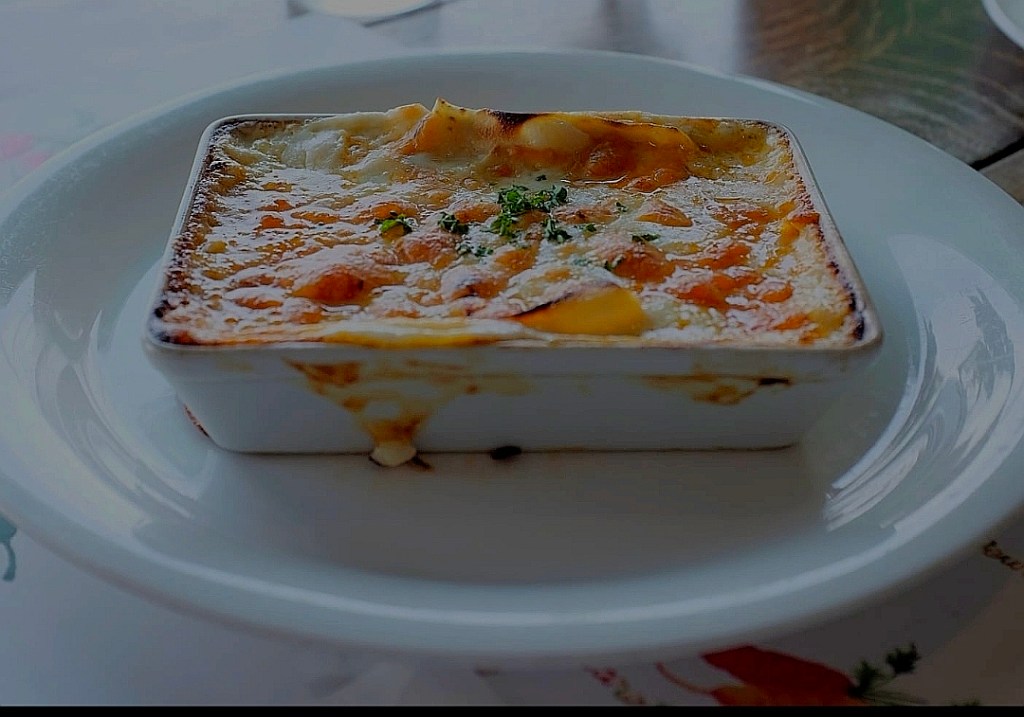
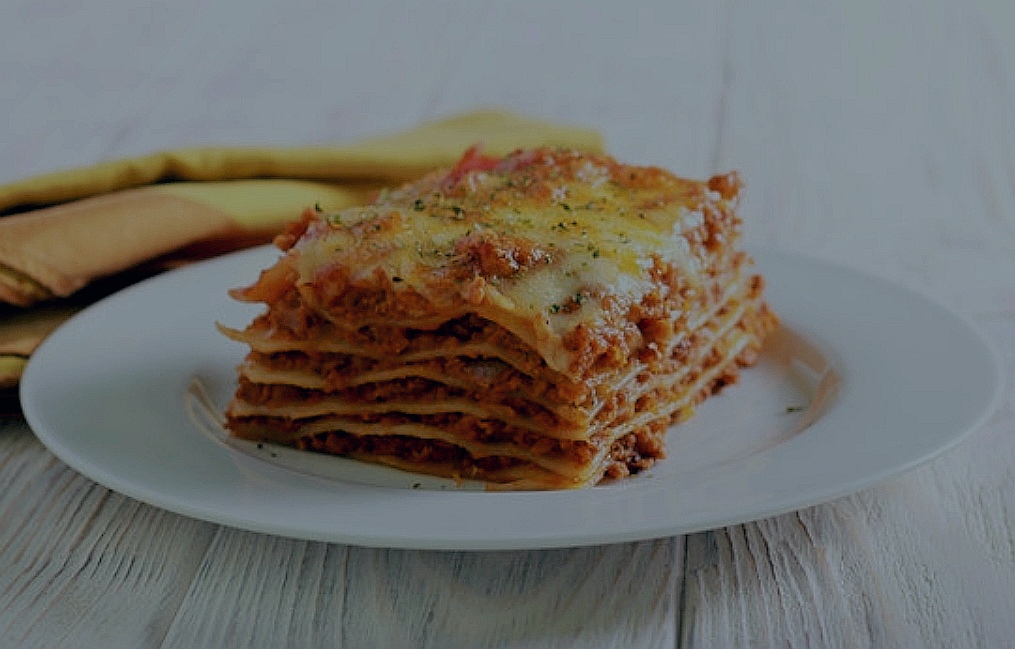
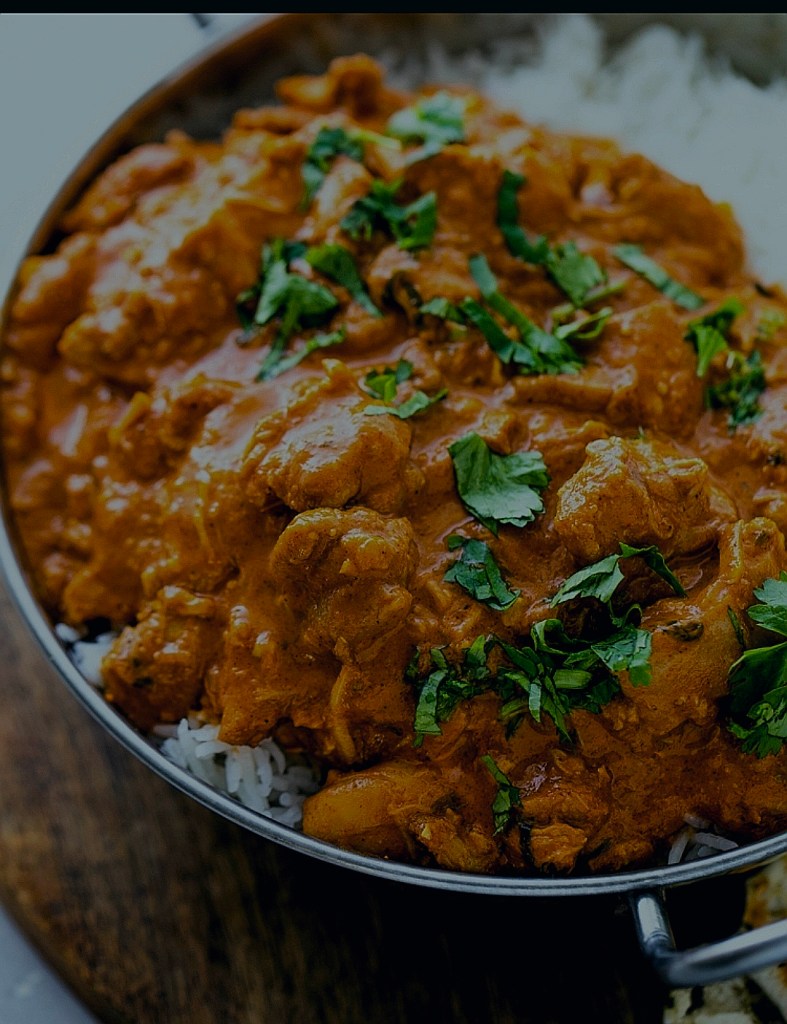
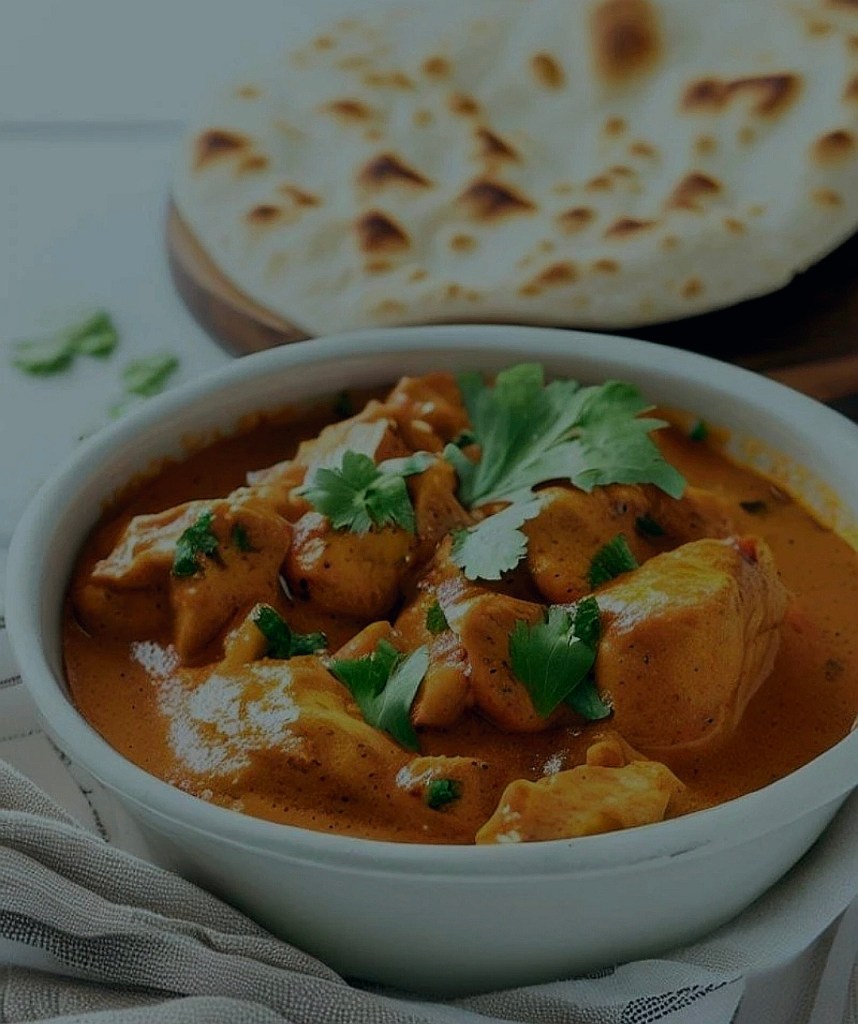




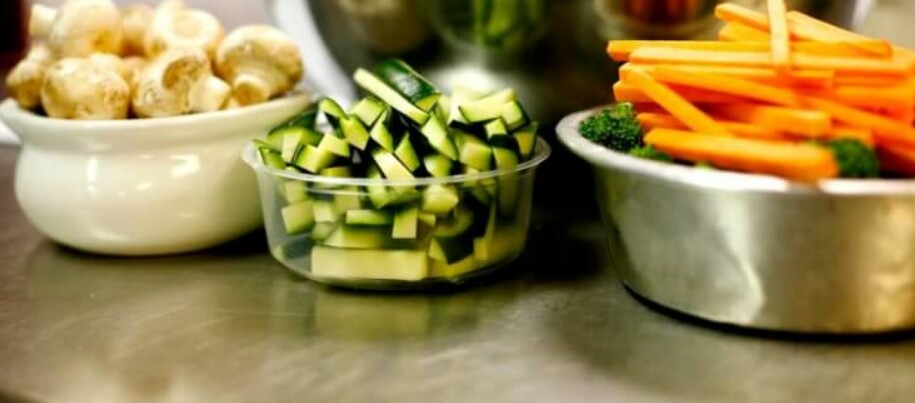
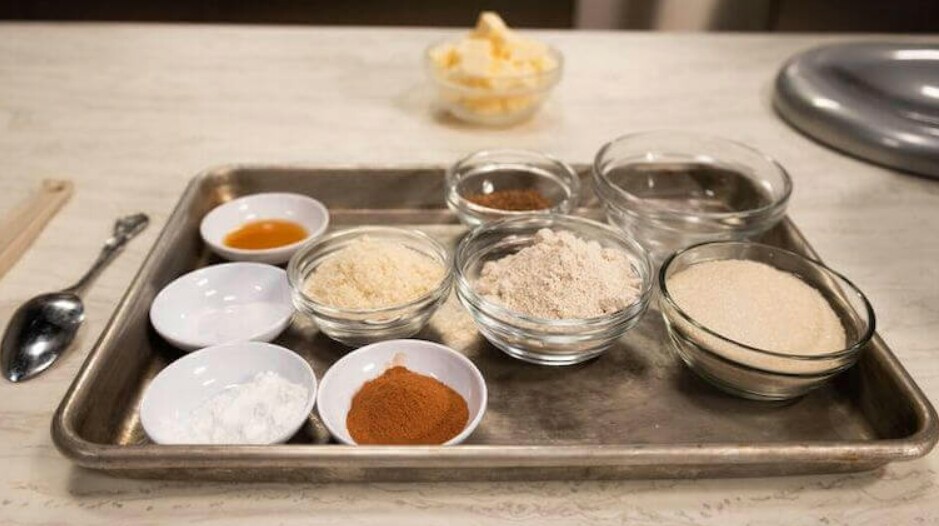


 HEALTHY MEALS