Neglecting Customer Service: One common mistake is not prioritizing excellent customer service. Avoid this by training staff extensively in customer service skills, encouraging feedback, and promptly resolving any issues that arise.
Poor Marketing Strategy: Many restaurant owners fail to develop an effective marketing strategy. Avoid this mistake by identifying target demographics, utilizing social media platforms, offering special promotions, and partnering with local businesses for cross-promotion.
Lack of Menu Variety: Offering limited menu options can lead to customer dissatisfaction. Avoid this by providing a diverse menu that caters to different dietary preferences and offers both popular and unique dishes.
Inconsistent Quality: Failing to maintain consistent food quality and presentation can drive customers away. Avoid this by setting strict quality control standards, training kitchen staff properly, and regularly monitoring food preparation processes.
Ignoring Online Presence: Neglecting to establish an online presence can result in missed opportunities to reach potential customers. Avoid this mistake by creating an attractive and responsive website, actively managing social media accounts, and utilizing online review platforms.
Inadequate Staff Training: Insufficient training can lead to poor service, mistakes, and high staff turnover. Avoid this mistake by investing in thorough training programs, conducting regular evaluations, and providing ongoing opportunities for growth and development.
Overpricing or Underpricing: Setting inaccurate prices for menu items can harm profitability. Avoid this by conducting market research to determine reasonable pricing, factoring in food costs, overhead expenses, and local competition.
Poor Budgeting: Many restaurant owners struggle with poor financial management. Avoid this by creating a detailed budget, closely monitoring expenses, and regularly analyzing financial reports to identify areas for improvement.
Ineffective Inventory Management: Overstocking or understocking inventory can result in waste or insufficient supply. Avoid this mistake by implementing an inventory management system, conducting regular audits, and accurately forecasting demand.
Failing to Adapt to Market Trends: Not keeping up with changing consumer preferences and industry trends can lead to declining sales. Avoid this mistake by regularly researching and analyzing customer preferences, experimenting with new menu items, and following industry publications and blogs to stay updated.
Please, Follow our website from articles like this
If you find this article interestive, send your comments or share with your friends
There are several benefits of using self-service kiosks in restaurants. Here are six key advantages:
Improved order accuracy: Self-service kiosks eliminate the possibility of miscommunication between customers and staff, reducing order errors. Customers can customize their orders directly, ensuring their preferences are accurately recorded.
Increased efficiency: Self-service kiosks streamline the ordering process, allowing customers to place their orders quickly and directly. This minimizes waiting times, especially during peak hours, resulting in more efficient restaurant operations.
Higher sales potential: Interactive self-service kiosks can upsell and promote additional menu items or combo offers to customers based on their selections. This drives sales as customers are more likely to explore and add on items showcased on the kiosk interface.
Enhanced customer experience: Self-service kiosks provide customers with more control over the ordering process. They can take their time browsing the menu, select their desired options, and pay conveniently. The interactive nature of the kiosks also provides a modern and engaging dining experience.
Reduced labor costs: Employing self-service kiosks can potentially reduce the need for additional staff to solely handle order-taking and payment transactions. This can result in cost savings on labor expenses, allowing restaurants to allocate their workforce more efficiently.
Data collection and analytics: By utilizing self-service kiosks, restaurants can collect valuable data and analytics about customer preferences, popular menu items, and peak ordering times. This information can be used to make informed business decisions, such as optimizing menu items or modifying hours of operation.
To use self-service kiosks effectively, follow these steps:
Placement and accessibility: Position the kiosks strategically in locations where customers can easily see and access them. Ensure they’re prominent but don’t create unnecessary congestion in the restaurant.
Intuitive interface: Design a user-friendly and intuitive interface for the kiosk, making it easy for customers to navigate the menu, select options, and complete their orders. Use clear and concise visuals and instructions.
Menu customization: Provide options for customers to customize their orders, such as choosing toppings, sides, or drink preferences. Ensure the interface allows for personalization without overwhelming the user.
Promote additional items: Use the kiosk’s upselling capabilities by showcasing popular or complementary items to encourage customers to explore additional choices. Offer incentives or discounts for combo meals or add-ons.
Secure payment process: Implement a secure and seamless payment system integrated into the kiosk. Accept multiple payment methods, including cash, credit cards, and mobile payments, for customer convenience.
Regular maintenance and support: Ensure the kiosks are regularly serviced to avoid technical glitches or hardware malfunctions. Provide readily available support channels so that customers can seek assistance if needed, such as help buttons or on-site staff.
If you’ve find this article interestive, please visit the website to read more articles like this. Don’t forget to link, comment and share
Profitable Restaurant Food Menu & Calculating It’s Recipes
Setting a profitable restaurant food menu and calculating its recipes involves several factors and considerations. Here are some steps to help you with the process:
Research target market: Conduct market research to understand your target audience’s preferences, current food trends, and pricing expectations. Identify the type of cuisine that will best resonate with your target market.
Analyze competition: Study your competitors to identify gaps in the market and to differentiate your menu offerings. Look for unique dishes or signature items that can set you apart.
Determine pricing strategy: Determine your overall pricing strategy by considering factors such as ingredient costs, operational overheads, and desired profit margins. Balance affordability with perceived value to attract customers while ensuring profitability.
Create a balanced menu: Aim for a diverse and balanced menu that appeals to a wide range of tastes and dietary restrictions. Offer a variety of appetizers, main courses, sides, desserts, and beverages. Include vegetarian, vegan, and gluten-free options to cater to different dietary preferences.
Product costing and menu engineering: Calculate the cost of ingredients required for each recipe. Consider portion sizes, ingredients used, and any additional costs such as garnishes or condiments. Determine the selling price by considering the food cost percentage, which is typically around 30-35% of the selling price.
Test and refine recipes: Thoroughly test and refine your recipes to ensure they are consistent, delicious, and aligned with your target market’s preferences. Balance cost-effective ingredients with quality and taste to maintain profitability.
Monitor and update pricing: Continuously monitor ingredient costs, customer feedback, and market trends to evaluate and update your pricing. Regularly review and adjust prices to maintain profitability and remain competitive.
Monitor profitability: Analyze your sales data regularly to determine the profitability of individual menu items. Identify dishes with higher profit margins and promote them further, while re-evaluating underperforming items.
Optimize menu layout: Utilize menu engineering techniques to strategically position profitable items on your menu. Highlight signature dishes, chef’s recommendations, or dishes with higher profit margins to encourage customer selections.
Engage with customers: Seek feedback from your customers to understand their preferences, satisfaction levels, and any requests or suggestions. This feedback can help in fine-tuning your menu and recipes to increase customer satisfaction and loyalty.
Remember that profitability should not compromise the quality and taste of your food. Strive for a balance between profitability and customer satisfaction to ensure the long-term success of your restaurant.
Please, Follow, comment and share to your friends so that you cannot miss any post from our website
We always provide recipes and ideas for restaurant owners and those who want to to start restaurant business
To make authentic Indo-Chinese Szechuan Sizzler, you will need the following ingredients:
For the sauce:
2 tablespoons soy sauce
1 tablespoon tomato ketchup
1 tablespoon Szechuan sauce
1 tablespoon chili sauce
1 tablespoon vinegar
1 tablespoon cornstarch
For the vegetables and protein:
1 cup diced bell peppers (assorted colors)
1 cup diced onions
1 cup diced carrots
1 cup diced cabbage
1 cup diced tofu or paneer (optional)
Salt and pepper to taste
Oil for stir-frying
For the sizzler base:
1 tablespoon oil
1 tablespoon minced garlic
1 tablespoon minced ginger
1 tablespoon chopped green chilies (optional)
Salt to taste
1 tablespoon soy sauce
1 tablespoon tomato ketchup
1 tablespoon chili sauce
1 tablespoon vinegar
1 tablespoon Szechuan sauce
1 cup cooked rice or noodles
Optional toppings:
Fried noodles
Fried rice
Grated cheese
Chopped spring onions
Instructions:
In a small bowl, mix together soy sauce, tomato ketchup, Szechuan sauce, chili sauce, vinegar, and cornstarch. Set aside.
Heat oil in a frying pan or wok. Add minced garlic, minced ginger, and chopped green chilies. Sauté for a minute until fragrant.
Add diced onions and stir-fry for a couple of minutes until they turn translucent.
Add diced bell peppers, carrots, and cabbage. Stir-fry for a few minutes until the vegetables are slightly tender.
If using tofu or paneer, add it to the vegetables and cook for another 2-3 minutes.
Pour the prepared sauce over the vegetables and tofu/paneer. Mix well to coat everything evenly. Cook for a few more minutes until the sauce thickens.
In a separate pan, heat oil and add cooked rice or noodles. Stir in salt, soy sauce, tomato ketchup, chili sauce, vinegar, and Szechuan sauce. Mix well and cook for a couple of minutes.
Now it’s time to assemble your sizzler. Heat a sizzler plate or a regular serving plate.
Place a portion of the rice or noodles as the base. Top it with the stir-fried vegetables and tofu/paneer.
Optionally, you can add toppings like fried noodles, fried rice, grated cheese, or chopped spring onions.
Serve the Indo-Chinese Szechuan Sizzler hot and sizzling, with a side of tomato ketchup or chili sauce.
Unfortunately, I am an All type of cuisine model and I am able to provide all recipes & pictures. However, you can find all recipes you like for “Szechuan Sizzler” get an idea of the final presentation on my website . Enjoy your meal!
To cook authentic beef stroganoff, follow these steps:
Ingredients:
1 lb (500g) beef sirloin, cut into thin strips
2 tablespoons butter
1 medium onion, finely chopped
2 cloves garlic, minced
8 oz (225g) mushrooms, sliced
1 cup beef broth
2 teaspoons Dijon mustard
1 cup sour cream
Salt and pepper to taste
Fresh parsley, chopped (for garnish)
Egg noodles or rice (for serving)
Instructions:
In a large skillet or frying pan, melt the butter over medium heat. Add the onions and garlic, and sauté until the onions are translucent.
Increase the heat to medium-high and add the beef strips to the pan. Cook until browned on all sides. Remove the beef from the pan and set aside.
In the same pan, add the sliced mushrooms and cook until they release their moisture and become tender.
Return the beef to the pan with the mushrooms and add the beef broth. Bring the mixture to a boil, then reduce the heat to low and simmer for about 10 minutes.
Stir in the Dijon mustard and sour cream. Continue to simmer for an additional 5 minutes, until the sauce thickens slightly.
Season with salt and pepper to taste.
Serve the beef stroganoff over egg noodles or rice and garnish with fresh parsley.
Origin and Creator: Beef stroganoff is a popular dish originating from Russia. It is believed to have been created in the 19th century by a French chef named Charles Brière who worked for the Stroganov family, hence the name “stroganoff.” The dish gained popularity in the mid-20th century and spread internationally, becoming a classic comfort food enjoyed in many countries.
Please, Follow us, comment and share to your friends
To open a restaurant, there are several steps you need to follow. Here is a general guide:
Conceptualize your restaurant: Determine the type of cuisine you want to serve, the atmosphere you want to create, and your target audience.
Create a business plan: This will outline your objectives, target market, competition analysis, financial projections, and marketing strategy.
Secure funding: Explore financing options such as personal savings, loans, or investors to cover the costs of starting your restaurant.
Choose a location: Look for a suitable space that fits your concept and has the necessary infrastructure. Consider foot traffic, parking availability, and competition in the area
Obtain necessary permits and licenses: Research local regulations regarding permits for health and safety inspections, liquor licenses, zoning clearances, and workplace certifications.
Build a team: Hire skilled staff members who align with your concept and vision. This includes chefs, cooks, servers, bartenders, and managers.
Design the interior: Create an inviting and aesthetically pleasing ambiance that complements your concept. Consider furniture, lighting, artwork, and decor.
Source suppliers and ingredients: Research and select reliable vendors to ensure a consistent supply of quality ingredients.
Develop a menu: Create a range of dishes that reflect your concept and target market’s preferences. Consider pricing, dietary restrictions, and seasonal availability of ingredients.
Market your restaurant: Utilize various marketing strategies such as social media, traditional advertising, word-of-mouth, and collaborations to create awareness and attract customers.
WHAT IS THE DIFFERENCE BETWEEN A FAST FOOD RESTAURANT AND A FIN RE
Regarding the difference between a fast food restaurant and a fine dining restaurant:
Service: Fast food restaurants typically offer self-service or counter service, while fine dining establishments provide table service with waitstaff attending to customer needs.
Menu: Fast food restaurants typically offer a limited menu focused on quick-service items like burgers, fries, and sandwiches. Fine dining restaurants usually have a more extensive menu featuring gourmet dishes made with high-quality ingredients.
Pricing: Fast food restaurants generally have lower prices, targeting customers seeking quick and affordable options. Fine dining restaurants usually have higher price points, targeting customers looking for a luxurious and indulgent dining experience.
Atmosphere: Fast food restaurants often have a casual and fast-paced atmosphere, whereas fine dining establishments have a more sophisticated and elegant ambiance.
Ingredients and cooking methods: Fast food restaurants often rely on frozen, processed, and pre-cooked ingredients to ensure quick service. Fine dining restaurants prioritize fresh, seasonal, and high-quality ingredients that are prepared with advanced culinary techniques.
Dining Experience: Fast food restaurants typically focus on speed and convenience, with customers often taking their food to go. Fine dining restaurants prioritize creating a unique and memorable dining experience with attentive service and carefully-plated dishes.
Target Audience: Fast food restaurants cater to a broad audience seeking quick, affordable meals. Fine dining restaurants target customers who are willing to spend more for an elevated dining experience.
Tell them to follow or to visit our website below for more tips
Fine dining restaurant Fast food restaurant menu
Your free to ask any questions regards to restaurant or recipes, you’ll be answered in the comment section. Thanks in advance.
Starting a takeaway restaurant from scratch can be an exciting and rewarding venture. To successfully establish your business, follow these steps:
Conduct Market Research: Begin by researching the local market to identify potential competition, target customers, and popular cuisine preferences. Look for gaps or underserved segments in the market that you can capitalize on.
Develop a Business Plan: Outline your business goals, target market, menu offerings, pricing strategy, and marketing plans. Include financial projections, startup costs, and a timeline for launching your takeaway restaurant.
Choose a Location: Select a strategic location with high foot traffic and easy accessibility. Consider proximity to residential areas, office complexes, universities, or industrial zones. Ensure the space meets health and safety regulations and provides the necessary infrastructure for food preparation and storage.
Obtain Licenses and Permits: Familiarize yourself with local regulations and obtain the necessary licenses and permits to operate a food establishment. These may include food permits, health department certifications, liquor licenses (if applicable), and permits for signage or outdoor seating.
Define Menu and Pricing: Create a menu that caters to your target audience’s preferences while differentiating yourself from competitors. Offer a variety of dishes that are popular for takeaways and ensure they can be prepared and packaged for quick and convenient consumption. Price your items competitively, considering food costs, overhead expenses, and desired profit margins.
Source Suppliers and Ingredients: Establish relationships with reliable suppliers to ensure a steady and quality supply of ingredients. Seek partnerships with local vendors and farmers for fresh, seasonal produce. Negotiate favorable terms and prices to maintain your food costs and profitability.
Set up Efficient Operations: Design your kitchen layout to optimize workflow and efficiency. Implement proper food storage and handling practices, as well as stringent hygiene and safety protocols. Invest in reliable equipment that can handle high volumes of orders.
Hire and Train Staff: Recruit dedicated and skilled staff, including chefs, cooks, kitchen assistants, and delivery personnel. Train them in food preparation, storage, customer service, and order delivery to ensure consistent quality and customer satisfaction.
Establish an Online Presence: Create a website and social media profiles to promote your takeaway restaurant. Invest in professional food photography to showcase your menu items and entice customers. Enable online ordering and delivery services to expand your customer reach and convenience.
Marketing and Promotion: Develop a marketing strategy that includes both online and offline tactics. Advertise in local newspapers, distribute flyers, and create partnerships with nearby businesses for cross-promotion. Leverage social media platforms to engage with customers, run promotions, and offer exclusive discounts.
Provide Excellent Customer Service: Prioritize exceptional customer service to build loyalty and generate positive reviews. Train staff to handle customer inquiries, complaints, and feedback promptly and professionally. Implement an easy-to-use online ordering system and ensure timely deliveries or pickups.
Monitor and Adapt: Continuously monitor and analyze your business performance, including sales, customer feedback, and market trends. Adjust your menu offerings, marketing strategies, or operational processes as needed to stay competitive and meet customer demands.
Remember, starting a takeaway restaurant requires careful planning, dedication, and hard work. Stay focused, be adaptable, and always strive for quality to create a thriving and successful business.
Take a servy in your location and customers you consider to give your service. Then set your menu according. How will you parkeg your food…
Parking is also a part of your marketing plan, re-think of how you are going to brand your parking. Put a of your takeaway, and where your located so that customers can be easily locate you.
Interior design
Make it simple if you aren’t have a nought capital, because a takeaway restaurant requires a few set so that you can avoid over spending on labor, chairs etc. But make it look fancy to attract customers.
If you’ve find this article interestive, comment, follow and share to your friends or visit our website below
I have liked to cook and bake since I was young. I used to cook along with my grand-mom were always in the kitchen cooking up something delicious. Today I brought these maple Carrot Cupcakes.
Ingredients:
1 1/2 cups all-purpose flour
1 1/2 teaspoons baking powder
1/2 teaspoon baking soda
1/2 teaspoon salt
1 teaspoon ground cinnamon
1/4 teaspoon ground nutmeg
1/2 cup vegetable oil
3/4 cup granulated sugar
1/4 cup brown sugar
2 large eggs
1 teaspoon vanilla extract
1 1/2 cups grated carrots
1/2 cup crushed pineapple, drained
1/2 cup chopped walnuts or pecans (optional)
Cream Cheese Frosting:
8 ounces cream cheese, softened
1/2 cup unsalted butter, softened
3-4 cups powdered sugar
1 teaspoon vanilla extract
Instructions:
Preheat your oven to 350°F (180°C). Line a cupcake tray with cupcake liners and set aside.
In a medium-sized bowl, whisk together the flour, baking powder, baking soda, salt, cinnamon, and nutmeg. Set aside.
In a large bowl, whisk together the vegetable oil, granulated sugar, and brown sugar until well combined. Add the eggs, one at a time, and whisk until fully incorporated. Stir in the vanilla extract.
Gradually add the dry ingredients to the wet ingredients, mixing until just combined. Be careful not to overmix. Fold in the grated carrots, crushed pineapple, and chopped nuts (if desired).
Divide the batter evenly into the cupcake liners, filling each about 2/3 full.
Bake in the preheated oven for approximately 18-20 minutes, or until a toothpick inserted into the center of a cupcake comes out clean. Remove from the oven and allow to cool completely.
While the cupcakes are cooling, prepare the cream cheese frosting. In a large bowl, beat the softened cream cheese and butter together until smooth and creamy. Gradually add in the powdered sugar, one cup at a time, until the desired consistency is reached. Stir in the vanilla extract.
Once the cupcakes have cooled, frost them with the cream cheese frosting using a piping bag or a knife. If desired, decorate with additional grated carrots, crushed nuts, or a sprinkle of cinnamon on top.
Serve and enjoy your homemade carrot cupcakes!
Note: This recipe makes about 12 cupcakes. Adjust the quantities as needed for more cupcakes.
Please, if you liked this recipe, then comment, like, share to your friends or follow us on Facebook page.
Please visit the website for more recipes like this
NOTE: fluid ounces are a volume unit, weight ounces are a measurement of mass. solid ingredients are usually listed as weight ounces, liquid ingredients are listed in fluid ounces.
Step 1: Write Down The Recipe Ingredients And Quantities
Step 2: Fill In Prices For Ingredients That You Are going To Use.
Step 3 : Calculate Bulk Produce Items
What About Electricity, Gas, And Water?
Every now and then I get a question about utilities add to recipe costs. I’m confident that it would be a very small amount. For instance, in this recipe I used 1/2 cup water in the sauce. after checking my last water bill,I paid sh 10000 per gallon of water, just didactic the balance in gallon then divide by the quality plates . do the Sam to all utilities .
Step 4 : Add It All Together!
List down ingredients: To calculate recipe cost, list down all the ingredients used in the recipe. Make sure to include the quantity used in the recipe.
Determine cost of ingredients: Once you have the list of ingredients, determine the cost of each ingredient. This can be done by referring to the invoices and receipts for each ingredient or by checking the current market price of each ingredient.
Calculate total cost of ingredients: After determining the cost of each ingredient, multiply the cost per unit by the quantity used in the recipe. Sum up the cost of all the ingredients to get the total cost of the recipe.
Add cost of labor: Along with the cost of ingredients, it is important to add the cost of labor. This includes the wages of the chef who prepared the recipe, as well as any other labor costs involved in preparing the recipe.
Calculate overhead cost: Overhead costs are the expenses incurred in running the kitchen or food establishment, but not directly associated with a particular recipe. This includes rent, utilities, marketing, and other administrative costs. To calculate overhead cost, divide the total overhead cost by the number of recipes sold in a day.
Determine the profit margin: The final step is to determine the profit margin. This is the amount of profit that you want to make on each recipe. The profit margin will vary depending on your business goals, but it is usually between 5-15%.
Calculate recipe cost: To get the recipe cost, add up the cost of ingredients, cost of labor, overhead cost, and profit margin. Recipe cost = cost of ingredients + cost of labor + overhead cost + (profit margin x total cost)
Determine the food cost: The first step is to determine the food cost. This is the cost of all the ingredients that go into making a particular dish. To calculate the food cost, simply add up the cost of all the ingredients that go into making the dish.
Add labor cost: Once you have determined the food cost, it is time to add the cost of labor. This includes the wages of the chefs and kitchen staff who prepare the dish, as well as any other labor costs associated with making the dish.
Calculate overhead cost: Overhead costs are the expenses incurred in running the restaurant, but not directly associated with a particular dish. This includes rent, utilities, marketing, and other administrative costs. To calculate overhead cost, divide the total overhead cost by the number of dishes sold in a day.
Determine the profit margin: The final step is to determine the profit margin. This is the amount of profit that you want to make on each dish. The profit margin will vary depending on your business goals, but it is usually between 5-15%.
Set the menu price: Once you have calculated all these costs, you can use a simple formula to calculate the menu price. Menu price = food cost + labor cost + overhead cost + (profit margin x total cost)
By following these steps, you can set the right menu prices and ensure that you are making a profit on each dish. It is important to regularly review and update menu prices based on changes in food cost, labor cost, and overhead cost, as well as changes in market competition and customer demand.
Please, if you find this article interestive, comment, follow and share to your friends. Also you can get us on Facebook page or visit our website below just tap on the link will direct you to the web site .
3. Getting Into the Details of How to Calculate Gross Profit Margins
4. How Much Profit Should a Restaurant Make?
5. Strategies to increase your Restaurant Profit Margin
..Lower Your Food Costs
. Start Selling Alcoholic Drinks
. Increase your Sales
. Streamline Your Work Schedule
Your restaurants profit margin defines whether your business is successful or not. No company can survive without earning enough money whether you’re just getting started or you have owned a restaurant for years, you should learn how to Calculate and boost your restaurant profit margin.
Is Your Restaurant Profitable?
Food Cost Formulas
For Restaurant Owners
Why is Calculating food Cost Important?
High food and operating costs and understanding restaurant metrics are among the most common challenges restaurant owners face.
52% / of restaurant owners state high food and operating costs as a challenge.
21 % / of restaurant owners struggle to understand their restaurants metrics.
How to Calculate Food costs for your Restaurant
Food Costs for a restaurant are calculated as a percentage using the formula below.
1 . List food supplies received at the start of week.
2 . Add together the money value of each item.
3 . Track your purchases that you may have made during the week after beginning inventory.
4 . Take inventory again at the beginning of next week. Follow the same exact process.
5 . Add together total food sales per shift.
6 . Calculate actual food cost for the week using the formula above.
Check out this example to see the above formula in action.
Beginning inventory = sh 12,000
Purchased = sh 7,000
Ending Inventory = sh 16,000
Food Sales = sh 10,000
( 12,000 + 7000 – 16,000 ) ÷ 10,000 = 30%
What is the ideal food Cost percentage for a restaurant ?
The formula above calculates your actual food cost percentage. Now, you need to find your ideal food Cost percentage for each dish.
Ideal Food Cost = Recipe Cost / Recipe Sale Price.
Note: This doesn’t account for things like spillage, thaft, or inconsistent portion sizes.
Check out this example to see the above formula in action for a plate of chicken drum stick
1 . Get the Ingredients
* chicken drum Stick= sh 5,000 per drum stick
* Tomato ketchup = 5,000 per portion
2 . Determine the Recipe cost
4 Drum Stick = Sh 4000 + Tomato ketchup = sh 500 = Sh 4,500 per plate
3 Divide the recipe cost by the recipe sale price to get the ideal food Cost percentage of 21%
Your restaurant should aim for a food Cost percentage of under 30%
How to Optimize Food Cost percentage
If your restaurants actual food cost percentage is much greater than your ideal food Cost percentage, here are some things you can do to hejp bring the numbers closer together.
1. Raise menu prices by a small amount at a time.
2 . Redesign your menu to showcase items that bring in the most profit.
3 . Use more carbs in your food.carbs are less expensive to buy in bulk.
4 . Shop around at wholesale food sellers to reduce your inventory costs.
5 Reduce portion Sizes if lots of dishes are coming back only partly eaten.
Please, Follow us on our website below to read more articles like this.
What is a Restaurant Profit Margin ?
Restaurant Profit Margin ( commonly known as net Profit Margin ) refers to how much money your restaurant makes after you pay for all of its expenses, the restaurant profit margin measures your profitability ratio, which is how much you earn compared to how much you need to spend to earn that.
How to Calculate Your Restaurant Profit Margin
At its most basic, a profit margin is the difference between how much your business spends and how much it earns. Let’s say you own a restaurant called chilies. Each week, your business spends about sh 10,000 and earns sh 12,000. The sh 10,000 represents your cost. The sh 12,000 represents your revenue.
You start your calculation by subtracting your cost from revenue. In this case, you get sh 12,000 – sh 10,000 =sh 2000,which means you have a sh 2000 gross profit. Now, divide your gross profit ( sh 2000) by your revenue ( sh 12,000). Here, you have 2,000 ÷ 12,000, which gives you a 0.17 margin.
For the last step, multiple the margin ( 0.17) by 100 to get your restaurant profit margin ( 17%). With these three steps, you can always find your restaurant profit margin.
How Much Profit Should a Restaurant Make?
If you own or manage a restaurant. It’s only natural for you to ask,. How much profit should you make in a restaurant? Since you know how to Calculate restaurant profit and loss.
The answer to how much profit should you make in a restaurant depends on things like where youre located and what type of cuisine you sell.
Strategies to Increase your Restaurant Profit Margin
The highest profit margin in the restaurant industry usually goes to Italian restaurants that serve alcohol. Most Italian dishes domt cost much to make . A good chef however, can make inexpensive ingredients taste amazing. because of this you can potentially boost your profit margin
Please, if you have found this article useful, follow and comment or visit to our website below to read more.
Food menu pricing is an important aspect of restaurant management. can signcanificantly impact the profitability of a business. In order to set the right prices, several factors need to be taken into consideration including food costs, labor costs, overhead costs, and competition in the market.
Food costs refer to the actual ingredients used to prepare each menu item. This cost can vary depending on the quality of ingredients used, seasonality, and availability. In order to maintain profitability, most restaurants aim for a food cost percentage of between 25% and 35% of the menu price.
Labor costs refer to the cost associated with hiring and paying employees to prepare and serve the food. This includes wages, taxes, and benefits. In order to determine labor costs, a restaurant must first determine how many employees are needed and at what wage rate.
Overhead costs refer to all other expenses associated with running a restaurant including rent, utilities, marketing, and insurance. These costs can vary depending on the location and size of the establishment.
Finally, competition in the market must also be taken into consideration when setting menu prices. If a restaurant is located in an area with many competitors, it may need to price items lower in order to attract customers.
Once all of these factors have been considered, a restaurant can set its menu prices. It is important to strike a balance between profitability and affordability for customers. Pricing a menu too high can deter potential customers, while pricing it too low can make it difficult to maintain profitability.
In conclusion, food menu pricing is an essential aspect of restaurant management. By carefully considering food costs, labor costs, overhead costs, and competition in the market, a restaurant can set the right prices to ensure profitability without sacrificing customer satisfaction.
running a restaurant is not easy task . add to that the fear of having a dying restaurant on your hand , and you might lose your losemind trying to juggle all of these responsibilities .below, we teach you how to read the signs a restaurant is failling.
We want to help you reach restaurant success by presenting the most common causes and symptoms of the failing restaurant syndrome.
1 .Bad Location
2 .Lack of Experience
3 .Hiring the Wrong People
Below , we tell you more about each of them, as well as other causes of failing restaurants.
1 . Bad Location
Location is serything when it comes to opening a restaurant you need to make sure it aligns with your restaurant concept.
2 . Lack of Experience
This goes for everybody but is particularly relevant for the owner who might work hard but doesn’t have the expertise required to own and manage a restaurant.not everybody can be a restaurant owner.
3 . Hiring the Wrong People
From a lack of skills to a bad attitude, your staffs behavior will reflect poorly on your restaurant when you hire people, look at soft skills too and offer them something more than just money. Employers nowadays appreciate filexibility.
4 . Bad staff management
The best managers are the people who have been in their employees shoes at some point in their lives. If you plan on managing the restaurant yourself, you need to be aware of the fact that you will be managing people with different skills ,which requires extensive experience. A lot of restaurant failure stories start with bad management.
5 . Subpar food quality
This is an apparent reason since food is the heart of your restaurant. There are many reasons why the food might not be the best, from not hiring the right cooks to cooking a dish so often that you’re just going through the motions and not paying attention to all the steps that made the recipe great in the first place. Always keep track of the quality of your dishes and taste them often to make sure they’re still good.
6 . Not Enough Capital
Your capital and how you choose to use it can make ir break a business .a lot of restaurant owners make the mistake of spending all their money on a fancy location.remember that you’ll have other costs as well when your running a restaurant.
7 . Lack of a Clear Vision
Having a fancy menu and an overall restaurant idea is not enough. restaurants shouldn’t lack a written mission statement to be at center of the business and to inspire both the staff and customer service.
Why do you want to open a restaurant ?
Because you want to get rich is not enough. Your mission statement should rely on emotions, sensations, and memories to create a story that will attract customers.
How to Save a Failing Restaurant
Now that you know what to look for in a Failing Restaurant , you might say, my restaurant is failing.
What do I do ? Here’s how to save a restaurant from closing by using these restaurant turnaround strategies.
1. Spruce up your menu
Striking a perfect balance with a menu is not easy. You don’t want to be too niche because you’re going to alienate people, but you don’t want to sell a little bit of everything either.
2 . Consider adjusting your opening hours
Have you ever wondered how to get more customers in your restaurant? One of the easiest to implement tips on how to save a Failing Restaurant is to tinker with your opening hours. You want to be open when customers are most likely to visit your restaurant .
3 . Use a table booking system
Table reservation systems that allow customers to book a table and order in advance can help you serve more clients every day and increase profits.
4 . Considesor refinancing
If you aren’t making enough money and you restaurant is struggling , you can go to a funding institution or a bank to ask for more fund.
5 . Decide whether the concept is worth the effort
sometimes, it’s better just to call it quits, cut your losses, and learn how to start a restaurant from scratch. start with a brand new idea rather than investing money into something that simply won’t work no matter how hard you try.
7 . Go through Customer Reviews
If your restaurant has a bad reputation, it’s probably due to online reviews, so staying on top of them is crucial. If you get a lot of bad customer service stories about your restaurant, find out what the issue is and tackle it. Don’t forget to reply to customer reviews and try to solve their problem to make it clear to them and other customers that you take their experience seriously.
8 . Rightsize Your Staff
You shouldn’t pay people for waiting around for a customer to enter the restaurant. If you have more servers than customers, cut costs by hiring just the right number.
Conclusion
Even though the success rate of restaurants can be discouraging, if owning a restaurant is your dream, don’t give up and implement these tips on how to save a Failing restaurant.
Chef Ssentongo Geoffrey
Is an experienced in food and restaurant business ideas with a knack for tips for running a restaurant.
Menu Pricing is one of the most underestimated aspects of restaurant management. If your customers don’t think the prices on your menu are reasonable, how great your concept or your food is won’t matter much. Therefore, restaurants must keep the menu at the heart of all restaurant operations and business plans.
Furthermore, while it is natural to want your prices to be on the higher end, being overly aggressive with your pricing structure can drive customers away. Whereas being too meek can cost you valuable profits.
What Is Dynamic Menu Pricing?
Dynamic pricing, also known as real-time pricing. Is a strategy where a product or services price fluctuates based on market demand, which means that when market prices alter, so does the product price. It is one of the most effective strategies for increasing market share, as it adjusts prices based on the customers Willingness to purchase the product.
The pricing strategy fundamental in sectors where demand fluctuates frequently and affects product availability and prices, such as hotels, restaurant’s, and travel agencies.
Similarly, ingredient prices vary not only from season to season but also from supplier. That is why you should keep an eye on the market and adjust your prices accordingly.
Here’s another example, if you have a popular item on your menu that your customers enjoy, you should try to make it profitable. That is, you should gradually raise the products price because it is valuable to consumers.
What Are The Advantages Of Using Dynamic Pricing?
Using Dynamic Pricing, restaurants can make changes in real-time, which can help them gain the upper hand over their competitors. Here are some more advantages of using a dynamic Menu Pricing strategy :
* Increases Sales: Generally, dynamic pricing models always look for the highest price the customer is willing to pay. However, you can also use the practice to reduce prices.
* Maximize profits : Dynamic pricing is a tactic that one can use to increase profits when rivals are charging significantly more for the same goods or services.
* Better Inventory Management : Dynamic pricing provides indirect inventory control by providing discounted rates for overstocked products to reduce their quantities. The Strategy also let’s restaurant change higher prices for higher prices for highI-in-demand items and balance the supply chain while maximising revenue.
* Provides Insight Customer Behaviours : pricing makes calculating the demand curve for each consumer easier and more efficient. This curve shows the lowest and highest price a customer is willing to pay for a particular product or service.
Should you Consider Dynamic Menu Pricing For your Restaurant?
So yes, dynamic Menu Pricing is advantageous if your market is dynamic and price fluctuations are frequent. Here are some reasons why you should consider dynamic Menu Pricing for your restaurant :
* Enhance Flexibility : Restaurant’s experience peaks and off-peak periods at particular hours, days of the week, or even during particular seasons. A majority of restaurants are naturally able to adjust their menu Prices depending on these periods.
* Maximize Profits : As restaurants are limited, they aim to keep tables, occupied. Therefore, when it comes to pricing menu items during peak hours or better understand consumer demand and price accordingly.
* Increases Sales : Data-driven technological advancements may enable operators to pridict foot traffic and demand more efficiently.
Menu Pricing At Your Restaurant?
One of the many ways to implement dynamic pricing is by integrating it with sophisticated Pos software.
Here are some more tips on how to successfully implement dynamic Menu Pricing :
* Define Business Objective: Business objective includes more than just your restaurant’s pricing and marketing strategies.
* Determine Pricing Strategy : your pricing strategy transforms your business goal into a plan for how your team will market and sell products.
* State Pricing Rules : while the prices of your dishes may change, your pricing rules should remain consistent.
* Implement and Monitor : once you have everything on track, the last thing to do is important your pricing strategy. Once you market your menu’s pricing, monitor its impact properly. Then evaluate the monitored results, and make changes accordingly!
CONCLUSION
Dynamic pricing capitalizes on the markets natural ups and downs to help restaurants stabilize their price levels and maintain healthy margins.
Please if you’ve found this article useful, send your comments or like to help grow this page.
Brighten up your meals with our helpful guide for cooking with fresh herbs
when summer arrives, it’s time to fire up the grill and load up on Picnic-basket favorites. But a good cook will tell you it’s also the best time to shelve that old jar of dried seasoning. Why? Fresh herbs such as basil, cilantro and thyme are at their peak freshness.
Herbs are an easy way to add life to dull dishes. As such ,they’re the secret weapon for many professional cooks. These tasty little plants add vitality to every bite. Toss some basil into a Caprese Salad or garnish tacos with fresh cilantro and your family might just start calling you chef.
Herbs came in a variety of forms and flavors, but deciding which to use can be tricky. Follow this helpful guide to learn the best uses for some of summer’s freshest ingredients :
BASIL
One of the more pepular herbs in the world ,basil has many varieties. Perhaps the most common are sweet basil ( italian) and Thai purple basil. Both are floral and clove-like, with powerful sweetness and a hint of pepper. Although most commonly associated with Mediterranean Cooking, basil is a fragrant companion to Asian and Indian foods.
CILANTRO
CILANTRO it’s known as the coriander leaf, cilantro is bright and refreshing with a zesty lemon flavor. Some find it ” soapy”, ( there’s a scientific reason why! ) The herb is a staple in Latin American and Asian cooking. Like most herbs, cilantro can be eaten raw or cooked, and it has the ability to bring the dullest sauces to life with its invigorating flavor profile.
PARSLEY
Parsley is perhaps the most versatile and popular herb in the world. It has a subtle flavor that adds freshness and bite. although the leaves hold the most flavor , the terms can be equally potent. use it to garnish a soup or toss with summer greens for a crisp salad.it also makes easy seasoning for stocks.
MINT
This cool, bright herb has a similar flavor profile to basil.though it’s most commonly associated with desserts, mint is a key player in savory dishes, such as this flavor-boosted shrimp and feta skillet. For a more traditional approach, use mint to garnish a fresh fruit or toss it into fresh lemonade.
ROSEMARY
Tough and woody, rosemary is a pungent herbal stalk that pairs best with full-flavored and robust meats. The leaves can be used fresh or dried.
THYME
A staple in French cooking and a key ingredient in herbs de provence, thyme is a pungent herb with a thin woody stem and tiny leaves are a romantic and floral with a strong but understated taste. for best results , strip the leaves from the stems and chop before use. Thyme is a classic addition to roast chicken but can also be used in breads, desserts, cocktails and so much more.
DILL
A bouquet of wispy, fragrant fronds, Dill weed is a tangy herb most commonly associated with Scandinavian and German cooking. it’s delicate strands boast a strong flavor of clean, fresh earthiness. it’s ideal for poultry and a complement to lemon, yogurt and seafood.
CHIVES
Often confused for green grass, chives are a garlicky relative of the onion. they have a bold yet refined flavor, making them one of the most versatile ingredients in a cooks arsenal.
H ow to Store Fresh Herbs
After purchasing a Burch of fresh herbs, wash and dry them thoroughly to remove any sand or dirt. Wrap the stems in a damp paper towel and place in a ziploc bag. The moisture from the paper towel will preserve the freshness and lifespan of these finicky little leaves for an extra few days.
for more information visit our website below or get us on our Facebook page
Learn how to master the basic building blocks of a successful marinade.
A fantastic grilled dish, like grilled marinated Ribeyes, starts with a fantastic marinade but too many people begin with bottled sauces and dressings. The result: Every steak tastes the same. Why follow the crowd when it’s so easy to make your own marinade? There are three basic elements that go into a great marinade; once you know how they work together, you can create your own delicious blends for your own signature dishes.
The Secret to a Homemade Marinade
So , what are the basic elements ? Simple:
* Fat
* Acid
* Flavor
There’s also a fourth — sweetness — that gets it’s own separate honorable mention, but let’s start with those three.
FAT
For fat, read oil . You want your marinade to get on all the surfaces of your meat . Oil holds everything together, clings to the meat and ensures even coverage. Oil also becomes infused with the flavors that you add, so the flavors cover the entire cut of meat, even if the individual flavor elements clump.
When it comes to your oil, don’t be tempted to overspend. The appeal of most of the expensive oils is the delicacy of their flavor and that won’t stand up to the heat of the grill. Go with basic extra-virgin olive oil or canola oil or any of your choice.learn which oil is best for your next recipe.
ACID
Acid is One of the flavors the test experts use to take a dish from good to great.you can use vinegar, citrus juice, wine or dairy. Dairy is actually One of the only acids that will tenderize meat; otherwise, keep in mind that marinade is about flavor.
An acid —whether it’s lemon juice, balsamic vinegar,beer or sour cream, adds a bright , tangy note to your marinade. When mixing up the base, you’ll need about 3 parts oil to one part whatever acid you’re using, pretty much the same ratio as for a homemade vinaigrette.
FLAVOR
Seasonings and spices come next. It’s tempting to throw everything into a marinade, but too much spice can kill your dish. Choose a few central ingredients that will complement each other and enhance the flavor of whatever it is you’re marinating.
There are some food and spice pairings every cook should know.
When adding your seasonings, remember to go light on the salt.salt pulls out moisture from meat and poultry,and the longer it sits in a too-salty marinade,the more likely to have a dry piece of meat when you’re done.
SWEETNESS
You can also play around with sweetness, adding ingredients like honey, molasses or sugar. Sweet marinades can make a lovely crunchy, caramelized crust. Just remember that sweet will burn more quickly than not sweet, so keep an eye on your grill.
Directions
Making a marinade is simple.in a bowl, whisk your fat and acidic ingredients together. Add your choice of seasonings. Then, place your meat in a zip- top bag or airtight container, pour in the marinade and seal it up . Shake to coat all sides of the meat.place in the fridge until ready to grill.
How long to Marinate Different Meats?
Just like how the techniques for cooking different meats vary , so does the marinating time.
Chicken: For best flavor and texture, it’s recommended to marinate chicken for 5 to 6 hours.
Beef: Beef needs a bit longer. It’s recommended to marinate beef for 12 to 24 hours.
Lamb: marinate lamb for at least 6 hours and no more than that.
Pork: For best flavor and texture, marinate pork for 1 hour.
Tips on How to Make a Marinade
Once you’ve built your marinade, it’s pretty clear sailing. But there are also a few rules that you should remember.
Add Herbs
As with so many other cooking processes, fresh herbs are great for this, basil, mint, rosemary, sage. Choose an herb or herb mix that goes well with the meat you’re flavoring. Use a full handful, and chop it up to release the flavors.
Don’t Overdo it
Leaving a piece of meat in a marinade too long does not make it tender, it makes it mushy . Keep in mind the more acidic the marinade,the less time it should soak . vegetables shouldn’t be left to marinate for more than 30 minutes, and just 10 minutes will do it for fish and soft veggies like zucchini and summer squash.
Keep it cool
If you cooked your marinade ( not necessary,but sometimes it can help to blend the flavors) , let it cool before pouring it over your meat.
Do not keep your used marinade
This is important. once your meat is done soaking in a marinade, throw that marinade away it is not safe to use. When you first make the marinade, divide it in half and save half to use for basting or making a pan sauce.
Also, Try These Marinated Recipes to Get Started
For more articles like this, visit to our website, just tap on the link below
Discaver the important distinctions between these two kitchen roles and the skills necessary for success in each. Keep reading to explore the main differences between a professional cook and chef!
What Is a Professional Cook?
Professional Cooks are skilled technicians who prepare and make food. Most of their work is hands on, transforming ingredients from their whole states into finished dishes.
There are many different types of cooks, each with varying responsibilities. A prep cook, for example, does supporting work like chopping vegetables, prep-portioning cuts of protein, and concocting sources or dressings. Line cooks, on the other hand, are responsible for the cooking, Plating, and completing dishes for service.
Professional Cooks are also sometimes defined by their work stations. A fry cook runs the fryer for a steady supply of hot, fresh French Fries and other crispy snacks. A grill cook is in charge of grilled items like burgers, chicken, steaks, and some vegetables.
What Is a Professional chef?
A professional chef is a trained, experienced culinarian who has worked in a professional kitchen setting and usually occupies a more managerial role, either running a single-person department or leading a team of cooks. Chefs have a higher degree of responsibility than cooks and must be leaders as well as culinary experts. This means that they also must possess a high skill level of problem solving solving while under high pressure — being able to assess situations and create solutions quickly is imperative.
A chef often spends a great deal of their time supervising and managing the rest of the crew, rather than cooking. They must be able to jump into any position when needed and mentor other team members. But they may also get to create their own recipes and menus, influencing the restaurant’s reputation and helping shape its concepts.
What’s the Difference Between a Professional Cook and a Chef?
The ultimate difference between a cook and a chef is their level of responsibility. A cook completes the tasks assigned to them in order to deliver a chef’s recipe. To do so, they should have the basic skills needed to execute the menu. This can include simple tasks like chopping or mixing, but it can also require more advanced technical skills necessary for complex, multipart recipes.
A chef, on the other hand, is a manager, ultimately responsible for the food that comes out of the kitchen. This title includes the Executive chef, who is the top leader of the kitchen and has control over the menu and overall direction of the restaurant’s culinary program. It can also include additional chef roles. Some kitchens have a chef De cuisine who manages the day-to-day operations. Most have a sous chef who serves as the executive chef or chef De cuisines “ right hand”. There could also be a Pastry chef who creates the desserts and may run a small team of pastry cook.
A professional chefs usually start out as cooks and earn the title of chef later in their careers. They are often the people in the kitchen with the most culinary education and experience. Chefs may have attended a formal culinary school, or they may have worked in the industry for many years to grasp the necessary skill set.
“ We always say in this profession that you need to grow into the position that you aspire to have. So if you want to become a sous chef, as a lead line cook, you need to begin doing sous chef jobs already.”
What Skills Do Professional Cooks Need?
A professional Cooks skill level can vary quite a bit, from entry-level to the most expert cooks at high end restaurants. Cooks should know the Basic Cooking Functions, like baking, roasting, steaming, broiling, and poaching, and when each is appropriate. They should also know the different kinds of cuts, so that when the chef asks them to Chiffonade some basil or julienne a carrot, they’ll know what is being asked of them.
What Is Your Career Goal?
Not everyone’s goal is to become an executive chef — and that’s just fine! Every person in the Brigade de cuisine is important, and some people may be happier as a sous chef or head pastry chef. So if you’ve got different aims in mind, that’s fantastic.
Regardless of where you want to ultimately land in the kitchen, the road ahead can start with a quality education. Learn more.
What Makes A Good Sous Chef?
So you’ve got your heart set on being an executive chef. But you know there will be several stops along the way to prepare you for the role of head chef in a foodservice establishment. One of those landmark roles in the Brigade de cuisine is the Sous Chef.
Understanding what it takes to become a great sous chef can help you build a solid career in the culinary arts. If you hope to be an executive chef commanding a team in your own kitchen, this knowledge is crucial.
What Does “Sous Chef” Mean?
The word “ Sous” is French for “under” originally translates as “Chief” —so a sous chef is second-in-command to the executive chef or chef de cuisine.
What Does a Sous Chef Do?
Sous chefs are called upon to support executive chefs and represent them in their absence. The Sous Chef often is the one responsible for training new staff members and managing the team. They must be able to think on their feet, make sound snap decisions, and come up with creative concepts for the restaurant.
Further, they must track and order inventory, oversee the successful completion of sanitation practices, and ensure that the kitchen staff have what they need in terms of tools and supplies to seamlessly deliver a finished product.
A good sous chef will straddle the line between a chef and a cook, accordingly.
This role requires a range of skills as well as a specific mindset. Here’s a rundown of the competencies you may need to develop.
* Cooking Skills
* Organisational Skills
* Leadership and Communication Skills
* Reliability
Embarking on the Journey to Sous Chef
With the level of responsibility and ongoing personal growth required from a sous chef, you can certainly benefit from ongoing passion for the work. Many sous chef positions may require some sort of formal culinary education. Learning how to become a good sous chef takes dedication and perseverance, but is a very rewarding career if you have the personality and drive to pursue it.
The restaurant menu recipe guide prints as a-page document, the first page can be saved, updated and printed for each recipe. The second page is the instructions. This is a great resource for your restaurant kitchen and bar. You can input items from your entire menu by saving each recipe in this form.
What’s the Use of a Restaurant Menu Recipe Guide?
Consistency in your recipes is critical to customer satisfaction. If every cook is preparing the same dish differently, repeat customers will not be happy because they will expect a certain standard.
However, if each cook knows the recipe for the items, it will maintain consistent quality. Simply complete this restaurant menu recipe guide when you add new items to your menu. If a cook or chef recommends a change, then putting that new version into the recipe guide and teaching the other cook is important.
It is a useful way to display menu recipes quickly with each step needed to prepare menu items. If there are things that can be done in advance, make sure your prep cooks know how to prep that cooking temperatures, times in how long to cook the menu item, plate presentation and more. If used properly, the staff will consistently cook food correctly according to the recipe. You can also attach pictures of each item on the menu template as a precaution tool for cooks to know the plate presentation. Maybe even your service staff can use it.
Recipes for Servers?
Also, use the menu template as a training tool for your servers, they need to know the menu inside and out by memory. This process for your servers is necessary for better customer service. Servers who know the menu and it’s ingredients produce better check averages and more revenue for the restaurant because they can give the customer a clear picture of what the menu item is along with the ingredient.
This helps the customer know they are getting consistent quality food, no matter who is preparing the food for that shift.
Allergens
It even allows you to know if there are potential allergens in the recipe. When all the team knows the ingredients, they can quickly react if a customer alerts them to an allergy.
Make sure you save the first page of the restaurant menu recipe guide as a template master copy. Create the recipe guide from the template master copy for each of your restaurant recipes.
For more information on all of our restaurant forms, click on the website below, Visit
I am by no means a professional chef, and I don’t even know one, but I think the same rules apply.
I do the cooking at home as I totally love that. My children’s and Girlfriends always say that I missed my calling. I almost never work from a recipe. Creating good food, and great tasting food for that matter depens on your knowledge of your investments and how adventurous you are.
Firstly, you must have a basic idea of what you want to achieve. What flavor profile are you looking for, what combination of herbs and spices will best suite my needs. Also, decide who is going to be the main star and work around that.
Secondly, start out very simple. Don’t over-complicate. With proper salt, pepper and garlic, you are in most cases 50% there. The use of other herbs and spices and /or ingredient should compliment and enhance the flavor of your main ingredient, and not alter it’s taste.
Thirdly, use fresh products if available. Fresh produce just have a beter taste.
Be creative, sit and write down a basic idea /recipe of what you think might work. Test it out in a small batch, and always taste while you go along. If you need to change an ingredient or the amount of that specific ingredient, write it down. Work methodically, according to what you have written down, and if there is change, I’mmediately write it down.
I have learn as I taste a new soup, dish or anything different on the menu. I would try it, I would even ask the chef how she or the chef how she or he cooks it, and what’s in it. All ingredients are in season, and sometimes they would add an ingredient to enhance the flavors like fresh herbs and put less dried herbs. It is a matter of food sensory experiences like taste, smell and having a “light bulb” moment and the adage that “it if taste great, it goes well together”. Sometimes I discovered a soup is on the menu, and then found out that this recipe is coming from a sandwich. It means that ingredients that came from another form of the original recipe is coming from a sandwich.
I work as a garde manger which gives me the ability to make sauces, dressings, and new forms of salads with vegetables, fruits, and some proteins.
I even follow some guidelines from cooking techniques and some baking too. I follow a 3-5 ingredients recipe then enhance it more using the “The flavor, Bible” by Karen page on which ingredients go well together, but I also talk to customers on what kind of salads they like to appear on their menu, and see if there is a food trend going on, so I can make few composed salads they like to eat during service.
It just really depends but having an open mind, the capability to do it and making a recipe that is easy to make, prepare and cook will expand your culinary knowledge, applying proper techniques and technical know-how, and knowledge of flavors are keys of making recipes and menu development.
I would suggest that it is not that complicated… not easy, but not that complicated. It begins and ends with technique. Chefs and cooks learn and master cooking techniques. The tools and processes of the trade… how to cook things… frequently, from a particular cultural perspective, but I think there is more similarly here, rather than huge differences in how to cook stuff.
Others, use local ingredients to riff on food concepts from distant places… but I think it all comes back to cooking technique and knowledge of flavor.
Share improve this answer Follow
Not the answer you’re looking for? Browse other questions or ask your own question, thanks.
Related question
How to fix food that got extra salty?
What is a good substitute for avocado oil in Indian food recipes?
You have been cooking for some time now, but you have always been a sort of recipe follower. Yet you know the basic composition of flavor components (sweet, sour, & umami…) but you have never been able to come up with something new, nor have not really made an effort attempting it.
You wonder what kind of procedure professional chefs follow when trying to cook something new or trying to update a dish.
Is There Really an Established Science About Flavor Out There to Follow?
ANSWERS
I’m basing this mostly on my observations I’ve had with the professional chefs the way they work, and the conversations I’ve had with them. Although I never asked them directly how they came up with dishes, I have sometimes served as a sounding board for their ideas, offered suggestions, and seen menus-in-progress, which I think provides some valuable insight.
Keep in mind that every chef is a bit different. There are many sources of inspiration that a chef can use when creating a dish. They can think back to their childhood, look at trends among their peers and in the industry as a whole, look to many different culinary traditions, and so on. From their style, in general, I know there are some fairly universal processes.
There are really tow distinct things happening when coming up with a dish: Ideation and Execution.
By Ideation
I mean the process of coming up with an initial idea for a dish. This is when the chef has pretty much a blank slate and they’re thinking about possibilities for what they want to do. This can take a lot of different froms, and I’ve heard chefs describe how their ideas first came to them in a lot of different ways. It can be :
* A “Lightbulb Moment”
Where the concept spontaneously and suddenly appears in their mind, oftentimes when they’re working on something else.
* Thinking about multiple dishes and trying to re-match “elements” or components of each dish with one another. For instance, taking the flavors of a Ceasar salad and combining them with the presentation of a deviled egg.
* Being inspired by a single ingredient, and finding a few other flavors that complement or contrast that core flavor. For example, complementing a sweet corn soup with snow crab meat and a melted paprika butter. A much better example.
* Taking a dish (From any number of sources) and deliberately trying to do something different with a single element, component, or flavor.
Notice that one of those approaches is not sitting down with a dictionary of flavors and trying to assemble combinations that “scientifically” go together somehow. Some chefs have an intuitive feel for what flavors go well together, a kid of sensory memory, that is not just informed by flavor pairings but also by culinary traditions.
The list of potential flavor combinations is close to infinite, but people tend to gravitate towards the familiar in their food.
Chefs know this from their training and experience, and they don’t try to draw out flavor combinations from a blank starting point. Instead, they utilize pairings that they just “know” work well, or that they love sometimes they’ll swap out a single component from that pairing for something similar, but in general they’re not trying to invent totally new, never-done-before combinations of flavor.
The reason is not because they’re cooking these dishes as written instead, they’re drawing on them for initial inspiration. They’re reading the recipe as written and thinking about how they want to utilize the particular method, what different components they can swap out, or how they could adapt the same dish to a totally different method of cooking.
Once the initial idea takes shape, it’s time for Execution. This is typically a very iterative process, meaning that it involves cooking the dish, tasting it, and seeking feedback. Then they put everything together, taste the combination, and then try it out on others, but that varies depending on their style and how comfortable they are with what they’re creating.
Good chefs will also typically be thinking about plating at this point, and how the dish should be arranged and presented. “I often hear that we eat with our eyes”, although I think it’s more accurate to say that plating is sort of an introduction to the dish.
Assembling a Menu
Is really an impressive skill that I think goes under appreciated. It involves repeating all of the above, not just for a single dish but for an entire array of them, all of which have to individually sound enticing and balance one another. Creating an entire menu involves balancing a ridiculous number of factors, like:
* The style of the restaurant
* The season (what ingredients are fresh)
* The balance they want to strike between different types of dishes.
* The general price point they need to consider for their target audience
* The veriety of specific ingredients etc
Chefs spend their entire careers leaning how to do this well, and there is always the opportunity to get better.
Please, share this answer to improve our career and follow, and comment, give your answer or ask your question you’ll be answered, through on our website below,
WHY FAST CASUAL AND FAST FOOD RESTAURANT AREN’T THE SAME?
It’s important to understand the dynamics of the both fast food and fast casual restaurants, whether you’re considering opening a franchise, starting your food business from scratch, or simply trying to decide what kind of restaurant to eat at while on the go.
Fast food and Fast casual restaurants may appear to be the same, but there are some significant differences.
Fast food is fast because it cooks quickly, is easy to order, and requires little to no preparation time. Additionally, it frequently costs less than fast-casual eateries.
On the other hand, Fast-casual eateries provide a more upscale experience, which may include better service, a nicer setting, more expensive meal prices, and a wide selection of their menus.
What Are Fast Casual Restaurants?
Fast casual dining features a more welcoming sit-down atmosphere and frequently allows you to create your meal. The ingredients on the menu are higher quality than those used in most fast-food restaurants. Additionally, the constant need for innovation and menu customization is one of the main factors fueling the fast-casual restaurant industry’s expansion.
What Ate Fast Food Restaurants?
A fast-food restaurant also referred to as a quick service restaurant ( QSR) in the industry, is a specific kind of restaurant that offers fast food fare and little in the way of table service.
Fast food restaurants typically have a small menu, cook their food in bulk in advance and keep it hot, finish and keep it hot, though seating may be available. In addition, they frequently operate a franchise or a restaurant chain that sells food with pre-pared or standardized ingredients.
Difference Between Fast Casual And Fast Food
Customers frequently struggle to tell fast casual from fast food. After all, both varieties of restaurants put a premium on providing quick service at reasonable costs.
To help solve that doubt, here are the major differences between a fast-casual and a fast-food establishment :
Service Style
Generally, Fast-casual and fast-food restaurants have menu boards at counters where customers place their orders. However, at some fast-casual eateries, the customer waits for their food at the counter while a server brings it to the table.
Several fast-food establishments also add a drive-thruoption to the their self-service menus, enabling customers to place their orders and get their food without getting out of their cars. Not all fast-casual restaurants provide this choice of though some do.
Therefore, Fast-casual is a good choice for those who want a better experience than they would get at a fast-food restaurant but don’t have time for a fine dining experience.
Interior Design
Even though it appears simplistic, a fast food restaurants design takes a lot of consideration. The idea is to create a surface that is as appealing as possible while incorporating a few physical components that are also intended to keep dines interested and increase their appetite. Because of this, the seating arrangement, whether in booths or restaurant chairs, is intended to be interactive and private.
On the other hand, fast casual restaurants are emphasizing their interiors more to impress customers who are ready to pay more for high-quality food and effective wait service. Modernism, comfort, and quantity have become defining characteristics of interior design and material selection for fast-casual restaurants nationwide.
Pricing and Food Quality
Regarding price and the caliber of the food served, Fast-casual and fast-food restaurants frequently have healthy menu options and frequently served freshly prepared food made to order. Although the food quality is more on par with what you might find at a sit-down restaurant, the service is still geared toward people constantly on the go. Fast casual restaurants also excel at providing customization options, which leads to higher food costs and therefore, higher menu prices than fast food restaurants.
CONCLUSION
Compared to a standard fast- casual restaurant brand, there are many more fast-food locations in your area. Regardless of your business model, payment processing is critical in all established business.
Please, follow for more articles like this, or keep visiting our website below.
Choosing to start a career as a chef is something anyone can do at any time in their life.
With the hospitality industry continuing to grow year on year, there remains a high demand for skilled chefs and the requirements for you to get started may not be as tough as you anticipated.
Nowadays there so many different dining experiences available, from fine dining experiences, high street restaurants, to grab and go eateries, covering all sorts of traditional and fusion cuisines. Becoming a chef opens up many diverse paths, you aren’t limited to one cuisine type or establishment.
This means you can be master of your own career direction, something which appeals to many budding chefs!
What Are the Requirements to Become a Chef?
Anyone can become a chef, but if you are just starting out you must get some Experience of working in a kitchen to put on your cv, or qualification.
The good news is, there are lots of ways you can do this:
* Work —Many establishment’s are willing to take on school leavers. You would start your training path as kitchen assistant or trainee and work your way up the kitchen hierarchy.
* Apprenticeship —you can also work and learn at the same time. An apprenticeship will usually begin at an intermediate or advanced level. You will need to have some GCSEs to gain an apprenticeship.
* Culinary School —There are numerous schools you can attend to gain a qualification. Culinary school will teach cooking techniques from masters, aften whilst using the latest, high-tech equipment and methods.
Having a good understanding of kitchen safety, food hygiene and awareness of allergies and their importance in the kitchen would also be beneficial.
Top 10 Skills Needed to Become a Chef
No doubt, you need to be able to cook, but being a chef is more than putting food on a plate. You also need to develop and master some key skills.
1. Willingness to Learn
Become a chef can be a hands-on learning experience, and like they say, practice does make perfect. You must master flavours and tech of different dishes which can take time and a lot of energy.
2. Genuine Passion
The life of a chef is demanding as the busiest working days are often those when other people are out celebrating – Christmas, valentine’s Day or mothering Sunday to name a few.
3. Organisation
We know that kitchens can be a very busy environment to work it, and so it is essential that you have the ability to always work clean and tidy. Stay organised to stay in control, as you progress in your career.
4. Ability to Skilfully Multitask
There can be many elements of food on one plate to make up a complete dish. Now think, that plate belongs on a table with three other mains, plus sides. If that table had starters as well, that’s possibly four other previous dishes that need factoring in to how and when this one dish comes together.
5. Creativity
Becoming a chef involves more than just following a recipe. A chef will be creative in terms of putting a menu together, how the dish looks on the plate, and how it tastes to the customers. They will also be creative in planning how the kitchen works.
6. Time Management
The sixth skill comes from the chef, who has over fifteen years experience as a classically trained chef before setting up his own business in commercial kitchen design.
7. Teamwork
The professional kitchen can be a melting pot of people, with many people from different backgrounds coming together through a shared love of cooking.
8. Leadership Skills
As well as being a team player, experienced chefs should know how to lead the team, and get the best out of them. The head chef has the responsibility for the kitchen, and so they have to be able to give direction and have it followed immediately.
9. Resilience
Chefs will frequently receive feedback from other chefs, colleagues and customers on the food they produce, and not all of the feedback will be positive. You need to be able to handle criticism, look at it honestly and decide whether or not it is valid.
10. Stamina
This skill might surprise you but chefs need to have an excellent level of physical and mental fitness. Working in a kitchen can be very physically demanding working long shifts on your feet in hot temperatures and without many breaks is tough. On top of that, the mental energy required to cope with the pressure and be on top of your section and your game, your section and your kitchen, can be huge.
Remember skills like these can take a lifetime to perfect so don’t worry if this list doesn’t sound like you… Yet! Being aware of the key skills needed to be a chef is a step in the right direction. This list, and advise from our chef friends, should give you food for thought when considering your own feelings and actions in the kitchen.
While there’s no linear ladder to climb in the culinary world, Becoming an ” Executive Chef” can truly be considered one of the most rewarding roles.
Along with delivering cutting-edge dishes, this is ultimately a management position that usually requires proven leadership skills, plenty of experience, and a prolific vision. If you find yourself in the hot seat for an executive chef interview, here’s how you might begin to prepare!
Executive Chef Interview Tips
Before we drive into some common chef interview questions, let’s explore some helpful tips to consider.
* Do Your Research
Like most job interviews, you’ll want to “do your homework” on the restaurant you’re interviewing for ahead of time. After all, knowledge is power!
What does this entail?
Start with visiting the website, then hunt down any recent press releases that might reveal insight into any news pertaining to that restaurant or hotel. Also, make sure you glance over the current menu to get a feel for the cuisine style and conceptualize and prepare a few dishes that would fit nicely into the theme. The main goal is to gain a strong sense of the restaurant or hotel branding and ethos and the values of the hotel.
* Memorize Your Resume
The hiring manager will likely ask specific questions directly based on your resume. Review the jobs you have listed, reflect back on your experience and think through the fine details of your responsibilities.
* Write Down Strengths That Align with The Job Description
Usually job descriptions can semi pretty lengthy and you might feel inclined to skim over the mountain of bullet points. Take some time in the interview to find out how this job opening occurred and what the business needs are. It may give you insight and allow you to present yourself as a solution.
* Follow Chef Interview Etiquette
Some interview etiquette might seem common sense, but following these guidelines will likely communicate respect toward the hiring manager.
Chef Interview Etiquette Tips :
* – When a hiring manager steps into the room, stand up and shake their hand.
* Do your best to listen when they speak and try to avoid interrupting.
* If you go on a kitchen tour, don’t walk ahead of or behind the hiring manager, but alongside them, if space allows.
* Try your best to use long form, professional kitchen vocabulary versus slang.
* Don’t be late for an interview! Try to arrive at least 15 minutes early.
Prepare Follow-up Questions
Remember that hiring managers are looking to on board passionate chefs who are genuinely interested in the everyday operations of the restaurant or hotel. The best way to end an interview is to come prepared with succinct follow-up questions.
Example Follow-up Questions
* What are some of the major challenges the restaurant faces currently, and how could I help improve them?
* I’d love to know more about the current team. Can you fill me in on their skills, strengths, and weaknesses? What type of leadership style are they more comfortable with?
* What does your decision-making process and timelines look like?
Executive Chef Role Expectations
Ultimately, an executive chef mandates most of the daily kitchen operations and might have a wide range of responsibilities. Although several years of experience are likely needed to step into this role, education and training are essential to refine specific executive chef hard and soft skills.
Anybody can say they are a chef. As far as the management portion, you can run restaurant business.
Hard Skills
* Understand primary cooking methods and techniques I.e knife skills.
* Update restaurant menus and dishes, while staying in line with budget.
* Select cost-effective seasonal ingredients
* Exhibit solid nutrition and product knowledge
* Hire and manage entire kitchen staff
* Collaborated with key vendors and suppliers
* Order necessary kitchen supplies and equipment
* Oversee food preparation and safety procedures
* Understanding and ability to collaborate effectively with service counterparts.
Soft skills
* Unwavering passion for cooking
* Strong physical and emotional stamina
* Detail-oriented and extremely organized
* Natural ability to manage conflict
* Excellent time management skills to Complete daily kitchen tasks
* Customer-service oriented to handle incoming guest requests and complaints
* Strong communication and leadership skills to manage kitchen staff
* Ability to motivate and inspire crew members
Common Executive Chef Interview Questions
* What inspired you to begin your culinary career?
* What cuisine do you specialize in?
* Can you provide an overview of your training and education?
* what steps do you take to control food quality?
* How do you handle conflict with employees?
* what qualities do you look for when hiring a kitchen crew?
* How do you approach menu design?
Remember, a hiring manager will most likely want to examine your culinary technical skills and leadership / management capabilities for an executive chef position. You might want to prepare for several problem-solving, scenario-based questions. To formulate these answers, consider using the START METHOD. This entails clearly outlining the situation, task, action, and result of each situation.
How to Get Ready for an executive chef Tasting Interview?
Executive chefs should prepare for a tasting interview or “stage” request. It’s important for the hiring manager to see your strategy in your element!
You might be asked to create a tasting on the fly, or you’ll have plenty of time in advance to strategize your dishes.
When it comes to your tasting interview strategy, it’s best to stick with your signature dishes and simple ingredients that enable you to shine. You’ll likely be judged on how efficiently you work in the kitchen and your cooking methods.
Take the first step towards your executive chef goal.
13 Profitable Food Business Ideas To Start Now in 2023
Few industries are more vital than food. Tastes may change from person to person, but one things for certain:everyone needs to eat.
The astronomically high volume of food lovers means there are a lot of potential customers. And a wide variety of product offerings means that no matter how many food retailers enter the market, there’s always room for one more.
If you’ve decided to get into the food business as a first-time merchant, it’s a great choice but you’re probably left wondering what comes next. With so many possibilities, the options are endless, but I’ve put together a few ideas to get you started.
Food Business Ideas
* Ice cream shop
* Cooking classes
* Personal Chef
* Coffee Shop
* Meal Kits
* Baked Goods
* Pre-packaged snacks
* Baby Food
* HomemadeJams & Jellies
* Organic Foods
* Wine, Beer, and Spirits
* Food Truck
Most Frequently asked questions
* Which food business is most profitable?
* What is the best food business to start?
* What’s the best-selling food?
Food Business Ideas :..
Every food business has advantages and disadvantages, so there’s no single best idea for everyone. This could become your full-time job, so you’ll want to consider your own interests and what you’re able to commit to, and choose the food business Idea that’s best for you.
Food Truck
Food trucks have become an especially popular way to get into the food business. Right now, growth in food trucks is outpacing that of traditional restaurants, and it’s not hard to see why.
A food truck business can give a chef the same opportunity that they’d get with a restaurant to develop their own unique menu, but with the added benefits of mobility.
Getting customers through the door can be one of the biggest challenges that comes with owning a restaurant, so why not bring the restaurant to your customers?
Benefits
* Mobility : with a food truck business, startup entrepreneurs can go where their customers are.
* Creative Control: for aspiring chefs, a food truck provides an opportunity to create your own.
Challenges
* Legal learning curve: most cities and towns have unique zoning laws that outline where and when you’ll be sell your product legally, so you’ll need to familiarize yourself with the laws.
# – Ice cream shop
Ice cream can be served alongside just about any other dessert and comes in a wide variety of styles, including frozen yogurt, sorbet, Gelato, and frozen custard.
Benefits
* Creative Control : ice cream lends itself to endless flavour combinations, making it great for especially inventive entrepreneurs.
Challenges
* Seasonal downtime : while it’s hugely popular in summer, sales can slow down in the winter. Luckily, ice-cream is versatile enough that there’s a wide array of seasonal varieties.
# – Cooking Classes
If you’re into a more hands-on personal approach to the food industry, then cooking classes could be just what you’re looking for. Teaching can be an extremely rewarding experience, and there’s no shortage. You could offer online courses or in personal classes. You might pre-record your courses and allow students to watch at their own time.
No matter your skill level, teaching others is a great way to hone your cooking skills.
# – Personal Chef
Personal chefs are trained cooks hired to provide at-home meals for their clients, who often may have special dietary needs or preferences. They can be employed by individuals, families, or caterers or for special events.
Challenges
* High barrier of entry : Being a personal chef typically requires more skill and experience than other food business, since these things will be your primary selling points.
* Unpredictable hours : Your hours may be less flexible than other types of food businesses, as you will need to work around customers’ schedules.
Coffee Shop
There’s also a small business advantage for first-time merchants who decide to sell coffee. Since it’s a widely available product, customers tend to value exclusivity when it comes to coffee, meaning they’re more receptive to new brands.
Benefits
* Small brand advantage : the high volume of customers puts an emphasis on branding, giving the advantage to smaller brands.
* Low barrier of entry : With plenty of drop-shipping options available, startup costs costs can be kept low. And since your product is coming from a third party, you can focus on branding your product rather than developing it.
Challenges
* Harder to Market : Coffee is widely available, which puts more importance on a brand’s ability to carve out a niche and set itself apart from competitors.
# – Baked Goods
Bakeries are one of the oldest types of food businesses. Selling baked goods can open a lot of other doors for your brand.
Benefits
* High-demand for specialty bakeries : finding baked goods that cater to specific dietary needs is still a challenge for a lot of customers, meaning there’s a high demand.
Challenges
* Time-consuming : Baking can take longer than other types of cooking and on a retail scale, is often a jo6for more than one person.
* Higher-costs when scaling: renting commercial banking space and running high-energy ovens can become costly very quickly.
# – Sauces
Sauces can be a great product to sell for first time merchants. On top of this, sauces have a tendency to grow cult followings, like of the popularity of Sriracha sauce or the communities built around extremely hot hot sauces. Sauces are a feature of nearly every cuisine.
Benefits
* Customer loyalty : When food lovers find a taste they like, they tend to stick with it.
* Adventurous Clientele:new customers are more receptive to unfamiliar brands when it comes to sauces.
Challenges
* Getting the right taste : The appeal of sauces is in their uniqueness, but people also tend to be drawn to familiarity when it comes to taste.
Organic Foods
Organic foods are foods produced using natural fertilizers, as opposed to chemical pesticides.
Organic foods have grown incredibly popular in the past decades as the safety of pesticides has become an important concern for a lot of customers. You could sell raw food products.
Benefits
* Fresh Branding : Organic products have become especially popular among customers, so the use of organic ingredients can be a positive highlight in your branding.
Challenges
* Harder to source : Depending on your product, it may be challenging to source some organically grown ingredients.
# – Business Plan : How do I Start a Small Food business?
You may have noticed from the examples above that food businesses thrive on cross promotion. Any product can be a jumping off point for a more involved brand, but it’s best to start with a singular goal in mind.
For example, your food truck could double as a catering business. You might sell baby food, baked goods or organic food products and complimentary beverage.
For now, here’s a quick overview :
1. Decide what kind of food product you will sell
Coming up with your first product can be tricky. There are so many options in the food industry.
But the first question to ask yourself is : Does the idea excite me?
If the answer is no, then scrap it.
2 – Validate your product ideas
Try meeting directly with potential customers, doing tastes, exploring the community around your product, researching customer pain points and market demands – anything to gain a deeper understanding of the potential for your idea.
3 – Develop a business plan
Once you’ve validated your product idea, you’re ready to start crafting your business plan. A business plan is a written document that outlines your businesses products or services, how you’ll earn money and your financing, staffing, logistics and other vital details.
4 – Start building your brand
Branding is crucial to any business, but it’s especially important in the highly competitive food industry. Your branding will be what sets you apart from your competitors.
5 – Find and grow your audience
Few things are more fulfilling than growing a business in an industry that exists you. Foodies and at-home chefs everywhere.
Chefs ideas also keeps a vibrant community alive via Instagram, Facebook and our website
This tempting chicken salad that gets its special taste from Swiss cheese and pickle relish, it’s a favorite.
Ingredients
* 2/3 mayonnaise
* 1/2 cup dill pickle relish or substitute with another
* 1tbsp fresh parsley
* 1 tsp lemon juice
* 1 tsp salt and pepper
* 2 chicken breast cooked & cubed
* 1 cup Swiss cheese
* 3-4 croissant, splited
* Lettuce leaves
> mix first 6 ingredients, stir in chicken and cheese. Serve on croissants lined with lettuce.
# – Swiss Cobb Salad
This Cobb salad topped with ham, but you can substitute with anything you want, roast beef, bacon and other fixings, this hearty salad has an excellent blend of flavors.
Ingredients
* 5 cups torn leaf lettuce
* 1/2 pound sliced deli roast beef, cut into strips
* 1/4 pound cubed fully cooked ham, if you don’t eat ham change.
* 1 onion, chopped
* 2 tomatoes, chopped
* 3 boild eggs, quoterd
* 250g stripes of roasted beef or bacon, crumbled
* 1/2 cup shredded Swiss cheese
Dressing:
* 1/2 cup olive oil
* 3 tbsp red wine vinegar
* 2 tbsp honey mustard
* 2 tsp sugar
* 3/4 tsp dried oregano
* 1/8 tsp pepper and salt
Directions
> On a serving platter, layer the first 7 ingredients. Place dressing ingredients in a jar with a tight-fitting lid; shake well. Serve with salad.
# – Beef Caesar Salad
When I cook, the goal is to have enough leftovers for lunch the next day.
Ingredients
* 2 tbsp mayonnaise
* 2 tbsp olive oil
* 1 tbsp lemon juice
* 2 minced garlic
* 1 tsp salt and pepper
Salad:
* 3/4 pound beef tenderloin, cubed
* 1 tbsp blackened seasoning
* 5 cups torn romaine lettuce
* optional: salad bread croutons and shredded parmesan cheese
Directions
> For dressing, in a small bowl, mix the first 6 ingredients until incorporated. Toss beef with blackened seasoning. In a large skillet, heat oil over medium-high. Add beef, cook and stir until tender.
> To serve, place romaine in a large bowl, add dressing and toss to coat. Top with beef and, if desired, croutons and cheese.
# – BLT Chicken salad
Featuring all the fun fixings for a BLT Chicken sandwich, this salad is so lovable. You can prep the ingredients ahead of time and just throw it together at the last minute.
Ingredients
* 1/2 cup mayonnaise
* 3 tbsp Barbecue sauce
* 2 tbsp chopped onion
* 1 tbsp lemon juice
* 1/4 tsp pepper
* 6 cups torn salad greens (lettuce)
* 2 tomatoes, chopped
* 2 cooked chicken breast, boneless and diced
* 3 boild eggs quoterd
Optional : crumbled bacon or anchovies
Directions
> In a small bowl, combine the first 5 ingredients, mix well. Cover and refrigerate until serving. Place salad greens in an large bowl. Sprinkle with eggs. Drizzle with dressing.
# – Slow-cooker spinach & Rice
I started making this dish at home, now I usually serve in restaurants.
Slow-cooker rice & spinach with baked Tilapia fish.
Ingredients
* 2 tbsp butter
* 1 onion chopped
* 2 garlic, minced
* 1/4 tsp thyme
* 4 cups chicken broth
* 1kg chopped spinach
* 1 parket cream cheese
* 1 tsp salt
* 1 tsp pepper
* 2 cups uncooked rice
* 2 cups shredded cheddar cheese
* 1/2 cup bread crumbs
* 1/4 cup grated parmesan cheese
Directions
> In a large saucepan, melt butter over medium heat. Add onion, cook and stir until tender. Add garlic and thyme, cook 1 minute,. Add broth or water bring to a boil. Reduce heat. Stir in spinach, ream cheese, salt and pepper until blended. Stir in rice.
> cook, covered, until rice is tender and liquid is absorbed, stirring halfway through cooking. Open top with cheddar cheese. Let stand covered 10 minutes. Top with bread crumbs and parmesan cheese put in the oven for 2-3 minutes and serve.
# – Slow-cooker Veggie Lasagna
This veggie-licious alternative to traditional lasagna makes use of slow-cooker convenience.
Ingredients
* 1/2 cup shredded mozzarella cheese
* 3 tbsp cottage cheese
* 2 tbsp grated parmesan cheese
* 2 tbsp egg substitute
* 1/2 tbsp Italian seasoning
* 3/4 cup tomato sauce
* 1-1/2 cup sliced zucchini
* 1 parket no-cooked lasagna sheets or homemade
* 1kg baby spinach, chopped
* 1 cup sliced fresh mushrooms
Directions
> In a baking pan, coat with butter. In a small bowl, combine the first 6 ingredients. Spread 1 spoon tomato sauce on the bottom of baking pan. Top with vegetables and cheese mixture, top with lasagna sheet add sauce and cheese mixture repeat by adding layers, at the top finish with sauce and cheese.
Cover and back until lasagna are cooked through. Open and bake for 2 minutes or until cheese are golden brown.
Veggie Lasagna
# – Chicken Mandarin Salsa
When I have some leftover veggies, I dress the salsa up a little with some diced green onions and bell peppers.
Ingredients
* 1 cup Mandarin oranges
* 1/2 cup chopped pecans
* 1/4 cup chopped onion
* 2 tbsp finely chopped fresh cilantro
* 500g boneless chicken breast, cubed
* 1 tsp salt and pepper
* 3 tbsp olive oil
* 2 garlic cloves, minced (optional)
= 2-2/3 cups cooked brown rice
Directions
> Peel Mandarin oranges and cut out sagements with out seeds and reserving it juice. For salsa, in a large bowl, combine oranges, pecans, onion and cilantro.
> Sprinkle chicken with salt and pepper. In a large skillet, heat oil over medium-high heat. Add chicken, cook and stir 4 minutes. Add garlic, cook 1 minute longer. Stir in reserved orange juice. Bring to a boil until chicken are tender. Top with salsa; serve with rice or any of your choice food. You can also make it into salads. It’s good too…
Businesses are challenging. They demand dedication, planning, strategy and most of all, capital. The restaurant business is no exception. If you opened a restaurant thinking that you can start making money right away, then you really don’t know what you are getting into.
“If you don’t know your numbers, you are not going to realize the maximum potential of the business. If you don’t know how to make drinks or step into the kitchen when needed, you may have to face a setback.”
Building a restaurant is as much about what you do, as what you don’t do. The successful managers are the ones who understand all the aspects and know how to do them right.
If you’re a first-time restaurateur, you can expect to make a number of mistakes even before you begin operations. With so many difficult decisions and complex challenges to ruminate over, the key to success is to avoid making mistakes that have been responsible for most restaurants failing.
Here are the most common mistakes to look out for as you go through the process of opening a new restaurant.
* Not Having a Business Plan
A renowned chef in Seattle has 15-20 years of experience in the restaurant industry. Over the years he had gained immense knowledge of kitchen operations, staff management, menu designing, and inventory management. One day you’ve decided to open up a restaurant, but due to lack of capital and planning, you have to shut it down in less than 12 months.
Simply put, not everyone is cut out to run a business. If everyone would be entrepreneur, who would be the employee. Some people think that being their own boss would make life easier for them, but only a few make an honest realistic evaluation.
How to fix this mistake : A business plan for any new venture is essential for success. It helps the owners set up realistic expectations and goals that eventually save the business owner from making costly mistakes in the long run. While a business plan takes time to create, it will be time well spent if it helps you set future objectives and strategies to achieve them.
* Not Paying Attention to Menu Design & Engineering
The menu is your sales brochure. A well designed menu has the potential to reinforce your brand personality. Perhaps to do so effectively, one needs to have an in-depth understanding of customers’ predictions. Having too many chances and complicated names can overwhelm customers, leaving a poor first impression on them. Another common mistake first-time restaurant owners make is to focus on what they can serve / cook easily and forget the technical aspect of Menu engineering.
How to fix this mistake : The menu should be a good mix of high cost and low-cost items.
* Not Giving Importance to Marketing
The restaurant industry is a complex field that can frustrate even the most seasoned entrepreneur. Just because you’ve opened a new restaurant that serves great food and exotic ambiance, people aren’t going to flock to flock to you.
How to fix this mistake :Instead of just opening and hoping that customers will line up to get in, promote yourself.
* Not Knowing Your Costs
If you don’t know your numbers, the chances are that you’d end up spending the entire capital in setting up the restaurant, and not saving enough working capital for later. It is better to start small and keep a healthy working capital that would support operations for at least a year.
How to fix this mistake :You must create a business plan before looking at locations or hiring employees. Create a budget based on what you can spend, estimate how much money you need for promotions and project your future profit margins.
Why Food Prices Are Rising And How Can You Control Costs?
Food Hygiene costs have been rising for a while now, blame it on advertising that just don’t give any chill. Keeping the restaurant business afloat in the market has become the biggest challenge for food companies.
Restaurant owners are now facing the worst brunt of inflation, as an upsurge in food prices directly increases the cost of raw materials.
So, how do you think you can make your business lucrative?
How can you attract customers when food cost is skyrocketing?
The answer is simple, evolution. Several ways can help your restaurant cut costs and maintain healthy profit margins.
Your strategies to cut costs will indicate that your restaurant doesn’t slip behind the competition.
Tips To Reduce Food Prices Rising
Undoubtedly, the rising food pricing can make you anxious about how to offer exceptional service at minimal costs.
Understanding the market trends and adapting to the changes can help tackle the high price and gain customers.
Monitor Metrics
Do you know the similarity between toddlers and expenses?
Leave them alone, and they’ll indeed run amok. That’s why monitoring the restaurants metrics becomes one of the critical things to cut down costs. You need to monitor the food cost and the good sale report to understand the restaurant cost breakdown daily /weekly reports on food costs are goldmine for restaurants.
Leverage Pre-ordering System
Technology has been instrumental in helping restaurant owners overcome the current challenges and prepare for the future.
Check Inventory
Limiting food expenses starts with computing food and inventory costs. Keeping an inventory track includes monitoring purchased, used, and retained ingredients. Analyzing the inventory will help you efficiently manage resources and ensure that your business runs without any hurdles.
Optimize Dine-In services
Cutting labor costs can help reduce the soaring food prices for your restaurant and customers.
Offer Value Meals
Consumers are inclined towards purchasing discounted items as compared to regular ones.
Loyalty Programs
One cannot deny the fact that customers prefer rewards and exceptional service. And a loyalty program is all you need to attract and retain customers.
Wrapping Up
If you still haven’t created a perfect strategy to reduce food prices, now is the time to prepare a plan. Not only will help you drive customers to your business, but it will also help you build a lucrative business with high retention rates and loyal customers.
So, what else are you waiting for?
Start planning for your restaurant today…
You Might Also Like
* How To Start A Coffee Delivery-only= Kitchen Guide by ” Chefs ideas” 2023
How do we help?
We help restaurants owners get started and running smoothly, Guiding them /Advising and providing food recipes.
Whether you’ve recently graduated from culinary arts or you’re just getting started currently arts, the new year is the ideal time to designate culinary goals and set them into action.
Establishing culinary goals can help you stay focused during your studies or while searching for your first job in the food or hospitality industries.
Let’s get started with some simple questions:
* What do you want to cook?
* How high up the kitchen hierarchy do you want to climb?
* What matters to you the most as you serve your guests?
Now let’s Explore a bit Deeper…
Consider your Core Values
Taking the time to identify and understand your personal values and beliefs is just as important as the time you may spend honing-Your skills in the classroom or kitchen. The competitive skills you can use in all sorts of culinary environments: Restaurants, food trucks, hotels, convention centers, and institutions… Some even become personal or private chefs.
It’s important to realize that everyone might come to the table with different culinary goals. Some want to make their mark as culinary pioneers and run their own restaurants. Others desire to maintain a more stable income in a Monday to Friday job that provides the freedom. Just make sure to identify your individual path by the time you graduate.
Keep in mind that your culinary goals and aspirations may evolve over time as your knowledge, circumstances, or opportunities change. Be open to that change.
Make your Culinary Goals Detailed
I want to work in a five-star restaurant, isn’t a culinary goal, but it might be the makings of one.
What kind of restaurant do you want to work in, and where? Be specific about the style of cuisine, the location, and how long you intend to take in order to achieve that goal. Be sure your culinary goals are realistic. It might be effective to set the bar high for your career achievement.
Experience Life Beyond the Kitchen
Don’t limit yourself to the kitchen when you’re building your foundation of knowledge. This is particularly important if you aspire to become an Executive chef someday. Cooking skills are a must, of course, but it might be wise to also earn a food entrepreneurship certificate too.
Continuously challenge yourself
Dr. Edwin Locke wrote in 1968 that addressed the concepts of motivation and incentives, and how they inspire action and growth. The greatest motivator; it was the work itself that drove people to succeed.
How does this relate to setting your goals?
It might entice you to squash your fears to set lofty goals for yourself.
Challenging yourself with an everyday task you haven’t perfected yet gives you something to chase, even if that pursuit is simply refining a skill that might save you time and energy. You might reap greater rewards in your daily work life and grow.
Other Factors to Consider when Setting Culinary Goals
When we constantly strive to achieve big dreams, this usually bolsters our personal and professional development. However, it’s just as pivotal to remain realistic and consider other factors that might come into action.
* Stress
When you set those lofty career goals, you might put in extra time, grit, and effort to hit those major milestones. Naturally, you might feel a bit of stress creep in, but don’t fret, it’s part of the process.
* Luck
Don’t listen to people who say, “How great that you landed your dream job” as though you just stumbled into it. Instead, remember the words of Roman Philosopher seneca: “Luck is where opportunity and preparedness meet.” it’s vital to acknowledge how hard you worked to earn the break.
* Timing
Don’t apologize for your success. If you’ve put in the hard work at culinary school,or kitchen then really hustled to secure an amazing opportunity right out of the gate, take pride in that achievement.
* Complaining
It’s perfectly okay to complain about your “ Dream job” some days. It might be the toughest job you’ve had! You may feel pure excitement about working in your dream kitchen.
* Happiness
For all the stress, less-than-encouraging feedback, and hard days you might experience you may realize you’re happier than ever when accomplishing your culinary goals.
* Establish your Culinary Goals From today
Would you like to find out if a career in the culinary arts might be your “ Dream job”?
Contact us today, to get one step closer to accomplish your culinary goals.
I’ve been making this for more years than I care to say, and I think this is the best punch ever.
Ingredients
* 1-1/2 cups sugar
* 1-1/2 cups water
* 1 bottle ginger ale, chilled
* 3 cups strong brewed tea, chilled
* 3 cups cold orange juice
* 3 cups cold unsweetened pineapple juice
* 1/2 cup lemon juice
* 3 cups sliced strawberries
Directions
> For sugar syrup, combine sugar and water in a small saucepan, bring to a boil over medium heat. Reduce heat; simmer, uncovered 3-4 minutes or until sugar is dissolved, stirring occasionally. Cool completely. Transfer to a covered container; refrigerate until cold.
> To serve, combine ginger ale, tea, fruit juices and sugar syrup in a punch bowl. Or divide ingredients between 2 pitchers and stir to dissolve. Serve with strawberries.
Summertime Strawberry punch
This thirst-quenching drink is perfect for family get-together or new year after party to chill out.
Ingredients
* 1 bottle frozen pink lemonade concentrate
* 1 pack frozen unsweetened strawberries
* 1/4 cup sugar
* 2 cups cold brewed strong tea
* 2 liters ginger ale, chilled
* ice cubes
Directions
> In a food processor combine lemonade concentrate, strawberries and sugar. Cover and process until smooth. Transfer to a large pitcher or punch bowl; stir in tea. Add the ginger ale and ice cubes. Serve immediately.
Apricot Lemonade Iced Tea
Every special occasion deserves a refreshing beverage this tea has a tangy flavor from lemonade, apricot nectar and mint.
Ingredients
* 4 cups water
* 6 tea bags
* 1 cup sugar
* 1 pack frozen lemonade concentrate
* 1 cup chilled apricot nectar
* 3 cups water
* Ice cubes
* mint springs
Directions
> In a saucepan, bring 4 cups water to a boil, remove from heat. Add tea bags; steep, covered, 5 minutes. Discard tea bags. Stir in sugar until dissolved, cool and transfer to a pitcher; cool completely.
> Add lemonade concentrate and nectar to tea, stir in cold water. Serve over ice with mint.
Watermelon-lime Cooler
When hanger over is high, chill down with a glass of watermelon-lime cooler.
Ingredients
* 1 watermelon,peeled & frozen, divided
* 3/4 tsp grated lime zest, divided
* 6 cups chilled ginger ale, divided
Directions
> Place 1/4 watermelon, 1/4 tsp lime zest and 2 cups ginger ale in a blender; cover and blend until slushy. Serve immediately. Repeat twice.
Cranberry Orange Mimosas
Mimosas are just so elegant for Sunday brunch.
Ingredients
* 2 cups fresh or frozen cranberries
* 3 cups orange juice
* 2 tbsp lemon juice
* 3 bottles (750ml each) is champagne, chilled
* fresh mint leaves
Directions
> Place cranberries and 1 cup orange juice in a blender; cover and process until pureed, stopping to scrape down side of jar with a rubber spatula as needed. Add lemon juice and remaining orange juice; cover and blend until blended.
> Pour 1/3 cup cranberry mixture into each champagne flute or wine glass. Top with 3/4 cup champagne; serve with mint if desired.
Mulled Wine
This mulled wine is soothing and satisfying with a delightful blend of spices warmed to perfection.
Ingredients
* 1 bottle fruity red wine
* 1 cup brandy
* 1 cup sugar
* 1 medium orange, sliced
* 1 medium lemon, sliced
* 1/8 tsp ground nutmeg
* 2 cinnamon sticks
* 1 /2 tsp whole allspice
* 1/2 tsp aniseed
* 1 /2 tsp whole peppercorns
* 3 whole cloves
* Garnishes: orange slices, star anise and additional cinnamon sticks.
Directions
> In a large saucepan, combine the first 6 ingredients. Place remaining spices on a double thickness of cheesecloth. Gather corners of cloth to enclose spices; tie securely with string. Place in pan.
> Bring to a boil, stirring occasionally. Reduce heat; simmer gently, covered, 20 minutes. Transfer to a covered container, cool slightly. Refrigerate covered overnight.
> Strain wine mixture into a large saucepan, discarding fruit and spices bags, reheat. Serve warm.
Chocolate-Caramel Rum Coffee
This decadent coffee drink can stand alone as a final course or as a delightful complement to any chocolate or Caramel dessert.
Ingredients
* 2 cups evaporated milk
* 3/4 cup rum
* 1/2 cup chocolate syrup
* 1 /2 cup Caramel sundae syrup
* 1/4 cup packed brown sugar
* 4 cups hot brewed coffee
* 2 tbsp coffee liqueur
Coffee Whipped Cream
* 1 cup heavy whipping cream
* 6 cups confectioners’ sugar
* 2 tbsp coffee liqueur
* Instant espresso powder, optional
Directions
> In a large saucepan, combine the milk, rum, syrups and brown sugar. Cook over medium heat until hot. Stir in coffee and liqueur.
> meanwhile, in a small bowl, beat cream until it begins to thicken. Add confectioners’ sugar; beat until stiff peaks form. Fold in liqueur until combined.
> pour coffee mixture into mugs. Garnish with a main protein dollop of espresso powder.
Pear & Ginger Sparkler
I created this twist for friends on new years dinner.
> In a large saucepan, combine pear nectar, pears, ginger and sugar. Bring to a boil. Reduce heat, and simmer, uncovered. 15-20 minutes, until softened. Cool.
> Place mixture in a blender; cover and process until smooth. Press mixture through a fine-mesh strainer. Stir in vodka. Pour 1-1/2 ounces into each champagne flute or cocktail glass. Top with 4 ounces champagne. Garnish with pear slices.
Have you ever wondered how much time and effort restaurant staff puts into collecting the payment from the customers?
As per a report, the traditional payment method involves 12 steps and roughly around 9 minutes per table. That’s a lot of time to waste, especially during rush hours. The restaurant owner can reduce it by using pay-table technology.
What Is Pay-At-Table Technology?
With pay-at-table technology, restaurant staff can take bills and mobile payment devices together to the table. Guests can review and quickly pay using their card or check. Also, they can enter the tip amount at the same time.
But not every pay-at-tax le device maximizes profits. You must look for the following before buying any.
* Pos Integration (point of sale)
* Connection
* EMV Transactions ( mastercard, Visa, payment)
* Digital Receipt ( the tableside payment device) Etc.
Benefits of Payg-At-Table Technology
Not just restaurant owners but also customers benefit from the pay-at-table. Here is why it’s smart investment for your restaurant :
Delivers a bill to the customer and receiving payment in a single interaction can save a lot of time and prevent multiple trips by the restaurant staff.
* Improves Table Turns
Slow service leads to slow table turns, which means fewer people served and less revenue generated. Table ordering services.
* Enhances Customer Service
Servers run back and forth from the table to the Pos software, and customers are sitting. Fast payment will reduce customer waiting time and enhance customer service.
* Improves Customer Engagement
The technology gives services more face time rather than dropping checks and walking away. It gives an opportunity to the staff to engage with the customers.
* Provides Payment Security
During the payment, either the customer pays using their credit card, or it is done in front of their eyes. Etc.
5 Things To Consider Before Going For Restaurant Consulting
To hire a restaurant consultant
The restaurant industry is highly competitive. With low initial profit margins and high staff turnover prevalent, about one in every three restaurants close within a year of opening up.
However, most restaurant owners are well aware of the odds they have to fight against if they want to make a success out of their business.
Restaurant Consulting firms can go a long way in setting up your business or elevating it to the next level.
What Is The Role Of A Restaurant Consultant?
Restaurant owners consultants are professional advisors that help in improving your business by observing your operations and providing crucial insights. Companies hire these professionals to identify challenges and provide services for the growth of their establishment. The role of a restaurant is to guide your operations, finances, and employees to achieve the overall growth of your business.
Restaurant Consulting firms specialize in these ereas:
* Designing brands, themes, and concepts
* Providing accounting and financial services
* Reducing food and labor costs
* Filing for licenses and permits
* Selecting property and location for the restaurant
* Recruiting and training staff
What To Expect From A Restaurant Consultant?
Research and Audit
Restaurant Consultants will usually start their work by conducting research and auditing, both on your restaurant and the market. They will measure the popularity of your concept within the market landscape of your region.
Business Analysis
For new restaurants, it is wise to hire consultants as early as possible to benefit from their experience and avoid making costly beginner mistakes.
Strategies for Improvement
Based on their observations, the consultants will offer plans for business to make the necessary changes.
Once you have found this focus areas that need work from your restaurant Consulting plan, you can outsource the execution part to specialized agencies and save money.
Opening A Restaurant
You can hire industry experts well before the grand opening to maximize your chances of success. Instead of hiring consultants to make changes to an established business, you can seek their expertise right from the outset.
Expanding Your Restaurant
If you want to open up your restaurant in new locations, consulting firms can help you decide the exact location that will work best for your business concept.
Extending Your Brand
Once you have decided to extend your brand beyond food to other products and services, restaurant Consulting firms can help you navigate through unknown waters.
What to read Next…
A complete guide to setting up prix fixes menu in your Restaurant
Leave Your Comment
Please save my website in your browser for the next time I post or follow.
Recipe Costing For Your Restaurant Has Never Been Easier
RECIPE COSTING
What it means and how to calculate it?
Recipe Costing is a one-time occurrence, it’s an ongoing process. When food costs change, you recipe costs also change.
The actual purpose behind plate costing is so that you can price your menu items in a way that ensures you’ll make money.
If you notice a higher food cost than usual, you can adjust your selling price, reduce portion sizes or, find the same or a similar ingredient at a lower cost.
As much as you enjoy the restaurant industry, at the end of the day, you have to make profit.
So how exactly do you calculate the cost for a recipe?
What is Recipe Costing?
Recipe Costing is exactly what it sounds like calculating the cost of a single dish on the menu.
If you’ve ever written a menu, then you know how complicated and time consuming this process can be.
How to Calculate Plate cost?
Let’s make a steak :
Step one: measure out the quantity of each ingredient in a dish ( 200g is beef steak, 500g chips, 2g oil or butter, 10ms ketchup, 5ms cream etc.)
Step Two: Calculate the price for each ingredient in the dish. Things get tricky here because you are dealing with different pack sizes and units of measure. Let’s use Ribey steak as an example.
Your recipe requires 200g to Ribey steak but when you bought the beef it came in a 2kg package. We will need to convert in gms.
We now need to determine the price per gm. Since the original purchase cost was 10000 sh, we simply divide Sh 10000 by 200g which equals to sh 5 Per gm.
To determine the cost of an 200g patty we multiply 200g × 0.5. which equals 1000. So1000 for our 200g steak patty.
Step Three: Complete the following for every item in that price and add them together.
This equals your plate cost ( recipe cost) in a Shillings or dollar amount.
Step Four : Culculate Food Cost :
Recipe cost ÷ Selling price × 100 will give you your Food Cost percentage.
You will have to do this for every item on your menu! Who’s got time for that?
To make it even more difficult, ingredient prices are consistently changing. The price for beef just went up, decreasing your margins.
You now have the glorious task of going back into every recipe and changing the price for beef.
DO YOU CALCULATE YOUR RESTAURANT INVENTORY TURNOVER RATE…?
Restaurant inventory Guide & Calculator
It’s your guide to a more efficient inventory.
Do you know how efficient your inventory is?
Or how many days you hold an average inventory?
Many restaurateurs don’t know their turnover rate. That’s why I put together the inventory turnover ideas and calculator.
With it, you’ll be able to calculate your :
* Cost of Goods Sold
* Average Inventory
* Inventory Turnover ( COS)
* Inventory Turnover ( Sales)
* Average Days on Hand
THE CHEFS IDEAS BLOG
Running a restaurant is hard work. So I’ve got every tip, trick and piece of advice you could need to make life a little easier. And a little more profitable, too.
Food cost Dashboard is the central location for all your accounts key metrics. Get an overview of food spend, sales, purchases, and your cost of Goods sold. The dashboard is updated weekly to help you keep your restaurant profitable.
Compare Food Cost Trends
Quickly review your food cost percentage and food spend over a 2 month period. See how it compares to your food cost goal. Now you’ll know exactly what your cost of Goods sold is and what you can do to decrease it.
Review Food Spend Budget Trends
Get an overview of the last four weeks of food spend. Check for trends and notated any weeks for additional review.
Know When You’re Over Budget
Know exactly how much each supplier order effects your weekly food budget and get notified when you’ve gone over.
What is next?
Visit our website
You liked this article? Please follow this link and get weekly updates.
* Development of custom-tailored idea and vision of your future restaurant through careful analysis and communication with your client.
Any restaurant needs a core, something exceptional to draw attention and evoke interest in potential customers.
The restaurant concept is the heart of your business that determines of your business. So, it is of outstanding importance that would be quality and success-oriented.
What is a Restaurant Concept?
It is the central idea around which all the other components are revolving and which is the cornerstone for further activities related to operating the venue. It defines the business model to follow, style, interior design, menu, pricing policy, and marketing strategies. So, it may be called the ” identity” to of your restaurant.
Why is it so Important?
Many inexperienced entrepreneurs underestimate the importance of creating a concept for their restaurant before actually starting building it.
Any business is contingent and requires integral, coherent planning, and the development of a detailed concept is like a glue connecting all essential elements into an individual unity. The concept is the golden middle between the vision of the owner and objective possibilities to turn it into reality.
What is the process of Concept Creation?
* Competitors Analysis
To understand whether your concept is suitable for the location you choose, your restaurant concept consultants perform a thorough analysis of your competitors. Investigate the situation in your location to ensure that your dining establishment will be the most attractive one in the area.
Opening the third coffee shop on one street won’t be the best idea, so it’s either necessary to change the type of the establishment or to come up with a distinctive eye-catching feature.
* Identifying Your Target Audience
It is crucial to have a know for whom you work, and who your it is crucial to know for who your clients are.
Who is to evince interest in your restaurant?
Students from the nearest college town?
White-collar employees working downtown?
Families with children ?
* Financial considerations
After defining the crucial elements of your business, now you come up with the suggestion to meet both your needs and your budget limitations.
Have you ever pondered over why customers would prefer your restaurant over others which are available in the area?
It is not your cuisine, or the price or the location, or the offers that will help you keep the customers hitched to your restaurant.
Smart marketing can only bring in new customers. To increase customer visits, you must enamor them with such hospitality and restaurant service that compels them to keep coming back.
A great restaurant service encompasses everything; right from food consistency, quality, and ambiance, to the great restaurant customer service standards provided by your staff.
5 Tips to Enhance your Restaurant Service
While attracting customers is essential, retaining them is even returning customers are also much more likely to order more. And you can hardly expect repeat visits unless your restaurant service is on point.
Some of the restaurant service tips to increase customers are:
1-Maintain Optimum Quality and Consistency of Food
One of the primary reason why people visit restaurants is to enjoy the food. Hence, if you don’t have the right food to place on the plate, then you can surely bid goodbye to your restaurant business.
Imagine, your regular customer realizes that there has been a change in your food consistency and quality. They would complain to you once or twice, and afterwards, they would look for an alternative to your restaurant.
Would you like that? Of course not!
2 – Sync your Ambience with Your Concept
Already said that food is the primary thing for which customers visit a restaurant. But don’t you think if it is just that then they would instead order it online and relish it in the comfort of their homes?
Dinning out has more to it than just the food. People want to enjoy the environment, the crowd, and the ambiance as much as they want to enjoy the food.
This is precisely the reason, why you should give, due importance to your embiance, Interior design would rather have basic colors as per the format of your restaurant, which will enhance your guest experience.
3 – Ensure a Hospitable and Warm Customer Service
Providing optimum customer service is one of the crucial aspects of having an impeccable restaurant service. For this, you need to train your severs well. Making the customers order more than what they want is an art that servers need to master.
Your server should also know how to handle disgruntled customers. Since the taste and preference of each customer differs, your restaurant might come across some who may not like your food. In such a situation, your servers must know how to acknowledge the problem, apologieze and provide a complimentary item if necessary to appease an unhappy customer.
4 – Deliver Quick and Efficient Service
Reducing your table turnover time is one of the basic criteria of having a stellar restaurant service. Imagine that there is this news in the vicinity that your restaurant always has a long queue and the time taken for the food to reach the table is rather long, do you think people will try and check you out? No!
Time is precious, and no one wants to spend it by waiting. Hence, make sure that all your kitchen prep work is done, the kitchen is clean, and the staff is ready to get to work just before the busy hours of the day.
5 – Create and Follow Restaurant Service standards
No matter how best you try to deliver an exceptional guest experience, chances are your restaurant staff might forget to do a thing or two. You can avoid such a situation by laying out certain Service Standards of your restaurant that should be followed at all times. This would help you ensure that your entire staff is following the same protocol and delivering the same level of customer service.
By following these customer service tips can turn the fortune of your restaurant, by providing the customers with excellent restaurant service.
Remember that it is your customers, who can make or break your restaurant.
Please if you’ve found this article helpful, then drop your comment and share to your friends.
7 Mistakes Restaurants make That DOOM THEM to Fail..
Faiure:
Year, it’s pretty common in the restaurant business.
We all know the damaging stats at 60% of restaurants fail their first year and 40% fail after 2 years. But you’ve survived and maybe even thrived. And you want to keep it that way.
So how do you avoid the pitfalls the vast majority of restaurants make that doom them to fail?
Well, I’ve got you covered.
After talking with many of restaurant owners and managers plus my 15 years of experience in restaurant business about successful and unsuccessful restaurants, I’ve put them together the 7 common mistakes that lead to restaurant failure. Avoid these at all costs.
1- Poor location and lack of Marketing
We all know it, a good location is everything when it comes to a successful restaurant. The closer you are to consistent and heavy foot traffic, the easier it will be for business to come your way.
Certainly, if you’re guaranteed foot traffic at breakfast, lunch and dinner, success is just about the execution of the menu and guest experience. But if you’re not, business can be much tougher.
If there’s one thing that exacerbate a a poor location, it’s a lack of Marketing.
Marketing your restaurant creates a loyal following, customers who will come back and spend their money with you time and time again.
Here’s the type of marketing we’re talking about.
* family night, Date night, Big game and favorite karaoke night these keep people coming back every day.
* A rewards program for the regulars you have no choice.
* An active social media site where you post often and engage with followers.
2 – You Don’t Manage The Financial Side Of The Business
OK, so you make the best food in town you’ve been on the mouth of everyone in the town but is the fame alone going to bring in dollar bills other once the launch party has faded? I don’t think so.
Sure, having a delicious meal is important for a restaurant.
But it’s not going to carry you… Culinary genius doesn’t pay the bills… You’re looking to serve financial delight too.
A restaurant who don’t understand that a restaurant is more than a place that serves great food.. That it’s a business with financial needs… are doomed to fail. There’s no way around it… you have to run your restaurant as a business.
Why is this so important?
You need to pay rent, you need to pay your employees, and for your food costs.
This means it’s imperative you understand your food costs, price your mene properly and calculate your prime cost regularly.
3 – You’re Slow to Address Lazy or Incompetent Management
It’s no coincidence thriving restaurants run like a well-oiled machine.
From front-of – house to back-of-house…Owners, Chefs, Servers, Managers they all act as a support system for each other.
And they all understand the importance their roles play in keeping the restaurant functioning and profitable… Whether it’s a kitchen chef taking inventory or a bartender making sure they don’t overpour.
Don’t have this type of culture at your restaurant?
Signs of poor managers include:
* They don’t dedicate time to training and retraining stuff.
* There are constant problems with shift scheduling you’re often understaffed or over.
* They have poor communication skills, ignoring staff feedback and interaction.
* They mishandle or avoid guest complaints.
* Thy have no interest in the business side of running the restaurant including important operational tasks.
Managers who display these characteristics can hurt your restaurant.
4 – You Don’t Listen to Customers Or Pay Attention to Online Reviews
A huge mistake in the hospitality industry is… Well, not showing hospitality.
This means listening to customers feedback and restaurant who don’t do this are destined to fail.
Reviews give you the opportunity to create positive PR for your restaurant. You can use a bad review to your advantage by making the situation right with a discount or freebie… and possibly earn a good review in return.
Will one customers opinion change how you run your restaurant, train your staff, or plan your menu? Probably not.
5 – Not Taking Hiring And Staffing Seriously Enough
Hiring is hard.
This is especially true for residents… You can’t offer staff a high wage or consistent hours.
That being said, hiring hard-working, committed staff at your restaurant isn’t impossible… In fact, the most successful restaurants do it all the time. And they take time and effort to do it so they don’t have to worry about the guest experience… They can count on it always being exactly what they want it to be.
6 – Quality Isn’t Job
The devil is in the details, and the details are all about maintaining quality.
It’s simple : Restaurants who prioritize quality will thrive. Restaurants who don’t… Will suffers.
What do we mean exactly when we say quality?
It means anything that turns customers away and makes them not want to come back.
* Slow service
* Along wait for delivery
* Marginally unique dishes, both in variety and taste
* An apathetic guest experience
These may seem like no big deal… Tiny issues that wouldn’t cause your restaurant doors to shut.
You may think they’re nothing to get worked up about… but your customers don’t feel the same way.
7 – Not paying Attention to A Changing Business Climate
Brace yourself… I am going to use the M word. Yes, I am taking about Millennials.
They’re the generation that’s influencing culture and business right now… Including restaurants.
Millennials are dictating new restaurant norms, changing how the industry does business.
A mistake-free way to stay on Track
I wont argue with you…. Managing a restaurant is no walk in the park.
There’s a lot that can go wrong, and avoiding common mistakes can seem like a tall order.
That’s where Chefs Ideas comes in. It helps you avoid some of these common mistakes, providing operational efficiency, freeing up time, allowing you to manage your business and helping you track and reduce food spend.
That’s exactly what the Chefs Ideas is designed to help you do. Even better.
And profitable restaurants don’t fail.
So look at the list above. Make sure you’re avoiding these common pitfalls. They are the surest way to fail.
TIPS THAT WILL HELP YOU HIRE THE BEST RESTAURANT MANAGER
A Manager of your restaurant must in all circumstances possess several professional as well as interpersonal skills to supervise the restaurant operations.
You must remember that it is your restaurant manager who will be handling your entire restaurant operations in your absence. And if you have a chain of restaurants, then you can hardly be physically present at each outlet all the time, and at times like these questions like how to recruit restaurant managers? Cross your mind. And why not?
Here is the qualities to look for..
* Great communication skills
* Prompt Decision-making Ability
* Patient Enough to Handle all situations
* Must be a Multitasker
* Must-Know the Art of Team Management
* Should Know the Tricks of Conflict Resolution
How to Recruit a Restaurant manager…
Once you know what the basic prerequisites that you must look for in a restaurant manager are, your next big thing will be to look for the best ones available for the position.
Apart from this, while interviewing the candidates for the position of the restaurant manager, always keep a set of questions that you would be asking handy.
* look for relevant experience at a restaurant similar to that of yours. Ask what their daily duties and deliverables were.
* Ask the to give an example in which they handled a difficult situation with customers at a previous job.
* Give them a situational crisis at a restaurant and ask them how they would resolve it.
* Since the role of a restaurant manager, I tails working in a high-pressure environment, clearly state the job description, expectations, and working hours.
Here is a handy list of duties that you should include the job description.
Hiring a chef or Server for your restaurant is as important as helping a manager for your restaurant. Hence, sculpt these tips in your mind while you are out there looking for a restaurant manager, and be sure that you dig the best out for your restaurant!
What to read Next?
How to Deliver Exceptional Restaurant Service to Increase Repeat customers?
The best part it’s free.
So visit our website and read more about restaurant owner, common mistakes and many more.
* Strategically designed commercial kitchen layouts will not only contribute to efficiency of your back-of-house team, but also ensure speed, convenience and exquisite experience for your guests. You should develop the best user-friendly solutions for your kitchen.
The kitchen is the Foundation stone of a restaurant. It’s the key element for all: the right kitchen layout provides for satisfaction for both your staff and your guests. Which, in turn, implies lower operational costs, higher commitment and personal responsibility, as well as customer loyalty and customer retention.
Be sure your philosophy, style, menu, as well as technological solutions will all be factored into. Your restaurant kitchen consultant provide strategic design which makes a kitchen well and truly functional, safe and convenient.
Not all restaurants are the same, that means you need to start with a straightforward discussion of your needs, commitments and vision to implement them in your kitchen.
The key Considerations
* Come up with the menu
It’s no wonder that you first have to consider the menu. Once the culinary repertoire narrows down, you can estimate how the food is stored, cooked and served. In other words, your restaurant kitchen design is dictated by the food you se.
* Estimate The Space
At a restaurant equipment believe that having enough room in the kitchen is one of the most crucial considerations in restaurant kitchen design. The standard Ratio of 6o to 40 with 60 for the dining area and 40 for the kitchen may be changed to either side depending not only on the available space.
* Ensure Kitchen Ergonomics
Your restaurant kitchen consultants will create a handy sectoral kitchen-you will have dedicated areas for delivery, storage, food preparation, washing. Whether it’s an open, island, gallery, zoning, assembly line or ergonomic layout, your crew members will not bump into each other, your meals will be served hot, your fridge doors will not stand in the waiters way, your equipment will be just right for your needs.
* Follow Safety Rules
You understand your kitchen equipment should be safe. Your restaurant equipment consultant understands how to ensure safety. This comprises :
– Routine practice aspects
– Engineering solutions
– Meeting legal requirements
– Health considerations
Steps to be Taken
* You should analyze the menu
* you ensure reasonable budget development
* Determine processes to prepare dishes
* Develop equipment list for each kitchen sector and arrange the sectors etc
Why do we Believe that Kitchen Setup is so Important?
You should believe that right things should be done right. The heart and soul of your restaurant belongs here, in the kitchen. That’s the place where your delicious meals are cooked, your team happily works, and your chef creates viands having everything at hand. Admittedly, these all contribute to the restaurants success.
* Time-saving
* Cost-efficient & safe
* Expedient & Comfy
Your preferences, the type of your eating establishment, and the reference public make allowances. Even if you have not included all these factors in your insights, be sure you’ll get the best user-friendly solution.
Do not worry about the backstage —yours is the scene.
Carefully selected staff give them a training to prevent any incidents.
Cost-efficient principle
Be sure that your money and other resources are used efficiently and reasonably.
Safety prioritization
Prioritize safety in kitchen setup to protect you, your employees and customers.
Please, if you have found this article useful, drop me a Comment or visit my website below and Share to your friends.
Thanks to my friend who asked me this question below!
What is the defference between a good action and a good intention?
Intention : A wish or idea that someone means to carry out.
Action: Something that is done, completed or performed.
There is wide gap between thinking the thing and doing the thing.
* What determines if an Action is Good or Evil, is it the Act or the Intention or Both?
There are no inherently good or evil actions. It is a matter of your moral code, perception, and timing.
* Do good Intentions justify bad Actions?
Each is guilty of having done very long actions. Each belie Ed that his intentions were good and that his bad actions were justified in the circumstances.
A good Intention does not make a bad act good. The circumstances involve questioning with Who, Where, When and How. The circumstances of an action can contribute to the Increasing or decreasing moral goodness or evil of an act, but it cannot change to good act that is morally evil.
The moral object can be determined by asking, What action is involved?
The Intentions of the person are uncovered with the question, Why am I doing this?
Moral Object
To cheat or not to cheat.
Intention
I am doing this to finish
Circumstances
I am copying from my friend
What are some examples of Actions with good Intentions, but are not or simply look bad to an outside observer?
Should people use, I had good intentions, as an excuse and or to excuse bad things they have done?
Why or Why not?
What should be more important, Intentions or Actions?
Please, send your thoughts in the comment.
Thanks so much my friend who asked this question, please do more and I will answer all your questions.
Intentions vs Actions = change your attitude in life
Home —Restaurant owners —kitchen — Customer Care —Customer Service
Author :chef ssentongo Geoffrey
The Differences Between Customer Care and Customer Service
At its core, your business exists to take care of your customers. Whether you do that by providing a solution to their problems or a way of fulfilling their needs, your relationship with your customers is at the heart of your business. But there are many ways to build, maintain, and strengthen these relationships.
One of the most powerful is customer care.
Customer care goes beyond other elements of the customer experience, such as Customer service and Customer relations. It’s a more intimate, expensive way of thinking and caring about your customers’ needs and wants. And if you’re able to provide an excellent customer care experience, your customers will be happy, loyal, and profitable for years to come.
But what exactly is customer care all about?
How does it stand out from the rest of your customer experience?
And how can you create an exemplary customer care program?
All that and more for your business to make stand.
What is Customer Care?
Customer care is a facet of your overall Customer experience program. It is how people are treated when they interact with your restaurant or company and brand and it includes every experience they have, from the pre-purchase steps to buying products to after they become a customer and and beyond. Customer care fosters an emotional connection between your customers and your restaurant and deepens and strengthens your relationship over the long term.
What Customer Care can Look Like…
There are many ways of providing customer care, but they all come back to creating the same feeling in your customers that your restaurant or company is looking out for them and has their back.
– Measuring Customer Care
It’s much harder to measure than things like customer loyalty or customer success. Most customer care interactions are unique and happen on 1:1 basis so capturing trends across a broad customer base isn’t possible.
Loyalty and success happen as a byproduct of caring for your customers, and it’s not possible to pursue them as goals on their own. You need to create experiences and a customer journey that delights and satisfies customers and loyalty and success will come from those efforts.
How to do Customer care the Right Way….
Since customer care is a deeply personal experience, you can’t just create a checklist of what your employees should do to provide it. It’s not just another box to check on the road to creating a great customer journey. And it’s difficult to standardize since the needs of each customer vary so much.
You need to train your employees in the most important customer care skills. Examples include Active Listening, Problem-solving, Empathy, Independent judgment. It’s not not about providing them with a service list of steps to take but instead giving them the skills to take care of these unique customer care experiences when they arise.
But your management also has a large role to play in the customer care department.
CUSTOMER CARE VS. CUSTOMER SERVICE
Customer care and customer service might just seem like different terms to describe the same thing-taking care of customers when they need you. But they’re actually quite separate concepts, though they do work together to create your overall Customer experience.
What is the difference between customer care and customer service?
In customer care, you’re building a personal and emotional connection with the people who interact with your business.
But customer service, you’re providing assistance or advice to to customers who need help. Customer care isn’t as easy to qualify as customer service, and it’s more personalized.
While they are different, both customer care and customer service increases customer satisfaction. They just do it in different ways.
Customer Service
Customer service is an important part of your customer experience strategy just because it’s not the same as customer care doesn’t mean it’s not vital. It’s how your customer gets support with their most basic needs and issues, like instructions for their service needed or product by conveniencing.
Can your business resolve simple issues quickly and efficiently for the vast majority of your customers?
Customer Care
But customer care is about more than just a moment in time when a customer needs a little help and a quick response back to a question. It’s forming an emotional connection with your customers and helping them for the sake of improving your metrics or increase loyalty.
Your Customer Experience
As part of your overall Customer experience strategy, most of your customer who experience a problem or issue will need the help of your customer service team.
But as part of your customer experience, you’ll also encounter a few customers along the way who need a different kind of help.
Customer care Best Practices
Since it is such a personalized and customer experience, it can be hard to understand exactly what great customer care looks like through broad explanations alone.
Business invest in their customer care programs because caring for your customers isn’t just a pleasant idea – it’s also good business sense.
Customer Convenience
Owning a restaurant offers you plenty of freedom, but it also comes with regular hassles. When it comes time for regular service or maintenance, these additional services to the dealer and time spent can add stress to your already busy day.
Personalized Customer Interactions
One of the core tenets of customer care is that people don’t like to be treated like interchangeable parts in your customer service, they expect personalized, customized services where it’s possible.
Unique Customer Care
Ever turn on your restaurant work endlessly through without options no service in, and struggle to make a decision on what to do right? This is a common modern dilemma.
Key Takeaways
Improving and refining the way you care for your customers when they have an urgent or out-of-the-box needs can be challenging, but it also can have a huge impact on the loyalty and satisfaction of those customers.
Home — Restaurant owners — Cooking Ideas — Kitchen
Author :chef ssentongo Geoffrey
Restaurant Menu Development
Development of Menu concepts which will be a turning point for your restaurants future directions and long-term success to ensure efficiency in cooking, storege and service. With our help, your dishes will distinguish you among your competitors.
Whether you are designing your first menu or re-engineering your existing food offer, you need a strategy behind–not only for the food, but also for beverages. If you have a developed concept, you’re halfway through. If not, with Restaurant custom menu development is an exciting and creative task. The mission is to shape the overall restaurant experience while producing emotions and molding your venues exceptional brand.
Every plate and every glass served to your customers shall produce a distinctive positive emotion. To create the envisioned vibes at your eating venue, you will need to make thorough research of your target guests. Our restaurant menu development consultants are experienced in studying the clientele and undertaking a competitive analysis to understand your local economic features and create an outstanding and viable food offer.
Factors to consider in menu engineering
1 – Competition
Study and assessment of indirect and direct competitors, their food and beverage offer, processes, and pricing, timing, service and customer’s satisfaction.
2 – Venue policy
Positioning of your concept and menu design in the market. Alming at being the leader in the sector or being unique, niche or hyper-focused. Economic condition of your target customers. Proposed pricing portions, variety.
3 – Customers
Find out what your guests seek and how much they are ready to pay for it. Client-oriented approach to building a menu, food serving, and pricing., Developing ways to exceed the customers ‘ expectations.
4 – Operation
Qualification of the crew in your kitchen, bar, and dining area to deliver quality meals on a consistent basis. Staff salaries at the required positions. Availability of the personnel in your local area.
5 – Gastronomy and Nutrition
The menu and recipe development that define your exquisite brand. The class of ingredients you use. Nutritional value and cuisine sector. Ways to maximize productivity on the restaurant.
Competitive analysis
At this stage our menu development consultants go behind the basics of your menu. The next level is exploring the offer of your business rivals. We’ll look for the following aspects :
* Food offered ( menu size, style, served portions),
* Pricing ( price segment, payback),
* Consumer’s feedback
* Time taken for service
* Production ( delivery, preparation, cooking, storage)
* Serving and servicing
* kitchen layout
* Staff ( BOH and FOH, qualification, number of people, working hours)
* Ingredients ( quality, store, supply),
* Available space ( kitchen and dining area)
* Clients ( business class, family, students).
Going Into the Nitty-gritty
First and foremost, we’ll develop a menu concept. We’ll define a flavor profile shaping your ideas into a tangible expression.
When you’re ready with that, we’ll start listening the core ingredients. It’s important to understand how to produce a wow-effect within your exclusive menu. You have to repurpose your available ingredients and use them in as many dishes as possible.
I’ll teach you how to reduce food costs–seasonal products, local producers, bulk purchases, etc.
The other way to reduce your costs ( & risks) is to arrange the supply chain in a proper way.
When that’s done, our restaurant menu development consultants will price the menu items according to the estimated financial capacity of your guests and the local market. You’ll define your profit based on your customer category, Supply, costs, and salary payment, and balance it according to your revenue objectives.
Now the underrated aspect in restaurant menu engineering –plating and glassware. How will each single item look on a plate, in a cup? Will the guests want to post it online? How do you arrange takeout? What’s the cost of the tableware that makes your food presentation worthy?
The bottom line and the most exciting part in food menu development – Test run of your tongue breakers! You we’ll help you assess the time to prepare, cook, and serve, the resulting portion, and the taste, of course. Try slight modifications. Involve others and collect feedback.
Food to stand out
Be sure that your food will distinguish you at the local restaurant market.
Welcome to weekend brunch! Skip the lines and make brunch at home. This week : a guide to the glorious Ness that is known as A full English Breakfast.
INGREDIENTS
* Bacon, Sausages, Tomatoes, Mushrooms, Toast Bread and Beans.
All on one plate : is a full English Breakfast the most ultimate breakfast ever?
Confession : I’ve never had a real full English. At least not in England or anywhere in the world in fact, except right here, at the restaurant. But a couple of weeks ago.
What is a Full English Breakfast?
Sometimes called a fry up, a full English is a hearty, hefty breakfast plate served in the UK and Ireland. Full English breakfasts are so popular that they’re pretty much offered throughout the day as all-day breakfast. Full English Breakfasts contains : sausages, back bacon, eggs, tomatoes, mushrooms, toast bread, and beans.
How to make a full English Breakfast?
It takes a bit of juggling and two pans, because making a full English is mostly about multitasking. You can do it!
* warm the beans, grill sausages and bacon, stir fry the mushrooms, grill tomato slices, toast bread and fry eggs. Then plate and enjoy!.
Huevos Rancheros
Huevos Rancheros might be the most ultimate breakfast out there.
Fried Eggs, Warm crispy tortillas, refried beans, and salsa come together in a beautiful medley of flavors and textures. So satisfying and truly the best way to start the day.
What is Huevos Rancheros?
Huevos Rancheros is a Mexican breakfast that consists of lightly fried tortillas, refried beans, sunny side up eggs, and salsa. It can be spicy or mild and dressed up with cheese, avocado’s, cilantro, and all the extra toppings.
Huevos Rancheros means ” Ranch style eggs” and essentially, it’s a super hearty breakfast.
How to make huevos Rancheros?
Most great breakfast foods ( just like French toast or chilaquiles), are a clever way to use up leftovers in a new dish and then huevos Rancheros is no exception. It awesome in two ways. One, because you’re using up ingredients already in your fridge. And two, because many of the ingredients are already ready, it makes getting breakfast on the table even faster.
* make the salsa. In a sauce pan, lightly fry onions and add fire roasted tomatoes, chopped chilies, broth, cumin and oregano. Simmer until slightly thick and aromatic.
Salsa
* Fry the tortillas. Lightly crisp up in hot oil until golden brown and crunch on the edges.
Tortilla
* Fry the eggs. Fry the eggs sunny side up.
Fried egg
* Assemble. Lay out the rest of crisp tortillas and top them with some warm salsa. Add fried eggs and finish with a bit of cheese, cilantro and refried beans.
* Analyzing relevant operations data to make sound decisions for a profitable operation.
* planning and providing professional service with high levels of attention to detail in guest experience,
* Training and coaching line level employees in operations,
* Understanding available business technologies and providing consultation based on an operations needs,
* Understanding and developing the operation as a concept.
Professionalism and Service standards
You must have the basics of professional conduct developed by your understanding of hygiene, guest service, and communication standards in order to act on a professional manner, not only in a hospitality setting but in any industry or situation.
Introduction to Psychology in the Workplace
The goals of psychology are to describe, explain, predict, and influence behavior and mental processes. You’ll need to know how those phenomena fit into major psychological theories, and how to practically apply the ideas of psychology.
Foundations in Human Resources
In this you have to look at their career and other’s through a human resources lens. This covers the employee life cycle, starting with on boarding and moving into compensation and performance evaluation.
Leadership and Development
Prepare yourself for a leadership role. How effectively motivate and coach employees on an individual basis, as well as how to plan and drive organizational change.
Foodservice Math and Accounting
Foodservice Math and Accounting introduces you to managerial accounting and cost control concepts and explains their applications to specific operations within the hospitality industry including expenses, revenue, food, beverage, labor, and other controllable and non-controllable costs. Income statements and profit analysis are included as well.
Cost Control
Here you must be focused on the financial side of restaurant operations : managing inventory, creating sales forecasts, and managing food and labor costs. How to respond to real-world scenarios to minimize costs and maximize profits?
Purchasing
The process of purchasing, receiving, and storing procedures and strategies for ensuring a smooth, efficient, and sanitary experience of inventory management.
Currently Foundations
The culinary foundations begins with course work concentrating on food safety and sanitation in the professional kitchen. They must focuses on the importance of proper hygiene, food Handling, food storage, cleaning, pest control and HACCP in a food service operation are explored. Basic cooking techniques, culinary terminology, equipment operation, seasoning principles, cutting techniques knife skills and the concept of mise en place are followed.
Building Your Own Business
This covers business planning, pricing, credit management, government regulation, legal concerns and business ethics. How to manage for the final project and complete to present a business plan for a food service operation.
WHAT IT TAKES TO BE A LINE COOK?
” Too many cooks in the Kitchen spoil the broth.”
We’ve all heard the adage….but is it true? Not necessarily.
When you’re working in a restaurant, everyone has a part in making each meal service a success.
One of the most essential roles is that of a line cook…so, what is a line cook?
Most people are surprised to learn that while chefs take the bulk of the credit for the meals served in a restaurant, line cooks perform most of the actual preparation. One of your first jobs after culinary school would likely be as line cook. Which is a great opportunity to learn the ropes in the restaurant industry. It’s challenging, but the experience will pay off in the long run.
1. Knowing the Fundamentals and Following Directions
The line cook is responsible for taking the menu set by the executive chef or chef de cuisine and making it a reality. They have to fulfill the requirements for each dish quickly, consistently and precisely-they’re answering to the chef and ultimately to the customers.
A thorough mastery of basic cooking skills-skills like portioning meat and vegetables, preparing emulsification or simmering grains-are all expected and required,mixing sauces or running a grill.
2. Working Efficiently
There is never enough time in the kitchen. Customers are expecting their meal in a timely fashion and management places demands on the entire service team.
Line cooks must be exceptionally efficient in order to keep things flowing smoothly at their station.
3. Ambition and Dedication
Typically, a line cook works long hours and starts at a low level of pay… and entry-level restaurant jobs rarely include benefits or vacation time.
However, if you hope to become a sous chef, Executive chef or Restaurant manager, beginning as a line cook is a wise career choice. The restaurant industry is extremely demanding and rewarding if you continue to develop your skills and expertise.
Enjoyed this article? Here are three more questions to help you :
* WHAT MAKES A GOOD SOUS CHEF?
* What Does ” Suos Chef” Mean?
* What Does a Sous Chef Do?
Stay connected
Let’s stay in touch! Keep visiting the website or following. You’ll not miss anything being posted every week.
Prep: 5 min. + standing cook: 5 min. Makes 2 servings
If you’ve never cooked steak at home before, it can be a little intimidating. That’s why I came up with this simple steak recipe that so easy, you could make it any day.
Ingredients
* 3 teaspoon salt, divided
* 500g ribeye steak, (250g each)
* 200g butter
* 2 tbsp oil
* 1 tsp black pepper
Directions
~ Remove steak in the refrigerator and Sprinkle with salt; let stand 15 minutes.
~ preheat a skillet over high heat until extremely hot, Sprinkle a little salt, drizzle oil on the steaks then place steak in skillet and cook until easily moved, 2-3 minutes; flip, and cook. Continue flipping until cooked. Add a nob of butter, rosemary and spoon graze with butter.
Can you cook steak in butter?
Yes, you can cook steak in butter. Baste your steak with melted butter and herbs or use a compound butter as a topper once cooked.
How can I make my steak juicy and tender?
For the juiciest and most tender steaks, pick out a steak with a healthy amount of fat.
Guinness Float
The very first sip of a Guinness is what inspired this quick and easy dessert. The rich, creamy foam that gathers on the top of a freshly poured draft made me think of vanilla ice cream. At that point, I knew I had to combine the two in a Guinness Float.
Ingredients
* 1 cup vanilla ice cream, softened if necessary
* 2 bottle of Guinness beer
* 2 tbsp chocolate syrup
Directions
~ Divide ice cream between 2 glasses. Slowly top with beer, drizzle with chocolate syrup. Serve immediately.
After work, I want a fast meal. Roasted Tilapia is super tender and has a delicate sweetness.
Ingredients
* 200g center-cut Tilapia fillet
* 2 tbsp oil
* 1/2 tsp salt
* 1/4 tsp pepper
Directions
~ place a large cast-iron or other ovenproof skillet in a cold oven. Preheat oven to 450°. Meanwhile, brush Tilapia with oil and Sprinkle with salt and pepper.
~ Carefully remove skillet from oven. Place fish, in skillet. Return to oven; bake uncovered, until fish flakes easily. Remove and serve.
Clarified Butter
We make clarified butter to remove the milk solids, which are what burn when cooking with high heat. Keep a jar in the fridge to use for pan frying, or to drizzle over veggies, rice and, of course, seafood.
Ingredients
* 1 cup unsalted butter, cubed
Directions
In a small heavy saucepan, melt butter over low heat. Simmer until solids separate from fat, about 10 minutes, but do not allow butter to brown. Remove from heat; skim and discard surface foam.
~ slowly pour clear yellow liquid through a fine-mesh strainer into a bowl. Store in an airtight container in the refrigerator for up to 4 months or in the freezer for 8 months.
Pina colada carrot salad
Pina colada carrot salad
This sweet carrot salad, with Pina colada yogurt, macadamia nuts and green grapes, has a tropical theme. Just mix and chill out.
Ingredients
* 1/2 bowl julienned carrots
* 1 cup green grapes, halved
* 3/4 cup Pina colada yogurt
* 1/3 cup salted dry roasted macadamia nuts, chopped
Lemon wedges
Directions
~in a large bowl, combine carrots, grapes, yogurt and macadamia nuts; toss to coat. Squeeze lemon wedges over salad before serving.
Nutrition facts
3/4 cup : 184 calories, 9g fat, 2mg cholesterol, 157mg sodium, etc.
Spicy Pumpkin & Corn Soup
Spicy Pumpkin & Corn Soup
A seriously quick dish, it can satisfy a hungry household in 15 minutes.
Ingredients
* 1 cup pumpkin diced
* 1 can black beans, rinsed & drained
* 1 cup cooked corn
* 1 cup diced tomatoes
* 2 cups broth or water
* 1/4 tsp pepper
* salt to taste
Directions
~ in a large saucepan, mix all ingredients. Bring to a boil. Reduce heat; simmer uncovered, 10-15 minutes or until slightly thickened, stirring occasionally.
No matter the size of the kitchen can be chaotic, and fast-paced. Effective communication can make all the difference. It’s the cornerstone of any efficient and successful kitchen—whether there’s a team of two or twenty.
Communicating in the kitchen is unique from other modern workplaces. Chefs and cooks must be able to share important information to succeed in service and create a strong team that pulls together, without relying on meetings, email, or instant messaging.
So let’s explore how to Communicate in the kitchen for both a productive and safe foodservice operation.
Orders Should Flow from the Top Down.
The Brigade de cuisine system was created by our namesake, Auguste Escoffier, and builds a clear organizational hierarchy. It give kitchen a military-style ethic that delivers efficient, effective service under strong leadership.
While the executive chef is the ” general” of the crew, their attention may be more big picture, rather than running the shifts on a daily basis. The “commanding officer” in charge of the line could be the Sous Chef or a lead line cook. They set the pace, give commands, ask questions, and demand information. They have experience and knowledge to lead the team, and the line will take their orders from them.
Communicate up the Brigade, Not Just Down
While the lead Chef is the ultimate authority and controls the flow of information, a truly successful kitchen should include multiple voices during service. The lead needs to receive information, not just give it.
If you’re new to kitchen, be sure to take your lead from the veterans in the room.
Make call-and-Response As Natural As Breathing
Just because the lead chef said something doesn’t mean everyone on the line Heard it. Where so much important information is expressed orally, a call-and-Response practice helps to keep everyone on the same page.
When the lead chef issues a command or an order, they should always receive a brief verbal response. It looks like this :
“Hey John, watch the grill. You’ve got a flare-up.” “Yes, chef.”
” Three filets walking in, that’s six all day.” ” Heard, chef.”
” Let’s fire that dessert.” ” Firing, chef.”
In the kitchen, no response means you didn’t hear. But with a verbal acknowledgement, the chef, the cook being spoken to, and everyone else in the kitchen are all on the same page.
Announce your Whereabouts
A professional kitchen is more than noisy—it can be dengerous if the team doesn’t take proper precautions. A cook may sear a steak on a flaming hot pan, and then turn around to bring that pan to the line to plate it. If they don’t know who is behind them, they could accidentally burn them.
The kitchen layout can make things even more precarious. There could be windowless doors, like the door to the Wark-in freezers. A cook could be crouching at a low-boy cooler, out of the line of sight of an approaching calleague.
Wark-in doors are heavily insulated, which is why they don’t have windows.
To prevent injury in this environment, cooks and chefs must get in the habit of overcommunicating their Whereabouts. If you step behind someone in the kitchen, you announce, “behind.” If you are coming around a corner, you say ” corner.” If you’re carrying something hot, you say ” hot pan” as you walk.
These short announcements are crucial to preventing workplace injuries, dropped plates, and ruined dishes.
Embrace Technology to Offer Multiple Forms of Communication
Not everyone communicates effectively in the same way. Some are adept at verbal communication while others find writing much clearer.
How can you account for this in a busy kitchen?
The call-and-Response method is wonderful for those who excel verbally and can hold information in their heads. But for others, a written backup can be invaluable. A dual approach can ensure that messages aren’t missed.
Give Respect to Get Respect
Clear communication—that is, in the listening and responding thoughtfully—is a sign of respect.
Choose your words carefully. Even at the height of a hectic service you can still be educating your team rather than berating them.
Don’t Forget the Communication Outside The kitchen
Communicating with your kitchen staff during a shift is only half the battle. And in some ways, it’s the easiest, because everyone is together in the same space.
How you communicate with the team members who are not present can be a bit more complicated.
What will you do if it’s 9:00 am and there’s an urgent massage you must get to your entire staff? Are you going to call or send individual text messages to 20 people?
How can an aspiring chef learn effective compensation?
“Good Food is the Foundation of Genuine Happiness”.
Sometime, I add mushrooms to this recipe when am in restaurant it’s fantastic with the steak.
Ingredients
* 1 kg beef tenderloin
* 1 tbsp salt and pepper
* 1 cup sliced mushrooms
* 1/2 cup broth or water
* 3 tbsp butter
* 1 cup heavy cream
* 1 tbsp Dijon mustard
* 1 tsp parsley chopped
* 1 tsp minced chives
Directions
~ season steak with salt and pepper. In a large skillet, heat butter or oil over medium heat. Add steaks; grill until meat reaches desired doneness, by turning each side. Remove steak from pan.
~ Add mushrooms to skillet, stir over medium high-heat until tender. Add broth to digress the pan, stirring to loosen browned bits from pan. Bring to a boil, Add cream and stir until sauce is slightly thickened. Return steaks to pan and turn to coat;heat through. Stir in chives and Serve.
2 – POT ROAST STEAK
The aroma of this roast slowly cooking in the oven is absolutely mouthwatering, it gives the home such a cozy feeling of a restaurant.
Ingredients
* 2 kg boneless chuck roast beef
* 4 tbsp oil
* 1 cup sherry or beer brorh
* 1/2 soy sauce
* 1/4 cup sugar
* 2 tsp beef bouillon granules
* 1 cinnamon stick
* 8 carrots cut into chunks
* 10 potatoes, peeled and cut into quarters
* 2 onions sliced
* 2 tbsp cornstarch
Directions
~ Brown roast in oil in a skillet in all sides; drain. Combine the sherry or broth, soy sauce, sugar, bouillon and cinnamon, pour over beef.
~ Cover and bake at 325° for 2-3 hours or until meat and vegetables are tender, Adding the vegetables at the last 30 minutes of roasting.
* Remove beef, and vegetables, keep warm. Combine cornstarch and Water until smooth. Stir into pan. Bring to a boil for 2 minutes or until sauce thickened. Plate and spoon top with sauce.
3 – BEEF STEAK WITH PORTOBELLO SAUCE
These tasty steaks seem special, but they are fast enough for an everyday dinner. We enjoy mushrooms with steak.
Ingredients
* 2 beef tenderloin steaks – 4 ounces each
* 1 cup sliced portobello mushrooms
* 1/2 cup dry red wine or beef broth
* 1 tsp all-purpose flour
* 1 tsp Worcestershire sauce
* 1/2 tsp ground mustard
* 1/4 tsp pepper
* 1/8 tsp salt
* 1 tbsp minced fresh chives, optional
Directions
Place a large skillet coated with oil over medium high heat, brown steaks on both sides. Remove from pan.
~ Add mustard and wine to pan, bring to boil, stirring to loosen browned bits from pan. Simmer until liquid is reduced by half. Mix flour and broth until smooth; stir into pan and stir in all ingredients and blend to boil.
Return steaks to pan, cook covered until meat reaches desired remove and serve.
You need something that’s filling, delicious and void of empty calories?
Try one of these quick low-carb breakfast recipes.
Spinach-mushroom scrambled Eggs
I had breakfast at a hotel and enjoyed an amazing mushroom and egg dish. As soon as I got home, I made my own.
Ingredients
* 3 eggs beaten
* 1/8 tsp salt and pepper
* 1 tsp butter
* 1/2 cup thinly sliced mushroom
* 1/2 cup baby spinach, chopped
* 2 tbsp shredded cheese
Directions
~ In a small bowl, whisk eggs, salt and pepper until blended. In a small nonstick skillet, heat butter over medium high heat. Add mushrooms; stir until tender. Add spinach, stir until wilted. Reduce heat to medium.
~ Add eggs mixture, cook and stir just until eggs are thickened and no liquid egg remains. Stir in cheese and let it set then serve.
Mediterranean Broccoli & cheese omelet
My former head chef taught me to make this omelet years ago, he would make it for breakfast, lunch for some guests.
Ingredients
* 3 cups broccoli florets
* 6 eggs beaten
* 1/4 2% milk
* 1/2 tsp salt
* 1/4 tsp pepper
* 1/3 cup grated cheese
* 1/3 cup sliced Greek olives
* 2 tbsp olive oil
Directions
Preheat broiler. In a large saucepan , place steamer basket over the 1 in. Of water. Place broccoli in bask. Bring water to a boil. Reduce heat to a simmer; steam, covered, until crisp-tender.
~ In a large bowl, whisk eggs, milk, salt and pepper. Stir in cooked broccoli, grated cheese and olives. In a large cast-iron or other ovenproof skillet, heat oil over medium heat; pour egg mixture. Cook, uncovered, until eggs are completely set. Then remove from oven and let it stand 2 minutes. Cut into wedges and serve. You can use any vegetables of your choice.
What’s in the fridge frittata?
Great for a Last minute breakfast, brunch or lunch.
Mr delicious recipe is Africa’s # Recipes and chefs ideas Blog
Blog Recipe :How to make money mustard Roasted Tilapia!
If you are looking for a healthy and simple meal that’s packed with flavor, honey mustard Roasted Tilapia could fit the bill.
How to make honey mustard Roasted Tilapia
A few ingredients combine to form a sweet and tangy honey mustard dressing that accents the tilapia without overpowering its delicate flavor. The tilapia only takes about five minutes to cook, so prepare the basil vinaigrette dressing and ragout before placing the fish in the pan or oven.
Ingredient
* 2 Oz honey
* 1 Oz Dijon mustard
* 1 Oz grainy mustard
* 6 Oz Tilapia fillet
* 1 Oz oil
* Salt and pepper to taste
Steps
1. Turn your oven or frying pan on to preheat.
2. Combine the mustards and honey in a medium bowl then mix well.
3. Graze the baking sheet with oil. Then lay the tilapia fillers on, Sprinkle with salt and pepper, brush on with oil. Place the tilapia in the preheated oven or frying pan for 3-4 minutes.
5. Remove from the oven and then brush the tilapia with the honey mustard mixture. Return in the oven to cook for 2 minutes. Once again remove the tilapia from the oven, not, nont to over cook.
How to Make a Basil Vinaigrette?
Red wine vinegar, Dijon mustard, and Basil cambine to form a bright vinaigrette that pairs well with the sweetened honey mustard tilapia.
Ingredients
* 2 tsp red wine vinegar
* 1 tsp Dijon mustard
* 2 basil leaves, chopped
* Salt and pepper to taste
* 4 tsp olive oil
Steps
1. Whisk together the vinegar, mustard, basil, salt and pepper in a medium bowl.
2. Slowly add the olive oil while whisking well until the mixture forms an emulsion.
Tips and Tricks for Making the Dish Shine…
Although this dish has two separate components, each element contains only a handful of ingredients. While this may lead you to think the dish is simple, importanting a few tricks from chef can help create a finished dish that’s vibrant in both flavors and textures.
Explore New Flavors and Techniques in cooking.
With the help of a meal chefs tips as well as your fresh, flavorful ingredients, you’re ready to create your own dishes!
After practicing making this recipe and dining on the results, you may find yourself interested in experimenting with other techniques.
Prep :40 min. Cook :3-1/2 hour + standing. Make = 8 servings
On especially cold winter days, families loves this dish with mild Italian sausage. I agree about the cold days, but I prefer a spicy sausage, which gives it a bit of kick.
INGREDIENTS
* 1 pound minced meat
* 1 pound mild Italian sausage
* 3 garlic cloves, minced
* 1 ltr tomato sauce
* 1 kg diced tomatoes in sauce
* 1/2 cup water
* 1 tsp dried basil
* 1 tsp dried oregano
* 1 carton (15 ounces) is a recotta cheese
* 2 eggs, beaten
* 1/2 cup grated parmesan cheese
* 9 uncooked lasagna sheets
* 4 cups shredded mozzarella
Cooked lasagna sheets Uncooked lasagna sheets
DIRECTIONS
~ line sides of an ovel 6-qt, slow cooker with heavy-duty foil; cot foil with cooking spray. In sauce-pan, cook beef, sausage, onion and garlic over medium heat 8-10 minutes or until meat is cooked, breaking up beef and sausage into crumbles; stir in tomato sauce and tomatoes, water and herbs, heat through.
~ in a small bowl, mix recotta cheese, eggs and parmesan cheese. Spread 1-1/2 cups meat sauce onto bottom of prepared slow cooker. Layer with 3 lasagna sheets, 3/4 cup recotta mixture, 1 cup mozzarella cheese and 2 cups meat sauce. Repeat layers twice. Sprinkle with remaining mozzarella.
~ Cook, covered, on low 1-1/2 hour or until lasagna sheets are tender. Open and bake for 3 minutes or until cheese are browned. Remove from oven and let it stand for 15 minutes and serve.
2 : SLOW-COOKER BAKED ZITI
Prep : 10 min. Cook : 1 hour. Makes 6 servings
Baked ziti
I don’t know any family that doesn’t have same crazy, hectic week nights. This slow-cooker baked ziti recipe are delicious, and easy fix.
INGREDIENTS
* 1 pkt (15 ounces) ricotta cheese
* 1 egg, beaten
* 1 tsp dried basil
* 1/2 tsp crushed red pepper flakes (optional)
* 500g cooked tomato sauce
* 1 pkt 500g uncooked ziti ( or cooking it first for quick cooking)
* 1/4 cup water
* 2 cups shredded mozzarella cheese
* 1/4 cup minced fresh basil
* Grated parmesan cheese, optional
Uncooked ziti pasta
DIRECTIONS
~ In a small bowl, stir together ricotta, egg, basil and if desired, red pepper flakes; set aside. Pour pasta sauce into a 5-qt, slow cooker. Evenly top sauce with pasta, pour water over the top. Drop heaping tablespoons of ricotta cheese mixture over pasta. Sprinkle with mozzarella.
~ Cover, cook on high until heated through and pasta is tender 1-11/2 hours or until its cooked. Open and bake for 2-3 minutes. Remove and top with parmesan cheese, fresh basil; then serve immediately.
3 : EASY MINESTRONE SOUP
This minestrone soup recipe is special to me because it’s one of the few dinners our entire restaurant dinners loves. And I feel good about serving it.
INGREDIENTS
* 2 carrots, diced
* 2 celery ribs, chopped
* 1 medium onion, diced
* 2 tbsp olive oil
* 1 tbsp butter
* 2 cups water or broth
* 3 chopped tomatoes
* 1 can kidney beans, drained
* 1 can chickpeas, drained
* 1 cup shredded cabbage (optional) or mushrooms
* 1 cup elbow macaroni
* 5 tbsp grated parmesan cheese
* 1/2 tsp pepper
* 1 tbsp dried basil
Miss en placeElbow macaroni in two types
DIRECTIONS
~ In a large saucepan, saute the carrots, celery and onions in oil and butter until tender.
~ stir in tomatoes then pour in water or broth, add beans, chickpeas, cabbage, basil, pepper and oregano. Bring to a boil. Reduce heat; cover and simmer for 15 minutes. Add macaroni, cook uncovered, 8-10 minutes or until macaroni and vegetables are tender.
~ Ladle soup into bowls. Sprinkle with cheese.
Can you freeze minestrone?
Before adding cheese, freeze cooled soup in freezer container.
Please, try this recipes and give me your thoughts by commenting and don’t forget to follow for more recipes like this every week.
Share to your friends. Thanks God bless, see you soon.
Blog : SOME QUALITIES AND CHARACTERISTICS THAT MAKE A GOOD RESTAURANT…
When you look at your competition, you must perform a comprehensive, as well as a comprehensive analysis to learn what customers look for in a good restaurant. A competitive analysis looks at other restaurants , while a comprehensive analysis looks at other food-eating choices, such as frozen dinners, home-delivery meal kits, home cooking and delivery. Once you know what customers are looking for when they’re ready to eat, you can add the characteristics they’re seeking to your marketing mix.
HIGH-QUALITY FOOD
A good restaurant sets a high standard for its food quality and ensures that guests receive the same quality with every meal. Serving quality food can earn your restaurant a good reputation and compel your guests to return for repeat visits.
A POSITIVE OVERALL EXPERIENCE
One of the key Characteristics of a successful restaurant is a positive customer experience, explains the restaurant times. The staff who interact with your guests should be courteous and maintain a positive attitude.
A UNIQUE SELLING DIFFERENTIAL
If your restaurant provides good food and service but is too similar to other restaurants, customers may overlook your restaurant when deciding where to dine. A good restaurant should have one or more unique features that stands out in a customer’s mind and give it a competitive advantage over others. This is called your unique selling differential, or unique selling proposition E. g Ingredients, Amazing view of the city that non of your competitors have.
GOOD BUSINESS MANAGEMENT
If you don’t price your meals to accurately cover your food, overhead, Taxes and desired profits, you’ll be out of business sooner than later. A good restaurant owner manages the business aspect of the restaurant properly.
WHAT IS PRE-OPENING RESTAURANT RECEPTION?
New restaurants often have a Pre-opening event, sometimes called a “soft” opening, when the kitchen is stocked, the equipment is in place, managers and waitstaff are hired and trained, but the restaurant is not officially open. It helps the managers and staff work out operational inefficiencies prior to opening for business.
Marketing kickoff
By hosting the reception, the restaurant hopes guests will begin generating good word-of-mouth buzz about the restaurant by telling friends.
Reaction to Menu
During the Pre-opening, the manager should be able to gather the customers reaction to the menu, discovering which items were popular and which were not. Guests are encouraged to try several dishes on the menu instead of ordering just one main course.
Costs
Restaurants do not earn a great deal of profit on each sale, 5% profit margin is considered successful. Because of the low profit margin, strategically managing costs is imperative to keeping a restaurant in business. The bulk of costs come from labor and food, both of which can be reduced. From sending employees home when business is slow to reinforcing serving sizes, labor and food costs can go down.
With so many of the “founding fathers” of Haute cuisine originating from France—like Auguste Escoffier —it’s no surprise that the lingo of the kitchen is in their native language.
But this means the terms we use in the culinary world can be a bit mystifying for non-French speakers. One such Phrase is Garde-manger.
Is it a Station?
A Title?
What does it mean in the greater kitchen ecosystem and Brigade de cuisine system?
I’m going to explain what a Garde-manger is, and how you can get started in this area culinary career.
* what is a Garde-manger?
The literal translation of Garde-manger is “Keeper of the food”. Originally, this referred to an area of cold storage where food could be kept fresh. But it also evolved to include a kitchen position.
The Garde-manger is the chef in charge of cold food, like chilled soups, fruit, salads, plates, and some cold desserts. Responsibilities could also include smoked meats and cheeses, if the restaurant doesn’t have a dedicated charcuterie.
These cold dishes are often appetizers and desserts —the very first and last dishes guests eat. This means the Garde-manger is responsible for the guests first and last impressions of the restaurants food.
* what Does a Garde-manger Do?
The responsibilities of the Garde-manger can vary quite a bit depending on the type of culinary establishment where they work.
At hotels or banquet halls, the Garde-manger may be responsible for elaborate buffet presentations. In smaller, more casual restaurants, they may solery prepare salads and cold desserts.
But the Garde-manger doesn’t simply plate salad greens. This chef also makes these items, often from scratch. This means they might be responsible for emulsifying oil and vinegar into a balanced salad dressing and blending tomatoes, peppers and cucumbers into a refreshing gazpacho.
It doesn’t stop with soups and salads though! Garde-manger are also responsible for preparing hummus and other spreads, pickles, and fermented foods.
* How to Start a Career as a Garde-manger?
This skill level required of the “Keeper of the food” can vary depending on the restaurant and service type. At a casual eatery, Garde-manger may be an entry level salad station position. But in fine dining, they may require more experience with complicated pates, intricate desserts, like butter or ice.
To become a Garde-manger in an upscale restaurant, you could start as a Garde-manger elsewhere and aim for a lateral move. Or, you could try to get an entry level position at your dream restaurant, and work your way up the ranks.
If you attend culinary school, you can explore Flavor Profiles, which is an essential skill for any kitchen position. This can help the future Garde-manger to balance the flavors and aromas in both savory and sweet cold dishes.
*Start a Specialized Career with a specialized Education or kitchen Instructor
In some kitchens, the Garde-manger is a stepping stone to a higher position in the Brigade de cuisine. But in others, it’s a highly esteemed career in its own right. As the first and last food touch points of a meal, the Garde-manger controls two of the most crucial elements of the dining experience!
Blog : French cooking Techniques chefs Need to Know..
Culinary arts has strong roots in French cuisine.
Inspired by our namesake, Auguste Escoffier. Our cooking have a versatile foundation in French cooking that can be applied to advanced techniques from a variety of cultures!
Here are some of the most useful French cooking techniques for an aspiring chef to hone.
1 – The Foundational Mirepoix
In French cuisine, it’s the miropoix, a finely diced blend of two parts onion, one part celery, and one part carrots, lightly cooked in butter or olive oil. To make perfect miropoix, you must cook your veggies slowly in order to release the flavors without browning or caramelizing them.
Mise en place Mirepoix
2 – The perfect Roux
As a starting point for many of Mother sauces the roux is an indispensable French cooking techniques. A perfect roux helps to thicken a liquid, stock, or sauces.
The ingredients for a roux couldn’t be simpler, made from equal parts Flour and fat—often butter. The trick is in the heat, the movement, and the timing.
A roux should be cooked over medium heat, stirring frequently, until it’s just the right color.
From the right : blonde roux, brown roux, and dark roux
The only difference between a blonde roux, and a brown roux and dark roux is in the timing.
3 – The Five Mother Sauces
The Five “Mother sauces ” in French cuisine form the basis of dozens of additional sources.
The four original mother sauces were Bechamel, Veloute, Espanole, and Tomate. These were selected by legendary French chef Marie-Antoine Careme, the man who developed the concept of Haute cuisine. Later, Hollandaise was added to the lineup by Auguste Escoffier himself. When you knows how to make these, a whole world of sauces opens up! These sauces and the secondary sauces can be found on Pastas, proteins, vegetables, and much more.
The Five Mother sauces
° Bechamel : A roux of flour and butter with milk
° Hollandaise : Made from clarified butter, warm egg yolks, and an acid like vinegar or white wine
° Veloute : A white stock (chicken, or vegetables) flavored with mirepoix and thickened with a trademark blonde roux
° Espanole : A brown stock flavored with mirepoix and thickened with a roux
° Tomate : Made from rendered pork, a romantic veggies, tomatoes, stock, and ham bone for flavor
4 – Delicate French Cuts
In French cooking, you should have a specialty knife skills that can help you to make short work of their herbs and veggies. These techniques help cooks to reduce irregular foods into uniform shapes for even cooking.
To julienne, for example, is to cut vegetables into small, uniform Matchsticks. These cook quickly and evenly and are perfect for a light Sautee.
The Batonnet is similar in shape to julienne, but it’s a bit shorter and thicker.
A Brunoise is a fine dice, often used in sauces as their small size releases flavor quickly. A small dice is a slightly larger cube than a Brunoise.
The Chiffonade is a method of cutting herbs and leafy vegetables into fine stripes.
The differences between these various cuts can be subtle, but they’re important distinctions in French cuisine!
From left to right : Brunoise, julienne, small Batonnet
5 – Flavorful Deglacer
Much of French cooking comes down to simplicity. Rather than adding additional ingredients or seasonings for extra flavor.
Getting flavorful food
One way to do that is with the method of deglacer, or deglazing. To deglaze is to release the browned juices and fats from the bottom of your pan by adding a bit of stock, water, or wine and heating to a low simmer.
Deglazing
Deglazing pulls the concentrated flavors and fats from the pan which can then be re-use for a delicious pan sauce or Demi-Glace to pour over the protein that you’ve just cooked!
6 – Cooking “En Papillote”
A great deal of modern cooking terminology is in French, which can make simple concepts sound complicated. But it simply means cook “in paper”. It’s ideal for tender proteins like fish, chicken and veggies and a romantics atop your protein to impart their flavors to the finished dish. For example..
Vegetables en Papillote
7 – The Bouquet Garni
In some French recipes, herbs impart a bit of their flavor to a stew, sauce, or stock… but they’re not meant to be eaten.
So How can you remove individual ingredients from the greater whole?
The answer is the bouquet garni, a common method of adding a ” garnish bouquet” to a dish thet let’s you take it out after cooking.
This is a perfect way to get peppercorn flavor in your dish without biting into one!
A bundle of loose herbs in cheesecloth.
French Cuisine Has Spread Worldwide
Why focus on the techniques you find in French cooking?
Is Hospitality management a Good Career Choice for You?
Become chef insractor
Please, if you’ve find this article helpful, please, comment, share to your friends or visit the website,
At our house we love to combine fresh ingredients with a pantry product. This version starts with beef, onions, pepper and mushrooms. But make the dish your own.
INGREDIENTS
* 1 pkt 500g pasta noodles
* 500g beef cut into bite-sized
* 1/4 tsp salt
* 1/4 tsp pepper
* 100 ml cooking oil
* 1 onion chopped
* 1 bell pepper chopped
* 1 cup quoterd mushrooms
* 2 pkts Teriyaki sauce mixture ( you can make your own, by mixing, soy sauce, rice win, saki, oysin sauce and corn flour)
DIRECTIONS
~ prepare pasta and Teriyaki sauce. Meanwhile, Sprinkle beef with salt and pepper. In a large skillet, heat 3 tbsp oil over medium-high heat. Add beef; stir-fry 6-8 minutes or until no longer pink. Remove from pan; discard drippings.
~ Stir-fry vegetable and mushrooms in remaining oil 3-5 minutes. Return beef to pan. Stir in pasta and sauce mixture.
You can make your own Teriyaki sauce at home instead of buying.
2 – GRILLED RIBEYE AND DARLIC BLUE CHEESE MUSTARD SAUCE
This simple steak gets a big flavor boost from two of my favorites : mustard and Blue cheese.
INGREDIENTS
* 1 cup half and half cream
* 1/2 cup Dijon mustard
* 1/4 cup plus 2 tsp is a rumbled blue cheese, divided
* 1 garlic clove, minced
* 500g ribeye steak 11/2 inches thick each
* 1 tbsp olive oil
* 1/4 tsp salt
* 1/4 tsp pepper
DIRECTIONS
~ in a small saute-pan over medium heat, whisk together cream, mustard, 1/4 cup blue cheese and garlic. Bring to a simmer. Reduce heat to low; whisk occasionally.
~ meanwhile, Sprinkle salt and pepper on steak. Heat up a skillet drizzle oil and grill steak 3-4 minutes each side or until meat reaches to your desired doneness. Remove from grill to plate. While sauce is reduced by half, pour over steak top, with remaining 2 tsp blue cheese, salad and enjoy.
3 – PESTO RICE-STUFFED CHICKEN
Juicy stuffed chicken is perfect for basil fans, but I’ve just as easily used shredded cheese in place of pesto.
INGREDIENTS
* 3/4 cup instant rice
* 1/2 cup chopped seeded tomato
* 1/4 cup prepared pesto
* 1/8 tsp salt
* 4 boneless chicken breasts (6 ounces each)
* 2 tbsp oil divided
DIRECTIONS
~ preheat oven to 375°. Cook rice according to packaging. In a small bowl, combine tomato, pesto, salt and rice. Cut a pocket horizontally in the thickest part of each breast. Fill each with 3 tbsps rice mixture; secure with toothpicks.
~ in a large skillet, heat 1 tbsp oil over medium-high heat. In batches, brown chicken on each side, adding additional oil as needed. Transfer to greased try, then back.
~ Bake for 18-22 minutes or until chicken it’s done. Dish ard toothpicks before serving.
If you have enjoyed the recipes, please share, comment and keep visiting our website and on Facebook.
Blog : Customer Service Issues in the Restaurant Industry
Restaurant owners offer customers a chance to escape the chores of making up afterwards. Dinners usually anticipate an experience that makes them feel their visit was worth their effort and expense.
If you’re running a restaurant, make sure you are aware of all the customer service issues–good and bad – – and address them promptly and completely.
THE FIRST IMPRESSION
Hire hosts and hostesses who will make your guests feel welcome as soon as they walk into your restaurant by greeting them and informing them how long they may have to wait. Once seating is available, your host ore hostess should guide your customers to their seats, letting them know their server will be.
POSITIVE AND PROMPT SERVICE
Prompt and courteous service in the restaurant industry is critical to your establishments success and your reputation. Train your serving staff to treat the restaurants guests with the treatment they expect when out for a night of fun spending their hard-earned pay.
COURSE CORRECTIONS
Correcting mistakes in your restaurant is critical. If food is late making it to the table, or if one of your servers picks up the wrong order and delivers it by mistake, you and your staff should politely and quickly make the correction.
Most of the time, customers appreciate your honesty and willingness to take care of their order.
NEAT, CLEAN, SAFE AND ATTRACTIVE
Customers want to eat in a clean, safe and well-kept establishment, so make sure you consistently attend to this critical part of customer service.
WHAT IS ENTAILED IN RESTAURANT OPERATIONS?
Restaurant Operations are about much more than food. Successful restaurants design operations aimed at pleasing customers, making a profit and avoiding potential crises such as food poisoning.
PURCHASING
A restaurant must have inventory on hand to prepare menu items that customers order. Stocking a restaurant kitchen can be a tricky dance. On the one hand, you need to have ingredients available to prepare every item on your menu, even if nobody has ordered it for a week.
PREPARATION
Restaurant food preparation operations involve developing systems for cooking and serving each item on the menu, and also making changes and adaptations for special requests or allergies.
SERVICE
Successful restaurant service involves attentiveness as well as cognizance of customers’ boundaries. A hostess should greet customers as soon as they arrive and seat them as soon as possible and servers should aim for standards regarding timing to take drinks orders and then follow up with subsequent parts of the service routine.
THE TYPES OF RESTAURANT EMPLOYEES
For an eating establishment to run properly, serverl types of restaurant employees are required. Although the number of employees can vary based on the type and size of restaurant, the general type of employees remains consistent.
MANAGEMENT
A chain of restaurants or a franchise can have a general manager to oversee the operation and ensure the quality of food is consistent throughout the restaurants, while a smaller restaurant can have a manager with the same job.
CHEF
All restaurants require a person in charge of cooking the food. In a fine restaurant, this person is the head chef, while in a fast-food chain, it may be the head cook.
The chef normally has more in-depth duties as a fine restaurant contains many courses requiring additional kitchen help, such as pastry or sous chefs. Both restaurants require kitchen staff.
MISCELLANEOUS
Two final employees in the restaurant chain are the cashier and the delivery person. As some restaurants deliver food to your door, the delivery driver is responsible to ensure the correct order is picked up and delivered to the right location.
RESTAURANT CUSTOMER SERVICE GUIDELINES
A restaurant is a service business that thrives on the referrals of satisfied customers. Those customers are satisfied by what they perceive as good food, reasonable pricing and high levels of service.
Creating a memorable experience for clients is the responsibility of every employee in a restaurant, and all need to be trained on good restaurant customer service guidelines.
PROFESSIONAL ATTITUDE
The entire staff needs to have a professional attitude with each customer from the moment that customer walks through the door.
PROMPTNESS
Customers at a restaurant, unlike many other services businesses, are on a time table. They are hungry when they arrive, and the longer they are forced to wait to eat, the worse the experience gets for them. By the same token, when a restaurant customer is done, she wants to receive the bill in a timely manner.
SUGGESTIONS
Making suggestions on the menu items and the specials of the day serves several purposes. It informs customers of any specials may appeal to them that may not be on the menu.
DISSATISFIED CUSTOMERS
Restaurant personnel will, at some point, come into contact with dissatisfied customers for one reason or another. Some customers may not find the service prompt enough, while others may find the quality of food discouraging.
Bring dissatisfied customers to the attention of management.
SUPERVISOR
The supervisor ensures that the wait staff and cooking staff complete tasks in a timely manner. He handles any problems that arise during the process.
A financial plan that accurately anticipates variables, as well as the unexpected, is key to successful business management.
Whether you are planning the launch of a start-up, or are estimating next year’s business and planning for any financing that might be needed, careful study of historical numbers and skillful estimation of future results directly impact your net profits.
ANALYZE AND PLAN
1- Gather your historical financial information including your accounting reports, bank statements and tax returns.
2 – list your fixed costs and dependable revenues on your working p&l. This is the base for your financial planning.
3 – list and analyze variable and unexpected costs and revenues from your historical information.
4 – Estimate the costs of planned projects and business development campaigns for the next year. Add those to your working P&l.
5 – Check your finished work for errors. Projections can easily become skewed giving unrealistic results.
WHAT IS EARNED REVENUE IN AN OPERATING BUSINESS BUDGET?
Your restaurant operating budget outlines anticipated revenue and operating costs for a given period, typically a year.
Annual budgeting process allow you to compare business income and expenses to see whether you need additional loans or to invest income in new business or owner earnings distributions.
HOW TO CREATE EFFECTIVE BUSINESS PLANS?
An effective business plan inspires action, whether from you or a potential investor. Some restaurant business owners don’t realize the true value of a logical, reasonable and actionable plan.
* Focus heavily on the marketing and business financial performance items of your plan.
* I cloud thorough information about your management team in your business plan, including Resumes, Experience and any beneficial connections that your team has within the industry.
* Gather research on all pertinent elements of your proposal and include references to them in your plan. That includes your competitive analysis, SWOT(strengths, weaknesses, opportunities and threats) marketing focus and financial business.
* Add realistic and measurable information about your vision for the business.
* Add product samples or online demos to your plan to support the description of your product or service and bring your concept to life.
HOW TO MAKE BUSINESS REVENUE PROJECTIONS
Forecasting your revenue is important for more than just profit-projection exercises. Accurately predicting your revenue can help you manage your cash flow, avoid credit problems and cash crunches, create more accurate budgets and effectively predict demand and its related production and labor needs using a variety of techniques.
* Investigate marketplace trends. Visit websites of trade or professional associations in your industry to find out if they are predicting any trends that might effect your business or sales.
* Project sales, work with your sales department to project your sales over a variety of parameters. Estimates your revenues by customers, distribution channels, products, territory and sales reps.
* Estimate Receivable Turnover, in addition to projecting how much revenue you might have this year, estimate when it will arrive to help with cash flow planning.
Restaurant owners put their heart and soul into creating a unique and personal dining experience for their customers. During financially difficult times, restaurant owners can use a number of techniques to save their restaurant from failure, without taking out loans or other drastic measures. The methods used might even make the restaurant more popular with the public.
Menu Changes
Your restaurant may have a spectacular menu filled with unique dishes and options, but it might not be right for the area in which you operate. Restaurant must evolve to serve great menu choices that also appeal to a larger customer base. For example, if your restaurant serves expensive French dinner dishes in a residential neighborhood location, it might alienate a large portion of the residents of that neighborhood. Serving simpler, cheaper French cuisine might drive sales and increase the flow of customers.
Special Events
Special dining days entice customers to try your restaurant and come back for more. For example, you might offer a special for every day of the week. On Mondays, you could offer half-price appetizers or a special dinner at a time lower price. Your restaurants specials will encourage customers to visit consistently and spend more money on other menu items.
Turning Tables
Part of increasing restaurant revenue involves increasing customer volume throughout the day. This means that your restaurant should turn tables quickly to make room for new customers. Every customer who works out the door because of wait to eat in your restaurant is lost revenue. Instruct your table cleaners and staff to clean tables quickly. Do not rush your customers out but do bring them the check promptly once they finish their meal.
Restaurant Hours
Increase your restaurants hours can open your restaurant to a group of customers who could not eat there previously. For instance, if your restaurant operates only from 4:pm to 9:00 pm. It misses customers who dine out for lunch . Opening your restaurant at 7am. Might bring in the breakfast and lunch crowd and drive up sales every day. Additionally, the lunch crowd might create regular customers.
Suppliers Shopping
You spend a large amount of money on food for your restaurant. Any price break you can negotiate with your food supplies lowers your cost of goods sold. If your food suppliers will not budge on their prices, shop around for other food suppliers in your area.
Community Advertising
Get the word out about your restaurant, if business slows. Attend events in your community with samples and advertising promotions. For example, create a booth at local school sporting events for parents to try your food. Hire a college student to hand out promotional coupons for your restaurant at a college campus. Speak with civic organizations in your area and offer to host their next meeting at your restaurant. Reach out to your city’s community and sell your restaurant.
Making people Feel Welcome In a Restaurant
When customers feel welcome in your restaurant, they might be more likely to come back. Taking a few small steps to improve service can help you ensure that customers enjoy their experiences at your restaurant.
Better Greetings
Spend a few minutes observing the way your servers and host or hostess greet customers. If employees mumble a hurried greeting when a customer walks in the door or act annoyed when customers interrupt them when they’re chatting with a co-worker, customers might feel that they’re bothering your employees. Emphasize to employees that their full attention must be on customers from the moment they enter the restaurant until the moment they leave.
Friendly And Pleasant
It’s not always easy to maintain a positive attitude when you work in a restaurant. When customers are rude or demanding and there’s a backup in the kitchen, it can be hard to keep a smile on your face. Customers don’t care about your problems. They just want a nice, relaxing meal. Remind servers that the way they treat customers really does affect the restaurants profitability. Hire friendly, positive people who are capable of making casual conversation with customers.
Be Prepared
You wouldn’t invite a friend to your home for dinner without ensuring that you have everything you need to make a meal. Although your friend might be forgiving if the meal isn’t served on time or you can’t make something you’d planned because you forgot to buy the ingredients, restaurant customers will be less forgiving. Make sure restaurant is ready to receive customers when you open.
The Personal Touch
Encourage your staff to offer personalized service to customers. Repeat customers might return even more frequently if the wait staff learns their names and their likes and dislikes.
Definition
In a tough economic climate, it is increasingly important for Restaurant owners to hire candidates based on their soft skills, which can be described as those abilities needed for productive interpersonal relationships. Soft skills are non-academic, non-technical skills that are transferable from one job to another, such as good communication, self-awareness, positivity and ability to work in a team. A wait staff with good soft skills demonstrates a desire to enhance the reputation of the restaurant and prides herself in exceeding customer expectations.
Please if you found this article helpful then, Visit the website so that I can read more articles like this every week.
Blog : what are the soft skills Needed by a wait staff
As a restaurant owner, your success hinges not only on the menu, but on the continuous delivery of excellent customer service. Your praised chef may create the most amazing culinary confection on the planet, but if it is delivered to the table by a waitress who treats your customers poorly, it damages the experience for the customer and hurts your bottom line. When interviewing a prospective employee for a wait staff position, it is important to focus on her soft skills as well as the experience on her resume.
Definition
In a tough economic climate, it is increasingly important for Restaurant owners to hire candidates based on their soft skills, which can be described as those abilities needed for productive interpersonal relationships. Soft skills are non-academic, non-technical skills that are transferable from one job to another, such as good communication, self awareness, positivity and the ability to work in a team. A wait staff with good soft skills demonstrates a desire to enhance the reputation of the restaurant and prides herself in exceeding customer expectations.
Hospitality and Courtesy
A wait staff with a developed soft skills set is a people person who emits a positive, warm and caring attitude with her customers, even when courtesies are not necessarily reciprocated. She is polite in greeting the customer, and makes him feel welcome with her mannerisms. Excellent listening skills are necessary to handle diners ‘ wants, preferences or questions about the food. Empathy is important for a wait staff.
Copying Skills
Everyone has seen the difficult customer who takes out his frustrations in a restaurant —he doesn’t like his food, he got the wrong entree, the waitress took forever. Dealing with a difficult diner can be a frustrating aspect of providing good service. A skilled waiter uses his or her coping skills in tense situations to resolve the issue. She listens to the complaint and takes responsibility for the problem while remaining calm.
Work Ethic
A solid work ethic, initiative and reliability are soft skills that are desired in any position. A talented writer should have leadership ability and work well with other restaurant employees. When other employees lack initiative, he or she may provide motivation or bring an air of optimism to a uncertain situation.
Considerations
Some people have good people skills without having awareness of them. When interviewing your candidate, evaluate her soft skills by watching her or he. Observe whether she arrives on time, how she greets you and interacts with other staff members.
The Importance of Training in a Restaurant
A well-trained workforce saves your profitability. Therefore, ensure that every member of your team from the wait and kitchen staff to the managers receives solid and continuous training to remain outstanding in the highly competitive industry.
Food Handling
Restaurant employees must know proper food-Handling practices to ensure food safety. For example, a well-trained staff would know how to store certain foods at their required temperatures or the need to wash their hands before engaging in the cooking process.
Customer Service
Your employees need to master the art of service to ensure your customers return, as well as recommend you to friends and families.
Consistent Quality
A good training program in a restaurant covers quality standards among other aspects of business. Training reminds employees of your restaurants about principles, procedures and policies to ensure that they consistently fulfill their duties in accordance with these standards.
Please if you have find this article useful, please follow or visit the website below, drop your comments.
14 Things you Need to Stop Doing Today to Make Your food Taste Better.
Ever wonder how to make food taste better, like the kind you’d have at a restaurant?
Professional chefs do things a little different, and they have a few tricks up their sleeves that instantly level-up your meal.
1 – Stop relying on a Timer
Timers definitely have their place in a kitchen; I use one all the time to keep myself from burning out-of-sight food in the oven! But, the best way to prevent overcooking your food is to use thermometer and your senses of sight, touch and smell to determine when vegetables are ready.
2 – Stop cutting your Meat as Soon as It’s Done
This is a one: if you’re not resting your meat, all these delicious juices will spill out onto the cutting board, resulting in a dry, tough cut ( no matter how perfectly you cooked it).
3 – Stop Automatically Adding Salt, Pepper or Condiments
As a chef, I’m never offended if someone wants to add salt and pepper at the table-after all, everyone’s taste buds are different. I do hate to see someone automatically doll the food up without tasting it first, though. You might be surprised to learn it’s perfectly seasoned as-is!
4 – Stop Avoiding Fats
Fat is often seen as the enemy, but professional chefs know that fat is flavor. If you really want your food to taste resistant quality, don’t be afraid of using olive oil or butter when you’re cooking.
5 – Stop Waiting to Salt at The End of cooking
Salt is uniquely suited to accentuate the natural flavors of your ingredients. If you just add it at the end, though, your food will taste salty. Instead, salt as you go, building layers of flavor that will make your food really stand out.
6 – Stop Assuming The Recipe will Work
The first thing I learned is that if you’re not tasting, you’re not cooking! The recipe is just a guideline; it’s up to you to use your senses to make sure it turns out perfectly. Be sure to taste as you go
7 – Stop Being Unprepared
In the restaurant, we call it mise en place : ” everything in it’s place” and it’s the key to being prepared for anything while cooking your recipe. If you read through the steps ahead of time and pre-chop all your ingredients, you won’t be caught by surprise as you’re cooking.
8 – Stop Ignoring the Details
A chef considers all the details when composing a plate. If you’re not thinking about things like color and texture, your dish may turn out lacking. To take your food to the next level, pair something crispy with soft foods and balance heavy flavors with a splash of an acidic ingredient citrus juice. Don’t forget about garnish.
9 – Stop Throwing Away Bones and Vegetables Scraps
Homemade stock is the key to stellar soups, stews and braising dishes. Save the bones from your rotisserie chicken or fish and bag-up your vegetable scrap, stirring them in the freezer until your body to make stock.
10 – STOP Forgetting About Sauces
Whether you’re serving up a side of vegetables or a big, meaty entree, pairing your food with sauces can really take things to the next level.
11 – Stop Haphazardly Chopping your Vegetables
The number one rule of making sheet pan dinners is to chop your ingredients evenly or they won’t cook at the same rate. The same rule is true of braising, sautéing and simmering. Take your time and work on your slices and dices.
12 – Stop leaving Flavor Behind
You should know the secret of making the best Gravy, was in the deglazing after you cook meat and vegetables,
13 – Stop cooking Unseasoned meat
Using brines and marinad is a crazy easy way to infuse a ton of flavor into your meat. Even if you don’t have time to whip together a marinade from scratch, you should at least salt your meat before cooking it.
You may have heard the term “FUSION” amid culinary circles or seen fusion cuisine ” in restaurant marketing.
But what is fusion food? Let’s look at fusion cuisines roots, the state of the movement now, and what we might anticipate for this trend in the coming years.
WHAT IS FUSION CUISINE?
Essentially, this catch-all term means bringing together ingredients from different cultures and merging recipes. This technique of joining culinary forces offers truly novel flavor combinations and unique menu offerings that customers can’t find elsewhere. Fusion food has a complex history whose origins can’t be easily pinpointed. It has been around for centuries.
French chefs in large cities started combining Asian foods in some of their dishes in 1970s.
Chines-American fare has been around for quite some time and is perhaps one of the longest-standing examples of fusion cuisine.
POPULAR TYPES OF FUSION
* Tex- mex: this type of cuisine is a blend of traditional Mexican foods like beans, meats, and cheeses.
* Cajun : hailing from the bayous of Louisiana, this French-inspired cuisine popular in the American South includes pork and crawfish.
* French-vietnamese: among other Asian fusion menu items, the ever-popular sandwich known as the banh mi includes Vietnamese pork sausage and veggies on a French baguette.
* Indo-chinese: taking aspects of Indian food like vegetables and spices, merging them with Chinese sauces and cooking them in a wok, makes this family of cuisine.
DO YOUR RESEARCH
Fusion cuisine calls for passionate experimentation, but also a thorough understanding of which flavors and mouth feels pair best together.
BE WILLING TO TRY NEW THINGS
This is often the most fun part for crafty culinarians! Trying out new combinations and seeing what works and what doesn’t-is at the heart of fusion cooking.
ACCEPT FAILURE AS PART OF THE PROCESS
Of course, trying necessitates occasionally failing. If you’re breaking into the world of fusion foods, you’re going to have quite a few flops along the way.
Latest Trends in Fusion cuisine
Ingredient and equipment distributor pregel provided a preminder of the’ con-fusion‘ Era of fusion food during this cuisines mainstream boom period in 1990s.
How chefs can Master Fusion Cuisine
There are myriad opportunities to participate in the world of fusion cuisine, either in an existing fusion establishment or through experimenting with unique combinations in your own kitchen.
You want to learn more about trendes in the culinary industry?
Read the next article :
* The latest in food Tech
* How Ghost kitchen & Ghost Restaurant lower Startup Risks
Proper menu planning is much more than listening your favorite recipes on a sheet of paper paper and putting it in front of customers.
A good menu is a deliberate, careful blend that suits the restaurants theme and design and meets the desired price point. The kitchen team has to be able to execute the menu in their available kitchen space. And it all has to be done without exceeding food and labor costs.
Don’t get overwhelmed! Menu planning is a skillet that chefs build over time. If you’re just starting out, these four menu planning tips can help you use the menu as a tool to improve the restaurants efficiency and profitability.
1 – Consider Seasonality
Incorporating seasonal produce into your menu can have several benefits. First, seasonal produce tends to be more affordable, since the supply is so large. It also tastes significantly better.
Some restaurants completely rewrite their menu seasonally. But it’s more common to have a “standard” menu with a small selection of seasonal items that change several times per year.
2 – Plan with Cost Control and Pricing in Mind
Chefs must consider the cost of the of every ingredient when they’re planning their menus. Everything from the protein to the seasoning contributes to the overall costs in the kitchen. And the more unique items you have, the more quickly those costs can add up.
Chefs also must consider the final price of each dish when planning their menus.
3 – Think Ahead to Prevent Waste
Kitchen food waste is a common problem in Restaurants, Hotels and Catering companies that chefs can tackle in the menu planning stage. While some amount of waste is inevitable in a kitchen, a clever menu can help manage the problem.
4 – Think About Pacing and Speed
It’s tempting to think of an entree as a single, individual entity. But a chef has to think holistically. Diners rarely eat alone. So you have to consider how long it takes to prepare each different item on the menu.
HOW TO BUILD A DELIVERY FRIENDLY MENU
Gone are the days when restaurant delivery was limited to calling in a pizza from neighborhood pizza joint. Thanks to the advent of food delivery apps like DoorDash and Uber Eats, dinners now want everything from their favorite foods like..
* Burritos
* Burgers 🍔
* Stews and Chili’s
* Smoked Barbeque meat
* Pizzas
Choose items that will Travel well.
While in-house diners will eat their mea few minutes after they are prepared, delivery customers may not enjoy their food until an hour after it leaves the kitchen.
After paying for their meal and the delivery fee, they won’t be happy receiving a soggy sandwich or overcooked steak. One of the reasons Pizza has been such a staple in the delivery world for so long is its transportabiluty. If you’re not offering pizza 🍕, think through what else could travel well.
Think About packing
Just as proper plating is key to dine-in service, choosing the right containers is crucial if you want to deliver orders. Proper packaging helps keep food safe and contained-no delivery driver wants a car full of hot soup, and patrons will appreciate when their sandwich isn’t smashed
Modify Dishes that Rely on Exquisite Presentations
Along with thinking about how a dishs texture holds up during delivery, consider presentation.
Learn the Fundamentals of Menu Design
Before you can build a menu that will have delivery customers raving, you need to learn the components of any Successful menu. Whether you’re running a Ghost kitchen, Food Truck, or Restaurant,your menu will impact your purchasing, prep time, and profits. That means throwing together a menu based on your favorite dishes isn’t always the best option.
Check out these articles about food entrepreneurship next
* Positioning Statements for Restaurant Marketing.
I served these tender chops a couple of times a month because they just love them.
INGREDIENTS
* 4 pork chops (4 ounces each)
* 1 tsp salt and pepper
* 2 tbsp oil
* 2 cans cream of chicken soup, undiluted
* 1 onion, chopped
* 1/2 cup ketchup
* 2 tbsp Worcestershire sauce
Hot cooked rice or mashed potatoes 🥔
DIRECTIONS
~ Sprinkle pork chops with salt and pepper. In a large skillet, heat oil over medium heat. Brown pork chops in batches; drain. Transfer to a sauce pot.
~ In a large bowl, combine soup, onion, ketchup and Worcester sauce, pour over chops. Cover and cook on high for 1-11/2 hour or until meat is tender. Serve with your favorite rice or mashed potatoes.
# MAPLE SAGE GRILLED CHICKEN
Maple and sage are reserved for the fall no more! My recipe devours these sweet and savory chicken filets for your dinner or anytime.
INGREDIENTS
* 3/4 cup unsweetened apple juice, divided
* 1/2 cup brown sugar
* 6 tbsp olive oil
* 1/4 cup cider vinegar
* 3 tbsp Dijon mustard
* 1 tbsp ginger and garlic paste
* salt and pepper to taste
* 4 boneless chicken breasts halves
* 1 tbsp sage
DIRECTIONS
~ In a large bowl, whisk 4 tbsp apple juice, brown sugar, olive oil, vinegar, 2 tbsp maple syrup, mustard, sage, ginger garlic paste and salt until blended. Pour 1 cup marinade into a shallow pot. Add chicken, turn to coat. Refrigerate 2-3 hours or overnight. The same to the remaining marinade.
~ Drain chicken, discarding marinade in dish. Place chicken on oiled grill rack. Grill, covered over medium heat until done.
~ meanwhile, in a small saucepan, combine reserved marinade, remaining 1/2 cup apple juice and remaining 2 tbsp maple syrup. Bring to a boil; cook until liquid is reduced by half, 5-7 minutes. Serve with chicken.
# BABA GANOUSH ( BABA GANOUSH)
Baba ganoush ( also spelled, baba ghanoushor baba ghanouj) is a Lebanese dip made with roasted Eggplant 🍆. It’s typically served as a starter with pita bread or fresh vegetables.
INGREDIENTS
* 2 eggplant 🍆 roasted
* 3 tbsp olive oil, divided
* 3/4 tsp salt, divided
* 1n2 tsp paprika
* 4 tbsp tahini
* 1 garlic clove, minced
* 1 tsp lemon juice
* chopped fresh parsley
DIRECTIONS
~ preheat oven or grill to 450°. Brush olive oil over eggplant 🍆. Sprinkle with 1/2 tsp salt bake until soft. Remove eggplant from pan to a wire rack to cool.
~ peel skin off, and discard. Put flesh into a food processor and pulse to mash, transfer to bowl. Stir in tahini, lemon juice, garlic, paprika and remaining 1/2 tsp salt. Spoon into serving dish. Drizzle with additional olive oil. Sprinkle with parsley and additional paprika
# BEST HUMMUS
Hummus is everyone’s go-to appetizer in Lebanese homes when they need something quick, easy and impressive.
~ place garbanzo beans or chickpeas in a large saucepan ; add water to cover by 1 in gently rub beans together to loosen outer skin. Pour off water and any skins that are floating. Repeat 2-3 times until no skins float, drain. Return to saucepan, add baking soda and enough water to cover by 1 in. Bring to a boil; simmer uncovered, until beans are very tender and just starting to fall apart.
~ meanwhile, in a blender, process lemon juice, garlic and salt until almost paste. Let stand 10 minutes, strain, discarding solids. Stir in cumin. In a small bowl, stir together tahini and olive oil.
~ Add beans to blender, add cold water. Loosely cover and process until completely smooth add lemon mixture and process. With blender running, slowly add tahini mixture, scraping sides as needed. Adjust seasoning with additional salt and cumin if desired.
Transfer mixture to a serving bowl, cover and refrigerate at least 30 minutes. If desired, top with additional olive oil and assorted toppings.
If you put in time and effort to invest your own recipes or culinary designs, it’s natural that you’d want to protect them from copycats.
Patent and Trademark office is the governmental organization that issues legal protections to new inventions. These protections come in the form of patents and Trademarks.
So are patent and Trademarks available to culinarians who create new recipes or culinary designs?
The answer is…. Sometimes! We’re going to dig into what patents and Trademarks are, and how you may be able to use them to protect your inventions.
Note: This post is for informational purposes only and is not intended to serve as legal advice.
PATENTS IN THE CULINARY WORLD
What is a patent?
A patent is an exclusive license that gives an inventor or company the right to use and monetize their invention. This license serves as an incentive that let’s inventors profit financially from their work.
THREE TYPES OF PATENTS
* Design patent —protects an ornamental design, like a new kind of cake decoration or packaging. The Heinz “Dip and squeeze” ketchup packet.
* utility patent —protects a “new and useful process, machine, article of manufacture, or composition of matter.
* Plant patent — protects new kind of plants. A new herb or vegetable hybrid could be eligible to get a plant patent if it meets the legal requirements.
HOW CAN DESIGN PATENTS APPLY TO THE WORLD OF FOOD?
A design patent can offer protection for the visual components of a culinary creation. This could include the food item itself or the packaging it comes in.
CAN YOU PATENT A RECIPE?
It may seem at first glance that a utility patent would be a good way to protect a recipe. After all, a recipe is a “new and useful process… or composition of matter…” right?
Well, another rule regarding utility patent is that they have to be “Novel” and “Nonobvious”. And since recipe are usually the sum of their ingredients, it can be hard to make the “Nonobvious” argument.
This doesn’t mean it’s impossible to patent a new recipe. It does happen. In many cases, you my prefer not to patent your recipe. Why? Because patents are public. If you want to patent a new recipe, you have to divulge it.
TRADEMARKS MAY BE THE BETTER ROUTE
* what is a trademark?
A trademark is a word, phrase, and /or design that refers to a specific product or service. Trademark is often used as an umbrella term, but it specifically refers to products, while service mark refers to services. With a trademark, you’re not protecting the process or invention. You are protecting the brand around that process or invention.
WORD MARKS AND LOGO MARKS
* A word mark —is the name of the product, service, or brand.
* A logo mark—is a protected design, like the Nike swoosh. It may also appear with a word mark.
Protecting your Brand with a Trademark
With a trademark, you protect the name of your creation and prove that you created the original.
KNOW THE LAW AROUND HOME-BASED CATERING
Before you file any paperwork or spend a shilling to establish your business entity, you need to know what is possible in your area.
START LOOKING AT THE NUMBERS
There are two factors to a business profitability–income and expenses. Before you jump into your new venture, start sketching your financial outlook and making some projections so you can see your way to a money-making business.
WHAT WILL IT COST TO OPEN YOUR DOORS?
There are costs associated with every business. How much will cost you to start your catering business at home, and how long will it take to recoup those costs?
Try to keep your expenses low at the beginning. Instead of buying all new equipment and serving dishes, what can you find second hand even borrow? Can you do local, low cost marketing instead of a pricey online ad?
HOW MUCH CAN YOU EXPECT TO BRING IN?
How many events can you reasonably cater per year? And how large do you plan for those events to be? This is a vital part of your planning process, and goes to the very heart of your home catering business.
It’s not all about how many events you cando–it’s about how many you want to do. Flexibility is part of the appeal of this business model, so it’s up to you to decide what you want your business to look like.
CREATE YOUR BUSINESS ENTITY
Name your Home-Based catering Business
Time to brainstorm some names!
Check out, the name to make sure that it hasn’t already been used.
CREATE YOUR BUSINESS STRUCTURE
Also proprietorship is the easiest to create, but it doesn’t keep your personal and business assets separate. A limited liability company will protect your personal assets from business debts or liability.
Get any Required licenses and Permits.
START BUILDING RELATIONSHIPS WITH VENDORS
As a catering business owner, you have access to wholesale food supplies that can supply you with bulk ingredients at better prices.
This recipe has been handed down in over 40 years from a French baker, from 1970s.
INGREDIENTS
* 8 eggs, separated
* 1 cup plus 2 tbsp all-purpose flour
* 2 /3 cup plus 2/3 cup sugar, divided
* 1/2 cup orange juice
* 3 tbsp grated orange zest
* 1/2 tsp salt
* 1/4 tsp cream of tartar
# For Frostburg :
* 1 – 1/2 cups sugar
* 6 tbsp all-purpose flour
* 2 /3 tbsp grated orange zest
* 2 eggs
* 2 cups heavy whipping cream
* 1 cup chopped pecans
DIRECTIONS
~ place egg whites in a large bowl, let stand at room temperature 30 minutes. Meanwhile preheat oven to 325°f. Sift flour.
~ in another large bowl, beat egg yolks until slightly thickened. Gradually add 2/3 sugar cup, beating on high speed until thick and lemon-colored. Beat in orange zest. Fold in flour.
~ And salt and cream of tartar to egg whites, which clean beaters, beat on medium until soft peaks form. Gradually add remaining 2/3 cup sugar, 1 tbsp at a time, beating on high after each addition until sugar is dissolved. Fold a fourth of the egg whites into batter, then fold in remaining whites. Transfer to an u greased tube pan. Then bake.
~ meanwhile, in a large heavy saucepan, mix sugar and flour. Whisk in orange juice and zest. Cook and stir over medium heat until thickened and bubbly. Reduce heat to low, cook 2 minutes remove from heat.
~ in a small bowl, whisk a small amount of hot mixture into eggs; return all to pan whisking constantly. Bring to gentle boil for 2 minutes and transfer to a bowl and cool and refrigerate.
~ in large bowl, beat cream until soft peaks form, fold into orange mixture. Run a knife around sides and center tube of pan. Remove cake to a serving plate. Using a spoon long serrated knife, cut cake horizontally into 3 layers. Spread frosting between layers and over top and sides of cake. Sprinkle with pecans. Refrigerate until serving.
2 CHOCOLATE CAKE WITH CHOCOLATE FROSTING
I once sent this rich chocolate cake to my girl friend, and it vanished.
INGREDIENTS
* 2 cups sugar
* 2 cups water
* 2 /3 cup oil
* 2 tbsp white vinegar
* 2 tsp vanilla extract
* 3 cups all-purpose flour
* 1 /3 cup plus 1 tsp baking cocoa,
* 2 tsp baking soda
* 1 tsp salt
FOR FROSTING
* 3-3/4 cups confectioners sugar
* 1/3 cup baking cocoa
* 1 cup bread butter
* 1 tsp vanilla extract
* 3-5 tbsp 2% milk
DIRECTIONS
~ preheat oven to 350°. Line bottoms of 2 greased 9-inc. Round baking pans with parchment pepper.
~ in a large bowl, beat sugar, water, oil, vanilla until well blended. In another large bowl, whisk flour, cocoa, baking soda and salt, gradually add to sugar mixture beating until smooth.
~ Transfer batter to prepared pans. Bake until a toothpicks inserted in center comes out clean 30-35 minutes.
~For Frosting, sift confectioners sugar and cocoa together. In a large bowl, beat butter and vanilla until blended. beat in confectioners sugar mixture alternately with enough milk to reach desired consistency. Spread frosting between layers and over top and sides of cake.
Did you like this recipe?
Please send your comments or visit our website below. Www.chefsideacafe.food.blog
Inventory is the stocks of merchandise, operating supplies, and other items held for future use in a hospitality operation.
Inventory is quantity on hand of an item of value; recorded in the books of account as current assets. Inventory (verb) to count and record the quantity of items of value.
FIXE ASSET Turnover?
Fixed asset turnover is the annual sales revenue divided by average fixed assets.
WHAT IS FIXED EXPENSES?
Fixed Expenses are the costs that do not fluctuate in response to sales or inventory charges over time. Examples include Rent free and Depression.
WHAT IS HOSPITALITY?
Hospitality is the generous and cordial provision of services to a guest.
WHAT IS HOUSEKEEPERS ROOM REPORT?
Housekeepers room report is a daily report that lists the occupancy status of each room according to the housekeeping department.
ROOM COUNT
Room count is the number of occupied rooms.
WHAT IS A. M. ROOM CHECK?
A. M. Room check is a visual look at guestrooms that are supposed to be ready to receive guests for the purpose of verifying status. Check is made at about 8:A. M. Those rooms not in a ready status are called A. M. Discrepancies and must be investigated. Some hotels conduct A. M. Room checks on every room to determine each rooms status. Sometimes the housekeeping department schedules works according to the results of the A. M. Room check.
ADMINISTRATIVE THEORY
Administrative theory first introduced by Henrik Fayol. It was an attempt to apply scientific principles to a business organization. A sub component of the classical school.
ASSORTMENT MANAGEMENT
Assortment management is a computer process that breaks down barriers in merchandising by allowing retailers to offer the right amount of product at the right time. Retailers accomplish this through comprehensive computer analysis,which forecasts consumer preferences, buying patterns and buying trends.
DEPARTMENTAL CONTRIBUTORY INCOME
Departmental contributory income is the income of an individual operating department after direct expenses have been deducted from sales revenue; sometimes referred to as contributory income.
COST
Cost is the price paid to purchase an asset or to pay for the purchase of goods or services. Also frequently used as a synonym for expense
ANALYSIS
Analysis is the assessment of the flow of information and services of a specific property to determine if proposed new equipment can improve the flow
SALES REVENUE
Sales revenue is the money earned from sales and or income received in exchange for goods or services.
DEPRECIATION
Depreciation a method of allocating the cost of a fixed asset over the anticipated life of the asset, showing a portion of the cost, for each accounting period of the life, as an expense on the income statement.
MERCHANDISING
Merchandising is any marketing method utilized to foster sales growth.
Did you like this article?
Visit the website or my Facebook page (Bite my plate)
My tomatoes chicken is the perfect answer on those crazy days when supper has to be on the table, in 30 minutes.
INGREDIENTS
* 4 boneless chicken breasts
* 1 tsp salt and pepper
* 2 tbsp oil
* 1 medium tomato chopped
* 1/4 cup creamy Caesar salad dressing
* 1/2 cup crumbled feta cheese
DIRECTIONS
~ Sprinkle children with salt,and pepper. In a large skillet, heat oil over medium-high heat. Brown chicken on each side. Turn chicken; add tomatoes on skillet and cook, covered, until tender, add salad dressing top with feta cheese.
SLOW-COOKER ITALIAN CHICKEN
When I made this slow-cooker Italian chicken. Since it includes a flavorful tomato sauce, it’s especially good served over pasta or rice.
INGREDIENTS
* 2 boneless chicken breasts
* 1 cup chicken broth or water
* 5 fresh tomatoes chopped
* 1/2 cup tomato sauce
* 1 green pepper
* chopped green onions
* 3 garlic cloves
* 1/2 tsp ground mustard
* 1/4 tsp people
* 1/8 tsp onion powder
* 2 tbsp all-purpose flour
* parmesan cheese
* Hot cooked pasta
DIRECTIONS
~ place chicken in a 1-1/2-qt. slow cooker. In a bowl, combine the broth, tomatoes, tomato sa, green pepper, onion, garlic and seasonings; pour over chicken. cover and cook on low until chicken is tender. Remove chicken and keep warm.
Pour cooking juices into a small saucepan. Combine flour and cold water until smooth, stir into juices. Bring to a boil, cook and stir for 1 minutes or until thickened. Serve with chicken and pasta top with parmesan chee
LIME CHICKEN WITH SALSA VERDE SOUR CREAM
Whenever I’m in a crunch, this recipe comes to the rescue. The Verde sauce gives classic baked chicken a big pick-me-up.
INGREDIENTS
* 3/4 tsp ground coriander
* 1 tsp salt and pepper
* 1/4 tsp ground cumin
* 4 boneless chicken thighs
* 1/3 cup reduced fat sour cream
* 2 tbsp salsa verde
* 2 tbsp minced fresh cilantro, divided
* 1 medium lime
DIRECTIONS
~ preheat broiler. Mix seasonings, Sprinkle over chicken. Place chicken on a broiler pan. Broil 4 in. From heat 6-8 minutes on each side.
~ meanwhile, in a small bowl, mix sour cream, salsa and 1 tbsp cilantro. Cut lime in half squeeze juice from one lime half into sour cream mixture; stir to combine. Cut remaining lime half into four wedges. Serve chicken with sauce and lime wedges. Sprinkle with remaining cilantro.
CHICKEN WITH MANDARIN SALSA
When I have some leftover veggies, I dress the salsa up a little with some diced green onion and bell peppers.
INGREDIENTS
* 1 can mandarin oranges
* 1/2 cup chopped pecans
* 1/4 cup finely chopped red onion
* 2 tbsp chopped fresh cilantro
* 1 pound boneless chicken breast
Cut into cubes
* 1 tsp salt and pepper
* 2 tbsp oil
* 2 garlic minced
* 2-2/3 cups cook rice
DIRECTIONS
~ Drain oranges, reserving 1/4 cup juice. For salsa, in a large bowl, combine oranges, pecans, onion and cilantro.
~Sprinkle chicken with salt and pepper. In a large skillet, heat oil over medium high heat. Add chicken, cook and stir 4 minutes. Add garlic, cook 1 minute longer. Stir in reserved juice. Bring to a boil. Reduce heat; simmer, uncovered 4-6 minutes or until chicken it’s done, and top with salsa and serve with rice or any.
MAPIE-THYME CHICKEN THIGHS
We eat a lot of chicken at our homes, and figuring out different ways to prepare and serve it gets challenging.
INGREDIENTS
* 2 tbsp ground mustard
* 2 tbsp maple syrup
* 1 tsp minced thyme
* 1 tsp salt and pepper
* 6 boneless chicken thighs
DIRECTIONS
~ in a small bowl, mix the first 5 ingredients. Grill chicken on an oiled rack, covered, over medium heat 4-5 minutes on each side or until its done. Brush frequently with mustard mixture during the last 4 minutes of cooking.
CHICKEN TOASTED SALAD
If I don’t have any toasted shells on hand for this speedy salad, I just heat taco shells, break them in half and lay them flat on the plates.
INGREDIENTS
* shredded lettuce
* 1 medium tomato cut into wedges
* 1/2 cup salad dressing
* 1/4 cup slice olives
* 2 tbsp taco sauce
* 4 tostada shells
* 2 cooked chicken cut into strips
* 1/2 cup shredded cheese
DIRECTIONS
~ in a large bowl, combine the first five ingredients. Arrange lettuce minute over tostada shells. Top with chicken and cheese.
MUSHROOMS AND EGGS PIZZA
I tried a breakfast pizza at our buffet and wanted to adapt it for home. I’m pleased with the results. It’s a fun alternative to the more typical egg bakes.
INGREDIENTS
* 1can thick-sliced mushrooms
* 1/4 cup finely chopped onion
* 4 eggs beaten
* 1/4 cup grated parmesan cheese
* 1 tsp salt and pepper
* 1 tsp oregano
* pizza crust
* 1/2 cup pizza sauce
* 1 red bell pepper chopped
* 1/2 cup grated mozzarella cheese 🧀
DIRECTIONS
~ preheat oven to 300°c. In a large skillet, cook mushrooms over medium heat until dry, stirring occasionally. Add onion stir for 3 minutes, add bell pepper remove. Discard the drippings.
In a small bowl, whiskey the eggs, parmesan and seasonings until blended. In a large hot skillet pour in egg mixture; cook and stir until eggs are almost set. Place crust on an u greased baking tray. Spread with tomato sauce. Top with mushrooms mixture,Sprinkle with cheese and bake 6-8 minutes or until cheese is melted and eggs are cooked through.
If you have enjoyed this recipes, please share, drop your comments, let me know your thoughts.
2. Food is brought from the kitchen to the dining room on a heavy silver plate and placed on a cart called guerion.
3. Food is cooked and completed at a side table in front of a guest.
4. A small stove called rechaud is used to keep the food warm.
5. Employs two servers working together etc.
* ENGLISH SERVICE ;
1. Often referred to as the “Host service”
2. Food is brought on platters by the waiter and is shown to the host for approval. The waiter then places the platters on the table.
3. All food fully cooked in the kitchen. All sauces and side dishes are on the table to be passed by the guests.
* SILVER SERVICE :
Silver service is a traditional style of service that is commonly reserved for high end establishment’s.
It is a style of service that is:
1. Very visual
2. Popular with customers
3. Adds a dimension of entertainment
4. Enhances the dining Experience
* RUSSIAN SERVICE
An elaborate silver service much on the lines of French service except that the food is portioned and carved by the waiter at the guerdon trolley in the restaurant in full view of the guests.
Display and presentation are a major part of this service.
* AMERICAN SERVICE
1. In American service. Food is dished up on plates in the kitchen
2. Only one wait person serves the meal. Food is served from the left of the guest, beverages are served from the right and soiled dishes are cleaned from the right.
Up-selling is a sales technique permitting to increase revenues with the same number of covers, therefore increasing a restaurants guest check average.
# WHAT IS SUGGESTIVE SELLING?
Develop a positive attitude, do not try to manipulate the guest.
~ suggest favourite items or items that you are knowledgeable about.
~ Use props to support suggestive selling
~ Always make positive suggestions
~ Be attentive to guests ‘ needs
~ Dontmak excuses for why suggestive selling will not work.
WAITER(RESS) – WELCOME!
1. Hello my name is——and I will be your waiter server today.
2. Here’s your menu
3. May I recommend our ( special dish)
4. What would you like to eat?
5. Something to drink? Wine, sodas, beer, water?
6. OK, thanks. Your food will be here immediately.
While chefs are the people who hold a kitchen together, restaurant keep the whole show running. When you realize that the people managing the restaurant are often responsible for managing costs, hiring employees, creating work schedules, and orordering supplies, and ordering supplies, it’s not surprising that they need quite the array of skills! Even though resident managers come from all kinds of backgrounds, the best ones usually possess these six skills.
1. EFFECTIVE COMMUNICATION WITH ALL EMPLOYEES
Top restaurant managers say exactly what needs to be said—no more and no less. As a manager, it’s your role to keep everyone in the front and back of house on the same page, even if they don’t interact with each other the entire shift.
Imagine your servers are delivering tickets or entering order notes in a shorthand that the cooks don’t understand. At best, the diners will be disappointed with their meals. At worst, you’ve just served a dish that may lead to a severe allergic reaction.
To help prevent these mistakes, a restaurant manager needs to step in and help smooth out any wrinkles in communication.
Communication can also make the difference between workers dreading their restaurant shift and relishing their work.
With restaurant worker turnover rates near 7%, managers should do everything they can to keep trained workers happy and informed.
Let’s say a line cook is working slower than their normal pace one night. While they may just need a reminder to kick things into gear, they will they might also be distracted by an issue outside of work. Learning how to step in and offer the necessary encouragement or constructive criticism can help keep operations running smoothly.
Hospitality and Restaurant Operations management, spend numerous time exploring this skill. Business and professional communications tend to consider this listening skills, nonverbal communication, and debate strategies, while foundations in Human Resources explores communication skills involved with things like on boarding, training, promoting, and terminating employees.
2. PROBLEM SOLVING AND CONFLICT RESOLUTION
No matter how much you plan ahead, life in a restaurant doesn’t always go as planned.
One day, a delivery truck may get stuck in bad weather, causing ingredient shortages during that night’s dinner service.
How will you keep the kitchen calm, customers happy, and your finances in the black?
How can you keep these tough customers as happy as possible without causing your staff undue frustration and stress?
Not only will you have to solve problems caused by outside sources, but you you’ll also need to be prepared to address conflicts that arise between employees. Whether it’s a hot dispute between two servers or tension between the front and back of the house, a rift can affect the quality of both the service and the food. Therefore, you need to halp employees make amends and remind them they’re on the same team.
3. EXCELLENT CUSTOMER SERVICE
While creative and delicious dishes can make your restaurant stand out, the same can be said for warm and genuine hospitality.
As a restaurant manager, your aim isn’t just to keep customers happy—you’re also striving to provide them with a service experience that not only means you treat customers with empathy and respect, but you also guide your team members to do the same.
4. FINANCIAL AND ACCOUNTING SKILLS
While every restaurant manager wants their guests coming back for more, patrons can only return if the restaurant is still in operation! Even if a restaurant is producing delectable food and receiving rave reviews, it can still go under due to poor financial management.
Great restaurant managers understand all of the components that impact a restaurants’ expenses. Not only do they know how much each ingredient costs, but they also understand how to order, receive, and store ingredients so as little as possible goes to waste.
Of course, how you prepare ingredients and price menu items also has an impact on the bottom line.
5. TECHNOLOGY KNOW-HOW
Hitting the market, restaurant managers often need to be attuned to the latest technological developments in the foodservice world. By staying on top of what new technology is available, managers may be able to streamline their online ordering, inventory management, reservations, and more.
6. UNDERSTANDING OF CULINARY TECHNIQUES AND FLAVORS
Although restaurant managers aren’t responsible for completing prep work and searing steaks, they still need to understand the food that’s coming out of the kitchen.
Great managers are familiar with important culinary terms and flavors as well as kitchen tools, skills and techniques. With this understanding, they can arriculately describe dishes to customers and answer their questions, ensure the kitchen has all the tools and ingredients it needs, and be able to spot a dish that wasn’t styled and plated correctly.
While some restaurant managers may have entered into this new role after working as a sous chef or server, others are new to the culinary field entirely. Regardless of their background, Hospitality and Restaurant Operations management students complete a course in culinary foundations to boost their knowledge.
Explore the skills Necessary to Become a Great Restaurant Manager..
Whether you’ve been working in a back of house role for some time or are entirely new to the hospitality industry, it’s never too late to learn about restaurant management,even though you can still start from zero and you excell in as you like but, it depends on how much you love the industry.
” information may not reflect everyone’s expectations or experience, Results and outcomes may be subject ed on several factors, such as improving your career or career change.
Read More Articles, even on my Facebook page, Bite my plate
A menu is a list of dishes that are available for sale in a food service outlet or that can be served at a meal. In French, menu means “in minute detail” and in English, it is also termed as “ bill of fare”. The term menu first used in 1541.
TYPES OF MENU
> Table d’ hote
* Banquet
* Buffet
* Coffee house
* Cyclical menu
> A La carte
* Breakfast menu
* Luncheon menu
* Dinner menu
* California, menu
* Ethnic menu
* Specialty menu
* 1 Room service menu
* lounge menu
> Other types
* Static menu
* Du jour menu
* Wine menu
* Dessert menu
DIFFERENCES
> A La Carte Menu
* Food is kept in semi-prepared form.
* Waiting time is more.
* Portions served are large.
* Food items are individually priced and served.
* The menu is elaborate.
* Silver is laid according to the dishes ordered.
> Table D’ hote
* Food is kept in fully prepared form.
* Waiting time is less.
* Portions served are small.
* Menu is collectively priced.
* Very less or no choice.
* Silver for the whole menu is laid in advance.
COMMON MENU
* A La Carte..
Means
Fr, Literally, ” from the menu” and 1. In restaurants, indicates that each dish ordered will have a separate price. Also, used in tour literature to indicate a choice of dishes will be available.
# WHAT IS MENU PLANNING?
Menu planning is the selection of a menu for an event. Such as picking out the dinner for your wedding or even a meal at a Birthday party. Menu planning is when you are prepare a calendar of meals and you have to sit down and decide what meat and veggies you want to serve on each certain day. You also can plan reunions and wedding receptions like this. Sometimes it can be challenging.
* It neve ends.
* Menu planning is ongoing process, dynamic process which meets the guest expectations-present and potential.
> TAKING ROOM SERVICE ORDER :
* The room service order taker answers the calls to room service
* The telephone must be answered quickly.
* Greet the guest and introduce the department.
* write the order on an order docket as you speak to the guest.
* Record the room number.
* Repeat the order to the guest.
* Tell the guest approximate time of delivery.
* Enter the order in pos.
* Distribute the order to the appropriate personnel, both in room service Department and other departments necessary.
FOOD PREPARATION BY KITCHEN / F AND B PRODUCTION
> SERVING THE FOOD :
1. Knock the door lightly
2. Announce yourself (room service)
3. Greet guest warmly
4. Ask if you may enter in the room
5. Ask where to set up order
6. Offer to pour beverage
7. Serve the food according to the guest needs
8. Offer additional assistance
9. Inform guest about pick-up
10. Wish guests an enjoyable meal
11. Thank the guest
CLEARING THE ROOM
1. The room service order-taker is responsible for controlling floor service procedures and for directing staff to clear rooms and floors.
2. When a room or floor has been cleared after room service, the room service order-taker must be informed.
3. Floors must be cleared quickly and quality, but while doing so staff must ensure that equipment is securely placed so that it can be moved safely.
4. Once cleared from the floors, unconsumed food and beverages service equipment, trays and trolleys must be returned to room service via service lift.
WHAT IS ROOM SERVICE?
Room service is part of the hotel operations where they serves food conveniently to their respective guest rooms by just calling the room service Department and place order of food and drinks to be sent to their room.
Room service is a 24 hour service.
Duties includes checking of minibars upon check out, collecting breakfast menus every morning, sending food and beverage and room amenities guest.
WHY ROOM SERVICE?
1. Can enjoy meals in the privacy of own room.
2. Can place order even at odd hours.
3. Food is delivered to room, and therefore it saves time.
The action of helping or doing work for someone, is called service.
Please if you’ve found this article helpful then, Visit my website / Facebook page and share to your friends. http://www.chefsideacafe.food.blog
Get best flavors in the frosty cocktail you can serve at all your backyard shindigs. I mix sun-ripened watermelon and our favorite tequila with just the right amount of ice. —chef ssentongo Geoffrey.
INGREDIENTS
* 2 limes
* 1/3 cups cubed seeded watermelon
* 2 cups ice cubes
* 2 cups tequila
* 1 cup triple sec
* 1/4 cup lime juice
DIRECTIONS
~ cut 1 lime into 12 wedges, reserve for garnishes. If desired. Coat the rim of each glass with sugar. Use 1 wedge to moisten the rims of margaritas or cocktail glasses. Sprinkle sugar on a plate; hold each glass upside down diping rim into sugar.
~ blend watermelon until pureed. Add half each of the following : ice cubes, tequila, triple sec and lime juice. Cover and process until blended. Serve in prepared glasses.
2. MICHELADA
Like your drinks with a south-of-the-border vibe?
Try this kicked-up beer cocktail.
INGREDIENTS
* 1 tbsp coarse salt
* 1 lime wedges
* 2 cups ice cubes
* 6 dashes hot sauce, if you like
* 3 dashes Maggi seasoning or soy sauce
* 1-3 dashes of Worcester shire sauce
* 1/4 cup lime juice
* 1 bottle of wine beer
DIRECTIONS
Place coarse salt in a shallow dish; run a lime wedge around rims of glasses of cocktail. Dip rim unto salt, shaking off excess. Full each glass with ice. In a small pitcher, combine all ingredients, shake well and pour into glasses. Serve immediately.
3. POLYNESION KABABS
With their explosion of flavors and textures, these kababs make a quick, satisfying entree.
INGREDIENTS
* 1 pineapple cubed
* 1 kg chicken sausagecut each in three pieces
* 1 red bell pepper cut into chunks
* 2 tbsp honey
* 2 tsp soy sauce
* 1/8 tsp ground nutmeg
* whole water chestnut 🌰 if have it.
Dash pepper
~thread the sausages, water chestnut, pineapple and red ball pepper alternately onto skewers.
In a small bowl, combine the honey k, soy sauce, nutmeg, pepper and reserved pineapple juice.
Grill kababs, uncovered, over medium heat for 6-7 minutes on each side or until the sausages are browned, bastingu accasionaly with marinade.
4. MANGO ORANGE QUENCHER
Make this beautiful beverage at your next brunch or birthday in place of mimosas. Just chill the base an hour before adding the club soda.
INGREDIENTS
* 4 cups Mango nectar or fresh blended
* 2 cups orange juice
* 2 tbsp lime juice
* 1 bottle club soda, chilled
Lime slices
In a large pitcher, combine all ingredients refrigerate for 1 hour. Just before serving, stir in club soda. Serve in champagne flutes.
I’m energetic, and I’m hard working, great communicator, understanding costomer loyalty for 15 years helped me to build confidence and thought me the importance of leadership.
I’m puncture, dependable, can be counted upon to finish what I started. I understand my customers needs. I’m reliable, helpful, outgoing, organised, honest, cooperative and working for results.
2. WHY DID YOU LEAVE YOUR PREVIOUS JOB?
I’ve learnt a lot from my current role, and I but now I’m looking for a new challenge, to be broaden my horizons and to gain a new skill set all of which I see the potential for in this job.
I’m looking forward to better opportunity to grow in job wise and financial wise. I want to learn more things, where am working. I’m looking for a job where I can grow with this company, and I’m looking for a job that suits my qualifications and expectations in my career.
3. WHAT DO YOU FIND MOST REWARDING ABOUT BEING A CHEF ( WAITER, HR, RESTAURUNT SUPERVISOR)?
I really enjoy working with you and people and spending time learning and giving advice to people. The most rewarding part of being a good friend chef, for me, is the time spent with customers, helping them make the right decision about orders and helping my worker mats.
I’m a people person. I was always happiest and most satisfied when I was interacting with customers, making sure I was able to meet their needs and giving them the best possible customer experience. I would like to stay at work related to training no matter what happens and I’m interested in working and I believe that teaching someone in my blood. I’ve been good in leadership, motivating, creative to give a better experience to my customers. Now I look forward to training the new hires.
4. WHAT ARE YOUR STRENGTHS?
I believe my strongest traits is my attention to detail. This trait has helped me tremendously in this field of work. I’ve always been a great team player. I’m good at keeping a team together and producing quality work in a team environment. I’m an adaptable person who work for results and management expectations. I’m able to help adjust my approach to meet each of their needs.
5. WHAT ARE YOUR WEAKNESS?
I’ve never been very comfortable with public speaking which as you know, can be hindrance in the workplace. Realising this was a problem. I asked my previous manager if I could enroll in a speech meeting. He said yes. I took the meeting, was able to overcome my lifelong fear. Since then, I’ve given lots of presentation to customers. I still don’t love it, but no one else can tell.
I had troubles in the past with planning and prioritisation. However, I’m now taking steps to help correct it. I might need to learn to be more flexible when things are not going according to plan. This is something I’m working on at the moment.
6. TELL ME ABOUT A DIFFICULT SITUATION YOU HAVE FACED?
In my last job I sometimes had to find answers to the questions, and to find new ideas. I would often go on the on line quiez, and I look for topics I need to learn about. I enjoy learning new things, so research is actually one of my hobbies.
I’ve faced a number of difficult situations, but the one that comes to mind now is to solve the problem job without knowing their business income budget. But I was able to deal with it by assessing the situation, determining the possible different approaches and deciding on the most effective one. I had to remain unemotional and objective and focused on solution.
I’m a perfectionist and I may be too hard on myself or co-workers sometimes.
7. WHERE DO YOU SEE YOURSELF IN 3-5 YEARS FROM NOW?
Although it is hard to predict the future, I sincerely believe that I will become a very good head chef. I believe that my abilities will allow me to excel to the point that I can seek other opportunities as a chef and possibly even higher.
In six to eighteen months I see myself as a valuable candidate employee of a company. I want to improve be an expert at my position by training myself. My goal is to becme a great team player in six to eighteen months not in 3-5 years. Mr interview 3 years is too fer because the market place is running so fast, 3-5 years is a long way, I see myself in 6-18 months to be the best employee.
8. WHY SHOULD WE HIRE YOU?
I’m a fast learner, I had to learn a totally new operating system in my last job and I was up and running within a couple of weeks.
You require someone who can perform a wide range of administrative duties. I have a track record of carrying out these different tasks effectively and successfully.
I have the right combination of skills and experience for this job. I also bring the additional quality of strong analytical and problem solving ability as shown by my introduction of a more efficient work flow system at.. Company.
Please, if you have found this article useful then share to your friends, comment and follow me on Facebook, Instagram or tap on the link below to view more on website http://www.chefsideacafe.food.blog
I love the taste of this chicken stew, and the flavour, texture.
INGREDIENTS
* 3 tbsp butter or olive oil
* 4 chicken thighs bone in dredge in seasoned flour
* 1 pound cut bacon optional
* 1 cup Pearl onion peeled if you can get
* 1 cup diced onions
* 2 cups quartered mushrooms
* 5 garlic chopped
* 1 tsp fresh thyme chopped
* 1 tbsp fresh chopped rosemary
* 500ml good red wine
* 2 chopped carrots
* 3 potatoes quartered
* 4 cups chicken stock or water
* salt and pepper to taste
* 1/2 cup all-purpose flour to thicken the sauce
DIRECTIONS
~ in a skillet, heat 1 tbsp butter or oil when hot, add the bacon. Cook at low heat for a few minutes to release some of the fat from the bacon. Add the onions and caramelise them.
~ in a frying pan, heat a couple of tbsp of butter or oil and when it’s hot Saute your chicken until golden brown. Back in the skillet add the mushrooms, salt and cook until they have released the most of their water. Add the garlic and cook for 1 minute until it releases its fragrance. Add the thyme, rosemary and wine, bring to boil to reduce in half. Add carrot, potatoes and chicken, stock, salt and pepper to taste.
~ To thicken, use the chefs techniques with the flour or if you have it use a roux and thicken to you liking. Add chopped parsley, bring to simmer about 1 hour or depend on the chicken you’ve used.
CHICKEN FRANCAISE WITH BUTTERED SPINACH
Ooh I love this chicken francaise it’s so flavourful and it is easy to make.
INGREDIENTS
* 500g is chicken breast
* 1 cup all-purpose flour for dredging
* 4 tbsp butter
* 1tbsp lemon olive oil
* 2 eggs
* 2 minced shallots
* 1 2 batches of spinach
* 2 tbsp lemon juice
* 2 tbsp lemon vinegar
* 2 tbsp chopped parsley
* salt and pepper to taste
DIRECTIONS
~ preheat the oven to 375°f, dredge the chicken with a light coating of seasoned flour. In a Saute pan heat 1 tbsp butter with the lemon olive oil. Dredge the floured chicken in the egg wash and immediately cook in a Saute pan until golden brown on both sides and set aside.
~ in the some pan, add a touch more lemon olive oil or oil and Saute the shallots until light golden brown. Add the spine and Saute until wilted.
~ in the same pan or pot, add the butter and Saute shallots, add lemon juice, vinegar the butter chopped parsley and tbsp of butter to offset the lemon.
Adjust seasoning with salt and pepper.
STEAK DIANE > RECIPE
In my life as a chef, I love cooking this steak Diane.
INGREDIENTS
For the steak :
* 1tbsp oil
* 1 tbsp butter
* 500g beef tenderloin cut into medallions about 3/4 thick
For the sauce:
* 1tbsp olive oil
* 1tbsp butter
* 1/2 cup onions diced
* 11/2 cup mushrooms sliced
* 1 tbsp thyme or tarragon chopped
* 2 tbsp parsley chopped
* 2 tbsp Worcestershire sauce
* 1 cup white wine
* 2 cups beef stock
* 2 tbsp butter
INSTRUCTIONS
For sauce :
~ in a frying pan, heat oil and 1 tbsp butter, when hot, add the onions and Saute until light golden brown ; add shallots stir then mushrooms, tarragon Saute for 2 minutes add wine, Worcestershire, cognac and stock boil for 5 minutes.
While the sauce it’s cooking prepare the steak
Adjust the amount thickness of the bone sauce with butter.
For the steak :
~ place each medallions between two sheets of the plastic wrap and pound to 1/4 thick. In a Saute pan, heat 1 tbsp olive oil and 1 tbsp butter, add the steaks and cook to your liking.
Place each medallions on serving plate and spoon sauce over, serve immediately.
# EGG-TOPPED AVOCADO TOAST
We always have avocados on hand, so it’s easy to make this quick breakfast toast for your family and friends or restaurant guests every morning.
INGREDIENTS
* 2 slices of bread toasted
* 2 tsp butter
* 1 avocado thinly sliced
* 8 slices of tomatoes
* 1 slices of onions
* 2 eggs
* 2 tbsp shredded cheese
* 1 tsp salt and pepper
Bacon optional if you want you can add
DIRECTIONS
~ spread each slice of toast with butter; Place on a plate. Top with tomato slides, avocado, poached egg, onion and top with shredded cheese. You can malt the cheese in microwave if you want.
# FIESTA EGG AND POTATO BOATS
On a whim, I stuffed eggs into potato shells as a way to twist my breakfast brunch dish.
INGREDIENTS
* 4 big baked potatoes
* 1/4 cup butter softened
* 1/2 cup sour cream
* 1 tsp salt and pepper
* 8 eggs
* 8 bacon stripes, grilled and crumbled, if you eat, (if you don’t skip it)
* 1 large chopped tomato
* 1 diced onion
* Green onion chopped
* 1 cup shredded cheese of your choice
DIRECTIONS
~ preheat oven to 375°. Scrub potatoes; pieces several times with a fork or spoon. Place on a plate microwave-safe plate. Microwave uncovered, on high until tender, 10-12 minutes, turning once.
~ when cool to handle, cut each into lengthwise in half. Scoop out pulp, leaving 1/4-inch thick shells. In a small bowl, mash pulp with butter, sour cream, salt and pepper.
~ place potato shells on a parchment-lined baking pan. Spoon potato mixture into potato shells creating a 3/4-inch deep. Top up with tomato dices, green onions and cheese, then bake in preheated oven on 375°f 20-25 minutes until golden brown.
# STIR-FRY RICE BOWL
My meatless version of Korean bibimbap is a tasty, pretty and easy to tweak for different spice levels.
INGREDIENTS
* 1 tbsp oil
* 2 carrots julienned
* 1 zucchini julienned
* 1/2 cup sliced baby portobello mushrooms
* 1 cup bean sprouts, if you have
* 1 batch chopped baby spinach
* 1 tbsp soy sauce
* 1tbsp chili garlic sauce
* 4 eggs
* 3 cups cooked rice
* 1 tsp sesame oil
* 1 tsp salt and pepper to taste
DIRECTIONS
~ in a large skillet, heat oil over medium-high heat. Add carrot, zucchini and mushrooms; stir fry for 3-5 minutes or until tender add bean spouts, spinach, 2 tbsp water, soy sauce and stir until spinach is wilted. Remove from heat, keep warm.
~ place 2-3 in. Of water in a large skillet with high sides. Bring to a boil; adjust heat to maintain a gentle simmer. Break room temperature eggs, 1 at a time, into a small bowl; holding bowl close to surface of water, slip eggs into water. Cook, uncovered, 3-5 minutes or until whites are completely set and yolks begin to thicken but are not hard. Remove eggs out of water.
~ serve rice in bowls or plates, top with vegetables. Drizzle with sesame oil, and top with poached eggs.
* Recommended Recipes you should not miss out on the next post!
As Human Resources coordinator you will work under the general guidance of the Hotel HR manager and be responsible for supporting the HR team on their day to day operations. He /she executes the hotels Talent Development strategy by planning company and hotel training programs and the recruitment of non-management roles in the hotel.
HR Coordinator Duties and Responsibilities :
1- Attend any meetings on behalf of the HR Manager /Officer.
2- Assists with the organization of the staff social events.
3- Coordinating Hotel Associate events and activities.
4- Compiling payroll /Absence data.
5- Coordinating HR Dashboard / statistics.
6- Coordinating staff food festivals and entertainment programs.
7- Updating salary and benefits information.
8- Developing job descriptions, shortlisting, interviewing and selecting candidates, preparing personal files of the colleagues.
9- Helps employees identify specific behaviors that will contribute to service excellence.
10- Ensures confidentiality is maintained at all times and provides information only to those with a need to know.
11- To know and follow the Health and safety at work Act and comply with the hotels Health and safety policy.
12-Manage HR administration such as contacts, letters and personal files etc.
Prerequisites :
Confidence in working independently and part of a team.
Flexibility to respond to a range of different work situations.
Effective written and oral communications skills including the ability to prepare reports, proposals, policies and procedures.
Experience :
At least 2 years of experience in Human international luxury Brand Hotel in the same/similar field.
Job Descriptions and more, see you around, happy career.
Please don’t forget to share, follow and to drop your comment it’s very important to this page, thanks.
Honey chicken Stir-fry : by chef ssentongo Geoffrey
My schedule is very dependent upon our family’s, so i like meals that can be ready in as little time as possible. This all-in-one chicken Stir-fry recipe with a hint of sweetness from honey is a big time-saver.
INGREDIENTS
* 2 tsp cornstarch
* 1tsp cold water
* 3 tbsp oil
* 500g chicken breast borneless cut into cube or stripes
* 1/2 tsp minced garlic
* 3 tbsp honey
* 2 Tbsp soy sauce
* 1tsp salt and pepper
* 1 cup broccoli
Hot cooked rice, optional, any of your choice
DIRECTIONS
~ mix cornstarch in water until smooth. In a large nonstick skillet, heat 2 Tbsp oil over medium high heat; Stir-fry chicken and garlic I minute. Add broccoli keep stirring for 2 minutes and add honey, soy sauce, salt and pepper; stir until chicken is tender add half cup broth or water bring to boil then stir-in cornstarch mixture for 2 minutes chack if the sauce is thickened to your liking.
EASY MEDITERRANEAN CHICKEN RICIPE
Easy meditation chicken ¬from Bite my plate page
“Friends and family’s love this, I made it healthier, but it tastes just as good “
INGREDIENTS
* 4 boneless chicken breast
* 2 Tbsp oil
* 1 cup chopped tomato
* 1 cup water
* 1tsp dried oregano
* 1/4 tsp garlic powder
* 1-1/2 cups rice or brown rice
* 1 cup cut green beans
* 12 pitted Greek olives, halved
* 1/2 cup crumbled feta cheese
DIRECTIONS
~ in a large nonstick skillet, brown chicken in oil on each side, stir in the tomatoes, for 3 minutes, add water, oregano and garlic. Bring to a boil; reduce heat. Cover and simmer, 10 minutes.
~ stir in rice and green beans. Return to a boil. Cover and simmer until rice is tender and water is reduced. Then stir in olives; sprinkle with feta cheese.
ONE-DISH GROUND TURKEY SWEET POTATO SKILLET
Ground turtey sweet potato – – by chef ssentongo Geoffrey
” I’m still settling into married life and learning how to balance our busy schedules. This quick one-dish ground turtey sweet potato skillet helps keep us on track throughout.
INGREDIENTS
* 500g ground turkey
* 1 onion, chopped
* 3 garlic minced
* 1 shallot, chopped
* 1 cup chopped tomato
* 1tsp tomato paste
* 2 medium sweet potatoes, peeled and cubed
* 1 cup chicken broth or water
* 2 tsp smoked paprika
* 1 Tbsp salt and pepper
* 3 cups chopped fresh Kale or spinach
* 1 ripe avocado 🥑
* minced fresh mint, optional
DIRECTIONS
~ in a large skillet, cook turkey, onion, shallot and garlic over medium heat until turkey is no longer pink and vegetables are tender, 8-10 minutes, breaking up turkey into crumbles; drain. Add tomatoes cook for 3 minutes and stir in tomato paste.
~ Add sweet potato, broth, smoked paprika, salt and pepper. Bring to a boil; reduce heat. Simmer covered until sweet potato is tender, about to minutes, stirring occasionally. Add Kale and cook keep stirring until Kale is wilted, about 2 minutes. Serve with avocado and if desired, with mint.
INDIAN -STYLE CHICKEN AND VEGETABLES
Indian-style chicken and vegetables – – by; Bite my plate page on Facebook /www.chefsideacafe.food.blog
This easy Indian-influenced dish is one just about everyone will love feel free to add more or less Tikka masala sauce according to your taste.
INGREDIENTS
* 500g boneless chicken thighs cubed
* 2 medium sweet potatoes peeled cut into cubes
* 3 cups fresh cauliflowerets
* 2 jars Tikka masala curry sauce or you can make your own
* 1/2 cup water
* 3/4 tsp salt
Naan flatbread to accomplish the dish or rice
DIRECTIONS
~ in a large skillet, combine chicken and vegetables; add sauce, water and salt. Cover and cook on high heat for 3 minutes, until chicken is tender and potatoes are also tender. If desired, top with cilantro; serve with warmed Naan or rice.
All this dishes you can cook it in pressure-cooker to save time and you other work while cooking.
If you liked this recipes, follow my page or visit my website below or just tap on the link below the post on on Facebook, you’ll be disappointed to my website. http://www.chefsideacafe.food.blog.
The commis 1 chef is responsible to prepare a consistent, high-quality food product, ensure courteous, professional, efficient and flexible service and Hotels operational standards. You will be also responsible for assisting CDP and sous chef in cooking and then ensuring that all stations are clean.
Additionally, He/She is responsible to prepare special meals or substitute items, regulate the temperature of ovens, broilers, grills, and roasters etc.
Range Chef / Commis 1 Duties and Responsibilities :
1- As a commis, you are also expected to comply with the conditions of the food Hygienes.
2- Assist management in hiring, training, scheduling, evaluating, counseling, motivating and coaching employees serve as a role model.
3- Accepting store deliveries are also part of the commis 1 chef duties.
4- coordinate and participate with other sections of requirements, cleanliness, wastage and cost control.
5- control food stock and food cost in his section /kitchen.
6 – cook food and prepare top-quality menu items in a timely manner.
7- Communicate assistance needed during busy periods.
8- commis 1 chef are also required to ensure that all stocks are well maintained.
9- Commis 1 also ensure that mise en place for food preparation is completed in your section.
10- Ensure the quality of the food items,and ensure the highest standards and consistent quality in daily preparation and keep up to date with the new products, recipes and preparation techniques.
11- inform chef of excess food items for use in daily specials.
12- inform F&B service staff of available items and available chef special menu.
13- monitor the quality and quantity of food that is prepared. Operat kitchen equipment safely and responsibly.
14- prepare and cook food according to recipes, quality standards, presentation standards, and food preparation checklist.
15- support the Demi chef de partie or Commis 11 in the daily operation and work
16- Test foods to ensure proper preparation and temperature.
17- Need to be flexible and willing to help others departments at busy times as and when required.
PREREQUISITES:
* Great teamwork skills and attention to detail.
* Positive outlook and outgoing personality.
* Able to take responsibility.
* Be customer focus first.
* A person who enjoys working in a lively, fast-paced environment, someone who lives his hobby and is passionate about cooking and food.
* Flexibility to work in any dining autlet is also necessary to assist as the business requires.
EXPERIENCE
* Previous Hospitality and catering industry experience working at a commis 1 chef level in a good-quality restaurant or 5 star hotel.
* One to five years of minimum previous experience required in a high volume kitchen or full-service hotel.
What are the main duties of a commis chef?
* Assisting in the food preparation process.
* Cooking and preparing elements of high-quality dishes.
* preparing vegetables, meats and fish.
* Assisting other chefs.
* Helping with deliveries and restocking.
* Assisting with stock rotation cleaning stations
TO LAND A JOB AS A COMMIS CHEF YOU WILL NEED :
~ Level 1and 2 Food safety awards
~ minimum 6 months relevant experience
~ Awareness of manual handling techniques
~Experience of kitchen equipment
~ Experience of dangerous equipment such as knives
~ Competent level of English spoken and written
~ Awareness of control of substances Hazardous to Health Regulations (COSHH) and chemical safety.
ALONGSIDE SOME OF THESE MORE GENERAL SKILLS, ALL GOOD COMMIS CHEFS SHOULD PROSSESS :
* Basic knowledge of all sections
* Ability to work under supervision of a limited range
* Ability to produce good quality basic food
* Understanding of basic health and safety
* Understanding of basic food Hygiene practices
* Good aral communication
* Team management skills
* High level of numeracy Enthusiasm to develop your own skills and knowledge plus those around you.
* High level of attention to detail
* Adaptability to change and willingness to embrace new ideas and processes
* Positive and approachable manner
* Team player qualities and ability to work unsupervised and deliver quality work
If you are enthusiastic about self-development and embrace opportunities to improve your skills and knowledge whenever possible, you could build a long and rewarding career as a chef is commis chef if desired.
Don’t underestimate yourself, check out other articles and don’t forget to share and drop your comment, it’s very important to me, thanks.
Blog >kitchen > Different knives and the best uses for each
Not all knives are created equal. Using the right knife for the right job doesn’t just improve the quality of your cuts, it’s also a safety measure.
If you understand what knives to use for different tasks, you’ll prevent injuries and save yourself time and effort in the kitchen.
Students taking cooking classes in Boulder have to familiarize themselves with many different knives to succeed.
Here are the different knives commonly used for culinary arts and the best job for each of them :
CHEF’S KNIFE
It’s right there in the name: the chef’s knife is one of the most frequently used and versatile tools in the kitchen. Chef’s knives are typically between 8 and 10 inches, although they can be as short as 6 inches and as long as 14 inches. You’ll use your chef’s knife for most of your slicing during food prep, and in many ways, it will be the most important tool you use.
PARING KNIFE
A paring knife is basically a small chef’s knife, and should be used for the same tasks on a smaller scale, especially those requiring more precision. Don’t use this kind of knife for any hard vegetables, since it’s light weight can cause you to lose weight use an unsafe amount of force. Paring knives are great for peeling, mincing and detailed cutting.
UTILITY KNIFE
As the name suggests, this is a utilitarian knife-it does multi-duty. The blade is longer than a paring knife and more narrow than a chef’s knife. A utility knife is generally 6 inches long and works well slicing fruit, tender pieces of meat or sandwiches.
BONING KNIFE
Long, thin and strong, this knife is used to remove meat from the bone. It’s thinness allows you to move with the curves and bends of the bone and separate the meat effectively, leaving as little behind as possible. When using a boning knife, do not attempt to cut through bones.
There are two versions of a boning knife, and both have a specific purpose. If you look at a chef’s knives, you’ll likely find both in their collection. A boning knife is narrow, comes to a very sharp point, suitable for removing skin and bones from poultry and fish.
BREAD KNIFE
Once again, this knifes name is not particularly subtle. The bread knife cuts through bread. It’s serrated edge let’s it slice bread without tearing the loaf apart.
The saw-like bread knife-is ideal when you want to cut something without applying pressure. It’s great for gently slicing fresh bread.
CARVING KNIFE
When you want a clean, precise cut, the carving knife is ideal. A good carving knife is usually fifteen inches long. It’s thin blade, and indentation that stops food from sticking to the surface, make it the perfect choice when carving turkey, ham, pork or a beef roast.
CHEESE KNIFE
Soft cheese often stick to knife, which is why cheese knives have holes in them. These holes reduce the cheese’s surface contact with the knife, and cuts down on sticking.
TOMATO KNIFE
Tomatoes are notoriously hard to slice because their skin is prone to tearing. Very small serrations on the tomato knifes blade grip the skin of the tomato and reduce tears, allowing you to slice through easily.
CLEAVER
Cleaver are heavy, sharp knives used to cut through bones. Their size and weight help you drive them down through meat and bones, letting you prepare your meat yourself. While this knife isn’t particularly common in home kitchens, many chefs in restaurants use them, so they have total control over their cuts of meat.
DECORATING KNIFE
If a chef wants his or her food to have a designed edge e.g a zig-zag pattern he or she can use a decorating knife.
KEEP KNIVES SHARP WITH A HONING ROD
Honing rod
It’s important to have the right knife for the job.. but just as important to have the right tool to keep a sharp edge on your chef’s knives. A honing rod should be part of your collection…
What’s your ideal culinary career :
Fine dining?
Your own restaurant?
Pastry?
Get out self-evaluation guide to find out?
Yes, follow my page to know more about culinary career and recipes.
As a line chef, you would be working on a variety of stations in a high volume kitchen environment. He/she is responsible for creating an exceptional culinary experience for the guests through preparation, cooking and food presentation. Takes leadership role during the absence of the Head Chef and sous chef.
Must adhere to all sanitation regulations and requirements and also responsible for the correct handling and preparation of all food items and equipment. This position will also assist the chef de partie (CDP) and or sous chef to plan and prepare quality service for the food and beverage production department.
Line Chef / Commis 2 Duties and Responsibilities :
1- Provide highest and most efficient level of hospitality service to the hotel guests.
2- Works in the designated station as set by Executive chef and /or sous chef.
3- Able to organise the assigned work area and efficiently put away orders.
4- Able to prepare and sells food within recommended time frames to meet Guest expectations.
5- Responsible to maintain cleanliness, sanitation at the assigned work area.
6- Responsible for preparing and cooking, all food items by the recipe and to specification.
7- prepare ingredients for cooking, including portioning, chopping and storing food.
8- Cook food according to recipes, quality standards, presentation standards and food preparation checklist.
9- Communicate any assistance needed during busy periods and report any incidents to the sous chef to ensure optimum service to guests.
10- check and ensure the correctness of temperature of appliances and food.
11- serve food in proper portions on to correct serving vessels and plates.
12- Maintain correct portion size and quality of the food to the hotels standards.
13- Review status of work and follow up actions required with the Head cook before leaving.
14- Assists other Team Members in the kitchen when needed or perform any other tasks assigned by the hotel management.
Prerequisites :
* Excellent understanding of various cooking methods, ingredients, equipment and procedures.
* Able to work in a fast-paced environment with speed and quality.
*Great personal Hygiene and grooming standards.
* Should be able to communicate, read and write clearly and effectively.
Experience :
One to five years of minimum previous experience required in a high volume kitchen or full-service hotel.
Training Tips, job descriptions and more. See you around and happy career.
Please don’t forget to follow, share and to drop your comment below, it’s very important.
The commis 3 chef will be assisting the commis 1 chef as well as other kitchen employees in food production. Assisting kitchen staff in maintaining high cuisine standards for function clients as well as delegates. You will be also responsible for assisting CDP and SOUS chef in cooking and then ensuring that all stations are clean.
Additionally, He/ She is responsible to prepare special meals or substitute items, regulate the temperature of ovens, broilers, grills, and roasters etc.
Commis 3 Duties and Responsibilities:
* Provide the highest and most efficient level of hospitality service to the hotel guests.
* Works in the designated station as set by Executive chef and /or sous chef.
* Able to organise the assigned work area and efficiently put away orders.
* Able to operate kitchen equipment like braising pan, baking ovens, stoves, grills, microwaves and fryers.
* Responsible to maintain cleanliness, sanitation at the assigned work area.
* Responsible for preparing and cooking all food items by the recipe and to specification.
* Prepare ingredients for cooking, including portioning , chopping, and storing food.
* Prepare all menu items by strictly following recipes and yield guide.
* Cook food according to recipes, quality standards, presentation standards and food preparation checklist.
* prepares, season, and cook’s a wide variety of meats,vegetables, soups, breakfast dishes and other food items.
* Have general knowledge of cooking temperatures, making soups and sauces, preparing entrees, vegetable preparation and A la carte cooking.
* Set-up the station with park stocks of menu items, and prepare the dishes designated for that station.
* Communicate any assistance needed during busy periods and report any incidents to the sous chef to ensure optimum service.
* Coordinate and participate with other sections of requirements, cleanliness, wastage and cost control.
* Control food stock and food cost in his section /kitchen.
* To be present in the assigned kitchen as and when required and also an internal tfansfer after 2-3 months in others as per management policy. Etc.
PREREQUISITES:
1- Great teamwork skills and attention to detail.
2- Able to take responsibility.
3- Positive outlook and outgoing personality.
4- A person who enjoys working in a lively, fast-paced environment, someone who lives his hobby and is passionate about cooking and food.
* Flexibility to work in any dining autlet is also necessary to assist as the business requires.
Experience :
Previous Hospitality and catering industry experience working at a at a commis 3 chef level in a good-quality restaurant or 5 star hotel.
Since 2020 chefs career ideas is helping culinary students around the globe to set up their career goals. For you, you need to follow the page and you’ll receive a very post. http://www.chefsideacafe.food.blog
Yesterday, I came up with effortless fajitas, you can make on an easy weekend meal on the grill or in a cast-iron skillet.
INGREDIENTS
* 1 kg beef top sirloin steak
* 2 Tbsp fajita seasoning mix
* 2 onions, sliced
* 1 red bull pepper, halved
* 1 green pepper, halved
* 4 chapati or tortillas
Optional : sliced avocado, chopped parsley
DIRECTIONS
~ Rub steak with seasoning mix. Brush onion and peppers with oil.
~ Grill steak and vegetables, covered, on a greased rack over medium direct heat 4-6 minutes on each side or until meat reaches desired doneness, and vegetables are tender. Remove from grill. Let steak stand, covered, before slicing it.
~ cut vegetables and steak into stripes; serve in chapati or tortillas.
MICROWAVE SAUSAGE PIZZA 🍕
Recipe
When I figured out this microwave pizza recipe, I was in pizza heaven! It’s super easy to make these personal pizza at home,and now what boys can customize their own, everyone is happy.
INGREDIENTS
* 1 loaf bread dough, thawed
* 1 cup pizza sauce
* 1/2 kg sausages cooked and sliced
* 1-1/3 cups mozzarella cheese 🧀
* 1 green pepper slices
* 1 tsp oregano
DIRECTIONS
~ on a lightly floured surface, roll out the dough into a 6 inch, circle. On a pan grill crust both sides, place it on microwave plat and pour pizza sauce on and add sausage slices, onions and pepper rings finish with Mozzarella, on microwave plas button for roast or for grilling. Keep aye on.
Please, follow me on Facebook and Instagram and don’t forget to drop your comment, thanks.
You think you know where you want to work after you finish culinary school. You’ve read articles about what the field is really like, and you’re pretty sure it would suit you to a T. You might have your sights set on a specific type of food service establishment or working with a particular kind of cuisine.
But how can you be certain?
If only there was a way to test out a job for a few weeks, get a bit of hands-on experience, and get a real feel for the day-to-day—before you seek out long-term employment.
Turns out, there is. It’s called an externship.
Find out exactly what an externship is, and answer the burning question :
Are externships paid?
WHAT IS AN EXTERNSHIP?
An externship—while it does have similarities to an internsh—is not quite the same thing. It is both an educational and professional opportunity, broadening student horizons and putting the finishing touch on their formal culinary training.
A culinary externship is a short-term work opportunity that gives an aspiring cook or food professional a peek behind the curtain.
Unlike internships, which usually lasts three to four months and includes a general range of tasks, externships are shorter and often intensive. They usually focus on a more specific niche, letting students practice skills learned in the classroom and gain experience with commercial kitchens and equipment.
ARE EXTERNSHIPS PAID?
Currently school industry externships are often paid positions. In fact, most externships are paid and may lead to permanent employment in the industry. Many culinary school students have either full-time or part-time jobs while they complete their coursework—especially if they’re in one of the flexible programs.
Other students secure a short-term job to serve as their externship, which may or may not be paid. Compensation is not a requirement for an externship to be approved.
WHAT CAN YOU DO FOR YOUR EXTERNSHIP?
The diversity of externship opportunities is vast. As long as an externship meets the specified criteria, a student can pursue it. From food production to knife skills, there are a lots of things to be practiced during an externship. Student studying plant-based culinary arts could possibly get an externship working in a vegan or vegetarian restaurant. A student with a focus on farm-to-table cuisine could extern at a sustainable restaurant—or even at a local farm! While you have the option to seek an externship near home.
Some students are still not sure exactly where they want to end up. For these folks, an externship is a great opportunity to “try on” Bite niche to see if it’s a good fit. An aspiring baker could seek a placement in a wedding cake bakery to determine whether that is the right environment for them. Or they could look for a spot in a patisserie, an artisan bread bakery, a fine dining restaurant and a retail bakery…
Everyone is responsible for securing their own approved externships. Depending on your career goals, like Recipe developer, Plating and presentation, customers service, and many others during your externships.
In some cases, all you have to do to get your foot in the door is ask. Kitchens are nearly always looking for passionate cooks to add to their teams.
WORK, LEARN, AND EARN—ALL AT ONCE
Is the hands-on industry externship an education opportunity, or a money making venture?
Truth is, it can be both. While externships don’t have to be paid, they certainly can be. And as a student, you have the option of seeking out paid opportunities.
The externship is a low-risk way to explore one small corner of the culinary world.
An externship is the end of the culinary training. Some time to get there, you’ll have to start at the beginning.
* information may not reflect to everyone’s experience. Results and outcomes may be based on your own experience and interest in your career.
A big thanks and read more articles it maybe helpful to some of you out there!
As one of the most prestigious awards in the culinary world, many top chefs dream of leading a restaurant to your home star status. While there is no such thing as a star chef, chefs who do lead a star restaurant to earn this designation can tout it on their resumes forever.
While this is a worthwhile goal, I it’s no small feat; less than 16,000 residents worldwide have earned this elusive award. This demonstrates not only how impressive the award is, but also how hard chefs must work to guide a restaurant to a Michelin star nod.
If you count yourself among these aspiring award-winners, roll up your sleeves, sharpen your knife kit, and get ready to learn how to become a chef Michelin star chef.
* What is a Michelin star?
While the Michelin Guide is now known as a way to recognize top-notch restaurants and hotels, it has a storied history. The Michelin system began awarding fine dining restaurants with it’s coveted stars in 1926, and it released its three-star ranting system in 1931.
CRITERIA EVALUATED BY MICHILIN INSPECTORS
1- quality of products
2- mastery of flavor and cooking techniques
3- the personality of the chef represented in the dining experience
4- harmony of the flavors
5- consistency between inspectors visits.
Receiving a Michelin star often garners a restaurants rather than chefs. The operation earns the award and the chef is only one person within that operation. That said, the executive chef plays a major role in a restaurants success. When the restaurant receives a Michelin star, the executive chef can-and should-take some of the credit.
* How to become a Michelin star chef?
While there isn’t one clear path to become a Michelin star chef, many of these culinary experts have tra eled similar trajectories. If you dream of adding a Michelin star to your list of accomplishments, use the following steps as a guide.
1- Start with culinary Education
It’s true that culinary school isn’t a definitive requirement to become a chef. However, a formal culinary education can provide you with the skills and experiences that many employers expect. Whether you opt for an online program or in-person classes, you can learn fundamentals like knife skills and food safety both in the kitchen and during lecture.
After you’ve obtained a culinary education, it’s time to practice in a working kitchen. But don’t think culinary school and real-world experience have to separate!.
Externship not only give you a chance to practice your skills, but they also allow you to gain experience working with a specific team cuisine of interest.
If you don’t attend culinary school, you can still gain experience by working in a kitchen.
3- Find a mentor and learn from them
No matter where you are in your culinary journey, you’ll benefit from having a mentor who can inspire and guide you.
If you don’t have a dedicated mentor, take a deep breath and reach out to a professional you admire. Asking for mentorship doesn’t show that you’re weak. Rather, it illustrates you’re serious about advertising your career. Even if the person isn’t able to guide you through. If you find a mentor, don’t think they’ll wave their magic spatula and make your dreams come true-you’ll still need to put in the work!.
4- Develop your soft skills
Balancing flavors, mincing onions, operating a sous vide machine… All of these could be required chef skills in a professional kitchen environment. But what about clear communication, organization, and self-awareness? That’s right, chefs also need soft skills.
5- Gain Experience at top Restaurants
As you gain real world experience, it’s time to take the next step to pursue your dreams. Before you guide a restaurant to Michelin star status, you should learn how these top kitchens operate. By obtaining employment in an award-winning restaurant, you’ll be pushed to refine your skills and develop your identity in the kitchen.
6- Work your way up in the kitchen
At this point in your journey, you have the education and experience you need to be to succeed. But that doesn’t mean it’s time to stop working.
If you aim to be an executive chef, you may need to become a commanding and creative leader as well as a talented cook. So always be on the lookout for opportunities to learn from others, push the boundaries, and step into leadership roles.
This information may not reflect everyone’s experience or thoughts. Results and outcomes may be based on several factors of your own interest.
Please, don’t forget to drop your comment. I’ll stand by your side moment to post every week.
Blog :can you go to culinary school with no prior experience?
Gearing up to take the next steps in your career?
If you’re just starting out, or considering a career change to the culinary industry, you’re almost certainly going to hear some conflicting advice.
“Go to culinary school right away!”
“Learn on the job!”
“Go to school, but not until you’ve worked in the industry for at least a year!” (or two years, or three years..)
We’re sending the record straight about going to culinary school with a little experience, with a little experience, and with lots of experience.
*- Going to culinary school with no Experience-wix you Be lost?
You arrive for your first day of Culinary school. Your chef’s coat is so crisp it could stand up on it’s own. Your brand new chef’s knives have never been wielded. You’re as fresh and green as a scallion.
But what if the chef instructor puts you on the spot, law school-style, and asks you to demonstrate a technique with no warning??
What a nightmare!
Not to worry.
Here’s the truth: if you have no experience, but your admitted to school anyway, then you’re not experience. You’re ready for a culinary education just as you are.
In fact, there are some benefits to attending culinary school with a blank slate. You bring no preconceived notions, no bad habits, and nothing to “unlearn.” you might be surprised how many industry veterans have picked up outdated ideas or inefficient methods that waste valuable time. Changing ingrained habits is a challenge!
A high-quality culinary school curriculum like those will be carefully crafted to build on previous lessons throughout the course. You’ll begin with a culinary foundations course which covers topics like knife skills, seasoning, and terminology. As you progress through the program, you can discover more complex and advanced techniques, adding tools to your culinary-arsenal along the way. When your program is complete, you can have the opportunity for your first entry-level culinary job! *
“culinary school was worth it to learn the techniques and the baseline in the kitchen. I was a fresh cook, and didn’t know how to cook anything. You need your fundamentals. You’re going to be thrown into a kitchen and if you don’t know those terms and those fancy words, you’re just caught like a deer in the headlights. The basics of knife skills and flavor components and just getting to know your food and how to handle it was a great thing. “
* GOING TO CULINARY SCHOOL WITH EXPERIENCE-WILL YOU BE BORED?
You arrive for your first day of Culinary school. You pulled your new chef’s coat out of a closet packed with well-worn coats in a rainbow of colors. Your knives have been sharpened and sharpened again until tee’re practically an extension of your hands. Cook with years of great food in your wake.
What’s the point of attending school with all these newbies?
Here’s the truth: even with plenty of experience, there will be gaps in your knowledge. You may have picked up bad habits over time. Your sanitation knowledge could be out of date. You might have a big empty space where your financial and business skills should be. There is always more to learn.
In culinary school, you’ll go back to the basics. You can hone your skills and get a valuable refresher on some skills you may have forgotten. After getting through the culinary foundations, you can move on to both business and culinary topics that you may never have been exposed to before. You may explore world cuisines, find more efficient inventory processes, or discover more about the origins of food in the farm to table.
TESTING THE WATERS BEFORE COMMITTING
You can absolutely be successful if you go to culinary school with no Experience. All you have to do is to go ready to learn.
But if you want to become a chef or cook, it is still a good idea to spend a little time in or around a professional kitchen before committing to culinary school. This isn’t so much to pick up skills, but rather to confirm that the culinary life is for you. Kitchen can be boisterous, steamy, and quick-moving. They’re also exciting and buzzing with energy. It’s an environment that many people thrive in, but it’s definitely not for everyone.
This is why it’s a smart move to get into the thick of things before you commit your time and money to a culinary education. Even a summer job as a dishwasher or a food runner could give you the insight you’ll need to decide to move forward.
Exposure to a professional kitchen isn’t a requirement. It’s just smart.
COME READY TO LEARN!
When you’re fresh as a daisy or a long-term kitchen veteran, the most important thing to bring to culinary school is the willingness to learn. Chef instructors are bursting with knowledge, and they’re ready to share it with you. So go ready to learn open your mind and let them pour it in.
Find the right program to work with help you achieve your goals. With degrees and /or diplomas offered in five different concentrations, the blueprint is here to get your culinary career moving in the right direction.
* information may not reflect everyone’s experience. But results and outcomes may be based on several factors, of your own decisions.
Easy date night dinner that beat a fancy restaurant you got this…
The ultimate test of a relationship is, if you can tolerate each other in the kitchen. Luckily, these easy recipes will make things a little smoother-and will taste delicious no matter what!
I’m a firm believer in spending quality, grown-up time with your significant other. But it’s not uncommon to find date night taking the backseat.
If you’re looking to bring back the magic, these date night meals are for you. No more repetitive take-out or frozen pizza! Trust me; you’ll want to make an effort when you see some of these fantastic meals. You might even want to have date nights more often.
1 – HOMEMADE BLOODY MARYS
When you want to make a meal special, you should look for things you only get when you’re at a restaurant. That goes for drinks, too!
A good bloody Mary is super refreshing, with just the right amount of spice and that little kick of booze.
2 – ROASTED BEET SALAD
If you want to try to make your date night a little more special, incorporating pretty dishes like this is such an easy way to up your game.
Would I have thought to combine roasted beets with pears, feta, and wants? No way.
INGREDIENTS
* beet
* feta cheese
* nuts
* pears
* Lettuce
* carrots
3 – MARRY ME CHICKEN
Creamy, salty, and full of garlic, this one will knock your socks off. The classic combination of sun-dried tomatoes and cream is always going to be a safe bet.
But I especially love this one-pot wonder. Once your chicken thighs are crisp, the sauce cooks right in the same pan. Everything cooks together so that the flavours all marry just right.
INGREDIENTS
* 1 cup heavy cream
* 4 chicken thighs
* onions diced
* 1 cup sun-dried tomatoes chopped
* 100g butter
* 1 batch of parsley
4 – CRISPY CHICKEN PARMESAN (PARMIGIANA) ITALIAN DISH
I quickly fell in love with chicken parm, or chicken parmi, on my way in cooking and I made more of it for lovers date night. You can ask in every pub, and its always amazing.
The chicken needs to be cut in quoters or in half to tenderise, so it’s all the same thickness.
It’s best made in an oven-proof skillet, so you can go from the stovetop to a hot oven without having to move everything to a baking dish.
INGREDIENTS
* 500ml homemade tomato sauce
* 250g parmesan cheese
* 4 chicken breast or thighs
* 1 tsp dried oregano
* 1tbsp rosemary
* 100g mozzarella
* 4 tbsp olive oil
5 – SCALLOPED POTATOES RECIPE
I love potatoes in every form. But when they’re sliced and covered in a creamy sauce, they’re impossible to resist. This recipe is such a great base, but I do like to jazz it up sometimes by adding garlic, bacon, and lots of cheese!
A great way to add flavour is to steep your milk with an array of herbs and spices. Bring it to a light boil and then allow it to cool. You can strain everything out, and you’ll be left with one savory pot of milk.
INGREDIENTS
* 1 kg cooked potatoes
* 250g butter
* 1 cup infused milk (with harbs)
* fresh rosemary
* 1 tsp salt and pepper
6 – CHOCOLATE LAVA MUG CAKE
I love that these can be made individually. Not that I don’t like to share! But at least you don’t have to make a big batch when you only need for two.
I cheated a little and used a big liddt chocolate ball to make the middle ultra gooey and super-rich. I but you will still get the same effect with smaller pieces of chocolate.
7 – AFFOGATO COFFEE
Speaking of a coffee and dessert in one; this recipe has to be my favourite.
Affogato means ” to drown”, and that’s what this is-ice cream drowning in coffee. As the ice cream, it becomes creamy and thick.
8 – KIR ROYALE COCKTAIL
If I’m celebrating, there’d better be a cocktail! Unfortunately, I don’t always have the time or patience to shake, rattle, and roll my way to a fruity drink.
That’s why I love this simple cocktail so much. It’s made with just two ingredients-champagne and creme de cassis and beer.
I’m not a huge fan of champagne, but with the creme de cassis and beer it has such a lovely, light flavour. Add a couple of raspberries in the glass make the whole thing adorably Facebook worthy or WordPress website too!.
INGREDIENTS
* 2 oz champagne
* 3 oz creme de cassis
* top up with your choice of beer
Garnish with raspberries
Did you like the recipe?
Click on a link below to view more or follow up on Facebook page and site page below.
I first made these slow-cooker chicken caesar wraps for our guest breakfast, who loves caesar salads, then later for our extended customers. It’s such an easy meal, perfect for all times.
INGREDIENTS
* 1-1/2 pounds chicken breast
* 2 cups chicken broth
* 3/4 cup creamy caesar salad dressing
* 1/2 cup shredded parmesan cheese
* 1/4 cup minced fresh parsley
* 1 tsp salt and pepper
* 4 tortilla flour /chapati
* shredded lettuce
Optional : salad croutons
DIRECTIONS
~ place chicken and broth in a 1-1/2 or 3-qt. Slow cooker. Cook, garlic covered, on low 20-30 minutes or until done. Remove chicken and discard cooking juices. Shred chicken with 2 forks ; return to slow cooker.
~ stir in dressing, parmesan, parsley and pepper; heat through. Serve in tortillas with lettuce and, if desired, salad croutons,
# – ITALIAN CHICKEN PARMESAN CHEESE
I love making this satisfying dish-it’s easy and elegant, and it minimises my time in the kitchen. I skip the pasta and serve the chicken on submarine rolls with a bit of the sauce and some chopped lettuce.
INGREDIENTS
* 1/2 cup grated parmesan cheese
* 1/2 cup seasoned bread crumbs
* 1 tsp salt and pepper
* 2 egg beaten
* 4 boneless chicken breast
* 2 cups marinara sauce (cooked with wine, if you drink wine)
* 4 slices part-skim mozzarella cheese
Hot cooked pasta optional, you can serve with your choice accompaniment.
DIRECTIONS
In a shallow bowl, combine bread crumbs, parmesan cheese, Italian seasoning, pepper and salt. In another bowl, beat eggs. Dip chicken in egg, then in crumb to coat both sides, patting to help coating adhere.
~ Transfer chicken to a 4-5 qt. Slow cooker. Pour sauce over chicken. Cook, covered, on low for 4o minutes. Top with cheese, recover until cheese are melted and chicken are fork tender.
# RAVE REVIEW – CHICKEN SOUP
Nice and warm on a cold winter days, this hearty slow-cooker chicken soup gets rave reviews from our customers. It goes nicely with bread or potato wages.
INGREDIENTS
* 1/4 cup butter, divide
* 1-1/2 boneless chicken breast cut into chunks
* 1 onion chopped
* 2 carrots, peeled and diced
* 2 tomatoes chopped
* 1 Green onion sliced
* 1 tsp oregano
* 1 tsp salt and pepper
* 1/2 cup heavy whipping cream
* 1/4 cup cornstarch
Minced fresh parsley, optional
DIRECTIONS
~ in a large skillet, and heat 2 tablespoons butter over medium heat. Brown chicken ; transfer to a 5gqt.slow cooker. Add remaining butter to skilletn Saute onion, carrots and celery until slightly softened. Add the remaining ingredients. Cook, covered on low 30 minutes or until carrots are tender.
~ in a small bowl, mix cream and cornstarch until smooth; gradually stir into soup. The cook, then covered, on high for 10 minutes or until soup is thickened. If desired sprinkle with parsley and serve.
If you’re a culinarian, you have a lot of options when it comes to creating side gigs. Whether you start a small business or pursure passive income sources, there are countless things you can do with cooking skills and a culinary degree.
You don’t have to quit your day job to get started on any of the following culinary side hustles.
1- Sell a product
Perhaps one of the most obvious ways to earn extra income as a chef is to sell your food. If you love making salsa, or you think your bread is the best around, why not sell it? Farmers markets are good places to start.
2- Establish a pop-up Restaurant, food truck, or Ghost kitchen
Have you always dreamed of running your own restaurant, but you’re not quite ready to start one?
Establishing a pop-up Restaurant or food truck may be the perfect answer.
This type of business is often seasonal and temporary so it doesn’t require a huge full-time commitment. They are also less risky for you from a financial standpoint. If you’re not seeing the sales you would like to see in a particular area, simply pack up and move some-where else.
To start your food truck, you may either be lucky enough to find a used vehicle for sale that meets all your needs, or you may need to purchase and furnish one yourself.
3 – Offer prepared meals locally
Meal-prepping has never been more popular, but not every one has the time to prepare meals for themselves. Utilise your cooking knowledge know-how to sell pre-prepped meals in your area.
This side hustles can fit into any type of schedule, you can sell as many ready-made meals as you have as you like. Offering both delivery and pick up /carb side options will ensure that more people can safely enjoy your food. Meal prepping is not much different from catering.
4 – Teach an enthusiast class
Maybe instead of just giving people recipes you also guide them to become better home cooks. If this sounds appealing, teaching may be the side hustles for you.
5 – Start a food blog, podcast, or YouTube channel
These all after many opportunities for affiliate marketing, which means more cash in your pocket. The greater your following gets, the more brands and companies could pay you to promote their products.
You may decide to make your plat-form free or charge for subscriptions.
What to read Next?
* What does chef consultant do?
Please, if you found this content is useful then consider to follow, comment and share to your friends or subscribe so that you cann’t miss any post.
For many chef instructors, the best part of the job is sharing their passion with excited co-workers and others. Not, everyone gets to talk about their favorite thing all day long for their job!
” I got to talk about food, to me is the international common denominator”.
” I loves when” is folks wants to know the things I am so excited to share! “
Providing mentorship and helping others to grow, it is my one clear wining goal comes to my mind first, and I love seeing chefs succeeding. Solving problems and using their new skills to end up with un outstanding final product makes me so proud.
Please if you have found this article helpful then drop your comments, share to your friends.
I’m chef ssentongo Geoffrey from “chef’s career ideas ” follow me on Facebook and Instagram or web sites so that you cann’t miss any post.
A few points ensures juicy ,tender results every time. starting to cook with plant-based meat can feel intimdating. while its now easy enough to sample a few options at the drive-there making the leap from eating plant-based meat to cooking it at home can seem daunting firs of all, how to choose between all the varieties that are available at the supermarket these days?
* DON’T OVER COOK IT
plant-based meat , while introduced to be seasonally indistinguishable from animal meat, is still a combination of ingredients that can act a little differently when cooked.
* DON’T BE AFRAID TO REALLY SEAR IT
while you don’t want to overcook plant-based meat, it’s definitely a good idea to give patties a really nice sear . To ensure a nice crust forms without sticking ,start with a nicely preheated pan or grill. oiling the grill really well helps the meat release from the grates.
* SEASON AS USUAL
As for seasoning plant-based meat , check the type of meat you bought is already seasoned-in the case of some preshped palties , sausages and crumbles, like traditional ground meat.
* RECIPES FOR PEOPLE WHO CAN’T COOK
Do you know someone who can’t coook?
these meals with few ingredients and simple steps are perfect for beginner cooks.
¬ chinese mince a quick and easy mince dish raw-main lettuce
¬ chap and easy vege-mite spaghetti , when the pantry is looking a little bare , this 4- ingredients eas-sie , past is here to save dinnertime dilemmas.
¬ hoi-sin chicken and broccoli , a quick and easy chicken meal everyone will love .
¬ one-pan steak diane your favourite diane sauce, made easy.
¬ savoury mince using a packet of beef mince, this family-favourite has lots of flavour and is perfect or an easy meal with toast, rice or vegies.
* microwave roast chicken ,so easy and tasty, you will never roast a chicken in your oven again.
DO you add dry spices to a dish after it’s done cooking? yes or no…
With a history dating back to 12th century england, the pastry is unique spin on traditional pastry.Also called oggie or tiddy oggin. it’s a fluffy pastry cusing filled with anything from beef, vegetables or any . in the last few years.
if you’re a culinary graduate who’d like to lop on the bandwagon and experiment with pasties, Here are 4 helpful tips to keep you dough fluffy and your filling goey:
1- pick your pastry
as you might have guessed, the perfect pastry begins with the right pastry .Generally speaking,chefs have two options: puff and shorterust.
2- Add Hot Water
the traditional british approach to cooking the pastry involves the use of hot water . if you ask most hot-water enfuisiosts,they will tell you that it’s the best way to achieve perfectly cooked fillings and a tender crust.
3- Try liquid filling
as mentioned above , beef and vegetables are the most common filling .however, some chefs go a step further with a little extra liquid filling ,like butter, cheese to enhance the filling’s natural flavors.
4 DONT OVER-DO IT
pastries need to be sealed in order to reach maximum tastiness potential.if they avent,then the meat and vegetables wont cook all the way through.
5- rEMEMBER THE BASICS
pleas if liked this post, then follow us on our facebook page and remember to share to your frends.
The professional kitchen is a very different work environment than a corporate office, but getting a job in both places starts out the same way-with resume.
As the first point of contact between a cook and the hiring manager, the purpose of the resume is to highlight your experience and culinary education, so that the employer can decide who moves into the next step-the interview.
By following these tips you can make your resume the best it can be.
Should I call myself a ” chef” on my resume?
It’s important to remember that the title of “chef” is earned with many years of experience in the industry. Calling yourself a “chef” on your resume without earning the title could be viewed negatively by potential employers. Even getting a diploma or degree from a culinary school isn’t enough.
Building your resume (cv) you should include the following points!
1- MAKE IT SKIMMABLE
To make your resume easy to read and absorb, it’s important to remember keep it skimmable. The goal is to grab their attention when they’re in the first “weeding out” phase. There for it’s important to highlight your culinary education and skills on the top third of the page.
Keep your resume skimmable by breaking it into sections and using bullet points to highlight key experience and accomplishments. For each previous role, start with a short description of how you contributed to the overall success of the daily operations of the kitchen. This might include how you helped to increase consistency, improve output, maintaining team work, reduce food waste or recooks, anything you did to help improve the overall functioning of the kitchen.
Then call out two or three accomplishments from each position in a bullet Ed list, and like additions to the menu that performed well, positive work with high-profile clients, and other successes.
The further in the past job, is the less detail you should include, your current or last job is much more lelling about your skills than a job from 10 years ago.
I recommend a separate “skills” section this is another short, bulleted list out calls out some of your specific knowledge like knife skills, ability to follow recipes, knowledge of cooking techniques, baking fundamentals, or like work well under pressure, able to take constructive criticism and team player to see what cooking or non-cooking skills you bring to the table right away.
Another important point of skimmability is to give the readers eye a place to rest. Don’t cram the single page full of tent from edge to edge. Leave some white space on the page to clearly separate each section.
2- TWEAK YOUR RESUME FOR EACH POSITION
The best resume are tailored for each position you are applying too.your resume should contain a wording that matches key phrases found in the job description and anything else you know about the job setting. For example, if your applying to work at a steakhouse, call out all details from the previous job experience that leed steak on the menu. If the job description says you’d be writing the schedule for the line and cooks, mention any previous scheduling experience.
Customising your resume like this takes a bit more work up front, but it shows the employer that you meet their preference and it may help you to get that interview.
3 – QUANTIFY YOUR EXPERIENCE
Cooking skills are hard to demonstrate on a piece of paper. But numbers translate very well on the day page.
What quantifiable experience can you include?
Demonstrating your abilities through specific numbers helps the hiring manager assess your abilities in a way that more general teams simply don’t allow. Your high-capacity banquet Hall, any large-scale catering events or hotel experience could be relevant.
4 – GETTING THE LITTLE DETAILS RIGHT ON YOUR RESUME IS IMPORTANT!
Formatting, proper spelling and grammar, and easy readability will convey professionalism and care, Attention to detail and consistency are the watch words of this industry. Always ask someone you trust to proofread your resume before you send it out and don’t forget your contact information.
FINAL TIP
Mistake you should not do when you are writing your resume (cv).
* do not apply for the job which are not connected to your qualification or experience
* do not make resume too many pages, make 2 if you have worked for more than 10 years. If you’re less then 5 years 1 page is enough.
* you should read the job description and understand, not it down and use it in your resume. This will help you to path through application tracking system and HR.
* and please try to contact your past experience to the actual job requirements and put it together.
Please take your time and read this article it might be useful to some of us who are still job hapers. Then visit our website for more information or plass menu to go direct to to the full article or just click on see more on the headlines of the post shared on your group
Hi friends! I’m chef ssentongo Geoffrey from”chef’s career ideas” Facebook page, Instagram and WordPress blog site.
I wish you all a merry Christmas and a big thanks for being a part of growing my page and website for year long.
Please, don’t forget we have more to come, from recipes, career as a chef and restaurant owners idea guidelines,from my page to the site. The only thing you have to do is to click on the link below to view the full post.
Blog : Chefs career ideas page, on Facebook and Instagram
One of the main ways you can do this is during the recruitment process. Keeping your restaurant recruiting standards high and putting a formal hiring process in place you have a much higher chance of finding the right person for the job-not just the one that’s right there at the moment.
3 TIPS and Tricks for restaurant recruiting :
1- Write High Quality Job Descriptions
Just as you are evaluating job seekers to make sure they are the right fit for your restaurant, they are doing the same with you and your business.
* Brief description and history of your restaurant
* Type of food you serve ( whats your signature dish?)
* What they can expect from you (pay, benefits, and career growth).
2- Post job listings on recruiting websites or board
After you’ve posted your job description, the next step in restaurant recruiting is to get the word out about your open position.
3- Take a Proactive Approach to Restaurant Recruiting
Don’t just send your job descriptions out into the world and hope for the best! Many times you will find the best new employees by tapping into your current employees, other restaurant owners, or even friends and family.
HOW RESTAURUNT RECRUITING HELPS REDUCE STAFF TURNOVER?
Like I said, restaurant recruiting is the first step in reducing staff turnover. When you choose the right employee’s the first time around someone who really wants to be at your restaurant and not just looking for a pay check and treat them well, they are more likely to stick around longer.
This benefits you as a restaurant owner in a few ways :
* Save time and money :
The astimated cost of replacing an hourly work is between 300-1000 dollars in most industries. Every time an employee needs to be replaced, you are spending money and time.
* Training :
Each time a new employee needs to be trained, you are taking time away from yourself and your manager. Suffers as well.
* Reputations :
Servers can make or break your business and a new-hire won’t provide the same level of service or have the same expertise as a seasoned pro.
Management team
* why is the turnover is so high?
* what is the actual cost and how do you fix it?
Find the answer in your staff management team and and send me the feedback please!.
This week meal plan is a full quick dinners menu, for the start of the week. Dinner is the last thing you need to be worrying about at this time. So enjoy these easy, delicious dinners.
Monday
* meat loaf muffins
Serve these tangy meat loaf muffins for dinner or slice them up for take- along with sandwiches.
Ingredients
* 1 large egg, lightly beaten
* half cup dry bread crumbs
* 1 onion finely chopped
* 1 bell pepper chopped fine
* 1 cup BBQ sauce
* 1.5 kg lean ground beef (90% lean)
* 3 tbsp ketchup
Directions
Preheat oven to 375°.mix the first 5 ingredients. Add beef; mix lightly but thoroughly. Press about 1/3 cupful into each of 12 ungreased muffin cups, bake 15 minutes.
TUESDAY
* quick chicken piccata
Laced with lemon and simmered in white wine, this stove top entree is super easy and elegant.
INGREDIENTS
* 1 cup all-purpose flour
* 1 tsp salt and pepper
* 4 boneless chicken breast halves
* 1 cup butter
* 2 cup white wine
* 1 lemon juice
Minced fresh parsley
~ in a shallow bowl, mix flour, salt and pepper. Pound chicken breast. Dip in flour mixture to coat both sides ; shake off excess.
In a large skillet, heat butter and brown chicken. Add wine ; bring to a boil. Reduce heat ; simmer, uncovered until chicken is done.
WEDNESDAY
* crispy Buffalo chicken wraps or burritos
You are a busy stay-at-home mom, so I wing it at mealtime with my wraps loaded.
My friends teased that I only know five ground beef recipes. I provide them wrong with my inventive.
INGREDIENTS
* 1 kg cooked and shredded chicken
* 1 lettuce shredded
* 1 cup shredded cheddar cheese
* 2 medium tomatoes chopped
* 1 cup Buffalo wing sauce
* 4 flour tortillas or chapati
DIRECTIONS
~ cook chicken, coarsely shared it. In a large bowl, mix chicken, lettuce, tomatoes and cheese. Drizzle with wing sauce; toss to coat.
~ spoon chicken mixture down center of each tortillas. Fold bottom of tortilla over filling; fold both sides to close.
THURSDAY
* chicken and pineapple stir-fry
You love how the snappy veggies and pineapple make this stir-fry taste fresh and bright. Add brown sugar and you get a sweet-and-sour dish that’s packed with flavor.
INGREDIENTS
* 500g pineapple chnks
* 3 tsp cornstarch
* 1 tsp minced ginger and garlic
* 2 tsp brown sugar
* 1 Tbsp soy sauce
* 1 Tbsp molasses
* 4 chicken breast cut into cubes
* oil to fry
* 3 carrots chopped
* 1 onion sliced
* 1 bell pepper chopped
Hot cooked rice
Directions
~ in a large skillet, heat oil. Add chicken; cook and stir until golden brown. Remove from pan.
~ stir-fry vegetables in remaining oil until crisp-tender. Stir in chicken and cornstarch mixture and add to pan. Bring to a boil; cook and stir until sauce is thicken to pan. Add pineapple; heat through and serve.
FRIDAY
* spiced butternut squash
I love how a hint of heat with a touch of sweetness from the gustus vitae spicy chocolate cinnamon cane sugar adds another layer of flavor it.
INGREDIENTS
* 500g ground beef
* 3 chopped onions
* 1 tsp ginger and garlic paste
* 4 chopped tomatoes
* 1 tsp salt and pepper
* 1 tsp cumin
* 1 can black beans or pinto beans
* 2 cups peeled butternut squash cubed
* 2 Tbsp sideer vintage
Chopped avocado, plain yogurt and shredded mozzarella
SATURDAY
Country chicken with gravy
Here’s a lightened-up take on classic southern comfort chicken. This chicken gravy recipe has been a hit at my friends restaurant anytime I part time there.
INGREDIENTS
* 1 cup bread crumbs
* 1 tsp salt and pepper
* 1 tsp paprika
* 1 tsp dried thyme
* 1 cup milk
* 4 chicken breast boneless
* half cup oil
For gravy
* 2 Tbsp butter
* 2 Tbsp all-purpose flour
* 1 tsp salt and pepper
* 1 cup milk
* 1 cup broth
* 1 tsp minced chives
* 1 Tbsp sherry
~ meanwhile, in a small saucepan, melt butter. Stir in the flour, pepper and salt until smooth. Gradually stir in the milk, broth and sherry. Bring to a boil; cook and stir until thickened, stir in chives. Serve with chicken.
SUNDAY
* chicken and Broccoli with dill sauce
I’ve had this chicken and Broccoli recipe for so many years. I don’t remember when I first made it.
INGREDIENTS
* 4 boneless chicken breast halves
* 1 tsp salt and pepper
* 4 cups broccoli florets
* 1 cup broth
* 1 Tbsp all-purpose flour
* 1 Tbsp snipped fresh dill
* 1 cup 2% milk
* 2 Tbsp butter
* minced garlic
~ in a small bowl, mix flour, dill and milk until smooth; stir into broth in pan. Bring to a boil, stirring constantly; cook and stir until thickened. Add chicken; cook covered, over medium heat until chicken is tender plate with broccoli.
Please don’t forget to read the next post, christmas it is in the way, we have to prep for.
Blog recipe : chefs career ideas ; on Facebook page
This south-of-the-border chicken chowder soup is one of my favorite slow cooker recipes, and it’s a winner at any ware for dinners and potlucks alike s. I like it when topped with fresh avocado and cheddar cheese.
INGREDIENTS
* 3 large tomatoes, chopped
* 1 can black beans drained
* 6 ounces cooked chorizo or sausage sliced
* 2 pounds boneless chicken breast cubed
* 1 envelope fajita seasoning mix
* 11/2 cups frozen corn
* 1 medium red bell pepper chopped
* 6 green onions chopped
* chopped fresh cilantro
* 1 cup condensed nacho cheese soup undiluted
* shredded cheddar cheese
* cubed avocado
DIRECTIONS
~place first 9 ingredients in a 6qt slow cooker. Cook covered, on low heat until chicken is tender, 20-25 minutes.
~ stir in condensed nacho cheese soup. Heat through. If desired top Servings with avocado and additional cilantro
Please if you find this recipe interesting, please, like, comment, follow and share to your friends or keep visiting to this website. Or follow me on Facebook and Instagram.
Line cooks are the backbone of any restaurant kitchen. Tey work independently on their task’s yet they need to be in tandem with each other to ensure that guests receive their meals exactly as expected and in a timely manner. If you want to know how to hire a line cook, the first step is determining what type of the line cooks you’ll need for your restaurant.
MOST COMMON TYPES OF LINE COOKS
* Traditional line cooks
Your restaurant might need a group of line cooks who can do it all, switching from one station to another each night. For restaurants that run like this, like cooks are often ranked on their level of experience and the high-ranked line cooks may also serve as shift supervisor for the other line cooks.
* short order cook
Most commonly associated with old school diners, short order cooks work in restaurants that have simple menus which allow them to work at a much faster pace than line cooks in other restaurants.
* Prep-cooks
Prep cooks come into the restaurant well before service to help prepare ingredients and other elements ahead of time. A prep cook’s responsibilities include chopping vegetables and other ingredients for mis en Place, defrosting from freezer, prepping stocks or mother sauces and more.
* Saute cook
A Saute cook is responsible for any element on the menu that requires sauteing. Depending on the restaurants menu, you will the Saute cook may also be the saucer, which is a type of line cook that creates sauces, stews, stocks, and gravies.
* Salad cook
The salad cooks is, of course, responsible for plating salads and vegetable sides, appetisers.
QUALITIES OF A GREAT LINE COOK
A great line cook need to be passionate about food and hospitality, work well under pressure, be organised and be reliable and responsible. When it’s time to hire a new line cook for your restaurant, first determine what you are looking for in the perfect candidate.
1- Ar you willing to train someone with less experience but a lot of passion and drive?
2- DO you need someone who already has a particular skill set and is ready to hit the ground running?
3- What personality traits should a new hire have to be a good culture fit for your business?
Once you have the answers to these questions, you can get started on the recruitment, interviewing and hiring process.
# LINE COOK JOB DESCRIPTION
Be clear with the all the responsibilities and expectations of a line cook job in the job description ; this helps the folks applying to know exactly what the job entails and helps you by weeding out any potential candidates who may be less qualified or excited about the job.
LINE COOK JOB DESCRIPTIONS SHOULD INCLUDE!
* Any prep work they will be responsible for.
* Food safety expectations and any licences or permits you require.
* cooking skills needed.
* Organisation and attention to detail.
* Working in a fast-paced environment.
* Soft skills like work ethics, empathy, integrity and good communication.
LINE COOK INTERVIEW QUESTIONS
During a line cook interview, ask them a mix of questions to cover the topics above and see how their answers align with the qualities and skills you are looking for.
# SOME EXAMPLE OF QUESTIONS INCLUDE :
* What is your favourite dish to cook?
* What is your method for staying clean and organized as you work?
* What would you do if you saw a fellow line cook falling behind, but you are busy with your own work?
* How do you manage to be efficient while working at a fast pace?
Ask for them to cook a simple dish. Telling is different than showing and this is the only way to establish their skills, be sure to give them a dish based on their experience.
Thanks for reading our articles and please follow our website and on Facebook page, so that you can’t miss out any post.
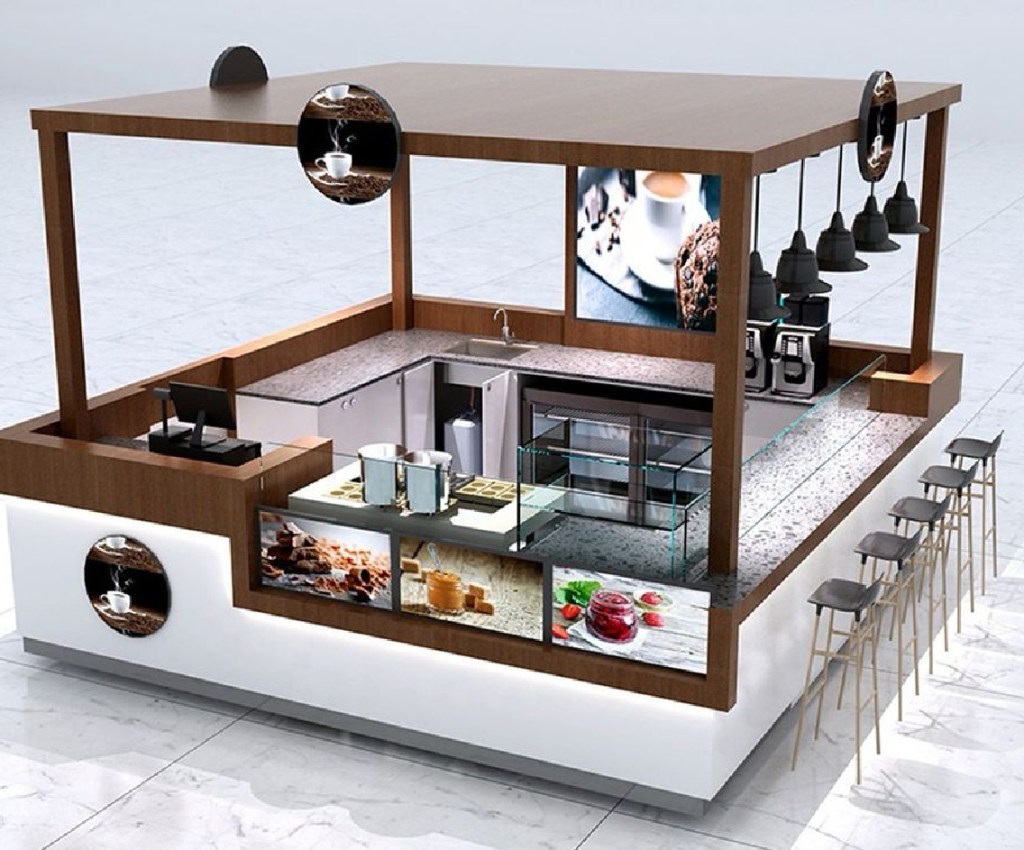
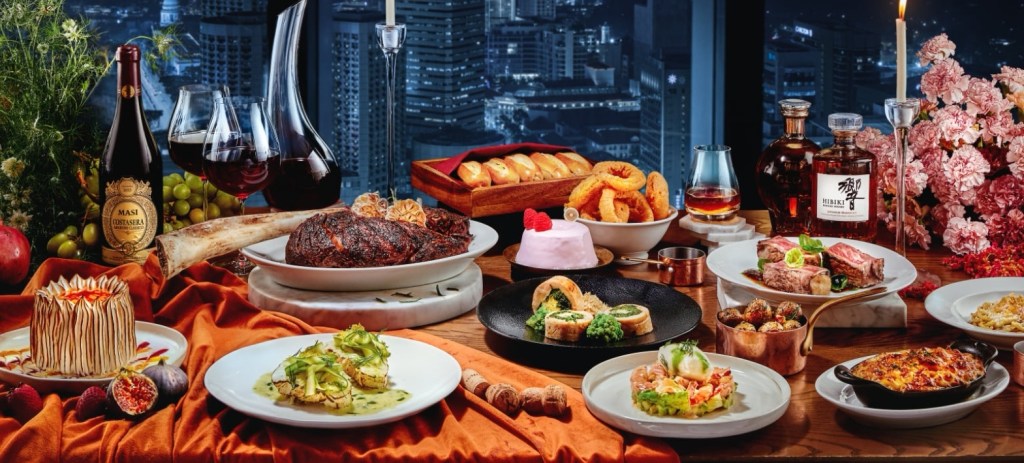
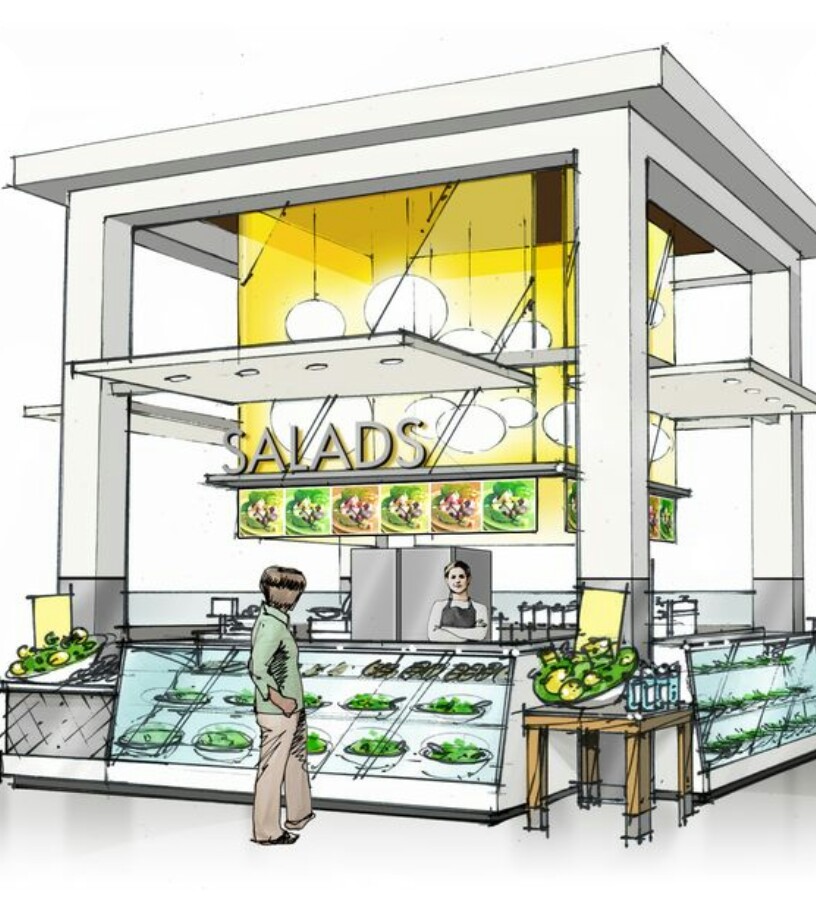
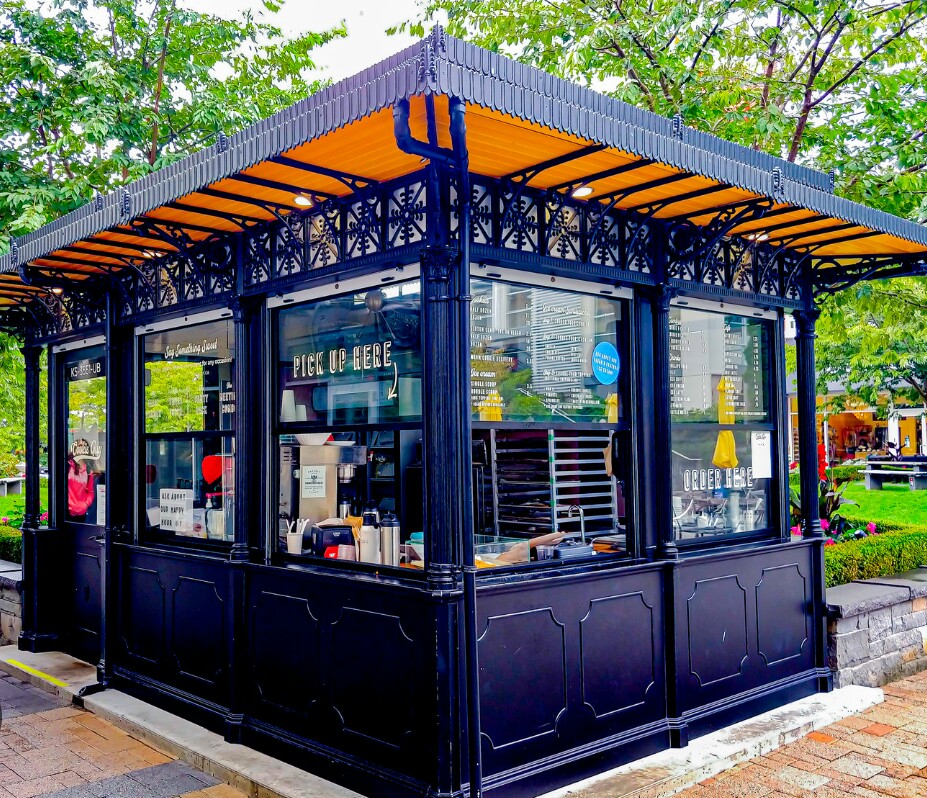
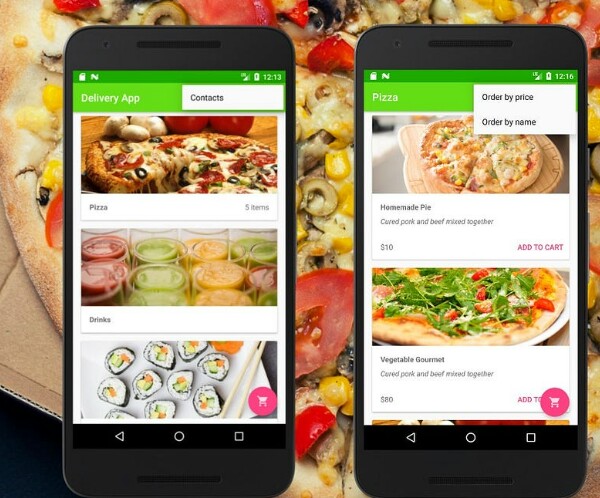
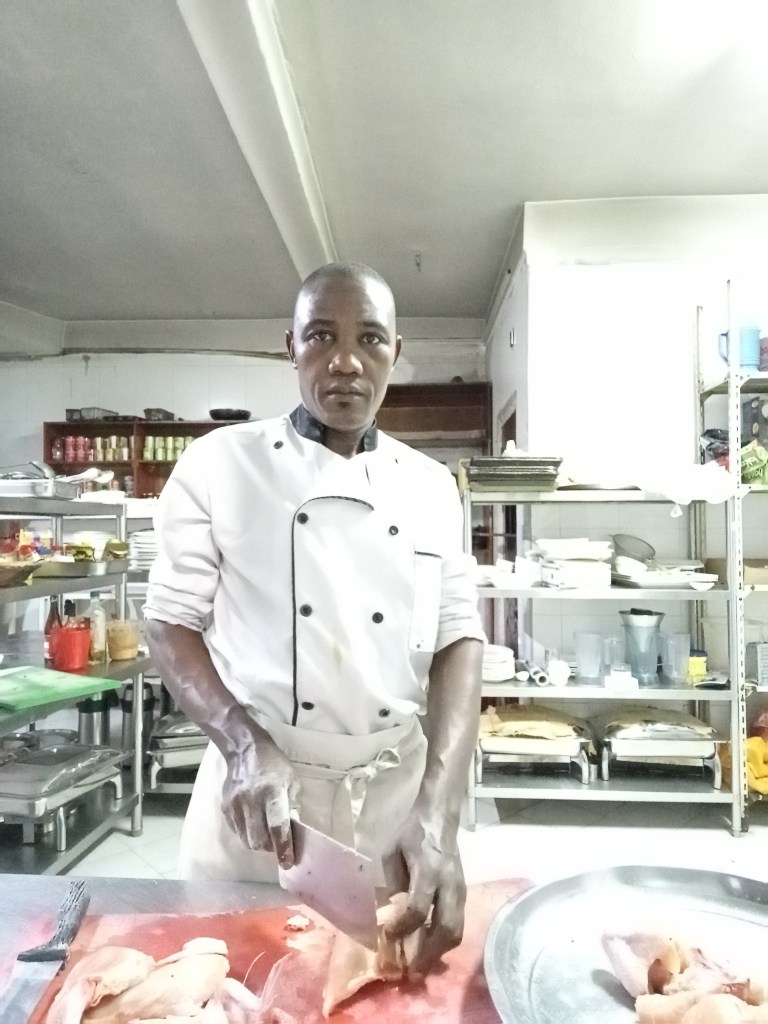

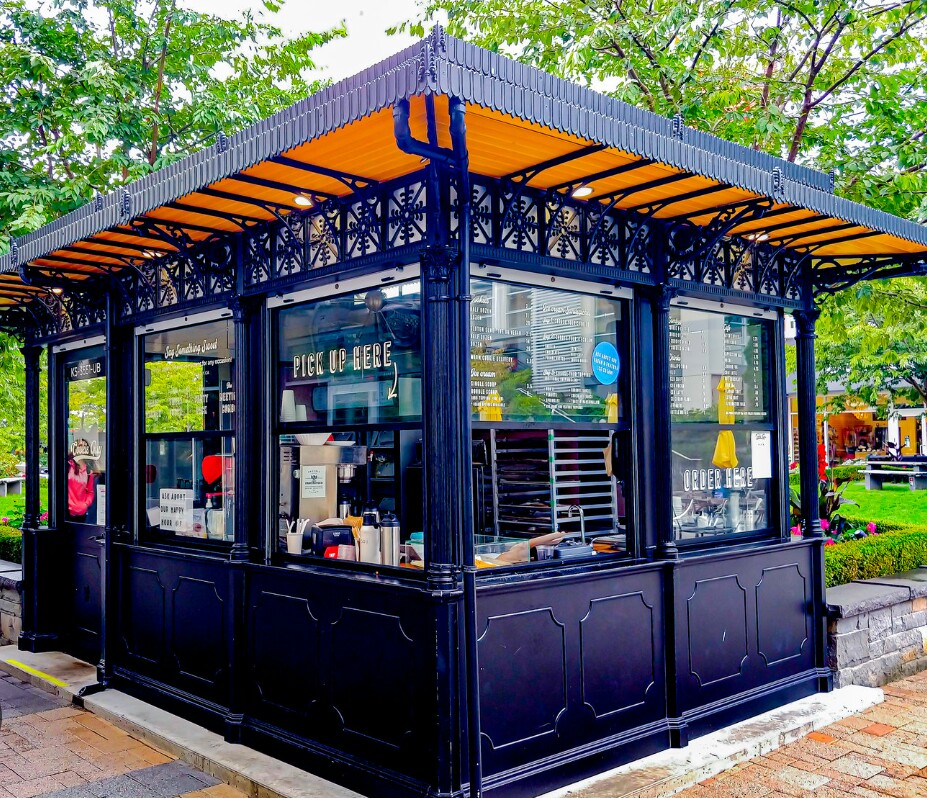
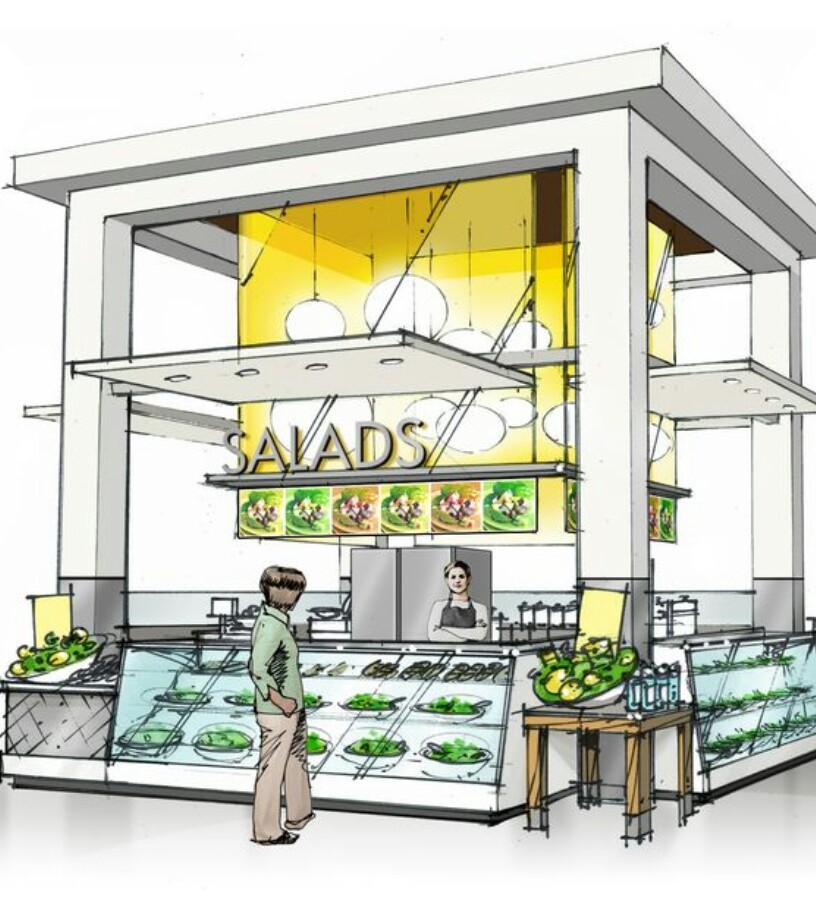
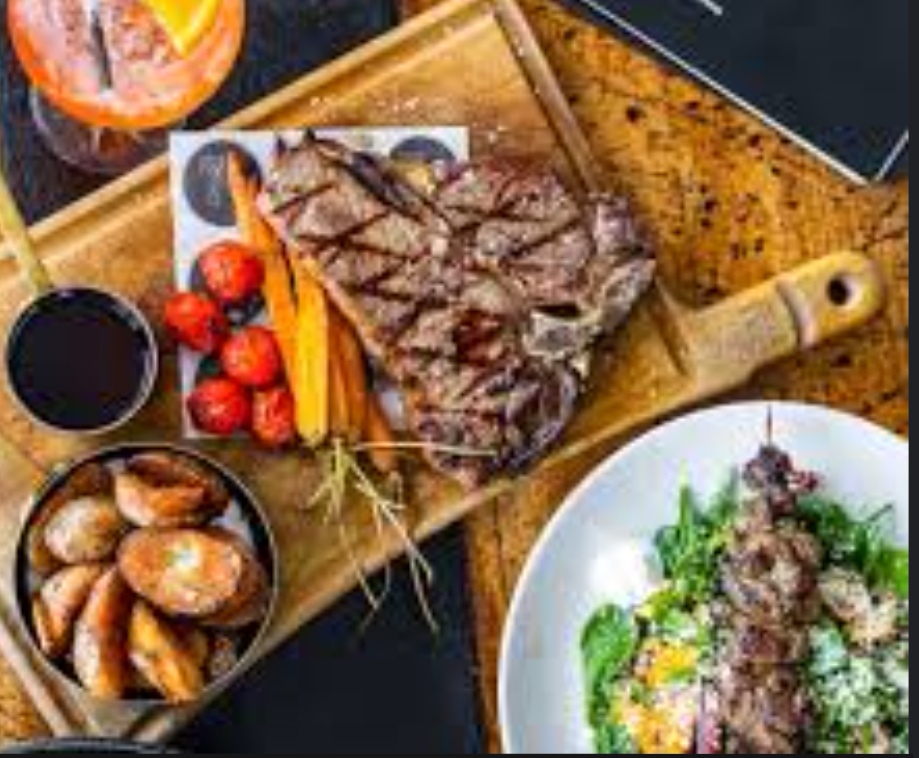
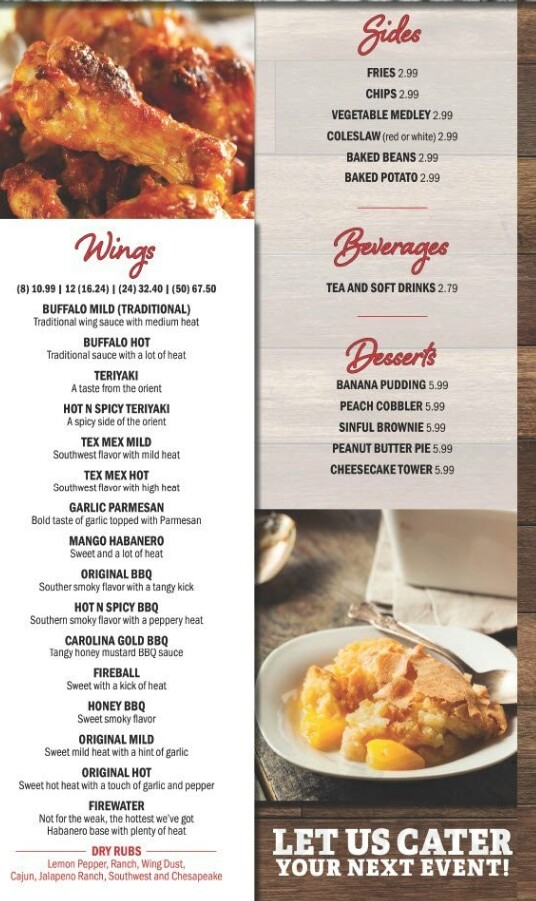
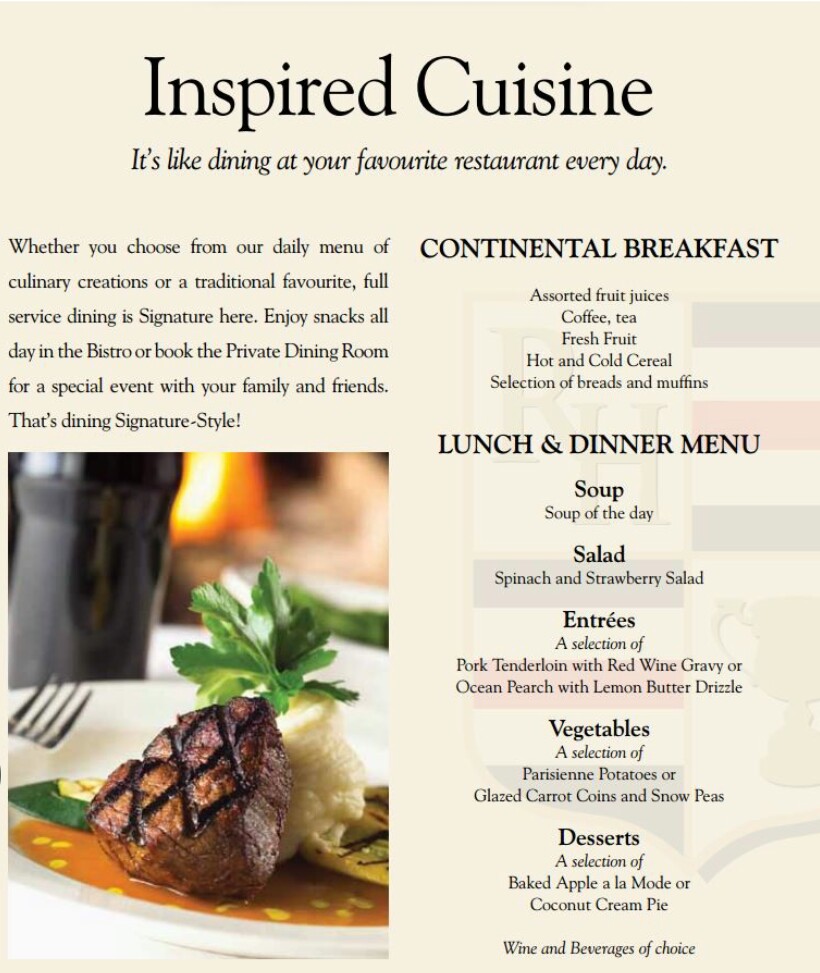
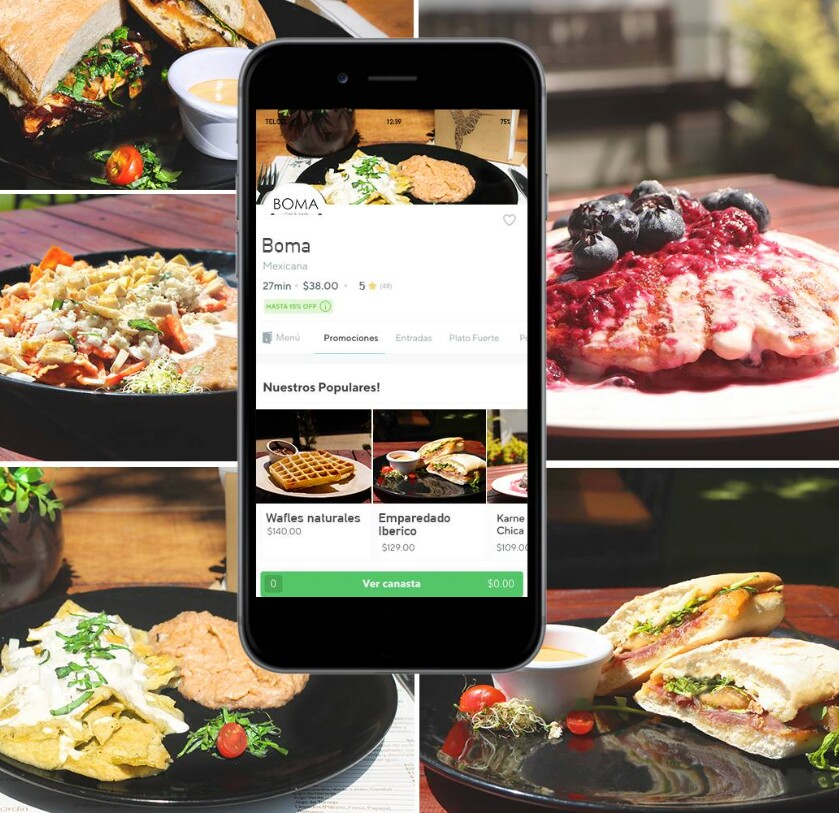
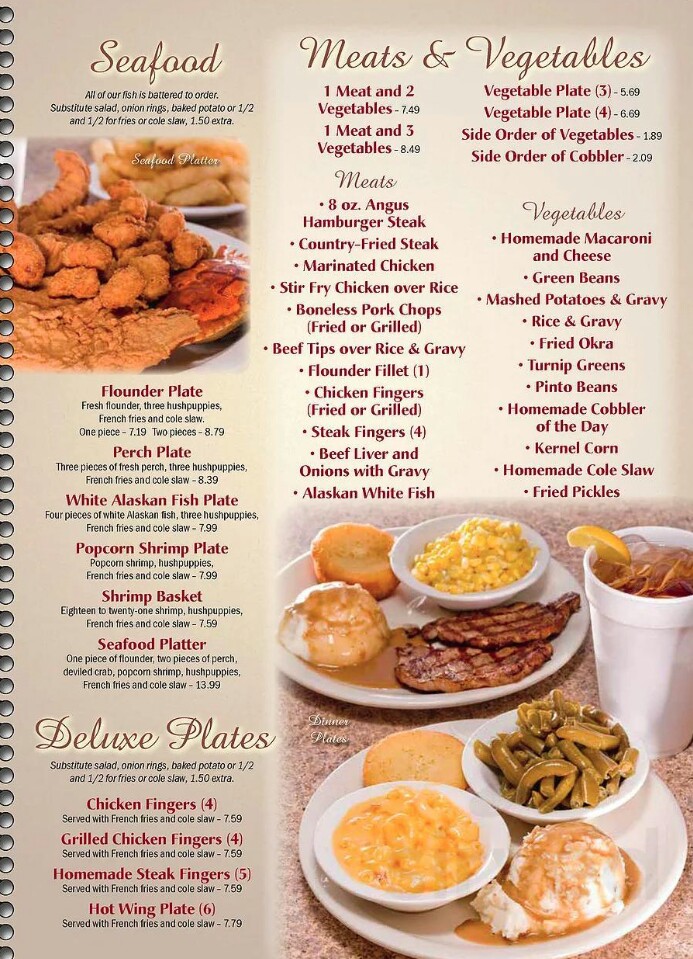

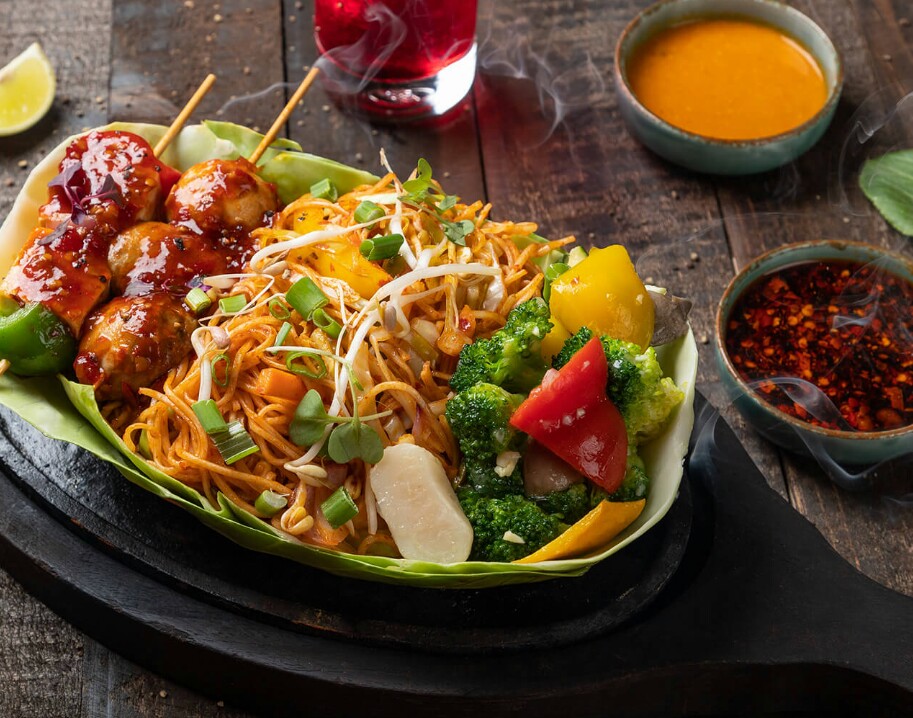
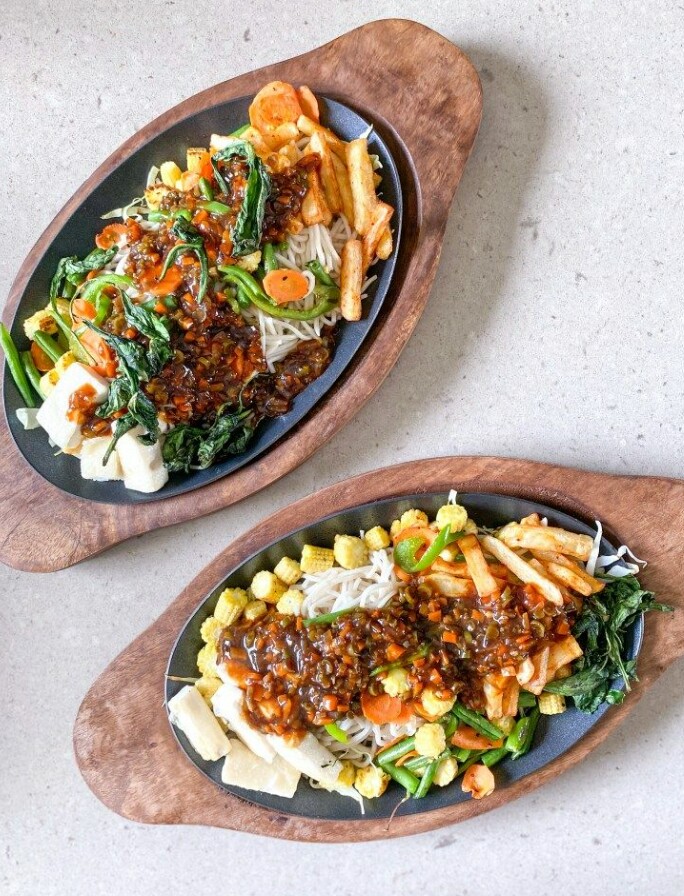
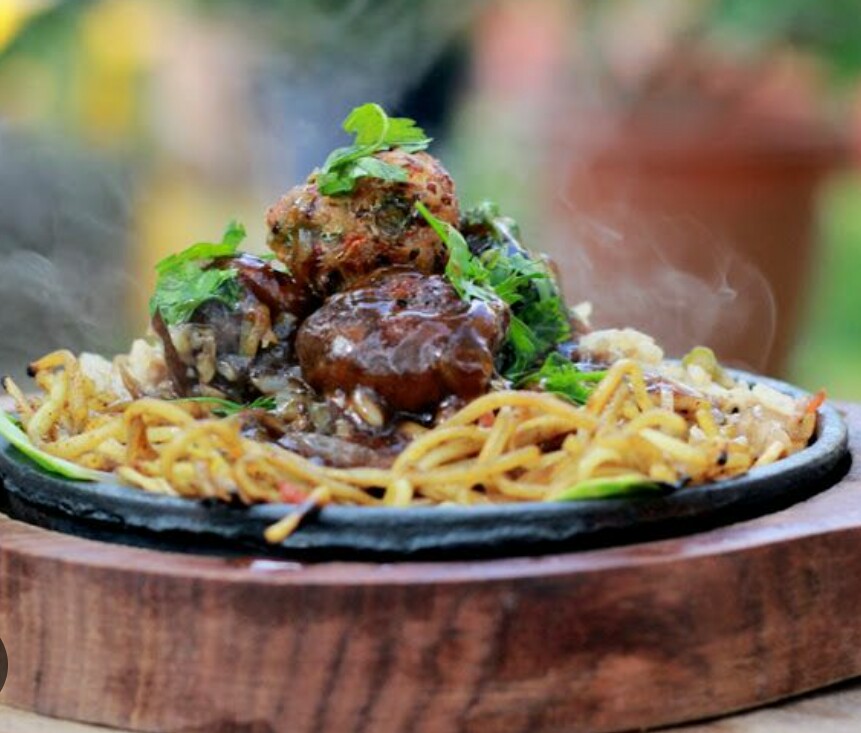
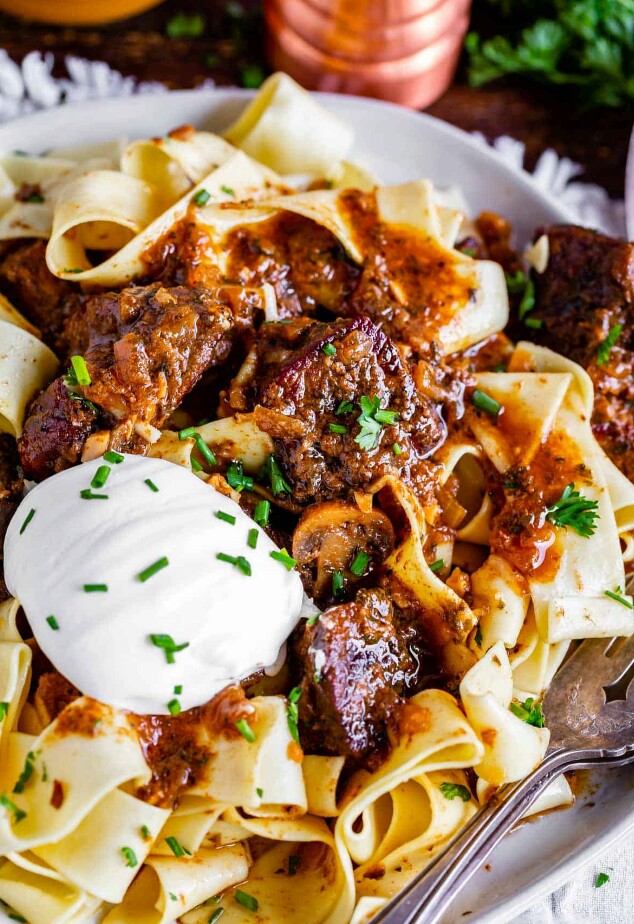
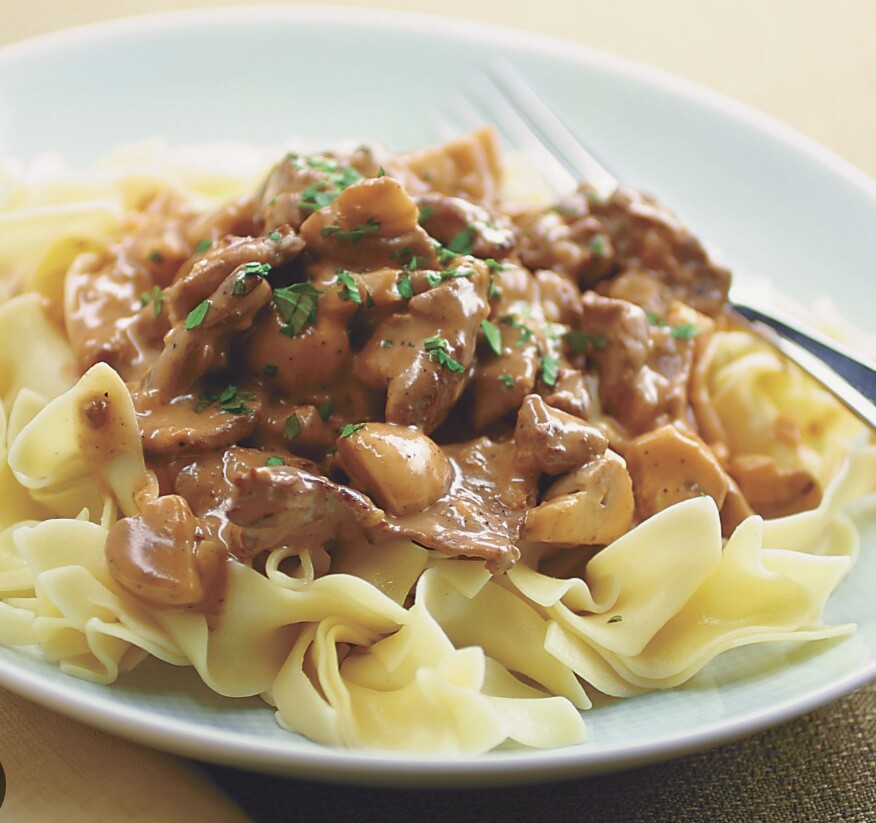
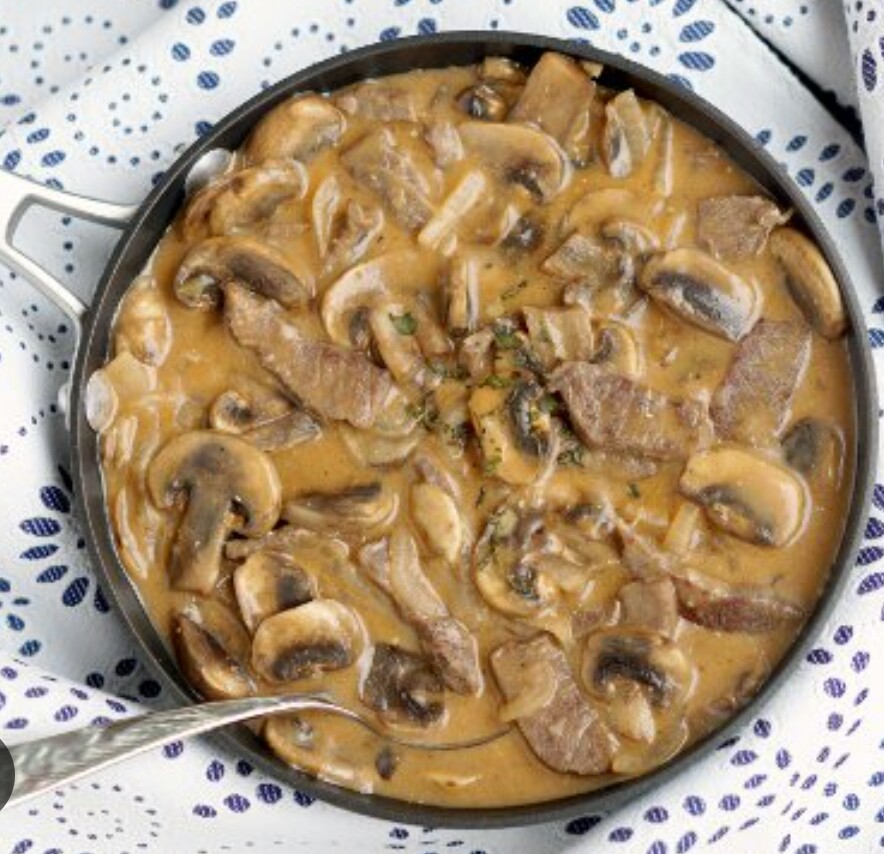
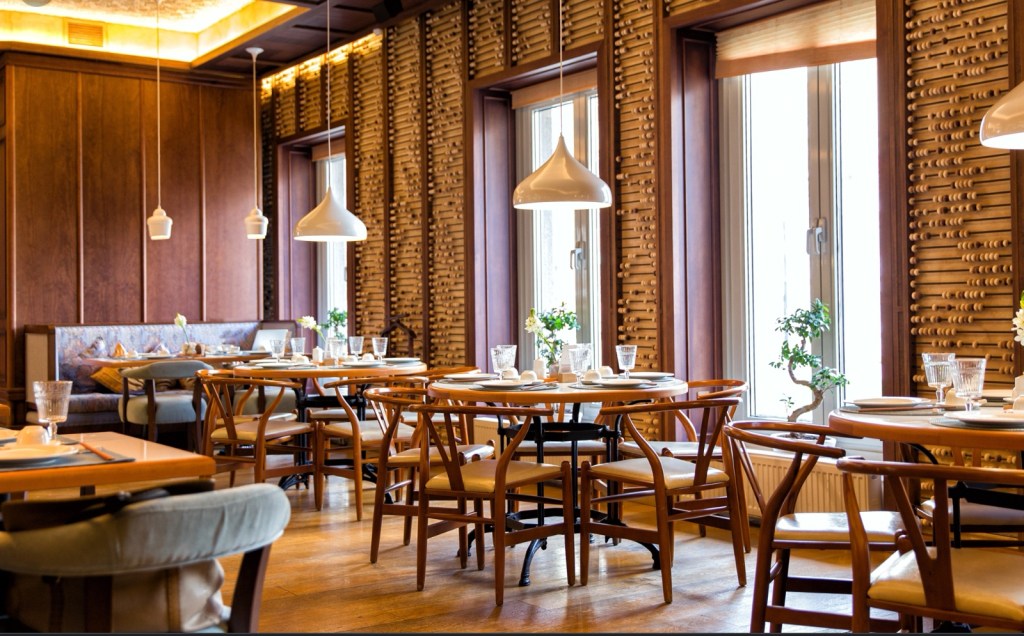

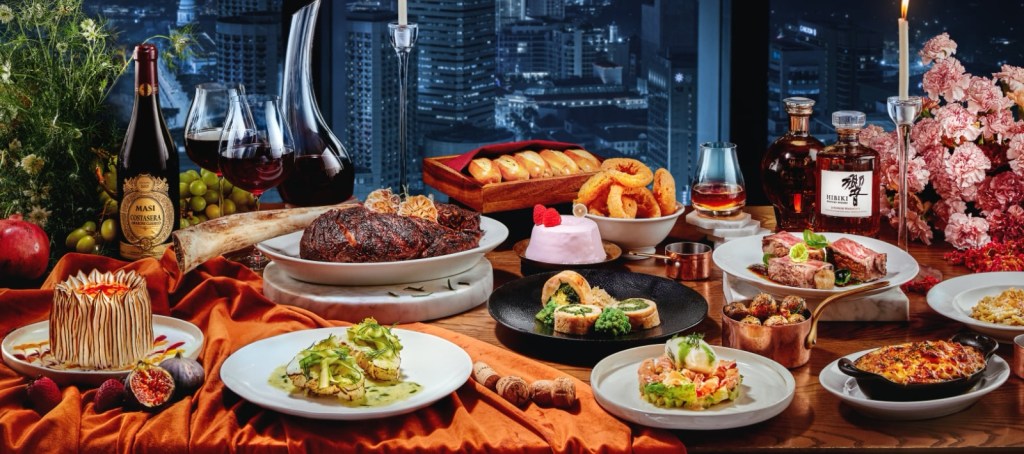
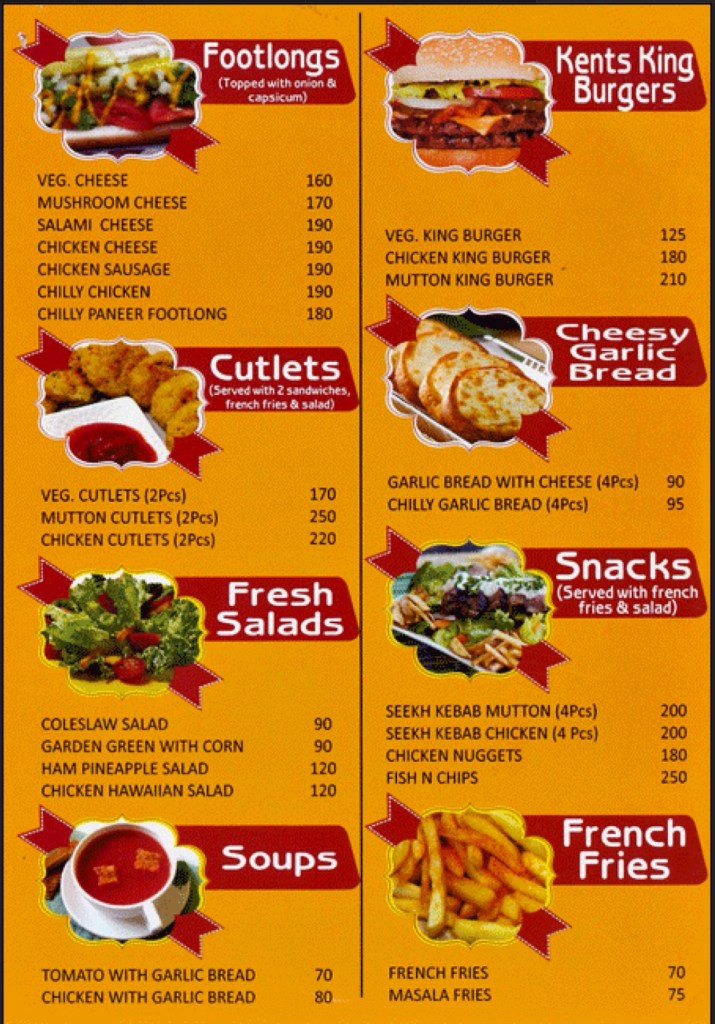

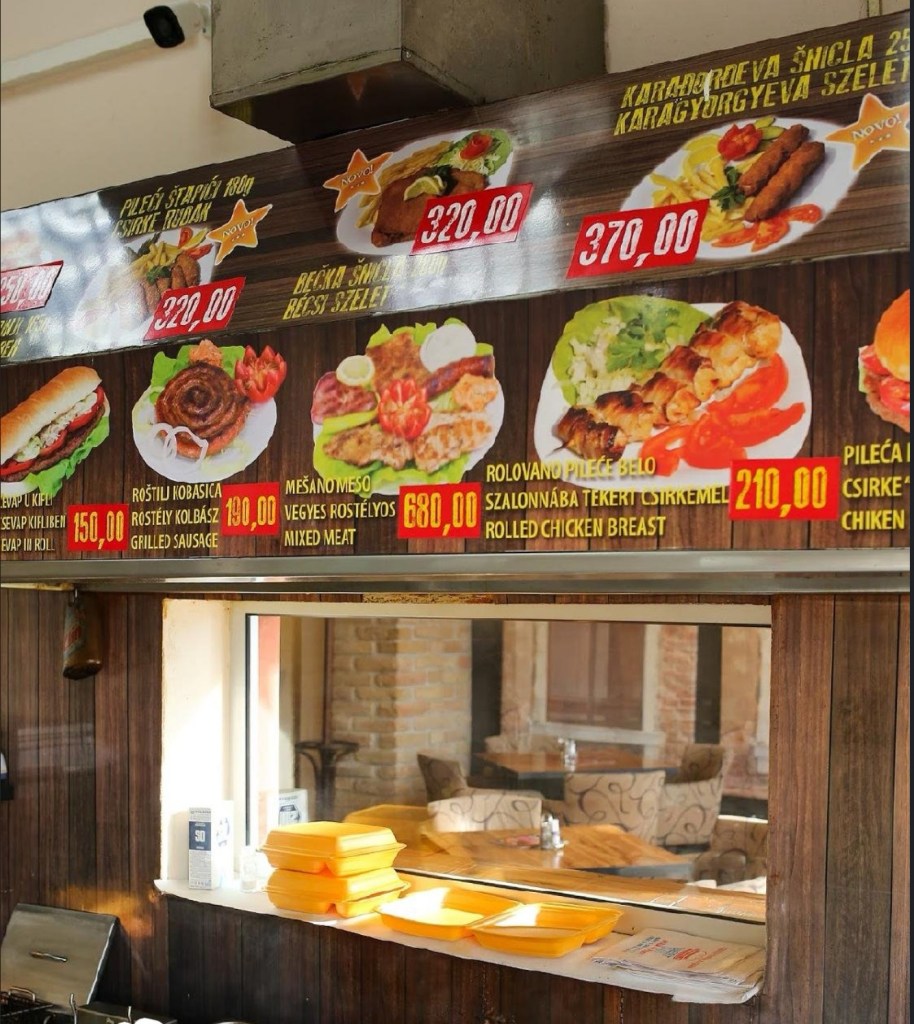
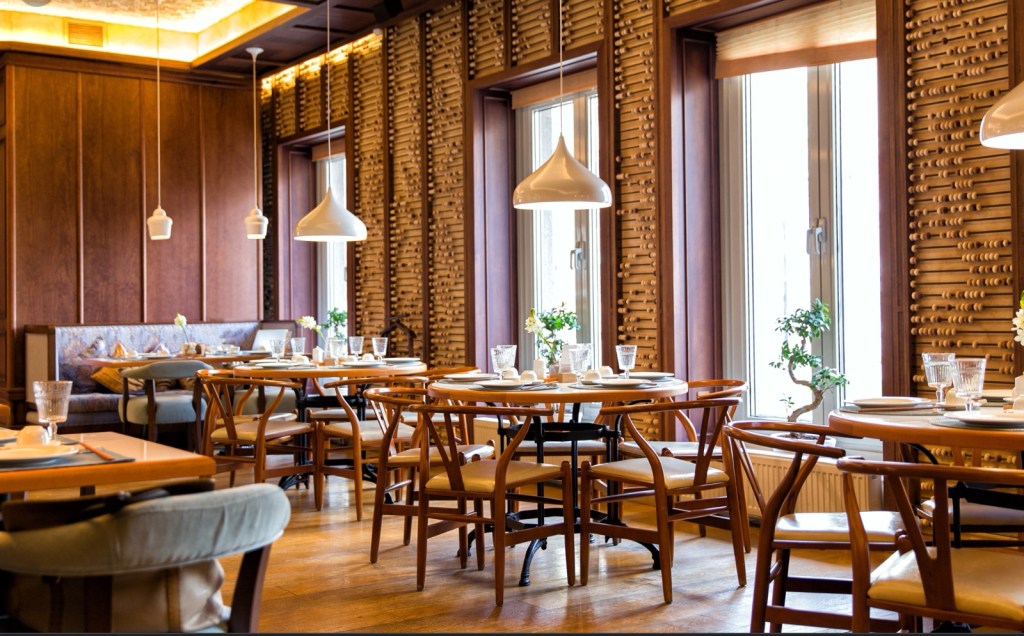

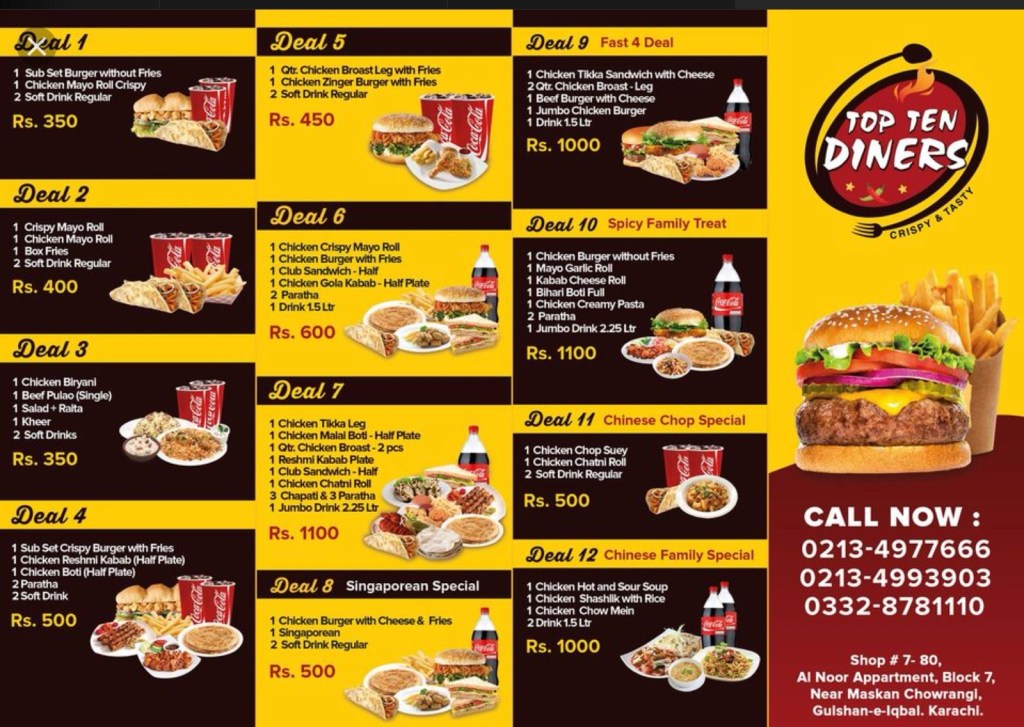
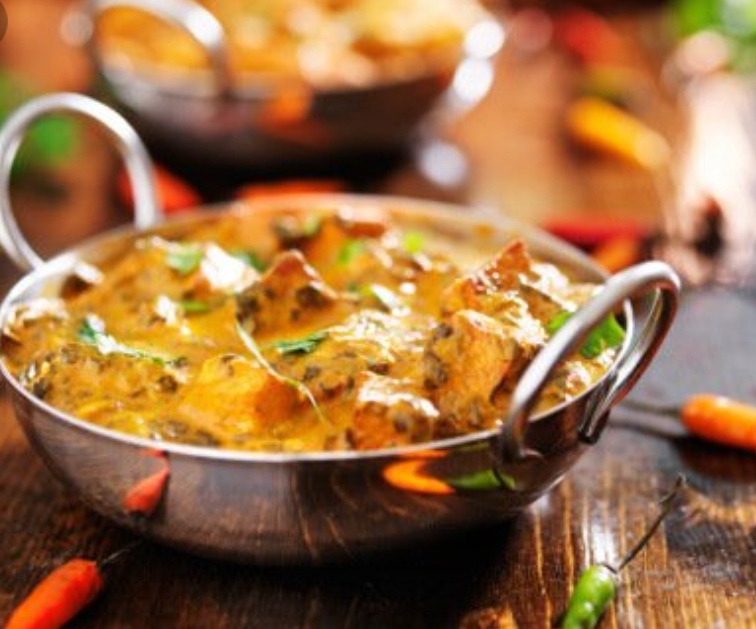

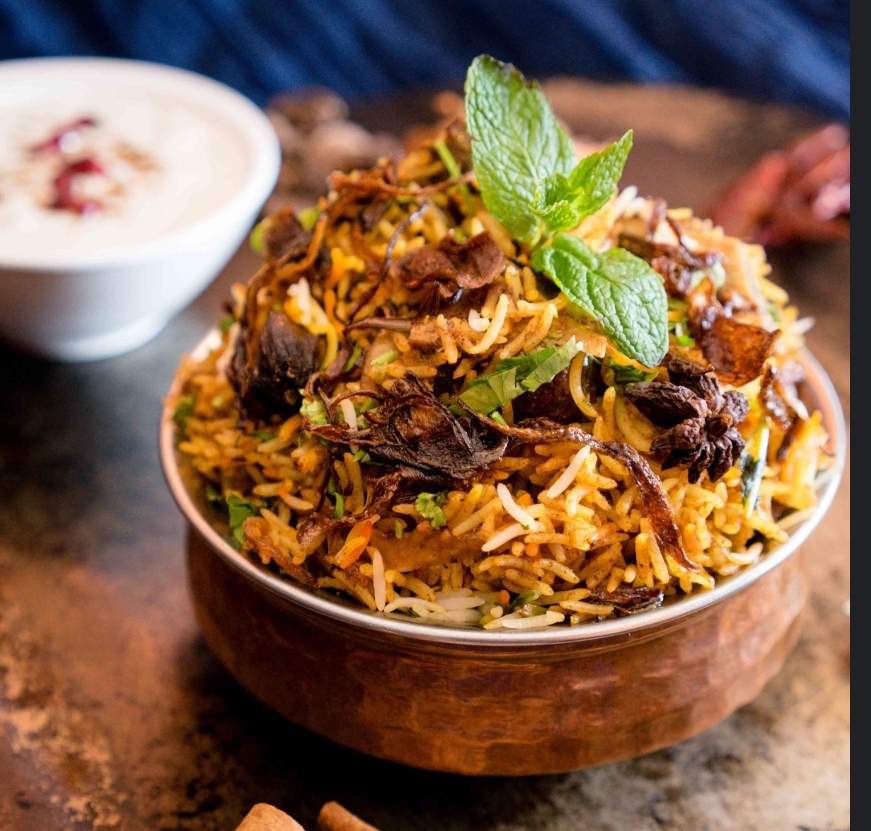

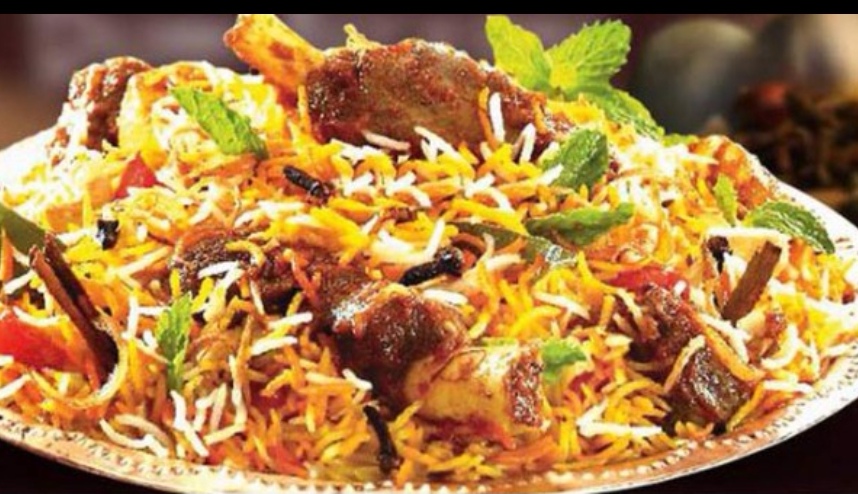
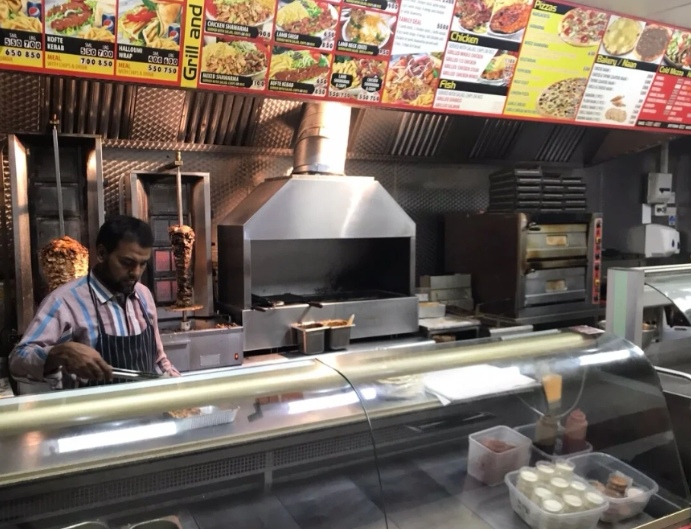
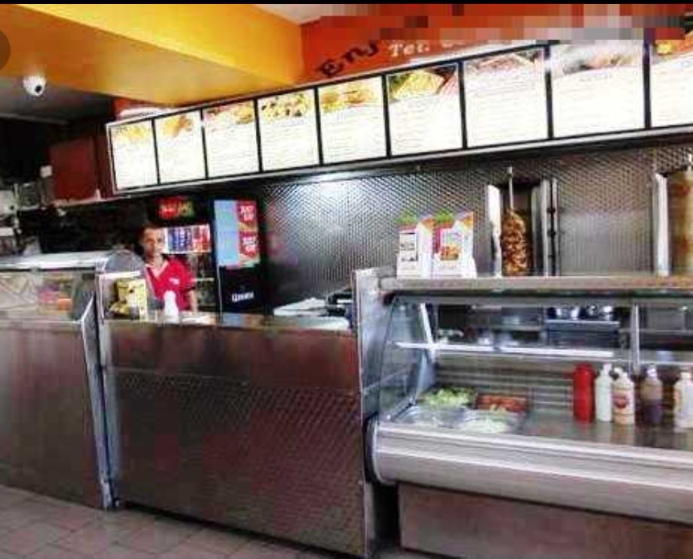
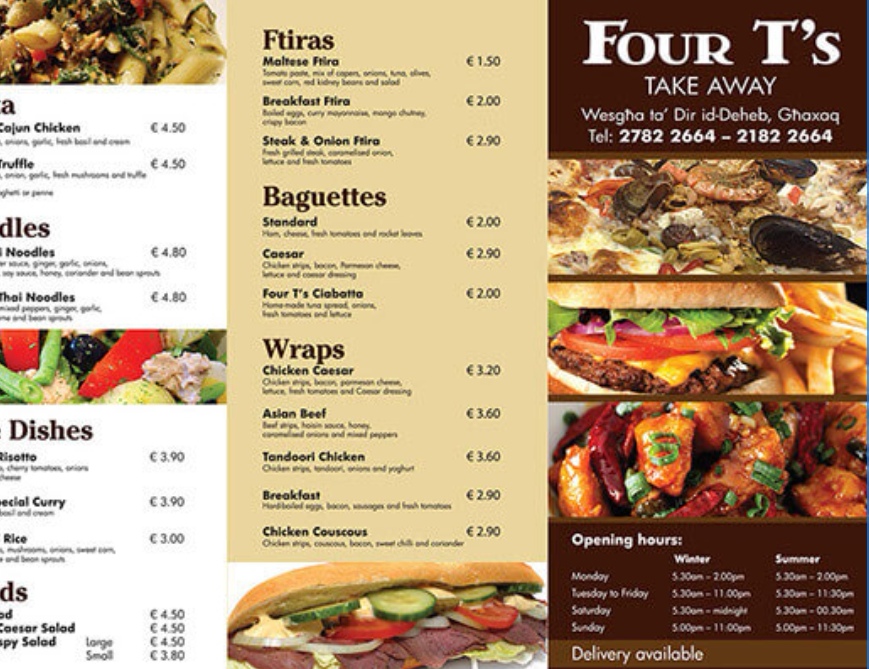
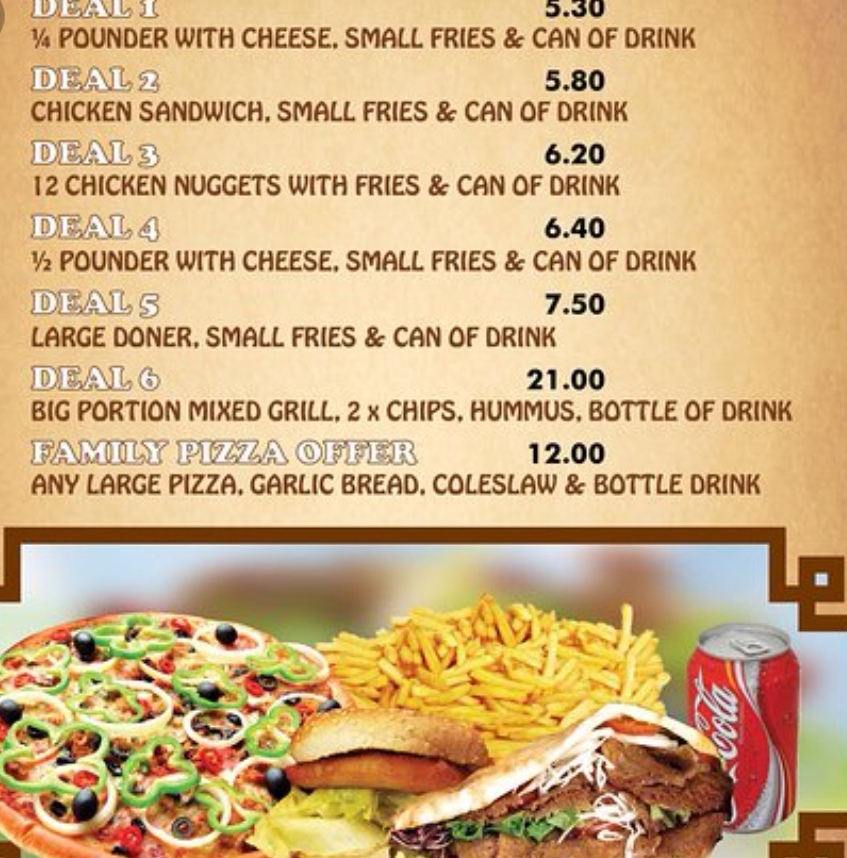
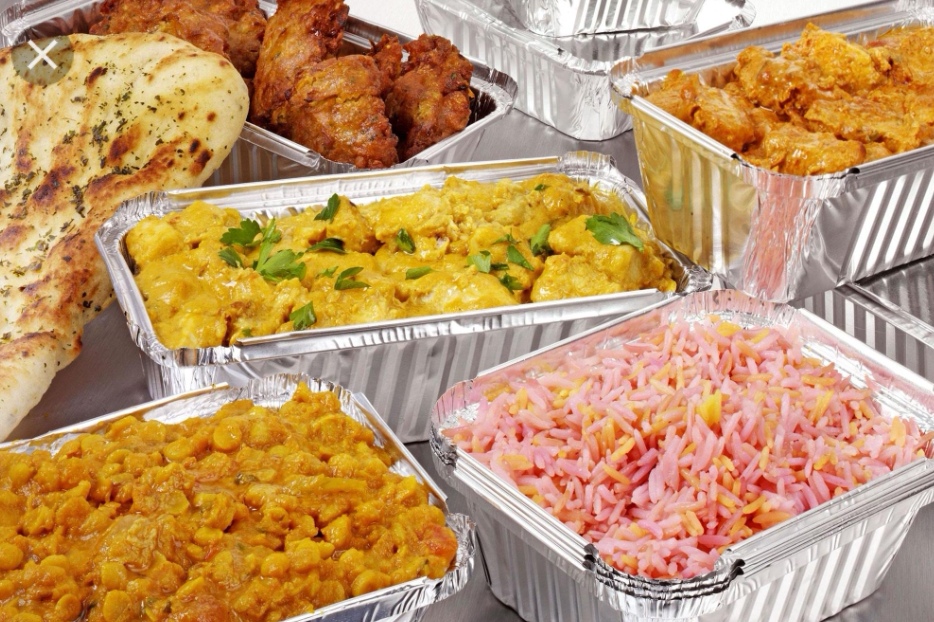

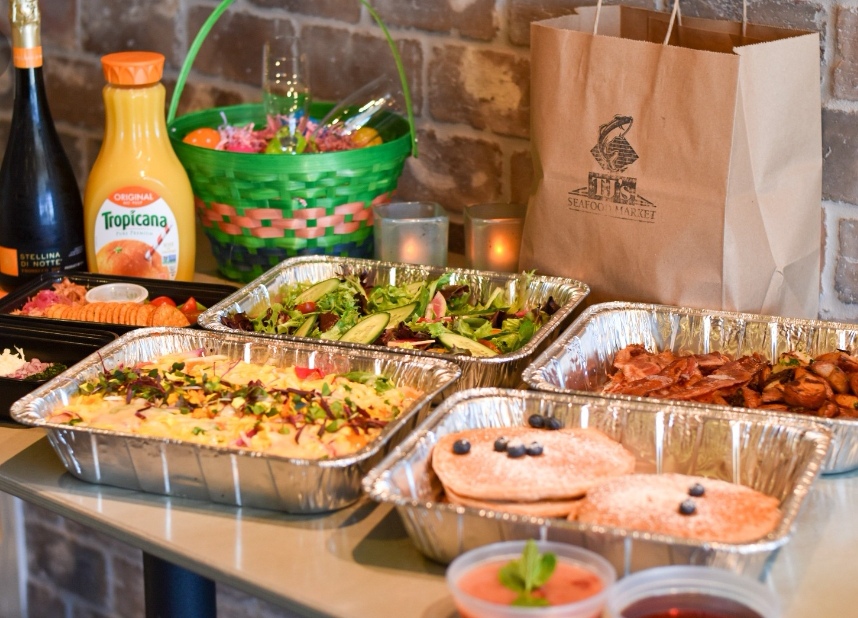
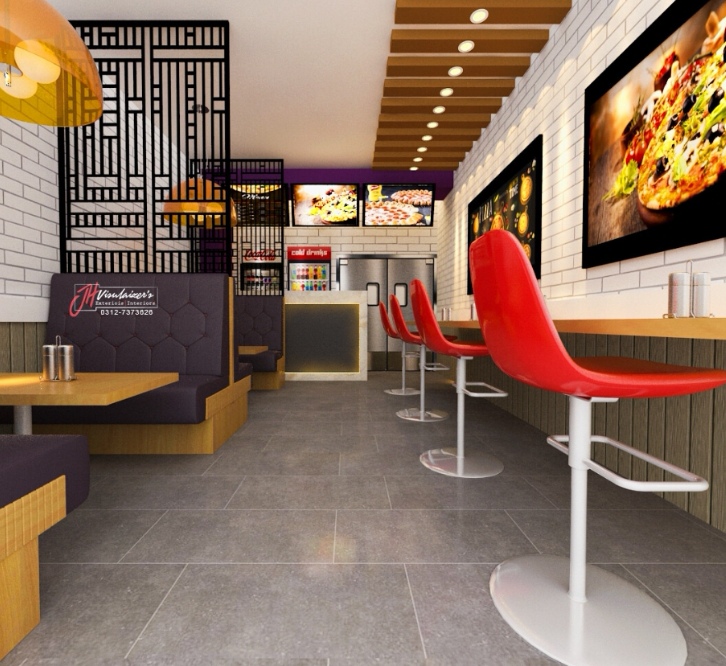
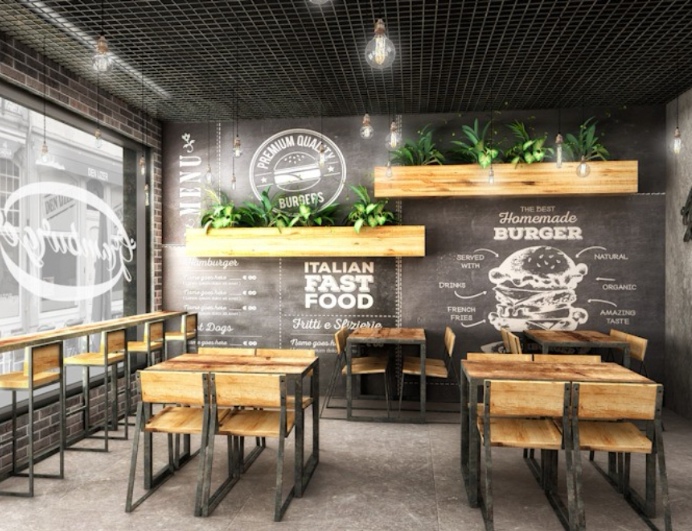

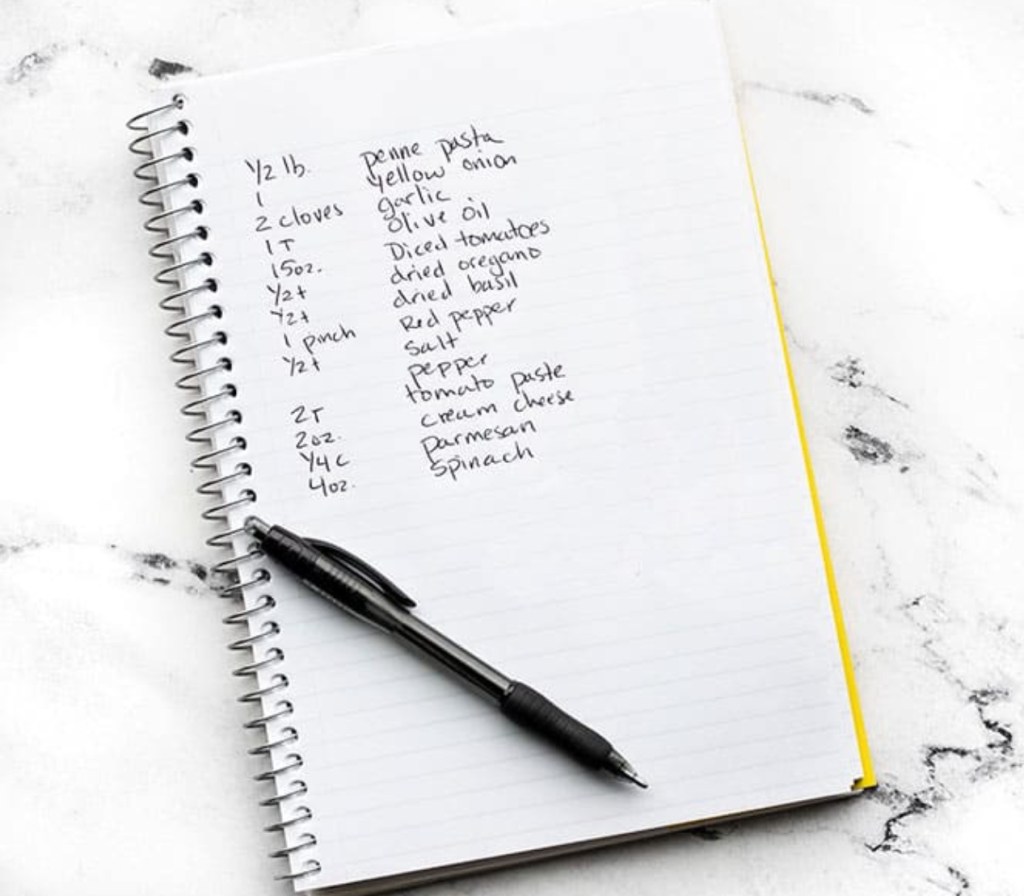
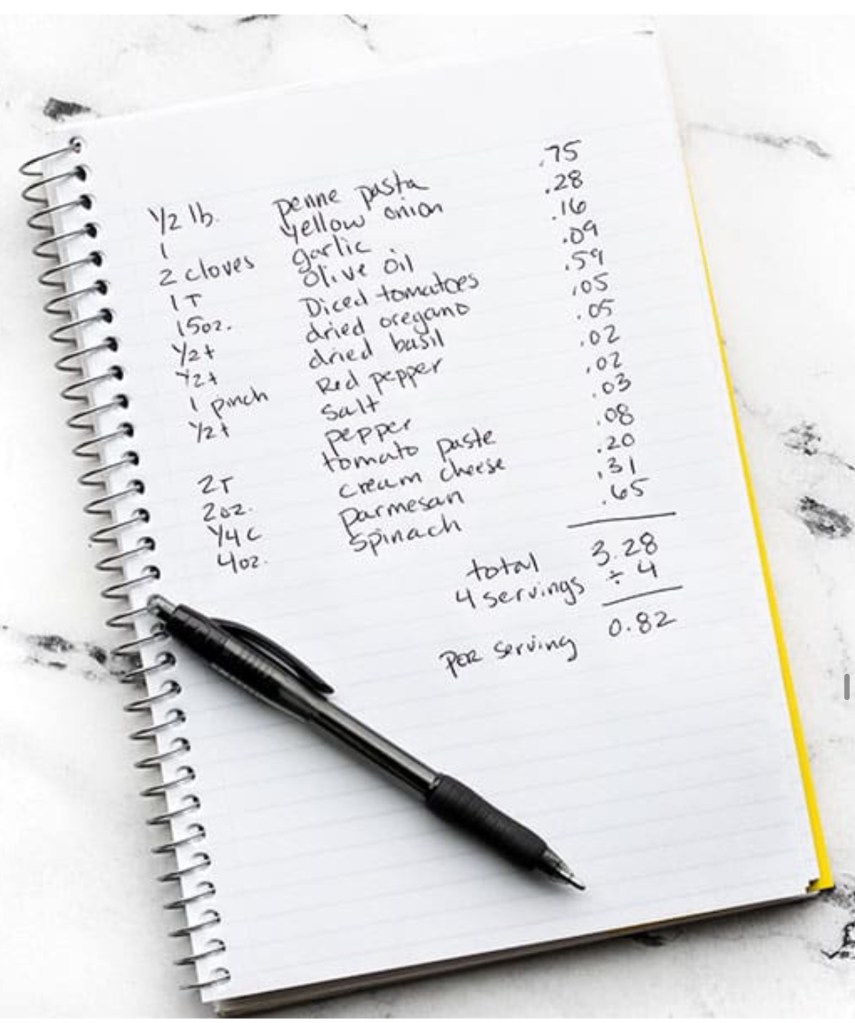
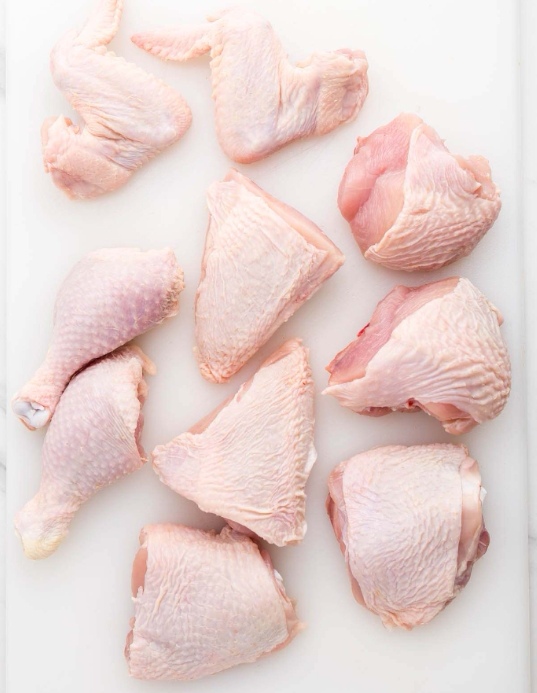

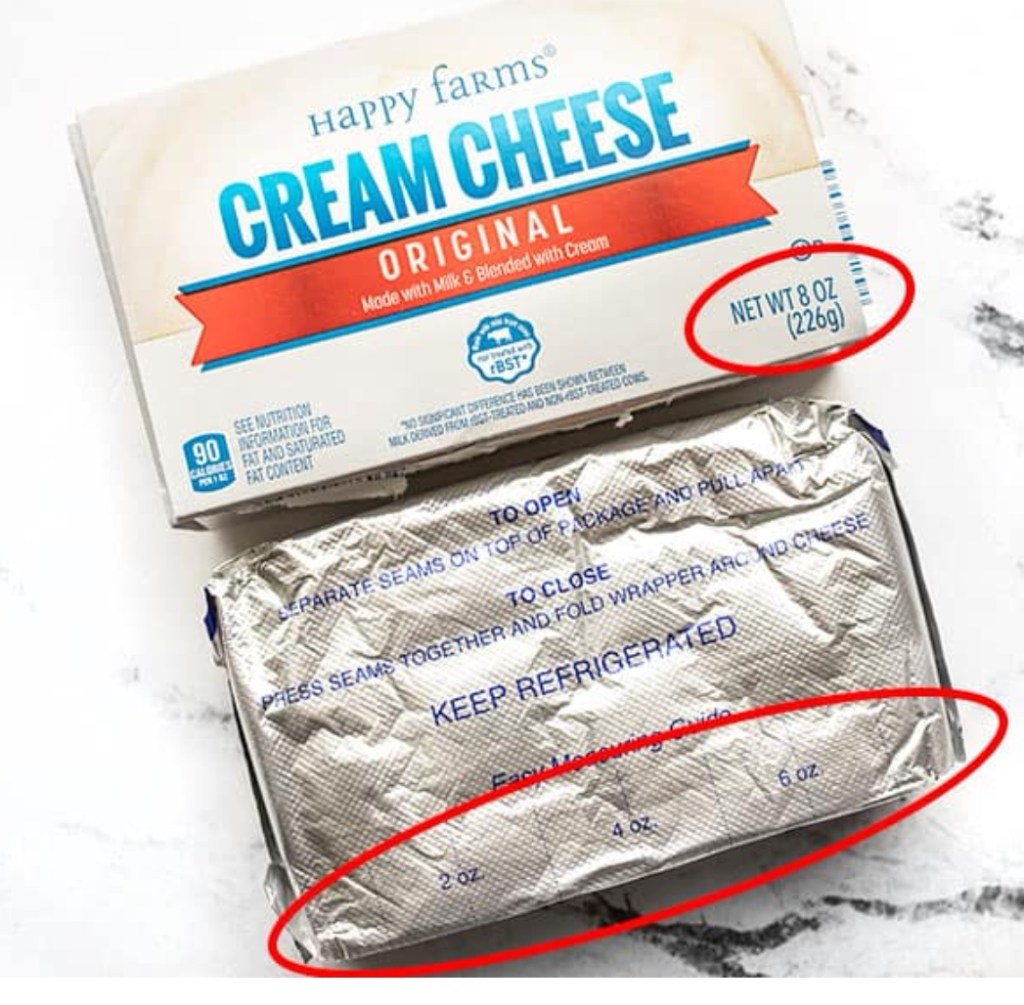
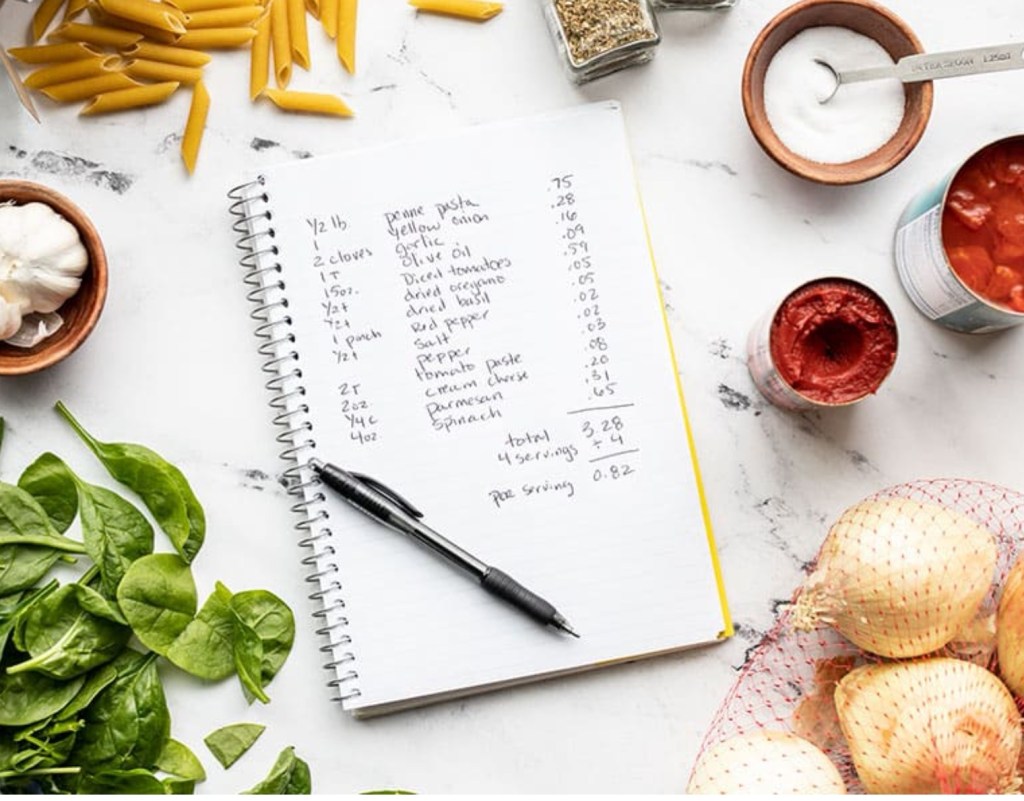

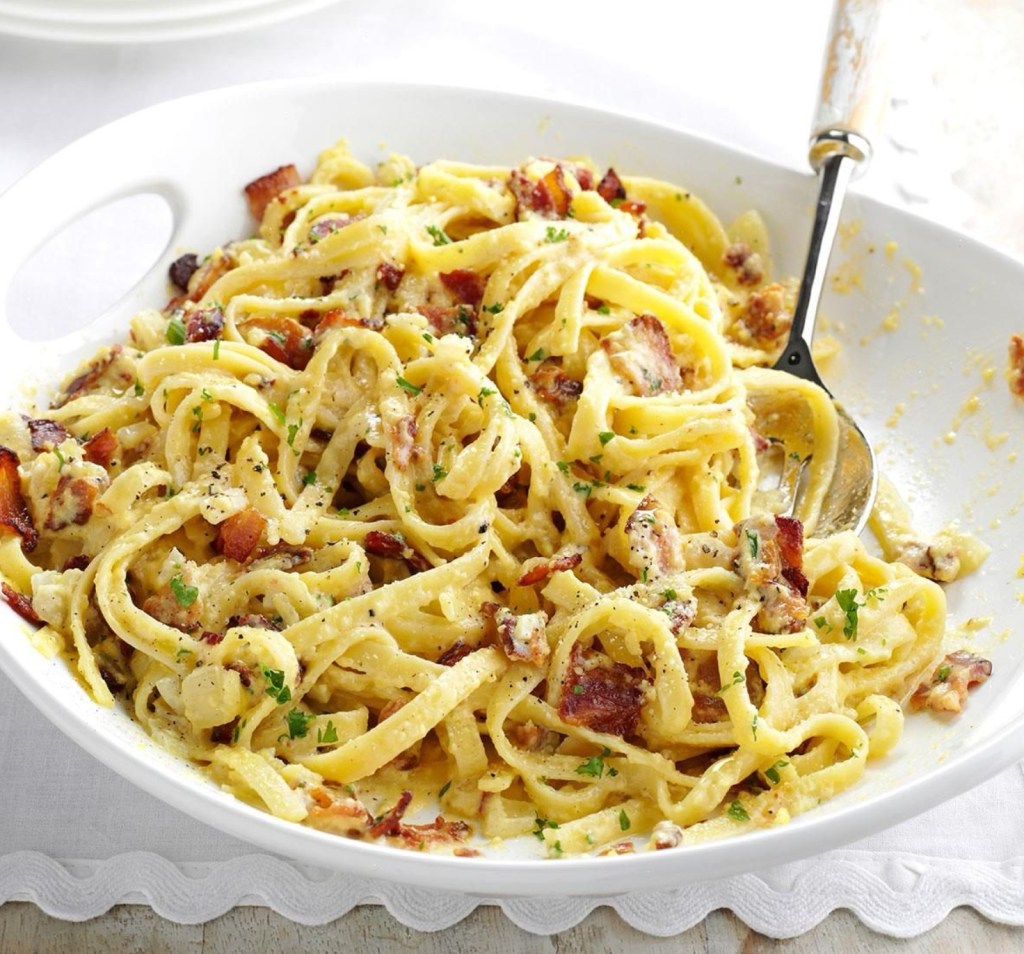

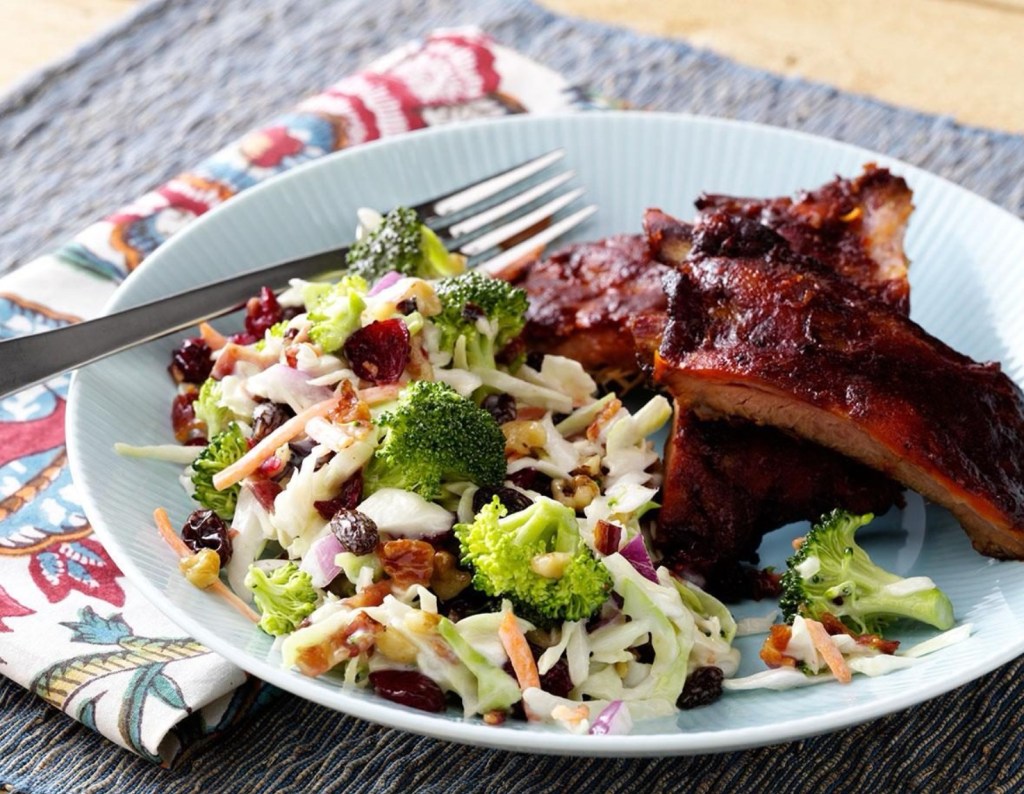
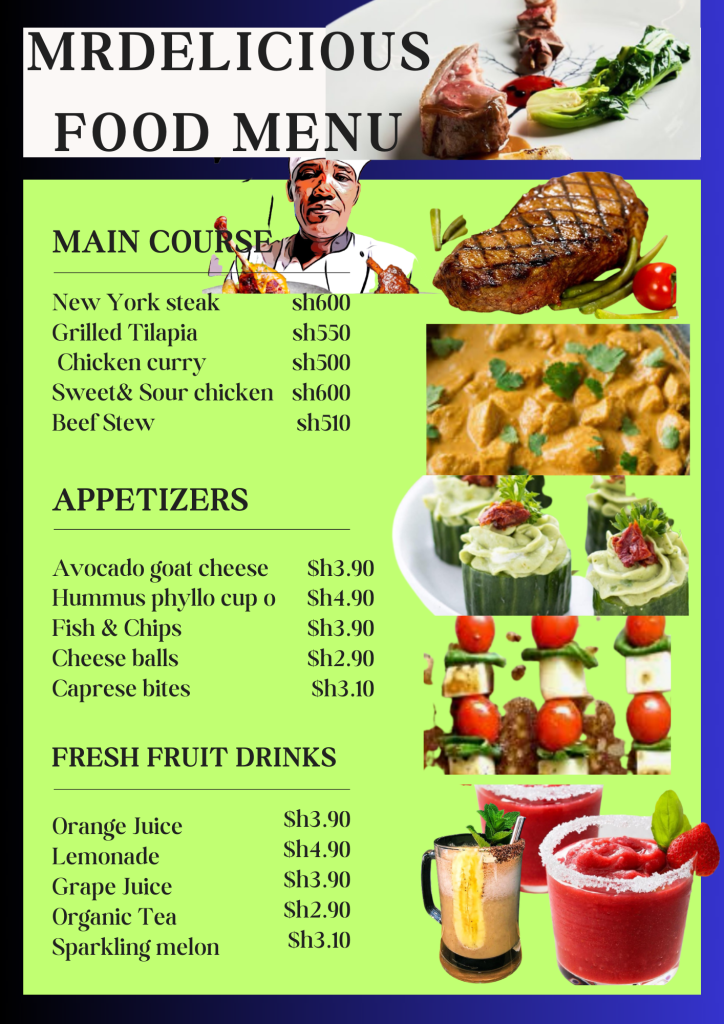
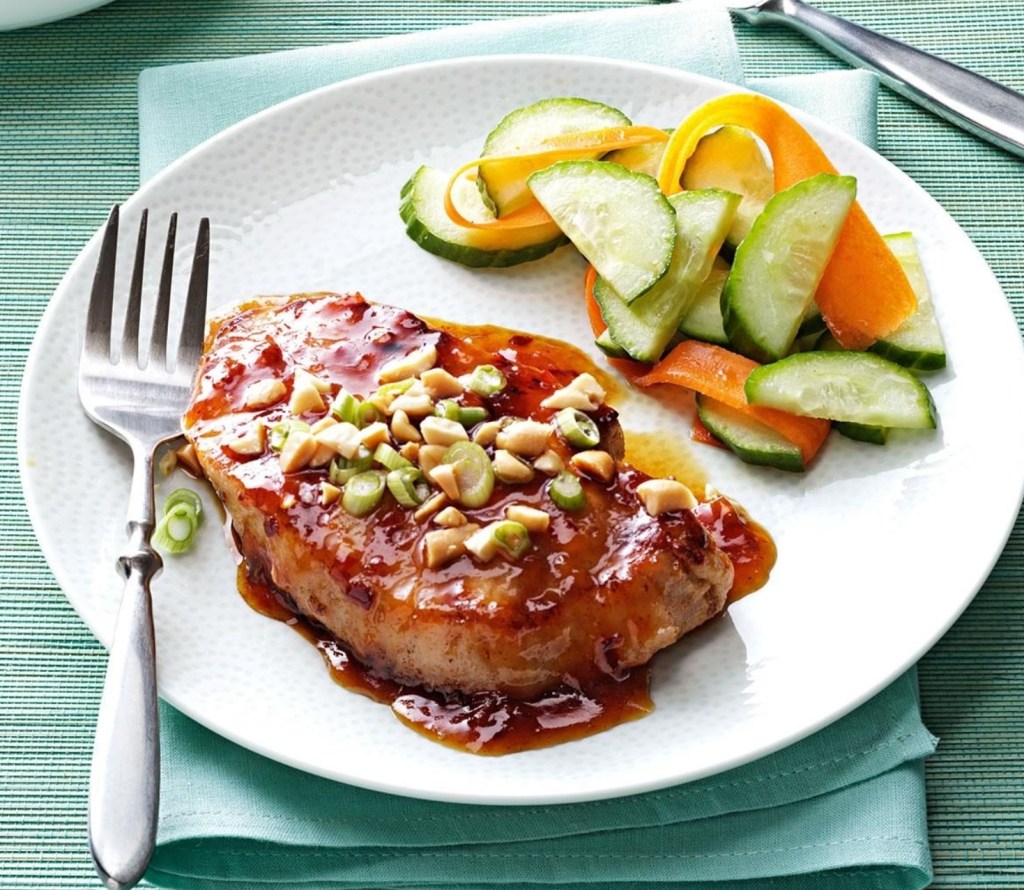
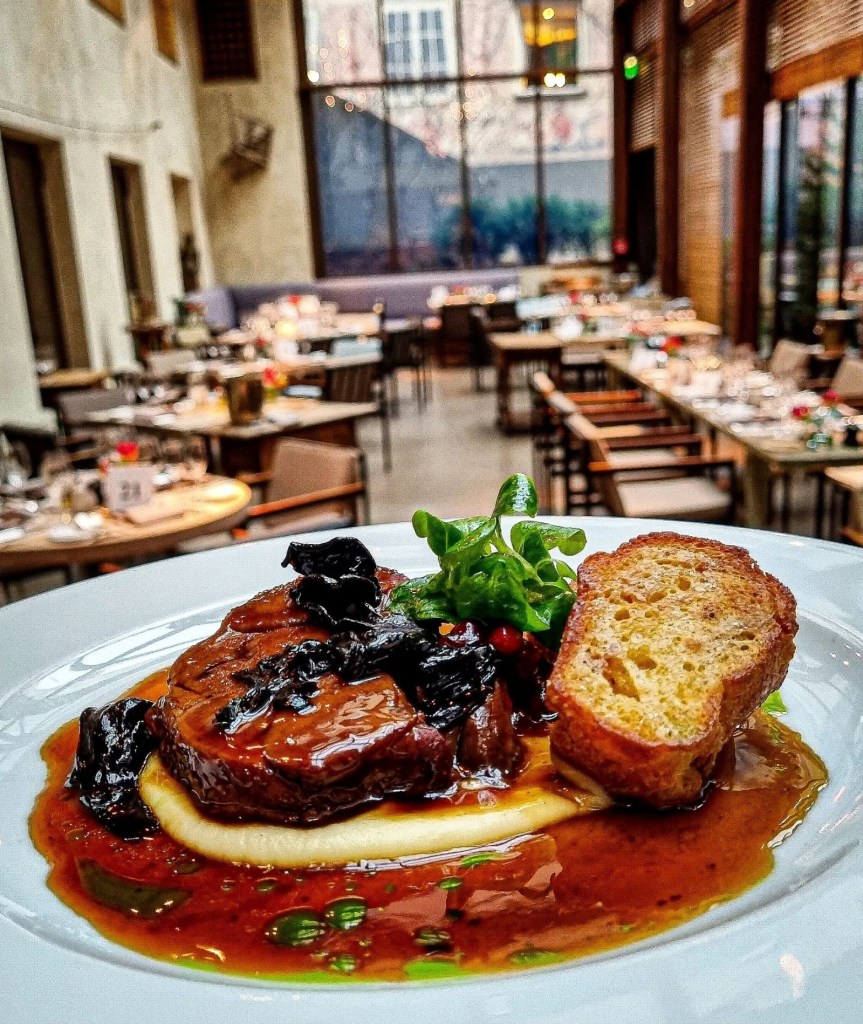
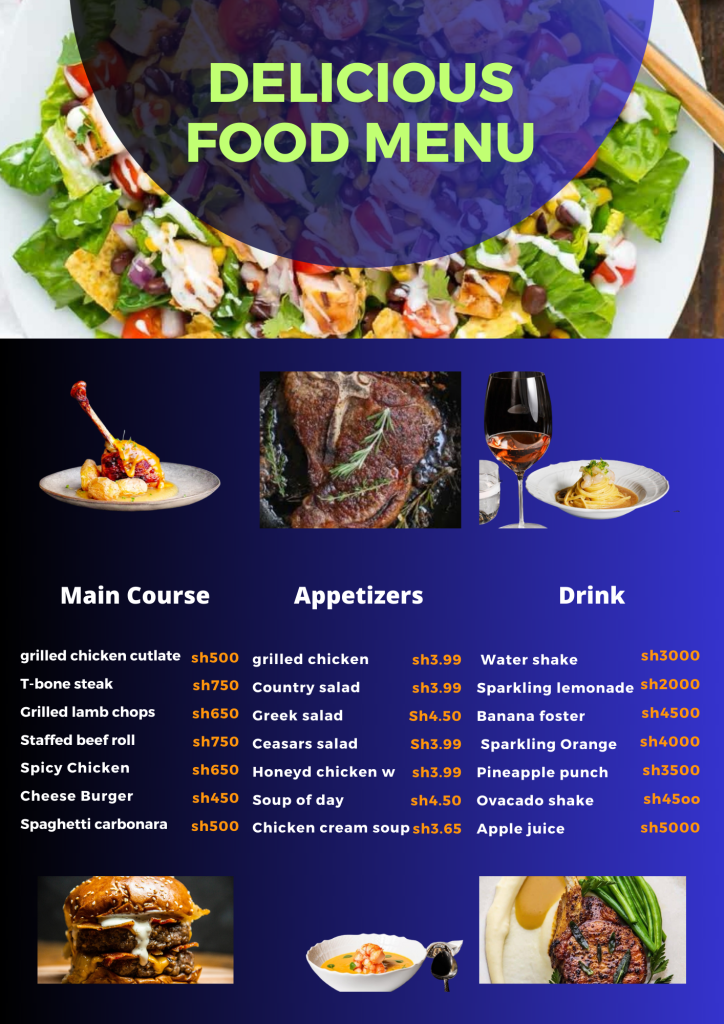



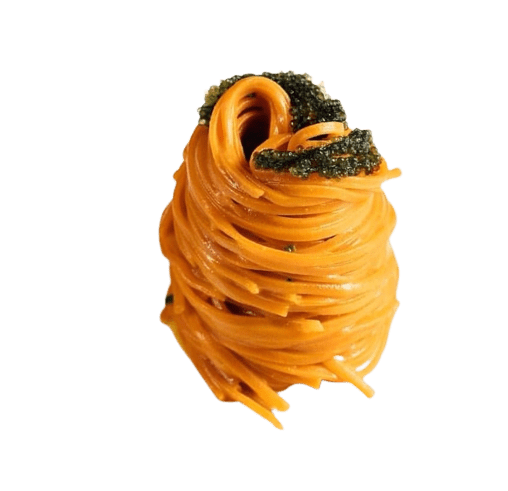
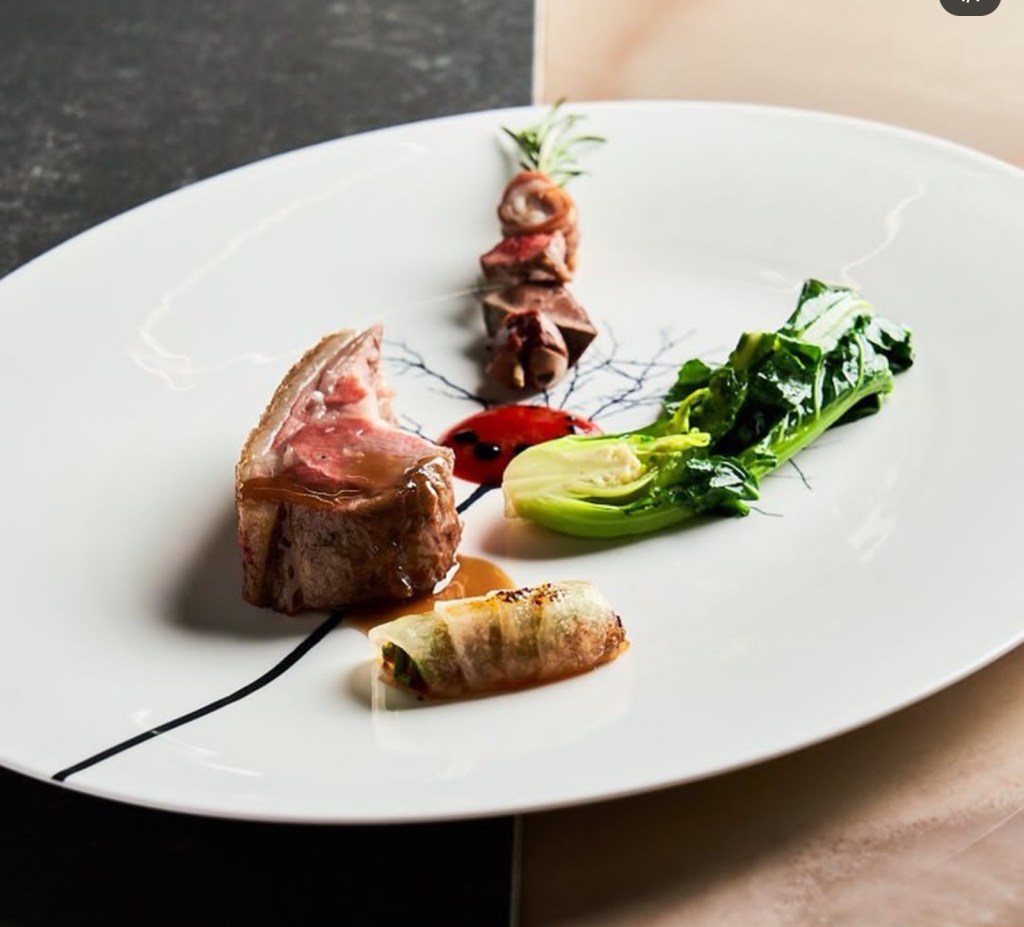
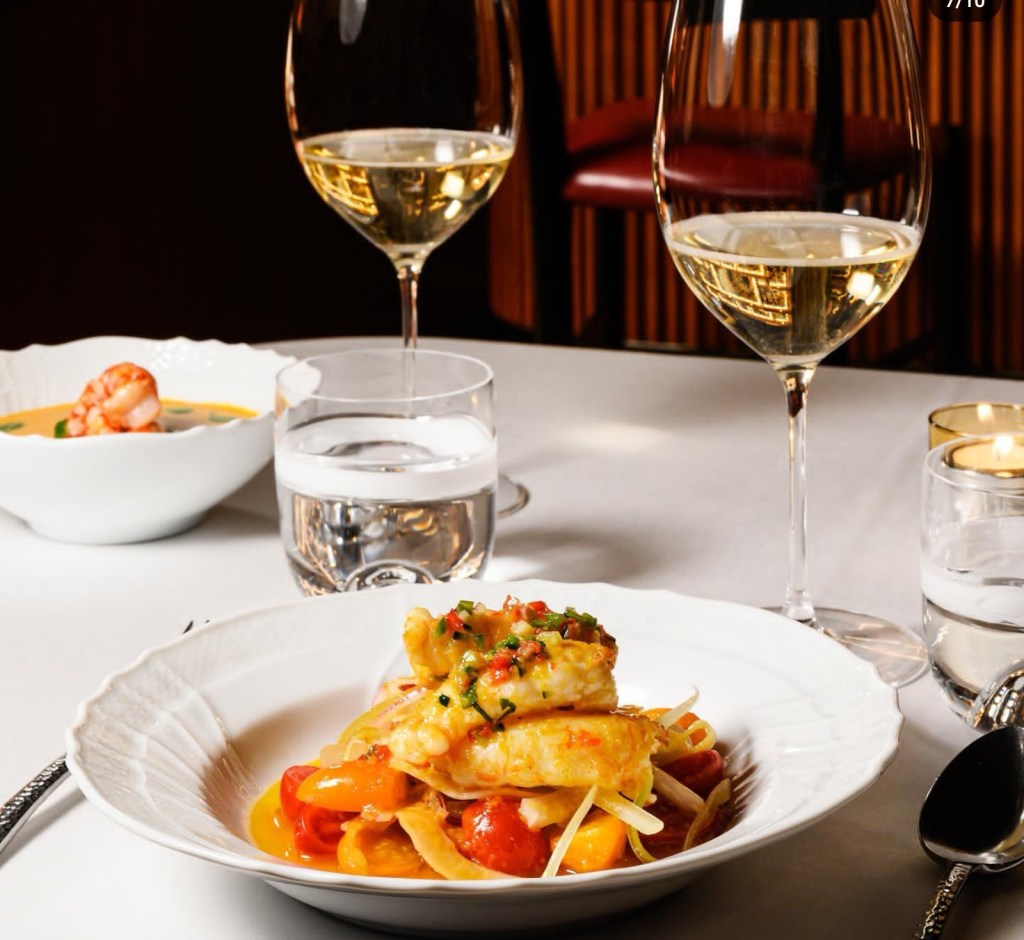
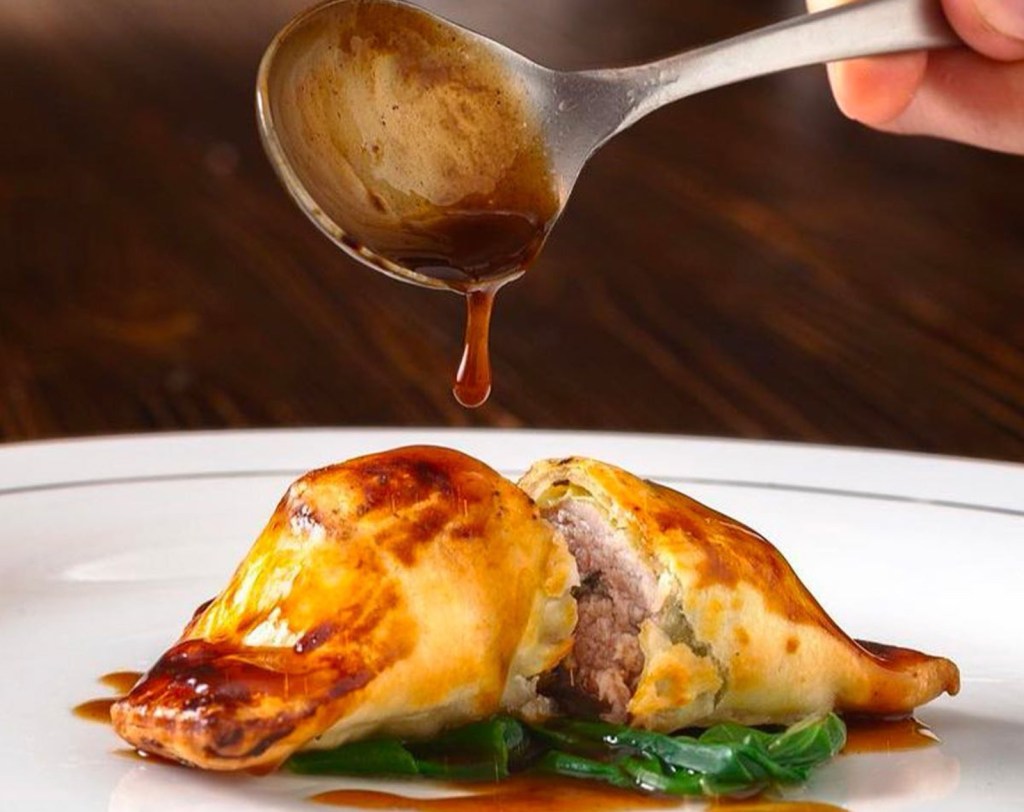
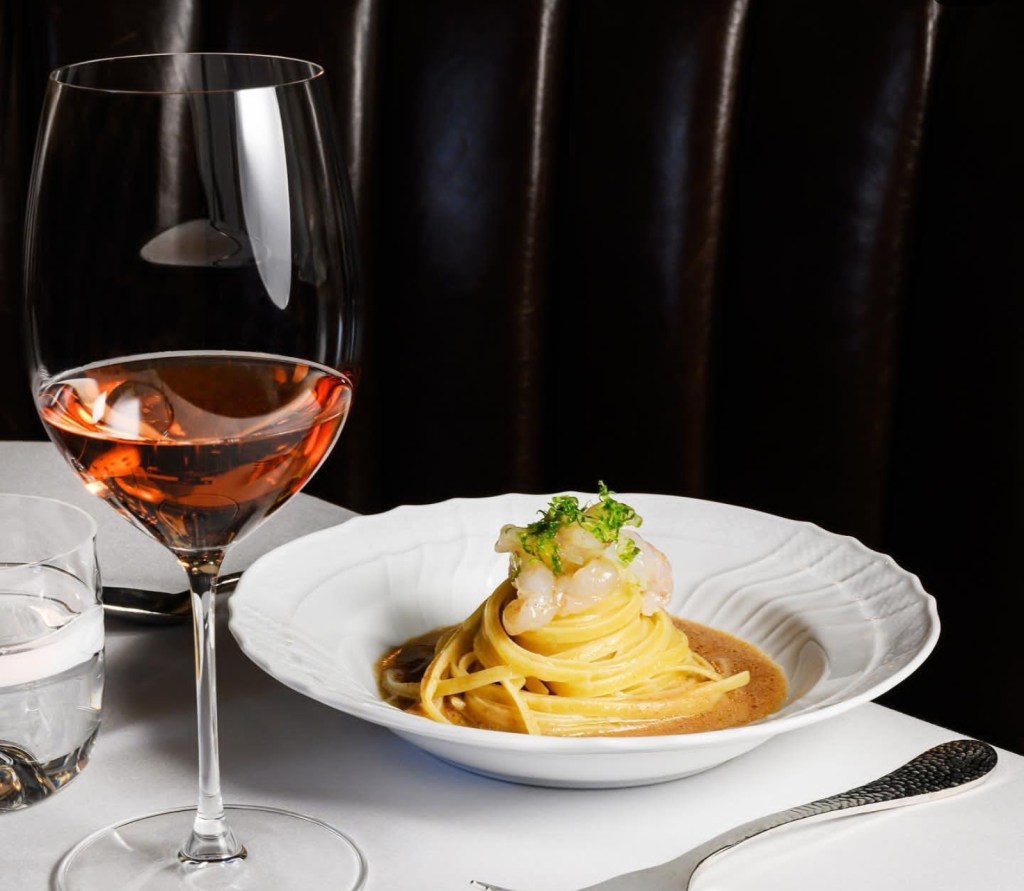
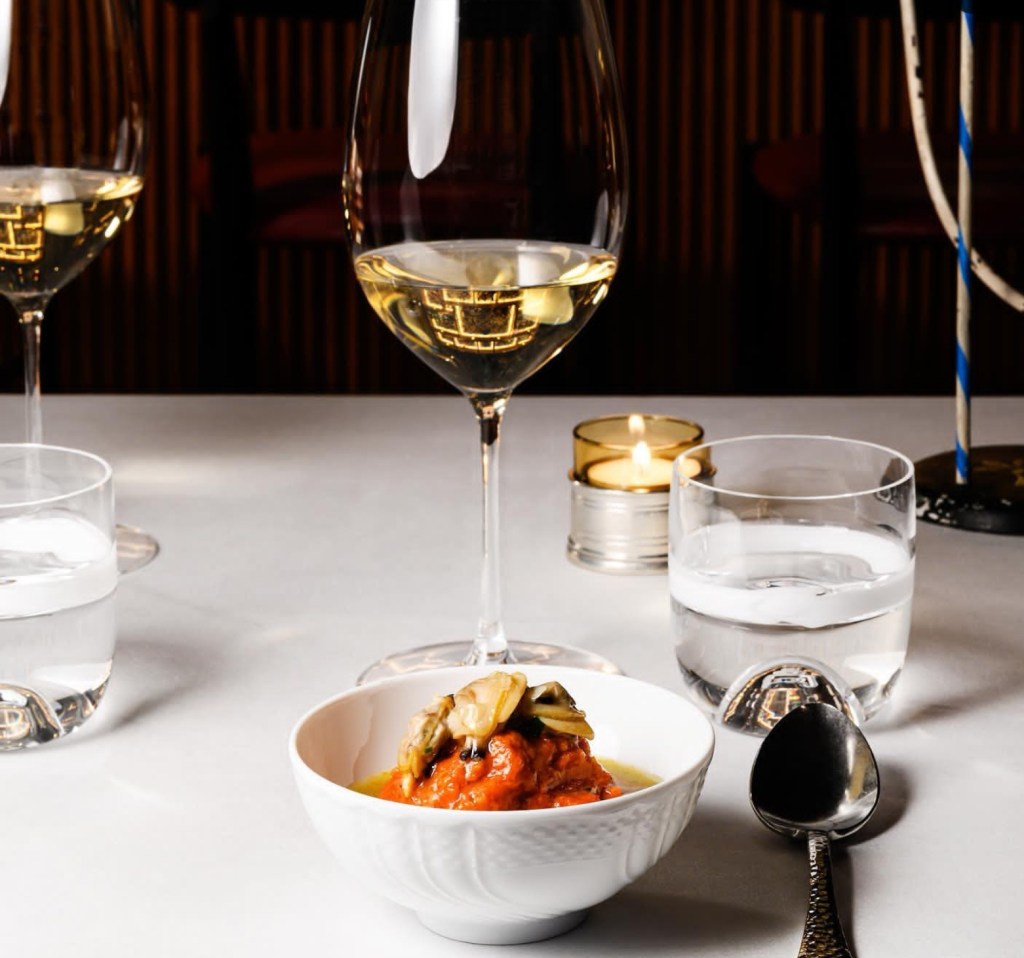



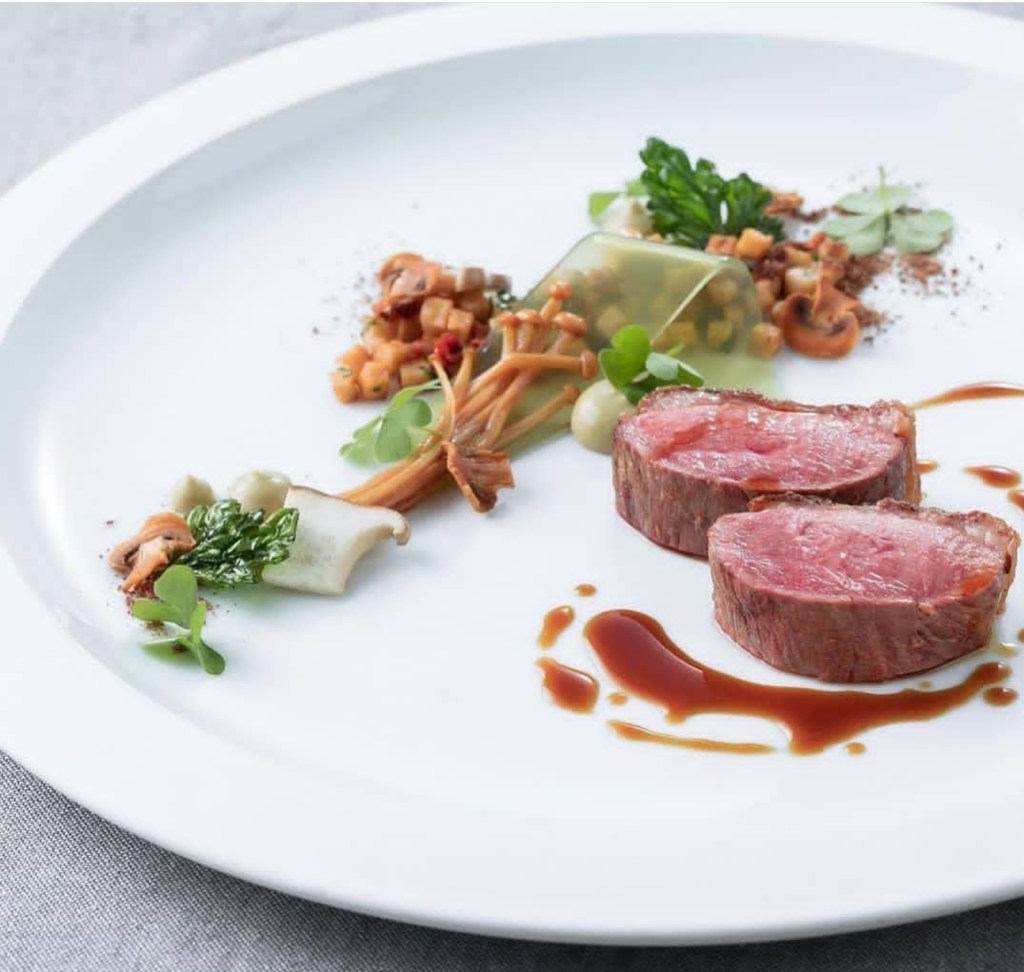


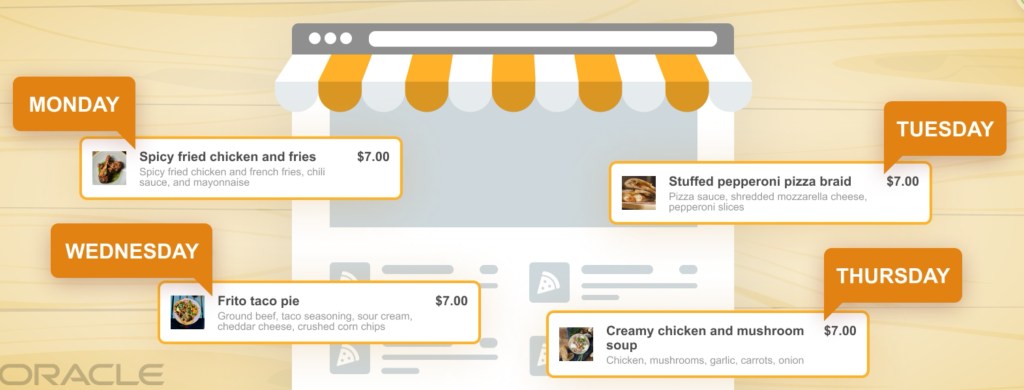

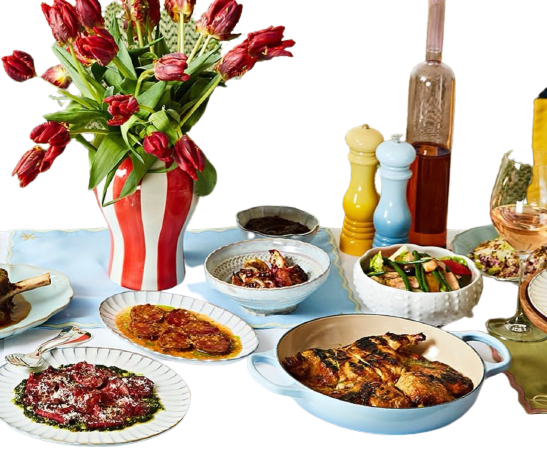


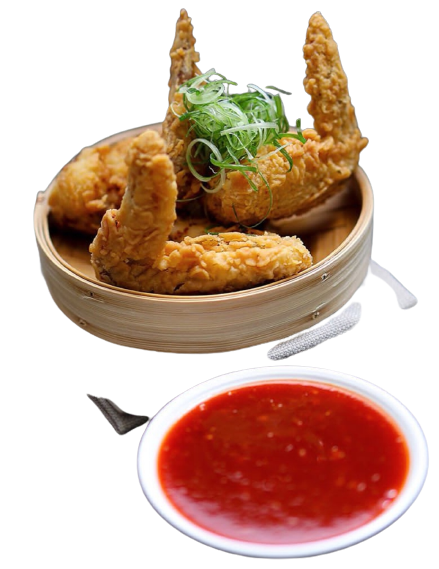


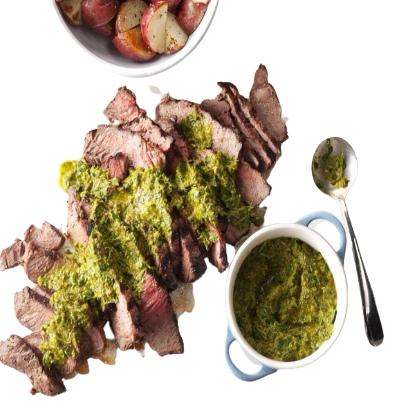
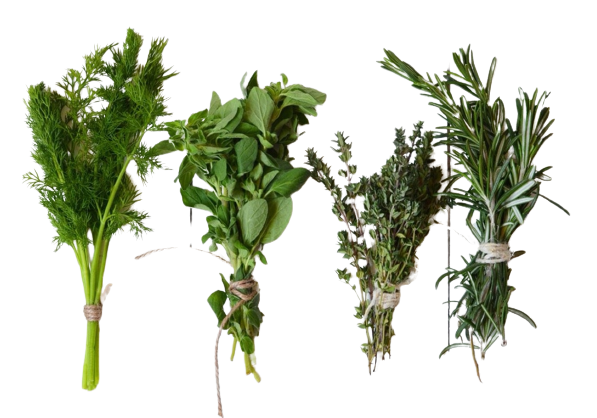
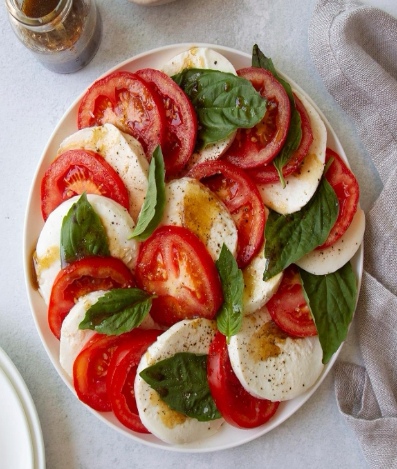
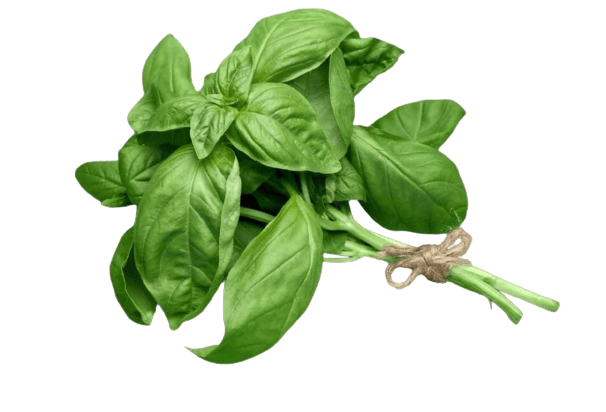
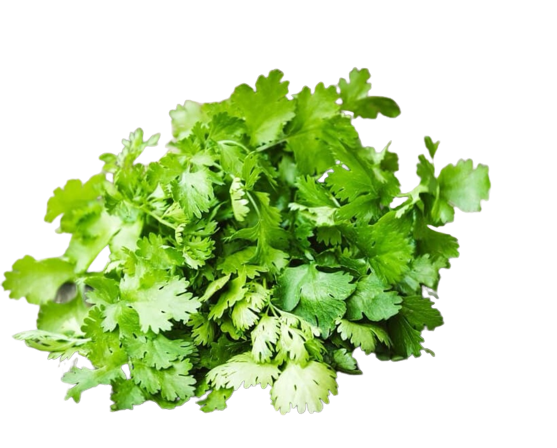
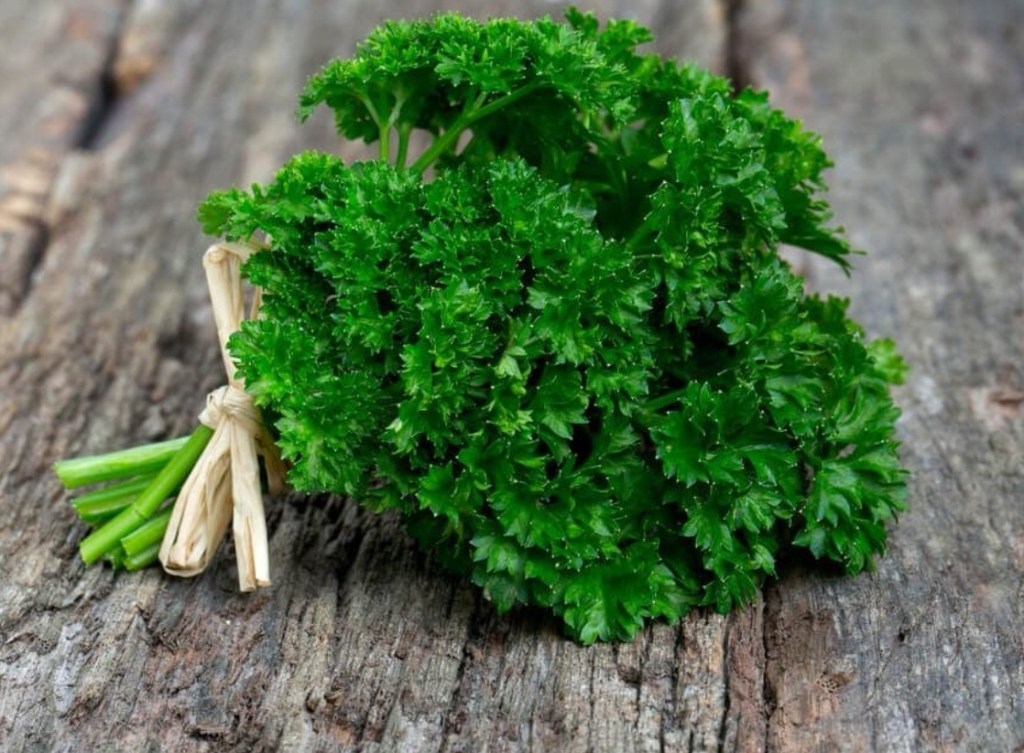
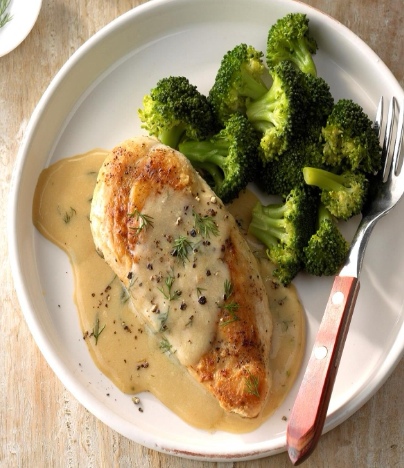


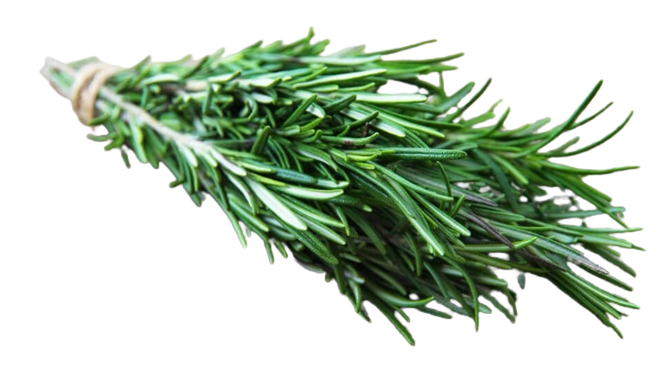


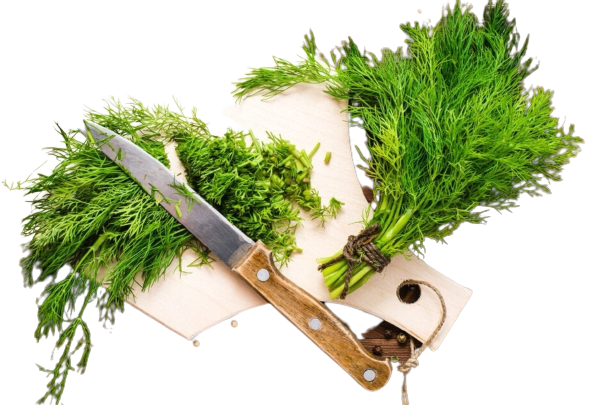
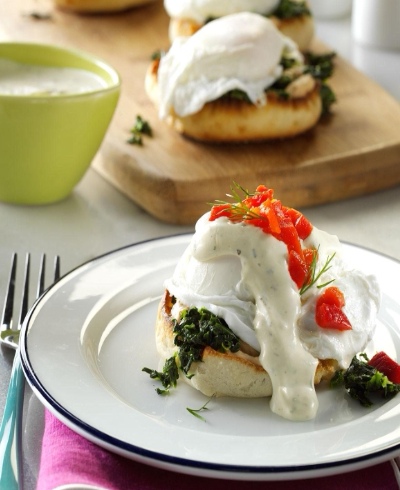
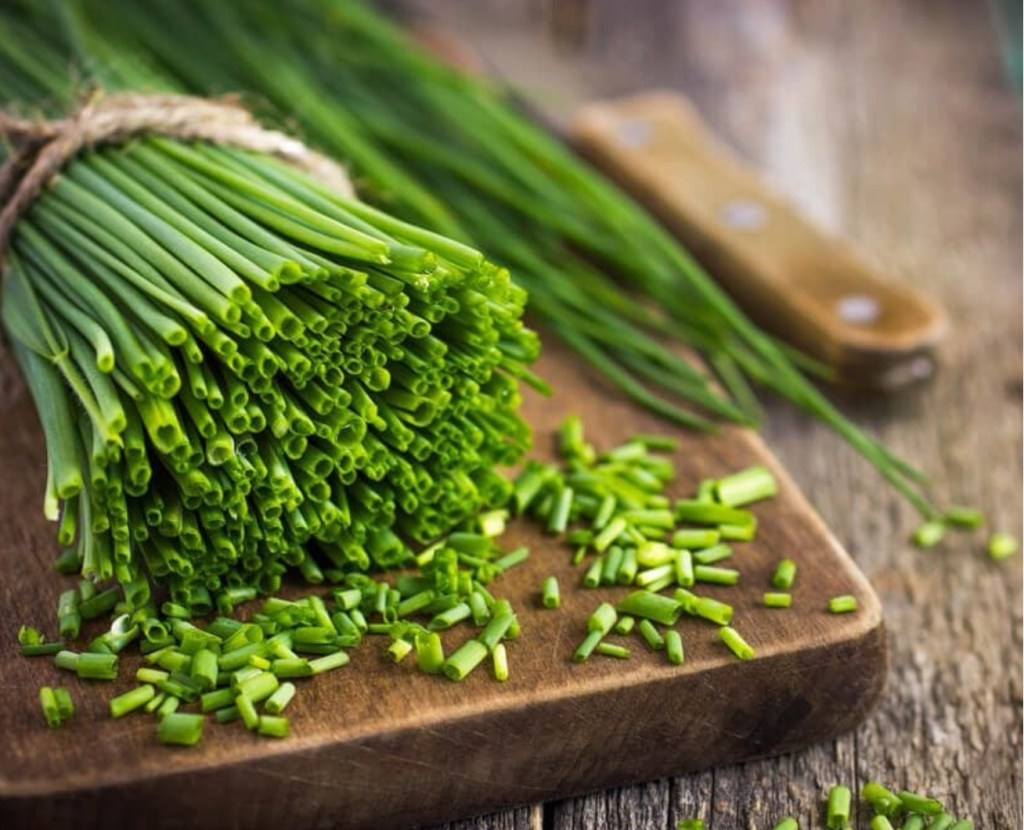
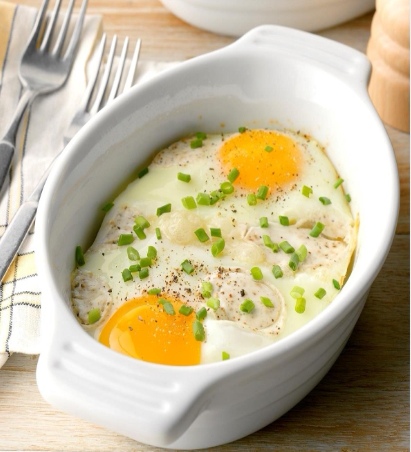

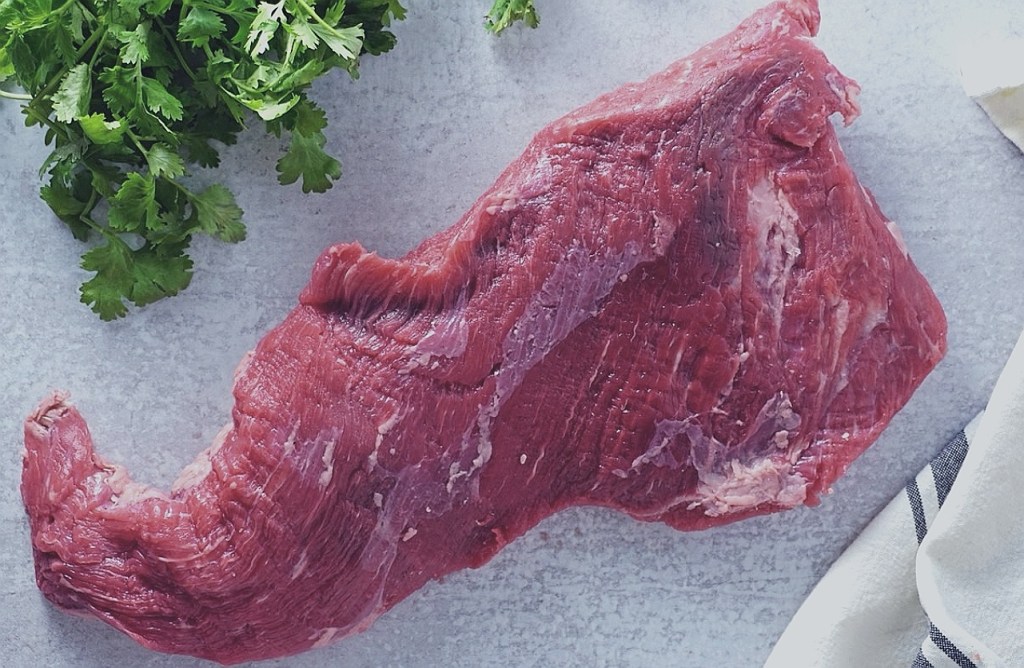
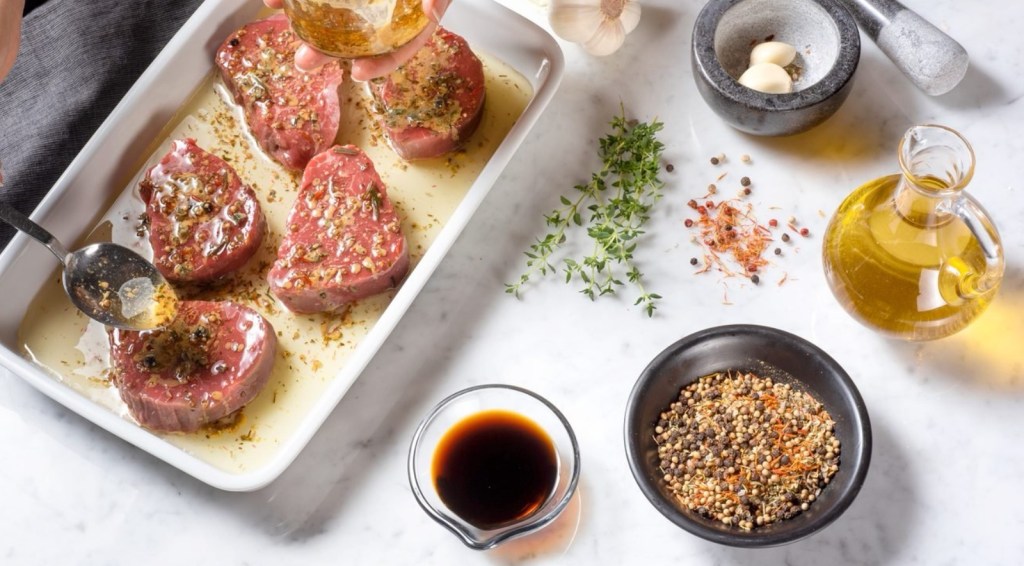
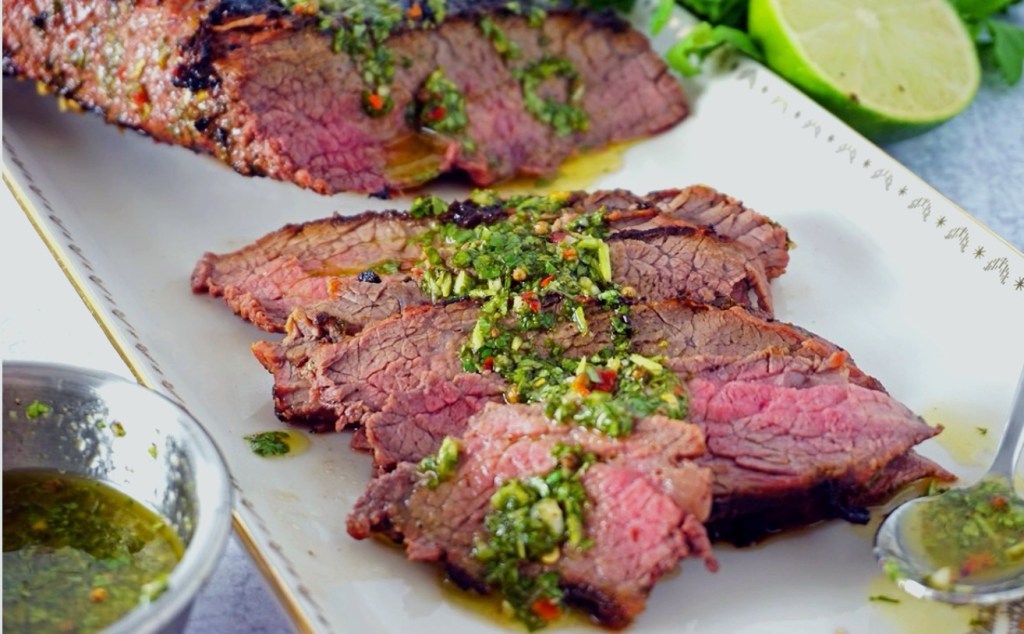

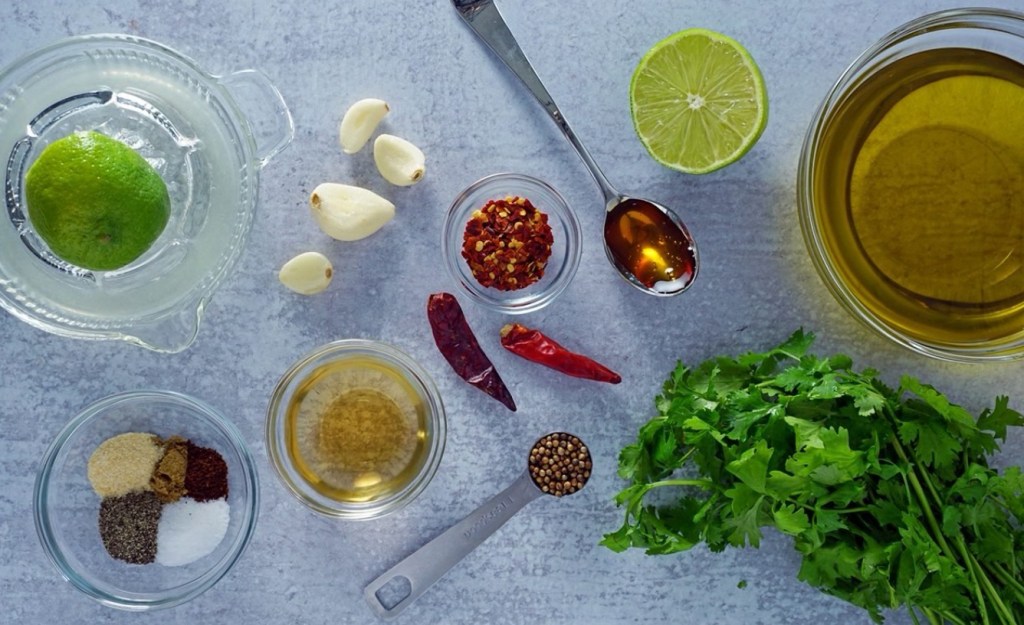


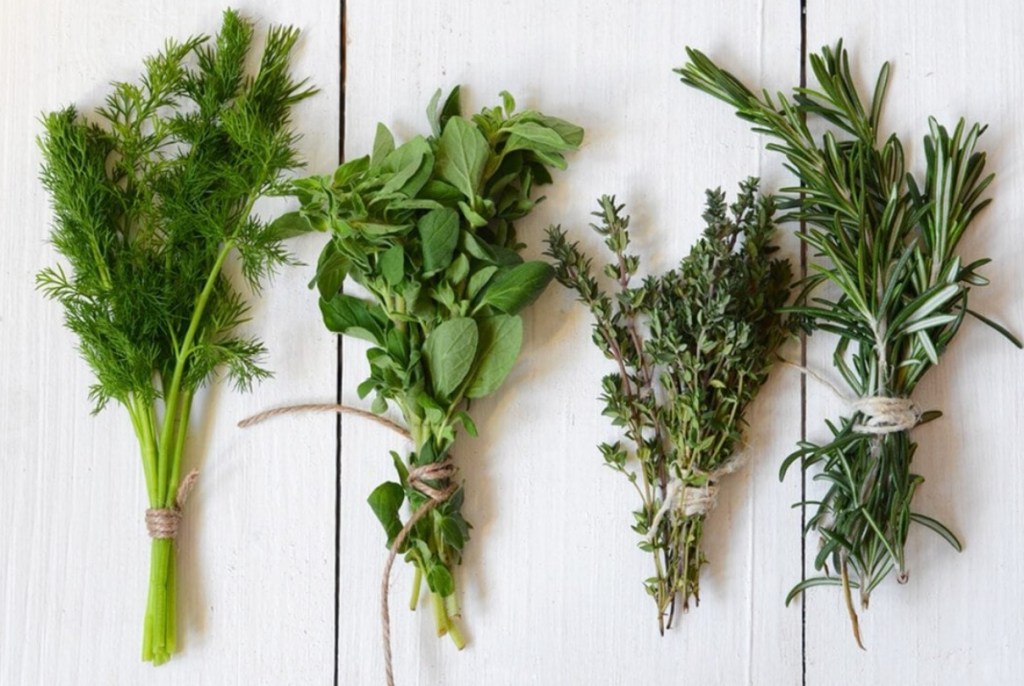

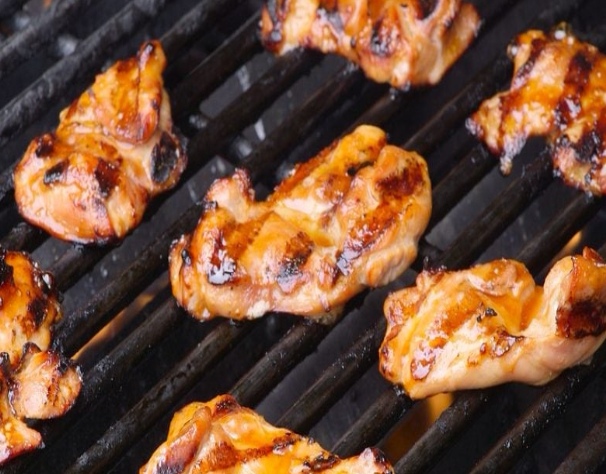




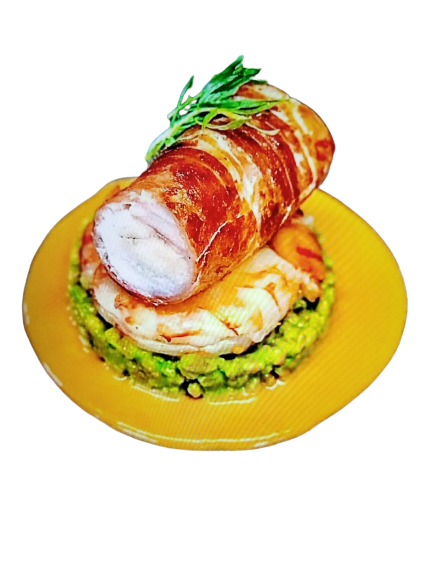
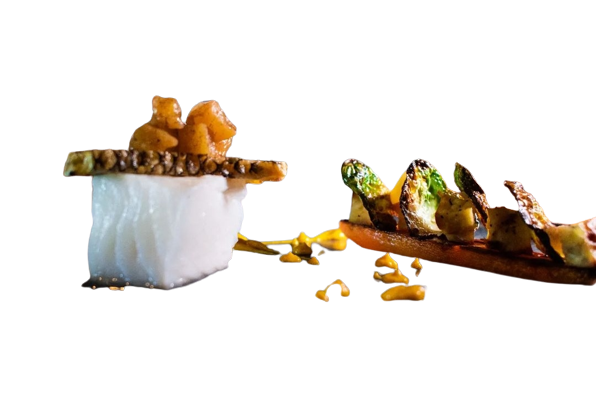

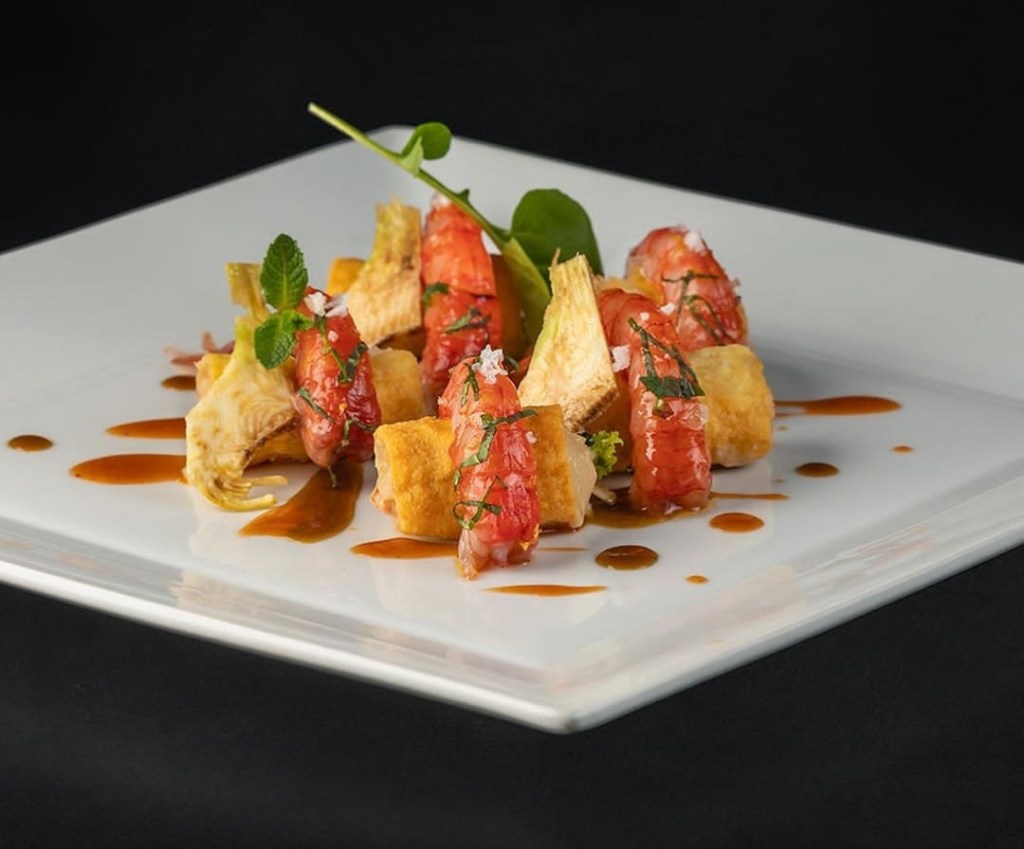


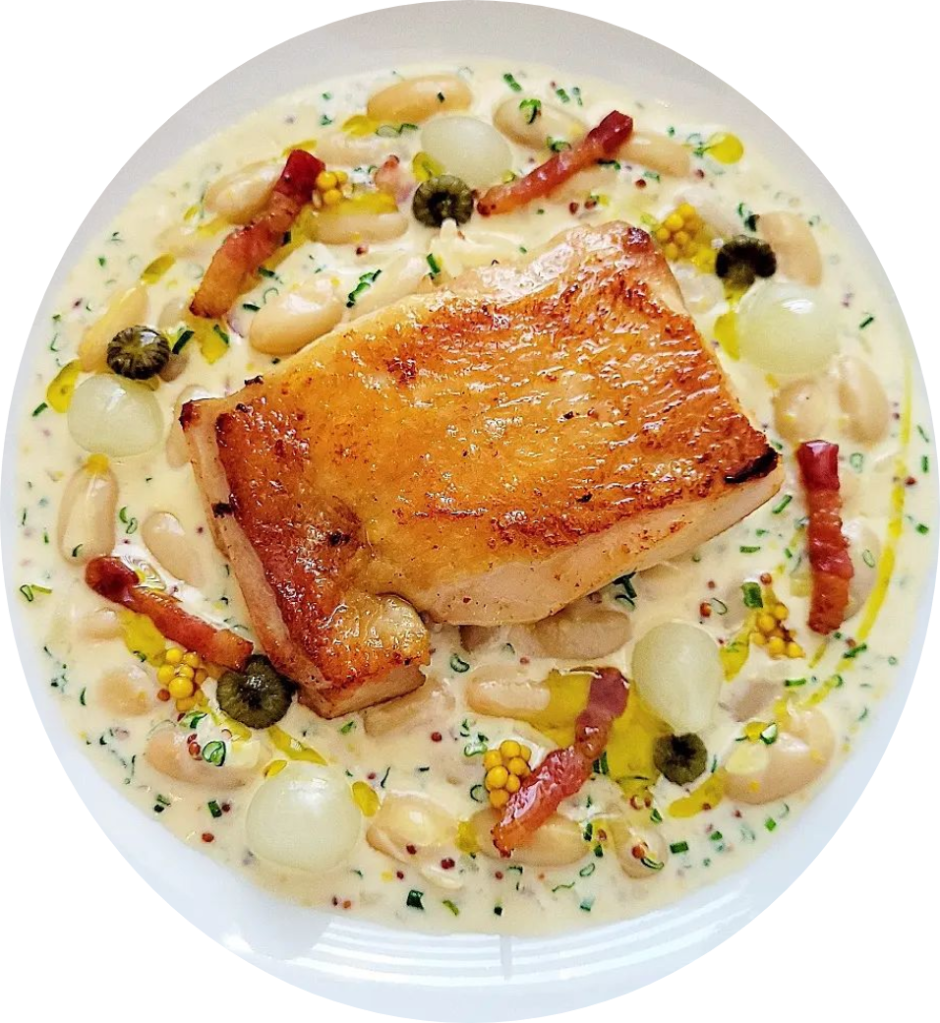




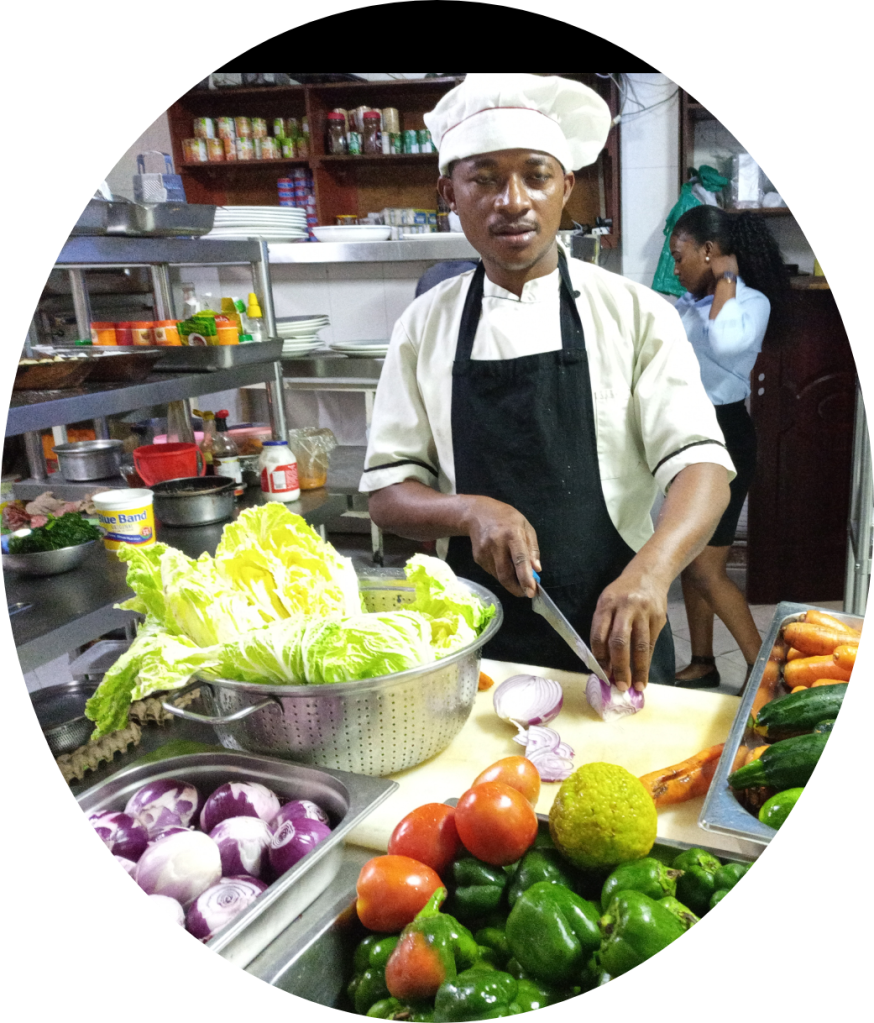
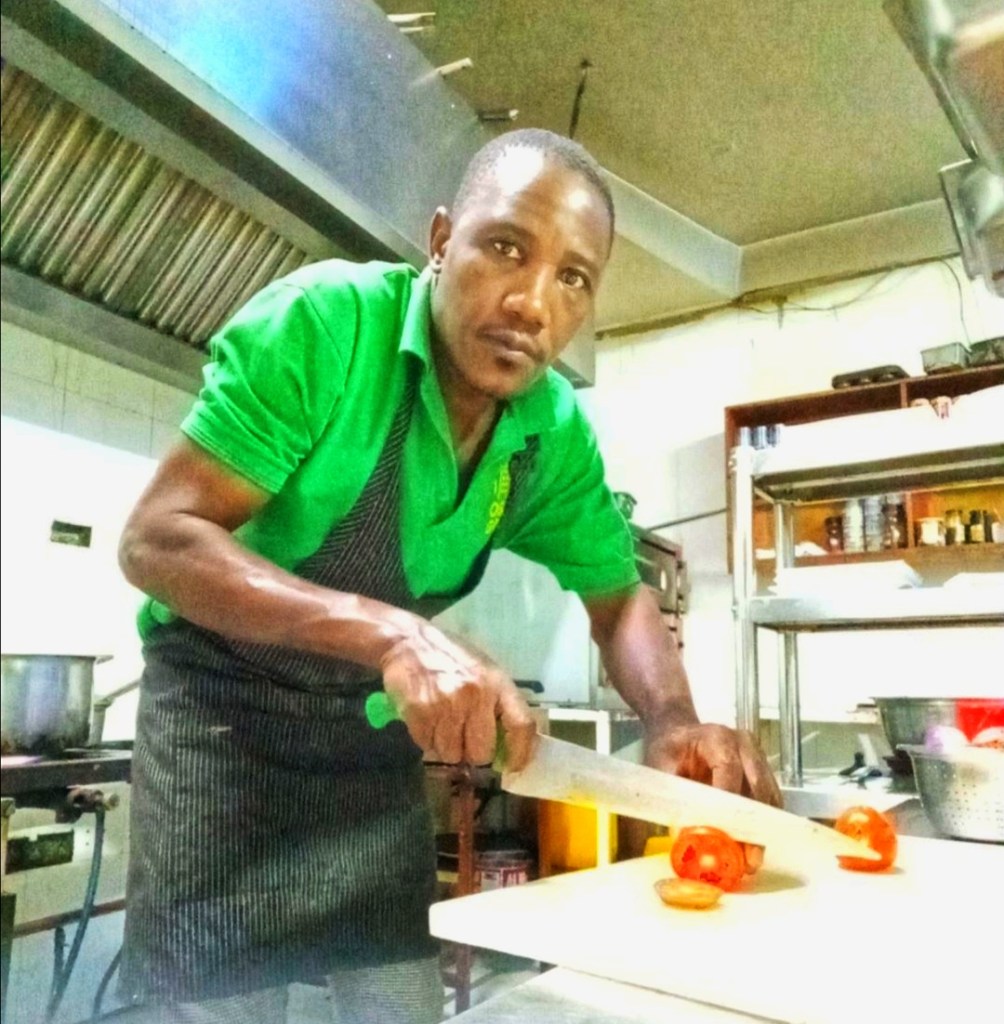
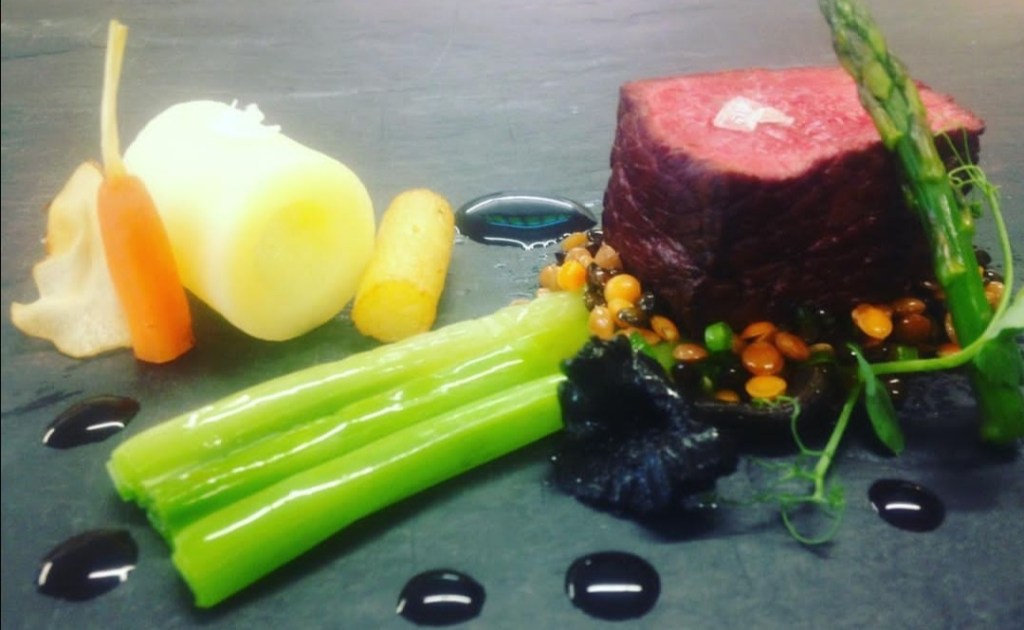
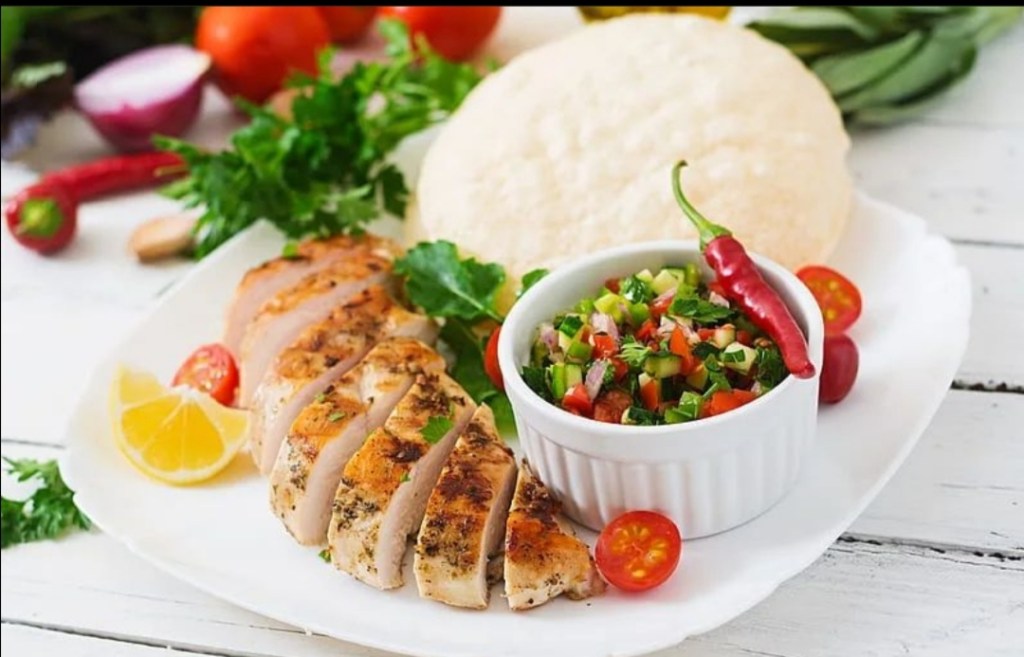
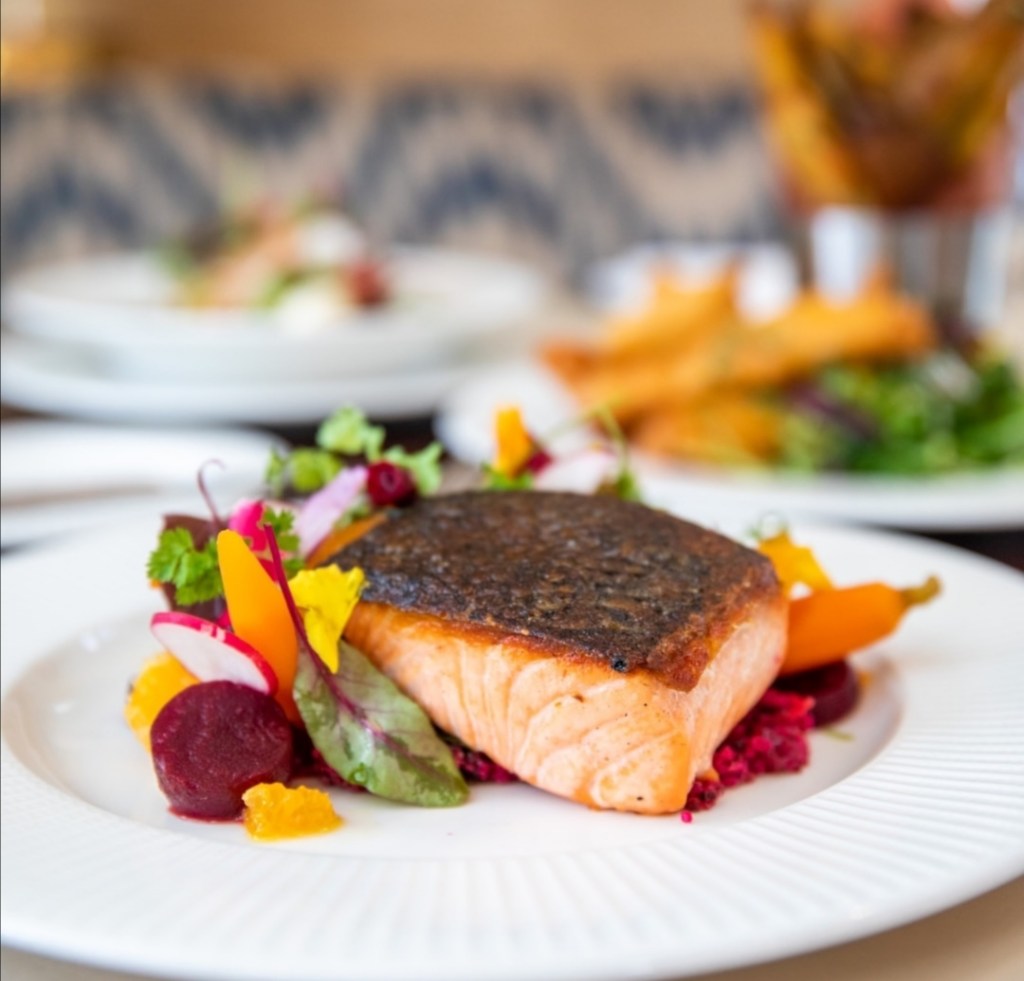
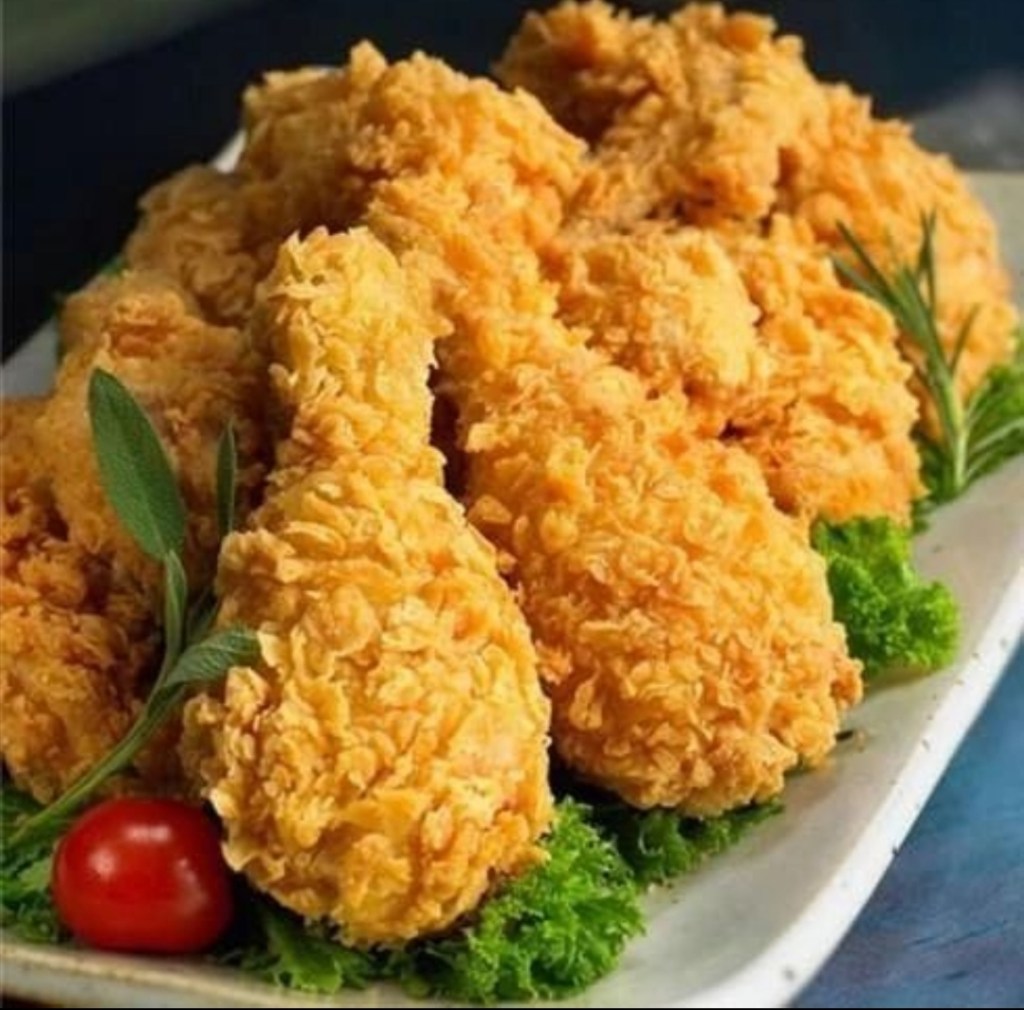
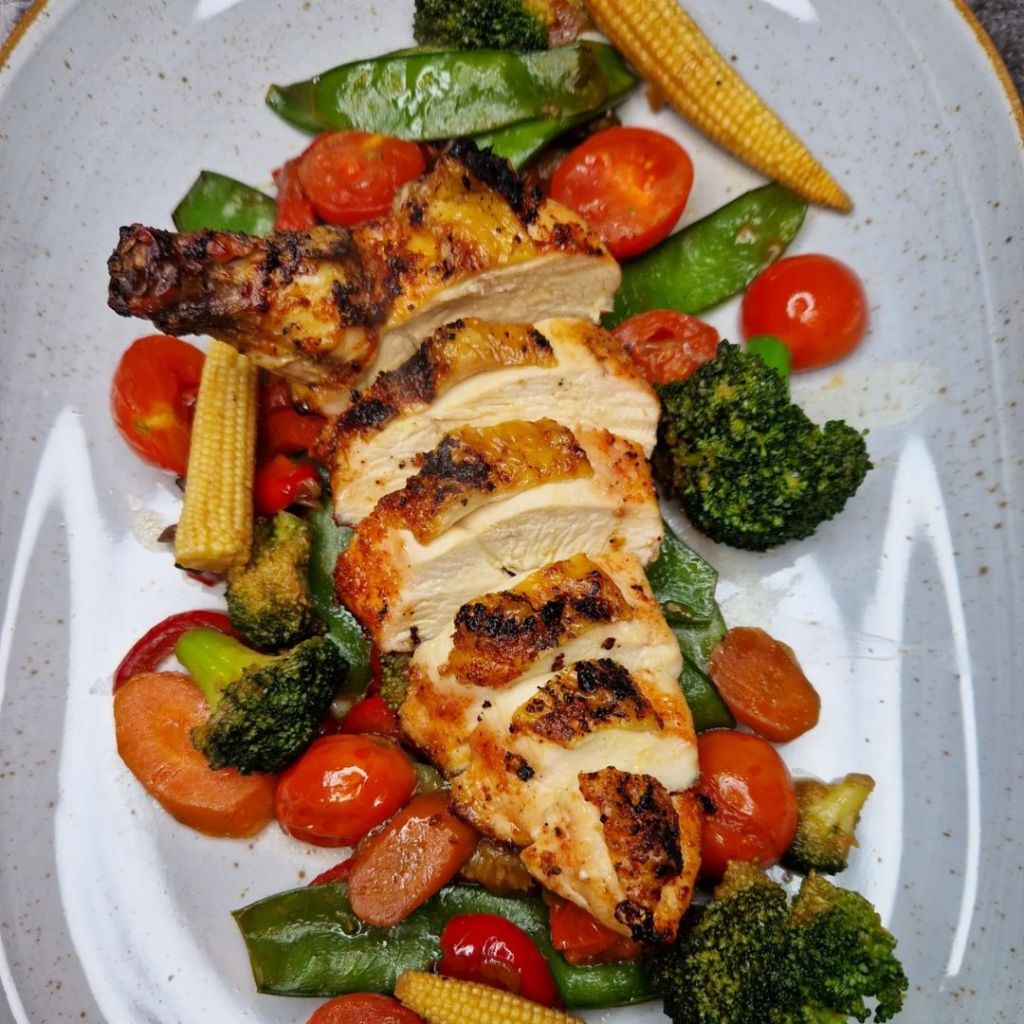
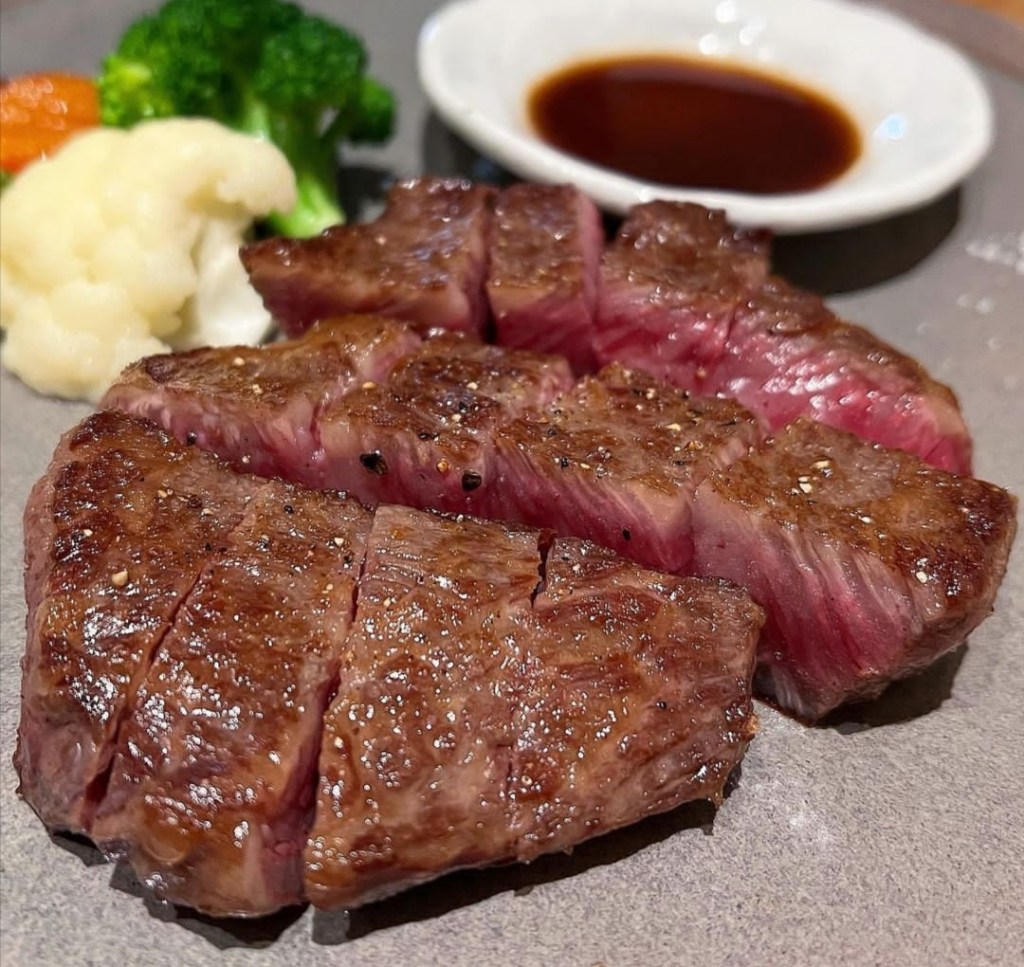
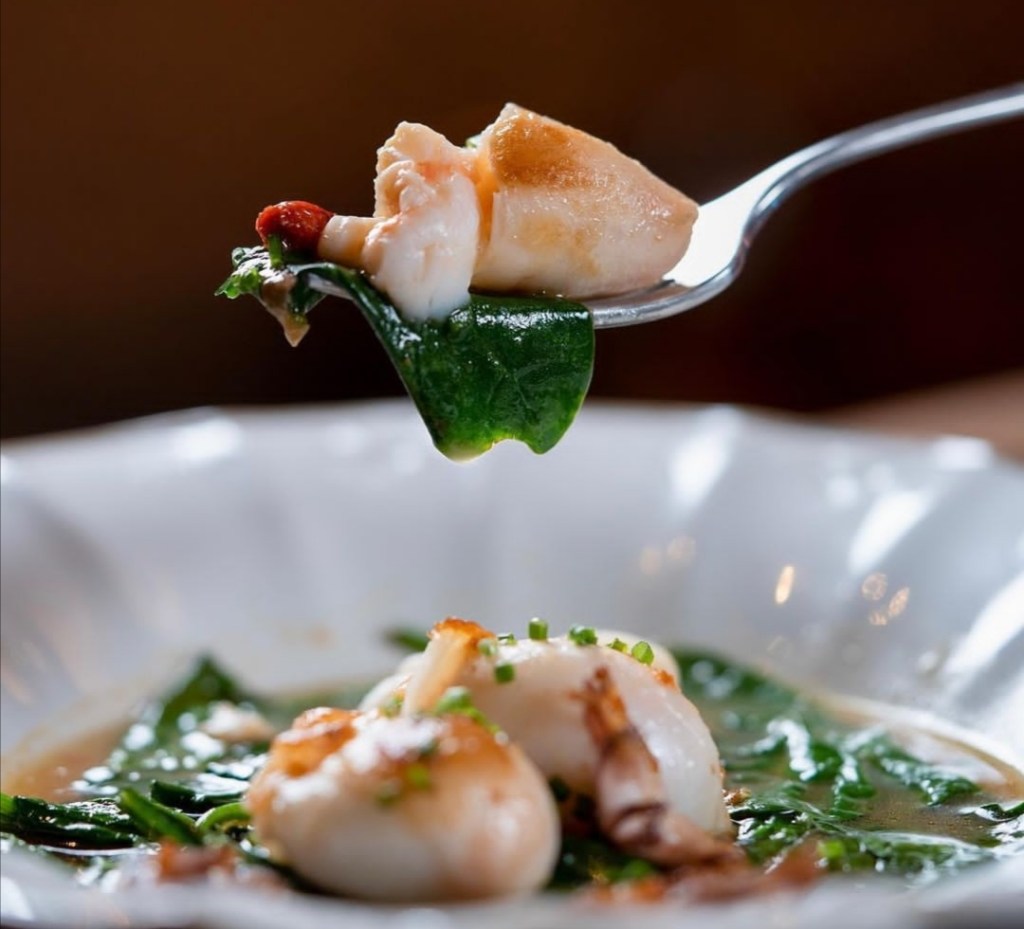
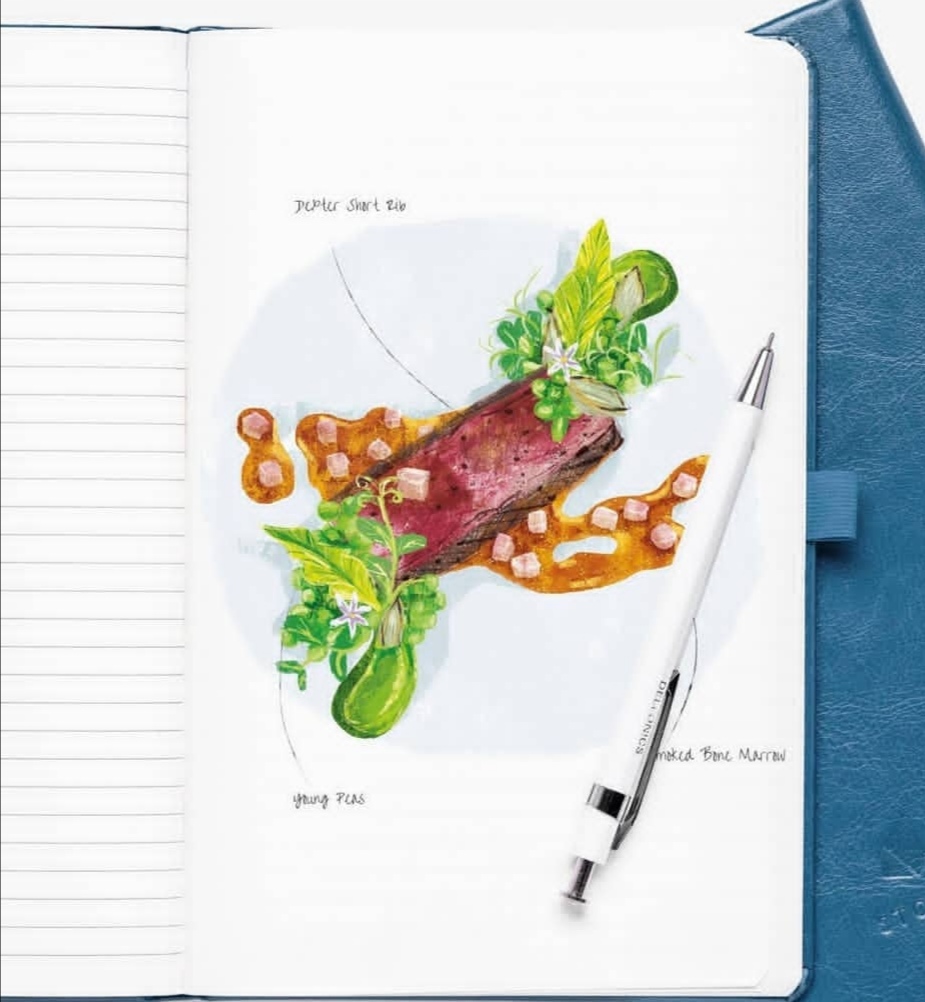

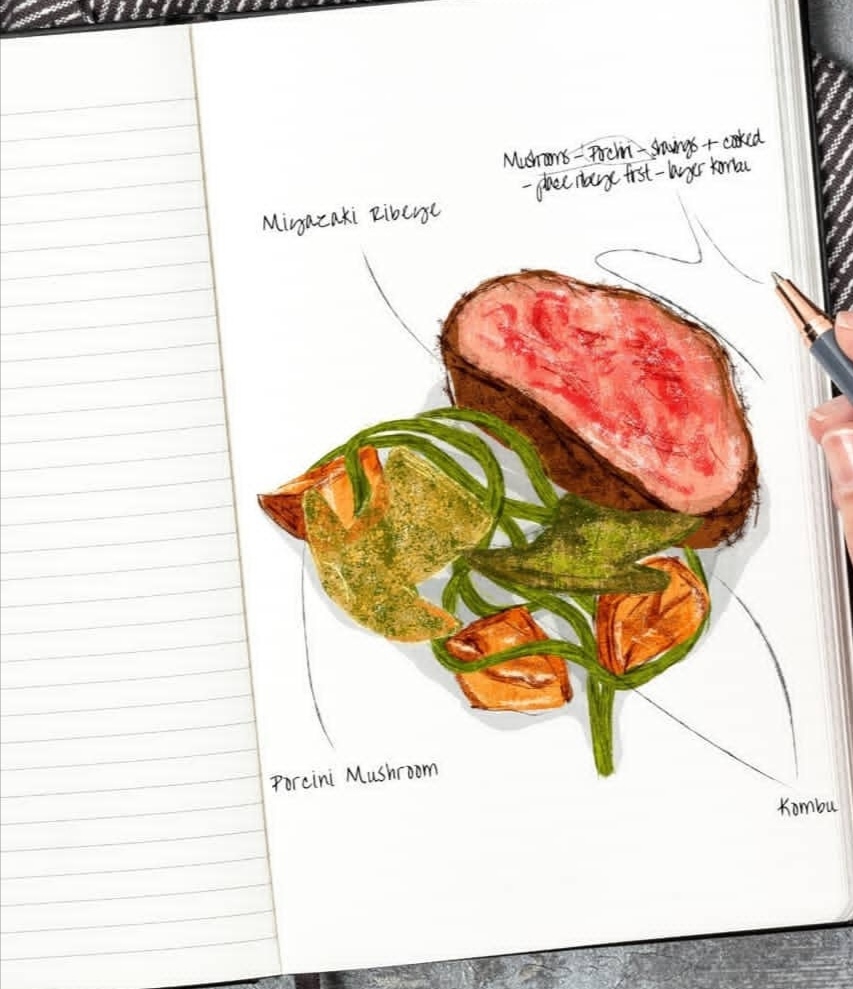

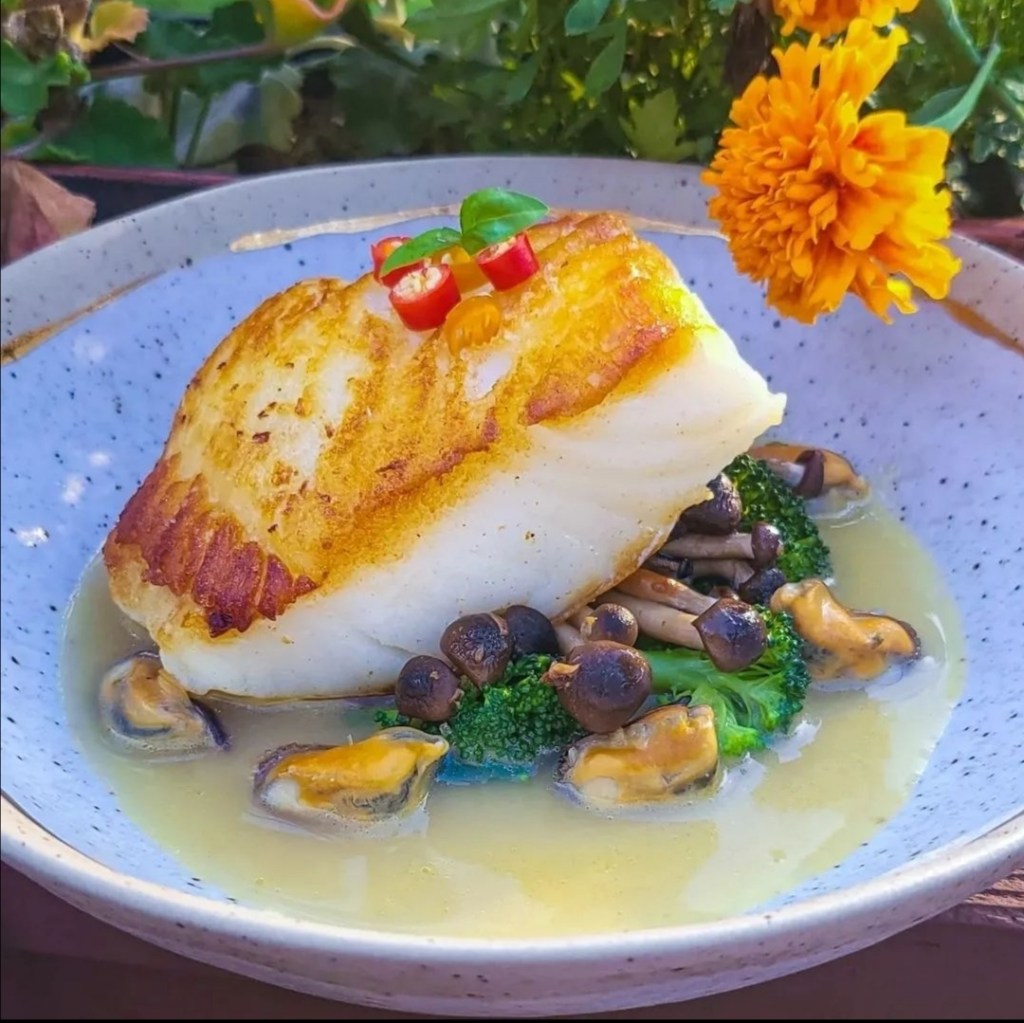
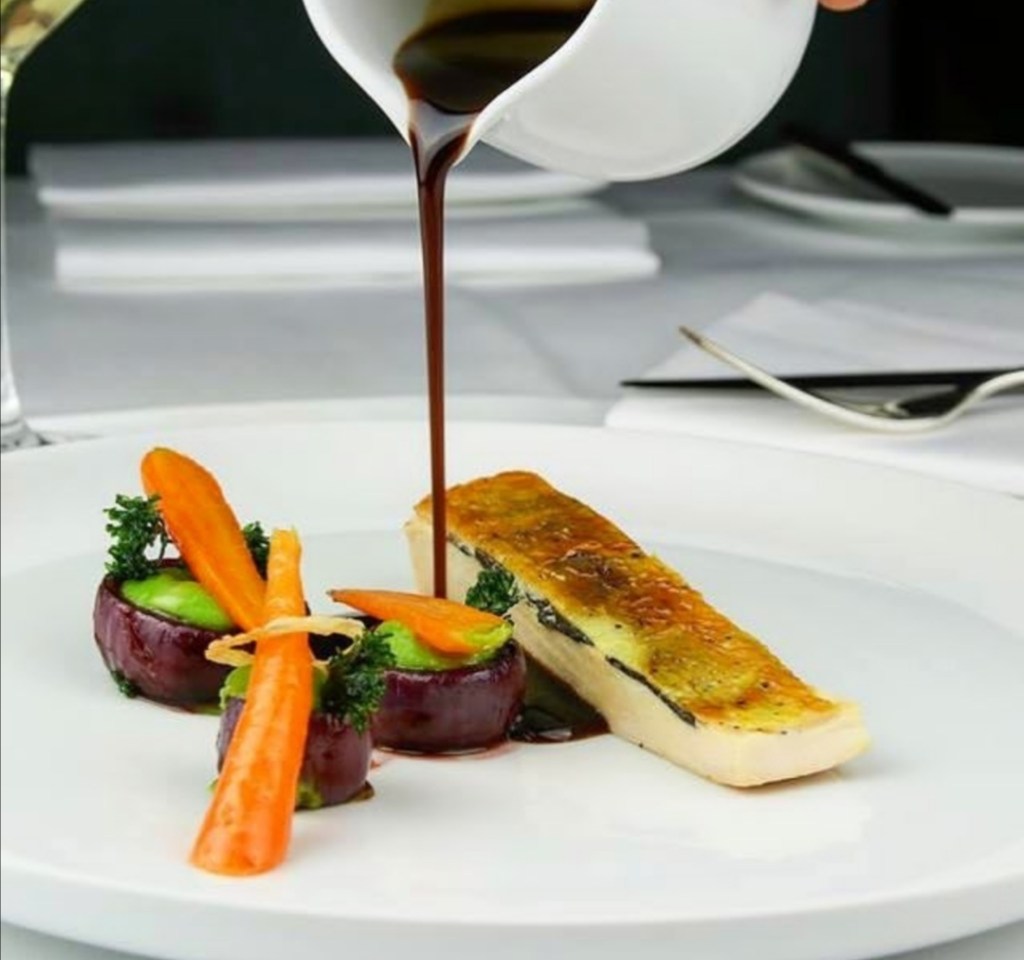
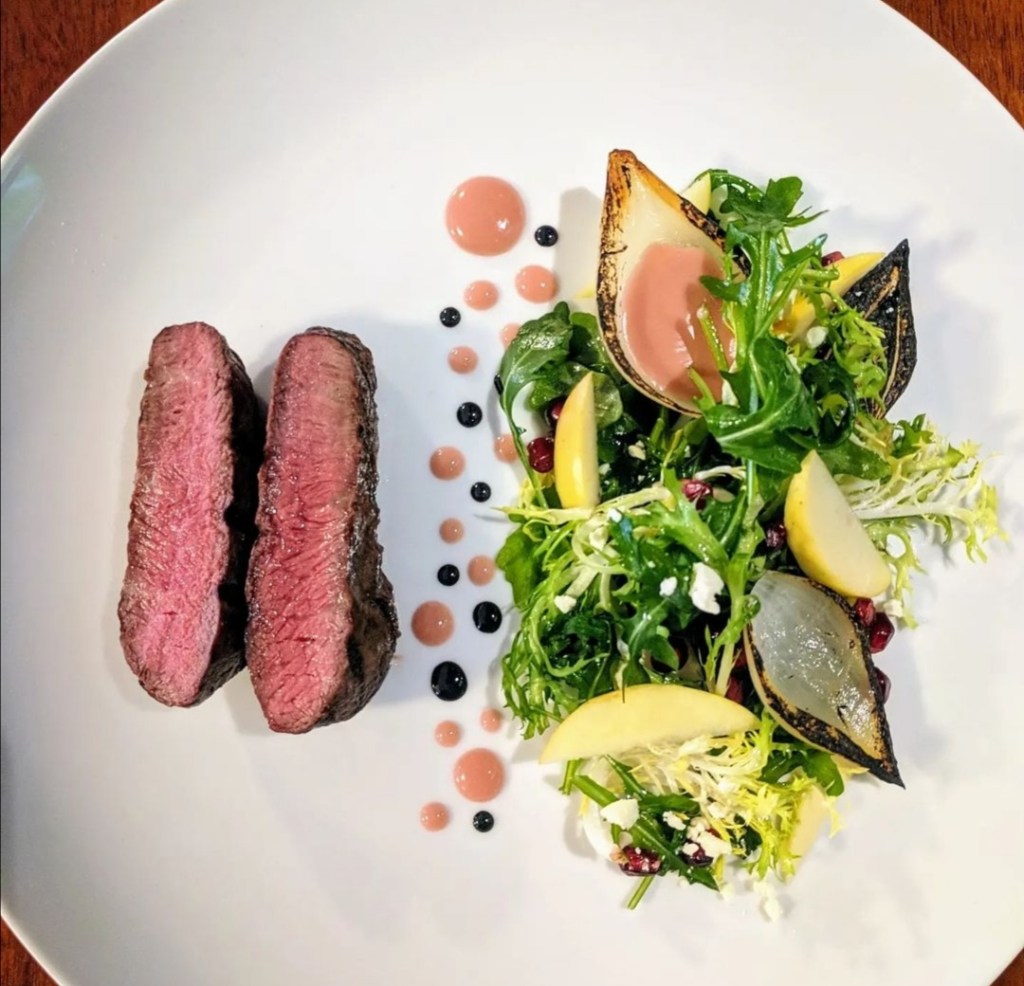
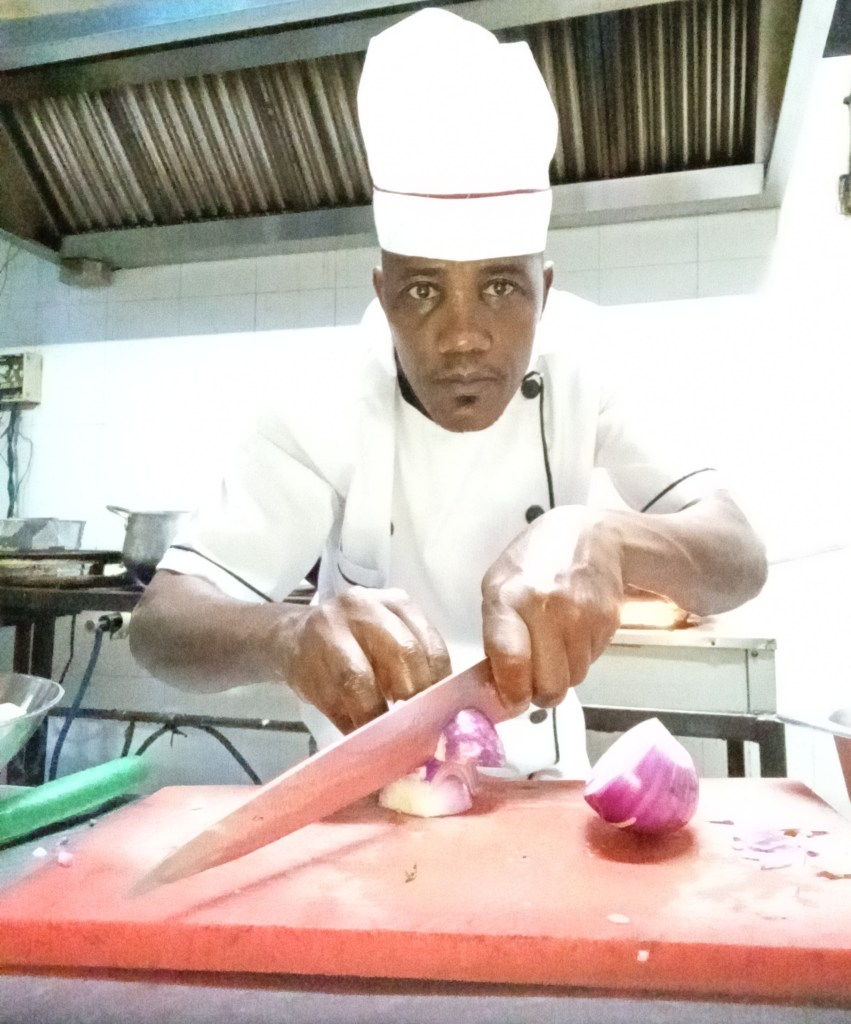
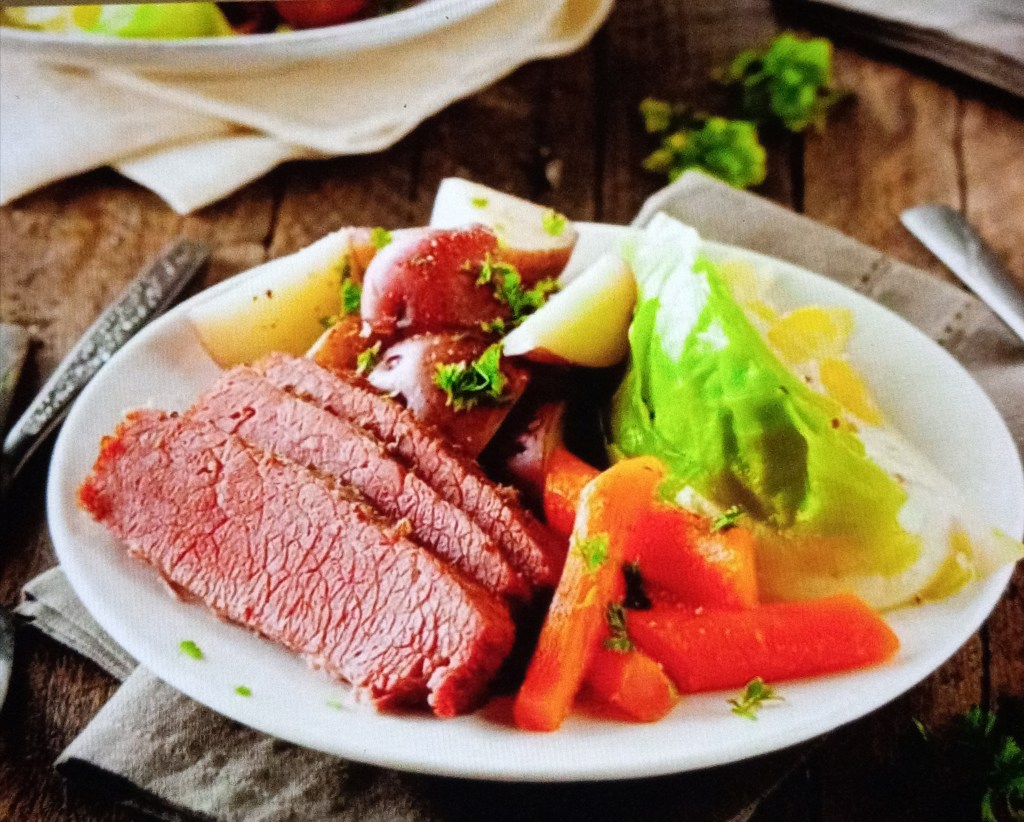
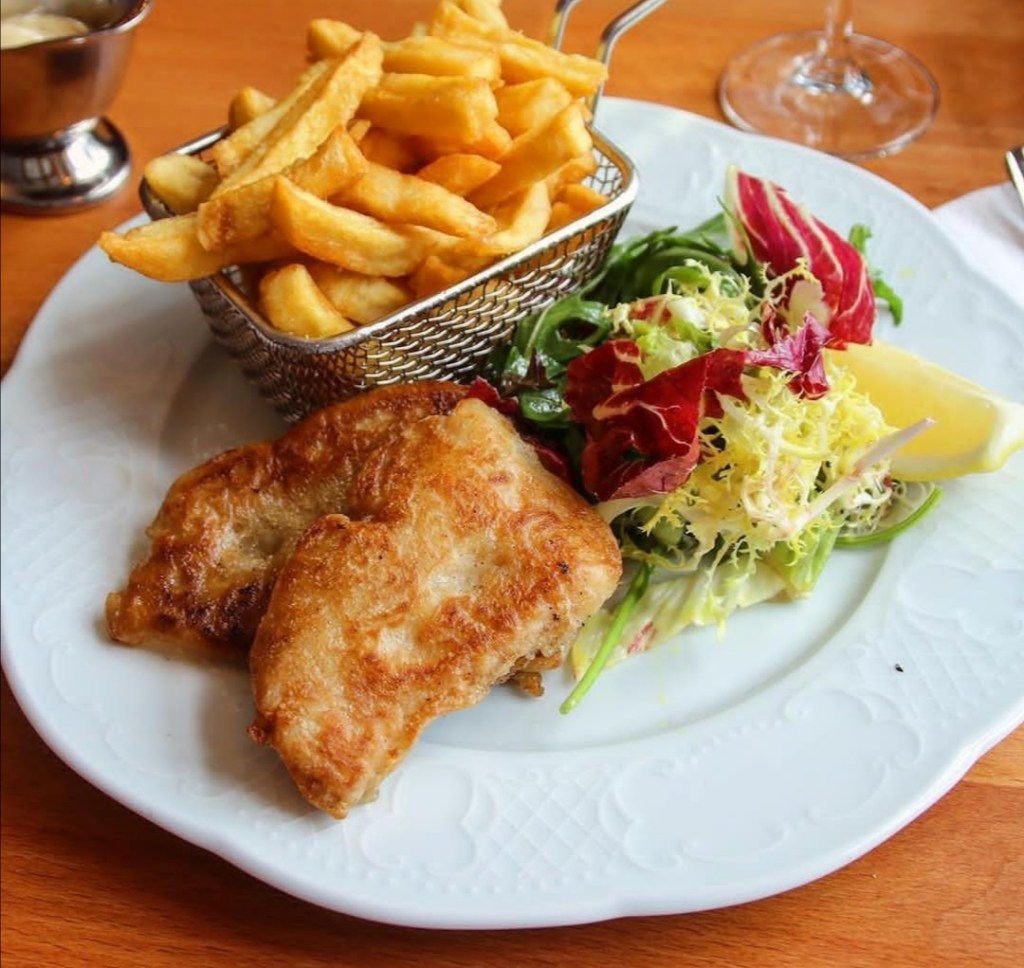
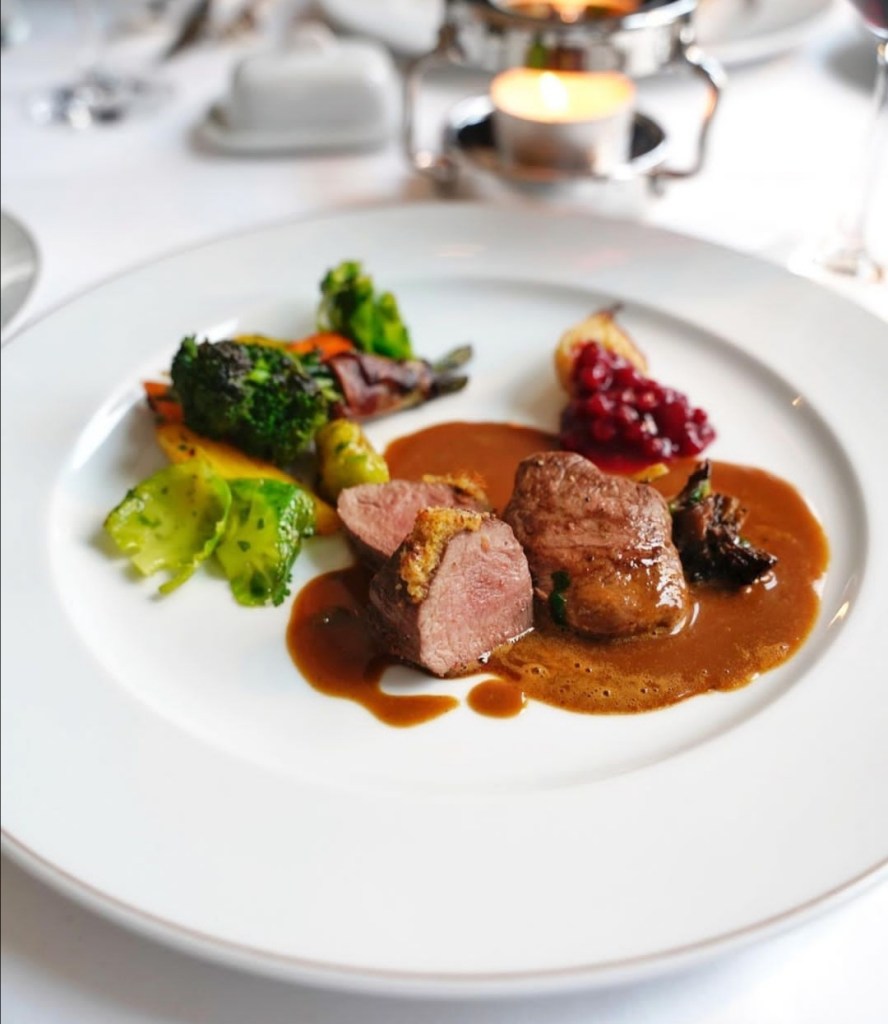

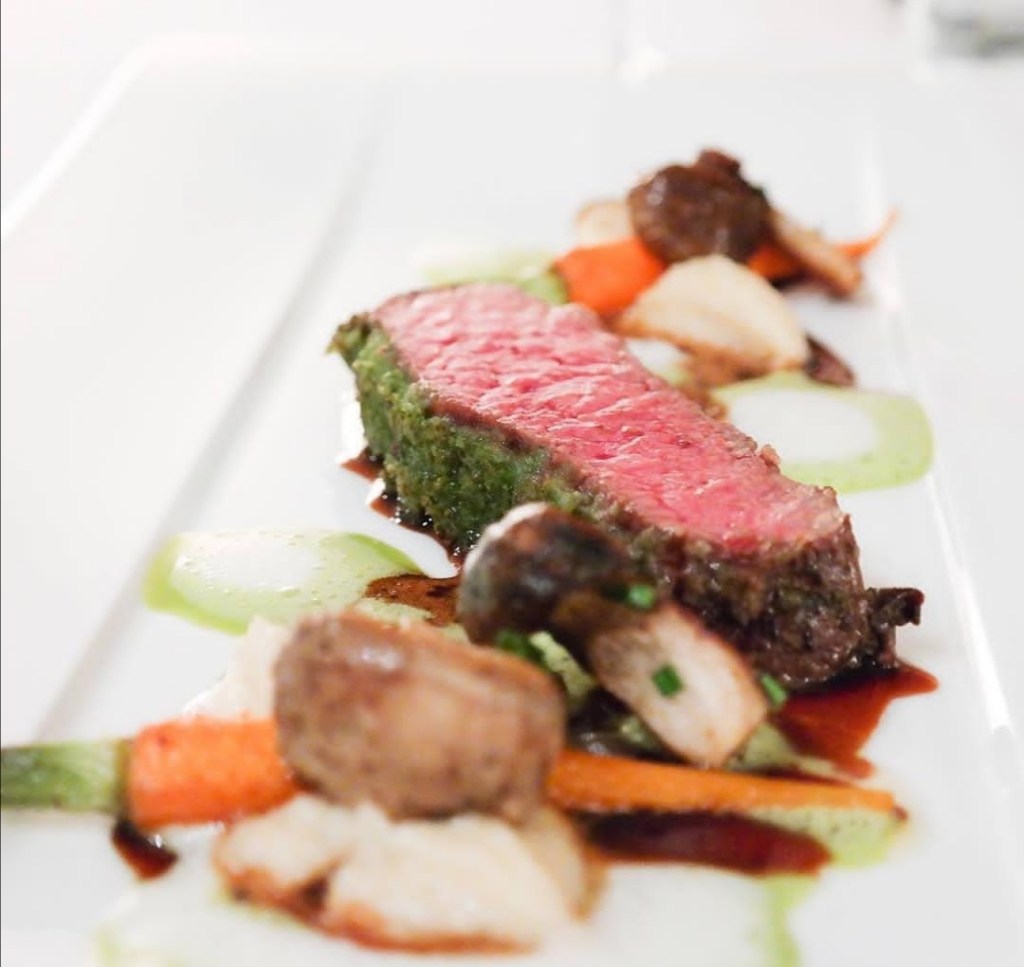

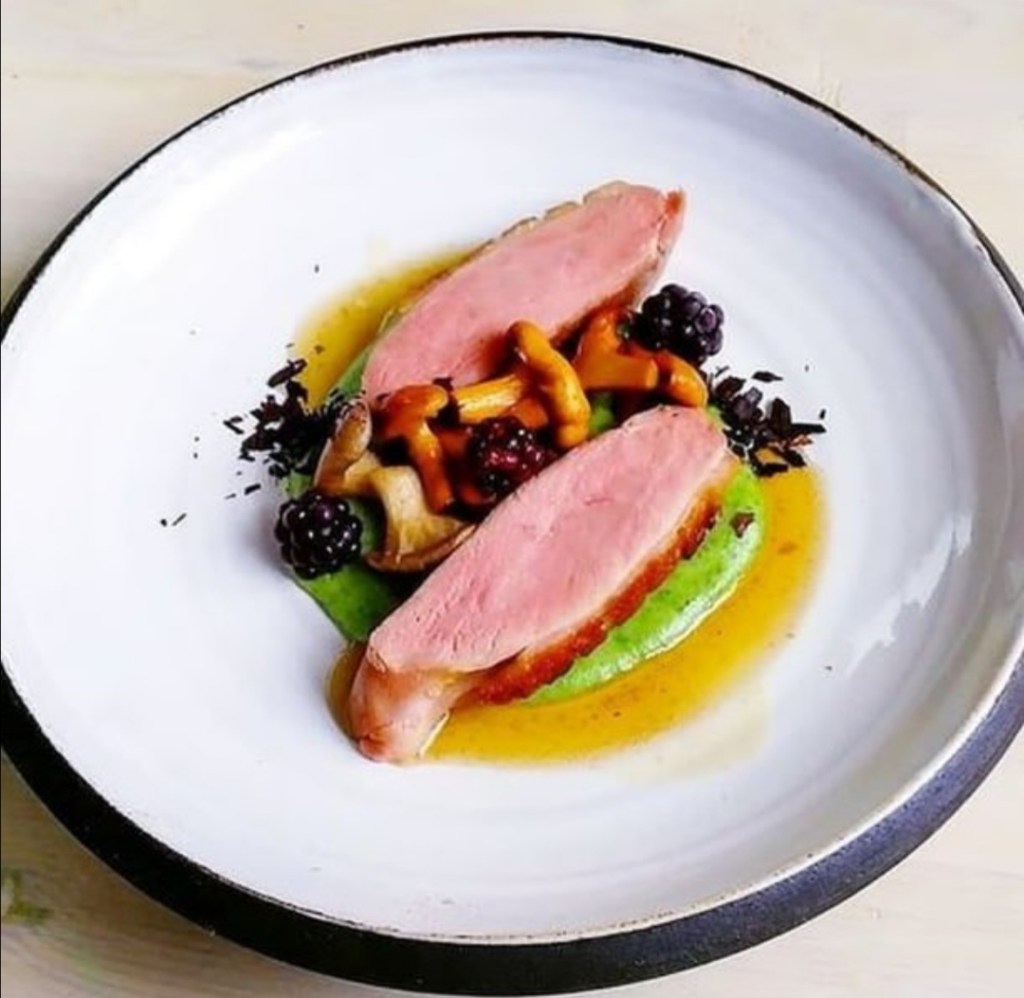
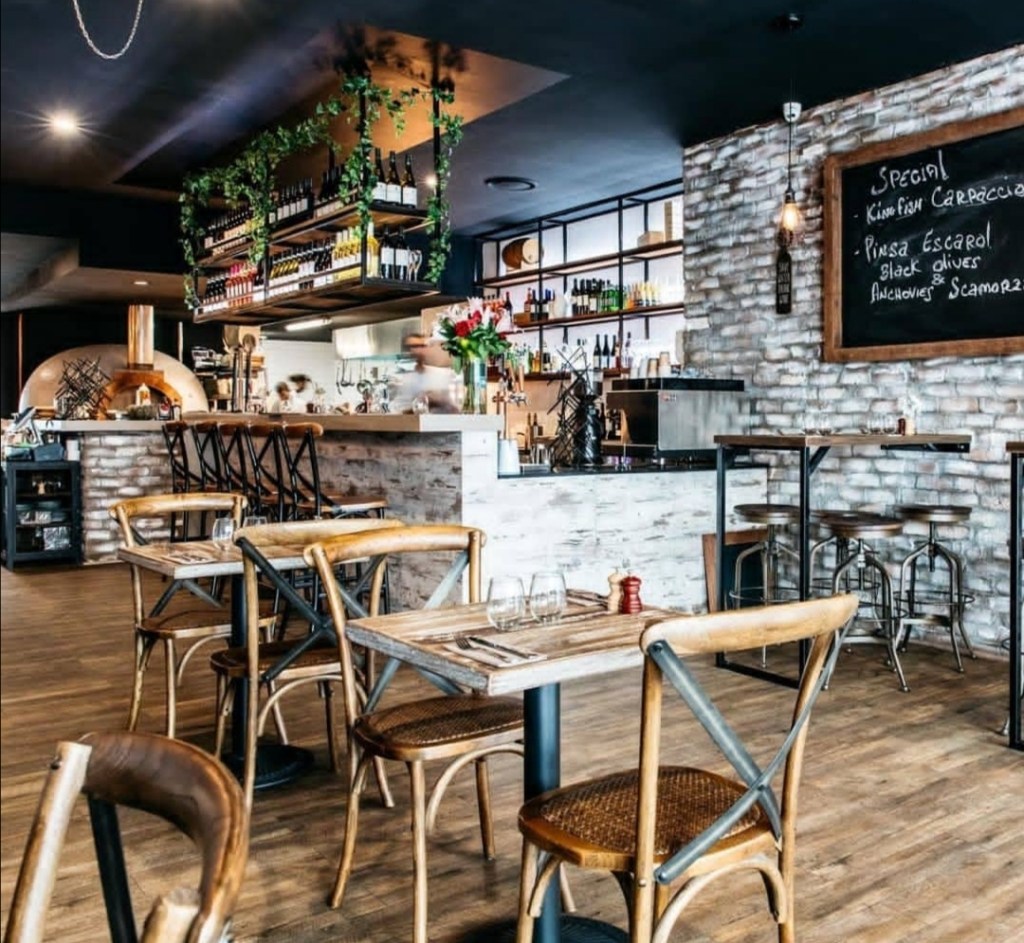
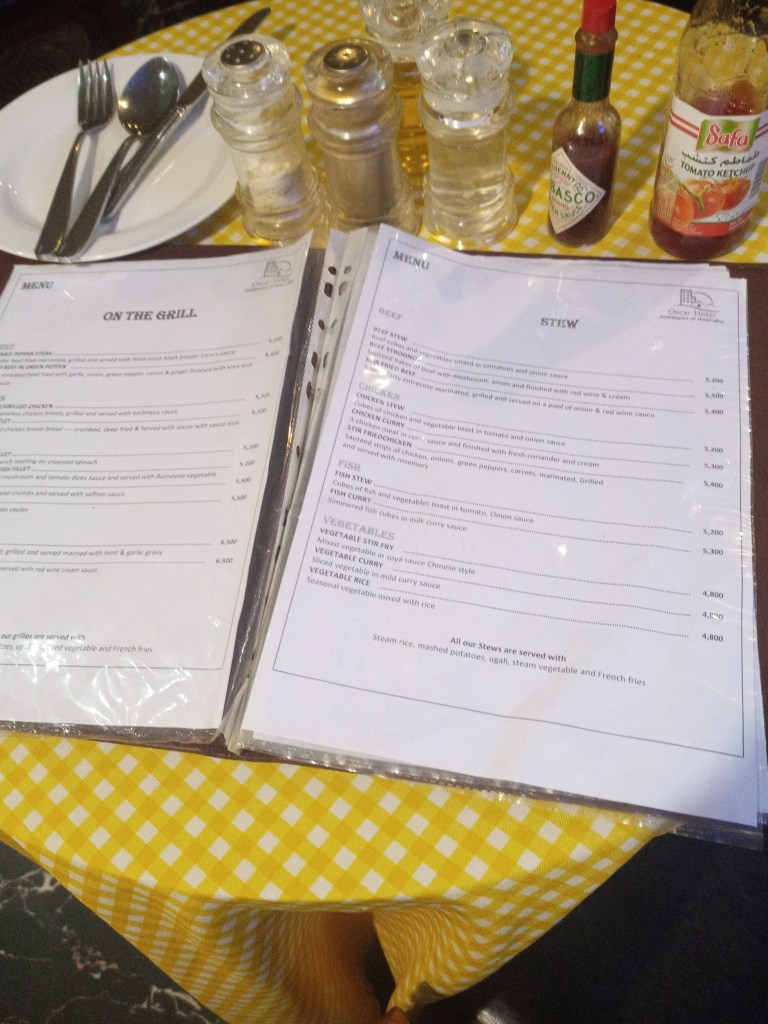
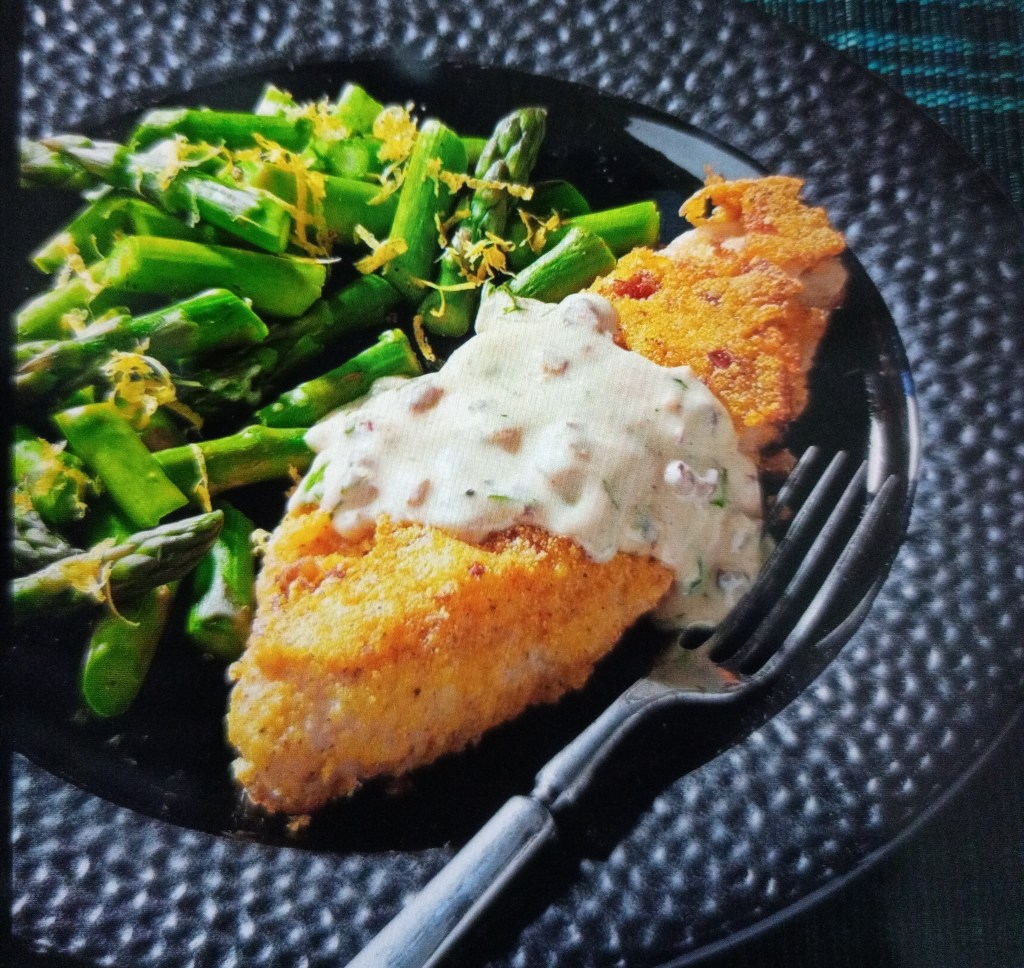

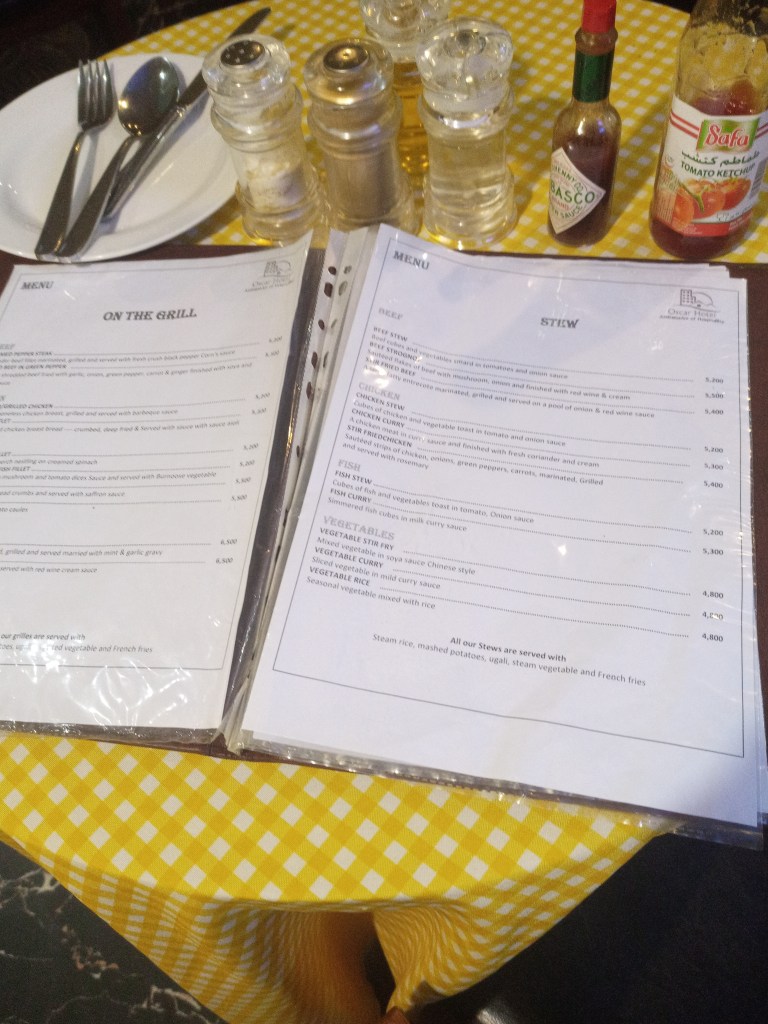
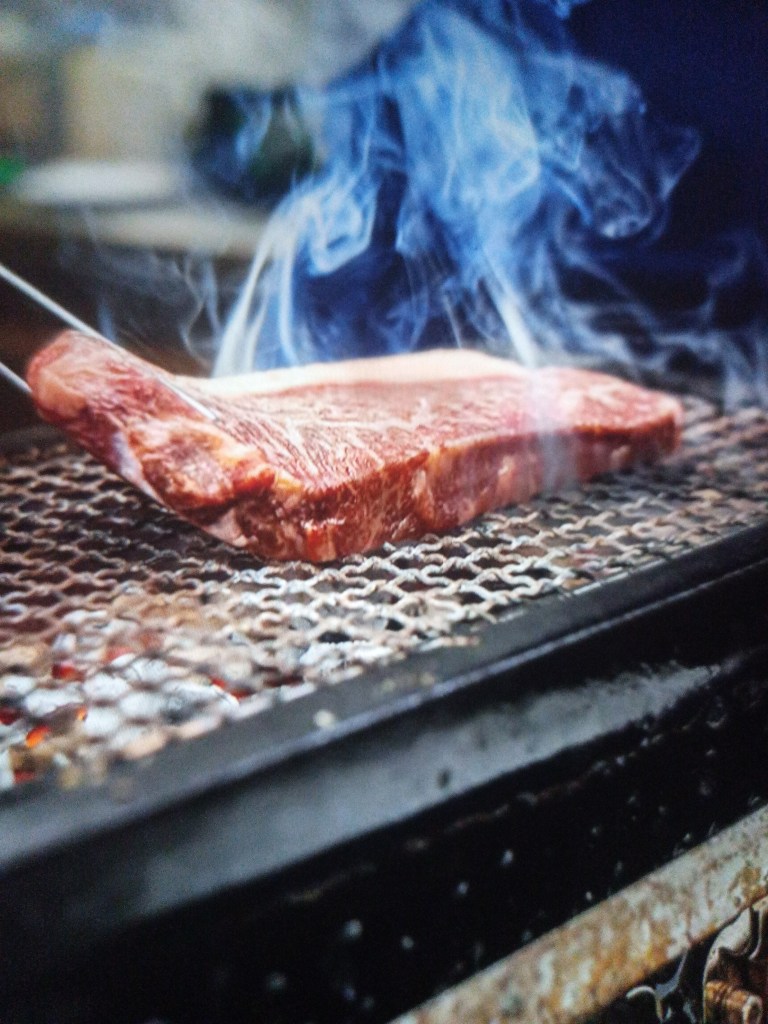

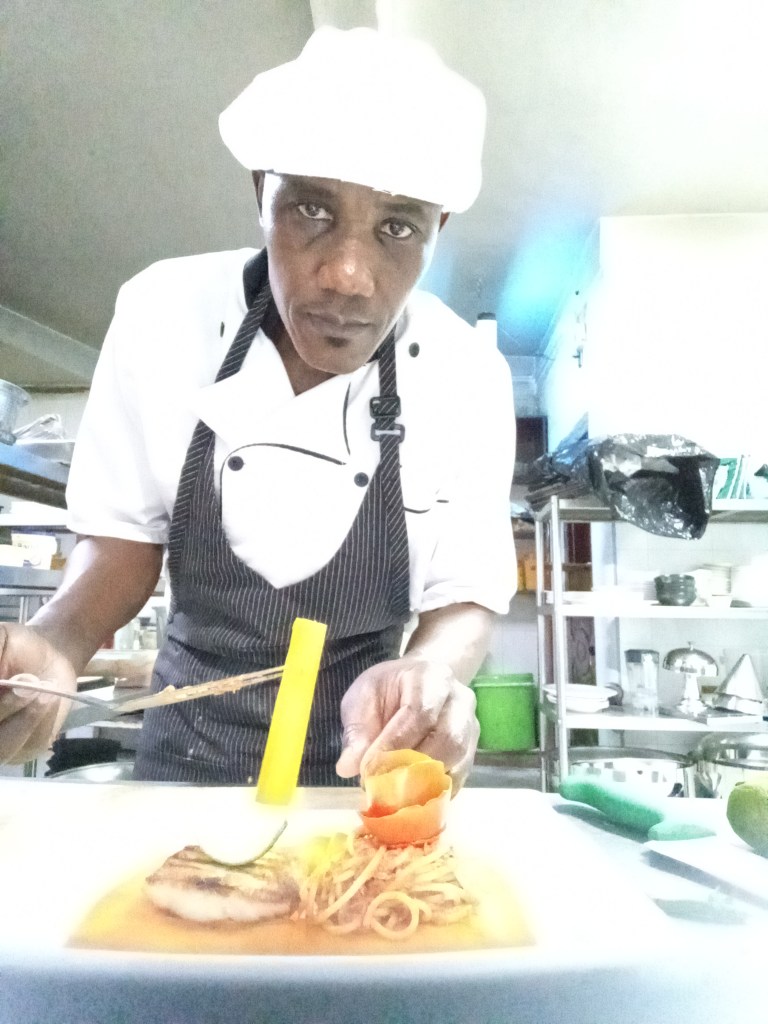
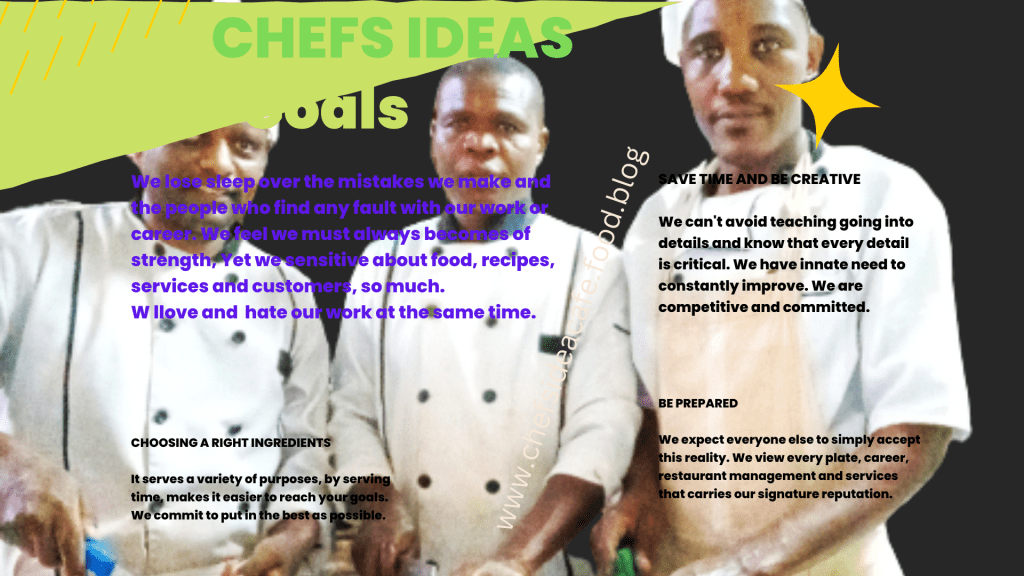
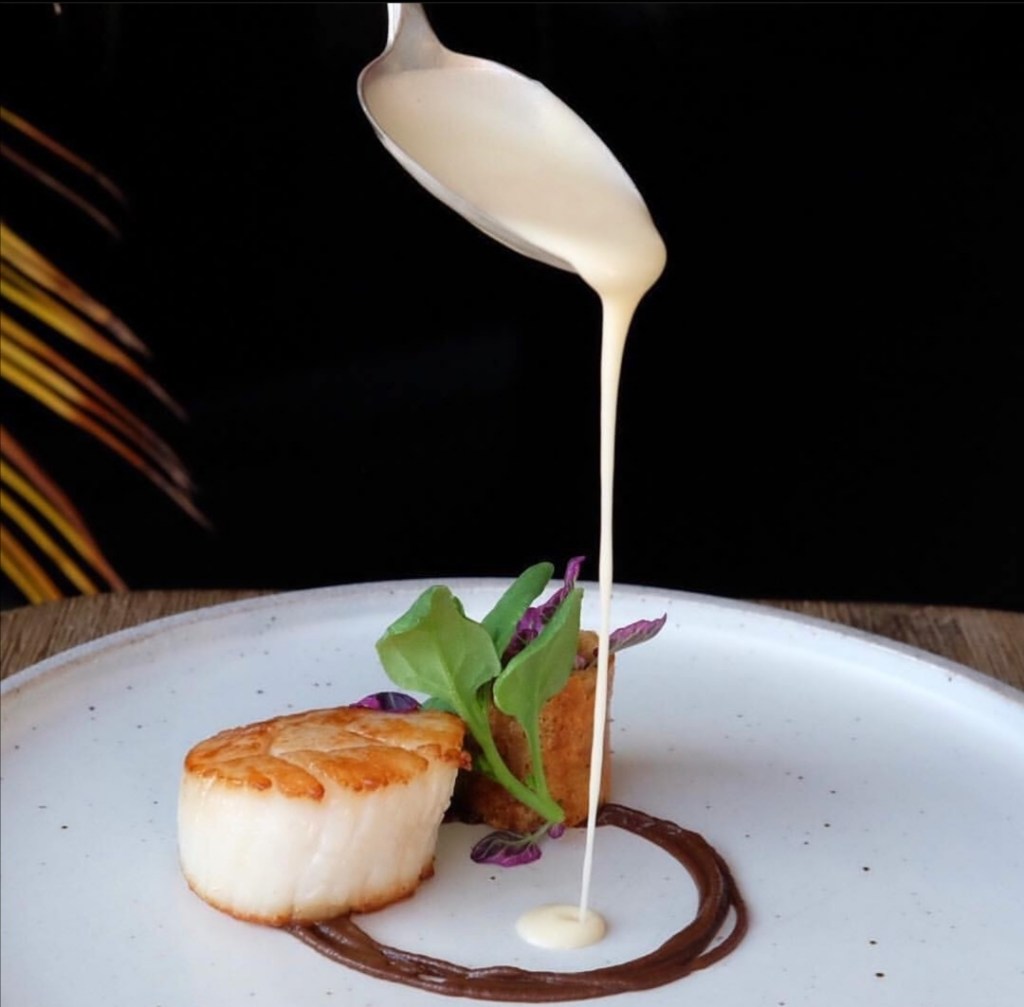

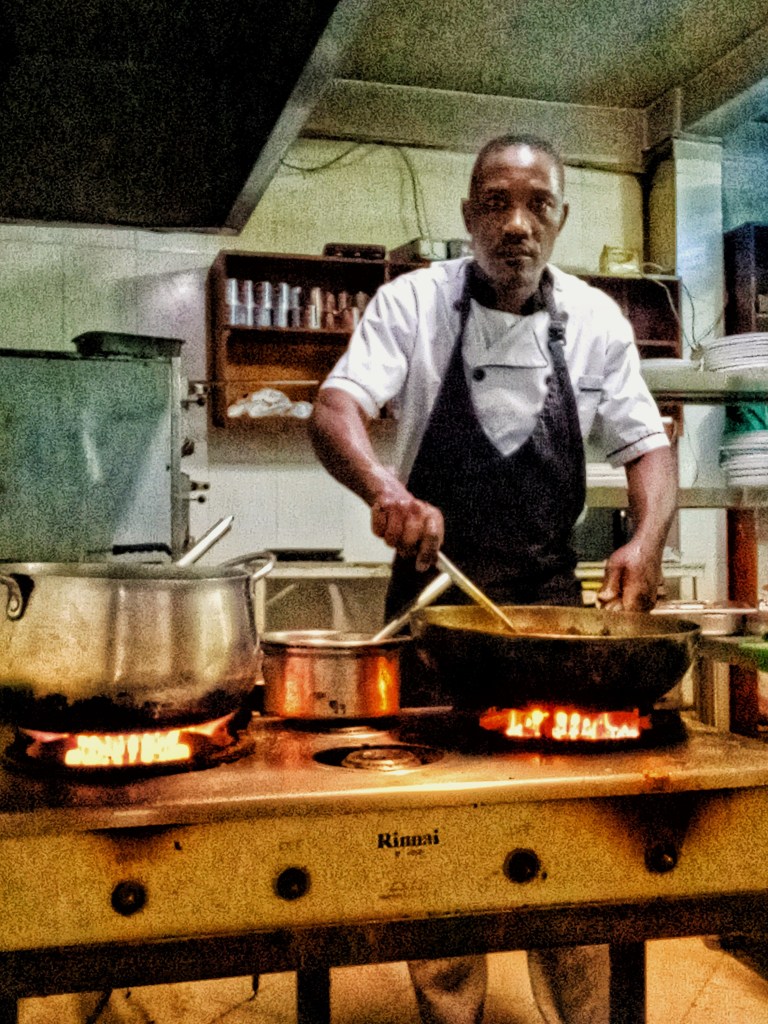

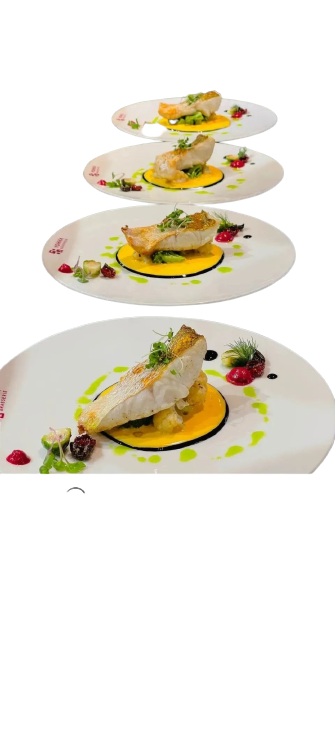
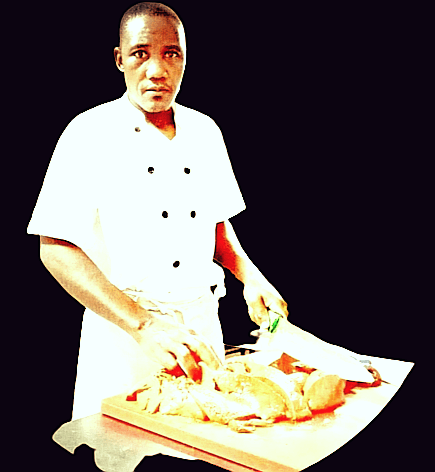



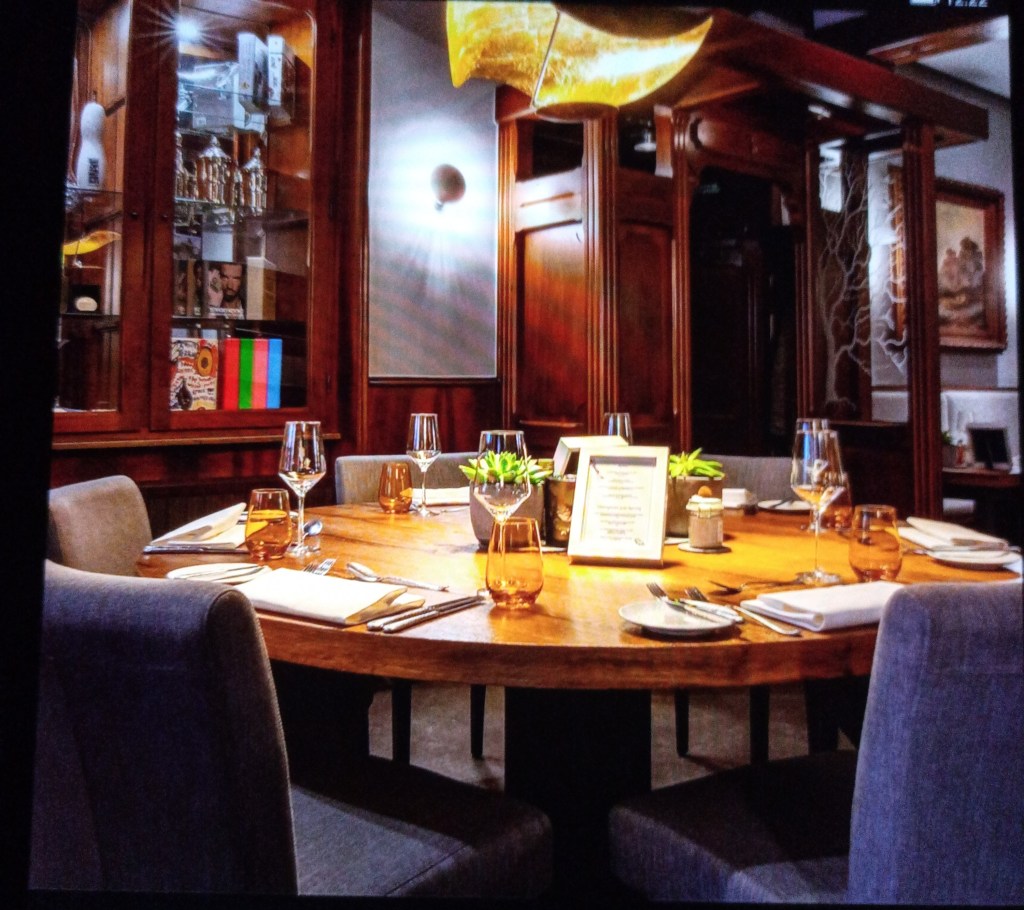





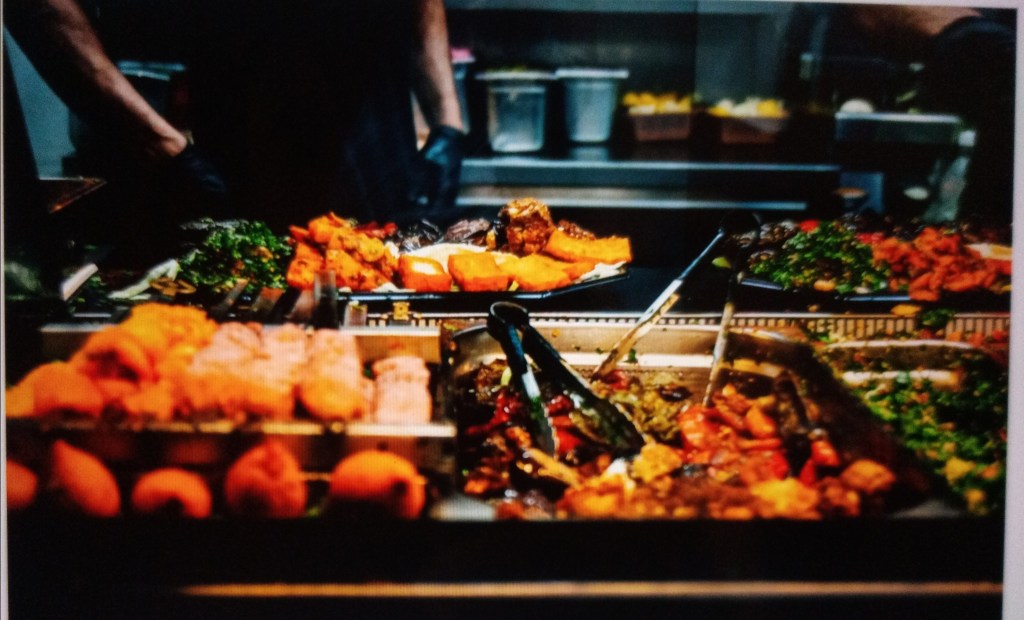


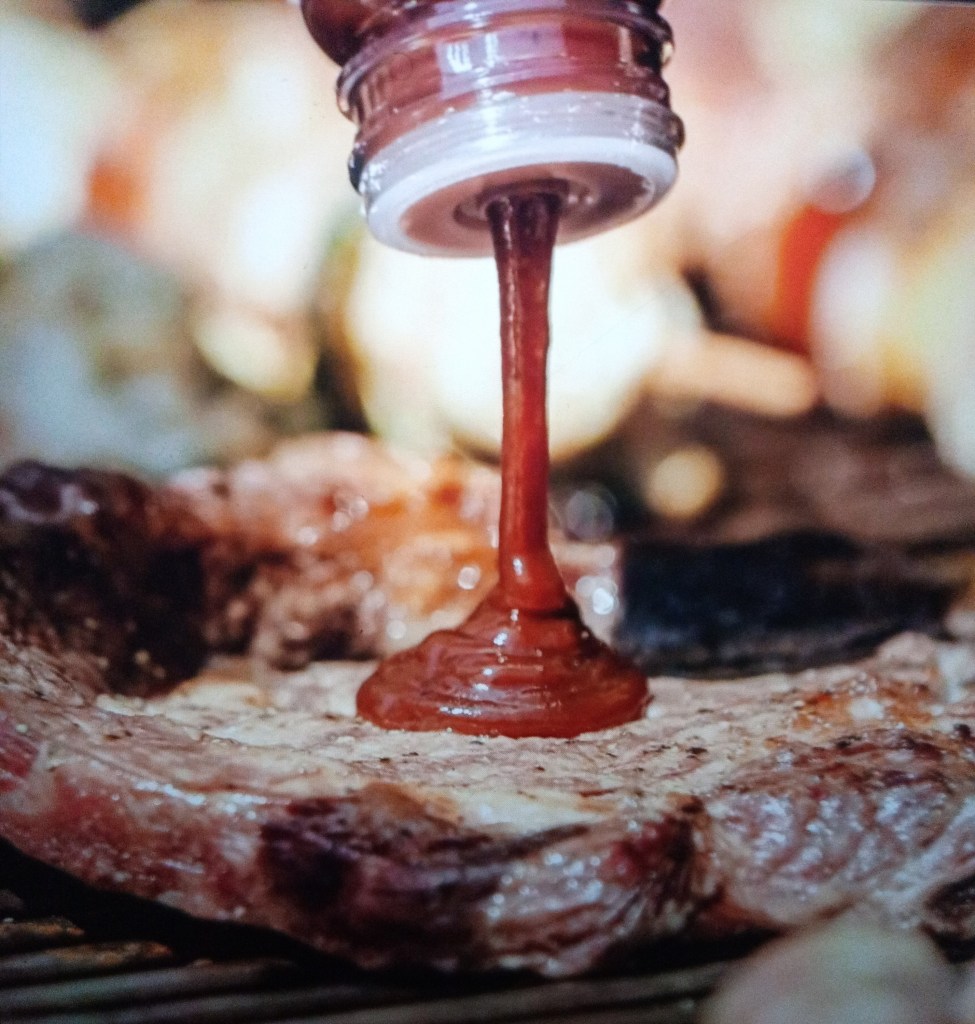



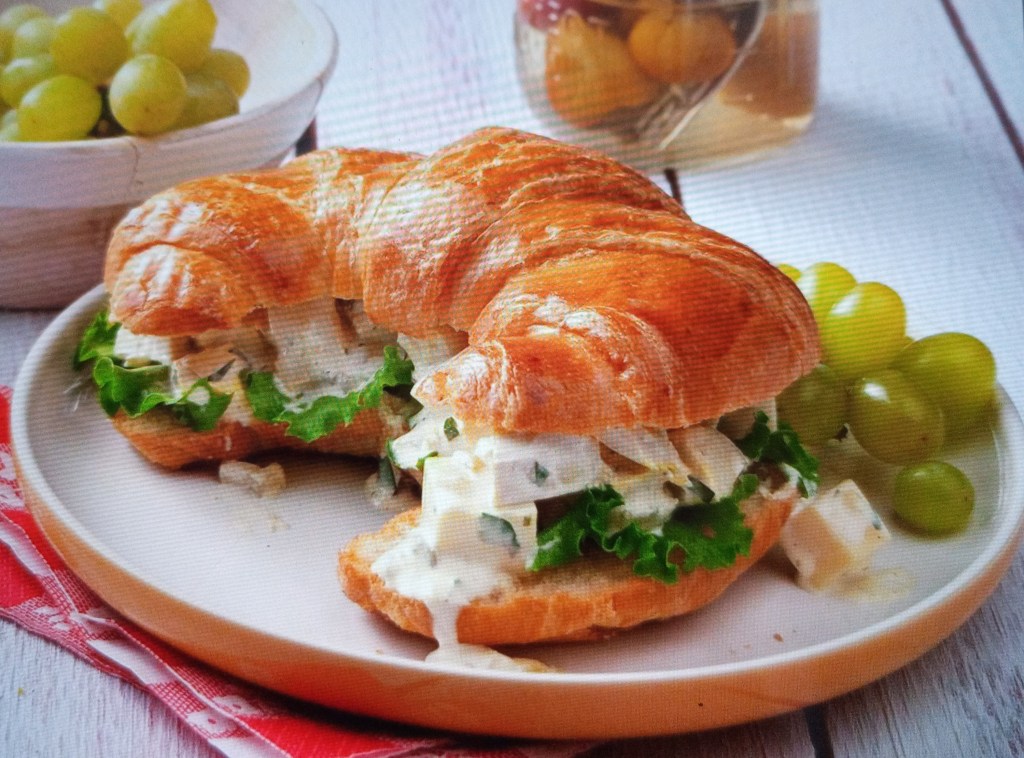

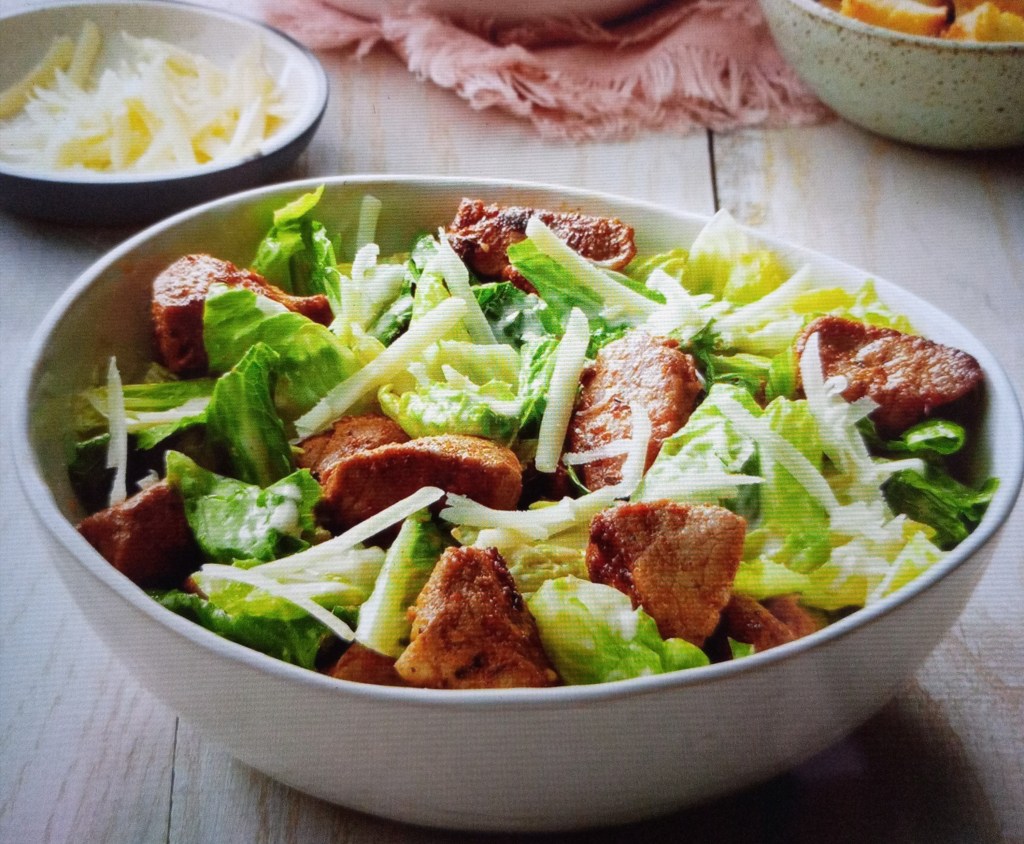
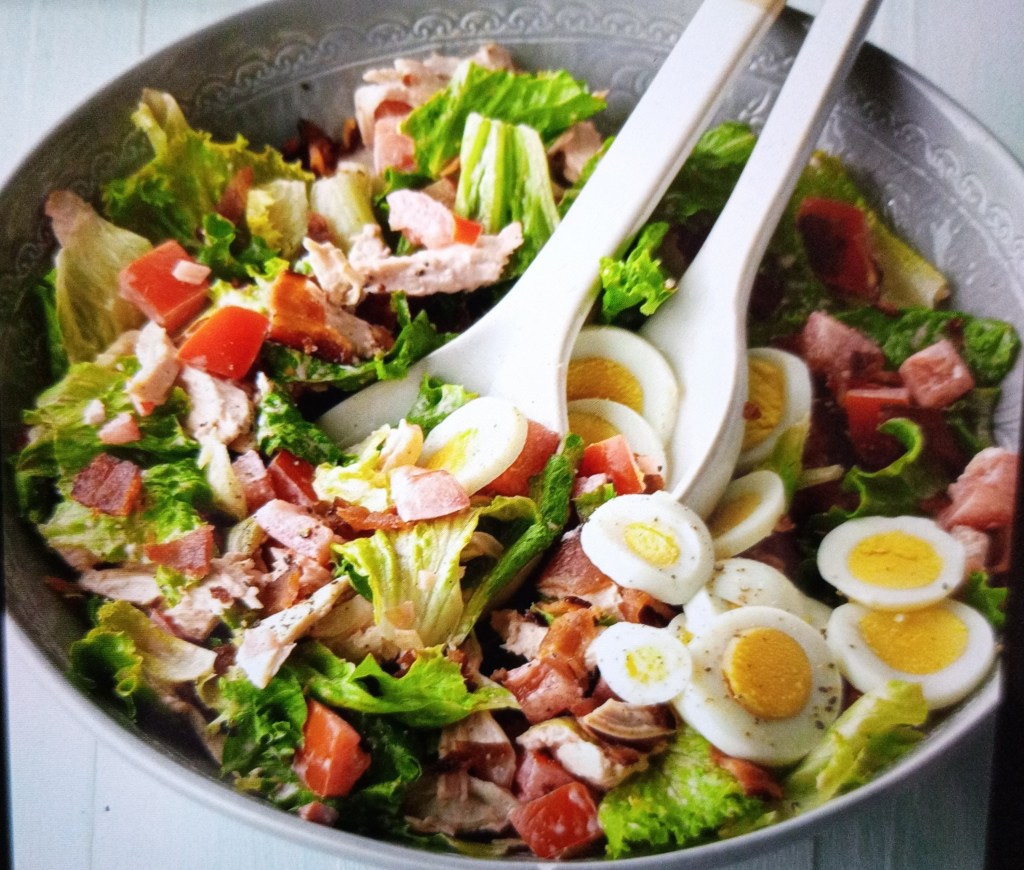
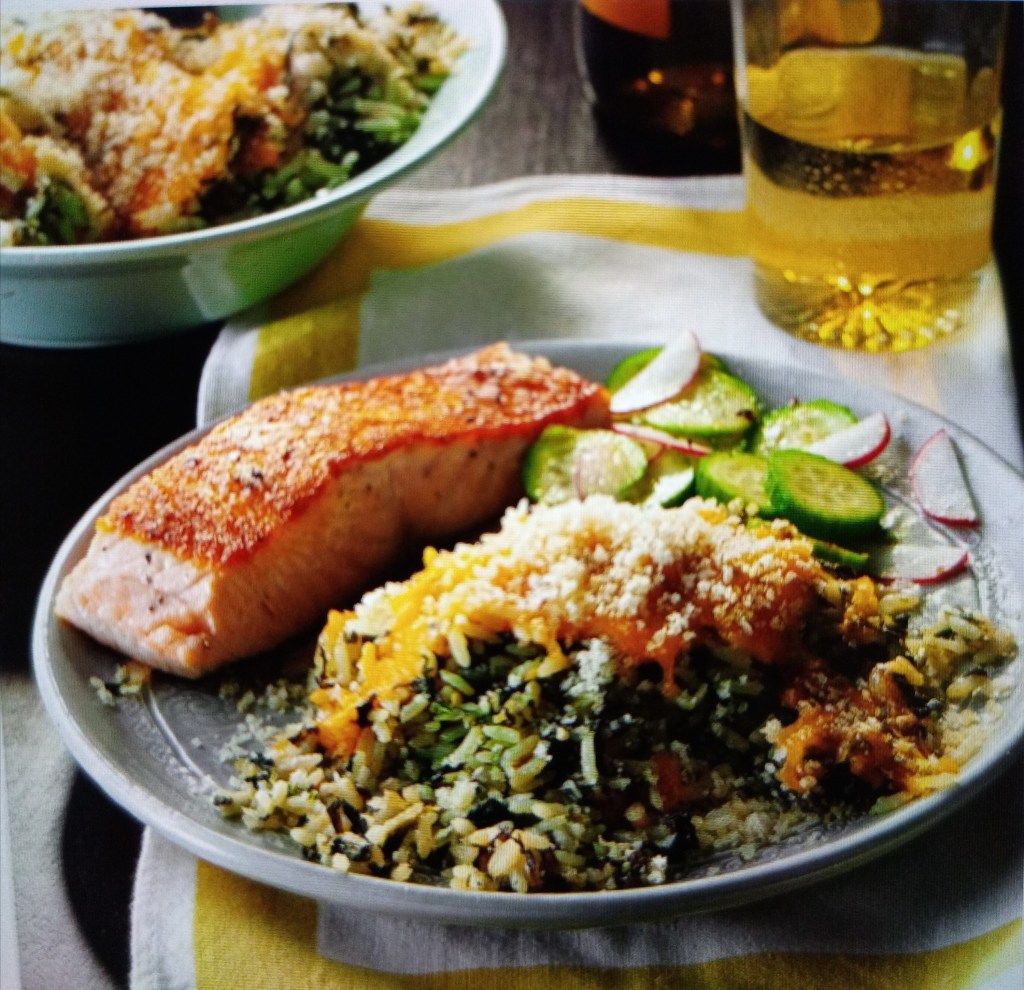


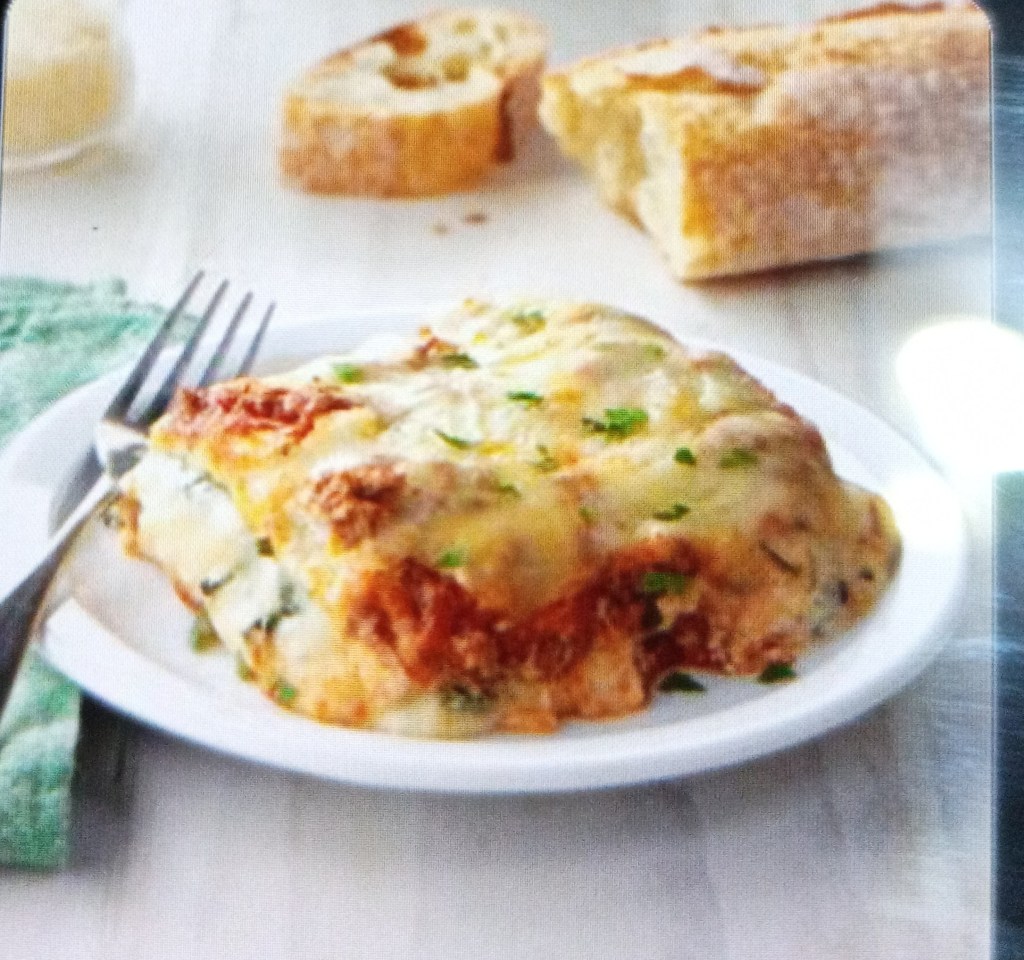
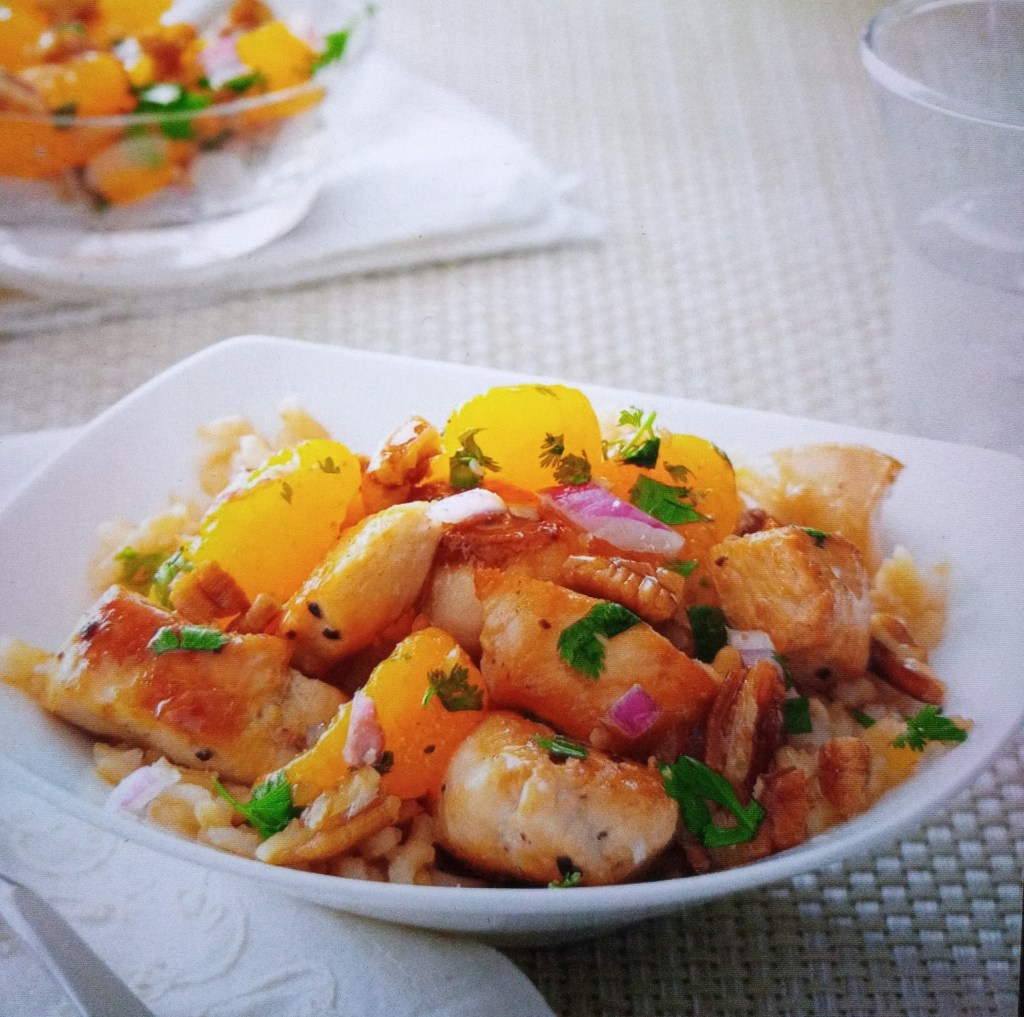


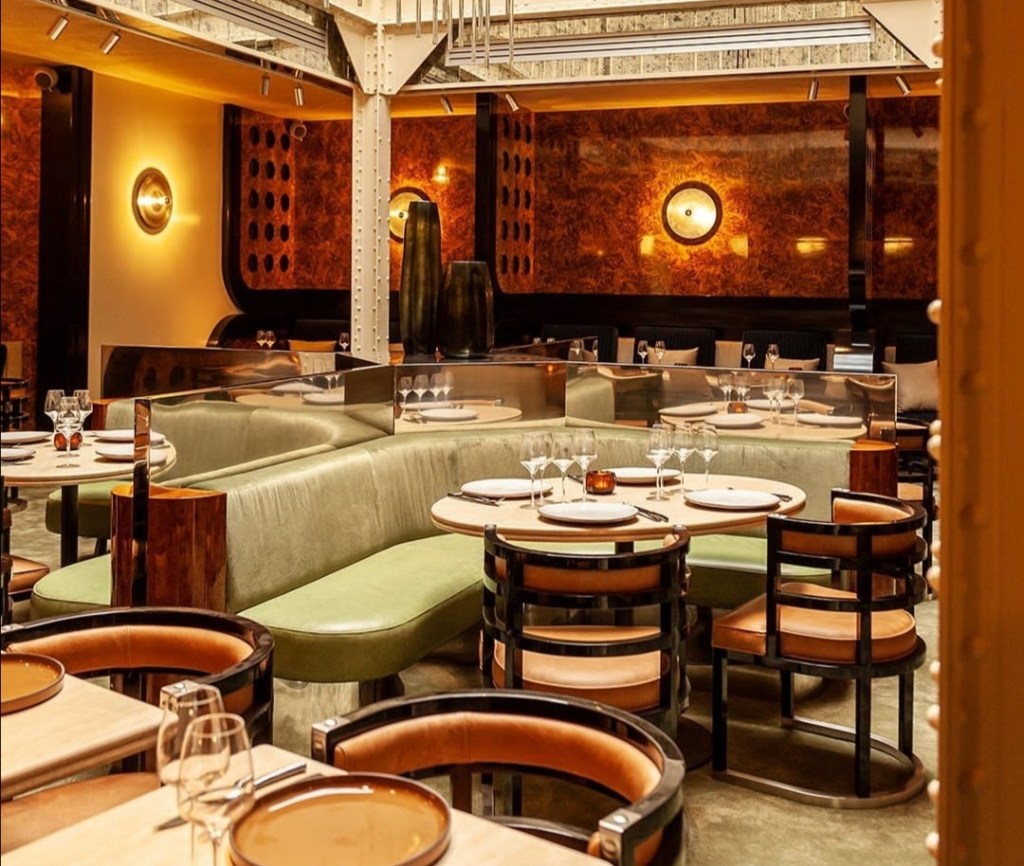


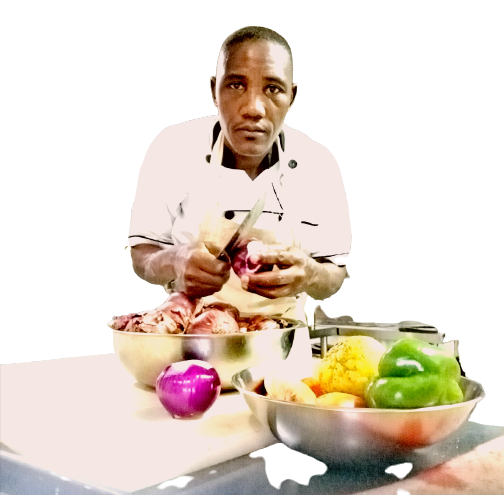
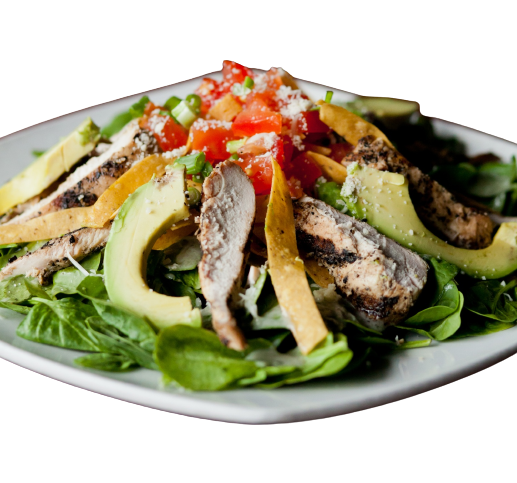
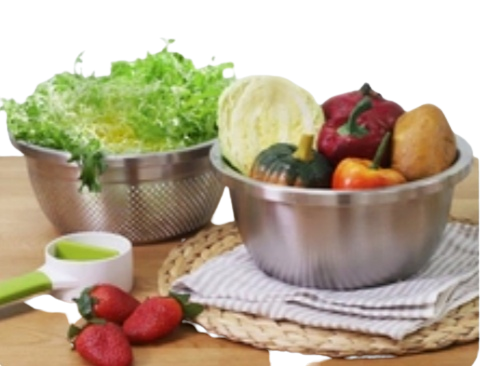
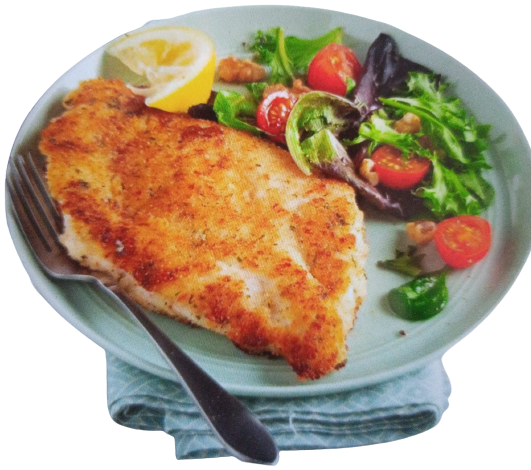

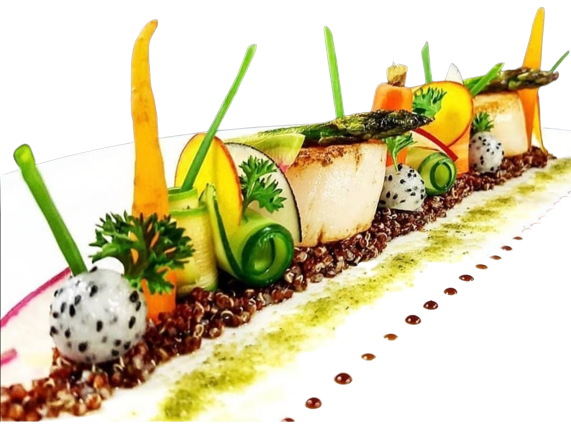
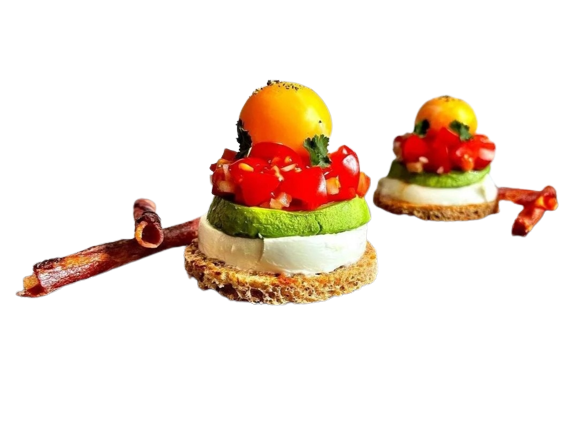
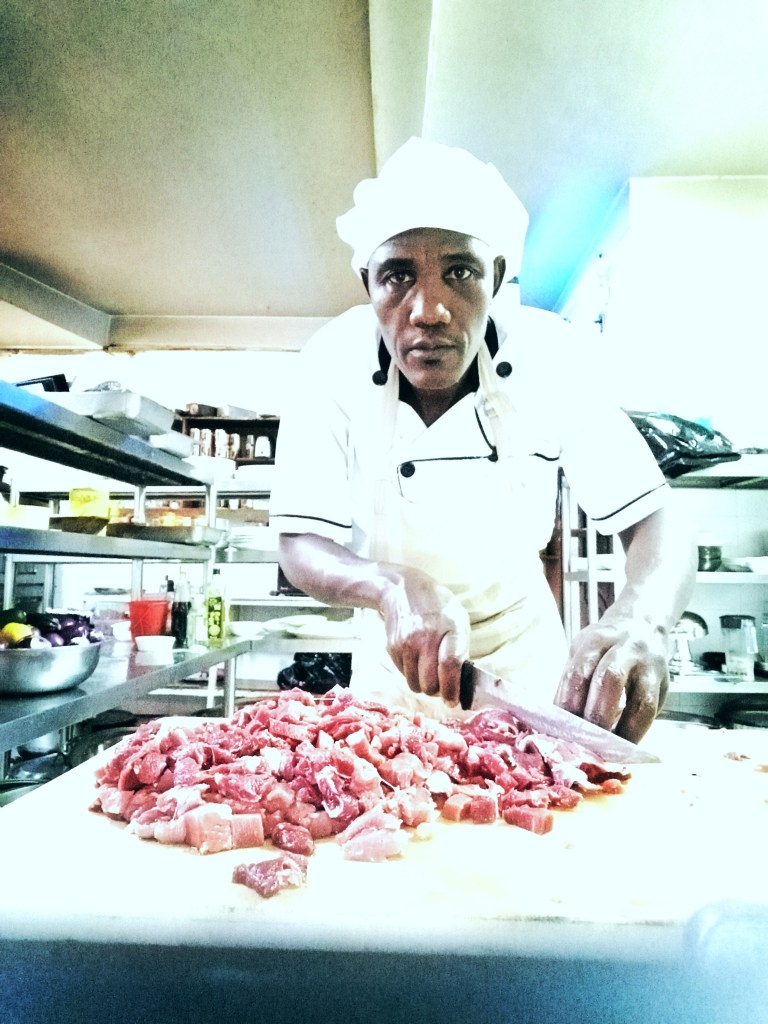

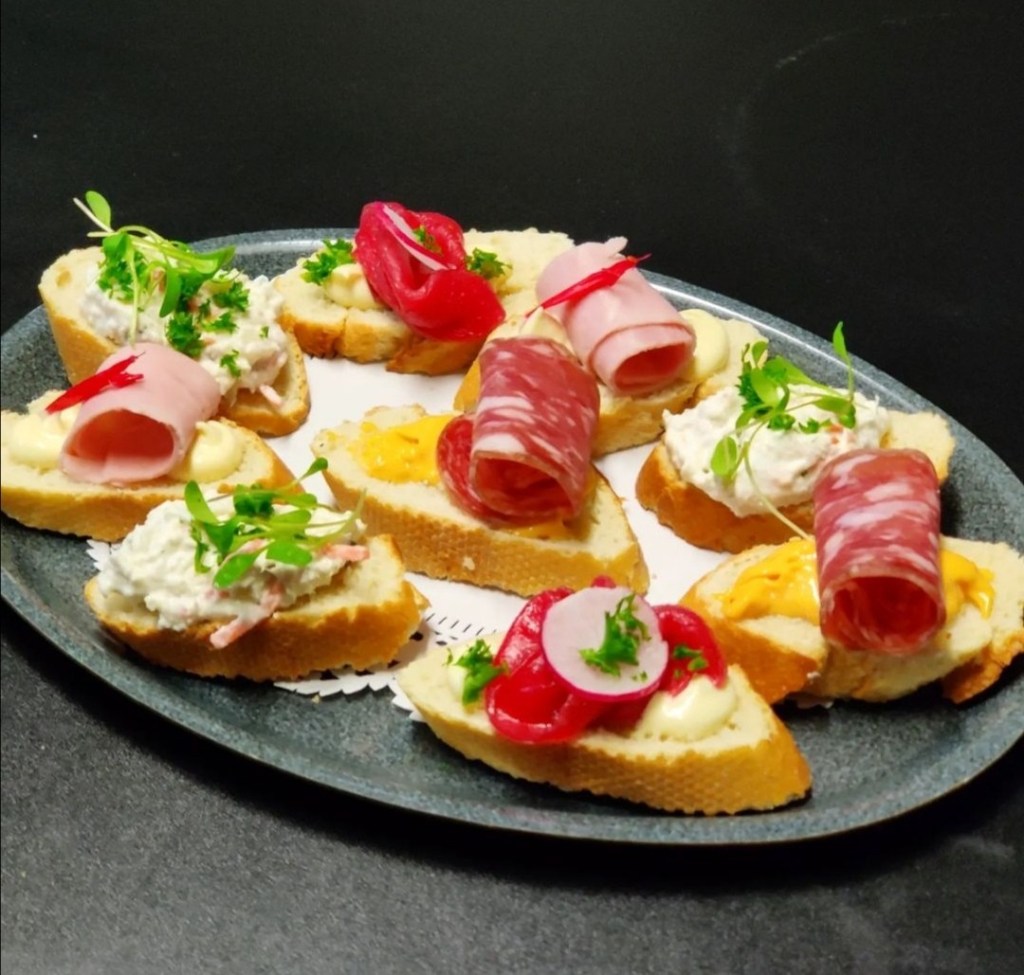















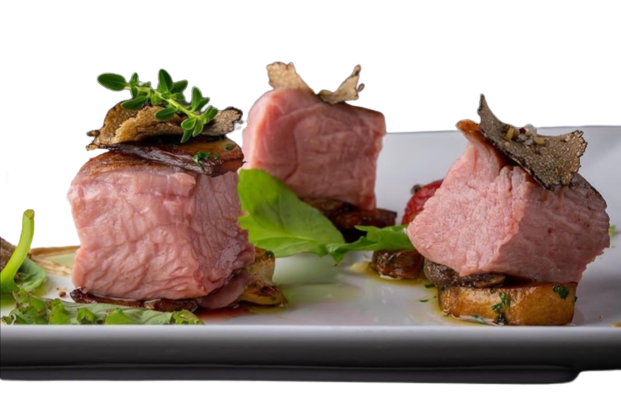
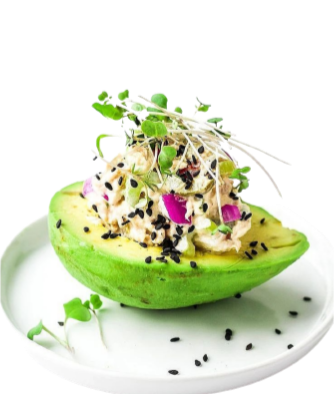





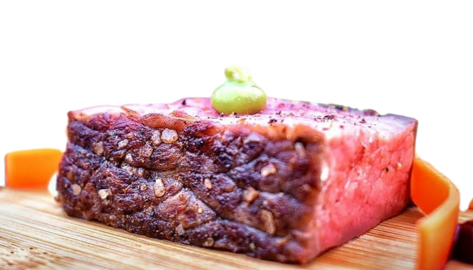
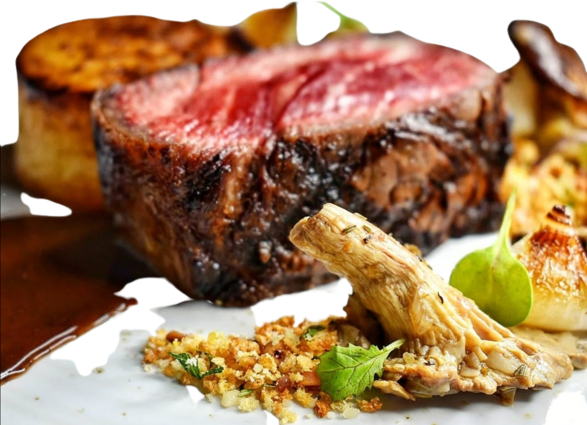
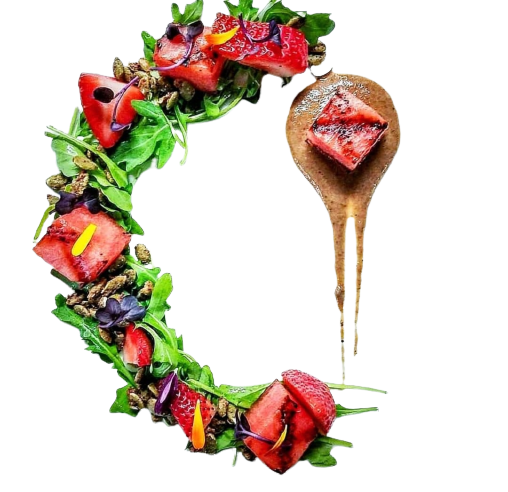
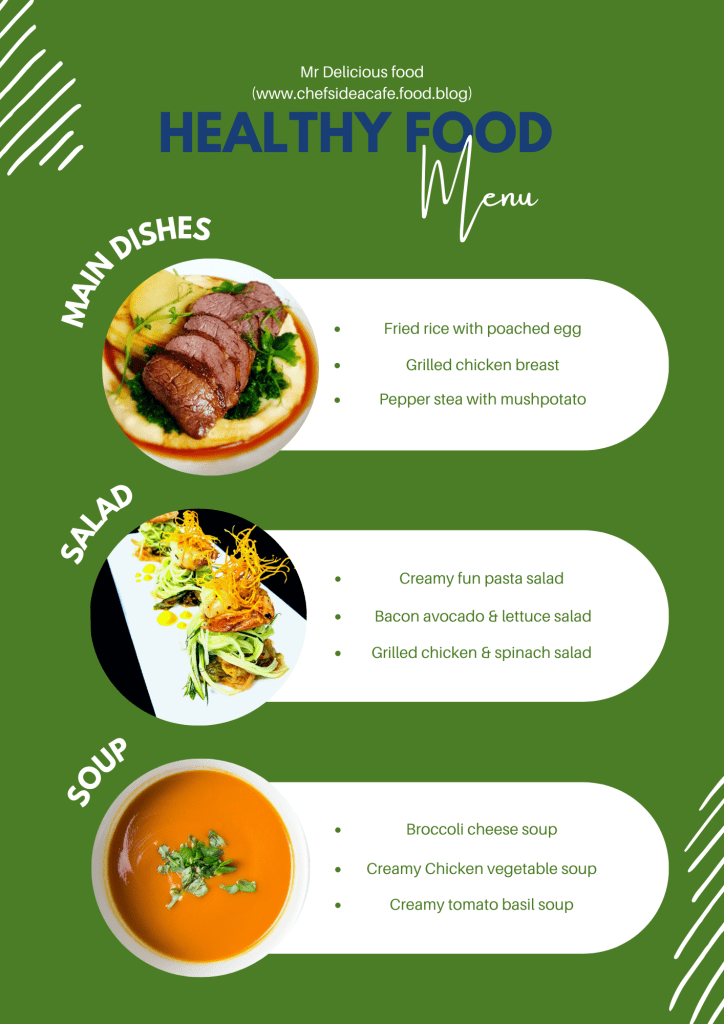

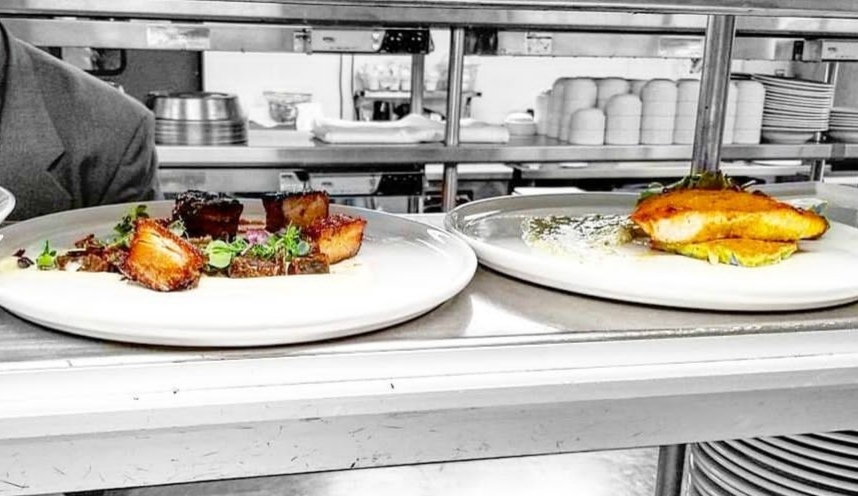


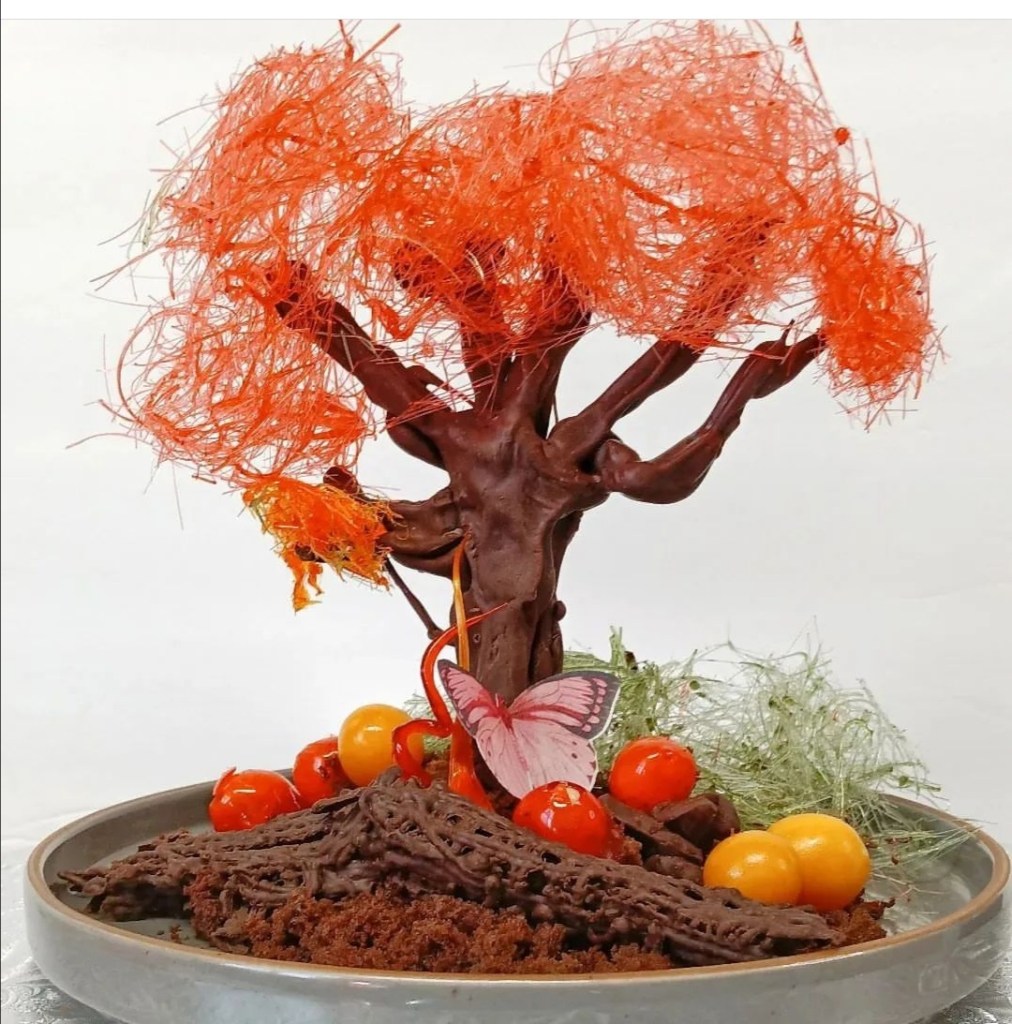
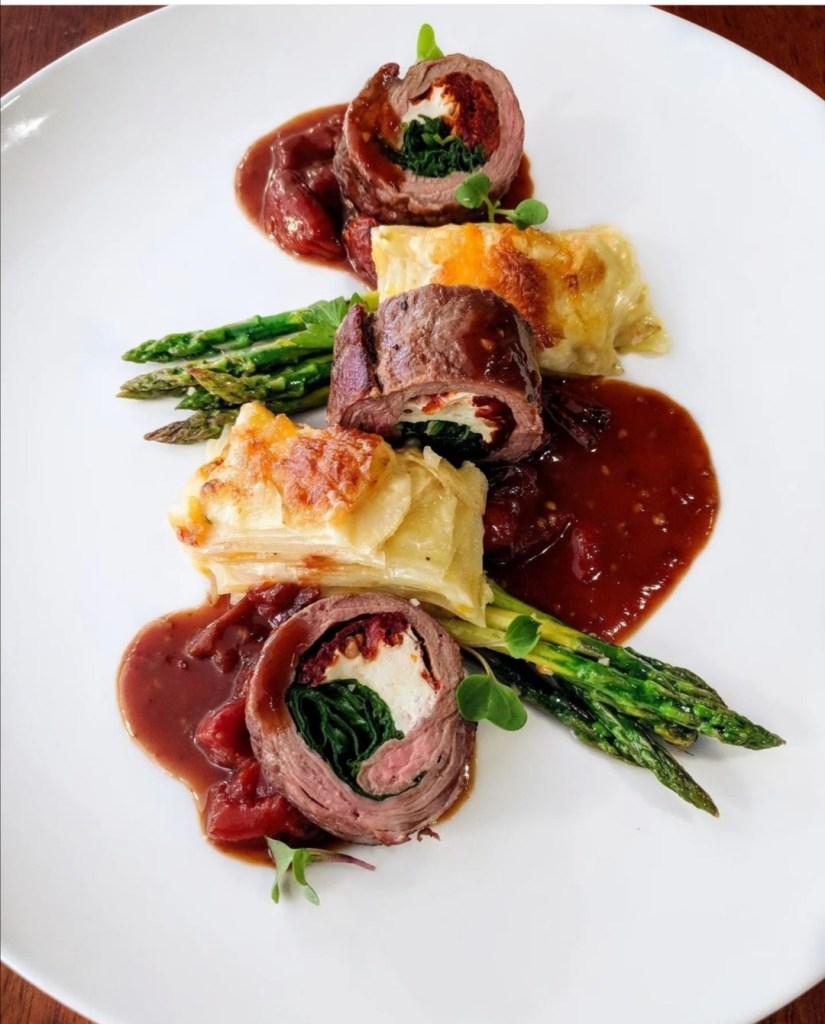
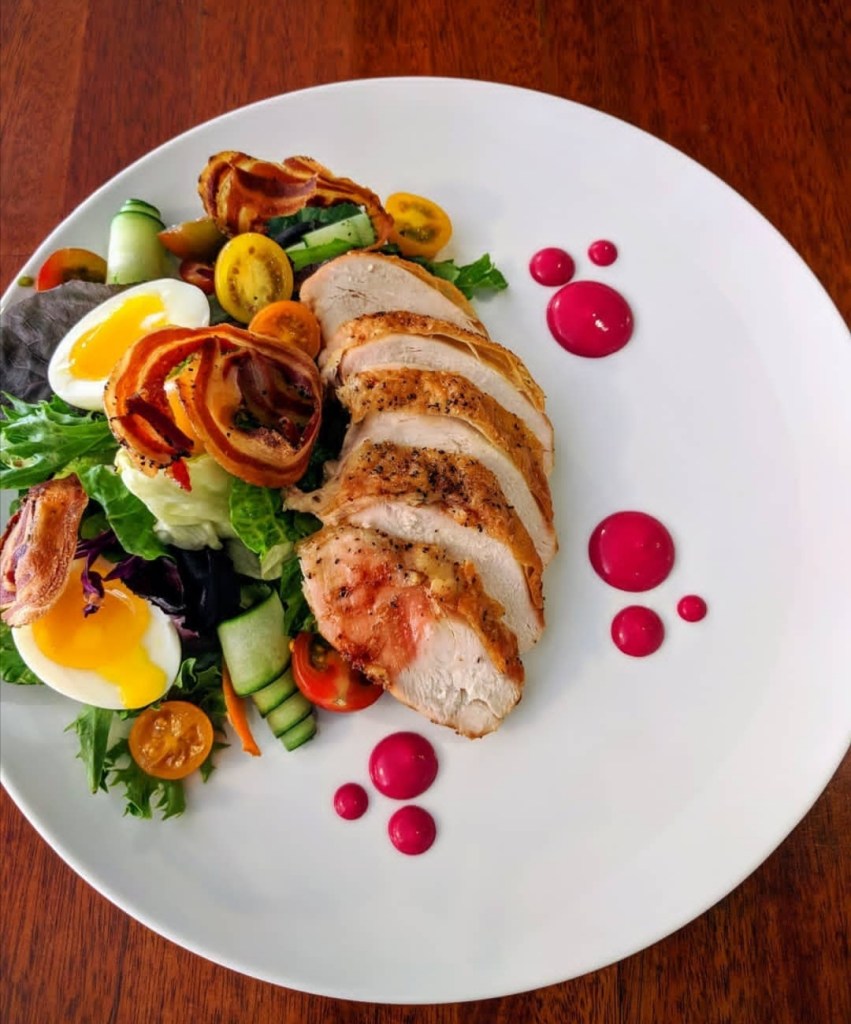


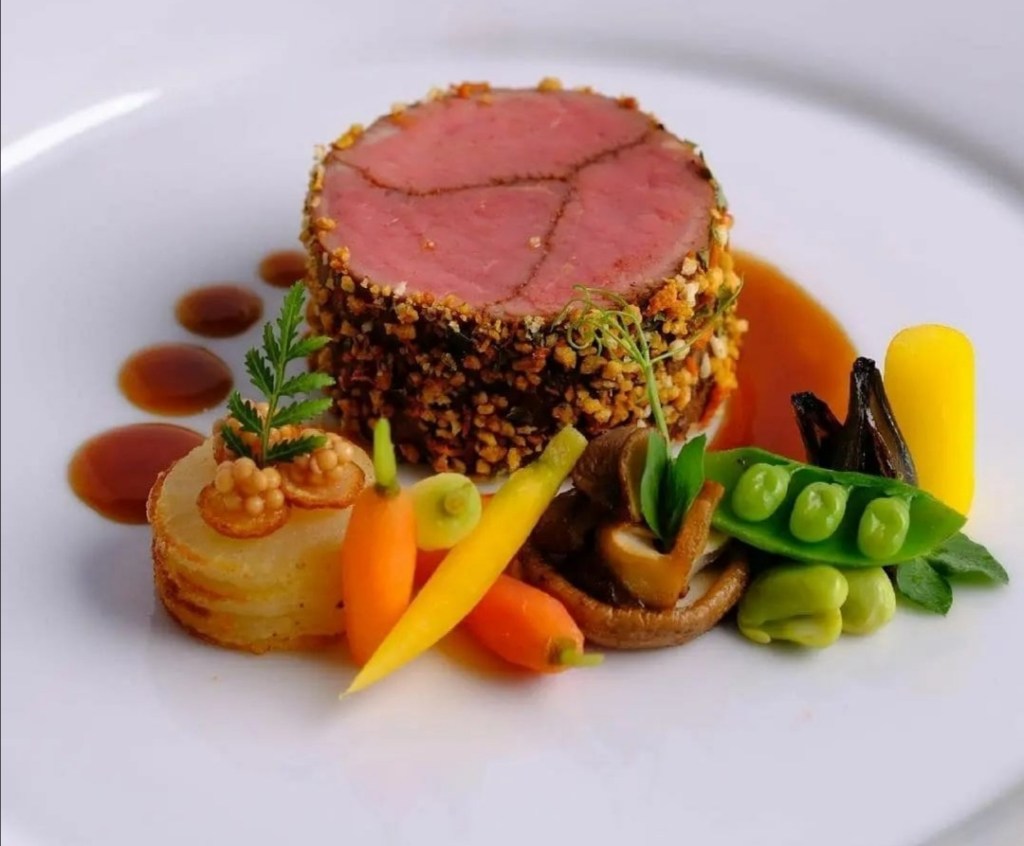
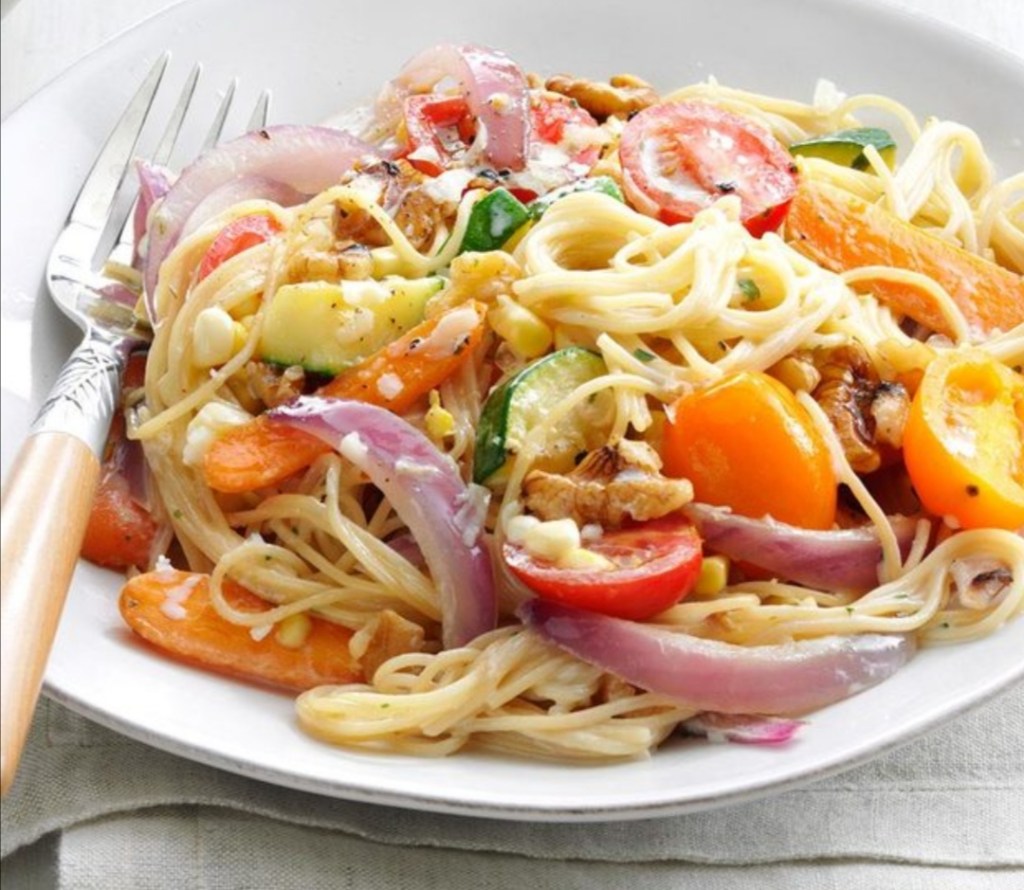
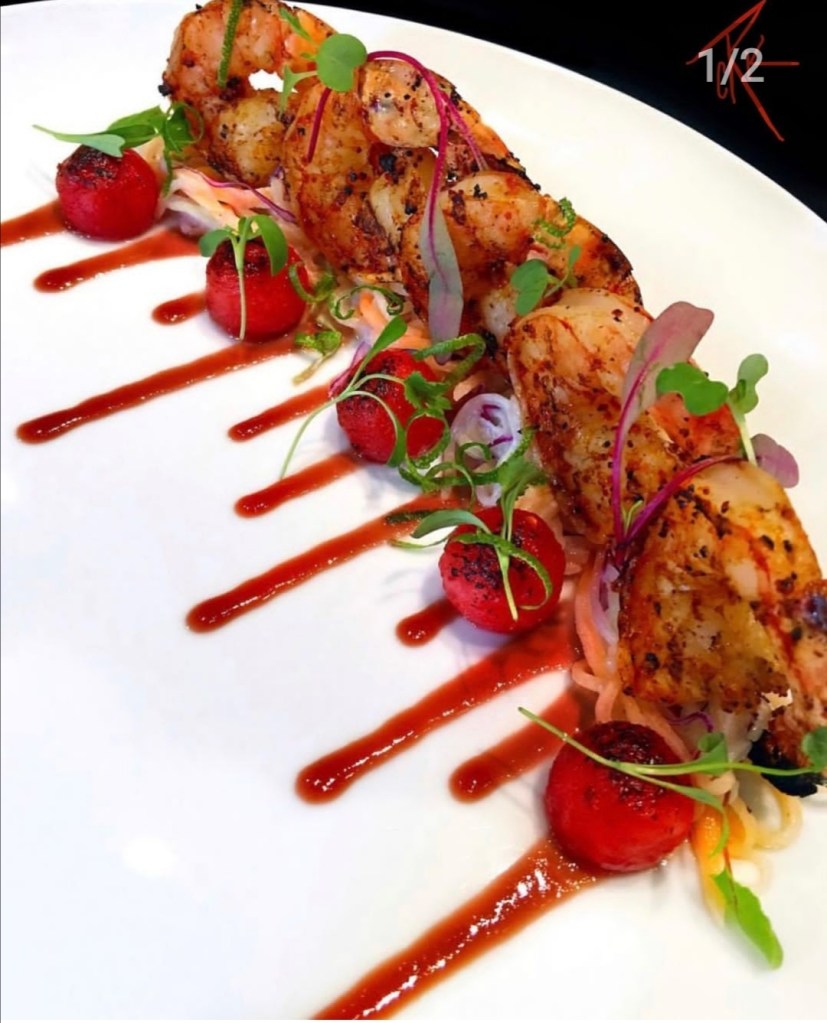

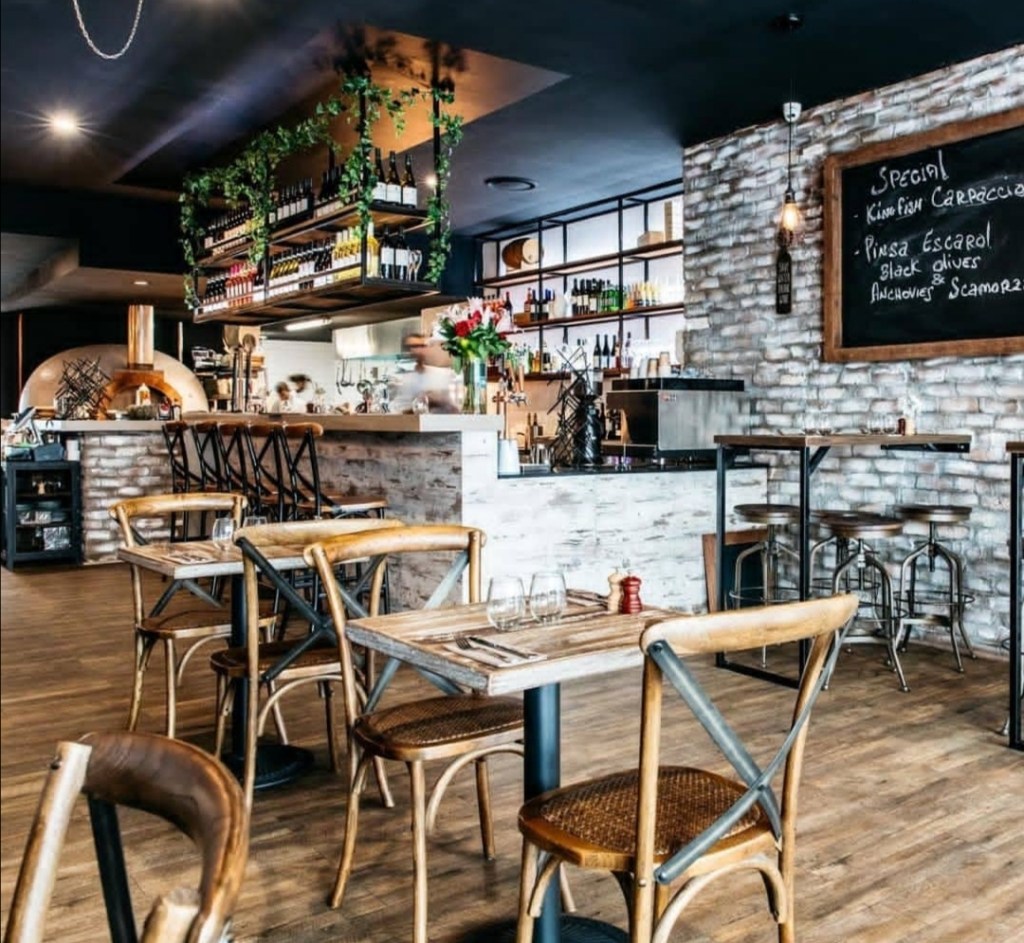
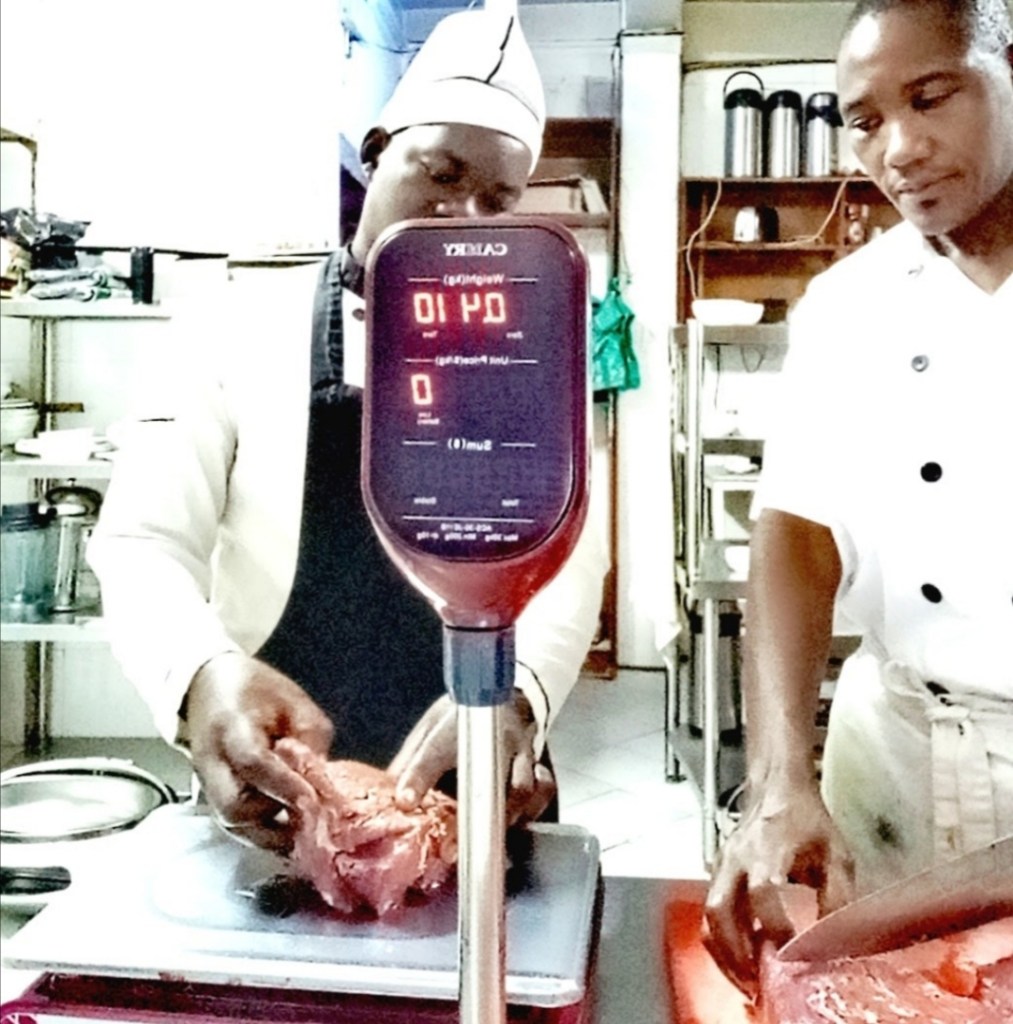

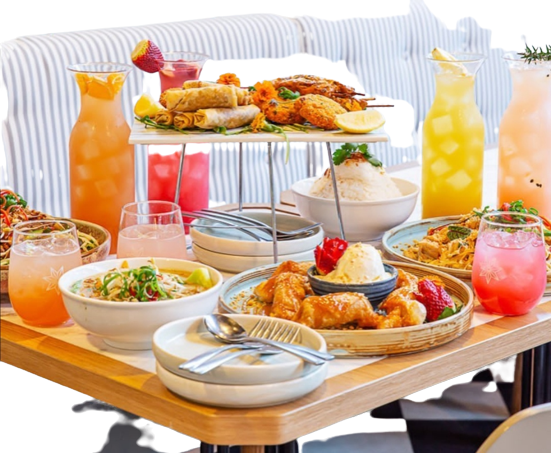
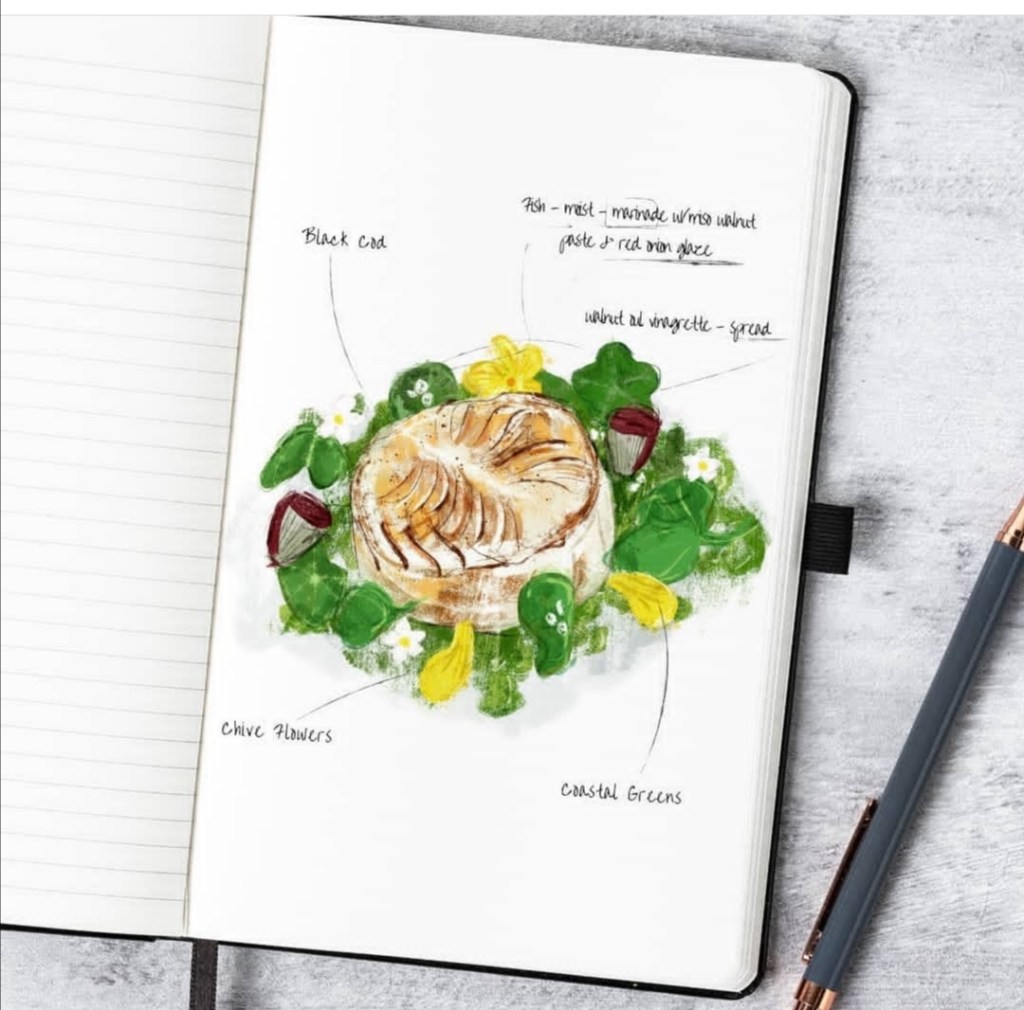

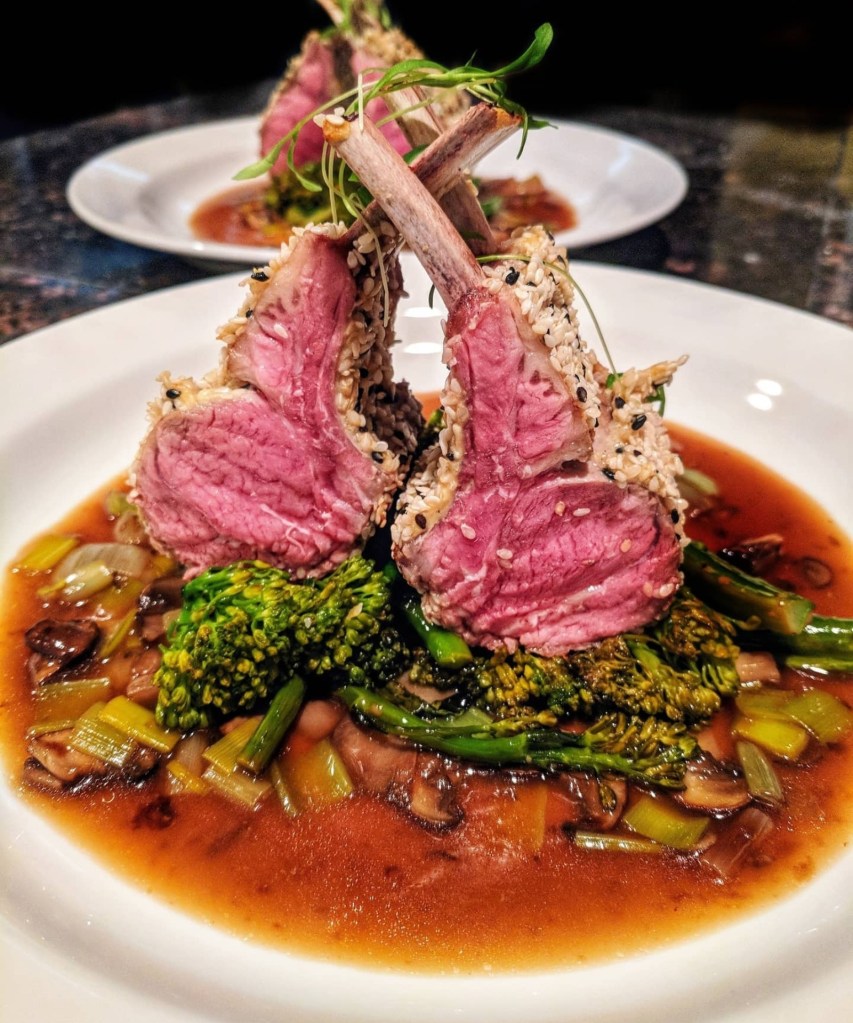
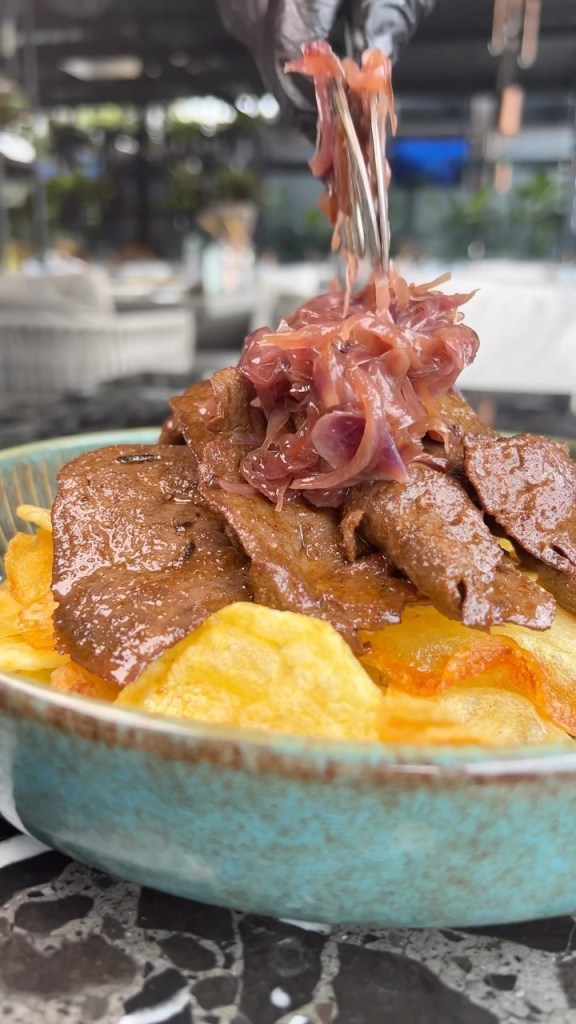
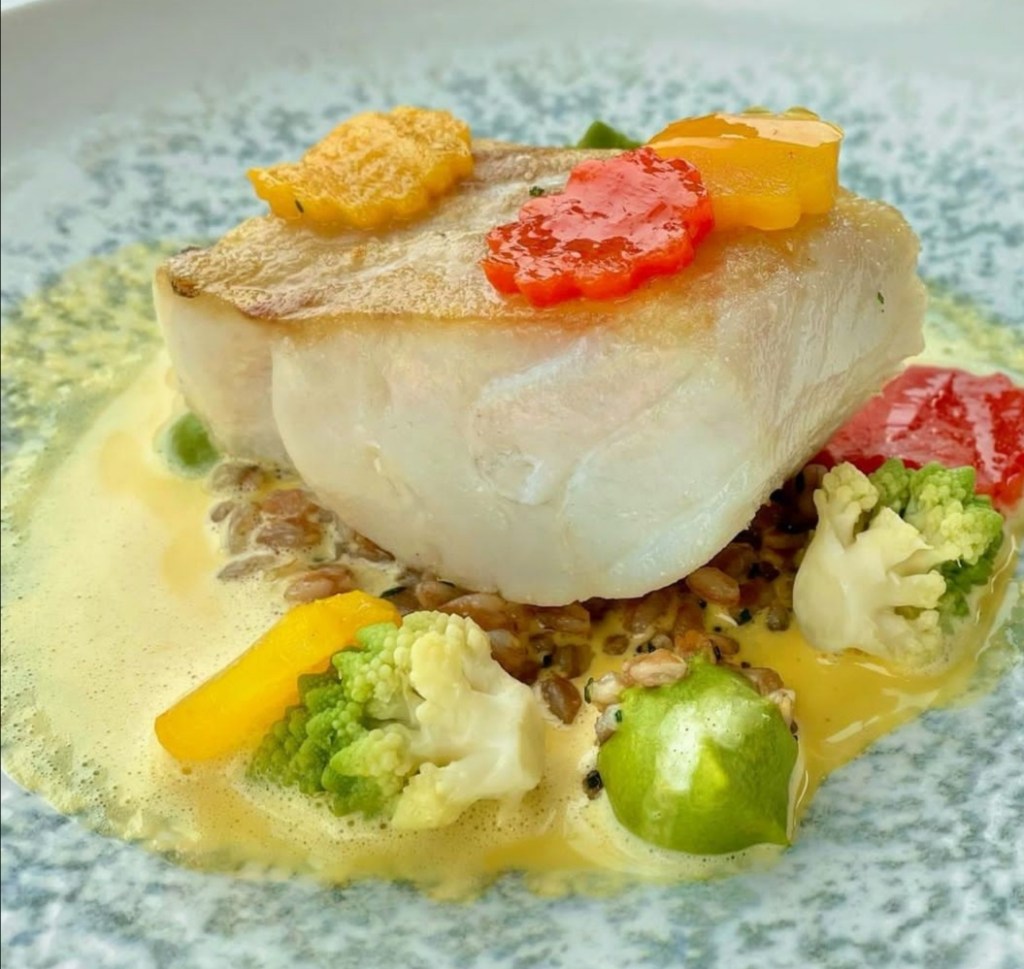

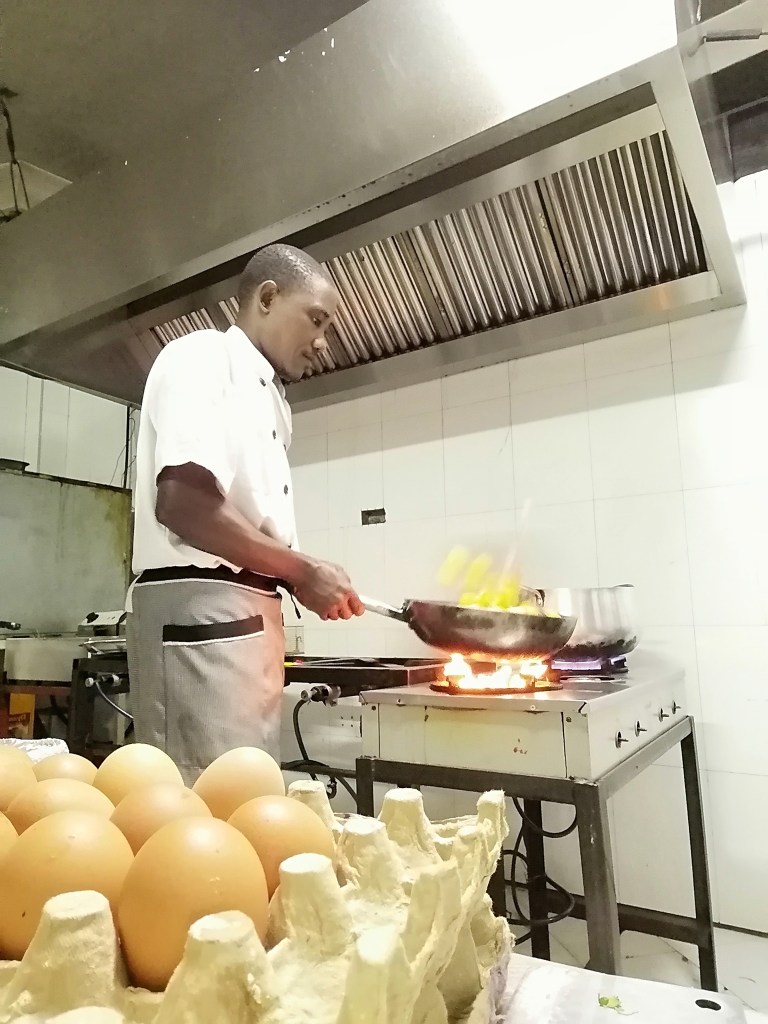
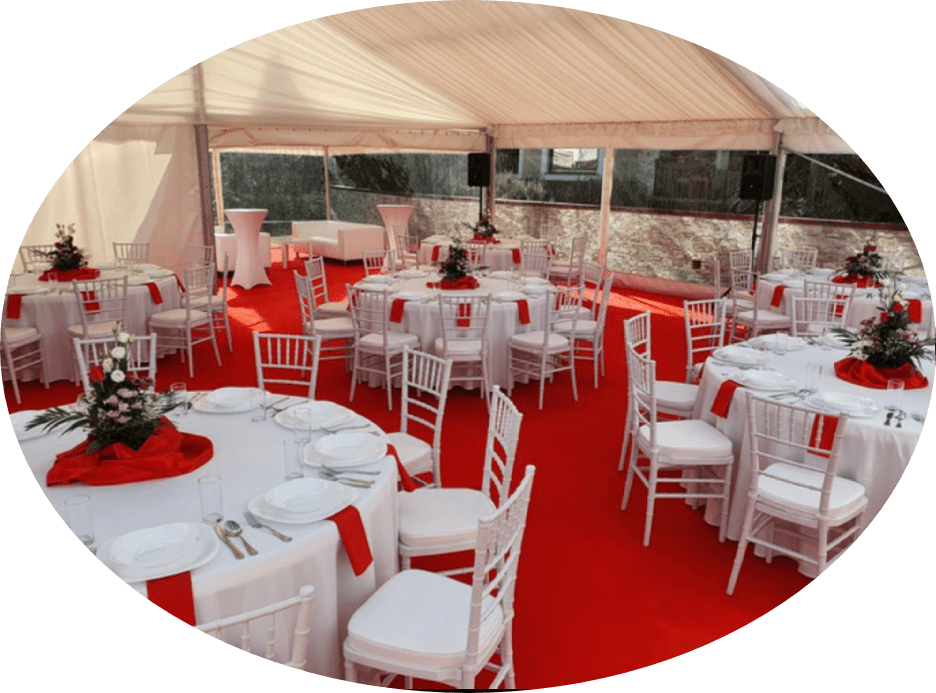
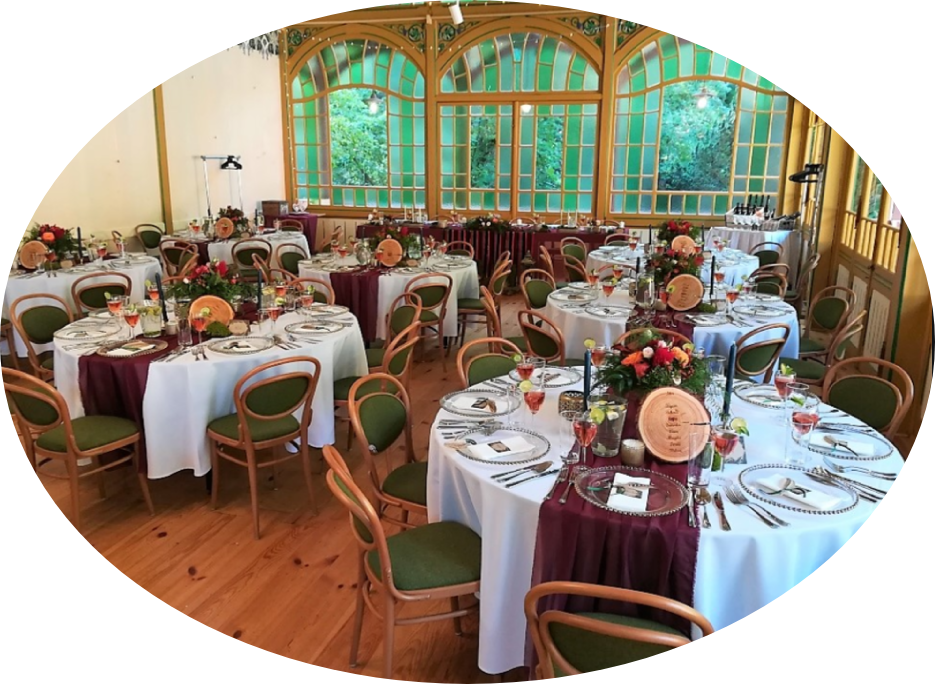
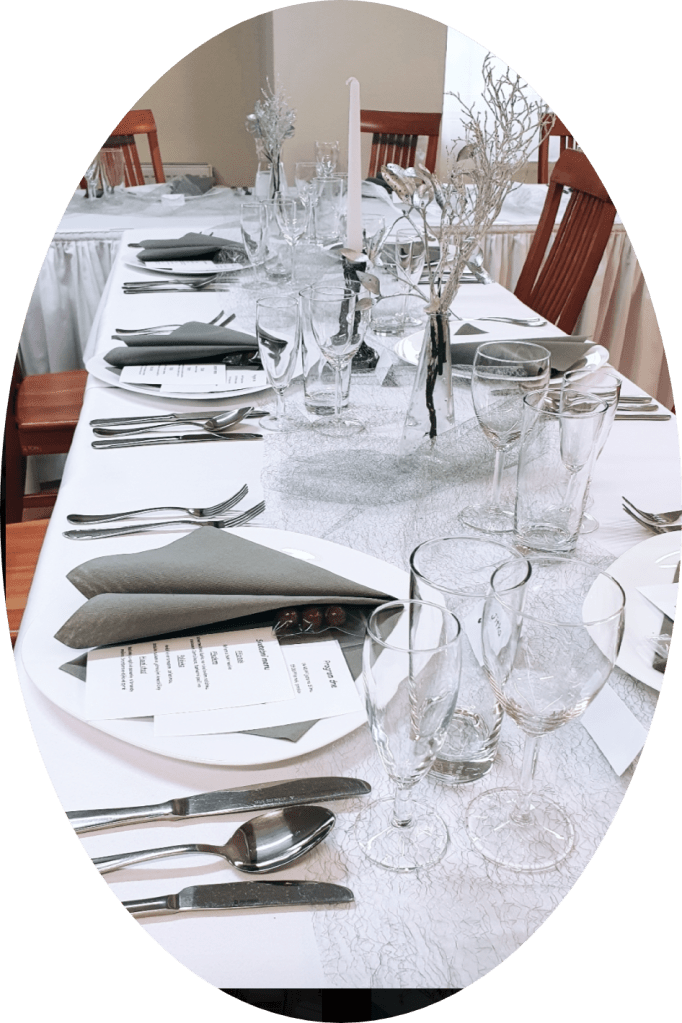
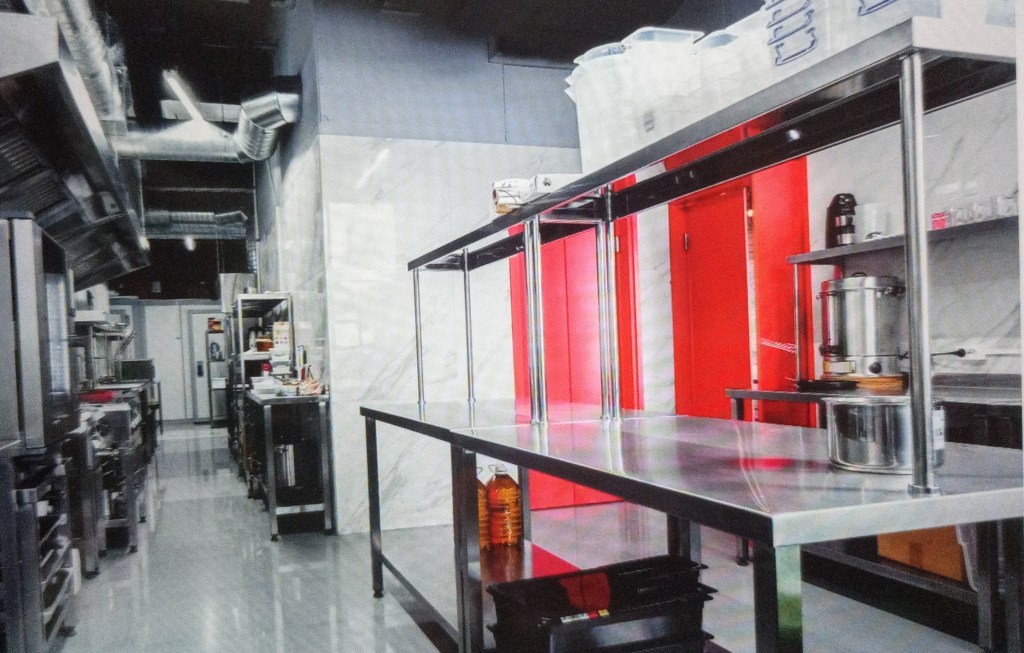
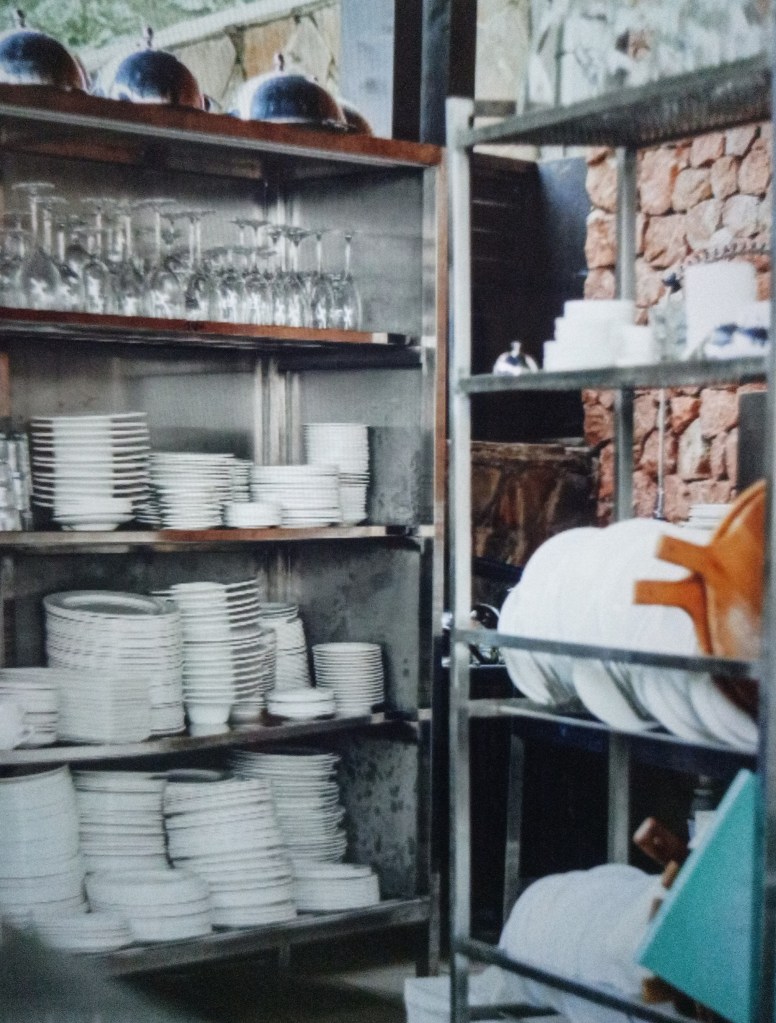


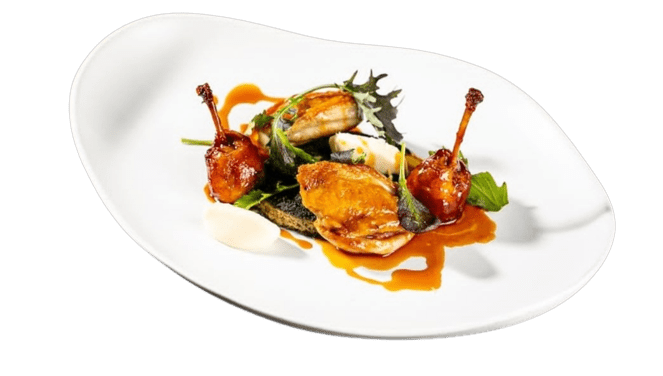





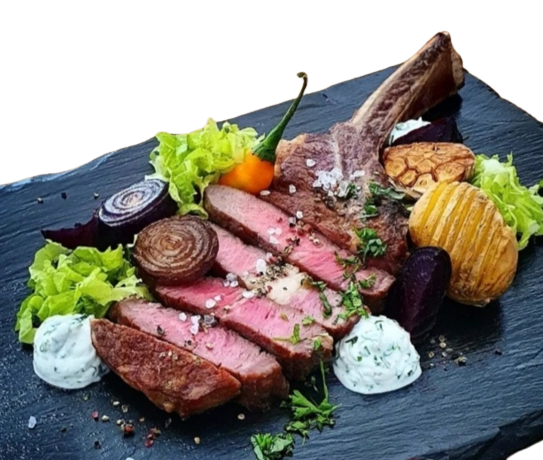


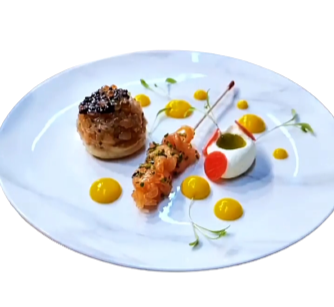
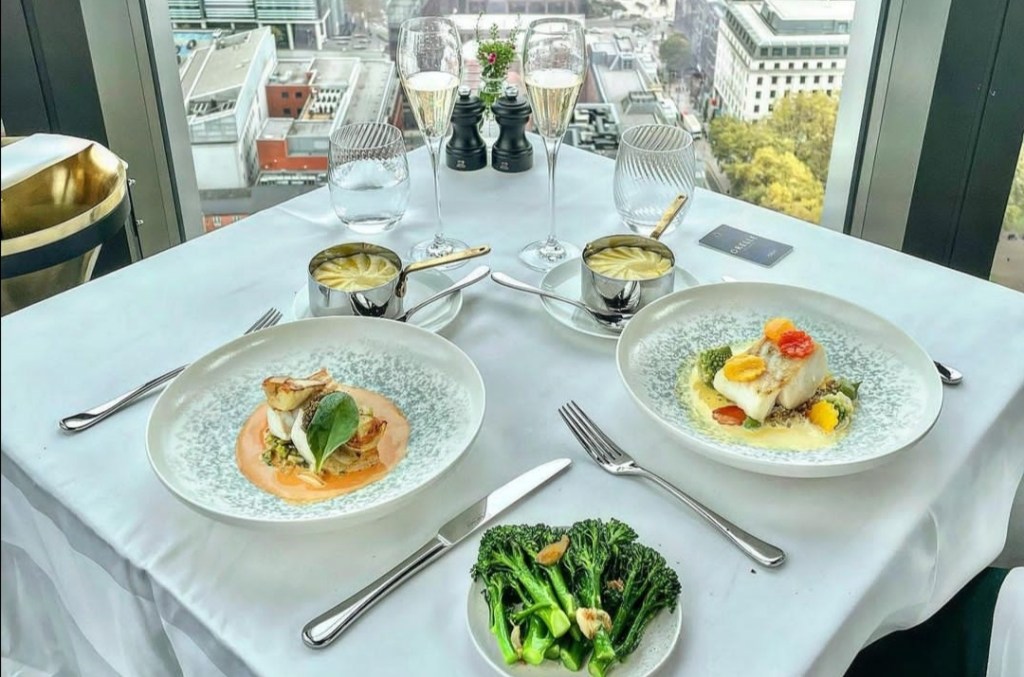
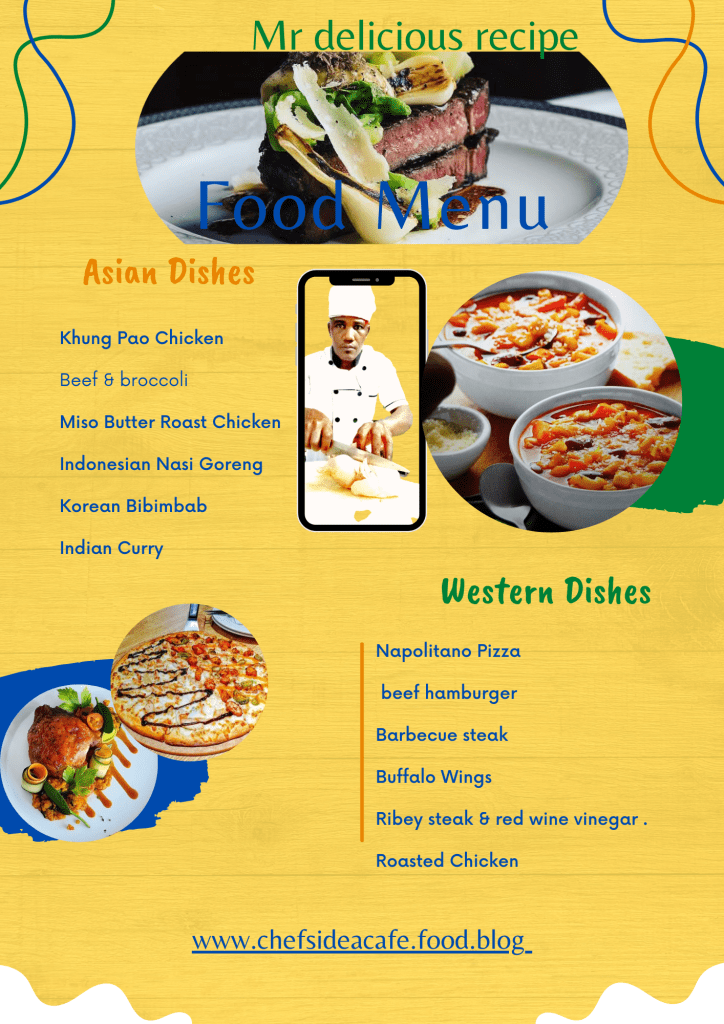
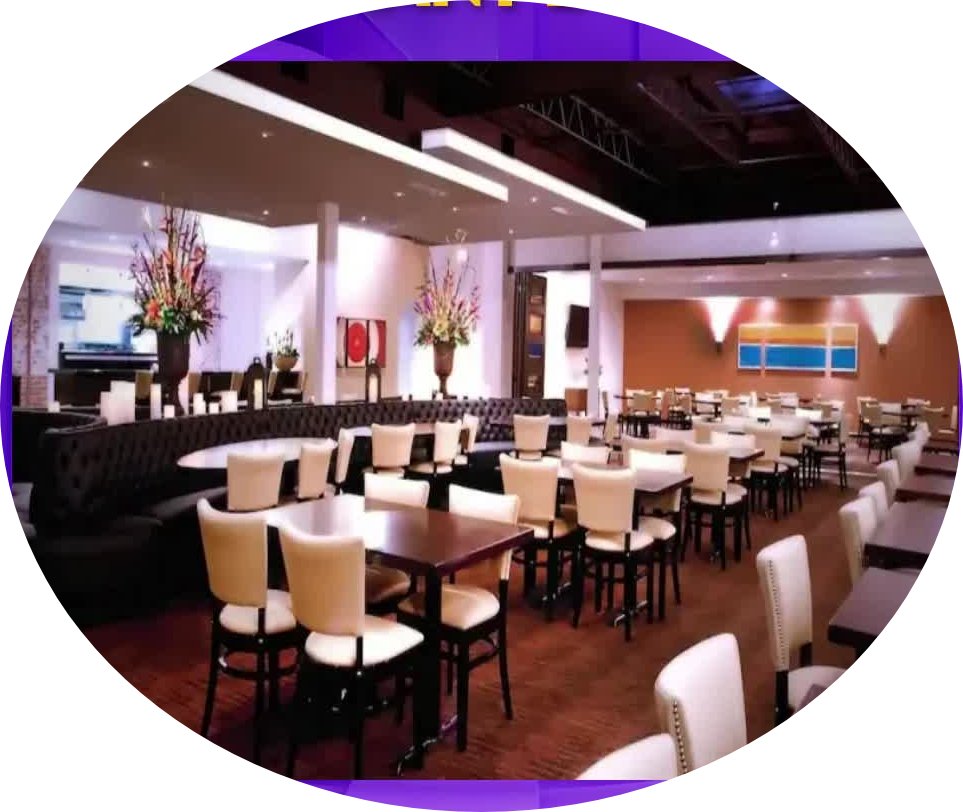
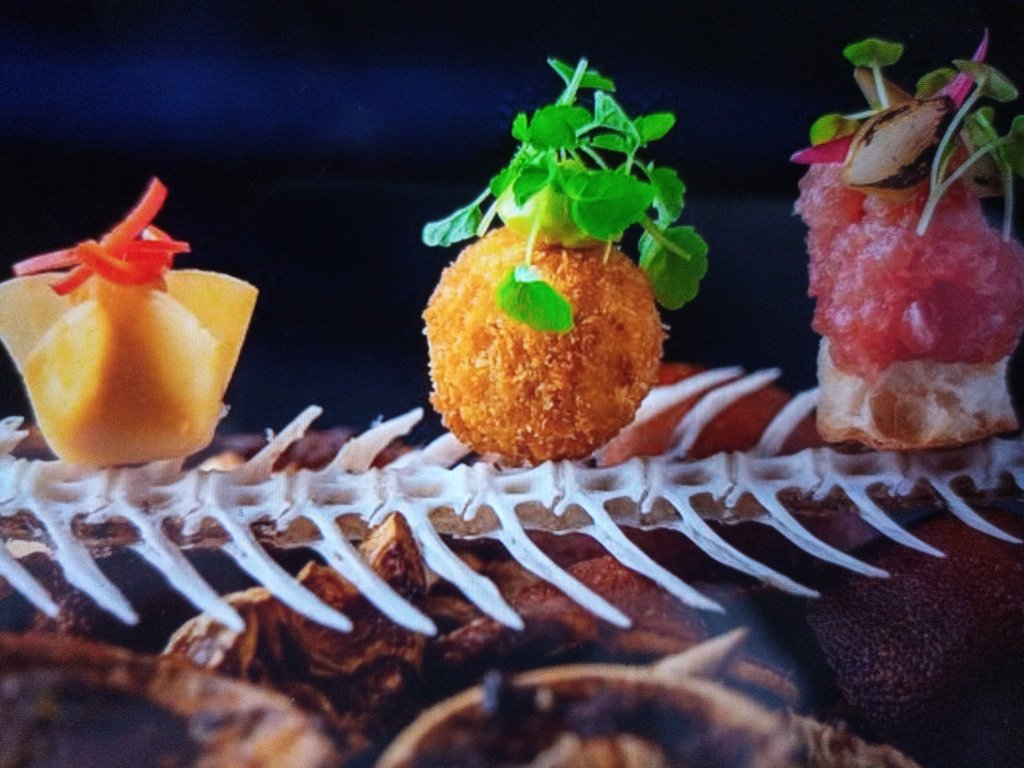
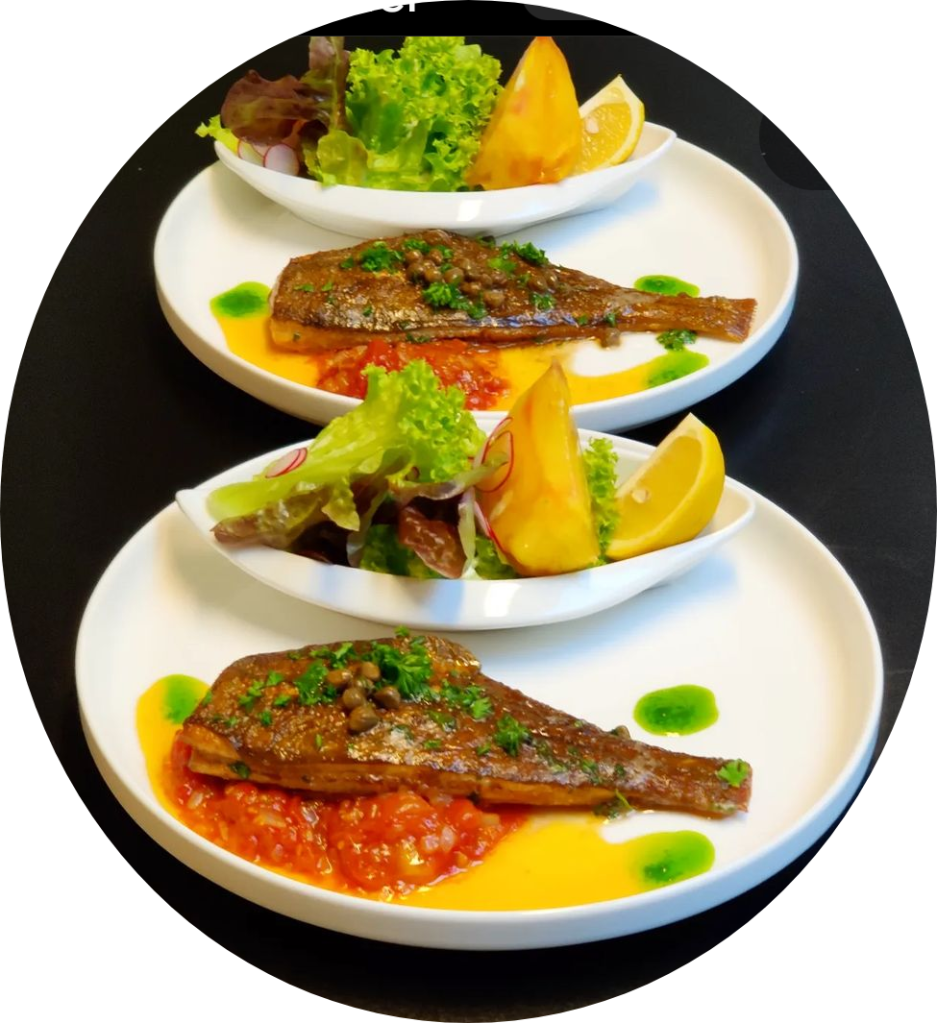
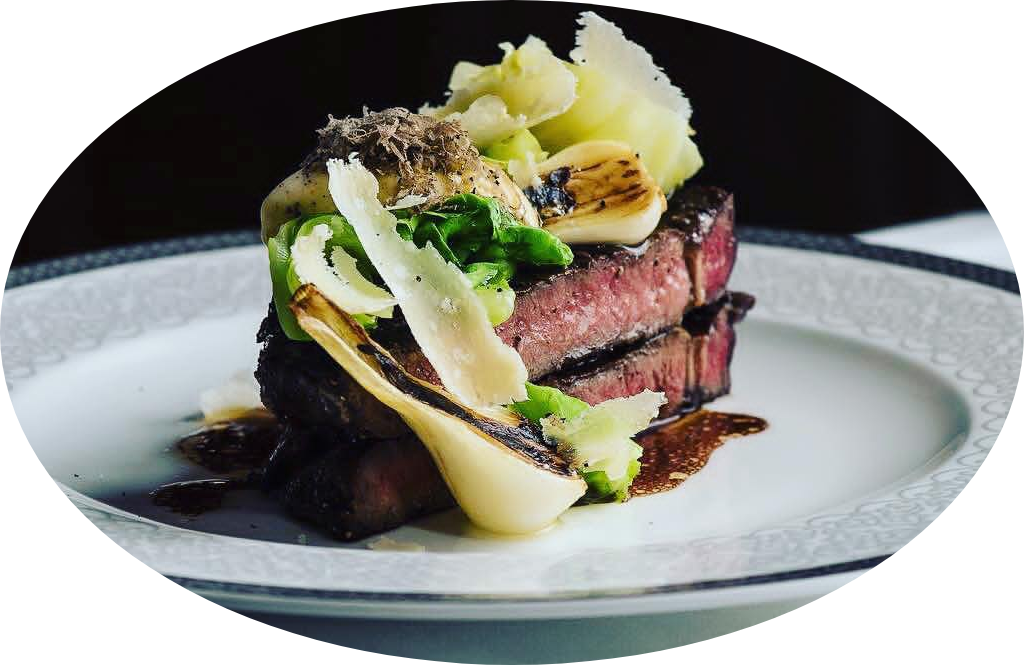
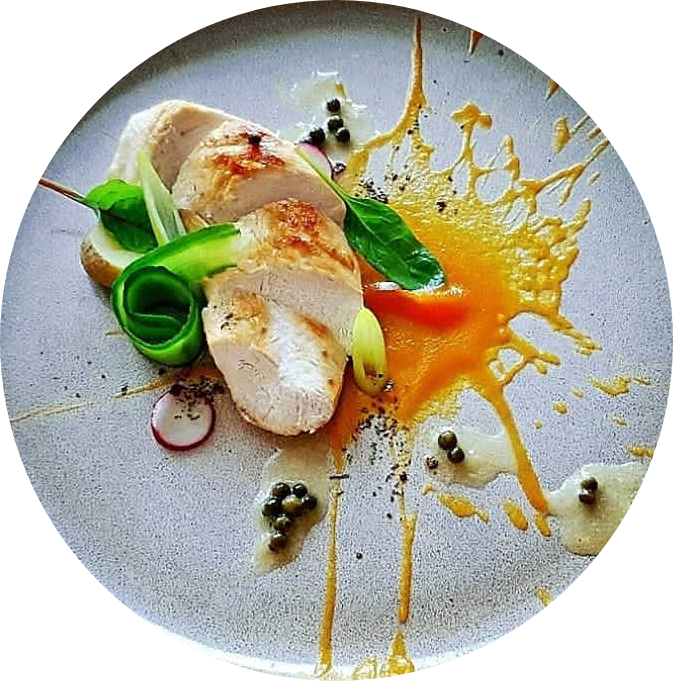

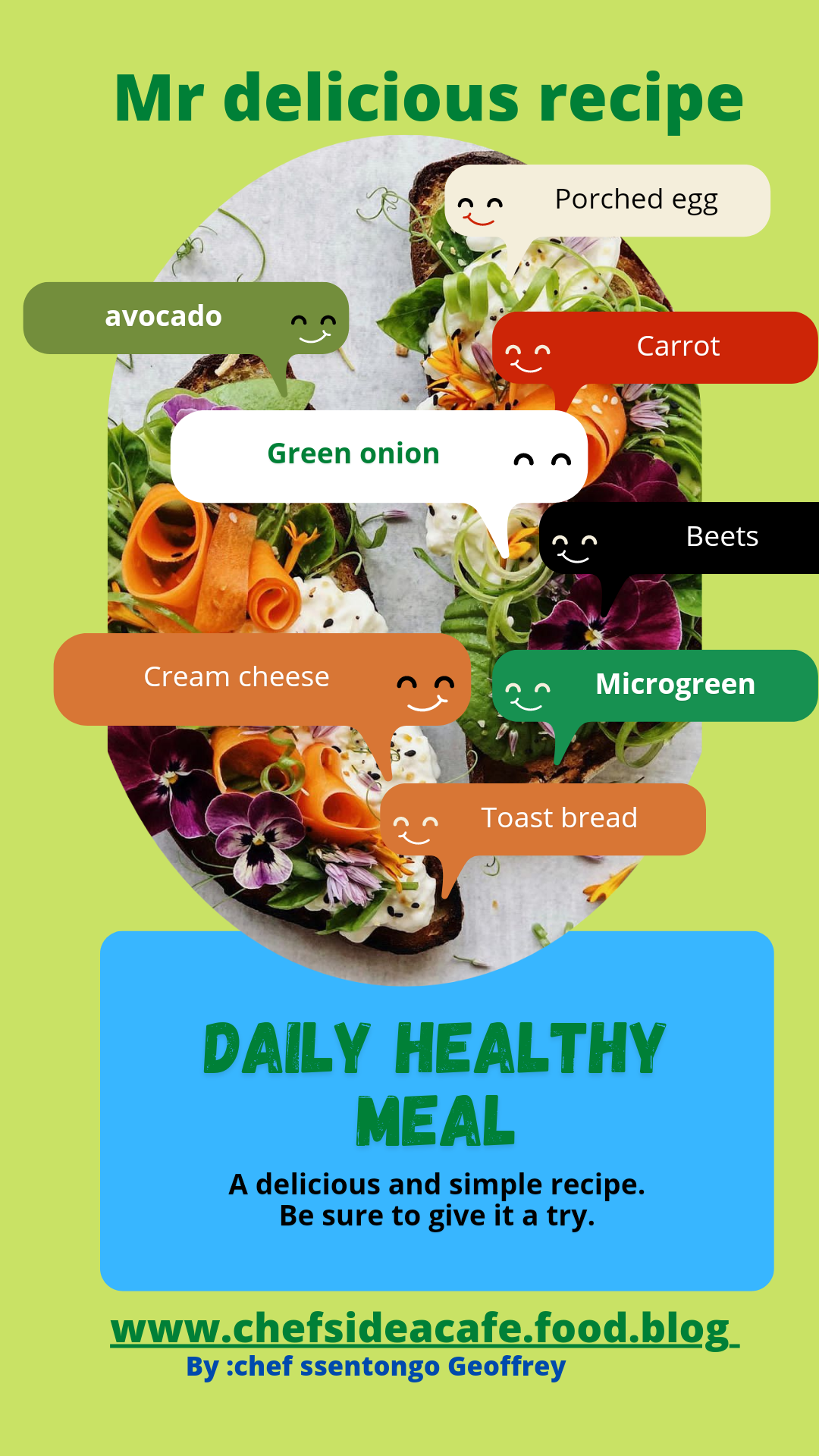
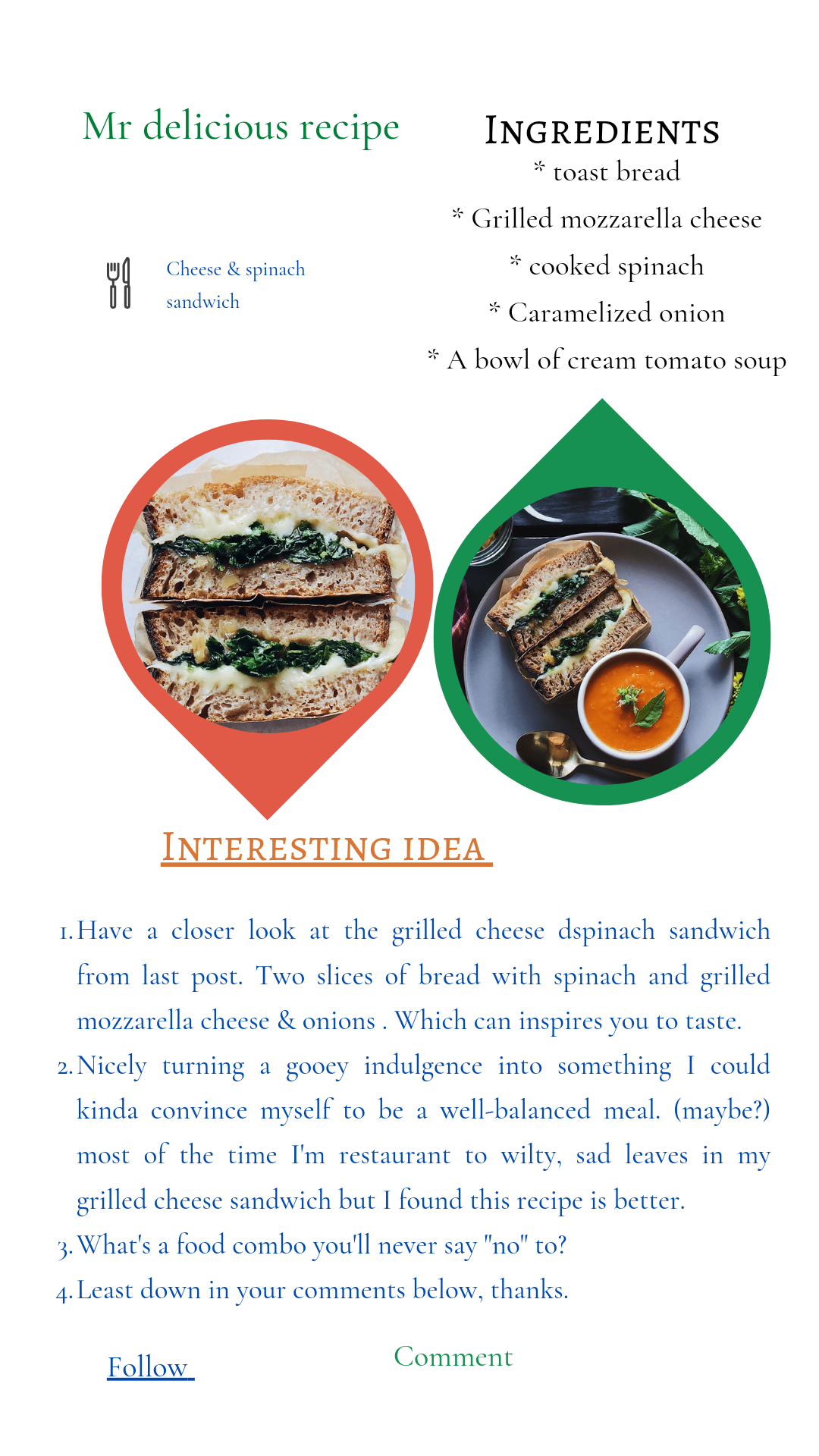
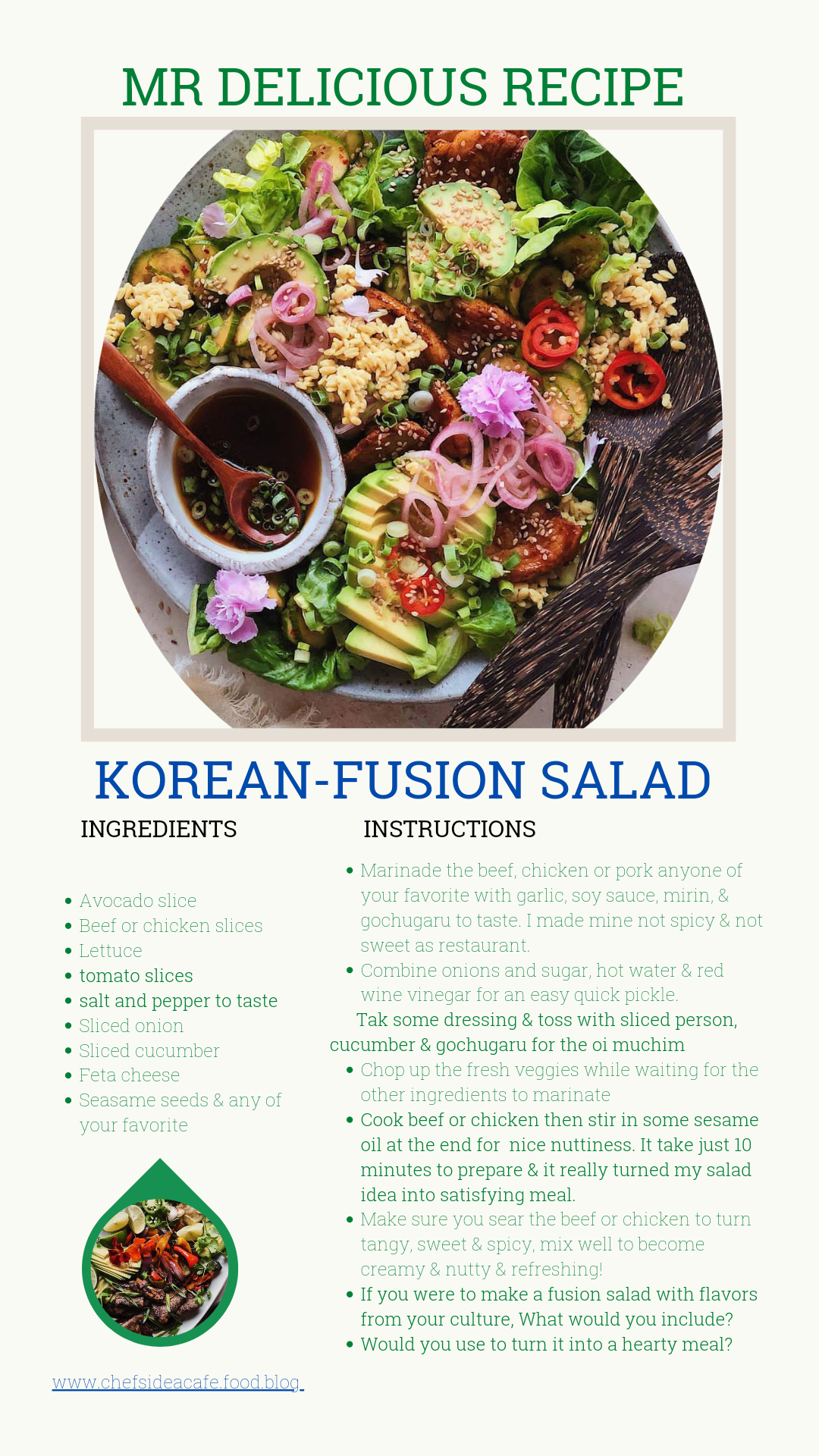
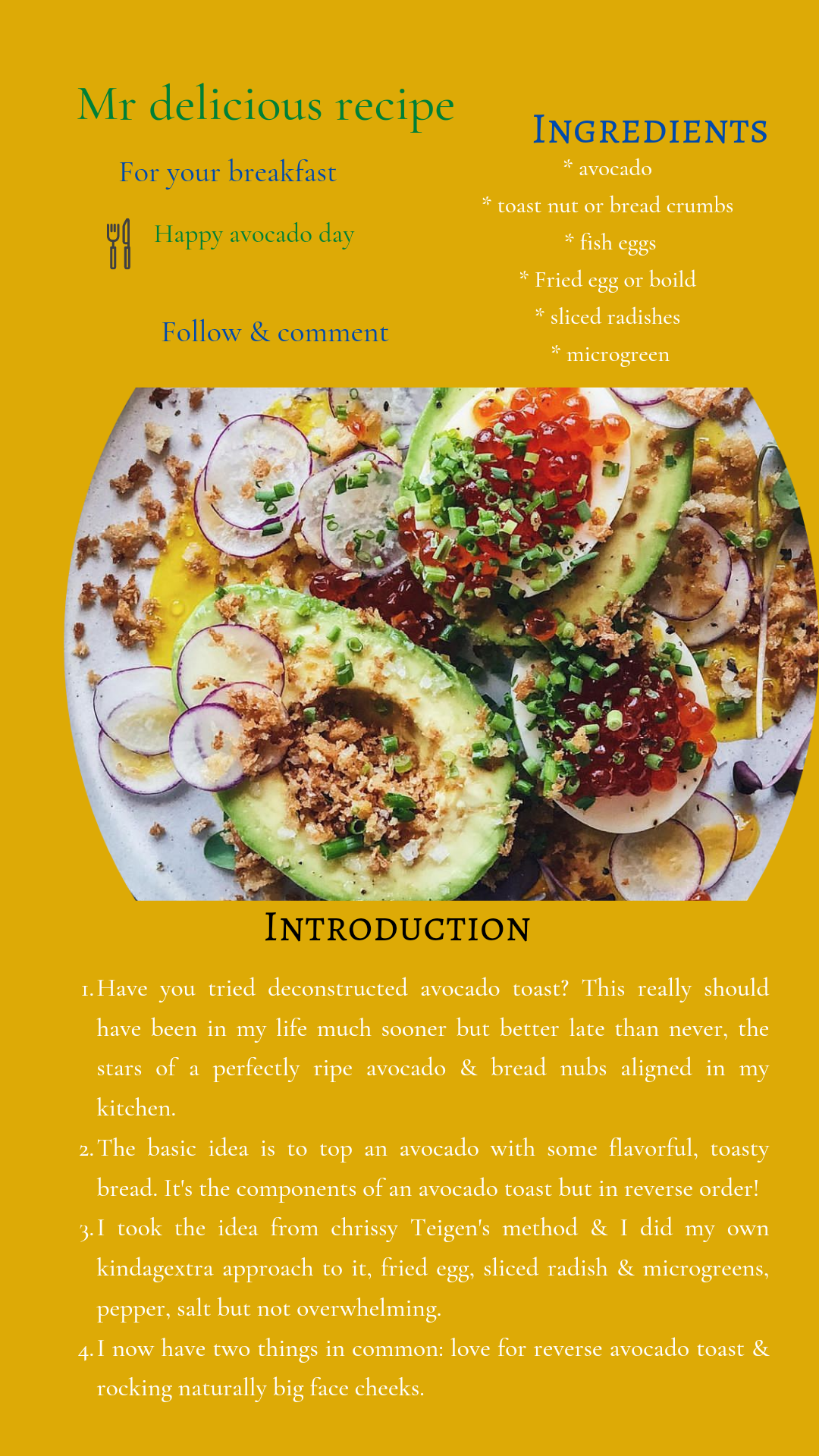

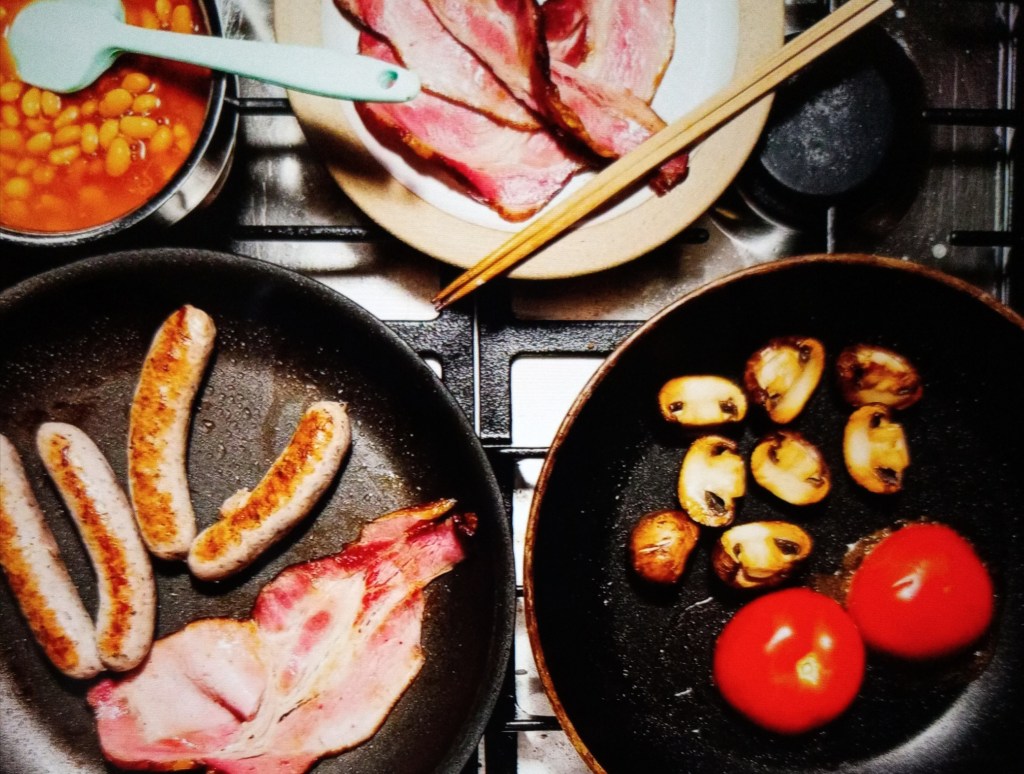


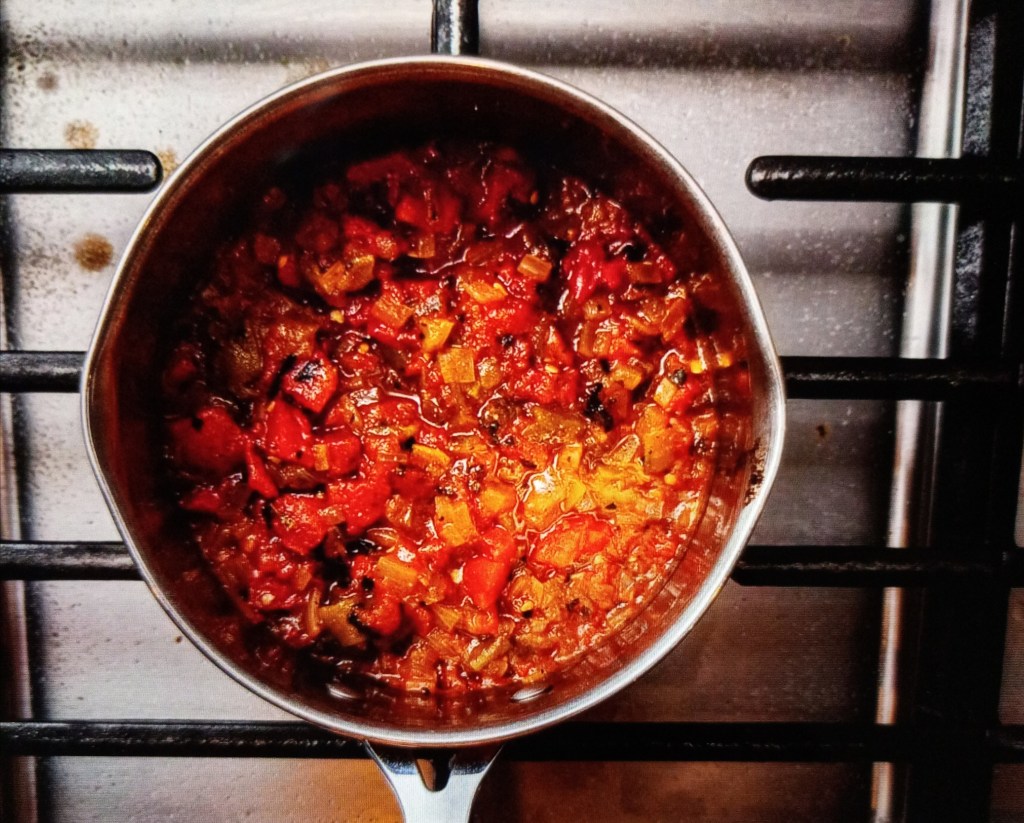

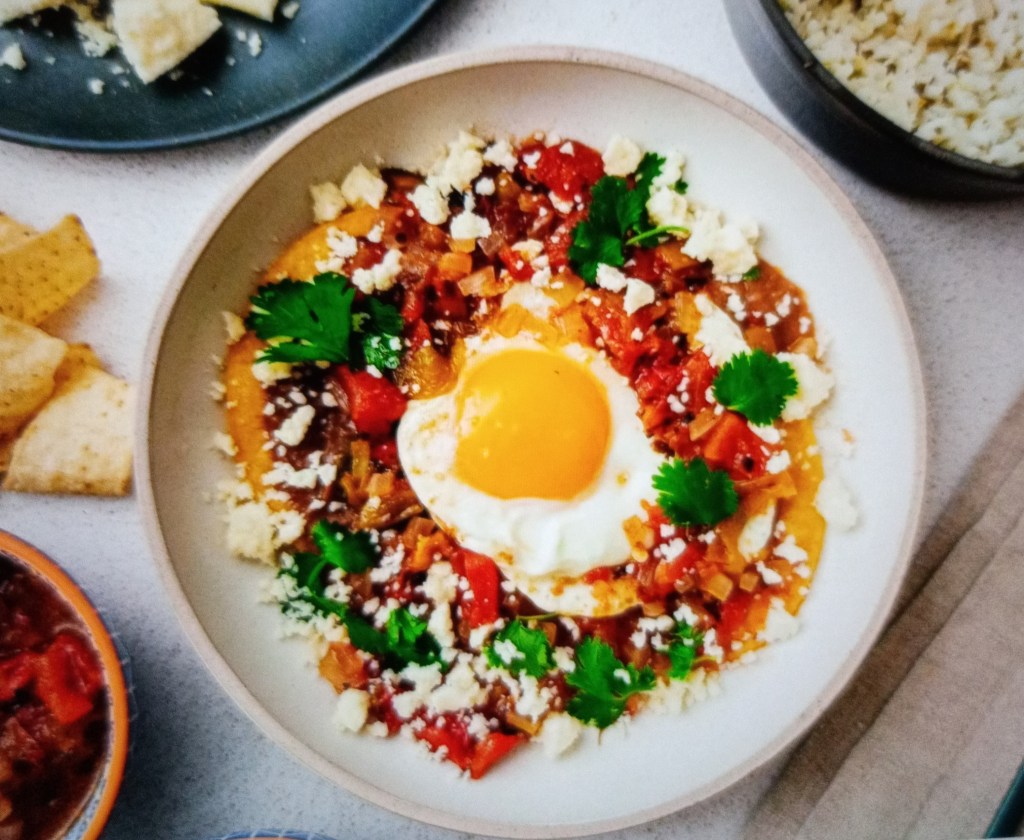
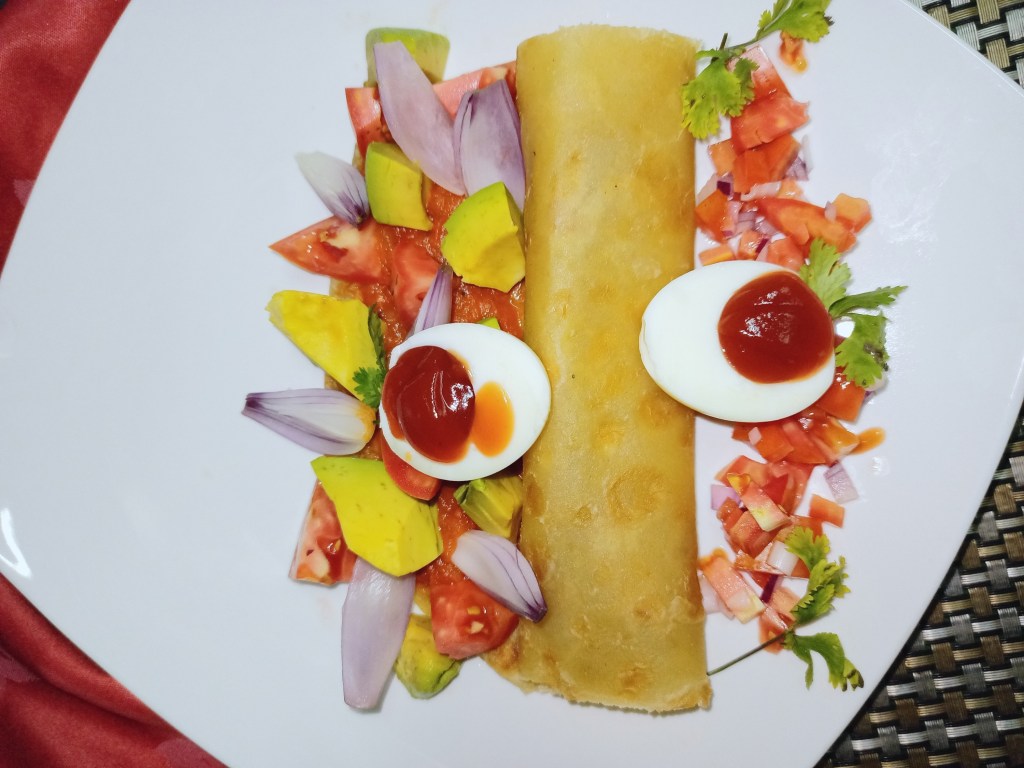





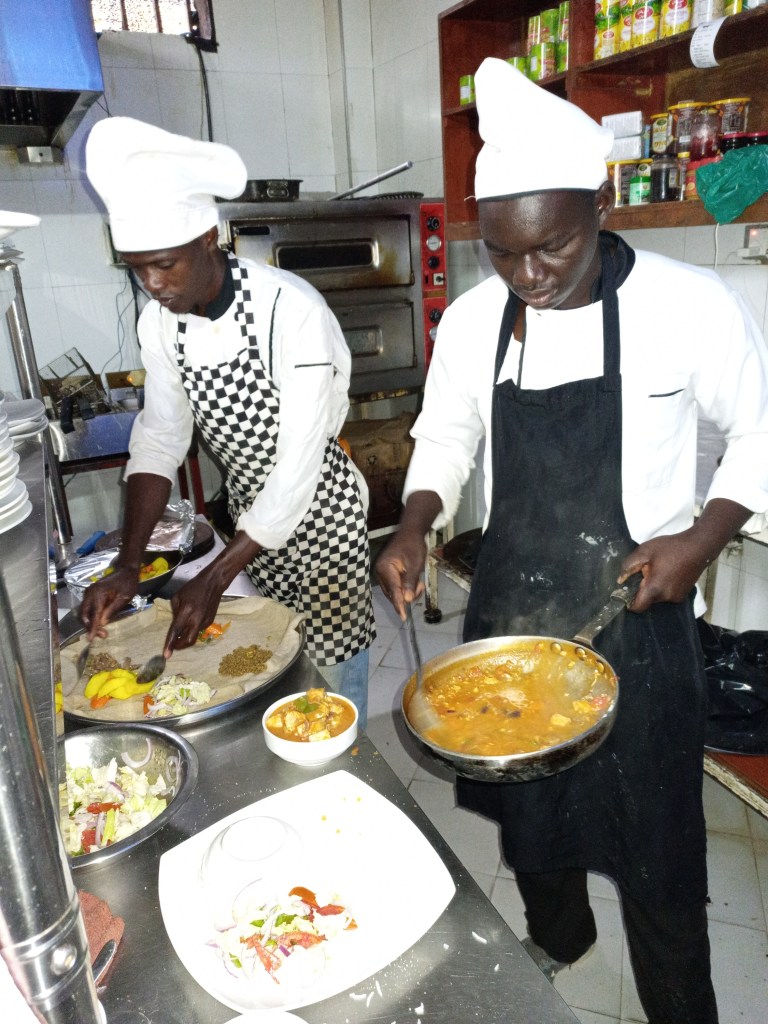
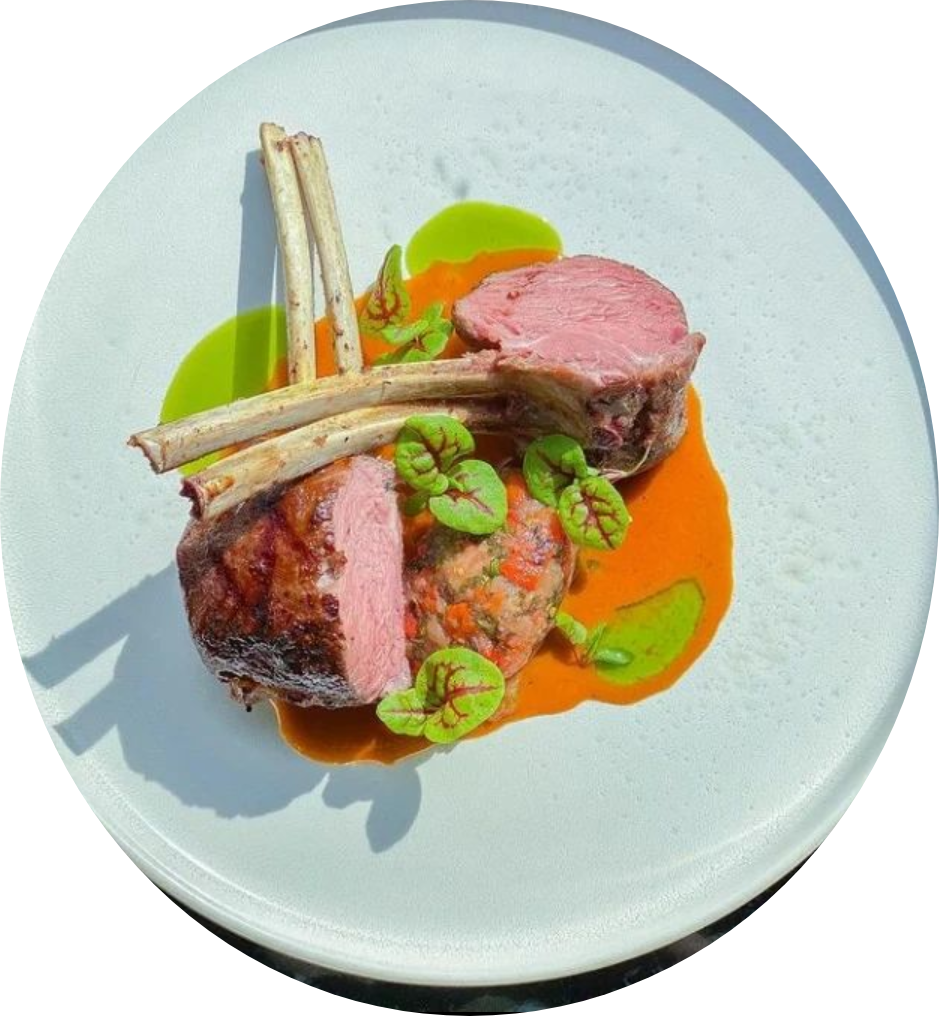
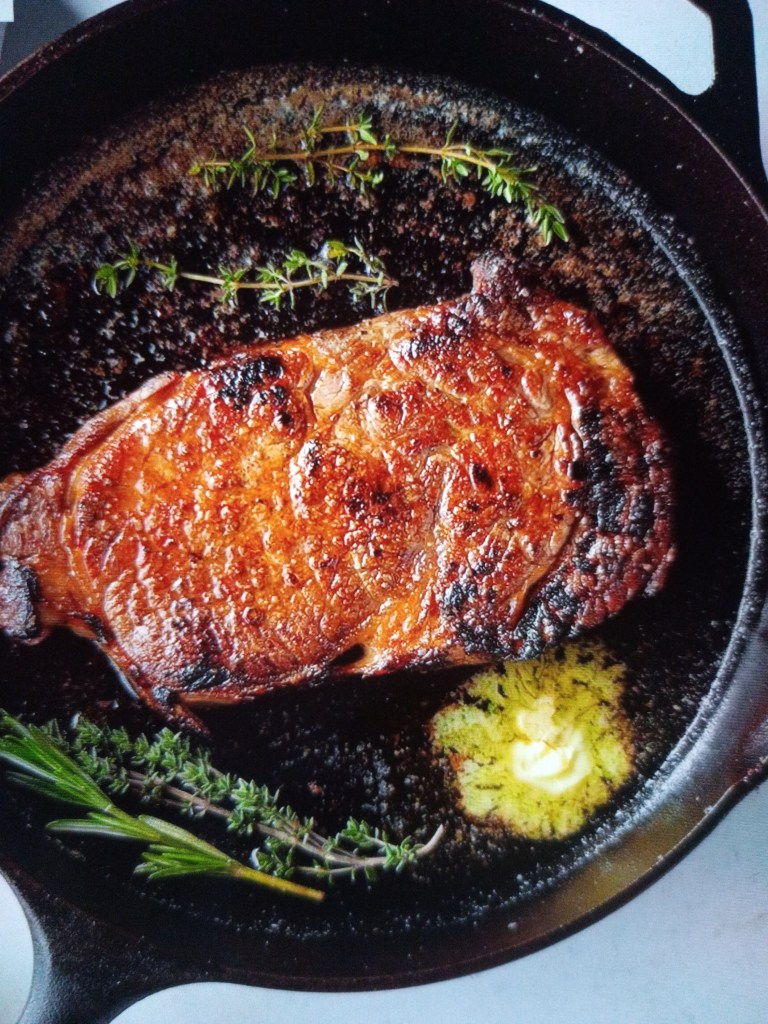

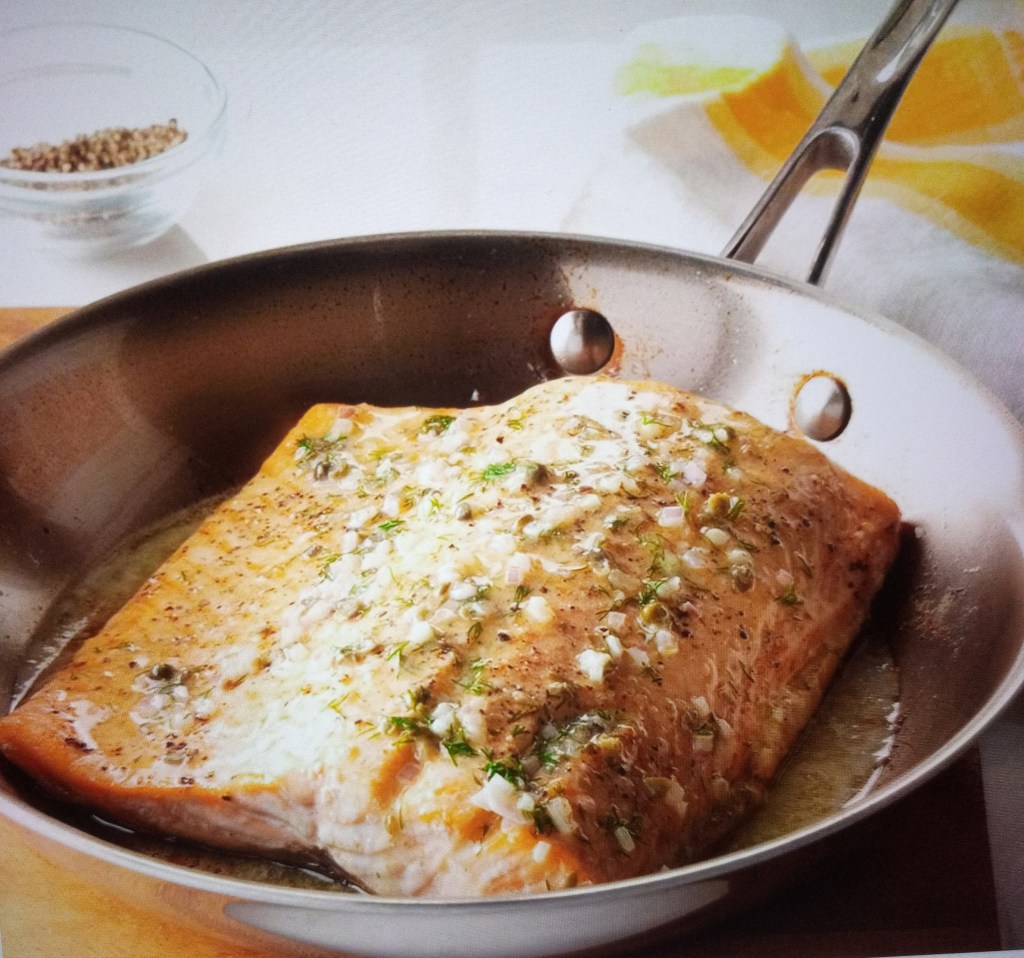
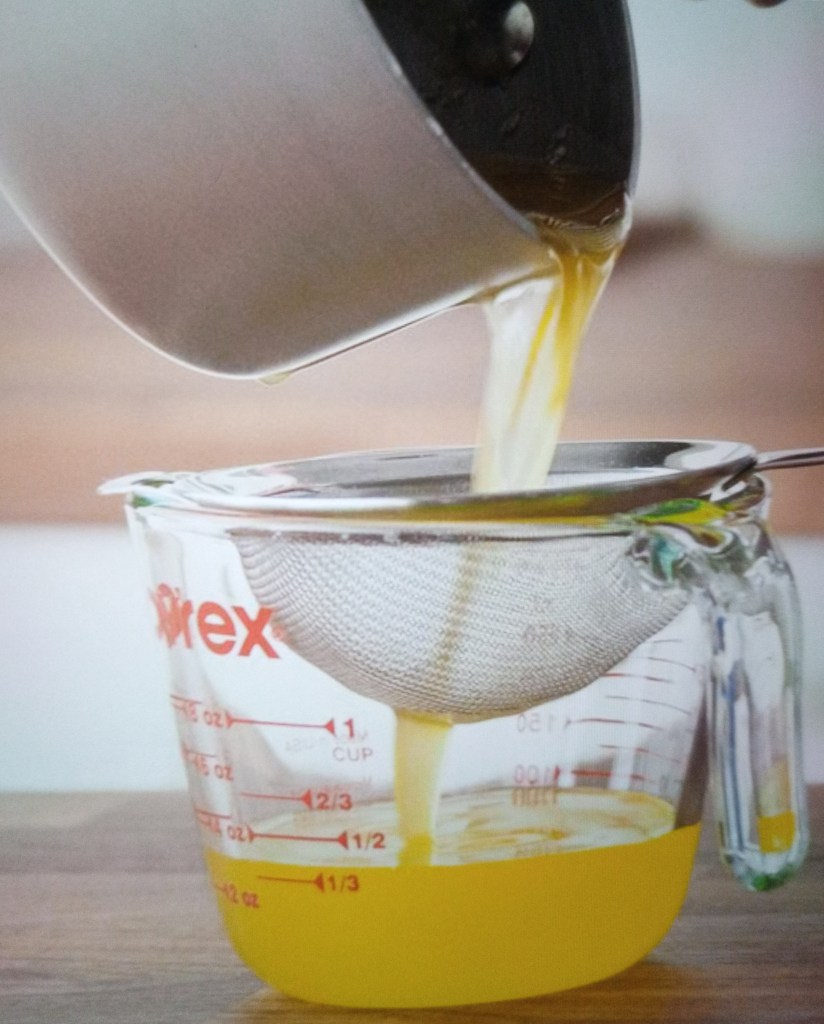
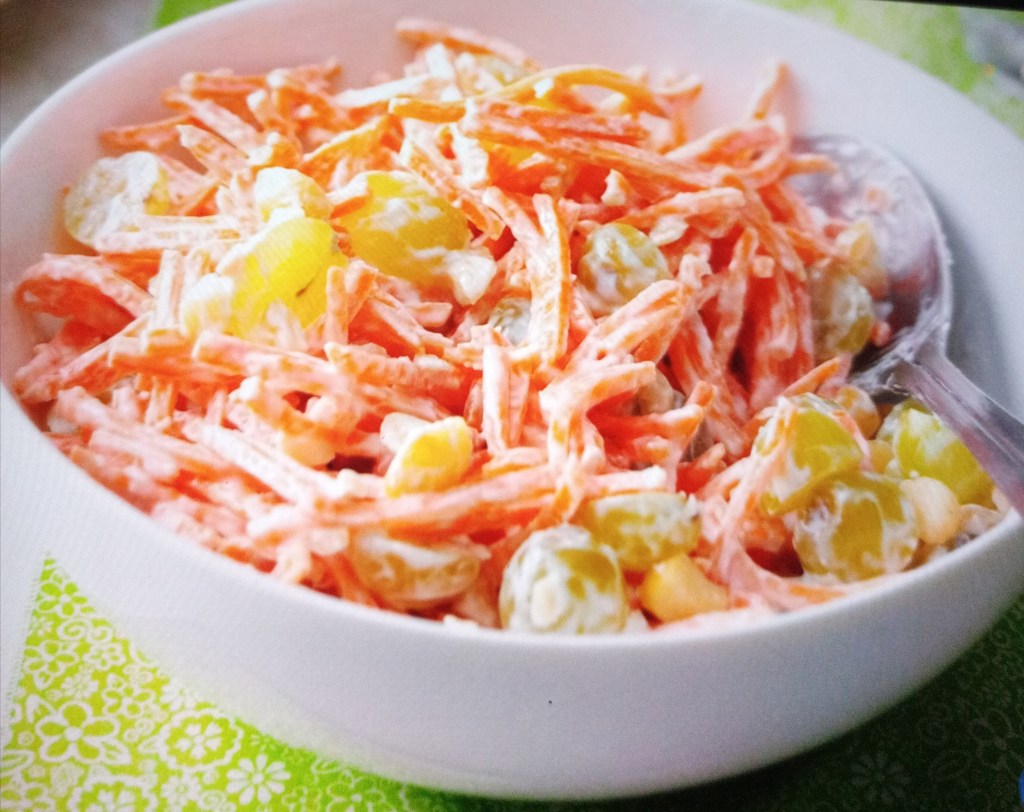
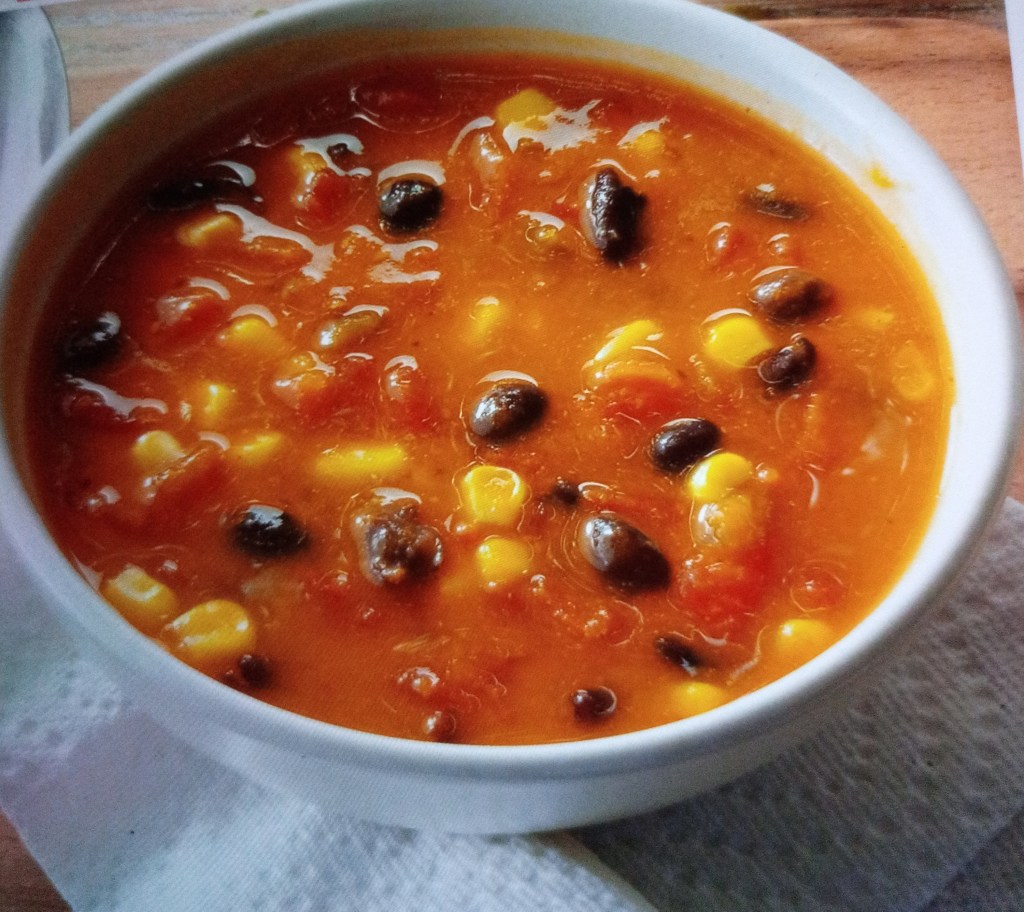
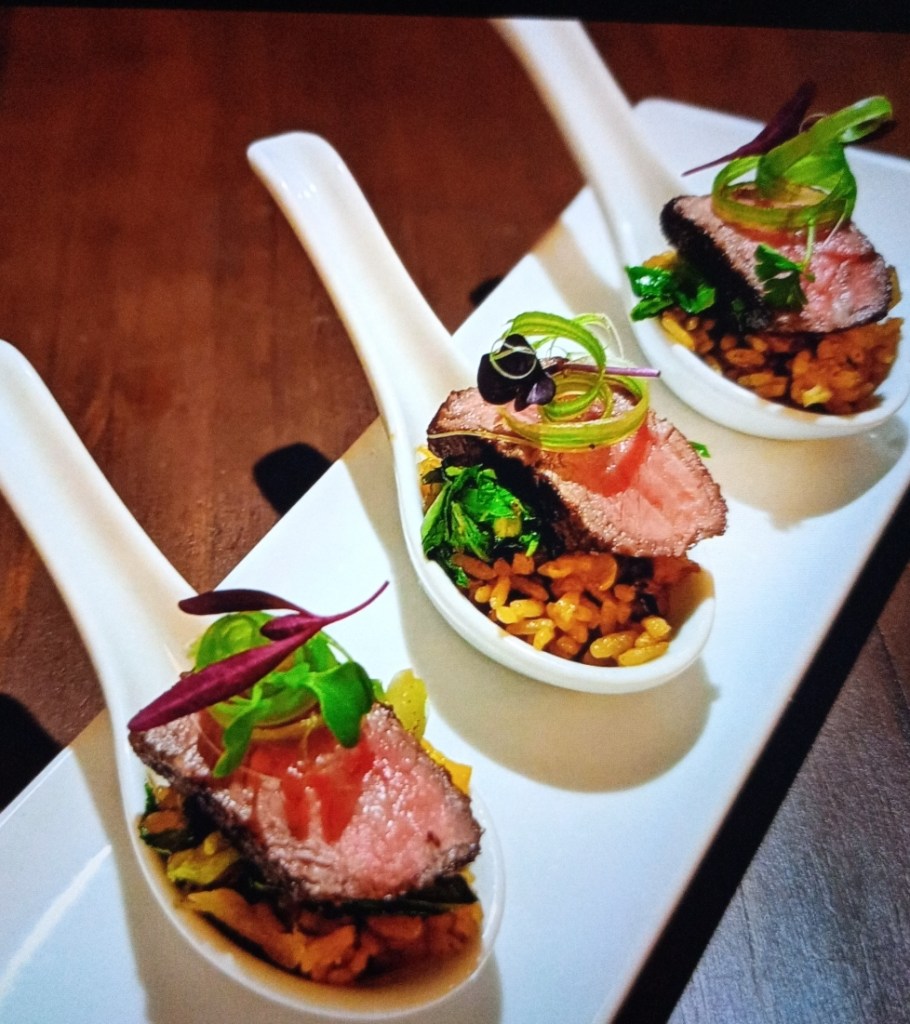
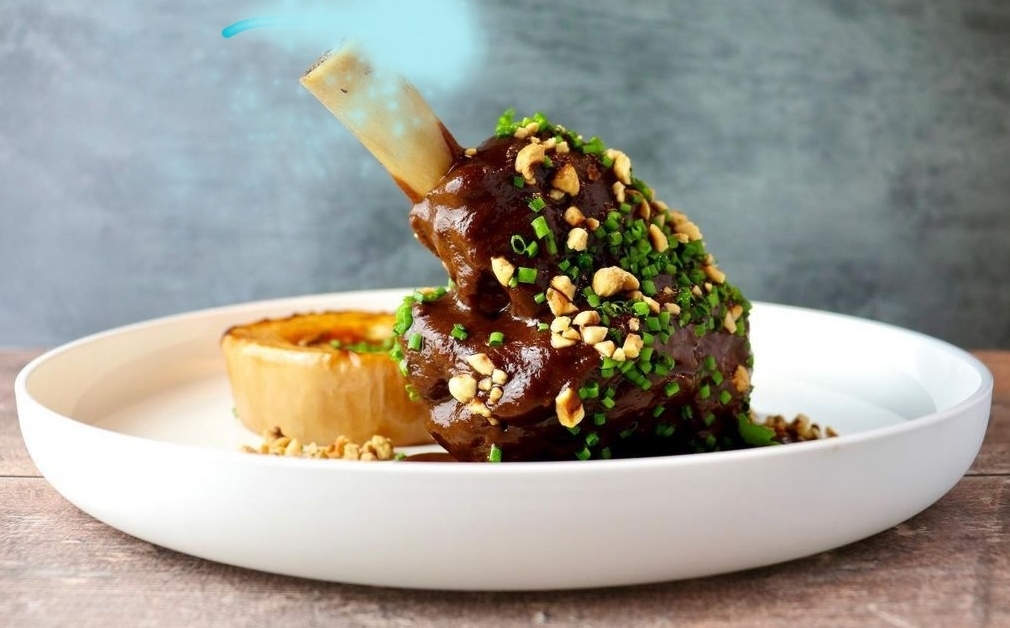

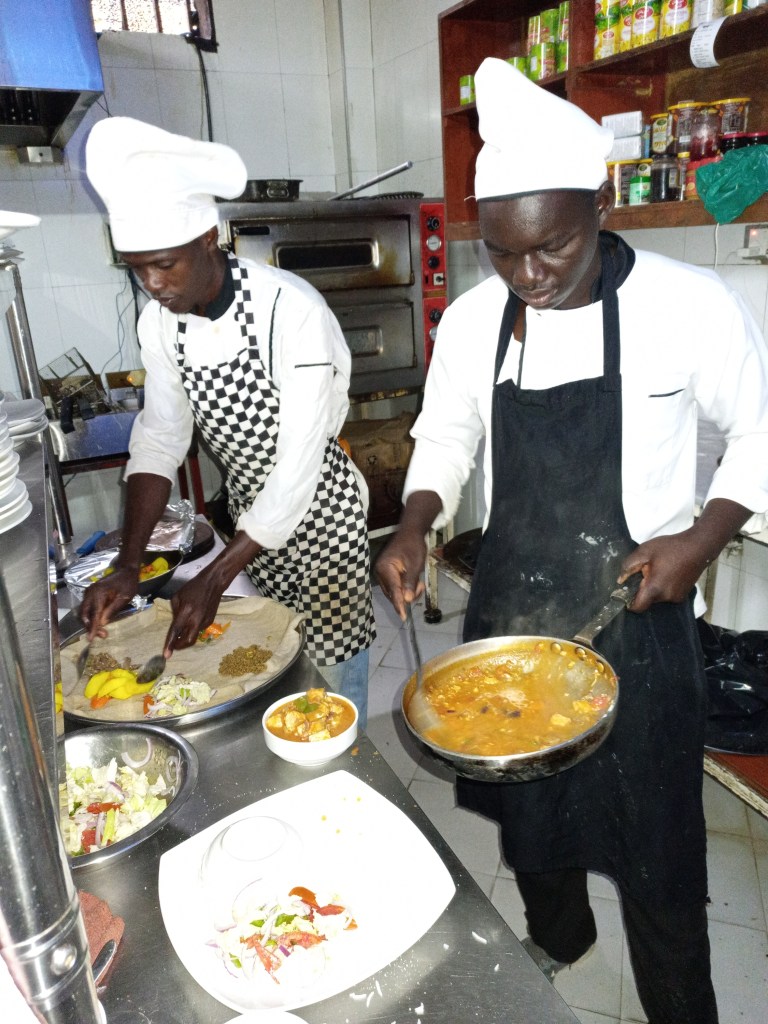
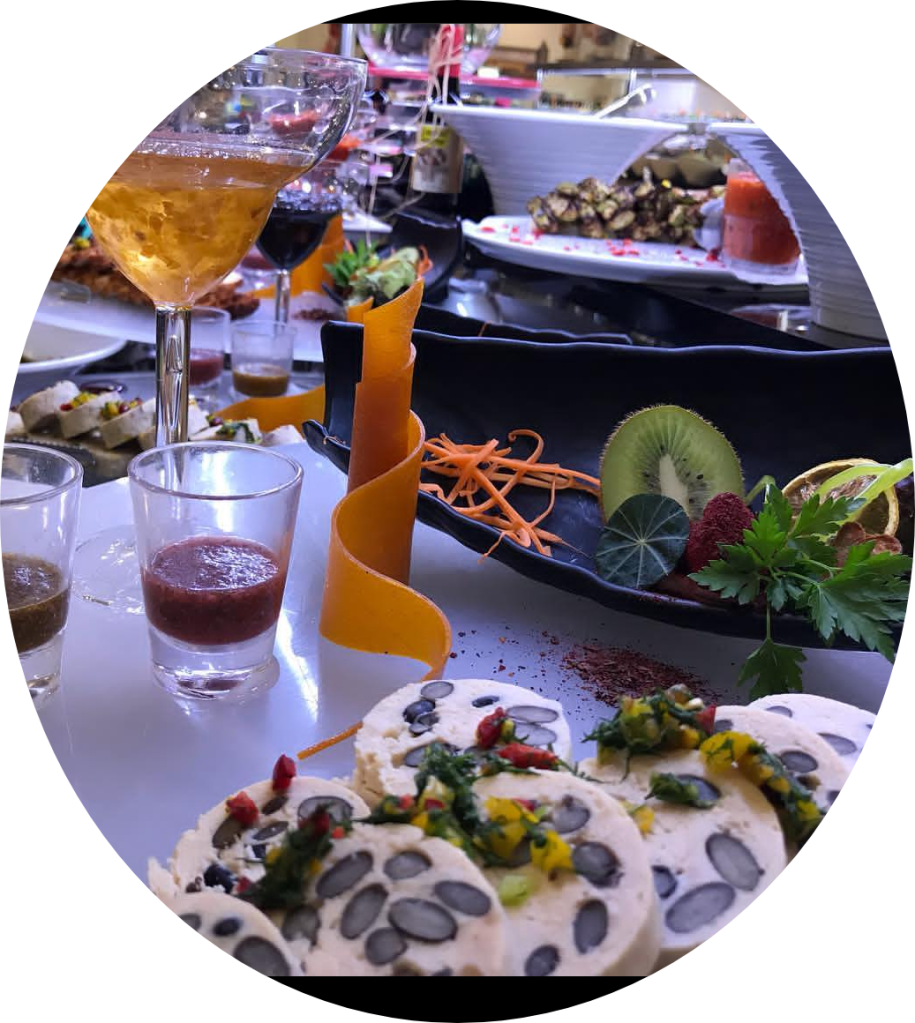
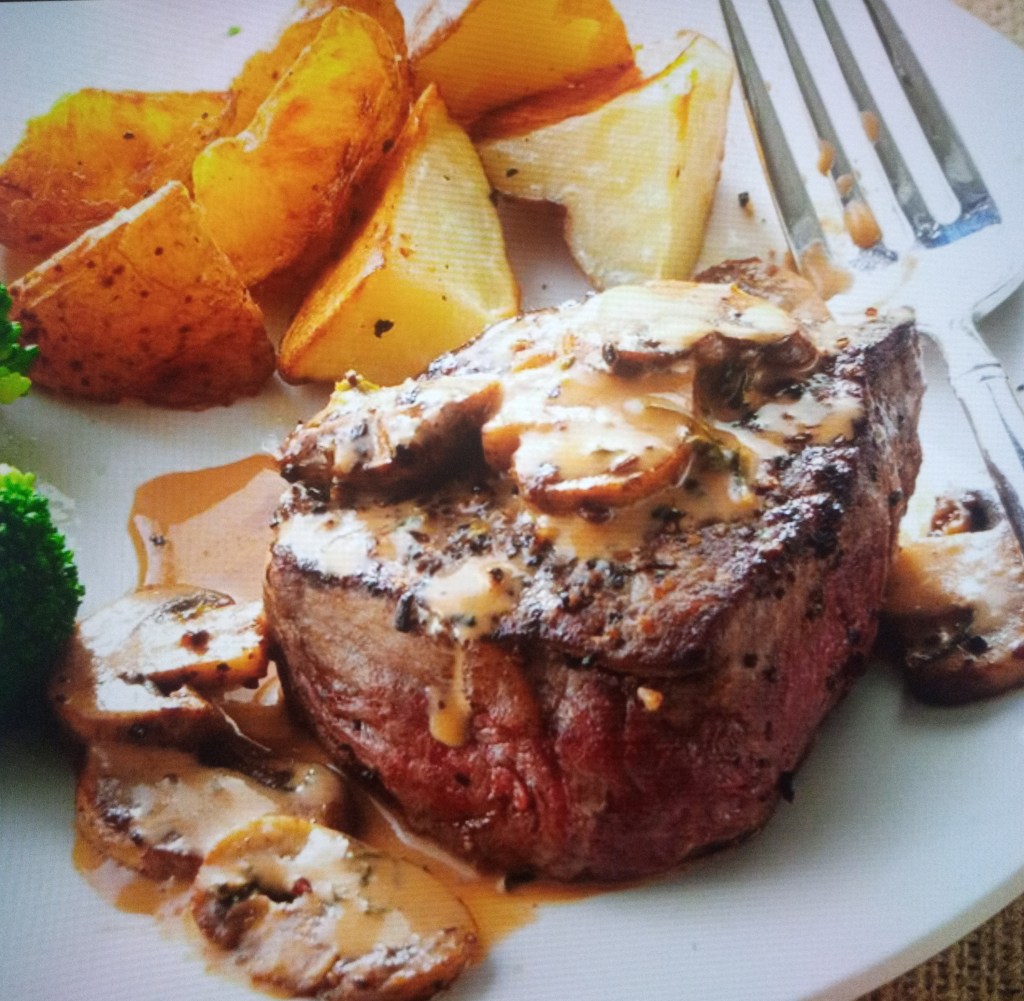
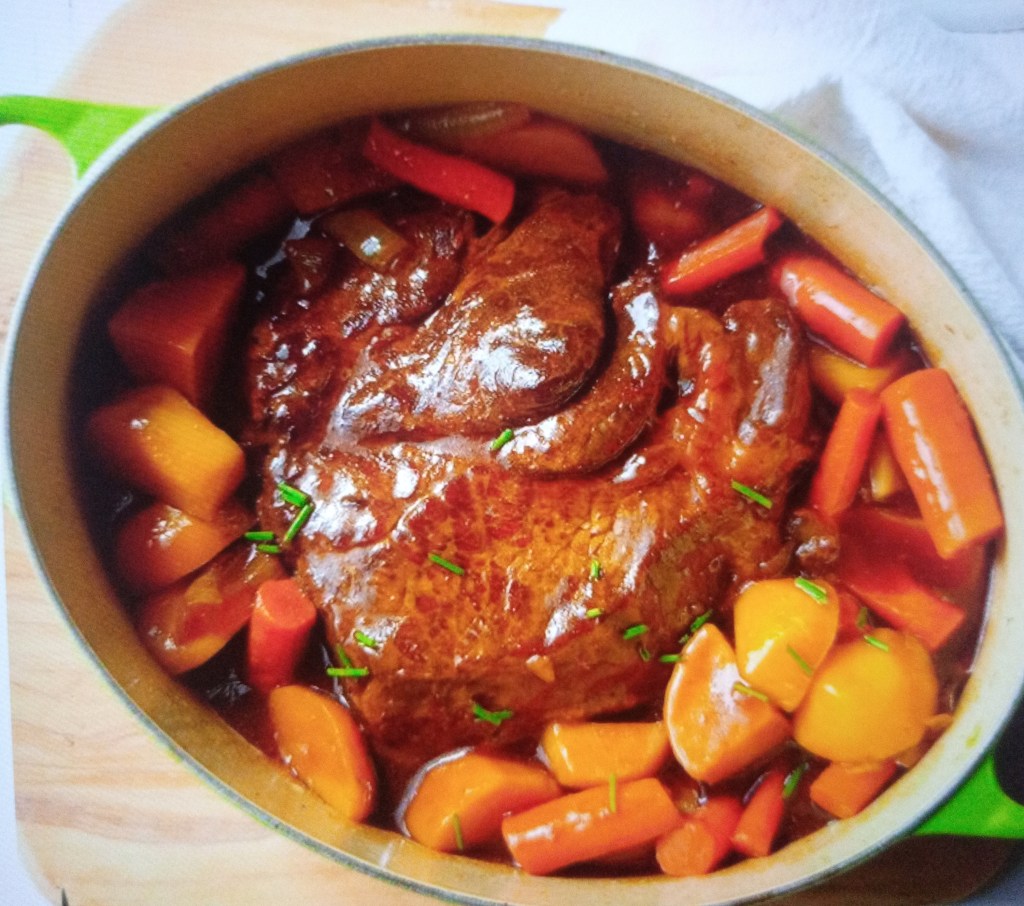

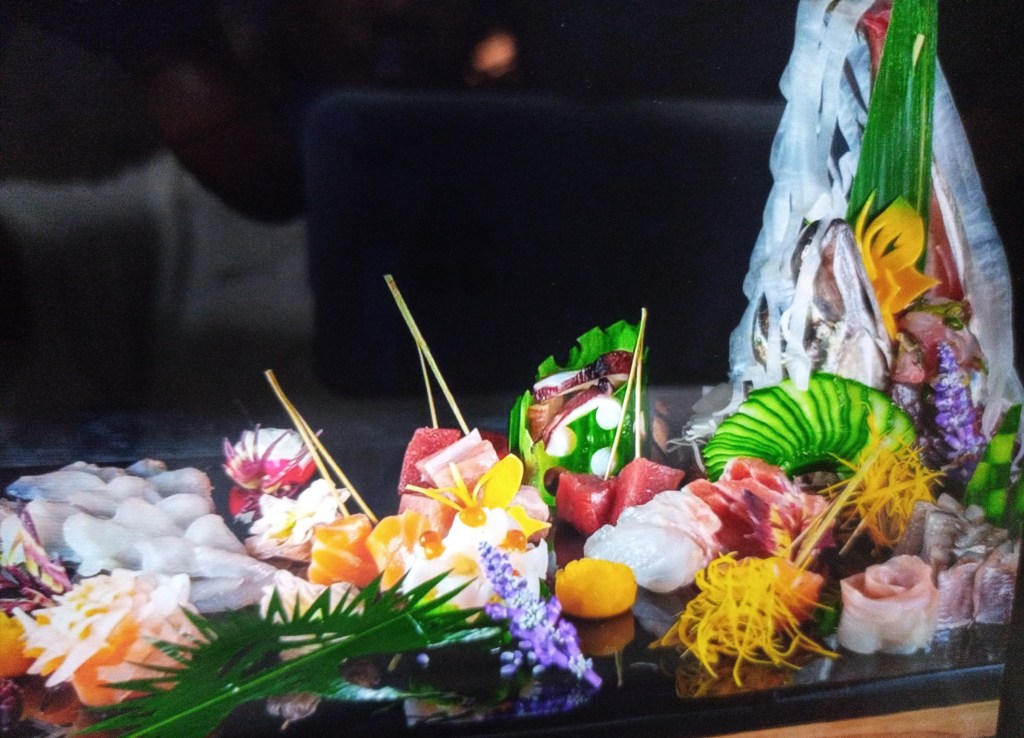
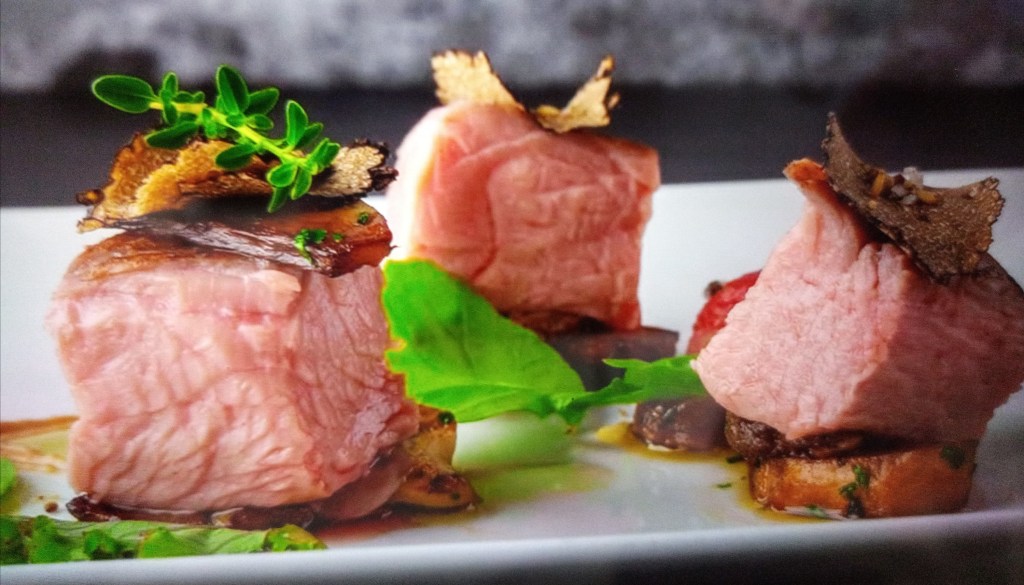
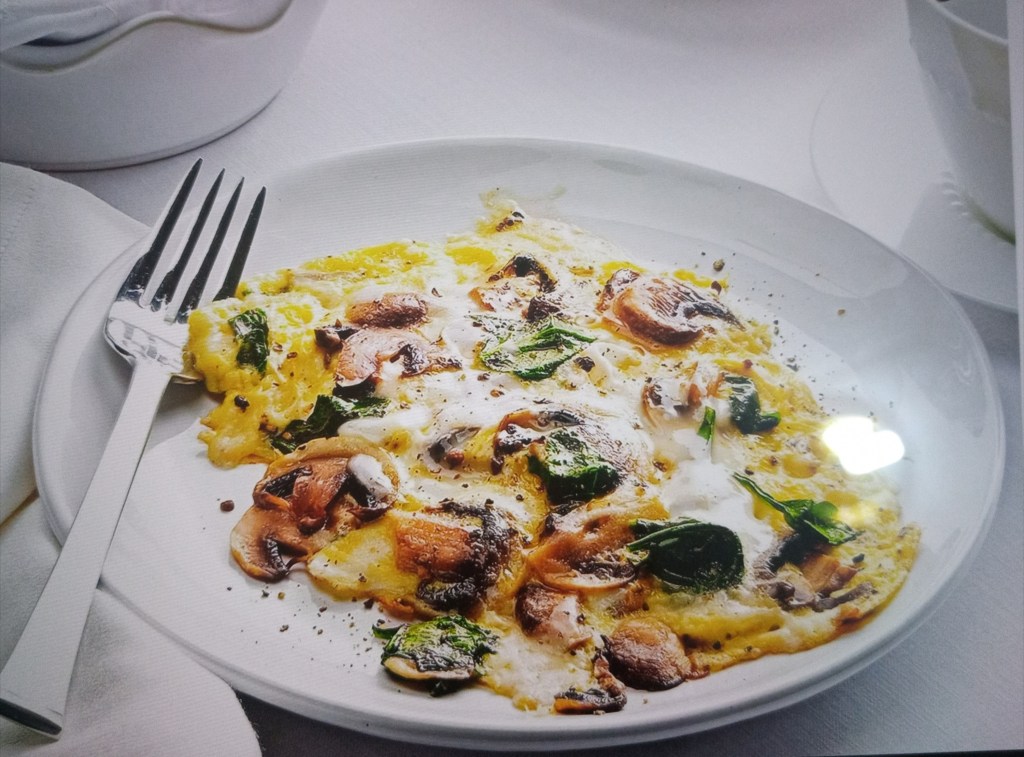
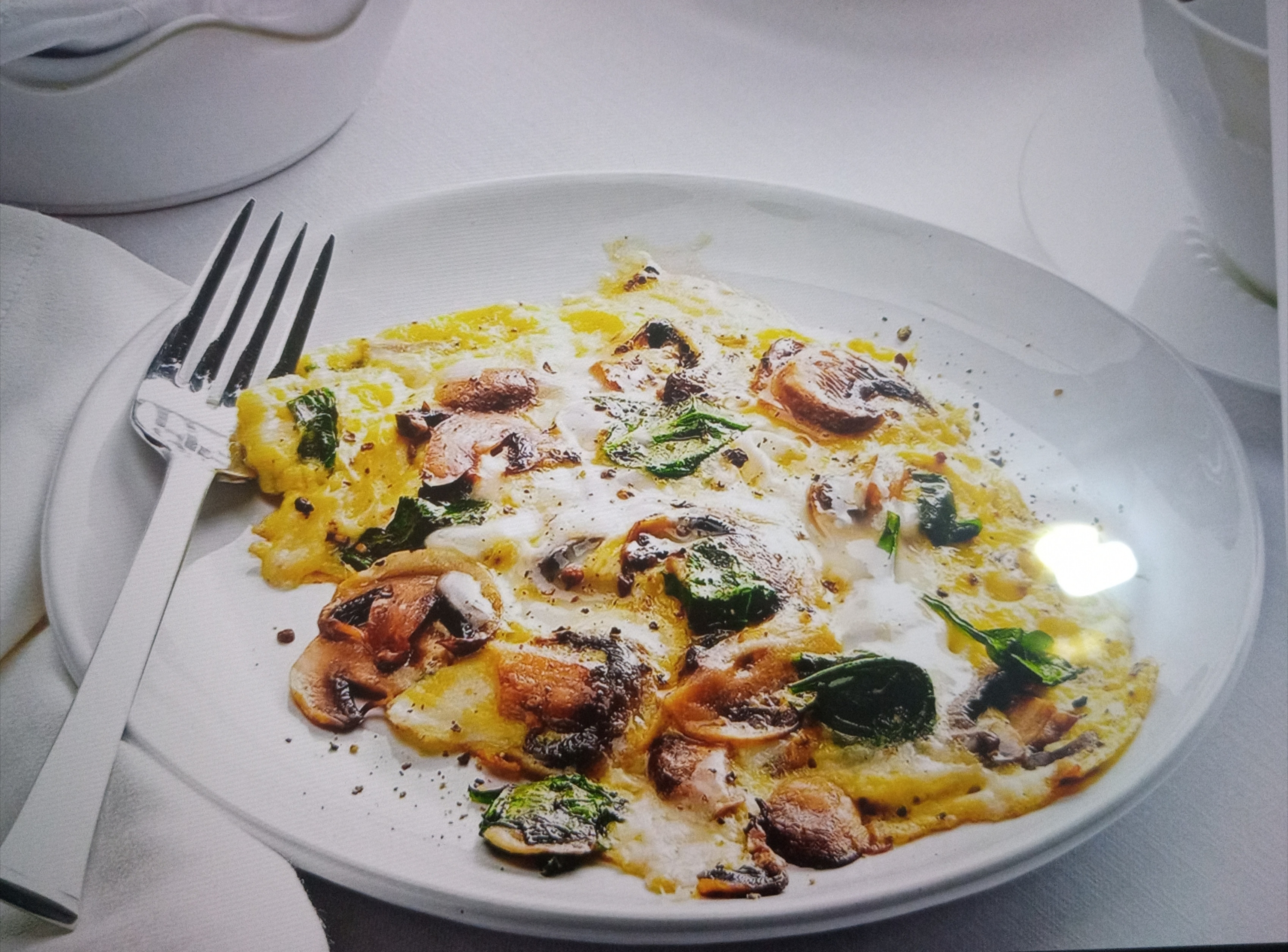





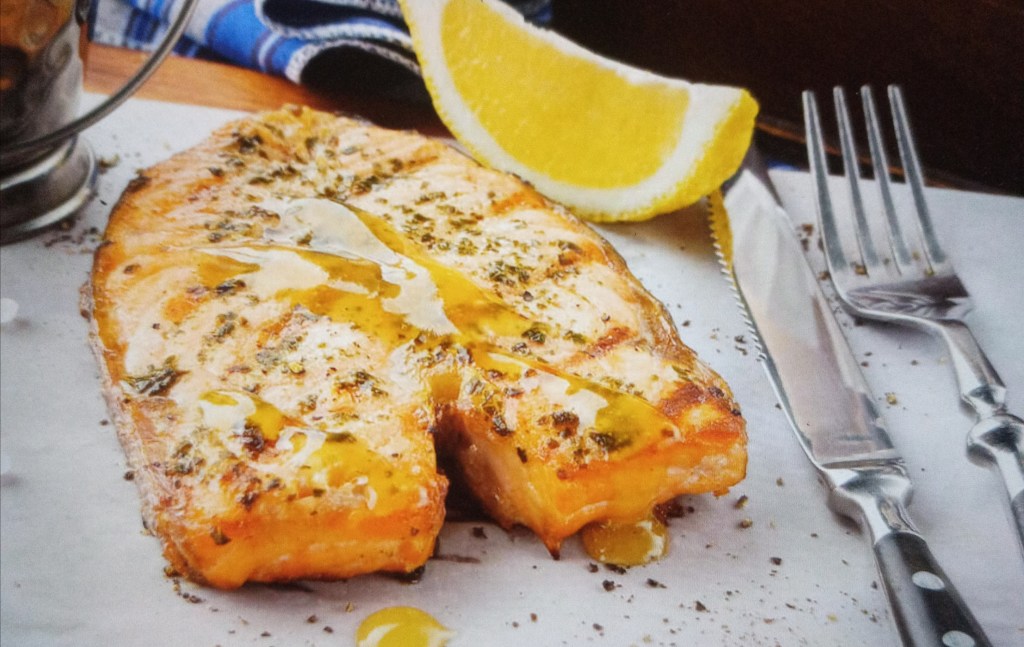

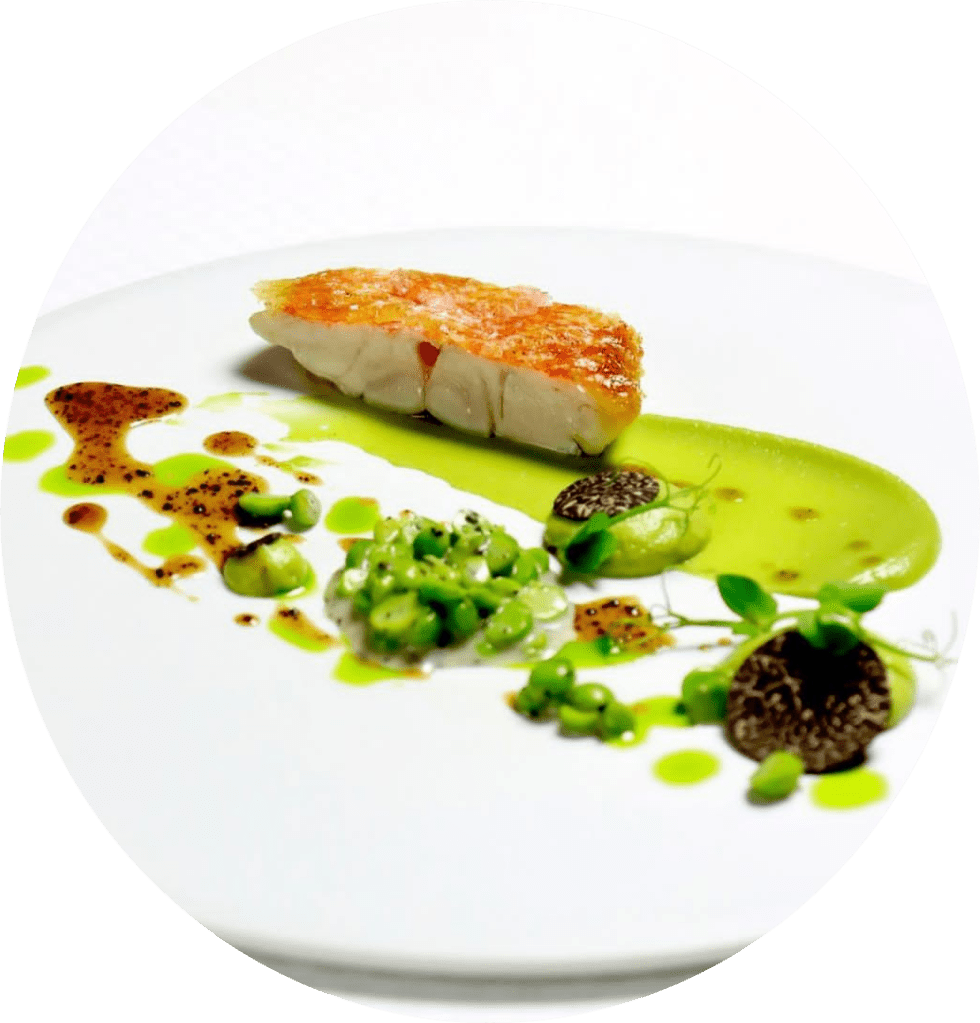

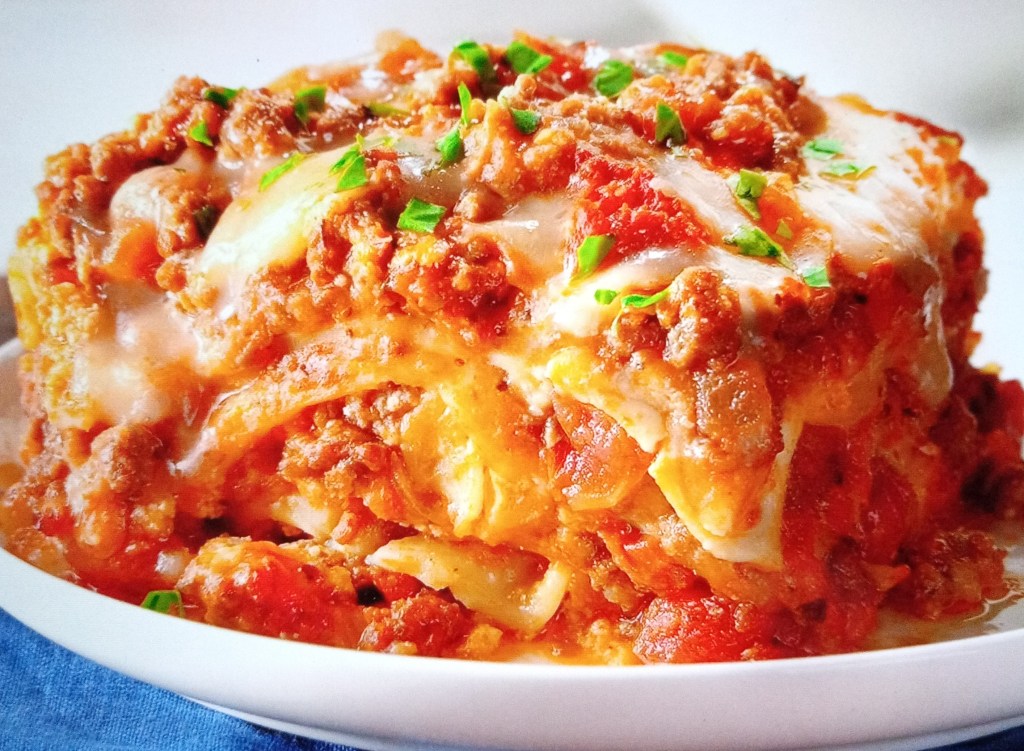

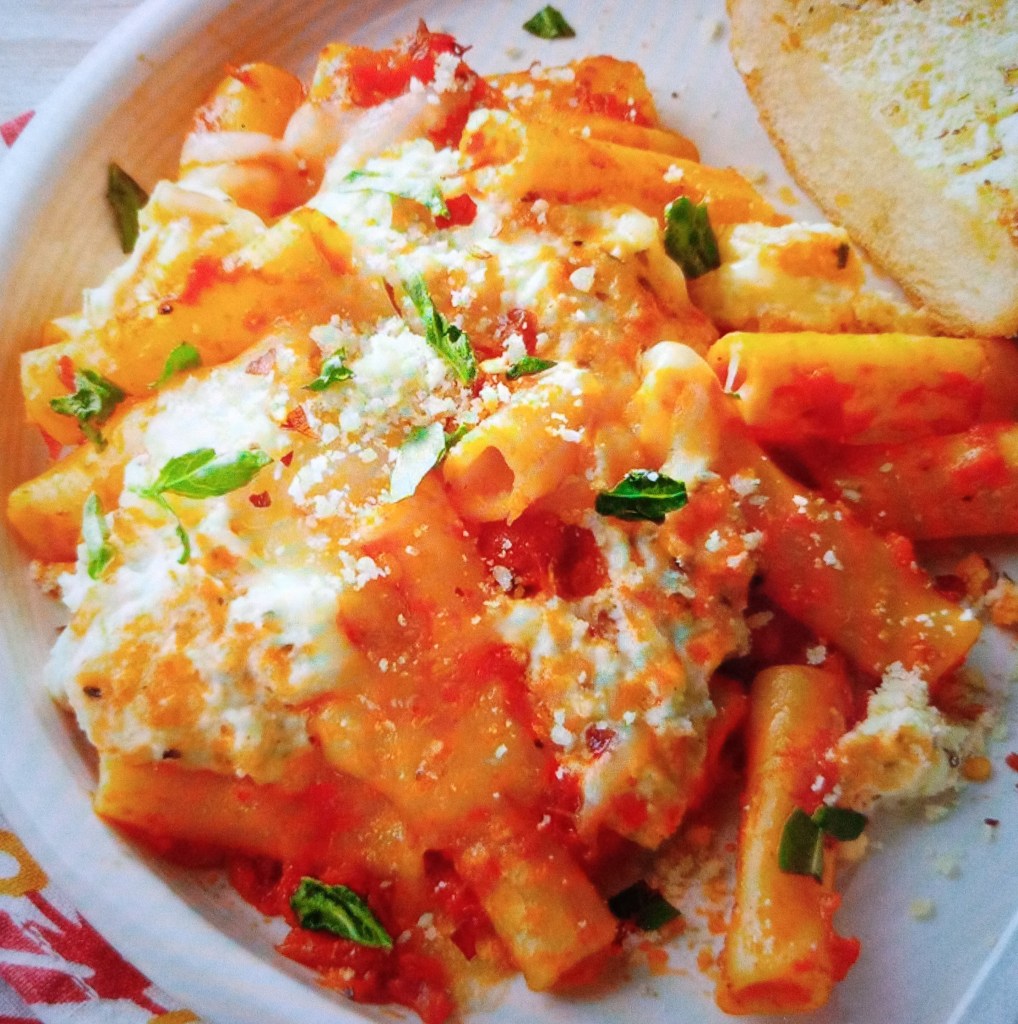
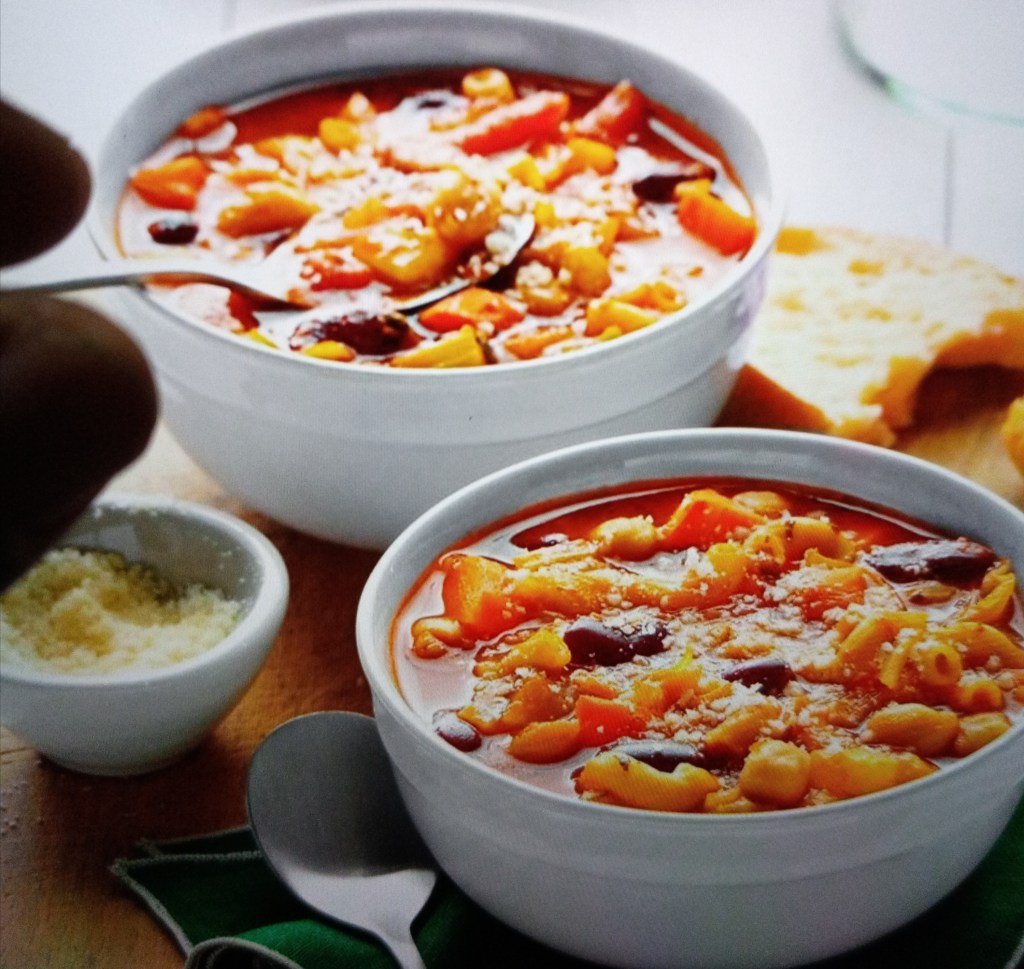

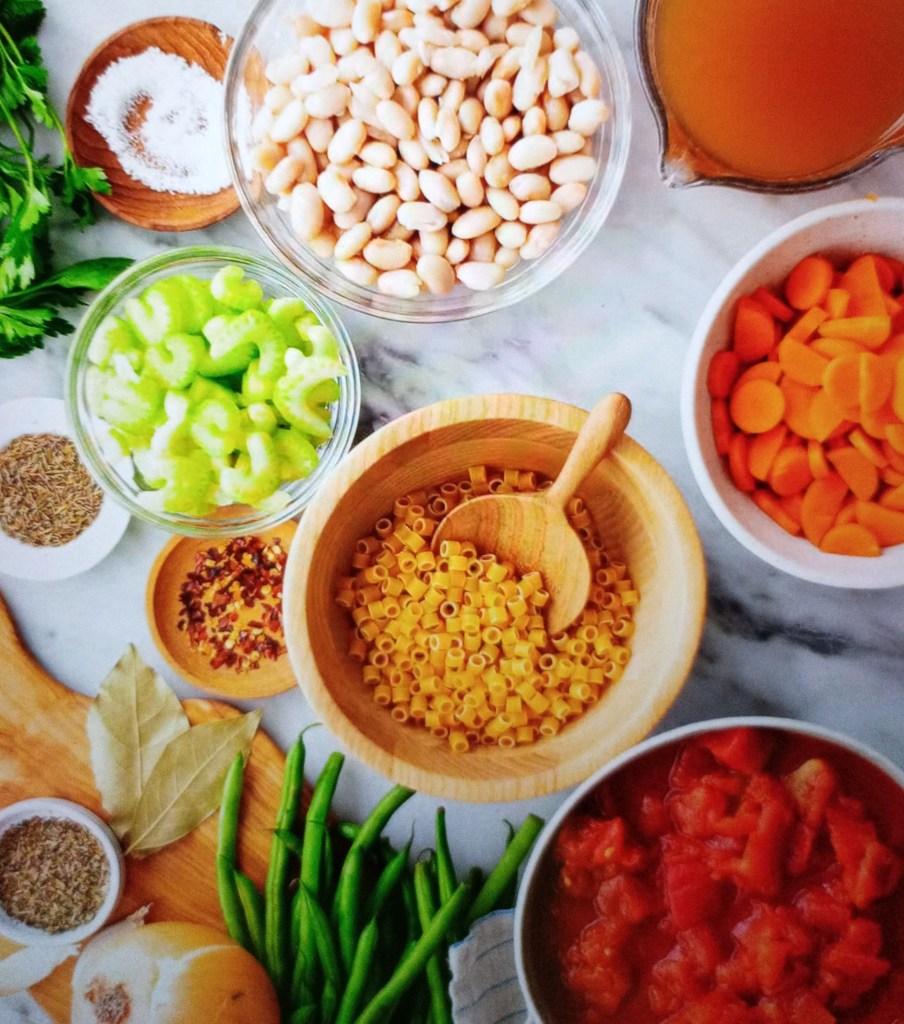
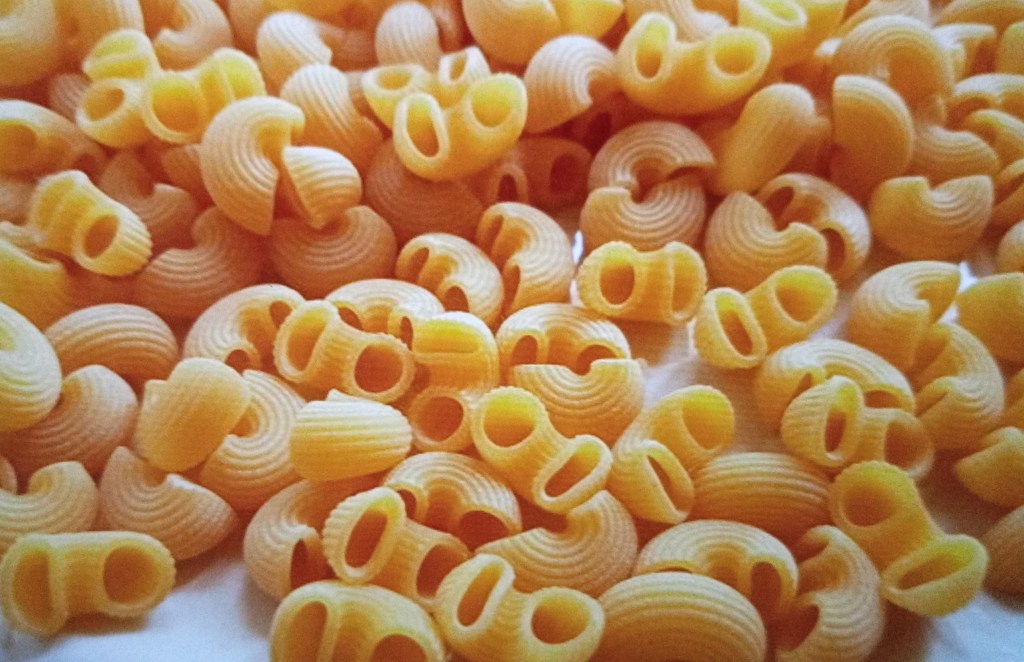

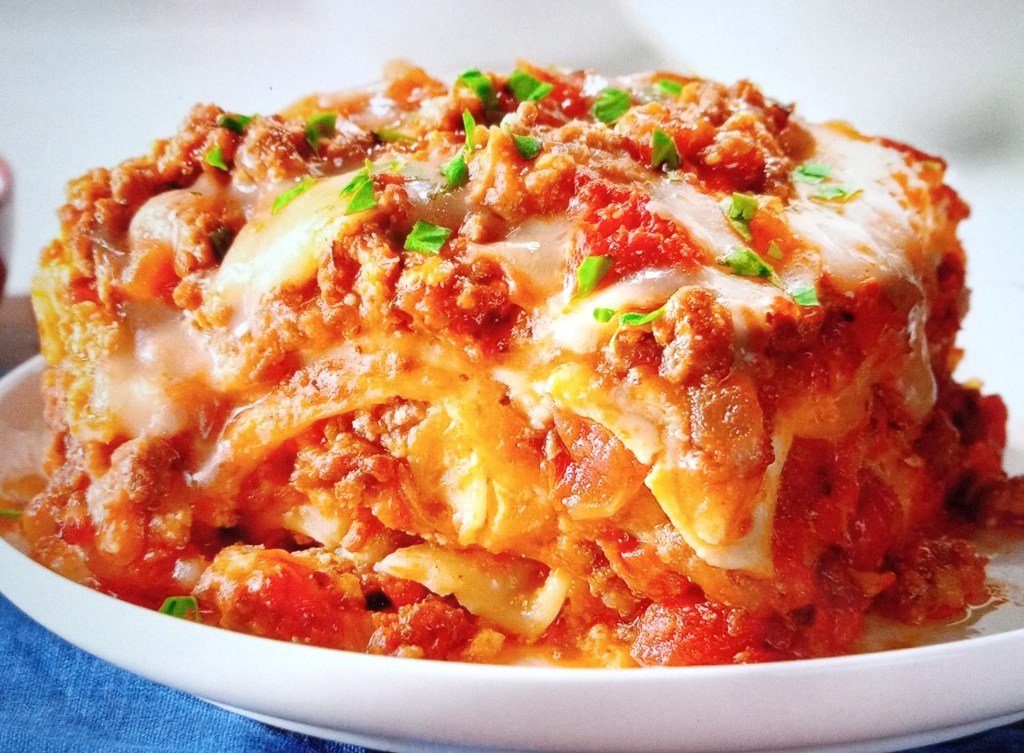
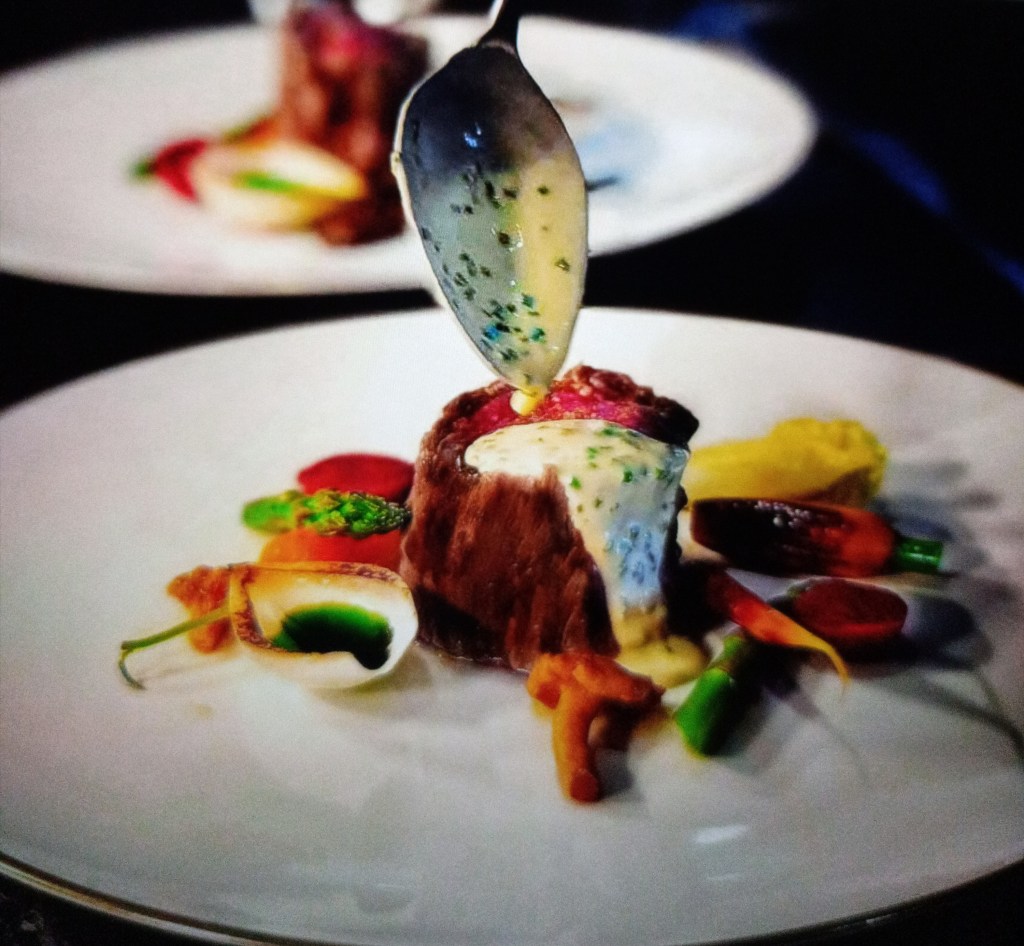
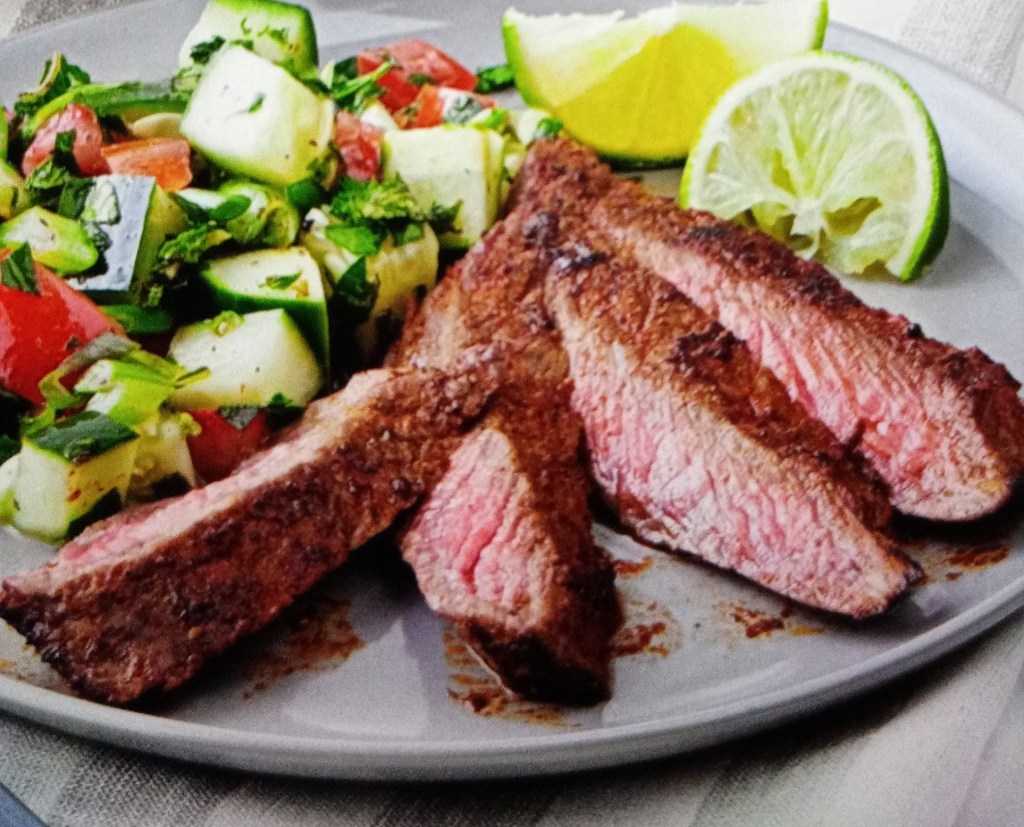

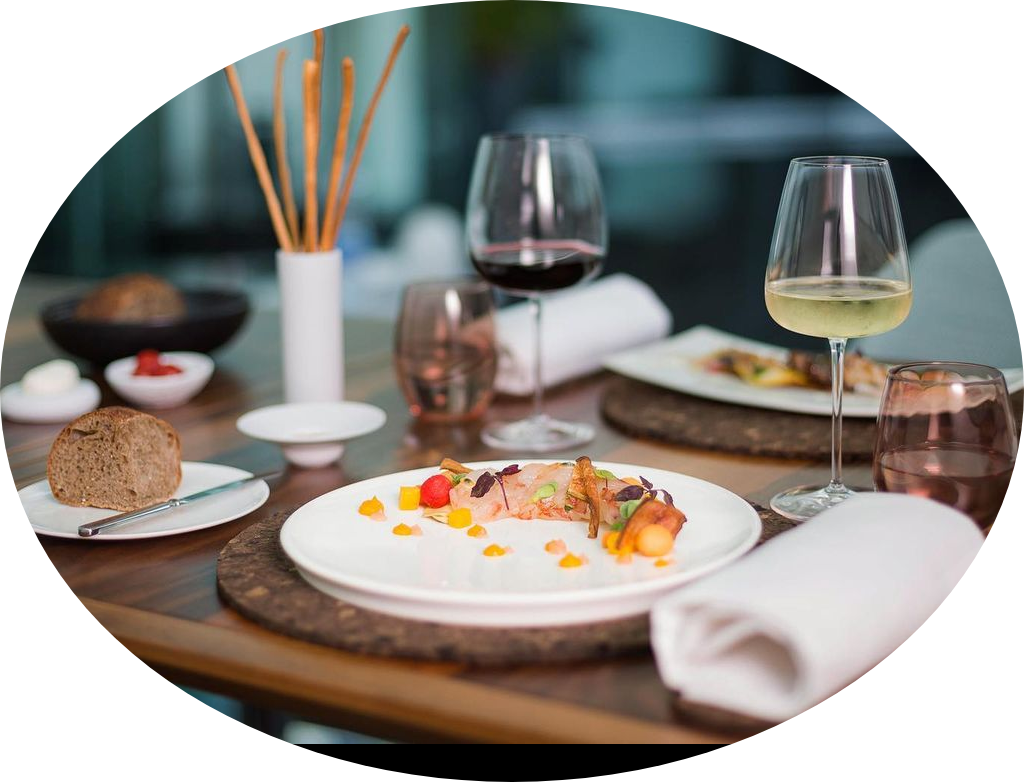
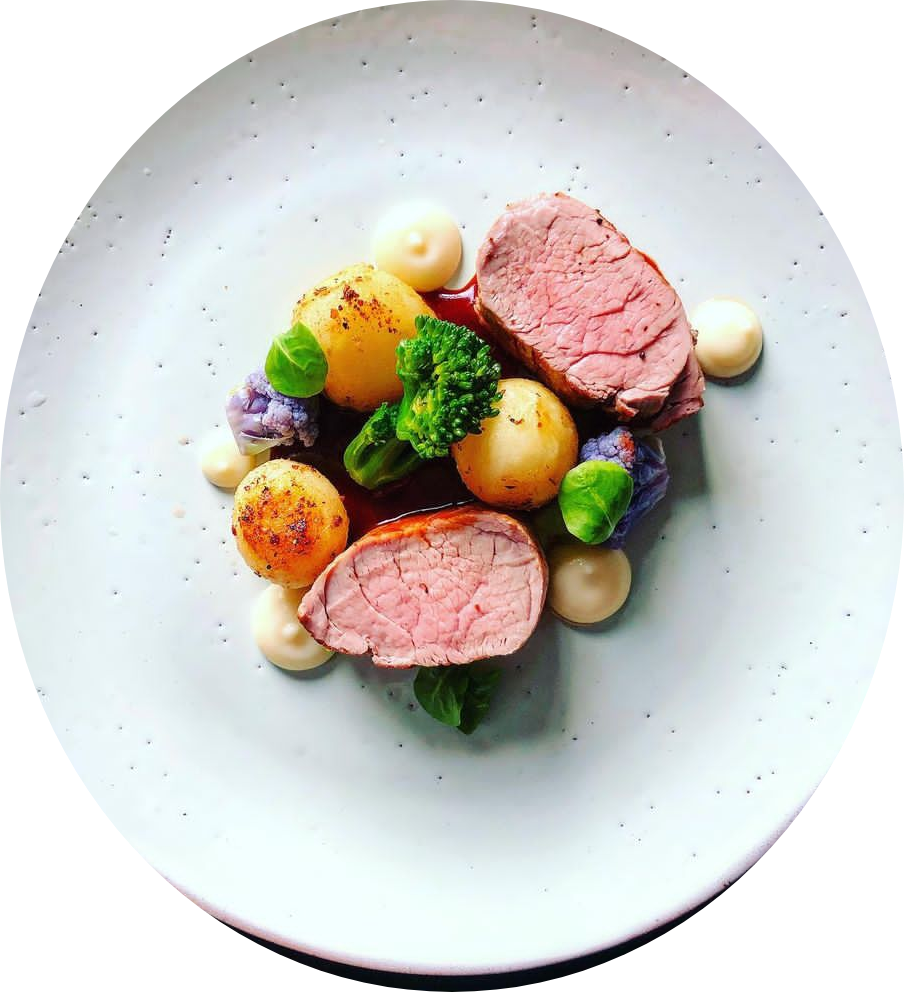
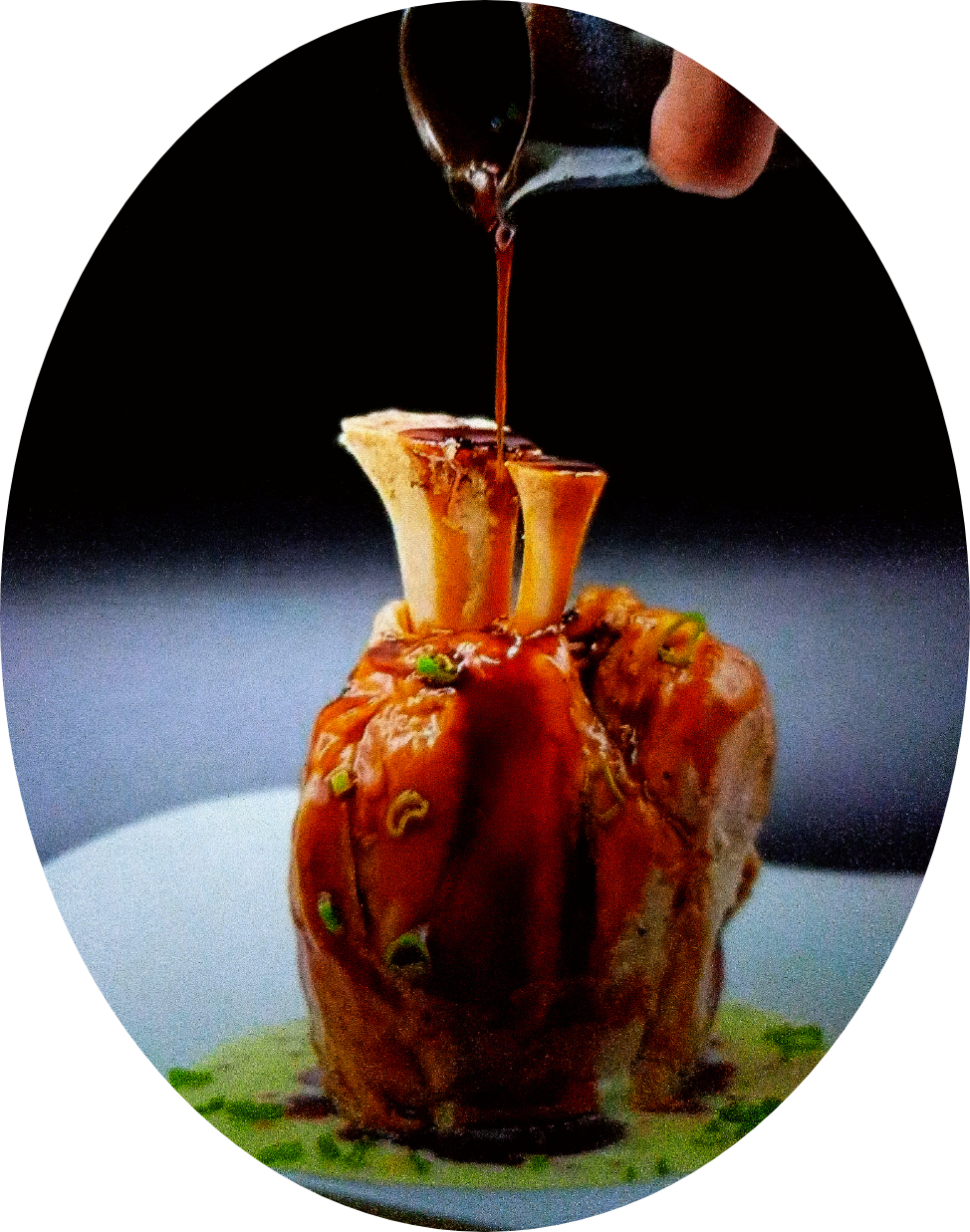


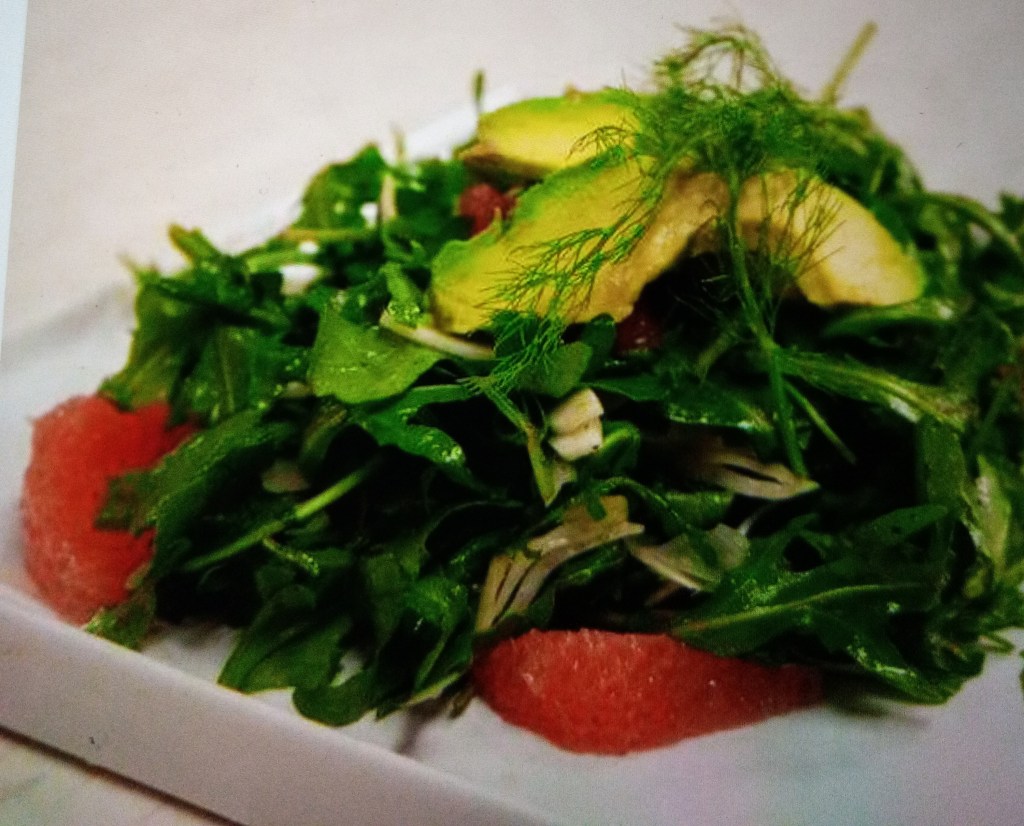
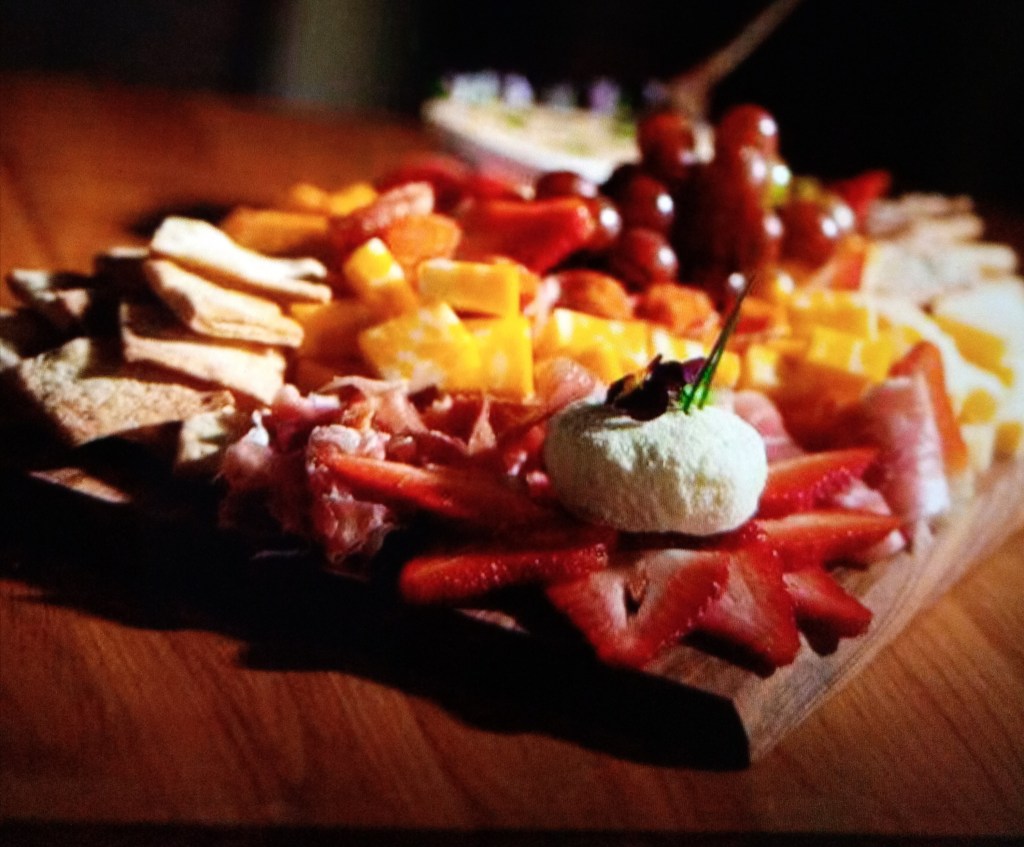


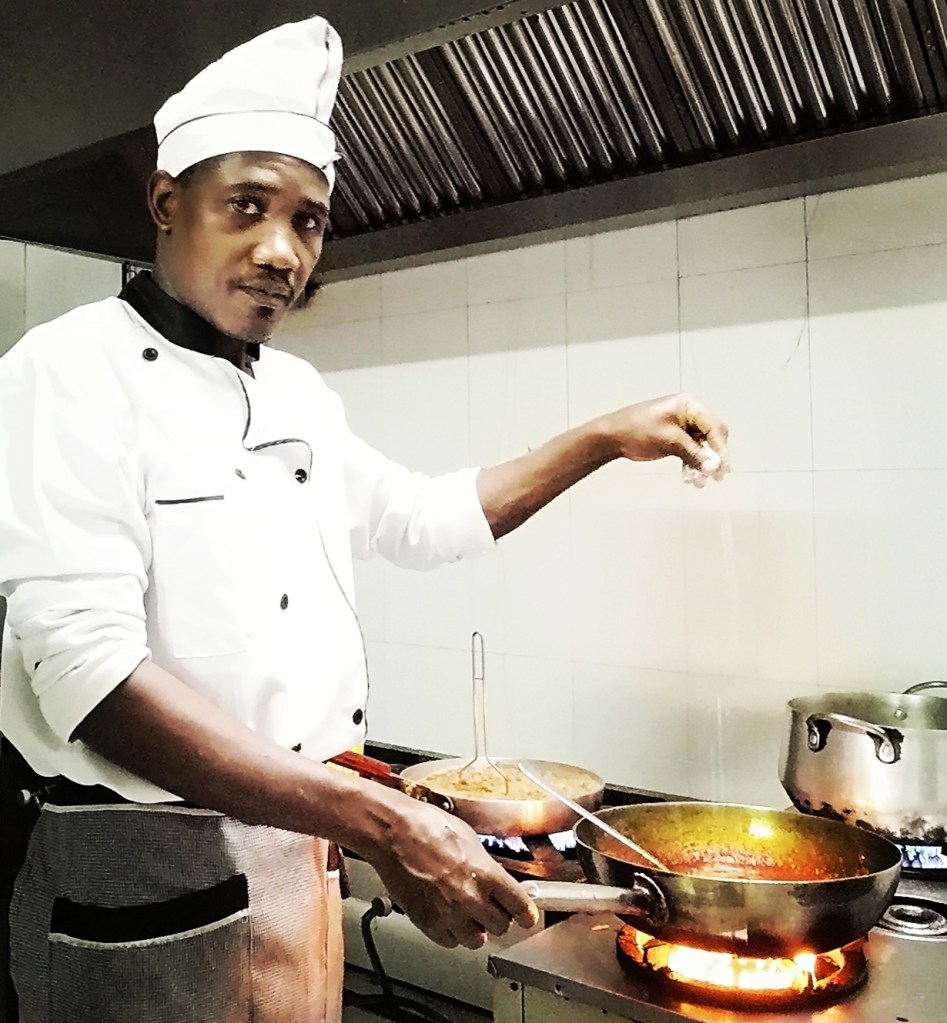
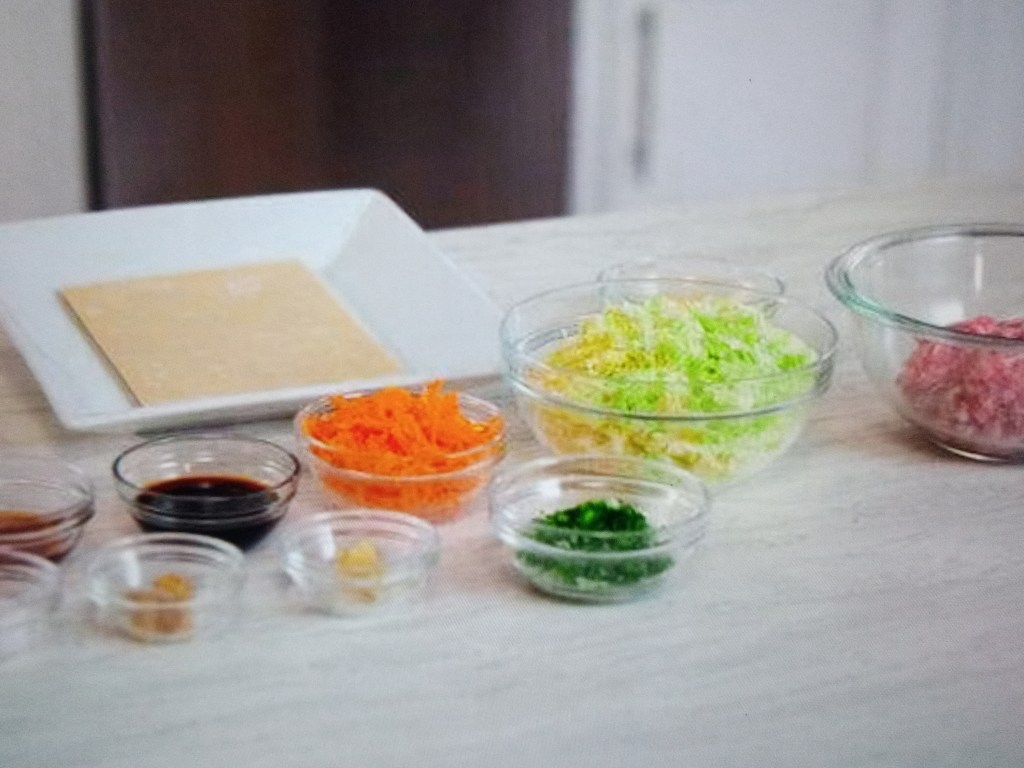
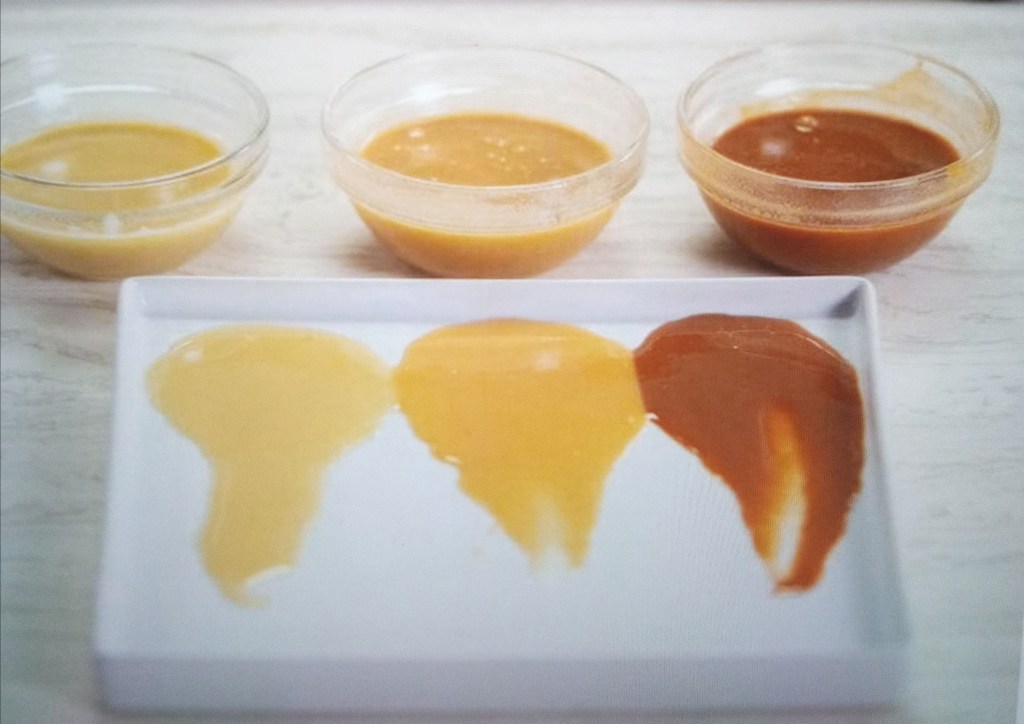
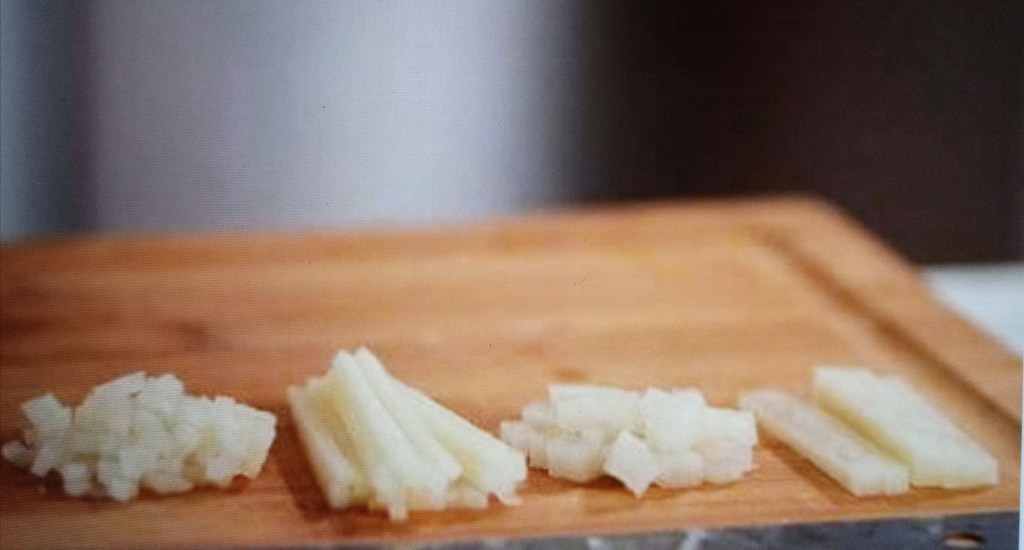
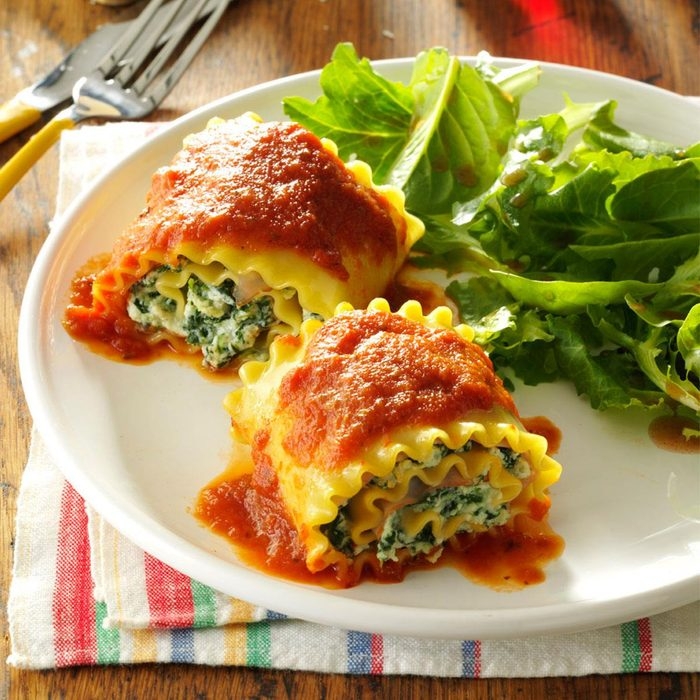
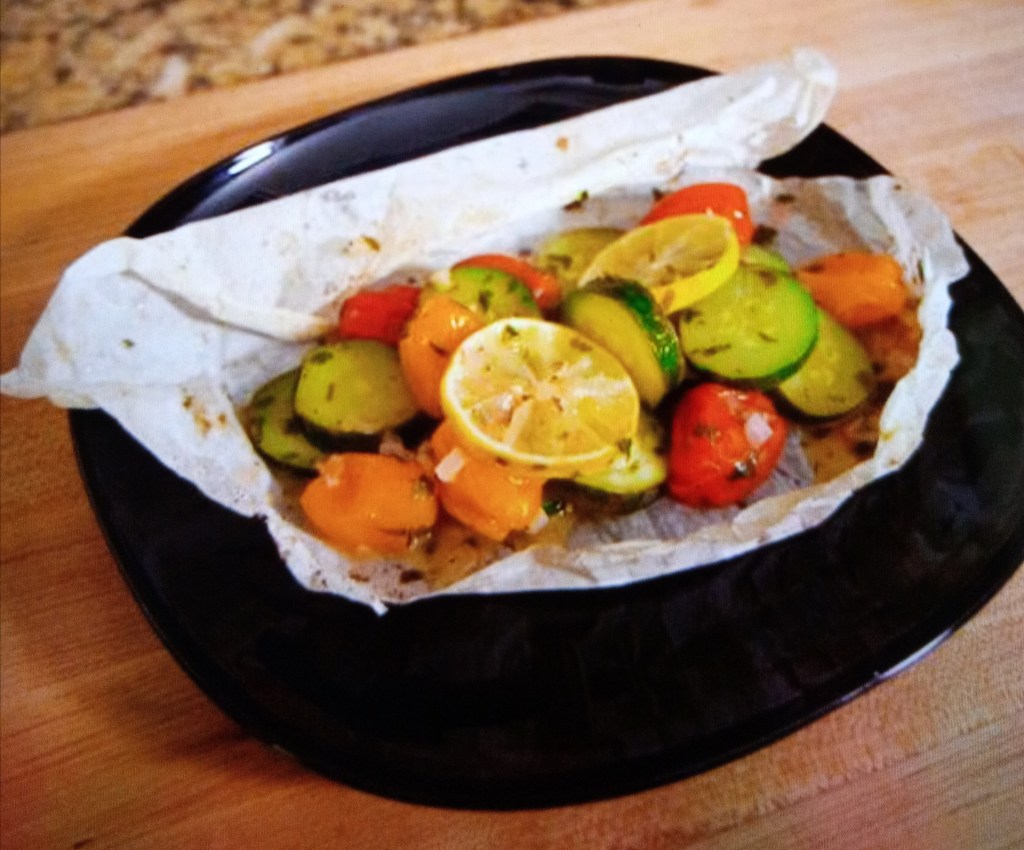
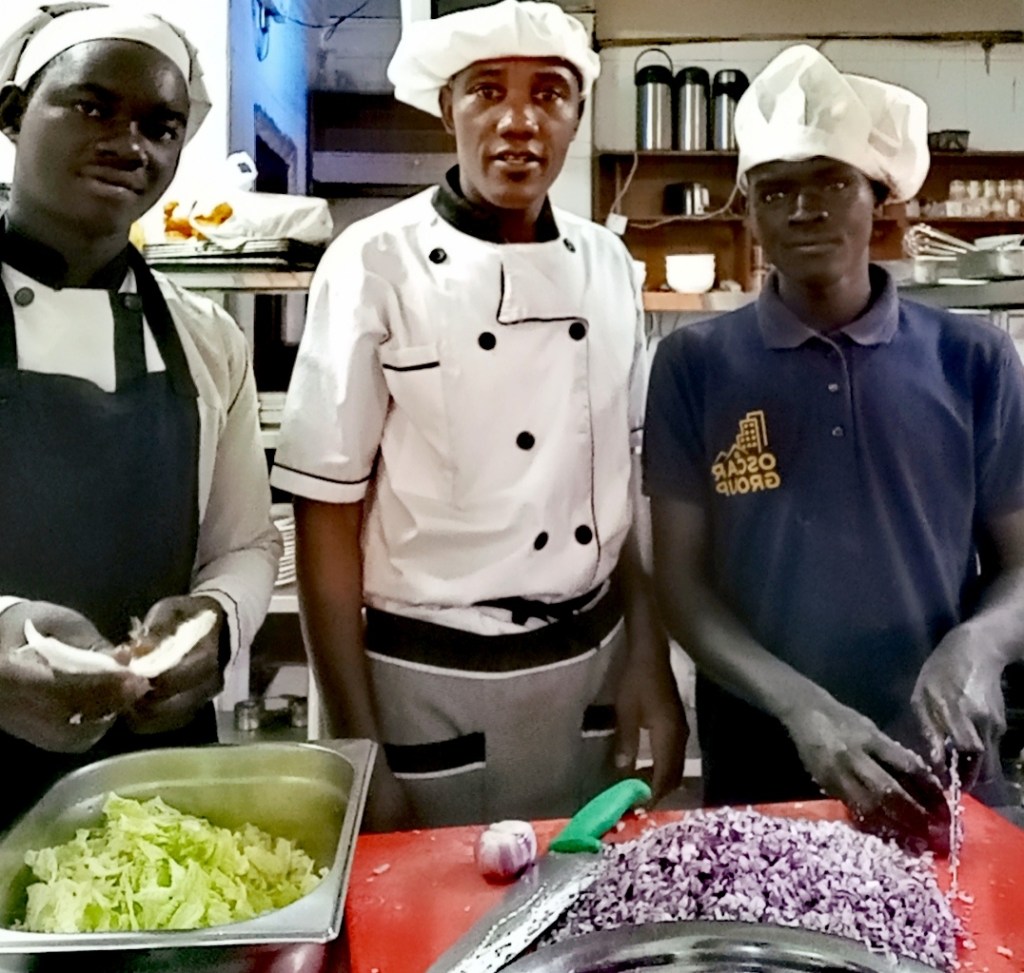
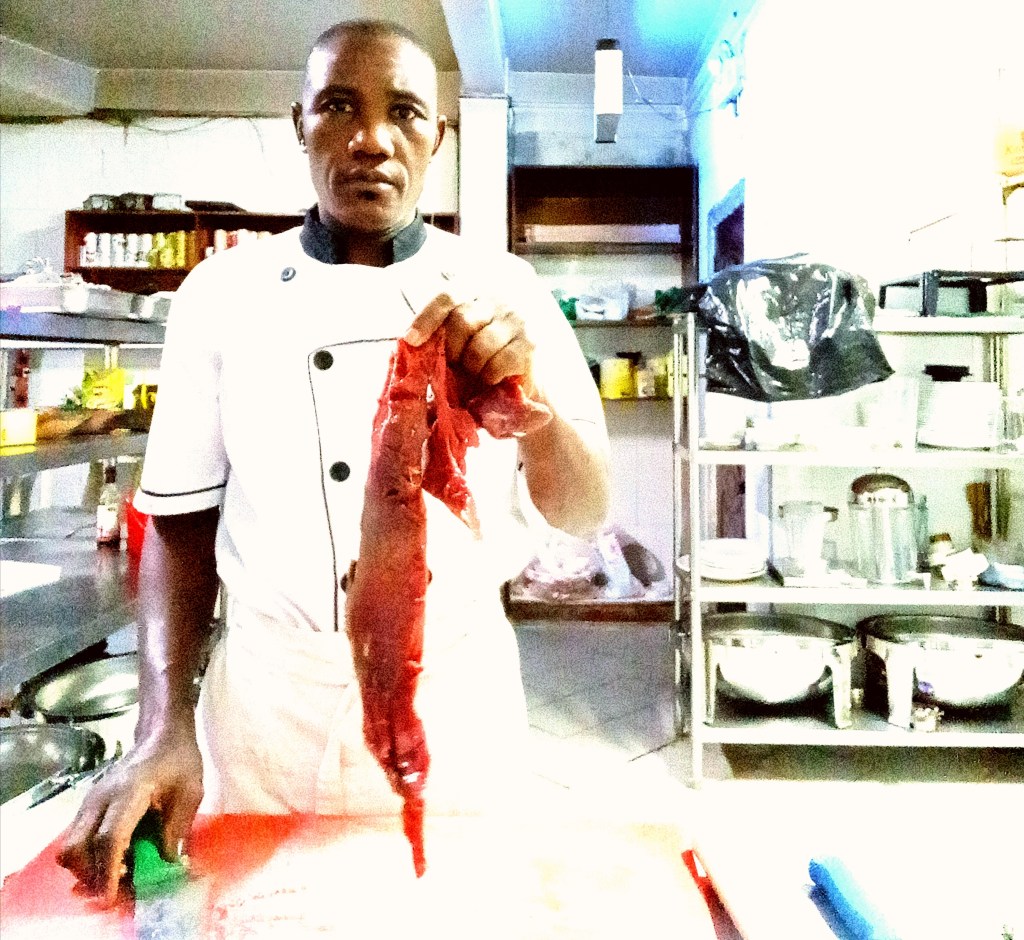

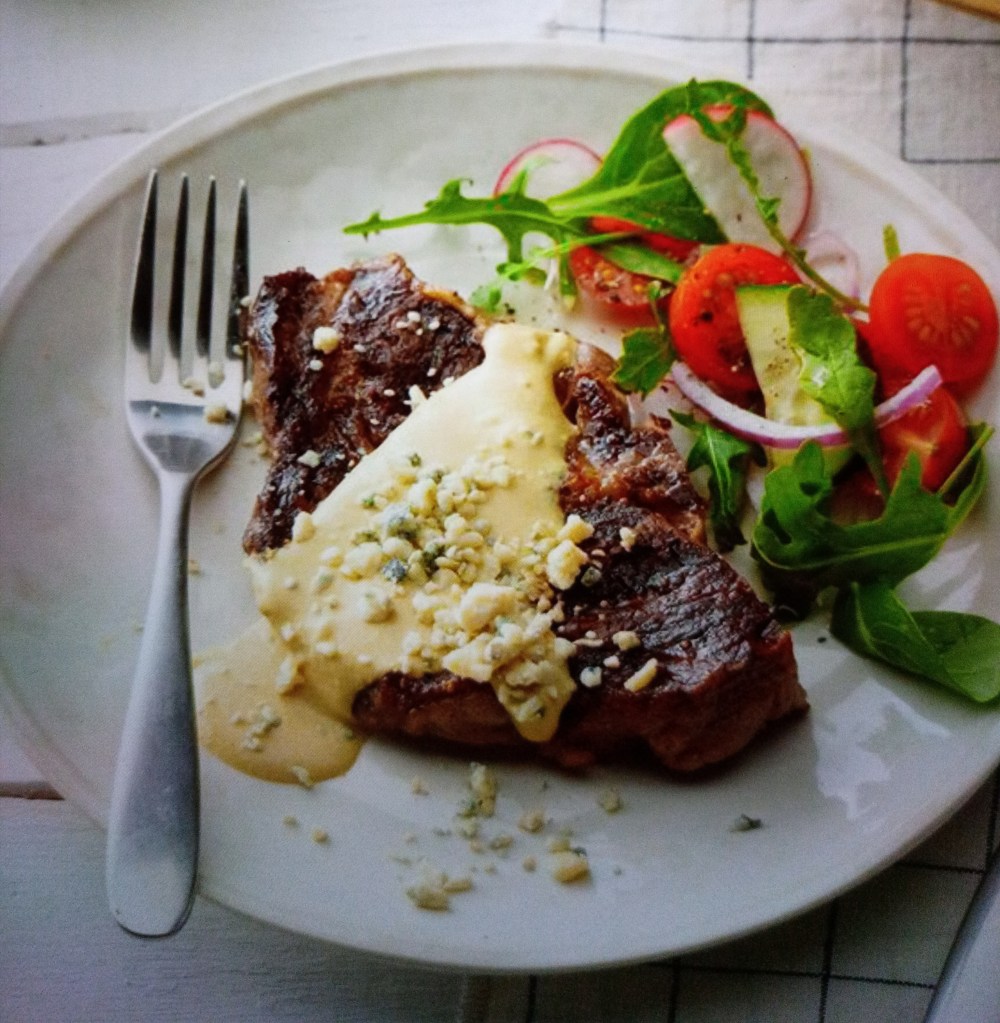

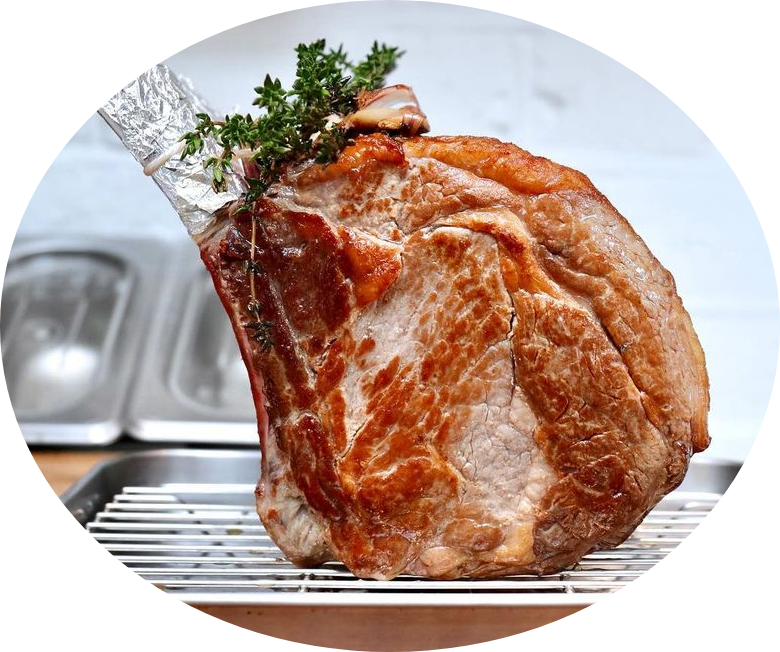

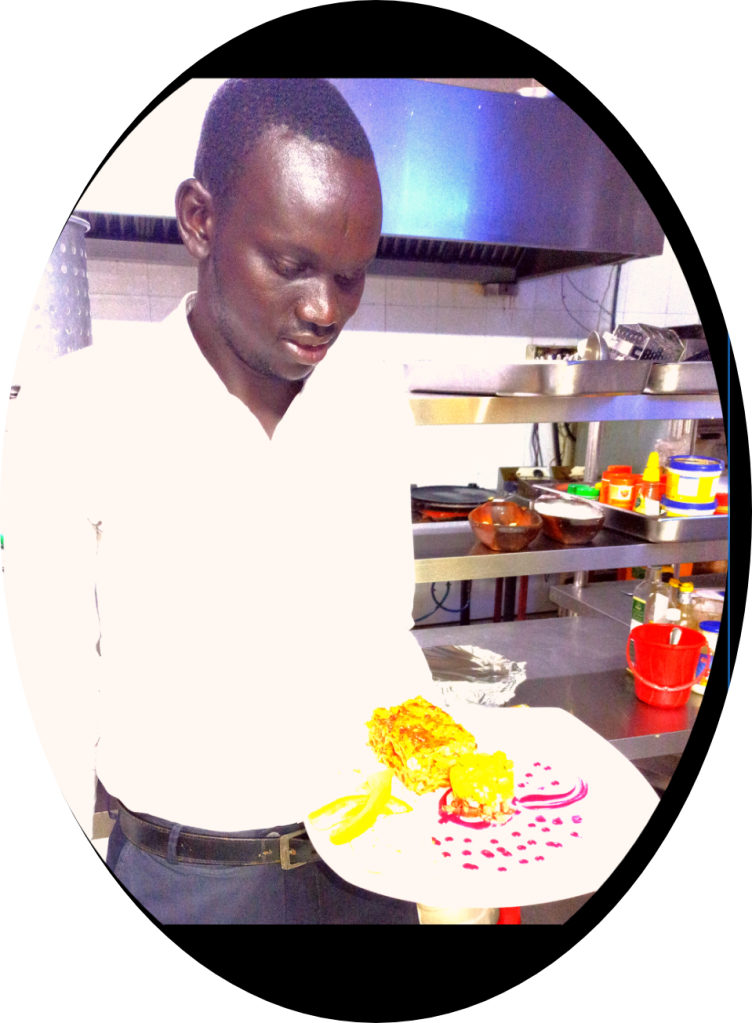



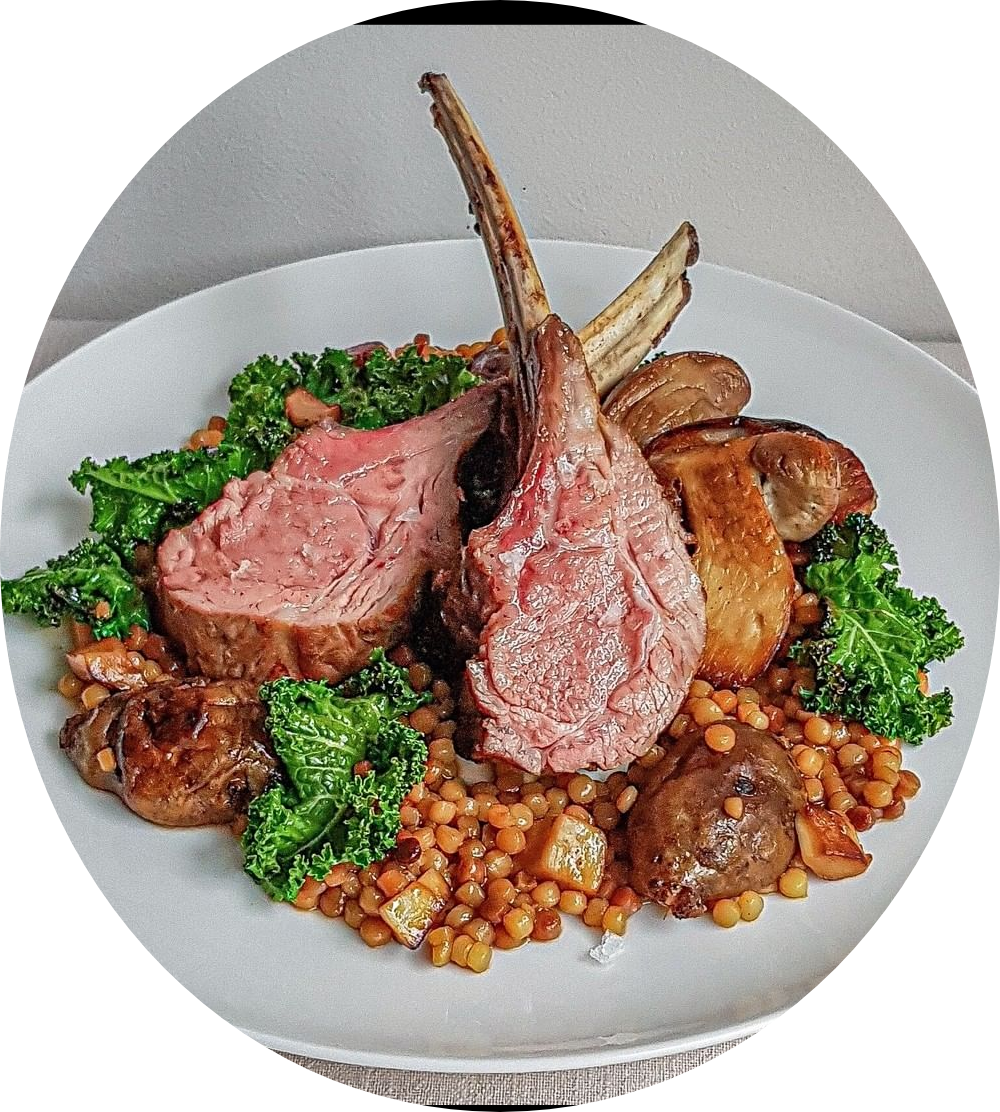
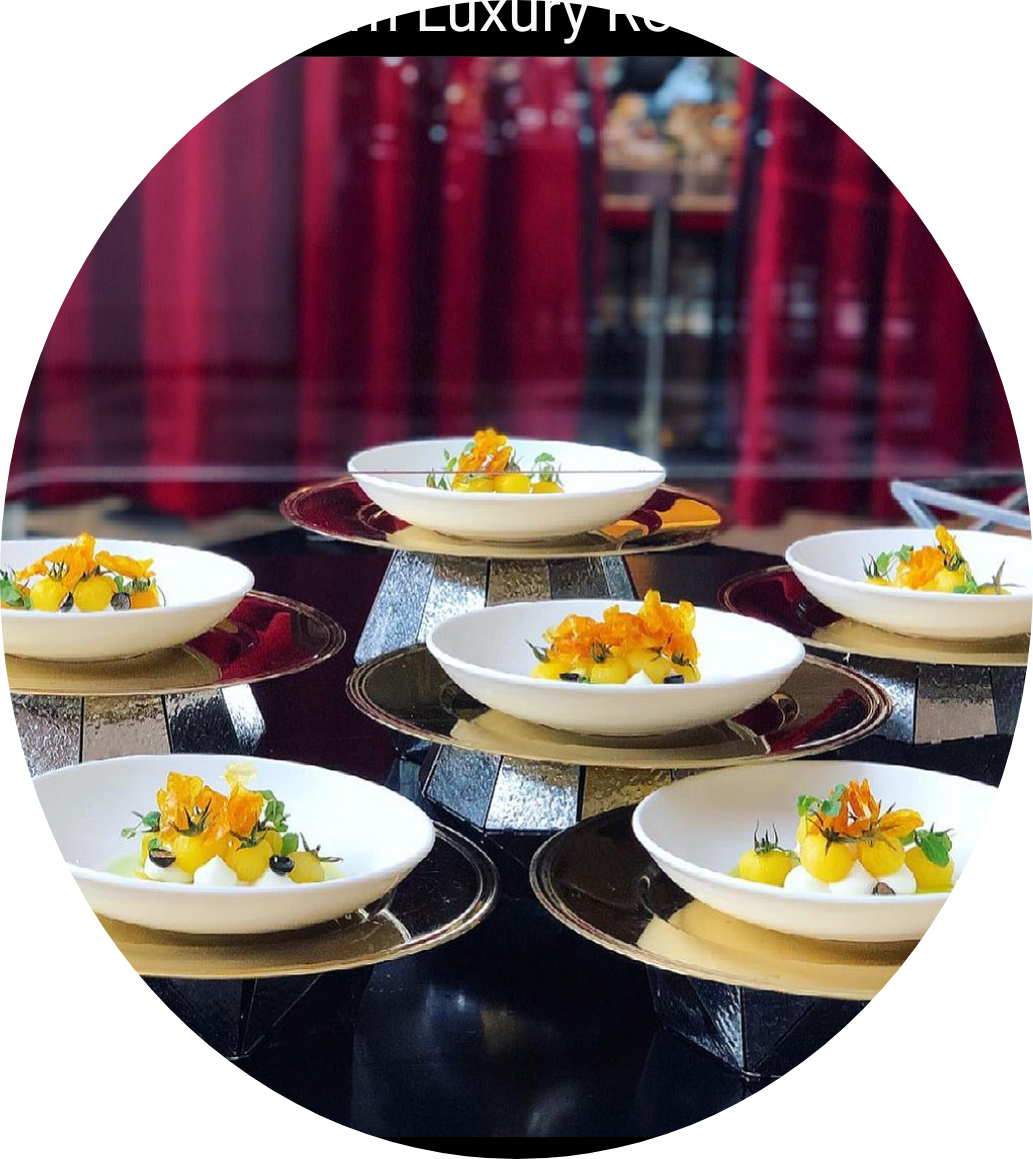
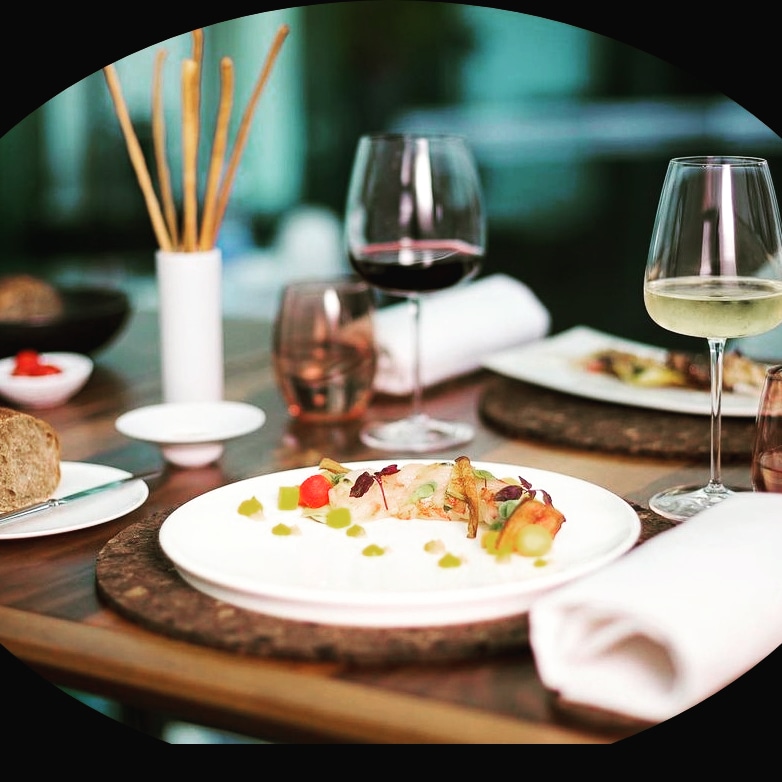


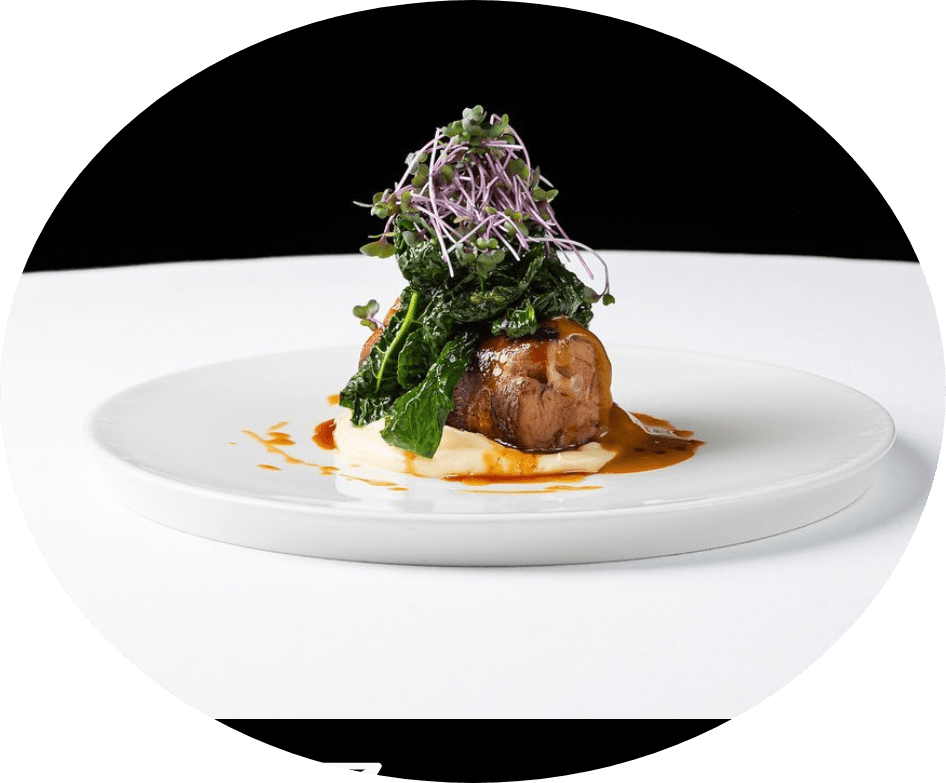
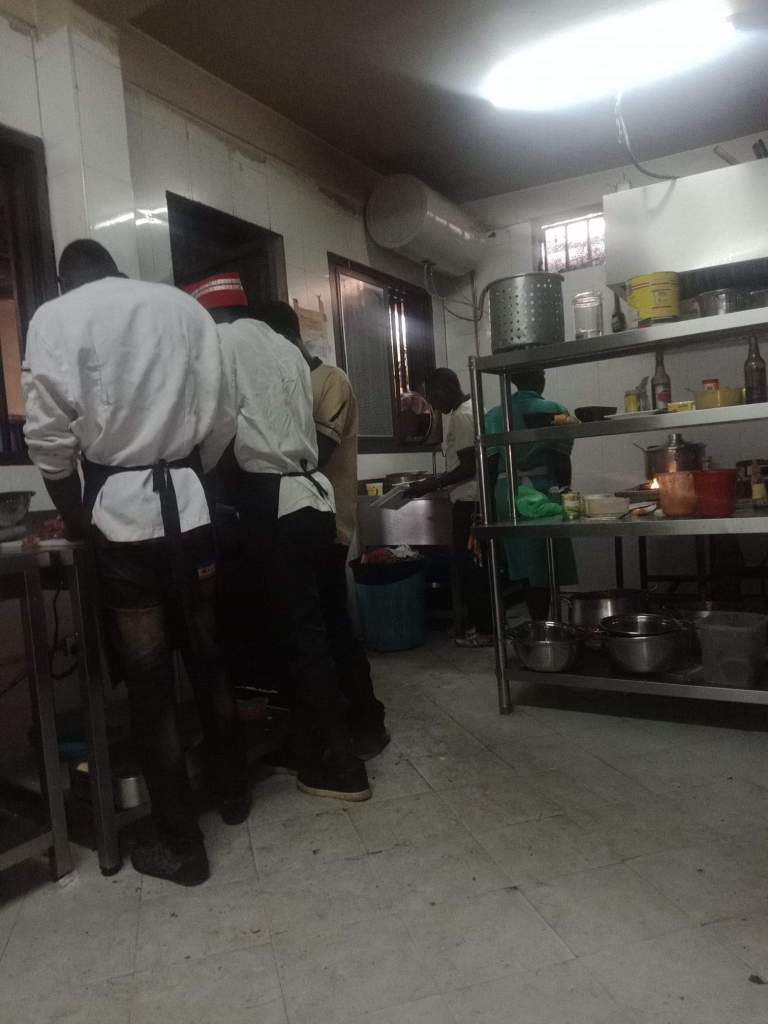


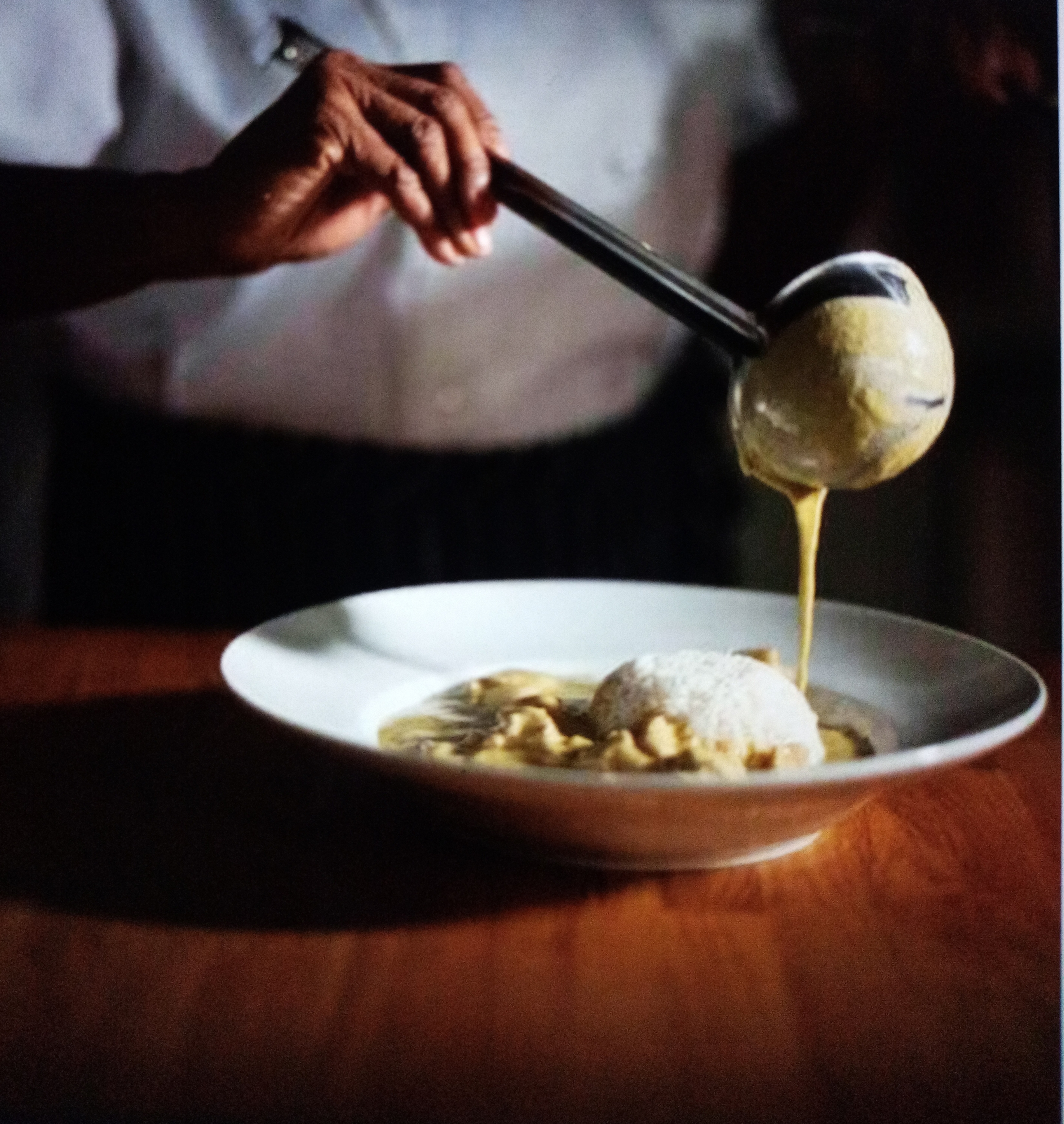


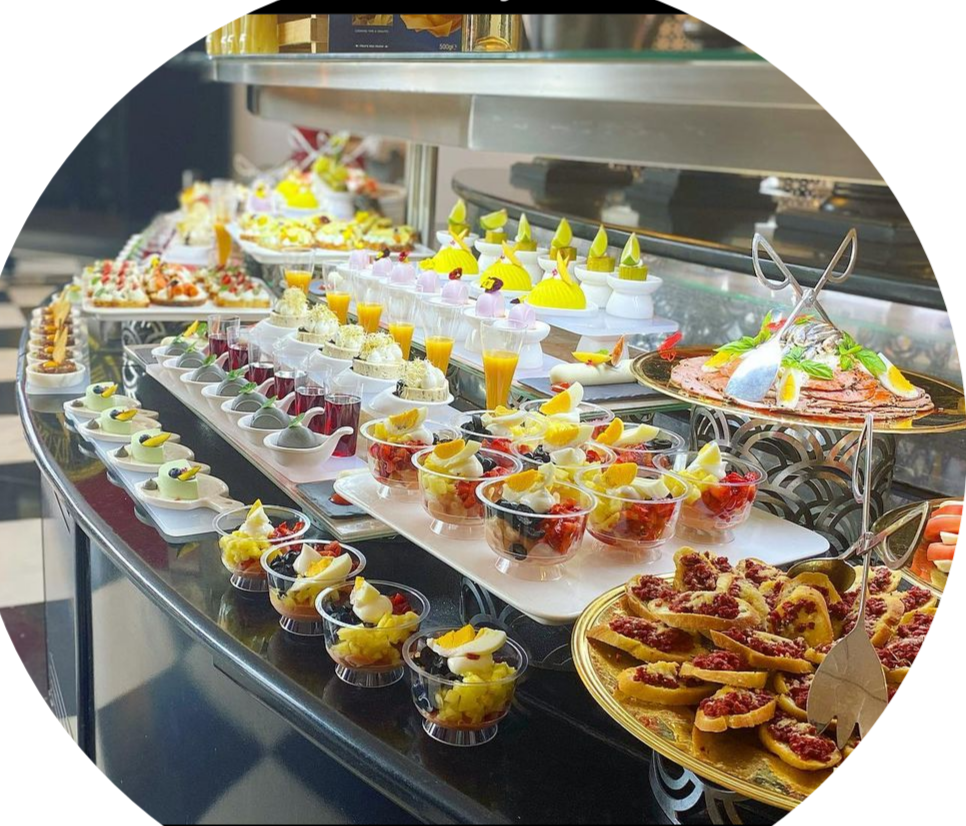
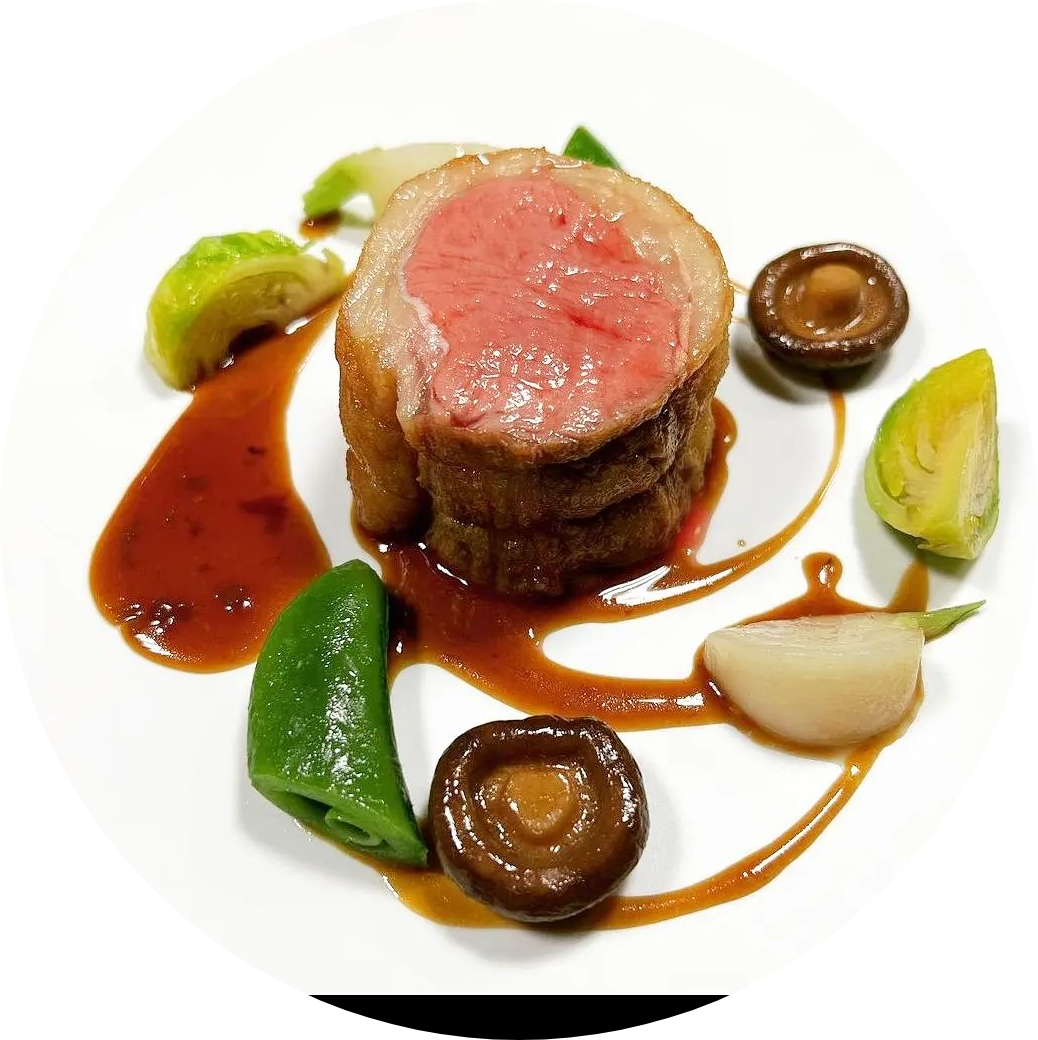
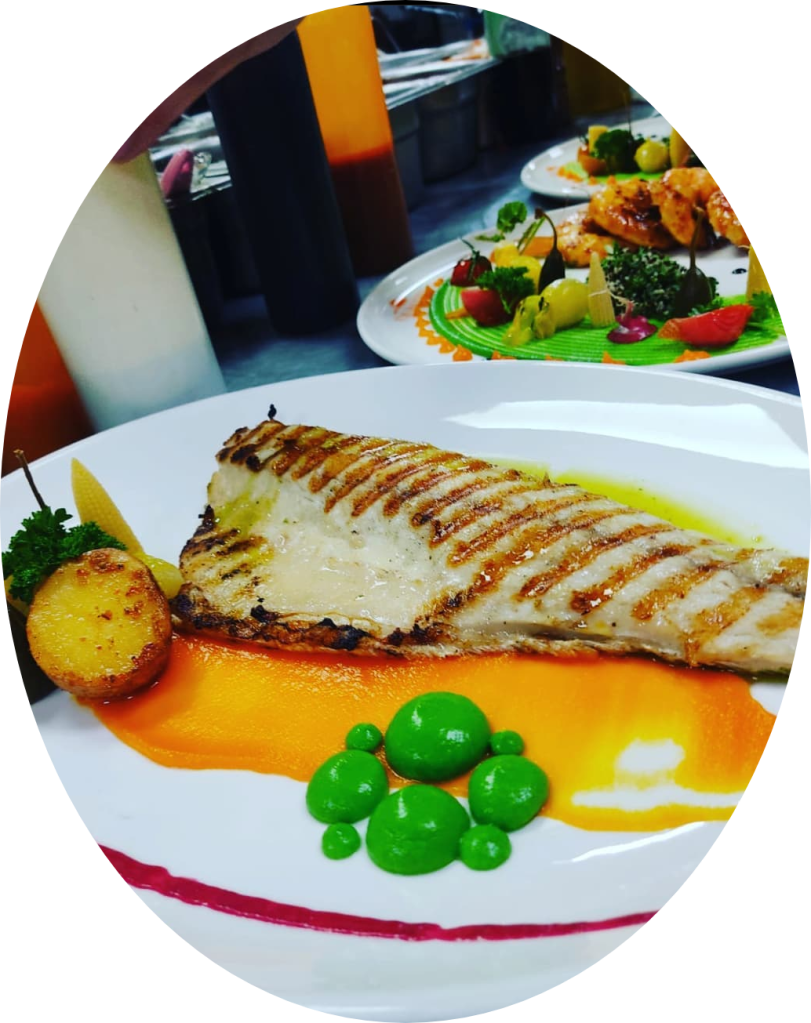



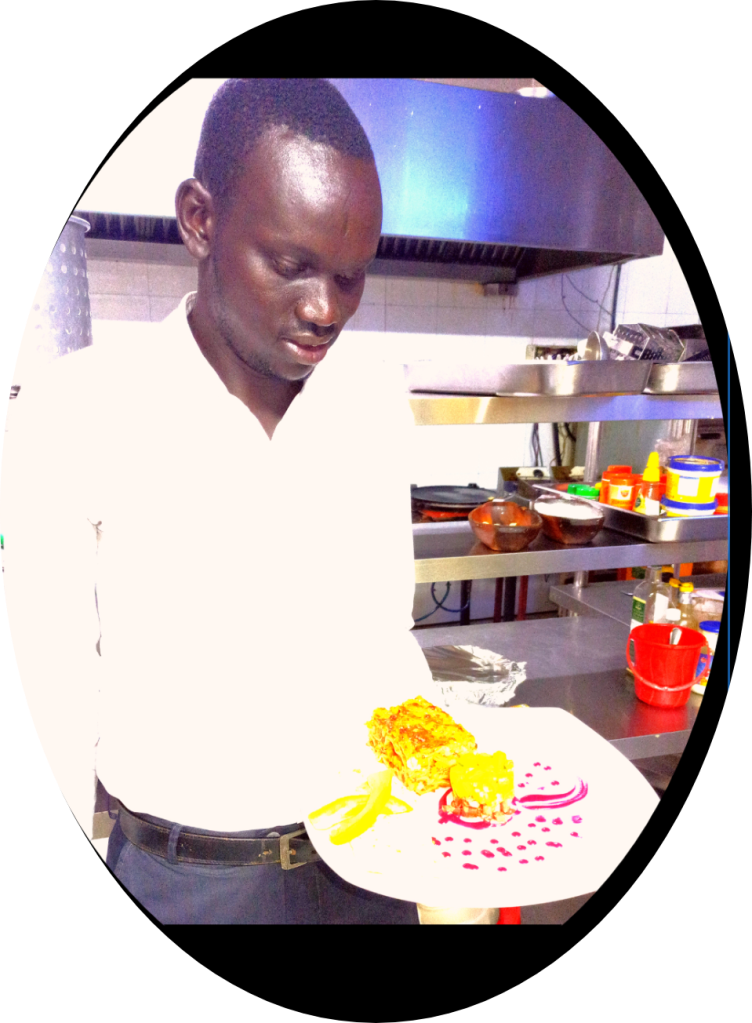
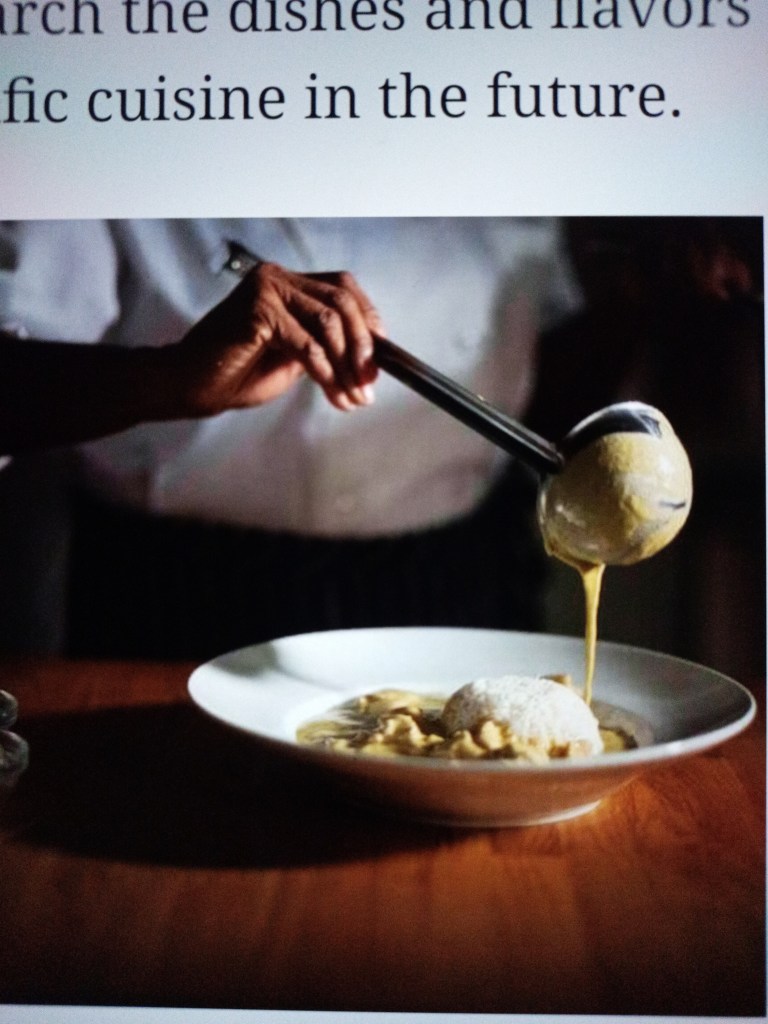
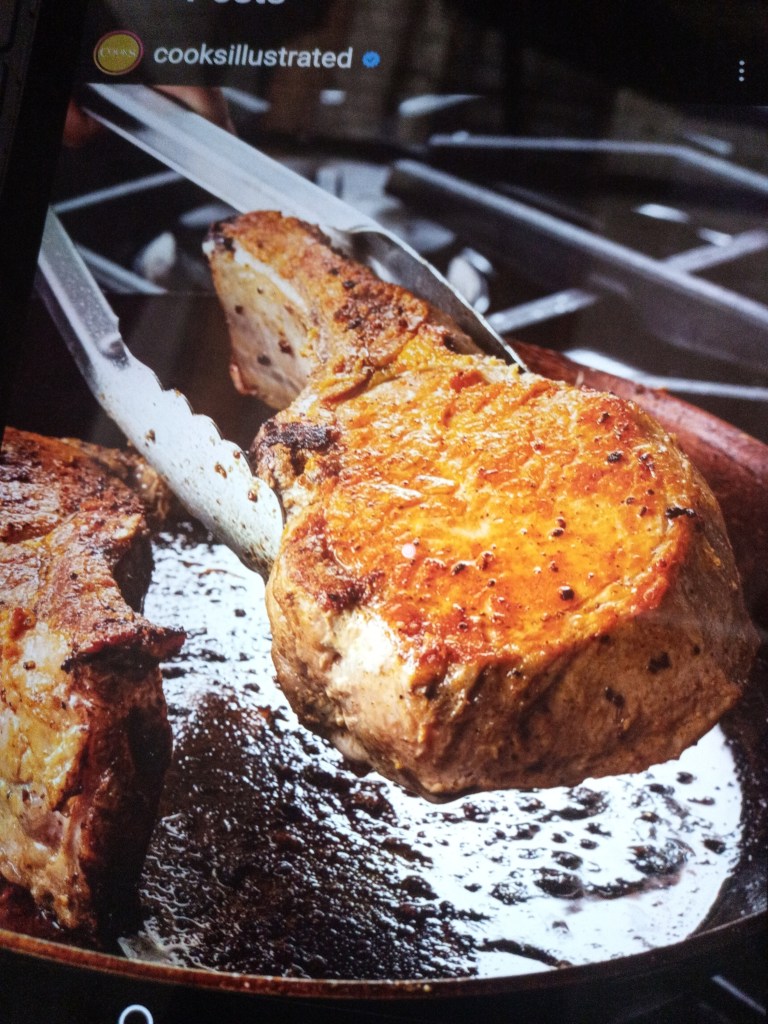
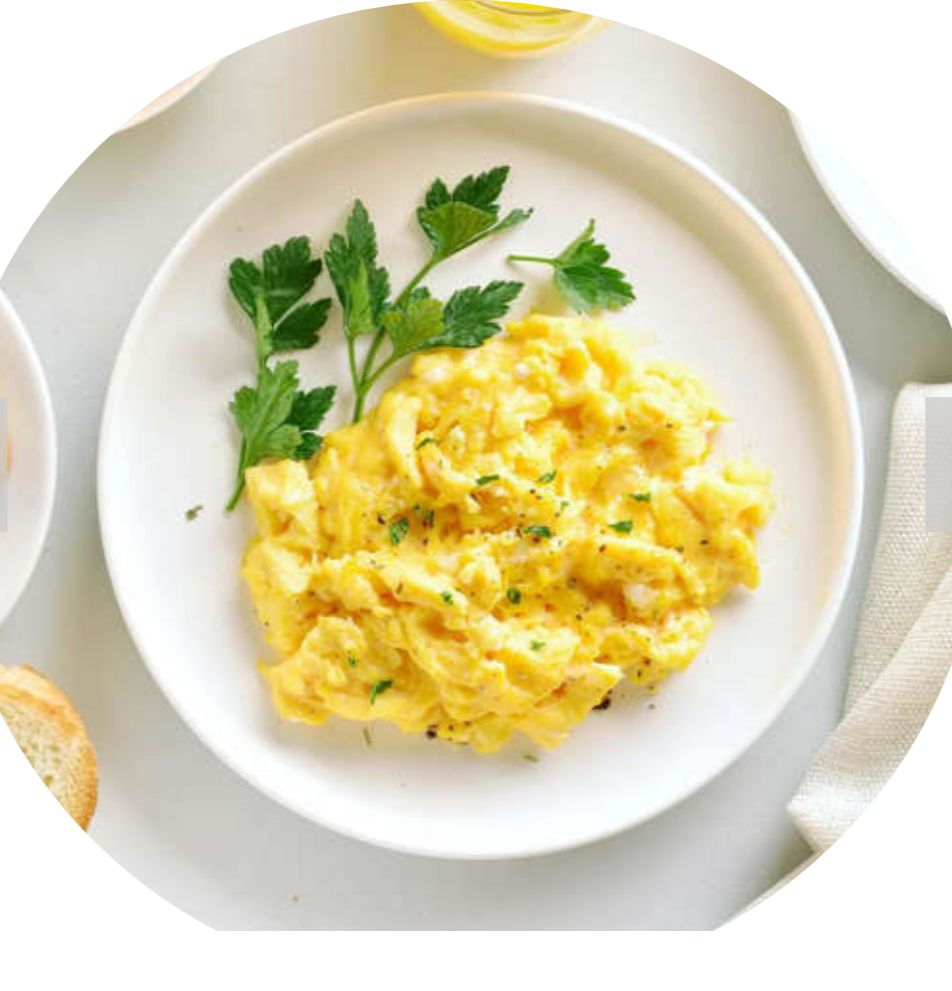
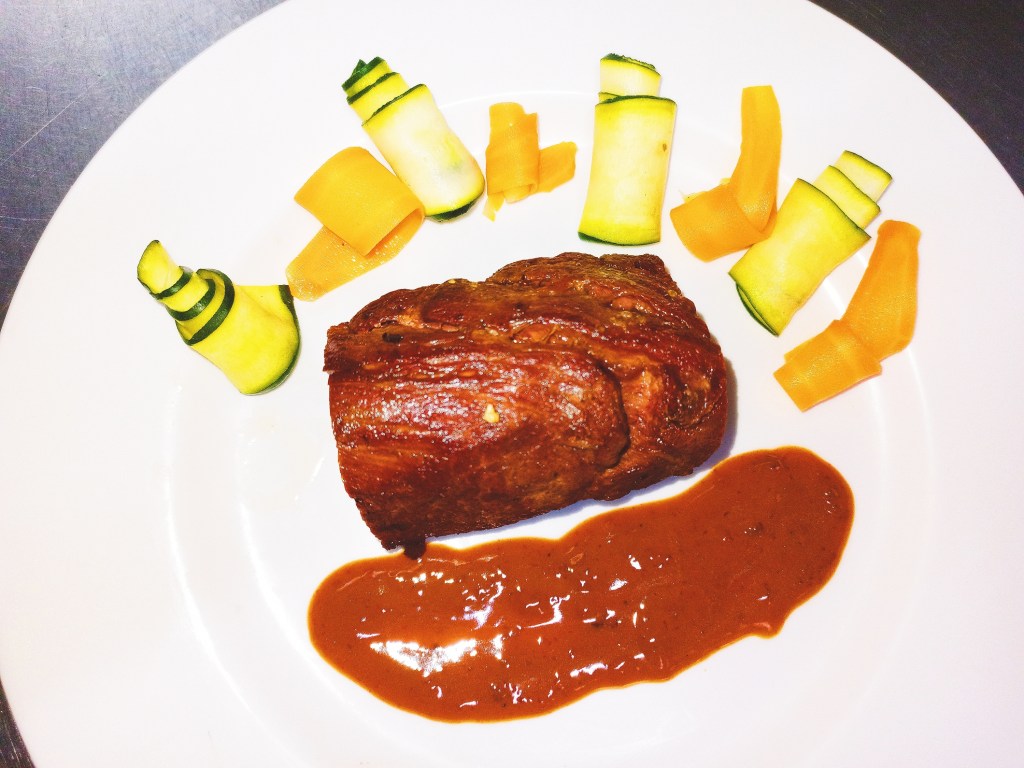
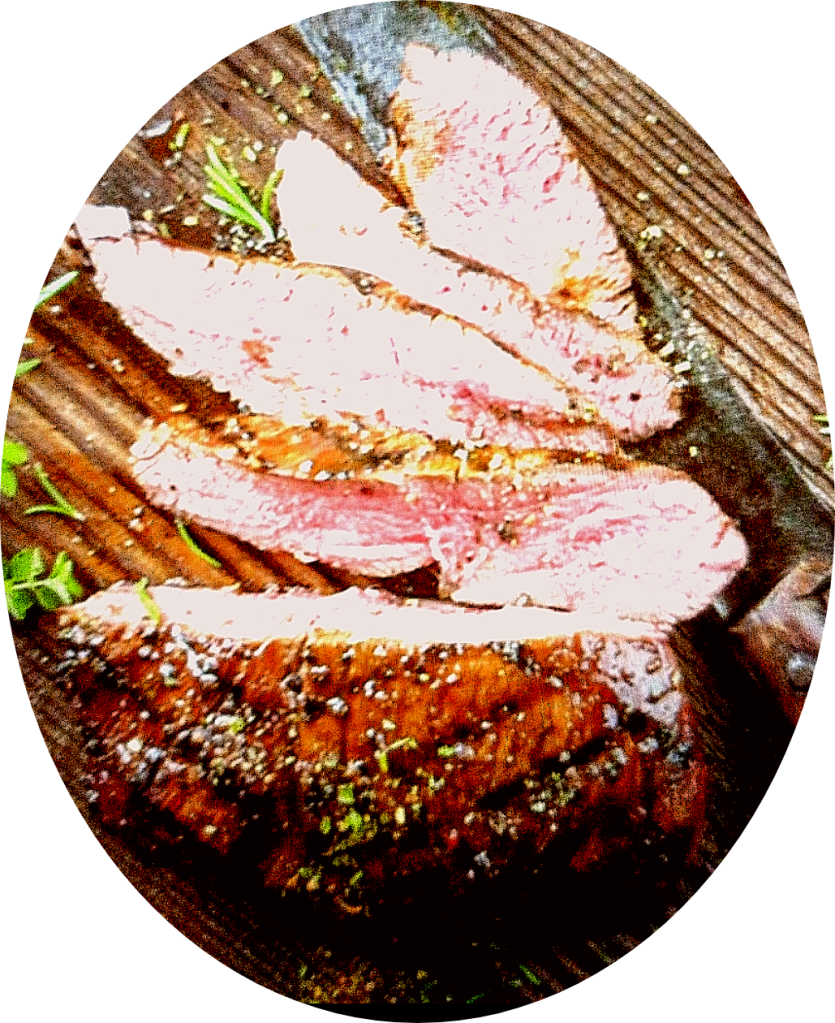
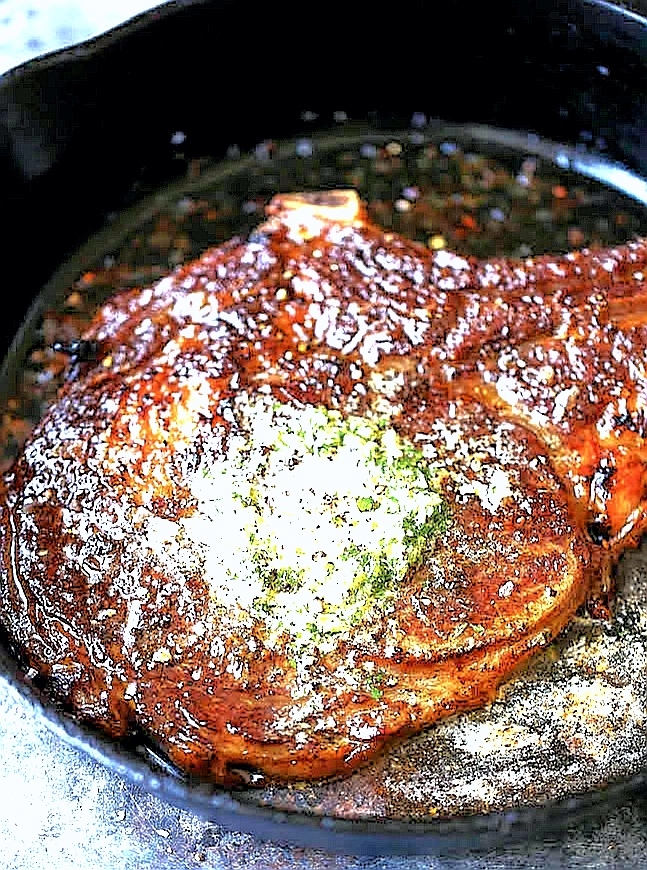



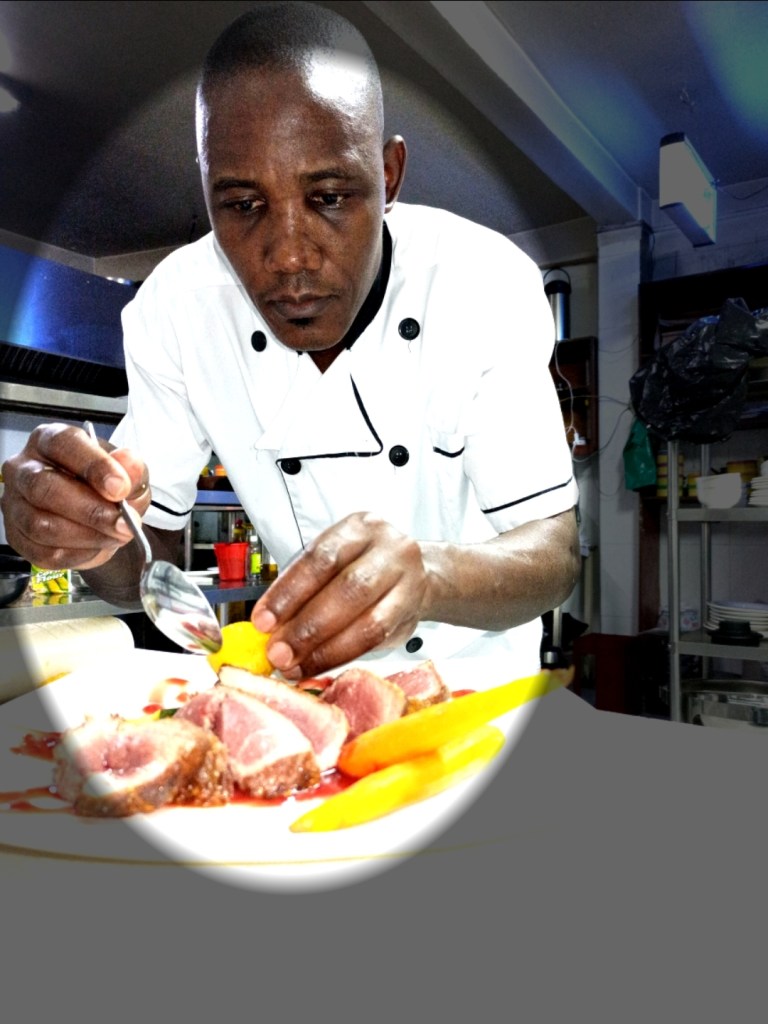
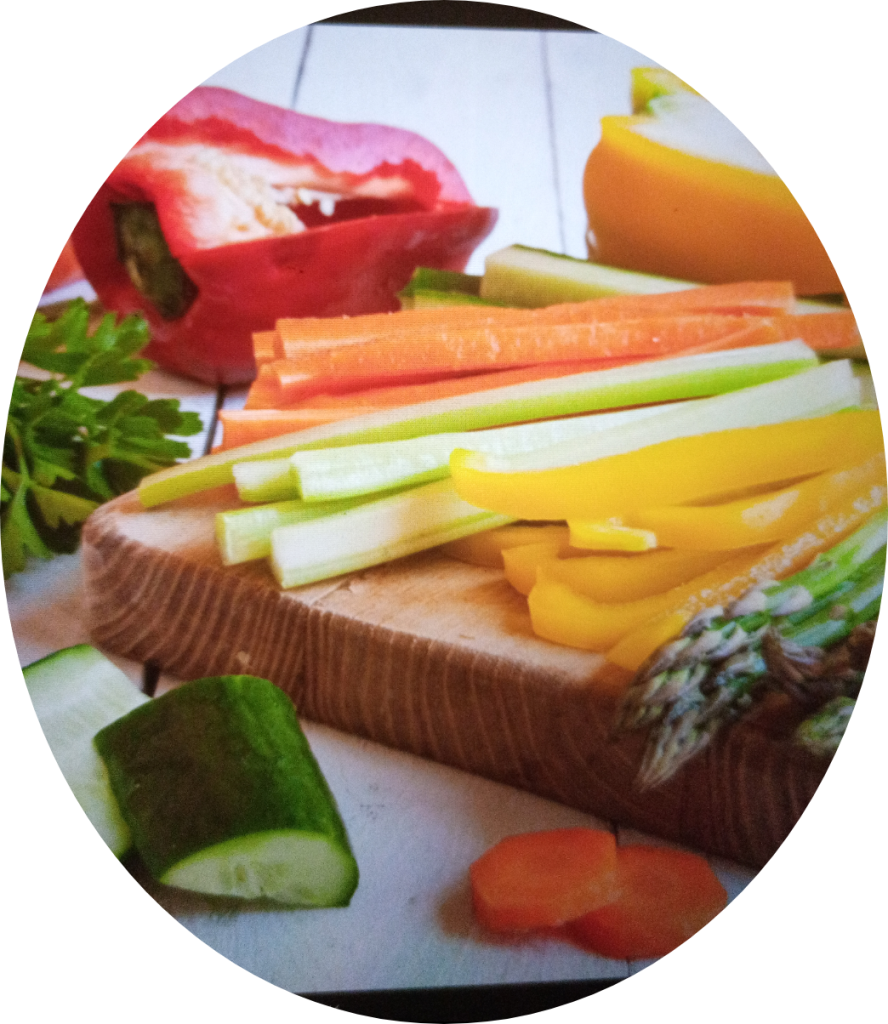
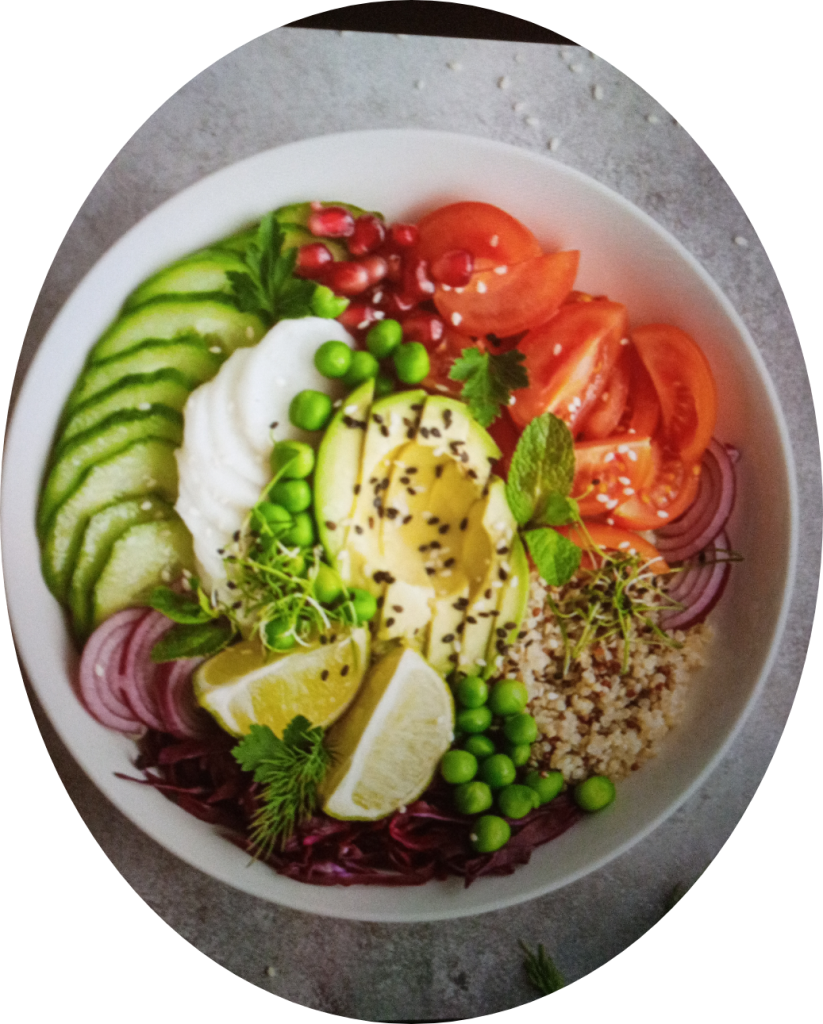
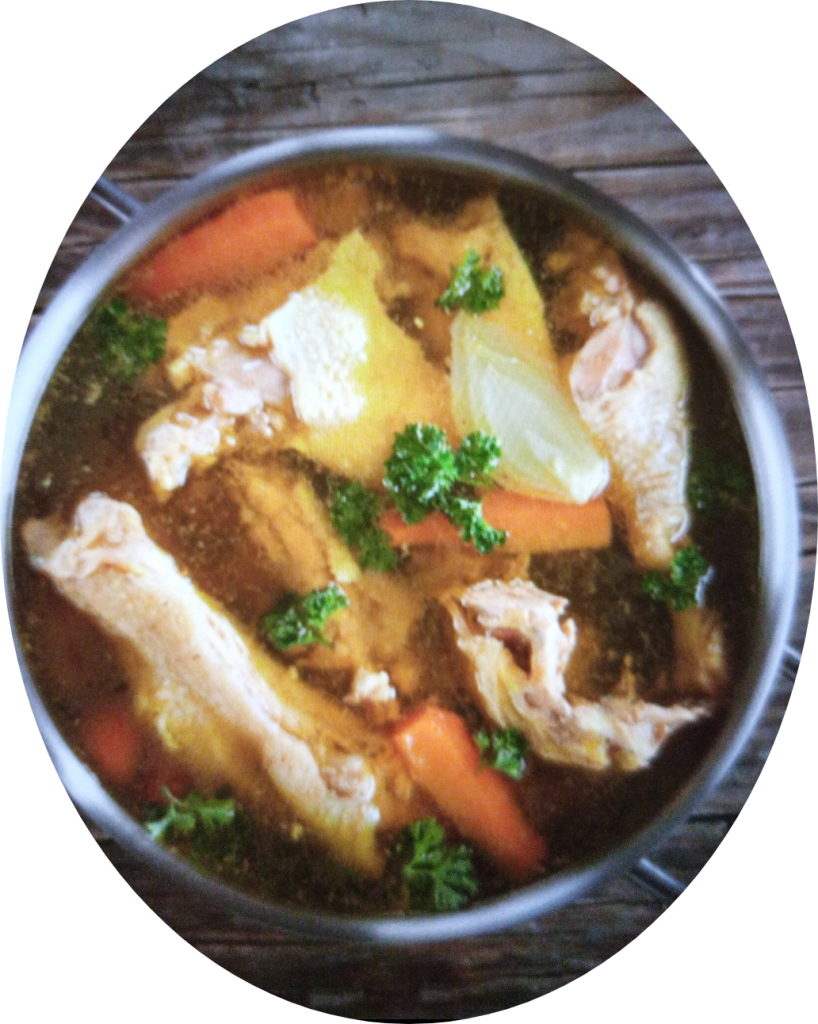
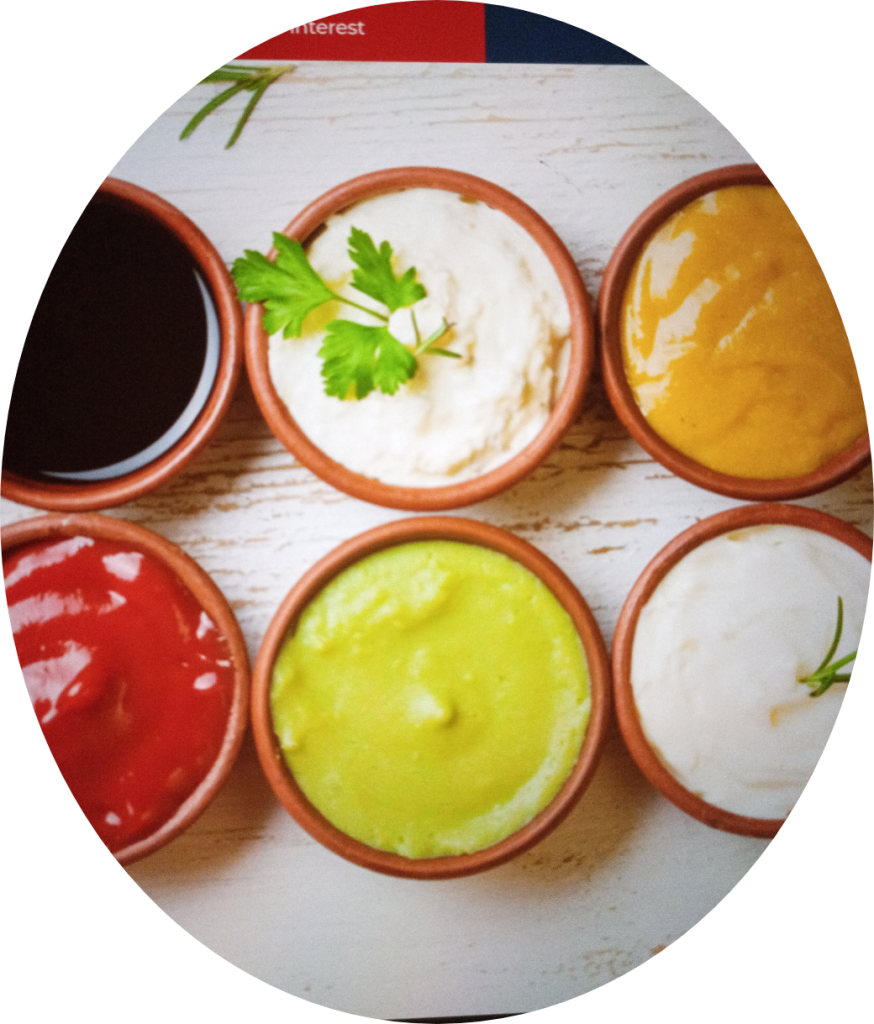
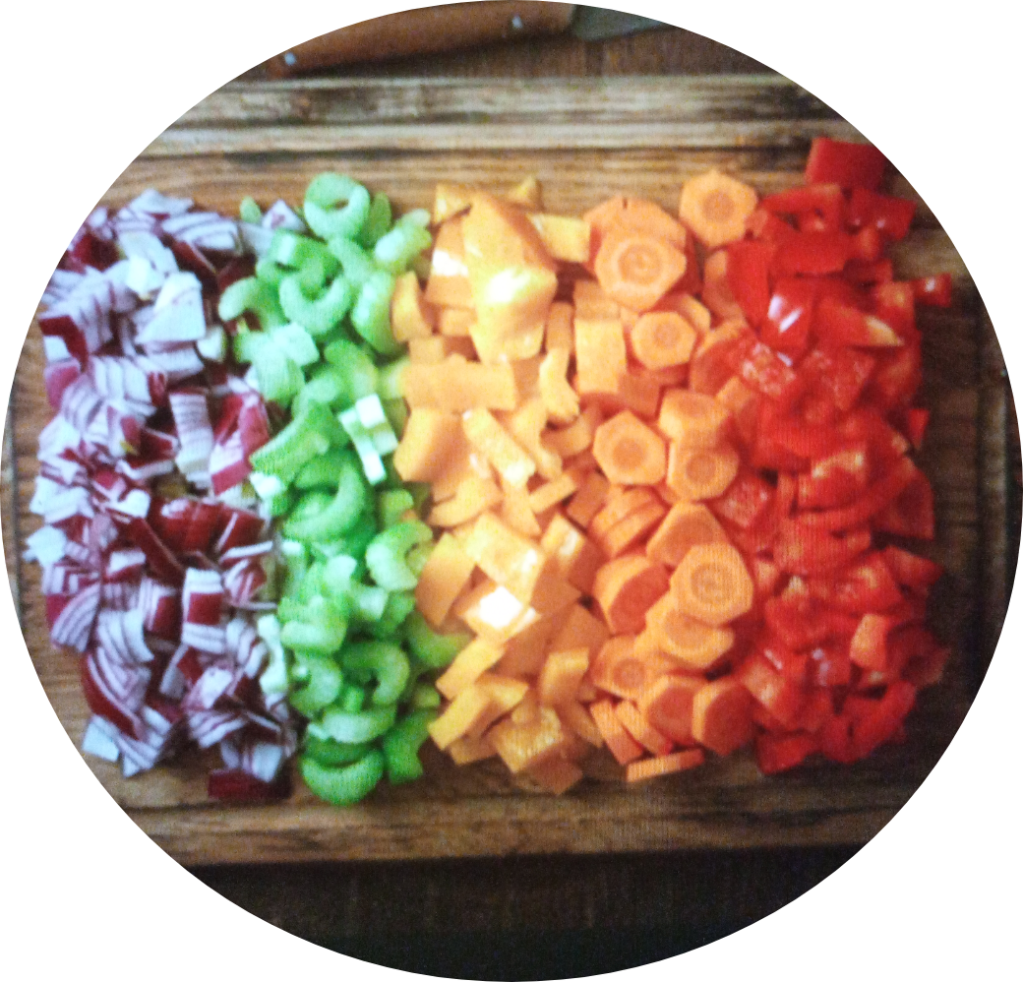
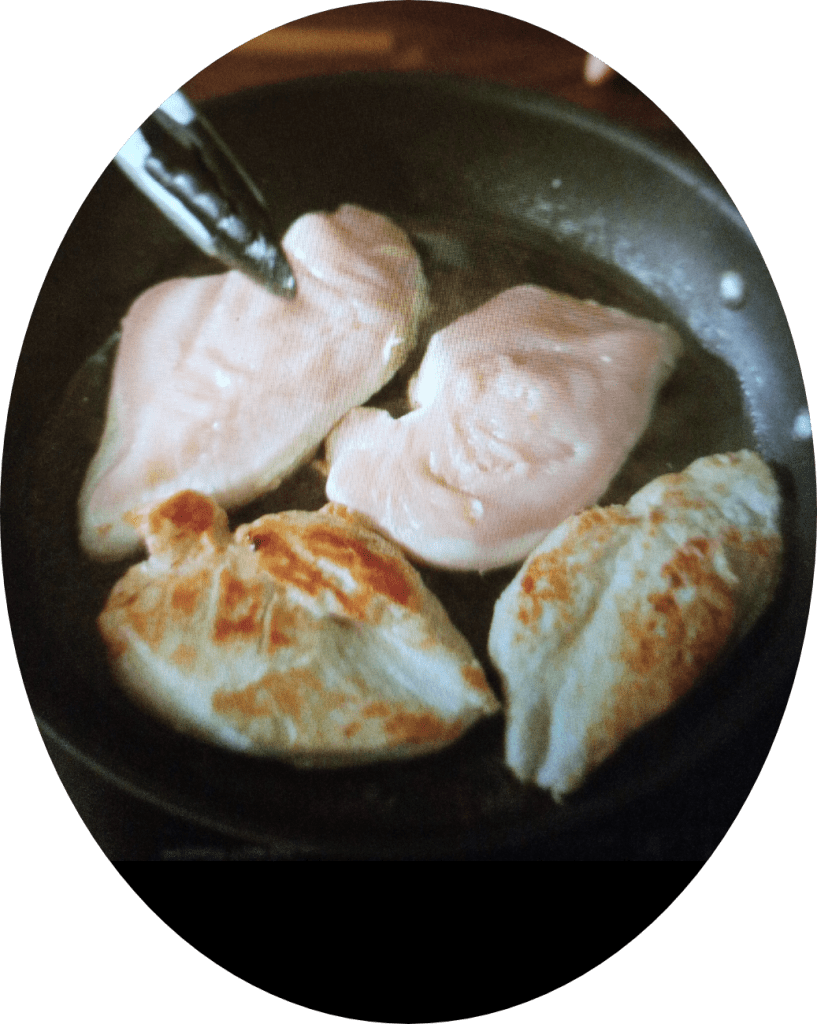

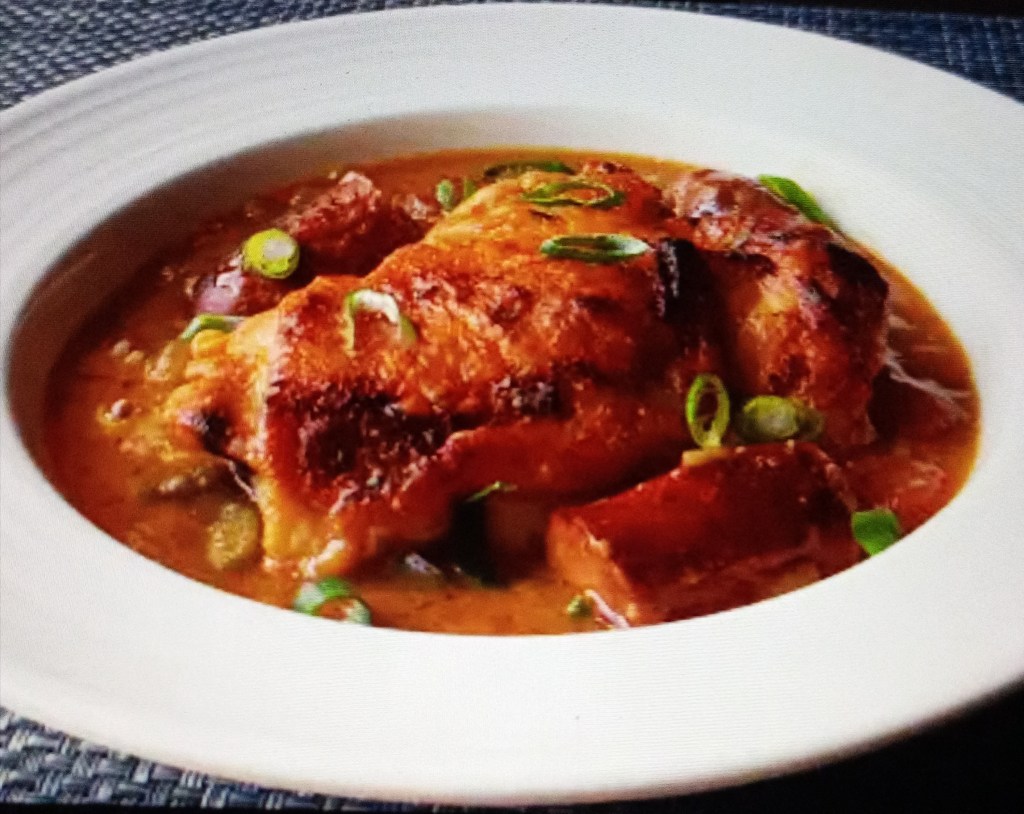

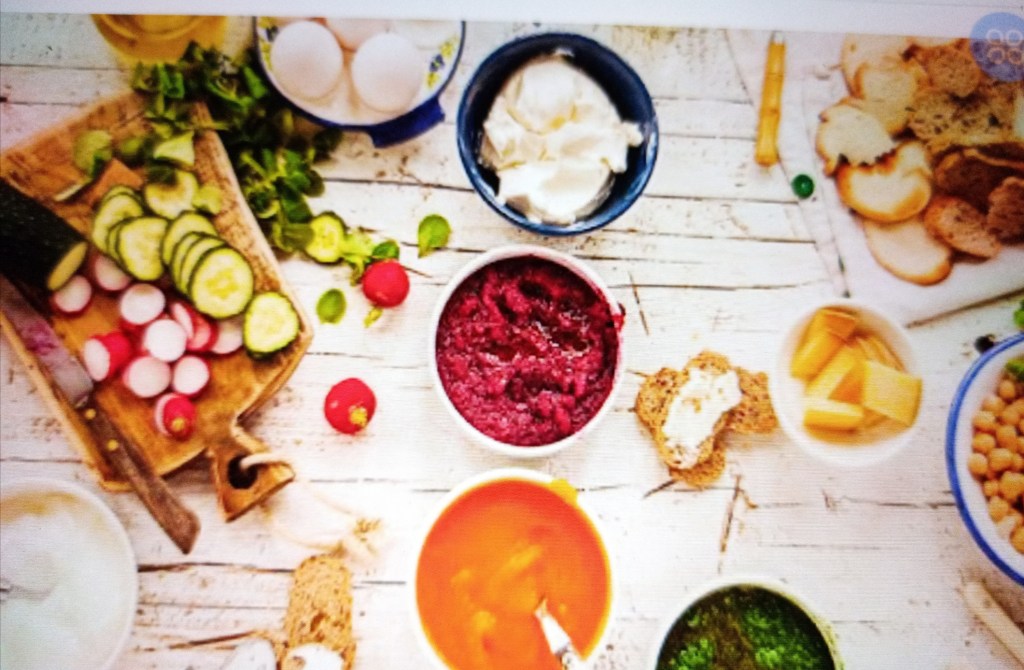
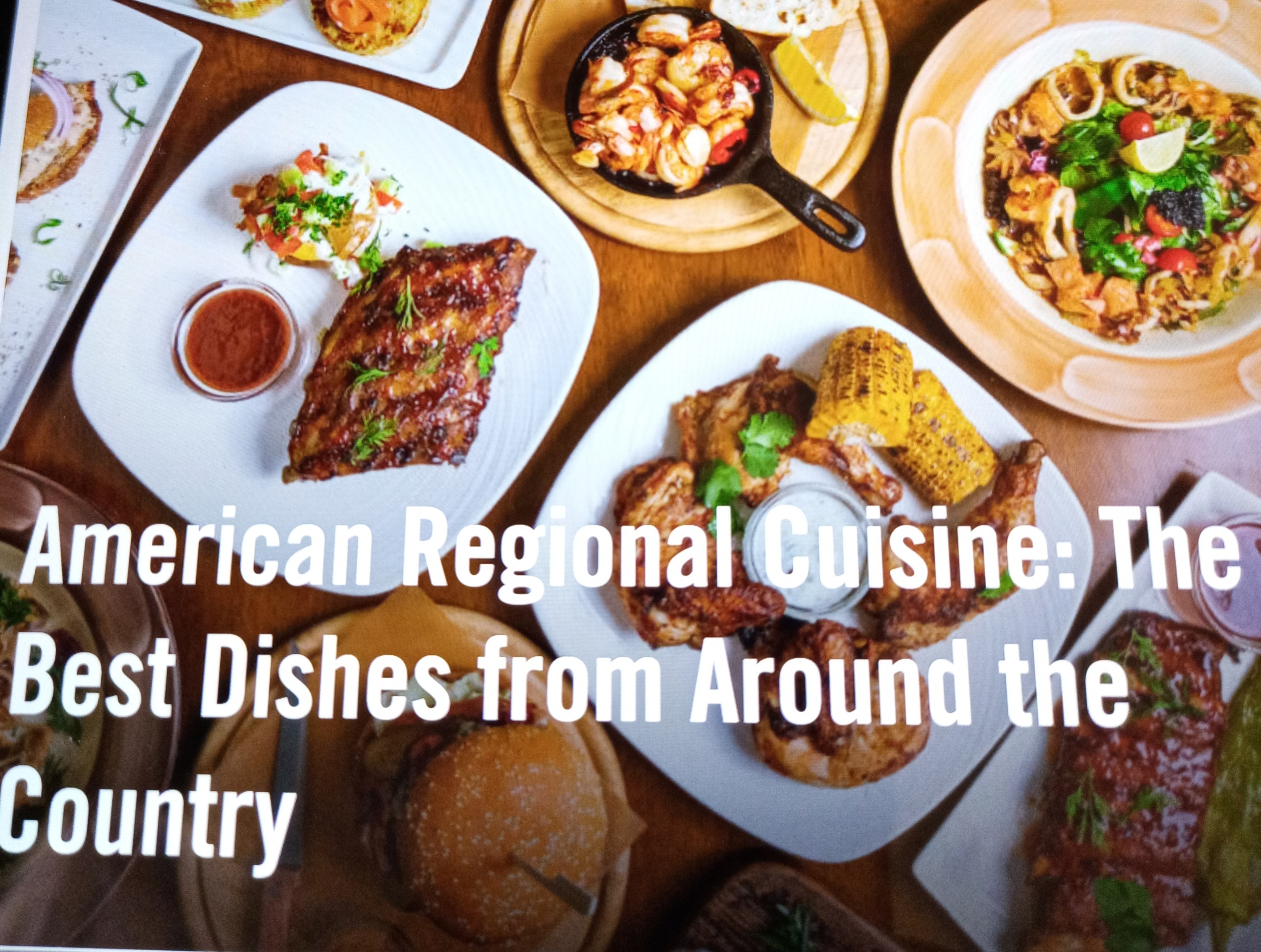
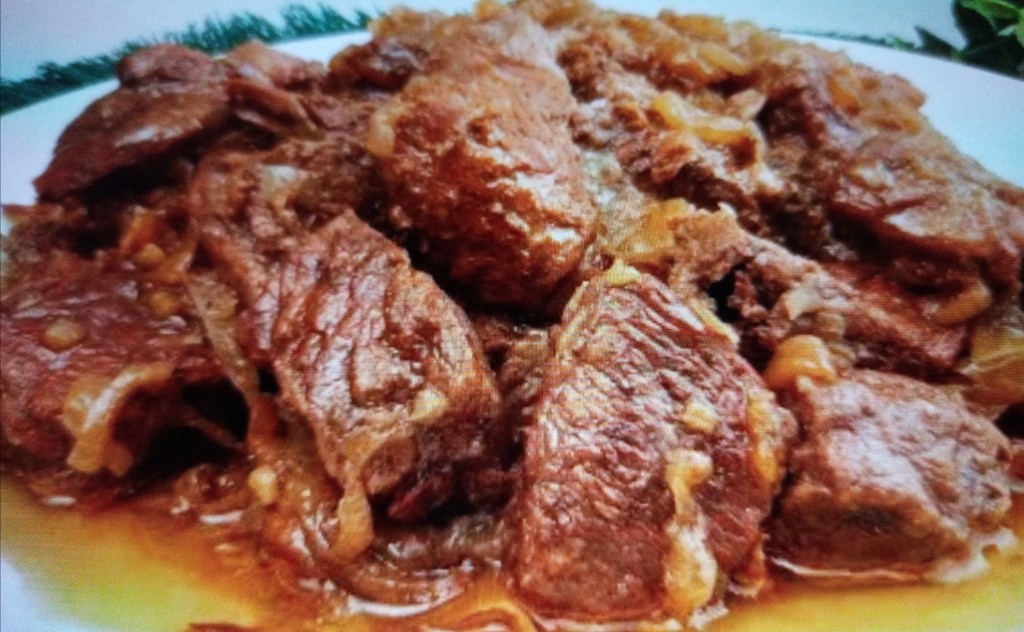
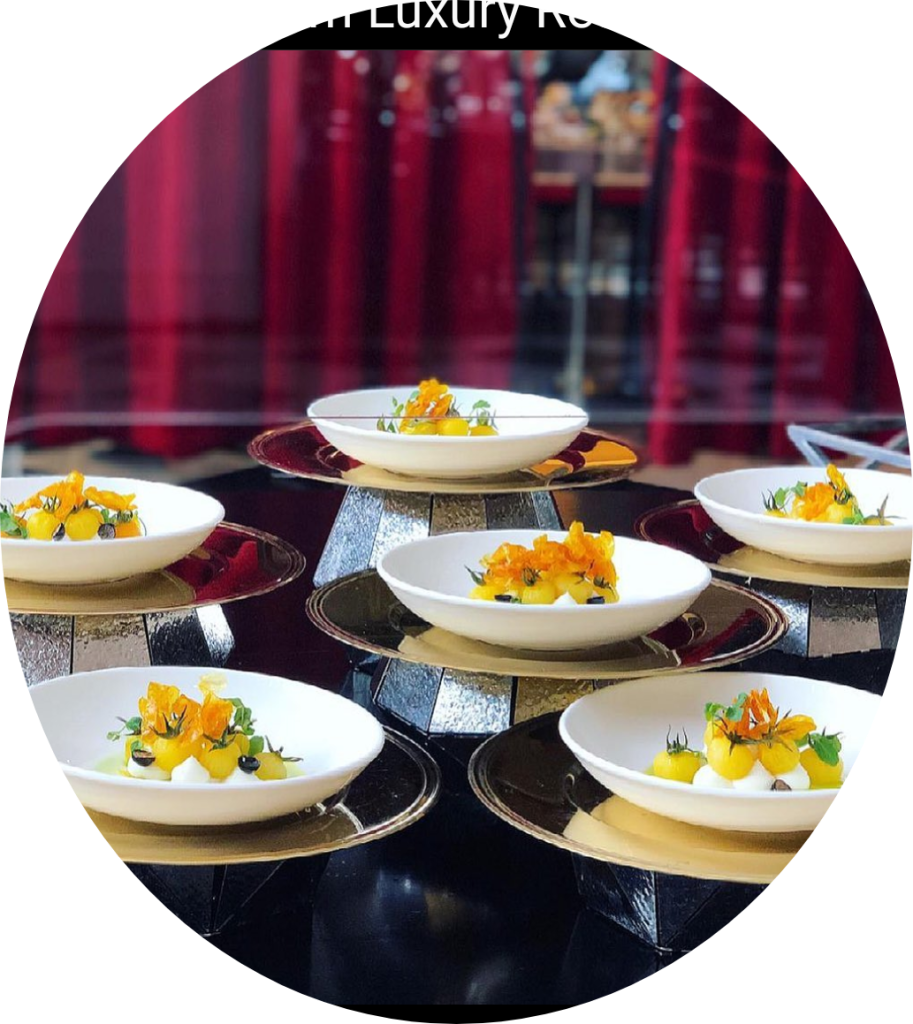
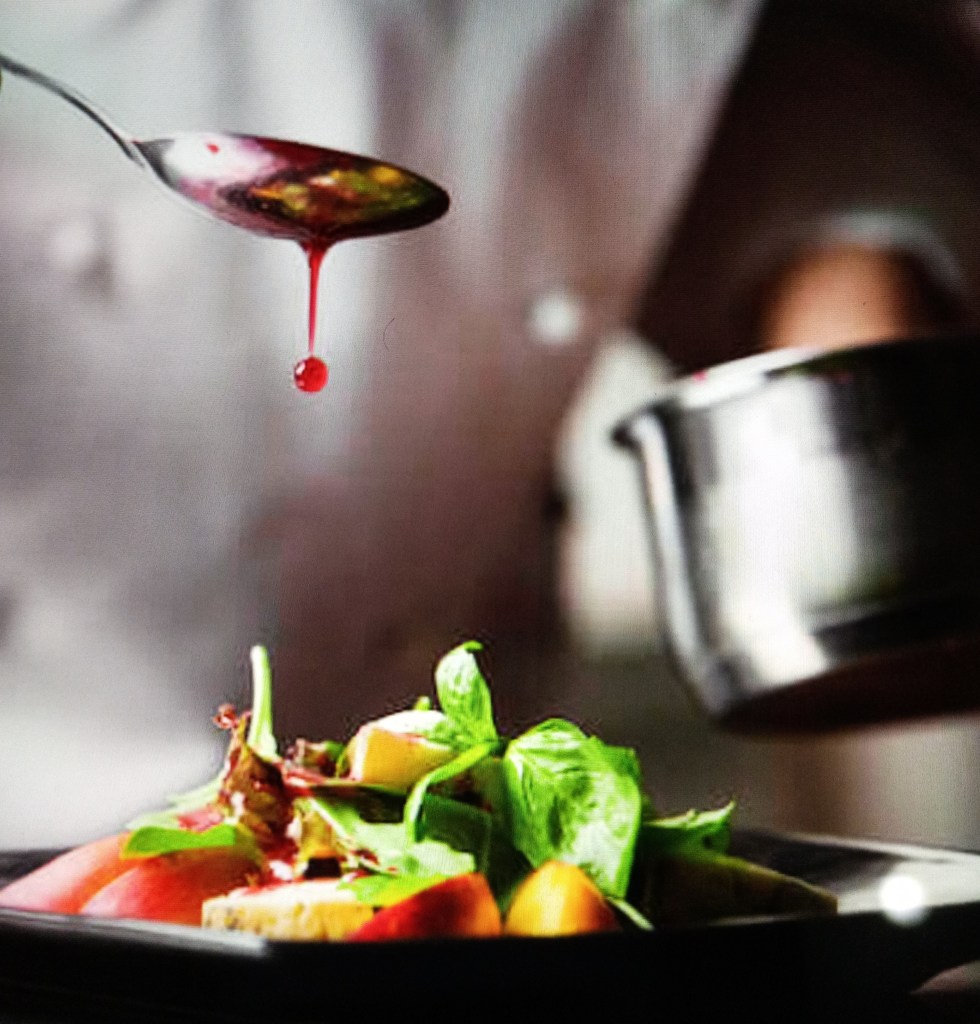
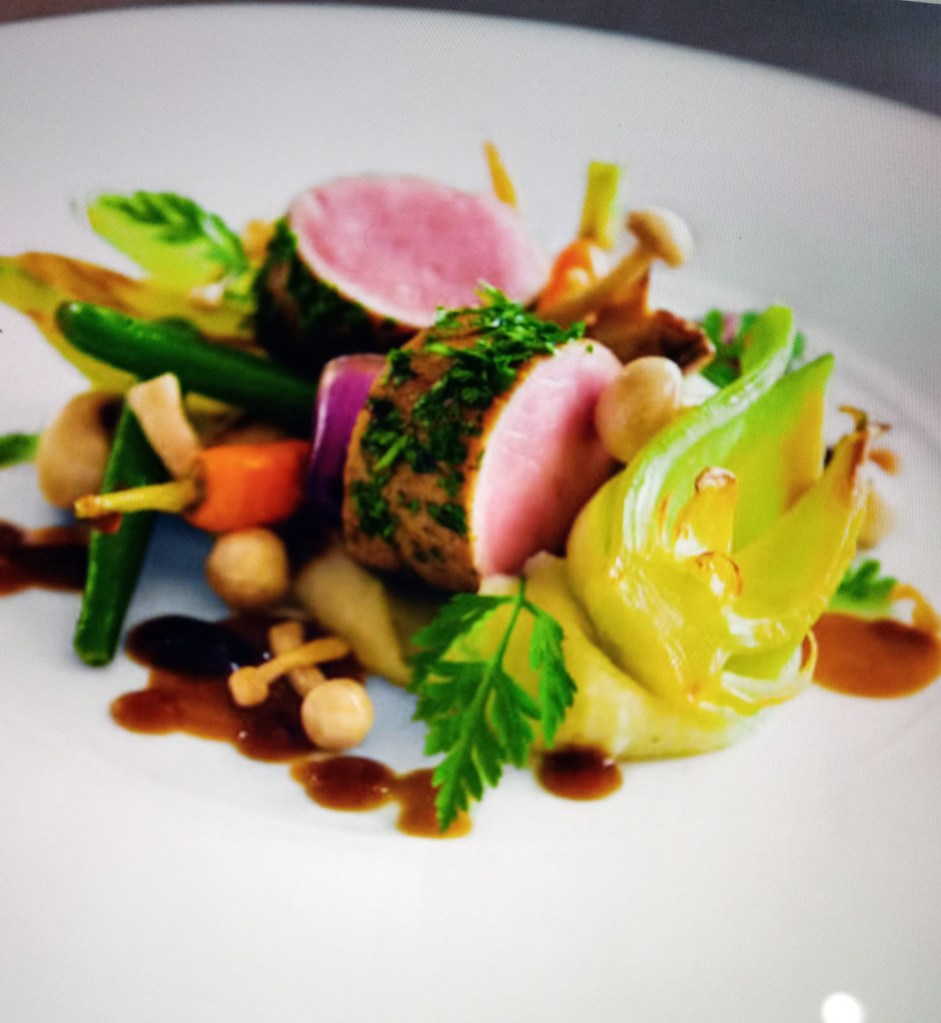
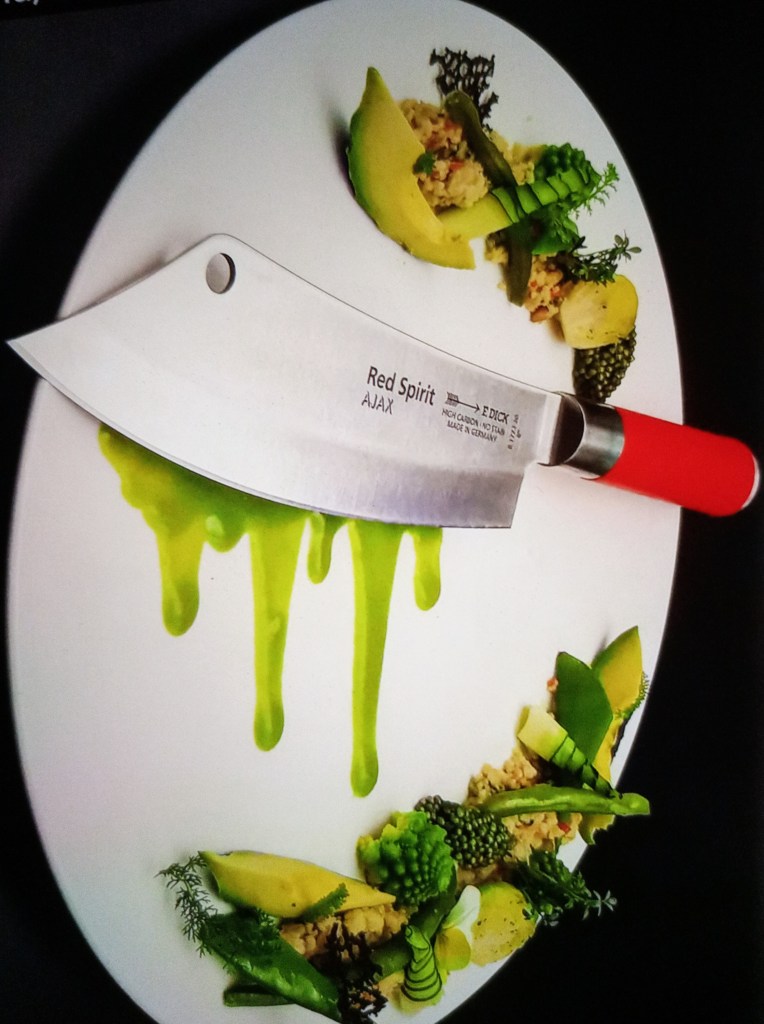
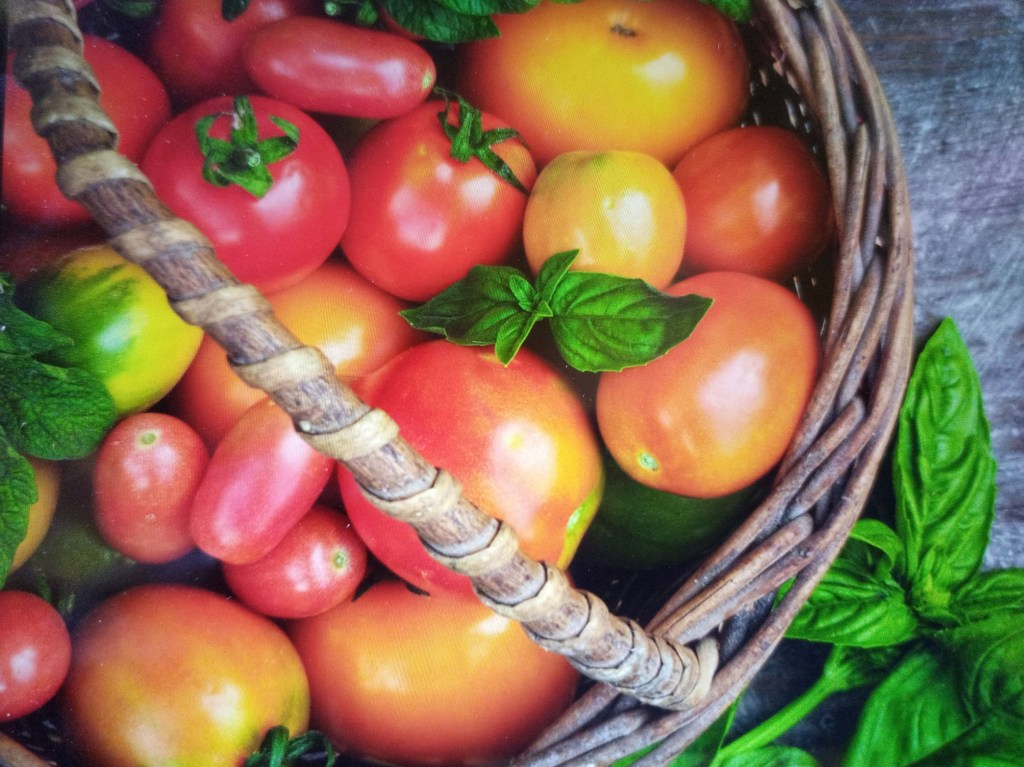
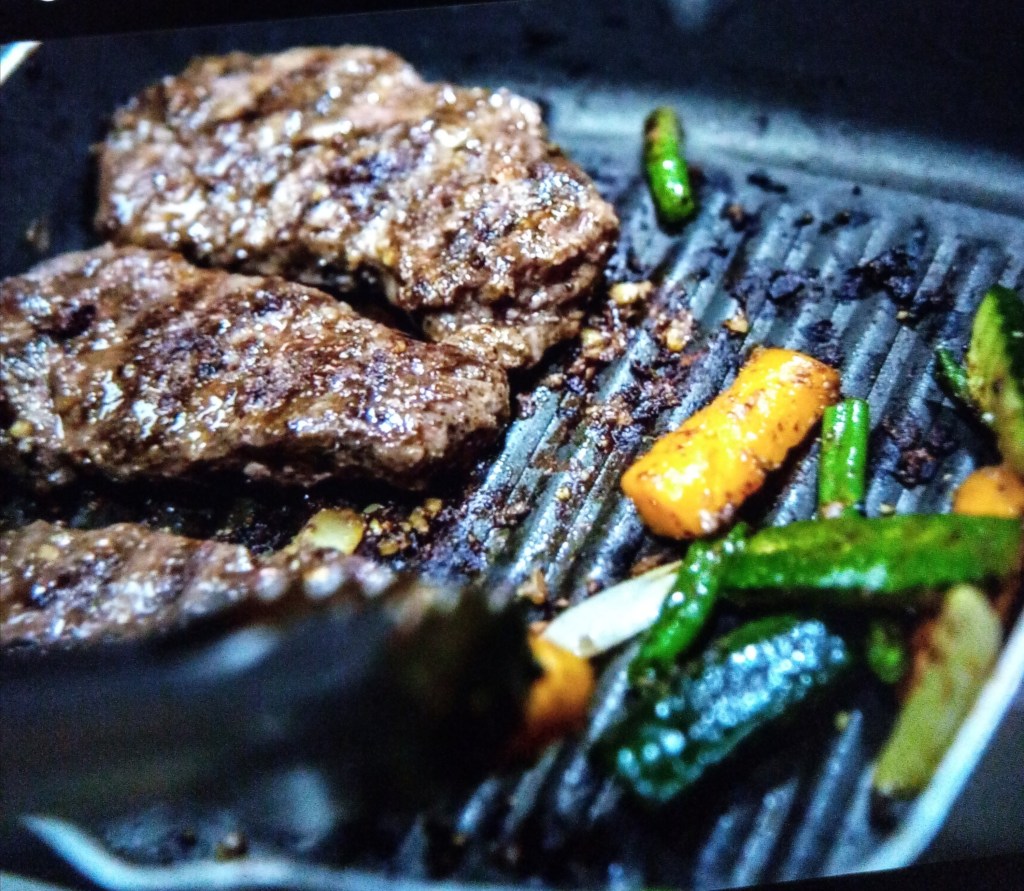
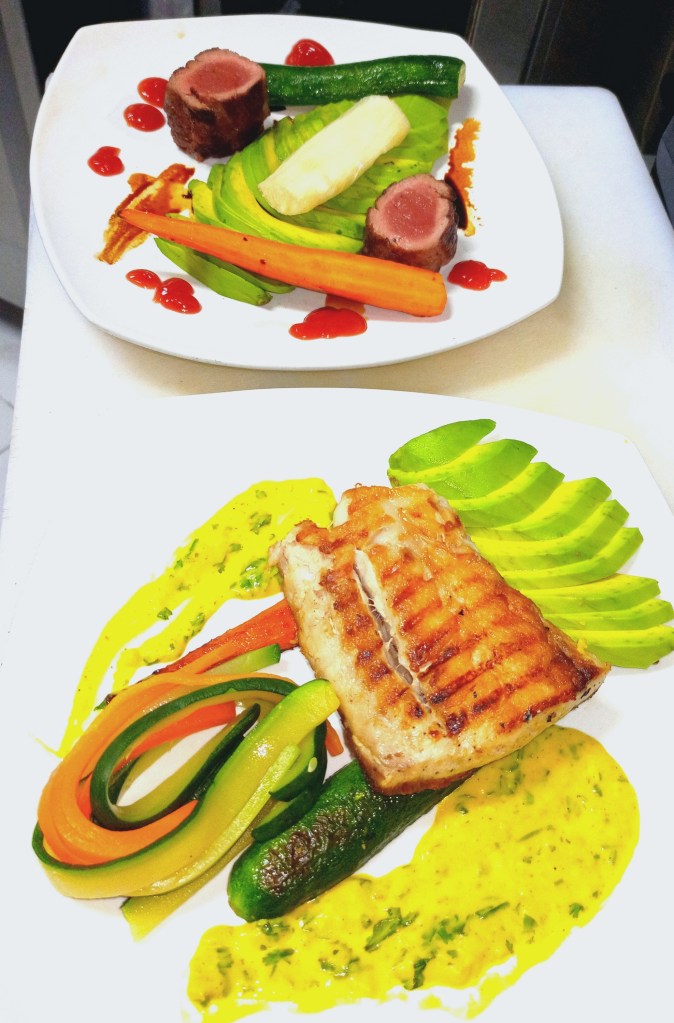


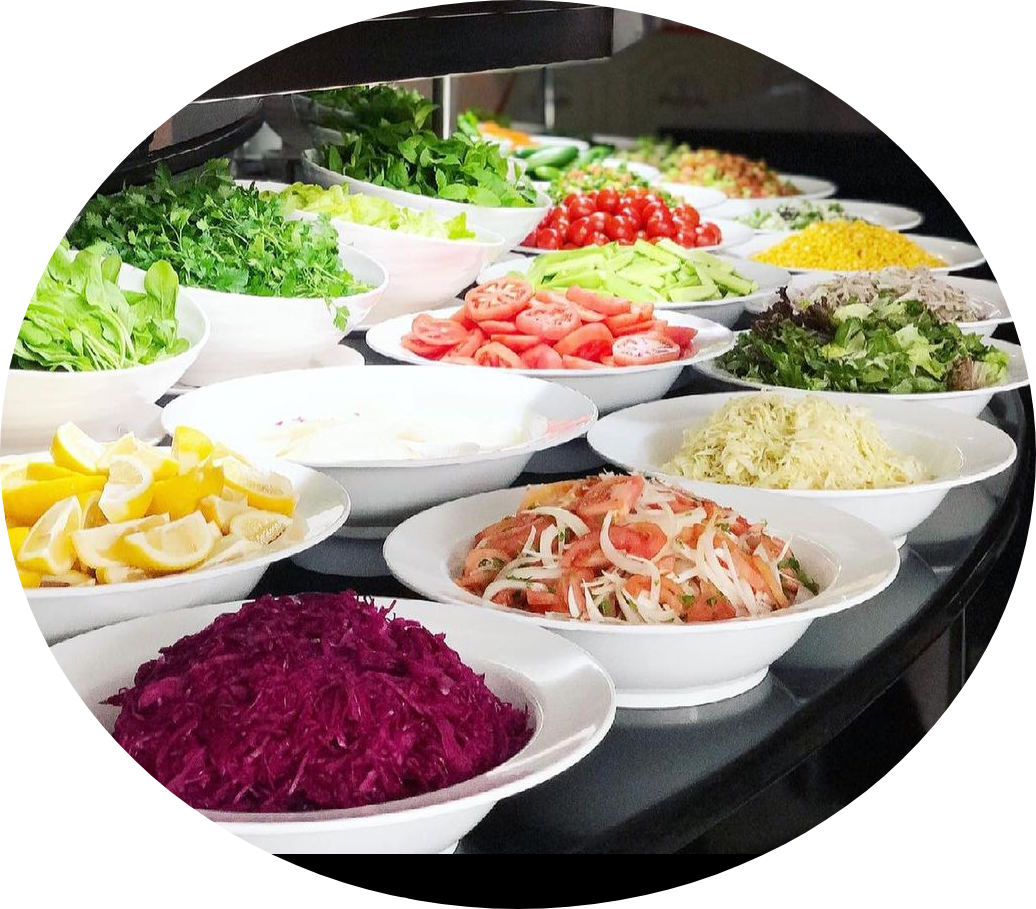

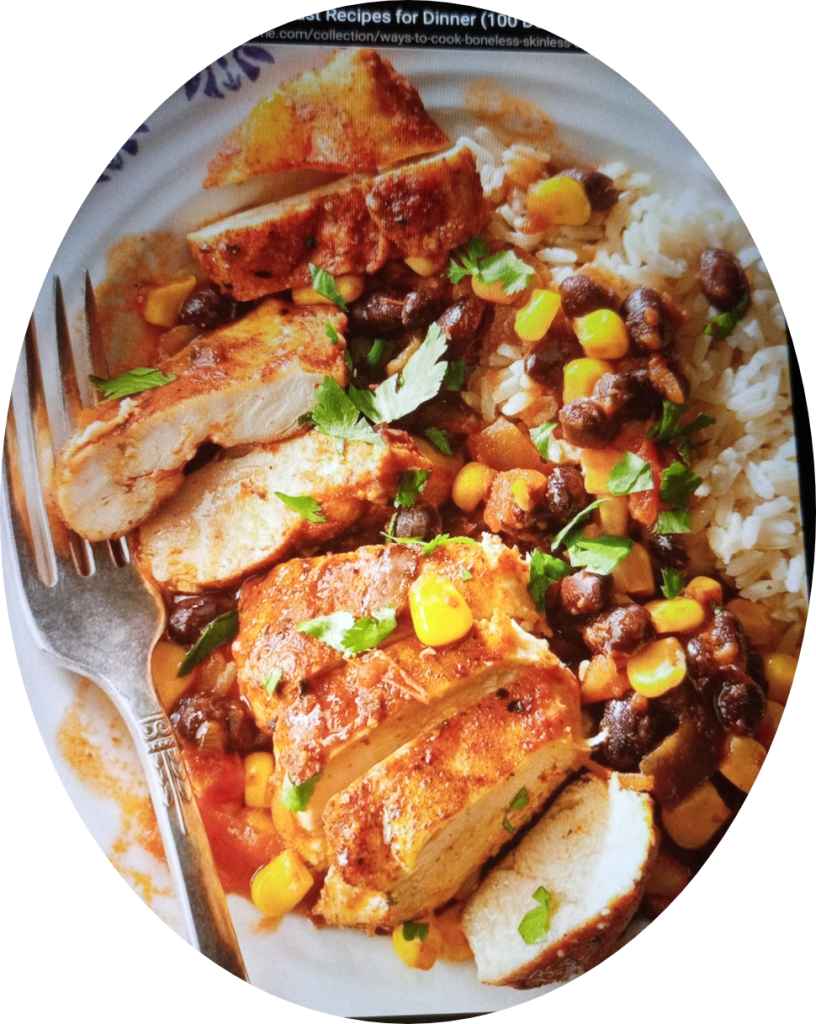
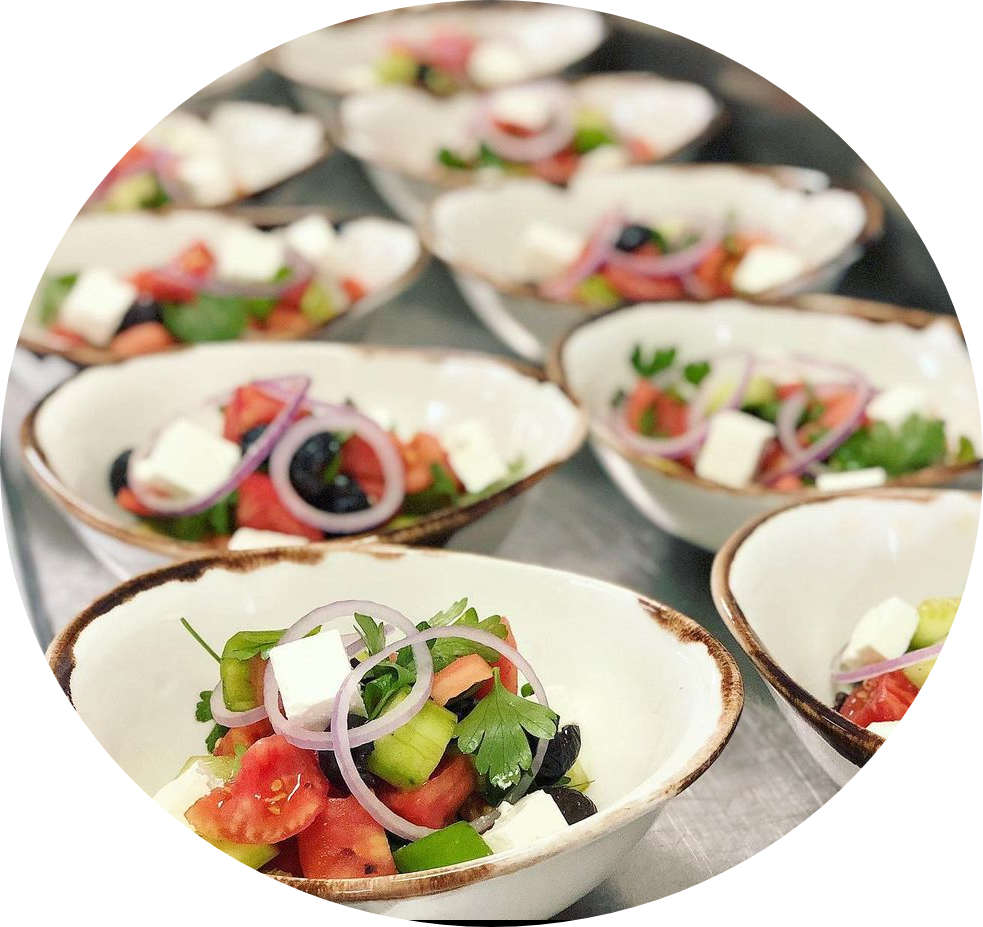
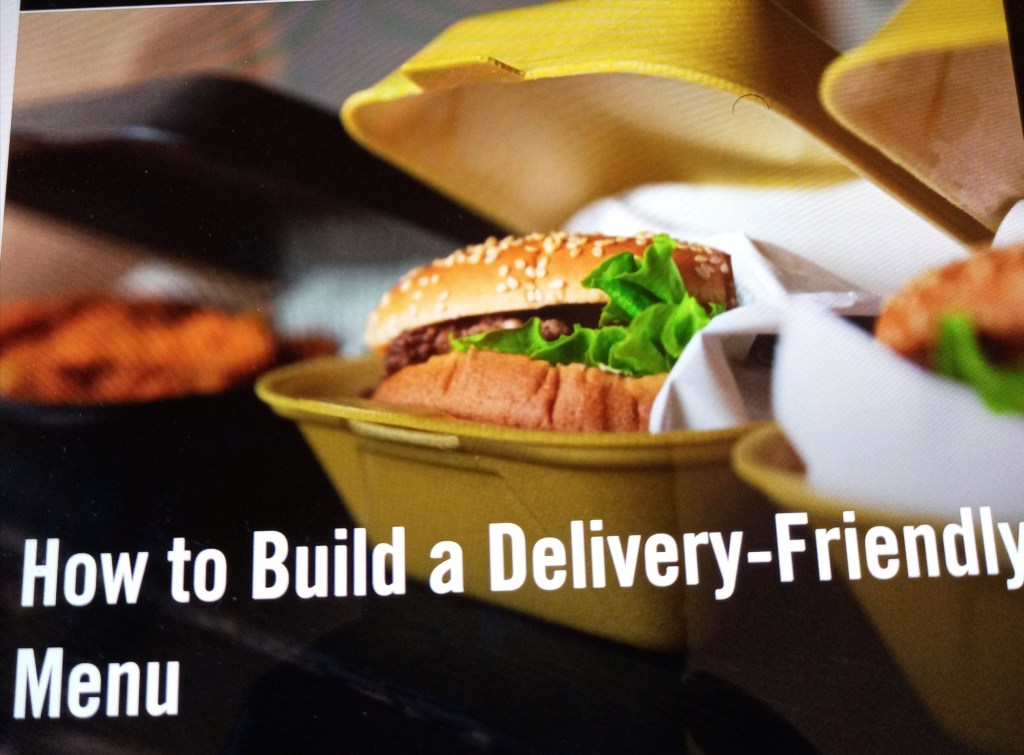

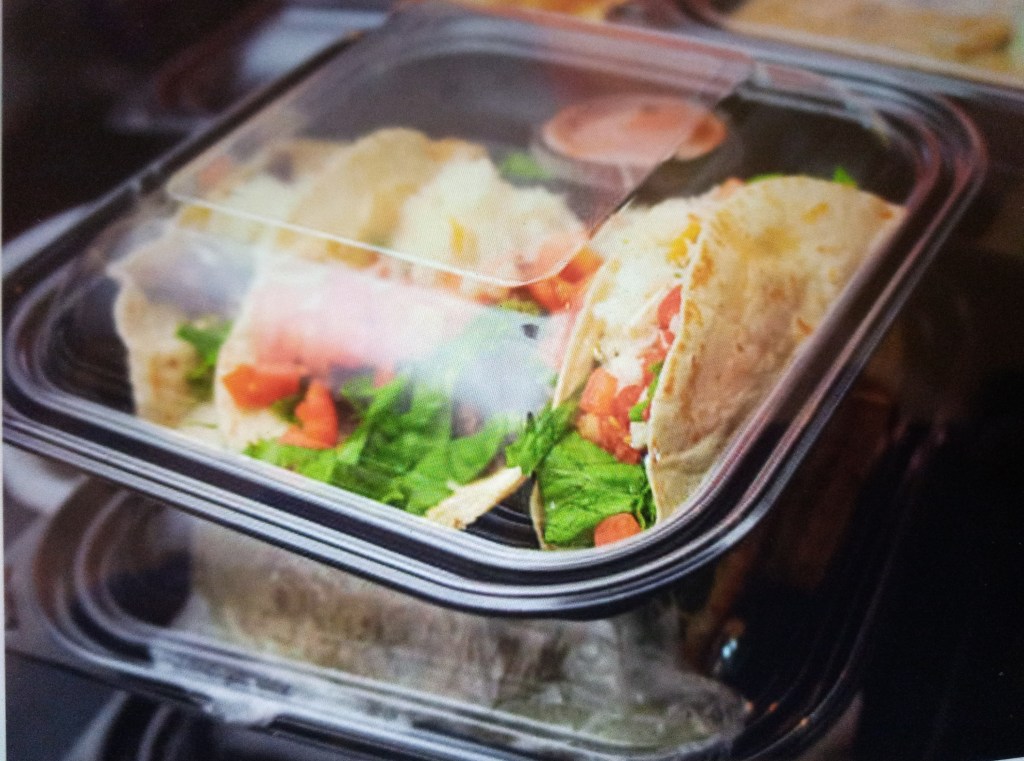
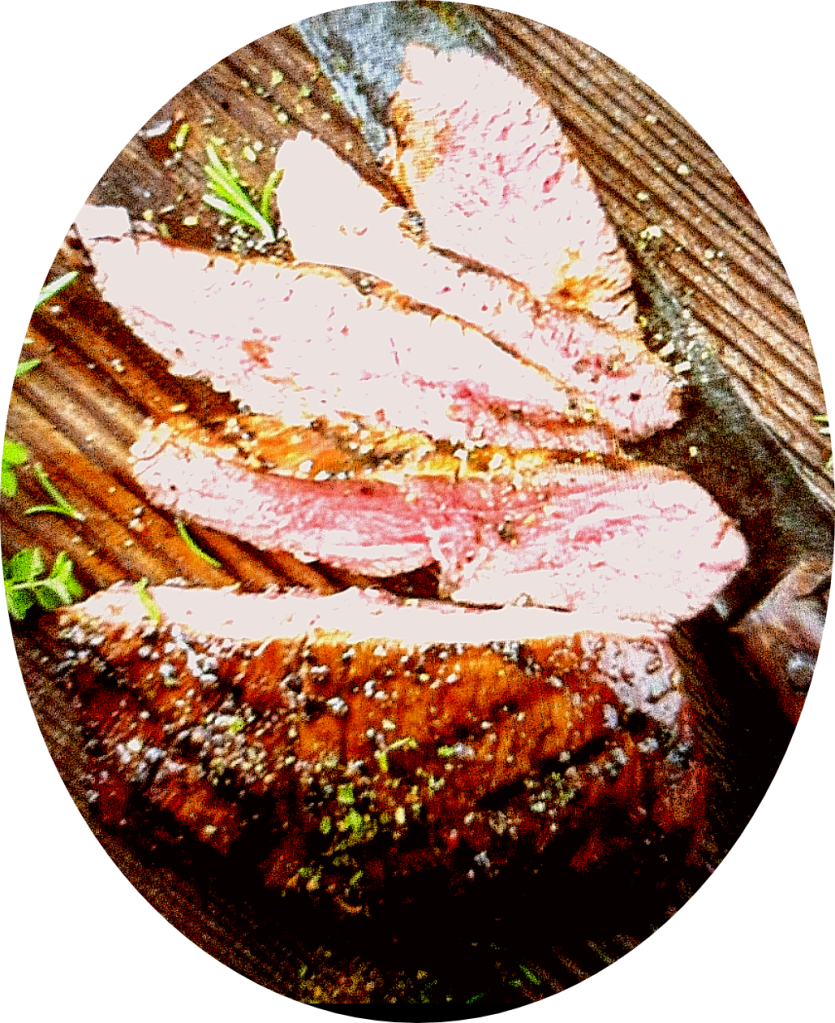
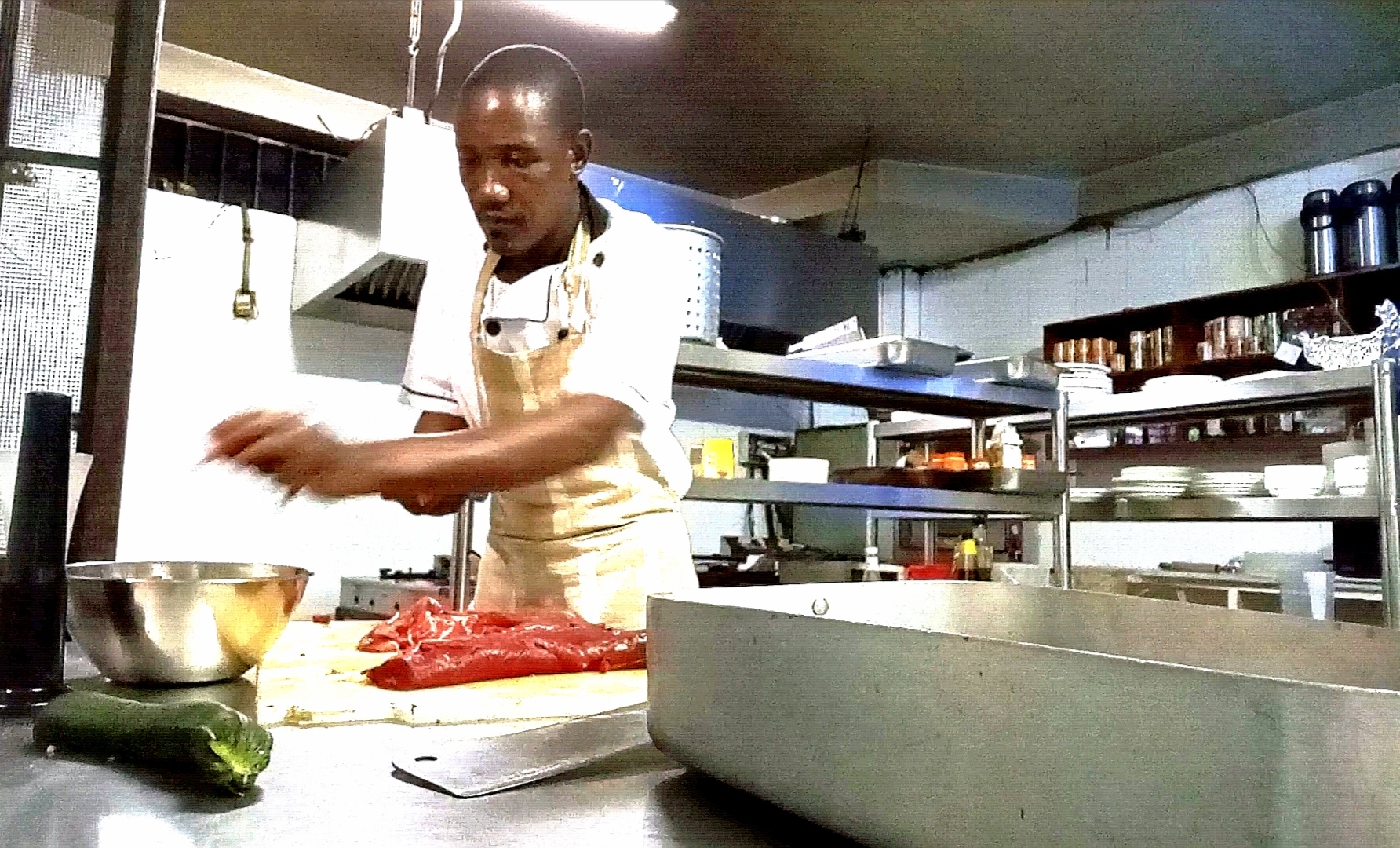


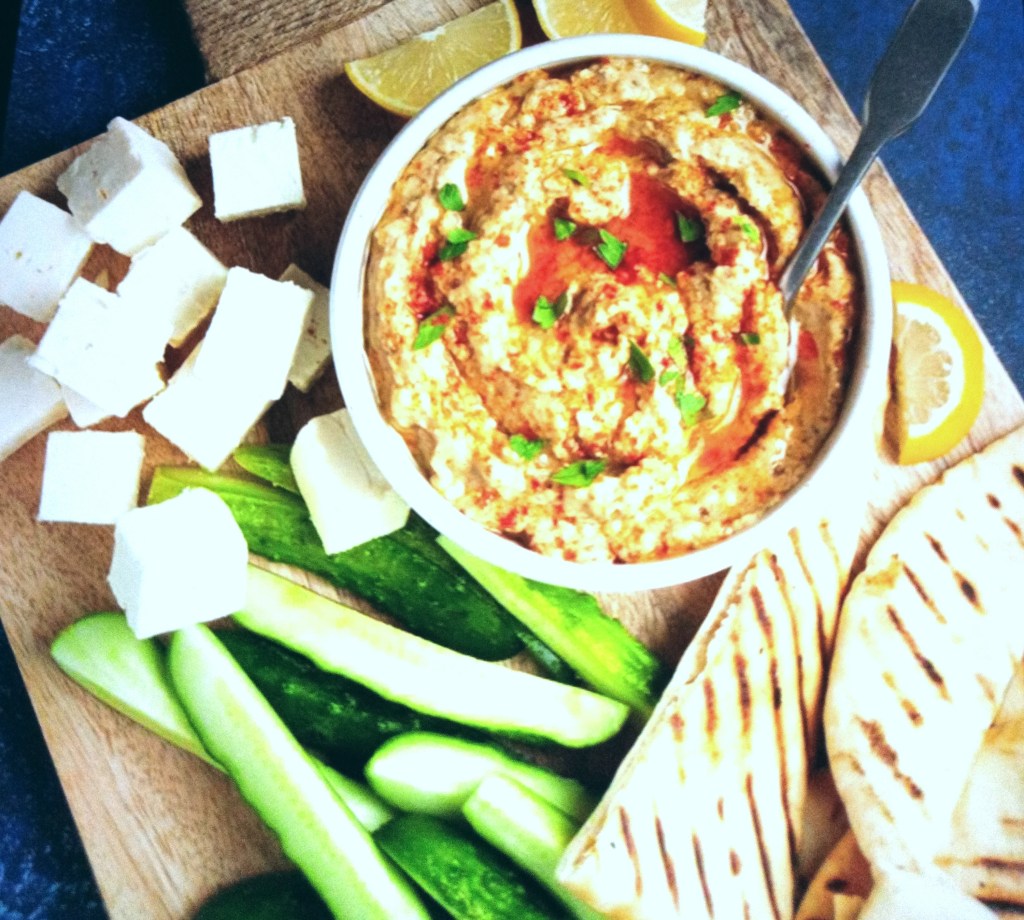
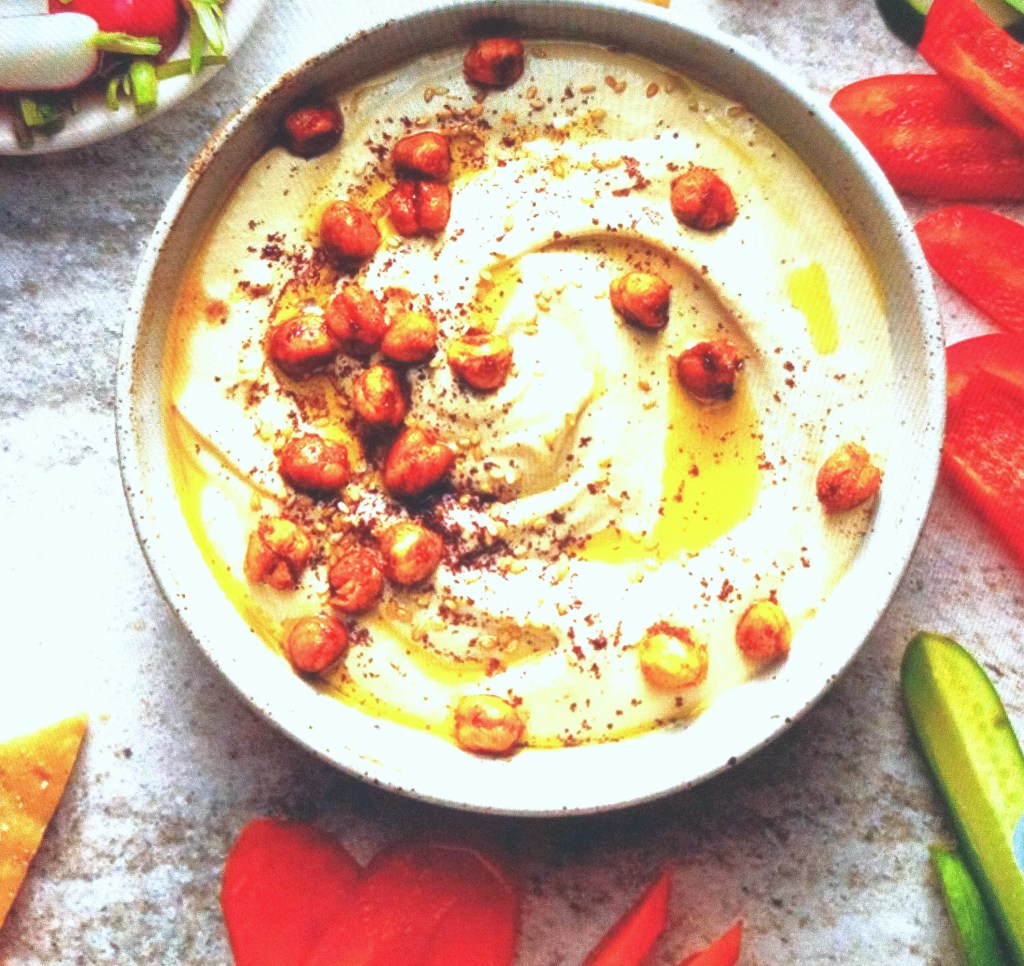
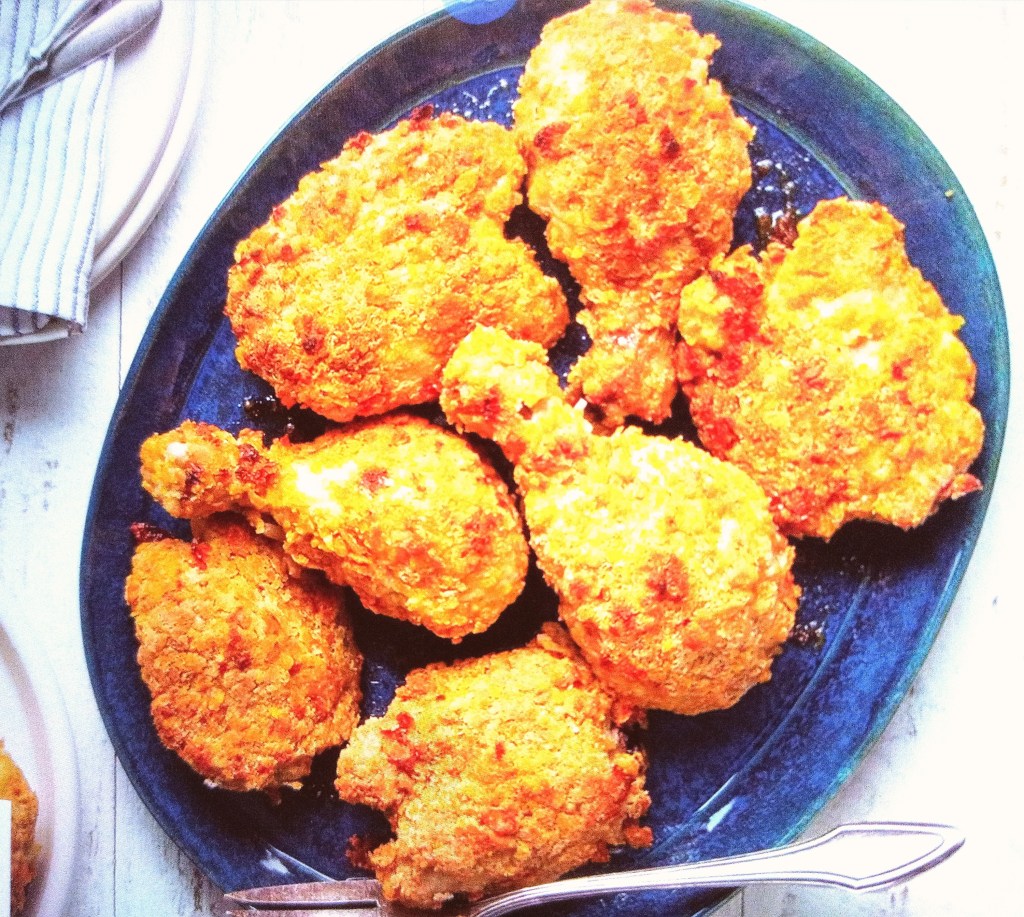
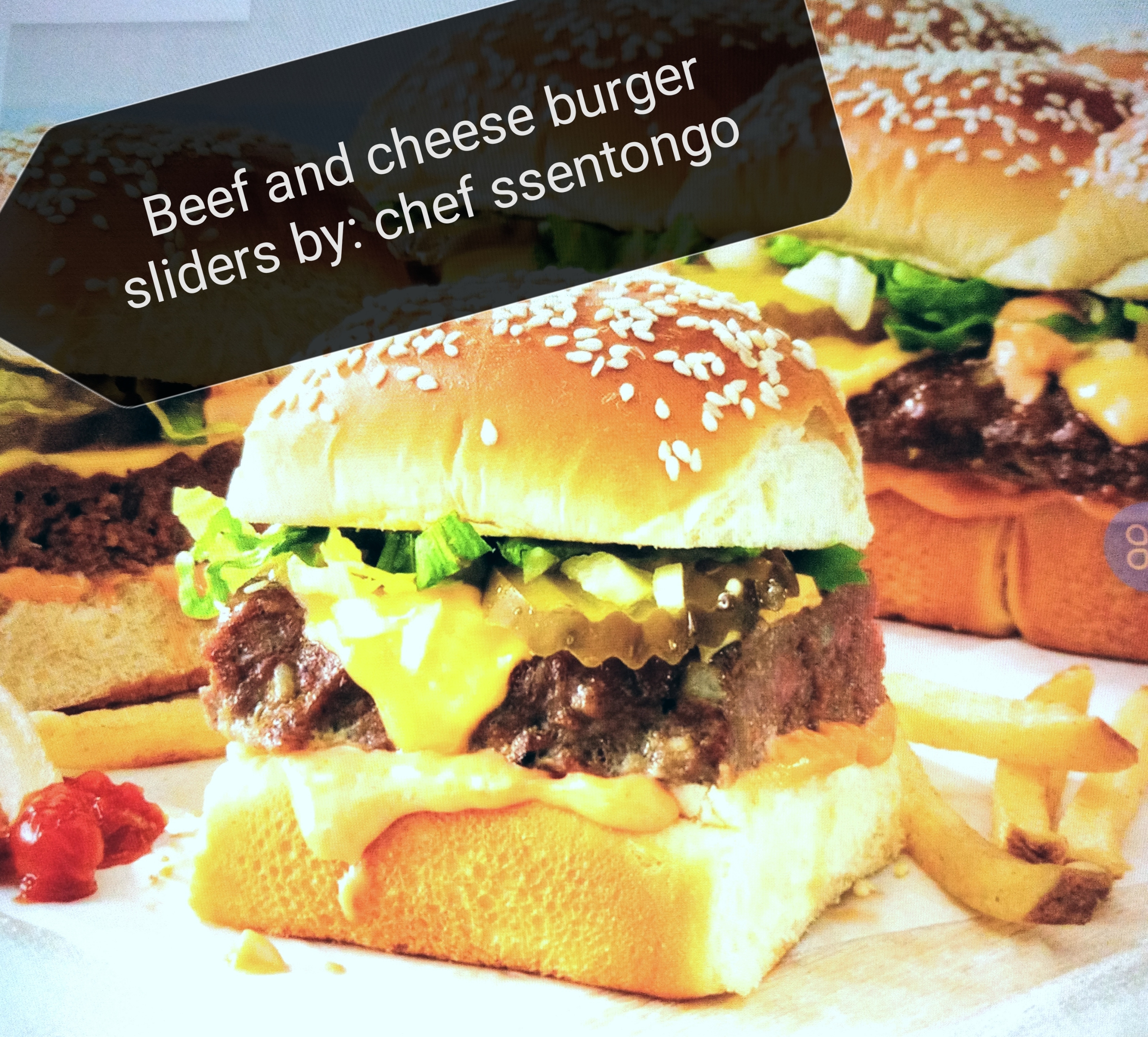



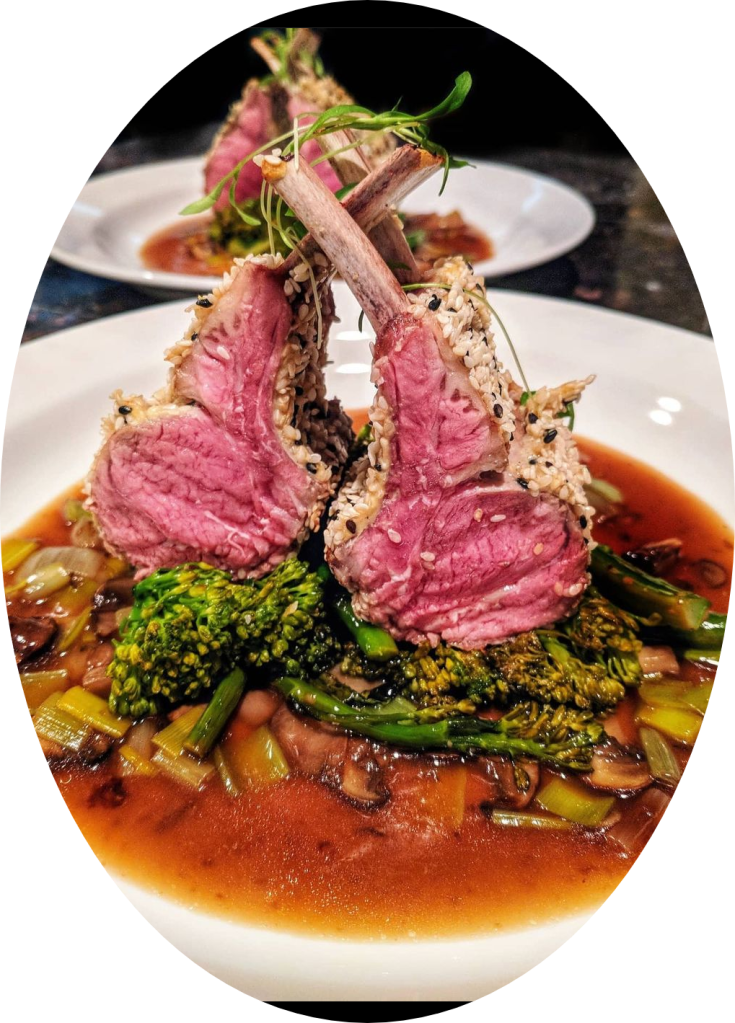
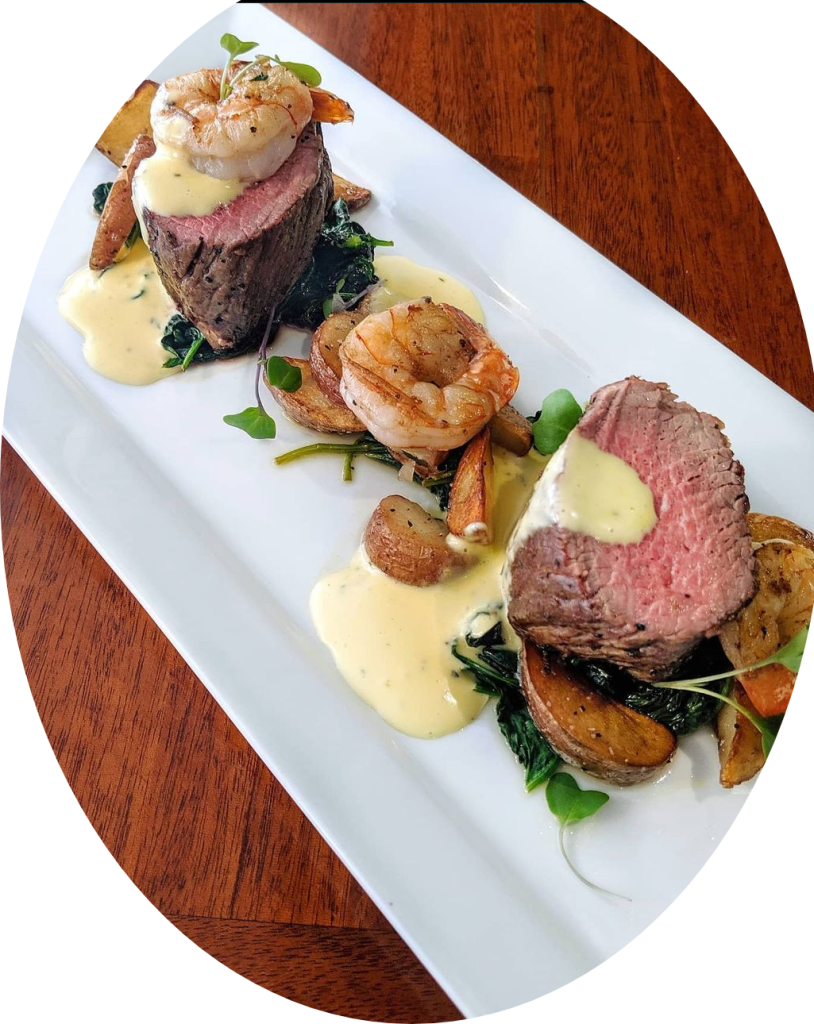

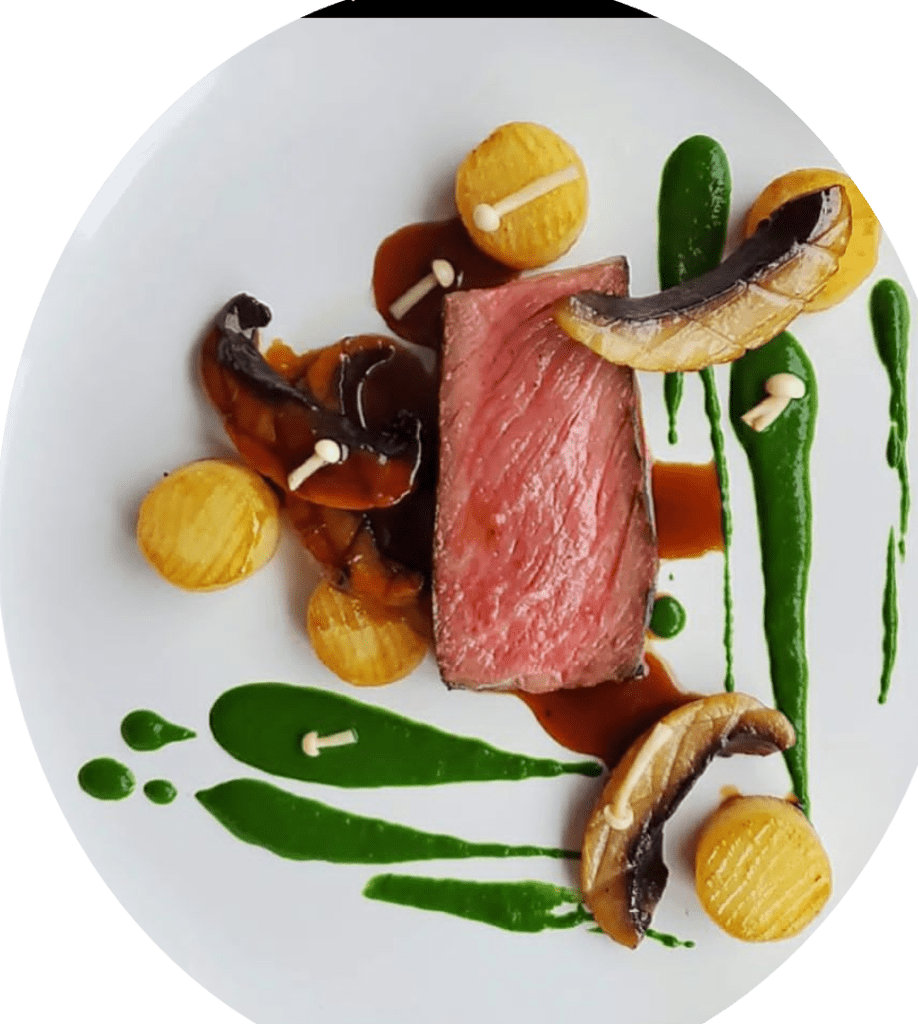
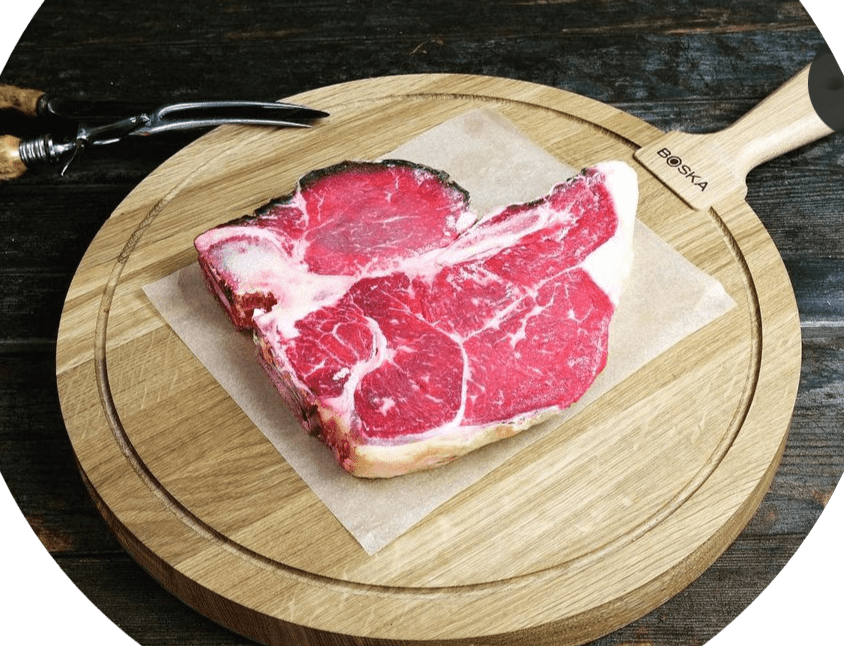

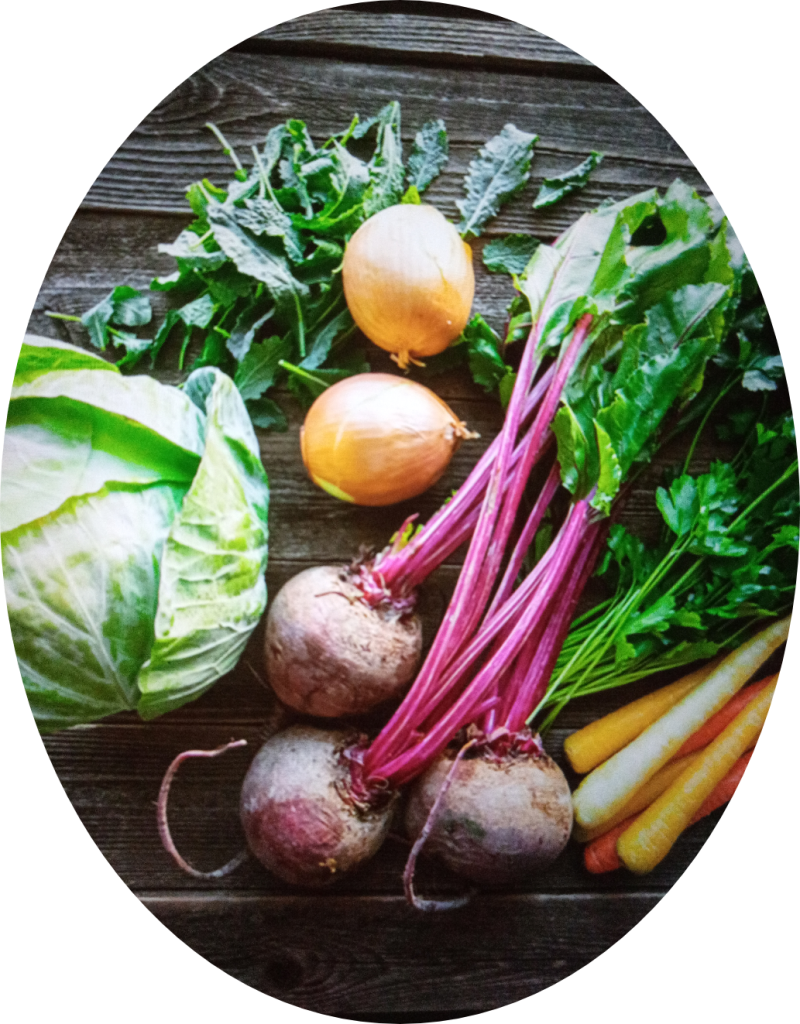



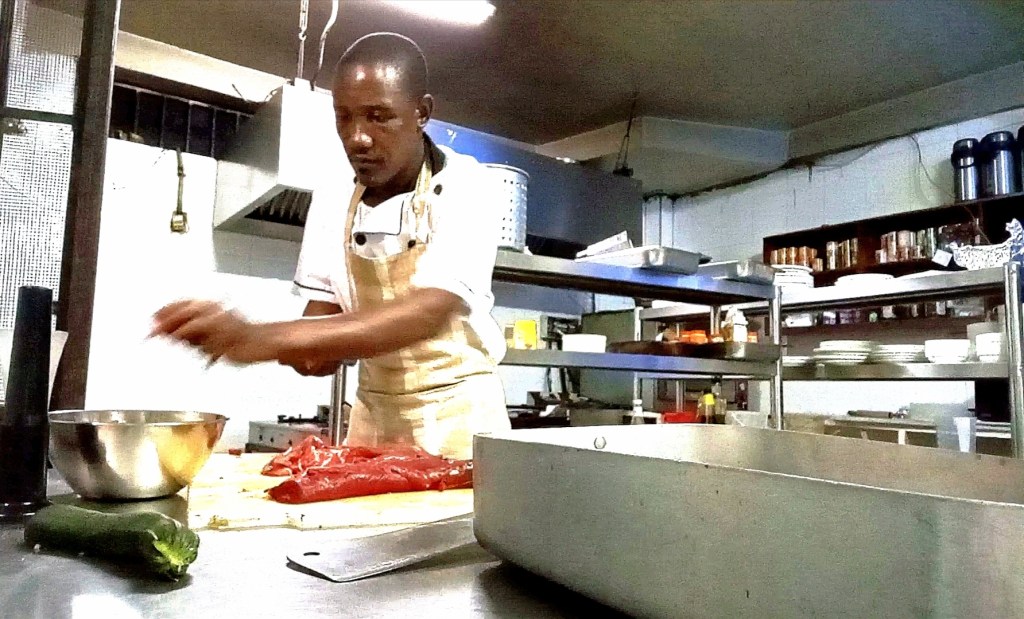
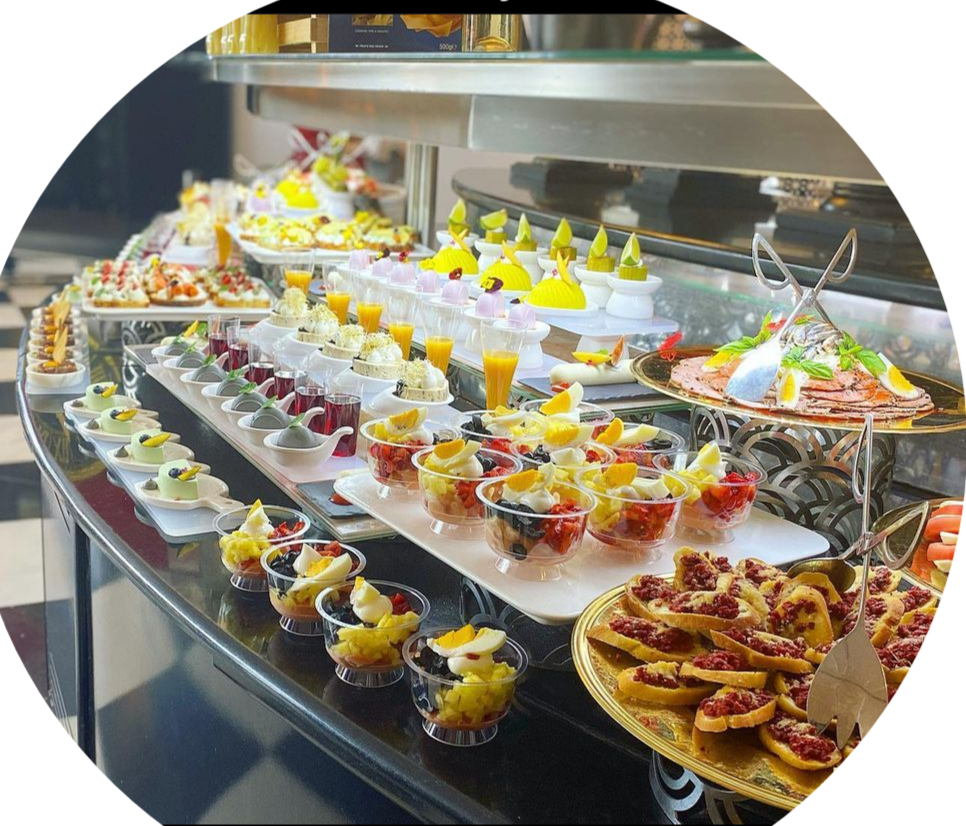


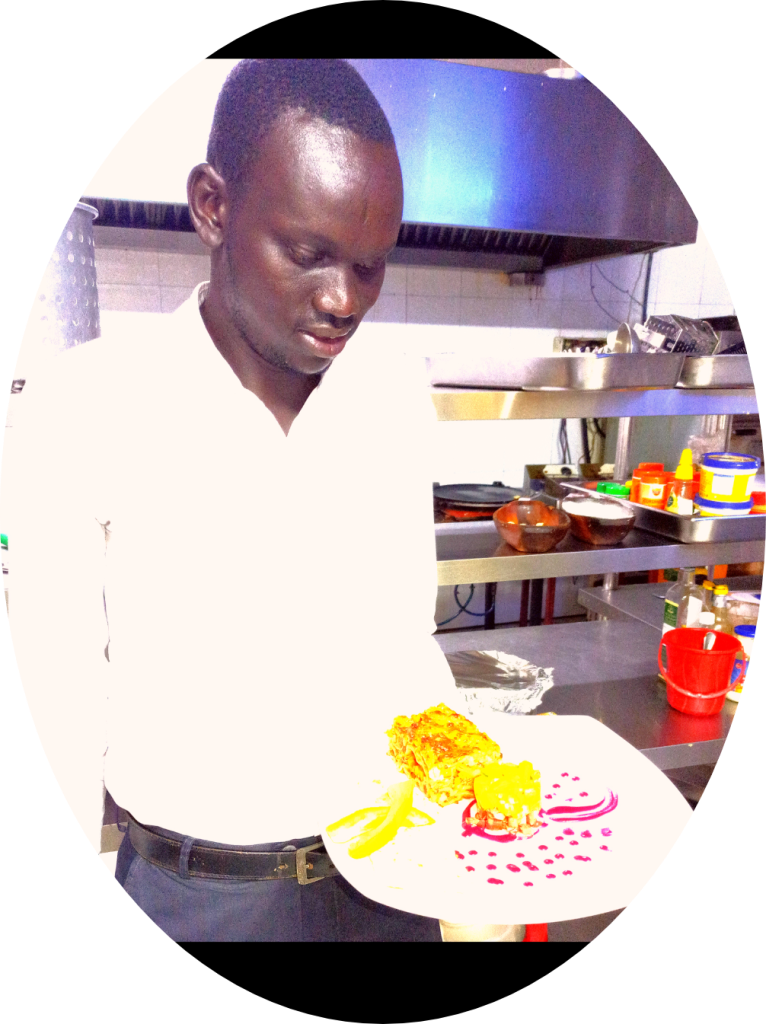
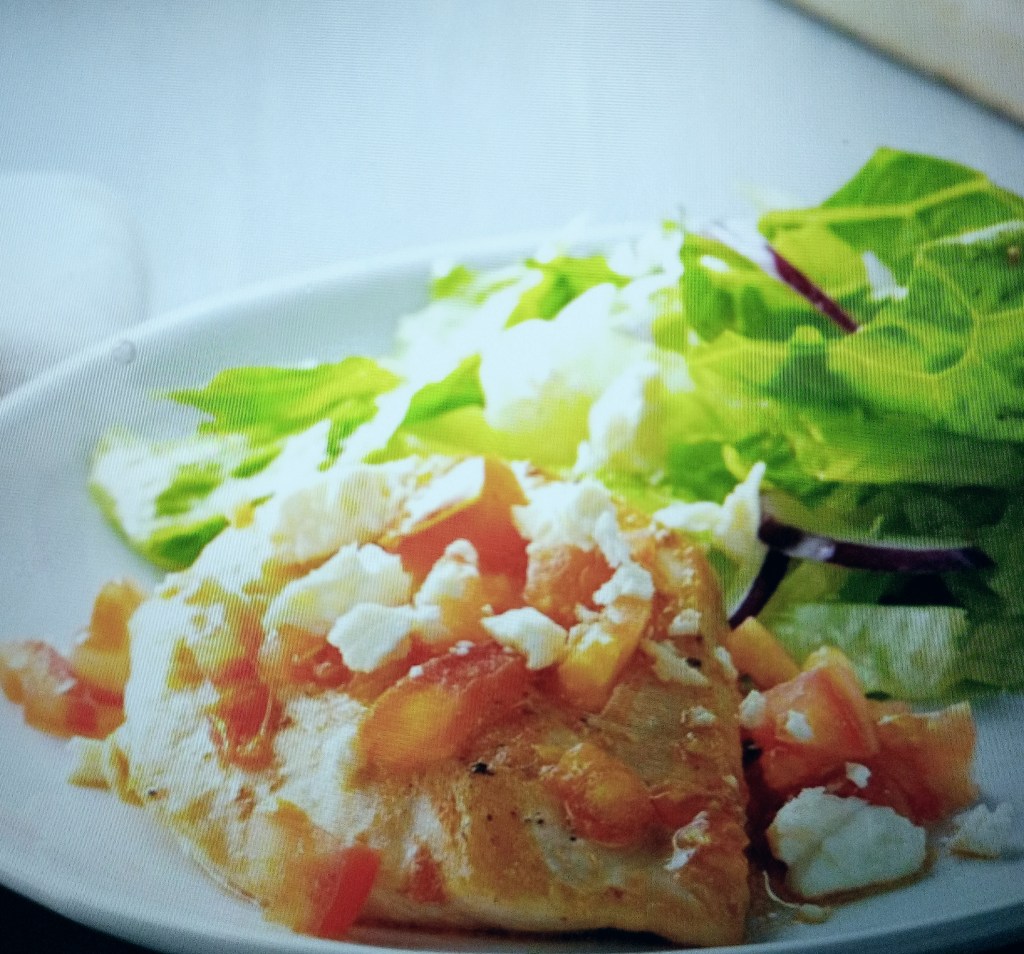
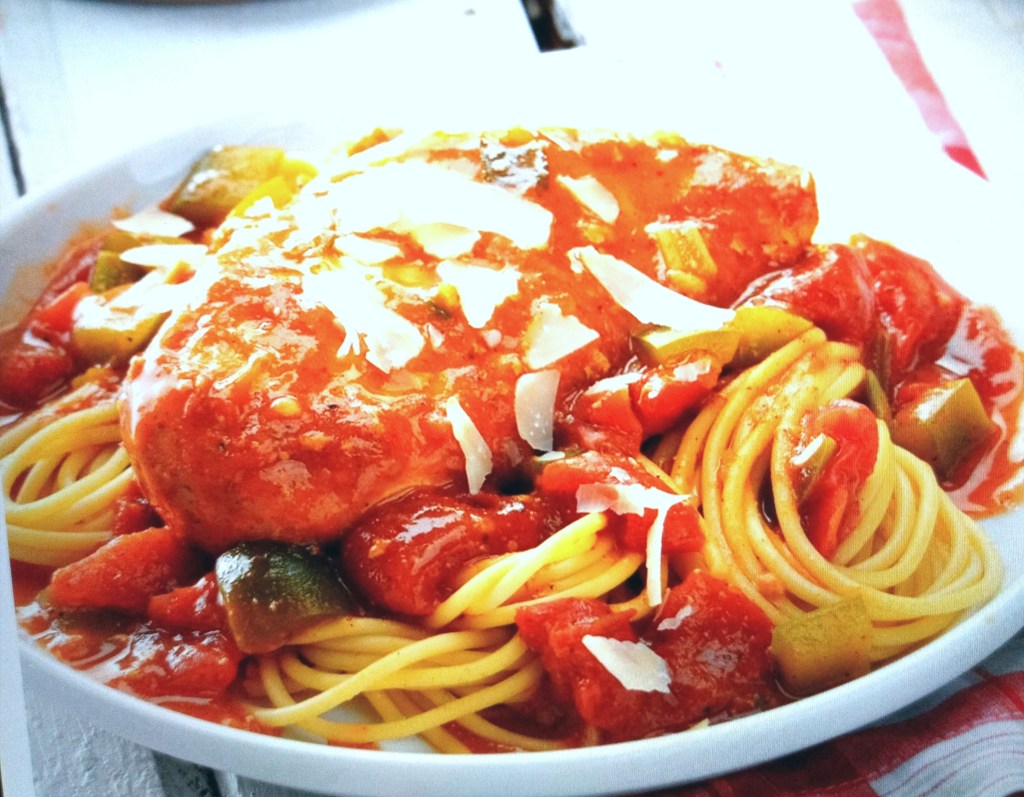
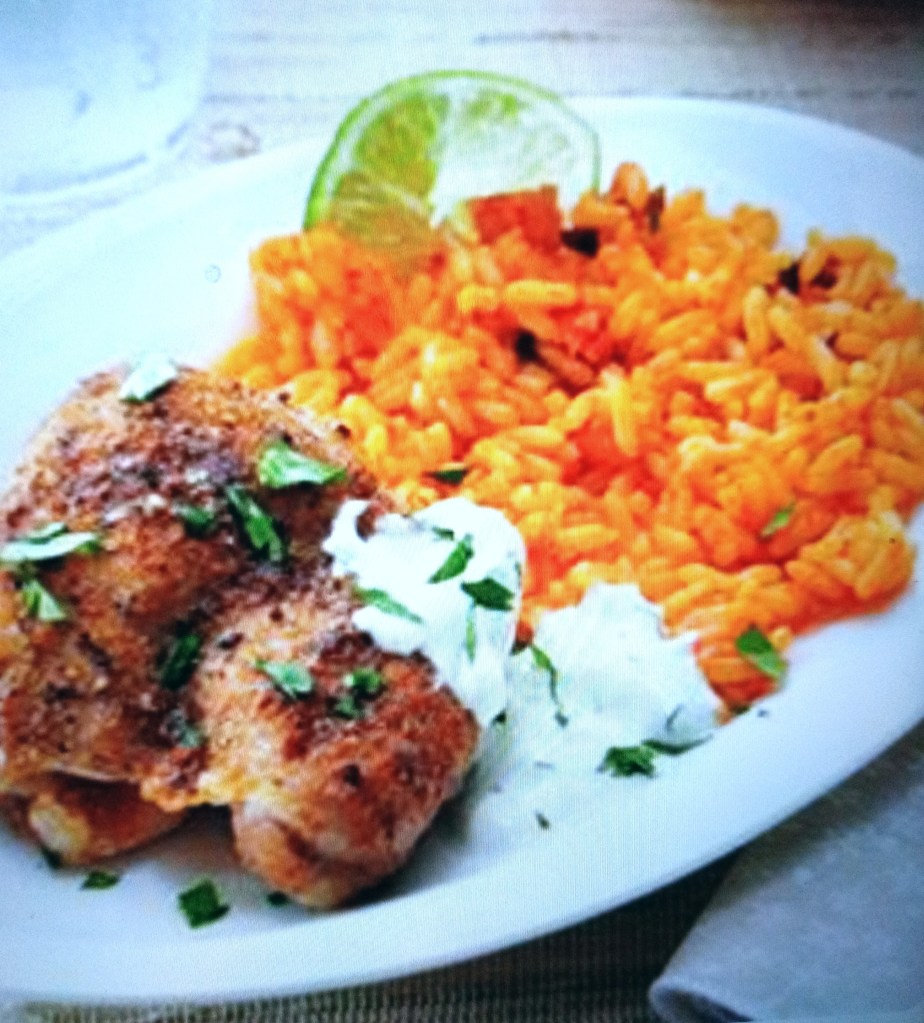
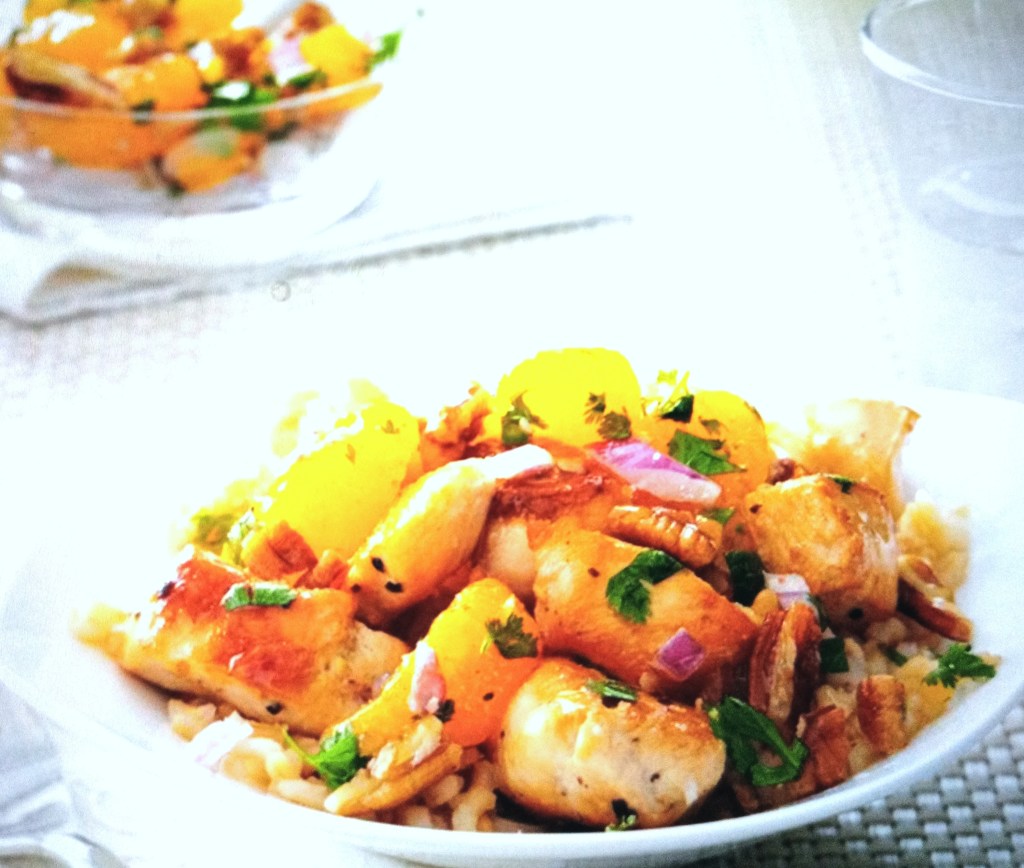
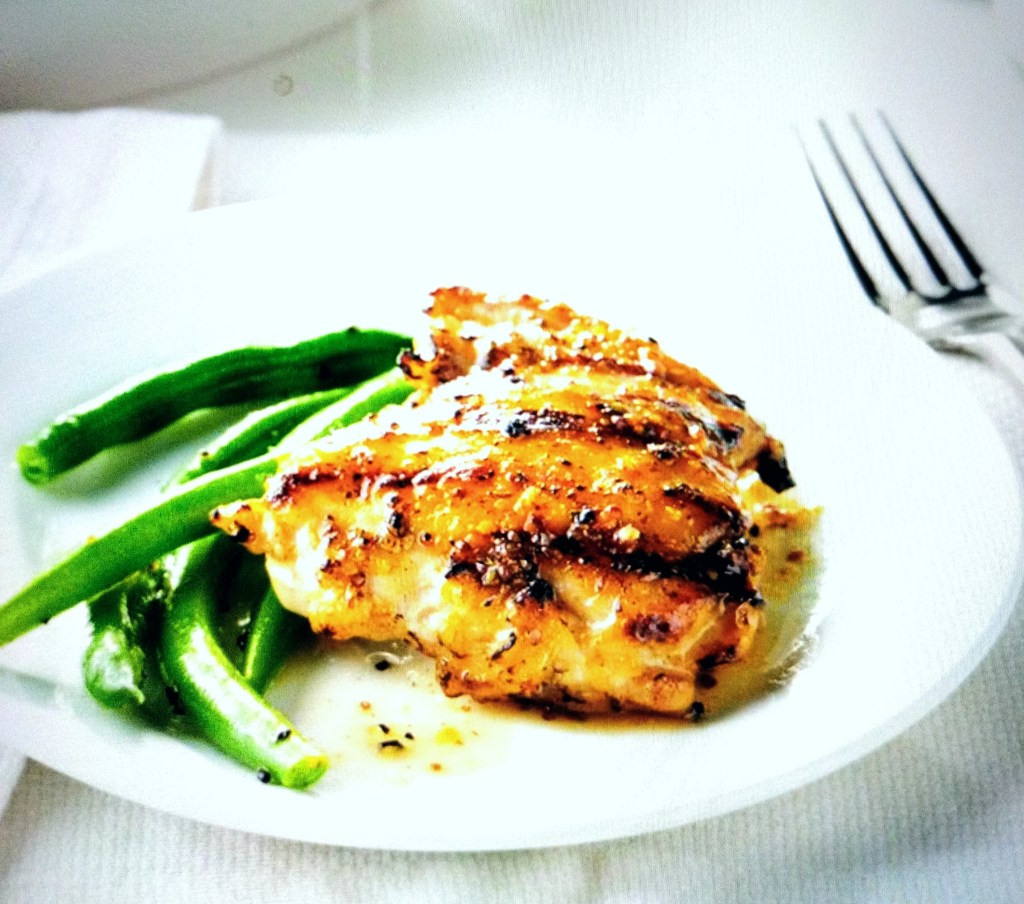
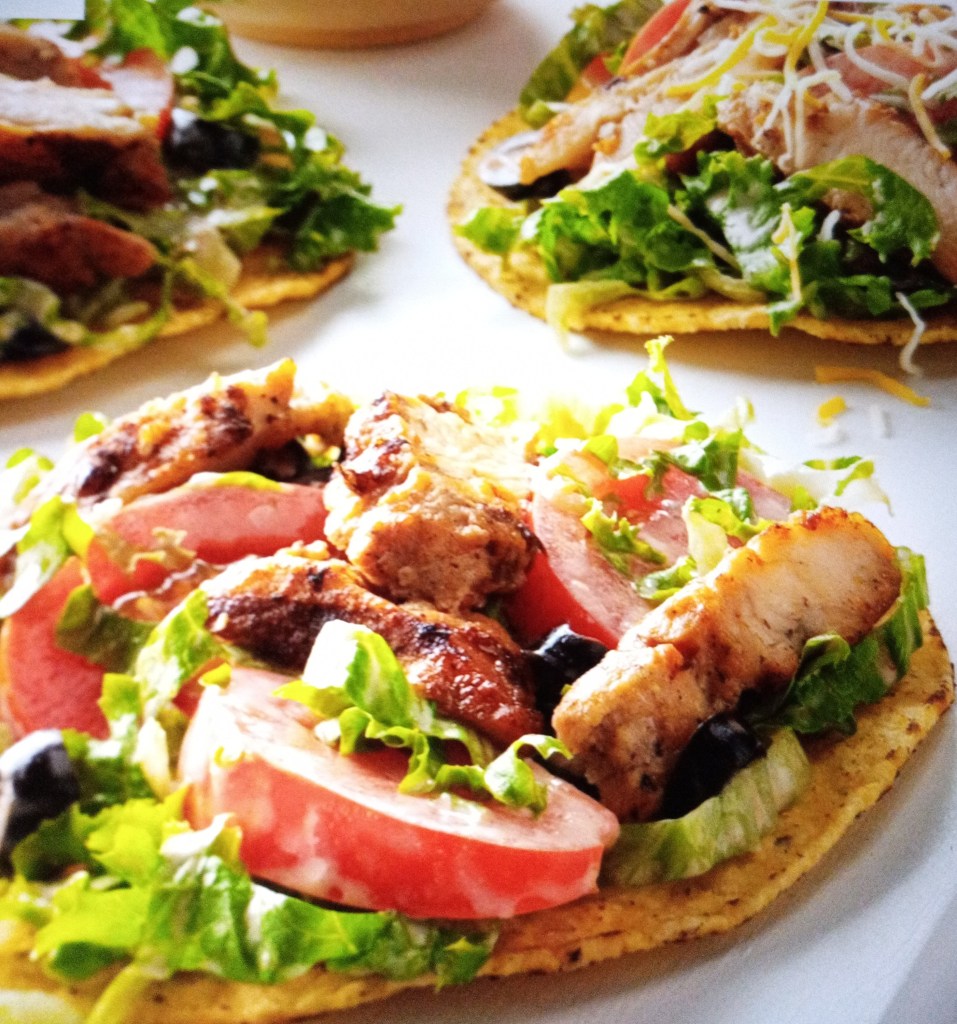
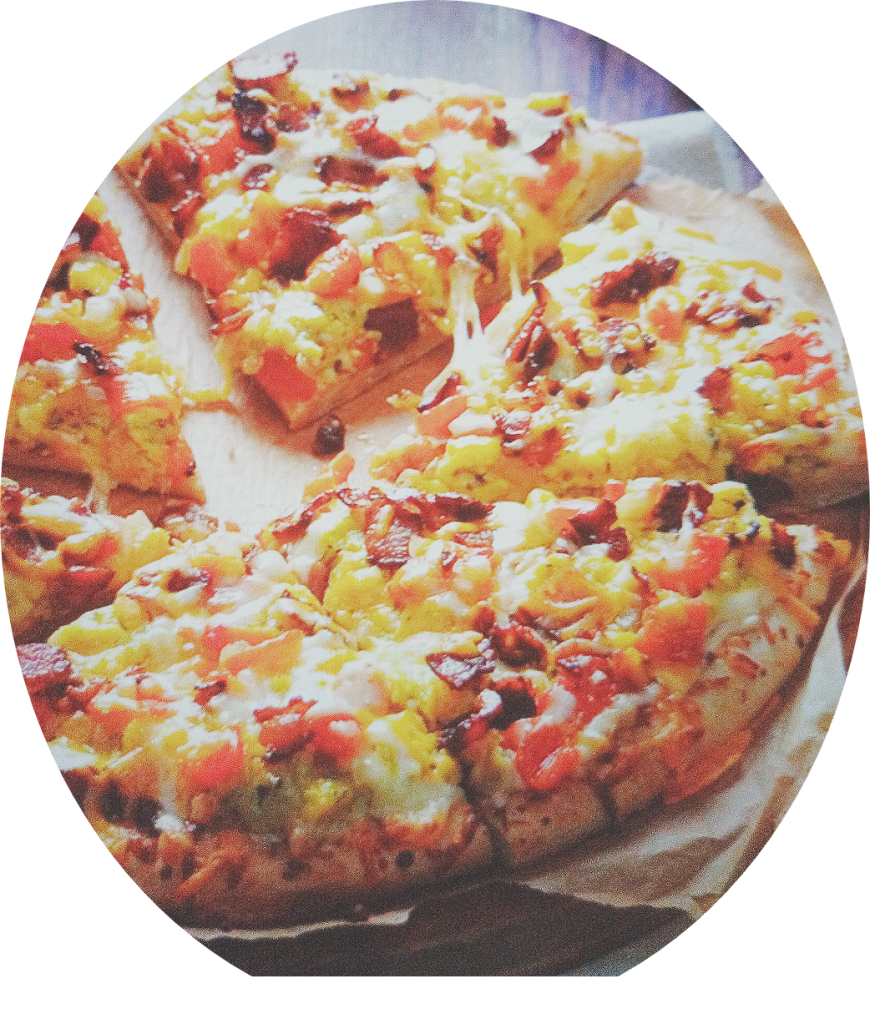
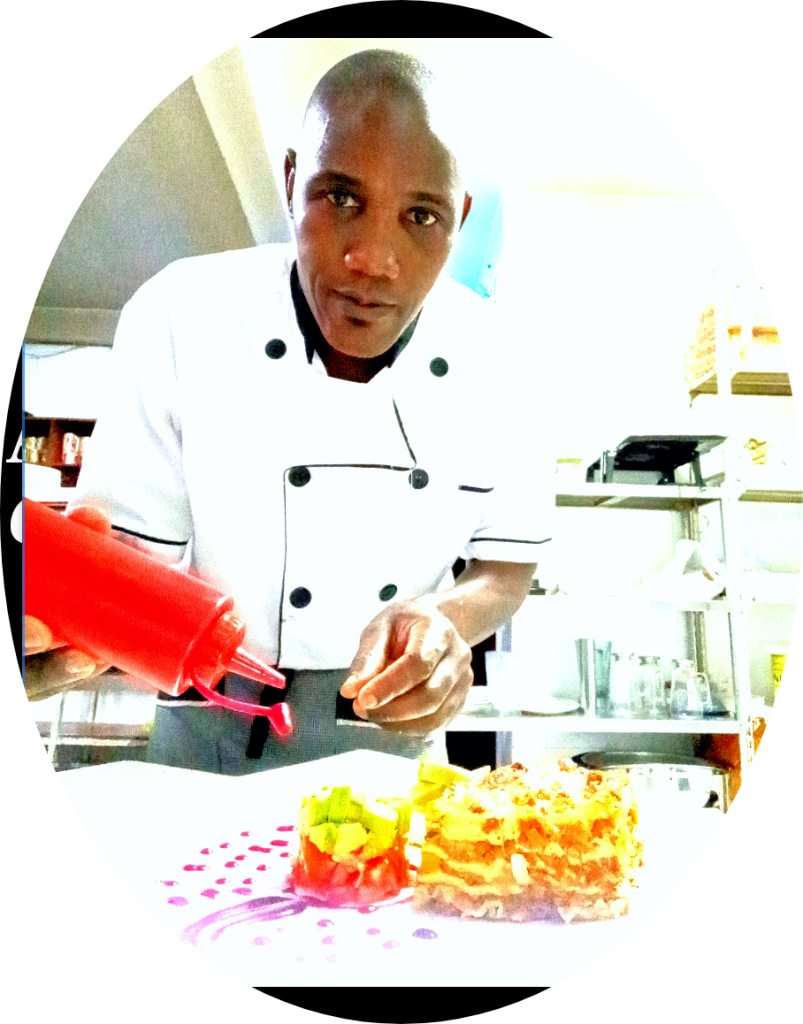
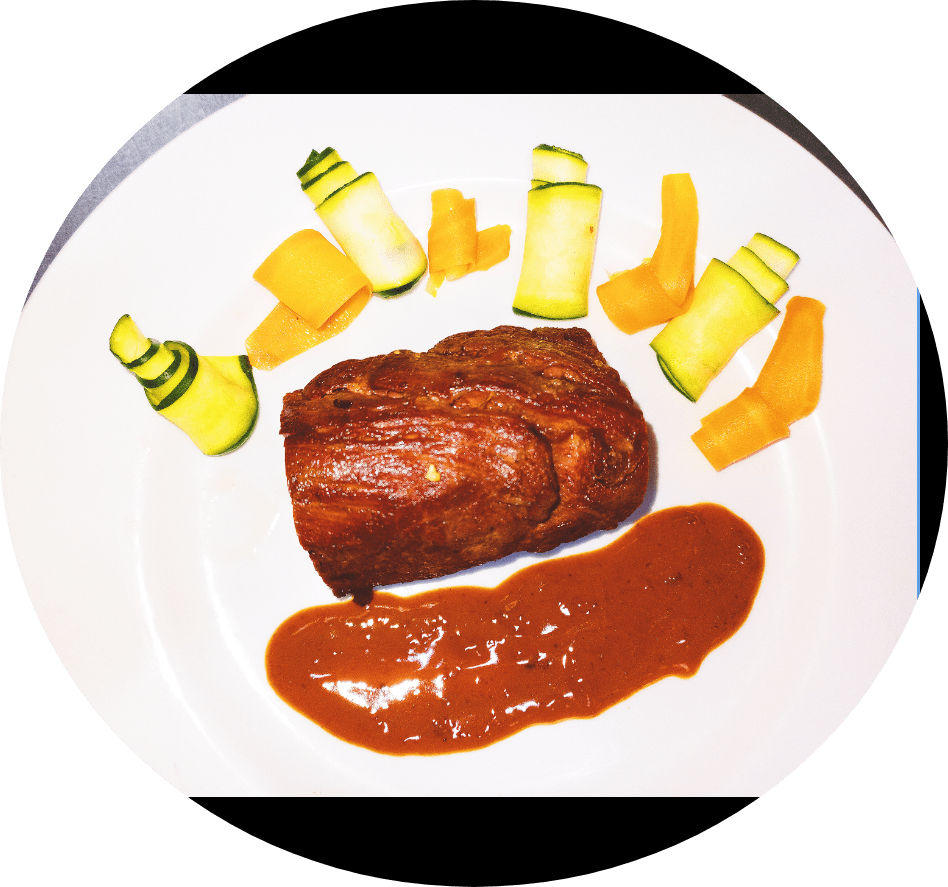
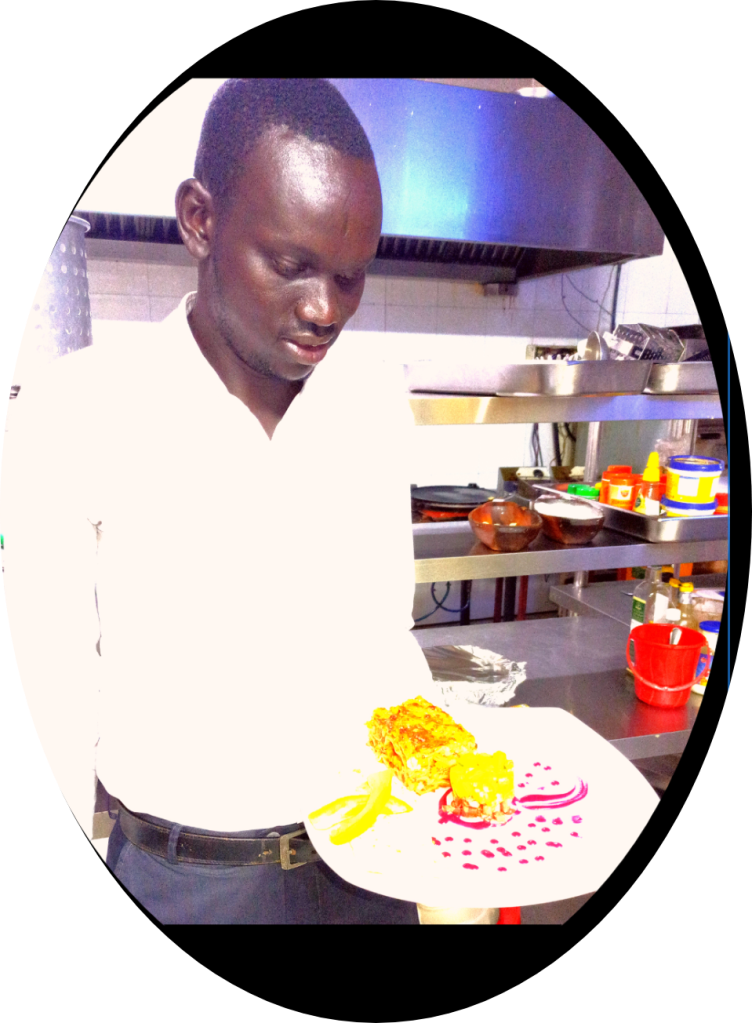
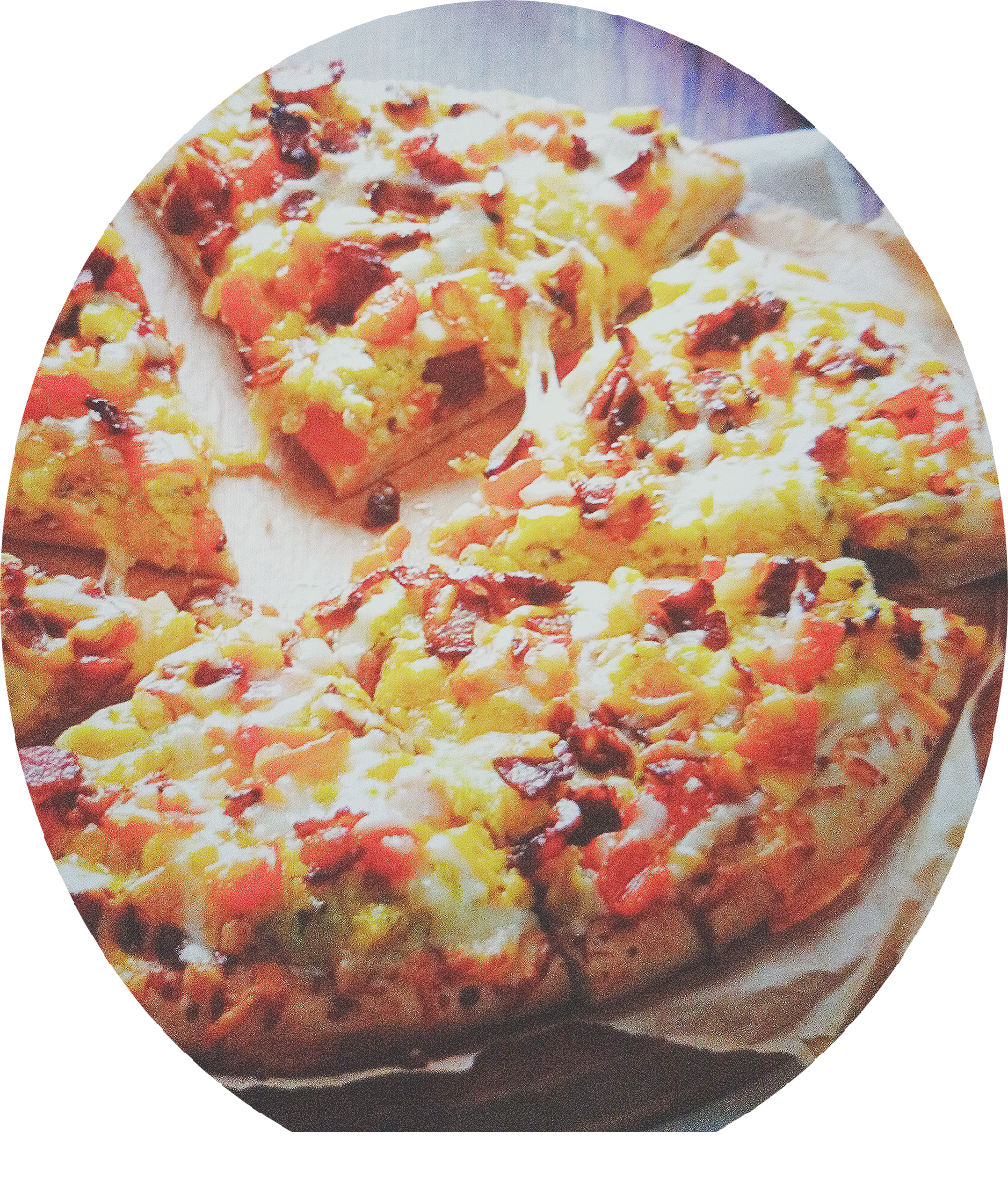
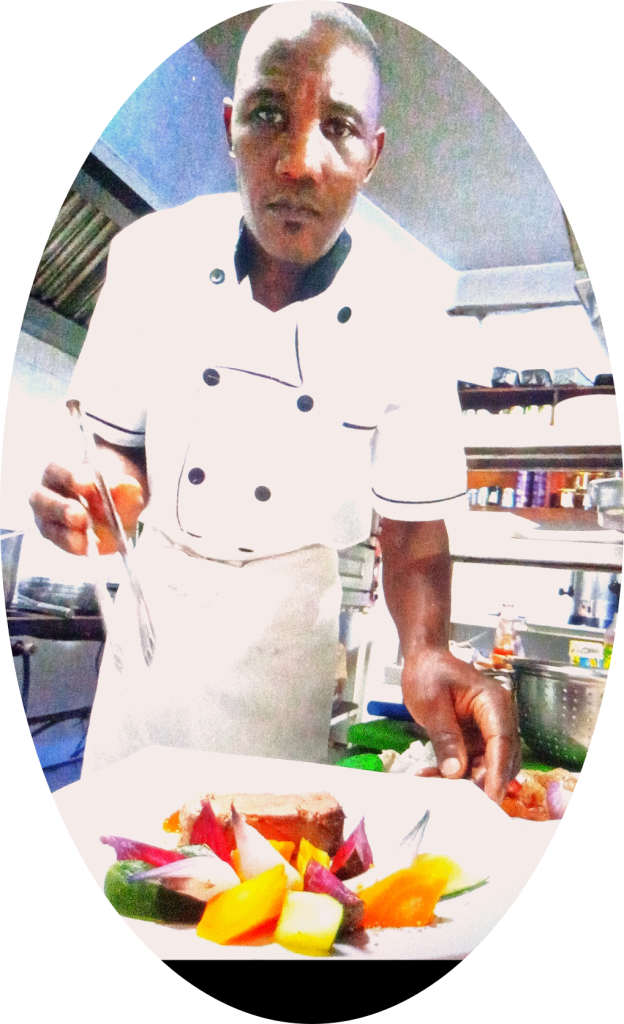
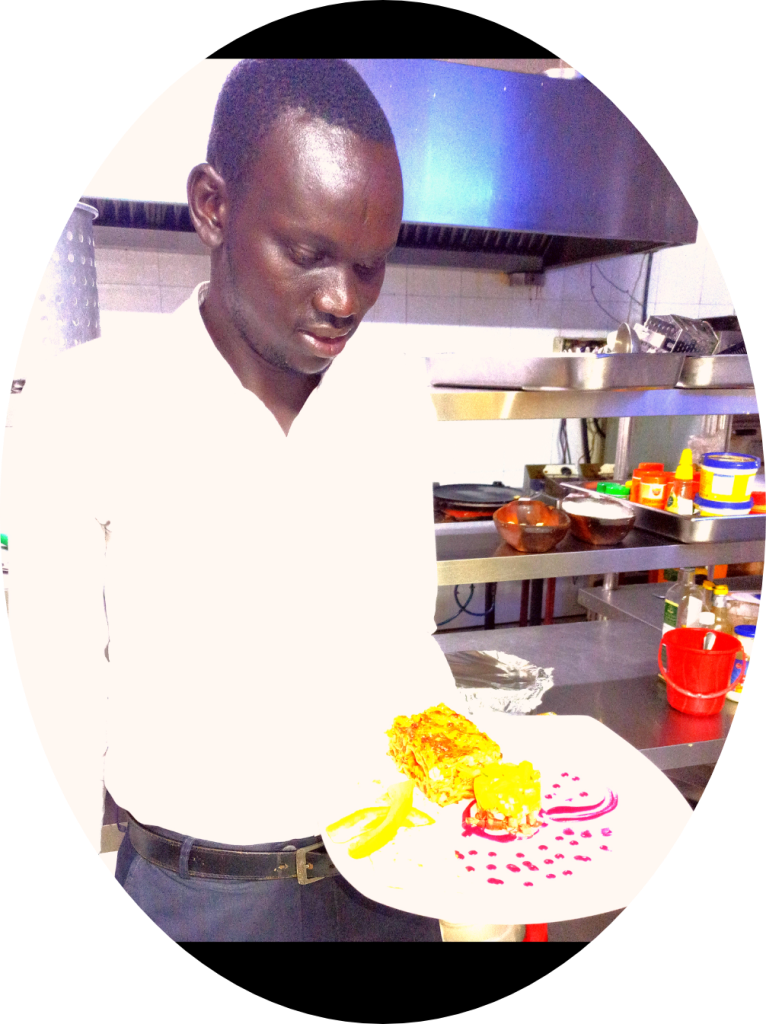
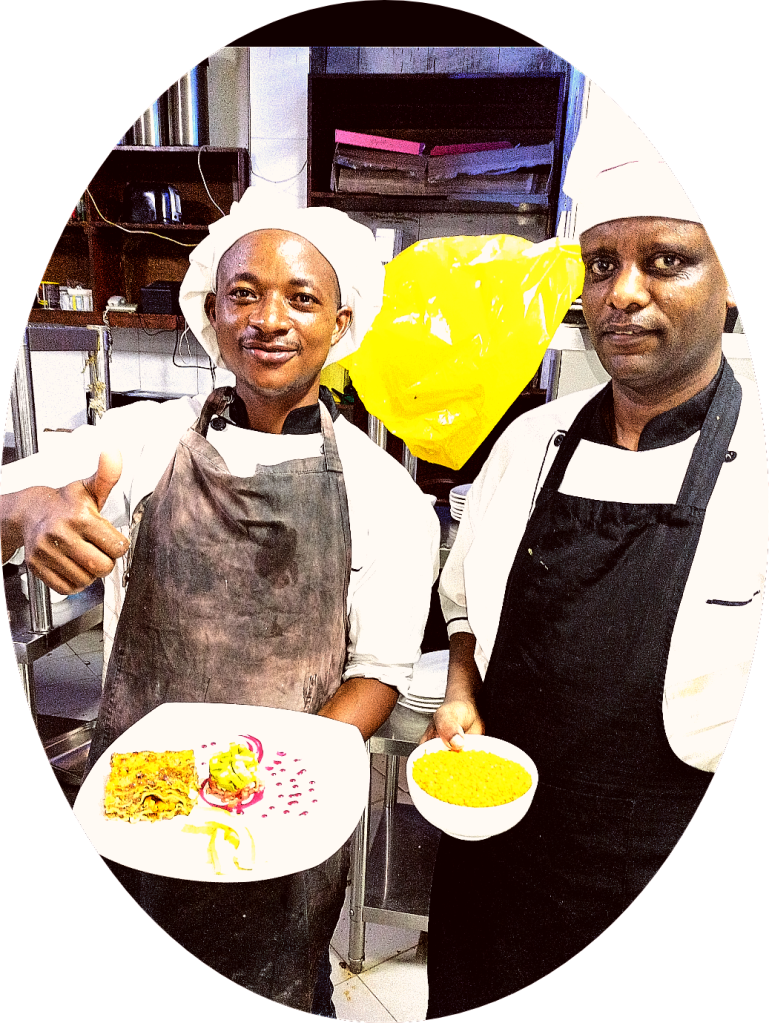
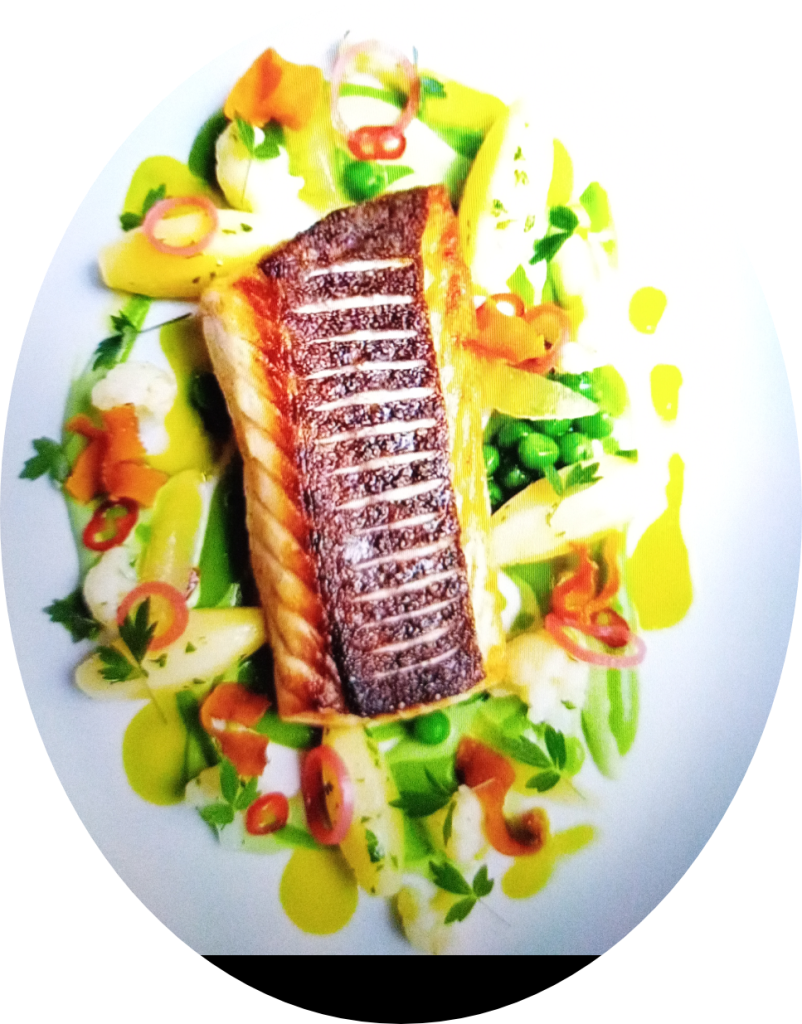
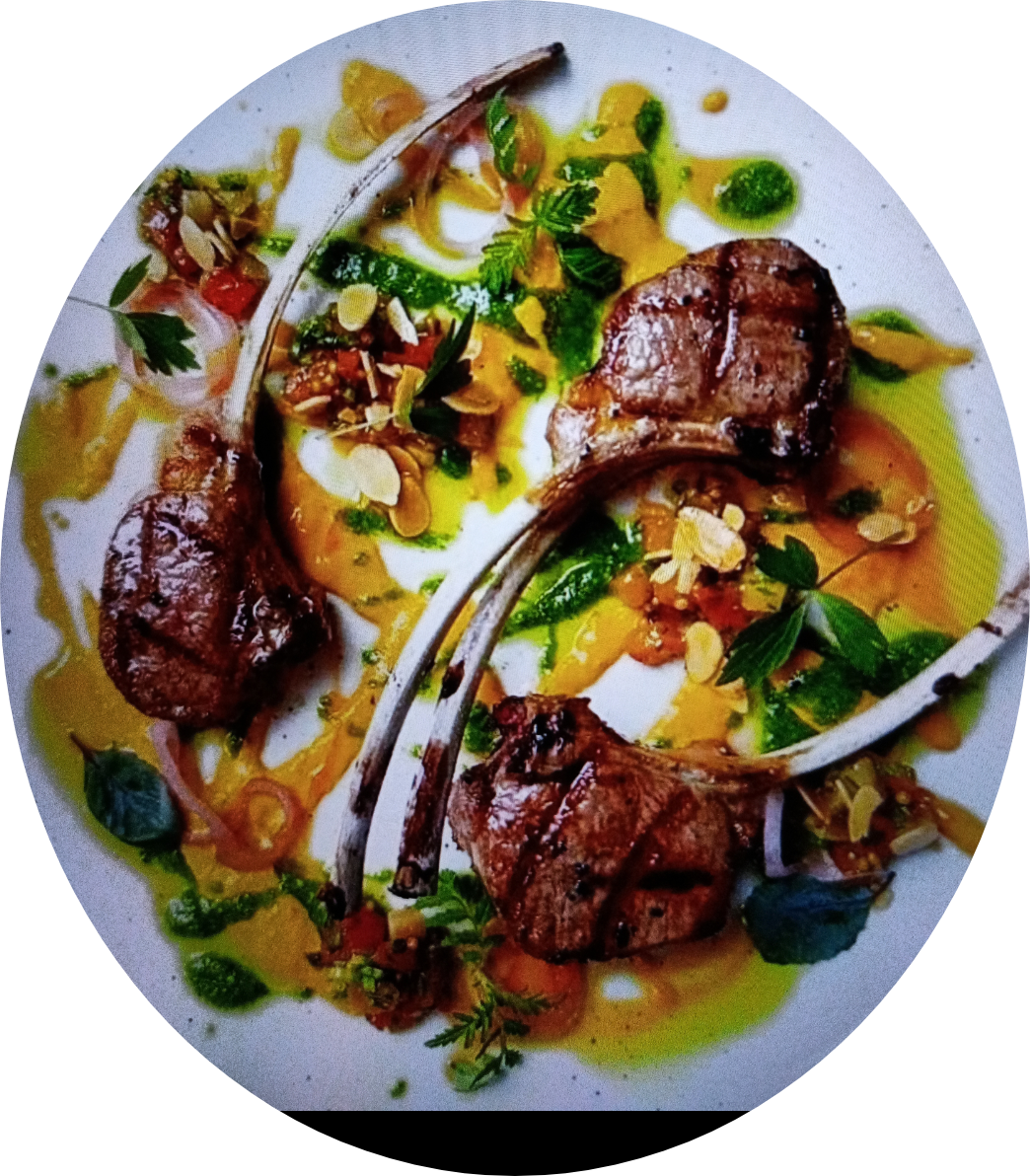

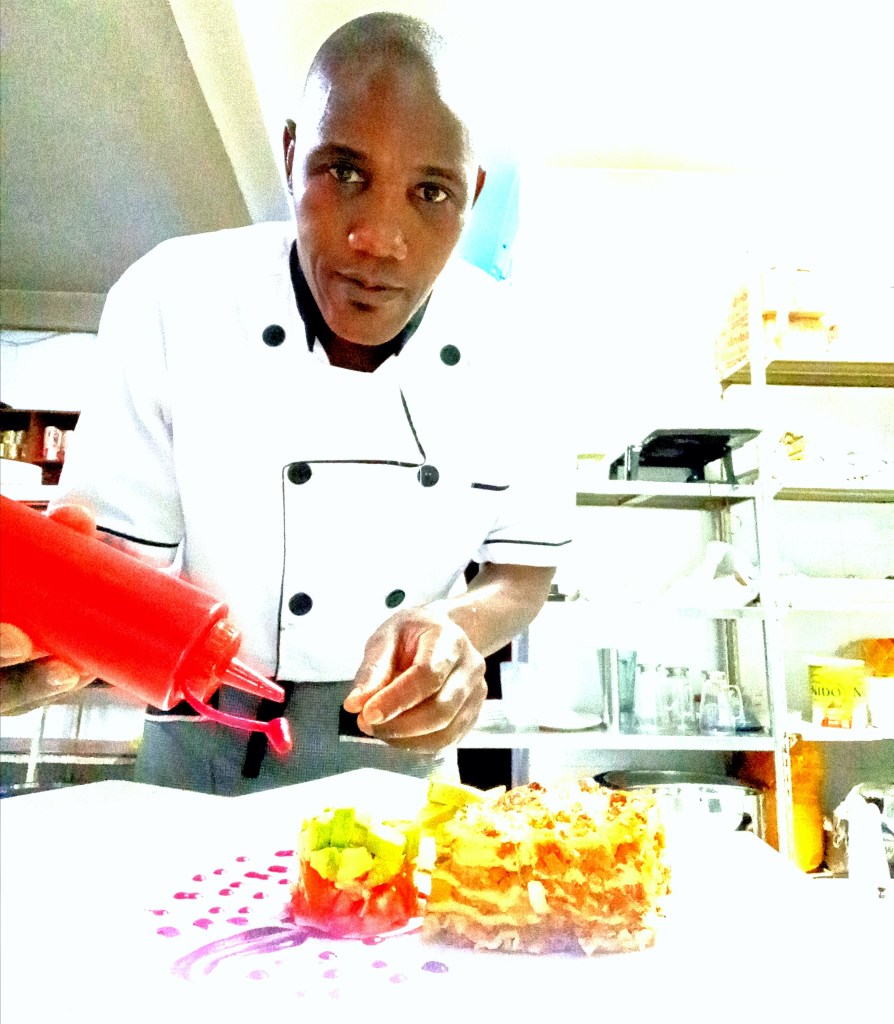
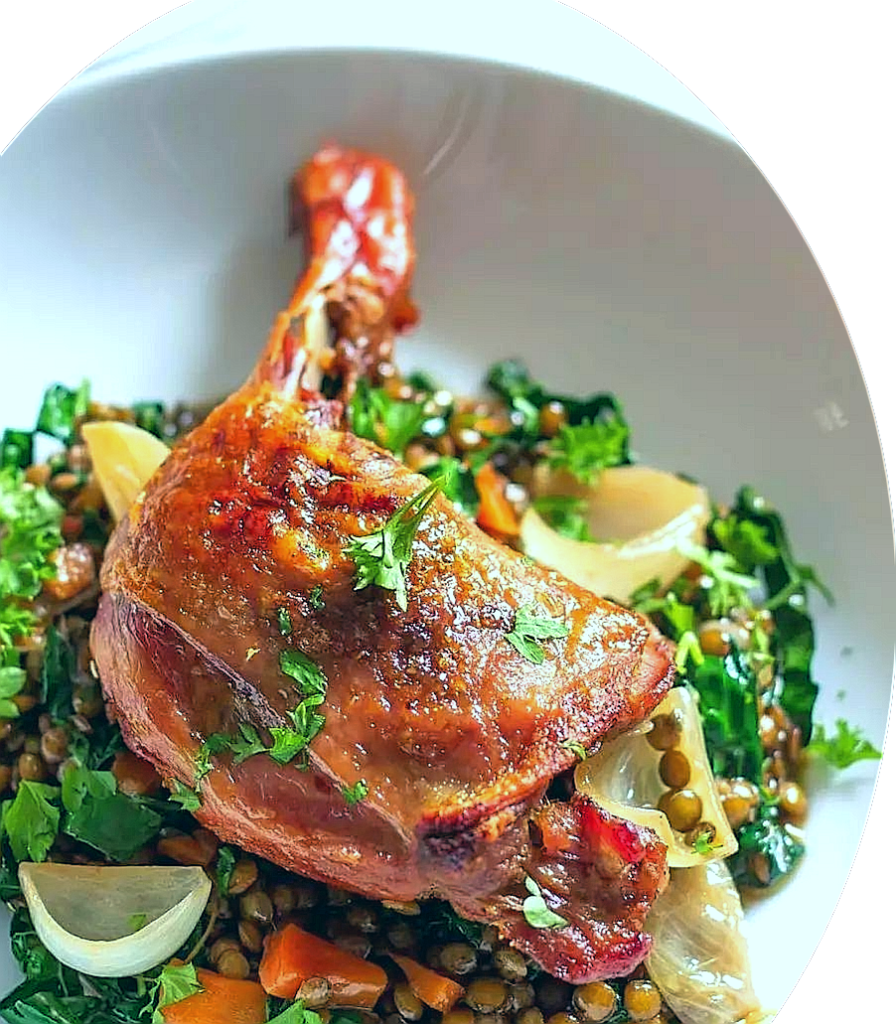









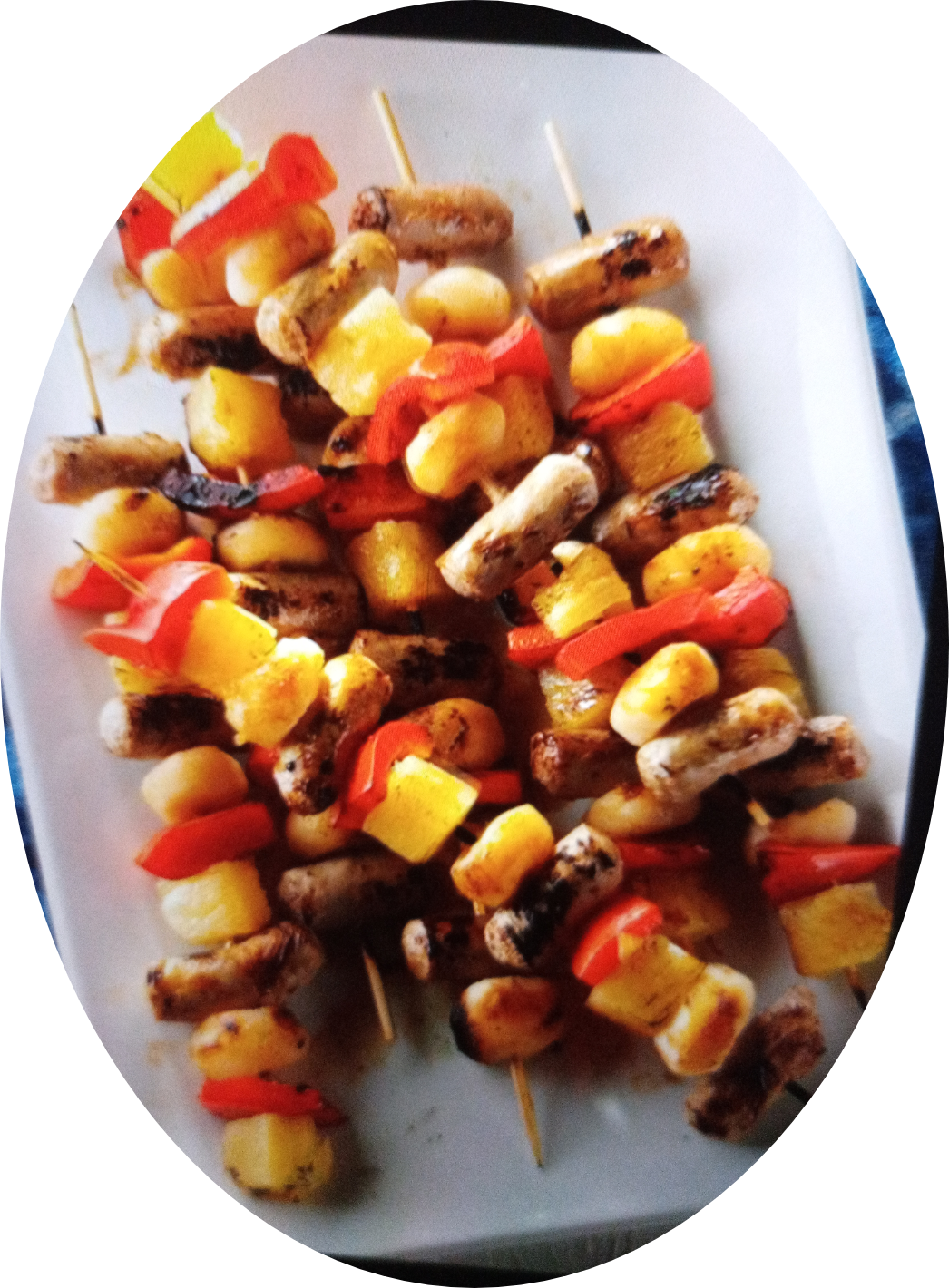



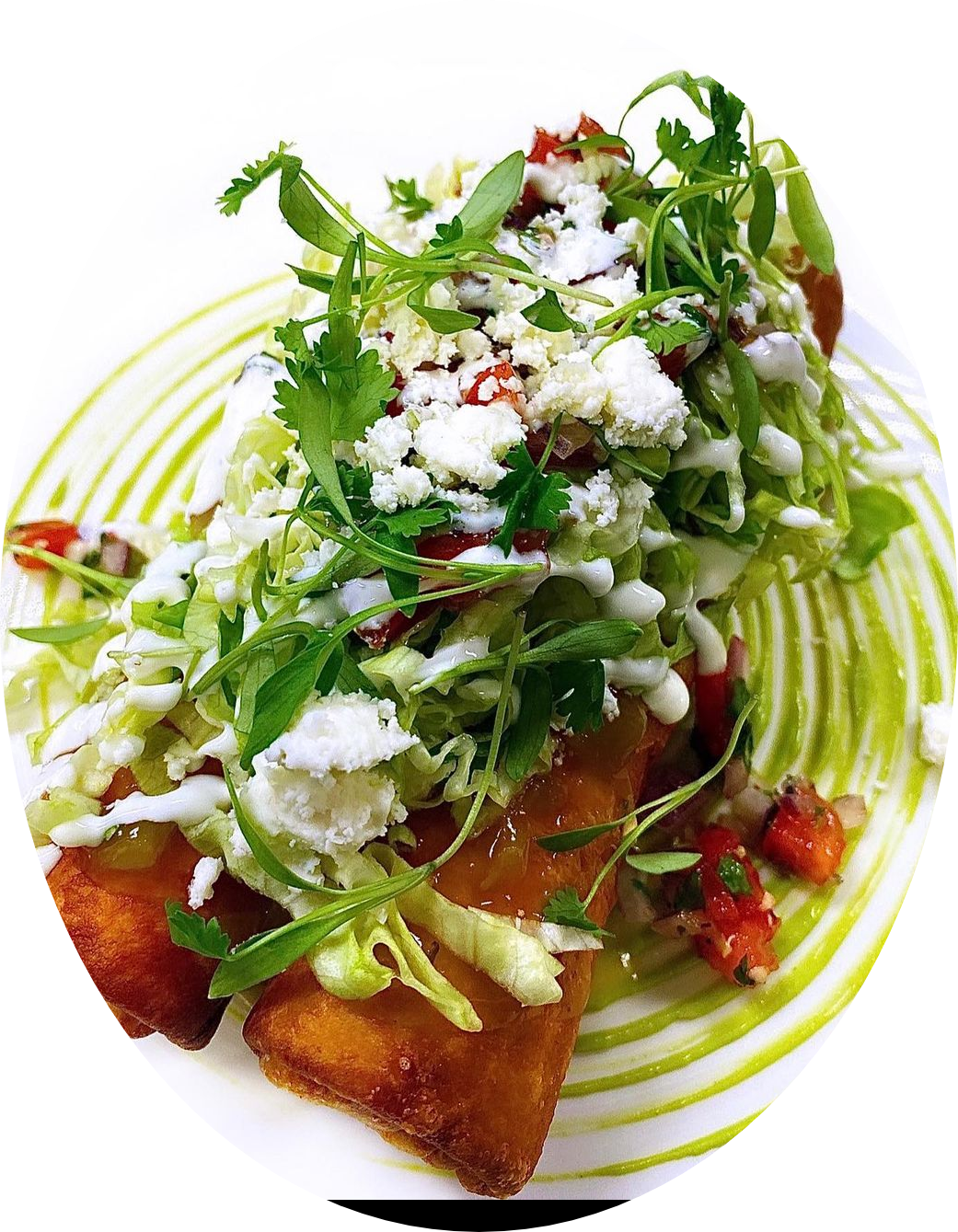

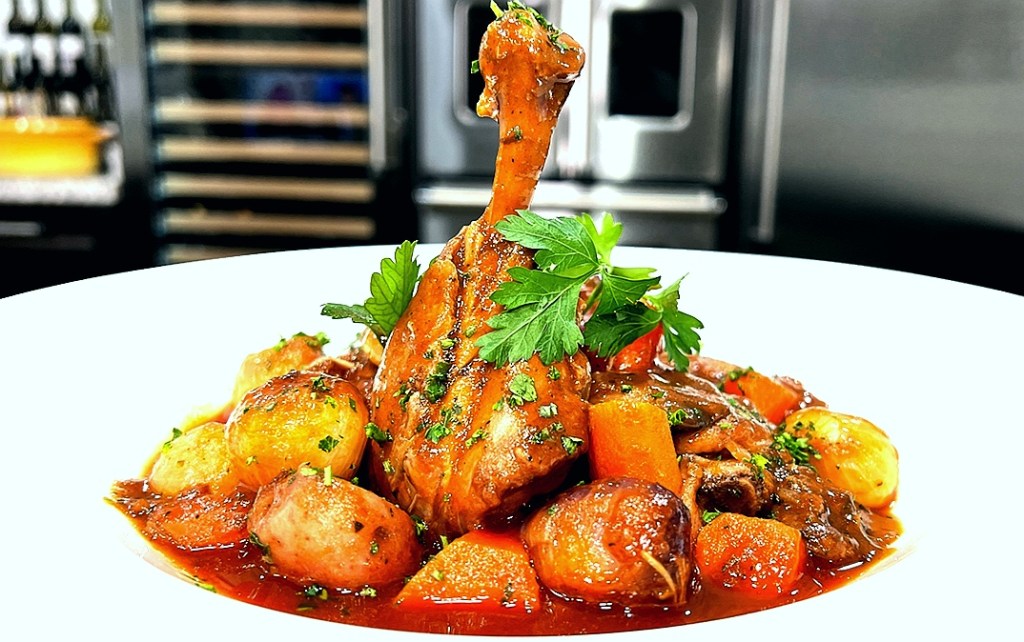
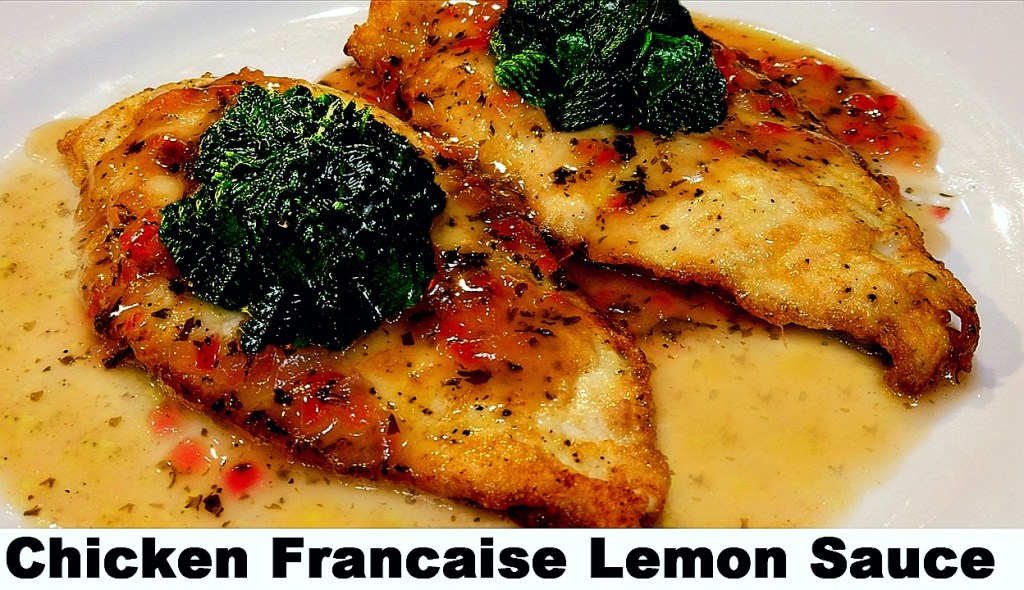
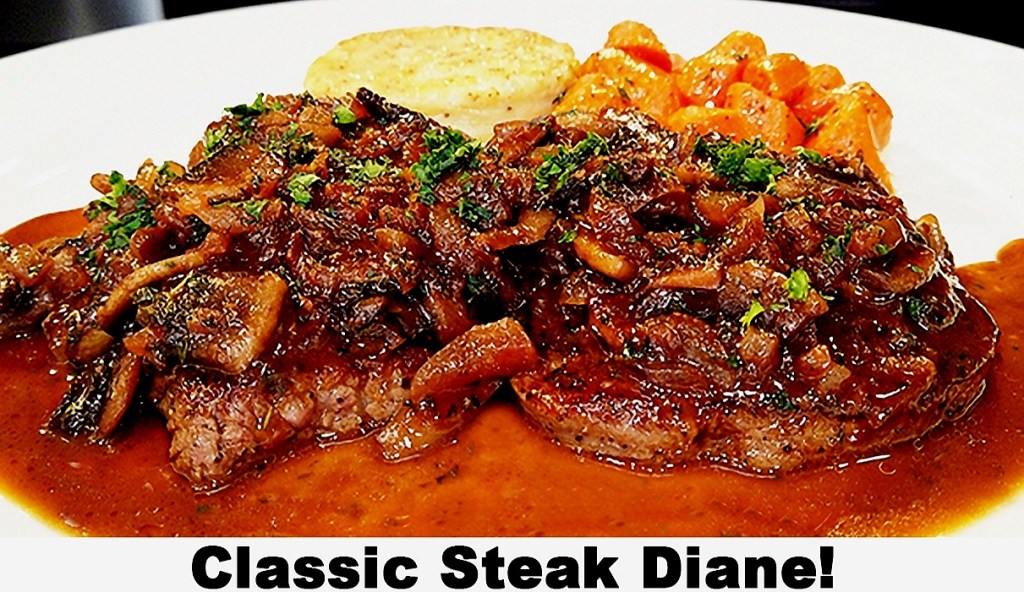
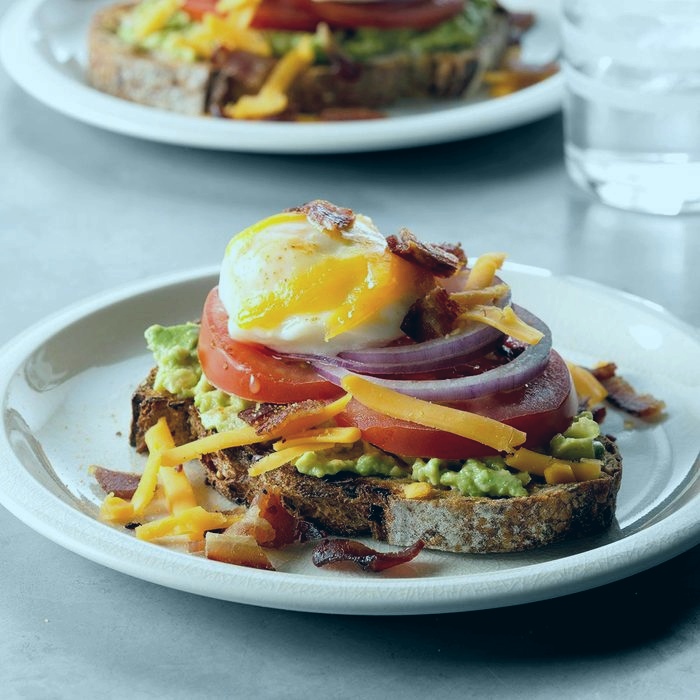


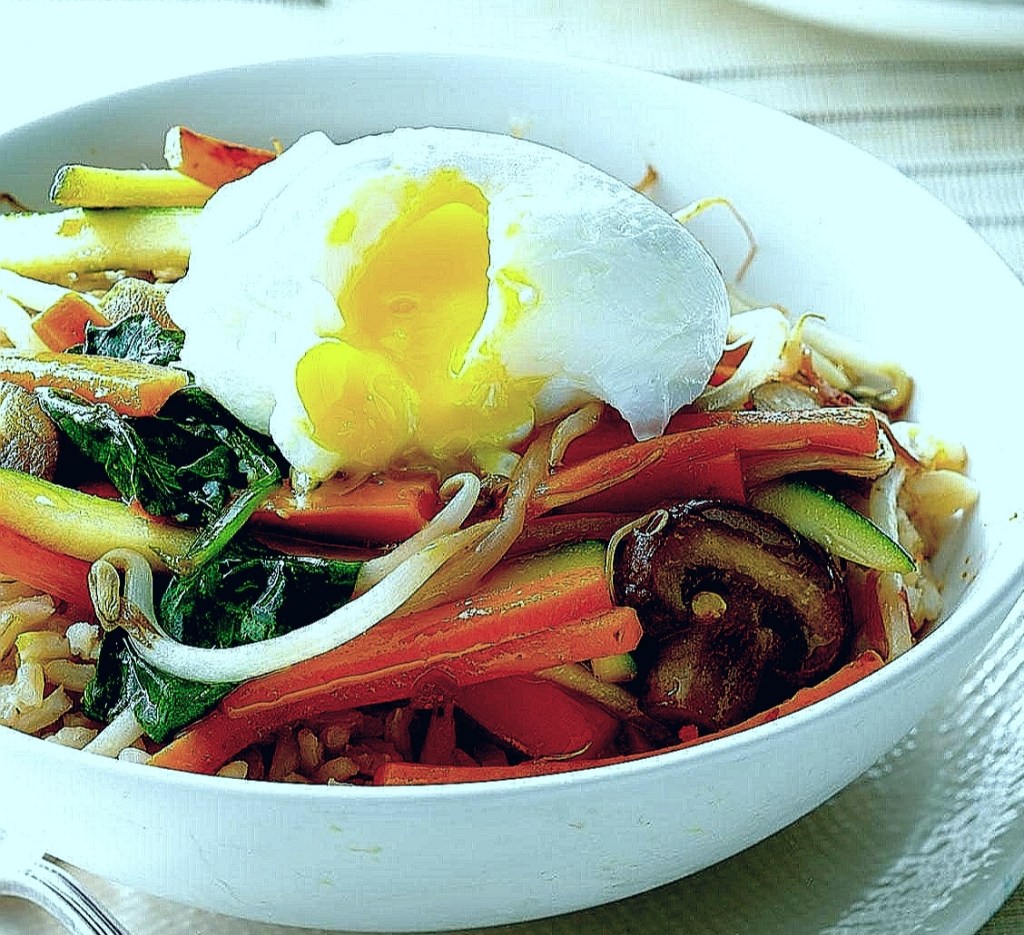



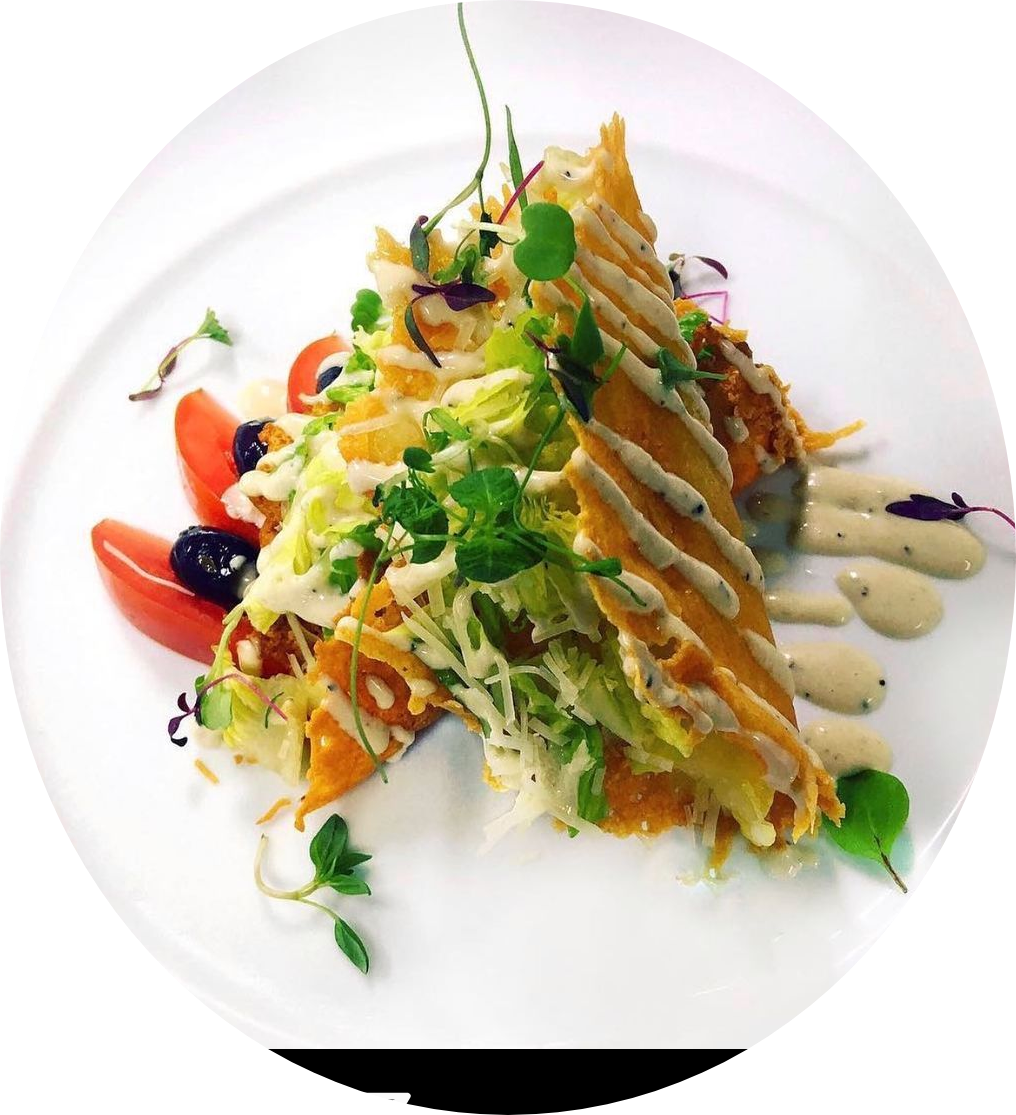


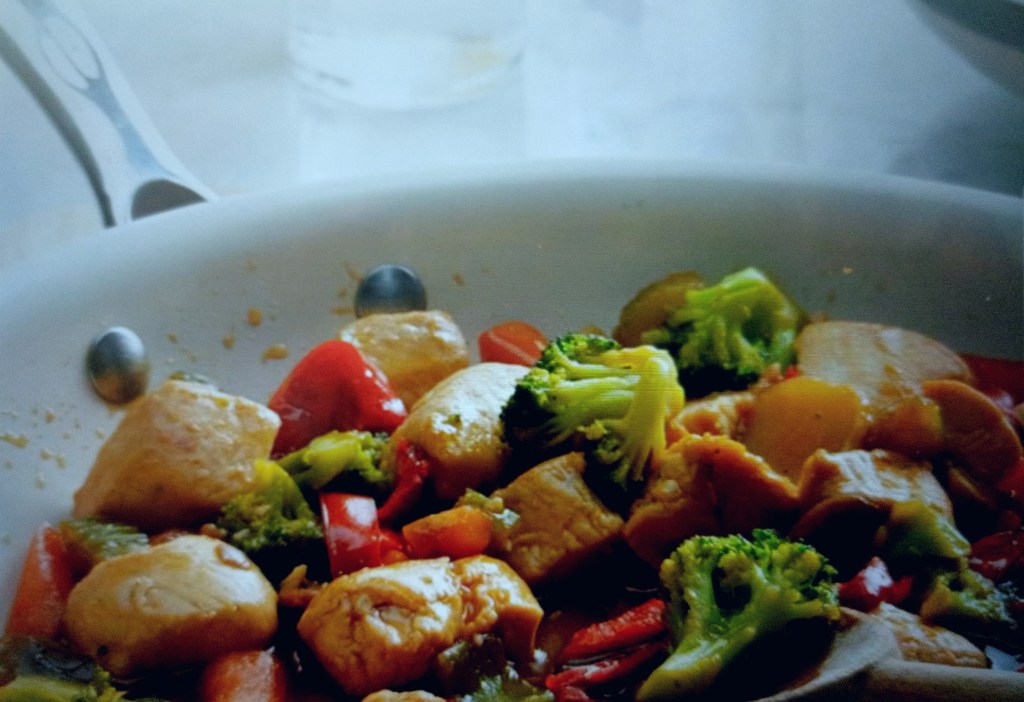

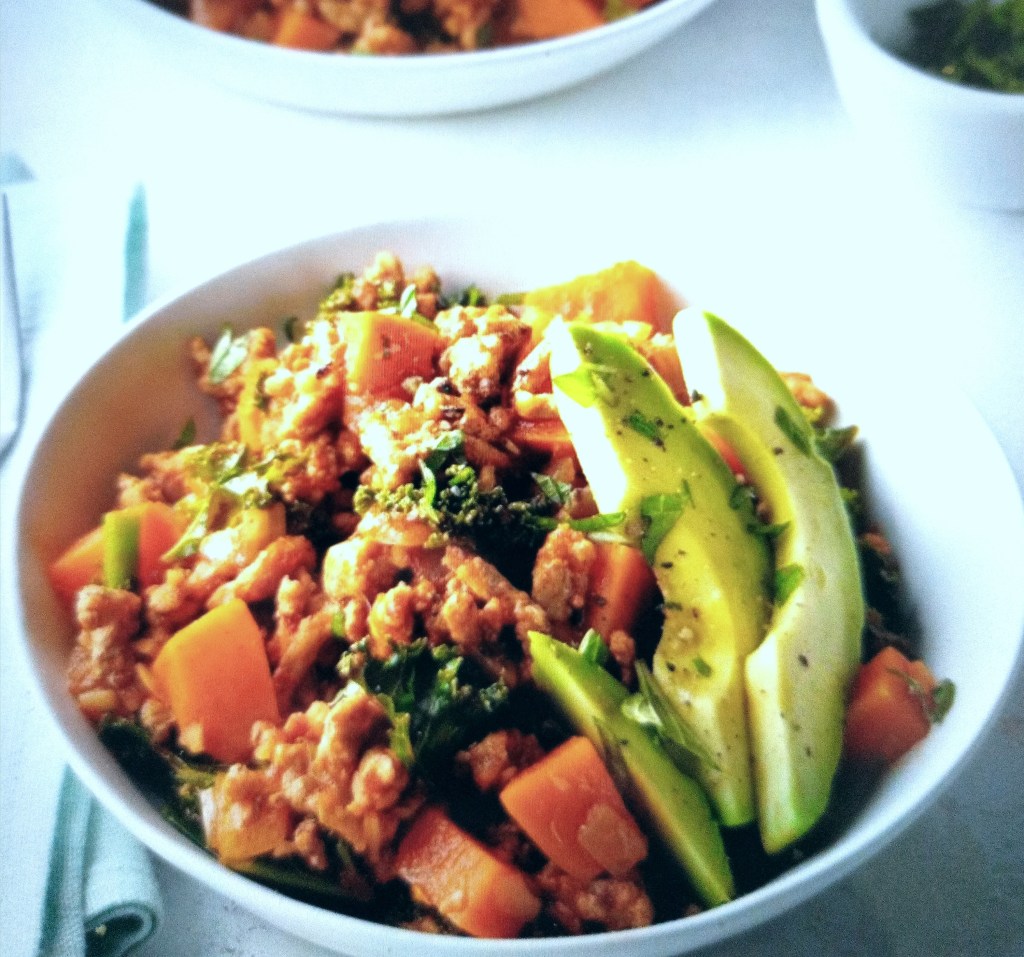
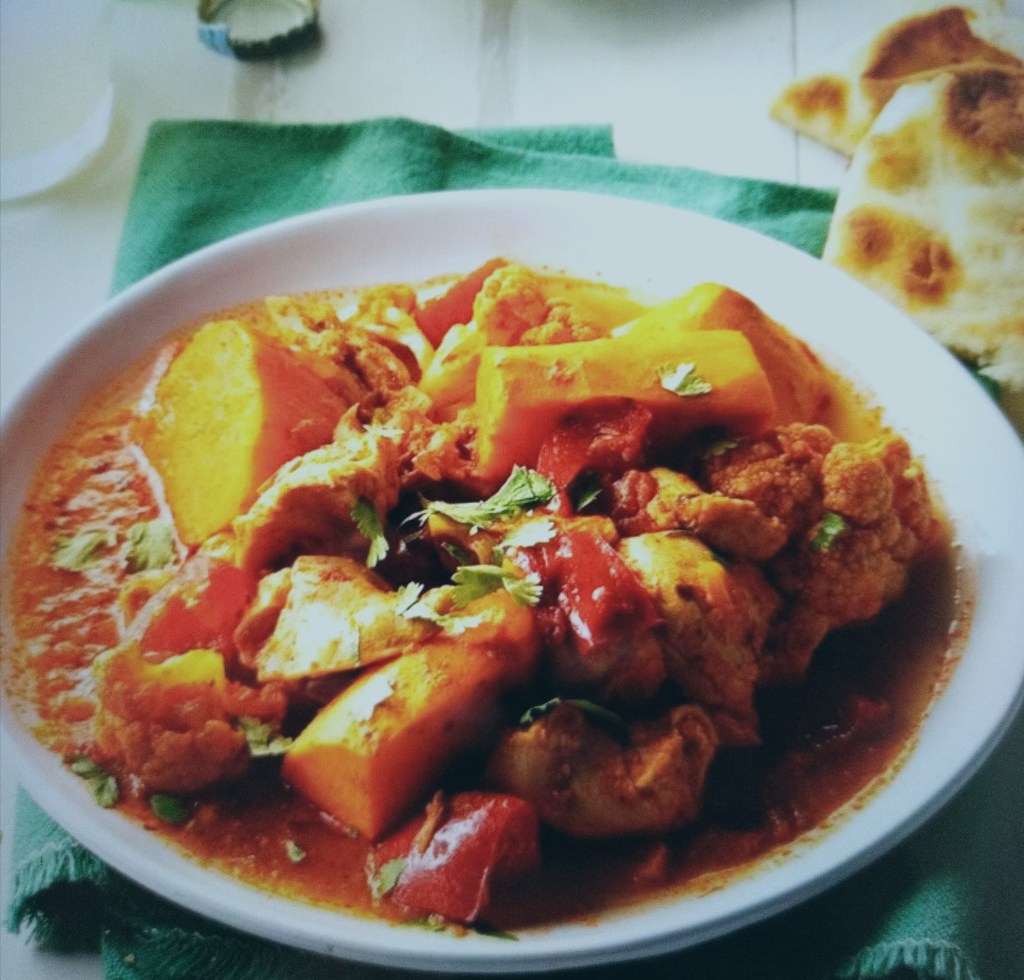
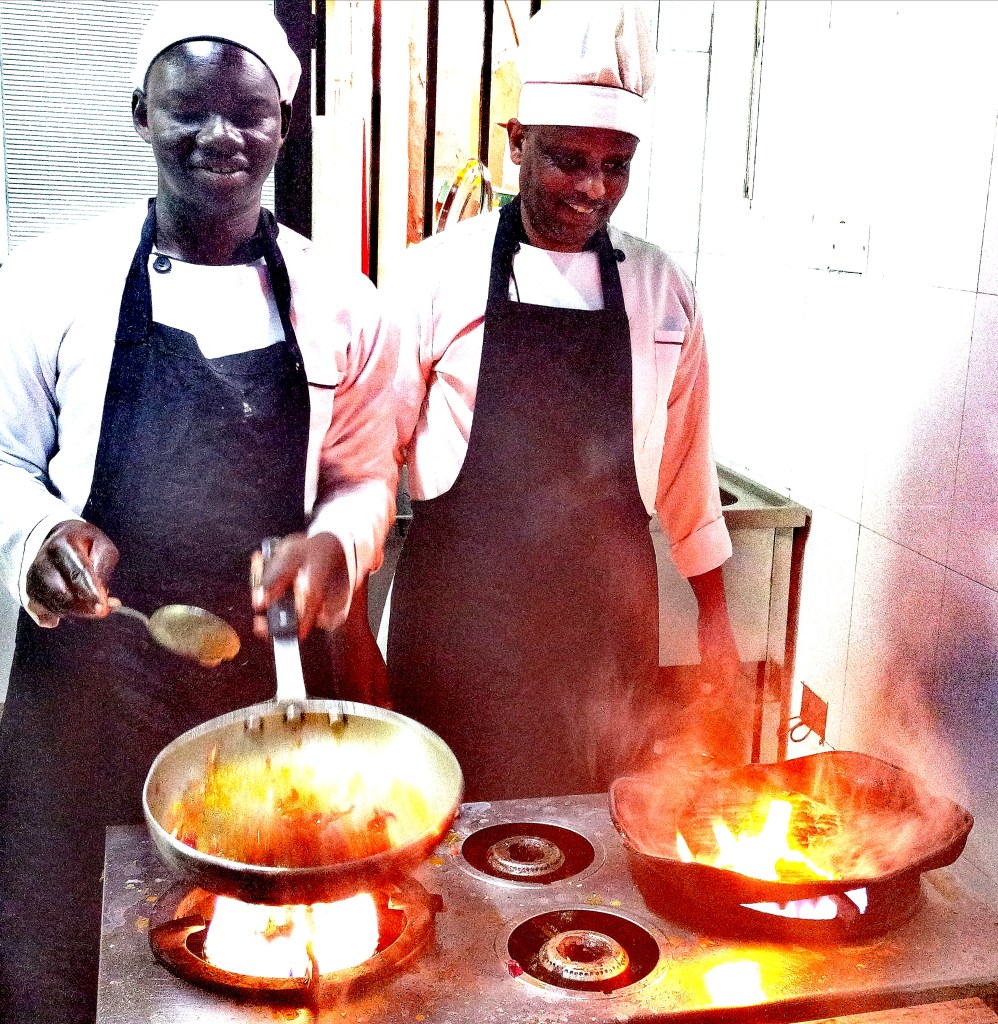
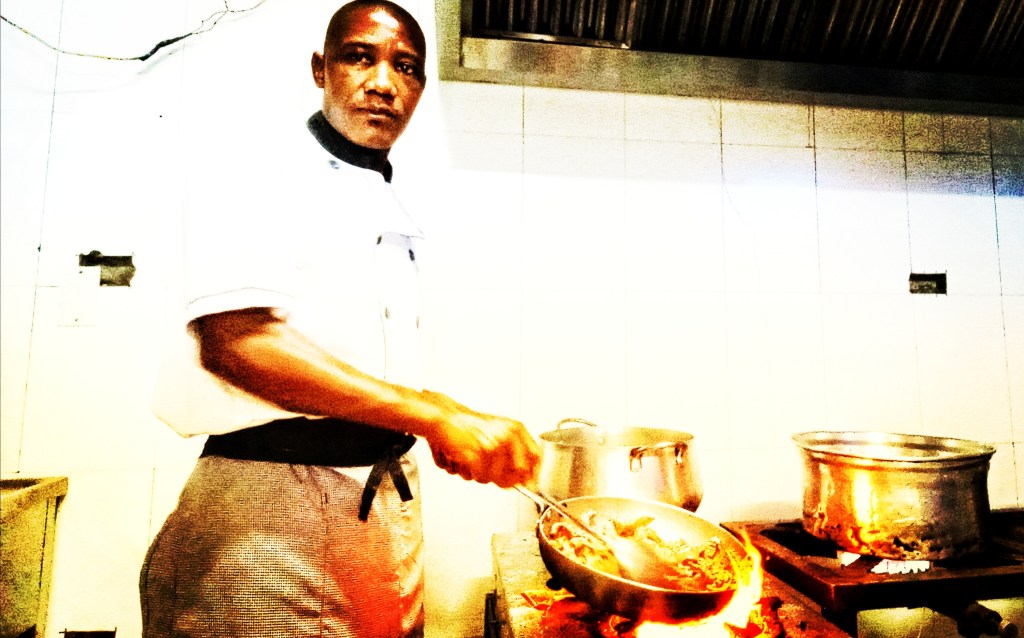
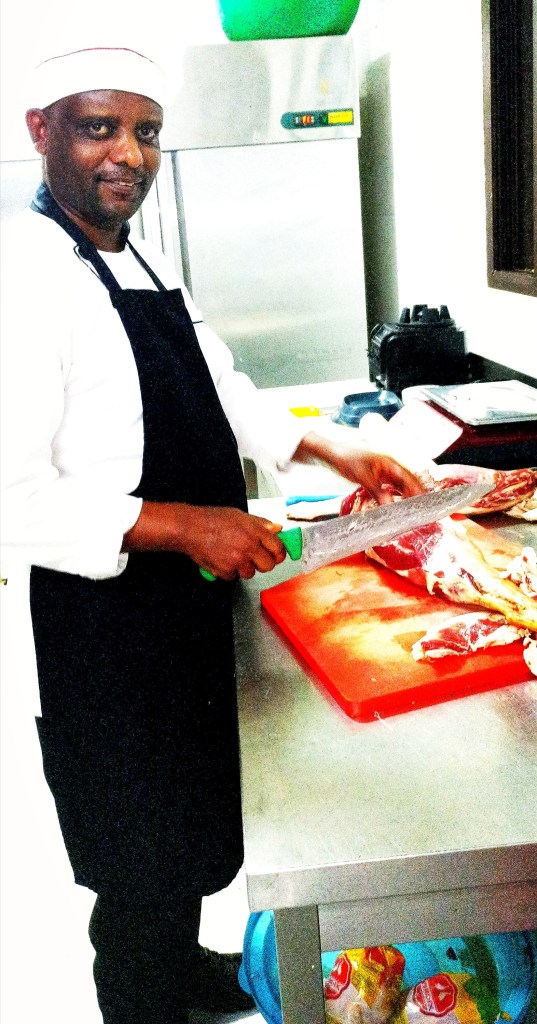








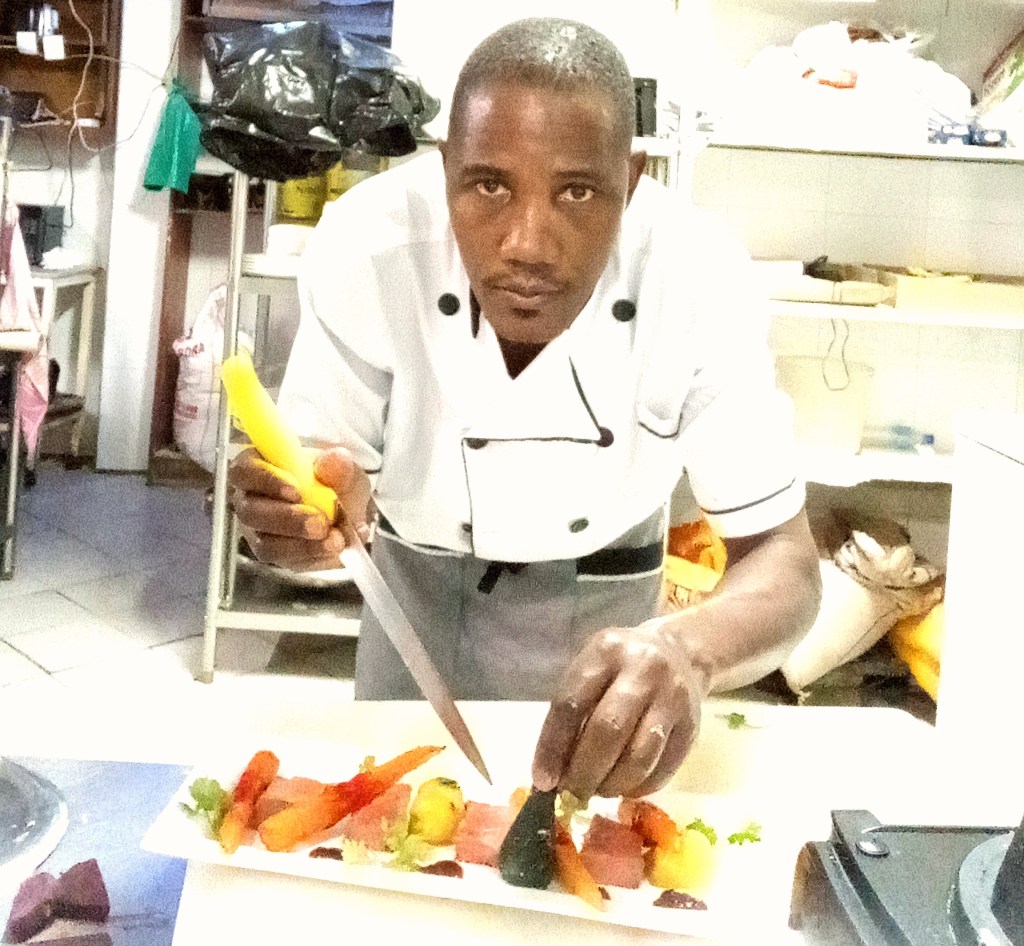
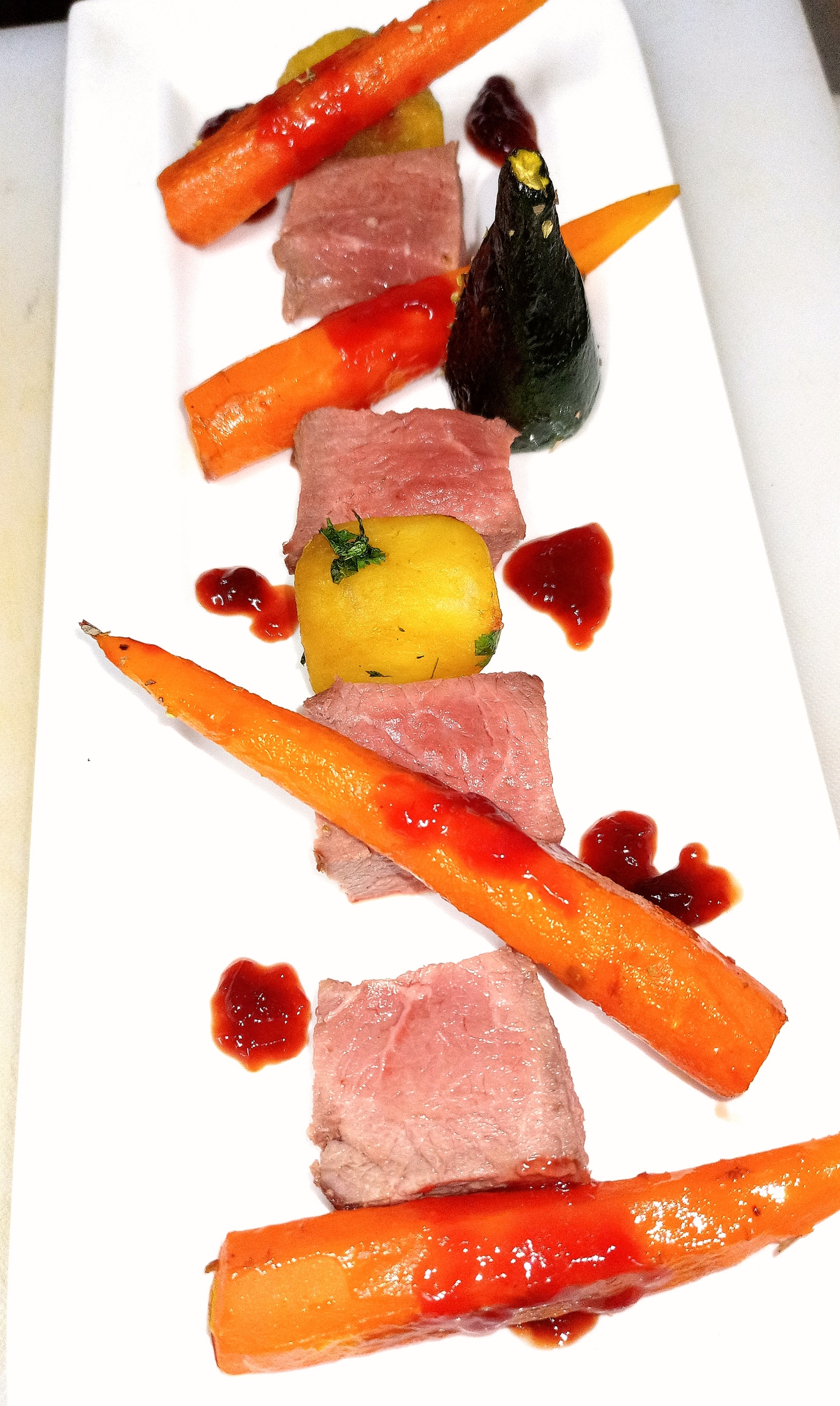

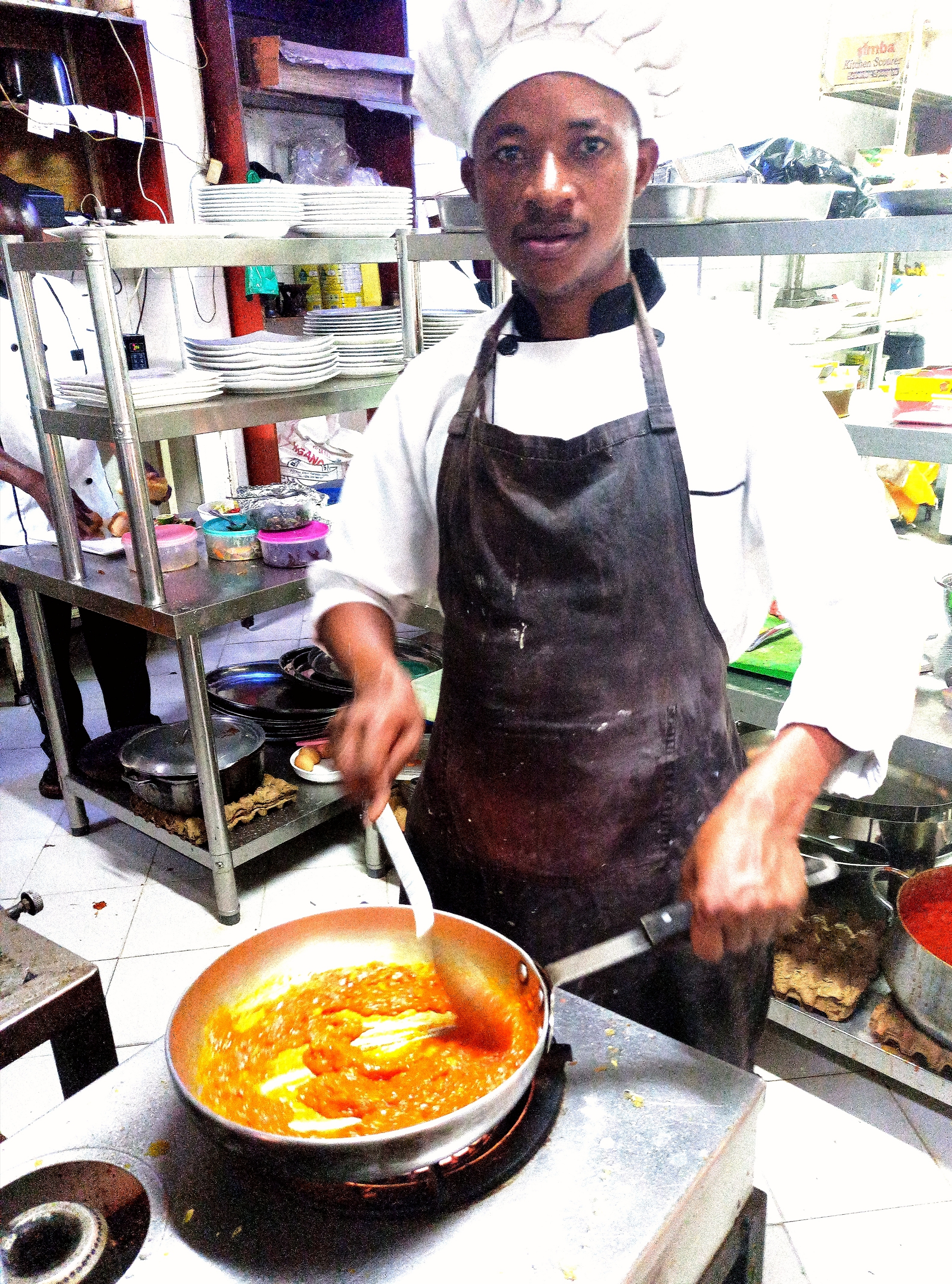
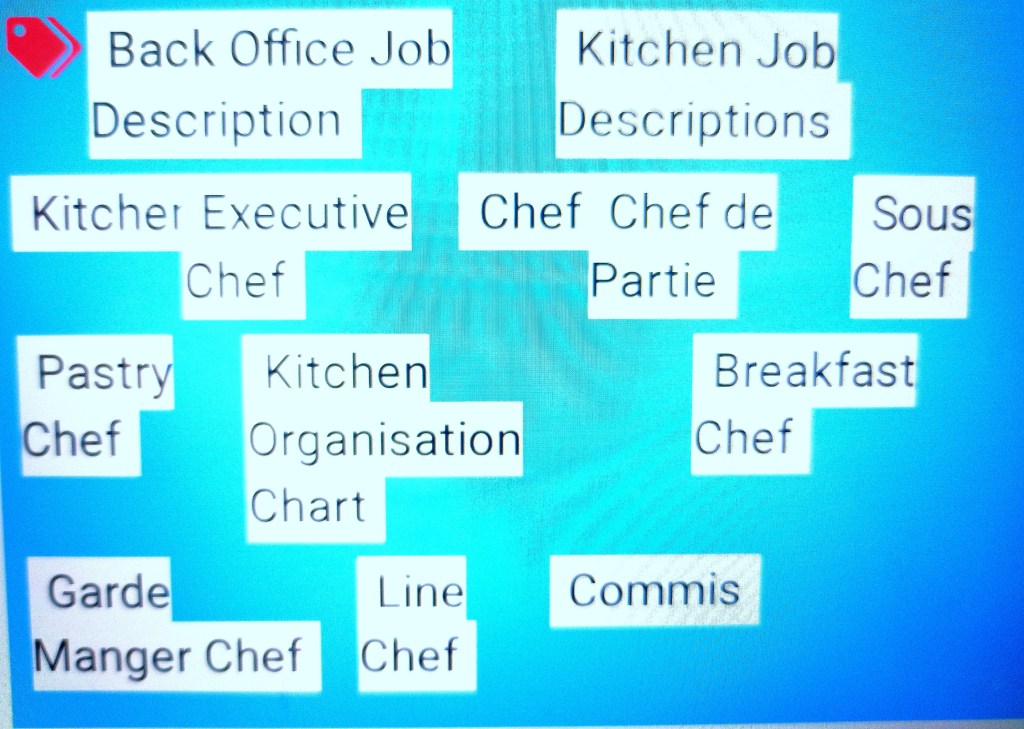
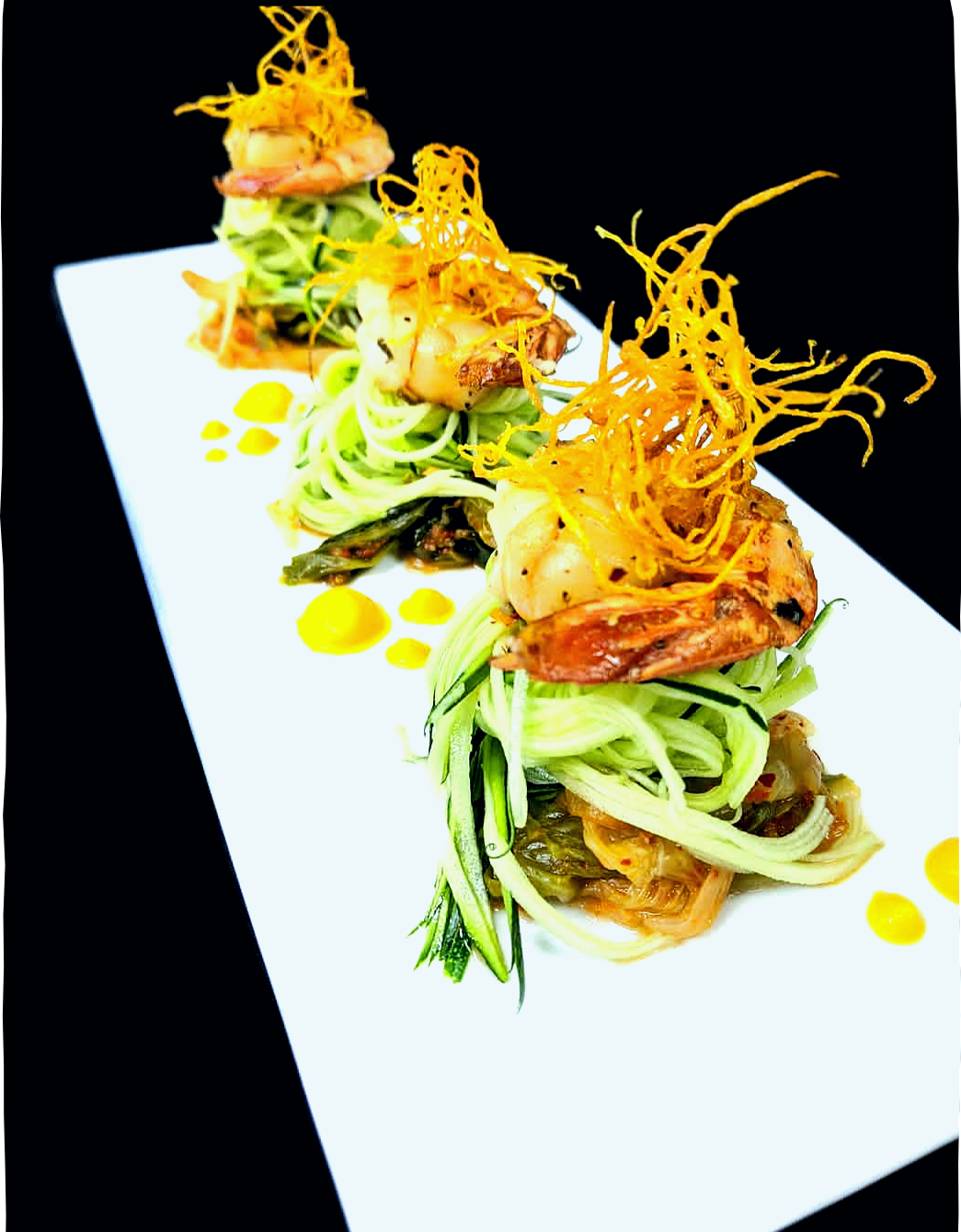
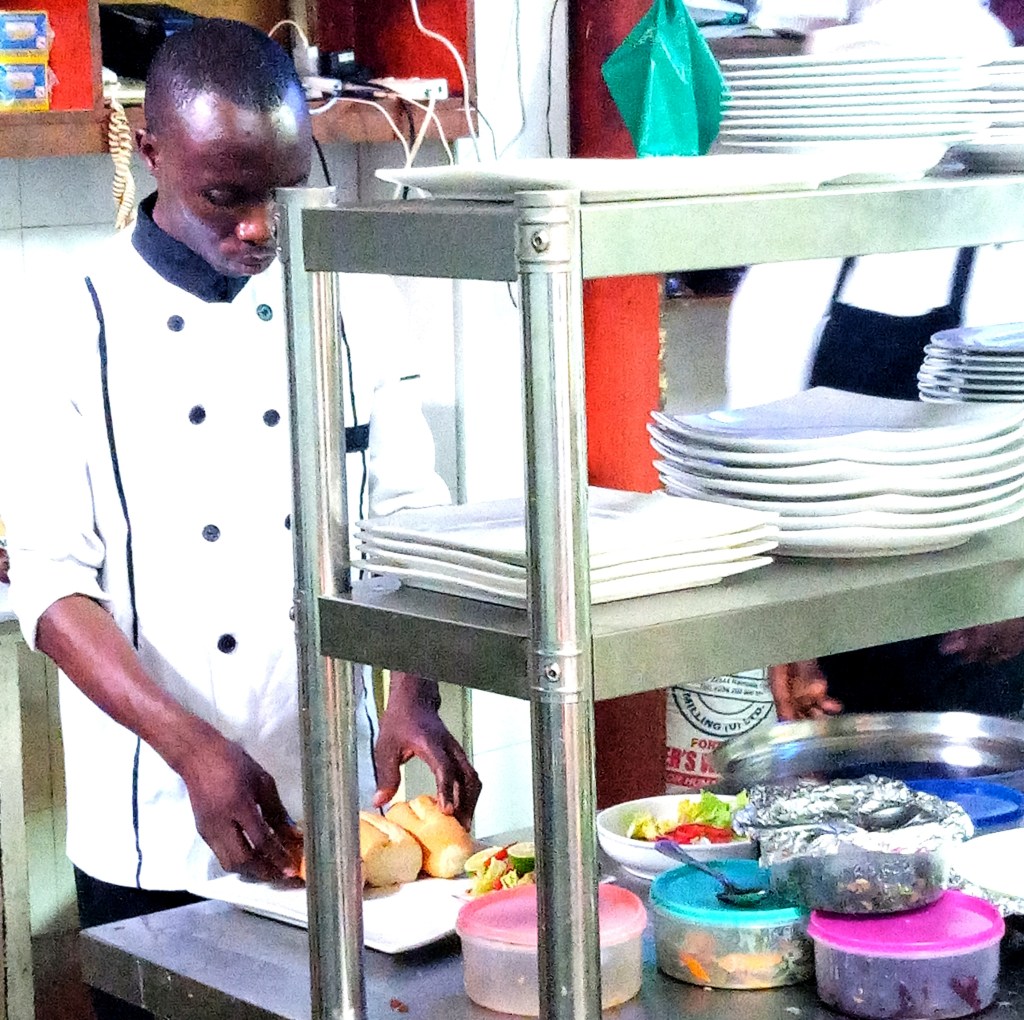
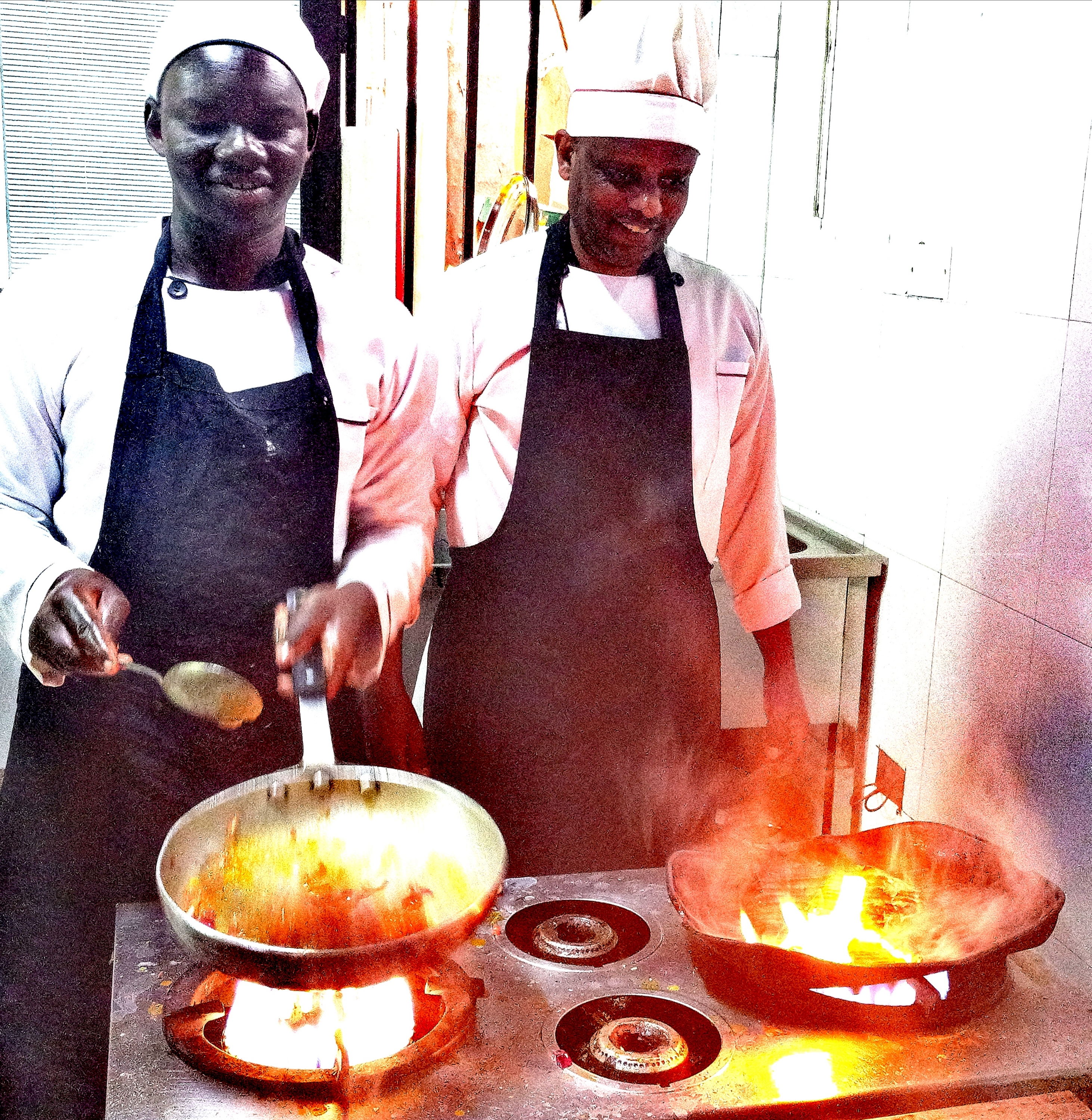
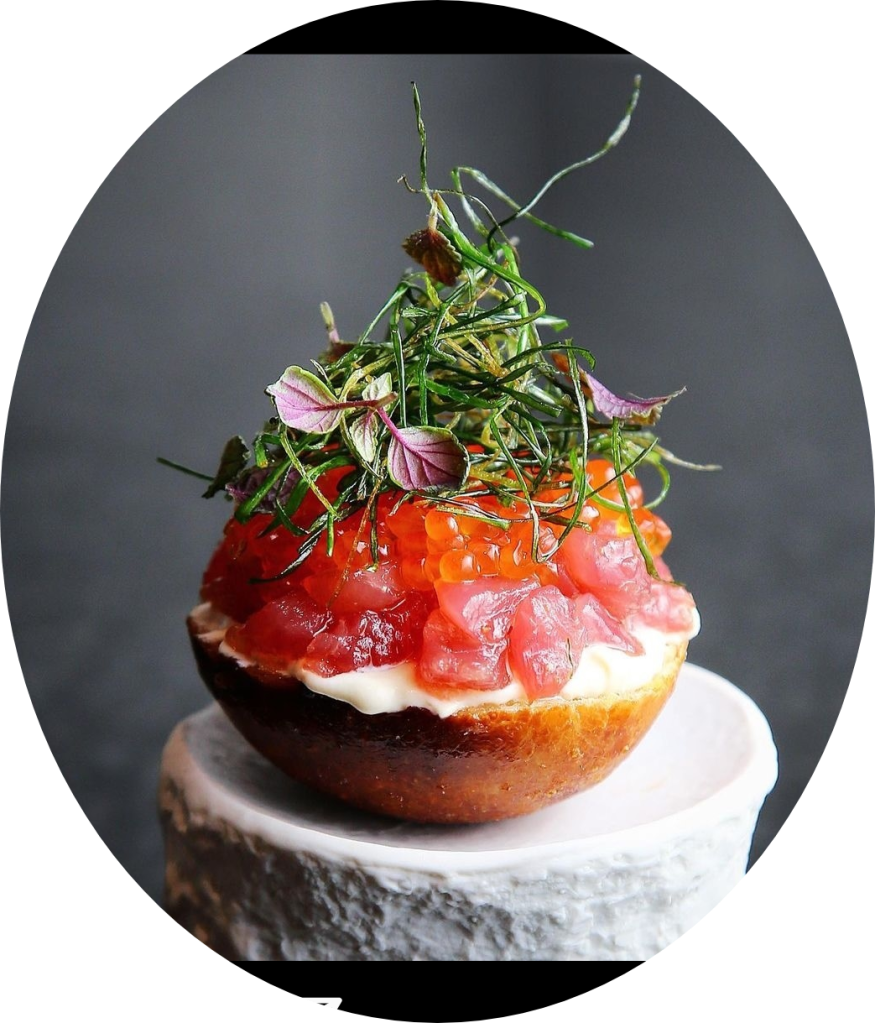
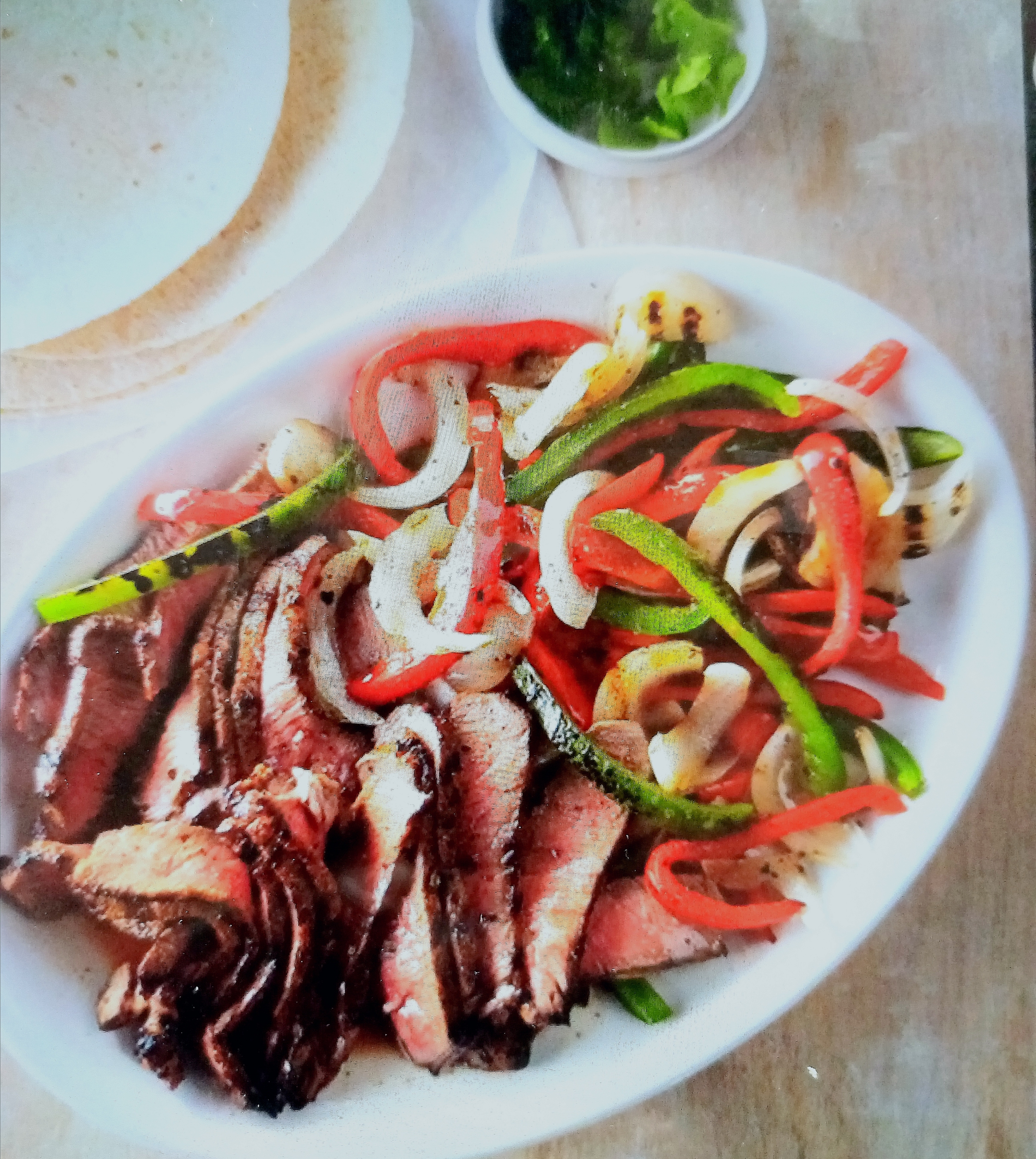
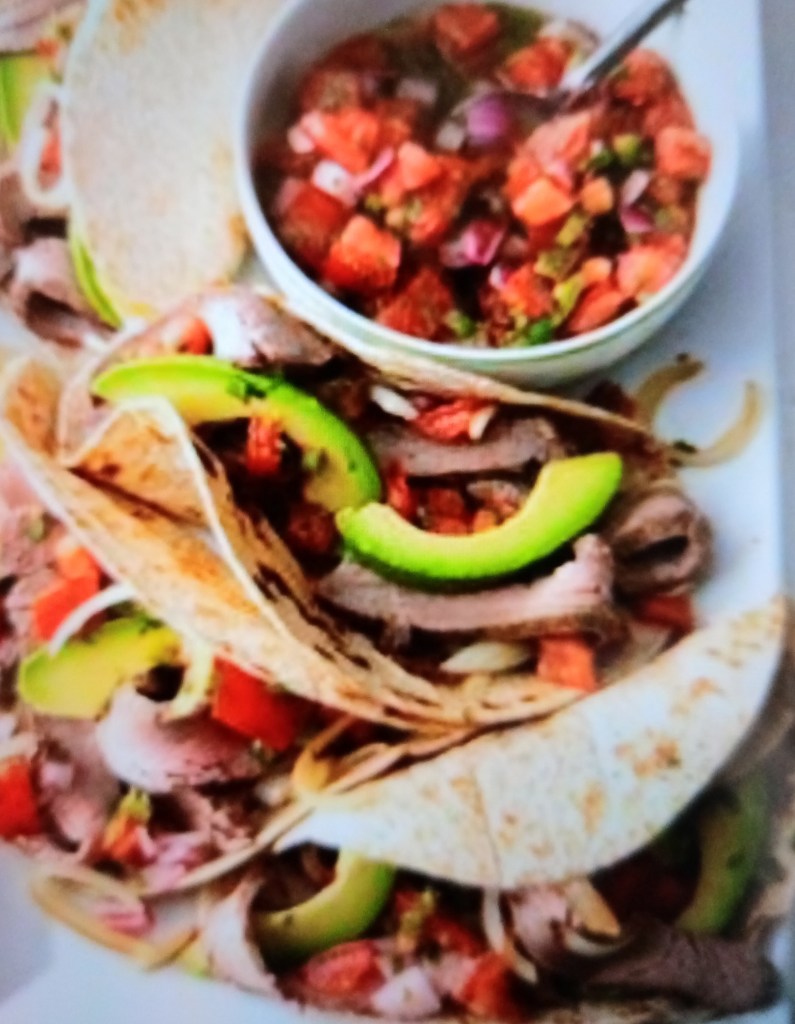


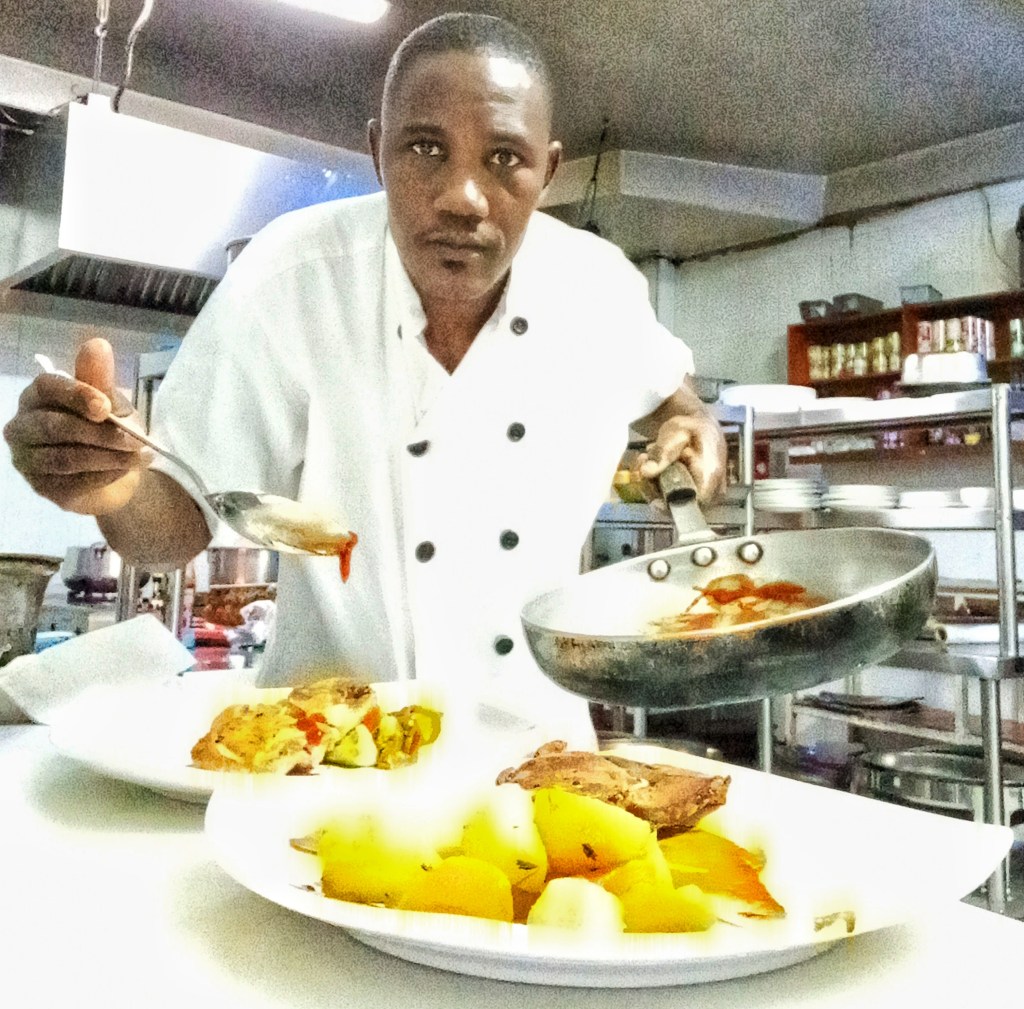
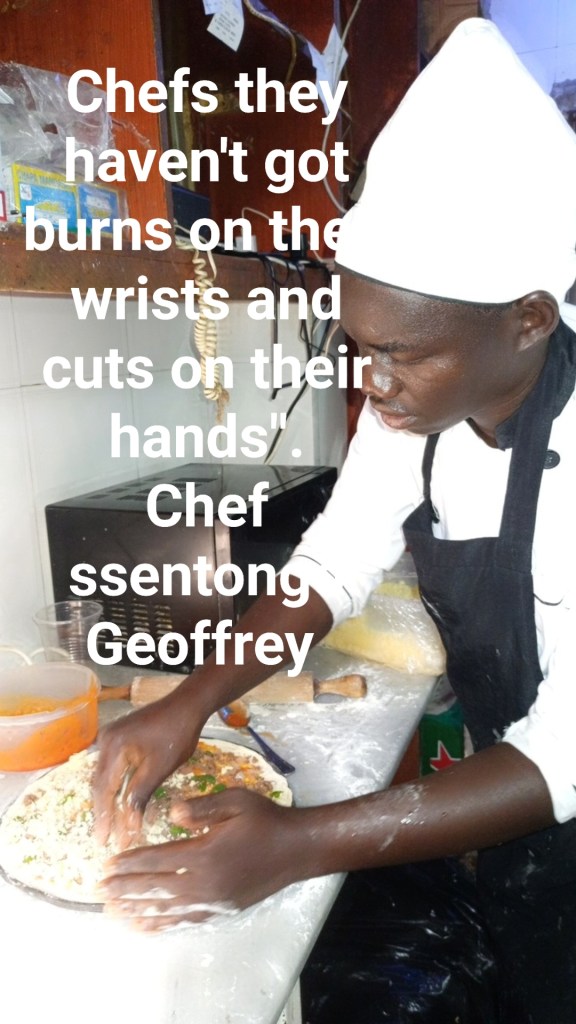

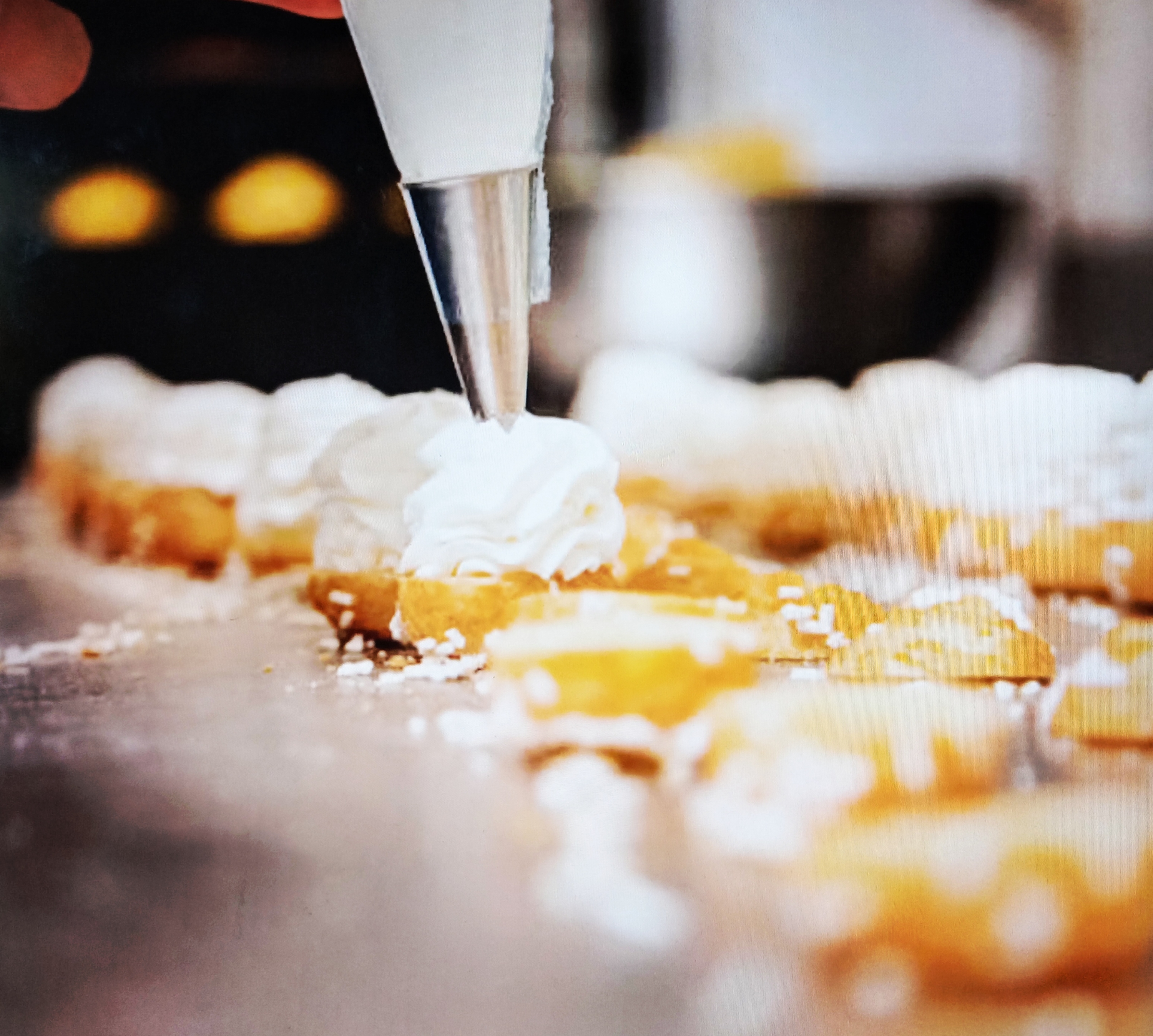
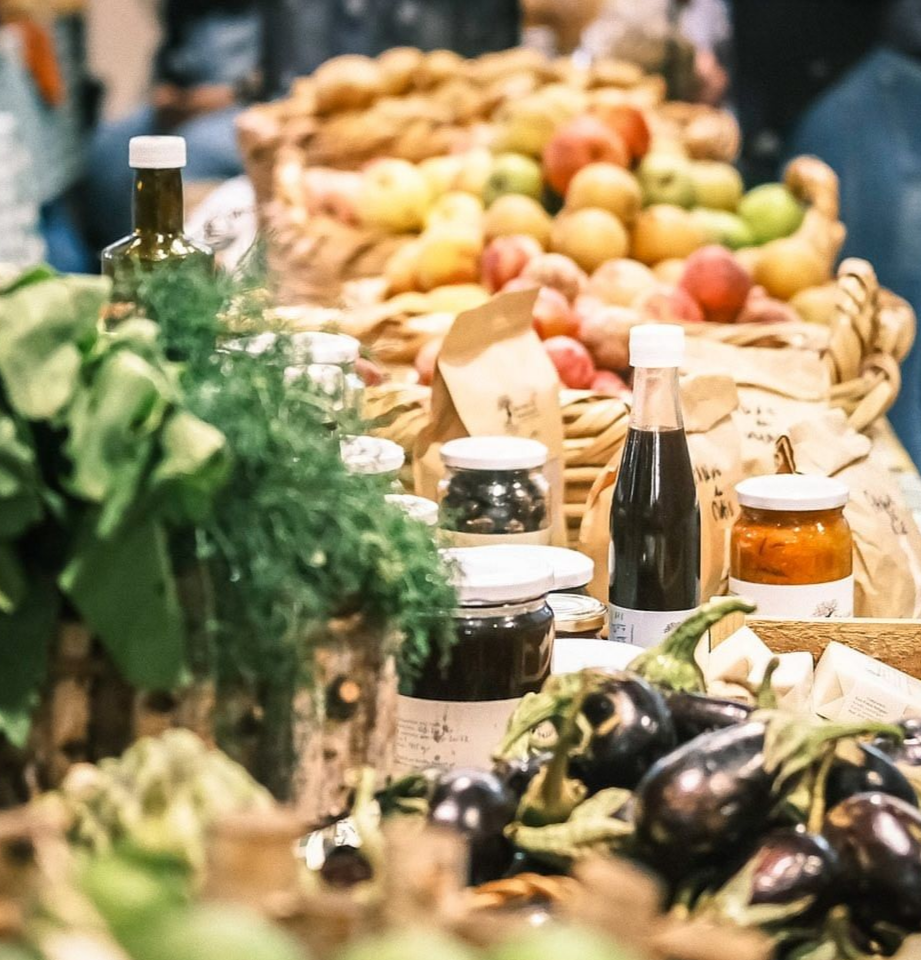
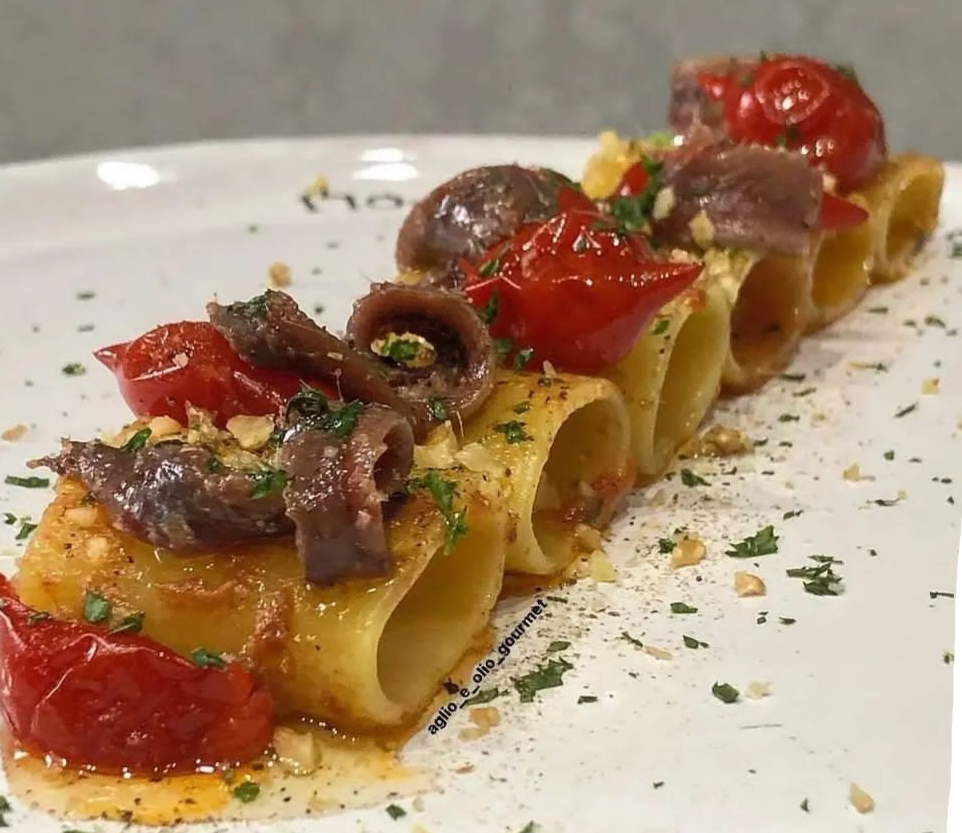
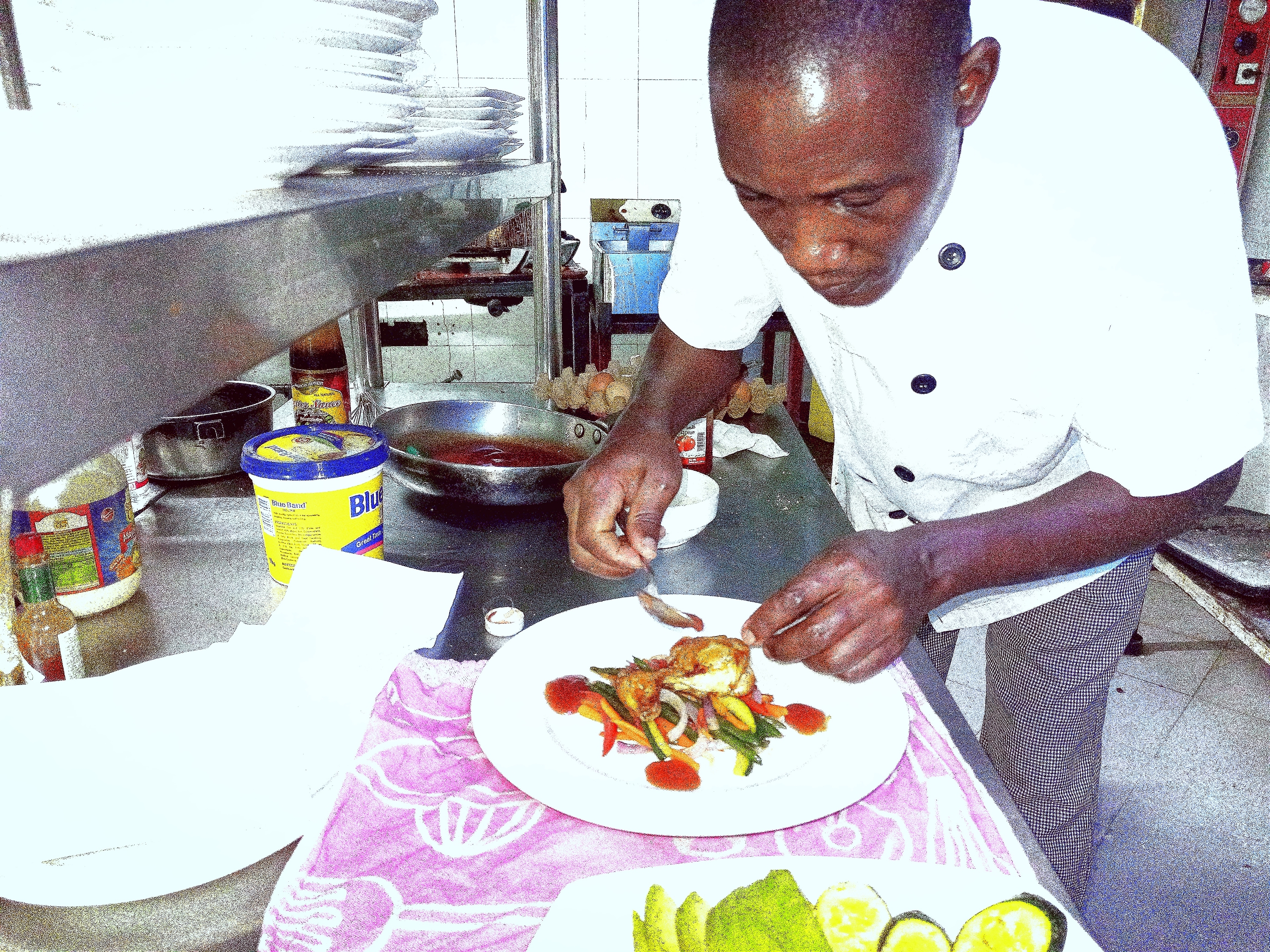
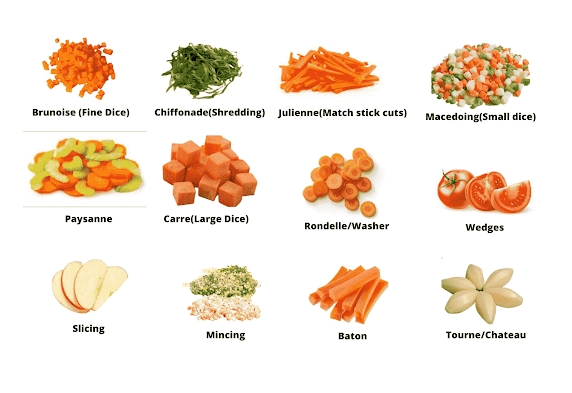
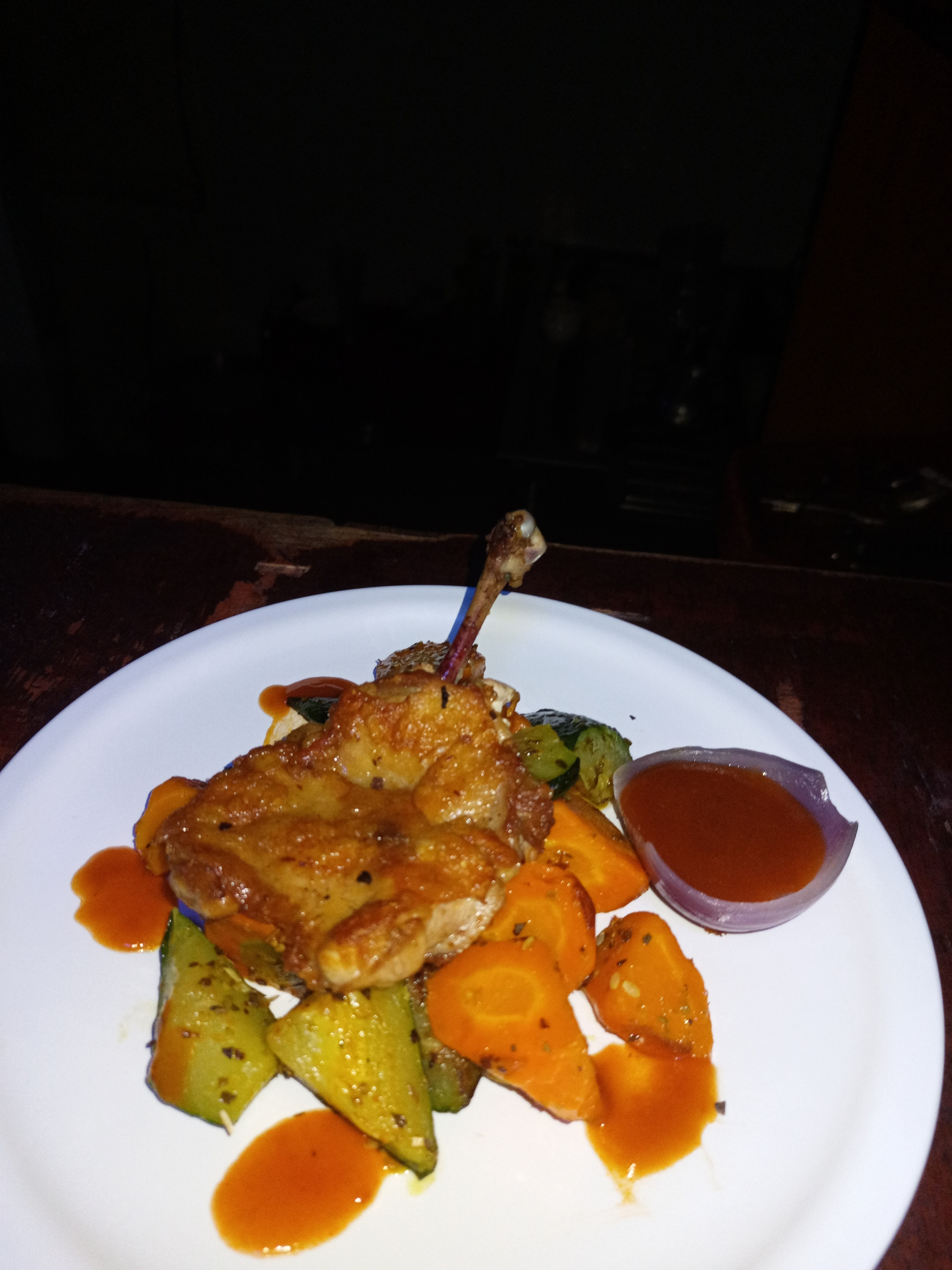
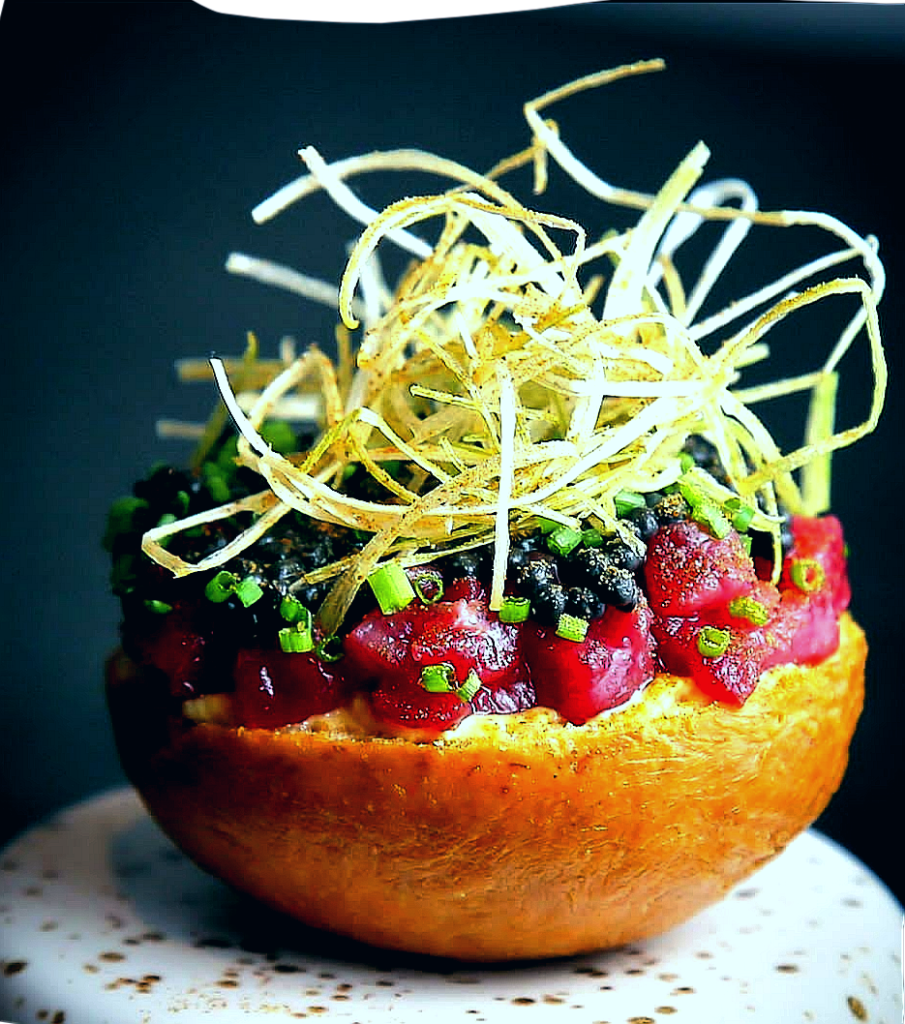
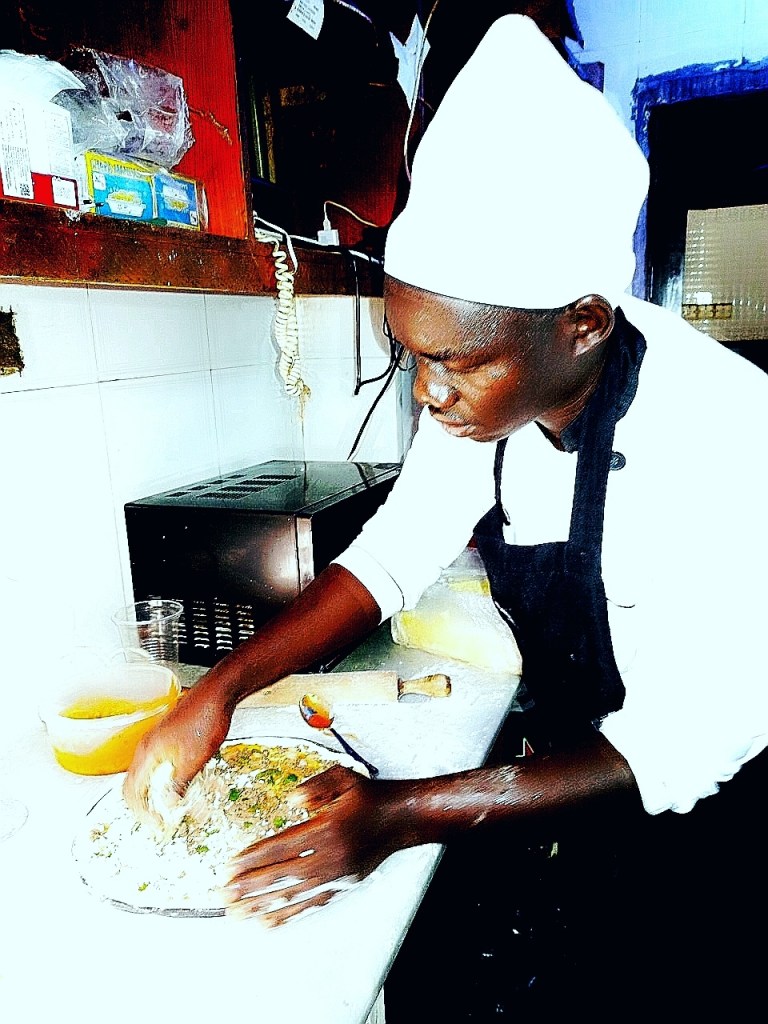
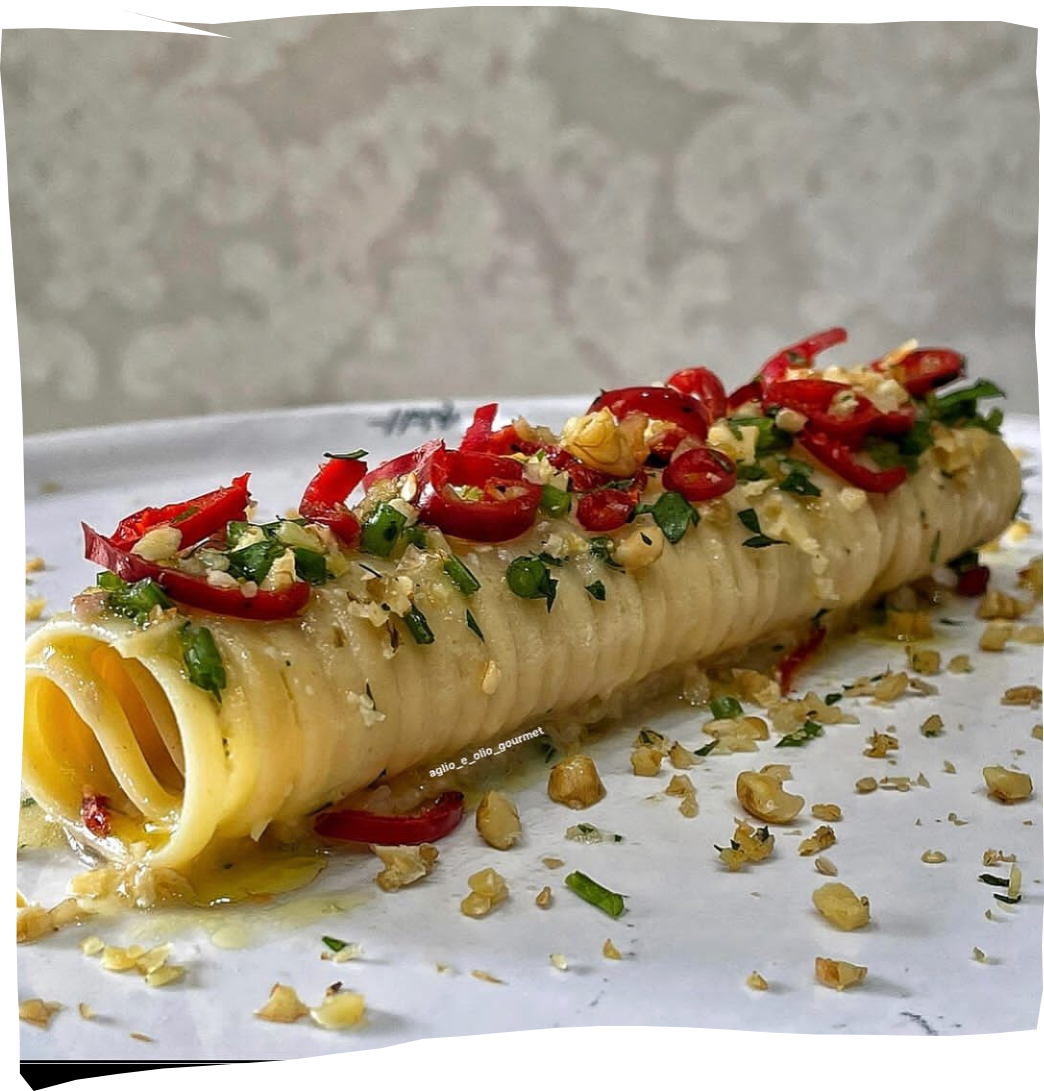
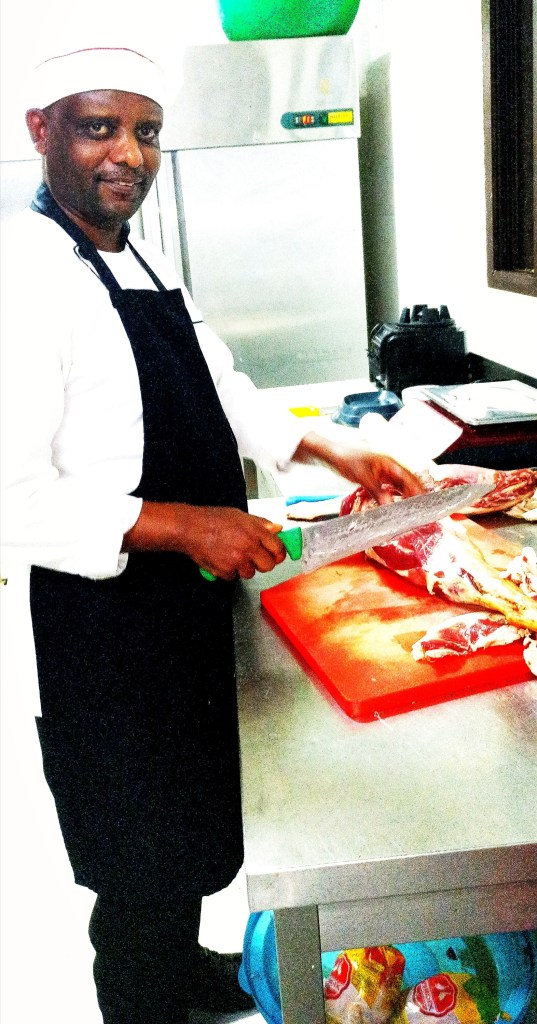
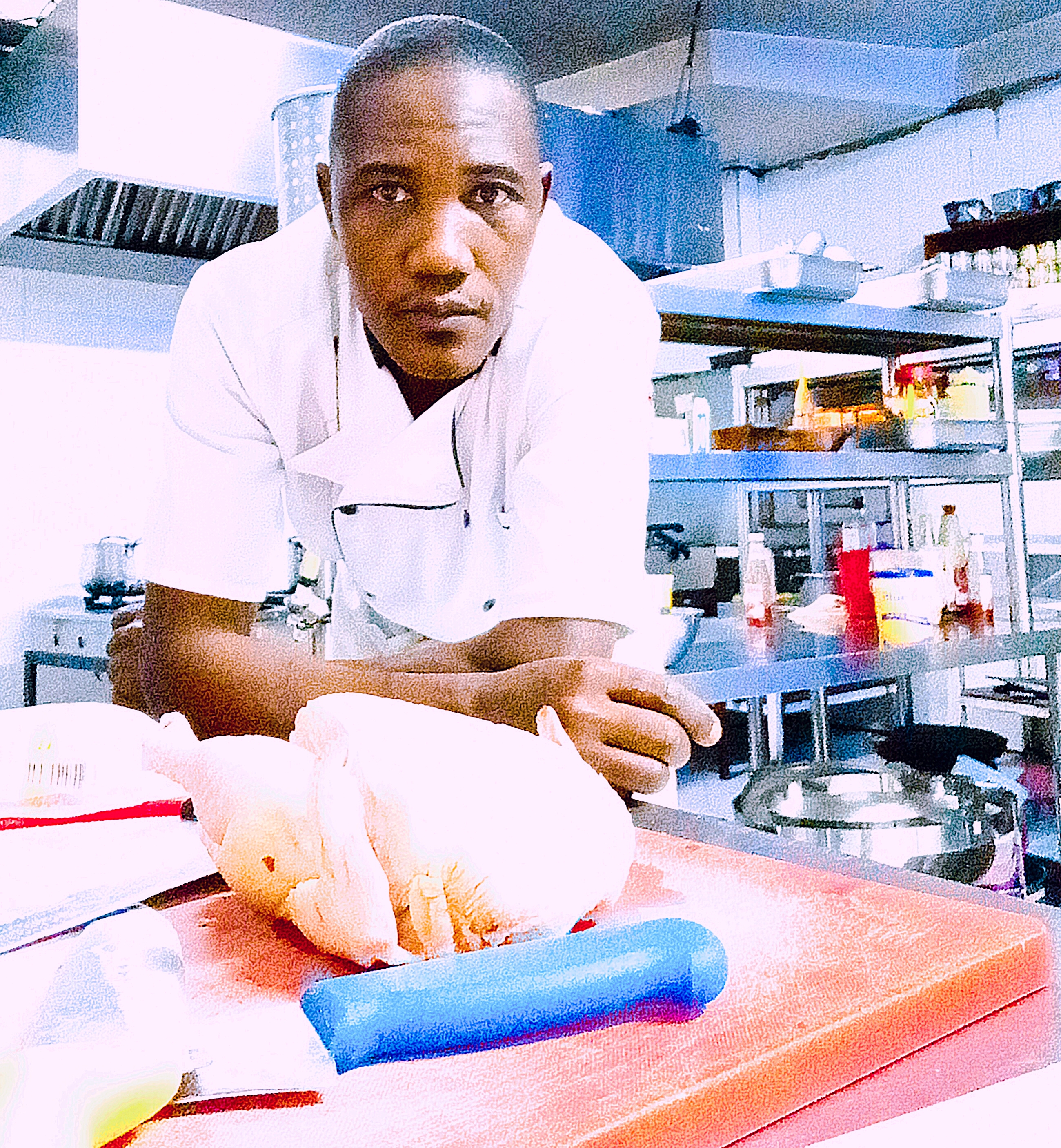
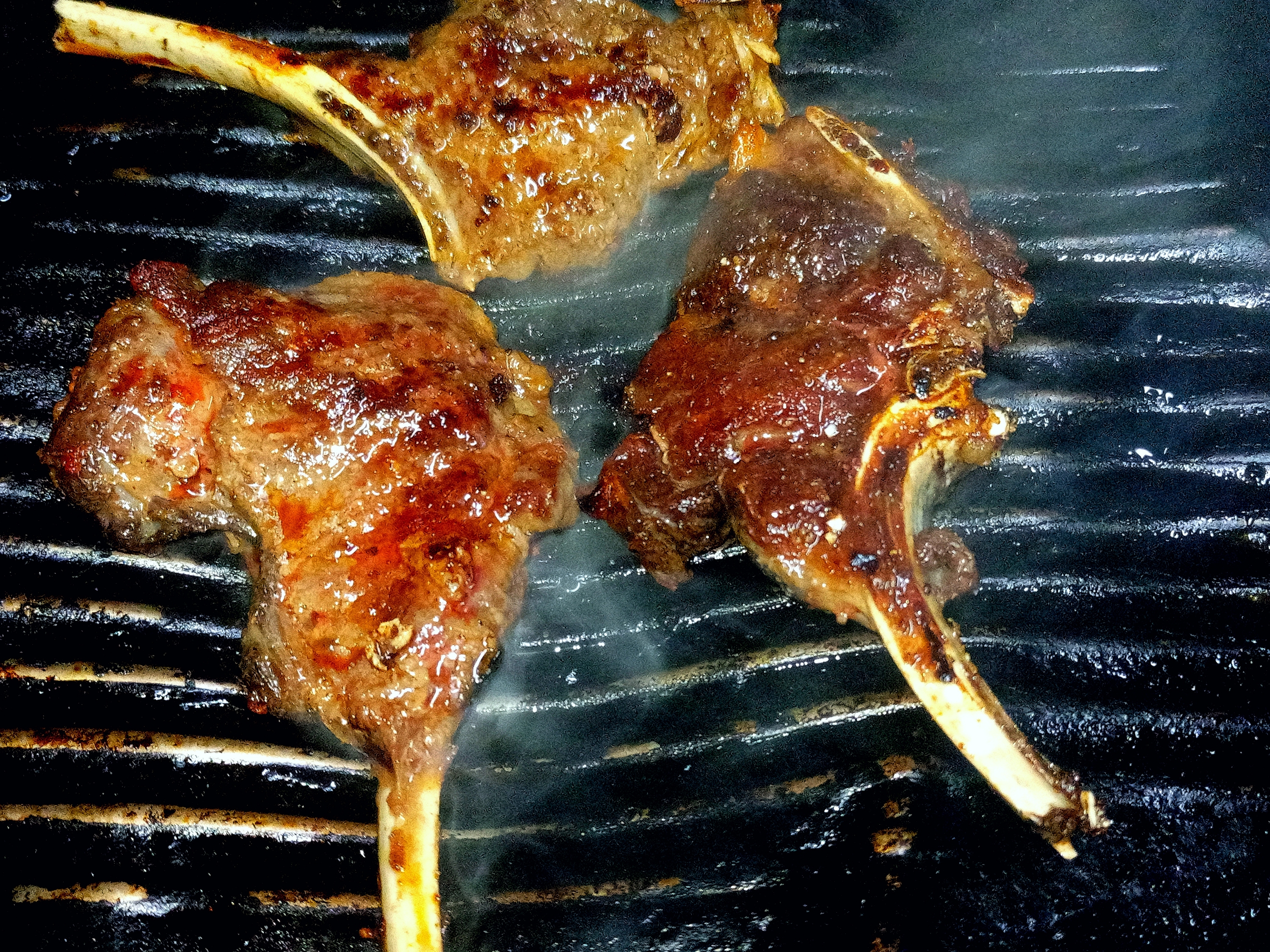
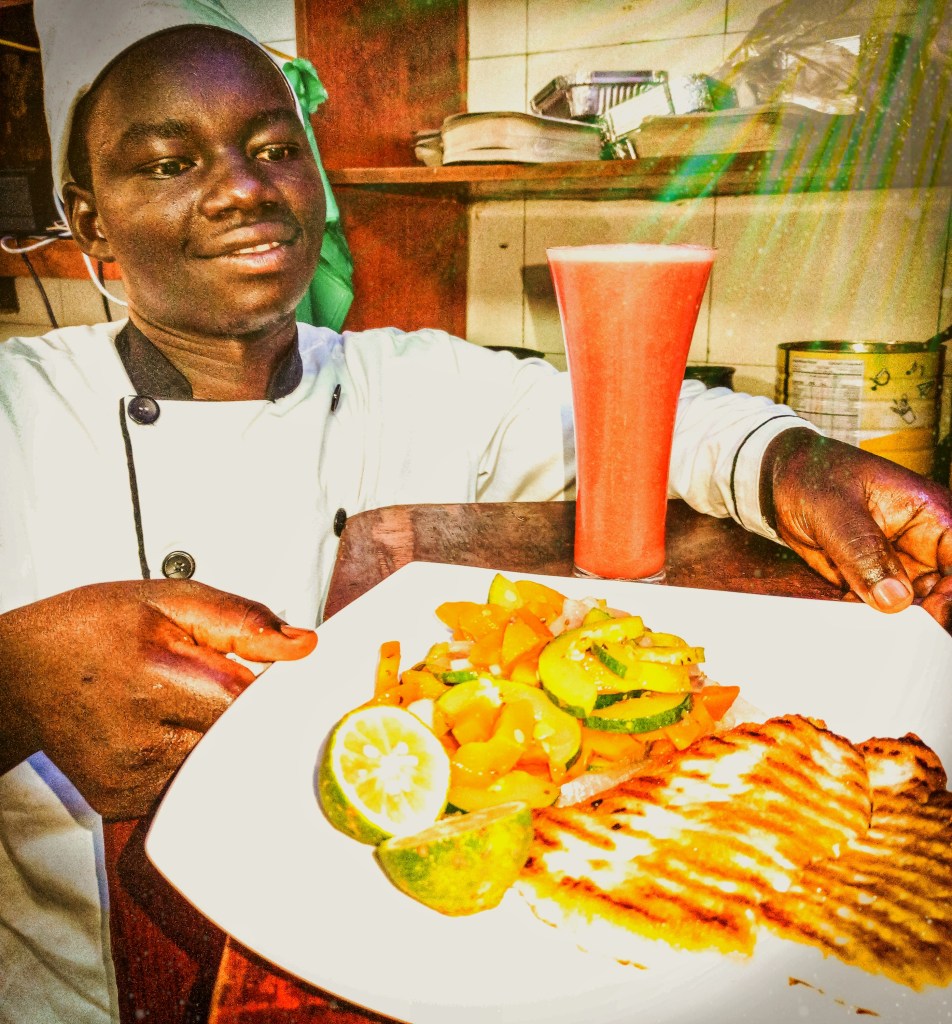
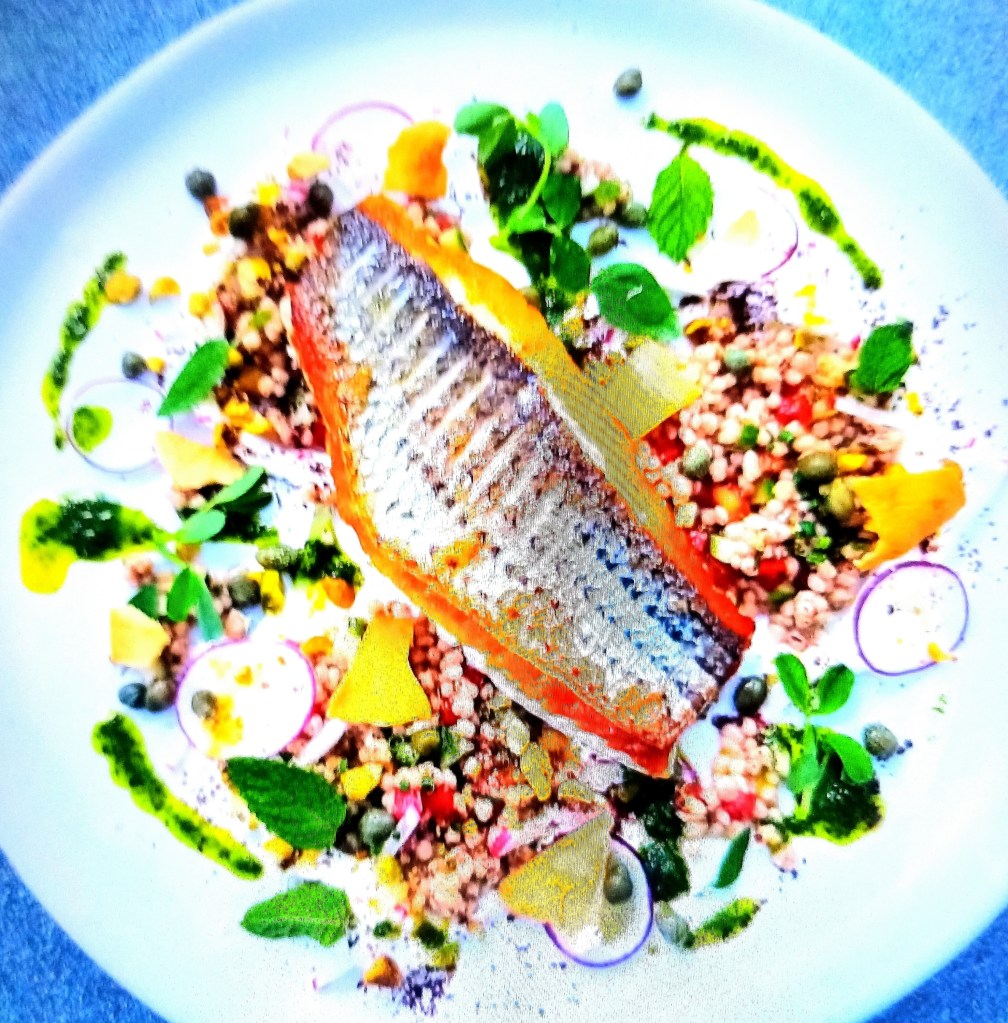
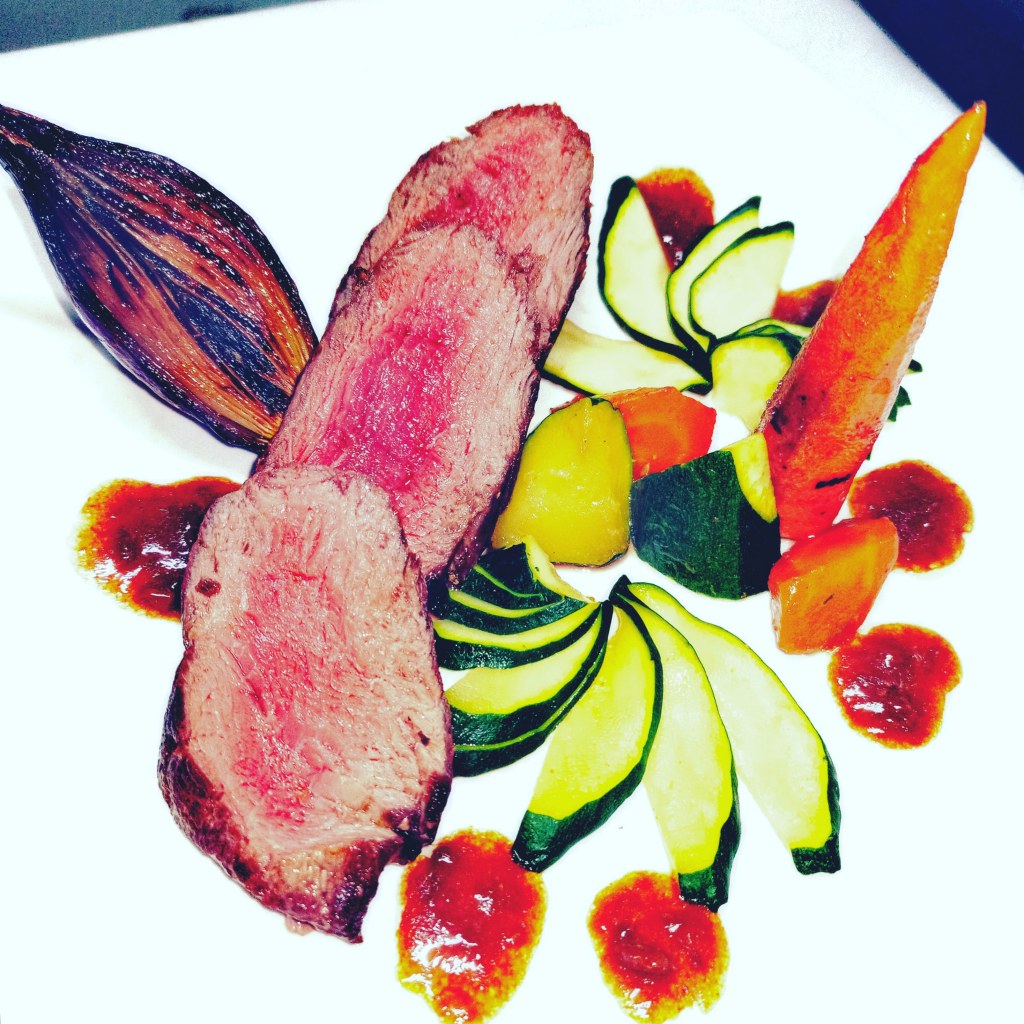
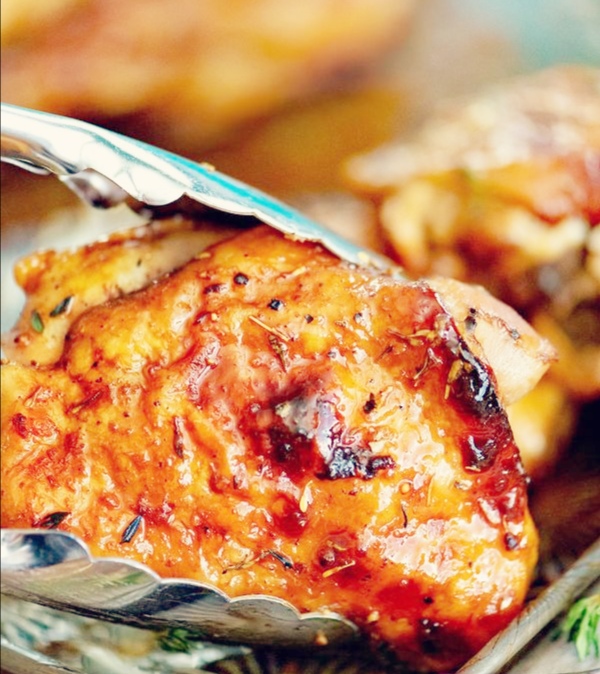
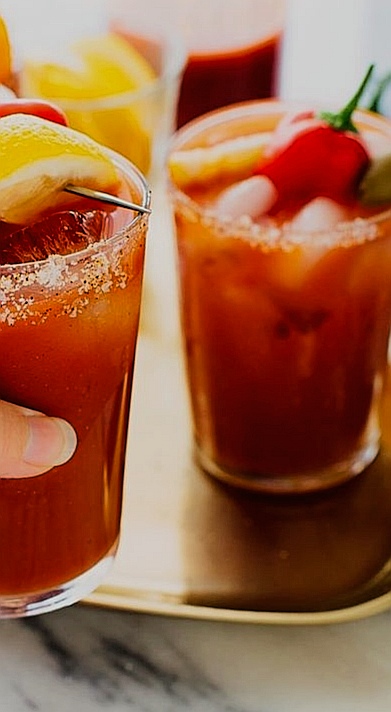
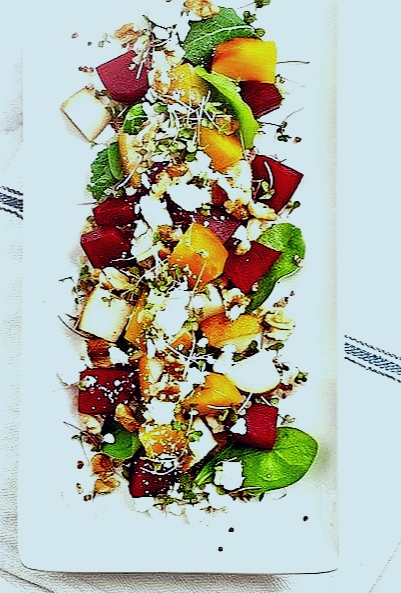
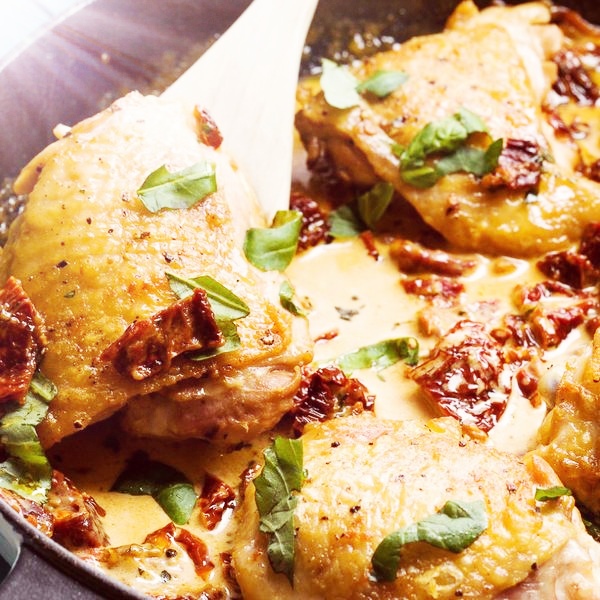

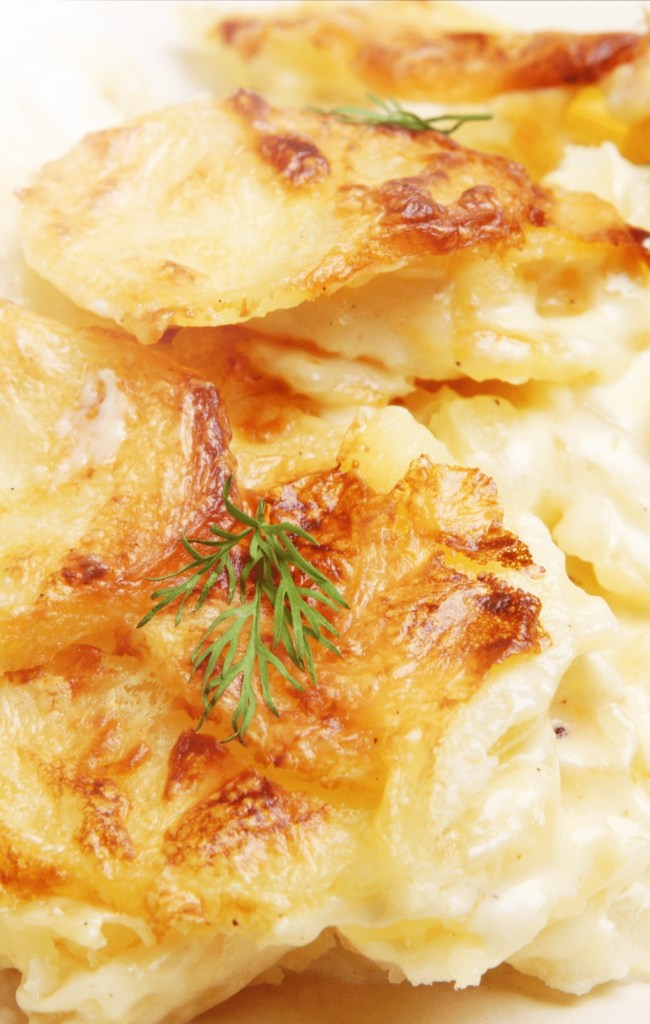



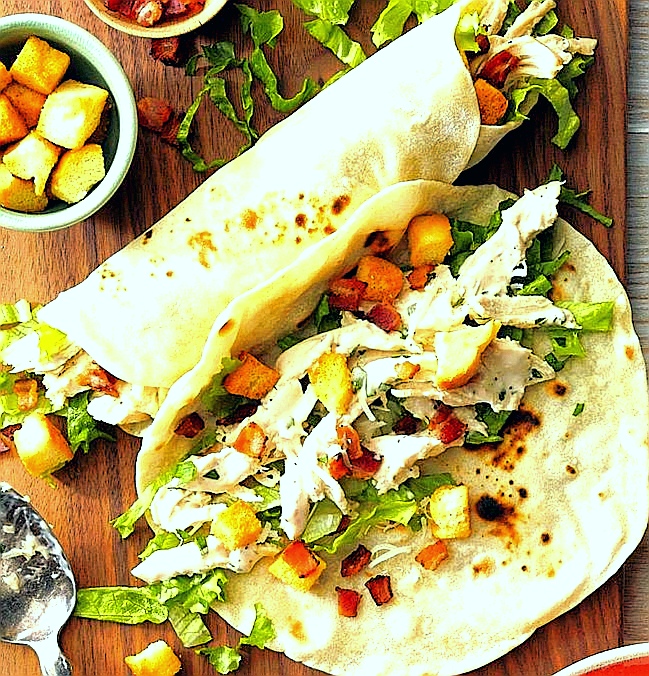
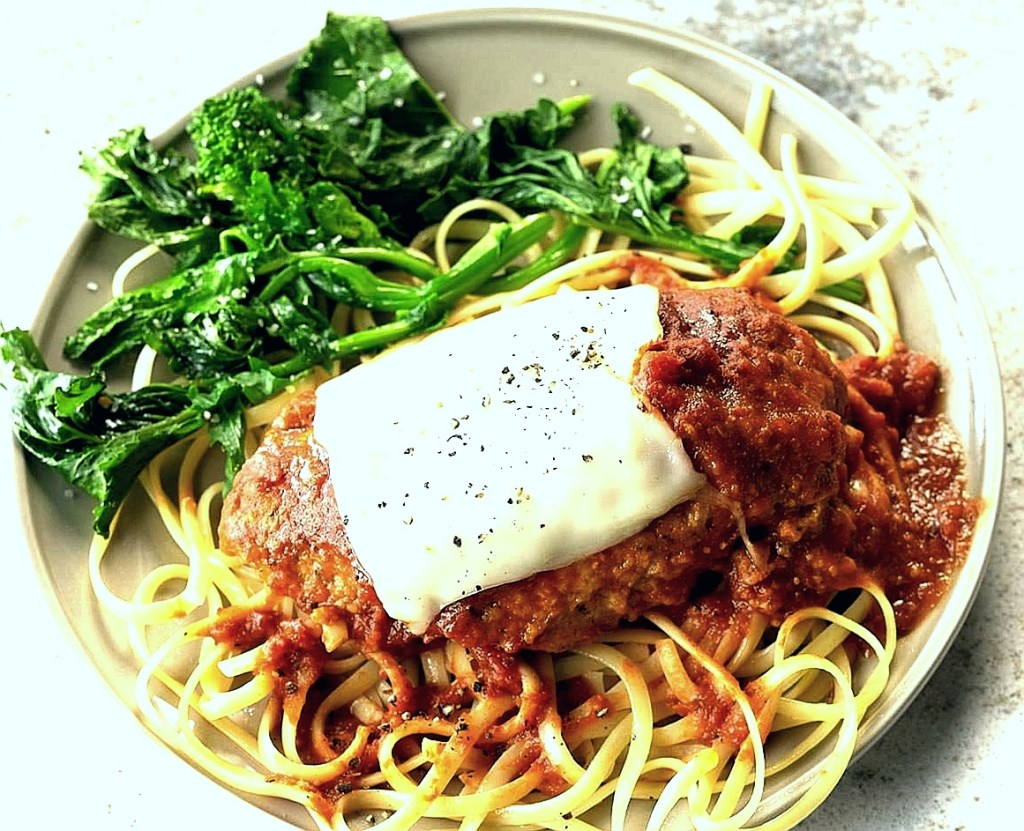
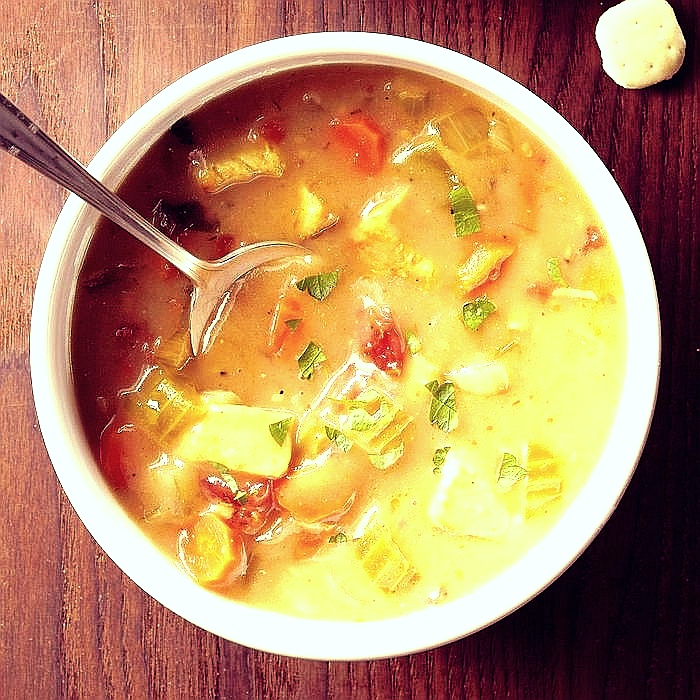
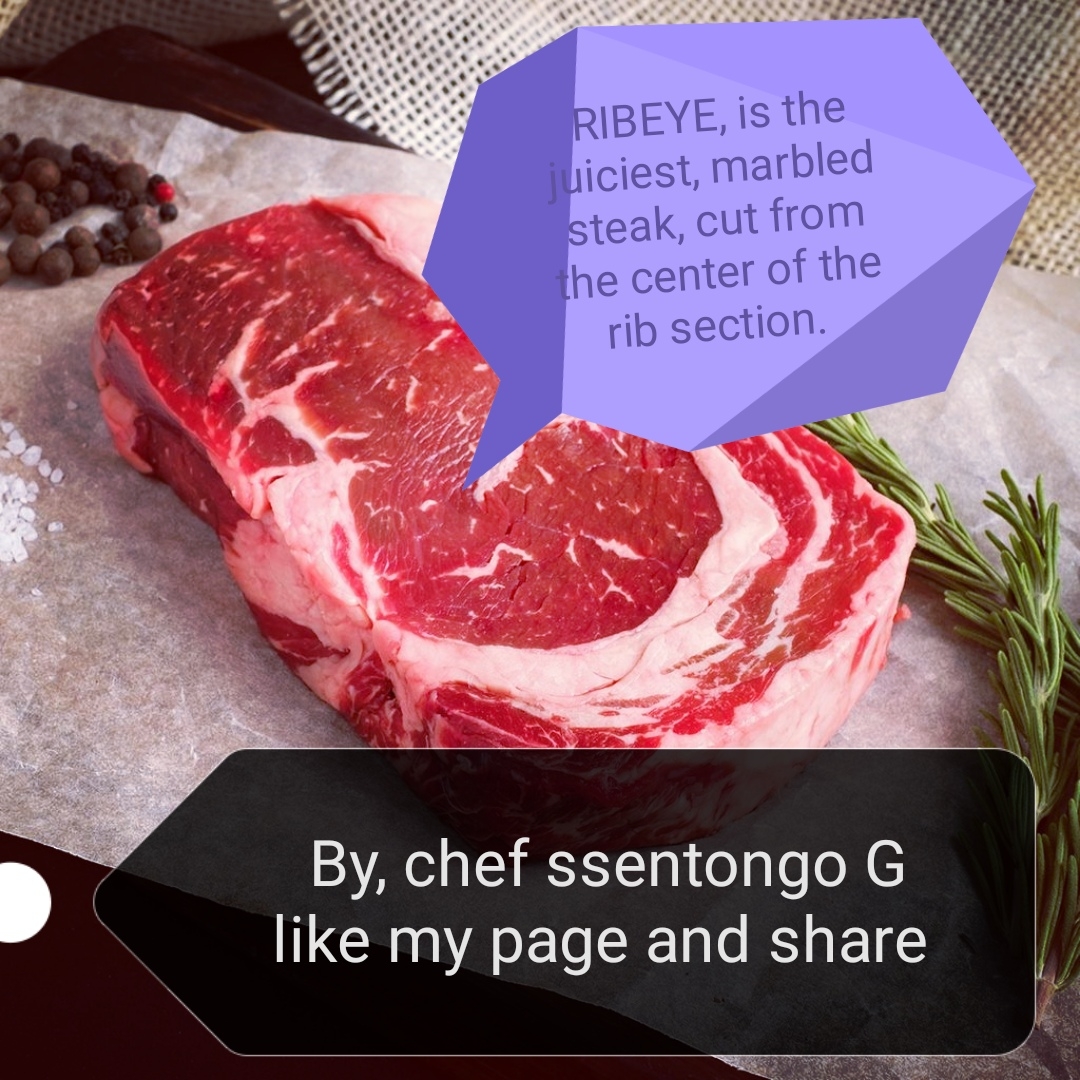
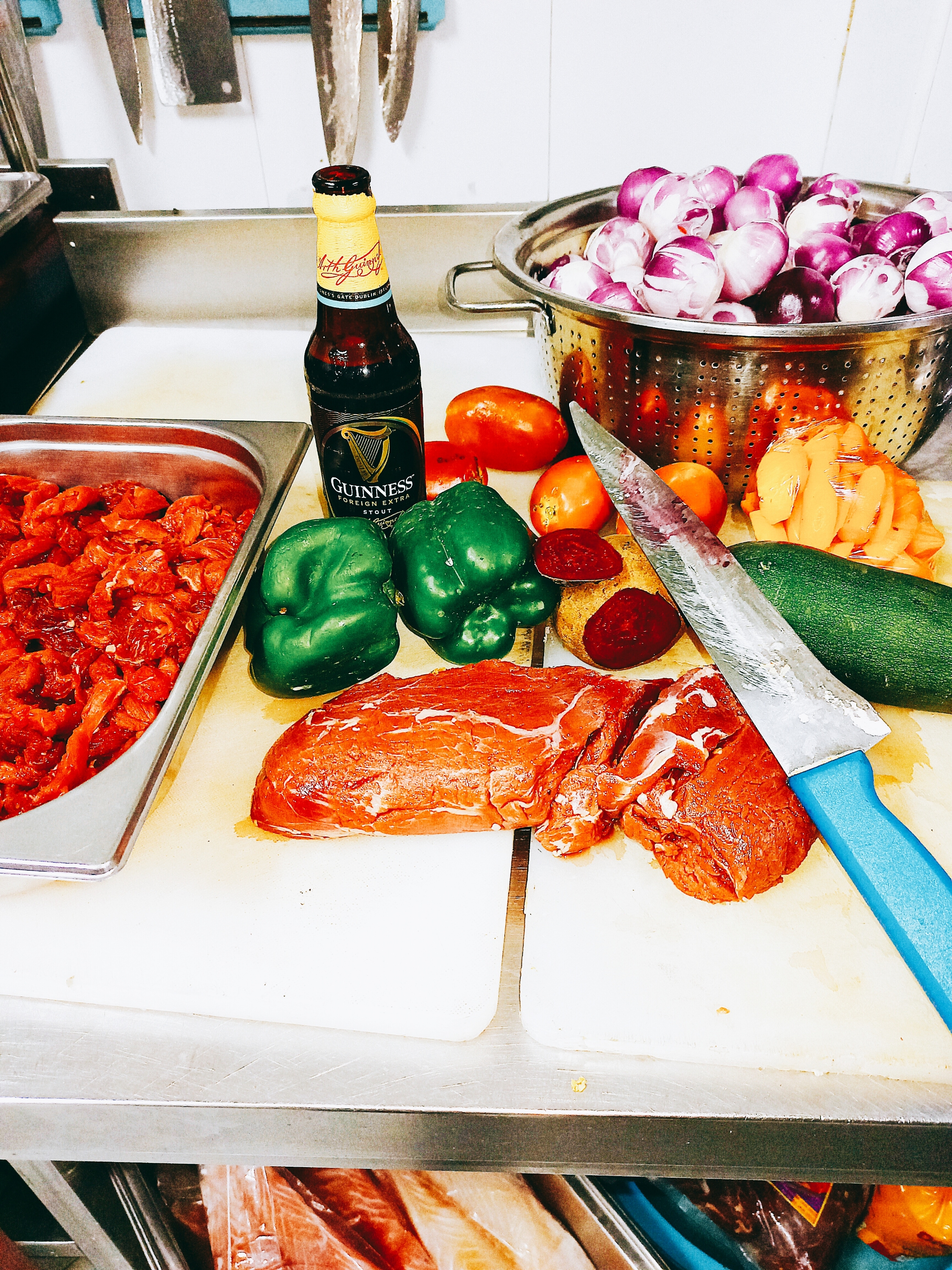
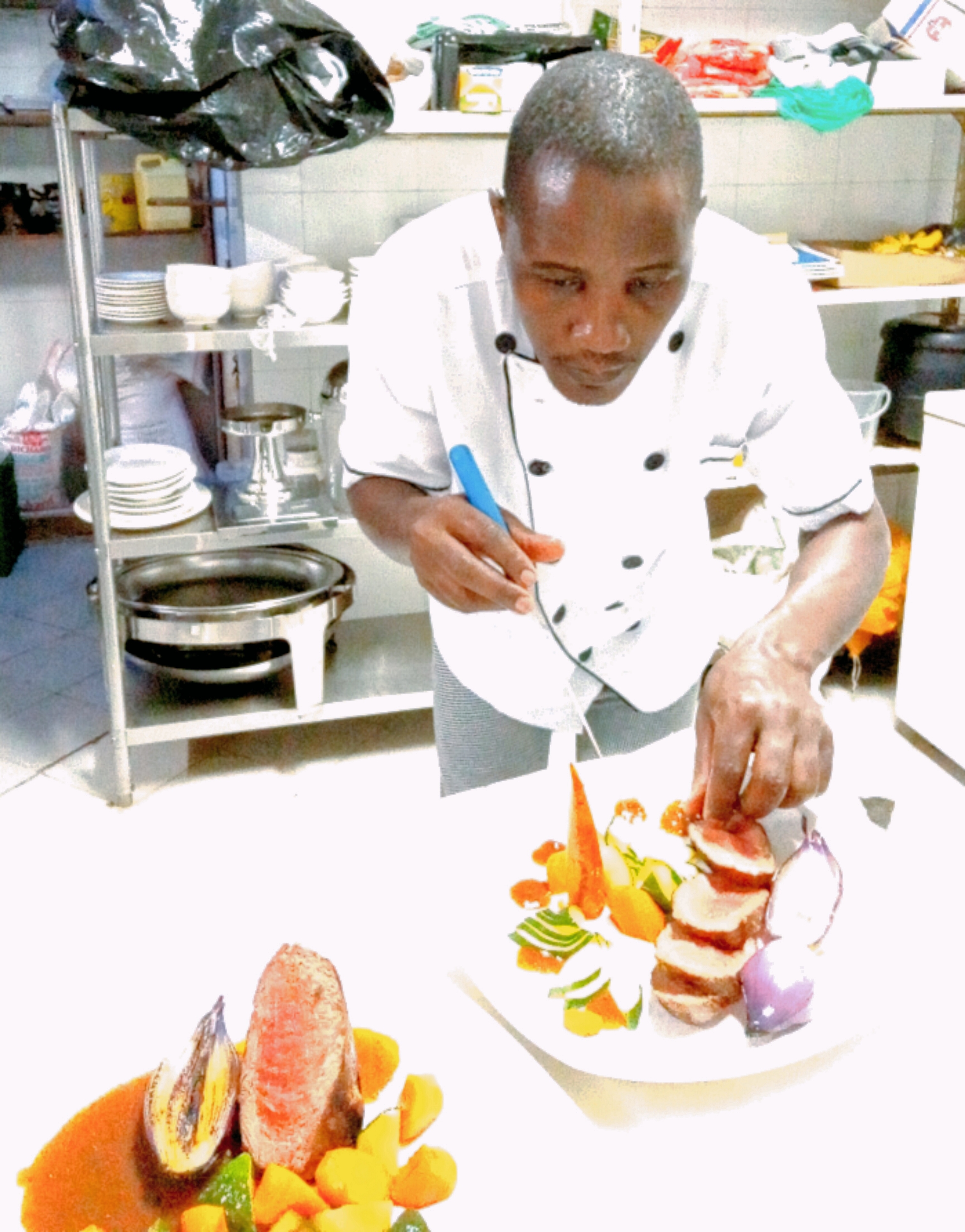
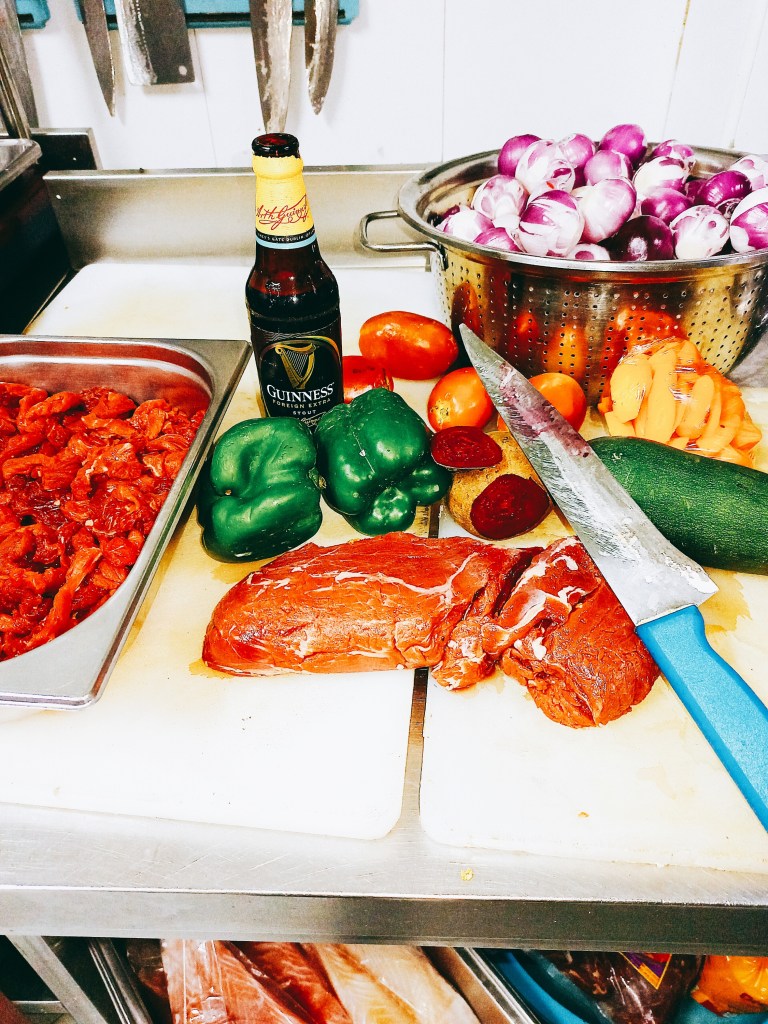
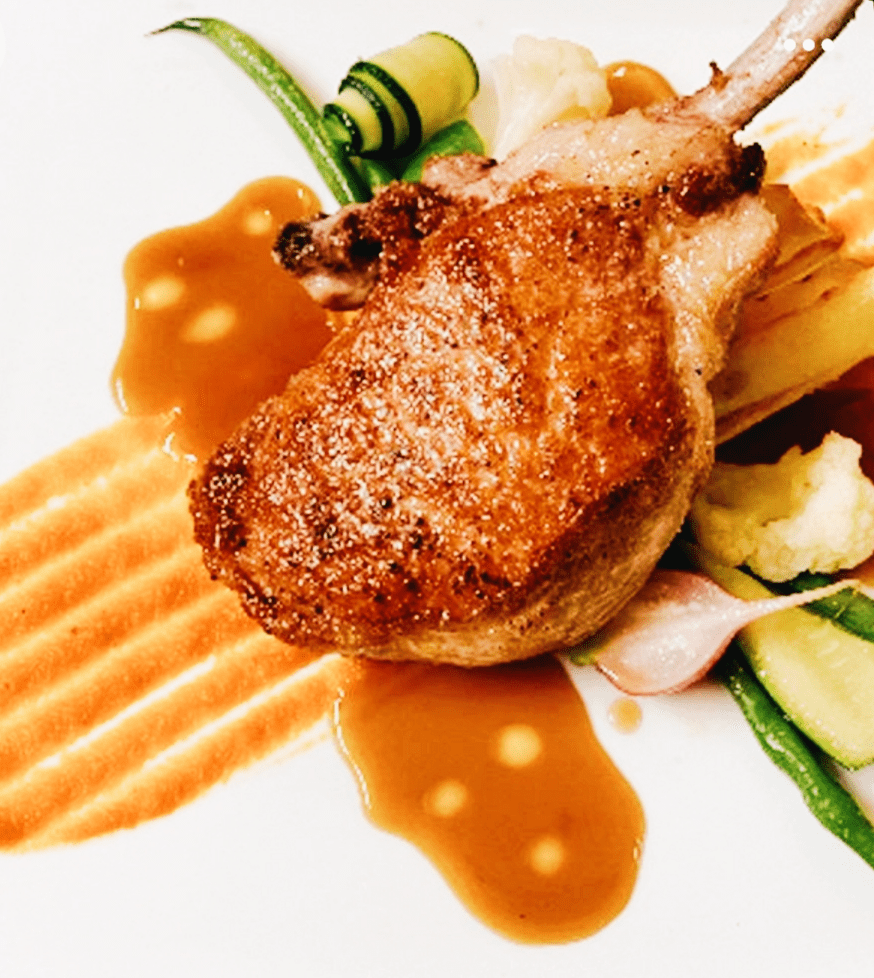
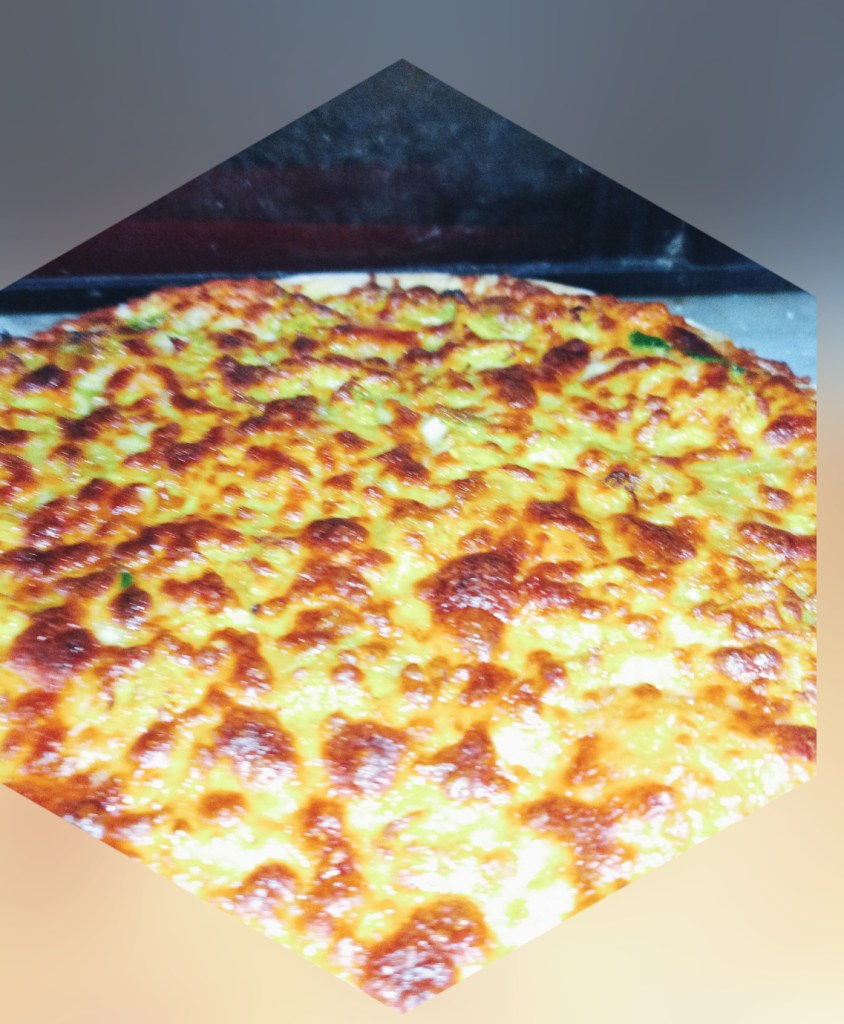
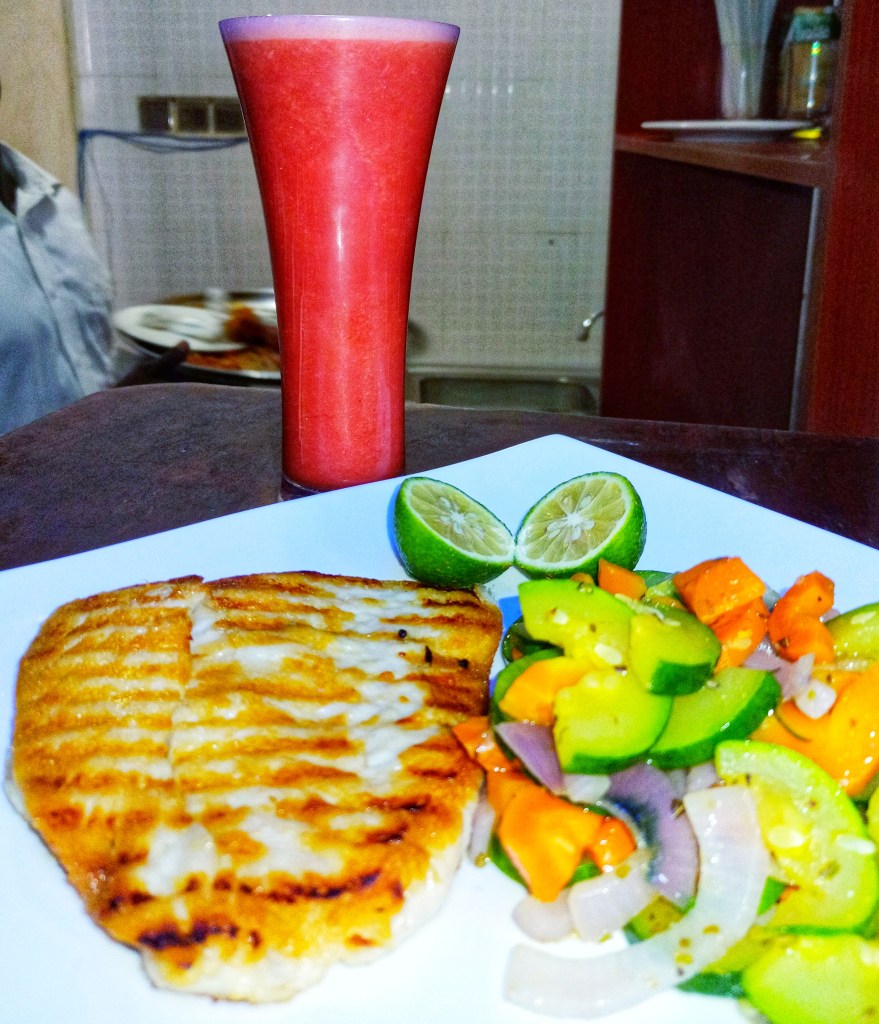
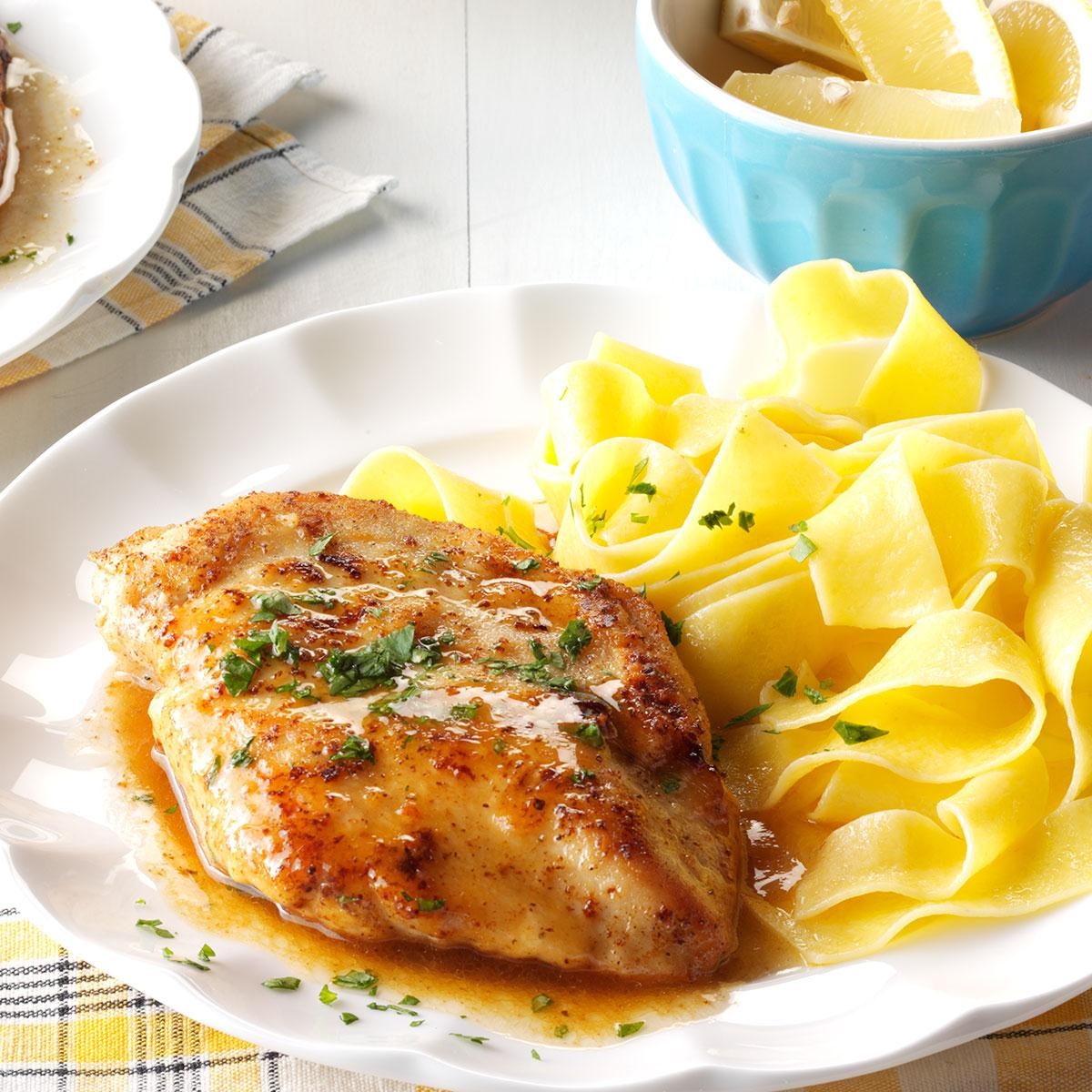
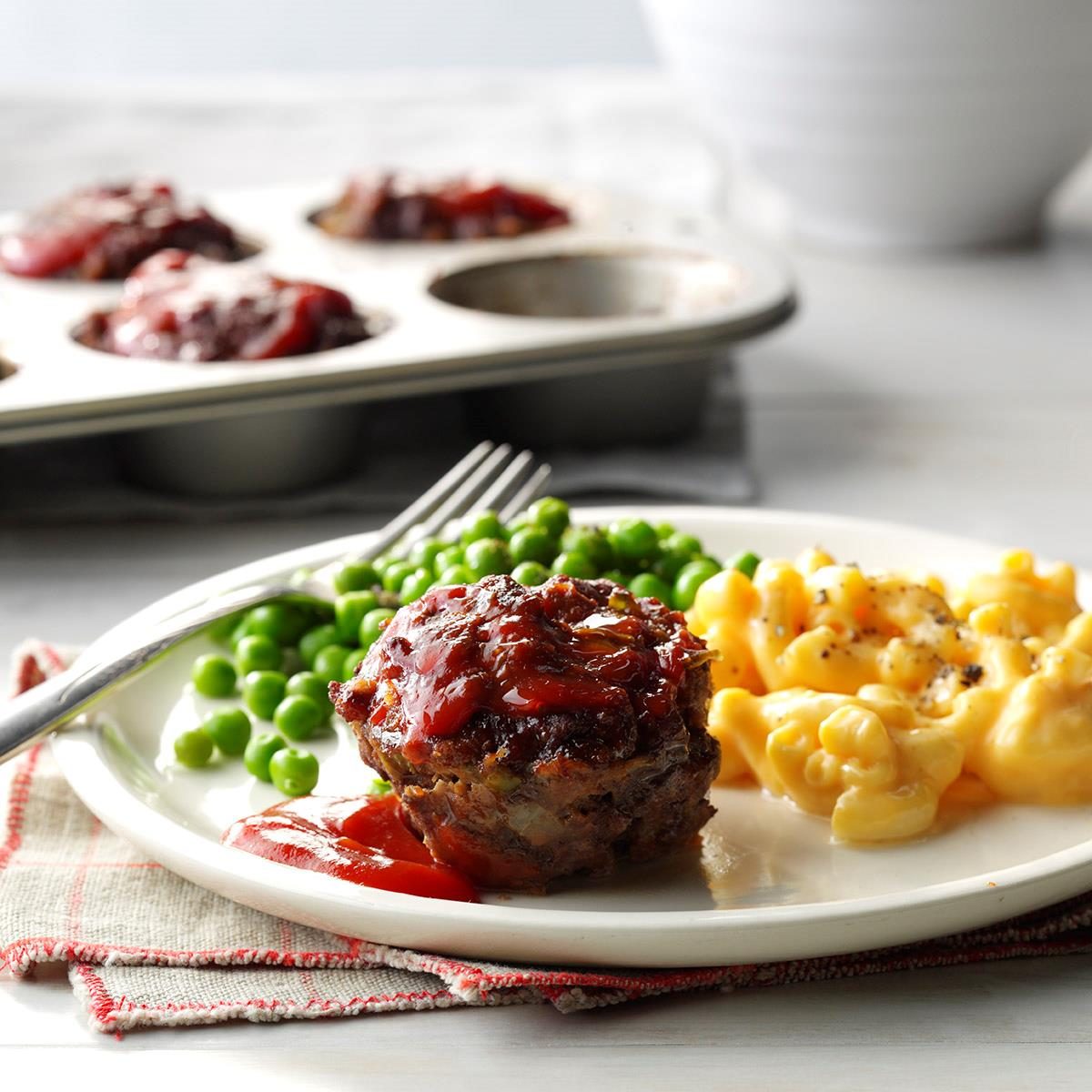
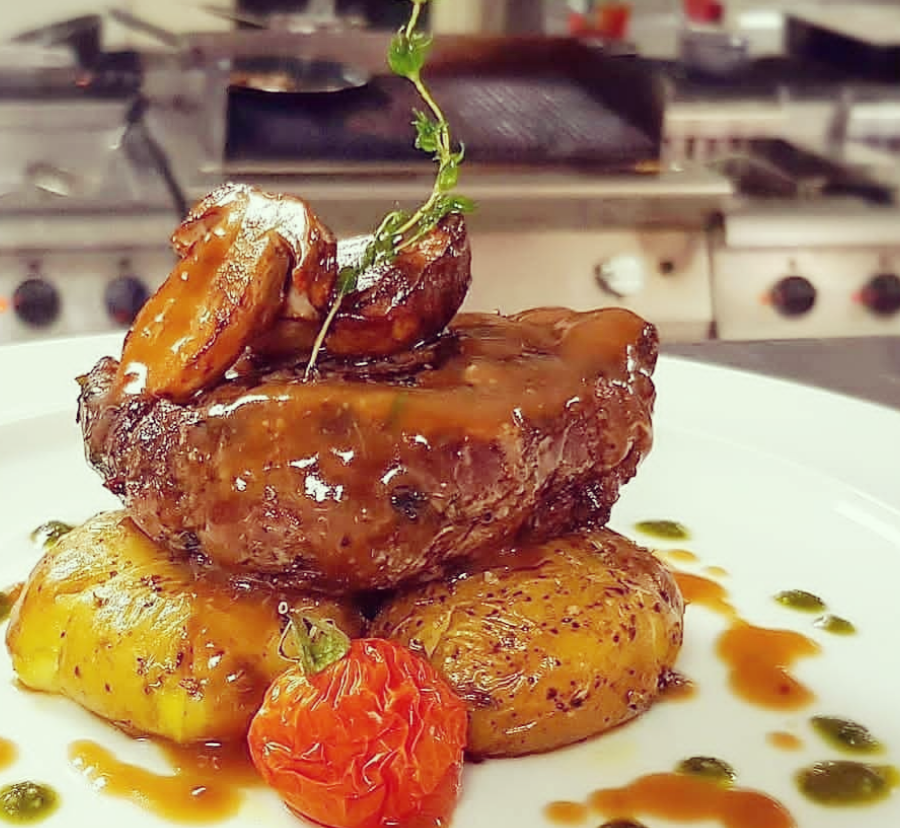
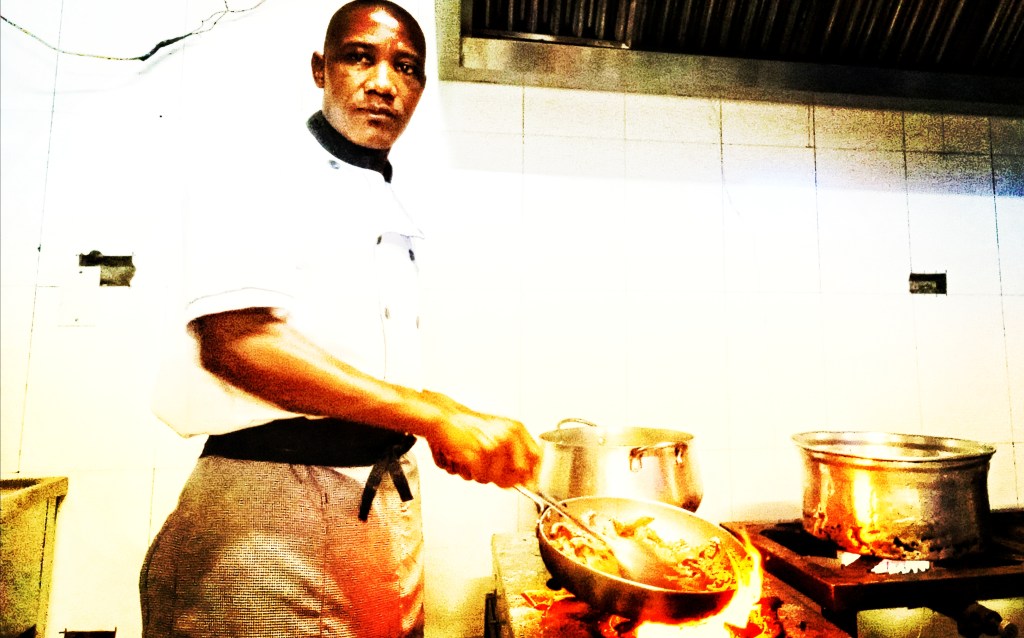


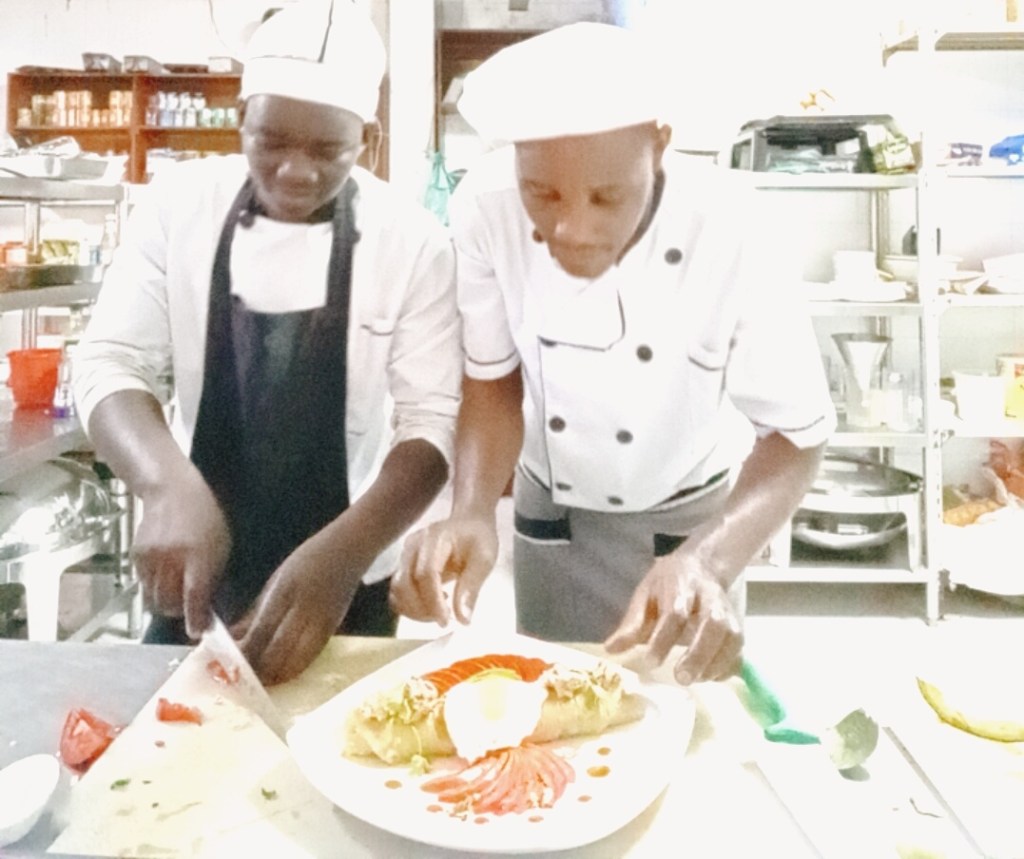

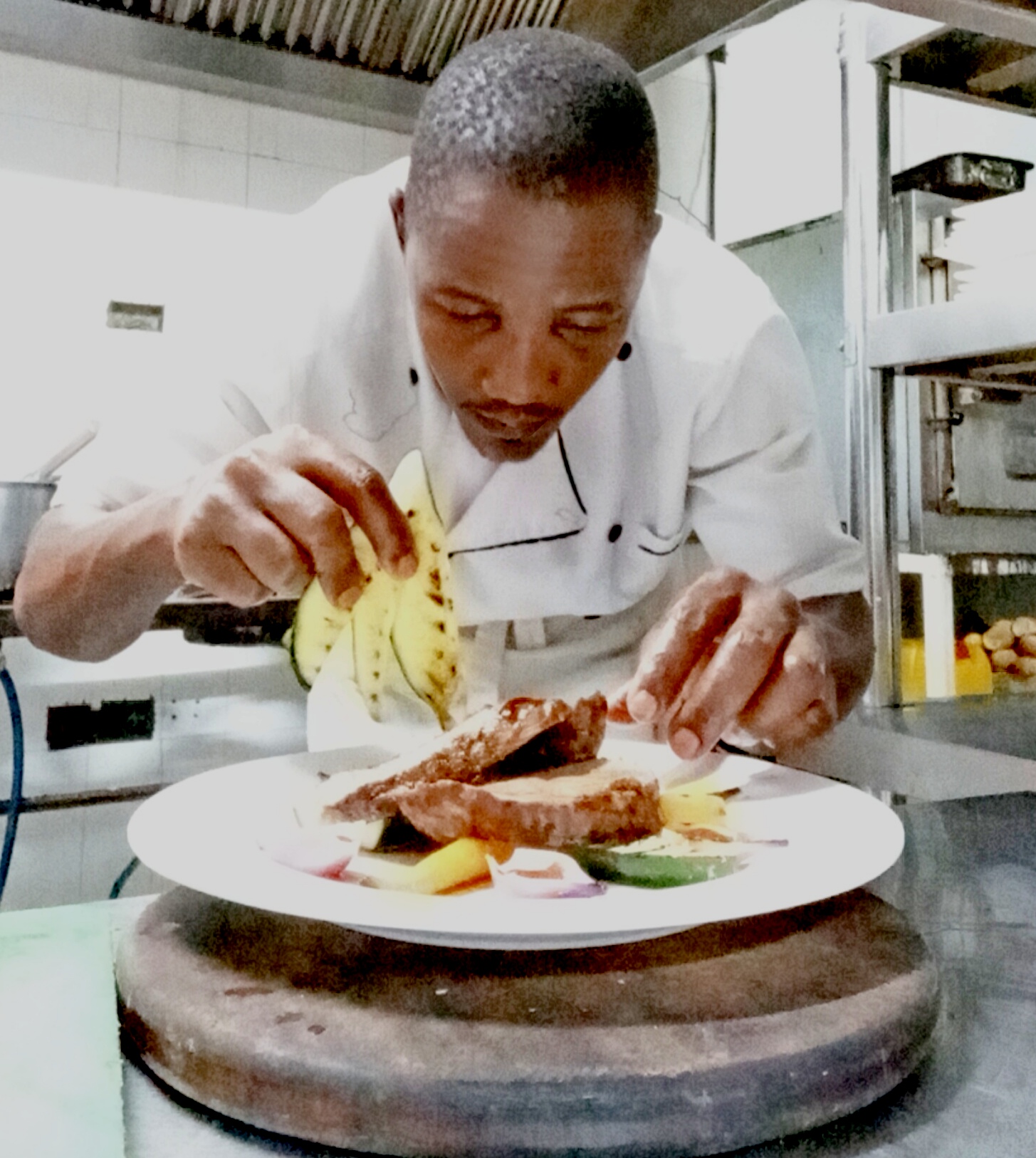

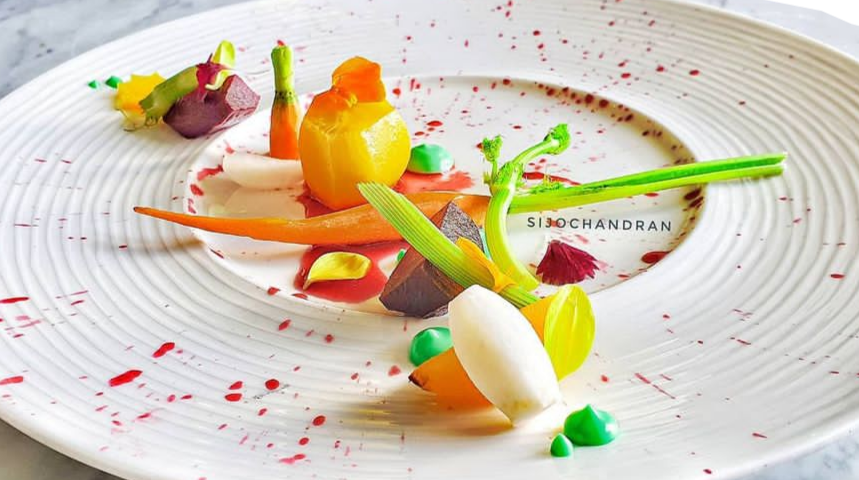
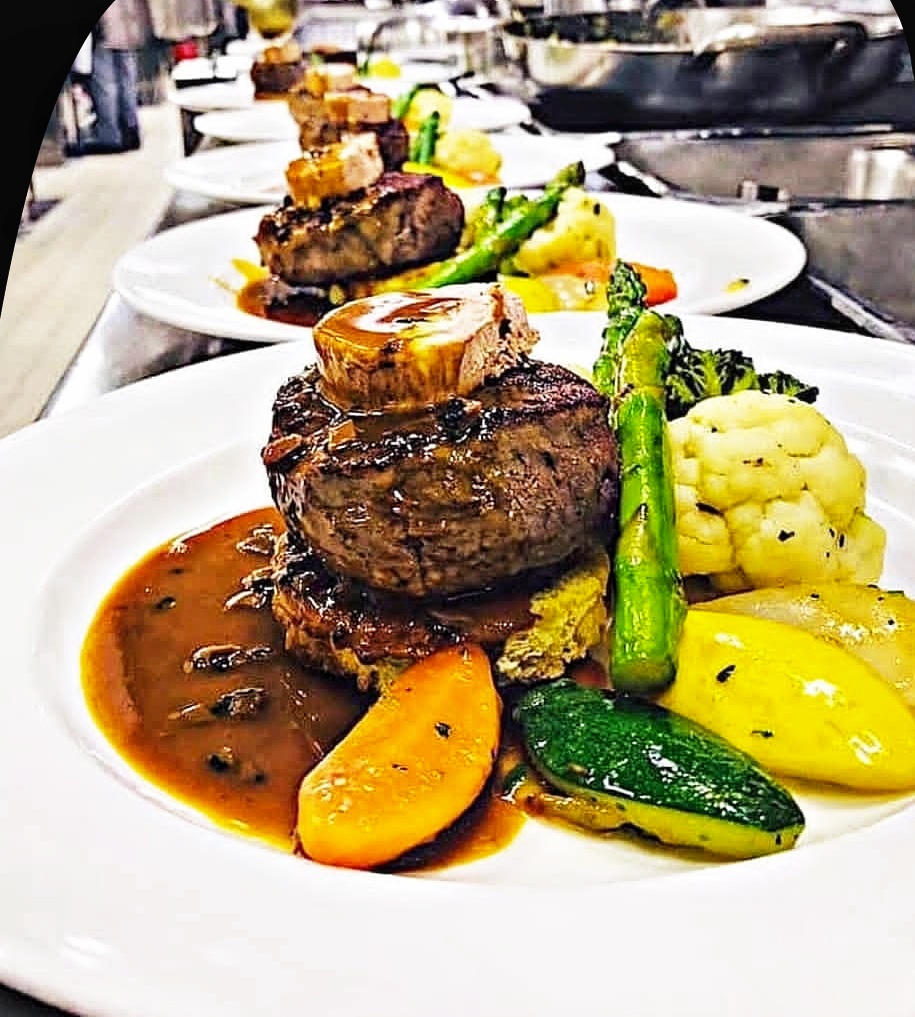


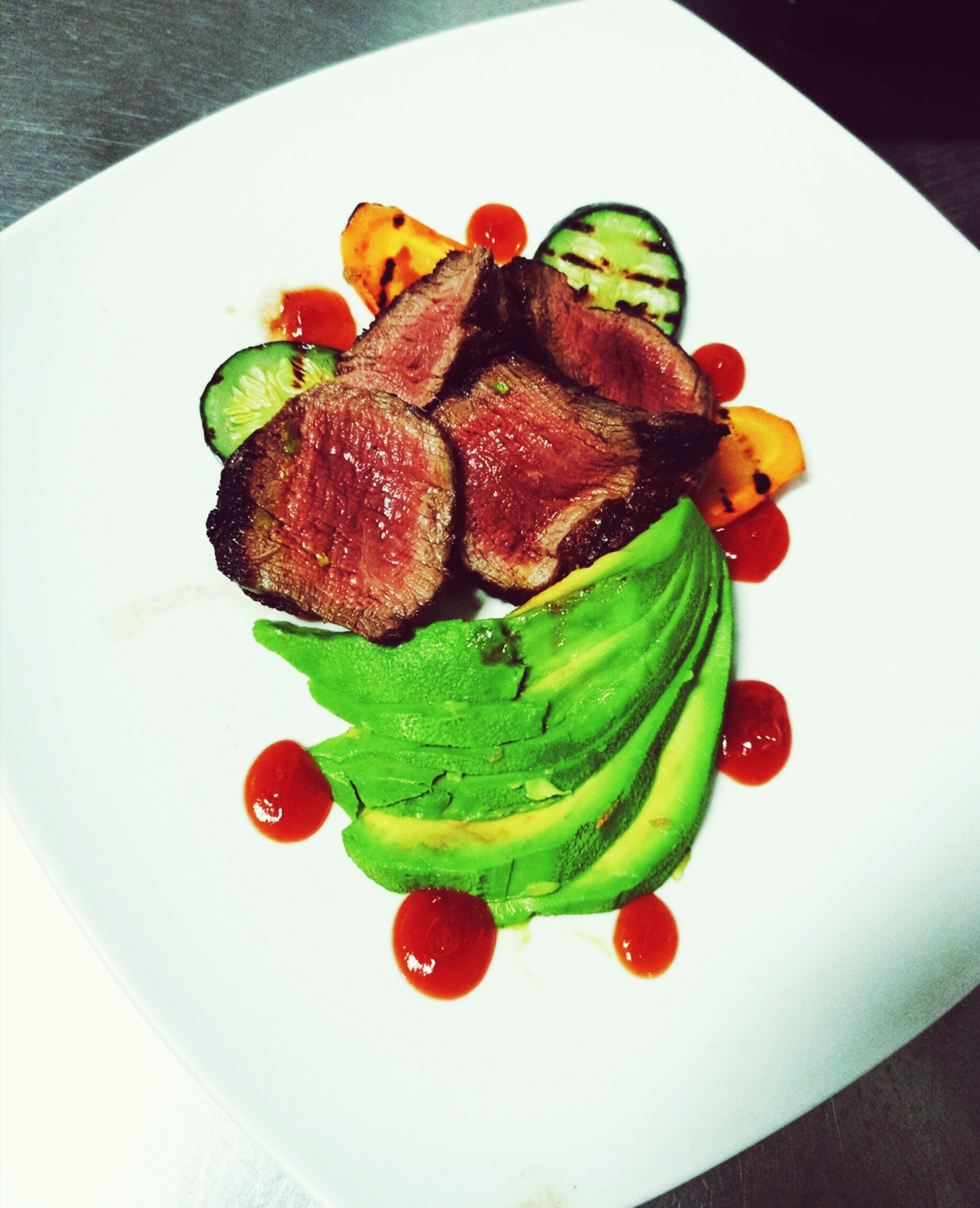



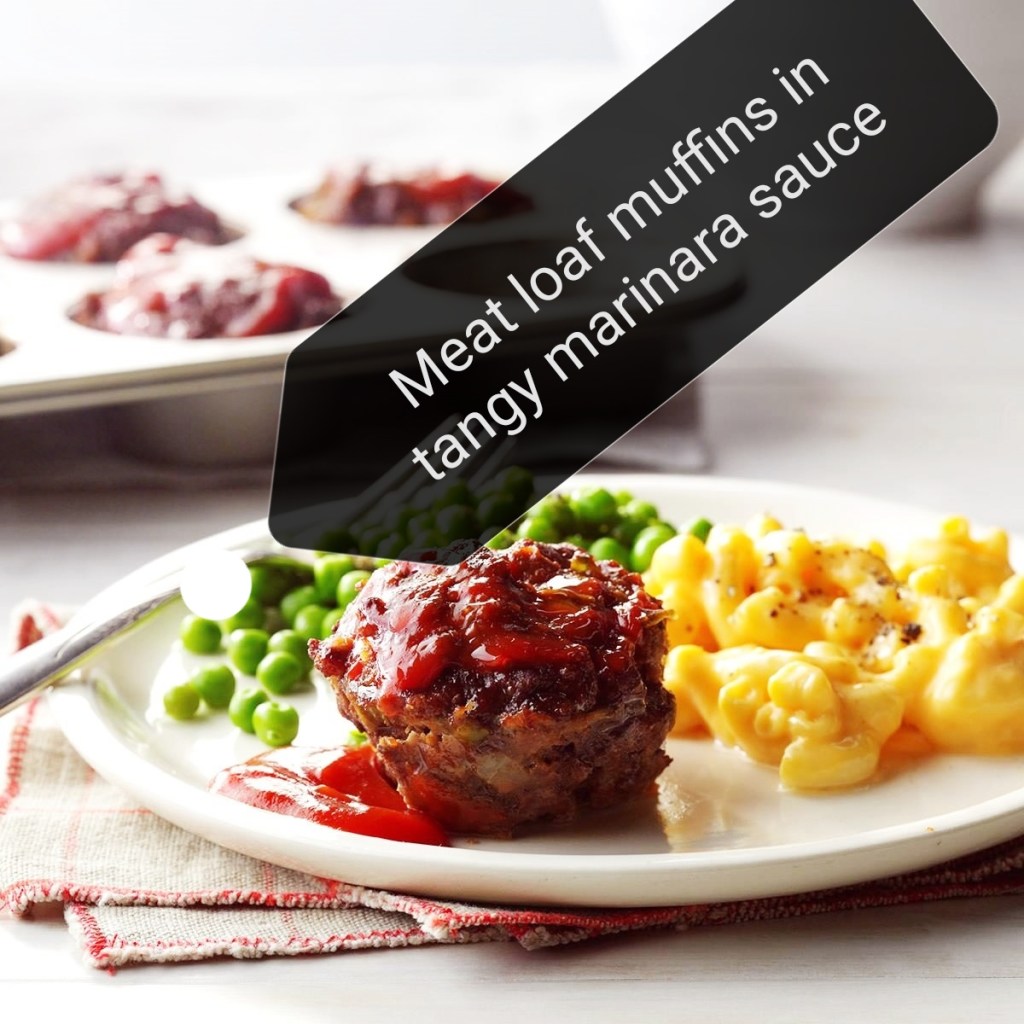
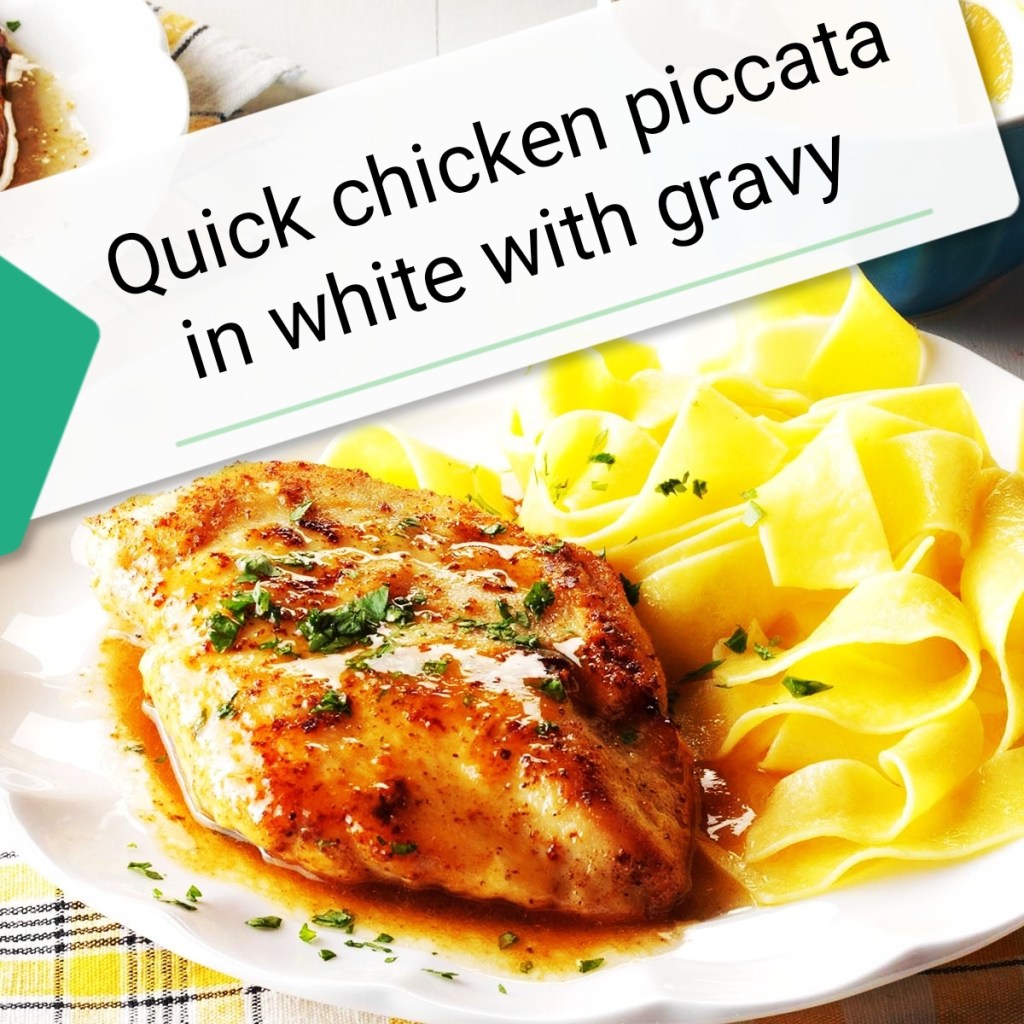

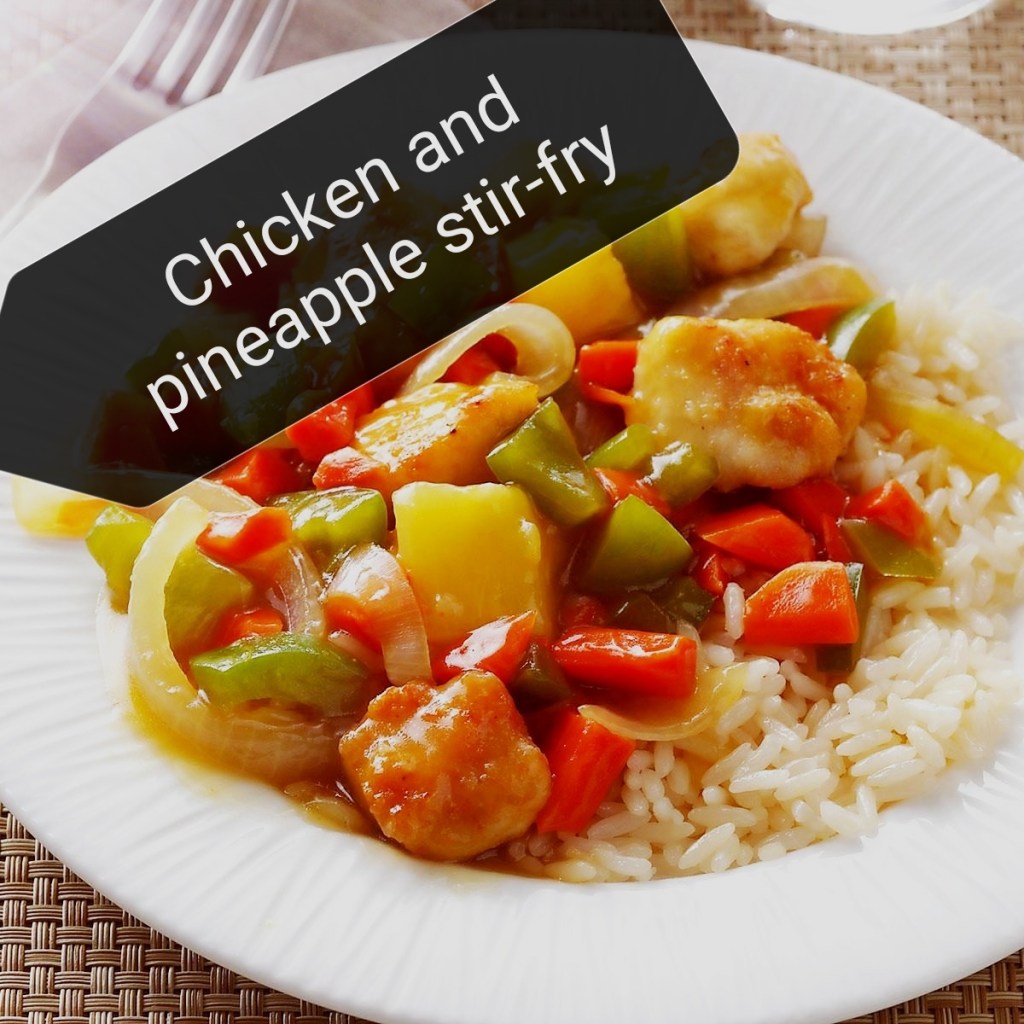
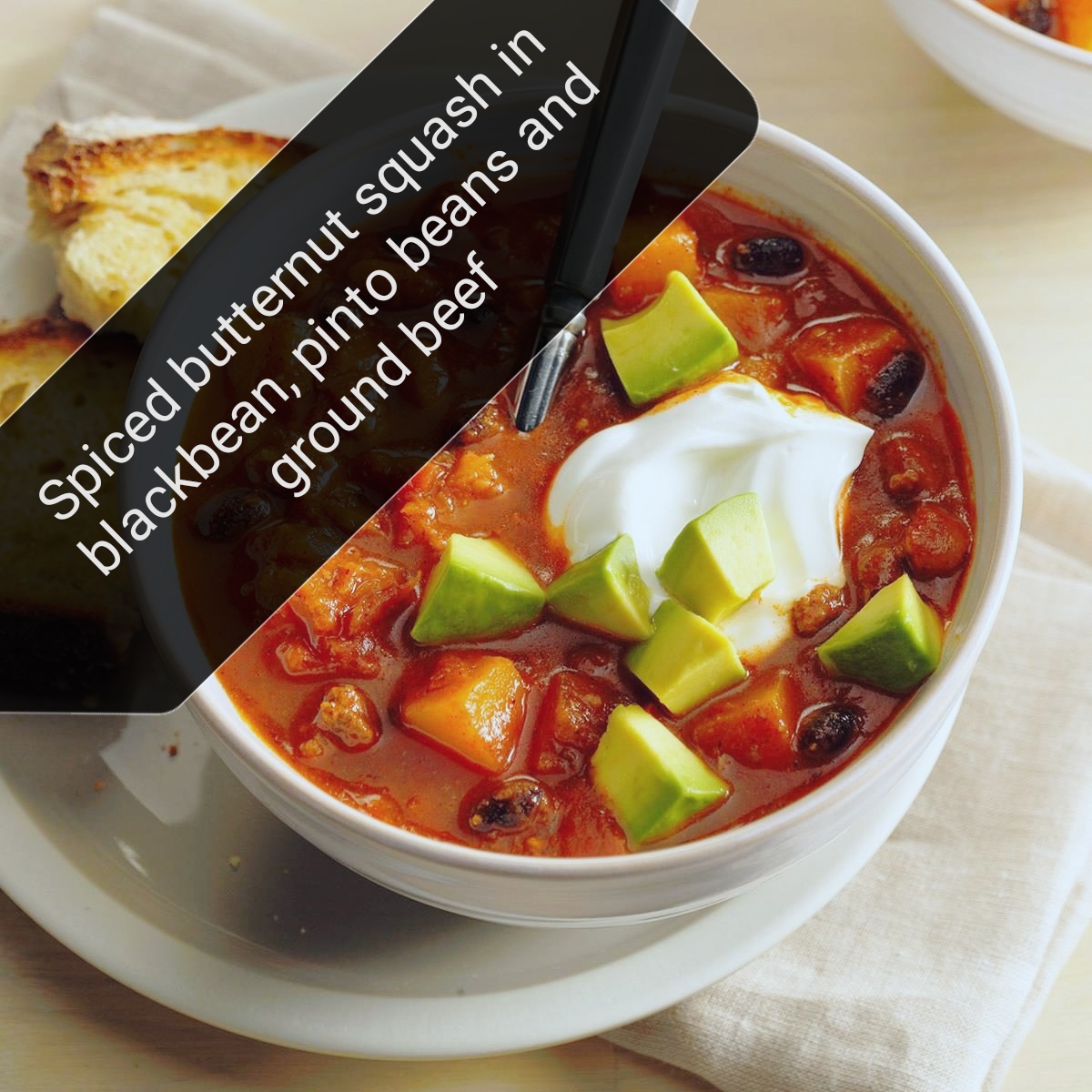
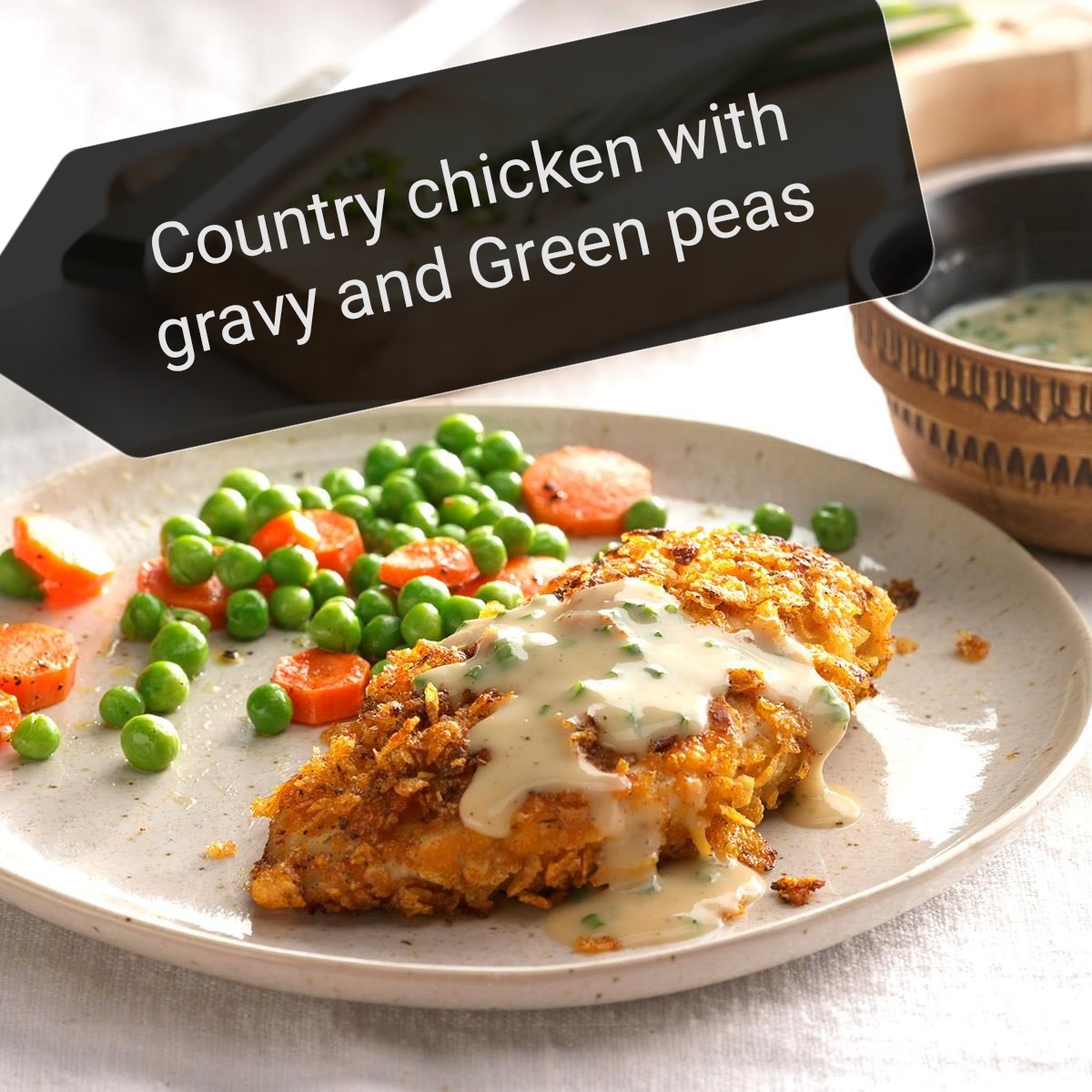

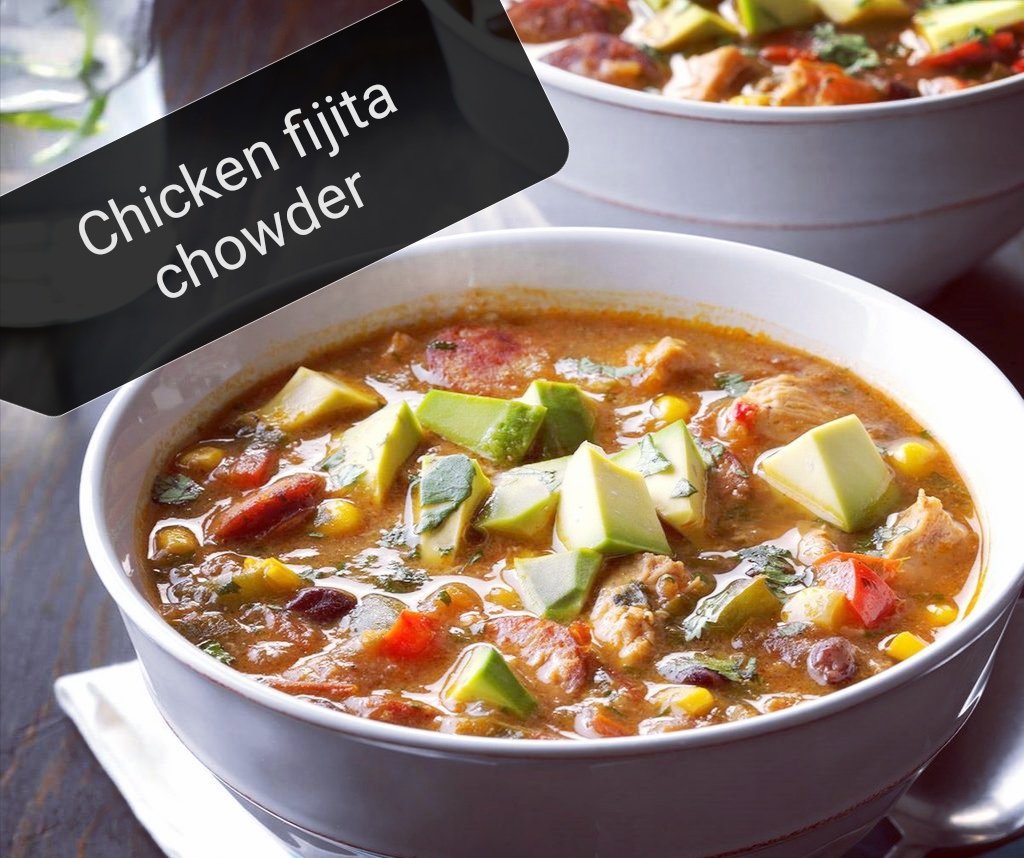
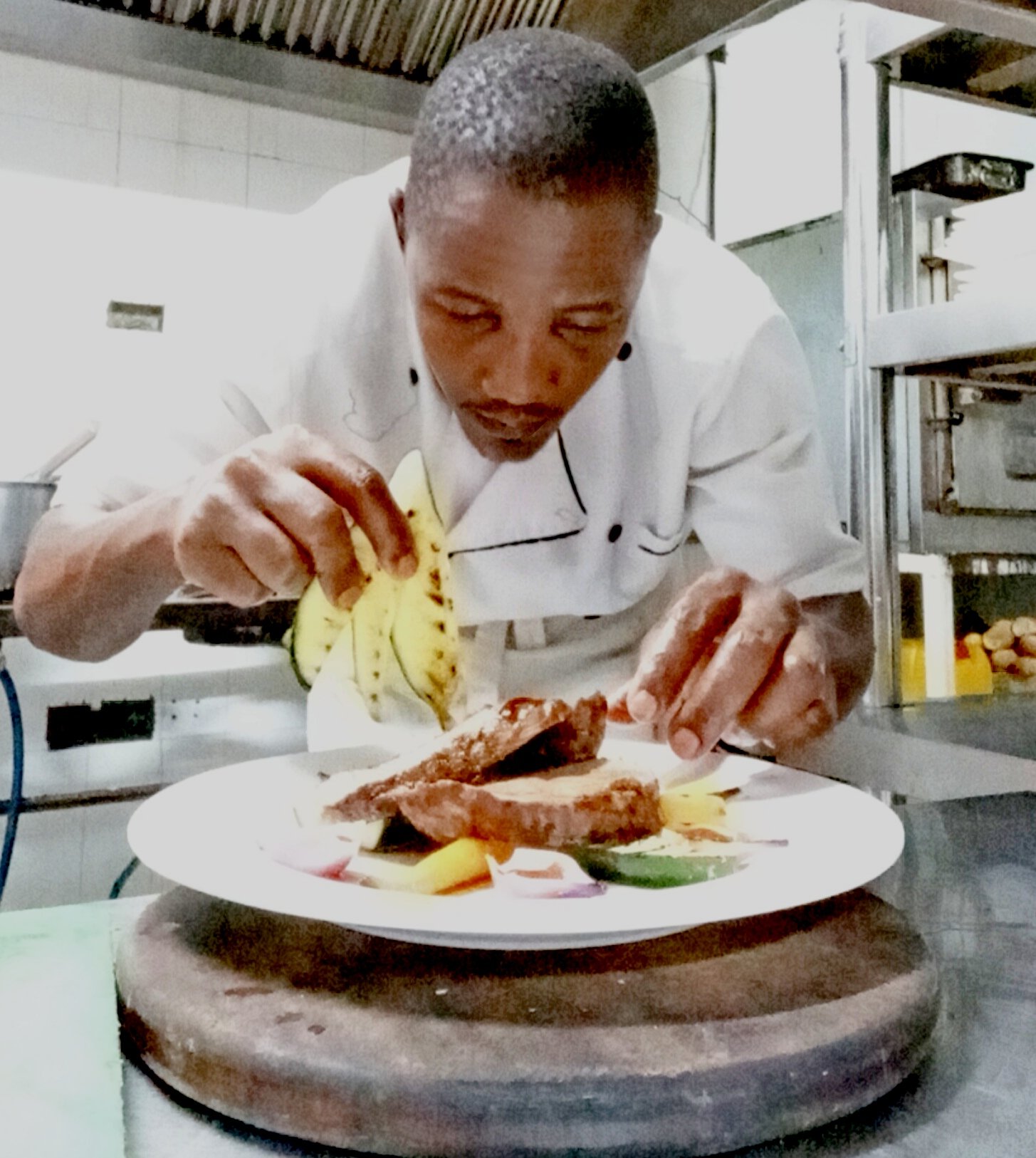
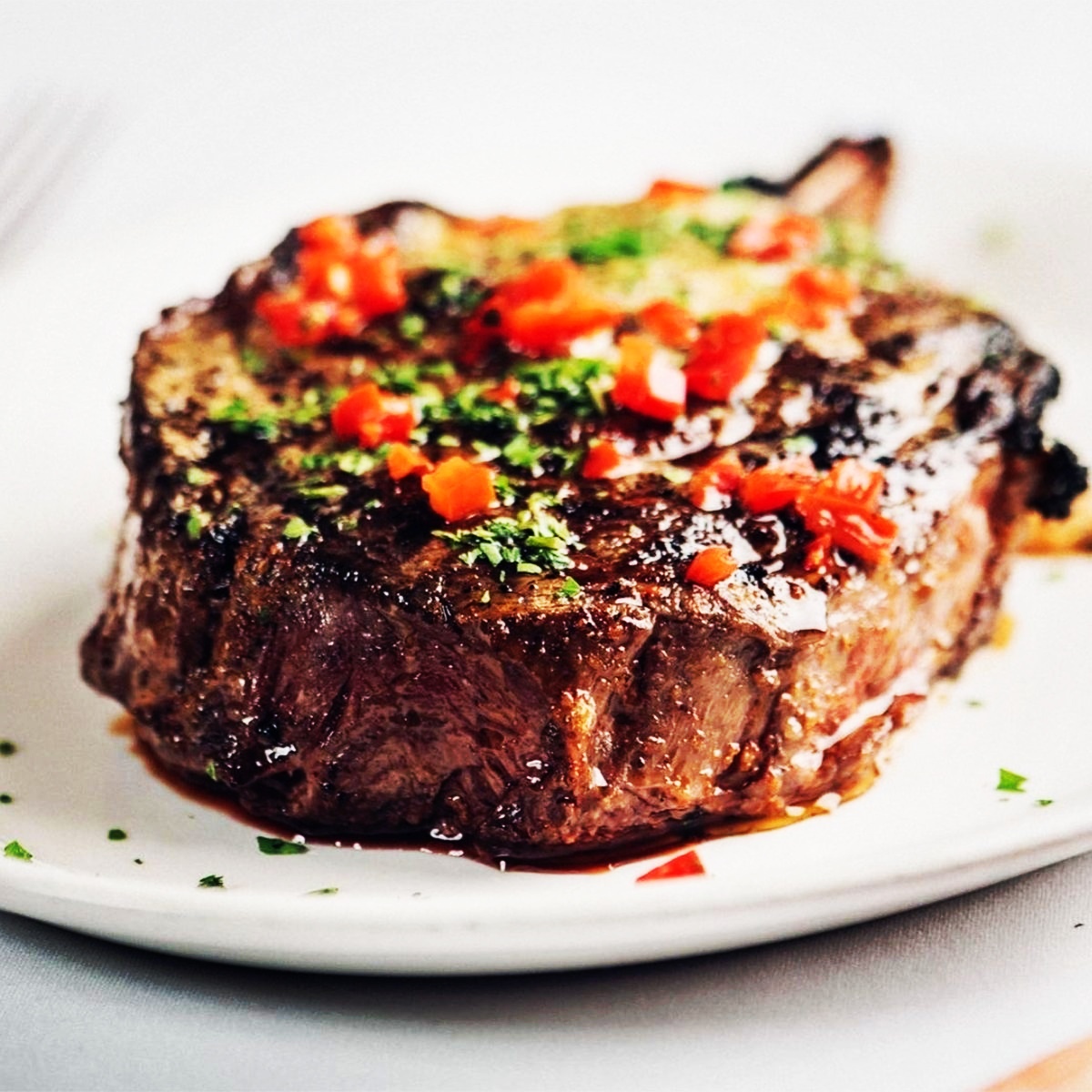
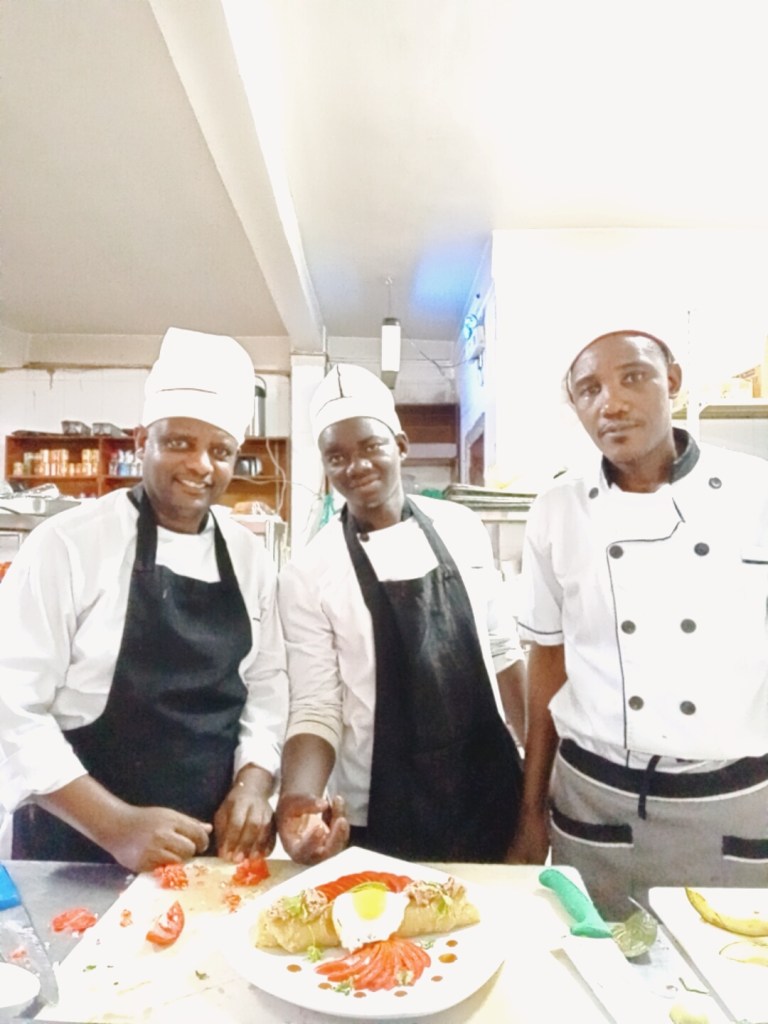
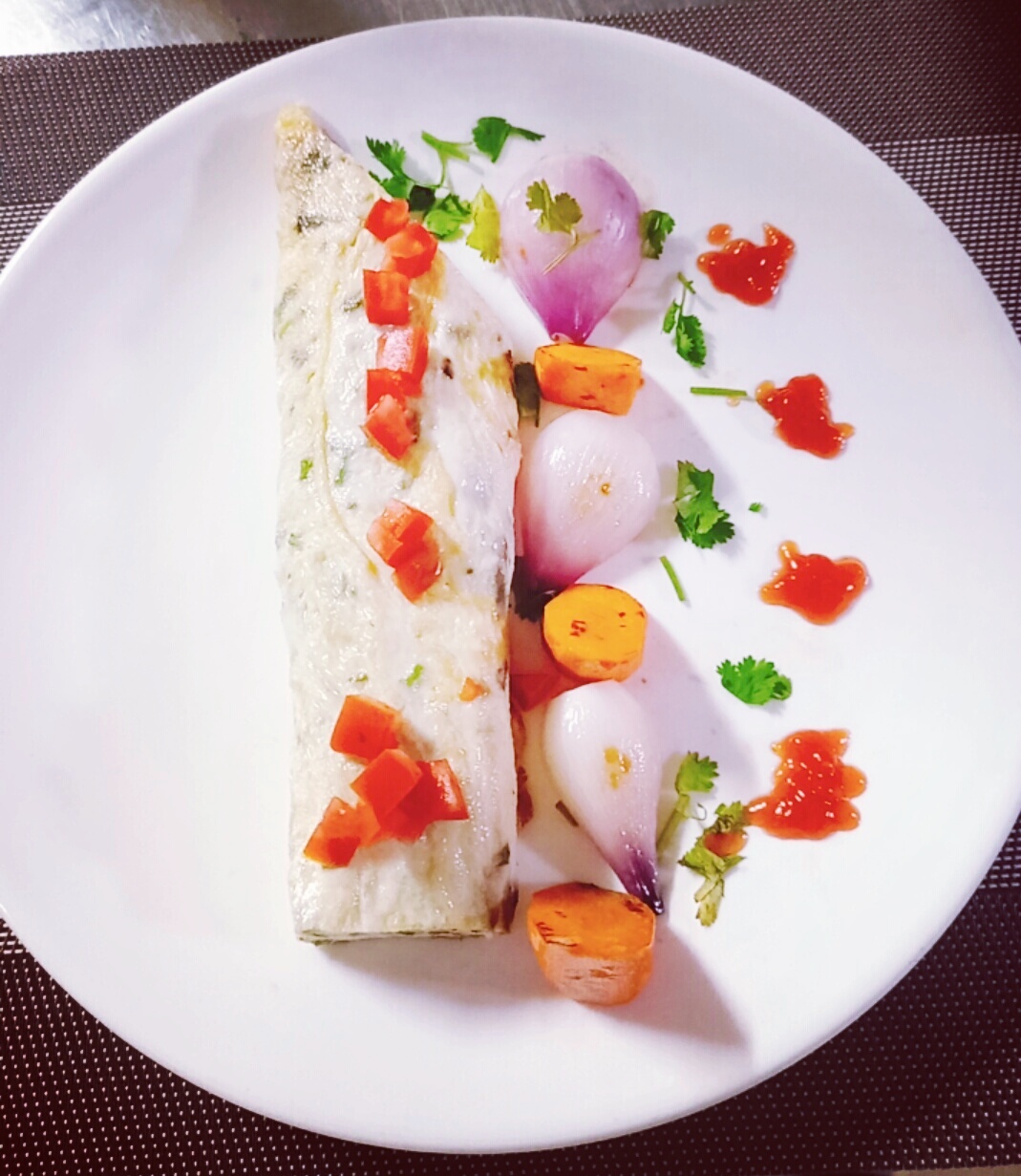
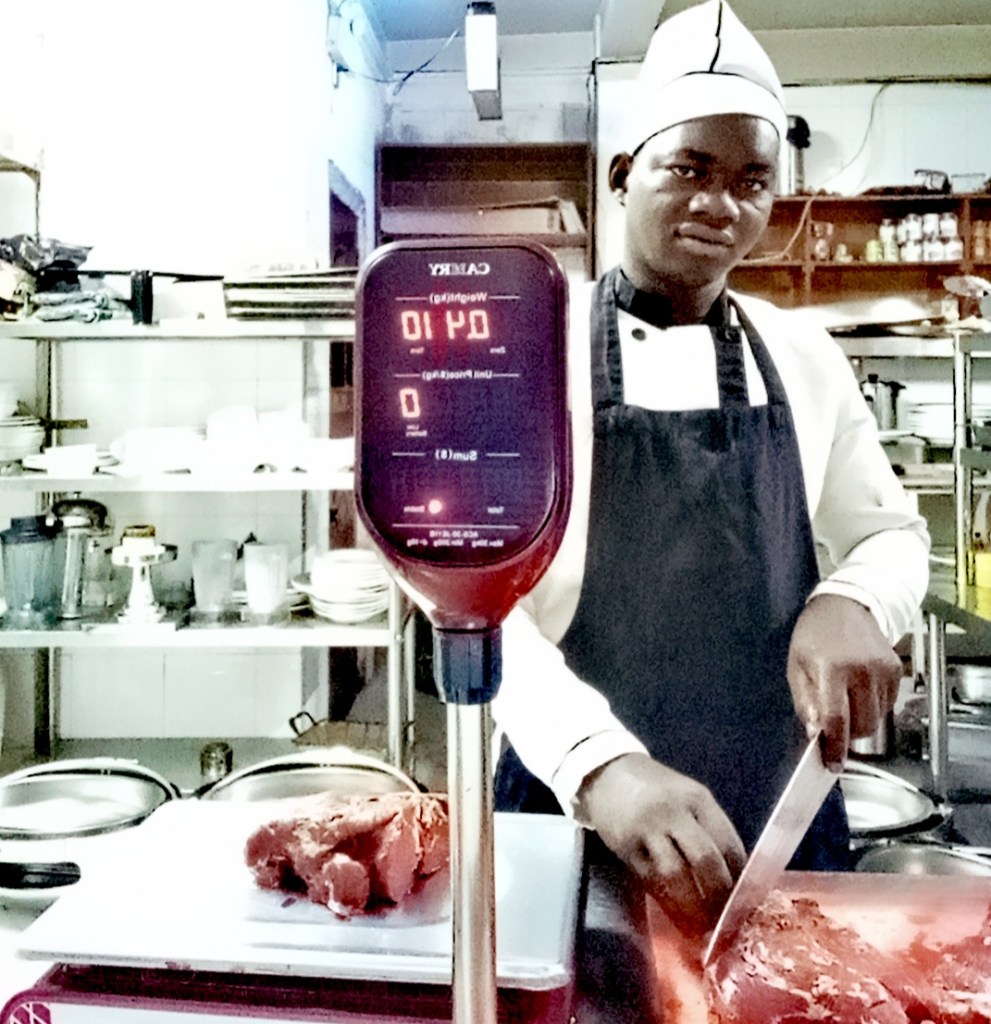
 HEALTHY MEALS